கதை கதையாம் காரணமாம்……!!!

முக்கடலும் சங்கமிக்கும் கன்னியாகுமரிக்குச் செல்லும் போதெல்லாம், பெரும்பாறை ஒன்றின் மீது குறைந்த விளக்கொளியின் பரவலில் கம்பீரமாய் எழுந்து நிற்கும் சுவாமி விவேகானந்தர் மண்டபத்தைப் பார்க்கும் போதெல்லாம் ‘எப்படி சாத்தியமானது?’ என்ற கேள்வி என்னுள் எழுந்து நிற்கும்.இன்று, கரைக்கும் மண்டபத்திற்குமான துாரம் குறைந்து விட்டது. கடலில் மூன்றில் ஒரு பகுதி நடந்து செல்லும் பாதையாகி விட்டது. மீதப்பகுதியை சிறிய கப்பல் போன்ற படகில் பாதுகாப்பு உபகரணங்கள் அணிந்து ஐந்து நிமிடத்திற்குள் கடந்து விடலாம். ஆனால் பயணம் செய்யும் அந்த சின்னப் பொழுதில், கடல் அலைகளின் எழுச்சியும், காற்றின் வீச்சும் நம்மைப் பயமுறுத்தத்தான் செய்கிறது.
ஆனால் 113 வருடங்களுக்கு முன்னால், அதிக ஆள் அரவமற்ற இந்தக் கடற்கரையில், இருள் கவிழும் பொழுதில், ஆரவாரத்துடன் அலைகள் எழுந்து குமுறும் கடலில், இக்கரையில் இருந்து அப்பால் உள்ள பாறைக்கு சுவாமி விவேகானந்தர் தன்னந்தனியாக நீந்திச் சென்றிருக்கிறார்!
வானமே கூரையாக அமைந்த அப்பாறை மீது மூன்று நாட்கள் தனிமையில் அமர்ந்து, தாகத்திற்கும் பசிக்கும் ஆதாரமின்றி, தன்னைப் பிழிந்த தவத்தால் ஞான வெளிச்சம் பெற்றிருக்கிறார்! மீண்டும் இக்கரைக்கு நீந்தி வந்திருக்கிறார். இது எப்படி சாத்தியமானது?
இதற்கான வீரமும் துணிச்சலும் அவருக்கு எப்படி கிடைத்தது?
கதைகள் தந்த வீரம்!
சுவாமி விவேகானந்தரின் பால்ய பருவம். நரேந்திரனாய் ஓடியாடி விளையாடிய சின்ன வயசு. நரேந்திரனுக்கு தாய் புவனேஸ்வரியிடம் கதை கேட்பதில் அதிக ஆர்வம். புராண, இதிகாச கதைகளையே தாய் அதிகம் கூறுவார். மகாபாரத பீமன், ராமாயண அனுமன் இருவரது பராக்கிரமங்களைக் கூறும்போது நரேந்திரன் அதிக ஆர்வமாகி விடுவான். திரும்பத் திரும்ப பீமனையும், அனுமனையும் அவனுக்குச் சொல்லியாக வேண்டும்.
பள்ளி வளாகத்தில் பிள்ளைகள் விளையாடிக் கொண்டிருப்பர். ஆனால் நரேந்திரனோ பெரிய மரத்தில் ஏறி, அதன் கிளையில் தலைகீழாகத் தொங்கிக் கொண்டிருப்பான். எச்சரிப்பவர்களிடம், “நான் அனுமனாகப் போகிறேன்” என்பான்.

வருங்காலத்தில் நீ என்னவாகப் போகிறாய்?” என்று யாராவது கேட்டால், “நான் பீமன் ஆகப்போகிறேன்! பயில்வானாகப் போகிறேன்!” என்று நெஞ்சை நிமிர்த்தியவாறு பதில் சொல்லி இருக்கிறான். தீரத்தோடு அவர் தனிமையில் குமரி கடலில் நீந்தியதற்கு காரணம், சின்ன வயதில் தாயிடம் கதை கேட்டு வளர்ந்த அனுபவம் வளர்த்த துணிச்சல்!
கதை சொல்லிகள்!
தாத்தா, பாட்டி, அப்பா, அம்மா, மூத்தோர் என வீடுகளில், வீட்டுத் திண்ணைகளில் அன்று நிறைய கதை சொல்லிகள் இருந்தனர். படிப்பு, விளையாட்டு என ஓடியாடி ஓய்ந்த பொழுதுகளில் குழந்தைகளை அவர்கள் கதை உலகத்திற்குள் அழைத்துச் சென்றனர்.
கதைகள் மூலம் குழந்தைகளுக்கு புராண, இதிகாசங்கள் அறிமுகமாயின. ராஜாக்களும், வீரர்களும் வீரம் தந்தனர். வள்ளல்களும், நல்லவர்களும் மனவிலாசம் தந்தனர். நீதிகளும், நல்ல விஷயங்களும் இளம் சிந்தை வயலில் விதைகளாயின.
அதுமட்டுமல்ல, மூத்த தலைமுறை மூலம்தான் வளரும் தலைமுறைக்கு ஊர்ப் பெருமைகளும், குடும்பப் பாரம்பரியமும், உறவின் உன்னதங்களும் போய்ச் சேர்ந்தது. ஆனால் இன்று வீடுகளில் கதை சொல்லிகள் இல்லை. முதியோர் இருந்தாலும் அவர்களோடு ஒட்ட, உறவாட பிள்ளைகளுக்கு நேரமில்லை. நேரமிருந்தால், தாத்தா பாட்டிகளும், பேரக் குழந்தைகளும் தொலைக்காட்சி முன் கிடக்கிறார்கள்.
முன்பெல்லாம் தொடக்க வகுப்புகளில் ஆசிரியர்கள் நிறைய கதை சொல்வார்கள். ஓவிய ஆசிரியர், தையல் ஆசிரியை வகுப்புகளில் கலையோடு கதைகளும் நிறைந்திருக்கும். ஆனால் இன்று எல்.கே.ஜி. படிக்கும் குழந்தையின் முதுகில் 10 கே.ஜி! படிப்பு, மதிப்பெண், ரேங்க் என்ற ஓட்டத்தில் வகுப்பறைகளிலும் கதைகள் காணாமல் போயின. இதில் பெரிய இழப்பு எதுவென்றால், கலை இலக்கியப் படைப்பாளிகள் குறைந்து வருவதுதான். கதை கேட்கும் போது கற்பனைத் திறன் அதிகரிக்கும். இந்தக் கற்பனைத் திறன்தான் படைப்பாற்றலை வளர்க்கும்.
பால்ய கதைகள்.  என் பால்ய வயதில் எங்கள் வீட்டுக்கு (கன்னியாகுமரி மாவட்டம், தெற்கு சூரன்குடி கிராமம்) ஒரு பாட்டி வருவார்.வீட்டு வாசலுக்கு வரும்போதே “வெத்தல தட்ட எடுத்துட்டு வாங்க மக்களே!” என்று அறிவிப்பு. பாட்டியின் குரல் சின்னப்பிள்ளைகளான எங்களைப் பரவசப்படுத்தும். காரணம், பாட்டி அற்புதமாகக் கதை சொல்வாள்.

வெற்றிலையை மென்றவாறு பாட்டி கதையை ஆரம்பிப்பாள். ”ஒரு ஊர்ல ஒரு மகாராசா இருந்தாரா! அந்த மகாராசாவுக்கு வடிவான ஒரு பொண்ணு… அந்தப் பொண்ணுக்கு கல்யாணம். மகாராசா வீட்டுக் கல்யாணமாச்சே! அதனால, ஏழு ஊருக்கு பந்தல் போட்டு, பெரிய விருந்து வைக்கணும். விருந்து சமைக்க விறகு சேகரிக்க ரெண்டாயிரம் மாட்டு வண்டிகளை மந்திரி அனுப்புனாரு. அந்த வண்டிக ரெண்டு ஊரு நீளத்துக்கு ஜல்ஜல்லுணு ஊர்வலமா போச்சு…” என்று பாட்டியின் கதை நீளும்.
அந்த பாட்டி காவிப் பற்கள் தெரிய வாய்விட்டுச் சிரிக்க… நாங்களும் ஓ.. என்று கத்தியவாறு சிரிக்க…. அங்கு மகிழ்ச்சி சூழும். இன்பம் நிறையும். ஒற்றுமையுணர்வு ஓங்கும்.
கற்பனை வளர்த்த கதை உலகம் பாட்டி சொன்னது வெறும் கதையா? இல்லை! கதை சொல்லியான அந்த பாட்டி, எங்கள் கைகளைப் பிடித்துக் கொண்டு ஒரு கற்பனை உலகத்துக்கு அழைத்துச் சென்றாள்.
‘ஜல் ஜல் என்ற மணி ஓசையுடன் இரண்டாயிரம் மாட்டு வண்டிகளின் அணிவகுப்பு’- எங்கள் கற்பனைக் காட்சியில் விரிந்தது. ‘வெள்ளை வெளேர்னு யானை போன்ற குச்சிவீட்டுப் பூனை’- என்று அவர் சொன்னது எங்கள் கற்பனைக்குள் எழுந்து வியப்பைத் தந்தது. கதையின் பூதங்கள் எங்கள் கற்பனையில் தோன்றி மிரட்டியது. இந்த கற்பனை உருவாக்கம்தான் கதை கேட்டல் ஏற்படுத்தும் மகத்துவம்.
இன்று டைனோசர், பூதம் எல்லாவற்றையும் கார்ட்டூன் சேனல்களில், திரைப்படங்களில் கிராபிக்சில் கொண்டு வந்து காட்டி, குழந்தைகள் கற்பனை செய்து பார்ப்பதற்கு வாய்ப்பு தராமல் செய்து
விடுகின்றனர்.கதை கேட்கும் போது குழந்தைகளிடம் ஏற்படும் கற்பனைச் சித்திரங்களும், மனம் உருவகிக்கும் காட்சிகளும் தான் பிற்காலத்தில் அவர்களை ஒரு ஓவியனாகவோ, கலைஞனாகவோ,
கவிஞனாகவோ, கதை ஆசிரியனாகவோ உருவாக்குகிறது. கதைகள் உருவாக்கும் படைப்பாற்றல், குழந்தைகளிடம் புதியன உருவாக்குவதற்கான சிந்தனைப் புலத்தை வளர்க்கிறது.
எனவே பெற்றோர்களே! பிள்ளைகளுக்கு நிறைய கதைகளைச் சொல்லுங்கள். தாத்தா, பாட்டிகளுடன் நேரம் செலவிட பிள்ளைகளை அனுமதியுங்கள். அவர்களிடம் கதைகள் கேட்கும் சுந்தரப் பொழுதுகளை தொலைகாட்சி உலகமும், ஆன்ட்ராய்டு உலகமும் அபகரித்துக் கொள்ளாமல் பார்த்துக் கொள்ளுங்கள். உங்கள் வீட்டில் ஒரு படைப்பாளி
உருவாகட்டும்

முனைவர்.மு.அப்துல் சமது,தமிழ்த்துறைப் பேராசிரியர்ஹாஜி கருத்த ராவுத்தர் ஹவுதியா கல்லூரி,உத்தமபாளையம்

Source…….www.dinamalar.com

Natarajan

Message for the Day……” The Present Precious Life is not meant for throwing away just like that …”

Sathya Sai Baba

Those who are agitated by doubts about what to accept and what to reject, those who are blinded by illusion, and those who cannot distinguish between darkness and light, death and immortality — all these should approach great people who can show the path to understand the eternal truth – the self-illumined basis of all creation. Then both this world and heaven will be merged in the same effulgence! For the sake of this realisation, one should have deep yearning and hard, disciplined practice. This human birth is the consequence of countless good deeds, and it should not be cast aside; the chance must be fully exploited. As the Kenopanishad says, “This present precious life should not be thrown away.” When there are so many chances of saving oneself, isn’t it a big loss to waste them all? For all those who are slaves of pride and animal traits, this awareness in time is most important. Delay is fruitless; it is as silly as starting to dig a well when the house catches fire.

Message for the Day…” As you think that you become “…Develop Good thoughts …

While doing Kundalini Yoga, people practice breath control. In the breathing exercises, inhalation is described as Purakam, exhalation as Rechakam and holding the breath as Kumbhakam. These alone do not constitute the means to achieve yogic power. To breathe in all that is good is Purakam. To give up all that is bad isRechakam. To retain in the heart what is good isKumbhakam. Every human being must practice this divine type of yoga; in fact this must become your primary goal. Puttaparthi is a small hamlet. How has this village attained this eminent state? You can find the answer for yourself. It was not merely a great piece of good fortune or a lucky accident. It is due to the power of thought. Every sacred thought has the power to find fulfilment. Hence scriptures declared: “As you think, that you become (Yad bhavam tad bhavati)”. Develop good thoughts and naturally you will be entitled to the right of its fruits.

Sathya Sai Baba

Construction Worker Becomes Sarpanch & Teaches Villagers How to Use Computers Too !!!

Nauroti Devi is not any ordinary 70-year-old. This Dalit woman from Harmada village in Ajmer district of Rajasthan never went to school. But she got elected as the sarpanch of the village and is famous for overcoming the domination of the Jat community in the village.

Can you believe that Nauroti is the one who taught the panchayat secretary how to operate a computer?

She has also trained many other women from her village to use computers.

sarpanch

Photo source: dalitjagran.blogspot.in

According to The Hindu, she says “I carried the computer and printer into the office and used it for regular communication and also to take out printouts of notices.”

In the 1980s, Nauroti joined The Barefoot College in Tilonia. It is here that she joined adult literacy classes and learnt to operate a computer.

During her five-year term as sarpanch, Nauroti Devi managed to do a lot of work for the community. She constructed toilets and houses for those living below the poverty line.  She restored a burial ground and fenced it to stop encroachment. She started work on a long-pending Primary Health Center in the village. She also waged a battle against the alcohol mafia. When Nauroti ended her term, she left a surplus of Rs. 13 lakh in the panchayat account.

Nauroti has always been a woman of great resolve. Prior to joining the Barefoot College, she used to work at a construction site as a stone worker. When she was not paid the minimum wage, she managed to mobilise other construction workers and fought for a raise. The workers finally got justice when their case was taken to the court by an NGO.

She was disqualified from contesting in the 2015 panchayat elections for being illiterate. And for this, she has filed a writ petition in court.

Even though she’s no longer a sarpanch, she continues to be a voice for the marginalised in her community.

Source……Meryl Garcia in http://www.the better india .com

Natarajan

Parents Don’t Have to Worry About Their Child’s School Bus Anymore. All Thanks to This 15-Year-Old!

Parents are often worried about the safety of their children whenever they are going to or coming back from school. Why is the bus late? Did my child reach safely? Did my child get on the bus? But not anymore! A 15-year-old has developed a solution in the form of an app.

Getting irritated because your school bus is stuck in a traffic jam due to heavy rains is one thing. But to reach home late, find your parents worried, and develop an app so they won’t be stressed the next time – that’s called combining innovation with care. Arjun S. is a 15-year-old student of Class 10 in Velammal Vidhyashram School in Chennai. He has developed an app that can help parents track the position of their children’s school buses whenever they want.

“I got the idea after a cyclone hit Chennai in 2012. I reached home late one day and my parents were really scared because they had no way of finding out if I was safe. I thought that if there could be a way to track school buses easily, it would be so much better for parents and school authorities. I was learning more about building apps and the android programming language at that time, and decided to find a solution,” says Arjun.

The young boy’s love for technology led to the development of LOCATERA – an app to find out where exactly a school bus is located at any given time, and to know if a particular child is there in the bus or not.

track a school bus

“I have been using computers since the age of two. My dad had a system and I would stack up some pillows on the chair to reach the keyboard to use some basic electronics simulation software. My parents were always careful about giving me age-appropriate tools for using the system,” he says, talking about his interest in this field.

The first app developed by Arjun was called Ez School Bus Locator. He shared it with many schools, including his own, and collected the feedback from administrators and parents about their specific requirements. “I collected the information about the schools’ basic requirements and modified the app accordingly. LOCATERA is a modified version of Ez School Bus Locator, and it came two years after the first one. Unlike other solutions that require some kind of hardware installation, all this app needs is the presence of a phone inside the bus,” he adds.

LOCATERA is basically a tri-app solution, which means three apps working together. These include the attendant, admin, and parent apps.

1. LOCATERA attendant:

track a school bus

This app captures the location of the bus and shares it with parents and the school if required. The bus attendant can install and keep it on his/her phone. The attendant adds all students to the app by scanning their Quick Response (QR) Code-based ID cards, using bar code scanning, as and when the students board or get off the bus. Student activities are recorded on the Cloud – to be used by schools in case of emergencies.

2. LOCATERA admin:

track a school bus

The admin version has to be with the administrator of the school transport system so he/she can see all the buses together, locate the position of a particular bus, get information about it, and find out which students are present in the bus at any given time.

3. LOCATERA parent:

track a school bus

Parents have to get their mobile numbers verified before they get access to the app. Once they are in, they can find the location of the bus by clicking on the ‘Bus on Map’ option. Alternatively, they can tap on ‘Bus Location’ and ‘Distance & Time’ options to find out the exact address of the bus and how soon the child will reach home. To find out if the child is there in the bus or not, they just have to select the ‘Child in Bus’ option. Parents who don’t have android phones can give a missed call to the attendant’s phone whenever they want the information. The LOCATERA attendant looks into the bank of registered numbers to find out which parent has called. He/she then sends an SMS with information about the child and the bus location.

Arjun used Massachusetts Institute of Technology (MIT)’s programming tool called MIT App Inventor to develop LOCATERA. It is basically a programming language tool with a more graphical user interface, instead of codes.

Arjun submitted the app to ‘Google India Code to Learn Contest 2015’ and was declared the winner. He also won the MIT ‘App of the Month (Best Design)’ award in December 2012 for Ez School Bus Locator.

Among other awards, he also received the 2014 ‘National Child Award for Exceptional Achievements for Computer Technology’, which was initiated by the Ministry of Women and Child Development, Government of India.

track a school bus

“I would like to work in the field of computer science itself, and would like to go to IIT or MIT or something like that,” says Arjun, talking about his future plans.

He also started a company named LateraLogics in 2012, which has several products including some other apps that Arjun has developed over the past three years. Currently, only the demo version of LOCATERA is available on Play Store, for all three stakeholders. Those who want to use the complete version can fill out the LOCATERA Flexi Plan Enquiry Form to receive the pricing details for that particular school. Arjun keeps receiving constant feedback from the schools that are already using it.

As he is also preparing for his board exams, Arjun has a tough time juggling his studies and his passion. “But I somehow manage it,” he says.

track a school bus

Arjun at the award ceremony

He also likes to play the keyboard, and is a badminton enthusiast in his free time.

“We have been supporting Arjun from a very young age…He has always been passionate about technology. We gave him the right kinds of tools from the start and he has always been serious about what he does. He does a lot of research and discusses his ideas before finalising anything. We are also in touch with the state and Central government to see how the app can be implemented all over the country. The Ez School Bus Locator version is free of cost and it is being used in more than 10 countries right now. We think it can be used in India as well,” says Arjun’s father Santhosh Kumar.

The agreement for using the app for one academic year includes a one-time activation fee (per child, per year) and a monthly maintenance fee option (per month, per child). After a successful pilot project in his school, Arjun is having discussions with other schools for implementation the same. Trial runs have been scheduled for some schools in Tamil Nadu, Kerala, and other parts of the country as well.

The agreement for using the app for one academic year includes a one-time activation fee (per child, per year) and a monthly maintenance fee option (per month, per child). After a successful pilot project in his school, Arjun is having discussions with other schools for implementation the same. Trial runs have been scheduled for some schools in Tamil Nadu, Kerala, and other parts of the country as well.

“Look for problems around you and get inspired by them. You’ll see a lot of opportunities to make this world a better place using your own skills,” is Arjun’s advice to other youngsters like him.

Download the demo versions of the app here:
LOCATERA attendant
LOCATERA admin
LOCATERA parent

You can find other details about installing the app here.

Source…….Tanaya Singh in http://www.the betterindia.com

Natarajan

படித்ததில் பிடித்தது ….” அழுது உழும் உழவன் வாழ்வு உயர வேண்டும்!”

உண்பது நாழி; உடுப்பது இரண்டே என்ற நிலையில் நிம்மதியாக வாழ்பவர்கள். தினையளவு இருந்தாலும் பனையளவாகக் கருதி பகிர்ந்து உண்ணும் பாட்டாளி மக்கள். வெற்றிலை போட்டக் காவிப் பல்லிலும் அவர்களின் கடமை உணர்ச்சி தெரியும். உழைப்பின் களைப்பால் காப்புக் காய்ச்சுப் போன கைகளை உடையவர்கள், வெள்ளை உள்ளம் கொண்ட நல்ல மனிதர்கள்.
பங்காளிச் சண்டையிலும் தங்கள் பங்களிப்பு என்ன என்பதை பறைசாற்றும் போராளிகள். எளிமையே அவர்களிடம் இனிமையாகக் குடியிருக்கும்.தகப்பன்- மகன் உறவில் தெரியும் வீரம். பெண் குழந்தை பிறப்பில் குலதெய்வம் கண்ட குதுாகலம் இருக்கும். அவர்கள், அடிமனதில் ஆழப் பதிந்து போன வறுமைக்கு, வாக்கப்பட்டவர்கள். என்றாலும் சங்கடங்களை எல்லாம்
சாதனையாக மாற்றி விடுவர்.உலகில் வாழும் மக்களுக்கு எல்லாம் உணவளிக்கும் உத்தமர்கள். எதையும் நாசுக்காகப் பேசும் நயவஞ்சகமில்லா நாக்கிற்குச் சொந்தக்காரர்கள். இவற்றிற்கெல்லாம் சொந்தக்காரர்கள் கிராமங்களில் வசிக்கும் விவசாயப் பெருமக்களே! அவர்கள் மண்வாசனை மாறாது. மனதிற்கு இனிய கதைகள், பாடல்கள் மூலம் நல்ல விஷயங்களை நாட்டிற்குக் கூறிய புத்தி
சாலிகள்.சிந்தனை துாண்டுபவர்கள் பகலெல்லாம் உடல் உழைப்பு; மாலையில் உடல் ஓய்வெடுக்க, அறிவு செயல்பட ஆரம்பிக்கிறது. தங்கள் குழந்தைகளுக்கு சிறுசிறு விளையாட்டுக்களைச் சொல்லிக் கொடுத்து மகிழ்வர். அந்தவகையில் நாட்டுப்புற விவசாய பெருமக்கள் கூறும் அழிப்பாங்கதைகள் (விடுகதைகள்) சிந்தனைகளைத் துாண்டக்கூடியது. குழந்தைகள் யோசித்து பதில் சொல்லும் போது, தானாகவே அவர்கள் மூளைக்கு ஒரு பயிற்சி கொடுக்கப்படுகிறது.

தோட்டத்தில் வேலை செய்யும் பெண்ணைப் பார்த்து ஒரு வழிப்போக்கன் கேட்கிறான்.’பூ மேலே பூ வைத்துப் போற பெண்ணே மானாமதுரைக்குப் போற வழி எது?’இவன் நம் குறையை அல்லவா சுட்டிக்காட்டுகின்றான் என்று, அப்பெண்ணிற்கு கோபம் வருகிறது. உடனே அவன் பாணியிலே அவள் வழி சொல்கிறாள்.
‘அட பட்ட மரத்தில போறகெட்ட மனுசா! இது தான் மானாமதுரைக்குப் போற வழி’எவ்வளவு அழகான விடுகதை. அதற்கான விடையைப் படியுங்களேன். அவர்கள் அதிமேதாவியா? அல்லது படித்த நாமா? என்பது புரிந்து விடும். தோட்டத்தில் வேலை பார்க்கும் பெண்ணிற்கு கண்ணின் கருவிழி கொஞ்சம் வெள்ளையாக
இருக்கிறது. அதனைக் கிராமத்தில் கண்ணுல பூ விழுந்திருக்கு என்று கூறுவர். அதைக் குறையாகக் கூறாது. மாரியாத்தா மகிமை; ராசிக்காரப் பொண்ணு என்று குறையை நிறைவாகக் கூறுவர்.
அதை இந்தவழிப்போக்கன் கேலி செய்கிறான். கண்ணில் பூ விழுந்திருக்கு; தலையில் பூச்சூடி இருக்கின்றாள். அதைத் தான் (கண்ணில்) பூ; மேலே (தலையில்) பூ வைத்திருக்கும் பெண்ணே என்கிறான். அதற்கு அவள் கூறும் பதில்.
அவனுடைய கால் ஊனம். கட்டை மாட்டியிருக்கின்றான். அதனைக் கட்டக்கால் என்பர். அதைப் பார்த்துத்தான் அவள் கட்டையில போற கெட்ட மனுஷா (என்னைக் கேலி செய்பவனே) இது தான் வழி என்று கூறுவதாக
இவ்விடுகதை அமைகிறது. இது போல இன்னும் எத்தனை? எத்தனை?நாக்கு பயிற்சி விடுகதை ‘கோணல் மாணல் (வளைந்த நெளிந்த) புளியங்கா கொங்கு நாட்டுப் புளியங்கா. எங்க நாட்டுல இருந்து உங்க நாட்டுக்கு வருகின்றது’என்று பாதையைப் (வழி) பற்றிக் கூறும் விடுகதை. அடுத்ததாக நாக்கிற்கு பயிற்சி கொடுக்கும் பாங்கு அனைவரும் அறிந்ததே.
‘நாலு சோளத்துக்கு ஏழு சோளத் தோசைஅதில ஒரு தோசை தீஞ்ச (கருகிப் போனது) தோசை”(இதை விரைவாகச் சொல்லனும்)ஆறு அரளி விளாருல
ஒரு அரளி விளாருஒடஞ்ச விளாரு – (இதை விரைவாகவும் சரியாகவும் சொல்ல வேண்டும்)இப்படி பயிற்சியளிக்கும் பொழுதாக அன்றைய மாலைப் பொழுது, கிராமத்து விவசாயிக்கு அமைந்தது.வெள்ளந்தி மனிதர்கள் சில நேரங்களில் முகத்துக்கு முன்னால், பல நேரங்களில் முதுகுக்குப் பின்னால், வார்த்தை விமர்சனங்கள் வெடித்தாலும் எதையும் கண்டுகொள்ளாத வெள்ளந்தி மனிதர்கள். ஒரு நேரம் கூர்மையான விமர்சனமாகவும், மற்றொரு நேரம் கெட்டிதட்டிப் போன விரத்தியாகவும், இருமுகங்களோடு மறுப்பும் எதிர்ப்புமாகிப் போன வாழ்க்கையில் உறுதியோடு மனதிடமாக வாழ்க்கையைச் சந்திப்பவர்கள். சொலவடைகளால் வாழ்க்கையை சுகமாக்கிக் கொண்டவர்கள்.

குத்துப்பட்டவன் துாங்கினாலும் கொற வயித்துக்காரன் துாங்கமாட்டான்”ஆடுகுட்டி இல்லாதவன்அடைமழைக்கு ராஜா; புள்ள குட்டி இல்லாதவன் பஞ்சத்துக்கு ராஜா’இப்படி எல்லாம் பேசி சமாதானமாகி விடுபவர்கள். பொருள் ஏவலுக்கேற்றாற் போல் வீட்டுக்குள்ளே ஒரு வியாக்கியானத்தைநடத்துபவர்கள் அவர்கள். இயற்கை பொய்த்துப் போனாலும் தன் மண்ணோடு மல்லுக்கட்டி பூமித்தாயை வளமாக்குபவர்கள் விவசாயிகள்.அழிந்த ஆவணங்கள் ‘சுழன்றும் ஏர் பின்னது உலகம்” என்றார் வள்ளுவர். இந்த மகானுடையவாக்கு, நாட்டை ஆண்ட, ஆளும் மகான்களுக்குத் தெரியவில்லை. இன்று விவசாயம் மெல்ல மெல்ல அழிய, விவசாயியின் சிந்தனைத்திறனும் குறைந்து போயிற்று. அன்றாட வாழ்விற்காக விவசாயி போராடுகின்ற நிலை. விவசாயம் மட்டும் அழியவில்லை.

அவர்களுடைய வாழ்வியலோடு கலந்த கலாசாரமும், அவர்கள் நமக்குத் தந்து விட்டுப் போன அறிவு சார்ந்த ஆவணங்களும் அழிந்து கொண்டே வருகின்றன.
அவற்றை இனியாவது பாதுகாப்பது நம் கடமை. நம் முயற்சிகள் எல்லாம் அவர்கள் வாழ்வில் சுடராகி வெளிச்சம் தர வேண்டும். உழவன் அழுதாலும் உழுது கொண்டு இருப்பவன். அவன் வாழ்வு உயர வேண்டும். விவசாயத்தை காப்போம்; விவசாயியை காப்போம்! நம் பழம் பெருமையை மீட்டெடுப்போம்!’அறிவின் உழைப்பால் அகிலம் உயரும்உடல் உழைப்பால் ஆரோக்கியம் வளரும்”.

முனைவர் கே.செல்லத்தாய்தமிழ்த்துறை தலைவர்எஸ்.பி.கே. கல்லுாரி,
அருப்புக்கோட்டை

source……www.dinamalar.com

natarajan

Message for the Day…….” When purity and love come together, there is Ananda {Bliss}….”

Sathya Sai Baba

Develop the quality of love. Fill your entire life with love. This was the prayer which the Gopikas addressed to Krishna. A life without love is utterly barren. You are the embodiment of love. Love has to be directed towards what is true. Such love must be your life-breath. Embodiments of the Divine Atma! Esteeming love as the essence of Divinity, you must engage yourselves in loving service to society. Why is it that so many lakhs of people have gathered here today? There must be some compelling reason for it. You must be seeking something which you have not found in your native place. Here there is Divine Love. What has drawn all people here is the power of Divine Love – that is the bond uniting hearts. At the root of all this is purity. Where there is purity, there love grows. When purity and love come together, there is Ananda (bliss). Whatever work we do, whatever sacrifices we perform, they are not of much use in the absence of love.


Europe’s First Underwater Sculpture Museum…!!!

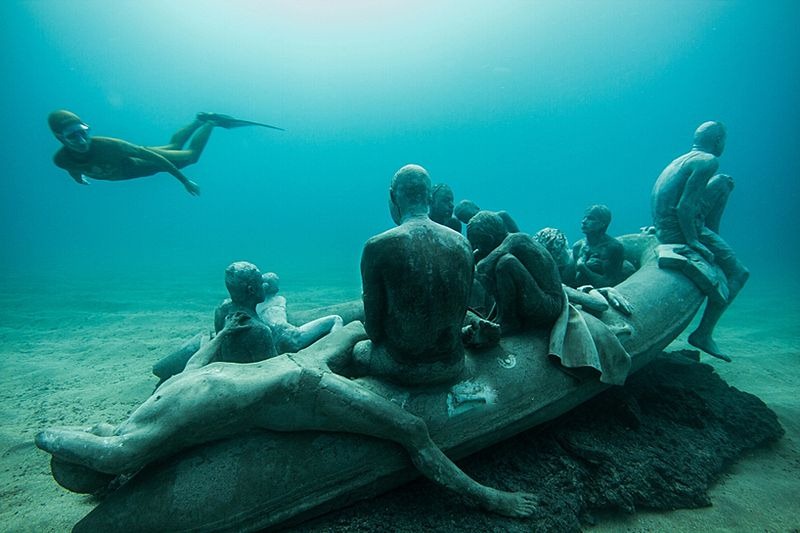
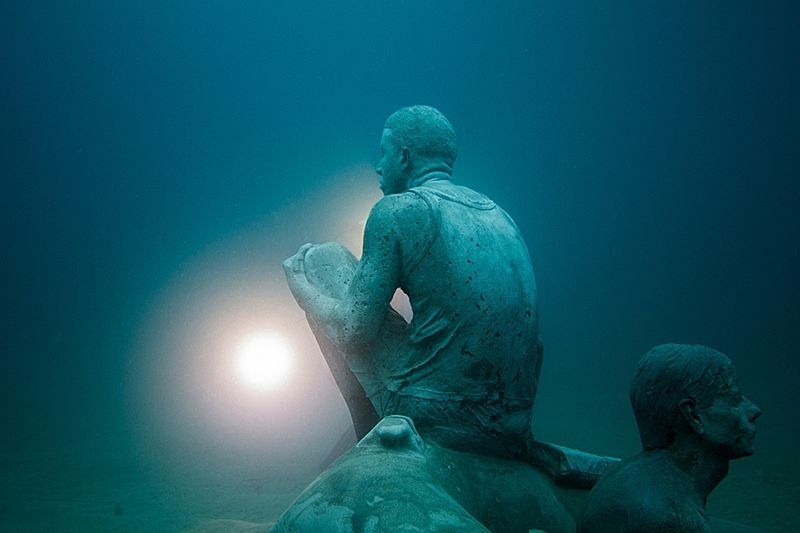
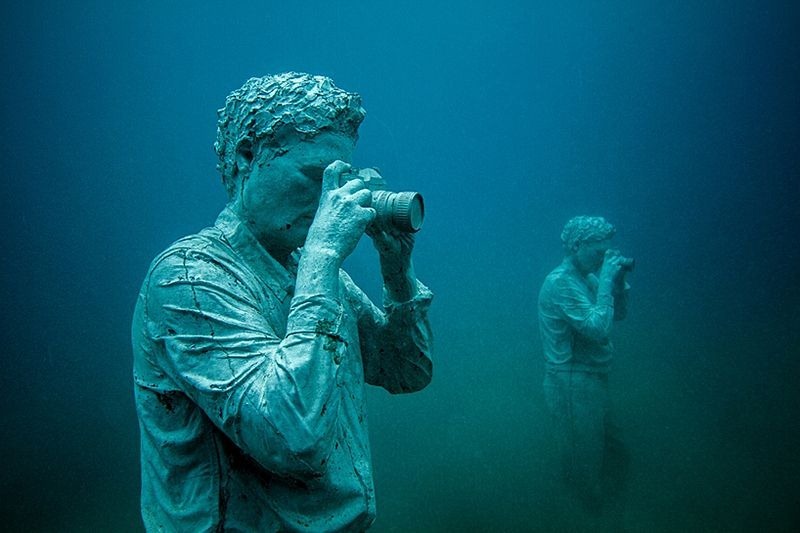
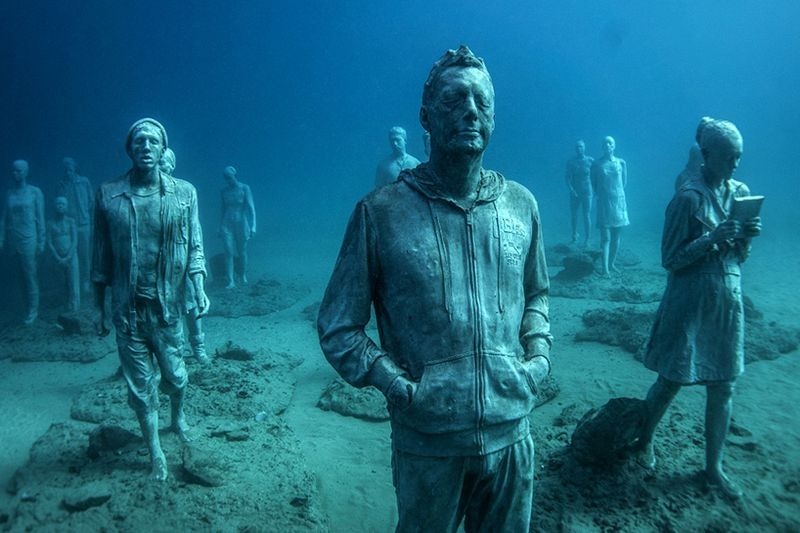
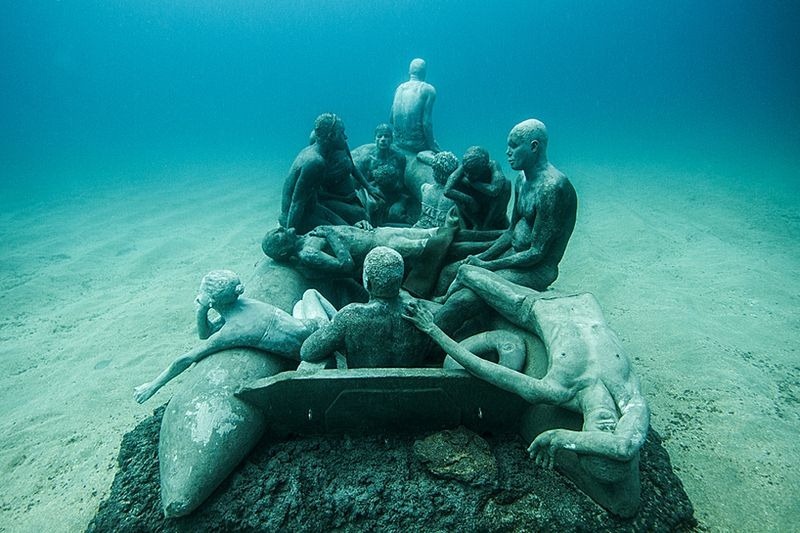
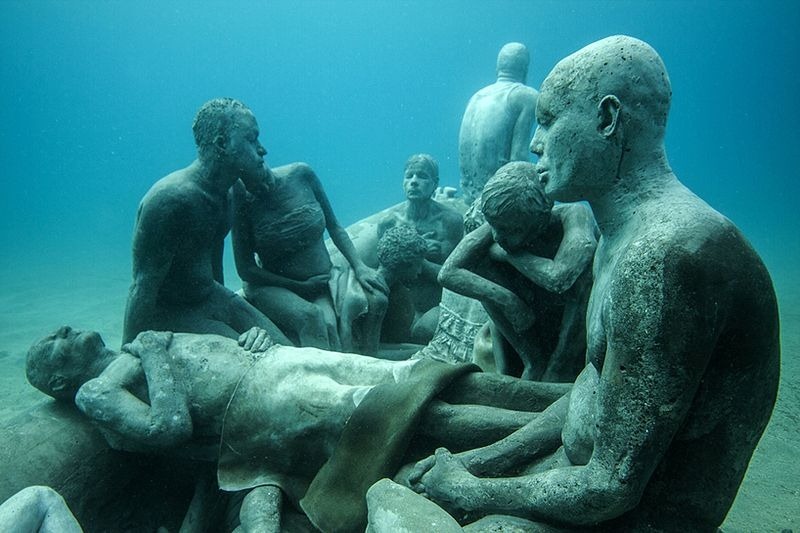
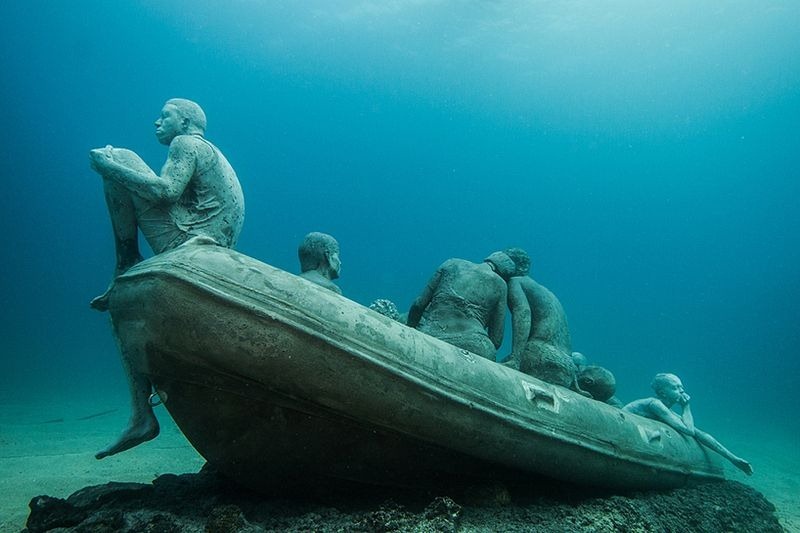
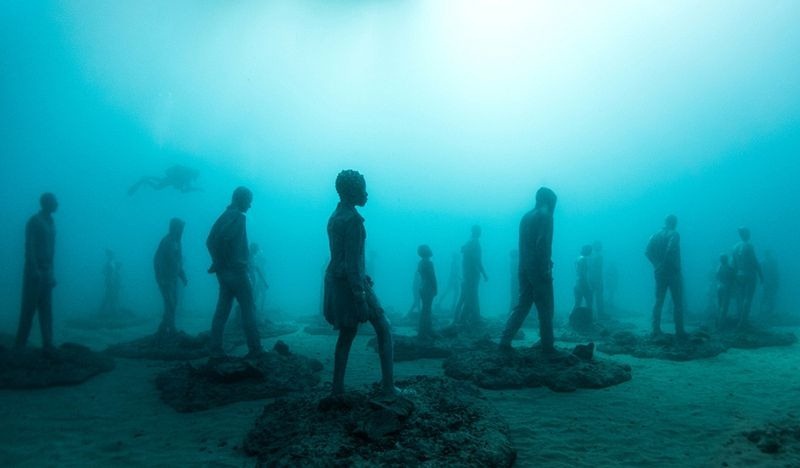
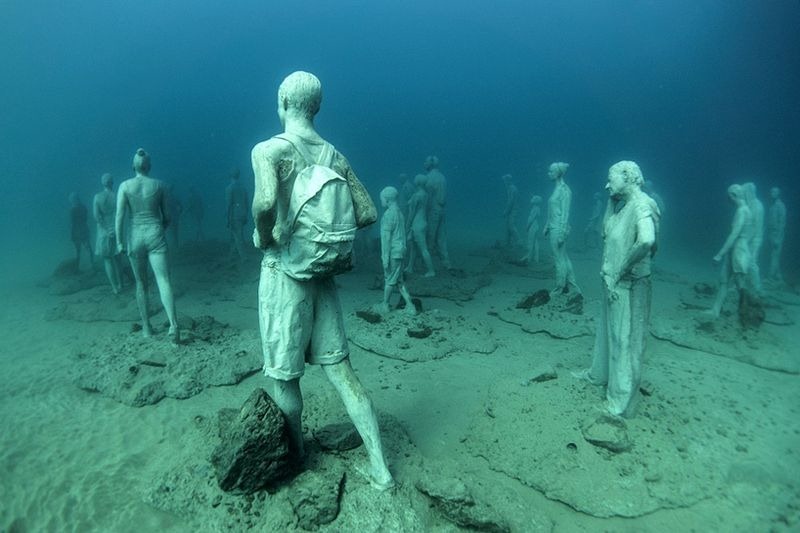
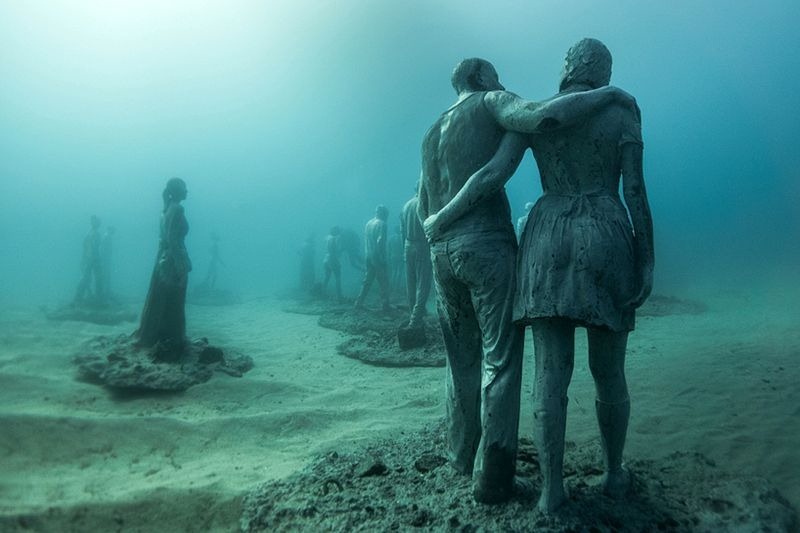
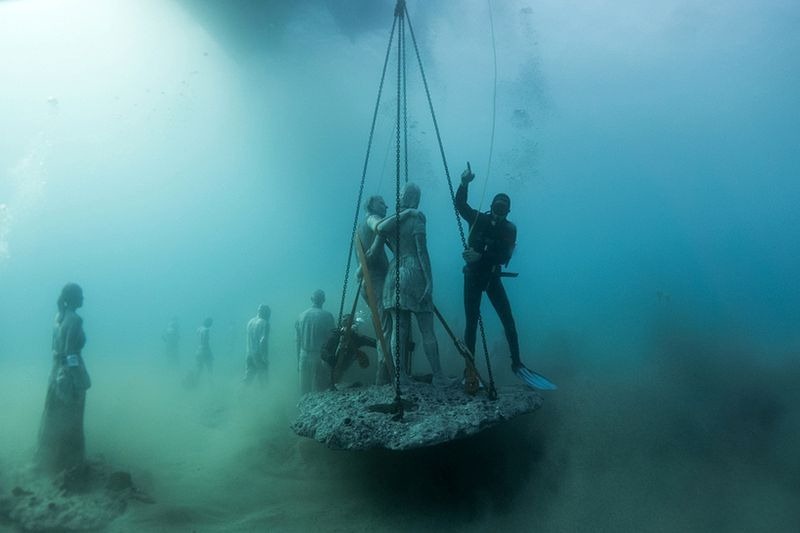
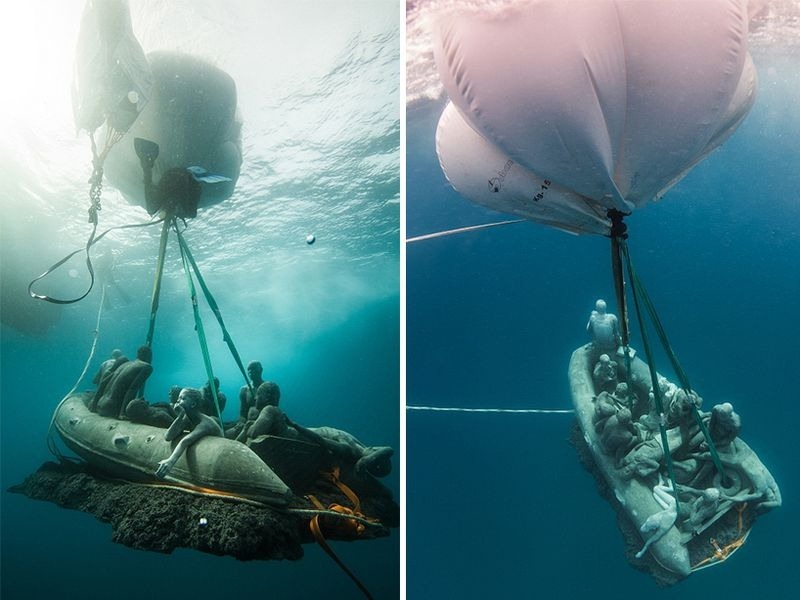
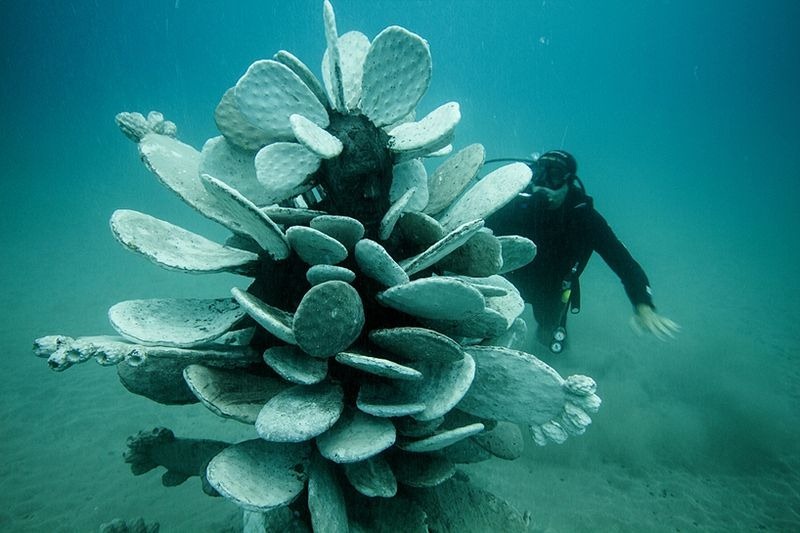
The island of Lanzarote in the Canary Islands, Spain, has set up of the first set of sculptures in what will be the first completely underwater museum in Europe. The museum is located off the coast of Lanzarote at a depth of 12-14 meters and features the works of British artistJason deCaires Taylor, who has created similar works in both Cancun, Mexico and Grenada in the West Indies. The sculptures on display include several human figures representing people engaging in mobile phones, walking, taking pictures and selfies. Another installation titled ‘the raft of lampedusa’ depicts a boat of figures desperately waiting for treatment and aid, representing the ongoing refugee crisis. The underwater sculptures will eventually attract and promote growth of plant and animal life, symbolizing the symbiotic relationship humans have with nature.

jason-decaires-taylor-lanzarote-6

A lot of marine life seek for shelter from predators, so they naturally gravitate toward submerged objects. As a diver, Taylor knows that if you place any object underwater they’re very quickly colonized.

Taylor’s team only chooses sites he describes as “barren and desolate.” Sometimes he positions the sculptures as a diversion from areas that gets lot of tourists so as to lure them away from the fragile and dangerous area.

The sculptures are made from a very inert type of marine cement designed to last for hundreds of years. He avoids using metals because they are corrosive and pollute the environment.

“The longer they are underwater the more the layers of calcium deposit will start to form, so they’ll start to get more and more unrecognizable over time,” Taylor told Good. “That’s one of the reasons I start out with a simple image or quite often a human figure, because I know however much you disfigure the human body you can still recognize some part of it as some identifying feature you can relate to.”

jason-decaires-taylor-lanzarote-1

jason-decaires-taylor-lanzarote-2

jason-decaires-taylor-lanzarote-4

jason-decaires-taylor-lanzarote-7

jason-decaires-taylor-lanzarote-8

jason-decaires-taylor-lanzarote-9

jason-decaires-taylor-lanzarote-11

jason-decaires-taylor-lanzarote-13

jason-decaires-taylor-lanzarote-14

jason-decaires-taylor-lanzarote-15


jason-decaires-taylor-lanzarote-16

jason-decaires-taylor-lanzarote-17

via Design Boom

 source……..www.amusingplanet.com
Natarajan

5 body language mistakes to avoid……

Did you know that nodding too much can make you seem spineless or sycophantic?

Read on to find out how you can perfect your body language.

Body language mistakesAre you questioning why certain things aren’t going your way even when you’re saying all the right things?

Maybe it’s not about your words at all. Maybe it’s something else.

In an interpersonal, normal interaction, our body talks a lot more than our mouth does.

It certainly doesn’t help that the message it puts across is vague and is perceived differently by different people.

You do not have to be saying something for your audience can easily read into it.

A simple action like flexing your fingers can speak a thousand words and give out messages that can either make or break the conversation.

Here are five body language mistakes we commit, but never notice.

#1. The lean

While making conversation, many of us get carried away and become unaware about our bodily movements.

The forward and backward lean is something that sneaks in and ruins our conversation without us even realising it.

Leaning slightly forward during a conversation signifies interest but a little more and you could be playing the risky terrain that is personal space.

The ideology of personal space varies across cultures and one must be mindful of maintaining a decent distance from the person they are conversing with.

Leaning backwards however screams blatant disinterest and disrespect.

It tells the opposite person that either you do not consider him worth listening to or are just going to counter him irrespective of what he says.

When the conversation is about your responsibilities, a backward lean could make you look laid back and uncaring.

To understand this little concept of leaning better, draw front and backward slanting lines on a piece of paper and concentrate on the emotions you counter while drawing each line.

#2. The limb cross

Crossing your limbs, be it your arms or ankles, is a statement your body is making.

This statement, however, is not a very positive one.

Crossing your arms during a conversation makes you look defensive and while answering questions, in fight mode

If you cross your arms during a seminar or a lecture, it gives off the ‘I don’t find you worth listening to’ vibe.

Crossing your ankles with your legs spread in front of you during a serious conversation is also a no-no. It makes you look disinterested and too relaxed.

#3. The excessive nod

It is a good practice to nod at people while listening to them as it shows you are interested in what they are talking and are paying attention.

Although sometimes, when we are bored, tired or genuinely do not wish to pay attention to the person talking, we nod too much to make up for it.

Now, you may not realize it, but the person you are talking to may find this constant nodding patronising and insulting.

This puts people off and gives of a very bad impression about you.

You can be assumed to be arrogant or too self-indulging, people won’t bother taking your exhaustion into account.

Also, nodding too much can make you seem spineless or sycophantic.

Next time when you are tired or disinterested to pay attention to the conversation, be mindful of how often you nod, you could also count to forty-five in your head before every nod.

#4. The constant eye-contact

What happens when you maintain constant eye-contact? You come off as creepy.

It is well known how important maintaining eye contact with your audience is, but if your audience is just one person, it is important to look away for a few seconds.

Looking at the person for too long will make them feel uncomfortable and make your conversation awkward.

Also remember to not look at the person’s mouth or forehead.

A safe area to look at is the triangle that the eyebrows and nose make.

Staring at the forehead intimidates the person while staring at the mouth seems inappropriate.

#5. The fidget mania

Everybody is familiar with this. Either you are guilty of it or have felt the irritation it causes.

Constant fidgeting is a sign of nervousness, insecurity and instability. It shows lack of confidence and trust.

During a conversation, fidgeting may also be perceived as a sign of dishonesty and deceit.

Constant shaking of your leg, twisting your fingers, tapping your fingers on a table or playing with a pen are some common blunders we sub-consciously commit and overlook.

In order to control your fidgeting, make sure your hands are relaxed by your side while standing and resting casually on your thighs while sitting.

Keep conscious of your legs and reduce wobbling. Also, no matter how anxious you feel, do not allow your hands to go anywhere near your face.

This is something many people do very often and don’t realise it.

Touching your face constantly doesn’t paint a very confident and reliable picture of you, so refrain from doing this.

With our usual mindless bodily actions creating space for unnecessary miscommunication, it is necessary to pay heed to the small blunders we commit.

How to use body language to your advantage

1. Exude power, spread your presence

Simply standing with your legs a little further apart and claiming more space through gestures, builds a powerful aura around you.

The more space you claim, more power you seem to command.

Since power helps calm, you will also do away with your nervousness.

2. Sit straight

Sitting straight will automatically make you look and feel attentive, confident and enthusiastic.

3. Gesture while talking

Usage of gestures (in a moderated amount) involves and invites your audience into the conversation.

It also gives you a more open and intelligent look.


Illustration: Dominic Xavier/Rediff.com

Source………www.rediff.com

Natarajan

Hyderabad Lab Claims It Has Made World’s First Zika Virus Vaccine…

Bharat Biotech, a Hyderabad based vaccines and bio-therapeutic manufacturer, claims it has made a breakthrough in developing the world’s first vaccine against the dreaded mosquito-borne Zika virus.

The World Health Organization recently announced that Zika, which causes serious birth defects in children, is now present in 23 countries. Brazil has the maximum number of cases (3,530) and the United States too announced its first case yesterday.

There is concern that the virus could soon spread to Asia and Africa as well. India too is not as safe as hoped, although the virus was last seen here over 60 years ago.

1

Pic Source


The virus causes only a mild illness in most people. However, in pregnant women it is linked to abnormally small heads in their babies, a birth defect called microcephaly.

Bharat Biotech International Limited in Hyderabad told NDTV that they have patented the vaccine.

“On Zika, we are probably the first vaccine company in the world to file a vaccine candidate patent about nine months ago,” said Dr Krishna Ella, Chairman and Managing Director, Bharat Biotech Ltd.

The company used a live Zika virus, imported officially, to develop not one but two candidate vaccines.

Dr. Ella says the company has sought help from the Indian Council of Medical Research (ICMR) to get this vaccine out to the world as soon as possible.

“We have just been informed about the Zika vaccine candidate that Bharat Biotech has. We will examine it from the scientific point of view and see the feasibility of taking it forward. It is a good example of a Make in India product,” said Dr. Soumya Swaminathan, pediatrician and Director General, ICMR.

Dr. Ella is also seeking the help of Prime Minister Modi in fast tracking the development and delivery of the vaccine to those parts of the world where it is needed most.

The company says it can make one million doses of the vaccine in four months.

Source…….Nishi Malhotra in http://www.the betterindia.com

Natarajan