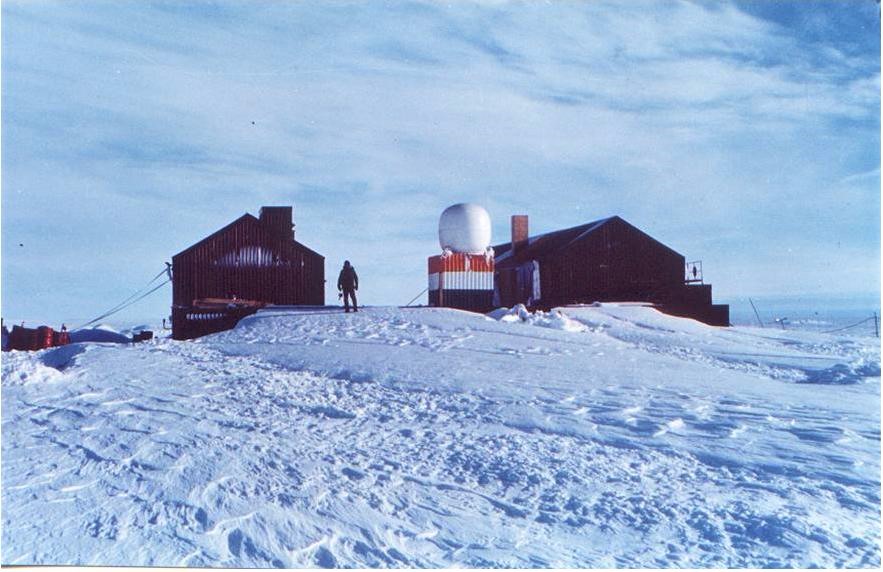
Akademgorodok: Siberia’s Silicon Valley….

Tucked away in a remote forest of birch and pine in the heart of Siberia, 3,000 km away from Moscow, at a place where winters are six months long with temperatures dropping to minus 40 degree Celsius and summers are swaddled with mosquitos, is a city built for scientists and researchers. This frozen wasteland is more suited for polar bears than scientific endeavors, but Nikita Khrushchev felt the distance from Moscow was necessary so that the country’s sharpest scientific minds could work together on fundamental research away from the prying eyes of bureaucracy. This is Akademgorodok, or “Academic Town”—the Soviet Union’s answer to America’s Silicon Valley.                                                   

The Academpark Technopark at Akademgorodok. Photo credit: gelio.livejournal.com

Akademgorodok is situated in the middle of a forest 30 km south of Novosibirsk city. It is one of several Akademgorodoks built between the late 1950s and mid-1970s in Siberia; the Akademgorodok outside Novosibirsk is the most successful one. Located within Akademgorodok is Novosibirsk State University, 35 research institutes, a medical academy, apartment buildings and houses, and a variety of community amenities including stores, hotels, hospitals, restaurants and cafes, cinemas, clubs and libraries. Less than two kilometer away is an artificial beach created by dumping hundreds of tons of sand along the edge of the Ob reservoir.

At its peak, Akademgorodok was home to 65,000 scientists and their families. It was a privilege to live there, and many scholars in the 60s escaped to the frozen hinterland as a sort of voluntary exile in order to be far from the totalitarian rule of the Soviet capital, and lured by the promise of new housing and professional advancement.

Residents enjoyed great levels of freedom and indulged in activities unheard of in any other corner of the Soviet empire. They discussed the foundations of Marxist theory and about economic reforms, read books, listen to poets and singers not approved by the regime. Scientific research in areas dismissed as dangerous pseudoscience in Moscow, such as cybernetics and genetics, flourished.


Living standards in Akademgorodok were also higher than in the rest of the country. Shops were stocked with subsidized foodstuffs not easily obtainable elsewhere, and apartments were well-furnished. Those who obtained a doctorate were given a special food delivery service, which provided them a wider selection of groceries than the general population could avail. Members of the Academy of Sciences had access to even higher level of services and were allotted single-family residences rather than apartments.

But the utopian vision of no bureaucratic interference proved impossible in the Soviet Union. Freedoms got severely curtailed in the 1970s during the rule of Leonid Brezhnev. Then when the Soviet Union collapsed in the 1990s, many of the former communist nation’s best minds fled to the west. But economic reforms brought about by the end of communism saw the beginning of private investment and venture funding in Akademgorodok. From USD 10 million in 1997, this rose to USD 1 billion by 2015. There are some 300 companies operating at Akademgorodok today dabbling on everything from nano-ceramics to motion graphics for the American entertainment industry. Its current population stands at over 100,000.

While the figures pale in comparison to that of other countries and even elsewhere in Russia—Skolkovo, an emerging tech hub on the outskirts of Moscow, for example, has over 1,100 startups generating over USD 1 billion in revenue alone at the end of 2014—Akademgorodok will remain as Russia’s original Silicon Valley.

Photo credit: gelio.livejournal.com

Source….Kaushik in http://www.amusingplanet.com

Natarajan
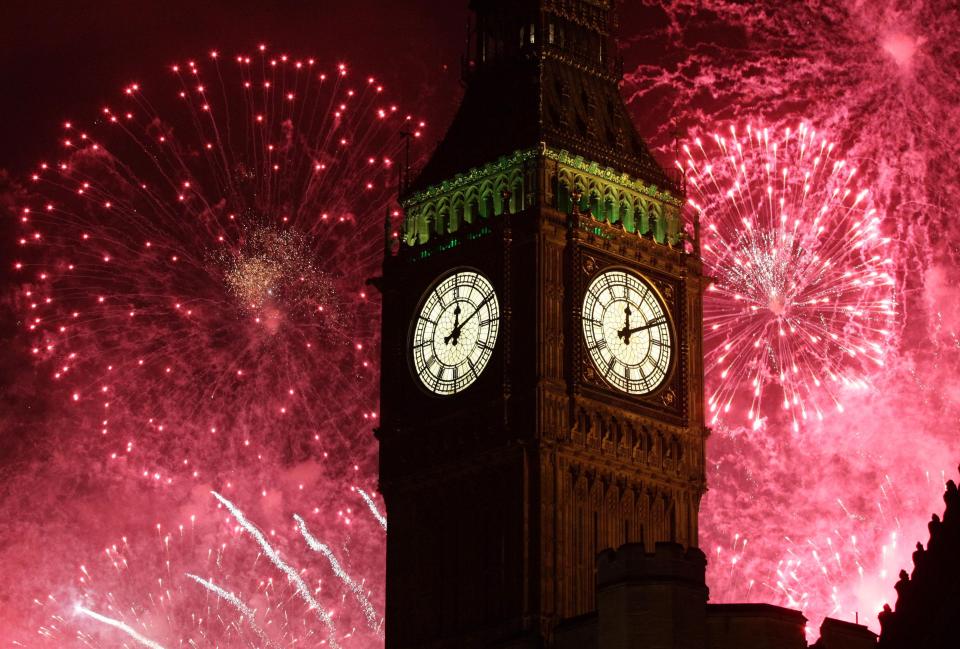


TIME TO CELEBRATE Which country has New Year first and who celebrates it last? Times around the world


It’s possible to get a quick flight between two locations so you count down to 2018 twice..

AS December 31 approaches, the world is preparing to come together and welcome 2018.

But obviously, the New Year arrives at different times for different countries across the world. So which country will enter 2018 before any other and where does the New Year arrive last?


When will other countries around the world celebrate the New Year in relation to the UK?

Which country celebrates New Year first?

Fireworks exploding over Sydney harbour symbolises the start of global New Year’s festivities for most Brits.

But it may surprise you to hear that Australia is not the first country in the world to welcome the New Year.

The tiny Pacific island of Tonga will ring in 2018 at 10am GMT on December 31 – a full three hours before it reaches Down Under.

Where will 2018 arrive last?

After travelling all around the world, the New Year will eventually come full circle – or near enough.

The last place or places to receive 2018 will be the tiny outlying islands of the US.

Baker Island and Howland Island will greet the New Year at 12 Midday on January 1 – or at least they would if any people lived there.

Second last will be American Samoa at 11am – just 558 miles from Tonga, where locals and visitors were celebrating a full 25 hours before.

It’s therefore possible to get a quick flight in between the two and count down to 2018 twice.

What time does New Year arrive around the world?

Using London time, this is when the world will welcome in 2018:

  • Sat 10:00              Tonga and two more
  • Sat 11:00              New Zealand
  • Sat 13:00-15:15  Australia
  • Sat 15:00              Japan & South Korea
  • Sat 15:30              North Korea
  • Sat 16:00              China, Philippines, Singapore
  • Sat 17:00              Most of Indonesia
  • Sat 17:30              Myanmar and Cocos Islands
  • Sat 18:00              Bangladesh
  • Sat 18:15              Nepal
  • Sat 18:30              India and Sri Lanka
  • Sat 19:00              Pakistan
  • Sat 19:30              Afghanistan
  • Sat 20:00              Azerbaijan
  • Sat 20:30              Iran
  • Sat 21:00              Moscow/Russia
  • Sat 22:00              Greece
  • Sat 23:00              Germany
  • Sun 00:00             United Kingdom
  • Sun 02-3:00         Brazil
  • Sun 03:00             Argentina, Paraguay
  • Sun 03:30-8:00   USA, Canada
  • Sun 09:00             Alaska
  • Sun 10:00             Hawaii
  • Sun 11:00             American Samoa
  • Sun 12:00             US outlying islands (Baker Island, Howland Island etc


blob:https://www.thesun.co.uk/69d23dba-3a6a-4f2c-854e-1f3b5f20f18c

Source….https://www.thesun.co.uk

Natarajan


8 Supposed Facts That Aren’t Really True….!!!

The passage of time can make even the most steadfast of facts to no longer be true. For instance, it was once believed that doctors didn’t need to wash their hands before surgery, but it’s now known that doing so is imperative in order to prevent infection. Take a look at 8 supposed facts that aren’t really true:

1. THEN: America won its independence on July 4, 1776.

NOW: America didn’t officially gain independence until 1783.


July 4th marks Independence Day in the United States, and it’s a celebration replete with parades, barbecues and fireworks. Although the Declaration of Independence was adopted by 12 colonies on July 4th, 1776 and signed by 13 colonies the following August, America was still under British rule. The American Revolution raged on until September 3rd, 1783, when the Treaty of Paris was signed and America truly became free.

2. THEN: George Washington’s teeth were made of wood.

NOW: His teeth were actually human teeth from his slaves. Some were made from ivory.

A set of dentures worn by George Washington are kept at the Mount Vernon plantation house museum. They’re fashioned out of ivory and human teeth, with the human teeth being purchased from slaves that sold them to dentists to make some money in the 18th Century. Apparently Washington paid just one-third of the going rate for the teeth. It’s likely that Washington had his dentures implanted into his jaw.

3. THEN: Pluto is a planet.

NOW: Pluto isn’t a planet.


Pluto was discovered by Clyde Tombaugh back in 1930. He submitted his finding to the Harvard College Observatory, which allowed an 11-year-old English girl to give the newly discovered planet its name. In 2003, an astronomer found that there was an even larger object beyond Pluto, and he named it Eris. This sparked a debate regarding the criteria for what makes a planet a planet. Following the debate’s conclusion, astronomers decided that neither Pluto nor Eris made the cut, so Pluto was demoted to dwarf planet status.

4. THEN: Diamond is the hardest substance.

NOW: Ultra-hard nano-twinned cubic boron nitride is the hardest substance.

It’s been known that there are two substances that are harder than diamond since 2009. These substances, known as wurtzite boron nitride and lonsdaleite, are 18% and 58% better at resisting indentation than diamond respectively. The only problem is that they’re both quite unstable and rare elements. Yet another substance that’s even harder than the aforementioned two was discovered by researchers in 2013. Called ultra-hard nano-twinned cubic boron nitride, it essentially consists of boron nitride particles that have been reorganized into the shape of a layered onion

5. THEN: Witches in Salem were burned at the stake.

NOW: They were actually hanged.

The notorious Salem Witch Trials are widely believed to have involved suspected witches being burned at the stake, but it never actually happened – they were hanged instead. When the Trials were taking place, the US state of New England still followed English law, which dictated that witchcraft was punishable by hanging as opposed to burning at the stake. The confusion arises from the European church calling witchcraft heresy, an offense which was punishable by burning at the stake.

6. THEN: Israelite slaves built the pyramids.

NOW: Egyptian workers built the pyramids themselves.

The myth that the Israelites built the pyramids reportedly stems from comments made by former Israeli Prime Minister, Menachem Begin, during a visit to Egypt in 1977. Jewish people actually didn’t exist during the period when the pyramids were constructed. Archeologists recently found proof that the Ancient Egyptians actually built the pyramids themselves. Workers came from poor families in the north and south of the country, but they were highly respected, with some even being given crypts located close to the pyramids they built.

7. THEN: Folding a piece of paper more than seven times is mathematically impossible.

NOW: The record stands at 13 folds.

The myth that paper can only be folded seven times was dispelled by a Californian high school student called Britney Gallivan. Together with some volunteers, she bought a giant $85 roll of toilet paper and amazed everyone by managing to fold it no less than 11 times. She even developed an equation based on the thickness and width of the specific paper. In 2013, students at St. Mark’s School in Southborough, Massachusetts managed to fold paper 13 times.

8. THEN: The Great Wall of China is the only man-made structure visible from space.

NOW: Many man-made places are actually visible from space.

This so-called “fact” gets regurgitated to third-graders the world over, but there’s actually nothing factual about it at all. In 2003, a Chinese astronaut shattered the myth by confirming that the Great Wall of China wasn’t actually visible from space. In contrast, the lights of large cities, major roadways, bridges, and airports can be seen from space.

Source….www.ba-bamail.com

Natarajan

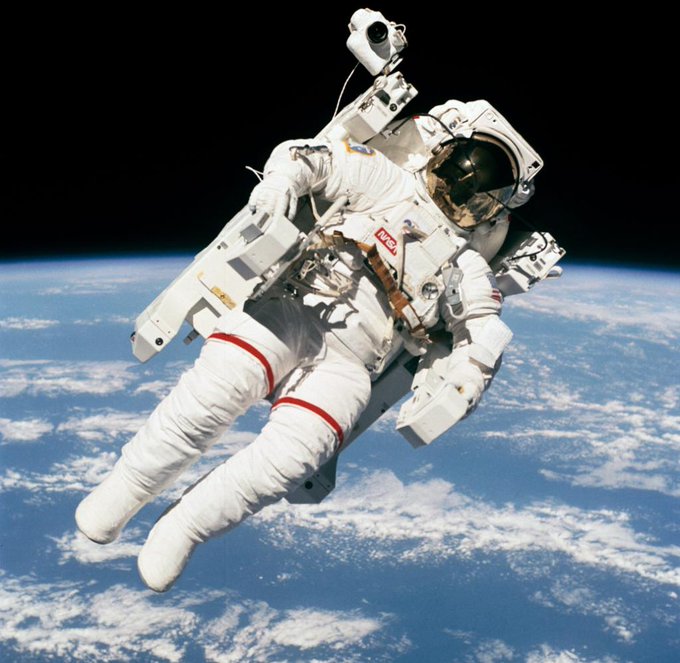
வரலாறு பேசும் அரிய புகைப்படத்தை விட்டு சென்ற விண்வெளி வீரர்!

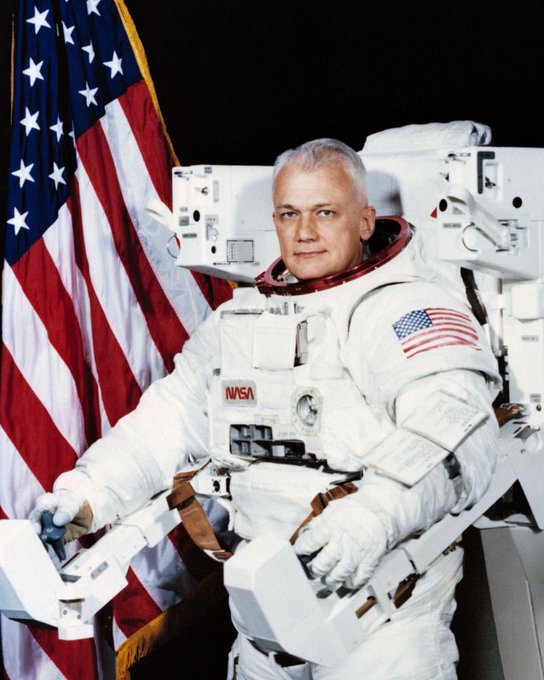
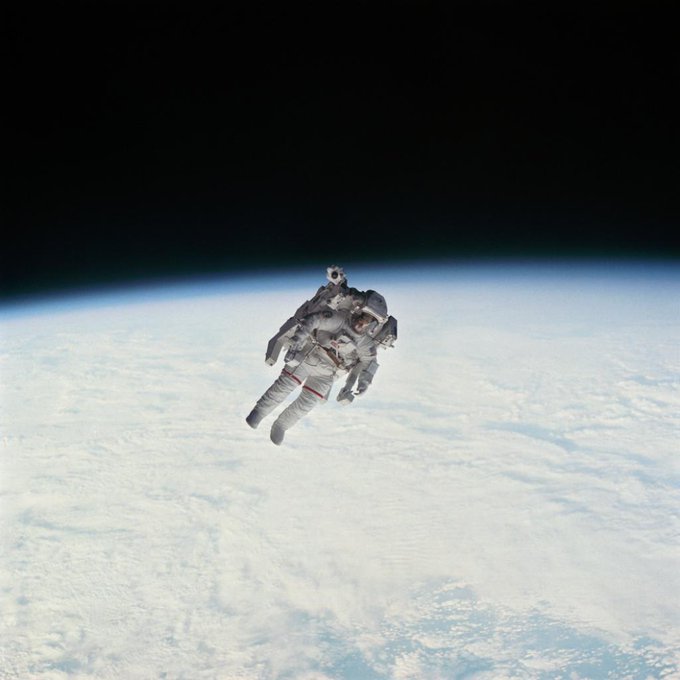
மந்தாரமான கறுப்பு நிற திரை… கீழே பிரகாசமாக படர்ந்திருக்கும்  நீல நிறம். குட்டியாகத் தெரியும் பொம்மை போன்ற உருவம்.. ஏதோ கிராபிக்ஸ் காட்சி போன்று தோன்றலாம். ஆனால் இது விண்வெளியில் பதிவான உண்மை காட்சி. கீழே படர்ந்திருக்கும் நீல நிறம்தான் நாம் வாழும் பூமி. கறுப்பு திரை விண்வெளி. குட்டி பொம்மை போன்று மிதந்து கொண்டிருப்பவர் விண்வெளி வீரர் புரூஸ் மெக்கண்டில்ஸ் (Bruce McCandless).                                                                                                                             


இந்த புகைப்படம் 1984ம் ஆண்டு பதிவானது. எந்த பிடிமானமும் இல்லாமல் சுதந்திரமாக (untethered with nothing) விண்வெளியில் வலம் வந்த முதல் வீரர் என்னும் பெருமைப்பெற்றவர்  புரூஸ் மெக்கண்டில்ஸ். இவர் தனது 80 வயதில் கடந்த 21ம் தேதி காலமானார். அவரை பெருமைப்படுத்தும் விதமான அவரின் சாதனை நிமிடங்களை நாசா வெளியிட்டு வருகிறது. அவரின் இந்த புகைப்படம் விண்வெளி வரலாற்று பக்கங்களில் சிறந்த பக்கமாக விளங்கும் என்று புகழாரம் சூட்டியுள்ளது நாசா!

View image on TwitterView image on TwitterView image on Twitter

We’re saddened by the loss of retired astronaut Bruce McCandless II. Most known for being the 1st human to free-float on a shuttle spacewalk, he also served as the Apollo 11 moonwalkers’ link to mission control and helped launch @NASAHubblehttps://www.nasa.gov/astronautprofiles/mccandless 

Source….www.vikatan.com

Natarajan


Toronto’s Camouflaged Electric Substations….

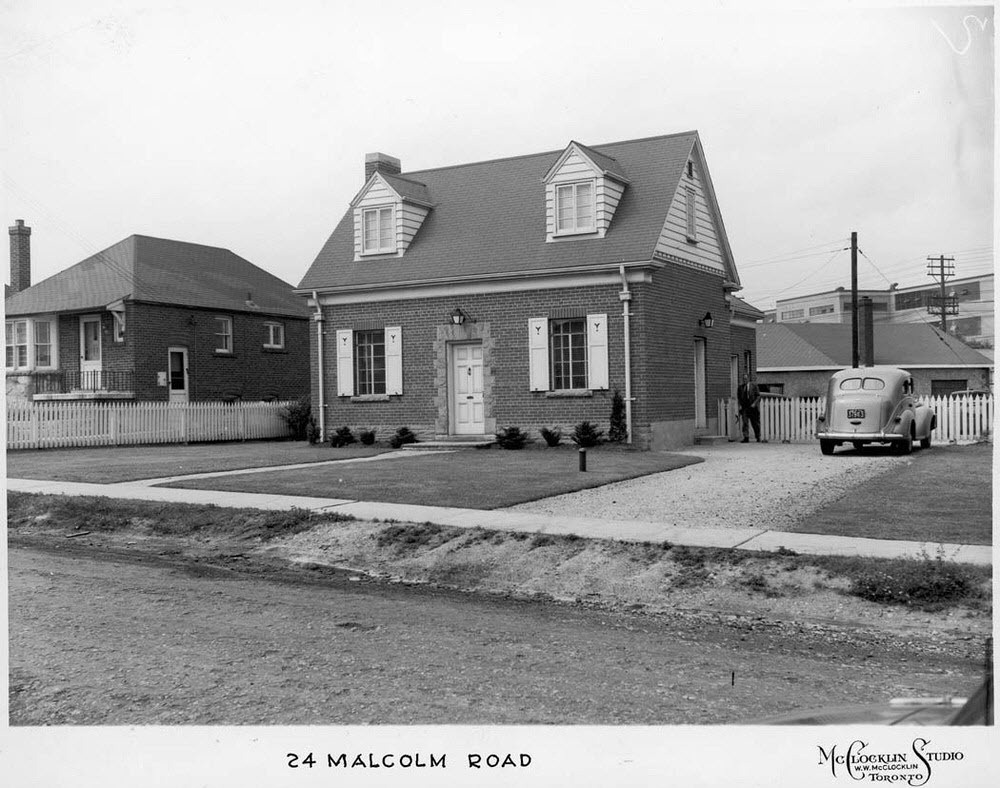
More often than not, industrial infrastructures are an eyesore, especially when they are smack in the middle of a beautiful city like Toronto. So for the past hundred years, Canada’s second-largest municipal electricity distribution company, Toronto Hydro, has been disguising substations into quiet little houses that blend right in with the neighbourhood. Some appear like grand Georgian mansions or late-Victorian buildings, while others look like humble suburban homes. Even the most sharp-eyed resident couldn’t tell these faux homes apart. Some are not even aware they are living next door to a transformer.


This is not a house. Photo credit: City of Toronto Archives

Toronto was first electrified in the late 1880s. At that time a number of small private companies were supplying electrical demands. Then in 1908, Torontonians voted overwhelmingly for the formation of a municipal electricity company, and Toronto Hydro came into being in 1911.

From the very beginning, Toronto Hydro was keen not to have ugly conglomerations of metals, switches and wires robbing the city’s urban and suburban neighbourhood of its beauty. So each substation they built was wrapped around by a shell of masonry and woodwork carefully designed to resemble residential homes. A driveway and some low-maintenance shrubs in the garden helped complete the deception.

The earliest known substation, dating from 1910 and located at 29 Nelson St. in the John and Richmond area, looks like a four-storey Victorian-era warehouse or perhaps an office building with a grand entrance and raised horizontal brick banding. One of the grandest of these structures is the Glengrove Substation, built in 1931. This Gothic building with its large oak doors, leaded glass windows and long narrow windows reminiscent of Medieval times, it’s no wonder that Toronto Hydro employees call it the “Flagship” or the “Castle”.

As architectural styles evolved, so did the camouflage. From grandiose buildings of the pre-depression era to ranch style houses that became popular with the booming post-war middle class of the 1940s to 1970s, to progressively more modernist structures with flat roof and smooth white exterior. These substation homes were so authentic that they were sometimes broken into by burglars.

There used to be over 270 substation homes scattered across Toronto. According to Spacing Toronto, as of 2015, 79 of these substations are still active.

Source….Kaushik  in http://www.amusingplanet.com

Natarajan


பறவைகள் மோதிய விமானம்… ஆற்றில் இறக்கிய பைலட்… விமான வரலாற்றில் ஒரு ‘வாவ்’ சம்பவம்!


2009 ஆண்டு ஜனவரி 15 குளிர்காலத்தின் வியாழக்கிழமை. நியூயார்க் நகரம் எப்போதும் போல இயங்கிக் கொண்டிருக்கிறது. லகுவார்டியா விமானநிலையம் பரபரப்பாக இருக்கிறது. விமானங்கள் வருவதும் போவதுமாக இருக்கிறது. விமானங்களுக்கு ஓடுபாதையில் இறங்க வேண்டிய நேரத்தை சிக்னலாக வழங்கிக் கொண்டிருக்கிறார்கள். லகுவார்டியாவிலிருந்து US ஏர் பஸ் 1549  A320 என்கிற விமானம் நார்த் கர்லோநியாவில் உள்ள சார்லோட்டி விமான நிலையத்திற்குப் புறப்படத் தயாராகிறது. 66 டன் எடை கொண்ட விமானம் இரண்டு என்ஜின்களைக் கொண்டது. இரண்டு என்ஜின்களும் 40000 குதிரைத் திறன் கொண்டவை. பைலட்டின் பெயர் செஷ்லே சுல்லேன்பெர்கர் (Chesley Sullenberger). வயது 57. இவர் அமெரிக்க விமானப்படையில் பைலட்டாக  இருந்தவர். மொத்தம் 19663 மணி நேரம் பறந்தவர். அதில் 4765 மணி நேரம் A320 விமானத்தில் பயணித்தவர்.

ஏர் பஸ் 1549  A320 விமானத்தில் 150 பயணிகளும் ஐந்து விமானச் சிப்பந்திகளும் பயணிக்கிறார்கள். விமானம் கிளம்புவதற்கான ஒப்புதல் நிலைய அதிகாரிகளிடமிருந்து கிடைக்கிறது. விமான நிலையத்தின் நான்காவது ஓடுபாதையிலிருந்து மாலை 3:24:56 நொடிகளுக்கு விமானம் புறப்படுகிறது.

விமானம் 2818 அடி உயரத்தில் 343 கிலோமீட்டர் வேகத்தில் பறந்துக் கொண்டிருக்கிறது. விமான முகப்புப் பகுதியில் விமானத்தின் முன்பாக பறவைகள் வருவதை பைலட் பார்க்கிறார். அவை கனடா கீஸ் வகை பறவைகள். 3:27:11  பறவைகள் விமானத்தின் எஞ்சின் பகுதியில் மோதுகின்றன. பறவைகள் மோதியதில் விமானத்தின் இரண்டு என்ஜின்களும் பழுதாகின்றன. விமானம் பழுதானதை உணர்கிற பைலட் உடனே விமான நிலைய கட்டுப்பாட்டு அறைக்குத் தகவலைத் தெரிவிக்கிறார். 3:27:33 வினாடிகளில் “விமானத்தில் பறவைகள் மோதிவிட்டன.  உடனே விமானத்தை லகுவார்டியாவில் தரை இறக்க வேண்டும் ஓடுபாதையை கிளியர் செய்து கொடுங்கள்” என்கிறார். நிலைமையின் தீவிரத்தை அறியாத விமான நிலைய அதிகாரிகள் விமானத்தை நியூ ஜெர்சியில் இருக்கிற டேடேர்போரோ விமான நிலையத்தில் இறக்குங்கள் எனத் தகவல் சொல்கிறார்கள்.

“விமானத்தை டேடர்போரோவில் இறக்குவதற்குச் சாத்தியமில்லை” என பைலட் பதிலளிக்கிறார். விமானம் ஜார்ஜ் வாஷிங்டன் பாலத்திற்கு மேலாகப் பறந்துக்கொண்டிருக்கிறது. பயணிகளுக்கு எந்தத் தகவலும் வழங்கப்படவில்லை. விமானத்தில் இருக்கிற 150 பயணிகளையும் காப்பாற்றியாக வேண்டிய அசாதாரண சூழ்நிலை. நொடிக்கு 18 அடி கீழ் நோக்கி விமானம் சென்றுகொண்டிருக்கிறது. தீவிரத்தை உணர்கிற பைலட் 3:28:10 நேரத்தில் விமானத்தை அட்சன் பகுதியில் இறக்குவதாக விமான நிலையத்திற்குத் தெரிவிக்கிறார். ஆனால், விமான நிலைய அதிகாரிகள் ”அட்சன் பகுதியிலா வேண்டாம்” என்கிறார்கள். காரணம் அட்சன் என்பது ஓடுதள பகுதி அல்ல என்பதே. நியூயார்க் நகரத்தில் இருக்கிற ஒரு ஆறு. ஜார்ஜ் வாஷிங்டன் பாலம் இருக்கிற நகரின் பரபரப்பான பகுதி. மொத்த விமான நிலையமும் பதற்றத்திற்கு வருகிறது. அட்சன் ஆறு ஐக்கிய அமெரிக்காவின் நியூயார்க்கின் கிழக்குப் பகுதியின் ஊடாகச் செல்லும் ஆறு. வடக்கிலிருந்து தெற்கு நோக்கி ஓடும் ஆற்றின் நீளம் 507 கிலோமீட்டர்கள்.

வேறு வழியின்றி விமானத்தை பைலட் அட்சன் ஆற்றுப் பகுதியில் இறக்க முடிவு செய்கிறார். பயணிகளுக்கு நிலைமை எடுத்துச் சொல்லப்படுகிறது. விமான ஒலிபெருக்கியின் மூலம் விமானிப் பயணிகளுடன் உரையாடுகிறார். பயணிகள் பயத்தில் உறைகிறார்கள். அடுத்து என்ன நடக்கும் என்பதை யூகிக்க முடியாத சூழல். விமான நிலையக் கட்டுப்பட்டு அறையில் இருக்கிற அதிகாரிகள் நியூயார்க் கடற்படைக்குத் தகவல் கொடுக்கிறார்கள். கடற்படையின் படகுகள் கப்பல்கள் குறிப்பிட்ட இடத்திற்குக் கிளம்புகின்றன. பாதுகாப்பு ஹெலிகாப்டர்கள், படகுகள் என அட்சன் ஆறு மிகப்பெரிய விபத்திற்கு தயாராகிறது

3:30  நிமிடத்திற்கு பைலட் விமானத்தை அட்சன் ஆற்றில் இறக்குகிறார். ஆற்றுக்கும் விமானத்திற்குமான இடைவெளி 500 அடியிலிருந்து தீவிரமாகக் கண்காணிக்கப்படுகிறது. 100 அடி, 50 அடி, 20 அடி, 10 அடி எனக் குறைகிறது. 0.  அவ்வளவுதான். அதிபயங்கரச் சத்தத்துடன் விமானம் ஆற்றில் பாய்கிறது. அட்சன் பகுதிக்குப் பக்கத்தில் இருக்கிற மக்கள் பேராபத்தை உணர்கிறார்கள். விமானம் ஆற்றில் பாய்ந்த அடுத்த நிமிடம் ஆற்றில் மிதக்க ஆரம்பிக்கிறது. நல்ல வேளையாக விமானம் தீப்பிடிக்கவில்லை. விமானத்தின் தானியங்கி கதவுகள் மூடிக்கொள்கின்றன. கதவுகள் மனித முயற்சியில் திறக்கப்படுகிறது. அடித்துப் பிடித்துக்கொண்டு பயணிகள் விமானத்திலிருந்து வெளியே வருகிறார்கள். சிலர் பதற்றத்தில் வெளியே குதிக்கிறார்கள். குளிர்காலம் என்பதால் நீர் ஐந்து டிகிரி குளிராக இருக்கிறது. விமானத்திலிருந்து வெளியே வந்தவர்களை குளிர் வாட்டி வதைக்க ஆரம்பிக்கிறது. விமானத்தின் இறக்கைப் பகுதிகளில் ஏறி நின்று  கொண்டு உதவிக்கு அழைக்கிறார்கள். விமானம் ஆற்றில் இறங்கிய நான்கு நிமிடங்களில் கடற்படையின் படகுச் சம்பவ இடத்திற்கு வந்து சேர்கிறது. பயணிகளில் ஒருவர் மாற்றுத் திறனாளி. விமானம் கொஞ்சம் கொஞ்சமாக நீரில் மூழ்க ஆரம்பிக்கிறது. கடற்படை வீரர்கள் பயணிகள் எல்லோரையும் பத்திரமாக மீட்கிறார்கள். படகுகள் மூலம் எல்லோரும் மீட்டு ஆற்றின் கரைக்குக் கொண்டுவரப்படுகிறார்கள். 3:55 நிமிடத்தில் விமானத்தின் கடைசிப் பயணியும் பத்திரமாக மீட்கப்படுகிறார். எல்லோரும் காப்பாற்றபட்டார்கள் என்பதை உறுதி செய்கிற விமான பைலட் கடைசியாக வெளியே வருகிறார். ஐந்து பயணிகள் பெரிய காயங்களுடன் மருத்துவமனையில் சேர்க்கப்படுகிறார்கள். எழுபத்தி எட்டு பயணிகளுக்குச் சிறிய காயங்கள். சிலர் குளிர் காய்ச்சலுக்கு ஆளானார்கள். ஒரு பயணிக்கு விமானத்தின் எரிபொருள் கண்ணில் பட்டதில் பார்வை போனது.

பெரிதாக எந்த அசம்பாவிதமும் அந்த விபத்தில் நிகழவில்லை. பயணிகள் பைலட்டை தூக்கிவைத்து கொண்டாடுகிறார்கள். விபத்து நடந்த இரண்டாம் நாள் விமானம் ஆற்றுப் படுக்கையிலிருந்து மீட்டு நியூ ஜெர்சிக்குக் கொண்டு செல்லப்படுகிறது. விஷயம் நீதி மன்றத்துக்குச் செல்கிறது. விமான நிர்வாகம் விமான பைலட்டை குற்றம் சாட்டுகிறது. விமானத்தை டேடர்போரோ விமான நிலையத்தில் தரை இறக்கி இருக்கலாம்; அதற்கான நேரம் இருந்தது. ஆனால் விமானி அவசரப்பட்டு விமானத்தை ஆற்றில் இறக்கிவிட்டார் என வாதாடுகிறது. விமானி செஷ்லே சுல்லேன்பெர்கர் அந்த நேரத்தில் பயணிகள் உயிர் குறித்து மட்டுமே சிந்தித்ததாகச் சொல்கிறார். அதை ஏற்றுக்கொள்ளாத விமான நிறுவனம் நீதிமன்ற உத்தரவுபடி ஒரு விமானத்தை சோதனை முயற்சியாக விபத்து நடந்த இடத்திலிருந்து டேடர்போரோ விமான நிலையத்தி இறக்கிக் காட்டுகிறது. ஆனால், விபத்துக்குள்ளான விமானத்தின் விமானி ”சோதனை செய்யப்பட்ட விமானிக்கு என்ன நடக்கப்போகிறது எனத் தெரியும். அதனால் அவர் எளிதாக விமானத்தை தரையிறக்கி விட்டார். மேலும் அவர் அதற்காகப் பயிற்சி பெற்றிருக்கிறார். ஆனால் என்னுடைய நிலை வேறு” எனச் சொல்லி வாதிடுகிறார்.

விமான நிர்வாகம் அதை ஏற்றுக் கொள்ளாமல் மீண்டும் ஒரு  சோதனை முயற்சியில் இறங்குகிறது. நடுவானில் விமானத்தின் இரு எஞ்ஜின்களையும் செயலிழக்கச் செய்து டேடர்பெரோ விமான நிலையத்தில் தரை இறக்குகிற முயற்சியில் இறங்கியது. விமானம் பெரிய சுவற்றில் மோதி விபத்துக்குள்ளாகிறது. அனைத்தையும் ஆராய்ந்த நீதிமன்றம் செஷ்லே சுல்லேன்பெர்கர் செய்தது சரி எனச் சொல்லி தீர்ப்பளிக்கிறது. செஷ்லே சுல்லேன்பெர்கர் விமானி பல பதக்கங்களைப் பெறுகிறார். விமான நிறுவனம் பயணிகளுக்கு இழப்பீடை வழங்கியது.

இந்தச் சம்பவத்தை மையமாக வைத்து ‘சல்லி(Sully)’ என்றொரு படம் வெளியானது. டாம் ஹாங்க்ஸ் நடித்திருந்தார்.

Source….George Anthony in http://www.vikatan.com

Natarajan

வாரம் ஒரு கவிதை…”மேகத்தில் கரைந்த நிலா …”

மேகத்தில் கரைந்த நிலா …
————————-
நிலவு உனக்கு மேகமே மேலாடை
மேலாடை உன் முகம் மறைக்க
முழு நிலவு நீயும் இள நிலவாய்
புன்னகைப்பாய் உன் மேலாடைக்குப்
பின்னால் எப்போதும் !
மேகம் கரைந்து மழை பொழியும்
நேரம் கரை புரண்டு ஓடுது மழை
நீர் வெள்ளம் என் மண்ணில் இன்று !
கடற்கரையின்  கரையிலும் கூட
மேகக் கரைசலின் தாக்கம்.. இது
வரை நான் பார்க்காத ஒன்று !
முழு நிலவு நாளில் உன் முகம் காண
வானம் பார்க்கிறேன் நான் இன்று !
மேக மேலாடைக்குப் பின்னால்
மறைந்து இருக்கிறாயா நிலவே ?
இல்லை …நிலவு  நீயும் மேகக் கரைசலில்
கரைந்து கீழே என் மண்ணில் விழுந்து
கடல் நீரில் கலந்து விட்டாயா ? …சொல்லு நிலவே !
Source…My Kavithai as appeared in http://www.dinamani.com dated 4th Nov 2017
K.Natarajan

வாரம் ஒரு கவிதை …” வான வேடிக்கை “

வான  வேடிக்கை ….
,,,,,,,,,,,,,,,,,,,,,,,,
இடி மின்னல் வேடிக்கை காட்டி வானம்
நான் தப்பாமல் நனைக்கிறேன் உன் மண்ணை !
வேடிக்கை காட்டியே  இந்த உலகுக்கு  உயிர்
கொடுப்பது  என்  வாடிக்கை !
உயிர் கொடுக்கும்  எனக்கு நீ கொடுக்கும் பரிசு
என்ன தெரியுமா உனக்கு ?..மகனே !
வான வேடிக்கை என்னும் பெயரில் வானம்
என் நாடித்  துடிப்பையே அடக்க நினைக்கிறாயே !
மகனே …இது நியாயமா ?
நீல வானம் வேண்டும்,  மாசில்லா காற்று
வேண்டும் எனக்கு என்று மேடையேறி பேசி விட்டு
எந்த ஒரு வெற்றி விழாவுக்கும் வேண்டும் ஒரு
வான வேடிக்கை என்று நீ கேட்பது வேடிக்கையிலும்
வேடிக்கை மகனே !
கரி எடுத்து என் முகத்தில் பூசி விட்டு ,வேண்டாம்
எனக்கு கரு வானம் …வேணும் எனக்கு
ஒரு நீல வானம் என்னும் உன் வாதம் ஒரு
ஒரு வேடிக்கை வினோதம் , மகனே !
My Kavithai in http://www.dinamani.com dated 23rd Oct 2017
Natarajan

India”s Most unusual Post Offices….Our Country Celebrates National Postal Day today…

E-mails may have overshadowed the concept of snail mail, yet post offices still hold a special place in the Indian way of life. Having long had a presence in local communities, they have served as exchange posts for news, gossip and much more.

As the country celebrates the National Postal Day today, here’s a look at three of India’s most unusual post offices.

Send a postcard from any of these unique spots, and you are sure to score some travel bragging rights!

1. The Post Office at Hikkim


Perched at 15,500 ft above sea level in Himachal Pradesh’s strikingly beautiful Spiti Valley, the hamlet of Hikkim is reputedly home to the world’s highest post office.

A small hut with whitewashed walls and a red postbox hanging outside, the quaint post office is 23 km from the town of Kaza and has been functioning since November 5, 1983. With no internet and patchy cell phone signal, the facility is the only conduit to the world for Hikkim’s residents.

This inconspicuous little post office is single-handedly managed by Rinchen Chhering, who has been the branch postmaster for over 20 years. He was chosen for the post when he was just 22 because he could run fast and owned a bicycle!

Every day, two runners take turns hiking to Kaza on foot to deliver mail that is then taken by bus to Reckong Peo, onward to Shimla, further by train to Kalka, from where it is taken to Delhi and sent to its final destination. In winter, everything in the valley freezes – the rivers, the lakes, the mountains. As the snow cover cuts off Hikkim from the rest of the world, the village’s post office also shuts down for six months.

2. The Post Office at Antarctica

Dakshin Gangotri Station                                                                                                                                                           


Located in Dakshin Gangotri, India’s first scientific base in Antarctica, this post office first became operational on February 24, 1984, after it was established during the third Indian expedition to the frigid ‘White Continent.’ It was a part of the base’s multi-support systems that also included including ice-melting plants, laboratories, storage and recreational facilities.

The Dakshin Gangotri PO was brought under the Department of Post at Goa on January 26, 1988. Scientist G. Sudhakar Rao, who went to Antarctica as a member of the Seventh Indian Scientific Expedition in 1987, was appointed as its first honorary postmaster. Interestingly, in its first year of establishment, nearly 10000 letters were posted and cancelled at this post office.

However, in 1990, Dakshin Gangotri PO in Antarctica was decommissioned after it got half buried in ice. The post office was then shifted to the new permanent research base, Maitri.

Over the years, the unusual spot has become a favourite stop-off for tourists from cruise ships who came to explore the frozen continent and learn about its unique ecosystem. They send out postcards and letters that take between two and six weeks to reach their destinations via Hobart (in Australia).

3. The Post Office on Dal Lake


Built on an intricately carved houseboat, the Srinagar’s Floating Post Office claims to be the only one of its kind in the world. Here you can avail all regular postal services while being afloat on the Dal Lake. A heritage post office that has existed since colonial times, it was called Nehru Park post office before it was renamed by the then chief postmaster John Samuel in 2011.

After a pretty little philately museum and souvenir shop were added to it, the Floating Post Office was formally relaunched in August 2011. Interestingly, the seal used on everything posted from the this is unique, and tourist-friendly post office bears a special design — of a boatman rowing a shikara on the Dal Lake — along with the date and address.

While enthusiastic tourists row to the post office every day to send postcards back home, for the locals, the post office is more than an object of fascination. The islets in Dal Lake are home to over 50000 people (farmers, labourers, artisans and shikaraowners) for whom this state-run facility is the nearest source of postal and banking services.

Source…SanchariPal in http://www.thebetterindia.com

Natarajan


The Stockholm Telephone Tower….


By the late 19th century, the miracle device called the telephone had been invented but the simple concept of undergrounding telephone cables had eluded engineers. Clumps of telephone wires strung from monstrous towers hung above the heads of pedestrians in all major cities with a sizable number of subscribers.

Telephone service was expensive at that time, and only the wealthy could afford it. In Sweden, the first public telephone exchange was opened in the capital city Stockholm, in 1880, by the Bell Telephone Company. It originally had only 121 subscribers. The telephone company charged subscribers between 160 and 280 Swedish Krona, depending on the subscriber’s location and distance to the exchange. This was equivalent to paying a subscription fee of 9,000 to 16,000 Krona (USD 1,100 to USD 1,966) in today’s value, which was a very high rate.

The Bell Telephone Company with their high rates soon got a competitor in Stockholm General Telephone Company (SAT), which was founded in 1883 by the engineer and businessman Henrik Tore Cedergren. His mission was to put a telephone in every household. Cedergren’s charged very low fees for a connection and monthly subscription, and the number of subscribers increased rapidly. By 1886, Stockholm had more telephones than any of the major cities in the world, with 4,832 subscribers, including about 1,600 at Bell Telephone Company. In 1887, SAT became the world’s largest telephone company, large enough to buy out Bell Company’s business in Stockholm in 1888.

In this early days of telephony, there were no substations and every subscriber was physically connected to the central exchange with an overhead wire. The Stockholm telephone exchange had thousands of wires converging in from every direction. A massive tower held these wires together.

This iconic Phone Tower, or Telefontornet, was opened in 1887, and had over 5,500 telephone lines whose collective length came to around 5,000 kilometers. As you can see from these pictures, it was quite a mess, and the network was extremely vulnerable to the elements. The locals thought the tower looked hideous and even complained that it darkened out the sun.

With the public and the press lambasting the tower at every opportunity, the telephone company decided that the tower needed a makeover. A decoration competition was announced, and in 1890 the tower got the four corner turrets. At all major events in Stockholm, the city’s flags were hoisted there.

However, by the turn of the 19th century, the tower was already on its path to obsolescence. The telephone company realized that laying cables underground was a far more elegant solution than stringing them from towers. By 1913, the entire network had gone underground and the Telefontornet lost its function. The remaining shell stood as a landmark for the several decades. At one point, the telephone company hung advertisement banners from the tower. In 1952, the tower caught fire which weakened the structure, and was demolished the following year on safety grounds.

Source….Kaushik in http://www.amusingplanet.com

Natarajan