Ghantewala: Why did Delhi’s ‘oldest sweet shop’ shut down….?

Ghantewala

Ghantewala was set up in 1790


A 225-year-old sweet shop in the Indian capital, Delhi, recently shut down after its owner said it was no longer profitable to run it. The BBC’s Geeta Pandey visits Delhi’s “oldest sweet shop” to trace its history and legacy.

When the Ghantewala sweet shop was set up in 1790, George Washington was the US president, Mozart was performing in Vienna, France was in the grip of French Revolution, Britain was ruled by King George III and Shah Alam II was the Mughal emperor who ruled Delhi.

It was at the time of such momentous world events that Lala Sukh Lal Jain, a small-time sweet maker from Nagaur in the western state of Rajasthan, arrived in Delhi to earn a living.

“He knew how to make sweets and always used the finest of ingredients,” says Sohail Hashmi, a writer and documentary filmmaker who conducts heritage walks in the city.

Indira Gandhi photo from 1954

In 1954, Indira Gandhi sent boxes of Ghantewala sweets to Indian troops based in Korea

Film set

For the 1954 Bollywood film Chandni Chowk, a replica of the shop was created on the set in Mumbai to give the film an authentic feel

“He would arrange the sweets on a brass plate, balance it on his head, and go selling it from street to street, while ringing a small brass bell to attract attention. That is why the shop is called Ghantewala – the bell man,” Mr Hashmi adds.

As his popularity – and sales – grew, Lala Sukh Lal Jain graduated to a pushcart and by 1790, his business had grown so much that he could open up a large shop in the bustling Chandni Chowk market, close to the Red Fort, the seat of the Mughal empire.

Sushant Jain, the current owner of the shop, is the scion of the Jain family who had to make the “really tough decision” to shut the shop.

“I’ve been receiving calls from old customers every day, they are very upset. Some of them are even angry, they’ve been telling me ‘how dare you close the shop’?”

From the beginning, Ghantewala’s most popular sweet has been Sohan Halwa. “It was the favourite of Mughal emperors, it was loved by India’s presidents and prime ministers and it was also much in demand among the ordinary residents of Delhi,” says Mr Jain.

Sohan Halwa

The shop was famous for its Sohan Halwa sweet


“We’ve served sweets to generations of the Nehru-Gandhi family. Jawaharlal Nehru and Indira Gandhi [both prime ministers] bought sweets from my grandfather. My father supplied sweets to [former PM] Rajiv Gandhi and I supplied sweets at [his daughter] Priyanka Gandhi’s wedding,” he says.

The shop found mention in the 1912 Delhi Gazetteer which said their sweets had “a pre-eminent position in Delhi’s gastronomic art”. Going through Mr Jain’s files and family album is like a lesson in history – there are letters of appreciation from Nepal’s former king Birendra, a senior United Nations official, Indian politicians and celebrities.

A photograph taken in 1954 shows Indira Gandhi standing next to boxes of Ghantewala sweets. “She was flagging off a consignment of our sweets for Indian troops in Korea,” Mr Jain explains.

He shows me a letter his grandfather, who ran the shop then, received from the prime minister’s office a few days later saying how much the sweets were appreciated.

Mr Jain's grandfather in the shop

The Jain family has run Ghantewala for eight generations

MF Hussain's note

Their celebrity clients included India’s most famous artist MF Hussain


Ashok Arora, who owns a sari shop next door to Ghantewala, remembers how during the annual Hindu festival of Diwali, the shop owners would have to call the police to manage the long queue of customers that would form outside from early in the morning.

Today, however, the customers are all gone and the once thriving shop wears a deserted look.


One of Mr Jain’s employees lifts the shutter for us to peek in – the floor is covered in dust, cardboard boxes and disposable plates are strewn about, and there is a no-smoking sign on the wall.

In recent months, the shop has been facing legal problems and licensing issues and Mr Jain says that changing tastes have brought the curtains down on Ghantewala.

Ghantewala shop

No smoking sign

“People nowadays are reluctant to buy Indian sweets and traditional snacks, they now prefer chocolates and pastries. Even my children prefer burgers, pizzas or cakes,” Mr Jain says.

Moreover, Sohan Halwa – the melt-in-the-mouth hard, crisp, disk-shaped sweet made from refined wheat flour, sugar, almonds, pistachios and dollops of pure desi ghee (clarified butter) – has fallen out of favour in a country that has a growing cholesterol problem and where more than 63 million people suffer from diabetes.

Mr Jain says by closing the shop, he feels like he has done “something wrong” and is “letting down my forefathers”.

But with business consistently declining, he says, he is left with no choice: “We are no longer getting the footfall we require to keep this shop going.”

Mr Hashmi, who was first introduced to the “joys of Sohan Halwa” at a friend’s house in Chandni Chowk in 1973, says Ghantewala is a mere memory now.

“We have made no effort to save the living heritage of our city and it is slowly dying. Ghantewala has also now become a lost slice of the city’s heritage,” he says.

A witness to Delhi’s history

Ghantewala

During its 225-year existence, Ghantewala has “witnessed all the joys and sorrows of Delhi”, says Sohail Hashmi. Here, he lists some of the historical events that took place between between 1790 and 2015:

  • Collapse of the Mughal empire
  • The rise of the British Raj
  • The 1857 Mutiny against British rule
  • Durbar move in 1912 when the Indian capital was moved from Calcutta (now Kolkata) to Delhi
  • Independence in 1947, partition of India and creation of Pakistan, Hindu-Muslim riots, the exchange of population
  • Emergency rule imposed by Indira Gandhi from 1975 to 1977
  • Assassination of Mrs Gandhi in 1984 and anti-Sikh riots
  • Economic liberalisation in the 1990s

Source….www.bbc.com

Natarajan
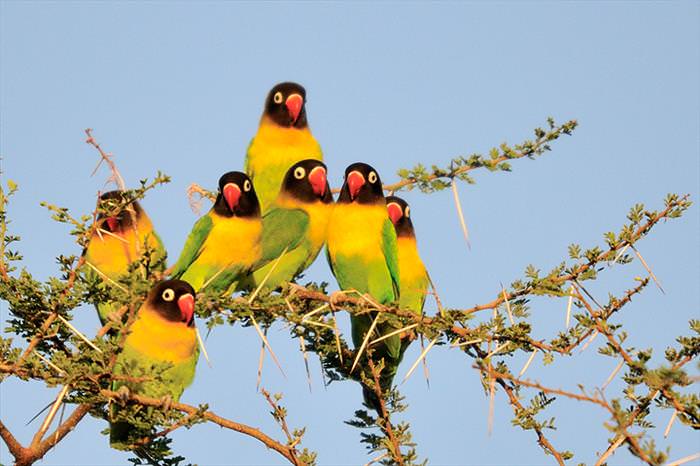


Pictures of the Day…. Colorful Birds….

Colorful Birds

Yellow-collared Lovebirds are predominantly green and yellow.  They are small for a member of the parrot family, standing only 14.5cm tall when fully grown.
 

Violet-crowned woodnymph

The Violet-crowned Woodnymph is undeniably cute – not only for its shimmering purple and green colors, which almost look metallic, but also for its tiny size – they are just 10cm long when fully grown.

Colorful Birds

The Splendid Fairy Wren is a brilliant blue bird found across much of the Australasian continent.  The males are electric blue and pluck petals to display to brown females as part of their mating ritual

Colorful Birds

The Purple Gallinule is found in marshes and swamps of the Southern Eastern States in the US.   Displaying an iridescent indigo and violet feathering, they are omnivores and feed on a wide variety of plants, insects and fish.

Colorful Birds

The Scarlet Macaw is a famous member of the parrot family, known for both its spectacular, predominantly red and blue plumage and familiar loud squawk.

Colorful Birds

The Blue Crowned Pigeon is not your average pigeon.  They can grow to the size of a turkey and boast spectacular blue feathers.
 

Colorful Birds

The Mandarin Duck is immediately recognizable for its incredible combination of dazzling colors.  Only the males display the colorful feathers, the females are predominantly brown with a white eye ring.

Source….www.ba-bamail.com

natarajan

6-திருப்பதி… திருப்பம்… திருப்தி …..

இந்தியாவில் புராதனமான – பிரமாண்டமான எத்தனையோ கோயில்கள் இருக்கின்றன. அங்கெல்லாம் பக்தர்கள் சென்று தரிசிக்கிறார்கள். பிரார்த்தனைக்கேற்ப பலன் பெறுகிறார்கள். ஏதோ, தங்களால் இயன்ற காணிக்கையையும் செலுத்துகிறார்கள்.

ஆனால், திருப்பதியில் மட்டும் பணத்தையும் தங்கத்தையும் ஏன் கொட்டோ கொட்டென்று கொட்டுகிறார்கள்?

‘162 வைரக் கற்களை ஒருவர் உண்டியலில் போட்டிருந்தார்.’

‘ஒரே ஆசாமி 2 கோடி ரூபாயை உண்டியலில் போட்டார்.’

– இப்படிப் பிரமிக்க வைக்கும் ‘உண்டியல்’ அதிசயங்கள் திருப்பதியில் மட்டுமே சாத்தியம்!


காவாளம்’ என்று சொல்லப்படும் பிரமாண்ட உண்டியல்கள் அவ்வப்போது நிரம்பியதும், உடனுக்குடன் அதை அங்கிருந்து அப்புறப்படுத்தி, வேறு உண்டியலைக் கொண்டு வந்து வைத்து விடுவார்கள் திருப்பதி தேவஸ்தான ஊழியர்கள். காலியாக இருந்த உண்டியல் ஒரே நாளிலேயே நிறை மாத கர்ப்பிணியாய் தளும்பி, உடனடியாக வேறு உண்டியல் மாற்றும் நிகழ்வு திருமலையில் சாதாரணம்.

ஒரு சுவாரஸ்யமான விஷயம் தெரியுமா?

ஏழுமலையான் தரிசனத்தை முடித்து விட்டு, உண்டியலில் காணிக்கை செலுத்துவதற்காக நீங்கள் வரிசையில் நின்று கொண்டிருக்கிறீர்கள் என்று வைத்துக் கொள்வோம். சரியாக உங்கள் முறை வரும்போது – நீங்கள் பணம் செலுத்திய அல்லது செலுத்துவதற்குக் காத்திருக்கிற நேரத்தில், அந்த உண்டியல் நிரம்பிவிட்டது என்பதை தேவஸ்தான ஊழியர்கள் அறிந்துகொண்டால், அதற்கு மேல் ஒரு நயா பைசா போடவும் அனுமதிக்க மாட்டார்கள். உண்டியலை ‘சீல்’ வைத்து அங்கிருந்து அப்புறப்படுத்திவிட்டு வேறு உண்டியலை வைத்து விடுவார்கள்.

‘சீல்’ வைத்த உண்டியலை அங்கிருந்து அப்புறப்படுத்தும் வேளையில், அந்த உண்டியலுக்கு அருகில் நிற்கின்ற இரண்டு பக்தர்களைத் தங்களுடன் அழைத்துச் செல்வார்கள். பயப்பட வேண்டாம்… நல்ல தகவல்தான்.


இந்த உண்டியல் நிரம்பிவிட்டது… இதைக் கச்சிதமாக ‘சீல்’ செய்து எடுத்துக் கொண்டுபோனார்கள். அப்போது நான் உடன் இருந்தேன்’ என்று அந்த இரண்டு பக்தரும் சாட்சிக் கையெழுத்து போட வேண்டுமாம். வங்கியில் லோன் வாங்கிய ஒருவருக்காக நாம் போடும் சாட்சிக் கையெழுத்து போன்றதல்ல இது. தைரியமாகக் கையெழுத்து போடலாம். இது சம்பிரதாயத்துக்காகச் செய்யப்படுகின்ற ஒன்று. தற்போது ஏராளமான ‘குளோஸ்டு சர்க்யூட் கேமராக்கள்’ ஆங்காங்கே செயல்பாட்டில் இருக்கும்போது, இதுபோன்ற விஷயங்களில் எந்த ஒரு திருட்டுத்தனமும் நடக்காது.

பிறகு, ஏன் இரண்டு ஊழியரைப் பிடித்துக் கையெழுத்து வாங்குகிறார்கள் என்றால், ஆதி காலத்தில் இருந்து – அதாவது ‘குளோஸ்டு சர்க்யூட் கேமராக்கள்’ இல்லாத நாட்களில் இருந்தே பின்பற்றப்பட்டு வரும் நடைமுறையாம் இது. ஆகவே, அதை இன்றும் விடாமல் கடைப்பிடித்து வருகிறது தேவஸ்தானம்.

இப்படி சாட்சிக் கையெழுத்து போட்ட இரண்டு நபர்களுக்கு என்ன வெகுமதி தெரியுமா? மீண்டும் ஒரு முறை ஏழுமலையான் தரிசனம் இலவசமாக – அதுவும் வெகு அருகில் அழைத்துச் சென்று தரிசனம் செய்து வைப்பார்கள். இந்த தரிசனத்தின்போது உங்களை எவரும் அவசரப்படுத்த மாட்டார்கள். நின்று நிதானமாக பிரார்த்தனை செய்து, ஒரு நமஸ்காரமும் செய்து வரலாம்.

ஆக, இனிமேல் திருப்பதி உண்டியலில் பணம் போடும்போது அல்லது போடுவதற்கு நிற்கும்போதோ, ‘உண்டியல் நிரம்பிவிட்டது போலிருக்கே… எங்கே தேவஸ்தான ஆட்களைக் காணோம். கையெழுத்து போடணுமே’ என்றெல்லாம் ஏக்கப்பட ஆரம்பிப்பீர்கள்தானே?!

திருப்பதி உண்டியல்களில் தினம்தோறும் சேரும் பணத்தை எண்ணி முடிப்பதே பெரும் வேலையாக இருக்கிறது தேவஸ்தானத்துக்கு. தற்போது வெளி ஆட்களையும் உண்டியல் எண்ணும் பணியில் ஈடுபடுத்தி வருகிறார்கள். உண்டியல் தொகையை எண்ண வேண்டும் என்று விரும்புபவர்கள், திருப்பதி தேவஸ்தானத்து இணையத்தில் நுழைந்து அதற்குரிய படிவத்தைத் தேர்ந்தெடுத்து விண்ணப்பிக்க வேண்டுமாம். நீங்கள் அளிக்கின்ற தகவல்களை வைத்து, ‘உண்டியல் எண்ணுவதற்கு இவர் நமக்குப் பயன்படுவாரா’ என்று தேவஸ்தானம் தீர்மானிக்கும். இப்படி உண்டியல் எண்ணுகிற (ஊழியர்கள் அல்லாத) பக்தர்களை தினமும் இரண்டு ஷிஃப்ட்டுகளில் அமர்த்திக் கொள்வர்.

உண்டியல் பற்றிய கூடுதல் தகவல்களைத் தெரிந்துகொள்வதற்கு முன், திருப்பதியில் மட்டும் ஏன் இப்படிக் கொட்டேகொட்டென்று கொட்டுகிறது?


பத்மாவதி தாயாரைத் திருமணம் செய்துகொள்வதற்கு முன், குபேரனிடம் கோடிக்கணக்கான தங்கத்தைக் கடன் வாங்கிவிட்டு, அதை அடைப்பதற்கு வழியாக, எம்பெருமான் ஸ்ரீநிவாஸர் திருவாய் மலர்ந்து சொன்ன வார்த்தைகள் தான் காரணம்.

யார் யார் பாவம் செய்தார்களோ, அவர்களின் பாவக் கணக்குக்கேற்ப, கலியுகத்தில் அவர்களிடம் இருந்து பணத்தை வசூல் செய்து கடனை அடைத்துவிடுவேன்’ என்று, புராண காலத்திலேயே குபேரனுக்கு வாக்கு கொடுத்துள்ளார் ஸ்ரீநிவாஸன். அதன்படி அவர் நம்மிடம் இருந்து இன்றைக்கும் வசூல் வேட்டையை நடத்திக் கொண்டிருக்கிறார்.

குபேரனிடம் ஸ்ரீநிவாஸ பெருமான் ஏன் கடன் வாங்க வேண்டும்?

மன்னன் ஆகாசராஜனின் மகள் பத்மாவதியை விரும்பிய ஸ்ரீநிவாஸன் (வேங்கடவன்) அந்த தேவியை மணம் முடிக்கத் தயாராகி, திருமண ஏற்பாடுகளைக் கவனிக்கலானார். அப்போது, லட்சுமி தேவி ஸ்ரீநிவாஸனிடம் வாசம் செய்யாததால் பணத்துக்கு மிகவும் கஷ்டப்பட்டார். தான் மிகவும் ஏழ்மையான நிலையில் இருக்கும்போது, இந்தத் திருமணத்தை எப்படி விமரிசையாக நடத்துவது என்று தவித்தார் ஸ்ரீநிவாஸன்.

எனவே, எப்போதும் தனக்கு உபகாரமாக இருந்து வரும் நாரதரிடம், என்ன செய்வீர்களோ தெரியாது… எப்படியாவது பெருமளவில் பணம் திரட்டி இந்தத் திருமணத்தை நடத்தி வைக்க உதவுங்கள்” என்று கேட்டுக் கொண்டார்.

பகவானே பணம் கேட்கின்றாரே’ என்று நாரதர், தேவர்கள் உள்ளிட்ட முக்கியமானவர்களுக்குத் தகவல் அனுப்பினார். நாரதர் சொன்ன தினத்தில் குபேரன் உட்பட அனைத்து திக்பாலகர்களும், நவகிரக அதிபதிகளும் சேஷாத்திரி மலைக்கு வரவழைக்கப்பட்டனர். இந்தத் தெய்வத் திருமணம் இங்குதானே நடக்கப் போகிறது!

சேஷாத்திரிக்கு வந்திருப்பவர்களில் யாரிடம் கேட்டால் பணம் கிடைக்கும் என்பது தெரியாதவரா நாரதர்? திக்பாலர்களையும் நவக்கிரகங்களையும் ஒருமுறை பார்த்த நாரதர், குபேரனைக் கண்டு அப்படியே பூரித்தார்.

குபேரனே… நீதான் சரியான தேர்வு. இந்த உலகத்திலேயே அனைத்து வளங்களையும் ஒருங்கே பெற்ற பெரிய செல்வந்தன் நீதான்… வைகாசி மாதம் வளர்பிறை தசமியுடன் கூடிய வெள்ளிக்கிழமை அன்று, ஸ்ரீநிவாஸனுக்கும் பத்மாவதிக்கும் திருமணம் நடைபெற இருக்கிறது. தற்போது ஸ்ரீநிவாஸனுடன் லட்சுமிதேவி இல்லை. எனவே, பணத்துக்குக் கஷ்டப்படுகிறார். ஏழையாக இருக்கும் ஸ்ரீநிவாஸனின் திருமணச் செலவுக்கு உடனடியாக நிறைய பணம் தேவைப்படுகிறது. இதற்குண்டான பணத்தை, நீ கொடுத்து உதவ வேண்டும். அந்தப் பணத்தை ஸ்ரீநிவாஸன் வட்டியுடன் திருப்பித் தருவார்” என்றார்.

குபேரனும் சந்தோஷத்துடன் சம்மதித்தான். எவ்வளவு தேவையோ, அவ்வளவு பணத்தைக் கொடுப்பதாக ஒப்புக்கொண்டான். ஸ்ரீநிவாஸனுக்கு குபேரன் கொடுத்த தொகை, ஒரு கோடியே பதினான்கு லட்சம் பொன் (இந்தத் தொகை பல்வேறு விதமாகவும் நூல்களில் குறிப்பிடப்பட்டிருக்கின்றன) என்று ஒரு தகவல். குபேரனிடம் கடன் வாங்கியதற்காக ஸ்ரீநிவாஸன் பத்திரம் எழுதிக் கொடுத்தார்.

அதோடு குபேரனைப் பார்த்து, நீ கொடுத்த பணத்துக்குக் கலியுகத்தில் வட்டி செலுத்திக்கொண்டு கலியுகத்தின் கடைசியில் அசல் – வட்டி எல்லாம் சேர்த்துக் கொடுத்து விடுகிறேன்” என்றாராம் ஸ்ரீநிவாஸன்.

குபேரனிடம் ஸ்ரீநிவாஸன் வாங்கிய கடனைத்தான், இன்று பக்தர்கள் உண்டியலில் கொட்டோ கொட்டென்று கொட்டி அடைத்து வருவதாகச் சொல்லப்படுகிறது. பக்தர்களிடம் வசூலித்துத் தருவேன்” என்று குபேரனிடம் ஸ்ரீநிவாஸர் சொன்ன வார்த்தைகளையே, திருமலையில் உண்டியல்களுக்கு அருகிலும் தேவஸ்தானம் குறிப்பிட்டு எழுதி வைத்திருக்கிறது.

நன்றி தீபம் (கல்கி வழங்கும் ஆன்மீக மாத இதழ்)  and P.Swaminathan

Source…..www.balhanuman.wordpress.com

Natarajan

5-திருப்பதி… திருப்பம்… திருப்தி…..

நாமெல்லாம் ராத்திரியில் நிம்மதியாக ஏழெட்டு மணி நேரம் உறங்குகிறோம். ஆனால், சர்வலோகத்தையும் காத்தருளும் திருமலை ஸ்ரீவேங்கடவனுக்கு தினமும் எத்தனை மணி நேரம் ஓய்வு தெரியுமா?

வெறும் ஒண்ணரை மணி நேரம்தான்!

நள்ளிரவு ஒண்ணரை மணிக்கு (இரண்டு மணிகூட ஆகிவிடுவதுண்டாம். என் நண்பர் ஒருவர் சமீபத்தில் நள்ளிரவு இரண்டு மணிக்கு ஓட்டமாக ஓடிப் போய் பெருமாளைத் தரிசித்திருக்கிறார்). ‘ஏகாந்த சேவை’ முடிந்த கையோடு திரையிட்டுவிடுவார்கள். அதன்பின் அதிகாலை – அதாவது ஒண்ணரை மணி நேரம் கழித்து ‘சுப்ரபாத சேவை’க்காகத் திருப்பள்ளி எழுச்சி பாடி, துயில் களைப்பர்.


திருவையாறு சங்கீத மூர்த்தியான தியாகராஜ ஸ்வாமிகள் திருப்பதி தரிசனத்துக்குப் போயிருக்கிறார். கஷ்டப்பட்டு நடந்து மலையேறி இவர் சன்னிதியை அடையும்போது நள்ளிரவு. அதுவரை பெருமாளின் தரிசனம் கிடைத்துக் கொண்டிருந்தது. இவர் சன்னிதிக்கு முன் போய் நின்று கண்ணீர் மல்க, அந்த பெருமாளை பிரார்த்திக்கத் தொடங்கும்போது, அங்கிருந்த அர்ச்சகர்கள் தியாகராஜ ஸ்வாமிகள் யார் என்பது தெரியாமல், ஏகாந்த சேவை முடிந்தது. எல்லோரும் புறப்படுங்கள்” என்று கூறிச் சட்டென்று திரையைப் போட்டுவிட்டார்கள்.

தியாகராஜரின் சீடர்கள், எங்களின் குருநாதர் யார் என்று உங்களுக்குத் தெரியாதா?” என்றெல்லாம் ஆலய அர்ச்சகர்களுடன் வாக்குவாதத்தில் இறங்கினர். அவர்கள் அனைவரையும் அமைதிப்படுத்திவிட்டு, தியாகராஜர் வெளியே வந்து ஒரு பாடல் பாடுகிறார். அவ்வளவுதான்… ஸ்ரீவேங்கடவனுக்கு முன்னால் இருந்த திரை மட்டும் திடீரெனப் பற்றி எரிந்து தரையில் பொத்தென விழுந்தது. மாலவன் தரிசனம் கிடைத்தது. அர்ச்சகர்கள் அதிர்ந்துபோய், ஸ்ரீதியாகராஜரிடம் மன்னிப்புக் கேட்டனர். அதன்பின் ஏகாந்த சேவையை மீண்டும் ஒருமுறை தியாகராஜருக்காகச் செய்துவிட்டு அர்ச்சர்கள் நடையைச் சாத்தியதாக ஒரு கதை உண்டு.

ஏகாந்த சேவை முடிந்ததும் பெருமாளின் பிரசாதமாக திராட்சை, முந்திரி தூவிய கெட்டியான பசும்பால் தியாகராஜருக்கும் அவரது சீடர்களுக்கும் தரப்பட்டதாம்.

பொதுவாக, திருப்பதியில் தினந்தோறும் அதிகாலை மூன்று மணிக்குத் தொடங்கும் தரிசனம், நள்ளிரவு ஒண்றரை மணிவரை நீடிக்கும். அதன்பின் பெருமாளைத் தூங்கச் செய்வதற்காக ஏகாந்த சேவை என்கிற தரிசனம் நடக்கும். சயனம் கொள்பவர் – கருவறையில் இருக்கும் போக ஸ்ரீநிவாசமூர்த்தி. மூலவரின் பிரதிநிதியாக இவரை வெல்வெட் மெத்தை விரிக்கப்பட்ட வெள்ளித் தொட்டிலில் இடுவார்கள். பெருமாள் ஓய்வெடுத்துக் கொள்வதாக ஐதீகம்!


பிறகு காய்ச்சிய பால், முந்திரி, பாதாம், திராட்சை ஆகியவற்றை நைவேத்தியம் செய்வார்கள். இரவு வேளையில் வெளிச்சத்தைக் குறைவாக்கி நாம் உறங்குகிறோம் அல்லவா? அது போல் சன்னிதியின் விளக்குத் திரியைச் சற்றே குறைத்து வைப்பார்கள். அன்ன மாச்சார்யர் பரம்பரையில் வந்தவர்கள், தம்புராவுடன் வந்து கீர்த்தனைகளைப் பாடி அவரைத் தூங்கச் செய்வார்கள். பின்னர் சன்னிதிக்குத் திரை போடப்பட்டு, தங்க வாசல் அடைக்கப்படும். அதிகாலை சுப்ரபாத தரிசனத்தின்போதுதான் மீண்டும் திறக்கப்படும்.

அதிகாலை மூன்று மணிக்குத் திறக்கப்பட்டு, மூன்றரை வரை சுப்ரபாத தரிசனம் நடக்கும். பெருமாளை எழுப்புவதற்காக இரண்டு அர்ச்சகர்கள், இரண்டு ஊழியர்கள், தீப்பந்தம் ஏந்திய ஒருவர், வீணை வாசிக்கும் ஒருவர் என ஆறு பேர் சன்னிதியின் முன்னால் உள்ள தங்க வாசலுக்கு வந்து சேருவார்கள். முதலில் துவார பாலகர்களை நமஸ்கரிப்பார்கள். பின்னர், ஊழியரிடம் சாவியை வாங்கி சன்னிதியைத் திறப்பார் அர்ச்சகர். அனைவரும் பெருமாளை வணங்கிவிட்டு, சன்னிதியின் கதவைச் சாத்திவிட்டு உள்ளே செல்வார்கள்.

சரியாக இந்த வேளையில், வெளியே காத்திருக்கும் ஒரு குழுவினரால் சுப்ரபாதம் பாடப்படும். தீப்பந்தம் கொண்டு செல்பவர் சன்னிதியில் தீபங்களை ஏற்றுவார். பின்னர் வீணையை இசைக்க, அதுவரை துயில் கொண்டிருந்த போக ஸ்ரீநிவாசமூர்த்தியை மூலவருக்கு அருகில் கொண்டு வந்து அமர்த்துவார்கள். இதுவே திருப்பள்ளி எழுச்சி.

சுப்ரபாதம் பாடி முடிந்ததும் சன்னிதியின் கதவு திறக்கப்படும். பெருமாளுக்குப் பாலும் வெண்ணெயும் நிவேதனம் செய்து ‘நவநீத ஆரத்தி’ எனப்படும் தீபாராதனை செய்யப்படும். ‘விஸ்வரூப தரிசனம்’ என்று சொல்லப்படுவது இதுதான்.

திருப்பதி மலையில் உள்ள ஆகாயகங்கை தீர்த்தத்தில் இருந்து, மூன்று குடங்களில் புனிதநீர் வந்து சேரும். ஒரு குடம் நீரை காலை பூஜைக்கும், மற்றொன்று மாலை பூஜைக்கும், இன்னொன்று இரவு பூஜைக்குமாக எடுத்து வைப்பார்கள் (பிரம்மோத்ஸவ காலத்தில் யானைமீது தீர்த்தம் வரும்).

காலை பூஜைக்கான ஒரு குடம் தண்ணீரை ஐந்து வெள்ளி கிண்ணங்களில் நிரப்புவார்கள். பின்னர் உத்தரணியில் அதை எடுத்து மந்திரங்கள் உச்சரித்து மிக பவ்யமாக பெருமாள் முன் அர்ச்சகர் நீட்டுவார். ஸ்வாமி அதில் முகத்தைக் கழுவிக் கொள்வதாக ஐதீகம். பின்னர் எஞ்சி உள்ள நீரை சுவாமியின் பாதத்தில் அபிஷேகம் செய்வார்கள். முழு மூர்த்திக்கும் அபிஷேகம் நடப்பதில்லை. மூலவருக்குப் பதிலாக போக ஸ்ரீநிவாச மூர்த்திக்கு அபிஷேகம் நடக்கும். வாசனைத் தைலம், மஞ்சள், பசும்பால், சந்தனம், தேன் போன்றவை இந்த அபிஷேகத்துக்குப் பயன்படுத்தப்படும். அலங்காரம் செய்து, சாமரம் வீசி, தீபாராதனை காட்டியதோடு சுப்ரபாத பூஜை நிறைவடையும்.


சுப்ரபாத பூஜையை அடுத்து, காலை 3.30 முதல் 3.45 வரை சன்னிதியைத் திரை போட்டு மறைத்து, ஸுத்தி எனப்படும் தூய்மை செய்யும் பணி நடக்கும். முதல் நாள் பெருமாளுக்கு அணிவித்த பூமாலைகளைக் களைந்து கோயிலுக்குப் பின்னால் உள்ள பூக்கிணற்றில் சேர்ப்பார்கள்.

பின்னர், புதிய மாலைகள் வாத்திய முழக்கங்களோடு கொண்டு வரப்படும். இந்த சேவைக்கு ‘தோமாலா சேவா’ என்றுபெயர். அதிகாலை 3.45 மணிக்கு இது தொடங்கும். சன்னிதிக்கு பூக்கூடை வந்தவுடன் பெருமாளின் மார்பில் வாசம் புரியும் ஸ்ரீமகாலட்சுமிக்கு முதலில் பூச்சரத்தை சார்த்துவார் அர்ச்சகர். பின்னர் பெருமாளுக்கு மாலைகள் சாத்தப்படும். இது பூர்த்தி ஆனதும், அடுக்கு தீபாராதனை செய்யப்படும். இதற்கு 25 நிமிடம் ஆகும். அதுவரை வெளியே அமர்ந்திருப்போர் பாடல்களைப் பாடிக் கொண்டிருப்பார்கள். அதிகாலை 4.30 மணிக்கு நிறைவுறும்.

இதை அடுத்து கொலுவு நிகழ்ச்சி. சுமார் 15 நிமிடங்கள் நடக்கும். இதற்காக கொலுவு ஸ்ரீநிவாசமூர்த்தி உத்ஸவர் விக்கிரகம், ஸ்ரீவேங்கடவனின் சன்னிதிக்குள் இருக்கிறது. இந்த விக்கிரகத்தை வெள்ளிப் பல்லக்கில் அமர்த்தி, வெள்ளிக் குடை பிடித்து சன்னிதியில் இருந்து எடுத்து வருவர். ஓரிடத்தில் பல்லக்கை இறக்கி எள்ளுப்பொடி, வெல்லம்,வெண்ணெய் ஆகியவற்றை நைவேத்தியம் செய்து அர்ச்சனை, ஆரத்தி நடத்துவார்கள். அதன் பின், ஒரு அர்ச்சகர் பஞ்சாங்கத்தைப் பிரித்து அன்றைய நாள், நட்சத்திரம், திதி உள்ளிட்ட விவரங்களை சத்தம் போட்டு வாசித்து, கொலுவு ஸ்ரீநிவாசமூர்த்திக்குத் தெரியப்படுத்துவார். அதோடு உண்டியலில் முதல் நாள் காணிக்கையாக வந்த தொகை, தங்கம் – வெள்ளி வந்த விவரம் போன்றவற்றைத் தெரியப்படுத்துவார். மூலவர் ஸ்ரீவேங்கடவனே வெளியே வந்து இவற்றை எல்லாம் கேட்பதாக ஐதீகம். இந்த நிகழ்வின்போது பக்தர்களுக்கு அனுமதி இல்லை.

இவை எல்லாம் முடிந்த ஸ்ரீவேங்கடாசலபதிக்கு முதல் நைவேத்தியம் சமர்ப்பிக்கப்படும். அப்போது, ஆலயத்தில் இரண்டு முறை மணி ஒலிக்கப்படும்.

என்ன நைவேத்தியம்? ஏற்கெனவே சொல்லி இருந்தோமே! தயிர் சாதம்! மூலவருக்கு உண்டான இதே நைவேத்தியம்தான் இவருடைய படைகளுக்கும். அதாவது – விஷ்வக்சேனர், கருடன், நித்யசூரிகள் ஆகிய அனைவருக்கும் இதே தயிர்சாதம்தான் நிவேதனம்!

பெருமாளின் நைவேத்தியமே இவர்களுக்கும் கிடைப்பது பெரும் பாக்கியம் அல்லவா?!

நன்றி தீபம் (கல்கி வழங்கும் ஆன்மீக மாத இதழ்) and P.Swaminathan

Source…www.balhanuman.wordpress.com

Natarajan


3-திருப்பதி… திருப்பம்… திருப்தி…

சின்ன குழந்தைகளிடம் சென்று, ‘திருமலை திருப்பதியில் என்ன விசேஷம் குழந்தே?’ என்று ஒரு கேள்வி கேட்டுப் பாருங்கள்…

பெரும்பாலான குழந்தைகள், ‘வேங்கடாசலபதி சாமீ’ என்று சொல்லாது. விழிகளைச் சற்று பெரிதாக்கி, நாக்கையும் சப்புக் கொட்டிக் கொண்டு ‘லட்ட்டு’ என்றுதான் அழுத்தம் திருத்தமாகச் சொல்லும். அந்த அளவுக்கு திருப்பதியும் லட்டும் இணைந்தே இருப்பவை.

திருப்பதிக்குப் போய்விட்டு வந்தால், லட்டு இல்லாமல் எவரும் வீட்டுக்குத் திரும்ப மாட்டார்கள். ஒரிஜினல் லட்டு கிடைக்கவில்லை என்றாலும், அதிகக் காசு கொடுத்து டூப்ளிகேட் லட்டையாவது வாங்கி வருவார்கள்.

ஒரிஜினல் லட்டுக்கு அதிக தேவை இருக்கும்போது, டூப்ளிகேட் லட்டுகள் அந்த இடத்தைப் பூர்த்தி செய்கின்றன என்பது சோகம். இதை எப்படிக் கட்டுப்படுத்துவது என்று திருமலை திருப்பதி தேவஸ்தானமும் யோசித்து வருகிறது.


முதலில் ஒரு சின்ன பொதுத் தகவல்: லட்டு என்பது தமிழ் வார்த்தை இல்லை. சம்ஸ்க்ருத வார்த்தையில் இருந்து மருவி வந்தது. ‘லட்டுகா’ என்றால், சின்ன பந்து என்று அர்த்தம். லட்டும் பந்து சைஸில் இருப்பதால், அதற்கு அப்படி ஒரு பெயரே நிலைத்துவிட்டது போலும். தெலுங்கு, கன்னடம், மலையாளம் என்று எல்லா பாஷையிலும் ‘லட்டு’ தான்!

திருமலை திருப்பதியில், தினம் தோறும் லட்சக்கணக்கில் தயாராகும் லட்டு, சாப்பிடுகிற ஒரு உணவுப் பண்டம் மட்டுமல்ல… அதையும் தாண்டி – ஸ்ரீவேங்கடாசலபதியின் பரிபூரண பிரசாதம்! பலராலும் விரும்பப்படும் பிரசாதம். அதில் இருப்பவை சர்க்கரையும், முந்திரியும், திராட்சையும் மட்டுமல்ல; பெருமாளின் அனுக்ரஹமும்கூட.

நீங்கள் ஆசைப்பட்டால் மட்டும் அது, உங்கள் கைக்கு வந்து விடாது. அந்தப் பிரசாதம் உங்கள் கைக்கு கிடைக்க வேண்டும் என்று பெருமாள் நினைத்தால், நீங்கள் திருவண்ணாமலையில் இருந்தாலும், அது உங்கள் கைக்கு வந்து சேர்ந்துவிடும். அதுதான் பெருமாளின் மகிமை.

ஏதோ, ஆயிரக்கணக்கான வருடங்களாக திருப்பதியில் லட்டு தயார் செய்து பக்தர்களுக்குக் கொடுத்து வருகிறார்கள் என்றுதானே நமக்கெல்லாம் நினைக்கத் தோன்றுகிறது. ஆனால், அதுதான் இல்லை. லட்டு என்கிற இந்த இனிப்பு பிரசாதம் அறிமுகமாகி சுமார் முந்நூறு வருடங்கள் தான் ஆகி இருக்கும் என்றால் உங்களால் நம்ப முடிகிறதா?

லட்டு பிரசாதம் எப்போதில் இருந்து வழங்கப்பட்டு வருகிறது என்பதை ஆதாரபூர்வமாகச் சொல்லும் தகவலோ, கல்வெட்டுக் குறிப்போ கிடையாது. என்றாலும், கி.பி. 17ஆம் நூற்றாண்டில் இருந்து லட்டு பிரசாதம் நடைமுறையில் இருந்து வருகிறது என்பது தகவல்.

பெருமாள் சேவைக்குப் பணம் கட்டு பவர்களுக்கும், பக்தர்களுக்கு இலவச விநியோகம் செய்வதற்கும், ஒருவருக்கு இவ்வளவு லட்டு என்று விலைக்குத் தருவதற்கும் திருமலையில் தினமும் லட்டுகள் தயாராகின்றன. சுப்ரபாத சேவை, தோமாலை சேவை, ஆர்ஜித பிரம்மோத்ஸவம், டோலோத்ஸவம், வசந்தோத்ஸவம், சஹஸ்ர தீப அலங்கார சேவை, ஏகாந்த சேவை – இப்படிப் பல சேவைகளில் பணம் கட்டிக் கலந்து கொள்ளும் பக்தர்களுக்கு இரண்டு சிறு லட்டுகள் பிரசாதமாக தேவஸ்தானத்தால் வழங்கப்படுகின்றன.

திருமலை – திருப்பதியில் இன்று தினம்தோறும் மாபெரும் விசேஷமாகவும், தவிர ஒவ்வொரு ஊரிலும், வெளிநாடுகளிலும் விமரிசையாக நடந்து வருகின்ற ஸ்ரீநிவாசர் திருக்கல்யாண உத்ஸவம், கி.பி. 1546-ஆம் ஆண்டில் தாளப்பாக்கம் திருமலை ஐயங்கார் என்பவரால் முதன்முதலாகத் தொடங்கப்பட்டது என்று ஒரு கல்வெட்டுத் தகவல் உண்டு. அதாவது – அது விஜயநகர மன்னர்களின் ஆட்சிக் காலம். பங்குனி மாதத்தில் ஐந்து நாட்கள் இந்தத் திருக்கல்யாண உத்ஸவம் வெகு விமரிசையாக நடக்கும். ஆனால், இந்த உத்ஸவத்தில் லட்டு என்கிற பிரசாதம் விநியோகிக்கப்பட்டதாகத் தகவல் இல்லை. அப்போது திருக்கல்யாணத்தில் கலந்து கொள்ளும் பக்தர்களுக்கு வடை, மனோகரம், அவல், பொரி போன்றவை பிரசாதமாக வழங்கப்பட்டதாக ஒரு கல்வெட்டுத் தகவல் சொல்கிறது.

திருப்பதி திருக்கோயிலில் 17ஆம் நூற்றாண்டிலேயே லட்டு அறிமுகமாகிவிட்டாலும், பிரசாதமாக வந்தது 20ஆம் நூற்றாண்டில்தான் என்பது ஆணித்தரமான கருத்து. இன்று பிரசாதமாக நாம் விரும்பிச் சாப்பிடுகிற லட்டுவுக்குக் காரணகர்த்தா கல்யாணம் ஐயங்கார் என்பவர்.

1932ஆம் ஆண்டில் மதராஸ் அரசாங்கத்தினரால் திருமலை-திருப்பதி தேவஸ்தானம் உருவாக்கப்பட்டு அவர்களின் நிர்வாகத்தின் கீழ் திருமலைக் கோயில் வந்தது. என்றாலும், மடப்பள்ளியும் பிரசாதங்கள் செய்யும் உரிமையும் ‘மிராசி’கள் என்பவர்கள் ஆதிக்கத்தில் இருந்து வந்தன. ஐந்து மிராசிகளுக்குப் பிரதிநிதியாக ஒருவர் உண்டு. அந்தப் பிரதிநிதிதான் மேல் பத்தியில் நாம் சொன்ன கல்யாணம் ஐயங்கார். ஒட்டுமொத்த மடப்பள்ளி நிர்வாகத்தையும் இவரே பொறுப்பேற்று நடத்திய தகவல் இன்றும் திருப்பதி தேவஸ்தான குறிப்பேடுகளில் இருக்கிறது.

அப்போது ஒருநாள் திருப்பதி திருக்கல்யாண உத்ஸவத்துக்கு ‘கொண்டந்தா லட்டு’ (மலையளவு லட்டு) என்கிற ஒரு பிரார்த்தனையை தெலுங்கு பக்தர் ஒருவர் செய்தார். அதற்குரிய பணத்தையும் தேவஸ்தானத்தில் கட்டினார். அதன்படி பல்லாயிரக்கணக்கான லட்டுகளைத் தயாரித்து திருக்கல்யாண வைபவத்தை ‘மலை’க்க வைக்கும்படி ஜமாய்த்துவிட்டார் கல்யாணம் ஐயங்கார். பக்தருக்கும் இதில் ரொம்ப திருப்தி.

அன்றைய தினம் திருக்கல்யாண வைபவத்தில் கலந்து கொண்ட அனைத்து பக்தர்களுக்கும் லட்டு பிரசாதம் வழங்கப்பட்டது. பிரசாதமாகத் தங்களுக்குக் கிடைத்த லட்டைப் பல பக்தர்களும் வீட்டுக்கு எடுத்துச் சென்று அக்கம்பக்கத்தினருக்குக் கொடுத்து மகிழ்ந்தனர்.

மூதறிஞர் சக்ரவர்த்தி ராஜாஜி அவர்களே, கல்யாணம் ஐயங்கார் தயார் செய்த லட்டுவின் பெருமையை ஏகத்துக்கும் பாராட்டி இருக்கிறார் என்றால், பார்த்துக் கொள்ளுங்கள்.

தற்போது மிராசி நடைமுறை இல்லை. அப்போது என்ன ஓர் ஒப்பந்தம் என்றால், தேவஸ்தானத்தில் 51 லட்டு தயாரித்தால், அதில் இருந்து 11 லட்டை மிராசி குடும்பத்தினருக்குக் கொடுத்து விட வேண்டுமாம். இதில் விருப்பம் இல்லாத திருப்பதி தேவஸ்தானம், சுப்ரீம் கோர்ட் வரை போய் மிராசி நடைமுறையையே ஒழித்துவிட்டது. இப்போது லட்டு தயார் செய்யும் பணியை தேவஸ்தானமே மேற்பார்வை இடுகிறது.

திருப்பதி பெருமாளுக்கு அவ்வப்போது திருக்கல்யாண உத்ஸவம் ஆலயத்திலேயே கோலாகலமாக நடந்து வந்தது. இது 1940ஆம் ஆண்டில் இருந்து நித்ய கல்யாண வைபவம் ஆயிற்று. இந்தக் கல்யாண வைபவத்தில்தான் திருமலை திருப்பதி தேவஸ்தானத்தாரால் எல்லோருக்கும் இனிப்பாக லட்டு வழங்கப்பட்டது.

1943ஆம் ஆண்டிலிருந்து, பெருமாள் கல்யாண உத்ஸவத்தில் கலந்து கொள்ளும் அனைவருக்கும் பிரசாதமாக லட்டு வழங்கப்பட்டது. அதே சமயம் திருக்கல்யாண வைபவத்தில் கலந்து கொள்ளாத பலரையும் இந்த விநியோக முறை ஏங்க வைத்தது. ‘கல்யாண உத்ஸவத்தில் கலந்து கொண்டால் மட்டும்தான் லட்டு பிரசாதமா?’ என்று தேவஸ்தான அதிகாரிகளிடம் குறைப்பட்டுக் கொண்டனர்.

அதன்பின் தேவஸ்தான அதிகாரிகள் அமர்ந்து பேசி, ஒவ்வொரு சனிக்கிழமை அன்றும் ஆலய தரிசனத்துக்கு வரும் அனைத்து பக்தர்களுக்கும் இலவச லட்டு பிரசாதம் வழங்குவது என்று தீர்மானித்துச் செயல்பட ஆரம்பித்தனர். பிறகு, அதுவே நிரந்தரமாகிவிட்டது.

லட்டு இன்னும் தீரவில்லை. சுவையான தகவல்கள் அடுத்த பதிவிலும் காத்திருக்கின்றன.

Source…..www.balhanuman.wordpress.com

நன்றி தீபம் (கல்கி வழங்கும் ஆன்மீக மாத இதழ்) and P Swaminathan

Natarajan

1-“திருப்பதி… திருப்பம்… திருப்தி…”

’திருப்பதி சென்று திரும்பி வந்தால் திருப்பம் நேருமடா – உன் விருப்பம் கூடுமடா!’ என்றார் கண்ணதாசன்.

ஆந்திராவின் தென்கிழக்குப் பகுதியில், சித்தூர் மாவட்டத்தில் அமைந்துள்ள உலகப் புகழ்பெற்ற திருத்தலம் திருப்பதி. ஒன்பது ஆழ்வார்களால் மங்களா சாசனம் செய்யப்பட்ட திவ்ய தேசம் இது. மூலவர் ஸ்ரீவேங்கடம் உடையான் என்று அழைக்கப்பட்டாலும் – ஸ்ரீவேங்கடவன், ஸ்ரீவேங்கடாசலபதி, ஸ்ரீபாலாஜி, ஸ்ரீசீனிவாசப் பெருமாள், ஸ்ரீஏழுமலையான் என்று பல திருநாமங்களில் அழைக்கப்படுகிறார்.

உலகிலேயே மாபெரும் பணக்காரக் கடவுள் யார் என்று கேட்டால், சிறு குழந்தை கூட ‘திருப்பதி வேங்கடாசலபதி’ என்று யோசிக்காமல் சொல்லிவிடும். அந்த அளவுக்குப் பிரசித்தமானவர்.

விசேஷ காலங்களில் தினப்படி காணிக்கையாக இவருக்கு சுமார் ஒரு கோடி ரூபாய்க்கு மேல் குவிகிறது என்றால், பார்த்துக் கொள்ளுங்களேன்!

இன்றைக்குத்தான் என்றில்லை. பண்டைய மன்னர்கள் காலத்தில் இருந்தே திருப்பதி ஏழுமலையான் ‘வசூல்ராஜா’வாகத்தான் விளங்கி வந்திருக்கிறார். இவரது சந்நிதிக்குச் செல்லும் எந்த ஒரு பக்தரும் பணத்தைக் கொட்டிவிட்டுத்தான் தரிசனம் செய்து திரும்புகிறார்.

திருப்பதி கோயிலுக்கு மன்னர் கிருஷ்ணதேவராயர் ஏராளமான தங்க, வைர ஆபரணங்களைக் காணிக்கையாக வழங்கி இருக்கிறார். இதில் ஒரு சுவாரஸ்யம். கிருஷ்ணதேவராயரின் இரண்டு மனைவியருக்கும் எதற்கெடுத்தாலும் போட்டிதான். கண்களைப் பறிக்கும் வேலைப்பாடுகள் அமைந்த ஒரு தங்கப் பேலாவை கிருஷ்ண தேவராயரின் ஒரு மனைவி திருப்பதி கோயிலுக்கு தானமாகக் கொடுத்தாள் என்றால், இன்னொரு மனைவி, அதைவிடப் பெரிய தங்கப்பேலாவை ஓரிரு வருட இடைவெளியில், திருப்பதி பெருமாளுக்கு தானம் கொடுத்திருக்கிறாள். இந்த விவரம், கன்னட மொழியில் ஒரு கல்வெட்டில் காணப்படுகிறது.

எண்ணற்ற குறுநில மன்னர்கள், ராஜாக்கள், பிரபுக்கள் போன்றோர் நிலங்கள், நகைகள், பொற்காசுகள், ஆபரணங்கள் என்று சகட்டுமேனிக்கு வாரி வழங்கி உள்ளனர் திருப்பதி பெருமாளுக்கு. தற்போது திருப்பதி தேவஸ்தானம் பாதுகாத்து வரும் நகைகளின் மதிப்பு மட்டும், பல்லாயிரம் கோடிகளைத் தாண்டும் என்பது ஒரு கணக்கு.

இன்றைக்குக் கோடீஸ்வரர் என்றாலும், ஸ்ரீபத்மாவதித் தாயாரைத் திருமணம் செய்து கொள்வதற்காக, குபேரனிடம் கடன் வாங்கினார் ஸ்ரீநிவாசப் பெருமாள் என்கிறது புராணம். ‘கலியுகம் முழுதும் வட்டி கட்டிவிட்டு, கலியுகம் நிறைவடையும்போது அசலைத் தருகிறேன்’ என்ற நிபந்தனையில், கடன் வாங்கித் திருமணம் செய்து கொண்டாராம். மாலவன் வாங்கிய கடனுக்கு வட்டியைச் செலுத்துவதற்காகத்தான், அவரது அருளுக்குப் பாத்திரமான அடியவர்கள், இன்று திருமலைக்குப் போய்க் கொட்டோ கொட்டென்று பணத்தையும் தங்கத்தையும் கொட்டி வருகிறார்கள் போலிருக்கிறது.

இறைவன் தானாகவே விரும்பி வந்து எழுந்தருளிய தலங்கள் சிறப்பு கொண்டதாகச் சொல்லப்படுகின்றன. பரந்தாமனாகிய திருமால், அப்படித் தானே விரும்பி எழுந்தருளிய தலங்களாக திருவேங்கடம், திருவரங்கம், ஸ்ரீமுஷ்ணம், நைமிசாரண்யம், நாங்குநேரி, புஷ்கரம், பத்ரி, சாளக்கிராமம் போன்றவை சொல்லப்படுகின்றன. இவற்றுள் – திருவேங்கடம் என்கிற திருமலை திருப்பதி விசேஷமானது.

வேங்கடாசலபதி ஏழுமலைகளுக்கு உரியவர். அதனாலேயே அவரை ஏழுமலையான் என்று அழைக்கிறோம். சேஷாசலம், வேதாசலம், கருடாசலம், விருஷபாத்திரி, அஞ்சனாத்திரி, நாராயணகிரி, வேங்கடாசலம் ஆகியவையே அந்த ஏழுமலைகள்.

ஸ்ரீவேங்கடேசப் பெருமாள் கோயில் கொண்ட இடம் திருமலை என்றும், அவருடைய தேவியான ஸ்ரீபத்மாவதி தாயார் குடிகொண்டுள்ள அடிவாரம் திருப்பதி என்றும் வழங்கப்பட்டாலும், பெருமாள் குடிகொண்ட இடம் மேல் திருப்பதி எனவும், தாயார் குடிகொண்ட இடம் கீழ் திருப்பதி என அழைக்கப்படுவதே வழக்கமாக இருக்கிறது.

வேங்கடவனின் மாபெரும் பக்தரான தாளப்பாக்கம் அன்னமய்யா, ஏழுமலையானை பரப்பிரம்மமாகவும், சிவாம்சம் பொருந்திய ஈஸ்வரனாகவும், சக்திஸ்வரூபமாகவும் பாடி, அந்தப் பாடல்களை செப்பேடுகளில் எழுதி வைத்துள்ளார்.

சிறந்த பக்தனான மன்னன் தொண்டைமான், தன்னை அண்டிய ஒரு குடும்பத்தைக் கவனிக்கத் தவறிவிட்டான். இது அவனது குற்றம் இல்லை என்றாலும், அந்தப் பொறுப்புக்கு உரியவன் ஆகிவிட்டான். அவன் திருவேங்கடமுடையானிடம் கதறியபோது, பெருமாள் பிரத்யட்சமாகத் தோன்றினார். அவனுடைய குறையைத் தீர்த்தார். பிறகு, கலியுகத்தில் வசித்து வரும் மனிதர்கள், நீ செய்தது போலவே அறிந்தும் அறியாமலும் கொடிய பாவங்களைச் செய்து வருகிறார்கள். அதன்பின் என்னிடம் வந்து மன்னிப்பு கேட்டுக் கதறுகின்றனர். ஒரு வேளை, அவர்களை நான் காப்பாற்றவில்லை என்றால், என்னைக் குறை கூறுகின்றனர். பக்தர்கள் படும் துன்பத்தை என்னால் பார்த்துக் கொண்டிருக்க முடியாது. ஆகவே, கலியுகம் பூர்த்தியாகும் வரையில், நான் விக்கிரக உருவில் இருப்பேன். உண்மை பக்தர்களிடம் பேசுவேன்” என்று சொல்லி, ஸ்ரீபத்மாவதி தாயாரை, தன் மார்பில் இருத்திக் கொண்டு சிலாரூபமானார்.

ஆனந்த விமானத்தின் கீழே, சுயம்புவாக எழுந்தருளிய இந்த மூலவர், சுமார் பத்தடி உயரம். நின்ற திருக்கோலம். கிழக்கு நோக்கிய சேவை.


தன் திருச்சன்னிதிக்கு முன்னால் நின்று ‘கோவிந்தா… கோவிந்தா’ என்று, இருகரம் கூப்பித் தொழும் பக்தர்களின் குறைகளைப் போக்கி, அவர்களின் வாழ்வில் என்றென்றும் ஆனந்தம் நிலவ ஆசிர்வதிக்கிறார்.

‘கோவிந்தா’ என்கிற நாமம், திருமலை பகவானுக்கு மிகவும் உகப்பானது. அந்தப் பெயரைச் சொன்ன மாத்திரத்திலேயே, அவர் உளம் கனிகிறார்; மனம் நெகிழ்கிறார்; ஓடோடி வந்து உதவுகிறார்.

‘அச்சுதா’, ‘அனந்தா’, ‘கோவிந்தா’ என்கிற பெயர்களை உச்சரிப்பதால், எல்லா வியாதிகளும் நீங்கிவிடும். இது உண்மை’ என்று இருமுறை சத்தியமிட்டுச் சொல்கிறார் வியாச முனிவர்.

‘உட்காரும்போதும், எழுந்திருக்கும் போதும், நடக்கும்போதும், தடுக்கும் போதும், தும்மினாலும், இருமினாலும், ‘கோவிந்தா’ என்று கூற வேண்டும். எந்த உணவைச் சாப்பிட்டாலும், ‘கோவிந்தா’ என்று கூறி, சாப்பிட வேண்டும். இவ்வாறு செய்து வந்தால், நாம் எதிர்பாராத நன்மை உண்டாகும்’ என்று க்ஷத்ரபந்து என்ற மன்னனுக்கு, மாமுனிவர் ஒருவர் போதித்ததாக விஷ்ணு தர்மத்தில் கூறப்பட்டுள்ளது.

நம்முடைய பாவங்கள் அகல்வதற்கு சுலபமான ஒரு வழியைக் காட்டித் தருகிறார் நம்மாழ்வார். என்ன வழி? திருமலைக்குப் போய், கூட்டத்தில் இடிபட்டு, ஸ்ரீநிவாசனை சேவிக்கவேண்டியதில்லையாம். இருந்த இடத்தில் இருந்தபடியே, ‘திருமலையில் நித்யவாசம் செய்தருளுகிற பெருமானுக்கு நம:’ என்று சொல்லிவிட்டால் போதுமாம். அனுபவித்தே தீர்க்க வேண்டிய பாவங்களும், இனிமேல் வரக்கூடிய பாவங்களும் ஒட்டுமொத்தமாக அழிந்துவிடுமாம்.

எனவே, திருப்பதிக்குச் செல்ல முடியவில்லையே என்று கவலைப்படுகிறவர்கள், இருந்த இடத்தில் இருந்தபடியே அந்தப் பெருமாளை வணங்குங்கள்!

சரி; செல்வச் சீமானாக விளங்கும் ஏழுமலையானுக்கு பிரசித்தியான தினசரி நைவேத்தியம் என்ன தெரியுமா? ஒரு புத்தம்புதிய மண்சட்டியில் (அதுவும் இரண்டாக உடைந்த சட்டியில்) சாதாரண தயிர்சாதம்!

திருமலையில் பெருமாளுக்கு நைவேத்தியம் தயாராகிற மடைப்பள்ளி மிகவும் பெரியது. இந்த மடைப்பள்ளியில், லட்டு தவிர பொங்கல், தயிர்சாதம், புளிசாதம், சித்ரான்னங்கள், வடை, முறுக்கு, ஜிலேபி, அதிரசம், போளி, அப்பம், பாயசம், தோசை, ரவா கேசரி, பாதாம் கேசரி, முந்திரிப் பருப்பு கேசரி… இப்படி எண்ணற்ற நைவேத்தியங்கள் தினம்தோறும் தயாராகின்றன.

தவிர, தினமும் ஒன்றரை லட்சம் லட்டுகள் தயாராகின்றன. ஒருநாள் லட்டு தயாரிக்க, 5 ஆயிரம் கிலோ கடலைப் பருப்பு, 10 ஆயிரம் கிலோ சர்க்கரை, 300 கிலோ நெய், 600 கிலோ முந்திரி பருப்பு, உலர்ந்த திராட்சை 540 கிலோ, 150 கிலோ ஏலக்காய் போன்றவை தேவைப்படுகிறது. இதற்காக ஆண்டுதோறும் 100 கோடி ரூபாய் செலவிடப்படுகிறது. தற்போது தயாராகும் ஒரு லட்டின் எடை 800 கிராம்.

பணக்காரக் கடவுள் என்பதற்கேற்ப, பெருமாளின் வழிபாடு சம்பந்தப்பட்ட சில தகவல்கள், பிரமிப்பைத்தான் ஏற்படுத்துகின்றன. ஆம்ஸ்டர்டாமிலிருந்து பக்குவப்படுத்தப்பட்ட ரோஜா மலர்கள் திருப்பதிக்கு அனுப்பி வைக்கப்படுகின்றன. சீனாவில் இருந்து கற்பூரம், அகில், சந்தனம், லவங்கம், குங்குமம், புனுகு போன்ற வாசனைப் பொருட்கள் அனுப்பி வைக்கப்படுகின்றன.

பெருமாளின் அபிஷேகத்துக்காக ஸ்பெயினில் இருந்து குங்குமப்பூ; நேபாளத்தில் இருந்து கஸ்தூரி; பாரீஸில் இருந்து வாசனை திரவியங்கள் போன்றவை வரவழைக்கப்படுகின்றன. விமரிசையான ஒரு அபிஷேகத்துக்கு உண்டான செலவு மட்டும் சுமார் ஒரு லட்ச ரூபாய்.

நன்றி தீபம் (கல்கி வழங்கும் ஆன்மீக மாத இதழ்)  and P.Swaminathan 


Source…..www. balhanuman.wordpress.com

Natarajan


Australia is Full of Cute Animals ….!!!

When I think about Australia I mostly think about snakes, spiders, crocodiles and vast deserts but this wonderful country has so much more to offer! Australia is also home to some of the world’s cutest animals, and I guarantee that you won’t be able to look at these pictures without feeling a need to just say “Awww!”

We start with this kookaburra, which might be the most welcoming bird in the world.

adorable australia


This ringtail possum is using his mother as a cozy combination of a car and a bed.

adorable australia


A wombat is really just a pair of fuzzy cheeks and a lot of fur.

adorable australia


The Golden Brushtail Possum, or as I like to call it: the dog-cat-squirrel combo.

adorable australia


Quokka, the happiest animal in Australia. This little guy is always smiling!

adorable australia


This tiny cute little thing is a pygmy possum, and yes, they really do stay this size.

adorable australia


Ever wonder if there is such a thing as a cute fish? Yes there is, say hello to thecuddlefish.

adorable australia


This amazing pair of eyes is part of a spectacled flying fox, but did you really notice anything else in the picture besides them?

adorable australia


A baby koala sitting in a mug and eating, I have nothing more to add.

adorable australia


I can’t make up my mind if this bilby has ears that are too big or too cute.

adorable australia

Baby kangaroos are called joeys, and this little one has just hurt his leg so he is staying in a home until he feels better, while wearing an “appropriate” baby outfit.

adorable australia


A baby numbat who is too lazy to move both ears.

adorable australia


He might need a diet, but I would still love to hug this Lumholtz’s Tree Kangaroo.

adorable australia


This baby Tasmanian devil will grow up to be quite the danger but for now he is just irresistible.

adorable australia


The Australian masked owl is a delightful mix of serious and adorable.

adorable australia


Yellow-bellied gliders have the cutest noses you have ever seen.

adorable australia


colorful crimson rosella, enjoying a nice bath in the Australian heat.

adorable australia


And we end with these dingo puppies, which for some reason look slightly concerned but it only makes them look cuter.

adorable australia

Source….  JIM  .S in  www.ba-bamail.com

Natarajan


” That One Time the Australian Army Fought a Bunch of Emus….and Lost …” !!!

Australia’s known for being a pretty badass country — a worthy reputation when your nation is populated by a bunch of outlaws on one of the world’s harshest continents.

What Australia doesn’t want you to know, however, is that in between all that crocodile-wrangling and kangaroo-eating, it got its butt kicked once by a bunch of flightless birds.

Emu

The year was 1932. Australian farmers were struggling to save their wheat crops from a fierce, egg-laying pack of scavengers that had migrated into the area. And we’re not talking a pesky flock of chickens, either. This was a battalion of 20,000 emus.

Being Australian, the farmers figured they could probably take out these birds themselves. That plan quickly failed, since there were simply too many birds to handle, though one does wonder how they attempted to solve the problem in the first place.

Regardless, the crops were failing and it was decided reinforcements were necessary. Enter the Royal Australian Artillery.

Major G.P.W. Meredith led two regiments of machine-gun wielding Australian soldiers against the bird infestation, figuring the issue would be taken care of in a few days.

He was wrong.

The emus proved wilier than expected. They dodged bullets with shocking finesse, weaving in and out of troops and scattering into the brush before they could be herded together. Many of the birds that were hit still got away. Whether because of their dense feathers or sheer force of will, they would not not bend to the Aussie military.

Meredith decided to up the ante, organizing a surprise ambush near a dam where 1,000 emus were gathered unawares. This failed as well.

Ego bruised, Meredith decided that the only way to destroy an army of demon emus is to do it yourself. In what no doubt would have made a soul-stirring slow-motion montage, Meredith climbed in the back of a truck and manned its machine gun, firing at the birds as he sped beside them.
The emus outran the truck, leading it through terrain so uneven and wild that the vehicle ended up crashing through a fence in its pursuit. As the emus disappeared into the sunset, the AA had no choice but to accept defeat.

8683484811_688af4b967_b

According to Scientific American, Dr. Murray Johnson’s entries in Journal of Australian Studies reflect Australia’s humorous response to the skirmish:

“On 8 November, it was reported that Major Meredith’s party had used 2,500 rounds of ammunition – twenty-five per cent of the allotted total – to destroy 200 emus,” says Johnson. “When one New South Wales state Labor politician inquired whether ‘a medal was to be struck for those taking part in this war’, his federal counterpart in Western Australia, responded that they should rightly go to the emus who ‘have won every round so far.’”

In the end, less than 1,000 of the 20,000 emus were killed, and the farmers were left to weep over their wheat and gather an army of wallabies to fight back.

Totally kidding — the government decided to cut out the middleman and give the farmers the ammunition they needed to finally fry the birds, taking the lives of 57,034 emus and restoring peace once and for all.
Source…www.businessinsider.com

Natarajan


Meet the Parents of Sumit Nagal… Wimbledon Boys’ Doubles Champion ….

‘Even if we ate our chappatis with pickle, we ensured proper food for Sumit.’

Wimbledon boys’ doubles champion Sumit Nagal’s father tells Manu Shankar/Rediff.com about his son’s tough rise, Mahesh Bhupathi’s incredible support and the hurdles ahead.

Image: Suresh Nagal and Krishna Nagal at their Nangloi home. Photograph: Manu Shankar/Rediff.com

When you enter Nangloi, west Delhi, and ask for directions to the Nagal home, you observe a glint in people’s eyes. A hint of pride.

Sumit Nagal’s home is now a local landmark.

Local residents may not know precisely what the teenager has achieved, but the constant buzz about him on television has added to their curiosity.

Some say he is a kabaddi star, some tell you he won a medal in judo while others assert that he was part of the junior hockey team that won a medal.

They could, I guess, be excused for their ignorance since the mother and sister of Wimbledon’s latest boys’ doubles champion were national kabaddi and hockey players themselves.

Meanwhile, Suresh and Krishna Nagal are waiting for yet another journalist who wants to chat with them about their son’s success at Wimbledon.

Sumit, partnering Vietnam’s Nam Hoang Ly, defeated Reilly Opelka of the United States and Japan’s Akira Santillan 7-6, 6-4 to win the boys’ doubles title at the All England Lawn Tennis Championships, only the sixth Indian to win a Grand Slam junior title.

Yuki Bhambri was the last Indian to taste similar success at the junior level when he won the Australian Open boys’ singles title in 2009. Ramanathan Krishnan (Wimbledon, 1954), Ramesh Krishnan (French Open and Wimbledon, 1979) and Leander Paes (Wimbledon 1990, US Open 1991) are the other Indian junior Grand Slam singles champions. Sania Mirza won the Wimbledon girls’ doubles title in 2003, partnering Russia’s Alisa Kleybanova.

Suresh Nagal, a teacher at Delhi’s municipal school in Nangloi, looks back on his son’s steady rise:

Image: Sumit Nagal. Photograph: Kind Courtesy Sumit Nagal

How did Sumit get into tennis?

We got Sumit enrolled at the DDA (Delhi Development Authority) tennis academy in Paschim Vihar, when he was 7. We are fond of tennis, so wanted him to get into the sport. Everyone sends their kids for cricket coaching, so I thought of putting Sumit into a different sport.

When he turned seven, I got him a Head tennis racquet, which was expensive at that time. It cost Rs 2,000 and I could see he liked the sport very much.

Cricket is commercialised these days and that’s why I wanted Sumit to play tennis. It is such a beautiful game!

At what age did Sumit win his first medal?

Sumit won his first medal, a gold, when he was 8 at a tournament organised by the DDA, in the Under-10 category. He had talent and his coaches used to tell me that tennis comes naturally to him.

When he was 10 he would convincingly beat the Under-14 or Under-12 boys. After that he won several medals outside the country, in Germany, Canada.

Tennis is an expensive sport. What were the difficulties you faced?

Sumit practiced at the Siri Fort Sports complex, which is about 27 km away from Nangloi. So the travelling took its toll. We used to travel in packed buses.

While studying at the Modern Child School, he used to come back by 1:30 pm, have his lunch and then leave for coaching, as he had to be there by 3.

We ensured that he had a proper diet, as this is a very physical sport. Humnein chahe achaar se roti khayi ho, ladke ka dhayaan zaroor rakha (Even if we ate our chappatis with pickle, we ensured proper food for Sumit).

It was after buying a racquet for him that we built our upper floor so that he could practice upstairs by hitting the ball against the wall.

The school authorities accommodated us a lot. There were several occasions when he had tournaments, they would adjust his schedule and allow him to come to school after his matches.

Image: The cabinet filled with trophies Sumit has won. Photograph: Manu Shankar/Rediff.com

When did the jump from DDA’s coaching to the RK Khanna Academy happen?

In December 2007 Apollo Tyres asked Mahesh Bhupathi along with foreign coaches to conduct a nationwide talent hunt. They  selected 14 bright prospects and train them for the future. They had four rounds before the final selection process in Delhi.

It was there that Mahesh spotted Sumit and said there is talent in the kid. Frankly speaking, I didn’t expect him to do so well. There were more than 5,000 kids in the trials and I wasn’t expecting him to bag a place, let alone work with Mahesh.

Sumit was the youngest of them all and had to go to the academy in Bengaluru.

What has been Mahesh Bhupathi’s contribution to Sumit’s growth as a tennis player?

Whatever Sumit has achieved today is due to Mahesh Bhupathi’s help and blessings. During the Apollo Tyres talent hunt, Sumit held Mahesh’s hand and urged him to come see his game. He was pretty impressed by the kid’s confidence level.

His mother, who accompanied Sumit to the trials, did not know who Mahesh was. Once he got into the academy, Bhupathi ensured that Sumit played in Europe to gain exposure. He supported us financially big time too.

They (Mahesh and Sumit) are pretty close and speak on a regular basis, discussing finer points of the game.

Image: Sumit Nagal and Nam Hoang Ly celebrate after winning the junior boys doubles title at Wimbledon. Photograph: Kind Courtesy Sumit Nagal

Sumit also took part in the singles at Wimbledon, but failed to go through. Were you disappointed?

He was aiming for singles glory at Wimbledon, but there were lot of complications which may have hampered his singles game.

First and foremost, his visa was delayed. He could only go to Wimbledon a day before the tournament commenced.

Secondly, at the airport, the Air India staff were not letting him fly as he was under 18 and asked him to bring along either a coach or guardian. His coach Mariano Delfino was supposed to meet him at Heathrow.

After spending considerable time explaining that he was going to represent the country in Wimbledon Air India let him fly.

In the commotion he missed the direct flight to Heathrow and had to travel to Germany, then take a train to London before just making it to the tournament.

Naturally, he was jet-lagged and tired. How can one expect him to do well?

Despite that he took the game against Juan Pablo Ficovich in the first round to the third set.

Coaches play an important role in the development of one’s game. Do you rue the fact he doesn’t have a personal coach?

A personal coach will enhance his game. At the moment he is missing one. A coach reads match situations better and is able to tell you the difference between a correct shot and a wrong one.

In Germany, when he practices, the coach records his practice games and then points out the mistakes so that he can work on his game. Otherwise, it’s like two friends playing the game.

At the same time, we want someone who is good. Often you find people who won’t even know the full form of AITA (the All India Tennis Association) or ITF (the International Tennis Federation) and are in the position of coach at various academies.

Manu Shankar / Rediff.com

Source….www.rediff.com

Natarajan

Message for the Day… ” Man of Few Words will be Free From Enmity…”

Embodiments of Love! The hard-working farmer has no fear of starvation. The one who chants the name of God has no fear of worldly worries. The man of few words will be free from enmity. Through excessive talk people fall prey to quarrels. Hence everyone should cultivate moderation in speech. Restraint in speech is conducive to friendly feelings. The one who is careful in his behaviour, doing all actions after due deliberation, will have no fear of danger. All these precepts are related to education. True education consists in knowing how to lead a peaceful life. This is the mark of every educated person. In addition to furthering your career, you should aspire for world peace, for all of you are part of the world community. Your well-being is intimately tied to that of the world. Hence you should give up all narrow feelings and acquire the feeling of unity with everyone and fellowship with the Divine.

Sathya Sai Baba