Attitude
வாரம் ஒரு கவிதை …” வான மழை நீ எனக்கு …” !!!
சென்னை டா! …. இது நம்ம சென்னை டா!!!!
கி.பி. 1639 ல் இதே ஆகஸ்டு 22 ஆம் நாள் தான் பிரான்சிஸ் டே மதராஸபட்டினத்தை விஜயநகர மன்னரின் ஆளுகையின் கீழிருந்த வந்தவாசி பகுதியின் பிரதிநிதி தாமர்ல வேங்கடபதியிடம் இருந்து சொற்பத் தொகைக்கு விலைக்கு வாங்கினார். சென்னைப்பட்டினம் விலைக்கு வாங்கப் பட்ட அந்த நாளை ஒட்டி அடிப்படையில் சென்னைவாசியான பத்திரிகையாளர் வின்சென்ட் டிசோசா மற்றும் வரலாற்று ஆசிரியர் எஸ்.முத்தையா இருவரது முயற்சியால் ‘சென்னை ஹெரிடேஜ் பவுண்டேஷன்’ மூலமாக 2004 ஆம் ஆண்டு ஆகஸ்டு 22 ஆம் நாள் ’சென்னை டே’ வாக அறிவிக்கப் பட்டு ஒவ்வொரு வருடமும் ’சென்னை டே’ கொண்டாடப்பட்டு வருகிறது.
இந்த வருடமும் சென்னை மக்கள் ‘சென்னை டே’ வைத் தங்களுக்குப் பிடித்தமான விதவிதமான வகைகளில் கொண்டாடித் தீர்த்து விட்டார்கள். சென்னைக்குள் கொண்டாட சென்னையைக் கொண்டாட விஷயங்களா இல்லை?! ஒன்றா இரண்டா நினைத்து நினைத்து ரசிக்க எத்தனை எத்தனை விஷயங்கள்!
50 களின் பழைய ஓரணா நாணயங்கள் முதல் 60 களின் கிராமஃபோன் ரிகார்டுகள், பிரிட்டிஷ் காலத்தில் கட்டப்பட்டு இன்று வரை பயன்பாட்டில் இருக்கும் சென்னை கார்ப்பரேஷன் ரிப்பன் மாளிகை, இன்றும் பழமை விரும்பிகளின் புராதன சேகரிப்பில் பெருமிதம் காட்டும் கிரஹாம்பெல் காலத்திய கையால் சுழற்றப்படும் டயல் டெலிபோன்கள், காசிமேட்டின் கட்டுமரங்கள்,மோட்டார் போட்டுகள், சென்னை வாழ் மக்களின் சந்தோசம், துக்கம், வருத்தம், கொண்டாட்டம் அனைத்துக்கும் தோன்றாத்துணை நிற்கும் ஈடு இணையற்ற மெரினா பீச், சற்று முரட்டுத்தனமாக தோற்றமிருப்பினும் பெரும்பாலும் நட்பு முகம் காட்டும் சென்னை ஆட்டோக்காரர்கள், ஒவ்வொரு நாளின் அதிகாலையிலும் சென்னைத் தெருக்களை நிரப்பி அவசர அவசரமாக சைக்கிளிலிருந்தவாறு செய்தித்தாள்களை விசிறியடித்துச் செல்லும் பேப்பர் பையன்கள், சரவண பவன் சாம்பர் இட்லி, நெய் ரோஸ்ட், கிருஷ்ணா சுவீட்ஸ் மைசூர் பாகு அடடா சொல்லித் தீராது இன்னுமிருக்கிறது!
மக்கள் கூடும் இடமெங்கும் குளுமையாய் கடை விரிக்கும் இளநீர் வியாபாரிகள், சுடச் சுட ஃபில்டர் காப்பி, இனிக்க இனிக்க கரும்பு ஜூஸ், நினைவுகளை கிளறிச் செல்லும் அண்ணா மேம்பாலம், ஜெமினி மேம்பாலம், சதா காதோடு உரசியவறு கதை பேசிக் கடக்கும் எலக்ட்ரிக் டிரெயின் சகட ஓசைகள், அத்தனைக்கும் அப்பால் என்றென்றைக்கும் சென்னைக்கு அதன் உயிர்ப்பான வண்ணம் அளிக்கத் தயங்காத குடிசை மாற்று வாரிய பகுதிகளின் குஷியான குழந்தைப் பட்டாளங்கள்.
இன்னும்…இன்னும் இன்னுமிருக்கிறதே சொல்ல… சென்னைச் சாலைகளின் மீன்பாடி வண்டிகள், இந்தியாவின் அத்தனை மாநிலங்களில் இருந்தும் இங்கே பிழைப்பிற்காக வந்தாலும் தமது மரபை விடாது தினுசு தினுசாக தலைப்பாகை கட்டிய பல இனத்து இளையவர்கள், முதியவர்கள், எப்போதும் ஜனங்களின் சல சலப்பில் திருவிழா மூடில் கல கலக்கும் தி.நகர் ரங்கநாதன் தெரு, வெளிநாட்டினரும் வந்து கைகளால் பிசைந்து அள்ளி உண்வருந்த விரும்பும் திருவல்லிகேணி காசி விநாயகா மெஸ், பூ கட்டும் வித்தை கற்க விரும்பும் மயிலை கபாலி கோயில், இன்றைக்கு இடிக்கப்பட்டு விட்டாலும் சென்னையின் அடையாளங்களில் ஒன்றாக எப்போதும் மக்களின் மனதில் மறவாது இடம் பிடிக்கும் கடற்கரை சீரணி அரங்கம். எல்.ஐ.சி கட்டிடம், சாந்தோம் சர்ச்… கடவுளே!
லிஸ்ட் இன்னும் முடிந்தபாடில்லை சென்னை என்றதும் பழமையும் புதுமையாக நம் மனம் நிறைக்கும் ஞாபகங்கள் தான் எத்தனை எத்தனை?! சென்னை வாழ் மக்களுக்கும் சரி இங்கே வந்து செல்லும் அயல் மாநிலத்து அல்லது அயல் நாட்டு விருந்தினர்களுக்கும் சரி சென்னை எப்போதும் தன் கலாச்சார அடையாளங்களை இழக்க விரும்பாத அதே சமயம் புதுமைகளையும் பெருமிதத்தோடு அரவணைத்துக் கொள்ளும் நவ நாகரீக யுவதியாகவே காட்சியளிக்கிறது. இந்த நகரத்துக்குள் ஒரு முறையேனும் வந்து போன ஒவ்வொருவருக்குள்ளும் உள்ளன்போடு கூடிய தோழமையை, இதுவும் எனது சொந்த வீடென எண்ணிக் கொள்ளும் நெருக்கத்தை இந்த நகரம் தன் இரு கரங்களிலும் அள்ளி அள்ளி வழங்கி இருக்கிறது என்பதற்கு நீடித்த சாட்சியங்களாக நிற்பவை தான் மேலே சொல்லப்பட்ட அத்தனை அடையாளங்களும். அதனால் மட்டுமே கடும் போக்குவரத்து நெரிசல், சுழற்றி அடித்த சுனாமி, மீட்டெடுக்க முடியாத மழைக்கால கோர இழப்புகள் போன்ற சென்னையின் சில விரும்பத் தகாத அம்சங்களையும் கூட மக்கள் சகித்துக் கொள்ளப் பழகி விட்டனர். அந்தக் குறைகளும் நிவர்த்தி செய்யப்படுமானால் சென்னை எப்போதும் சிங்காரச் சென்னை தான். கபாலி ஸ்டைலில் சொல்ல வேண்டுமென்றால் “இது சென்னை டா! நம்ம சென்னை டா” .
சென்னையின் பல்வேறு வண்ணம் காண கீழே உள்ள வீடியோ இணைப்புகளை கிளிக்குங்கள்…
சர்ஃப் எக்ஸெல் விளம்பரத்தில் வரும் பாட்டி சொல்வது போல குளிக்க, துவைக்க, சாப்பிட, சுத்தம் செய்ய என எல்லா வேலைகளுக்கும் இந்தியர்களான நாம் நமது கைகளையே பயன்படுத்துகிறோம், இது வெளிநாட்டினருக்கு எப்போதும் ஆச்சர்யம் தரும் விசயம். கீழே உள்ள வீடியோ இணைப்பில் சென்னை டே வை முன்னிட்டு திருவல்லிக்கேணி காசி விநாயகா மெஸ்ஸில் வெளிநாட்டுக் குடும்பம் ஒன்று நமது இந்தியச் சாப்பாட்டை கைகளால் பிசைந்து ரசித்து ருசித்து உண்பதைப் பாருங்கள்.
மயிலை கபாலி கோயிலில் பூ கட்ட கற்றுக் கொள்ளும் வெளிநாட்டுப் பெண்.
Source….By கார்த்திகா வாசுதேவன் in www.dinamani.com
Natarajan
Madras Day 2016…. !!!
Source….you tube ….Gaananjali’s music band Opus G7 has done the Madras song (Chennai song) which was selected by The Hindu group.
The music is composed and performed by Opus G7.
Natarajan
வாரம் ஒரு கவிதை …” எதிர் கால கனவு ” !!!
படித்ததில் பிடித்தது …” ஜாக்கிரதை …ஜாக்கிரதை ” !!!
ஒரு காவல்காரன். வழக்கம்போல் தப்பட்டை அடித்துக்கொண்டு நடுநிசியில் ”ஜாக்கிரதை” என்று கத்திக்கொண்டே போவான்….
ஒருநாள் அவசரமாக வேறு ஒரு ஊருக்கு போகவேண்டி இருந்ததால் அவன் வேலையை அவன் பிள்ளை செய்யவேண்டியதாயிற்று….
அவன் பிள்ளை முன் ஜன்மத்தில் ஒரு #வேதமறிந்த_பண்டிதனாகஇருந்தவன். எனவே பூர்வ ஜன்ம வாசனை ஞானம் இருந்தது…
இரவில் அவன் தப்பட்டை அடித்துக்கொண்டு ஜாக்கிரதை சொல்லிக்கொண்டு தகப்பன் வேலையை செய்தான்….
அடுத்த நாள் ராஜாவே அந்த காவல்காரன் வீட்டு வாசலில் நின்றான்….
அந்த பையனைப் பார்க்கத்தான் வந்தான்.
”ஐயோ ராஜாவே வந்திருக்கிறார், என் பிள்ளை என்ன பெரிய தவறு ஏதாவது செய்து விட்டானோ,
இங்கேயே ஏதாவது தண்டனையை கொடுத்து நிறைவேற்றுவானோ ?”
காவல் காரன் நடுங்கினான்…..
ஆனால் ராஜா அந்த பையனுக்கு பரிசு கொடுத்து கௌரவிக்க அல்லவோ வந்தான்? எதற்காக?
முதல் நாள் இரவு பையன் ” ஜாக்கிரதை. ஜாக்கிரதை” என்று அப்பாவை போல் சும்மா கத்திக்கொண்டு போகவில்லை….
அவன் ஸ்லோகமாக சில வார்த்தைகள் சொன்னதுதான் ராஜாவை மயக்கியது.
அந்த நீதி வாக்யங்கள் இவைதான்…….
#ஸ்ரீஆதிசங்கரர் அருளிய இந்த வைராக்ய ஸ்லோகங்களில் சில……..
(1)
माता नास्ति पिता नास्ति नास्ति बन्धुः सहोदरः।
अर्थँ नास्ति गृहँ नाति तस्मात् जाग्रत जाग्रत॥
“மாதா நாஸ்தி பிதா நாஸ்தி பந்து ஸஹோதரா
அர்தம் நாஸ்தி க்ருஹம் நாஸ்தி தஸ்மாத்
ஜாக்ரதா ஜாக்ரதா”
There is no mother, no father, no relationships nor any siblings. No money or house. Therefore be alert, Wake up!
அடே தூங்குமூஞ்சி விழித்துக் கொள்ளடா. அப்பன் என்னடா , தாயுமென்னடா, அண்ணனென்னடா தம்பியென்னடா,காசும் பொய் வீடும் பொய். சொந்தமும் இல்லை பந்தமும் இல்லை,. காயமும் பொய் காற்றடைத்த பை, இதையெல்லாம் நம்பி ஏமாறாதே, உடனே விழித்துக் கொள் ஜாக்ரதை ஜாக்ரதை,…
(2)
जन्म दुःखँ जरा दुःखँ जाया दुःखँ पुनः पुनः।
सँसारसागरँ दुःखँ तस्मात् जाग्रत जाग्रत॥
“ஜன்மதுக்கம் ஜராதுக்கம் ஜாயாதுக்கம் புந;புந: சம்ஸார ஸாகரதுக்கம் தஸ்மாத் ஜாக்ரதா: ஜாக்ரதா”
Birth is sorrow, aging is sorrow, spose is sorrow !
Samsara itself is sorrow, therefore remain awake! be alert!
பிறப்பே துன்பம், வயோதிகம் பரம துக்கம், கட்டின மனையாளோ நடக்கும் துயரம், வாழ்வே சோகம்,மாயம்,
விழித்துக்கொள் ஜாக்ரதை….
(3)
कामक्ष्च क्रोधक्ष्च लोभक्ष्च देहे तिष्ठन्ति तस्कराः।
ज्ञनरत्नापहाराय तस्मात् जाग्रत जाग्रत॥
“காம; குரோதச்ச லோபச்ச தேஹே நிஷ்டந்தி தஸ்கரா;
ஞான ரத்நாப ஹாராய தஸ்மாத் ஜாக்ரத ஜாக்ரதா!”
Kama (desires), Krodha (Anger), Lobha (Greed) are like theifs in this body who steal the jewel called “Jnana” [Self Knowledge]. Therefore be alert! Be Awake!
ஆசையும் பாசமும், கோபமும், பேராசையும் திருடர்களப்பா .உன் உள்ளே இருக்கும் ஞானமெனும் விலை மதிப்பில்லா மாணிக்கத்தை திருடுபவர்கள். விளக்கு எடுத்துக்கொண்டு வெளியே திருடர்களை தேடாதே, உள்ளே, உனக்கு உள்ளே ஒளிந்திருக்கும் அவர்களைத் தேடி துரத்து. விழித்துக் கொள், ஜாக்ரதை ஜாக்ரதை…
(4)
आशाया बध्यते जन्तुः कर्मणा बहुचिन्तया।
आयु क्षीणँ न जानाति तस्मात् जाग्रत जाग्रत॥
“ஆசாயா பத்யதே ஜந்து : கர்மணா பஹு சிந்தயா: ஆயுக்ஷீணம் ந ஜாநாதி தஸ்மாத் ஜாக்ரதா
ஜாக்ரதா”
We are [The animal -humans are also addressed as animals here] bound by Expectations: various activities and excess thinking. so much so that we do not recognize the ebbing away of life. Therefore be awake! Be Awake!
ஆசையெல்லாம் தோசை தான் மனித மிருகமே, எதிர்பார்த்து ஏமாறுவதே வழக்கமா? நாம், மனக்கோட்டை கட்டுபவர்கள்… அழிவதை சாஸ்வதம் என்று மனப்பால் குடிப்பவர்கள், விழித்துக் கொள்ளவேண்டாமா, ஜாக்ரதை ஜாக்ரதை.
(5)
सम्पदः स्वप्नसँकाशाः यौवनँ कुसुमोपम्।
विधुच्चन्चचँल आयुषँ तस्मात् जाग्रत जाग्रत॥
All possessions are like what are seen in a dream, youthfulness is only for a short time , like a flower’s lifetime. Life passes away like a lightening therefore be alert!
“நம்முடைய சொத்து எல்லாமே கனவில் கட்டிய மாளிகைகள், இளமை வாலிபம் நிரந்தரமல்ல … நேற்று மொட்டு, காலை மலர், மாலையில் வாடிபோய் எறிந்தாகி விட்டது. மின்னல் போலாகும் இந்த வாழ்க்கை, இதில் நீ என்ன நான் என்ன, விழித்துக் கொள், ஜாக்ரதை ஜாக்ரதை,.
(6)
क्षणँ वित्तँ क्षणँ चित्तँ क्षणँ जीवितमावयोः।
यमस्य करूणा नास्ति तस्मात् जाग्रत जाग्रत॥
Money, memory and life are all momentary. Lord Yama, the lord of death, does not show any mercy. Therefore be awake!!
சூரியன் வருமுன் ஜொலிக்கும் இலையின் மேல் உள்ள பனித்துளி நம் வாழ்வு, சாஸ்வதம் என்று மயங்காதே. சொத்து சுதந்திரம், டாம்பிகம், பேர் புகழ் எல்லாமே, கண்மூடி கண் திறக்கும் வரை தான். கொஞ்சம் கூட நெஞ்சில் ஈரமில்லாதவன் அந்த யமன் . ஜாக்ரதை ஜாக்ரதை
(7)
यावत् कालँ भवेत् कर्म तावत् तिष्ठन्ति जन्तवः।
तस्मिन् क्षीणे विन्श्यन्ति तत्र का परिदेवना॥
As long as their karma lasts so long we see the animal here, the moment the karma is over, the animal is gone. what is there to brood over this ?
சாவி கொடுத்தால் அது வேலை செய்யும் வரை தான் இந்த குரங்கு பொம்மை டமாரம் தட்டும்.தலை ஆட்டும் நடக்கும். கர்மா அளிக்கும் நேரம் வரை தான் வேலையே இங்கு.அப்புறம்? வேறென்ன, தொடரும் கதை தான்.
இதில் என்ன யோசிக்க இருக்கிறது. மேடையில் ஏறியாயிற்று.., வேஷம் கலையும் வரை, வேளை வரும் வரை ஆடு பாடு. இதை உணர விழித்துக் கொள், ஜாக்ரதை ஜாக்ரதை…..
Source ….Facebook post of Sridharan Sivaraman
Natarajan
படித்து ரசித்தது …10 வினாடி கதை !!!
10 செகண்ட் கதைகள்*
அவசியம் படிக்கவும்
*அறியாமை*
”அம்மா, இதுகூடவா தெரியலை” மிதுன், தன் அம்மாவுக்குப் புத்தம்புது ஆப் பற்றி விளக்கிக்கொண்டிருந்தபோது காலிங் பெல் சத்தம். வாசலில், கிராமத்தில் இருந்து அவனது அத்தையும் மாமாவும். கதவைத் திறந்தவன் கத்தினான், ”அம்மா… யாரோ வந்திருக்காங்க பாரு. எனக்குத் தெரியலை!”
😞😞😞😞
*நீதி*
நீதிபதி: குனிஞ்ச தலை நிமிராம நிக்கிறாங்க… இவங்களையா டிவோர்ஸ் பண்றீங்க?
அவன்: ஐயா… அவ இப்பக்கூட ‘ஜட்ஜ்மென்ட் டே’னு ஃபேஸ்புக்ல ஸ்டேட்டஸ் அப்டேட் பண்ணியிருக்கா!
😗😗😗

*உபதேசம்*
”தண்ணியை வேஸ்ட் பண்ணாமப் பிடிங்கப்பா!” எனக் கத்திக்கொண்டிருந்தான், வழி முழுக்க தண்ணீரைக் கொட்டிக்கொண்டே வந்த லாரி டிரைவர்!
😜😜😜

*பரிதவிப்பு*
”கையில இன்னும் பட்டாசு மருந்து ஒட்டிட்டு இருக்கு பாரு… கையை நல்லாக் கழுவிட்டு வந்து சாப்பாட்டுல கை வை” தன் பத்து வயது மகனைக் கடிந்தாள் அந்த விதவைத் தாய், இருவரும் வேலைபார்க்கும் பட்டாசு கம்பெனியின் மதிய உணவு இடைவேளையில்!
😔😔😔😔

*வரம்*
”பக்தா… உன் பக்தியை மெச்சினேன்.
என்ன வரம் வேண்டும்?”
”கடவுளே… நீங்க எனக்கு வரம் தந்தீங்கன்னு சொன்னா, ஒரு பய நம்ப மாட்டான். அதனால
ஒரு செல்ஃபி எடுத்துக்கலாமா?”
😎😎😎
*பெற்ற உள்ளம்*
”என்னை முதியோர் இல்லத்தில் சேர்த்துவிட்டுப் போகும் மகனுக்குத் தெரியவே கூடாது, அவனை நான் பக்கத்துத் தெருவில் உள்ள அநாதை ஆசிரமத்தில் இருந்துதான் தத்தெடுத்தேன் என!”
😯😯😯😯
*தலைமை*
தன் தலைமையில் வகுப்புத் தோழிகளுடன் அந்தச் சிறிய கிராமத்தை பக்காவாகச் சுத்தம்செய்து, ‘க்ளீன் வில்லேஜ்’ புராஜெக்டை வெற்றிகரமாக முடித்து வீடு திரும்பினாள் தனிஷா. அம்மா கத்திக்கொண்டிருந்தாள், ”ஏழு கழுதை வயசு ஆகுது… இன்னும் உன் ரூமை சுத்தமாவெச்சுக்கத் தெரியலை. எல்லாம் போட்டது போட்டபடி கிடக்குது!”
😇😇😇
*வருத்தம்*
தனக்கு மூன்றாவதும் பெண்ணாகப் பிறந்துவிட்டதற்காக மிகவும் வருத்தப்பட்ட முருகன், பின் தன் வாழ்நாள் முழுக்க வருத்தப்படவே இல்லை!
😢😢😢
*சைலன்ஸ்*
‘பின் டிராப் சைலன்ஸ்…’ வகுப்பில் ஆசிரியர் சொன்னதும், அனைத்து மாணவர்களும் தத்தமது மொபைலை சைலன்ட் ஆக்கினர்!
😃😃😃😃
*சம்சாரி*
அறுத்த நெல் அனைத்தையும் பண்ணையாருக்கு வட்டியாகக் கட்டிவிட்டு, ரேஷன் கார்டைத் தேடி எடுத்தார் சம்சாரி ராமசாமி, இலவச அரிசி வாங்க!
😁😁😁😁
Source…….Facebook input
Natarajan
Life Lessons We Can Learn from Children….!!!
Children seem to know something that adults have forgotten. They appear more confident, more courageous and enjoy life more intensely than we adults do. I often look back at my childhood years and cannot help but think of them as the best years of my life. I was a carefree spirit; I lived in the present moment; I had no anxieties and I had no fears. I often wish that I could return to the innocence and zest for life I once had when I was a child. I believe that we can all learn something from our younger selves to bring more clarity and joy into adulthood.
1. They see each day as a new beginning
Children have a beautiful ability to find joy all around them. They see silliness everywhere.
5. They cry if they feel like it
Crying is not often an emotion that adults feel comfortable expressing, yet children do so all the time. Crying helps release our emotions in a normal, healthy way. Yet, instead, we always make it a point to keep it in check. Consequently, we end up keeping our emotions to ourselves. At times, it’s okay for us to be a little more open and vulnerable with people we feel comfortable around.
6. Children are active
Thinking back to my younger years, it was a joy to play outside, running around until I was out of breath and my cheeks were rosy. I never thought of being active as exercise or daily fitness, for me, I was just playing and it was fun.
7. They are more willing to try new things
Children will attempt to play a sport that they have never tried before. They are more willing to jump on a trampoline or dive into a pool, or ski down a mountain, even if they have never done so before. Adults tend to have a fear of the unknown and prefer to stay in their comfort zone, rarely venturing out. Adventure though can make us feel exhilarated and awakened.
8. They are enthusiastic
Children often tend to have so much enthusiasm. They feel lots of excitement, and are hopeful and optimistic. We too should learn to approach life in a more optimistic way. As adults, we often tend to dwell on the negative
9. They nurture friendships
Observe children playing with their friends, they often find pure joy in doing so and are always keen to make new ones. Children tend to enjoy their many activities too – they join soccer teams, go to birthday parties and enjoy quite a number of after school activities too.
10. They notice the little things
The simple things that we often take for granted tend to bring incredible joy and profound inspiration to children. They notice the tiny miracles that surround them each day. How much more beautiful life could be if we noticed the same things they do?
Source….www.ba-bamail.com
Natarajan
The 21-year-old who beat Michael Phelps first met him as a kid in 2008….!!!
Michael Phelps might still be snagging gold medals, but a lot has changed since 2008.
Michael Phelps’ only silver medal of the Rio Olympics came at the hands of 21-year-old Singaporean swimmer Joseph Schooling. Schooling beat Phelps in the 100-meter butterfly, claiming his and Singapore’s first gold medal in Olympic history.
During the victory lap after the race, Schooling turned to Phelps and said, “Dude this is crazy, out of this world, I don’t know how to feel right now,” according to The Guardian. Phelps smiled and simply replied, “I know.”
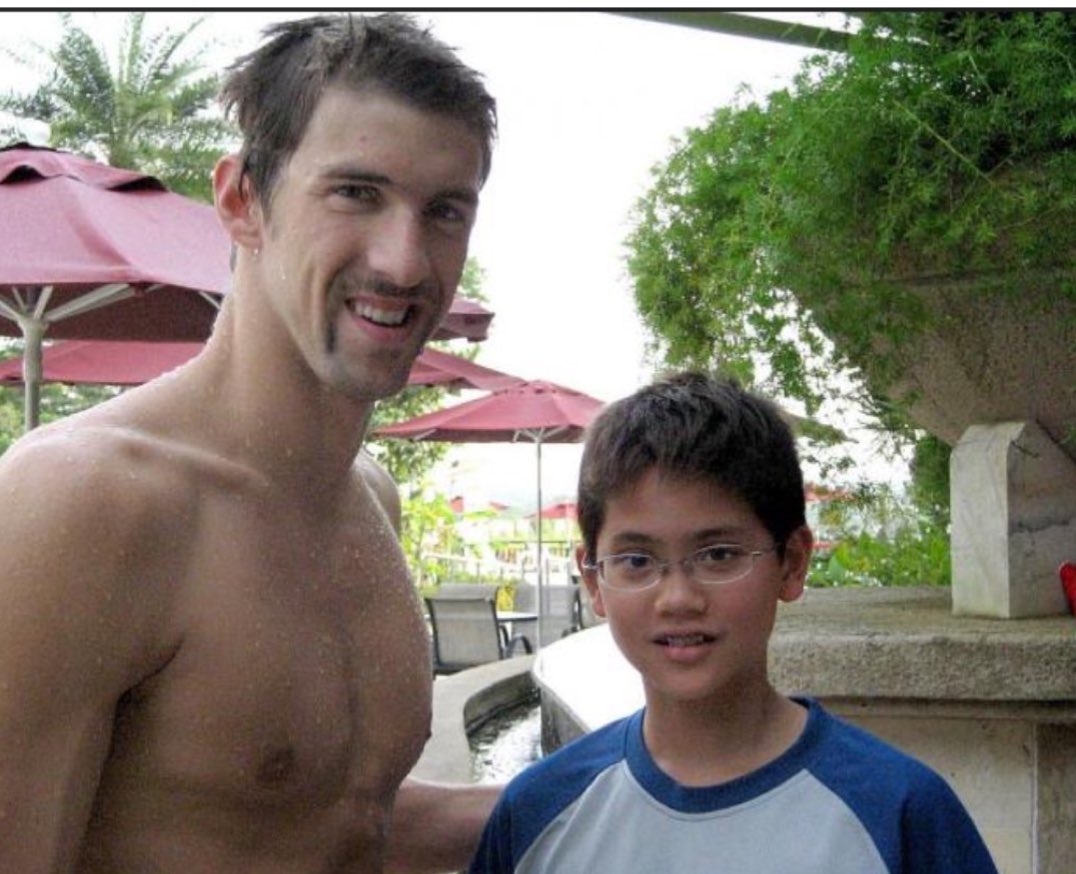
For Schooling, beating Phelps also meant beating his swimming idol. Phelps and Schooling met for the first time in 2008. Here is a picture that has been circulating on social media that puts that meeting into perspective:
“They came to the country club that I trained at,” Schooling told The Guardian. “Everyone just rushed up and was like “it’s Michael Phelps! It’s Michael Phelps!’ and I really wanted a picture … It was very early in the morning and I was so shell shocked, I couldn’t really open my mouth.”
Now it’s Phelps’ turn to be shell shocked, as Schooling put him in a position he’s not used to: second.
And the gold medal isn’t the only thing Schooling will take away from these Olympics. He also just became a millionaire. Singapore tops the rest of the world in prize money for winning a gold medal. According to Fox Sports Australia, athletes who win Olympic gold medals get paid 1 million Singapore dollars for their achievements (roughly $983,000 American).
Source…..www.businessinsider.com.in
Natarajan
“Did You Know, Dr APJ Abdul Kalam’s Best Friend Was 110 Years Old…? “
Meeting Arjuna, Dr APJ Abdul Kalam’s 110-year-old best friend who was a permanent fixture at the former President’s residence, 10 Rajaji Marg, in a book excerpt.
July 27, 2016 marked the first death anniversary of the nation’s best loved president, a teacher par excellence and a human being worthy of being called one of the most humble people in the current times: Dr APJ Abdul Kalam.
Srijan Pal Singh, a close associate of Dr Kalam as well as his student, has chosen to pay tribute to the People’s President through the book ‘What Can I Give: Life Lessons from my Teacher APJ Abdul Kalam.’ The book reveals to readers rare, personal and unheard of anecdotes as well as unseen pictures from Dr Kalam’s life. It also offers one a peek into his daily routine, travels and reflections on various issues.
Below is an excerpt from the book
The people who visited 10, Rajaji Marg to meet Dr Kalam were inevitably asked one question: ‘Have you met my friend Arjuna? Let me introduce you to him. He is a wonderful fellow.’
Then he would escort the guest to the front garden, where Arjuna stood—tall and majestic like the warrior he had been named after, the long years proudly etched on his body.
Dr Kalam would then say, ‘This fellow is very old. Hundred and-ten years old. He must have seen so much, imagine− Gandhiji, Nehru, the freedom wars and India’s rising story. He holds an entire section of history his heart. He is my best friend.’
Arjuna would wave back at Dr Kalam gently, its large branches swaying gracefully. The people who have seen it have always been tempted to take a selfie with it. Arjuna was almost three decades older than Dr Kalam. He was the most special occupant of 10, Rajaji Marg, loved and respected by the owner of the house.
Dr Kalam would walk up to him every day and they would exchange their thoughts silently. No one knew what they communicated, in what language, but we all knew that they made each other wiser. Dr Kalam would often thank Arjuna for taking care of 10, Rajaji Marg through the ages and for helping so many flowers and plants grow under his care. Arjuna was also the official bee-keeper of the house.
One day in 2012, while Dr Kalam and I were in the garden, I asked him, ‘What is so special about Arjuna? Why do you admire him so much?’ He looked at me, puzzled.
Then he said, ‘Because Arjuna lives to give and anyone who lives to give needs to be venerated. Arjuna’s mission in life has been “What can I give, what can I give, what can I give?” That is why he is standing so proudly and happily at such an age.’
I could feel Arjuna, the 110 year-old Terminalia tree, smile behind us.
The conversation did not stop there. Dr Kalam gave me a task one day. ‘Can you determine how many lives Arjuna supports?’ he asked. I was puzzled. It was an unexpected challenge. ‘Go ahead, find out,’ he said.
So I walked up to the giant tree and counted the thick rings of runners around the trunk. Runners are smaller plants that cannot support themselves and so spread themselves around the trunks of large and stronger trees like Arjuna.
One, two, three . . . eleven. Bingo. Eleven rings. I came back with my answer. ‘Sir, it supports eleven rings and of course, it gives out oxygen.’‘Oh. You missed the nests. Look again.’
So I went back to Arjuna. This task was difficult because the tree was heavy with foliage, which carefully shielded its inner branches. I managed to count about twelve nests. I went back. ‘Sir, it supports eleven rings, twelve nests, and gives oxygen.’
‘You missed something again. Come with me.’
This time he walked back towards Arjuna with me. Pointing down at the base of the trunk, he said, ‘You missed this. Didn’t you?’ There it was. Hidden in the dense bushes, growing around the base of the trunk was a peacock’s nest, and a beautiful peahen was laying her eggs in there.
‘Yes, I missed it.’
You know why? Because we often look for solutions that are above us and that makes the solutions look more magnificent. Our mind points us that way. Thus we ignore the inspiration that comes from below, from the ground level. You missed, the largest nest, with the prettiest birds in it, because it was lying on the ground—at the base, around the roots. Diamonds are found in the depths of the earth, and not at the height of the sky.’
A few weeks later, the nest became alive with the chirping of five little chicks. Dr Kalam asked me if I knew what a baby peacock was called. And before I could Google it, he gave them a name—‘Pea-children’.
The pea-children became a part of the 10, Rajaji Marg family. Dr Kalam would regularly ensure that they were fed in the courtyard, which was near the dining room. While we had lunch at the table, he would get birdfeed laid out at the courtyard for the pea-children. And the pea-children would flock to it hungrily.
‘We have more guests for lunch. Now they will always come here for their lunch happily, even when we are not there. You just keep watching; they will come, and come just on time, regardless of anything,’ he would say.
Of course, soon the pea-children were joined by many other birds—pigeons, parrots and crows. This established a tradition which continued for years to come. Even when Dr Kalam went out of town, those birds were served their food. He would remind his staff to feed them whenever he was gone for a long time. And he made it a point to check on them whenever he returned from his trip.When I returned to 10, Rajaji Marg after Dr Kalam’s death, the fact that he would never again eat in that dining room across the courtyard sunk in. But the birds are still fed, like they used to be in his time. The birds will always be fed, in his honour.
www. the betterindia.com
Natarajan