Source ….https://www.routesonline.com
Natarajan
One of India’s most recognisable and loved mascots, Air India’s portly Maharajah with folded hands has held a special place in the hearts of its citizens for years.
“We can call him the Maharajah for want of a better description. But his blood isn’t blue. He may look like royalty, but he isn’t royal. He is capable of entertaining the Queen of England and splitting a beer with her butler. He is a man of many parts: lover boy, sumo wrestler, pavement artist, vendor of naughty post cards, Capuchin monk, Arab merchant…”
These are the words of Bobby Kooka, the man who conceived Air India’s Maharajah nearly 72 years ago. One of India’s most recognisable and loved mascots, this portly figure in regal garb has held a special place in the hearts of its citizens for years.
A part of Air India’s campaign to distinguish itself from its peers, the jovial and rotund Maharajah first made his appearance on an in-flight memo pad in the mid-1940s. He was conceived by SK (Bobby) Kooka, who was then a Commercial Director with Air India and sketched by Umesh Rao, an artist at J Walter Thompson in Bombay.
Back then, India was known as the “Land of the Maharajas” and Air India was its only international carrier, flying to destinations such as Cairo, Prague, Damascus, Zurich and Istanbul. So Kooka wanted to create an illustration for Air India’s letterhead that would symbolise graciousness and elegant living.
For the next few years, the Maharajah was ingeniously used by India’s national airline to introduce new flight routes. His funny antics and quirky puns also allowed Air India to promote its services with subtle humour and unmatched panache.
For instance, one of the posters from Air India’s “retro collection” shows the Maharajah as a Russian Kalinka dancer to advertise its flight to Moscow. Another one shows him on a speedboat surfing in Australia with the boat replaced by two mermaids. Yet another one shows him being carried as a prey, hands and feet tied, by two lions in the jungles of Nairobi.
 Photo Source: Air India on Imgur.
Unsurprisingly, the Maharajah has won numerous national and international awards for Air India for originality in advertising and publicity.
Interestingly, at one point in time, the mascot’s regal connotations triggered a controversy with politicians expressing doubts about using such a symbol to represent a nation with socialist aspirations. As a result, Air India did away with the Maharajah in 1989. But there was such a hue and cry from various quarters that the popular mascot had to be brought back.
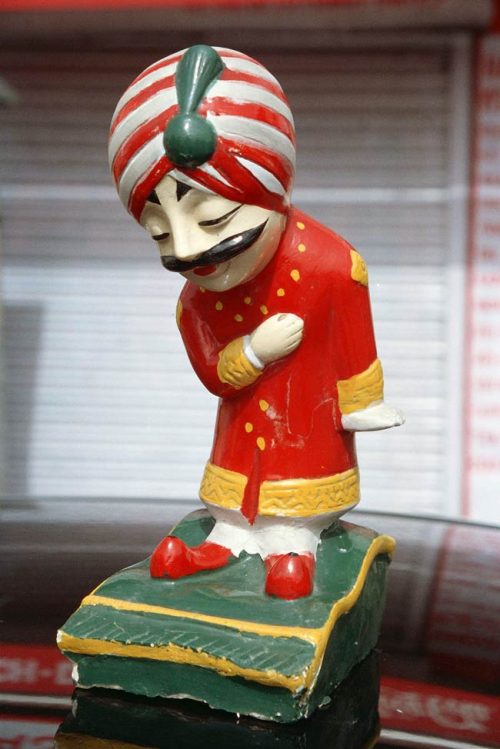
So like all great men, the Maharajah has had his critics. But the millions of travellers who love him far outnumber them. For many of them, the inimitable mascot is a real person, almost like a friend who reaches out with warmth and hospitality, even to the farthest corners of the world.
As Rahul Da Cunha, the ad man behind the equally iconic Amul India campaign, once said,
“The Amul girl and the Air India Maharaja are the most brilliant characters ever created. The Maharaja encapsulates everything Air India should be: Indian luxury, hospitality, services and above all, royalty. It is royalty combined with humility. What can be a more iconic symbol for an Indian carrier?”
Source….SanchariPal
http://www.the better india.com
Natarajan
A humble son of a farmer who studied in local government run schools, in Tamil medium, is the new head of India’s premier space agency.
Dr K Sivan was born in Sarakkalvilai in Kanyakumari district in 1957. His father was a farmer, and Dr Sivan is the first graduate in the family.
By all accounts, his is an unusual story.
A young Sivan studied in government schools in his native village till the 5th standard, and completed his schooling in neighbouring Valankumaravilai, all in Tamil medium. Later, he graduated from the S T Hindu College in Nagercoil.
He then graduated from the Madras Institute of Technology in aeronautical engineering in 1980 and completed his master’s in aerospace engineering from the Indian Institute of Science, Bangalore, in 1982.
That year he joined ISRO on its Polar Satellite Launch Vehicle project, towards which he contributed in mission planning, design, integration and analysis. He has held various responsibilities during his stint in ISRO, finally going on to head India’s space agency.
At ISRO, he completed his PhD in aerospace engineering from IIT-Bombay, in 2006.
Dr Sivan, who takes over from Dr A S Kiran Kumar on Monday, January 15, for a three-year term, is only the second rocket scientist after G Madhavan Nair to head ISRO.

MAGE: Dr Sivan’s family home in Sarakkalvilai village. He comes here regularly to attend family functions and for the Bhadrakali Amman puja. Photograph: A Ganesh Nadar/Rediff.com
Sarakkalvilai falls on the outskirts of Nagercoil, which is the headquarters of Kanyakumari district, Tamil Nadu. All of a sudden this small village has become the centre of attraction for people near and far, thanks to its famous son.
“Take the next right and it is at the end of the road,” says a villager, and as you reach the house you realise it is as unpretentious as the man who grew up there.
Dr Sivan’s sister-in-law Saraswathi lives in the family house with her daughter. “My eldest daughter got married five months ago and Sivan had come for the function,” she says, her eyes glowing with happiness.
Since the announcement about his appointment, people have been coming in droves to congratulate her, and her face beams with pride.
“I was married 30 years ago into this family and at that time he was already working for ISRO in Thiruvananthapuram. He used to live in a lodge then. He comes home for festivals and family functions,” says Saraswathi.
The conversation is interrupted when former Tamil Nadu Congress president Kumari Ananthan lands up with a dozen supporters to congratulate her.
One of the men who comes along with Ananthan hands her a book with the message, “Please give it to him when he comes next.” Another hands her a monthly magazine.
“He comes here every year for the Badrakali Amman puja which takes place in April-May,” adds his sister-in-law.
“He comes with his family, offers prayers and leaves the same day. He always comes for all family functions. When he is with the family he is always smiling and joking. He never calls, but his wife calls regularly and keeps in touch with us,” Sarawathi says.
“He was a class topper from school to college,” says Dr Sivan’s uncle who lives in the house opposite.
“He was a brilliant student and never went for tuitions or private classes. His father used to pluck mangoes and young Sivan used to go to the market to sell it. He was a helpful child,” the uncle adds.
The school Dr Sivan studied at is also opposite the family house. The retired PT master there recalls him clearly. “He was five years my junior in school, I remember him as a very quiet boy.”

“I too was five years his junior,” another villager pipes in. “You know the final exams used to come during harvest time. His father used to be in the field while Sivan sat on the lower branch of a tree with his books, studying, keeping one eye on the harvest, and run if his father called. He was always studying.”
“When Sivan and I were in school we had a very good headmaster,” the villager adds. “That headmaster planted many trees in the school compound and made every class in charge of a few trees. In the morning, when we came to school, the first thing we did was to water the trees and only after that did we attend school.”
“Kanyakumari is basically an agricultural district,” an elderly villager points out. “Apart from coir, there was no industry here. We all survived on farming. It’s rich fertile soil and there is plenty of water. Paddy, bananas, coconuts, mangoes, rubber is grown here.”
“Sivan was exceptional,” the elderly gent adds, “while he helped his father in the field he continued studying every free moment.”
“As there was only a primary school here we went to nearby Valankumaravilai for our SSC (Class 10). Those days there was no 12th standard. As there was no bus facility we walked.”
A colleague from ISRO, who retired a decade ago and did not want to be named for this feature, recalls, “He (Sivan) would go home only to sleep. He is extremely hard-working and totally focused on his work. He was not only the first graduate from his family, he was also the first graduate from his village.”

“He is a disciplined taskmaster,” says D Karthikesan, former director of the ISRO Propulsion Complex in Mahindragiri, Tamil Nadu.
“He likes to keep everything on schedule and works with a deadline,” adds Karthikesan. “If he thinks there is a problem somewhere he will go and talk to the people actually working on the project, and never limit himself to seniors in the organisation.”
“Though he is a hard taskmaster,” the former ISRO scientist points out, “he is also extremely generous and always looks after the welfare of the people working under him. So people work hard for him.”
“He is a bold decision-maker,” says Karthikesan. “Where others may hesitate wondering if it would work or not, he will say it will work and will do it.”
“Though he followed the schedule strictly,” adds Karthikesan, “he also made sure that all parameters are met at every stage. Whether it is quality or safety, he made sure every parameter was up to the mark before proceeding, and yet kept a tight schedule.”
Dr Sivan has two sons. The elder one has finished his BTech, the younger son is in college.
The school Dr Sivan studied in was built over 60 years ago. “We need to pull it down and build another,” says a villager. A government-run school, the land was given free by Dr Sivan’s uncle.
The village still does not have a bus service, a fact the villagers highlighted to Kumari Ananthan, the Congress politician. Nor does it have a middle, high or higher secondary school.
K Sivan’s ascent bears an uncanny resemblance to another ISRO scientist who was born in a fishing village in Ramanathapuram, also in Tamil Nadu.
That scientist, of course, went on to become the most beloved President this Republic has had.
Source….A.Ganesh Nadar in http://www.rediff.com
Natarajan
I went to Kolkata with an upset tummy and returned with an upset husband. He had been very cheerful while we boarded the flight and the plane began to taxi. The air hostess started her routine, giving seat belt instructions and survival tips if the plane decided to take a dip into the ocean. My husband took a dip into his book when I asked him, “Where’s your briefcase?” I just remembered it wasn’t part of the hand luggage we had shoved into the overhead compartment.
He answered airily, “We checked it in,” and returned to his reading when what I said next made him forget his book for a long time. And that was some achievement. “We didn’t,” I persisted. “It was your carry-on baggage. Remember you left it unlocked because it would be with you?”
He turned ashen, clapped a hand to his mouth and jerked forward, straining his fastened seat belt and crashing back into his seat. “Oh no! I’ve left it behind! Where?” As he tried to figure that out, the plane accelerated and took off leaving his briefcase behind in Kolkata. “At the security check!” My husband exclaimed, looking aghast as he recalled his memory lapse.
He had forgotten to take it after the security check, having been pleased to collect his sling bag into which he had deposited his wallet, phone, pens and a notebook with a spiral spine, all guaranteed to beep if on his person. In fact, at the security check on our way to Kolkata, his pocket had behaved so much like an impromptu orchestra that on the return he had hit upon the idea of emptying his pockets into his shoulder bag before it was screened and, cock-a-hoop with its success, had completely forgotten his briefcase.
“What next?,” I asked. “No point informing the crew; no plane is going back for a briefcase unless it contained state secrets. And what’s in it?”
We racked our brains to recall the contents. Luckily my husband had emptied the case to accommodate the last minute shopping of the previous evening. So it didn’t have any important documents or cards. But it contained new silk saris, dress material, T shirts and a few knick knacks.
“So if we don’t recover it, we only lose these,” said my husband, looking relieved. “The saris!,” I cried in anguish.
During the flight we discussed the next course of action. I believed we would recover the case since my husband had chosen the best place in the airport to leave something behind – at the security check. Then I recalled that any abandoned piece of baggage is viewed with suspicion. “What if they immerse the case in water? Or something else?,” I was alarmed. “The saris!,” I cried out again. “They’ll be ruined.”
“Can you think only of saris?,” my husband snapped. The tension was getting to him. “One of them is your gift to me, that’s why,” I said and that mollified him.
We had more than five hours in Chennai before boarding the flight to Thiruvananthapuram. Earlier we had wondered how we would spend the time, but my husband’s ingenious briefcase plot took care of that. We explored the length and breadth of the airport putting in a few kilometres of brisk walking-cum hops, skips and jumps before learning what to do.
The airport manager, seeing my husband’s anxious face, reassured him, “Don’t look so worried, sir, you’ll get it back. Such things happen all the time.”
“‘Really?” Now my husband beamed, grateful he didn’t hold exclusive copyright for losing baggage.
The Lost and Found Department at Kolkata airport whom we called were close-lipped about the whereabouts of the briefcase but gave instructions on the procedure to follow in Thiruvananthapuram.
Once home, we revived our letter-writing skills what with the never-ending letters and e-mails we had to send to various addresses, describing the briefcase and its contents, all with scanned copies of the boarding pass and ID proof attached.
We also had endless calls to make and everyone wanted details. I was most relieved we had decent items inside the case and lauded my husband’s uncanny foresight that had made him remove his innerwear from it.
Lost and found
After many twists and turns in the plot in the next few days that would have done Jeffrey Archer proud, the briefcase, decorated all over with the Lost Property number, returned home. Bringing it in, my husband declared he wouldn’t leave the corporation limits again. Ignoring his loaded statement, I asked anxiously, “Are the saris intact?”
A fortnightly column by the city-based writer, academic and author of the Butterfingers series. She can be contacted at khyrubutter@yahoo.com
Source….Khyrunnisa . A
Natarajan

2009 ஆண்டு ஜனவரி 15 குளிர்காலத்தின் வியாழக்கிழமை. நியூயார்க் நகரம் எப்போதும் போல இயங்கிக் கொண்டிருக்கிறது. லகுவார்டியா விமானநிலையம் பரபரப்பாக இருக்கிறது. விமானங்கள் வருவதும் போவதுமாக இருக்கிறது. விமானங்களுக்கு ஓடுபாதையில் இறங்க வேண்டிய நேரத்தை சிக்னலாக வழங்கிக் கொண்டிருக்கிறார்கள். லகுவார்டியாவிலிருந்து US ஏர் பஸ் 1549 A320 என்கிற விமானம் நார்த் கர்லோநியாவில் உள்ள சார்லோட்டி விமான நிலையத்திற்குப் புறப்படத் தயாராகிறது. 66 டன் எடை கொண்ட விமானம் இரண்டு என்ஜின்களைக் கொண்டது. இரண்டு என்ஜின்களும் 40000 குதிரைத் திறன் கொண்டவை. பைலட்டின் பெயர் செஷ்லே சுல்லேன்பெர்கர் (Chesley Sullenberger). வயது 57. இவர் அமெரிக்க விமானப்படையில் பைலட்டாக இருந்தவர். மொத்தம் 19663 மணி நேரம் பறந்தவர். அதில் 4765 மணி நேரம் A320 விமானத்தில் பயணித்தவர்.
ஏர் பஸ் 1549 A320 விமானத்தில் 150 பயணிகளும் ஐந்து விமானச் சிப்பந்திகளும் பயணிக்கிறார்கள். விமானம் கிளம்புவதற்கான ஒப்புதல் நிலைய அதிகாரிகளிடமிருந்து கிடைக்கிறது. விமான நிலையத்தின் நான்காவது ஓடுபாதையிலிருந்து மாலை 3:24:56 நொடிகளுக்கு விமானம் புறப்படுகிறது.
விமானம் 2818 அடி உயரத்தில் 343 கிலோமீட்டர் வேகத்தில் பறந்துக் கொண்டிருக்கிறது. விமான முகப்புப் பகுதியில் விமானத்தின் முன்பாக பறவைகள் வருவதை பைலட் பார்க்கிறார். அவை கனடா கீஸ் வகை பறவைகள். 3:27:11 பறவைகள் விமானத்தின் எஞ்சின் பகுதியில் மோதுகின்றன. பறவைகள் மோதியதில் விமானத்தின் இரண்டு என்ஜின்களும் பழுதாகின்றன. விமானம் பழுதானதை உணர்கிற பைலட் உடனே விமான நிலைய கட்டுப்பாட்டு அறைக்குத் தகவலைத் தெரிவிக்கிறார். 3:27:33 வினாடிகளில் “விமானத்தில் பறவைகள் மோதிவிட்டன. உடனே விமானத்தை லகுவார்டியாவில் தரை இறக்க வேண்டும் ஓடுபாதையை கிளியர் செய்து கொடுங்கள்” என்கிறார். நிலைமையின் தீவிரத்தை அறியாத விமான நிலைய அதிகாரிகள் விமானத்தை நியூ ஜெர்சியில் இருக்கிற டேடேர்போரோ விமான நிலையத்தில் இறக்குங்கள் எனத் தகவல் சொல்கிறார்கள்.
“விமானத்தை டேடர்போரோவில் இறக்குவதற்குச் சாத்தியமில்லை” என பைலட் பதிலளிக்கிறார். விமானம் ஜார்ஜ் வாஷிங்டன் பாலத்திற்கு மேலாகப் பறந்துக்கொண்டிருக்கிறது. பயணிகளுக்கு எந்தத் தகவலும் வழங்கப்படவில்லை. விமானத்தில் இருக்கிற 150 பயணிகளையும் காப்பாற்றியாக வேண்டிய அசாதாரண சூழ்நிலை. நொடிக்கு 18 அடி கீழ் நோக்கி விமானம் சென்றுகொண்டிருக்கிறது. தீவிரத்தை உணர்கிற பைலட் 3:28:10 நேரத்தில் விமானத்தை அட்சன் பகுதியில் இறக்குவதாக விமான நிலையத்திற்குத் தெரிவிக்கிறார். ஆனால், விமான நிலைய அதிகாரிகள் ”அட்சன் பகுதியிலா வேண்டாம்” என்கிறார்கள். காரணம் அட்சன் என்பது ஓடுதள பகுதி அல்ல என்பதே. நியூயார்க் நகரத்தில் இருக்கிற ஒரு ஆறு. ஜார்ஜ் வாஷிங்டன் பாலம் இருக்கிற நகரின் பரபரப்பான பகுதி. மொத்த விமான நிலையமும் பதற்றத்திற்கு வருகிறது. அட்சன் ஆறு ஐக்கிய அமெரிக்காவின் நியூயார்க்கின் கிழக்குப் பகுதியின் ஊடாகச் செல்லும் ஆறு. வடக்கிலிருந்து தெற்கு நோக்கி ஓடும் ஆற்றின் நீளம் 507 கிலோமீட்டர்கள்.
வேறு வழியின்றி விமானத்தை பைலட் அட்சன் ஆற்றுப் பகுதியில் இறக்க முடிவு செய்கிறார். பயணிகளுக்கு நிலைமை எடுத்துச் சொல்லப்படுகிறது. விமான ஒலிபெருக்கியின் மூலம் விமானிப் பயணிகளுடன் உரையாடுகிறார். பயணிகள் பயத்தில் உறைகிறார்கள். அடுத்து என்ன நடக்கும் என்பதை யூகிக்க முடியாத சூழல். விமான நிலையக் கட்டுப்பட்டு அறையில் இருக்கிற அதிகாரிகள் நியூயார்க் கடற்படைக்குத் தகவல் கொடுக்கிறார்கள். கடற்படையின் படகுகள் கப்பல்கள் குறிப்பிட்ட இடத்திற்குக் கிளம்புகின்றன. பாதுகாப்பு ஹெலிகாப்டர்கள், படகுகள் என அட்சன் ஆறு மிகப்பெரிய விபத்திற்கு தயாராகிறது
3:30 நிமிடத்திற்கு பைலட் விமானத்தை அட்சன் ஆற்றில் இறக்குகிறார். ஆற்றுக்கும் விமானத்திற்குமான இடைவெளி 500 அடியிலிருந்து தீவிரமாகக் கண்காணிக்கப்படுகிறது. 100 அடி, 50 அடி, 20 அடி, 10 அடி எனக் குறைகிறது. 0. அவ்வளவுதான். அதிபயங்கரச் சத்தத்துடன் விமானம் ஆற்றில் பாய்கிறது. அட்சன் பகுதிக்குப் பக்கத்தில் இருக்கிற மக்கள் பேராபத்தை உணர்கிறார்கள். விமானம் ஆற்றில் பாய்ந்த அடுத்த நிமிடம் ஆற்றில் மிதக்க ஆரம்பிக்கிறது. நல்ல வேளையாக விமானம் தீப்பிடிக்கவில்லை. விமானத்தின் தானியங்கி கதவுகள் மூடிக்கொள்கின்றன. கதவுகள் மனித முயற்சியில் திறக்கப்படுகிறது. அடித்துப் பிடித்துக்கொண்டு பயணிகள் விமானத்திலிருந்து வெளியே வருகிறார்கள். சிலர் பதற்றத்தில் வெளியே குதிக்கிறார்கள். குளிர்காலம் என்பதால் நீர் ஐந்து டிகிரி குளிராக இருக்கிறது. விமானத்திலிருந்து வெளியே வந்தவர்களை குளிர் வாட்டி வதைக்க ஆரம்பிக்கிறது. விமானத்தின் இறக்கைப் பகுதிகளில் ஏறி நின்று கொண்டு உதவிக்கு அழைக்கிறார்கள். விமானம் ஆற்றில் இறங்கிய நான்கு நிமிடங்களில் கடற்படையின் படகுச் சம்பவ இடத்திற்கு வந்து சேர்கிறது. பயணிகளில் ஒருவர் மாற்றுத் திறனாளி. விமானம் கொஞ்சம் கொஞ்சமாக நீரில் மூழ்க ஆரம்பிக்கிறது. கடற்படை வீரர்கள் பயணிகள் எல்லோரையும் பத்திரமாக மீட்கிறார்கள். படகுகள் மூலம் எல்லோரும் மீட்டு ஆற்றின் கரைக்குக் கொண்டுவரப்படுகிறார்கள். 3:55 நிமிடத்தில் விமானத்தின் கடைசிப் பயணியும் பத்திரமாக மீட்கப்படுகிறார். எல்லோரும் காப்பாற்றபட்டார்கள் என்பதை உறுதி செய்கிற விமான பைலட் கடைசியாக வெளியே வருகிறார். ஐந்து பயணிகள் பெரிய காயங்களுடன் மருத்துவமனையில் சேர்க்கப்படுகிறார்கள். எழுபத்தி எட்டு பயணிகளுக்குச் சிறிய காயங்கள். சிலர் குளிர் காய்ச்சலுக்கு ஆளானார்கள். ஒரு பயணிக்கு விமானத்தின் எரிபொருள் கண்ணில் பட்டதில் பார்வை போனது.
பெரிதாக எந்த அசம்பாவிதமும் அந்த விபத்தில் நிகழவில்லை. பயணிகள் பைலட்டை தூக்கிவைத்து கொண்டாடுகிறார்கள். விபத்து நடந்த இரண்டாம் நாள் விமானம் ஆற்றுப் படுக்கையிலிருந்து மீட்டு நியூ ஜெர்சிக்குக் கொண்டு செல்லப்படுகிறது. விஷயம் நீதி மன்றத்துக்குச் செல்கிறது. விமான நிர்வாகம் விமான பைலட்டை குற்றம் சாட்டுகிறது. விமானத்தை டேடர்போரோ விமான நிலையத்தில் தரை இறக்கி இருக்கலாம்; அதற்கான நேரம் இருந்தது. ஆனால் விமானி அவசரப்பட்டு விமானத்தை ஆற்றில் இறக்கிவிட்டார் என வாதாடுகிறது. விமானி செஷ்லே சுல்லேன்பெர்கர் அந்த நேரத்தில் பயணிகள் உயிர் குறித்து மட்டுமே சிந்தித்ததாகச் சொல்கிறார். அதை ஏற்றுக்கொள்ளாத விமான நிறுவனம் நீதிமன்ற உத்தரவுபடி ஒரு விமானத்தை சோதனை முயற்சியாக விபத்து நடந்த இடத்திலிருந்து டேடர்போரோ விமான நிலையத்தி இறக்கிக் காட்டுகிறது. ஆனால், விபத்துக்குள்ளான விமானத்தின் விமானி ”சோதனை செய்யப்பட்ட விமானிக்கு என்ன நடக்கப்போகிறது எனத் தெரியும். அதனால் அவர் எளிதாக விமானத்தை தரையிறக்கி விட்டார். மேலும் அவர் அதற்காகப் பயிற்சி பெற்றிருக்கிறார். ஆனால் என்னுடைய நிலை வேறு” எனச் சொல்லி வாதிடுகிறார்.
விமான நிர்வாகம் அதை ஏற்றுக் கொள்ளாமல் மீண்டும் ஒரு சோதனை முயற்சியில் இறங்குகிறது. நடுவானில் விமானத்தின் இரு எஞ்ஜின்களையும் செயலிழக்கச் செய்து டேடர்பெரோ விமான நிலையத்தில் தரை இறக்குகிற முயற்சியில் இறங்கியது. விமானம் பெரிய சுவற்றில் மோதி விபத்துக்குள்ளாகிறது. அனைத்தையும் ஆராய்ந்த நீதிமன்றம் செஷ்லே சுல்லேன்பெர்கர் செய்தது சரி எனச் சொல்லி தீர்ப்பளிக்கிறது. செஷ்லே சுல்லேன்பெர்கர் விமானி பல பதக்கங்களைப் பெறுகிறார். விமான நிறுவனம் பயணிகளுக்கு இழப்பீடை வழங்கியது.
இந்தச் சம்பவத்தை மையமாக வைத்து ‘சல்லி(Sully)’ என்றொரு படம் வெளியானது. டாம் ஹாங்க்ஸ் நடித்திருந்தார்.
Source….George Anthony in http://www.vikatan.com
Natarajan
As part of the custom, the idols along with temple elephants are taken to Shangumugam beach for the ritualistic bath.
For two days in a year, the Thiruvananthapuram International Airport halts its flight operations for five hours on the basis of a ‘Notice to Airmen’ (NOTAM).
Respecting a centuries old temple tradition, the airport runway makes way for a grand procession.
Saturday is one of the two days in a year that sees members of the Travancore royal family, temple priests, police, and even elephants walk down the runway, as part of the temple procession. Hundreds of people also escorted the idols past the 3400-metre runway.
Flights have been halted between 4pm and 9pm at Thiruvananthapuram on Saturday.
The ‘Arat’ procession marks the conclusion of the Painkuni festival and the Alpassi festival. Painkuni and Alpassi are references to Tamil months. While Painkuni is in April, Alpassi is in October.
Arat is the ritualistic bath procession of temple idols at Sree Padmanabha Swami temple in Thiruvananthapuram. The procession, which began at 5pm, crossed the runway at 6.30 pm.
As part of the custom, the idols along with temple elephants are taken to Shangumugam beach for the ritualistic bath. The procession sees royal family members wearing traditional attire and carrying swords. All priests along with royal family members take a dip into the sea three times. The idols are also given a ritualistic bath.
The procession returns to the temple on the same route, accompanied by people carrying traditional fire lamps.
They have to, however, ensure that they clear the runway by 8.45pm.
“The ritual was started centuries ago when the Travancore royal family ruled here. Even after the airport was established, the procession continued to pass through the runway. When the airport was established in 1932, it was under the Royal Flying Club. Since then, the runway was open for these processions. Even after it was converted into an international airport in 1991, the practice continued as the tradition is very important to this place,” an airport official told TNM.
Since the runway is part of traditional arat procession route, the Airport Authority of India issues passes to those who participate in it. Only those who have a pass can enter the route and cross the runway to head to the beach.
“There are strict restrictions inside the airport area. CISF officials guarding the area allow only people with passes. We issue the pass only to people in the list given by temple authorities,” he added.
NOTAM is issued a week before these two dates in the year, so that all the international flights can change their schedule. NOTAM is a notice issued to pilots or airline operators before flights, alerting them of the circumstances or changes in aeronautical facilities or about local procedures that affect safety.

Source….Haritha John in http://www.the newsminute.com
Natarajan
A photographer from a well know national magazine was assigned to cover the fires at Yellowstone National Park. The magazine wanted to show the heroic work of the fire fighters as they battled the blaze.
When the photographer arrived, he realized that the smoke was so thick that it would seriously impede or make it impossible for him to photograph anything from ground level.
He requested permission to rent a plane and take photos from the air. His request was approved and arrangements were made. He was told to report to a nearby airport where a plane would be waiting for him.
He arrived at the airport and saw a plane warming up near the gate. He jumped in with his bag and shouted, “Let’s go!” The pilot swung the little plane into the wind, and within minutes they were in the air.
The photographer said, “Fly over the park and make two or three low passes so I can take some pictures.”
“Why?” asked the pilot. “Because I am a photographer,” he responded, “and photographers take photographs.”
The pilot was silent for a moment; finally he stammered, “You mean you’re not the flight instructor?”
Source….www.ba-bamail.com
natarajan


 Take off with Natarajan