There’s a hidden message written on the back of this family portrait that an Apollo astronaut left on the moon…

On April 20, 1972, Apollo 16 astronaut Charles Duke took his first steps on the moon. He was 36 at the time and is the youngest human in history to ever walk on the lunar surface.

But that’s not the only achievement of Duke’s that lives on in American history.

NASA John W. Young    Astronaut Charles M. Duke Jr., Lunar Module pilot of the Apollo 16 mission, is photographed collecting lunar samples at Station no. 1 during the first Apollo 16 extravehicular activity at the Descartes landing site.

While he was on the moon, he snapped this family portrait of him, his two sons, and his wife, which remains on the moon to this day.

DUKE

On the back of the photo Duke wrote:

“This is the family of astronaut Charlie Duke from planet Earth who landed on the moon on April 20, 1972.”

Here’s a clearer copy of the photo Duke gave us. On the far left is his oldest son Charles Duke III who had just turned seven. In the front in red is his youngest son, Thomas Duke, who was five. Duke and his wife, Dorothy Meade Claiborne, are in the background:

Portrait

Courtesy of Charles Duke

“I’d always planned to leave it on the moon,” Duke told Business Insider. “So when I dropped it, it was just to show the kids that I really did leave it on the moon.”

The photo has since been featured in numerous popular photo books and is a great example of the “human side of space exploration,” Duke said.

When Duke was training to be an Apollo astronaut, he spent most of his time in Florida. But his family was stationed in Houston. As a result, the children didn’t get to see much of their father during that time.

“So, just to get the kids excited about what dad was going to do, I said ‘Would y’all like to go to the moon with me?’” Duke said. “We can take a picture of the family and so the whole family can go to the moon.”

More than 43 years have passed since Duke walked on the moon. And while the footprints that he made in the lunar soil are relatively unchanged, Duke suspects the photo is not in very good shape at this point.

“After 43 years, the temperature of the moon every month goes up to 400 degrees [Fahrenheit] in our landing area and at night it drops almost absolute zero,” Duke said. “Shrink wrap doesn’t turn out too well in those temperatures. It looked OK when I dropped it, but I never looked at it again and I would imagine it’s all faded out by now.”

Unfortunately, there is no way to determine just how faded the photo is because it’s too small for lunar satellites to spot.

Regardless, the photos “was very meaningful for the family,” Duke said. In the end, that’s all that matters, right?

Source…..JESSICA ORWIG……..www.businessinsider.com.au

Natarajan


An Indian Artist’s Journey to Challenge Borders….

Akram Feroze travels by camel as part of his mission to travel along India's border

Mr Feroze, who does not believe in borders, carries a world passport

Theatre actor-director Mohammad Akram Feroze recently set off on foot to travel along India’s 10,000km-long border, stopping to perform plays at villages with – and for – their inhabitants.

Mr Feroze, who does not believe in borders, carries a world passport – as part of a global movement established under Article 13(2) of the Universal Declaration of Human Rights which says “everyone has the right to leave any country, including his own, and to return to his country”.

His journey, however, was cut short just a little over a month after he set off – at the India-Pakistan border, local police accused him of “breach of peace” and arrested him.

After spending two weeks in prison, he was freed on bail, but he says the time he spent travelling has taught him some invaluable lessons.

These are some of the highlights of his journey, as told to BBC Hindi’s Divya Arya:

Invisible Theatre

Akram Feroze with some residents from a border village in India

‘In one village, the residents only warmed up to me when I told them that my family was originally from Pakistan’

The whole idea of my journey was to understand, engage and plant new ideas in the minds of people living in border villages.

Invisible theatre was a very effective – though risky – tool for this. It meant taking on a completely different identity to my own, when interacting with people.

I did this because I wanted villagers to interact with me as a random traveller, rather than as an artist on a project.

In one village, the residents only warmed up to me when I told them that my family was originally from Pakistan who lost everything they owned during partition when they migrated to India.

The villagers immediately grew sympathetic and, in fact, opened up about their opinions on partition and how the border had altered their lives.

One old man said, “Border tension is all hype, created and sustained by governments. On the ground, it is us ordinary people who continue to suffer.”

But such insights would more often than not be quickly swept away by passionate rhetoric about security. I would be told, “things have changed now, you shouldn’t go to the border, people on the other side have bad intentions, and there are terrorists”.

No shades of grey

A profile of an Indian villager

Attitudes towards borders changed depending on proximity to it’

The attitudes towards borders also changed depending on how close or far people lived from them.

It seemed to me that when it came to borders at least, people in the rest of the country understood grey, whereas those who lived on the border were more black-and-white.

One Hindu truck driver from the northern state of Uttar Pradesh who I hitched a ride with told me: “The terror across the border doesn’t worry me, my only worry is feeding my family.”

This was in sharp contrast with most border residents.

One man told me, “The threat of the enemy on the other side is real, our elders have seen violence, we fear those across the border and we have to defend ourselves.” A world passport according to him was “stupidity”.


Border children

Children from a border village act out a play

For children in the villages, the border was a physical end, not a political line’

I found the children a different experience altogether.

Wherever I met them, I would try to develop a play, to challenge their concept of borders and introduce the concept of a border-less world. But the dilemma was that they didn’t understand borders as political lines.

When I asked the first set of children, “what is a border?”, pat came the reply, “it’s the end”. Like the boundaries of boxes.

So first I had to show them a world map to explain country borders, and then ask them to imagine a world without them.

These were rural students who had only ever crossed the border of their village to go to a neighbouring Indian village. Life ended at the village and beyond that – their parents had explained – lay danger.

“Why? Were the people any different?” I asked. “No,” they replied in unison. Their own answer must have triggered some thought, because then a child stood up and asked, “What if I was born on the other side of the border?”


Beyond borders

Sharing a meal with residents from border villages

‘Explaining a border-less world to people who live along one is a challenging concept’

Talking about a border-less world to border villagers is challenging, to say the least, given that even the children have barriers built in their subconscious minds.

I would have to take a circuitous route. One play, titled ‘The educated ghost will scare away the ghost of superstition’, was to educate the villagers about the efficacy of medical treatment for epilepsy instead of prayers by local priests.

While developing the script, a child said there were no doctors in the village.

So, they had to be called from across the border from another village. It automatically drove home the point that people from outside or across the border, in this case a doctor, had good intentions.

What I was doing with them wasn’t really about what happened while I was there, but I hope that a lot of the impact will come later and these new thoughts begin to influence their actions.

Source…www.bbc.com

Natarajan

Joke of the Day….” Who Washes his Face …” ?

Bill, a fresh computer graduate from a world-class University, goes for an interview in a software company.

The interviewer is Steve, a grubby old man. And the first question he asks Bill is, `Are you good at logic?’

`Of course,’ replies Bill.

`Let me test you,’ replies Steve. `Two men come down a chimney. One comes with a clean face and the other comes out with a dirty face. Which one would wash his face?’

Bill stares at Steve. `Is that a test in Logic?’ Steve nods.

`The one with the dirty face washes his face’, Bill answers wearily.

`Wrong. The one with the clean face washes his face. Examine the simple logic. The one with the dirty face looks at the one with the clean face and thinks his face is clean. The one with the clean face looks at the one with the dirty face and thinks his face is dirty. So, the one with the clean face washes his face.’

`Hmm. I never thought of that,” says Bill. `Give me another test.’

Steve holds up two fingers, `Two men come down a chimney. One comes out with a clean face and the other comes out with a dirty face. Which one washes his face?’

`We have already established that. The one with the clean face washes his face.’

`Wrong. Each one washes one’s face. Examine the simple logic. The one with the dirty face looks at the one with the clean face and thinks his face is clean. The one with the clean face looks at the one with the dirty face and thinks his face is dirty. So, the one with the clean face washes his face. When the one with the dirty face sees the one with the clean face washing his face, he also washes his face. So each one washes one’s face.’

`I didn’t think of that!’ says Bill. `It’s shocking to me that I could make an error in logic. Test me again!’

Steve holds up two fingers, `Two men come down a chimney. One comes out with a clean face and the other comes out with a dirty face. Which one washes his face?’

`Each one washes his face.’

`Wrong. Neither one washes his face. Examine the simple logic. The one with the dirty face looks at the one with the clean face and thinks his face is clean too. The one with the clean face looks at the one with the dirty face and thinks his face is dirty too. But when the one with clean face sees that the one with the dirty face doesn’t wash his face, he assumes it is because the dirty face guy is seeing his clean face so he doesn’t wash his face either. So neither one washes his face.’

Bill is desperate. `I am qualified for this job. Please give me one more test!’

He groans when Steve lifts his two fingers, `Two men come down a chimney. One comes out with a clean face and the other comes out with a dirty face. Which one washes his face?’

`Neither one washes his face’, Bill replies, `I have learnt this logic.’

`Wrong, again. Do you now see, Bill, why programming knowledge is insufficient for this job? Tell me, how is it possible for two men to come down the same chimney at the same time, and for one to come out with a clean face and the other with a dirty face? Don’t you see the flaw in the premise?'”

Source…unknown….input from a friend of mine

Natarajan


These 2 Indians Scaled an Unexplored Mountain Peak. And Named It Mt. Kalam …

They wanted to inspire young people of India to take up mountaineering. So Arjun Vajpai and Bhupesh Kumar scaled a 6,180 metres high unexplored peak, becoming the first people to do so.

Two mountaineers, Arjun Vajpai and Bhupesh Kumar, have become the first people to scale a ‘six-thousander’ peak located near the Bara Shigri glacier.

Arjun Vajpai

The term ‘six-thousander’ refers to a peak that is 6,000 metres high, or taller. This particular peak is 6,180 metres tall. It overlooks the Spiti Valley, and gives a view of the Himalayan landscape from an altitude of over 19,000 feet.  Bara Shigri glacier is the largest glacier in Himachal Pradesh.

The duo wanted to go for an unexplored peak to inspire young people to take up mountaineering, and they completed the mission on Oct. 14, returning on Oct. 20.

They also named the peak Mount Kalam in the memory of the former Indian President. –

peak3

Arjun, who had climbed Mount Everest in May 2010, comes from Noida. He had also tried to scale Mount Makalu in Nepal this year, but was stopped because of the earthquake. Bhupesh hails from Bulandshahr and he has scaled 17 Indian peaks till now. –

peak2

Bhupesh Kumar

It is a technically challenging mountain with lots of deep snow, hidden crevasses and abundant rock. Climbing the mountain in an extremely cold environment was difficult. But we scaled it successfully,” Arjun told The Times of India. According to him, around 300 peaks in India are ‘six-thousanders’

They had left Noida on Oct. 8, reaching Batal camp in Himachal Pradesh on Oct. 9. From there, they climbed to Scout Camp (4,100 metres), Intermediate Camp (4,400 metres), Base Camp (4,750 m) and Summit Camp (5,500 metres). On Oct. 14, they scaled the peak and hoisted the Indian flag there.

All pictures: Arjun Vajpai/Facebook

Source…..Tanaya Singh …..www.thebetterindia.com

Natarajan

5 Interesting Things You Probably Didn’t Know About The New State Capital of Andhra Pradesh…. Amaravati …

The foundation stone for building of Andhra Pradesh’s new capital city, Amaravati, was recently laid. Did you know that the small city is very rich in terms of its heritage? Here are five interesting facts you should know about the country’s newest state capital.

After a long wait, Andhra Pradesh is finally ready to welcome its new capital city, Amaravati. Prime Minister Narendra Modi laid the foundation stone for the state’s new capital on Thursday. Here are five interesting facts about the city:

1. Amaravati has about 2,000 year old heritage

amra

Photo: www.trollntroll.com

It is one of the oldest cities in Indian history. A small town in Guntur district, Amaravati has about 2,000 year old heritage. It was the capital of Satavahanas during 2nd and 3rd century BCE. After the fall of kingdoms like Pallavas, it was later captured by Britishers during the colonial period. Its rich heritage includes Amareswara temple, Mahachaitya (the great stupa), Buddhist sculptures and slabs with Buddhist inscriptions.

2. Asia’s largest chilli market is located near Amaravati in Guntur.

amra2

Photo: Alexsoddy.Wikipedia

3. Gautam Buddha, taught the holy ritual of “Kalachakra” in the town of Amaravati, which is home to many ancient Buddhist monks.

budhha1


Photo: JM Garg/Wikimedia Commons

A huge  Buddhist stupa was built during Ashoka’s time. The stupa was also carved with panels that depict Buddha’s history.

4. It has India’s biggest railway station, which is the second largest in Asia.

Vijayawada_station

Photo: Abhijitsathe/ Wikipedia

Vijayawada railway station which was constructed in 1888 is one of the busiest railway stations of India. It has more than 250 express and 150 freight trains passing through it, serving 50 million passengers every year. The railway station has ten platforms and is the only station in India to have five entrance gates with booking counters.

5. The world famous Kohinoor diamond came from “Kollur mines” in Kollur Village, which is now part of the Amaravati.

kohinoor_diamond1

Photo: themystery2012.blogspot.in

Source….Shreya Pareek in http://www.thebetterindia.com

Natarajan


Meet Hidenori Ish….the Japanese ‘thavil ‘ Player at Chennai …

‘I like talking in Tamil, and I enjoy eating thayir sadam (curd rice), dosa and idli. My dream is to play at the Margazhi Dance and Music Festival in Chennai, which is held in December. If I make enough money from sangeetham, I will stop working in companies. After all sangeetham is my life.’

Hidenori Ish talks to Shobha Warrier/Rediff.com about his fascinating journey from a small town in Japan to Tamil Nadu, for the love of music.

It is funny talking to a Japanese person in Tamil, but then Hidenori Ishi is almost like a true Tamilian now. He can speak Tamil way better than English; he enjoys eating idli and dosa; and dreams that someday he’d perform at Chennai’s Margazhi Festival. Being fluent in Tamil, he also prefers the interview to be done in Tamil.

Music indeed has no boundaries, and Ishi’s story bears witness to how music can truly alter a person’s life. In 2007, he made Tamil Nadu his home, and since then there has been no turning back.

He learnt the local language, travelled to unknown places in search of a guru, and also learnt to play kanjira and thavil. Today Ishi has a job with the Customer Service Department of Nippon Express (India), and when he is not working, you’ll spot him playing thavil and kanjira at temples and at marriages. Despite his father’s objection, Ishi continues to live in India and presently has no plans of returning home, as sangeetham is his life now.

The inspiring musical journey of 33-year-old Ishi from Japan to Chennai is one filled with awe and wonder.

Growing up in Japan

‘I grew up in Kamakura, a small town which was once the capital of Japan. It is famous for its Zen Buddhist temples and Shinto shrines. My family consists of my grandparents, who are farmers, and my parents. My father worked in a government department, while my mother is a housewife.

‘Though there are no musicians in my family, I was drawn to music because of a close friend, Kohei Ueda, who plays the guitar and the mandolin beautifully. Back in school, Ueda used to have musical concerts in our city, and I never missed a single concert of his. Fascinated by the musical instruments Ueda played, I wanted to join his band. However, back then I couldn’t afford to buy a musical instrument, and my dream remained unfulfilled.

Lessons in English

‘Ueda and I were so crazy about music that the news of an American band performing at the Hawaiian Islands prompted us to make a trip there. It was my first trip abroad, and I didn’t know a single word of English then. Though we had a great time there, we found it difficult to communicate with people. We then decided to learn English, and the very next year, in 2003, Ueda and I headed to Canada. We were there for a year with a working visa so that we could work and also learn English at the same time.

‘Armed with a working knowledge of English, we decided to visit India. After all, it is the land of Buddha, and we have so many Buddhist temples back home. We had heard many stories about India from friends. Then, I started reading about India and the places to see.

The Indian Chapter

‘In 2005, we landed in Delhi, but our first experience was not a pleasant one. It was night and we had to go to the railway station to board a train for Goa. We were looking out for a bus to take us to the station when a person approached us and offered to drop us to the railway station for the same price. We agreed, but they took us to a hotel instead. When we protested, they said there were no trains headed to Goa at that hour. Obviously they were lying. We were dropped to the railway station, but we ended up paying more than we would have paid as bus fare!

‘We then travelled to Goa, Agra, Mumbai and also visited Ajanta and Ellora caves in Aurangabad. When we were in Mumbai, we heard that (Ustad) Zakir Hussain was performing. He has performed in Japan, but we never had the good fortune to hear him live. Not wanting to miss the opportunity, we attended the performance which was brilliant; I still remember every moment of it!

‘From Mumbai, we went to Kashi (Varanasi). A visit to a music school there got us interested in learning to play the tabla. That was the first music class I ever attended. Apart from the classes, I also looked forward to the delicious Bengali food of rice and fish served at the lodge where we were staying.

‘Two-and-a-half months later, I returned home and decided to join Ueda’s band as a part-time tabla player.

Chennai Bound

‘I had carried a few of Zakir Hussain concert DVDs to watch once back home. In one of the DVDs, I saw V Selvaganesh playing the kanjira. It was so mesmerising to watch him! I wanted to return to India and learn to play the instrument. So, I started saving money for my next trip. At that time, my parents had no complaints about me travelling to India.

‘By 2007, I had saved enough to visit Chennai. Unfortunately, in January, when I landed, Selvaganesh’s school was closed for Pongal. Thankfully, one day I visited a kacheri and saw Madipakkam Gopal Krishna playing the kanjira there. It was the first time that I heard the kanjira live. At that time, I didn’t know it was a rare instrument and not many people played it.

‘Drawn to the kanjira, I got Madipakkam Gopal Krishna to train me. For the next six months, until my visa expired, I stayed in a lodge and went to his house every day to learn the kanjira.

‘Later, when I returned with a fresh visa, I made Selvaganesh my guru,and I studied under his guidance till April 2008. I used to practise for five-six hours daily. Selvaganesh gave me plenty of opportunities to play the kanjira at kacheris in temples, which boosted my confidence. By the time I left his place, I was quite articulate in Tamil! Through Selvaganesh, I got introduced to Triplicane K Sekar, and I started learning the thavil from him. Now, I play more thavil than kanjira.

Studying at a College for the First Time

‘As the money I had saved was almost exhausted, I decided to return home. Before heading back, I made a trip to the green city of Thanjavur and Chidambaram to visit the temples there. There I met Thanjavur T R Govindarajan, who was a professor at the Thiruvaiyaru Music College. Hearing about my interest in music, he asked me to enrol for a three-year course to play thavil.

‘That was the first time I attended a college as I had begun working soon after my schooling.


In India Again!

‘After getting my diploma in May 2011 I returned home. However, my heart belonged to India. I had not learnt how to play the keertana on thavil, and I yearned to play more. However, this time, my father wasn’t happy with me returning to India. However, I had made up my mind.

‘Back in India, I went to Chidambaram. I joined the Annamalai University to learn under the guidance of Thirukadaiyur G Babu.

‘In 2014, I got a degree, and by then I had learnt to play the keertana quite well.

Living It up the Local Way

‘Now, I have a 9-5 job in Chennai. Early mornings and weekends are dedicated to playing the thavil at temples and at weddings. I like talking in Tamil, and I enjoy eating thayir sadam (curd rice), dosa and idli. My dream is to play at the Margazhi Dance and Music Festival in Chennai, which is held in December. If I make enough money from sangeetham, I will stop working in companies. After all sangeetham is my life.

‘I’m not sure how long I’ll stay in Chennai, nor do I know what the future holds for me. However, one thing is certain, thavilwill always be a part of my life!’

Photographs: Ramesh Damodaran

Shobha Warrier / Rediff.com in Chennai  Source….www.rediff.com

Natarajan

Visual delights take flight…

The latest installations in the arrival and departure halls add to the ever-growing list of artwork in Chennai’s international and domestic terminals

Flight delayed by a few hours? It won’t be as much a waste of time, if you considered taking a mini art tour across Chennai Airport. Over the course of the last couple of years, ever since the new airport was opened in 2013, 37 murals and four sculptures have been installed in both the domestic and international terminals — the most recent ones being those of a Nataraja in Thandavam pose and Yudhisthira’s ratha.

“We were asked to make two sculptures that are reminiscent of Tamil Nadu culture, by the Airport Chairman (R. K. Srivastava), for the Global Investors Meet, which took place in September. So, after a lot of brainstorming, we thought, why not bring out Nataraja and Yudhisthira’s ratha, which people can immediately associate with the heritage here,” says Neelam Dhanda, co-owner of the 12-year-old Sunny Sistems — The Art Gallery, which has executed all the installations at the airport.

The two installations were set up just a few days ahead of the investors meet, on August 30. “The 12-and-a-half-foot-high Nataraja is visible from everywhere in the arrival hall. It’s made of fibre, and has been made to look as if it has been made out of wood, and coloured in the way wooden sculptures are coloured traditionally,” says Uday Dhanda, son of Neelam, who coordinated with 18 artisans to create the works in 55 days.

Yudhisthira’s ratha, one of the five rathas which can be seen in Mahabalipuram, has Arjuna’s Penance (a stone carving at Mahabalipuram) etched on three sides, and the guardians of heaven, or dwarpals, on the back. Placed at the departure section, the 16-foot-high installation, which looks like a slice out of the Shore Temple, is also lit up with 102 lights. “I wouldn’t be surprised if a few people took snaps in front of it and told their friends that they actually visited the site at Mahabalipuram. It is that real,” Uday says with a laugh.

The challenge for the team was to bring out an imposing installation that stands out in the busy venue, but at the same time doesn’t eat into the space that sees thousands of people per day. “So, we had to take care that we consumed only a limited footprint. At first glance, people should be able to connect with it; that was our intention,” says Neelam. “Not everyone is going to take the effort or have the time to visit a gallery or tourist spots here, so the installations are a reflection of what the city has in store for them,” she adds.

The previous installations done by the team include those that depict Tamil festivals, dances and processions, besides those of a horse that’s been hand-made with brass and copper sheets and of a boat that depicts the city’s dependence on the ocean. As far as the International Terminal is concerned, there are swans, peacocks, horses and a separate series on the Indian dance forms.

Keywords: Chennai airportart installations, Chennai art
Source….

  • NAVEENA VIJAYAN  ….www.thehindu.com

Natarajan

Are these the Most Magical Settlements in the World … ?

Nestled in some of the most beautiful corners of the world, are tiny settlements of people who have adapted to live around nature.

From villages under boulders in Portugal, to floating villages in Peru, these dwellings are hidden away from the rest of the world.

The secluded settlements are often cut off from the surrounding areas, but are each set in their own natural paradises.

Bravest village ever? The settlement of Aogashima in the Philippine Sea, has 200 inhabitants who live in the middle of a volcanic crater

Bravest village ever? The settlement of Aogashima in the Philippine Sea, has 200 inhabitants who live in the middle of a volcanic crater

Aogashima, Philippine Sea

Perhaps the last place you would expect to find a living community would be inside a tropical volcanic island in the Philippine Sea.

The last time the Class-C volcano erupted was in the 1780s, and it proved fatal for half of the people living on the island.

Over fifty years later, the inhabitants who had escaped the island returned, and now there are 200 brave villagers living there.

Hidden behind a rock! This tiny settlement is concealed from the Greek coastline behind a giant rock on the island 

Hidden behind a rock! This tiny settlement is concealed from the Greek coastline behind a giant rock on the island

Monemvasia, Greece 

Monemvasia is a little settlement concealed behind a huge rock face in Laconia in Greece.

The island was separated from the mainland in 375 AD by an earthquake, although a small walkway has been created since for easy access to the mainland.

Inhabitants are hidden away from the rest of the world, with spectacular views of the Palaia Monemvasia bay.

Giant honeycomb! The Phugtal Monastery in India is hidden on a cliff on the entrance to a cave in the Zanskar region

Giant honeycomb! The Phugtal Monastery in India is hidden on a cliff on the entrance to a cave in the Zanskar region

Phugtal Monastery, India

The hidden cliff face village of Phuktal or Phugtal Monastery is one of the most isolated monasteries in northern India.

Constructed from mud and timber, it is located at the entrance to a cave on a cliff face in the south-eastern Zanskar region in Ladakh district.

Looking like a giant honeycomb it was founded in the early 12th century, but remained a hidden treasure until the 1800s when Alexander Cosmo de Koros visited the place, and stayed there for a year.

The remote east Greenland village of Isortoq includes a supermarket, the large red building (pictured front)

The remote east Greenland village of Isortoq includes a supermarket, the large red building (pictured front)

Isortoq, Greenland  

On 64 people reside on Greenland’s Isortoq village, which is set in the middle of miles of snow and ice.

The Inuit inhabitants used to be forced to survive on only meat, as the harsh landscape didn’t allow for plants to be grown.

They do have a red supermarket nowadays, which offers a variety of other produce.

There is even ketchup and mayonnaise available for eating with seal.

Long way to the corner shop! Only 16 people live in this tiny village nestled high on the cliffs near the coast of the Faroe Islands

Long way to the corner shop! Only 16 people live in this tiny village nestled high on the cliffs near the coast of the Faroe Islands

Gásadalur Village, Denmark 

The isolated village of Gásadalur situated on the west side of Vágar in the Faroe Islands.

Only 16 residents live in the peaceful settlement, with stunning views of tumbling cliffs overlooking the North Atlantic’s Gulf Stream.

A tunnel was built through the mountains in 2004, but before that, a walk to the next village would have meant a strenuous hike or horseback ride over the 400m high mountain.

Nestled in one of the driest locations on earth, is Huacachina; a town complete with trees, hotels, shops and even an oasis library - tranquil!

Nestled in one of the driest locations on earth, is Huacachina; a town complete with trees, hotels, shops and even an oasis library – tranquil!

Huacachina, Peru 

In the midst of one of the driest climates in the world is an oasis town with lush palm trees, flourishing foliage, and a tranquil lagoon which is said to have curative properties.

The magical town is called Huacachina, and it can be found not only on adventurers’ bucket lists, but also in a barren desert in Peru.

Visitors can visit the surreal settlement and the 96 residents who thrive on running small businesses on their greatest resource; sand.

The incredible Cliff of Bandiagara in Mali is an impressive series of clay structures, which are home to the Dogon people

The incredible Cliff of Bandiagara in Mali is an impressive series of clay structures, which are home to the Dogon people

The Cliff of Bandiagara, Mali 

It looks like a model village created by clay, but it is actually a real village in West-Africa, home to the Dogon people.

The Cliff of Bandiagara is zone of tablelands, gorges and plains which has been constructed out of red-coloured clay.

The series of fascinating clay chambers consists of houses, granaries, altars, sanctuaries and, or communal meeting-places, which look perfect for exploring.

Fairytale village! Undredal is hidden in a narrow valleyin the Aurlandsfjord in Norway, and looks like something out of Disney movie

Fairytale village! Undredal is hidden in a narrow valleyin the Aurlandsfjord in Norway, and looks like something out of Disney movie

Undredal, Norway 

The small village of Undredal is home to approximately 100 people and 500 goats, and is a popular tourist destination along the Aurlandsfjorden.

Undredal is famous for the brown goat cheese, and even produces goat sausages.

Before 1988, Undredal was only accessible by boat, but now a road connection has been made by constructing two tunnels as part of the European route E16.

A village in a Fjord! Furore in Italy is a brightly coloured settlement tucked away in the mouth of the fjord 

A village in a Fjord! Furore in Italy is a brightly coloured settlement tucked away in the mouth of the fjord

Furore, Italy 

Tucked away in a Fjord is a quaint Italian village, completed with brightly coloured houses decorated with murals.

Furore can be discovered in the Campania region of south-western Italy, although it used to be practically hidden from travellers.

Following Furore being dubbed ‘the village that doesn’t exist,’ the mayor decided it was time for action, and sought to put the minuscule commune on the map.

He ordered that the tiny buildings should be painted in vibrant colours so the picturesque village could be viewed from the coastal road.

Green haven! Sapa is one of the most beautiful places in earth, and is home to villagers who farm the rice fields and sell trinkets to visitors 

Green haven! Sapa is one of the most beautiful places in earth, and is home to villagers who farm the rice fields and sell trinkets to visitors

Sapa, Vietnam 

Cascading vibrant green rice fields line the hills in the Sapa region of North Vietnam.

Hill-tribe people fill the mountains with colour, and open their homes to tourists who flock to take in the incredible views across the region.

Visitors can trek through the hills and buy colourful trinkets from the tribes people, who accompany them on the walk to help.

Giant mole hills? An entire population of over a thousand residents live underground in dugouts at Coober Pedy in northern South Australia

Giant mole hills? An entire population of over a thousand residents live underground in dugouts at Coober Pedy in northern South Australia

Coober Pedy is built underground to withstand the daytime heat, and even has an underground chapel  Miners who live in the area to collect opals, stay in dugouts underground

There is even an underground chapel and houses that come with lounges, kitchens and dining rooms

Coober Pedy, Australia

From first glance you would think that Coober Pedy in northern South Australia, is a series of giant mole hills.

It is, in fact, a town concealed underground in dugouts which were built to withstand the blazing daytime heat.

According to the 2011 census, its population was 1,695 (953 males, 742 females), who live in the area to mine the precious opals that lie there.

Gorge-ous views! Tiny hilltop village, Rougon, boasts panoramic views of the surrounding Verdon Gorge in the south of France 

Gorge-ous views! Tiny hilltop village, Rougon, boasts panoramic views of the surrounding Verdon Gorge in the south of France

Rougon, France 

After winding your way through the picturesque mountain views in Alpes-de-Haute-Provence in France, you will stumble on a preserved, peaceful village called Rougon.

Sitting under a large rocky outcrop, the hidden village is perfectly situated for panoramic views of the Verdon gorge.

Visitors can explore the Saint Christophe chapel, the Huguenote church, the remains of its feudal castle and enjoy the local fair occurring in the last Sunday in June.

If you are feeling adventurous, guests can camp at the village all year round.

The Havasupai tribe are the smallest Indian nation in America, with just over 600 village inhabitants. It is so remote that mail is delivered by mule

The Havasupai tribe are the smallest Indian nation in America, with just over 600 village inhabitants. It is so remote that mail is delivered by mule

Supai, Arizona 

Millions travel to witness the spectacular Grand Canyon every year, but few know that this Arizona landscape is home to a secret tribe, hidden away in its depths.

More than 600 people are part of the Havasupai tribe, which is the smallest Indian nation in America.

Visitors can reach the mysterious tribe on foot or by helicopter or mule, and experience life in the village of Supai, which has a cafe, general stores, a lodge, post office, school, LDS chapel, and a small Christian church.

The most remote location in the world: Tristan da Cunha is situated over a thousand miles from the nearest land and has 300 residents 

The most remote location in the world: Tristan da Cunha is situated over a thousand miles from the nearest land and has 300 residents

Tristan da Cunha, Saint Helena

Taking the prize for the most remote village is Tristan da Cunha, which is only accessible by a six-day boat journey from South Africa or as part of epic month-long cruises through the South Atlantic Ocean.

The inhabited archipelago stands 1,243 miles from Saint Helena, 1,491 miles from South Africa and 2,088 miles from South America in the middle of ocean.

It’s just seven miles long and 37.8 square miles in area, and has but one settlement at the foot of the 6,765-foot Queen Mary’s Peak, with 300 residents all of whom farm for a living.

Floating village! The Uros live on islands made by interwoven reeds which sit in Lake Titicaca Puno. The tribe have been living on the lake for hundreds of years, since Incas expanded onto their land forcing them out

Floating village! The Uros live on islands made by interwoven reeds which sit in Lake Titicaca Puno. The tribe have been living on the lake for hundreds of years, since Incas expanded onto their land forcing them out

Uros Floating Islands, Lake Titicaca Puno, Peru and Bolivia

Secluded from the world are the Uros Islands in Lake Titicaca Puno which sits on the border of Peru and Bolivia.

The pre-Incan Uru tribe live on forty-two floating islands that are made out of totora reeds.

Reeds must be constantly added to the islands, as the bottom rots away in the water.

The Uros also use these reeds for a big part of their diets, and consume the white bottom of the reeds as they are pulled from the bottom of the islands.

The village under a rock! Monsanto in Portugal has built its homes around the 200-tonne rocks in the area. Some of its 828 brave residents even sleep under gigantic boulders

The village under a rock! Monsanto in Portugal has built its homes around the 200-tonne rocks in the area. Some of its 828 brave residents even sleep under gigantic boulders

Monsanto, Portugal

Residing under a roof that weighs more than the average cruise ship may make some people anxious.

Residents in the Portuguese village of Monsanto, have adapted their homes around the gigantic granite boulders.

In the mountaintop village, homes are sandwiched between, under and even in the 200-tonne rocks.

BECKY PEMBERTON FOR MAILONLINE

Source….www.dailymail.co.uk

Natarajan

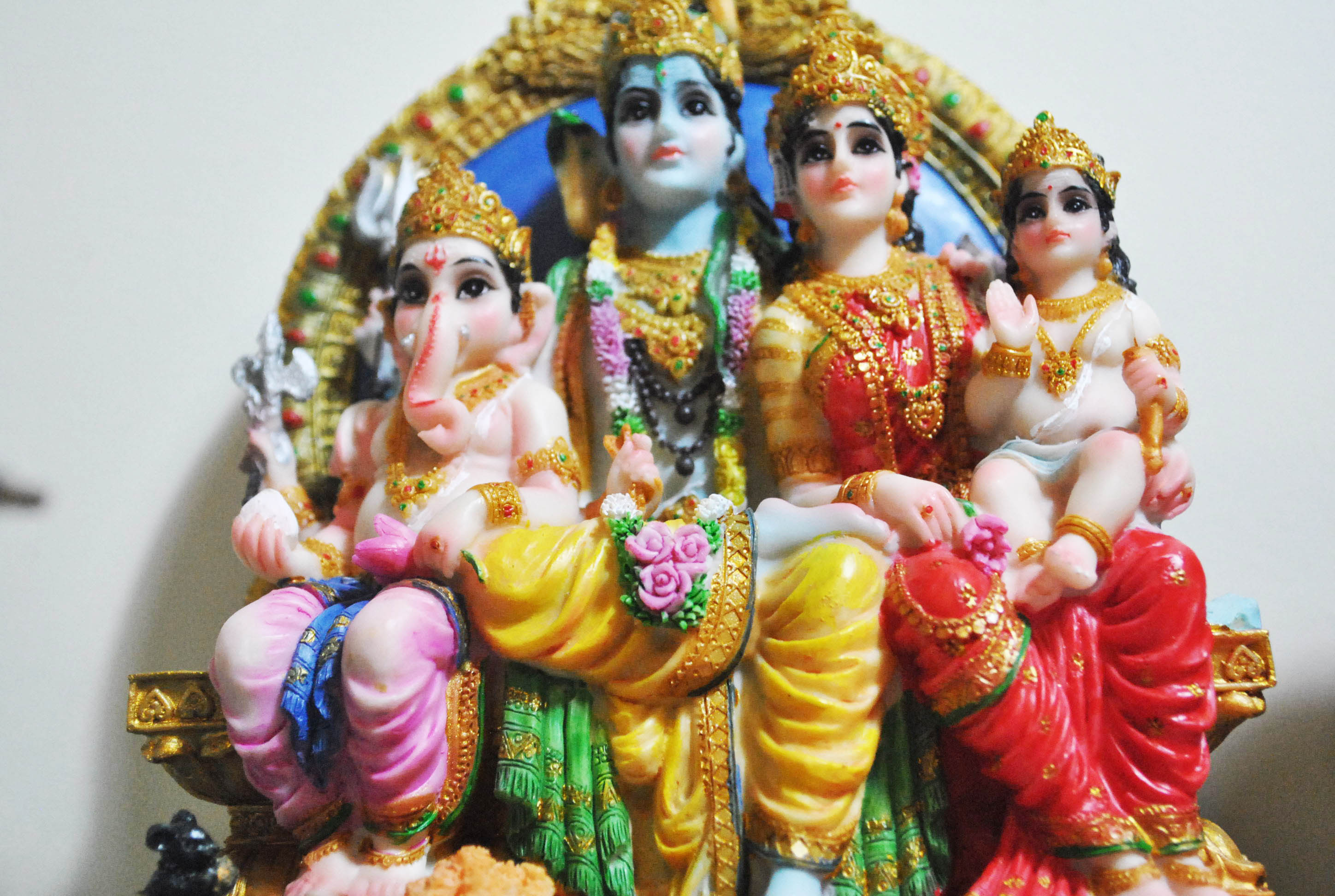
” எப்போ நீங்க திரும்ப வருவீங்க எங்க வீட்டுக்கு …” ?

நீங்க வந்து எங்களுடன்  இருந்த இந்த ஒம்பது  நாளும் எங்களுக்கு
ஒரே கொண்டாட்டம்..சந்தோஷம் … உங்க பேர் சொல்லி நாங்களும்
சாப்பிட்டோம் தினம் தினம்  ஒரு இனிப்பு …சுண்டல் !!!
கூப்பிட்டு கூப்பிட்டு வீட்டுக்கு வந்த சொந்த பந்த உறவுக்கும்
ஒரே சந்தோஷம் …விருந்தாளி உங்களை எல்லாம் பார்க்க …அவங்க
சந்தோஷத்தில் பிறந்தது தினம் பல பாட்டும் , பஜனையும்
எல்லாமே உங்களுக்காக …
எங்களுக்கு இன்று ‘பொக்’கென்று போய் விட்டது
உங்களுக்கு தெரியுமா ஏன்  என்று ?
விஜய தசமி சுண்டல் இனிப்புடன் நீங்க எல்லாம்
உங்க உங்க ஊருக்கு கிளம்பி விடுவீர்களாம்
எங்க அம்மா சொன்னாங்க …
பிள்ளையாரப்பா , முருகன் மாமா  , சிவன் தாத்தா
பார்வதி பாட்டி , பெருமாள் தாத்தா , லக்ஷ்மி பாட்டி
குட்டி கிருஷ்ணா , நீங்க எல்லாம் எப்போ மறுபடி
எங்க வீட்டுக்கு வருவீங்க ? சீக்கிரமா வாங்க …
நாங்க உங்களையே நினைத்துக் கொண்டிருப்போம்
நீங்க திரும்ப  எங்க வீட்டுக்கு வரும்  வரைக்கும் !!!
………………
 நவராத்திரி கொலு நிறைவுற்றது …பொம்மைகள் எல்லாம் மீண்டும் பரண் மேலே செல்லும்…

வீட்டு குழந்தைகள் விஜயதசமி அன்று பொம்மைகளுடன் பேசுவதாக வடிக்கப்பட்ட ஒரு சிறு கவிதை.

நடராஜன்

22 OCT 2015
DSC_1014

Amazing Animal facts…!!!

The Animal world is awe-inspiring and full of surprises, I collected some animal facts that will amaze, amuse & teach you something new. Plus – super cute photos!
1. Did you know that Turtles can breathe through their anus?!

Cute & Surprising Animal Facts

2. If a Squirrel finds a baby squirrel without parents, it will immediately adopt it!

Cute & Surprising Animal Facts

3. Bees communicate through a complex dance.

Cute & Surprising Animal Facts

4. Did you know that Dolphins actually have specific names for each other?

Cute & Surprising Animal Facts

5. In Japan, Macaques search for lost coins, as they learned to use vending machines!

Cute & Surprising Animal Facts

6. Humpback Whales can get a song stuck in their head!

Cute & Surprising Animal Facts

7. Did you know that a group of Pugs is called a “Grumble”?

Cute & Surprising Animal Facts

8. Baby Chimpanzees will pick up and play with rocks and sticks, just like human infants.

Cute & Surprising Animal Facts

9. This surprised me too, but apparently, rats & mice are ticklish and can actually laugh!

Cute & Surprising Animal Facts

10. Ever seen an excited bunny do this? It’s called a “Binky”..

bunny gif

11. So a group of bunnies is called a “Fluffle” and that’s just too adorable!

Cute & Surprising Animal Facts

12. Shaved Guinea Pigs look remarkably like baby Hippos!

Cute & Surprising Animal Facts

13. When passing by another, an ant will bow its head in greeting. Aren’t these little fellas polite?

Cute & Surprising Animal Facts

14. Did you know that the Norwegian Army has a Knighted Colonel who’s a Penguin?! His name is Colonel-in-Chief, Sir Nils Olav!

Cute & Surprising Animal Facts

15. Goats from different parts of the world actually have different accents!

Cute & Surprising Animal Facts

16. Pom-Pom Crabs aren’t the ocean’s cheerleaders, they actually pick poisonous anemones and wave them to defend themselves from predators.


Cute & Surprising Animal Facts
17. Speaking of Macaques again, when they’re young – these guys make snowballs for fun! (but unlike us, they don’t throw them at each other…)

Cute & Surprising Animal Facts

18. Ever seen dogs play around, then suddenly sneeze? That’s how they tell each other that this is a game and not real aggression.

Cute & Surprising Animal Facts

19. Fennec Foxes have extra-hairy feet, they act like snow boots – but for sand, making sure the fox can run faster and doesn’t get burns on its little fluffy feet.

Cute & Surprising Animal Facts

20. When Otters go to sleep at night, they hold hands so they don’t get separated.

Cute & Surprising Animal Facts

Does your cat bump its head against you? Its their way of showing that they trust you!

Cute & Surprising Animal Facts

In Sweden, they have an actual bunny-jumping show, called “Kaninhoppning” (Seriously!)

Cute & Surprising Animal Facts

Crows are known for being intelligent, but did you also know that they’re such rascals that they play pranks on each other, just for fun?

Cute & Surprising Animal Facts

Cows choose other cows as best-friends and spend all their time together.

Cute & Surprising Animal Facts

Squirrels hide some of their nuts by burying them, but they’re also forgetful and these forgotten nuts lead to hundreds of new trees each year!

Cute & Surprising Animal Facts

Did you know that Elephant Shrews are actually related to Elephants, not Shrews?

Cute & Surprising Animal Facts

You probably heard that Otters use rocks to break-open molluscs, but did you know that they have a “favorite” rock, which they keep in a special pocket made of a skin-flap?

Cute & Surprising Animal Facts

Source…..www.ba-bamail.com

Natarajan