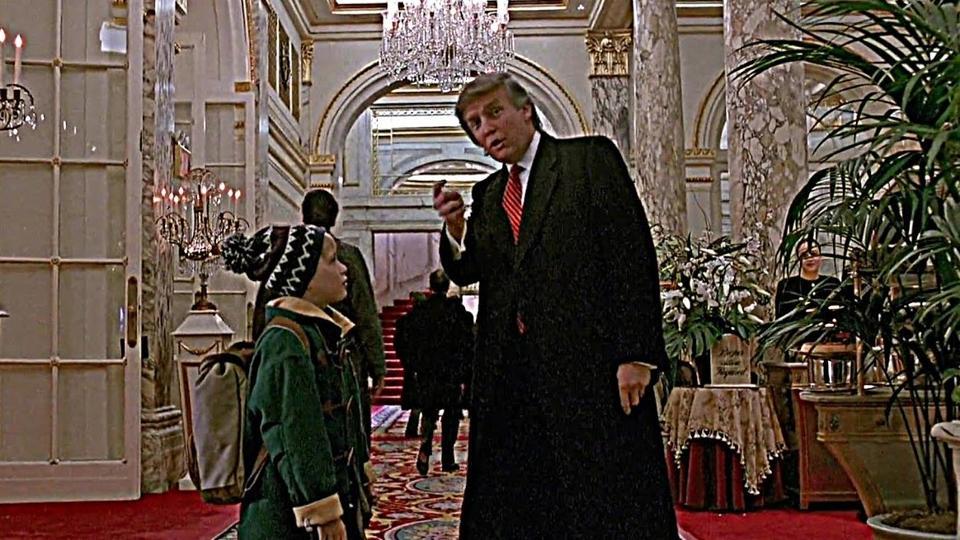
When Donald Trump demanded a role in Home Alone 2 in exchange of a shoot in his hotel !!!!!!

In an interview, Matt Damon mentioned how President Trump would only let the crew of the film on his properties if they wrote him a part in it. That’s how he featured in Home

Alone 2: Lost in New York. Donald Trump and Macauley Culkin in a scene from Home Alone 2: Lost in New York.

Back in 1992, Donald Trump played a six-second cameo role in the adventure/comedy movie Home Alone 2: Lost in New York. And now, Hollywood actor Matt Damon has spilled the truth behind the “apparent” cameo appearance.

Damon revealed the deal that Trump made to the filmmakers in exchange for the use of his Manhattan hotel for the shoot.

In an interview with The Hollywood Reporter, the 46-year-actor told that President Trump will only let the crew of the film on his properties if they write him a part in the movie.

He said, “The deal was that if you wanted to shoot in one of his buildings, you had to write him in a part.”

Adding, “[Director] Martin Brest had to write something in Scent of a Woman, and the whole crew was in on it.”

“You have to waste an hour of your day with a bullshit shot: Donald Trump walks in and Al Pacino’s like, ‘Hello, Mr. Trump!’ You had to call him by name and then he exits,” noted Damon.

“You waste a little time so that you can get the permit, and then you can cut the scene out. But I guess in Home Alone 2 they left it in,” he explained.

The Downsizing star also revealed that he has never met Trump in person and he clearly isn’t a fan of him.

Damon is currently promoting his new movie Suburbicon at the Venice Film Festival alongside Hollywood actors George Clooney and Julianne Moore.

Source…www.hindustantimes.com

Natarajan


புத்தம் புது பூமி வேண்டும்… நித்தம் ஒரு வானம் வேண்டும்!

உலகமே கொண்டாடுகிற ஒருநாள் என்றால், அது, ஜனவரி, 1ம் நாள் தான். புத்தாண்டு என்றால், புதிய நாட்கள் மட்டும் பிறப்பதில்லை; புதிய உலகம் பிறக்கிறது. ஆண்டு பிறப்பு என்றாலே,
ஆங்கில ஆண்டின் ஜனவரி, 1ம் தேதியை தான் குறிப்பிடுகிறோம்.

‘சென்னை’ என, பெயர் மாற்றம் செய்த, 1995ம் ஆண்டு வரை, சித்திரைத் திங்கள் முதல் நாளைத்தான், ஆண்டின் முதல் நாளாக கொண்டாடினர். ஆனால், அதன் பிறகான கொண்டாட்டங்களின் வண்ணங்கள் மாறி விட்டன. ஆயினும், வரலாற்றுக் குறிப்புகள் உட்பட, எல்லாரும் பொதுவாக அறிந்து கொள்ளக் கூடிய வகையில், அனைத்து நிகழ்வுகளையும், ஆங்கில ஆண்டு, மாதம் மற்றும் தேதி ஆகியவற்றின் அடிப்படையிலேயே குறித்து வைக்கிறோம்.
நம் வயதை கணக்கிடும் போது, நாம் பிறந்த ஆங்கில ஆண்டை மனதில் வைத்து, தற்போது நடக்கும் ஆண்டு வரை எண்ணி, நம் வயதைச் சொல்கிறோம். அதனால், ஆண்டின் துவக்கம் என்பது, ஜனவரி, 1ம் தேதி தான் துவங்குகிறது என கொள்வதில் தவறில்லை.
வரவேற்பு
தீபாவளி, பொங்கல், கிறிஸ்துமஸ், ரம்ஜான் போன்ற பண்டிகைகளுக்கு நிகரான ஆரவார கொண்டாட்டங்கள், புத்தாண்டிலும் இப்போது நிகழ்கின்றன. புதிய ஆண்டை வரவேற்பதற்காகவும், புதிய வாழ்க்கையை தேர்ந்தெடுப்பதற்காகவும், மிக மகிழ்வோடு கொண்டாடும் ஒரு பண்டிகை, ஆண்டின் முதல் நாள் கொண்டாட்டம் தான்!முதல் நாள் இரவே, ஆட்டம், பாட்டம் என, கொண்டாட்டம் துவங்கி விட்டாலும், பெரும்பாலான மக்கள், ஒரு பழக்கத்தைக் கடைபிடித்து
வருகின்றனர்.
முதல் நாள் இரவு, வீட்டில் நிலைக் கண்ணாடி முன், தட்டில் பல வகையான பழங்கள், பணம், காசுகள், நகைகள் போன்றவற்றை, அவரவர் விருப்பத்திற்கேற்ப வைத்து விடுவர்.காலையில் துாக்கம் கலைந்து, அந்தத் தட்டின் எதிரேயுள்ள கண்ணாடியில் கண் விழிப்பர்; இதனால், ஆண்டு முழுவதும் செல்வம் சேரும் என, நம்பப்படுகிறது. இதை, ஆரம்பத்தில் சித்திரைத் திங்கள் முதல் நாள் அன்று தான் கடைபிடித்தனர்.
புது ஆண்டு பஞ்சாங்கம் வாங்கி வந்து, பெரியவர்கள் மூலம் பஞ்சாங்கப் பலனை கேட்பதும், தமிழகத்தின் பல இடங்களில் இன்றும் கடைபிடிக்கப்பட்டு வரும் வழக்கமாக உள்ளது. வாழ்த்துகள் சொல்லிக் கொள்வதிலும், கேக் வெட்டுவதிலும், நாளை முதல் இப்படி தான் என, சபதம் எடுத்துக் கொள்வதிலும் தான், கொண்டாட்டங்கள் இருக்கின்றன என்பது வாடிக்கையாகிப் போனது.
புது ஆண்டு பிறப்பது, நம் வாழ்வை இன்னும் திட்டமிட்டு, கடந்த ஆண்டு செய்த தவறுகளை திருத்தி, வாழ்வை மேலும் சிறப்பாக்கி கொள்வதற்குத் தானே தவிர, இப்படி வரைமுறையில்லாமல் கொண்டாடி மகிழ்வதற்கு அல்ல. ஜனவரி, 1ம் தேதியை, ‘உலக குடும்ப நாள்’ என, அறிவித்து கொண்டாடி வருகின்றனர்.
உலகிற்கு, கூட்டுக் குடும்ப வாழ்க்கையை கற்று தந்தது இந்தியா தான். ஆனால், அந்த அளவிற்கு கலாசாரம், பழமைவாதம் நிரம்பிய இந்தியாவில், குடும்ப உறவுகள் பற்றிய அருமை தெரியாமல், உலக குடும்ப தினம் கொண்டாடும் அளவிற்கு வந்து விட்டோம். தாத்தா, பாட்டி, அப்பா, அம்மா, அண்ணன், அண்ணி என, பெரும் கூட்டமாக கடந்த நுாற்றாண்டு வரை வாழ்ந்துள்ளோம்.இப்படி, உறவு முறைகள் தெரியாமல், அவர்களின் அருமையும், வாழ்ந்த வரலாறும் தெரியாமல், இன்றைய இளைய சமுதாயம், நட்புகளும், பழகியவர்களுமே, தங்களுக்கு முக்கியமானவர்கள் என, இருப்பதால் தான், பெரும் சிக்கல்கள் சமூகத்தில் எழுகின்றன.
பல சமூக சீர்கேடுகளுக்கு அடிப்படை காரணங்களே, அன்பு, பாசம் என்றால் என்னவென்றே தெரியாமல், பெரும்பாலான குழந்தைகள் வளர்வதும், முதியோர் இல்லங்கள் அதிகரித்ததும் ஆகும்.
கோவில்களை இரவு, 9:00 மணிக்கு நடை சார்த்தி, அதிகாலை, 4:30க்கு திறக்கும் வழக்கம் என்பது, ஆகம விதிப்படி என்றாலும், அறிவியல்படி நம் முன்னோர்களால் ஏற்படுத்தப்பட்டது. இரவு வேளையில், ஆக்சிஜன் குறைவாக இருக்கும் என்பதால், இப்படி நேரக் கட்டுபாட்டைக் கொண்டு வந்தனர். புத்தாண்டு நாளில், அதுவும், இந்த மார்கழி மாதத்தில், அதிகாலையில் கோவிலுக்குச் சென்று, ஆண்டவனை தரிசிப்பதே நல்லது.
கிறிஸ்தவம்
ஆங்கிலப் புத்தாண்டு என்பது, தமிழர்களால் மட்டுமின்றி, வேறு இனத்தவர்களாலும் கொண்டாடப்படும் முக்கிய நாளாக உள்ளது. ஆனால், ‘ஆங்கிலப் புத்தாண்டு என, ஜனவரி 1ம் தேதியைக் கொண்டாடுவது, கிறிஸ்துவ மதம் தொடர்பானது’ என, சொல்வோரும் உண்டு.ஐரோப்பாவில், கத்தோலிக்கத் திருச்சபையின் செல்வாக்கு நிறைந்த நடுக்காலப்பகுதியில், மேற்கு ஐரோப்பாவின் பெரும்பாலான நாடுகள், ஆண்டின் ஆரம்ப நாளாக, டிசம்பர், 25 – இயேசுவின் பிறப்பு, மார்ச் 1 மற்றும் 25 – இயேசு பிறப்பின் முன்னறிவிப்பு அல்லது உயிர்ப்பு ஞாயிறு போன்ற முக்கிய கிறிஸ்தவ திருவிழா நாட்களைத்தான் தேர்ந்தெடுத்தன.
ஜனவரி, 1ம் தேதி ஆங்கிலப் புத்தாண்டு என்று கூறுவதும் மிகத்தவறு. ஆங்கிலேயர்கள் அதைக் கண்டுபிடிக்கவுமில்லை; அதை அமல்படுத்தவும் இல்லை. அதுபோல், ஏன் இந்த தேதியை ஆங்கிலப் புத்தாண்டு என்று கூற வேண்டும் எனச் சிந்திக்கவோ அல்லது எதிர்கேள்வி கேட்பதோ கூட இல்லை.’இந்நாளை ஒரு விழாவைப்போல் கொண்டாடுவது, இந்தியாவின் வேத கலாசாரம் கிடையாது’ என்றும் கூறி வருகின்றனர்.
இப்படி செய்வது, இந்து தர்மத்திற்கு எதிரானது என்ற வாதத்தை ஏற்க இயலாது. அதே நேரத்தில், நம் பாரம்பரிய பழக்க வழக்கங்களுக்கு எதிராக, அந்தக் கொண்டாட்டம் அமைந்துவிடக்கூடாது என்பதையும், மனதில் கொள்ள வேண்டும்.எந்த கருத்துகள் எப்படி இருந்தாலும், அதைப் பற்றியெல்லாம் கவலைப் படாமல், நம் மக்கள், கோவில்களில் காத்திருந்து, புது ஆண்டில் இறை தரிசனத்தை பெற, கூட்டம் கூட்டமாக செல்வதை யாராலும் தடுக்க முடியாது.
விருப்பம்
நகைக்கடை, ஜவுளிக்கடை, சினிமா தியேட்டர்கள், கடற்கரை போன்ற இடங்களில், மக்கள் கூட்டத்தை கட்டுப்படுத்தவும் முடியாது. எந்த வசதியும் இல்லாத கிராமப்புறங்களில் கூட, புத்தாண்டு அன்றைக்கு மட்டுமாவது, கோலாகலமாக இருப்பதை, மக்கள் விரும்புகின்றனர்.
கடந்த, 30 ஆண்டுகளுக்கு முன்பெல்லாம், கிராமத்திலும், நகரத்திலும் கூட, கட்டுப்பாடான வாழ்க்கை முறை, பெற்றோருக்கு அடங்கிய பிள்ளைகள், கூட்டுக் குடும்ப வாழ்க்கை என, நன்றாகவே இருந்தது.
ஆனால், மாறி வரும் நகர வாழ்க்கை, மேற்கத்திய நாகரிகம், அறிவியல் வளர்ச்சி, இவற்றின் தாக்கம், மெல்ல மெல்ல நம்மையும் மாற்றி விட்டது என்றே சொல்லலாம்.ஜப்பான், சீனா, கொரியா போன்ற நாடுகள், தங்களது சொந்த காலண்டர்படி உள்ள ஆண்டு பிறப்பையும், சிறப்பாக கொண்டாடுகின்றன; ஆங்கில புத்தாண்டையும் உற்சாகமாகக் கொண்டாடுகின்றனர்.
எனவே, ஜனவரி 1ம் தேதியை, போதையோடு, நண்பர்களோடு கொண்டாடுவதை நிறுத்தி, ஏதாவது ஒரு உருப்படியான காரணத்துடன், உற்றார் உறவினர்களுடன், குடும்பத்துடன் நாம் கொண்
டாடுவதுடன், நம், சொந்த புத்தாண்டு தினத்தையும் கொண்டாட முயற்சிக்க வேண்டும்.
வருட துவக்கத்தில் நல்லது ஒன்றை தீர்மானமாக எடுத்து, நம்முடன் இருக்கும் தீயது ஒன்றை விட்டு விட வேண்டும். நாம் நல்லவற்றை யோசித்து, நல்லவற்றை செய்தால் மட்டுமே, இது சாத்தியப்படும் என்பதை நினைவில் நிறுத்திக் கொள்ளுங்கள். ஒரு நாள் இரவு, வண்ணமய கொண்டாட்டம், பலரது வாழ்க்கையை இருட்டாக்கி விடாமல் அமைத்துக் கொள்வது அவசியம்.
எவ்வாறு கோள்களின் இயக்கம், அதன் சுற்றுப்பாதையை விட்டு விலகுவதில்லையோ, அதுபோல், மனிதனின் வாழ்வானது, சமூகத்தை சார்ந்தே அமையும். அச்சமூகத்துடனான மனிதனுடைய உறவு பலப்பட, பாலமாக அமைவது, அன்பு மட்டுமே.
அதற்கு, ஒவ்வொரு மனிதனும், மானுட சமுத்திரத்தில் ஐக்கியமாவதால் மட்டுமே சாத்தியப்படும். இந்த புத்தாண்டு கொண்டாட்டத்தை, நாம் மாற்றுத்திறனாளிகள், ஆதரவற்றோர், ஏழைகள் என, பகிர்ந்து கொள்வதாக தீர்மானித்துக் கொள்ளலாமே. நம் சந்தோஷம், நம்முடன் மட்டும் முடிந்து விட்டால், அதில் எந்த ஒரு திருப்தியும் இல்லை. நம் மகிழ்வு, மற்றவர்களுக்கும் பகிரப்பட வேண்டும்; அதுதான் உண்மையான மகிழ்வு என்பது, எல்லாருக்கும் தெரிந்த ஒன்று தான்.
அதனால் தான், ஜனவரி, 1ம் தேதியை, ‘உலக குடும்ப நாள்’ என தீர்மானித்து, அன்று பகிர்தலுக்கும், அமைதிக்கும் ஏற்ற நாளாகக் கொண்டாடுகின்றனர்.
எந்த சிறப்பு தினம் என்றாலும், குடும்பத்தில், குடும்ப உறுப்பினர்களுடன் சேர்ந்து கொண்டாடுவதையே, நம் மக்கள் விரும்பினர்.குடும்பத்துக்குள் பிரச்னைகள் இருக்கலாம்; ஆனால், காட்டிக்கொள்ள விரும்பியதில்லை. கொண்டாட்டம் என்பது வெளியில் கொண்டாடுவது மட்டுமில்லை என்பதை உணர வேண்டும். ஒரு குடும்பம் என்பது, சண்டை சச்சரவோடு இருக்கும்; ஆனால், பாகுபாடு இருக்காது. ஷாப்பிங் மால், பார்ட்டி கிளப், தியேட்டர், பார்க், பீச் இதையெல்லாம் தாண்டி, நிறைய சந்தோஷங்களையும், நன்மைகளையும் கொண்டாட, குடும்ப வாழ்க்கையை நினைவூட்டும் தினம், இது என்பதை நினைவில் கொள்ளுங்கள்.
குடும்ப மரம்
‘பேமிலி ட்ரீ’ எனப்படும், ‘குடும்ப மரம்’ என்பது, குடும்ப நபர்களின் பரம்பரையை குறிக்கும் அட்டவணை. இதை கொடி வழி என்றும் சொல்லலாம்; இது, மரத்தின் அமைப்பை, தலைகீழாக, மூதாதையர் முதல், பேரன் வரை பரம்பரை நபர்களின் குடும்ப மூலத்தின் வரலாற்றை காட்டுகிறது.இதில் குடும்ப நபர்களின் பெயர், புகைப்படம், பிறப்பு, திருமணம், இறப்பு ஆகிய தேதி மற்றும் தொடர்பு குறிப்புகள் இருக்கும். இதை, தாய்வழி உறவு முறை, தந்தைவழி உறவு முறை, கணவன், மனைவி, மகன், மகள் மணவழிக் குடும்பம் என, உறவு முறைகளை விரிவுபடுத்திக் கொள்ளலாம்.
ஒருவரது தாய், தந்தை, பாட்டன், பாட்டி, பூட்டன், பூட்டி பிள்ளைகள், பேரப்பிள்ளைகள், சகோதரர் ஆகியோர், உயிரியல் முறையில் தொடர்பானவர்கள்; இவர்களுடைய உறவுகள், ரத்த உறவு எனப்படுகிறது. ‘உலக குடும்ப தினம்’ ஆண்டுதோறும் ஜனவரி 1ம் நாள் உலகமெங்கும் கொண்டாடப்படுகிறது.இன்று அமைதியையும், மகிழ்ச்சியையும், உறவுகளோடு, நட்புகளோடு பகிர்ந்து கொள்ளவதற்கான நாளாக, இது அமைந்துள்ளது. இன்று, அன்பானவர்கள் அனைவரும் தங்கள் குடும்பத்தாருடன் சேர்ந்து, உணவை, மற்றவர்களுடன் பகிர்ந்து கொள்வர்.
முக்கியமாக, உணவு தேவை என்ற நிலையில் இருக்கும் மக்களுடன், அதை பகிர்ந்துண்டு மகிழ்வர். அமைதியையும், மகிழ்ச்சியையும், மணி ஓசையை எழுப்பியும், முரசொலித்தும், இந்த உலகை பத்திரமாய் காப்பதாய் கொண்டாடுவர். இந்த ஒரு நாள் உலக குடும்ப தினம் மூலம், உலகம் முழுவதும் அமைதியாய் இருக்க பிரார்த்திப்பர்.
வாரியாரின் புத்தாண்டு சிந்தனை
உழைப்பால் உயர்ந்திடுங்கள்!
* வாழ்வில் உயர்ந்திட வேண்டுமானால், தேனீ போல உழைக்கும் மனிதராக மாறுங்கள். சுறுசுறுப்புடன் எப்போதும் நற்செயலில் ஈடுபடுங்கள்

* சிரித்த முகத்துடனும், நேர் கொண்ட பார்வையுடனும் நடை போடுங்கள். இனிமையும், நன்மையும் தரும் சொற்களையே பேசுங்கள்

* இளகிய தங்கத்தில், நவரத்தினம் ஒட்டிக் கொள்வதைப் போல, மனம் பக்தியில் ஒன்றினால், இறையருள் கிடைத்து விடும்

* குடும்பம் எனும் மரத்தில், மனைவி வேராகவும், கணவன் அடிமரமாகவும் இருக்க வேண்டும். அதில், அன்பு எனும் இலைகள் வளர்ந்து, ஒற்றுமை எனும் கனியைப் பறிக்க வேண்டும்

* கீழ்நோக்கிப் பிடித்தாலும், மேல் நோக்கி எரியும் தீப்பிழம்பு போல, எந்த சூழலிலும், உயர்ந்த சிந்தனை மட்டுமே உள்ளவராக செயல்படுங்கள்

* சுறுசுறுப்புடன் பணியாற்றுங்கள். வளைந்து நிமிர்ந்து வேலை செய்வதால், உடல் பலத்தோடு, அறிவுத் தெளிவும் உண்டாகும்

* நல்லவர்களைத் தேடிச் சென்று பழகுங்கள்; அவர்கள் சொல்லும் நல்ல விஷயங்களை, வாழ்வில் கடைபிடியுங்கள்.

* குடும்பத்தினர் ஒன்று சேர்ந்து, காலை அல்லது மாலையில் கடவுளைத் தினமும் வழிபடுவதால், எல்லாவித நன்மையும் உண்டாகும்

* ஆடம்பர வழிபாட்டை கடவுள் விரும்புவதில்லை; பக்தியோடு கொடுக்கும் எளிய பூவும், நீருமே அவருக்குப் போதுமானது.
செய்து தான் பார்ப்போமே!

இது ஜோசியம் இல்லை; இந்த ஆண்டு முழுவதும் நாம் செய்ய வேண்டிய நல்ல காரியங்கள்; பரிகாரங்கள். செய்து தான் பார்ப்போமே…

மேஷம் – பசுவிற்கு அகத்திக்கீரை கொடுங்கள்
ரிஷபம் – ஏழைகளின் மருத்துவச் செலவிற்கு உதவுங்கள்
மிதுனம் – தானத்திலேயே சிறந்த மற்றும் அவசியமான ரத்த தானம் செய்யுங்கள்
கடகம் – வயதானவர்களுக்கு கம்பளி வாங்கித் தாருங்கள்
சிம்மம் – ஏழைப் பெண்ணின் திருமணத்திற்கு உதவுங்கள்;கூடவே அன்னதானம் செய்யுங்கள்
கன்னி – கட்டட தொழிலாளர்களுக்கு முடிந்த வரை உதவுங்கள்
துலாம் – முதியோர் இல்லங்களுக்குச் சென்று, இயன்ற உதவிகளைச் செய்யுங்கள்.
நண்பர்கள், உறவினர்களையும் உதவி செய்ய வையுங்கள்
விருச்சிகம் – அருகிலுள்ள கோவில் திருப்பணிகளில் பங்கேற்று, முடிந்த பொருள்
உதவியும் செய்யுங்கள்
தனுசு – கோவில் உழவாரப்பணிகளில் ஈடுபடுங்கள்
மகரம் – சாலையோரம் வாழ்பவர்களுக்கு ஆடைகள், உணவு பொருள் வாங்கிகொடுங்கள்.
கும்பம் – மரக்கன்று நட்டு, அவற்றை பராமரியுங்கள்
மீனம் – புற்றுநோயால் அவதிப்படுபவர்களுக்கு உங்களால்முடிந்த சேவையை செய்யுங்கள்.

இந்த ராசிக்காரர்கள் இவற்றை மட்டும்தான் செய்ய வேண்டும் என கணக்கிடாமல், எல்லாருக்கும் நல்லவற்றை செய்ய ஆரம்பிப்போம். நாளும், கோளும் நல்லதாகவே நமக்கு அமையும்.

ஜனவரி பெயர் காரணம்

ஜனவரி என்ற பெயர், ரோமானிய மன்னர் ஜனசின் பெயரிலிருந்து வந்தது. ரோமன் இதிகாசத்தில் துவக்கங்களின் கடவுளாக காணப்பட்ட, ஜானஸ்லானுரியஸ் என்ற கடவுளின் பெயரே, ‘கிரிகோரியன்’ காலண்டரின் முதல் மாதமான ஜனவரிக்கு வழங்கப்படுகிறது.

Source….www.dinamalar.com

Natarajan
 

TIME TO CELEBRATE Which country has New Year first and who celebrates it last? Times around the world


It’s possible to get a quick flight between two locations so you count down to 2018 twice..

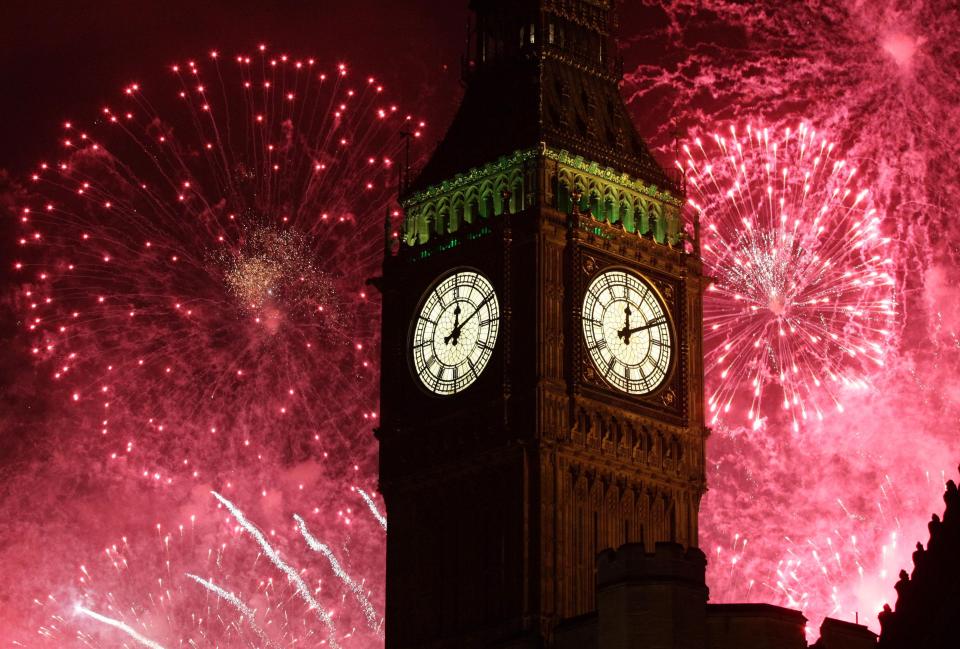
AS December 31 approaches, the world is preparing to come together and welcome 2018.

But obviously, the New Year arrives at different times for different countries across the world. So which country will enter 2018 before any other and where does the New Year arrive last?


When will other countries around the world celebrate the New Year in relation to the UK?

Which country celebrates New Year first?

Fireworks exploding over Sydney harbour symbolises the start of global New Year’s festivities for most Brits.

But it may surprise you to hear that Australia is not the first country in the world to welcome the New Year.

The tiny Pacific island of Tonga will ring in 2018 at 10am GMT on December 31 – a full three hours before it reaches Down Under.

Where will 2018 arrive last?

After travelling all around the world, the New Year will eventually come full circle – or near enough.

The last place or places to receive 2018 will be the tiny outlying islands of the US.

Baker Island and Howland Island will greet the New Year at 12 Midday on January 1 – or at least they would if any people lived there.

Second last will be American Samoa at 11am – just 558 miles from Tonga, where locals and visitors were celebrating a full 25 hours before.

It’s therefore possible to get a quick flight in between the two and count down to 2018 twice.

What time does New Year arrive around the world?

Using London time, this is when the world will welcome in 2018:

  • Sat 10:00              Tonga and two more
  • Sat 11:00              New Zealand
  • Sat 13:00-15:15  Australia
  • Sat 15:00              Japan & South Korea
  • Sat 15:30              North Korea
  • Sat 16:00              China, Philippines, Singapore
  • Sat 17:00              Most of Indonesia
  • Sat 17:30              Myanmar and Cocos Islands
  • Sat 18:00              Bangladesh
  • Sat 18:15              Nepal
  • Sat 18:30              India and Sri Lanka
  • Sat 19:00              Pakistan
  • Sat 19:30              Afghanistan
  • Sat 20:00              Azerbaijan
  • Sat 20:30              Iran
  • Sat 21:00              Moscow/Russia
  • Sat 22:00              Greece
  • Sat 23:00              Germany
  • Sun 00:00             United Kingdom
  • Sun 02-3:00         Brazil
  • Sun 03:00             Argentina, Paraguay
  • Sun 03:30-8:00   USA, Canada
  • Sun 09:00             Alaska
  • Sun 10:00             Hawaii
  • Sun 11:00             American Samoa
  • Sun 12:00             US outlying islands (Baker Island, Howland Island etc


blob:https://www.thesun.co.uk/69d23dba-3a6a-4f2c-854e-1f3b5f20f18c

Source….https://www.thesun.co.uk

Natarajan


Toronto’s Camouflaged Electric Substations….

More often than not, industrial infrastructures are an eyesore, especially when they are smack in the middle of a beautiful city like Toronto. So for the past hundred years, Canada’s second-largest municipal electricity distribution company, Toronto Hydro, has been disguising substations into quiet little houses that blend right in with the neighbourhood. Some appear like grand Georgian mansions or late-Victorian buildings, while others look like humble suburban homes. Even the most sharp-eyed resident couldn’t tell these faux homes apart. Some are not even aware they are living next door to a transformer.


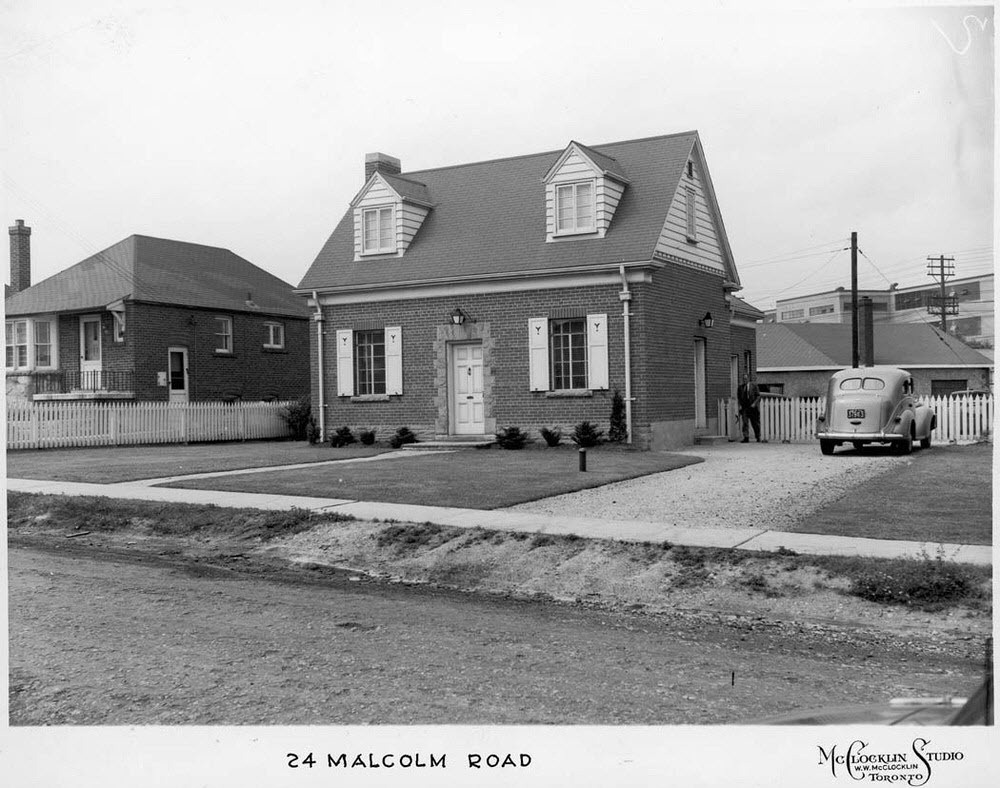
This is not a house. Photo credit: City of Toronto Archives

Toronto was first electrified in the late 1880s. At that time a number of small private companies were supplying electrical demands. Then in 1908, Torontonians voted overwhelmingly for the formation of a municipal electricity company, and Toronto Hydro came into being in 1911.

From the very beginning, Toronto Hydro was keen not to have ugly conglomerations of metals, switches and wires robbing the city’s urban and suburban neighbourhood of its beauty. So each substation they built was wrapped around by a shell of masonry and woodwork carefully designed to resemble residential homes. A driveway and some low-maintenance shrubs in the garden helped complete the deception.

The earliest known substation, dating from 1910 and located at 29 Nelson St. in the John and Richmond area, looks like a four-storey Victorian-era warehouse or perhaps an office building with a grand entrance and raised horizontal brick banding. One of the grandest of these structures is the Glengrove Substation, built in 1931. This Gothic building with its large oak doors, leaded glass windows and long narrow windows reminiscent of Medieval times, it’s no wonder that Toronto Hydro employees call it the “Flagship” or the “Castle”.

As architectural styles evolved, so did the camouflage. From grandiose buildings of the pre-depression era to ranch style houses that became popular with the booming post-war middle class of the 1940s to 1970s, to progressively more modernist structures with flat roof and smooth white exterior. These substation homes were so authentic that they were sometimes broken into by burglars.

There used to be over 270 substation homes scattered across Toronto. According to Spacing Toronto, as of 2015, 79 of these substations are still active.

Source….Kaushik  in http://www.amusingplanet.com

Natarajan


வாரம் ஒரு கவிதை ….” யாருமில்லாத மேடையில் …”

யாருமில்லாத மேடையில் …
————————–
குளியல் அறையில் நான் பாடிய
பாட்டு …யாருமில்லாத மேடையில்
அரங்கேறிய என் முதல் கச்சேரி !
என் வீட்டு மொட்டை மாடியில்
நான் ஆடிய நடனம் …யாருமில்லாத
மேடையில் என் முதல் நாட்டியம் !
நிலைக் கண்ணாடி முன் நின்று
நான் பேசிய பேச்சு ..யாருமில்லாத
மேடையில் என் முதல் சொற்பொழிவு !
யாருமில்லாத மேடையில் பேசி,
பாடிய நான் இன்று யாரும் இல்லாத
ஒரு அரங்கு முன்னாலும் பேசத்
தெரிந்த ஒரு திறமைசாலி !
ஆம் …எனக்கு வேலை இன்று
ஒரு தொலைக் காட்சி செய்தி
வாசிக்கும்  மேடையில் !!!
My Tamil Kavithai in http://www.dinamani.com dated 19th Nov 2017
Natarajan

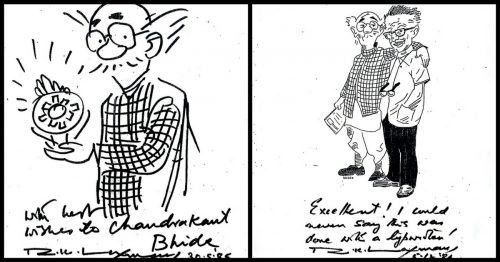
Chandrakant Bhide: Here is Why RK Laxman Was a Fan of this Diligent Typist…

A typist is required to be fast and accurate, and while he proved to be precisely that, Bhide was much more too. Throw in artistic to those set of skills, and you have Chandrakant Bhide.

“Sachin Tendulkar’s curls gave me the most trouble!”

Chandrakant Bhide is a typist by profession. In 1967 he joined the Union Bank of India and worked there for 3 decades.

A rather implausible scenario for Tendulkar’s curls to give him grief, right?

A typist is required to be fast and accurate, and Bhinde proved he was precisely that but more too.

Throw in artistic to those set of skills, and you have Chandrakant Bhide.


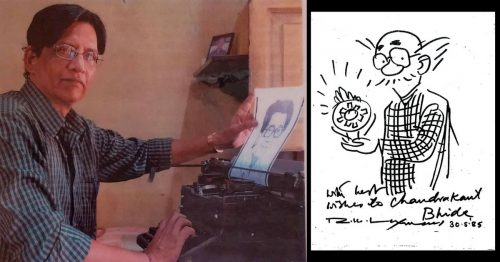
Chandrakant Bhide and a typed out sketch of RK Laxman’s the Common Man

“Art helped me meet important people. How else does a modest typist like me get to meet and be appreciated by people like R. K. Laxman and Mario Miranda,” questions Mr Chandrakant Bhide?

Mr Bhide is anything but ‘just a typist’. His art is indicative of his sheer talent and why the likes of the above-mentioned greats were his fans.

Growing up, he always wanted to join an art school – specifically the Sir J.J. School of Art in Mumbai.

But financial constraints forced him to take a more secure job.

“One day I was asked to type out a list of phone numbers, instead of typing a regular list, I made one in the shape of a telephone instrument,” he remembers. That was the beginning of many more artistic endeavours to come.


“I typed out Lord Ganesha using the ‘x’ key and it was published in the Maharashtra Times newspaper in 1975. I slowly started improvising and started using other keys like ‘_’, ‘=’, ‘@’, ‘-’, ‘,’ in my sketches,” recalls Bhide.

His father’s words inspired him to be better and do better. Each sketch takes him about 5-6 hours to complete.


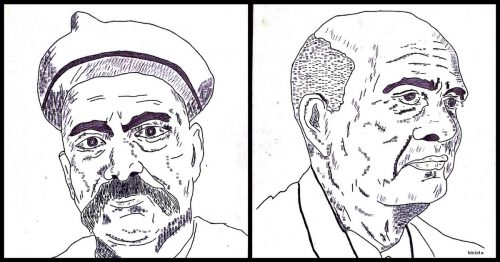
Bhide’s sketches of Bal Gangadhar Tilak and Sardar Patel done on the typewriter

“I hold the paper with my left hand and use the fingers on my right hand to type out the symbols. The different shades in a sketch are added by using a light or a hard touch on the keys. My hands start aching after 10-15 minutes, and so I need constant breaks,” he adds.

One day, Mr Bhide sketched RK Laxman’s, Common Man. It was a time when Xerox machines had just made their appearance. His friend helped him get copies and requested to keep the original.


A huge fan of RK Laxman’s work, Bhide has made several sketches of Laxman’s iconic “Common Man”, winning him the famous illustrator’s admiration

“I wanted to show the sketch to R.K. Laxman sir. I went to his office without an appointment and showed it to the cartoonist. Laxman sir was so thrilled with it that he said the result could not have been better with a pen and brush. We spent 1.30 hours talking, and I even mentioned my lost dream of studying in Sir J.J. School of Art, and he said, you can be an artist anyway!” he recalls.

Bhide continued to keep in touch with the famed cartoonist and takes great pride in having several original ‘Common Man’ sketches.

Over the years, Mr Bhide has created almost 150 sketches including several of people he admires including Amitabh Bachchan, Dilip Kumar, Sunil Gavaskar, Dr Ambedkar, Lata Mangeshkar and more.

But it was Sachin Tendulkar’s curls that frustrated the master typer! “I finally used the ‘@’ symbol to get it right,” he recalls.

One of his fondest memories was meeting up with renowned cartoonist and illustrator Mario De Miranda via a common friend, the famous Behram Contractor also known as the Busy Bee. “I was nervous when I rang the bell to Mario’s home, but he soon put me to ease. Once he saw some of my sketches based on his famous characters (Ms Fonseca, Godbole and Boss), he autographed one of my sketches with the words – ‘I wish I could draw like you type.’ That was my biggest compliment,” says Mr Bhide.

Mario De Miranda encouraged and inaugurated Mr Bhide’s first exhibition. He went on to hold several more, including ones in festivals like IIT Mumbai’s Mood Indigo and IIT-Kanpur’s Antaragini.

Mr Chandrakant Bhide retired from the Union Bank of India in 1996. He approached the administration department with a request to buy his beloved companion, his typewriter but was denied it as it was against policy. But on the day of his farewell, the chairman of the Bank allowed him to buy it for just Rs. 1.

Today, the typewriter still holds a place of pride in his household. “It has been with me for fifty years now, I understand it, it understands me,” he chuckles.

Source….Uma Iyer in http://www.the betterindia.com

Natarajan


India”s Most unusual Post Offices….Our Country Celebrates National Postal Day today…

E-mails may have overshadowed the concept of snail mail, yet post offices still hold a special place in the Indian way of life. Having long had a presence in local communities, they have served as exchange posts for news, gossip and much more.

As the country celebrates the National Postal Day today, here’s a look at three of India’s most unusual post offices.

Send a postcard from any of these unique spots, and you are sure to score some travel bragging rights!

1. The Post Office at Hikkim


Perched at 15,500 ft above sea level in Himachal Pradesh’s strikingly beautiful Spiti Valley, the hamlet of Hikkim is reputedly home to the world’s highest post office.

A small hut with whitewashed walls and a red postbox hanging outside, the quaint post office is 23 km from the town of Kaza and has been functioning since November 5, 1983. With no internet and patchy cell phone signal, the facility is the only conduit to the world for Hikkim’s residents.

This inconspicuous little post office is single-handedly managed by Rinchen Chhering, who has been the branch postmaster for over 20 years. He was chosen for the post when he was just 22 because he could run fast and owned a bicycle!

Every day, two runners take turns hiking to Kaza on foot to deliver mail that is then taken by bus to Reckong Peo, onward to Shimla, further by train to Kalka, from where it is taken to Delhi and sent to its final destination. In winter, everything in the valley freezes – the rivers, the lakes, the mountains. As the snow cover cuts off Hikkim from the rest of the world, the village’s post office also shuts down for six months.

2. The Post Office at Antarctica

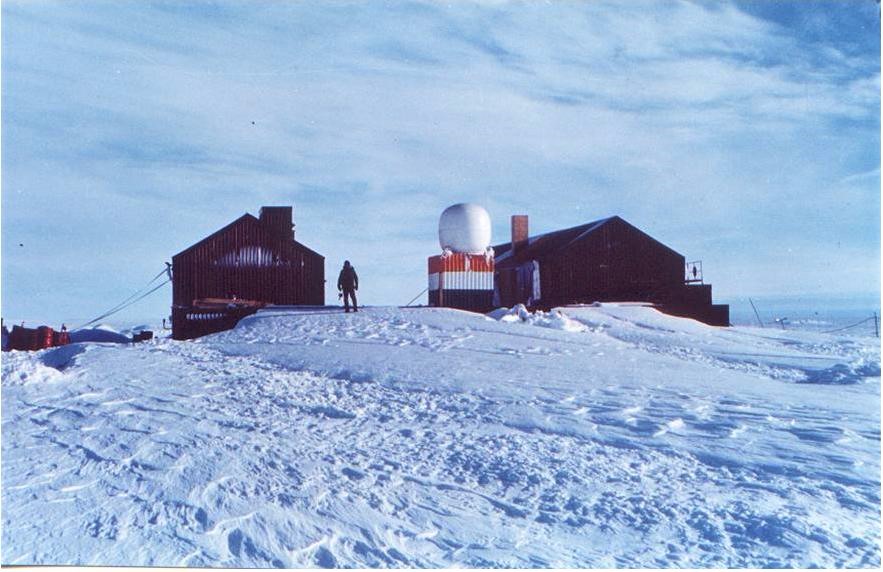
Dakshin Gangotri Station                                                                                                                                                           


Located in Dakshin Gangotri, India’s first scientific base in Antarctica, this post office first became operational on February 24, 1984, after it was established during the third Indian expedition to the frigid ‘White Continent.’ It was a part of the base’s multi-support systems that also included including ice-melting plants, laboratories, storage and recreational facilities.

The Dakshin Gangotri PO was brought under the Department of Post at Goa on January 26, 1988. Scientist G. Sudhakar Rao, who went to Antarctica as a member of the Seventh Indian Scientific Expedition in 1987, was appointed as its first honorary postmaster. Interestingly, in its first year of establishment, nearly 10000 letters were posted and cancelled at this post office.

However, in 1990, Dakshin Gangotri PO in Antarctica was decommissioned after it got half buried in ice. The post office was then shifted to the new permanent research base, Maitri.

Over the years, the unusual spot has become a favourite stop-off for tourists from cruise ships who came to explore the frozen continent and learn about its unique ecosystem. They send out postcards and letters that take between two and six weeks to reach their destinations via Hobart (in Australia).

3. The Post Office on Dal Lake


Built on an intricately carved houseboat, the Srinagar’s Floating Post Office claims to be the only one of its kind in the world. Here you can avail all regular postal services while being afloat on the Dal Lake. A heritage post office that has existed since colonial times, it was called Nehru Park post office before it was renamed by the then chief postmaster John Samuel in 2011.

After a pretty little philately museum and souvenir shop were added to it, the Floating Post Office was formally relaunched in August 2011. Interestingly, the seal used on everything posted from the this is unique, and tourist-friendly post office bears a special design — of a boatman rowing a shikara on the Dal Lake — along with the date and address.

While enthusiastic tourists row to the post office every day to send postcards back home, for the locals, the post office is more than an object of fascination. The islets in Dal Lake are home to over 50000 people (farmers, labourers, artisans and shikaraowners) for whom this state-run facility is the nearest source of postal and banking services.

Source…SanchariPal in http://www.thebetterindia.com

Natarajan


“ஆட்டோ ஓட்டுவது வருமானம்… பசியாற்றுவது சந்தோஷம்”..! கோவையில் ஓர் அன்னபூரணன்!!!


சித்த ஏழை ஒருவனுக்கு ஒரு வேளை உணவு கொடுத்து வயிற்றை நிரப்புவதைவிட பெருங்கொடை ஏதேனும் இருக்க முடியுமா? ஒரு சான் வயிற்றுக்காகத்தானே இவ்வளவு பாடும்?! கோவையைச் சேர்ந்த ராஜா சேது முரளி, ஏழைகளுக்கு சோறு போடுவதையே தன் வாழ்க்கையாகக்கொண்டிருக்கும் அற்புத மனிதர்! ‘சிகிச்சைக்காக வெளியூர்களிலிருந்து வந்து கோவை அரசு மருத்துவமனையில் தங்கியிருக்கும் ஏழைகளுக்கு, ‘பசியாற சோறு’ என்ற பெயரில் இலவசமாக மதிய உணவு கொடுத்து உதவுகிறார் ராஜா சேது முரளி’ என்ற தகவல் அறிந்து அவரைத் தொடர்புகொண்டோம்…

நான் சாப்பாடு கலெக்ட் பண்றதுக்காக வடவள்ளி வரைக்கும் வந்திருக்கேன். மதியம் 12 மணிக்கு ஜி.ஹெச் வந்திருங்க, பார்க்கலாம். அங்கேதான் சோறு போட்டுக்கிட்டு இருப்பேன்” என்று  தகவல் சொன்னார். அவர் சொன்ன நேரத்துக்குச் சென்றோம். ‘பசியாற சோறு’ என்ற பெயர் தாங்கிய ஆட்டோவின் முன்னால் நீண்ட வரிசையில் நின்றிருந்தார்கள் மக்கள். சிலர் கையில் பாத்திரங்களும், சிலர் கையில் பாலித்தீன் பைகளும் இருந்தன. அனைவரின் முகத்திலும் பசியின் கொடுமையும் வறுமையும் தெரிந்தன.

தான் வைத்திருந்த பாலித்தீன் பையில் சோறு வாங்கிய ஒரு பெண்மணி, “இன்னும் கொஞ்சம்  கிடைக்குமா சார்?” என்று தயக்கத்துடன் கேட்க, “எவ்வளவு வேணும்னாலும் வாங்கிக்கங்கம்மா… ரசத்துக்குத் தனியா கவர் வெச்சிருக்கீங்களா?” என்றபடி இன்னும் இரண்டு கரண்டி சேர்த்து அள்ளிப்போட்டுவிட்டு, “போதும்மாம்மா..?”  என்றார் ராஜா சேது முரளி. பதில் சொல்ல வார்த்தை கிடைக்காமல் வாய் நிறைய புன்னகை உதிர்த்து,  தலையை ஆட்டிய அந்தப் பெண்மணியின் முகம்,  பசியின் சித்திரம். இப்படி எத்தனையோ மனிதர்கள் சோற்றுக்கு வழி இல்லாமல் அரசு மருத்துவமனை வாயில்களிலும், கோயில்களிலும், பஸ்ஸ்டாண்ட் பிளாட்பாரத்திலும் ஒட்டிய வயிற்றுடன், `யாரோ ஒருவர் பசியாற்றுவார்’ என்ற நம்பிக்கையில் காத்துக்கிடக்கிறார்கள். புதிய இந்தியா பிறந்தும் பழைய காட்சிகள் மாறாததுதான் இங்கு எவ்வளவு பெரிய துயரம்!

சோறு கிடைத்த சந்தோஷத்தில் பகைவென்ற வீராங்கனைபோல் வந்த அந்த அம்மாவிடம் பேசினேன். “என் பேரு சுசிலா. ஊரு கூடலூர். எனக்கு ஒரே மகன். என் வீட்டுக்காரர், என் மகன் சின்ன வயசா இருக்கும்போதே செத்துப்போயிட்டார். நான் படிச்சது அந்தக் கால எஸ்.எஸ்.எல்.சி. அங்கன்வாடியில வேலைபார்த்துக்கிட்டிருந்தேன். மாசம் 2,500 ரூபா சம்பளம். பஸ்ஸுக்கே அதுல பாதி காசு போயிரும். அதனால, அந்த வேலை வேணாம்னு எழுதிக் கொடுத்துட்டு, லோக்கல்ல கிடைக்கிற கூலி வேலைகளைச் செய்து குடும்பத்தை ஓட்டினேன்.

எம் மகன், மேஸ்திரி வேலைக்குப் போயிக்கிட்டிருந்தான். குடும்பத்தை ஓட்டுற அளவுக்கு வருமானம் வந்தது. அவனுக்குக் கல்யாணம் பண்ணிவெச்சேன். என் மகனுக்கு திடீர்னு மூலம் வந்திருச்சு. அதனால, பொண்டாட்டி அவனை விட்டுட்டு ஓடிட்டா. குடும்பம் சிதைஞ்சிருச்சு. டாக்டருங்க, `அவனுக்கு ஆபரேஷன் பண்ணாத்தான் குணமாகும்’னு சொல்லிட்டாங்க. சேர்த்துவெச்சிருந்த 4,000 ரூபாயோடு இங்கே வந்து 15 நாளாச்சு. மூணு வேளையும் கடையில சாப்பாடு வாங்கி கட்டுப்படியாகலை. இருந்த காசு எல்லாம் தீர்ந்துடுச்சு. இங்கே ஃப்ரீயா சோறு போடுறாங்கனு இன்னிக்குதான் தெரியும். அதான் ராத்திரிக்கும் சேர்த்து வாங்கிவெச்சுக்கிட்டேன். இதுவும் இல்லைன்னா பட்டினிதான்” என்று அவர் சொன்னதை ஜீரணிக்க முடியவில்லை. இதுபோன்று வரிசையில் நின்ற ஒவ்வொருவருக்கும் இருக்கும்  துயரக்கதையை நினைத்து உடல் வெடவெடத்துப்போனது.

எல்லோருக்கும் சோறு போட்டு முடித்த பிறகு ராஜா சேது முரளியிடம் பேசினோம். “நான் சின்ன வயசுல அனுபவிச்ச கஷ்டம்தாங்க, என்னை இங்கே கொண்டுவந்து நிறுத்தியிருக்கு. என்கூட பொறந்தது மொத்தம் அஞ்சு பேர். அப்பா, பயங்கர குடிகாரர். அம்மா, கூலி வேலை செய்துதான் எங்களுக்கு சோறு போடுவாங்க. பல நாள்  சாப்பாடு இல்லாம பசியில தண்ணியைக் குடிச்சுட்டுப் படுத்திருக்கேன். பசியின் அவஸ்தை எனக்கு நல்லாத் தெரியும். பெரிய ஆளாகி வேலைக்குப் போனதும், கஷ்டப்படுறவங்களுக்கு என்னால் ஆன சின்னச் சின்ன உதவிகளைச் செய்து திருப்தியடைஞ்சுக்குவேன். கருத்துவேறுபாட்டால் என் மனைவி என்னைவிட்டு பிரிஞ்சுட்டாங்க. என்கூட பிறந்தவங்களும் அவங்கவங்க தனித்தனியா வாழ்ந்துக்கிட்டிருக்காங்க. நானும் அம்மாவும் மட்டும்தான் ஒண்ணா இருக்கோம்

ஆட்டோ ஓட்டுறதுதான் என் தொழிலா இருந்துச்சு. வாழ்க்கை, எதை நோக்கிப் போகுதுனு தெரியாம சுற்றிக்கிட்டிருந்த சமயத்துல, ஒருநாள் கோவையில் இருக்கும் ‘சிநேகாலயா ஹெச்.ஐ.வி பாதிக்கப்பட்டோர் காப்பகத்துல திவ்யானு ஒரு குழந்தை சீரியஸா இருக்கு’னு சொன்னாங்க. ஆட்டோ எடுத்துட்டுப் போனேன். அங்கே அடிக்கடி இதுமாதிரி உதவிக்குப் போறது வழக்கம். அந்த குழந்தையைக் காப்பாற்ற முடியலை. கோவை ஜி.ஹெச்-லதான் பத்து நாளைக்குமேல வெச்சிருந்தோம். நான்தான் பக்கத்துலேயே இருந்து கவனிச்சுக்கிட்டேன். அப்போதான் இங்கே வர்றவங்க சாப்பாட்டுக்காகப் படுற கஷ்டத்தைப் பார்த்தேன். என்னோட சின்ன வயசு பசி, எனக்கு ஞாபகத்துக்கு வந்திருச்சு. அரசு மருத்துவமனைக்கு ஏதோதோ பிரச்னைகளோடு வரும் ஏழைகளுக்கு உதவணும்னு முடிவுபண்ணேன். என் ஆட்டோவுல ஏறுகிற எல்லார்கிட்டயும் இதைப் பற்றிச் சொல்லி, `உங்க வீட்டுல ஏதாவது விசேஷம் நடந்தா, அப்போ மிச்சமாகும் சாப்பாட்டைக் கொடுங்க’னு கேட்டேன். கொஞ்ச கொஞ்சமா ரெஸ்பான்ஸ் கிடைக்க ஆரம்பிச்சது.  கல்யாண வீட்டுச் சோறோ, கருமாதி வீட்டுச் சோறோ… எந்தப் பாகுபாடும் கிடையாது. எந்த விசேஷங்கள்ல மிச்சமானாலும் எனக்கு போன் வர ஆரம்பிச்சது. அன்னூர் வடவெள்ளினு கோவையைச் சுற்றி எங்கிருந்து போன் வந்தாலும் போயிடுவேன். சாதம், ரசம்னு இருக்கிறதை வாங்கிக்கிட்டு மதியானம் இங்கே ரீச் ஆகிடுவேன்.  பல இடங்கள்ல பெட்ரோல் காசையும் அவங்களே கொடுத்திருவாங்க.

இதுக்கு ஓர் அடையாளத்தை உருவாக்கணும்னு சமீபத்துலதான் ‘பசியாற சோறு’னு பேருவெச்சேன். ஹாஸ்பிட்டல்ல  என் போன் நம்பர் இருக்கு. அங்கே டிஸ்சார்ச் ஆனாலும், அடுத்து வர்றவங்ககிட்ட தகவலைச் சொல்லி, என் நம்பரைக் கொடுத்திருவாங்க. ‘இன்னைக்கு சோறு இருக்கானு?’ தினமும் போன் பண்ணிடுவாங்க. பல நாள் சோறு இருக்கும்; சில நாள் சோறு இருக்காது. இல்லாதபோது ‘இல்லை’னு சொல்றதுக்கு ரொம்ப கஷ்டமா இருக்கும். தயங்கித் தயங்கித்தான் சொல்லுவேன். பிறந்தநாள், நினைவு நாளுக்கெல்லாம்கூட என்கிட்ட ஆயிரம் ரெண்டாயிரம் கொடுத்து சோறு போடச் சொல்றாங்க. அது மாதிரியான நேரத்துல, நானே ஆள்வெச்சு சமைச்சுக் கொண்டு வந்து போட்ருவேன்” என்று சொல்லும் ராஜா சேது முரளியிடம், “உங்க வாழ்க்கைக்கான பணத்துக்கு என்ன பண்ணுவீங்க?” என்று கேட்டால், “பல நல்ல உள்ளங்கள் இருக்காங்க. ஒருத்தர் மாசத்துல ஒரு நாள் பெட்ரோல் ஃபுல் பண்ணி கொடுத்திருவார். கிடைக்கிற நேரத்துக்கு வாடகைக்கு ஆட்டோ ஓட்டி, அதுல வர்ற வருமானத்துலதான் வாழ்க்கையை ஓட்டுறேன்” என்கிறார். இதுமட்டுமல்லாமல் தனக்குத் தெரிந்தவர்களிடம் நிதி திரட்டி, நன்றாகப் படிக்கும் அரசுப் பள்ளி மாணவர்கள் 150 பேரைத் தேர்வுசெய்து அவர்களுக்குத் தேவையான அனைத்து உதவிகளையும் செய்துவருகிறார் ராஜா சேது முரளி.

விடைபெறும்போது, “பசியைவிட பெரிய கொடுமை வேற இல்லீங்க. உங்களால முடிஞ்சா சாப்பாடு இல்லாம கஷ்டப்படுறவங்களுக்கு ஒரு வேளை சாப்பாடு வாங்கிக் கொடுத்துப்பாருங்க. அதுல கிடைக்கிற திருப்தியே தனி” என்றார் மனநிறைவுடன்.

Source…..Punniyamurthy  in http://www.vikatan.com

Natarajan