Incredible Works Of Art By The Bangalore Crocodile Artist…

Recently, Baadal Nanjundaswamy, an artist from Bangalore, made headlines for planting a life-sized crocodile in the middle of a road after civic authorities failed to repair a pothole.

Nanjundaswamy’s efforts paid off and the Bangalore municipal corporation covered up the pothole in just a day after the pictures went viral.

Read this: How A Bengaluru Artist’s ‘Crocodile’ In The Middle Of A Busy Road Got A Pothole Fixed

But, this isn’t Nanjundaswamy first has used his art for civic activism. The artist who covers streets with his 3-D painting has been making a mark for a while now. Here’s a look at some of his other work.

Indian artist Badal Nanjundaswamy uses the opening of an unattended manhole in the middle of a road as a canvas to depict the Hindu God of death ‘Yama’ waiting to gobble up unwary pedestrains or motorists in Bangalore. (Manjunath Kiran/AFP/Getty Images)

The 3-D artist creates an impression of holding a box in this picture. (Baadal Nanjundaswamy/Facebook)

Sometimes, he sits on his painted car. (Baadal Nanjundaswamy/ Facebook)

This is one of Baadal’s new 3-D work. (Baadal Nanjundaswamy/Facebook)

Baadal’s artwork has also fixed uneven road dividers in Bangalore. (Baadal Nanjundaswamy/Facebook)

Is that a real elephant? No, it isn’t. It is one of Baadal’s life-like paintings. (Baadal Nanjundaswamy/Facebook)

Last year, he drew a cobweb around a manhole in Kanakanagar main road to get the civic authorities’ attention. That too was fixed. (Baadal Nanjundaswamy/Facebook)

Source….Adrija Bose in http://www.huffingtonpost.in

Natarajan

” மஹா கணபதிக்கு நன்னா கண் திறந்தாச்சு …”


பல வருடங்களுக்கு முன் காஞ்சி மகா பெரியவர் தமிழகத்தின் தென்பகுதிகளில் யாத்திரை மேற்கொண்டிருந்த சந்தர்ப்பம்….. தஞ்சாவூர் ,திருச்சி, திருவானைக்காவல், ஸ்ரீரங்கம்,திண்டுக்கல், சோழவந்தான் ஆகிய ஊர்களுக்கு விஜயம் செய்துவிட்டு, மதுரையை நோக்கித் தன் பரிவாரங்களுடன் வந்துகொண்டிருந்தார். ஸ்வாமிகள் . வழி நெடுகிலும் உள்ள கிராம மக்கள் தங்கள் குழந்தை குட்டிகளுடன் திரளாக வந்து ஸ்வாமிகளை தரிசித்து ஆசிபெற்றுச் சென்றனர். அவர்களுக்கெல்லாம் இன்முகத்தோடு அருளாசி வழங்கினார். பழம், கல்கண்டு ஆகியவற்றைப் பிரசாதமாக கொடுத்துக்கொண்டே நடந்தார் ஸ்வாமிகள்.

மதுரை மாநகரை நெருங்கும் நேரம். அங்கிருந்த ஒரு கிராமத்து ஜனங்கள் அனைவரும் ஒன்றுகூடி “பூர்ணகும்ப” மரியாதையுடன் ஸ்வாமிகளை வரவேற்றார்கள்.அந்த ஜனங்களின் பக்தியையும் ஆர்வத்தையும் பார்த்த ஸ்வாமிகளுக்கு ஏக சந்தோஷம். சாலையோரம் இருந்த ஓர் அரசுமரத்து வேரில் வந்து அவராகவே அமர்ந்துகொண்டார் . அனைவரும் கீழே விழுந்து நமஸ்கரித்தனர்.

அந்த ஊர்ப் பஞ்சாயத்துத் தலைவர் மிகுந்த பக்தியுடன் ஸ்வாமிகளை நமஸ்கரித்தார் . பிறகு, “பெரியவங்ககிட்ட ஒண்ணு பிரார்த்திக்கிறோம் . நாங்க ஏழை சனங்கல்லாம் ஒண்ணா சேந்து, பக்கத்துல ஒரு புள்ளயார் கோயிலை புதுசா கட்டி முடிச்சிருக்கோம். சாமி பாதம் அங்க படணும்னு வேண்டிக்கிறோம்….கருண பண்ணணும்!” என்று கன்னத்தில் போட்டுக்கொண்டார்.

குதூகலத்தோடு எழுந்த ஆச்சார்யாள், “கோயில் எங்கே இருக்கு?” என வினவினார்.

பஞ்சாயத்துத் தலைவர், “இதோ கூப்பிடு தூரத்திலதான் சாமி இருக்கு.வந்து அருள் பண்ணணும்!” என்றார்.

ஸ்வாமிகள் மிக வேகமாக பிள்ளையார் கோயிலை நோக்கி நடந்தார். மேளதாள -பூரணகும்ப மரியாதையுடன் ஆச்சார்யாள் கோயிலுக்குள் பிரவேசித்தார் . கர்ப்பக்கிருகத்துள் ஆறடி உயர சிலா ரூபமாக விநாயகர் வீற்றிருந்தார். விக்கிரகம் கம்பீரமாக பளிச்சென்று
இருந்தது . வைத்த கண் வாங்காமல் சற்று நேரம் விநாயகரையே பார்த்த பெரியவா,பஞ்சாயத்துத் தலைவரிடம், “கோயிலுக்கு கும்பாபிஷேகம் ஆயிடுத்தோ?” என்று கேட்டார்.

” இன்னும் ஆகலீங்க சாமி” என்றார் தலைவர்.

” அதான் எல்லாமே பூர்த்தியாகி இருக்கே…ஏன் இன்னும் கும்பாபிஷேகம் நடத்தலே?” என்று கேட்டார் ஸ்வாமிகள்.

பஞ்சாயத்துத் தலைவர் பவ்வியமாக பதில் சொன்னார்.; “எல்லாமே பூர்த்தி ஆயிடுச்சு சாமி. இன்னும் ஒரு மாசத்துக்குள்ளாற மகாத்மா காந்தி இந்த வழியா மதுரைக்கு வாராறாம்.அவுரு வர்றன்னிக்கு , ‘அவருக்கு முன்னால வெச்சே கும்பாபிஷேகத்த நடத்த ஏற்பாடு பண்ணித் தர்றோம்’னு மதுரையைச் சேர்ந்த சில பெரிய மனுஷங்க உறுதி கொடுத்திருக்காங்க! அதனாலதான் காந்தீஜீக்காகக் காத்துக்கிட்ருக்கோம்!”

ஆச்சார்யாள் தனக்குள் சிரித்துக்கொண்டார். இரண்டு நிமிஷம் கண்ணிமைக்காமல் விநாயகரையே பார்த்துவிட்டுச் சொன்னார்.

” அதுக்கு அவசியம் இருக்காது போலத் தோண்றதே! கணபதி கண்ணத் திறந்து நன்னா பாத்துண்ருக்காரே…இனிமே கும்பாபிஷேகத்த தாமசப்படுத்தப்படாது. ஒடனேயே நல்ல நாள் பார்த்து பண்ணிடுங்கோ.”

உடனே பஞ்சாயத்துத் தலைவர், “இல்லீங்க சாமி! கண் தொறக்கிற சடங்கு விநாயகருக்கு இன்னும் நடக்கலீங்க சாமி! நீங்க இப்படி சொல்றத பாத்தா ஒண்ணும் புரியலீங்களே..” என்று குழம்பினார்.

ஸ்வாமிகள் மீண்டும் சிரித்துக்கொண்டே, “இது நானா சொல்லலே! கணபதி கண்ணைத் திறந்து நன்னா “ஸ்பஷ்டமா” பார்த்துண்ருக்கார். சீக்கிரமே கும்பாபிஷேகத்துக்கு வேண்டிய ஏற்பாடுகள் பண்ணுங்கோ! காந்தி வந்தா நன்னா தரிசனம் பண்ணிட்டுப் போகட்டுமே” என்று கூறினார் . குழுமியிருந்த ஜனங்களுக்கு ஒன்றும் புரியவில்லை. அமைதியோடு காத்திருந்தனர்.

பஞ்சாயத்துத் தலைவருக்கும் குழப்பம் தீரவில்லை. உடனே ஆளனுப்பி விநாயகர் சிலையை வடிவமைத்த ஸ்தபதியை வரவழைத்தனர் .அவரிடம் ஆச்சார்யாள் சொன்ன விஷயம் தெரிவிக்கப்பட்டது .

சிற்பியும் அடித்துச் சொன்னார்; “இல்லீங்க ஸ்வாமி..இன்னும் விநாயகருக்கு கண் தொறக்கலீங்க. தொறந்தா விக்கிரகத்தச் செதுக்கின நான்தானே தொறக்கணும்..இன்னும் அது ஆவுலீங்க..” மூன்று தடவை ஆச்சார்யாள் காலில் விழுந்து கை கட்டி நின்றார் சிற்பி.

மீண்டும் ஒருமுறை விக்கிரகத்தையே உற்று நோக்கிய ஸ்வாமிகள் “மகா கணபதிக்கு நன்னா கண் தெறந்தாச்சு! அவர் சந்தோஷமா பாத்துண்டிருக்கார் . இனிமேலும் தாமதிக்கிறது நல்லதில்லே. சீக்கிரமா ஒரு நல்ல நாள் பாத்து கும்பாபிஷேகத்த நடத்துங்கோ..
க்ஷேமம் உண்டாகும்” என்று சொல்லிவிட்டு வேகவேகமாகப் புறப்பட்டுவிட்டார் ஆச்சார்யாள். பரிவாரம் பின்தொடர்ந்தது. ஆச்சார்யாளை அந்த ஊர் எல்லை வரை சென்று வழி அனுப்பி வைத்துவிட்டுத் திரும்பினர்,அத்தனை பேரும்.

சற்று நேரத்துக்கெல்லாம் அந்த ஊர் கிராமப் பஞ்சாயத்து சபை’ கூடியது . ஆச்சார்யாள் கூறிவிட்டுப் போன விஷயம் குறித்து அலசி ஆராயப்பட்டது. விநாயகர் விக்கிரகத்தைச் செதுக்கிய சற்று வயதான ஸ்தபதி அடித்துச் சொன்னார். “ஆச்சார்ய ஸ்வாமிங்களுக்கு ஞான திருஷ்டில எல்லா விஷயங்களும் தெரிஞ்சுடும்.இருந்தாலும் எங்கையால் நான் இன்னும் கண்ண தொறக்கலே.சாமி எப்டி சொல்றாங்கனு தெரியலே .நானும்கூட விக்கிரகத்துகிட்ட போயி உன்னிப்பா கவனிச்சுப் பாத்துட்டேன்.அப்டி ஆனதா தெரியலீங்க…. இப்ப என்ன பண்றது?”

அங்கே மௌனம் நிலவியது. ஒருவரும் வாய் திறக்கவில்லை. திடீரென்று பன்னிரண்டு வயது மதிக்கத்தக்க உள்ளூர்ப் பையன் ஒருவன் அந்த இடத்துக்கு ஓடி வந்தான்.கை கட்டி நின்றான்.

அவனைப் பார்த்த தலைவர், “தம்பி! ஏன் இப்படி ஓடி வர்றே? என்ன விஷயம்?” என்று கேட்டார்.

உடனே அந்தப் பையன் “தலைவரே! கோயில் விநாயகர் சிலை பத்தி எனக்கு ஒரு விஷயம் தெரியும்..சொல்லலாங்களா?” என்று கேட்டான் பவ்யமாக.

” ஒனக்கு என்ன தெரியும்..சொல்லு தம்பி!” என்று மிக ஆர்வம் காட்டினார் தலைவர். கூட்டமும் அந்தப் பையனையே பார்த்துக் கொண்டிருந்தது.

பையன் பேச ஆரம்பித்தான்; “ஐயா தலைவரே! எனக்கு தெரிஞ்ச உண்மையை சத்தியமா சொல்றேங்க. அந்த சாமியார் சாமி [ஆச்சார்யாள்] ‘புள்ளையாருக்கு கண் தொறந்தாச்சு’னு சொல்லிட்டுப் போனது மெய்தாங்க! எப்படீன்னா ஒரு பத்து நாளுக்கு முந்தி ஒரு நாள் உச்சி வெயில் நேரமுங்க.இதோ ஒக்காந்துருக்காரே ..புள்ளையார் விக்கிரகத்தைச் செஞ்ச தாத்தா.. இவரோட பேரப் பையன்..என் சிநேகிதன். என்ன வேலை பண்ணான் தெரியுமா? இவங்க தாத்தா சிலைகளின் கண்ண தொறக்கறத்துக்கு வெச்சிருக்கிற சின்ன உளியையும்,சுத்தியையும் எடுத்துக்கிட்டு ,எங்களையும் கூட்டிக்கிட்டு கோயிலுக்குப் போனான்.

” இதோ பாருங்கடா! எங்க தாத்தா இப்புடித்தான் சிலைங்க கண்ணைத் தொறப்பாருன் ‘ன்னு சொல்லிகிட்டே,’புள்ளையாரே,கண்ணத்தொற… புள்ளையாரே ,கண்ணத் தொற!’னு அவனும் சொல்லி, எங்களையும் ஒரக்க சொல்லச் சொல்லி, “டொக்கு..டொக்குனு” உளிய புள்ளயாரின் ரண்டு கண்ணுலயும் வச்சு தட்டினான்..”புள்ளையாருக்கு கண் தொறந்தாச்சு “னு எல்லாப் பசங்களும் குதிச்சு ஆடினோம்.இந்த விஷயம் ஊர்ல ஒருத்தவங்களுக்கும் தெரியாது. நாங்களும் வெளியிலே மூச்சு வுடலே! இது தாங்க நடந்துச்சு….எங்களை மன்னிச்சுருங்க.”

பிரமிப்போடு அமர்ந்திருந்தது கூட்டம். பஞ்சாயத்துத் தலைவர் கண்களில் நீர் சுரந்தது.ஆச்சார்யாளின் மகிமையைப் பார்த்து அந்த ஊரே வியப்பில் ஆழ்ந்தது . சிற்பியின் பேரனுக்கு எட்டு வயதிருக்கும். பஞ்சாயத்து அந்தச் சிறுவனை அழைத்து விசாரித்தது. விநாயகருக்கு, தான் கண்களைத் திறந்துவிட்டதை ஒப்புக் கொண்டான். எல்லோரும் கோயிலுக்கு ஓடிச் சென்று விநாயகரை விழுந்து வணங்கினர். சிற்பி, ஒரு பூதக் கண்ணாடியின் உதவியோடு கணபதியின் கண்களை நன்கு பரிசீலித்தார். மிக அழகாக “நேத்ரோன் மீலனம்” [கண் திறப்பு] செய்யப்பட்டிருந்ததைப் பார்த்து ஆச்சர்யப்பட்டார்.

ஊரே திரண்டு ஆச்சார்யாள் சென்ற திசையை நோக்கி ஓடியது. அடுத்த கிராமத்தில் சாலை ஓரமிருந்த ஒரு பெரிய ஆலமர நிழலில் பரிவாரங்களுடன் இளைப்பாறிக்கொண்டு இருந்தார் ஸ்வாமிகள். அனைவரும் ஓடிப் போய் ஸ்வாமிகள் காலில் விழுந்து எழுந்தனர்.
அந்தப் பஞ்சாயத்துத் தலைவரும்,சிற்பியும் கேவிக்கேவி அழ ஆரம்பித்துவிட்டனர்.

இவர்களைப் பார்த்த அந்த பரப்பிரம்மம் சிரித்துக்கொண்டே கேட்டது; “புள்ளையாருக்குக் கண் தெறந்தாச்சுங்கறத பிரத்தியட்சமா தெரிஞ்சுண்டுட்டேளோல்லியோ ? போங்கோ….போய் சீக்கிரமா கும்பாபிஷேகத்த நடத்தி முடியுங்கோ. அந்த பிராந்தியத்துக்கே க்ஷேமம் உண்டாகும்.”

சிரித்தபடியே கை தூக்கி ஆசிர்வதித்தது அந்த நடமாடும் தெய்வம்.

Source….www.periva.proboards.com

Natarajan

Read more: http://periva.proboards.com/thread/4379/#ixzz3dteiSv2E

” A Monkey Could do My Job…” !!!

The Fascinating Story of Jack the Signal”man”

For most people, saying  “a monkey could do my job” is a roundabout way of saying that their current position of employment isn’t exactly that mentally taxing. For James Wide though, it was more of a statement of fact because for 9 years in the late 19th century, his job of railroad signalman at Uitenhage station in South Africa was literally done by a chacma baboon called Jack.

Jack came to prominence thanks to a tragic event in 1877 when his eventual owner, James Wide, lost both of his legs in a horrific accident. Prior to the accident, Wide had worked for Cape Government Railways as a guard. During his tenure as a railway guard, Wide developed a knack for jumping between and onto moving trains, which earned him the wholly unimaginative nickname, “Jumper”.

If you’re thinking that Wide’s habit of jumping between moving trains had something to do with him eventually losing both of his legs, you’re absolutely correct. After mis-timing a jump between two trains, Wide landed on the tracks and was unable to move in time to stop the 80 ton car from crushing his shins and feet. The damage was so extensive that Wide’s legs had to be amputated at the knees, leaving him crippled and of little use to the company.

Not to be dissuaded, after recovering from his injuries, Wide carved himself a pair of peg legs and begged his superiors at the railway company to give him a job. Wide’s pleas didn’t fall on deaf ears and he was given the job of signalman, which basically put him in charge of conveying information to conductors via the various signals placed on the tracks, among other similar duties. Although the job required little physically strenuous activity, since all of the signals were controlled by a series of levers that Wide could reach from a chair, he still had troubled getting to and from work. To help with this, the ever industrious Wide made himself a trolley that he could sit on.

Even with the trolley, getting to work was still a hugely tiring endeavour for Wide and for a while, he struggled with this task until, according to a July of 1890 edition of the science journal, Nature, Wide spotted the fuzzy solution to all of his problems- a baboon leading an oxen cart at his local market in 1881. A curious Wide struck up a conversation with the animal’s owner and learned that along with being trained to obey a few simple commands, the baboon, who was called “Jack”, was sufficiently strong enough to push and pull relatively heavy loads.

jack-the-signalman3Upon learning this, Wide asked the owner if he’d be willing to part with the animal so that he could train it to push him to and from work. The owner, perhaps moved by Wide’s condition or maybe Wide just offered a price he couldn’t refuse, for whatever reason agreed to give up ownership of Jack. Again according to Nature, before the two men parted ways, the owner explained to Wide that he should give Jack a “tot of good Cape brandy” every night if he wanted him to work, as without it, the baboon would spend the next day sulking and would even become disobedient.This is similar to the famous circus elephant, Jumbo, who would reportedly get very annoyed if his trainer forgot to give him a bottle of beer before he went to sleep).

Initially Wide simply trained Jack to push his trolley (which had been designed by Wide to fit on train tracks) along the half mile section of track between his house and the signal box he worked in. It wasn’t long though before Wide realised that Jack was a lot smarter than he’d assumed and could be trained for other tasks. For example, one of Wide’s duties involved grabbing a key to the coal store from a locked box and delivering it to train drivers when they tooted their whistles four times. After only a few days of working together, Jack picked up on this and soon began grabbing the key before Wide could whenever he heard the appropriate number of whistles and delivered it himself.

jack-the-signalman4With a bit of training, Jack also learned to operate the levers in the signal box that controlled which section of track a train would travel on as it passed by, similarly picking up on the audio cues given by drivers. While the system itself wasn’t that complicated, consisting of  a few levers that controlled certain pieces of track that would be pulled in a certain order based on whether a driver tooted one, two or three times, and is something you could probably train a dog to do with the right setup, Jack had something dogs don’t have- opposable thumbs, which made him a bit more useful with the equipment at hand.

Jack soon became a familiar figure at the signal hut and drivers didn’t take long to become accustomed to the unusual sight of a disabled man and a baboon working in tandem whenever they passed through Uitenhage station. As you can imagine though, some passengers weren’t exactly enthused with the idea of their lives literally being in the hands of a baboon, and after one particular member of the public caught sight of Jack in the signal hut, a complaint was filed and the pair were unceremoniously fired.

Wide appealed to the company to reconsider their decision, arguing that Jack actually knew what he was doing. After several more workers stepped forward to argue that, in their experience, Jack was doing a pretty decent job prior to being fired , the company begrudgingly agreed to give the baboon a test.

Wanting to make sure Jack could handle even the most complicated of scenarios, the test was structured such that they played a series of rapidly changing whistles at Jack after placing him in front of a set of levers with the same layout as those in the signal hut. Jack passed this test without making a single mistake and he and Wide were given their jobs back.

Since Jack was now an official employee of the company, instead of just a pet Wide brought to work, Nature reported he was given a salary of 20 cents per day (about $5 today), daily rations and a beer on Saturdays.

Hiring Jack proved to be a smart move for the company since not only did they get a tourist attraction that brought people from all over to ride their trains to see the baboon, but they also got a fiercely loyal guard with imposing baboon arms to chase away vandals and trespassers. Besides signal operator and occasional guard, during his time with the company, Jack was also reportedly trained to clean, move railway sleepers, garden and was officially put in charge of the keys to the coal yard.

Unfortunately, Jack met and untimely end when he contracted and died from consumption in 1890 (see: Why Tuberculosis was Called Consumption), which interestingly enough “Old World” monkeys like Jack are highly susceptible to, unlike “New World” monkeys. In total, Jack worked for the railway company for about nine years before his death.

Source….www.todayifoundout.com

Natarajan


A Solution to Bringdown Noice Level ….Amsterdam Airport Shows the Way…!!!

Noise is an issue at many airports, including Amsterdam’s Schiphol Airport.

Noise is an issue at many airports, including Amsterdam’s Schiphol Airport. Source: Getty Images

TWO years ago, Dutch land artist Paul de Kort was given a tough brief.

Administrators at Amsterdam Airport Schiphol (AMS) had long been looking to address the levels of aircraft noise that affected those living near the airport.

So, taking inspiration from the ground, de Kort created a landscape that has had a significant effect on dampening the roar of planes for those living near one of the world’s busiest airports.

But long before de Kort broke ground, researchers from the Netherlands Organization for Applied Scientific Research (TNO) had already been studying the noise level at AMS. They noticed that in the fall, after the fields surrounding the airport had been ploughed, noise levels decreased significantly.

It turns out that the furrows created by ploughing helped to absorb, deflect and mute aircraft noise.

This airport idea is genius

The labyrinth design. Picture: Schiphol Group Source: Supplied

Working off these findings, de Kort collaborated with architectural firm H+N+S Lanscapearchitects and scientists from the TNO to create Buitenschot Land Art Park.

Located to the southwest of AMS, just off the edge of the runway, this huge green space is laid out in an interlocking system of ditches and trenches.

While its primary purpose is to dampen the ground noise created by passing aircraft, the park also features bike paths, sports fields and even sculpture to create a space that is both functional and aesthetically pleasing.

To create this mazelike park, de Kort also drew heavily on the past and was particularly inspired by the work of Ernst Chladni, a 17th century German physicist. The scientist’s Chladni patterns served as the inspiration for the furrows and ridges now seen at AMS.

Completed in October 2013, this collaborative project has since been viewed as a renowned success. The creation of Buitenschot had an immediate effect, cutting the decibel level of aircraft noise down by half, the Smithsonian reported. And it has continued being a success since then.

De Kort, however, has one regret. Speaking to Hansman, he explained that, “The ground sound spreads behind the plane that’s taking off, so in fact you fly away in the other directions. You won’t be able to actually see the area from the air.”

Amsterdam’s Schiphol airport is one of the world’s busiest.

Amsterdam’s Schiphol airport is one of the world’s busiest. Source: Getty Images

For more travel updates go to FlyerTalk.com.

Source…www.news.com.au

Natarajan

Never do this…If You Miss Your Flight …!!!

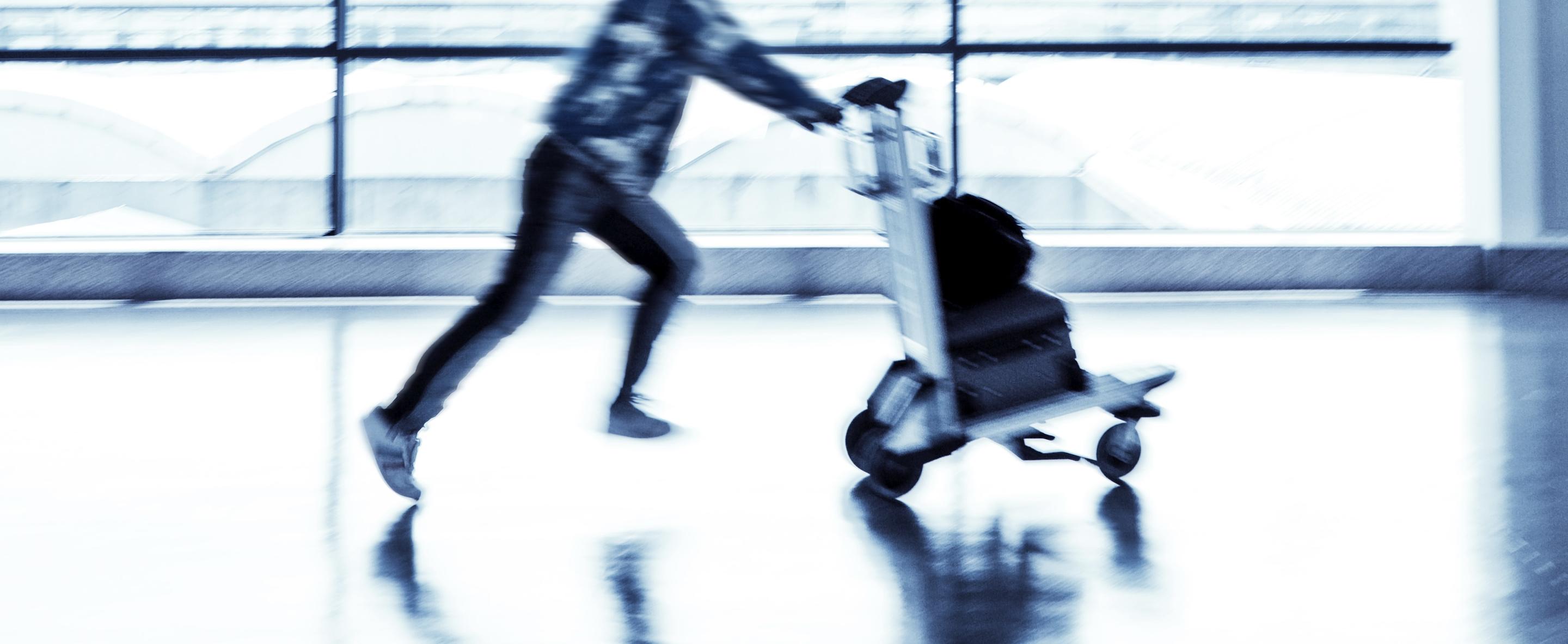
Running to Catch a Flight (Photo: iStock)


A tardy couple ran onto the tarmac in hopes of stopping their flight from taking off without them.

Matteo Clement& Enrica Apollonio

The pair of travelers, Matteo Clementi (left) & Enrica Apollonio (right) — Times of Malta

This Italian couple learned the hard way that you can’t hail down a moving aircraft similar to a departing bus or taxi. The Times of Malta reports the pair was forced to pay over $2,600 in fines after chasing after their departing aircraft down the tarmac before being apprehended by airport authorities.

The situation reportedly began when Enrica Apollonio, 23, and Matteo Clementi, 26, got delayed on their way to Malta International Airport (MLA), where they were scheduled to catch a Ryanair flight back to Italy. By the time they arrived at the airport, it was too late: the doors to their flight had closed and the two were not allowed to board.


MLA official say that although the incident was out of their control, they are glad it ended without major incident. “MLA staff and partners responded to this situation immediately and effectively, ensuring that the passengers were apprehended and passed on to the police,” an airport representative told the
Times of Malta. “MLA regrets that a holiday to Malta had to end in this way but reminds passengers that safety and security are of the utmost importance at any airport and such issues cannot be dealt with lightly.”That’s when the couple took matters into their own hands. Airport officials say the two ran to another gate, opened an emergency fire exit and ran onto the tarmac. The couple hoped they would be able to prevent their Ryanair flight from taxiing and somehow board the aircraft. Instead, the two were apprehended by security staff, and charged with violations of Matla’s Airports and Civil Aviation Security Act.

Both persons were ultimately convicted and will be forced to pay over $2,600 in fines. An attorney for the pair said they were looking forward to celebrating Apollonio’s birthday on the island, “but instead spent it in a cell.” Ryanair did not offer a comment on the incident.

[Photos: iStock; Times of Malta]  

Source….www.flyertalk.com

Natarajan


Message for the Day…” How to control Greed, Anger, and Similar Negative Qualities …” ?

Look at the crane; it walks about pretty fast in water. But while walking, it cannot catch fish. When it wants to catch fish, the very same crane becomes quiet and stands motionless. So also, if you proceed with greed, anger, and similar negative qualities, you can never secure the fish of truth (sathya), righteousness (dharma), and peace (shanti). With any spiritual practice you observe, please add the practice of uninterrupted remembrance of the Lord’s precious name (namasmarana). Only then can you master the natural attributes of greed, anger, etc. All the scriptures (sastras) teach but this one key lesson! Since the Lord is the universal goal and this journey of life has Him as the destination for each and every one of you, keep Him constantly in your view and subdue the mind, which makes you wander from the path.

Sathya Sai Baba

In The Future, Your Interstellar Tourist Selfies Will Look Like This…!!!

selfie

Imagine a world some time in the semi-distant future where space travel is a banal indulgence not unlike a luxury cruise. What would you do upon stepping on Mars soil, an astronaut helmet over your head and Earth but a small speck in the distance.

Be real, would you take a selfie? It would get soooooo many likes.

tour

French photographer Julien Mauve juxtaposes the looming potential of space exploration with the stereotypical actions of earthly tourists in his narrative series “Greetings From Mars.” The sci-fi photos combine alien landscapes with behavior that’s all too familiar — performing for the camera, inserting oneself into foreign landscapes, and striking a pose.

“I’ve been fascinated with Mars since I was a child,” Mauve explained to The Huffington Post. “I can picture myself back in college making presentations about it. We hear a lot about NASA, Elon Musk and SpaceX these days. Mars One also, the company that offers people a one way ticket to establish the first human colony on Mars (and intend to create a TV show out of it). Space exploration and colonization is the greatest adventure of the century and the fact that we may witness it in our life-time makes it even more exciting.”

boo

Mauve couples the possibility of space tourism in the future with the reality of social media influence in the present. “We’ve literally developed a new language to communicate emotions through pictures and that really fascinates me,” the artist said, identifying smartphones as the technology that allows us to write our own stories in real time.

“In the mean time, Earth has become really small. We are only 12 hours and $800 away from the other side of the world. Those easy traveling conditions have made tourism a lucrative activity. People can visit and enjoy places we would have never imagined only 50 years ago… Once transportation issues will be solved and if we don’t encounter any massive disaster, space tourism for middle class people is something we can imagine happening in less than 100 years.”

fgg

Mauve’s series offers a wonderfully deadpan view of the red planet, with anonymous explorers eager to survey the grounds, and, possibly more importantly, document the process. “It’s an observation of our current behaviors and a projection of what we hope for the future,” he explained. “I’m not trying to stick to the scientific truth.”

Of his series, he explains the setting: “It’s a couple experiencing Mars as tourists for the first time and sharing their experience through photographs. They include themselves in front of those landscapes and affirm their presence but the funny thing is that we don’t see their faces. It could be anyone in those suits and, in fact, it goes against the original purpose of taking a selfie or souvenir pictures. It was also a way to illustrate this endless pursuit of self-definition we seek with pictures.”

Check back with us in 100 years to see if Mauve’s grim prediction has come to life. If so, please let us know what filters look best in space. Thanks.

MORE:

Source….http://www.huffingtonpost.com/priscilla-frank

Natarajan

” One Word …’ YOGA’… United the Entire World …” !!!

Some practised their stretches on a boat as they floated across River Siene in Paris; the others did their asanas outside the world famous ruins of Angkor Vat in Cambodia.

Fitness enthusiasts embraced our ancient practice with great fervour across the world. The pictures tell the story of the grand success of the first International Yoga Day.

People perform yoga to mark International Day of Yoga in Seoul, South Korea. Milions of people worldwide took part in the first International Day of Yoga, which was declared by the United Nations last year. Photograph: Chung Sung-Jun/Getty Images

Yoga demonstration on boat as it makes way past the bridges of Paris on River Seine.Photograph@Indian_Embassy/Twitter

Participants perform yoga to mark the International Day of Yoga under the Eiffel tower in Paris, France. Photograph: Benoit Tessier/Reuters

Participants attend the Yoga Fest to mark the International Day of Yoga at the Medeo skating rink at the altitude of some 1600 metres above sea level in Almaty, Kazakhstan. Photograph: Reuters

Tashkent, Uzbekistan celebrates International Day of Yoga. Photograph:@MEA/India

On Sunday, London was completely engrossed in yoga. Photograph: @chris_vasiliou/Twitter

Yoga enthusiasts do the Suptvajrasan in Brussels. Photograph:@IndEmbassyBru/Twitter

International Yoga Day celebration is in full swing in Samara, Russia.Photograph: @IndEmbMoscow

Over 4,000 yogis gathered at the Grand Halle de la Villette, Paris.Photograph: @Indian_Embassy

Britain gets its mat out on Yoga Day. Photograph: @SGadiLondon/Twitter

Sri Sri Ravishanker shares this picture from the Art of Living Yogathon in Japan.Photograph: @SriSri/Twitter

Afghans practise their asanas on Yoga Day.

Yoga Day fever grips Mongolia. Photograph:@IndianDiplomacy/Twitter

Nepali Actress Mala Limbu participates in Yoga Day celebrations. Photograph: @IndiainNepal/Twitter

I do yoga. Do you?’ has become the catchphrase in Vietnam.

Hhundreds took part in the celebrations at Hanoi’s Quan Ngua Sports Palace, and in Ho Chi Minh city and seven other provinces. “The response was amazing, way beyond our expectations,” Preeti Saran, India’s ambassador to Vietnam said. Photograph: @cghcm/Twitter

From the iconic Angkor Vat and Ta Prohm Temples in Cambodia, the full beauty of Yoga Day was on display. Photograph: @MEAIndia/Twitter

In China, events were organised at the prestigious Peking University and Geely University. People from different walks of life took part in the exercise.

About a week ahead of the International Yoga Day, the India-China Yoga college was inaugurated at Yunnan Minzu University in Kunming, the first such college in the country.Photograph: @MEAIndia/Twitter

More than a thousand people took part in several events across Australia to mark the day, with Prime Minister Tony Abott appreciating Yoga’s universal appeal.

“For thousands of years, yoga has provided its followers with a guide to bringing their mind, body and spirit into balance,” Abott said.

“Yoga’s universal and growing popularity demonstrates its appeal to people from all the walks of life and its great potential to foster better health among individuals and populations around the world,” he said.

Melbourne saw over 500 people gathered at the Springers Leisure Centre to kick off the day with ‘Surya Namaskar’ and bending and twisting their bodies in complex postures.Photograph: @navdeepsuri/Twitter 

Revellers participate in yoga as they celebrate the summer solstice and International Yoga Day at Stonehenge on Salisbury Plain in southern England, Britain. Photograph: Kieran Doherty/Reuters

Source….www.rediff.com

Natarajan

Meet Anirudh Prasadh ….From Mumbai to Kolli Hills , Tamilnadu on a Mission …

India is witnessing a radical transformation where highly qualified youngsters are giving up cushy jobs to make a difference in the lives of poor people in rural areas.

Manu A B/Rediff.com tracks the success stories of some of the remarkable people who are working in remote villages to change the profile of rural India.


A chemical engineer, Anirudh Prasadh gave up his high-paying job to work for welfare of farmers in the remote villages of Tamil Nadu.

Anirudh Prasadh with kids in the village .

For the Malayalar community of farmers in the remote Kolli Hills region of Tamil Nadu, 26-year-old Anirudh Prasadh has been a catalyst for change.

He has been able to push the humble millet crop they have been cultivating for years together without significant profits into a much sought-after value-added natural health product.

In the process, the farmers are not only earning more, but will also learn to use new age marketing tools like e-commerce and online marketing to distribute this product as an exclusive brand grown from this region to places outside the state.

Millet cultivation in the village

Anirudh with the support of the MS Swaminathan Research Foundation has ushered in a small millet revolution in the Kolli Hills, promoting the cereal as a cure for a host of ailments arising out of calcium and iron deficiency.

For the past 4 years, farmers in this region have been selling products made with millet with lesser profits.

Earlier products that were not packed attractively

The bad packaging and unattractive stickers on the packets made it difficult for them to sell the products for maximum profit. They were spending Rs 6-8 per unit for just packaging, resulting in significant losses.

“We have now designed new logos, introduced attractive stickers and the products run on a common theme, making the organically grown products very appealing,” says Anirudh.

Products now packed attractively ready for sale

Anirudh has been able to get the collective support of all farmers to unite towards making the business of value added millet products a success.

The farmers’ cooperative society, Kolli Hills Agro Biodiversity Conservers Federation (KHABCoFED) has become very active. They will now market products with a new look.

The price of packaging has also been reduced by 40-50 per cent ensuring better profit for the farmers.

Presently, the products are available across 35 organic shops run by MSSRF in Namakkal, Trichy, Coimbatore etc. After the packaging was made attractive, there has been a rise in demand for these products.

Talks are planned with super markets and duty-free shops in Tamil Nadu and Kerala to stock these products from the Kolli Hills. A website with the list of products and facility to order the products online is also being worked out.

My work now is to teach them how to market their products, ensure quality control processes, teach them accounting and maintain manuals on products. We have also readied a booklet of millet recipes to promote millet eating in the right way. People here suffer from skin ailments, back problems and face issues of calcium and iron deficiency. With the help of doctors, we have conducted an awareness campaign among the locals to eat millets in different forms so as to keep such kind of illnesses at bay,” explains Anirudh.

For Anirudh who was brought up in Mumbai, life in Kolli Hills has been an enriching experience.

“After I did my Masters in Chemical Engineering from the School of Chemical Engineering and Analytical Science, University of Manchester, I returned to Mumbai and worked with Hindustan Dorr-Oliver on a national project. But the inefficiencies in the system and the innumerable delays to get the project implemented were very frustrating. I realised that I was wasting my time when I could utilise it for productive purposes. I had friends who were working in the development sector and it was inspiring to see their work. So I quit my job much to the initial opposition of my parents and took up the SBI Youth for India fellowship,” says Anirudh, who is enjoying a satisfying stint helping farmers, children and women across 4 villages in Kolli Hills.

The first day’s journey up the hill in a crowded transport bus was memorable for Anirudh. People in the village were very curious to know about him and they thought it was crazy to leave a city and come to work in the remote village.

The initial hiccups were not as bad as he had expected. He is thankful for being a changed person now.

“It only took a couple of days to realize that lack of continuous water supply, and unwanted visitors – insects of all shapes and sizes – at all times would be a usual occurrence and something we just have to get used to,” says Anirudh.

Being cut off from the rest of the world has proved to be beneficial, feels Anirudh. He doesn’t miss city life anymore. “Life is so peaceful, satisfying and I have more time to read books and discover myself,” he says.

The main problem villagers face here is lack of awareness. “They have the right skills, products and marketing options but there is no one to guide them. Most of the farmers are shy, women too were very reserved and would not like to talk about their problems. Once, they started noticing how the product packaging changed, more people understood what we were trying to do. Now they are more pro-active and we hope to make the federation a very active venture.”

Besides conducting health and hygiene camps, Anirudh along with Gautam Jayasurya, organised computer literacy classes for farmers. They were given basic lessons on Word, Excel, and accounting. The farmers have also been given training to take up the role of mentors for others so that they can train others.

“The nearest town is 30 kilomteres away so it’s difficult for people to travel this distance for basic things. They will now make use to the Internet facilities to pay bill, for surfing and checking mails etc. The product packs too have an e-mail id now to register customers’ feedback. The villagers are also being taught to draft letters that they can use to avail benefits from the government.

Anirudh’s small initiatives have made a lasting impact here.

“I installed Tippy Taps in schools with small cans. Since water supply was erratic, kids would eat without washing their hands. Now they keep themselves clean. Seeing this initiative, other villages are also keen to implement it,” says Anirudh.

Village life has taught him to live with basic amenities. The simplicity and helping mentality of the villagers has been encouraging. “Villagers are willing to help us in every way possible. We were late risers in the initial days and missed out on the water supply. Our neighbours made it a point to store water in a couple of buckets for us, and till today continue to find ways to help us,” he says.

As a homogeneous community, the farmers live in harmony. They exchange food and grains among community members. They do farming together, it’s all a collective effort

Anirudh plans to continue working in the development sector. “I am happy with work now and am eager to do more. I would like to work in the public policy making. There are lot of schemes that are beneficial to villagers but they have no idea about how it works or how it can impact them. I would like to see villagers getting what they truly deserve from the government,” he says.

For rural India to come up, educated people in urban India should first stop calling them ‘rural’, believes Anirudh.

“They just need the right kind of opportunities and information to come up in life. Instead of taking up a job immediately after education, youngsters should devote at least 6 months of their time to work at the local level in villages. Government agencies don’t consider the aspirations of the people while making policies. We need to collect more data to form better policies for the upliftment of the people living in villages,” Anirudh explains.

To know more about Anirudh’s work, you can mail him atanirudhprasadh@gmail.com

If you wish to join the movement to bring about a change in rural India or would like to contribute in any way, you can send a mail to shuvajit@youthforindia.org

Manu A B

Source….www.rediff.com

Natarajan