வாரம் ஒரு கவிதை …” நிழலில் தேடிய நிஜம் “


நிழலில் தேடிய நிஜம்
…………………
நிழல் என்றும் ஆகாது நிஜம் !
பதவியும் பணமும் வெறும் நிழல்தானே !
அந்த நிழலில் தேட வேண்டும்
நிஜம் என்ன என்பதை ?
நிழலில் தேட தேட நிஜம்
என்ன என்று புரியும் !
நிழல் நிஜம் ஆகாது
என்னும் உண்மையும் தன்னால்
தெரியும் !
நிழல் எல்லாம் நிஜம் என்று
நம்பினால் நிஜம் என்ன என்று
தெரியாது கண்ணுக்கு !
நிஜத்தை தொலைத்து விட்டு
இல்லாத நிழலில் தேட முடியுமா
நிஜம் எங்கே என்று ?
K.Natarajan  in http://www.dinamani.com
Dated 8th April 2018

Meet Gururaja…CWG 2018 Medallist…

‘His victory is our victory,” said his family as they watched him bag the silver medal in weightlifting, in Australia.


At 7.30 am on Thursday morning all eyes in the Poojary household in Vanse, a tiny village near Kundapur in Karnataka, were glued to the television.

One of their own, Gururaja Poojary, was taking part in the men’s 56-kg weightlifting competition in the 2018 Commonwealth Games in Australia. After failing to lift the weight of 138 kg in his first two attempts, it appeared as if Gururaja’s medal prospects were slipping away

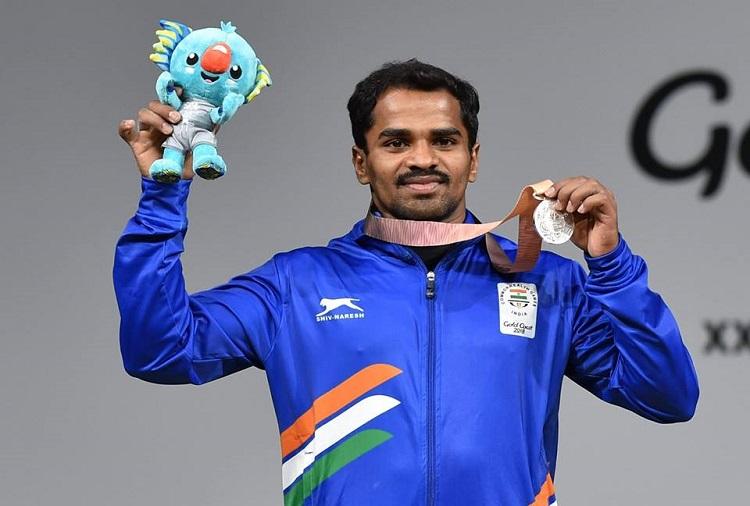
The 25-year old weightlifter, however, was the very picture of strength in his final attempt to take his final tally to 249 kg and clinch the silver medal.

This medal in the Gold Coast is not only Gururaja’s first taste of success on the international stage right on his debut, but is also the product of a journey where he overcame poverty and personal setbacks to reach where he is.

But for his family members, it came as no surprise.

He comes from a sporting family – all five of his brothers dabbled in Kabaddi and were athletes. “But it was Gururaj who was always going to achieve his dream,” says Manohar Poojary, Gururaja’s elder brother.

Gururaja’s father, Mahabala Poojary, is a goods-truck driver, who struggled to make ends meet to take care of his six sons. “Poverty is something we have lived in all our life. If we were a little bit well-off financially or received the necessary support and encouragement, maybe all of my sons could have made our country proud,” says Mahabala, speaking after his son’s success in Australia.

But due to poverty and unforeseen circumstances at home, Gururaja’s older brothers – Mohan, Manohar, Udaya and Rajendra – had to drop out of school and, with that, from sports. Only Gururaja and his youngest brother, Rajesh, completed their studies amongst the six sons.

His mother, Padhu Poojarthi, is a homemaker.

But his family was not willing to let Gururaja tread the same path. “Our father worked extra hard to ensure that Gururaja strove to achieve his dream. Seeing my father’s and brother’s struggles, even we chipped-in, taking on extra work to help in whatever way we could. Today, his victory is as much our victory,” says Manohar.

While studying at Sri Dharmastala Manjunatheshwara (SDM) College in Ujire, in Dakshina Kannada, Gururaja was looking for a wrestling coach rather than a weightlifting one. This was around the time Sushil Kumar had won his first Olympic medal in wrestling in 2008. While his search for a wrestling coach proved to be fruitless, he met powerlifters at the local gym and was soon representing his college in powerlifting.

It was here he met his coach Rajendra Prasad, who gave him his first lessons in weightlifting.”I still remember, in 2011, Gururaja was a young boy who had just joined a graduation course. He was a Kabaddi player and a wrestler, and did not have any idea about powerlifting. We selected him for the club and, seeing his talent, guided him in powerlifting,” says Rajendra Prasad, who works as a coach at the SDM Sports Club.

He added that Gururaja was proficient at the University level and even broke a record set by him in 1999 by lifting 193 kg (total in snatch and knee jerk) in 2012. He improved to 243 kg in 2015, a record which still stands to this day.

It was only in 2013 that he became a national-level athlete and in 2014, after a gold medal at the national-level, he started becoming a serious contender for a Commonwealth Games berth.

With his superlative rise in the sport, Gururaja also enrolled in the Indian Air Force three years ago, after which the Air Force took care of all the training expenses. “Until then, it was the family, college-mates and generous philanthropists who gave wings to his dream, hoping he would bring glory to the region,” says Manohar.

By the time the financial strain on his family was eased, 25-year-old Gururaja was ready to take on the world stage.

With the win in Australia, he has now vaulted straight into the national limelight and Pramod Madhwaraj, Karnataka Minister for Youth, Fisheries and Sport, who also hails from Udupi, said that Gururaja is likely to get a government job as a group-B officer and also a cash prize for his achievements.

When TNM caught up with Gururaja, he was, understandably, elated. “I am very happy that I have represented India in the Commonwealth Games and won the first silver medal for India (this year). This is my first Commonwealth Games and I want to thank my parents, family, my weightlifting coach Rajendra Prasad, SDM institution and everyone from my village who supported me,” he says.

His family members, who were nervously watching from home, was over the moon. Although his mother says she doesn’t quite understand the world of sport, she adds she is overwhelmed by the media visits.

But Gururaja’s family was quick to add that the journey is still not over. “We want him to make our country proud. Our biggest dream is that he participates and wins in the Olympics,” says Mahabala.

There is still some way to go before Gururaja can qualify for the Olympics. His final tally of 249 kgs will have to improve closer to 300 kgs. But throughout his journey, he has broken barriers and after his latest success in Australia, Gururaja will no doubt be willing to go the mile to chase his Olympic dream.

Source…….Harsha Raja Gatty and Prajwal Bhat in https://www.thenewsminute.com

Natarajan

The jingle Trucks of Pakistan …

A typical Pakistani truck driver spends more time with his truck than he does with his wife. Which explains why he wants his 10-ton six-wheeler to look like a new bride.

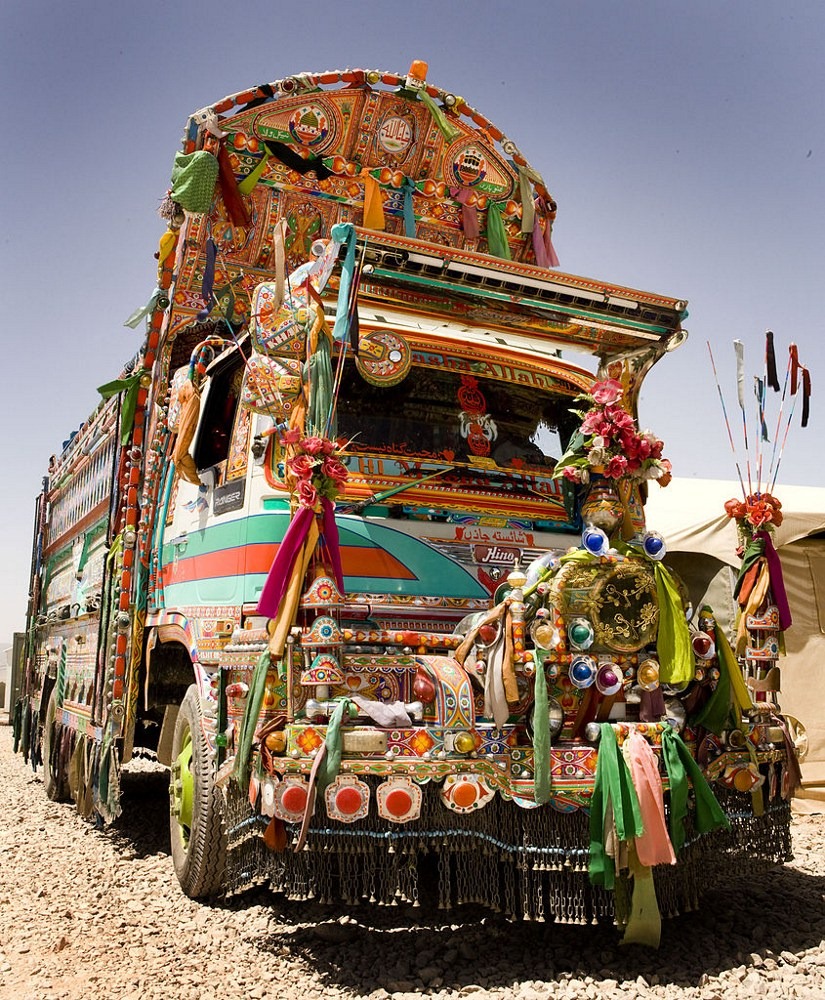
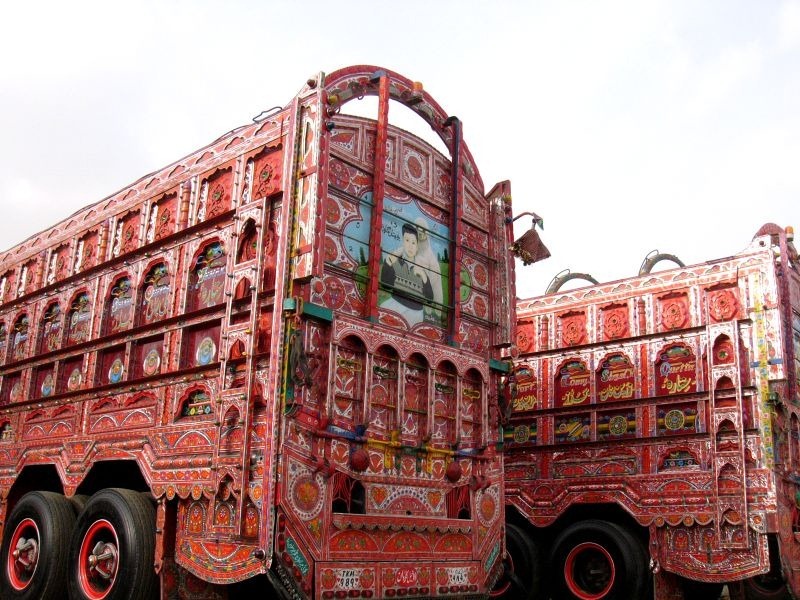
These trucks plying across Pakistan’s national highways and the neighboring country of Afghanistan are distinctively ostentatious. The entire trucks, from top to bottom, are a riot of colors. Lavishly painted panels containing a mosaic of birds, flowers, landscapes, saints, and actresses in hyper-saturated color palette adorn the exterior, while plastic flowers, draped beads, mirrors, ribbons and velvet grace the interior. The cabin is crowned by a custom built wooden prow wrapped in more kitschy artwork, while a string of metal bells dangle from the chassis all round the periphery. When the truck is in motion, these bells clang against each other like a new bride’s ghungroo. This is where the nickname “jingle trucks” come from—coined by US troops deployed in Afghanistan.


Photo credit: ISAF Public Affairs/Flickr

And it isn’t just trucks alone. Passenger buses, water tankers, transport vans, rickshaws, and even vendors’ pushcarts are psychedelically decorated with eye-popping colors. It’s like a rolling folk art, “a national gallery without walls, a free-form, kaleidoscopic exhibition in perpetual motion,” as Richard Covington puts it.

The tradition of decorating trucks began sometime in the 1920s with the introduction of the long-distance Bedfords—a British-built truck with rounded cab and seven-feet high paneled sides that was to become the country’s most prestigious and dependable truck for more than half a century. Originally trucks were painted with each company’s logo so that illiterate people could recognize who owned the trucks. Gradually, these logos became more fanciful, flamboyant and competitive. By the 1950s, stylized murals and frescoes had begun to replace them. It was only in the 1960s, as the country’s economy boomed, the decorations became increasingly sophisticated to reflect the growing wealth of the drivers and the rise of a new urban class.

Pimping out a truck this way cost truck owners a small fortune. It isn’t unheard of for a driver to spend the equivalent of a year’s worth, or more, of profits on truck decorations. According to a 2005 article, a basic painting and body job costs a minimum of $2500, equivalent to two years of the average truck driver’s salary. Some spend upwards of $10,000 outfitting their rigs. Unbelievably, many truckers will return to the workshop every three or four years for a full vehicle makeover.

“Truckers don’t even spend so much money on their own houses,” marvels Durriya Kazi, head of the department of visual studies at the University of Karachi. “I remember one driver who told me that he put his life and livelihood into the truck. If he didn’t honor it with the proper paint job, he would feel he was being ungrateful.”

A well-decorated truck also gives customers the impression that it is well taken care of and will, therefore, be a dependable way to transport goods.

Truck painting is also a big business. In Karachi city alone, more than 50,000 people are engaged in this unregulated yet lucrative industry. Family-run workshops comprising of apprentices and highly trained artisans, and small shops selling all manners of outlandish ornaments and accessories crowd around truck yards.

Over the years, however, the business has changed. Now instead of meticulously hand painting each truck, mass produced stickers and adornments are used.

“Truck decoration is not stagnating; it is dead,” laments R M Naeem, an assistant professor at the National College of Arts, Lahore. “This is because truck painters treat their work as a source of livelihood. They do not have the time or the luxury to innovate; they repeat the same old patterns, images and icons over and over again.”

However, thanks to artists like Haider Ali, who gave a Ford van a jingle-truck-style makeover a couple of years ago in a parking lot in Pasadena, California, and other painters, it’s unlikely that this quintessentially Pakistani craft is going to die out any time soon


Source……..Kaushik in  http://www.amusingplanet.com

Natarajan


ஒழுக்கத்திற்கு வழிகாட்டும் தாத்தா…


தாத்தா ஒருவரால் தான் குடும்பத்தில் எல்லோரையும் மன்னிக்க, கண்டிக்க ஏன்… தண்டிக்கவும் முடியும். வானளாவிய குடும்ப அதிகாரம் படைத்திருந்த தாத்தா இப்போது எங்கே?

தாத்தா, பாட்டி உறவு தாமரை இலை மேல் தண்ணீர் போல ஒட்டாமல் போனதால் தான் இன்றைய பல குடும்பங்கள் சுக்கு நுாறாய் உடைந்து, சிதறிப் போயிருக்கின்றன. வீட்டில் சாப்பிடாமல், நாக்கில் ருசியின்றி கிடக்கும் குழந்தைகளை, மருமகளிடம் திட்டு வாங்கினாலும் பரவாயில்லை என்று ஓட்டலுக்கு கூட்டிச்சென்று புரோட்டா, ஸ்பெஷல் தோசை, ஐஸ்கிரீம் என வாங்கி கொடுத்து வீட்டிற்கு அழைத்து வந்த நாட்கள் என்ன… காய்ச்சலோ, வயிற்று போக்கோ வண்டி கட்டிக்கொண்டு முதல் ஆளாய் டவுன் ஆஸ்பத்திரிக்கு, பெரிய டாக்டரை பார்க்க அழைத்து போகும் உத்வேகம் என்ன… அந்த தாத்தாக்கள் எங்கே?

கயிற்று கட்டிலில் நிலாவை காட்டிக்கொண்டே காற்றோட்டத்துடன் கதை சொல்லும் பக்குவம் என்ன… அவை எல்லாம் இந்த காலத்து குழந்தைகளுக்கு கிடைக்காத பாசபிணைப்பு காலங்கள்.

தாத்தாவின் அதிகாரம்:
தாத்தா கையில் தான் வீட்டின் சாவிக் கொத்து இருக்கும். கல்யாண நாளில் திடீரென ஒரு பெரும் தொகையை மருமகளிடம் கொடுத்து, பிடித்த நகை வாங்கிக்கொள்ளம்மா என்று குடும்ப சக்கரத்தை பக்குவமாக நகர்த்தி செல்லும் தாத்தாக்கள் இல்லாததால் பல குடும்பங்கள் தடம் புரண்டு கிடக்கின்றன. வீட்டிற்கு யாராவது புதிய ஆள் வந்தாலோ, ஆண் குரல் கேட்டாலோ யாரு என சத்தமாக கர்ஜிக்கும் குரலில் எதிராளி சற்று ஆடிப்போய் விடுவார்.

குழந்தைகளை முதல் நாள் பள்ளியில் கொண்டுபோய் விடுவதிலிருந்து, மருமகளை அடுத்த பிரசவத்துக்கு ஆஸ்பத்திரியில் சேர்க்கும் வரை தாத்தா தானாகவே இழுத்து போட்டுக்கொண்டு செய்யும் வேலைகளை இப்பொழுது செய்ய யாரும் இல்லை. ஆட்டோக்காரர், கால் டாக்சிகாரர்கள் அந்த பணியை செய்ய வேண்டிய நிலை. இதுவேதனையானது மட்டுமல்ல மூத்த உறவுகளை உதறிய பாவத்தின் தண்டனை தான்.

ஒழுக்கத்தின் அடையாளம்:
தாத்தா வீட்டில் இருந்ததால் பெரும்பாலான குடும்பங்களில் ஆண்கள் மது அருந்துவதையும், புகை பிடித்தலையும் தவிர்த்தார்கள். லேட்டாக வீட்டிற்கு வந்தால், கதவை தட்டியவுடன் முதல் ஆளாய் கதவை திறந்து ‘ஏன்டா லேட்’ என மகனையும், பேரனையும் அதிகாரத்துடன் கேட்கும் உரிமை தாத்தாவிற்கு மட்டும் தான் இருந்தது. அந்த உரிமையை பறித்ததால் இன்று வீட்டிற்கு ஒன்றிரண்டு ‘குடிமகன்கள்’முளைத்துவிட்டனர்.

பாடம் சொல்லி கொடுப்பதாகட்டும், வாத்தியாரிடம் சென்று ‘படிக்கலைனா நல்லா அடிங்க’ என்று சொல்லிவிட்டு, பேரன் போன பின்பு ‘அடிச்சு கிடிச்சுப்புடாதீங்க; ஒரு பேச்சுக்கு சொன்னேன்,” என்று மறுநிமிடமே வாத்தியாரிடம் மல்லுகட்டும் அந்த தாத்தாவின் அன்புக்கு ஈடு இணையே இல்லை. குழந்தை பருவத்தில் உண்டியல் தான் தாத்தா கொடுக்கும் முதல் பரிசு. சேமிப்பு பழக்கத்தை முதல் காசு போட்டு தொடங்கி வைக்கும் தாத்தாக்கள் உண்டு. ‘தாத்தா நீ செத்துப்போனா எனக்கு யாரு பொம்மை வாங்கித்தருவா? யாரு காசு கொடுப்பா?’ என விளையாட்டாய் கேட்கும் போதெல்லாம் சிரித்துக் கொண்டே ‘உன் கல்யாணத்தை பார்த்துட்டுதான்டா நான் சாவேன்’ என முத்தமிட்டவாறே சொல்லும் அந்த முதிய குழந்தை தாத்தா இப்போது இருப்பதெல்லாம் முதியோர் இல்லங்களில்.

முதுமையை போற்றுவோம்:
குடும்ப உறுப்பினர்களின் மூக்கணாங்கயிற்றை அதிகாரமாக கையில் வைத்திருந்த பல முதியவர்கள் இன்று முதியோர் இல்லங்களில் கட்டிப்போடப்பட்டிருக்கின்றனர். சமீபத்தில் ஒரு ஆதரவற்றோர் இல்லத்தில் எழுதிப்போட்டிருந்த வாசகம் நெஞ்சை உருக்கியது. ‘இது மனிதர்களை பார்க்க விலங்குகள் வந்து போகும் மனித காட்சி சாலை’. பல ஆயிரம் அர்த்தங்களை உள்ளடக்கிய வாசகம் இது. தங்கள் வீட்டின் முதியவர்களை முதியோர் இல்லங்களில் கொண்டுபோய்விடும் மகன்கள் அங்கு சொல்வதெல்லாம், ‘இங்கேயே ஏதும்ஆனா கூட பரவாயில்லை! நாங்க உங்களை ஏதும் சொல்லமாட்டோம். திரும்ப எங்க வீட்டுக்கு மட்டும் அனுப்பிவிடாதீங்க!’ குடும்ப உறவுகள் அந்நியமாகிப்போனதின் முதல் அபாயமே, வீட்டின் முதியோர் புறக்கணிப்பு தான்.

கேள்விக்குறி உறவுகள்:
தாத்தா பாட்டி உறவுகள் தற்போதைய குழந்தைகளுக்கு கிடைக்கிறதா என்றால் கேள்விக்குறிதான். தாத்தாக்கள் கிராமங்களில் தனியாக ரேடியோவோ, தொலைக்காட்சியோபார்த்து அன்றாட பொழுதை ஓட்டிக்கொண்டிருக்க, நகரத்து குழந்தைகள் பள்ளி, டியூஷன், டான்ஸ் என பிசியாக காலம் கழிக்க, என்றாவது வரும் தாத்தாவும் நகரத்து வீட்டில் தனியாகவே இருக்க, தாத்தா- குழந்தை உறவுப்பாலம் நுாலிழையில் தொங்கிக்கொண்டு இருக்கிறது. டிரங்கால் போட்டு கூடுதல் பணம் செலவு செய்து போனில் தாத்தாவிடம் நலம் விசாரித்த காலம் போய், இப்போது பணம், அலைபேசி, நேரம் இருந்தும் மனம் இல்லாமல் தாத்தாவுடன் போனில் பேசுவதையே தவிர்த்துவிட்டோம்.

தாயின் அன்பை போன்றே தாத்தாவின் அன்பும் ஈடு இணையற்றது. ‘தாத்தா நீ செத்துப்போயிட்டேன்னு சொல்லி இன்னிக்கு நான் லீவு போடப்போறேன்’ என்று பேரன் தாத்தாவை கிண்டல் செய்து ஓடுவதும், ‘இரு உன்னை உங்க வாத்தியார் கிட்ட சொல்லித்தரேன்’ என்று சொல்லி தாத்தா செல்லமாய் துரத்துவதும் இனி கிடைக்காத நாட்கள். எந்த ஒரு செயலையும் பக்குவமாய் அணுகி தீர்வு சொல்வது தாத்தாவின் கைவண்ணம். வயதும், அனுபவமும் தாத்தாவை பக்குவப்படுத்துகிறது. ஆனால், அந்த நிதானமும் பொறுமையும் இல்லாததால், இன்று இளைய தலைமுறை இயந்திர கதியாக இயங்குகிறது.

கோடையில் தாத்தா வீடு:
கோடை விடுமுறையில் தாத்தா வீட்டிற்கு கிராமத்திற்கு செல்வதை குழந்தை பருவத்தில் ரசிப்போம். தாத்தாவும், பாட்டியும் சேர்ந்து தலைக்கு நல்லெண்ணெய் தேய்த்து குளிப்பாட்டிவிடுவார்கள். மாலையில் வடை, இரவு சுடச்சுட தோசை சுட்டு கொடுப்பார்கள். திடீரென எல்லா குழந்தைகளுக்கும் விளக்கெண்ணெய் கொடுத்து பேதியாக்கி, வயிற்றை சுத்தம் செய்வார்கள். பள்ளி திறக்கும் முன்பாக சென்ட்ரப்பர், பென்சில், நான்கு வண்ண ரீபில் பேனா, புது ஜாமின்ட்ரி பாக்ஸ் என தாத்தா குழந்தைகளை கவனிக்கும் விதமே தனி தான். பெரியப்பா, பெரியம்மா, சித்தி, சித்தப்பா, மாமா, அத்தை என சம உறவுகளோடு கிராமத்து வீட்டில் குழந்தைகளாக ஆட்டம் போட்ட நாட்கள், குளத்திலும், கண்மாயிலும் நீச்சல் கற்றுக் கொண்டு நாட்கள், பம்புசெட்டில் குளித்தநாட்கள், கோடை மழையில் நனைந்தவாறே கிராமத்து வீட்டு முற்றத்தில் குதித்த நாட்கள் இன்றும் ரம்யமானவை. அந்த நாட்களின் பாசப்பிணைப்பு தான் இன்றும் நம்மை நமது சொந்தங்களோடு இணைத்து வைத்திருக்கிறது.

குடும்ப உறவுகள் அறுந்து போகாமல், நேசங்களும், பாசங்களும் விரிசல் விடாமல் ஆண்டுதோறும் புதுப்பித்து கொண்டிருந்த ஒரே உறவு தாத்தா தான். டேய் என்ற தாத்தாவின் கம்பீரக்குரலுக்கு அப்பா, பெரியப்பா, சித்தப்பா, மாமா, அண்ணன், தம்பி என அத்தனை பேரும் சர்வநாடியெல்லாம் அடங்கி பதுங்கி இருந்த காலம் மறக்க முடியாதவை. தாத்தாவின் குரலுக்கு ஆதரவாய் புதிதாய் வந்த மருமகள்களும் இணைந்து போய், கூட்டுக்குடும்ப உறவுகளும், வரவுகளும் சங்கமிக்கும் கோடை விடுமுறை இப்போது டியூசன், இசை, நடன பயிற்சி என்று தடம் புரண்டு போய்விட்டது. 40 ஆண்டுகளுக்கு முன் குழந்தைகளுக்கு மே மாதத்தில் கிராமத்துவீட்டில் கிடைத்தது எல்லாமே தாத்தாவின் அன்பு அரவணைப்பு தான்.

இழந்துவிட்ட நமது கலாசார உறவு மேம்பாட்டுக்கு குழந்தைகளை கோடை விடுமுறைக்கு தாத்தா வீட்டிற்கு அழைத்து போவோம். ஒதுக்கப்பட்ட முதிய உறவுகளிடம் அன்பு கேட்டு தஞ்சம் புகுவோம். உங்கள் குழந்தைகளுக்கு தாத்தாக்களை நீங்கள் அடையாளம் காட்டுங்கள். பேரக்குழந்தைகள் தாத்தா உறவை கற்றுக்கொள்ளும் மே மாதம், கோடை விடுமுறையில் தாத்தாவிடம் சங்கமிப்போம். கொடுப்பதற்கு ஒன்றுமில்லை என்றாலும் தன் நடுங்கும் கரங்களால் தங்கள் பேரக்குழந்தைகளை வாஞ்சையுடன் தாத்தாக்கள் தடவி, வருடும் போது இருக்கும் அன்பு எதற்கும் ஈடாகாது. உறவின் ஆழத்தையும், அன்பின் விளிம்பையும் குழந்தைகள் உணரும் தருணம் அது.

-ஜெ.ஜெயவெங்கடேஷ்சித்த மருத்துவர், மதுரை

98421 67567

Source….www.dinamalar.com

This 69 year old Man has helped start free Libraries across Chennai , and YOU can too !

No membership, no one to supervise, and no last date to return books: Mahendra Kumar’s libraries run on no rules, and plenty of goodwill.

Chennai-based Mahendra Kumar speaks about reading and books with reverence and passion. “It is a character-building activity,” he says earnestly.

In April 2015, he decided to do something which he hoped would encourage people to read: He opened a library in Thirumullaivoyal, Chennai.

It wasn’t just your run-of-the-mill library. The most unique part about it wasn’t even that it was set up in a cement shop, where 69-year-old Mahendra shared a table with the shopkeeper.

What truly set it apart was there was no membership fee, no register to keep track. Literally anyone could walk in, pick up one of the 20 books, and take it home. They could return it whenever they wanted.   

This was the first Read and Return Free Library (RFL). Now, Mahendra says that there are 66 of them across TN, and a few other states, with 10,000 books in all.

His first library in Thirumillaivoyal has now expanded to three cupboards, which he keeps outside his house,bursting with books. It stands completely unmanned.

“I could have kept a register perhaps, where people could sign with the book they were taking,” he adds as an afterthought. But Mahendra snaps out of it the very next moment. “I wanted no protocols, no control. Just people free to read and return books, as per their conscience.”

Encouraging others

Presently, there are 48 RFL libraries in Chennai alone. The others are in Nilgiris, Coimbatore, Aurangabad and Mumbai.

But setting these up has not been an easy task. Unable to travel to these places himself, Mahendra would try to convince others to start such libraries.

“I would sometimes see contact numbers in books. Someone who has written an introduction or a foreword – I’d try to find their numbers. I would try to convince them then to start this in their locality. And I would send whatever little money I could to help them,” Mahendra shares.

One such person he convinced was a former classmate of his, Captain R Venkataraman, who started a RFL library in T Nagar, Chennai, in 2016.

“But there are only so many friends or family members who can be convinced,” Mahendra says. “If there are 66 libraries today, you can assume I made 6,000 calls for them.”

Not as easy as it seems

In the past two years, RFL libraries have sprung up in many different places – gated communities, railway stations, hospitals and even a barber shop.

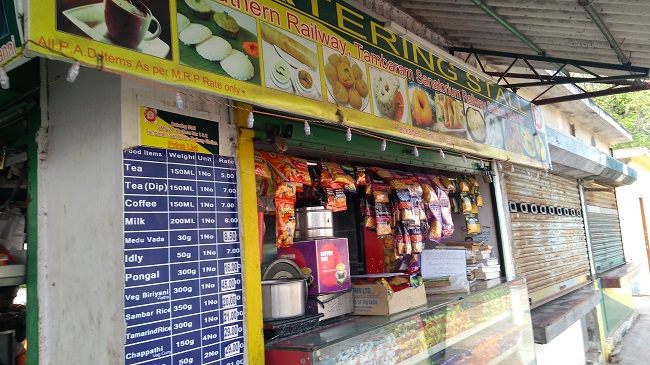
RFL at a Railway Station….

Mahendra is reluctant to share that this has required a considerable amount of legwork and resources from him. He believes it will discourage people, and make them wary of starting more RFLs.

“When people initially came to know about the concept, they wanted to donate books. So I would speak to a few of them, start at 5 am in the morning, make a round with multiple stops and come back with a car full of books,” he recounts. “Sometimes, I would sleep in the car because I’d get tired.”

The problem was that everyone wanted to donate books, but no one wanted to start the library. “Sometimes, people seemed on board with the idea, but they don’t really follow it up with action. I have been wanting to start one RFL library in Bengaluru as well, and got a volunteer too. But they have not really taken it forward after that.”

Mahendra says that he is ready to send some books, and whatever token amount he can from his pocket to help them get started, if only people volunteer.

He also mentions that he is grateful for his wife, who has never raised an objection against him going around the city at odd hours to collect books, and spending money for the RFLs.

Helping students

Mahendra put together the RFL website in 2016. While he is not very familiar with the internet, he says that he somehow learnt some basics and put it together. “The logo looks very childish, no? I made it on Microsoft Paint,” he says, sounding anxious.

The sole purpose for starting the website, he says, is to promote something called ‘Students Corner’.

It allows students to post requirements for second-hand course books, as well as if they have books to donate. Once they fill a form under that section on the site, other students can see it and get in touch. The donor can either mail the books or have them collected by the recipient, as per convenience.

However, Mahendra rues that this has not become as popular as he would have liked it to be.

He also wishes for more people to start RFLs in their localities. “But, it is quite simple really. You just have to see it from time to time to ensure that the infrastructure, wherever you’ve put it, is okay. You can also start it, madam!” he says, cheerfully.

Source…..Geetika Mantri in https://www.thenewsminute.com/

Natarajan

வாரம் ஒரு கவிதை …” இரை தேடும் பறவை “


இரை தேடும் பறவை
——————-
இரை  தேடும்  பறவைக்கு
இலக்கு ஒன்றே ஒன்று என்றும் !
இங்கும் அங்கும் அலைந்தாலும் தன்
இலக்கு என்ன என்று அது  மறக்காதே !
அங்கும் இங்கும் அலையும்
மனிதன் மனது மட்டும் தனக்கு
தினம் இரை வழங்கும் இறைவன் யார் ,
எங்கே என்று இன்னும் தேடுவது ஏன் ?
இரை தேடும் பறவையிடம் இறை
தேடும் மனிதன் கற்க வேண்டும் பாடம் !
K.Natarajan
in http://www.dinamani.com dated 25th March 2018

” No one thinks Banks are trustworthy anymore “….

Somewhere along the way everyone fell in love with the prefix e — as in e-banking and e-commerce and e-jiggerypokery

Dear Mr. Banker,

Hello. This is one of your clients. I am appalled at what you have decided to do to banks. Oh, I’m not talking about your non-performing assets and your crony capitalism. If I had had a problem with that, I would have put my money in a sock and tucked it under my mattress. I get it. You probably thought the diamond merchant was a good idea. (Did a solitaire for wifey clinch the deal?) You probably thought the world needs one more mismanaged airline. (Were there some free tickets thrown in?) You probably had political pressure put on you to advance loans to the friends of those in power. (Things do not change because people do not change.)

What I am talking about is how you deal with those who are my age. I am in my fifties and I rather like to think that my money is my own and that you are only the custodian of it. I know also that we are living in the last golden age of interest; that some banks in developed nations charge their customers to keep their money. I know all this but I think it is rather much when you don’t deliver a cheque book after 10 days.

Gone are the days

Now in the old days, I would pop across the street with a piece of paper and sign on the dotted line and the bank clerk would nod and tell me to come back in two days. I would duly go back in two days and be told that he was on leave, could I come back in two days. When I went back in two days, he would be there and my cheque book would be handed over to me and all would be well again. He would ask after my health and I would ask whether his son had done well in the examinations. We had a relationship, he and I. It wasn’t the world’s best relationship but you’re trying to replace it with something poisonous and vile and inhuman because somewhere along the way everyone fell in love with the prefix e- as in e-banking and e-commerce and e-jiggerypokery.

So with your bank, I have to register a request. Some system records my request and then I get an sms saying that the cheque book is ready and it is to be delivered and then another sms saying that the cheque book is on its way — what is this dance of the seven veils? — and then… nothing.

So I call up the service centre where Aziz replies. Aziz is courteous and he informs me that this call will be recorded for the purpose of maintaining quality. That doesn’t fool me, you know. It is to stop me from abusing. Anyway, I don’t believe there is much point abusing Aziz who is a working stiff, trying to make a living. He is not in charge of your policies. He has no idea how much you don’t want to see me at the bank, how much you despise my warm body at the bank because it takes up real estate and costs the bank some more wages for tellers and the line. He has no idea that you want me to do my banking in a disembodied fashion so that all the big shots can earn some more free tickets. He only knows that I do not have a phone banking pin.

I say that I do not have a phone banking pin because I do not use phone banking.

He is slightly perturbed but he asks me to call back from my registered mobile number and answer some questions so he can give me back the phone banking pin that I do not use and will not use.

I do so.

Correct answers

Madhuri is on the line this time and she has several questions for me, all of which I answer correctly. She asks me what my problem is. I say that my cheque book has not turned up. She says she will check the system. This may take time, will I hold? I have long since understood that all service sector encounters in this nation are about waiting so I will wait while she plays me a series of advertisements for banking products in which lively people suggest I should entrust my money and my lifetime security to a bunch of people who cannot send me a cheque book in 10 days. I breathe deeply.

She is back on the phone and says that the cheque book has been returned to head office because my address is incomplete.

I point out that the address has worked for several spam letters delivered by the same bank, for two older cheque books and for several other pieces of paper that look portentous but are actually meaningless.

She says that this may be true but what to do.

I say that the delivery company is lying to them. They need to sort this out with the delivery company.

Madhuri says this may be true but what to do.

I say that I am being penalised for the failure of the delivery company.

Madhuri says this may be true but what to do.

I ask her what I should do. She perks up at this remarkably because it is now my turn to do.

Perhaps I could log on to the website and…

I do not use net banking, I tell her.

Why not? She seems perplexed as if I had said that I do not believe in human rights.

I take a page out of her book and go back to what to do.

She asks me why I don’t talk to my relationship manager.

I say that my relationship manager is but a wandering voice who is only interested in talking to me when my account crosses a certain mark and she thinks she can get me to plough some of it into her bonus.

She says I should take address proof and go to my nearest branch.

I begin to get angry. I say that I have nothing against her because she is doing a fine job but I do want to know why I should be penalised for the failure of their system.

She says that she has another solution. She will have my cheque book delivered to the nearest bank branch and I can pick it up from there.

I do not see that this is a solution since it means I must do the work but I am beaten. I agree.

Madhuri is relieved. She says I will get my cheque book in four working days.

I say that it is Friday, that means I will get it in six human days.

She says that this is true but what to do.

And finally…

I put down the phone. I get an email saying that I will receive my cheque book in eight working days.

I look at it and I think: this may even be true but what to do.

You see, Mr. Banker, there used to be a phrase: safe as banks. No one believes that any more. No one thinks that you’re trustworthy. No one thinks your institutions are trustworthy even if you have cleverly started putting ordinary people into your ads. Most people who have had anything to do with a bank know that it is run for the comfort and the convenience of the bank staff and for the wealth management of the big bosses.

Nothing we can do about that right now. But think about this for a moment. For decades, government-run telephony ruled our lives because we had no option. One day, the mobile phones came along and their monopoly ended. Think about the postal systems, they too had a monopoly and they’re dying now. Somewhere you’re going to tick off some young person; she will go home and create an institutional option, a system which puts the customer up, front and centre — it might be an app but I wouldn’t bet on it — and you’re all going to end up on the rubbish heap of economic history.

Or you could wake up and start thinking about the customer. What a revolutionary idea that would be.

Jerry Pinto

http://www.thehindu.com

The writer tries to think and write and translate in the cacophony of Mumbai.

Natarajan

World’s Best Airports for 2018 ….Named by Skytrax …Changi Singapore is No.1 !!!

Once again the region’s aviation hubs are leading the world when it comes to passenger satisfaction, scooping top prizes in the prestigious annual Skytrax World Airport Awards.
Maintaining its position at the top of that chart for an amazing sixth year in a row is Singapore’s Changi Airport.
The city-state’s gleaming facilities fended off stiff competition from the likes of Doha’s Hamad International and Hong Kong’s International Airport.
“To be voted the World’s Best Airport for the sixth consecutive year is a fabulous achievement for Changi Airport, and this award yet again demonstrates the airport’s popularity with international air travelers,” Edward Plaisted, CEO of UK-based Skytrax, said in a statement.
The annual awards, which were held in Stockholm on Wednesday, are based on millions of airport passenger surveys and have been dubbed “the Oscars of the aviation industry.”

On top of the world

Changi Airport, which celebrated serving 60 million passengers from almost 100 countries across the world in 2017, has 5,000 arrivals and departures a week, connecting customers to over 200 destinations.
Amenities on offer include two 24-hour movie theaters screening the latest blockbusters for free, a rooftop swimming pool and a sunflower garden that features several varieties of sunflowers grown in the airport’s on site nursery.
This is the ninth time it’s received the “world’s best airport” title at the annual awards in the past two decades.
While there were no new entries among the Top 10, Seoul’s Incheon International Airport moved up one place to No. 2, while last year’s second place holder Tokyo International Airport (Haneda) dropped to No. 3, keeping Asia’s stranglehold on the top slots.
Doha’s Hamad International Airport progressed to fifth place after coming in at No. 6 in 2017, while Munich Airport dropped from fourth to sixth place.

Moving up and down the ranks

There were few surprises in the Top 100, however Rome Fiumicino Airport achieved one of the biggest jumps, moving from 158th place to 85th, while Bahrain International Airport saw its ranking fall from 57th place to number 73.
Vancouver was the No.1 airport in North America yet again, although its ranking dropped one place to 14th.
Denver International Airport came out on top in the United States, claiming 29th place, while Cincinnati/Northern Kentucky International Airport fell eight spots from 26th to 34th on the list.
Houston’s George Bush Intercontinental Airport ranked number 48, Atlanta Airport at 50, San Francisco International Airport at 51, Dallas/Fort Worth International Airport at 56, Seattle-Tacoma International Airport at 62 and New York’s JFK International Airport at 69.
Skytrax also singled out airports for a variety of more specific awards, with categories such as food, shopping facilities and even cleanliness.
Tokyo International Airport won the vote as “the world’s cleanest airport,” while Incheon International Airport was awarded for its airport staff.
Hong Kong International Airport was voted the “world’s best transit airport” and the “best airport for dining,” but Japan’s Chubu Centrair Nagoya stole the title for “world’s best regional airport.”
For the full list, visit the World Airports Awards website.

2018 Skytrax World Airport Awards

1. Singapore Changi Airport
2. Incheon International Airport (Seoul, South Korea)
3. Tokyo International Airport (Haneda)
4. Hong Kong International Airport
5. Hamad International Airport (Doha, Qatar)
6. Munich Airport (Germany)
7. Chubu Centrair Nagoya (Japan)
8. London Heathrow Airport
9. Zurich Airport (Switzerland)
10. Frankfurt Airport (Germany)
Source…….. https://edition.cnn.com/
Natarajan

Death of Padma Scientist at Airport Spurs Son To Demand Medical Aid at All Airports…

In December last year, Prof Lalji Singh, known as the Father of DNA Fingerprinting in India, died after he suffered a major heart attack while at the Lal Bahadur Shastri International Airport, Babatpur in Varanasi.

Death is inevitable. But nothing shocks us more than when a death, which could have been prevented or avoided, occurs due to sheer negligence. Human apathy makes death painful and stark, making us question everything – medical advances, the quality of healthcare, laws, regulations, and the value of life in our country.

In December last year, Prof Lalji Singh, known as the Father of DNA Fingerprinting in India, died after he suffered a major heart attack while at the Lal Bahadur Shastri International Airport, Babatpur in Varanasi.

The airport was not equipped to handle this medical emergency, and by the time he was taken to the hospital – a good few hours later – he had breathed his last. The doctors who examined him say that had he been provided with oxygen supply during the “Golden Hour”, he could have been saved.

What makes it even harsher is that precious time was lost in getting formalities like an “Exit Pass” organised for him due to security reasons. What good are processes that are supposedly put in place to keep people safe when they end up killing them?

Up until I started my research for this piece I had assumed that all airports across the country would be equipped to handle emergency medical situations and would also have an ambulance on call.

My assumption was wrong.

If they did then perhaps Prof Lalji could have been saved.

Airports have become a place to shop and eat. They are all well equipped with restaurants serving a variety of cuisines, every brand that you can think of has a presence here, and liquor outlets thrive – and yet one of the most basic requirements of having a medical room with functional facilities is missing.

We, at the Better India, spoke to Late Prof Lalji’s son, Abhisekh Singh, who is asking some pertinent questions.

Abhishek is asking the Ministry of Civil Aviation and Airport Authority of India to mandate the availability of a doctor, ambulance, minimum medical support, trained medical personnel and standard operating procedures at all civilian airports in India.

You can support his cause by signing the petition here.


On December 10, 2017, Prof Lalji was travelling from Varanasi to Hyderabad on an Indigo flight. Hailing from a village in Varanasi, Prof Lalji started Genome Foundation, a non-profit organisation that aims to diagnose and treat genetic disorders affecting the underprivileged, especially from rural India.

Having reached the airport well in time, Prof Lalji enquired about the wheelchair he had asked for while making his booking. He had nagging knee pain and hence wanted the wheelchair.

Unfortunately, the staff at the airport told him that there was no request and they couldn’t provide him with one. Since he was travelling alone, he went in to the airport and checked in.

Abhisekh says, “Since I was not present there at that time, I have requested the airport to provide me with the CCTV footage from that day. However, so far I have not received it. I can only, therefore, corroborate what I am saying with what people present there have said to me.”

After he checked in, a wheelchair was provided. Abhisekh also mentions that around this time he called his father to check on him.

A little after that Prof Lalji faced some difficulty in breathing and went to the counter to ask for help. He was taken to the medical inspection room where the compounder after checking him insisted on having him taken to a hospital for immediate medical intervention.

“While the airport had a medical intervention room there was no doctor or medical supplies there. Looking back they did not even have an oxygen cylinder in the airport,” says Abhisekh.

An ambulance was asked for but since did not arrive Prof Lalji had to be taken in a private car to the nearest hospital which was also quite a distance away. Given the strict security, once a passenger enters the airport, they are not allowed to leave until an exit pass is shown.

Despite being in great distress, Prof Lalji had to wait to have that pass made and only then was allowed to leave the airport.

The doctor who checked Prof Lalji mentioned how he could have been saved if he had been administered with oxygen during the ‘Golden Hour’. Prof Lalji was alive even after the heart attack, but the delay in getting him medical treatment cost him his life.

Here are some of the questions raised by Abhisekh:

1. While there is a medical intervention room, it is virtually of no use.

What is the point of having a designated room in the airport and calling it medical intervention room if there are no trained medical professionals there? In places like Varanasi where even the nearest hospital is quite a distance away, what happens in cases of medical emergencies?

Are these airports waiting for such incidents to occur to act?

2. Should airports not be equipped with basic medical infrastructure?

Unfortunately for us in India, heart disease is still the leading cause of death.

Knowing this should we not be working towards equipping the airports and railway stations, places that see thousands of people day in and day out, with basic medical infrastructure?

An oxygen cylinder, a defibrillator, an ambulance on call?

3. Is there a standard operating procedure in cases of medical emergencies?

Are our airports equipped to handle medical emergencies? Manuals like the Airports Authority of India, Terminal Management clearly states the need to have a well-equipped first aid box ready. This includes a small oxygen cylinder with delivery accessories and a facemask.

The manual also states that it is desirable that an updated list of Telephone numbers and addresses of the hospitals and nursing homes ( indicating the specialised Treatment rendered) in the vicinity of the Airport should always be available with the Terminal Manager.

If these are guidelines then why were none of them implemented on December 10, 2017? Are these guidelines just printed because they look good on paper? Does the DGCA ever audit the airports to ensure that all the norms are being followed?

So important questions for us all.

Abhishek is asking the Ministry of Civil Aviation and Airport Authority of India to mandate the availability of a doctor, ambulance, minimum medical support, trained medical personnel and standard operating procedures at all civilian airports in India.

You can support his cause by signing the petition here.

(Edited by Vinayak Hegde)

Source……. Vidya Raja  in http://www.the better india .com

Natarajan
Mumbai Beach Welcomes Olive Ridley Turtles After 20 Years….!!!

On Thursday morning, the Versova beach in Mumbai welcomed around 80 palm-sized turtles, making their way slowly but surely in the Arabian Sea.

Why is this event so special?

Well, for starters, the turtles in question are Olive Ridley Turtle, and their eggs hatched on a Mumbai beach after 20 years, and it was all thanks to the efforts of hundreds of Mumbaikars who have been cleaning the Versova beach for over two years now.

The Olive Ridley Turtle has been classified by the International Union for Conservation of Nature (IUCN) as a vulnerable species, which is likely to become endangered unless the circumstances that are threatening its survival and reproduction improve.

According to WWF India, “Olive Ridley Turtles are the smallest and most abundant of all sea turtles found in the world” and live in the warm parts Pacific, Atlantic and Indian oceans.

The females lay their eggs on the same beach that they hatched from!

However, for the past 20 years, these turtles had stopped visiting Mumbai, thanks to the number of pollutants and plastic on the beaches. Not only is the trash an unwelcoming home to lay eggs, but is also a threat to the lives of the tiny turtles who have to walk from their nesting site to the sea all by themselves.

Afroz Shah had taken the initiative to clean up Versova beaches and collect all the plastic dumped there. According to the Hindustan Times, in only 126 weeks, Afroz Shah and the Versova Residents Volunteers’ team has successfully cleared 13 million kg of garbage, which included plastic from the beach.

Speaking about the Olive Ridley Turtle hatchlings, Prashant Deshmukh, range forest officer, Mumbai Mangrove Conservation Unit said,

“Such an incident happened after 20 years. The presence of more turtle nesting sites cannot be ruled out. We will push for the development of a turtle rescue centre close to this nesting site, and we expect it to be built soon.”

Week 127 .

Fantastic news for Mumbai .

We got back Olive Ridley Sea Turtle after 20 years. Historic moment

Nested and Hatched at our beach. We facilitate their journey to ocean.

Constant cleaning helps marine species.

Marine conservation centre needed at @versovabeach

Apart from Versova, these turtles are found on the beaches of Velas, Anjarle, Harihareshwar, Maral and Diveagar in Maharashtra.

The largest nesting site of the world is in Odisha along the coasts of the Bay of Bengal. Villagers in Odisha, too, have made attempts to save the nesting sites and ensure safety to the newborn turtles. You can read more about this story here.

Edited by Gayatri Mishra.

Source……. Tanvi Patel in http://www.the better india.com

Natarajan