health wise
A train journey and two names to remember….
Of two co-travellers who surprised the writer with their graciousness, 24 years ago
It was the summer of 1990. As Indian Railway (Traffic) Service probationers, my friend and I travelled by train from Lucknow to Delhi. Two MPs were also travelling in the same bogie. That was fine, but the behaviour of some 12 people who were travelling with them without reservation was terrifying. They forced us to vacate our reserved berths and sit on the luggage, and passed obscene and abusive comments. We cowered in fright and squirmed with rage. It was a harrowing night in the company of an unruly battalion; we were on edge, on the thin line between honour and dishonour. All other passengers seemed to have vanished, along with the Travelling Ticket Examiner.
We reached Delhi the next morning without being physically harmed by the goons, though we were emotionally wrecked. My friend was so traumatised she decided to skip the next phase of training in Ahmedabad and stayed back in Delhi. I decided to carry on since another batchmate was joining me. (She is Utpalparna Hazarika, now Executive Director, Railway Board.) We boarded an overnight train to Gujarat’s capital, this time without reservations as there wasn’t enough time to arrange for them. We had been wait-listed.
We met the TTE of the first class bogie, and told him how we had to get to Ahmedabad. The train was heavily booked, but he politely led us to a coupe to sit as he tried to help us. I looked at the two potential co-travellers, two politicians, as could be discerned from their white khadi attire, and panicked. “They’re decent people, regular travellers on this route, nothing to worry,” the TTE assured us. One of them was in his mid-forties with a normal, affectionate face, and the other in his late-thirties with a warm but somewhat impervious expression. They readily made space for us by almost squeezing themselves to one corner.
They introduced themselves: two BJP leaders from Gujarat. The names were told but quickly forgotten as names of co-passengers were inconsequential at that moment. We also introduced ourselves, two Railway service probationers from Assam. The conversation turned to different topics, particularly in the areas of History and the Polity. My friend, a post-graduate in History from Delhi University and very intelligent, took part. I too chipped in. The discussion veered around to the formation of the Hindu Mahasabha and the Muslim League.
The senior one was an enthusiastic participant. The younger one mostly remained quiet, but his body language conveyed his total mental involvement in what was being discussed, though he hardly contributed. Then I mentioned Syama Prasad Mookerjee’s death, why it was still considered a mystery by many. He suddenly asked: “How do you know about Syama Prasad Mookerjee?” I had to tell him that when my father was a post-graduate student in Calcutta University, as its Vice-Chancellor he had arranged a scholarship for the young man from Assam. My father often reminisced about that and regretted his untimely death [in June 1953 at the age of 51].
The younger man then almost looked away and spoke in a hushed tone almost to himself: “It’s good they know so many things …”
Suddenly the senior man proposed: “Why don’t you join our party in Gujarat?” We both laughed it off, saying we were not from Gujarat. The younger man then forcefully interjected: “So what? We don’t have any problem on that. We welcome talent in our State.” I could see a sudden spark in his calm demeanour.
The food arrived, four vegetarian thalis. We ate in silence. When the pantry-car manager came to take the payment, the younger man paid for all of us. I muttered a feeble ‘thank you’, but he almost dismissed that as something utterly trivial. I observed at that moment that he had a different kind of glow in his eyes, which one could hardly miss. He rarely spoke, mostly listened.
The TTE then came and informed us the train was packed and he couldn’t arrange berths for us. Both men immediately stood up and said: “It’s okay, we’ll manage.” They swiftly spread a cloth on the floor and went to sleep, while we occupied the berths.
What a contrast! The previous night we had felt very insecure travelling with a bunch of politicians, and here we were travelling with two politicians in a coupe, with no fear.
The next morning, when the train neared Ahmedabad, both of them asked us about our lodging arrangements in the city. The senior one told us that in case of any problem, the doors of his house were open for us. There was some kind of genuine concern in the voice or the facial contours of the otherwise apparently inscrutable younger one, and he told us: “I’m like a nomad, I don’t have a proper home to invite you but you can accept his offer of safe shelter in this new place.”
We thanked them for that invitation and assured them that accommodation was not going to be a problem for us.
Before the train came to a stop, I pulled out my diary and asked them for their names again. I didn’t want to forget the names of two large-hearted fellow passengers who almost forced me to revise my opinion about politicians in general. I scribbled down the names quickly as the train was about to stop:Shankersinh Vaghela and Narendra Modi.
I wrote on this episode in an Assamese newspaper in 1995. It was a tribute to two unknown politicians from Gujarat for giving up their comfort ungrudgingly for the sake of two bens from Assam. When I wrote that, I didn’t have the faintest idea that these two people were going to become so prominent, or that I would hear more about them later. When Mr. Vaghela became Chief Minister of Gujarat in 1996, I was glad. When Mr. Modi took office as Chief Minister in 2001, I felt elated. (A few months later, another Assamese daily reproduced my 1995 piece.) And now, he is the Prime Minister of India.
Every time I see him on TV, I remember that warm meal, that gentle courtesy, caring and sense of security that we got that night far from home in a train, and bow my head.
(The author is General Manager of the Centre for Railway Information System, Indian Railways, New Delhi. leenasarma@rediffmail.com)
Keywords: Indian Railways, Shankersinh Vaghela, Narendra Modi, memories of Narendra Modi, Modi travelling by train
Source….
- LEENA SARMA in http://www.thehindu.com
- Natarajan
படித்து மனம் நெகிழ்ந்தது …வேதம் படிக்கும் குழந்தை …!
12 Health Myths We Shouldn’t Believe …!!!
We all know the excitement that we experience when we read about some wonderful health benefit we never knew about. And to be sure, many of these stories are true and genuinely important. But that doesn’t mean a few myths and lies haven’t slipped through the net over the years. Here is a list of 12 ‘health facts’ that for one reason of another are either misleading or downright false.
1. You can lose loads of weight doing yoga.
If you do use yoga, or are thinking of doing so, remember to supplement this worthwhile activity with other cardiovascular exercises. Balance, as ever, is the key.
So, by all means, continue to wear a hat. But don’t fall for this 90% myth.
So, if you have been exercising to lose weight, you should be prepared for a slight disappointment. However, even though you may gain weight, you will be getting slimmer, but your scale will not show this.
The reason it helps lose weight is because it’s a fast that eliminates protein from your diet. This reduces both fat and muscle from your body. The important thing to grasp is that your body already has a perfect detoxifying system, utilizing your kidneys, liver and digestive tract. Drinking fiber-free juices all day, in place of real food, may actually be contributing to a worsening of your health.
However, as with all such myths, there is a grain of truth, since if you drink plenty of water, you will not feel the need to drink much worse beverages instead. High sugar drinks boost our calorie intake to dangerous levels.
When it comes to drinking water, the best advice is to drink when you feel thirsty – unless your doctor tells you otherwise.
Obesity and generally poor eating habits are a greater predictor of diabetes than sugar is.
Furthermore, one should be aware that tea also contains a lot of caffeine, to which some people can be quite sensitive (remember that caffeine was not a part of many European people’s diets for thousands of years).
சுப்ரபாதத்தின் முதல் வரி… தந்தது யார்…?
அன்னையாய், குழந்தையாய், காதலனாய், தோழனாய் இறைவனைப் பாடி உருகிய ஆழ்வார்களும் அடியார்களும், அதன் மூலம் இறைவனை நம்மில் ஒருவனாகக் கருதி வழிபடும் நுணுக்கத்தை அழகாய்ச் சொல்லிக் கொடுத்திருக்கிறார்கள். அந்த வகையில், காலை எழுந்தது முதல் இரவு உறங்குவது வரையில் நமக்கு நாம் செய்துகொள்ளும் அன்றாடச் செயல்கள் அனைத்தையும் அவருக்கும் செய்து அழகு பார்த்து ஆனந்திப்பது ஒரு ரசானுபவம்!
இதன் அடிப்படையிலான விளைவுதான், திருப்பள்ளியெழுச்சி பாடல்களும் வழிபாடுகளும் எனலாம். ஆழ்வார்களில் தொண்டரடிப் பொடியாழ்வாரும், சைவ சமயத்தில் மாணிக்கவாசகரும் திருப்பள்ளியெழுச்சி பாடி மகிழ்ந்திருக்கிறார்கள். விநாயகருக்கும் முருகப் பெருமானுக்கும்கூட சுப்ரபாதம் உண்டு. அவ்வளவு ஏன்? ஜைன மதத்திலும் சுப்ரபாதம் பாடப்பட்டிருக்கிறது.
இவை அனைத்துமே விசேஷமானவை. எனினும், வேங்கடேச சுப்ரபாதத்துக்கு தனிச்சிறப்பு உண்டு. இதன் முதல் வரி, விஸ்வாமித்ர முனிவரின் திருவாக்கில் உதித்தது என்பதே அது.
ராமபிரானின் பால பருவம். அயோத்தி அரண்மனைக்கு விஜயம் செய்த விஸ்வாமித்திரர், தமது யாகத்துக்குத் தீங்கு விளைவிக்கும் அசுரர்களை அடக்கவும் அழிக்கவும் ராமனைத் தம்முடன் அனுப்பிவைக்குமாறு தசரதனிடம் கேட்டுக் கொண்டார். தசரதரோ தயங்கினார். பின்னர், குலகுரு வசிஷ்டரின் அறிவுரைப்படி ராமனை அனுப்பச் சம்மதித்தார். கூடவே, லக்ஷ்மணனையும் அனுப்பி வைத்தார்.
விஸ்வாமித்திரர் அவர்களுக்கு பலா, அதிபலா மந்திரோபதேசம் செய்ததுடன், வழியில் அமைந்திருந்த பல புண்ணியத் தலங்களின் மகிமைகளையும், மகான்களின் சரிதைகளையும் விளக்கியவாறு அழைத்துச் சென்றார். இரவு வேளை வந்தது. காட்டில் ஓரிடத்தில் ராமனும் லட்சுமணனும் விஸ்வாமித்ர மகரிஷியுடன் கட்டாந்தரையில் படுத்து உறங்கினார்கள்.
பொழுது புலர்ந்தது. அரண்மனையில் பஞ்சணையில் படுத்து உறங்க வேண்டிய அரசிளங்குமரர்கள் தரையில் படுத்திருப்பது கண்டு, நெகிழ்ந்தார் விஸ்வாமித்ர மகரிஷி. மிக்க பரிவுடன் அவர்களைத் துயிலெழுப்பினார், ‘கௌசல்யா சுப்ரஜா ராமா…’ என்று! ஆக, முதன்முதலில் திருமாலுக்குச் சுப்ரபாதம் அமைத்த பெருமையும் பாக்கியமும் அவருக்கு ஏற்பட்டது.
இந்த வரியைக் கொண்டே துவங்குகிறது, இப்போது நாம் படித்தும் கேட்டும் மகிழும் வேங்கடேச சுப்ரபாதம்.
வேங்கடேச சுப்ரபாதம்
திருமலைவாசனின் சுப்ரபாதத்தில் முதல் பகுதி பெருமானைத் துயிலெழுப்பவதாகவும், அடுத்து அவன் பெருமையை தெரிவிக்கும் விதமாகவும், அடுத்து அவனைச் சரணடைந்து, இறுதியாக அவனுக்கு மங்களம் பாடுவதாகவும் அமைந்துள்ளது. இப்பாடல்களில் வைணவ சித்தாந்தக் கருத்துக்களும், பொதுவான நீதிகளும் அடங்கியுள்ளன என்பது பெரியோர்களின் கருத்து.
வேங்கடேச சுப்ரபாதம் மொத்தம் 70 ஸ்லோகங்களுடன், நான்கு பகுதிகளாக அமைந்துள்ளது. முதல் பகுதி, யோக நித்திரையில் இருக்கும் வேங்கடவனைத் துயில் எழச் செய்வது குறித்ததாகும். இதில் 29 ஸ்லோகங்கள் காணப்படுகின்றன.
2-ம் பகுதி- வேங்கடவனைத் துதி செய்தல்; அதாவது போற்றி வணங்கும் பகுதி. இதில் 11 ஸ்லோகங்கள் உண்டு.
3-ம் பகுதியான பிரபத்தியில், திருமகளின் பெருமை குறித்தும், வேங்கடவனின் திருவடிகளில் சரணாகதி அடைவது குறித்தும் சொல்லப்பட்டிருக்கிறது. இதில் 16 ஸ்லோகங்கள் உண்டு.
4-வது பகுதியான மங்களம், நிறைவுப் பகுதி. மங்களகரமான அருளை வேண்டும் வகையில் துதிக்கப்படும் இந்தப் பகுதியில், 14 ஸ்லோகங்கள் அமைந்துள்ளன.
அரங்கமாநகருளானுக்குத் திருப்பள்ளி யெழுச்சி பாசுரங்களைப் பாடியவர் தொண்டரடிப் பொடியாழ்வார். பிற்காலத்தில் சோளிங்கர், ஒப்பிலா அப்பன் திருக்கோயில், திருவல்லிக்கேணி போன்ற சில திவ்யதேசங்களுக்கு அந்தந்த ஸ்தலத்தைச் சார்ந்த சில மஹநீயர்கள் சுப்ரபாதம் இயற்றி, அது அந்தந்த திவ்யதேசங்களில் அனுசரிக்கப்படுகிறது.
திருமலையில் வேங்கடேச சுப்ரபாத தரிசனம்
திருமலை வேங்கடவனுக்கு நித்தமும் பல ஸேவைகள் நடை பெறும் என்றாலும், முதலாவதாக இடம்பெறுவது சுப்ரபாத ஸேவைதான். அதிகாலையில் அர்ச்சகர்கள், பரிசாரகர்கள், கோயில் சேவகர்கள், வீணை இசைக் கலைஞர்கள் ஆகியோர் தங்க வாசலை அடைவார்கள். அங்கே துவார பாலகரை வணங்கி, ஸ்வாமியை மனத்தில் தியானித்தவண்ணம் திருக்கதவைத் திறப்பார் அர்ச்சகர். அனைவரும் நுழைந்ததும், கதவு சாத்தப்படும்.
பிறகு, திருச்சந்நிதியில் தீபங்கள் ஏற்றப்பட, வேங்கடேச சுப்ரபாதம் ஒலிக்க… முதல் நாள் இரவு தொட்டிலில் கிடத்திய ‘போக நிவாஸ மூர்த்தி’யை திருப்பள்ளி எழுந்தருளச் செய்வார்கள். பின்பு, அவரை மூலவருக்கு அருகில், எப்போதும் அவர் இருக்கும் இடத்தில் எழுந்தருளச் செய்வார்கள். வேங்கடேச சுப்ரபாதம் முடியும் தருணத்தில் சந்நிதியின் திருக் கதவுகள் மீண்டும் திறக்க, ஸ்வாமிக்கு பாலும் வெண்ணெயும் சமர்ப்பித்து, தீபாராதனை நிகழும். இதற்கு நவநீத ஆரத்தி என்று பெயர். இந்த தரிசனத்தையே சுப்ரபாத தரிசனம், விஸ்வரூப தரிசனம் என்பார்கள். அதிகாலைப் பொழுதில் தீப ஒளியில் சுடர்ஜோதியாய் அருளும் திருவேங்கடவனை, திருமகள் நாயகனைக் காணக் கண்கோடி வேண்டும்.
பகவானின் அர்சசாவதார நிலையில் (உருவ வழிபாடு – தற்போது நாம் திருக்கோயில்களில் வழிபடும் தெய்விகத் திருவுருவங்
கள்) முதன்முதலாக திருமாலுக்கு சுப்ரபாதம் பாடிய பாக்கியமும் பெருமையும் பெற்றவர் யார் தெரியுமா?
‘பிரதிவாதி பயங்கரம் அண்ணங்கராச்சார்யர்’ என்ற மகான். சுமார் 600 ஆண்டுகளுக்கு முன் வாழ்ந்த இந்த மகானால் அருளப் பட்டது வேங்கடேச சுப்ரபாதம். பின்னாளில் இவருடைய வம்சத்தில் பிறந்து, அதே பெயரோடு 92 ஆண்டுகள் வாழ்வாங்கு வாழ்ந்த பிரதிவாதி பயங்கரம் உ.வே.அண்ணங்கராச்சார்யர் சுவாமிகளால், பி.வி.அனந்தசயனம் ஐயங்காருக்கு சுப்ரபாதம் முறைப்படி கற்றுத் தரப்பட்டது.
இவரிடம் இருந்து வேங்கடேச சுப்ரபாதம் பாடும் முறையைக் கற்றுக்கொண்ட அனந்தசயனம் ஐயங்கார், தனது வாழ்நாள் முழுவதும் திருமலை சந்நிதானத்தில் சுப்ரபாத ஸேவையில், அந்தத் தெய்விகப் பாடலைப் பாடி சேவை செய்திருக்கிறார். முதன்முதலில் இசைத்தட்டு வடிவில் சுப்ரபாதத்தைப் பதிவு செய்து வெளியிட்டவரும் அனந்தசயனம் ஐயங்கார்தான். இவருக்குப் பிறகே, திருப்பதி திருமலையில் எம்.எஸ்.சுப்புலட்சுமியின் குரலில் சுப்ரபாதம் ஒலிக்கத் துவங்கியது.!
Source…..www.vikatan.com
Natarajan
ஏரி காத்த அருண்…….!!!
சென்னை மாம்பலம்வாசிகளுக்கு மேட்லி சாலை சப்வேவை ஒட்டி இருக்கும் கோதண்டராமர் கோயில் குளம் வெகு பிரபலம். அதன் புகழுக்கு தன் அசுத்தமும் ஒரு காரணம். இப்போதுபோய் பாருங்கள். குப்பைகளும் கழிவுகளும் நீக்கப்பட்டு, ஆகாயத் தாமரைகள் அகற்றப்பட்டு, கரைகள் உயர்த்தப்பட்டு, திடீரென்று புதுப்பொலிவோடு புனிதமும் காக்கப்பட்டுள்ளது. இந்த அசத்தல் மாற்றத்துக்கு அசல் காரணம், 26 வயதான அருண் கிருஷ்ணமூர்த்தி. கூகுள் நிறுவன வேலையை விட்டுவிட்டு ஏரி, குளங்களைக் காப்பதில் ஒன்பது வருடங்களாகக் கலக்கிக் கொண்டிருக்கிறார் அருண். இதற்கெனவே ‘என்விரான்மென்டலிஸ்ட் பௌண்டேஷன் அஃப் இந்தியா’ என்ற அமைப்பை நிறுவியுள்ளார். அவரிடம் பேசினோம்:
மொத்தம் எத்தனை ஏரி, குளங்களை மீட்டிருப்பீர்கள்?
சென்னை, கோவை, ஹைதராபாத், தில்லி, புதுச்சேரி ஆகிய ஊர்களில் மொத்தம் 39 ஏரிகளையும் 41 குளங்களையும் சுத்தப்படுத்தி இருக்கோம். இதை நான் மட்டுமே செய்யலை. என்னோட கிட்டத்தட்ட 900 வாலண்டியர்கள் இருக்காங்க. அவங்கதான் எல்லாத்தையும் செய்யறாங்க…
எப்படி இதையெல்லாம் ஆரம்பிச்சீங்க?
சின்ன வயசிலேர்ந்தே பறவைகள் மீது ஆர்வம் அதிகம். ஆந்திரா பூர்வீகம். ஆனால், சென்னை முடிச்சூரில்தான் வளர்ந்தேன். கீழ்க்கட்டளை பகுதியில் உள்ள பள்ளிக்கரணை சதுப்பு நிலப் பகுதியின் இயற்கை எழில் கொஞ்சும் அழகைப் பார்த்து வளர்ந்தவன். இதற்குக் கீழ்க்கட்டளை ஏரி தான் நீராதாரம். ஏரி நிறைந்து வழியும்போது ஏகப்பட்ட பறவைகளும் மீன்களும் ஆமைகளும் கண்ணில் படும். சின்ன வயதில் பார்த்த காட்சிகள் தற்போது இல்லை. ஏரி இருந்த இடத்தில் குப்பைகள் மண்டிக் கிடக்கின்றன.
இதைச் சுத்தப்படுத்தி மீண்டும் எழில் கொஞ்சும் ஏரியாகப் பார்க்கவேண்டும் என்ற எண்ணத்தில்தான் இயற்கை ஆர்வம் என்னும் முளைவிட்டது. ஹைதராபாத்துல கூகுள் வேலை செஞ்சுக்கிட்டு இருந்தப்பவே ஒரு ஏரியைத் தூர்வாரினோம். அப்புறம் அதையே ஏன் எல்லா இடங்களிலேயும் செய்யக் கூடாதுன்னு தோணுச்சு. வேலையை விட்டுட்டு நண்பர்களின் உதவியோடு இதைச் செய்யறேன்.
எப்படி திட்டமிடறீங்க?
ரொம்ப மோசமா இருக்கற ஏரி, குளங்களையோ, ஆக்கிரமிப்பு, கேஸுன்னு இருக்கக்கூடிய இடங்களையோ தொடறதில்லை. தூர்வாரி கிளீன் செஞ்சா காப்பாத்த முடியும்னு தோணக்கூடிய ஏரி, குளங்களை எடுத்துக்கறோம். அதுவும் அந்த நீர்நிலைகளைச் சுத்தி இருக்கிற மக்களே எங்ககிட்ட கேட்டாங்கன்னா உடனடியா எடுத்துக்கறோம்.
முதல்ல நேரா போய்ப் பார்த்துட்டு, என்னவிமான வேலைகள் செய்யணும்னு அசெஸ் பண்ணுவோம். அப்புறம், எங்களோட ஃபேஸ்புக் பேஜ்ல, வெப்சைட்டுல, மொபைல் ஆப்கள்ல புதன்கிழமை தோறும் விவரங்களைப் போட்டுடுவோம். யார் யாரெல்லாம் ஆர்வமாக இருப்பாங்களோ, அவங்க எல்லாரும் அந்தந்த ஸ்பாட்டுக்கு வந்துடுவாங்க.
வாலண்டியர்களுக்கு என்ன வசதி செய்து தர்றீங்க?
ஒண்ணுமே இல்ல. விருப்பப்படறவங்க தங்களோட சொந்தச் செலவுல நேரே ஸ்பாட்டுக்கு வந்துடுவாங்க. அவங்களுக்கு முகத்துல போட்டுக்கிற மாஸ்க், கிளவுஸ், சுத்தப்படுத்தத் தேவையான கருவிகள்தான் நாங்க கொடுக்கறோம். உள்ளூர் அதிகாரிகள் கிட்ட சொல்லி, சுத்தப்படுத்தத் தேவையான பர்மிஷனை வாங்கறது மட்டும்தான் எங்க பொறுப்பு.
காலையில் ஏழு மணியிலேருந்து பதினோரு மணி வரை வேலை, பப்ளிசிட்டி இல்லை, சின்சியரா, கௌரவம் பார்க்காமல், சுத்தமான சேவை மனப்பான்மையோட வர்றவங்க மட்டும்தான் இங்கே இருக்காங்க.
யாரெல்லாம் ஆர்வம் காட்டறாங்க?
நிறைய பேருக்கு இதுபோன்ற வேலைகளில் ஈடுபடணும்கற ஆசை இருக்கு. ஸ்கூல், காலேஜ் ஸ்டூடண்ட்ஸ் வராங்க; காக்னிஸண்ட், போர்டு நிறுவன ஊழியர்கள் வராங்க, இளைஞர்கள் முதல் முதியவர்கள் வரை வராங்க, நம்ம ஊர், நம்ம தண்ணீர், நாமதான் இதைக் காப்பாத்தணுங்கற உத்வேகத்தோட வருவாங்க. பல பேர், வெளியூர்லேருந்தெல்லாம் கூட வந்து வேலை செய்வாங்க. அவங்களுக்குள்ள அப்படியொரு நட்பும் பந்தமும் ஏற்பட்டுப் போச்சு. ஒவ்வொரு ஸ்பாட்லேயும் சுமார் நாற்பது முதல் ஐம்பது பேர் கூடிடுவாங்க.
வெளியூர், வெளி மாநிலங்கள்ளேயும் வேலை செய்றீங்களா?
ஆமாம், முதல்ல, ஒவ்வொரு ஞாயிற்றுக் கிழமையும் ஒரே ஒரு ஏரி அல்லது குளத்தை கிளீன் செய்யற வேலையைப் பார்ப்போம். படிப்படியா, இப்போ ஒவ்வொரு ஊர்லேருந்தும் ஆர்வலர்கள் வந்து எங்களோட இணைஞ்சுக்கிட்டாங்க. இப்ப ஞாயிறு மட்டுமல்லாமல் சனிக்கிழமையும் வேலை செய்யறோம். ஒரு ஊர்ல மட்டுமல்ல, ஒரே சமயத்துல பல ஊர்கள்ல வேலை செய்யறோம். இவர்களையெல்லாம் ஒருங்கிணைக்கறதே எனக்கு முக்கிய வேலை.
அரசு ரீதியான உதவிகள் கிடைக்குதா?
தாராளமா, இதோ இந்த மாம்பலம் குளத்துல ஏராளமான ஆகாயத் தாமரைச் செடிகள். சென்னை மாநகராட்சிதான் லாரிகள் கொடுத்தாங்க, அவங்க தான் எடுத்துக்கிட்டுப் போனால்க. அதேபோல் பல ஊர்கள்ல பஞ்சாயத்துப் போர்டுகள் உதவியிருக்கு. தலைவர்கள் உதவியிருக்காங்க.
கிளீன் பண்ணிட்டு வந்துட்டா மட்டும் போதுமா?
போதாது. அதனாலதான், உள்ளூர் மக்களுடைய உதவியை நாடறோம். அவங்கதான் தொடர்ந்து குப்பை போடாமலும், அசுத்தங்கள் சேராமலும் பார்த்துக்கணும். அதுக்கு என்ன செய்யணும்ங்கறதையும் அவங்களுக்கு சொல்லிக் கொடுக்கறோம்.
அடுத்தடுத்த திட்டங்கள்?
ஏற்கெனவே இருக்கிற நகரங்களோடு புதிய ஊர்களிலேயும் ஏரி, குளங்களைச் சுத்தப்படுத்த மக்கள் கூப்பிட்டுக்கிட்டே இருக்காங்க. தஞ்சாவூர், வல்லம், கும்பகோணம், ஒரத்தநாடு ஆகிய ஊர்களைச் சேர்ந்த விவசாயச் சங்கங்கள் எங்களைக் கூப்பிட்டு இருக்காங்க. அவங்க ஒத்துழைப்போட அங்கே இரக்கிற நீர்நிலைகளைக் காப்பாத்தணும். திருவனந்தபுரம், குறிஞ்சிப்பாடியிலேர்ந்தும் அழைப்பு வந்திருக்கு.
பிரச்னைகளைச் சந்திச்சதில்லையா?
அப்படிச் சொல்லமாட்டேன். அதையெல்லாம் தடைகளா நினைக்கிறதில்ல. பாடங்களா எடுத்துக்கறேன். சமூகத்திலிருந்துதான் மாற்றங்கள் ஏற்படணும். அதுவும் நீர்நிலைகளை அசுத்தப்படுத்தாமல் காப்பாற்ற வேண்டியது நம்மோட பொறுப்பு பல பள்ளிகள், கல்லூரிகளுக்கப் போய் இதைப் பற்றிப் பேசறேன். தொண்டர்களின் பலம் கூடக்கூட, இன்னும் பல ஏரிகளையும் குளங்களையும் காப்பாற்ற முடியுங்கற நம்பிக்கை எனக்கு இருக்கு
– ஆர். வெங்கடேஷ் in http://www.dinamalar.com based on an input from Kalki
Natarajan
Laughter …the Best medicine…!!!
Who are lizards?
Awesome answer by a kid….
They are
those poor crocodiles who forgot to have
Horlicks when they were young
➖➖➖➖➖➖➖➖
What is a Pizza..?
Awesome answer:
A Pizza.. is just a Paratha that went
abroad for higher education
➖➖➖➖➖➖➖➖
➖➖➖➖➖➖➖➖➖
A little boy was in a bus eating a chocolate, then he took another one and then another …
A man next to him said,
“Do you know that too much of it will damage your teeth??”The boy replied,
“My grandfather lived for 132 years”
The man asked ,
“Was it because of eating chocolate?”The boy replied,
No, he was always minding his own business!➖➖➖➖➖➖➖➖➖Son: Dad, there’s a small get together at school tomorrow !!!
Father: small get together.? ..how small.?
Son: only me…you…and the Principal …➖➖➖➖➖➖➖➖➖
Digital India effect…The young boy was suffering from loose motion.
He hesitated to say the word loose motion to the doctor. So he explained in new generation style…….“Doctor, since morning.. unlimited free outgoing, New ringtones have also started.
No balance in my stomach. If I recharge, within one minute balance becomes nil. Doctor, can you please disconnect the offer.!!Source….Input from one of my friendsNatarajan
மரச்செக்கரைத்து எண்ணெய் எடுக்கும் பட்டதாரிகள்….
நம் முந்தைய தலைமுறை வரை, மரச்செக்கில் அரைத்து எடுத்த எண்ணெயால் சமைத்த உணவுகளை உண்டு, ஆரோக்கியமாக இருந்தனர். ஆனால், இன்றோ, எண்ணெய் என்று எழுதியதை படித்தாலே, ஏகப்பட்ட நோய்க்கு ஆளாகி விடுகிறோம்.
‘சுத்திகரிக்கப்பட்டது’ என்ற பெயருடன் வரும் எண்ணைகள் எல்லாம், உண்மையில், மனித ஆயுளை குறைக்கும் அல்லது குலைக்கும் எண்ணெய்களே!
இதனாலேயே, ‘செக்கு எண்ணெய் உபயோகியுங்கள்…’ என்று பொத்தாம் பொதுவாக சொல்லி வருகின்றனர். செக்கு எண்ணெய்க்கும், மரச்செக்கு எண்ணெய்க்கும் பெரிய வித்தியாசம் உண்டு.
இரும்புச்செக்கில், 350 டிகிரி வெப்பத்தில் அரைத்து, தானியத்திலுள்ள உயிர்ச்சத்துக்கள் அனைத்தையும் கொலை செய்து, ஒரு மோசமான திரவமாக பிழிந்து எடுப்பதை தான், செக்கு எண்ணெய் என்று கூறி, விற்கின்றனர், பலர். இது, நம் உடல் நலத்திற்கு உதவாது.
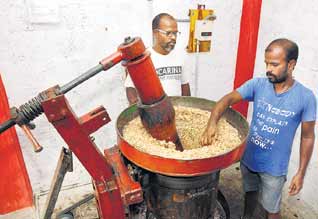
மரச்செக்கில் எண்ணெய் ஆட்டும் போது, அதிகபட்சம், 35 டிகிரி வெப்பம் மட்டுமே இருக்கும். இதில், உயிர்ச்சத்துக்கள் அதன் தன்மையை இழப்பதில்லை. இதுவே நம் உடலுக்கும், உயிருக்கும் முழு நன்மை வழங்கும் எண்ணெய்.
மரத்தாலான செக்கை பயன்படுத்தி, பாரம்பரிய முறையில் எண்ணெய் தயாரித்து, விற்பனை செய்கின்றனர், திருச்சியைச் சேர்ந்த சகோதரர்கள் இருவர்.
திருச்சி, தாராநல்லூர், எஸ்.வி.ஆர்., கார்டன் பகுதியில், ஆஸ்பெஸ்டாஸ் கூரை வேயப்பட்ட சிறிய கட்டடத்தில், மரத்தினாலான செக்கு வைத்துள்ளனர், எஸ்.அகஸ்டின் ராஜா மற்றும் எஸ்.ஜான்பால் ராஜிவ்.
பட்டதாரிகளான இவர்கள், சமையல் எண்ணெய் கலப்படம் தொடர்பான செய்திகளை படித்து, ஆரோக்கியத்துக்கு கேடு விளைவிக்காத சமையல் எண்ணெயை நாமே உற்பத்தி செய்வோம் என, முடிவெடுத்துள்ளனர். இதையடுத்து, சிறிய கட்டடத்தில் மரச்செக்கு அமைத்து, எள், தேங்காய் மற்றும் கடலையை செக்கில் தனித் தனியே ஆட்டிப் பிழிந்து, எண்ணெய் எடுத்து, வியாபாரம் செய்து வருகின்றனர்.
சந்தையில் விற்பனையாகும், பிற சமையல் எண்ணெய்களின் விலையை விட, இதன் விலை கூடுதலாக இருந்தாலும், வாடிக்கையாளர்கள் மத்தியில், நல்ல வரவேற்பு கிடைத்துள்ளது.
இதுகுறித்து அகஸ்டின் ராஜா கூறுகையில், ‘நம் முன்னோர் செக்கில் பிழிந்தெடுக்கும் எண்ணெயை, அப்படியே பயன்படுத்தினர். உடற்பயிற்சி முடிந்ததும், ஒரு கிண்ணம் நல்ல எண்ணெய் குடிக்கும் வழக்கத்தையும் கடைப்பிடித்தனர். உணவுக்கு மட்டுமின்றி, குளியலுக்கும், மசாஜ் செய்யவும் நல்லெண்ணெய் பயன்படுத்தியதால், மூட்டுவலி பிரச்னையின்றி வாழ்ந்தனர். அதனாலேயே, எள் எண்ணெய் என்பதற்கு பதிலாக, நல்ல எண்ணெய் என்று குறிப்பிட்டனர்.
‘அதனால் தான், நாங்களும் பாரம்பரியத்தை காக்கும் வகையில், மரத்தாலான செக்கு அமைக்க முடிவு செய்தோம். வேம்பு மரத்தில் உலக்கையும், வாகை மரத்தில் உரலும் கொண்ட செக்கு அமைத்து, மின்மோட்டார் உதவியுடன், செக்கை இயக்குகிறோம்.
‘முதலீட்டுக்கு ஏற்ப, சொற்ப லாபத்தில், விற்பனை செய்கிறோம். இயந்திரத்தில் எண்ணெய் பிழியும் போது, அது மூலப்பொருளை நன்றாகப் பிழிந்து விடுவதால், அதில் கிடைக்கும் புண்ணாக்கில், உயிர்ச் சத்துகள் மிஞ்சாது. ஆனால், மரச்செக்கில், மெதுவாக எண்ணெய் பிழிவதால், 80 சதவீதம் மட்டுமே எண்ணெய் கிடைக்கிறது. இதனால், பிழிந்தெடுக்கப்படும் எண்ணெய் அடர்த்தியாகவும், நிறமாகவும், மணமாகவும் இருக்கும். மேலும், அதில் உடல் ஆரோக்கியத்துக்கு தேவையான ஊட்டச்சத்துகளும் அதிகமிருக்கும். இதில் கிடைக்கும் புண்ணாக்கிலும், உயிர்ச்சத்துகள் எஞ்சியுள்ளதால், அதை உண்ணும் கால்நடைகளுக்கும் ஆரோக்கியத்தைக் கொடுக்கிறது.
‘மரத்தாலான செக்கை பயன்படுத்தி, எண்ணெய் ஆட்டும் முறை குறித்து, இலவசமாக கற்றுத் தருகிறோம்…’ என்றார்.
சகோதரர்கள் இருவரின் உடலிருந்தும் வழிவது வியர்வையா, எண்ணெயா என்று தெரியாத அளவிற்கு, கடுமையாக உழைக்கும் இவர்களது உழைப்பிற்கு பின் இருக்கும் லட்சியமும், சமூக அக்கறையும், இவர்களை நிச்சயம் உயர்ந்த இடத்திற்கு கொண்டு செல்லும்!
இவர்களை வாழ்த்த நினைத்தால், தொடர்பு கொள்ள வேண்டிய எண்: 96777 90080.
Source….
எல்.முருகராஜ் in http://www.dinamalar.com
natarajan
Why iodine is added to Salt ….?
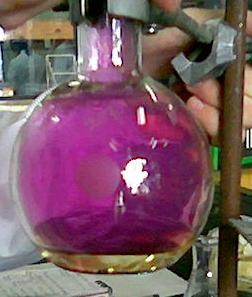
Iodine in a gaseous state. The fact that it is purple in this state is how it got its name, from the Greek for violet (iodes)
Today I found out why iodine is added to salt.
Iodine first began being added to salt commercially in the United States in 1924 by the Morton Salt Company at the request of the government. This was done as a response to the fact that there were certain regions in the U.S., such as around the Great Lakes and in the Pacific Northwest, where people weren’t getting enough iodine in their diets due to it not being prevalent in the soil in those regions. Among other problems, this caused many people to develop goiters (swelling of the thyroid gland, also sometimes spelled “goitre”).
About 90% of people who develop a goiter do so because of a lack of iodine in their diets, so the simple solution was to add iodine to something pretty much everyone consumes fairly regularly, namely salt. This practiced was not thought up by the U.S., but was copied from the Swiss who were adding iodine to salt at this time for the same reason. This resulted in researchers at the University of Michigan testing this practice out with good results and subsequently Morton Salt Company adopting the practice on a national level.
This ultimately didn’t cost Morton and the other salt companies that followed suit much money, only a few cents per person per year in iodine, but drastically cut the number of people who developed goiters in the United States and beyond as the practice gradually became adopted throughout much of the developed world.
Today because most food in developed countries like the United States often isn’t grown locally, coming from all over the country and world, depending on the food item, continuing to add iodine to salt isn’t strictly necessary. People in regions where the soil is lacking in iodine will likely consume plenty of food from regions where it is not, thus getting the iodine their bodies need, particularly because our thyroids don’t need much to function properly.
For reference, the U.S. Food and Drug Administration recommends that you consume about 150 micrograms of iodine per day and, on average, men in the United States gets about double that amount per day and women each consume about 210 micrograms of iodine per day. Your thyroid itself only needs about 70 micrograms per day to function properly.
Even though most people get plenty of Iodine in their diets, because Iodine is so critical to our bodies functioning properly and the Tolerable Upper Intake Level is so high (about 1100 micrograms per day, and you won’t take a fatal dose unless you ingest about 2 million micrograms, or 2 grams), adding it to salt is still recommended by many government health agencies the world over to stave off certain health problems.
Specifically, Iodine is a critical element used by your thyroid in being able to synthesize certain gland secretions which, among other things, influences your heart, metabolism, nerve responses, etc. Further, a lack of iodine during pregnancy and in the baby’s diet after being born can cause a myriad of significant health and developmental problems. Iodine deficiency has also been linked to increased difficulty with information processing, diminished fine motor skills, extreme fatigue, depression, weight gain, and low basal body temperatures, among other things.
Bonus Facts:
- Iodine deficiency, besides being a leading cause of goiters in the world, is also currently the number one easily preventable cause of mental retardation in the world, due to the fact that, despite iodized salt being fairly prevalent, there are still about two billion people in the world today that are iodine deficient.
- Iodine was discovered by accident by the son of a saltpeter manufacturer, Bernard Courtois, in 1811. This was thanks partially to the Napoleonic Wars which resulted in saltpeter, for gunpowder, being in high demand (the Napoleonic Wars also helped give us canned food and cheap and easily made pencils, read more at the links). In the process of producing saltpeter, sodium carbonate was needed. In order to get the sodium carbonate, the saltpeter manufacturers would isolate it from seaweed by burning the seaweed and washing the ash with water. The waste from this process was then destroyed with sulfuric acid. At one point, Courtois accidentally added too much sulfuric acid to the waste and he observed a purple vapor, which crystallized on cold surfaces. He then gave samples of this substance to others to study in more detail as he suspected he’d discovered a new element. One person he gave the substance to was chemist Joseph Louis Gay-Lussac, who subsequently announced at the Imperial Institute of France that Coutois’ discovery was either a new element or was some compound of oxygen. Another scientist, Humphry Davy, also studied the substance and determined that it was indeed a new element.
- During the Cold War, it was a common practice for people to have iodine pills on hand in case of a nuclear strike. Among many other problems we’d all have during a nuclear war is the issue of radioactive iodine accumulating in our thyroids. In order to combat this accumulation, the idea was to take an iodine pill and give your thyroid so much iodine that it wouldn’t be able to absorb the radioactive iodine.
- The first confirmed people to figure out how to cure most goiters were the Chinese during the Tang Dynasty (618-907). During that time, they treated people with goiters by grinding up the thyroids of sheep and pigs to form a powder which was then consumed in a pill or in powdered form. These animal thyroids are very iodine rich, so this cure worked quite well, though they didn’t realize why at the time.
- The Pharmacopoeia of the Heavenly Husbandman also implies that as early as the 1st century BC the Chinese cured goiters with sargassum (a type of seaweed), which also contains significant quantities of iodine. Whether this dating is accurate or not, at least as far as recorded history goes, it appears that the Chinese were the first to come up with an effective cure for a goiter.
- Seafood typically contains relatively large amounts of iodine, so if you eat much seafood, you’re very likely getting more than enough iodine, without consuming salt laced with it.
- According to a study done at the University of Texas about 47% off major salt manufacturers no longer put enough iodine in their salt to meet the U.S. Food and Drug Administration’s recommended levels. This problem is further exacerbated when salt is exposed to air or in humid regions. This will gradually lower the iodine content in the salt over time.
- Salt is typically iodized by spraying it with potassium iodate at a rate of 60 ml per one ton of salt (which comes to a little over $1 of potassium iodate per ton of salt).
- Salt with iodine added makes for a poor choice for curing, as the iodine in large enough quantities will add a certain amount of bitterness to the cured food.
- While pure salt doesn’t technically expire, when iodine is added, it does, having a shelf life of about five years on average, according to Morton Salt Company.
- Calcium silicate is typically added to table salt as an anti-caking agent, to keep the salt flowing smoothly, rather than clumped together as it absorbs moisture. Around .5% of the contents of a typical table salt container is calcium silicate.
- Iodine was originally named “iode” by Gay-Lussac from the Greek word for violet (iodes), due to the purple vapor observed which formed the crystals.
Source….www.today i foundout.com
Natarajan
படித்து ரசித்தது …” என்னுடன் இருக்கிறார் மகாகவி பாரதி!”

எங்கள் குடும்பத்தினர் அனைவரும் 1986ஆம் ஆண்டு ஜூன் 6ஆவது நாள் பட்டினப்பாக்கம், வீட்டுவசதி வாரியக் குடியிருப்பில், பால் காய்ச்சிக் குடியேறினோம். அடிப்படையில் நானோர் ஓவியன் என்பதால், இல்லத்தின் வரவேற்பறையில் என்னுடைய ஓவியங்கள் அழகுற அமைகின்றன. நான் ஓவியன் என்பதோடு கவிஞனும் என்பதால், வீட்டின் முகப்பில் மகாகவி பாரதியாரின் படத்தை மாட்டுகிறேன்.
புது வீட்டில் குடியேறிய மூன்றாம் நாள் எனக்கோர் வியப்பு! ஆமாம், வீட்டுக்குள் நான் வரைந்த வண்ணப் படங்களும் விழாவில் எடுத்த ஒளிப்படங்களும் சட்டமிட்டு மாட்டியிருக்க, அவற்றை விட்டுவிட்டு, வீட்டின் முகப்பில் அணிசெய்த மகாகவி பாரதியின் படத்திற்குப் பின்புற இடைவெளியில் சிட்டுக் குருவிகள் கூடுகட்டியிருந்தன! அசந்து போனேன் நான்! “”காக்கை குருவி எங்கள் ஜாதி” என்று பாடிய கவிஞனின் படத்தின் பின்புற இடைவெளியில் குருவிக்கூடு! அடடா என்ன பொருத்தம்!
இன்னொரு நிகழ்ச்சி… தமிழ்நாடு வீட்டுவசதி வாரிய அடுக்குமாடிக் குடியிருப்பில், ஒவ்வொரு தளமாக ஏறிச்சென்று கடிதம் கொடுக்க முடியாததால் அஞ்சல் துறையினர், அனைத்து ஊடகங்களின் வாயிலாகவும் ஓர் அறிவிப்பினைச் செய்திருந்தார்கள்:
“குடியிருப்பாளர்கள் அனைவரும் தரைத்தளத்தில், படியேறும் முன்பாகவே, சுவரில் அவரவர்க்கான அஞ்சல் பெட்டிகளைப் பொருத்துதல் நலம் பயக்கும்’ என நயமாகவும் அழுத்தமாகவும் அறிவித்திருந்தார்கள். அதன்படி எங்கள் குடியிருப்பில் இருந்த அனைவரும் அவரவர்க்கான அஞ்சல் பெட்டிகளைச் சுவரில் பொருத்தி விட்டோம்.
ஆச்சரியம் பாருங்கள்! மூன்றாம் நாள். மற்றவர்களின் அஞ்சல் பெட்டிகளை விட்டுவிட்டு, எமது அஞ்சல் பெட்டியில் மட்டும் குருவிகள் கூடு கட்டிவிட்டன! அடடே! எனது பெயரில் “பாரதி’யாரின் பெயரும் இணைந்திருக்கிறதல்லவா! பாரதி என்றாலே குருவிகளுக்குக் கொண்டாட்டந்தான் போலும்! எனக்குச் சிலிர்ப்பாயிற்று. உடனே நான் ஒரு செயலைச் செய்தேன்.
அஞ்சல் பெட்டியின் குருவிக் கூட்டுக்குத் தொல்லை நேராமல் இருக்கவும், அஞ்சல்காரருக்கு வசதியாகவும், அஞ்சல் பெட்டியின் கீழே, ஒரு பையைக் கட்டித் தொங்கவிட்டேன். பெட்டியின் மேற்பகுதியில், ஓர் அட்டையில், “”பெட்டியில் குருவிக் கூடு; அஞ்சலைப் பையில் போடு” என எழுதி மாட்டிவிட்டேன். அதனைப் படித்த அஞ்சல்காரரும் ரசித்துப் புன்னகைத்தார்.
“மகாகவி பாரதி என்னுடன் இருக்கிறார்’ என்பதற்கு மேலும் ஓர் எடுத்துக்காட்டு தருகிறேன்.2012-ஆம் ஆண்டு ஏப்ரல் 16ஆம் தேதி நானும் என் துணைவியார் திருமதி ராணியும் காசி நகர்ப் பயணம் செல்ல வாய்த்தது. பல இடங்களைப் பார்த்துவிட்டு, 19ஆம் தேதி காலை காசி நகர் போய்ச் சேர்ந்தோம். சுற்றுப் பயணக் குழுவில் எங்கள் பகுதியினர் தங்க வேண்டிய இடம் வேறு. ஆனால், நாங்கள் “அனுமன் காட்’ எனும் தெருவில் உள்ள விடுதியில் வந்து தங்கிவிட்டோம். சுற்றுலா ஏற்பாட்டாளர்களும் “”பரவாயில்லை, இங்கேயே தங்கிக் கொள்ளுங்கள்” எனக் கூறிவிட்டனர். மறுநாள் காலை ஒன்பது மணிக்கு மேல் கங்கையில் நீராடக் கிளம்பினோம்.
வெளியே பக்கத்து வீட்டுத் திண்ணையில் சுமார் அறுபது வயது மதிக்கத்தக்க அம்மையார் ஒருவர் அமர்ந்திருந்தார். அவரிடம், “”அம்மா! பாரதியார் தன் இளம் வயதிலே காசியிலே இருந்ததா வரலாறுண்டு. அவர் எந்தத் தெருவிலே, எந்தப் பகுதியிலே இருந்தாருன்னு உங்களுக்குத் தெரியுமா?” என்று பொதுவாகக் கேட்டேன்.
“”தெரியுமே! இதோ, இந்த எதிர்வீட்டில்தான் அவர் இருந்தார். அவரோட ஒன்றுவிட்ட மருமகன்கூட அங்க இருக்கார். டி.என்.கிருஷ்ணன்னு பேரு, போய்ப் பாருங்க” என்று அந்த அம்மையார் கூறியதைக் கேட்டதும் அசந்து போனேன் நான்!
எதேச்சையாக எங்கள் குழு இடம் மாறித் தங்கிடப் போக, அந்த இடத்தின் எதிர் வீடுதான் பாரதியார் தங்கியிருந்த “சிவமடம்’ என்கிற வீடு என்றால்… எப்படி இருக்கும் எனக்கு? “இது ஒரு தற்செயல் நிகழ்ச்சிதான்’ என்று சிலர் சொல்லக்கூடும். ஆனால், அப்படியில்லை; ஆத்மார்த்தமாக பாரதியாரை நேசிக்கும் எனக்கு அப்படிக் கருத முடியவில்லை.
அருவமாக முன்னின்று அவரே எம்மை, அவர் வாழ்ந்த சிவமடத்துக்கு இழுத்துச் சென்றுவிட்டதாகவே நம்புகிறேன். ஆமாம், “”என்னுடன் இருக்கிறார் மகாகவி பாரதி!”
Source……….ஓவியக் கவிஞர் அமுதபாரதி in http://www.dinamani.com on Sep 11 2016
Natarajan