Ghantewala: Why did Delhi’s ‘oldest sweet shop’ shut down….?

Ghantewala

Ghantewala was set up in 1790


A 225-year-old sweet shop in the Indian capital, Delhi, recently shut down after its owner said it was no longer profitable to run it. The BBC’s Geeta Pandey visits Delhi’s “oldest sweet shop” to trace its history and legacy.

When the Ghantewala sweet shop was set up in 1790, George Washington was the US president, Mozart was performing in Vienna, France was in the grip of French Revolution, Britain was ruled by King George III and Shah Alam II was the Mughal emperor who ruled Delhi.

It was at the time of such momentous world events that Lala Sukh Lal Jain, a small-time sweet maker from Nagaur in the western state of Rajasthan, arrived in Delhi to earn a living.

“He knew how to make sweets and always used the finest of ingredients,” says Sohail Hashmi, a writer and documentary filmmaker who conducts heritage walks in the city.

Indira Gandhi photo from 1954

In 1954, Indira Gandhi sent boxes of Ghantewala sweets to Indian troops based in Korea

Film set

For the 1954 Bollywood film Chandni Chowk, a replica of the shop was created on the set in Mumbai to give the film an authentic feel

“He would arrange the sweets on a brass plate, balance it on his head, and go selling it from street to street, while ringing a small brass bell to attract attention. That is why the shop is called Ghantewala – the bell man,” Mr Hashmi adds.

As his popularity – and sales – grew, Lala Sukh Lal Jain graduated to a pushcart and by 1790, his business had grown so much that he could open up a large shop in the bustling Chandni Chowk market, close to the Red Fort, the seat of the Mughal empire.

Sushant Jain, the current owner of the shop, is the scion of the Jain family who had to make the “really tough decision” to shut the shop.

“I’ve been receiving calls from old customers every day, they are very upset. Some of them are even angry, they’ve been telling me ‘how dare you close the shop’?”

From the beginning, Ghantewala’s most popular sweet has been Sohan Halwa. “It was the favourite of Mughal emperors, it was loved by India’s presidents and prime ministers and it was also much in demand among the ordinary residents of Delhi,” says Mr Jain.

Sohan Halwa

The shop was famous for its Sohan Halwa sweet


“We’ve served sweets to generations of the Nehru-Gandhi family. Jawaharlal Nehru and Indira Gandhi [both prime ministers] bought sweets from my grandfather. My father supplied sweets to [former PM] Rajiv Gandhi and I supplied sweets at [his daughter] Priyanka Gandhi’s wedding,” he says.

The shop found mention in the 1912 Delhi Gazetteer which said their sweets had “a pre-eminent position in Delhi’s gastronomic art”. Going through Mr Jain’s files and family album is like a lesson in history – there are letters of appreciation from Nepal’s former king Birendra, a senior United Nations official, Indian politicians and celebrities.

A photograph taken in 1954 shows Indira Gandhi standing next to boxes of Ghantewala sweets. “She was flagging off a consignment of our sweets for Indian troops in Korea,” Mr Jain explains.

He shows me a letter his grandfather, who ran the shop then, received from the prime minister’s office a few days later saying how much the sweets were appreciated.

Mr Jain's grandfather in the shop

The Jain family has run Ghantewala for eight generations

MF Hussain's note

Their celebrity clients included India’s most famous artist MF Hussain


Ashok Arora, who owns a sari shop next door to Ghantewala, remembers how during the annual Hindu festival of Diwali, the shop owners would have to call the police to manage the long queue of customers that would form outside from early in the morning.

Today, however, the customers are all gone and the once thriving shop wears a deserted look.


One of Mr Jain’s employees lifts the shutter for us to peek in – the floor is covered in dust, cardboard boxes and disposable plates are strewn about, and there is a no-smoking sign on the wall.

In recent months, the shop has been facing legal problems and licensing issues and Mr Jain says that changing tastes have brought the curtains down on Ghantewala.

Ghantewala shop

No smoking sign

“People nowadays are reluctant to buy Indian sweets and traditional snacks, they now prefer chocolates and pastries. Even my children prefer burgers, pizzas or cakes,” Mr Jain says.

Moreover, Sohan Halwa – the melt-in-the-mouth hard, crisp, disk-shaped sweet made from refined wheat flour, sugar, almonds, pistachios and dollops of pure desi ghee (clarified butter) – has fallen out of favour in a country that has a growing cholesterol problem and where more than 63 million people suffer from diabetes.

Mr Jain says by closing the shop, he feels like he has done “something wrong” and is “letting down my forefathers”.

But with business consistently declining, he says, he is left with no choice: “We are no longer getting the footfall we require to keep this shop going.”

Mr Hashmi, who was first introduced to the “joys of Sohan Halwa” at a friend’s house in Chandni Chowk in 1973, says Ghantewala is a mere memory now.

“We have made no effort to save the living heritage of our city and it is slowly dying. Ghantewala has also now become a lost slice of the city’s heritage,” he says.

A witness to Delhi’s history

Ghantewala

During its 225-year existence, Ghantewala has “witnessed all the joys and sorrows of Delhi”, says Sohail Hashmi. Here, he lists some of the historical events that took place between between 1790 and 2015:

  • Collapse of the Mughal empire
  • The rise of the British Raj
  • The 1857 Mutiny against British rule
  • Durbar move in 1912 when the Indian capital was moved from Calcutta (now Kolkata) to Delhi
  • Independence in 1947, partition of India and creation of Pakistan, Hindu-Muslim riots, the exchange of population
  • Emergency rule imposed by Indira Gandhi from 1975 to 1977
  • Assassination of Mrs Gandhi in 1984 and anti-Sikh riots
  • Economic liberalisation in the 1990s

Source….www.bbc.com

Natarajan


6-திருப்பதி… திருப்பம்… திருப்தி …..

இந்தியாவில் புராதனமான – பிரமாண்டமான எத்தனையோ கோயில்கள் இருக்கின்றன. அங்கெல்லாம் பக்தர்கள் சென்று தரிசிக்கிறார்கள். பிரார்த்தனைக்கேற்ப பலன் பெறுகிறார்கள். ஏதோ, தங்களால் இயன்ற காணிக்கையையும் செலுத்துகிறார்கள்.

ஆனால், திருப்பதியில் மட்டும் பணத்தையும் தங்கத்தையும் ஏன் கொட்டோ கொட்டென்று கொட்டுகிறார்கள்?

‘162 வைரக் கற்களை ஒருவர் உண்டியலில் போட்டிருந்தார்.’

‘ஒரே ஆசாமி 2 கோடி ரூபாயை உண்டியலில் போட்டார்.’

– இப்படிப் பிரமிக்க வைக்கும் ‘உண்டியல்’ அதிசயங்கள் திருப்பதியில் மட்டுமே சாத்தியம்!


காவாளம்’ என்று சொல்லப்படும் பிரமாண்ட உண்டியல்கள் அவ்வப்போது நிரம்பியதும், உடனுக்குடன் அதை அங்கிருந்து அப்புறப்படுத்தி, வேறு உண்டியலைக் கொண்டு வந்து வைத்து விடுவார்கள் திருப்பதி தேவஸ்தான ஊழியர்கள். காலியாக இருந்த உண்டியல் ஒரே நாளிலேயே நிறை மாத கர்ப்பிணியாய் தளும்பி, உடனடியாக வேறு உண்டியல் மாற்றும் நிகழ்வு திருமலையில் சாதாரணம்.

ஒரு சுவாரஸ்யமான விஷயம் தெரியுமா?

ஏழுமலையான் தரிசனத்தை முடித்து விட்டு, உண்டியலில் காணிக்கை செலுத்துவதற்காக நீங்கள் வரிசையில் நின்று கொண்டிருக்கிறீர்கள் என்று வைத்துக் கொள்வோம். சரியாக உங்கள் முறை வரும்போது – நீங்கள் பணம் செலுத்திய அல்லது செலுத்துவதற்குக் காத்திருக்கிற நேரத்தில், அந்த உண்டியல் நிரம்பிவிட்டது என்பதை தேவஸ்தான ஊழியர்கள் அறிந்துகொண்டால், அதற்கு மேல் ஒரு நயா பைசா போடவும் அனுமதிக்க மாட்டார்கள். உண்டியலை ‘சீல்’ வைத்து அங்கிருந்து அப்புறப்படுத்திவிட்டு வேறு உண்டியலை வைத்து விடுவார்கள்.

‘சீல்’ வைத்த உண்டியலை அங்கிருந்து அப்புறப்படுத்தும் வேளையில், அந்த உண்டியலுக்கு அருகில் நிற்கின்ற இரண்டு பக்தர்களைத் தங்களுடன் அழைத்துச் செல்வார்கள். பயப்பட வேண்டாம்… நல்ல தகவல்தான்.


இந்த உண்டியல் நிரம்பிவிட்டது… இதைக் கச்சிதமாக ‘சீல்’ செய்து எடுத்துக் கொண்டுபோனார்கள். அப்போது நான் உடன் இருந்தேன்’ என்று அந்த இரண்டு பக்தரும் சாட்சிக் கையெழுத்து போட வேண்டுமாம். வங்கியில் லோன் வாங்கிய ஒருவருக்காக நாம் போடும் சாட்சிக் கையெழுத்து போன்றதல்ல இது. தைரியமாகக் கையெழுத்து போடலாம். இது சம்பிரதாயத்துக்காகச் செய்யப்படுகின்ற ஒன்று. தற்போது ஏராளமான ‘குளோஸ்டு சர்க்யூட் கேமராக்கள்’ ஆங்காங்கே செயல்பாட்டில் இருக்கும்போது, இதுபோன்ற விஷயங்களில் எந்த ஒரு திருட்டுத்தனமும் நடக்காது.

பிறகு, ஏன் இரண்டு ஊழியரைப் பிடித்துக் கையெழுத்து வாங்குகிறார்கள் என்றால், ஆதி காலத்தில் இருந்து – அதாவது ‘குளோஸ்டு சர்க்யூட் கேமராக்கள்’ இல்லாத நாட்களில் இருந்தே பின்பற்றப்பட்டு வரும் நடைமுறையாம் இது. ஆகவே, அதை இன்றும் விடாமல் கடைப்பிடித்து வருகிறது தேவஸ்தானம்.

இப்படி சாட்சிக் கையெழுத்து போட்ட இரண்டு நபர்களுக்கு என்ன வெகுமதி தெரியுமா? மீண்டும் ஒரு முறை ஏழுமலையான் தரிசனம் இலவசமாக – அதுவும் வெகு அருகில் அழைத்துச் சென்று தரிசனம் செய்து வைப்பார்கள். இந்த தரிசனத்தின்போது உங்களை எவரும் அவசரப்படுத்த மாட்டார்கள். நின்று நிதானமாக பிரார்த்தனை செய்து, ஒரு நமஸ்காரமும் செய்து வரலாம்.

ஆக, இனிமேல் திருப்பதி உண்டியலில் பணம் போடும்போது அல்லது போடுவதற்கு நிற்கும்போதோ, ‘உண்டியல் நிரம்பிவிட்டது போலிருக்கே… எங்கே தேவஸ்தான ஆட்களைக் காணோம். கையெழுத்து போடணுமே’ என்றெல்லாம் ஏக்கப்பட ஆரம்பிப்பீர்கள்தானே?!

திருப்பதி உண்டியல்களில் தினம்தோறும் சேரும் பணத்தை எண்ணி முடிப்பதே பெரும் வேலையாக இருக்கிறது தேவஸ்தானத்துக்கு. தற்போது வெளி ஆட்களையும் உண்டியல் எண்ணும் பணியில் ஈடுபடுத்தி வருகிறார்கள். உண்டியல் தொகையை எண்ண வேண்டும் என்று விரும்புபவர்கள், திருப்பதி தேவஸ்தானத்து இணையத்தில் நுழைந்து அதற்குரிய படிவத்தைத் தேர்ந்தெடுத்து விண்ணப்பிக்க வேண்டுமாம். நீங்கள் அளிக்கின்ற தகவல்களை வைத்து, ‘உண்டியல் எண்ணுவதற்கு இவர் நமக்குப் பயன்படுவாரா’ என்று தேவஸ்தானம் தீர்மானிக்கும். இப்படி உண்டியல் எண்ணுகிற (ஊழியர்கள் அல்லாத) பக்தர்களை தினமும் இரண்டு ஷிஃப்ட்டுகளில் அமர்த்திக் கொள்வர்.

உண்டியல் பற்றிய கூடுதல் தகவல்களைத் தெரிந்துகொள்வதற்கு முன், திருப்பதியில் மட்டும் ஏன் இப்படிக் கொட்டேகொட்டென்று கொட்டுகிறது?


பத்மாவதி தாயாரைத் திருமணம் செய்துகொள்வதற்கு முன், குபேரனிடம் கோடிக்கணக்கான தங்கத்தைக் கடன் வாங்கிவிட்டு, அதை அடைப்பதற்கு வழியாக, எம்பெருமான் ஸ்ரீநிவாஸர் திருவாய் மலர்ந்து சொன்ன வார்த்தைகள் தான் காரணம்.

யார் யார் பாவம் செய்தார்களோ, அவர்களின் பாவக் கணக்குக்கேற்ப, கலியுகத்தில் அவர்களிடம் இருந்து பணத்தை வசூல் செய்து கடனை அடைத்துவிடுவேன்’ என்று, புராண காலத்திலேயே குபேரனுக்கு வாக்கு கொடுத்துள்ளார் ஸ்ரீநிவாஸன். அதன்படி அவர் நம்மிடம் இருந்து இன்றைக்கும் வசூல் வேட்டையை நடத்திக் கொண்டிருக்கிறார்.

குபேரனிடம் ஸ்ரீநிவாஸ பெருமான் ஏன் கடன் வாங்க வேண்டும்?

மன்னன் ஆகாசராஜனின் மகள் பத்மாவதியை விரும்பிய ஸ்ரீநிவாஸன் (வேங்கடவன்) அந்த தேவியை மணம் முடிக்கத் தயாராகி, திருமண ஏற்பாடுகளைக் கவனிக்கலானார். அப்போது, லட்சுமி தேவி ஸ்ரீநிவாஸனிடம் வாசம் செய்யாததால் பணத்துக்கு மிகவும் கஷ்டப்பட்டார். தான் மிகவும் ஏழ்மையான நிலையில் இருக்கும்போது, இந்தத் திருமணத்தை எப்படி விமரிசையாக நடத்துவது என்று தவித்தார் ஸ்ரீநிவாஸன்.

எனவே, எப்போதும் தனக்கு உபகாரமாக இருந்து வரும் நாரதரிடம், என்ன செய்வீர்களோ தெரியாது… எப்படியாவது பெருமளவில் பணம் திரட்டி இந்தத் திருமணத்தை நடத்தி வைக்க உதவுங்கள்” என்று கேட்டுக் கொண்டார்.

பகவானே பணம் கேட்கின்றாரே’ என்று நாரதர், தேவர்கள் உள்ளிட்ட முக்கியமானவர்களுக்குத் தகவல் அனுப்பினார். நாரதர் சொன்ன தினத்தில் குபேரன் உட்பட அனைத்து திக்பாலகர்களும், நவகிரக அதிபதிகளும் சேஷாத்திரி மலைக்கு வரவழைக்கப்பட்டனர். இந்தத் தெய்வத் திருமணம் இங்குதானே நடக்கப் போகிறது!

சேஷாத்திரிக்கு வந்திருப்பவர்களில் யாரிடம் கேட்டால் பணம் கிடைக்கும் என்பது தெரியாதவரா நாரதர்? திக்பாலர்களையும் நவக்கிரகங்களையும் ஒருமுறை பார்த்த நாரதர், குபேரனைக் கண்டு அப்படியே பூரித்தார்.

குபேரனே… நீதான் சரியான தேர்வு. இந்த உலகத்திலேயே அனைத்து வளங்களையும் ஒருங்கே பெற்ற பெரிய செல்வந்தன் நீதான்… வைகாசி மாதம் வளர்பிறை தசமியுடன் கூடிய வெள்ளிக்கிழமை அன்று, ஸ்ரீநிவாஸனுக்கும் பத்மாவதிக்கும் திருமணம் நடைபெற இருக்கிறது. தற்போது ஸ்ரீநிவாஸனுடன் லட்சுமிதேவி இல்லை. எனவே, பணத்துக்குக் கஷ்டப்படுகிறார். ஏழையாக இருக்கும் ஸ்ரீநிவாஸனின் திருமணச் செலவுக்கு உடனடியாக நிறைய பணம் தேவைப்படுகிறது. இதற்குண்டான பணத்தை, நீ கொடுத்து உதவ வேண்டும். அந்தப் பணத்தை ஸ்ரீநிவாஸன் வட்டியுடன் திருப்பித் தருவார்” என்றார்.

குபேரனும் சந்தோஷத்துடன் சம்மதித்தான். எவ்வளவு தேவையோ, அவ்வளவு பணத்தைக் கொடுப்பதாக ஒப்புக்கொண்டான். ஸ்ரீநிவாஸனுக்கு குபேரன் கொடுத்த தொகை, ஒரு கோடியே பதினான்கு லட்சம் பொன் (இந்தத் தொகை பல்வேறு விதமாகவும் நூல்களில் குறிப்பிடப்பட்டிருக்கின்றன) என்று ஒரு தகவல். குபேரனிடம் கடன் வாங்கியதற்காக ஸ்ரீநிவாஸன் பத்திரம் எழுதிக் கொடுத்தார்.

அதோடு குபேரனைப் பார்த்து, நீ கொடுத்த பணத்துக்குக் கலியுகத்தில் வட்டி செலுத்திக்கொண்டு கலியுகத்தின் கடைசியில் அசல் – வட்டி எல்லாம் சேர்த்துக் கொடுத்து விடுகிறேன்” என்றாராம் ஸ்ரீநிவாஸன்.

குபேரனிடம் ஸ்ரீநிவாஸன் வாங்கிய கடனைத்தான், இன்று பக்தர்கள் உண்டியலில் கொட்டோ கொட்டென்று கொட்டி அடைத்து வருவதாகச் சொல்லப்படுகிறது. பக்தர்களிடம் வசூலித்துத் தருவேன்” என்று குபேரனிடம் ஸ்ரீநிவாஸர் சொன்ன வார்த்தைகளையே, திருமலையில் உண்டியல்களுக்கு அருகிலும் தேவஸ்தானம் குறிப்பிட்டு எழுதி வைத்திருக்கிறது.

நன்றி தீபம் (கல்கி வழங்கும் ஆன்மீக மாத இதழ்)  and P.Swaminathan

Source…..www.balhanuman.wordpress.com

Natarajan

5-திருப்பதி… திருப்பம்… திருப்தி…..

நாமெல்லாம் ராத்திரியில் நிம்மதியாக ஏழெட்டு மணி நேரம் உறங்குகிறோம். ஆனால், சர்வலோகத்தையும் காத்தருளும் திருமலை ஸ்ரீவேங்கடவனுக்கு தினமும் எத்தனை மணி நேரம் ஓய்வு தெரியுமா?

வெறும் ஒண்ணரை மணி நேரம்தான்!

நள்ளிரவு ஒண்ணரை மணிக்கு (இரண்டு மணிகூட ஆகிவிடுவதுண்டாம். என் நண்பர் ஒருவர் சமீபத்தில் நள்ளிரவு இரண்டு மணிக்கு ஓட்டமாக ஓடிப் போய் பெருமாளைத் தரிசித்திருக்கிறார்). ‘ஏகாந்த சேவை’ முடிந்த கையோடு திரையிட்டுவிடுவார்கள். அதன்பின் அதிகாலை – அதாவது ஒண்ணரை மணி நேரம் கழித்து ‘சுப்ரபாத சேவை’க்காகத் திருப்பள்ளி எழுச்சி பாடி, துயில் களைப்பர்.


திருவையாறு சங்கீத மூர்த்தியான தியாகராஜ ஸ்வாமிகள் திருப்பதி தரிசனத்துக்குப் போயிருக்கிறார். கஷ்டப்பட்டு நடந்து மலையேறி இவர் சன்னிதியை அடையும்போது நள்ளிரவு. அதுவரை பெருமாளின் தரிசனம் கிடைத்துக் கொண்டிருந்தது. இவர் சன்னிதிக்கு முன் போய் நின்று கண்ணீர் மல்க, அந்த பெருமாளை பிரார்த்திக்கத் தொடங்கும்போது, அங்கிருந்த அர்ச்சகர்கள் தியாகராஜ ஸ்வாமிகள் யார் என்பது தெரியாமல், ஏகாந்த சேவை முடிந்தது. எல்லோரும் புறப்படுங்கள்” என்று கூறிச் சட்டென்று திரையைப் போட்டுவிட்டார்கள்.

தியாகராஜரின் சீடர்கள், எங்களின் குருநாதர் யார் என்று உங்களுக்குத் தெரியாதா?” என்றெல்லாம் ஆலய அர்ச்சகர்களுடன் வாக்குவாதத்தில் இறங்கினர். அவர்கள் அனைவரையும் அமைதிப்படுத்திவிட்டு, தியாகராஜர் வெளியே வந்து ஒரு பாடல் பாடுகிறார். அவ்வளவுதான்… ஸ்ரீவேங்கடவனுக்கு முன்னால் இருந்த திரை மட்டும் திடீரெனப் பற்றி எரிந்து தரையில் பொத்தென விழுந்தது. மாலவன் தரிசனம் கிடைத்தது. அர்ச்சகர்கள் அதிர்ந்துபோய், ஸ்ரீதியாகராஜரிடம் மன்னிப்புக் கேட்டனர். அதன்பின் ஏகாந்த சேவையை மீண்டும் ஒருமுறை தியாகராஜருக்காகச் செய்துவிட்டு அர்ச்சர்கள் நடையைச் சாத்தியதாக ஒரு கதை உண்டு.

ஏகாந்த சேவை முடிந்ததும் பெருமாளின் பிரசாதமாக திராட்சை, முந்திரி தூவிய கெட்டியான பசும்பால் தியாகராஜருக்கும் அவரது சீடர்களுக்கும் தரப்பட்டதாம்.

பொதுவாக, திருப்பதியில் தினந்தோறும் அதிகாலை மூன்று மணிக்குத் தொடங்கும் தரிசனம், நள்ளிரவு ஒண்றரை மணிவரை நீடிக்கும். அதன்பின் பெருமாளைத் தூங்கச் செய்வதற்காக ஏகாந்த சேவை என்கிற தரிசனம் நடக்கும். சயனம் கொள்பவர் – கருவறையில் இருக்கும் போக ஸ்ரீநிவாசமூர்த்தி. மூலவரின் பிரதிநிதியாக இவரை வெல்வெட் மெத்தை விரிக்கப்பட்ட வெள்ளித் தொட்டிலில் இடுவார்கள். பெருமாள் ஓய்வெடுத்துக் கொள்வதாக ஐதீகம்!


பிறகு காய்ச்சிய பால், முந்திரி, பாதாம், திராட்சை ஆகியவற்றை நைவேத்தியம் செய்வார்கள். இரவு வேளையில் வெளிச்சத்தைக் குறைவாக்கி நாம் உறங்குகிறோம் அல்லவா? அது போல் சன்னிதியின் விளக்குத் திரியைச் சற்றே குறைத்து வைப்பார்கள். அன்ன மாச்சார்யர் பரம்பரையில் வந்தவர்கள், தம்புராவுடன் வந்து கீர்த்தனைகளைப் பாடி அவரைத் தூங்கச் செய்வார்கள். பின்னர் சன்னிதிக்குத் திரை போடப்பட்டு, தங்க வாசல் அடைக்கப்படும். அதிகாலை சுப்ரபாத தரிசனத்தின்போதுதான் மீண்டும் திறக்கப்படும்.

அதிகாலை மூன்று மணிக்குத் திறக்கப்பட்டு, மூன்றரை வரை சுப்ரபாத தரிசனம் நடக்கும். பெருமாளை எழுப்புவதற்காக இரண்டு அர்ச்சகர்கள், இரண்டு ஊழியர்கள், தீப்பந்தம் ஏந்திய ஒருவர், வீணை வாசிக்கும் ஒருவர் என ஆறு பேர் சன்னிதியின் முன்னால் உள்ள தங்க வாசலுக்கு வந்து சேருவார்கள். முதலில் துவார பாலகர்களை நமஸ்கரிப்பார்கள். பின்னர், ஊழியரிடம் சாவியை வாங்கி சன்னிதியைத் திறப்பார் அர்ச்சகர். அனைவரும் பெருமாளை வணங்கிவிட்டு, சன்னிதியின் கதவைச் சாத்திவிட்டு உள்ளே செல்வார்கள்.

சரியாக இந்த வேளையில், வெளியே காத்திருக்கும் ஒரு குழுவினரால் சுப்ரபாதம் பாடப்படும். தீப்பந்தம் கொண்டு செல்பவர் சன்னிதியில் தீபங்களை ஏற்றுவார். பின்னர் வீணையை இசைக்க, அதுவரை துயில் கொண்டிருந்த போக ஸ்ரீநிவாசமூர்த்தியை மூலவருக்கு அருகில் கொண்டு வந்து அமர்த்துவார்கள். இதுவே திருப்பள்ளி எழுச்சி.

சுப்ரபாதம் பாடி முடிந்ததும் சன்னிதியின் கதவு திறக்கப்படும். பெருமாளுக்குப் பாலும் வெண்ணெயும் நிவேதனம் செய்து ‘நவநீத ஆரத்தி’ எனப்படும் தீபாராதனை செய்யப்படும். ‘விஸ்வரூப தரிசனம்’ என்று சொல்லப்படுவது இதுதான்.

திருப்பதி மலையில் உள்ள ஆகாயகங்கை தீர்த்தத்தில் இருந்து, மூன்று குடங்களில் புனிதநீர் வந்து சேரும். ஒரு குடம் நீரை காலை பூஜைக்கும், மற்றொன்று மாலை பூஜைக்கும், இன்னொன்று இரவு பூஜைக்குமாக எடுத்து வைப்பார்கள் (பிரம்மோத்ஸவ காலத்தில் யானைமீது தீர்த்தம் வரும்).

காலை பூஜைக்கான ஒரு குடம் தண்ணீரை ஐந்து வெள்ளி கிண்ணங்களில் நிரப்புவார்கள். பின்னர் உத்தரணியில் அதை எடுத்து மந்திரங்கள் உச்சரித்து மிக பவ்யமாக பெருமாள் முன் அர்ச்சகர் நீட்டுவார். ஸ்வாமி அதில் முகத்தைக் கழுவிக் கொள்வதாக ஐதீகம். பின்னர் எஞ்சி உள்ள நீரை சுவாமியின் பாதத்தில் அபிஷேகம் செய்வார்கள். முழு மூர்த்திக்கும் அபிஷேகம் நடப்பதில்லை. மூலவருக்குப் பதிலாக போக ஸ்ரீநிவாச மூர்த்திக்கு அபிஷேகம் நடக்கும். வாசனைத் தைலம், மஞ்சள், பசும்பால், சந்தனம், தேன் போன்றவை இந்த அபிஷேகத்துக்குப் பயன்படுத்தப்படும். அலங்காரம் செய்து, சாமரம் வீசி, தீபாராதனை காட்டியதோடு சுப்ரபாத பூஜை நிறைவடையும்.


சுப்ரபாத பூஜையை அடுத்து, காலை 3.30 முதல் 3.45 வரை சன்னிதியைத் திரை போட்டு மறைத்து, ஸுத்தி எனப்படும் தூய்மை செய்யும் பணி நடக்கும். முதல் நாள் பெருமாளுக்கு அணிவித்த பூமாலைகளைக் களைந்து கோயிலுக்குப் பின்னால் உள்ள பூக்கிணற்றில் சேர்ப்பார்கள்.

பின்னர், புதிய மாலைகள் வாத்திய முழக்கங்களோடு கொண்டு வரப்படும். இந்த சேவைக்கு ‘தோமாலா சேவா’ என்றுபெயர். அதிகாலை 3.45 மணிக்கு இது தொடங்கும். சன்னிதிக்கு பூக்கூடை வந்தவுடன் பெருமாளின் மார்பில் வாசம் புரியும் ஸ்ரீமகாலட்சுமிக்கு முதலில் பூச்சரத்தை சார்த்துவார் அர்ச்சகர். பின்னர் பெருமாளுக்கு மாலைகள் சாத்தப்படும். இது பூர்த்தி ஆனதும், அடுக்கு தீபாராதனை செய்யப்படும். இதற்கு 25 நிமிடம் ஆகும். அதுவரை வெளியே அமர்ந்திருப்போர் பாடல்களைப் பாடிக் கொண்டிருப்பார்கள். அதிகாலை 4.30 மணிக்கு நிறைவுறும்.

இதை அடுத்து கொலுவு நிகழ்ச்சி. சுமார் 15 நிமிடங்கள் நடக்கும். இதற்காக கொலுவு ஸ்ரீநிவாசமூர்த்தி உத்ஸவர் விக்கிரகம், ஸ்ரீவேங்கடவனின் சன்னிதிக்குள் இருக்கிறது. இந்த விக்கிரகத்தை வெள்ளிப் பல்லக்கில் அமர்த்தி, வெள்ளிக் குடை பிடித்து சன்னிதியில் இருந்து எடுத்து வருவர். ஓரிடத்தில் பல்லக்கை இறக்கி எள்ளுப்பொடி, வெல்லம்,வெண்ணெய் ஆகியவற்றை நைவேத்தியம் செய்து அர்ச்சனை, ஆரத்தி நடத்துவார்கள். அதன் பின், ஒரு அர்ச்சகர் பஞ்சாங்கத்தைப் பிரித்து அன்றைய நாள், நட்சத்திரம், திதி உள்ளிட்ட விவரங்களை சத்தம் போட்டு வாசித்து, கொலுவு ஸ்ரீநிவாசமூர்த்திக்குத் தெரியப்படுத்துவார். அதோடு உண்டியலில் முதல் நாள் காணிக்கையாக வந்த தொகை, தங்கம் – வெள்ளி வந்த விவரம் போன்றவற்றைத் தெரியப்படுத்துவார். மூலவர் ஸ்ரீவேங்கடவனே வெளியே வந்து இவற்றை எல்லாம் கேட்பதாக ஐதீகம். இந்த நிகழ்வின்போது பக்தர்களுக்கு அனுமதி இல்லை.

இவை எல்லாம் முடிந்த ஸ்ரீவேங்கடாசலபதிக்கு முதல் நைவேத்தியம் சமர்ப்பிக்கப்படும். அப்போது, ஆலயத்தில் இரண்டு முறை மணி ஒலிக்கப்படும்.

என்ன நைவேத்தியம்? ஏற்கெனவே சொல்லி இருந்தோமே! தயிர் சாதம்! மூலவருக்கு உண்டான இதே நைவேத்தியம்தான் இவருடைய படைகளுக்கும். அதாவது – விஷ்வக்சேனர், கருடன், நித்யசூரிகள் ஆகிய அனைவருக்கும் இதே தயிர்சாதம்தான் நிவேதனம்!

பெருமாளின் நைவேத்தியமே இவர்களுக்கும் கிடைப்பது பெரும் பாக்கியம் அல்லவா?!

நன்றி தீபம் (கல்கி வழங்கும் ஆன்மீக மாத இதழ்) and P.Swaminathan

Source…www.balhanuman.wordpress.com

Natarajan


4-திருப்பதி… திருப்பம்… திருப்தி …..

ஸ்ரீவாரி பிரசாதம் என்றும் லட்டு பிரசாதம் என்றும் அழைக்கப்படும் திருப்பதி லட்டைத் தயாரிப்பதற்குப் பிரத்யேகமான ஒரு மடப்பள்ளியே திருமலையில் இயங்கி வருகிறது. இந்த மடப்பள்ளியை ‘பொடு’ என்று அழைக்கிறார்கள். பிரசாதமாக விலைக்குத் தரப்படும் லட்டு தவிர, பெருமாள் தரிசனம் முடிந்து வரும் பக்தர்களுக்கு, சிறிய லட்டு ஒன்று தேவஸ்தானத்தால் இலவசமாக வழங்கப்படுகிறது.

விற்பனைக்குச் செல்லும் லட்டுகள் தயாரான பின், அதன் எடை தேவஸ்தான ஊழியர்களால் பரிசோதிக்கப்படுகிறது. என்றாலும், காசு கொடுத்து தாங்கள் வாங்கும் லட்டின் எடை சரியாக இருக்கின்றதா என்பதை பக்தர்களே சோதித்து அறிவதற்கு, லட்டுகள் விற்பனை செய்யப்படும் மையத்துக்கு அருகில் மின்னணுத் தராசும் வைத்திருக்கிறார்கள். இதையும் மீறி லட்டின் தரம் குறித்தும், எடை குறித்தும் அவ்வப்போது புகார்கள் எழுந்து கொண்டுதான் இருக்கின்றன.

லட்டு விற்பனை மூலம் தேவஸ்தானத்துக்கு வருடத்துக்கு பல கோடி ரூபாய் வருமானம் கிடைக்கிறது. உதாரணமாக, 2007ஆம் ஆண்டு 103 கோடி ரூபாய்க்கும், 2009ஆம் ஆண்டு 125 கோடி ரூபாய்க்கும் லட்டு விற்பனையாகி உள்ளதாகத் தகவல்கள் தெரிவிக்கின்றன.


திருப்பதி தேவஸ்தானம் எத்தனை லட்டுகள் தயாரித்தாலும், சில நேரங்களில் பக்தர்களின் தேவையைப் பூர்த்தி செய்ய முடியாமலேயே போய்விடுகிறது. இதற்காக, தடை இல்லாமல் லட்டு கிடைப்பதற்கும், சுவையை மேம்படுத்துவதற்கும், கள்ள மார்க்கெட்டில் விற்பனையாவதைத் தடுப்பதற்கும், திருப்பதி தேவஸ்தான அதிகாரிகள் அவ்வப்போது நடவடிக்கை எடுத்துதான் வருகிறார்கள்.

திருமலையில் லட்டு தயாரிப்பதற்குப் பயன்படும் கடலைப் பருப்பு, நெய், சர்க்கரை, முந்திரிப் பருப்பு, ஏலக்காய் போன்ற பொருட்களை டெண்டர் மூலமாக ஆரம்பத்தில் வாங்கி வந்தார்கள். அப்படி வாங்கப்படும் பொருட்களின் தரம், சில வேளைகளில் திருப்திகரமாக இல்லை என்பதாகத் தெரிவிக்கப்பட்டது.

இதன் பிறகுதான், லட்டு தயாரிப்பதற்கான மூலப் பொருட்களைத் தகுந்த அதிகாரிகளை வைத்து பரிசோதனை செய்த பின், நேரடியாகவே கொள்முதல் செய்வதென்று தேவஸ்தானத்தால் தீர்மானிக்கப்பட்டது. அப்படித்தான் அனைத்துப் பொருட்களும் தற்போது வாங்கப்படுகின்றன. உதாரணமாக, மும்பையில் இருக்கிற ஸ்பைசஸ் போர்டு நிறுவனத்திடம் இருந்து ஏலக்காய் மற்றும் முந்திரிப் பருப்பும், ஆந்திர மாநில அரசு நிறுவனமான விஜயா டைரியில் இருந்து நெய்யும் வாங்குகிறார்கள்.

உலகத்தையே தன் பக்கம் திருப்பி இருக்கும் திருப்பதி லட்டுக்கு இப்போது காப்புரிமையும் வழங்கப்பட்டுவிட்டது. இதைப் பெறும் நோக்கத்துடன் சென்னையில் உள்ள ‘உற்பத்தி இட அடையாளக் குறியீட்டுப் பதிவக’த்திடம் விண்ணப்பித்த திருப்பதி தேவஸ்தானம், ‘எங்கள் ஆலயம் சார்பில் தயாரிக்கப்படும் திருப்பதி லட்டு உருண்டையின் அளவும், நறுமணமும் வேறு எங்கும் கிடையாது. உலகின் வேறு எந்த இடத்திலும் இதுபோல் தயாரிக்கப்படவும் இல்லை. இதன் தரம், நறுமணம், சுவை ஆகியன தனித்தன்மை வாய்ந்தவை’ என்று பதிவு செய்திருக்கிறது.

இனிமேல் திருப்பதி லட்டு என்ற பெயரில் வேறு எந்த இனிப்புக் கடைக்காரரும், அதே சைஸில் – சுவையில் லட்டு தயாரித்து விற்க முடியாது. இதன் தயாரிப்பு முறையையும் வெளியில் பிரபலப்படுத்த முடியாது. ‘திருப்பதி லட்டு’ என்ற பெயர் திருப்பதி தேவஸ்தானத்துக்கு மட்டுமே சொந்தமாகிவிட்டது.

மேல் திருப்பதியில் – அதாவது திருமலையில் பெருமாளுக்கு நிவேதனம் தயாராகிற மடைப்பள்ளி மிகவும் பெரியது. இந்தப் புனிதமான மடைப்பள்ளியில் லட்டு மட்டும்தான் என்று இல்லை. பொங்கல், தயிர்சாதம், புளிசாதம், சித்ரான்னங்கள், வடை, முறுக்கு, ஜிலேபி, அதிரசம், போளி, அப்பம், மனோகரம், பாயசம், தோசை, ரவா கேசரி, பாதாம் கேசரி, முந்திரிப் பருப்பு கேசரி இப்படி எண்ணற்ற நிவேத்தியங்கள் தயாராகின்றன. இவை அனைத்திலும் லட்டுதான் முதலிடம்.

என்றாலும், ஆதிகாலத்தில் ‘மனோகரம்’ என்கிற பிரசாதம்தான் பாப்புலராக இருந்துள்ளது. திருப்பதி தேவஸ்தானத்தின் பழைய கல்வெட்டுகளும் இந்தத் தகவலை ஊர்ஜிதம் செய்கின்றன. ஆந்திராவில் மனோகரம் ரொம்ப ஃபேமஸ்.

மனோகரம் என்பது என்ன? கிட்டத்தட்ட ‘இனிப்பு முறுக்கு’ என்று சொல்லலாம். அதாவது, அரிசி மாவையும் வெல்லப் பாகையும் ஒன்றாகக் கலந்து கொள்ள வேண்டும். அதன்பின் உலர்ந்த இந்தக் கலவையை, எண்ணெயில் போட்டு முறுக்குபோல் பொறித்து எடுத்தால் அதுதான் மனோகரம். கரகரவென பல்லால் கடித்து உண்ணக்கூடிய ஒரு உணவு அயிட்டம் இது. இந்த மனோகரம் தயாரிப்பதற்குத் தேவையான பொருட்களை, பக்தர்களே ஆலயத்துக்கு தானமாகக் கொடுத்த தகவல்களையும் கல்வெட்டுக்களில் இருந்து அறிய முடிகிறது.

நீண்ட நாட்களுக்கு மனோகரம் கெடாமல் இருக்கும். எனவேதான், மலை ஏறி வரும் பக்தர்களுக்கு பிரசாதமாக மனோகரம் கொடுக்கப்பட்டதாக 12ஆம் நூற்றாண்டைச் சேர்ந்த கல்வெட்டு ஒன்று தெரிவிக்கிறது.

தினமும் 1.5 லட்சம்!

தீபாவளி காலங்களில் இனிப்புகள் தயார் செய்வதற்கு கடலை மாவு, ரவா, சர்க்கரை, நெய், முந்திரி என்று ஏகப்பட்ட பொருட்கள் தேவைப்படும். இவற்றை வாங்குவதற்கு, ஒரு நீண்ட பட்டியலை எழுதிக்கொண்டு மளிகைக் கடையில் கூட்டத்தோடு கூட்டமாக நிற்போம்.

ஆனால், திருமலை மடைப்பள்ளியில் தினமும் ஒண்ணரை லட்சம் லட்டுகள் தயாராகின்றன. அதற்கு, 5 ஆயிரம் கிலோ கடலை மாவு, 10 ஆயிரம் கிலோ சர்க்கரை, 300 கிலோ நெய், 600 கிலோ முந்திரிப் பருப்பு, உலர்ந்த திராட்சை 540 கிலோ, ஏலக்காய் 150 கிலோ, டைமண்ட் கல்கண்டு 400 கிலோ, எண்ணெய் 20 கிலோ, வாதுமைப் பருப்பு 2 பெட்டி என்கிற அளவில் பொருட்கள் தேவைப்படுகின்றன.

பொங்கல்தான்… ஆனால்!


கி.பி. 1250ஆம் ஆண்டில் சுந்தரபாண்டியன் என்னும் மன்னன் காலத்திய கல்வெட்டுக்களில், திருப்பதி ஆலயத்தில் வழங்கப்பட்ட பிரசாதங்கள் பற்றிய சில குறிப்புகள் காணப்படுகின்றன. அதில் தயிர்சாதம், எலுமிச்சை சாதம் போன்றவை இடம்பெறுகின்றன.

இதற்கடுத்த பதின்மூன்று மற்றும் பதினான்காம் நூற்றாண்டுகளைச் சேர்ந்த கல்வெட்டுக்களில் பாசிப் பருப்பு, அரிசி, உப்பு, மிளகு, நெய் இவை சேர்ந்த பிரசாதம் தயாரிக்கப்பட்டு, ஏழுமலையானுக்கு நிவேதனம் செய்யப்பட்டதாக ஒரு தகவல் இடம் பெற்றிருக்கிறது. இவை எல்லாம் சேர்ந்தால் வெண்பொங்கல்தானே! ஆனால், இதன் பெயர் பொங்கல் என்ற குறிப்பு இடம்பெறவில்லை. அப்போது வெண்பொங்கல் என்கிற வார்த்தை உபயோகத்தில் இல்லை போலிருக்கிறது.

நன்றி தீபம் (கல்கி வழங்கும் ஆன்மீக மாத இதழ்)  and P.Swaminathan

Source….www.balhanuman.wordpress.com

Natarajan


3-திருப்பதி… திருப்பம்… திருப்தி…

சின்ன குழந்தைகளிடம் சென்று, ‘திருமலை திருப்பதியில் என்ன விசேஷம் குழந்தே?’ என்று ஒரு கேள்வி கேட்டுப் பாருங்கள்…

பெரும்பாலான குழந்தைகள், ‘வேங்கடாசலபதி சாமீ’ என்று சொல்லாது. விழிகளைச் சற்று பெரிதாக்கி, நாக்கையும் சப்புக் கொட்டிக் கொண்டு ‘லட்ட்டு’ என்றுதான் அழுத்தம் திருத்தமாகச் சொல்லும். அந்த அளவுக்கு திருப்பதியும் லட்டும் இணைந்தே இருப்பவை.

திருப்பதிக்குப் போய்விட்டு வந்தால், லட்டு இல்லாமல் எவரும் வீட்டுக்குத் திரும்ப மாட்டார்கள். ஒரிஜினல் லட்டு கிடைக்கவில்லை என்றாலும், அதிகக் காசு கொடுத்து டூப்ளிகேட் லட்டையாவது வாங்கி வருவார்கள்.

ஒரிஜினல் லட்டுக்கு அதிக தேவை இருக்கும்போது, டூப்ளிகேட் லட்டுகள் அந்த இடத்தைப் பூர்த்தி செய்கின்றன என்பது சோகம். இதை எப்படிக் கட்டுப்படுத்துவது என்று திருமலை திருப்பதி தேவஸ்தானமும் யோசித்து வருகிறது.


முதலில் ஒரு சின்ன பொதுத் தகவல்: லட்டு என்பது தமிழ் வார்த்தை இல்லை. சம்ஸ்க்ருத வார்த்தையில் இருந்து மருவி வந்தது. ‘லட்டுகா’ என்றால், சின்ன பந்து என்று அர்த்தம். லட்டும் பந்து சைஸில் இருப்பதால், அதற்கு அப்படி ஒரு பெயரே நிலைத்துவிட்டது போலும். தெலுங்கு, கன்னடம், மலையாளம் என்று எல்லா பாஷையிலும் ‘லட்டு’ தான்!

திருமலை திருப்பதியில், தினம் தோறும் லட்சக்கணக்கில் தயாராகும் லட்டு, சாப்பிடுகிற ஒரு உணவுப் பண்டம் மட்டுமல்ல… அதையும் தாண்டி – ஸ்ரீவேங்கடாசலபதியின் பரிபூரண பிரசாதம்! பலராலும் விரும்பப்படும் பிரசாதம். அதில் இருப்பவை சர்க்கரையும், முந்திரியும், திராட்சையும் மட்டுமல்ல; பெருமாளின் அனுக்ரஹமும்கூட.

நீங்கள் ஆசைப்பட்டால் மட்டும் அது, உங்கள் கைக்கு வந்து விடாது. அந்தப் பிரசாதம் உங்கள் கைக்கு கிடைக்க வேண்டும் என்று பெருமாள் நினைத்தால், நீங்கள் திருவண்ணாமலையில் இருந்தாலும், அது உங்கள் கைக்கு வந்து சேர்ந்துவிடும். அதுதான் பெருமாளின் மகிமை.

ஏதோ, ஆயிரக்கணக்கான வருடங்களாக திருப்பதியில் லட்டு தயார் செய்து பக்தர்களுக்குக் கொடுத்து வருகிறார்கள் என்றுதானே நமக்கெல்லாம் நினைக்கத் தோன்றுகிறது. ஆனால், அதுதான் இல்லை. லட்டு என்கிற இந்த இனிப்பு பிரசாதம் அறிமுகமாகி சுமார் முந்நூறு வருடங்கள் தான் ஆகி இருக்கும் என்றால் உங்களால் நம்ப முடிகிறதா?

லட்டு பிரசாதம் எப்போதில் இருந்து வழங்கப்பட்டு வருகிறது என்பதை ஆதாரபூர்வமாகச் சொல்லும் தகவலோ, கல்வெட்டுக் குறிப்போ கிடையாது. என்றாலும், கி.பி. 17ஆம் நூற்றாண்டில் இருந்து லட்டு பிரசாதம் நடைமுறையில் இருந்து வருகிறது என்பது தகவல்.

பெருமாள் சேவைக்குப் பணம் கட்டு பவர்களுக்கும், பக்தர்களுக்கு இலவச விநியோகம் செய்வதற்கும், ஒருவருக்கு இவ்வளவு லட்டு என்று விலைக்குத் தருவதற்கும் திருமலையில் தினமும் லட்டுகள் தயாராகின்றன. சுப்ரபாத சேவை, தோமாலை சேவை, ஆர்ஜித பிரம்மோத்ஸவம், டோலோத்ஸவம், வசந்தோத்ஸவம், சஹஸ்ர தீப அலங்கார சேவை, ஏகாந்த சேவை – இப்படிப் பல சேவைகளில் பணம் கட்டிக் கலந்து கொள்ளும் பக்தர்களுக்கு இரண்டு சிறு லட்டுகள் பிரசாதமாக தேவஸ்தானத்தால் வழங்கப்படுகின்றன.

திருமலை – திருப்பதியில் இன்று தினம்தோறும் மாபெரும் விசேஷமாகவும், தவிர ஒவ்வொரு ஊரிலும், வெளிநாடுகளிலும் விமரிசையாக நடந்து வருகின்ற ஸ்ரீநிவாசர் திருக்கல்யாண உத்ஸவம், கி.பி. 1546-ஆம் ஆண்டில் தாளப்பாக்கம் திருமலை ஐயங்கார் என்பவரால் முதன்முதலாகத் தொடங்கப்பட்டது என்று ஒரு கல்வெட்டுத் தகவல் உண்டு. அதாவது – அது விஜயநகர மன்னர்களின் ஆட்சிக் காலம். பங்குனி மாதத்தில் ஐந்து நாட்கள் இந்தத் திருக்கல்யாண உத்ஸவம் வெகு விமரிசையாக நடக்கும். ஆனால், இந்த உத்ஸவத்தில் லட்டு என்கிற பிரசாதம் விநியோகிக்கப்பட்டதாகத் தகவல் இல்லை. அப்போது திருக்கல்யாணத்தில் கலந்து கொள்ளும் பக்தர்களுக்கு வடை, மனோகரம், அவல், பொரி போன்றவை பிரசாதமாக வழங்கப்பட்டதாக ஒரு கல்வெட்டுத் தகவல் சொல்கிறது.

திருப்பதி திருக்கோயிலில் 17ஆம் நூற்றாண்டிலேயே லட்டு அறிமுகமாகிவிட்டாலும், பிரசாதமாக வந்தது 20ஆம் நூற்றாண்டில்தான் என்பது ஆணித்தரமான கருத்து. இன்று பிரசாதமாக நாம் விரும்பிச் சாப்பிடுகிற லட்டுவுக்குக் காரணகர்த்தா கல்யாணம் ஐயங்கார் என்பவர்.

1932ஆம் ஆண்டில் மதராஸ் அரசாங்கத்தினரால் திருமலை-திருப்பதி தேவஸ்தானம் உருவாக்கப்பட்டு அவர்களின் நிர்வாகத்தின் கீழ் திருமலைக் கோயில் வந்தது. என்றாலும், மடப்பள்ளியும் பிரசாதங்கள் செய்யும் உரிமையும் ‘மிராசி’கள் என்பவர்கள் ஆதிக்கத்தில் இருந்து வந்தன. ஐந்து மிராசிகளுக்குப் பிரதிநிதியாக ஒருவர் உண்டு. அந்தப் பிரதிநிதிதான் மேல் பத்தியில் நாம் சொன்ன கல்யாணம் ஐயங்கார். ஒட்டுமொத்த மடப்பள்ளி நிர்வாகத்தையும் இவரே பொறுப்பேற்று நடத்திய தகவல் இன்றும் திருப்பதி தேவஸ்தான குறிப்பேடுகளில் இருக்கிறது.

அப்போது ஒருநாள் திருப்பதி திருக்கல்யாண உத்ஸவத்துக்கு ‘கொண்டந்தா லட்டு’ (மலையளவு லட்டு) என்கிற ஒரு பிரார்த்தனையை தெலுங்கு பக்தர் ஒருவர் செய்தார். அதற்குரிய பணத்தையும் தேவஸ்தானத்தில் கட்டினார். அதன்படி பல்லாயிரக்கணக்கான லட்டுகளைத் தயாரித்து திருக்கல்யாண வைபவத்தை ‘மலை’க்க வைக்கும்படி ஜமாய்த்துவிட்டார் கல்யாணம் ஐயங்கார். பக்தருக்கும் இதில் ரொம்ப திருப்தி.

அன்றைய தினம் திருக்கல்யாண வைபவத்தில் கலந்து கொண்ட அனைத்து பக்தர்களுக்கும் லட்டு பிரசாதம் வழங்கப்பட்டது. பிரசாதமாகத் தங்களுக்குக் கிடைத்த லட்டைப் பல பக்தர்களும் வீட்டுக்கு எடுத்துச் சென்று அக்கம்பக்கத்தினருக்குக் கொடுத்து மகிழ்ந்தனர்.

மூதறிஞர் சக்ரவர்த்தி ராஜாஜி அவர்களே, கல்யாணம் ஐயங்கார் தயார் செய்த லட்டுவின் பெருமையை ஏகத்துக்கும் பாராட்டி இருக்கிறார் என்றால், பார்த்துக் கொள்ளுங்கள்.

தற்போது மிராசி நடைமுறை இல்லை. அப்போது என்ன ஓர் ஒப்பந்தம் என்றால், தேவஸ்தானத்தில் 51 லட்டு தயாரித்தால், அதில் இருந்து 11 லட்டை மிராசி குடும்பத்தினருக்குக் கொடுத்து விட வேண்டுமாம். இதில் விருப்பம் இல்லாத திருப்பதி தேவஸ்தானம், சுப்ரீம் கோர்ட் வரை போய் மிராசி நடைமுறையையே ஒழித்துவிட்டது. இப்போது லட்டு தயார் செய்யும் பணியை தேவஸ்தானமே மேற்பார்வை இடுகிறது.

திருப்பதி பெருமாளுக்கு அவ்வப்போது திருக்கல்யாண உத்ஸவம் ஆலயத்திலேயே கோலாகலமாக நடந்து வந்தது. இது 1940ஆம் ஆண்டில் இருந்து நித்ய கல்யாண வைபவம் ஆயிற்று. இந்தக் கல்யாண வைபவத்தில்தான் திருமலை திருப்பதி தேவஸ்தானத்தாரால் எல்லோருக்கும் இனிப்பாக லட்டு வழங்கப்பட்டது.

1943ஆம் ஆண்டிலிருந்து, பெருமாள் கல்யாண உத்ஸவத்தில் கலந்து கொள்ளும் அனைவருக்கும் பிரசாதமாக லட்டு வழங்கப்பட்டது. அதே சமயம் திருக்கல்யாண வைபவத்தில் கலந்து கொள்ளாத பலரையும் இந்த விநியோக முறை ஏங்க வைத்தது. ‘கல்யாண உத்ஸவத்தில் கலந்து கொண்டால் மட்டும்தான் லட்டு பிரசாதமா?’ என்று தேவஸ்தான அதிகாரிகளிடம் குறைப்பட்டுக் கொண்டனர்.

அதன்பின் தேவஸ்தான அதிகாரிகள் அமர்ந்து பேசி, ஒவ்வொரு சனிக்கிழமை அன்றும் ஆலய தரிசனத்துக்கு வரும் அனைத்து பக்தர்களுக்கும் இலவச லட்டு பிரசாதம் வழங்குவது என்று தீர்மானித்துச் செயல்பட ஆரம்பித்தனர். பிறகு, அதுவே நிரந்தரமாகிவிட்டது.

லட்டு இன்னும் தீரவில்லை. சுவையான தகவல்கள் அடுத்த பதிவிலும் காத்திருக்கின்றன.

Source…..www.balhanuman.wordpress.com

நன்றி தீபம் (கல்கி வழங்கும் ஆன்மீக மாத இதழ்) and P Swaminathan

Natarajan

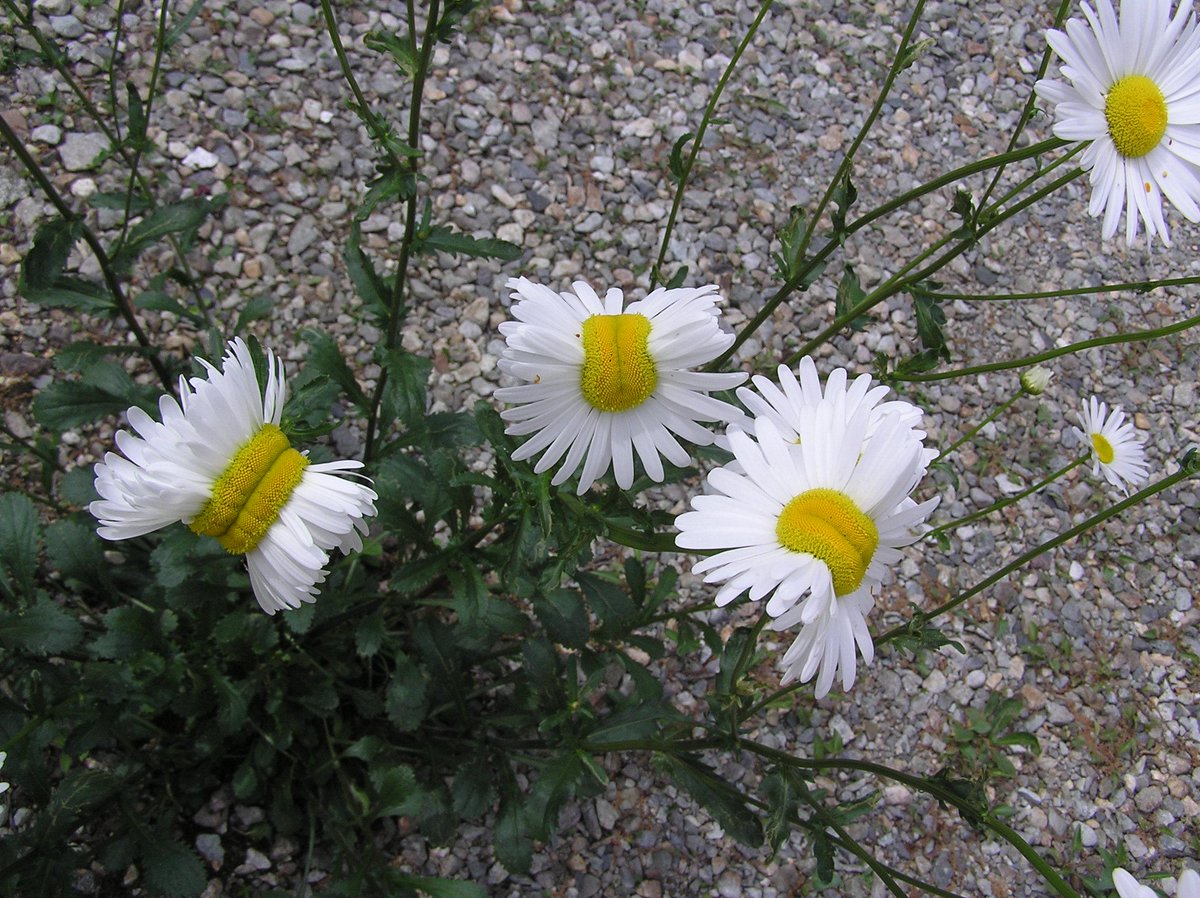
These deformed Daisies from Fukushima are blowing up the Internet….

A small patch of deformed daisies near the 2011 Fukushima disaster site have attracted global intrigue, after Japanese Twitter user @san_kaido posted a photo of the plant mutation in May

Embedded image permalink

The discovery of the freaky-looking flowers comes four years after the Fukushima Daichii Nuclear Power Plant meltdown in 2011. The plant went into a meltdown after a magnitude-9 earthquake shook northeastern Japan, unleashing a savage tsunami.

The daisies aren’t the first thing in Japan which people think may have been affected by the nuclear power plant’s failure. Mutant rabbits and twisted vegetables have all had their moment in the social media spotlight.

What has been confirmed, in July 2013, was that about 300 tons of radioactive water continues to leak from the plant every day into the Pacific Ocean. Read more about the serious biological effects on the ecosystem here.

Read the original article on Business Insider Australia. Copyright 2015.

Source::::www.businessinsider.com

Natarajan

” Britain Must Pay Reparations to India….”

British troops in Calcutta, with rifles at the ready, clearing a street after Hindus and Muslims used firearms against each other. (Pho

British troops in Kolkata after a religious clash


At the end of May, the Oxford Union held a debate on the motion “This house believes Britain owes reparations to her former colonies”. Speakers included former Conservative MP Sir Richard Ottaway, Indian politician and writer Shashi Tharoor and British historian John Mackenzie. Shashi Tharoor’sargument in support of the motion, went viral in India after he tweeted it out from his personal account. The argument has found favour among Indians, where the subject of colonial exploitation remains a sore topic. Here he gives a summary of his views:

Indian economy

At the beginning of the 18th Century, India’s share of the world economy was 23%, as large as all of Europe put together. By the time the British departed India, it had dropped to less than 4%.

The reason was simple: India was governed for the benefit of Britain. Britain’s rise for 200 years was financed by its depredations in India.

By the end of the 19th Century, India was Britain’s biggest cash-cow, the world’s biggest purchaser of British exports and the source of highly paid employment for British civil servants – all at India’s own expense. We literally paid for our own oppression.

Grey line

De-industrialisation of India

Britain’s Industrial Revolution was built on the de-industrialisation of India – the destruction of Indian textiles and their replacement by manufacturing in England, using Indian raw material and exporting the finished products back to India and the rest of the world.

The handloom weavers of Bengal had produced and exported some of the world’s most desirable fabrics, especially cheap but fine muslins, some light as “woven air”.

Britain’s response was to cut off the thumbs of Bengali weavers, break their looms and impose duties and tariffs on Indian cloth, while flooding India and the world with cheaper fabric from the new satanic steam mills of Britain.

Weavers became beggars, manufacturing collapsed; the population of Dhaka, which was once the great centre of muslin production, fell by 90%.

So instead of a great exporter of finished products, India became an importer of British ones, while its share of world exports fell from 27% to 2%.

‘Clive of India’

Robert Clive, Baron Clive of Plassey, (1725 - 1774), British soldier and governor of Bengal, circa 1755.

Lord Clive was an enigmatic figure in the history of the British Empire

Colonialists like Robert Clive bought their “rotten boroughs” in England with the proceeds of their loot in India (loot, by the way, was a Hindi word they took into their dictionaries as well as their habits), while publicly marvelling at their own self-restraint in not stealing even more than they did.

And the British had the gall to call him “Clive of India”, as if he belonged to the country, when all he really did was to ensure that much of the country belonged to him.

Bengal famine

As Britain ruthlessly exploited India, between 15 and 29 million Indians died tragically unnecessary deaths from starvation.

Famine victims in Bengal, November 1943

Four million Bengalis died in the Great Bengal Famine of 1943

The last large-scale famine to take place in India was under British rule; none has taken place since, since free democracies don’t let their people starve to death.

Some four million Bengalis died in the Great Bengal Famine of 1943 after Winston Churchill deliberately ordered the diversion of food from starving Indian civilians to well-supplied British soldiers and European stockpiles.

“The starvation of anyway underfed Bengalis is less serious than that of sturdy Greeks,” he argued.

When officers of conscience pointed out in a telegram to the prime minister the scale of the tragedy caused by his decisions, Mr Churchill’s only response was to ask peevishly “Why hasn’t Gandhi died yet?”

Myth of ‘enlightened despotism’

British imperialism had long justified itself with the pretence that it was enlightened despotism, conducted for the benefit of the governed. Mr Churchill’s inhumane conduct in 1943 gave the lie to this myth.

An Indian man takes a photograph of a painting depicting the Jallianwala Bagh massacre in Amritsar on April 12, 2011

Hundreds of people at a public meeting were shot dead by British troops at the Jallianwala Bagh

But it had been battered for two centuries already: British imperialism had triumphed not just by conquest and deception on a grand scale, but by blowing rebels to bits from the mouths of cannons, massacring unarmed protesters at Jallianwala Bagh and upholding iniquity through institutionalised racism.

No Indian in the colonial era was ever allowed to feel British; he was always a subject, never a citizen.

Indian railways


7th April 1951: A locomotive constructed for the Indian Government Railways by the North British Locomotive Company of Glasgow, on show at the Festival of Britain on London's South Bank.

The railways were intended to help the British get around’

The construction of the Indian Railways is often pointed to as a benefit of British rule, ignoring the obvious fact that many countries have built railways without having to be colonised to do so.

Nor were the railways laid to serve the Indian public. They were intended to help the British get around, and above all to carry Indian raw materials to the ports to be shipped to Britain.

The movement of people was incidental except when it served colonial interests; no effort was made to ensure that supply matched demand for mass transport.

In fact the Indian Railways were a big British colonial scam.

British shareholders made absurd amounts of money by investing in the railways, where the government guaranteed extravagant returns on capital, paid for by Indian taxes.

Thanks to British rapacity, a mile of Indian railways cost double that of a mile in Canada and Australia.

It was a splendid racket for the British, who made all the profits, controlled the technology and supplied all the equipment, which meant once again that the benefits went out of India.

It was a scheme described at the time as “private enterprise at public risk”. Private British enterprise, public Indian risk.

Grey line

British aid

In recent years, even as the reparations debate has been growing louder, British politicians have in fact been wondering whether countries like India should even receive basic economic aid at the expense of the British taxpayer.

To begin with, the aid received is 0.4%, which is less than half of 1% of India’s GDP.

British aid, which is far from the amounts a reparation debate would throw up, is only a fraction of India’s fertiliser subsidy to farmers, which may be an appropriate metaphor for this argument.

Britons may see our love of cricket or the English language, or even parliamentary democracy, conjuring up memories of the Raj as in television series like Indian Summers, with Simla, and garden parties, and gentile Indians.

For many Indians, however, it is a history of loot, massacres, bloodshed, of the banishing of the last Mughal emperor on a bullock cart to Burma.

Grey line

Indian soldiers in world wars

More than two million Indian soldiers participated in World War Two

More than two million Indian soldiers participated in World War Two

India contributed more soldiers to British forces fighting the First World War than Australia, Canada, New Zealand and South Africa combined.

Despite suffering recession, poverty and an influenza epidemic, India’s contributions in cash and materiel amount to £8bn ($12bn) in today’s money.

Two and a half million Indians also fought for British forces in the Second World War, by the end of which £1.25bn of Britain’s total £3bn war debt was owed to India, which was merely the tip of the iceberg that was colonial exploitation.

It still hasn’t been paid.

Return the Koh-i-Noor diamond’

he Queen Elizabeth The Queen Mothers priceless crown, containing the famous Koh-i-noor diamond, rests on her coffin on a Gun Carriage pulled by the Royal Horse Artillery to Westminster Hall.

Maybe Britain could kindly return the Koh-i-Noor diamond’

What’s important is not the quantum of reparations that Britain should pay, but the principle of atonement.

Two hundred years of injustice cannot be compensated for with any specific amount.

I, for one, would be happy to accept a symbolic pound a year for the next two hundred years, as a token of apology.

And maybe Britain could kindly return the Koh-i-Noor diamond to the country it was taken from!

Source…..www.bbc.com

Natarajan

Message for the day…” Spend Some Time Daily to Keep Your Inner Consciousness in Good Trim…”

Sathya Sai Baba

Just as you attend to the needs of the body regularly, feeding it three times a day to keep it in good running condition, so too spend some time regularly to keep your inner consciousness in good trim. Spend one hour in the morning, another at night and the third in the early hours of the dawn (the Brahma Muhurtha) for japam (contemplation) and meditation on the Lord. You will find great peace descending upon you and new sources of strength welling up within as you progress in this spiritual practice (Sadhana). After sometime, the mind will dwell on the Name, wherever you are and whatever you are engaged in. Peace and Joy will become your inseparable companions.


THE SIBERIAN FAMILY WHO DIDN’T SEE ANOTHER HUMAN FOR OVER 40 YEARS….

To this day, the Siberian wilderness is still one of the most isolated places in the world. Known as the Siberian taiga (meaning “forest” in Russian), its harsh, cold climate greatly discourages human habitation. Its steep hills and difficult terrain makes it nearly impossible to travel through it, much less live there. It’s filled with pine and birch trees, nearly undisturbed by humans for centuries. Bears and red foxes wander through the forest during the day, while wolves hunt at night. It’s freezing cold with the average mean yearly temperature at negative five degrees Celsius. Stretching east to west, from the Atlantic Ocean across the continent to the Mediterranean, and extending up north to the Mongolian Arctic border, the Siberian taiga is the largest of Earth’s nearly uninhabited wilderness. Nearly five million square miles of barren land sparsely populated by a few towns containing only a few thousand people.

siberia

In 1978, a team of Russian geologists were sent to explore the deepest, most isolated part of this region. Forest and wilderness that, at the time, have been barely touched by human hands. Traveling there via helicopter, from high above the taiga, they spotted something that seemed quite unusual- a clearing with a garden, clear evidence of human life. This seemed nearly impossible to the geologists. They were nearly 150 miles from the nearest human settlement. Upon landing, the geologists knew they had to investigate, despite their trepidation. One of the geologists, Galina Pismenskaya,  said later that they had “put gifts in our packs for our prospective friends,” but also checked “the pistol that hung at my side.”

They continued on and found more signs of human inhabitants-  a wooden staff, a log bridge across a stream, more gardens, until they saw a hut. They approached the hut with caution. Finally, the makeshift door creaked open and out stepped an old man with tattered clothing and an unkempt long beard.  Despite having “fear in his eyes”, the old man said very softly to his visitors, “Well, since you have traveled this far, you might as well come in.”

As the geologists entered, what they saw astonished them. The dwelling was something out of history books- tree stumps holding up the foundation, floor made out of potato peels and pine-nut shells, everything covered in filth. As they looked closer in the dim-lit, one room shack, they saw this was a home for a family of five, a father and four children, two of which began crying uncontrollably at the sight of humans unknown to them.  As the geologists said,

The silence was suddenly broken by sobs and lamentations. Only then did we see the silhouettes of two women. One was in hysterics, praying: ‘This is for our sins, our sins.’ The other, keeping behind a post… sank slowly to the floor. The light from the little window fell on her wide, terrified eyes, and we realized we had to get out of there as quickly as possible.

Karp Lykov, the old man, once lived in a populated part of Russia. He was a member of a fundamentalist Russian Orthodox sect known as the Old Believers, called this because their worship style hasn’t changed since the 17th century. Old Believers had been persecuted in Russia for centuries, even before the Soviets took over. Dating back to Peter the Great’s reign in the late 17th and early 18th centuries, Old Believers, who customarily wore beards, were forced to pay a tax on their facial hair.

When the Soviets took over, Karp thought it was time to retreat to sparsely populated towns that dotted Siberia. One day, in 1936, while working the fields with his brother near their village, a Communist guard came by and shot his brother right in front of him. Karp immediately grabbed his family (which, at the time, only consisted of his wife, his son Savin, and his 2-year old daughter Natalia) and disappeared into the dark Siberian wilderness.

Karp and his wife, Akulina, had two more children in the wild, Dmitry and Agafia, who before they met the Russian geologists, had never seen another human besides their own family. Everything they knew of civilization came from their parents. They were taught how to read and write with the help of an old family Bible. They knew nothing of the world past 1936, including even the existence of World War II or the Cold War. Every member of the family had to learn how to provide for themselves using only the resources found within the wilderness.

As the children grew, they became the hunters and gatherers. Dmitry, for example, learned how to kill animals without guns or bows. He did this by digging traps and chasing the animals until they collapsed from exhaustion. Times became even tougher for the family when Akulina passed away in 1961 (approximately) from starvation. Now, it was just a father and four children struggling to survive.

Realizing how traumatic this must be for the kids, having never met another human before, the geologists retreated out of the hut and set up camp a little ways away. Soon, the family came out and approached the scientists, still scared but curious. At first, they refused everything given to them by the geologists, including clothes, food, and bread (Karp explained that his youngest children had never even seen bread, much less tasted it). Soon, the family and the geologists formed a bond. The geologists told them about what they’d missed in the world since 1936 and showed them modern innovations like cellophane (“Lord, what have they thought up—it is glass, but it crumples!”, exclaimed Karp) and television (which scared and enthralled them at the same time). In turn, the family showed the geologists how to survive in the Siberian taiga, including how to grow crops in such harsh conditions.

The geologists continued to survey the wilderness, co-existing with the family, for several years. On several occasions, the scientists tried to convince the family to move back to civilization, but they refused. Eventually, though, the years of survival in harsh terrain caught up with them. In the fall of 1981, three of the four children (Dmitry, Natalia, and Savin) passed away within several days of another, two from kidney failure and one from pneumonia. The geologists offered to transport the sick members of the family to a hospital, but their offer was staunchly refused.

After the death of the three, the geologists once again tried to convince Karp, now a man in his late 80s, and his youngest daughter, Agafia, to move in with relatives in a village 150 miles away. They still refused. On February 16th, 1988, exactly 27 years to the day after his wife, Karp passed away in his sleep, leaving only Agafia as the surviving member of the family. Insisting on staying, Agafia, as far as I could dig up, to this day now in her 70s, still lives high in the mountains of the Siberian taiga. Alone.

Bonus Facts:

  • At first, the family would accept only one thing from the geologists, salt. Said Karp, “living without it for four decades” had been “true torture.”
  • When the geologists first met the daughters, they wrote in their notebook that they only spoke in a “slow, blurred cooing.” Living in isolation for so long and never needing to interact with other humans, the girls had essentially created their own simple language to compliment their native tongue.
  • Siberia is so large, it covers nearly 10% of the Earth’s land surface.

Source….www.today i foundout.com

Natarajan

” Have a Look at the Question Papers of 8th grade in 1895 …” !!!

Look at these question papers of 8th grade in 1895.
1895 8th grade final exam


Remember when grandparents and great-grandparents stated that they only had an 8th grade education? Well, check this out. Could any of us have passed the 8th grade in 1895?

This is the eighth-grade final exam from 1895 in Salina , Kansas , USA .. It was taken from the original document on file at the Smokey Valley Genealogical Society and Library in Salina , and reprinted by the Salina Journal..

8th Grade Final Exam:

Salina , KS – 1895

Grammar (Time, one hour)

1. Give nine rules for the use of capital letters.

2. Name the parts of speech and define those that have no modifications

3. Define verse, stanza and paragraph.

4. What are the principal parts of a verb? Give principal parts of ‘lie,’ ‘play,’ and ‘run’ 

5. Define case; illustrate each case.

6 What is punctuation? Give rules for principal marks of punctuation.

7 – 10. Write a composition of about 150 words and show therein that you understand the practical use of the rules of grammar.


Arithmetic (Time,1 hour 15 minutes)

1. Name and define the Fundamental Rules of Arithmetic.

2. A wagon box is 2 ft. Deep, 10 feet Long, and 3 ft. Wide. How many bushels of wheat will it hold?

3. If a load of wheat weighs 3,942 lbs, what is it worth at 50cts/bushel, deducting 1,050 lbs for tare?

4. District No 33 has a valuation of $35,000. What is the necessary levy to carry on a school seven months at $50 per month, and have $104 for incidentals?

5. Find the cost of 6,720 lbs. Coal at $6.00 per ton.

6. Find the interest of $512.60 for 8 months and 18 days at 7percent per annum.

7. What is the cost of 40 boards 12 inches wide and 16 ft long at $20 per metre?

8… Find bank discount on $300 for 90 days (no grace) at 10 percent.

9. What is the cost of a square farm at $15 per acre, the distance of which is 640 rods?

10. Write a Bank Check, a Promissory Note, and a Receipt.

U.S. History (Time, 45 minutes)

1. Give the epochs into which U.S. History is divided

2. Give an account of the discovery of America by Columbus .

3. Relate the causes and results of the Revolutionary War.

4. Show the territorial growth of the United States ..

5. Tell what you can of the history of Kansas

6. Describe three of the most prominent battles of the Rebellion 

7. Who were the following: Morse, Whitney, Fulton , Bell , Lincoln , Penn, and Howe?

8. Name events connected with the following dates: 1607, 1620, 1800, 1849, 1865.


Orthography (Time, one hour)

[Do we even know what this is??] 

1. What is meant by the following: alphabet, phonetic, orthography, etymology, syllabication?

2. What are elementary sounds? How classified?

3. What are the following, and give examples of each: trigraph, subvocals, diphthong, cognate letters, linguals?

4. Give four substitutes for caret ‘u’.

5. Give two rules for spelling words with final ‘e.’ Name two exceptions under each rule.

6. Give two uses of silent letters in spelling. Illustrate each.

7 Define the following prefixes and use in connection with a word: bi, dis, pre, semi, post, non, inter, mono, sup.

8. Mark diacritically and divide into syllables the following, and name the sign that indicates the sound: card, ball, mercy, sir, odd, cell, rise, blood, fare, last.

9.. Use the following correctly in sentences: cite, site, sight, fane, fain, feign, vane , vain, vein, raze, raise, rays.

10. Write 10 words frequently mispronounced and indicate pronunciation by use of diacritical marks and by syllabication

Geography (Time, one hour)

1 What is climate? Upon what does climate depend?

2.. How do you account for the extremes of climate in Kansas ?

3. Of what use are rivers? Of what use is the ocean?

4. Describe the mountains of North America .

5. Name and describe the following: Monrovia , Odessa , Denver , Manitoba , Hecla , Yukon , St. Helena, Juan Fernandez, Aspinwall and Orinoco . 

6. Name and locate the principal trade centers of the U.S. Name all the republics of Europe and give the capital of each..

8. Why is the Atlantic Coast colder than the Pacific in the same latitude?

9.. Describe the process by which the water of the ocean returns to the sources of rivers.

10. Describe the movements of the earth. Give the inclination of the earth.

HUH??? Are they kidding??? This is hard to believe…. 

Notice that the exam took FIVE HOURS to complete.

Gives the saying ‘he only had an 8th grade education’ a whole new meaning, doesn’t it?!

Also shows you how poor our education system has become and, NO, I don’t have the answers!

The recent news of colleges under Delhi University setting a cut-off of 99 per cent and above marks has shocked educationists, scholars, teachers, commentators all over the country. Not only is such a high marks preposterous but also it defies logic and in general the real worth of those who score such a high percentage. Are these students really that good to achieve such marks or is it the system which is churning out students capable of scoring high marks and yet are bogged down when it comes to innovation and cutting-edge research? Are we ‘manufacturing’ drones instead of learned, wise men? Should there be an alternative to the present marks-based system? Also in spite of boasting students endowed with high-intellect and IQ why are Indian Universities lagging far behind their US and European counterparts? What is the solution? Is private participation and relaxation of rules and regulations the way out? What do those students do who fail to score high marks?

Source….nidokidos@yahoogroups.com

Natarajan