5-திருப்பதி… திருப்பம்… திருப்தி…..

நாமெல்லாம் ராத்திரியில் நிம்மதியாக ஏழெட்டு மணி நேரம் உறங்குகிறோம். ஆனால், சர்வலோகத்தையும் காத்தருளும் திருமலை ஸ்ரீவேங்கடவனுக்கு தினமும் எத்தனை மணி நேரம் ஓய்வு தெரியுமா?

வெறும் ஒண்ணரை மணி நேரம்தான்!

நள்ளிரவு ஒண்ணரை மணிக்கு (இரண்டு மணிகூட ஆகிவிடுவதுண்டாம். என் நண்பர் ஒருவர் சமீபத்தில் நள்ளிரவு இரண்டு மணிக்கு ஓட்டமாக ஓடிப் போய் பெருமாளைத் தரிசித்திருக்கிறார்). ‘ஏகாந்த சேவை’ முடிந்த கையோடு திரையிட்டுவிடுவார்கள். அதன்பின் அதிகாலை – அதாவது ஒண்ணரை மணி நேரம் கழித்து ‘சுப்ரபாத சேவை’க்காகத் திருப்பள்ளி எழுச்சி பாடி, துயில் களைப்பர்.


திருவையாறு சங்கீத மூர்த்தியான தியாகராஜ ஸ்வாமிகள் திருப்பதி தரிசனத்துக்குப் போயிருக்கிறார். கஷ்டப்பட்டு நடந்து மலையேறி இவர் சன்னிதியை அடையும்போது நள்ளிரவு. அதுவரை பெருமாளின் தரிசனம் கிடைத்துக் கொண்டிருந்தது. இவர் சன்னிதிக்கு முன் போய் நின்று கண்ணீர் மல்க, அந்த பெருமாளை பிரார்த்திக்கத் தொடங்கும்போது, அங்கிருந்த அர்ச்சகர்கள் தியாகராஜ ஸ்வாமிகள் யார் என்பது தெரியாமல், ஏகாந்த சேவை முடிந்தது. எல்லோரும் புறப்படுங்கள்” என்று கூறிச் சட்டென்று திரையைப் போட்டுவிட்டார்கள்.

தியாகராஜரின் சீடர்கள், எங்களின் குருநாதர் யார் என்று உங்களுக்குத் தெரியாதா?” என்றெல்லாம் ஆலய அர்ச்சகர்களுடன் வாக்குவாதத்தில் இறங்கினர். அவர்கள் அனைவரையும் அமைதிப்படுத்திவிட்டு, தியாகராஜர் வெளியே வந்து ஒரு பாடல் பாடுகிறார். அவ்வளவுதான்… ஸ்ரீவேங்கடவனுக்கு முன்னால் இருந்த திரை மட்டும் திடீரெனப் பற்றி எரிந்து தரையில் பொத்தென விழுந்தது. மாலவன் தரிசனம் கிடைத்தது. அர்ச்சகர்கள் அதிர்ந்துபோய், ஸ்ரீதியாகராஜரிடம் மன்னிப்புக் கேட்டனர். அதன்பின் ஏகாந்த சேவையை மீண்டும் ஒருமுறை தியாகராஜருக்காகச் செய்துவிட்டு அர்ச்சர்கள் நடையைச் சாத்தியதாக ஒரு கதை உண்டு.

ஏகாந்த சேவை முடிந்ததும் பெருமாளின் பிரசாதமாக திராட்சை, முந்திரி தூவிய கெட்டியான பசும்பால் தியாகராஜருக்கும் அவரது சீடர்களுக்கும் தரப்பட்டதாம்.

பொதுவாக, திருப்பதியில் தினந்தோறும் அதிகாலை மூன்று மணிக்குத் தொடங்கும் தரிசனம், நள்ளிரவு ஒண்றரை மணிவரை நீடிக்கும். அதன்பின் பெருமாளைத் தூங்கச் செய்வதற்காக ஏகாந்த சேவை என்கிற தரிசனம் நடக்கும். சயனம் கொள்பவர் – கருவறையில் இருக்கும் போக ஸ்ரீநிவாசமூர்த்தி. மூலவரின் பிரதிநிதியாக இவரை வெல்வெட் மெத்தை விரிக்கப்பட்ட வெள்ளித் தொட்டிலில் இடுவார்கள். பெருமாள் ஓய்வெடுத்துக் கொள்வதாக ஐதீகம்!


பிறகு காய்ச்சிய பால், முந்திரி, பாதாம், திராட்சை ஆகியவற்றை நைவேத்தியம் செய்வார்கள். இரவு வேளையில் வெளிச்சத்தைக் குறைவாக்கி நாம் உறங்குகிறோம் அல்லவா? அது போல் சன்னிதியின் விளக்குத் திரியைச் சற்றே குறைத்து வைப்பார்கள். அன்ன மாச்சார்யர் பரம்பரையில் வந்தவர்கள், தம்புராவுடன் வந்து கீர்த்தனைகளைப் பாடி அவரைத் தூங்கச் செய்வார்கள். பின்னர் சன்னிதிக்குத் திரை போடப்பட்டு, தங்க வாசல் அடைக்கப்படும். அதிகாலை சுப்ரபாத தரிசனத்தின்போதுதான் மீண்டும் திறக்கப்படும்.

அதிகாலை மூன்று மணிக்குத் திறக்கப்பட்டு, மூன்றரை வரை சுப்ரபாத தரிசனம் நடக்கும். பெருமாளை எழுப்புவதற்காக இரண்டு அர்ச்சகர்கள், இரண்டு ஊழியர்கள், தீப்பந்தம் ஏந்திய ஒருவர், வீணை வாசிக்கும் ஒருவர் என ஆறு பேர் சன்னிதியின் முன்னால் உள்ள தங்க வாசலுக்கு வந்து சேருவார்கள். முதலில் துவார பாலகர்களை நமஸ்கரிப்பார்கள். பின்னர், ஊழியரிடம் சாவியை வாங்கி சன்னிதியைத் திறப்பார் அர்ச்சகர். அனைவரும் பெருமாளை வணங்கிவிட்டு, சன்னிதியின் கதவைச் சாத்திவிட்டு உள்ளே செல்வார்கள்.

சரியாக இந்த வேளையில், வெளியே காத்திருக்கும் ஒரு குழுவினரால் சுப்ரபாதம் பாடப்படும். தீப்பந்தம் கொண்டு செல்பவர் சன்னிதியில் தீபங்களை ஏற்றுவார். பின்னர் வீணையை இசைக்க, அதுவரை துயில் கொண்டிருந்த போக ஸ்ரீநிவாசமூர்த்தியை மூலவருக்கு அருகில் கொண்டு வந்து அமர்த்துவார்கள். இதுவே திருப்பள்ளி எழுச்சி.

சுப்ரபாதம் பாடி முடிந்ததும் சன்னிதியின் கதவு திறக்கப்படும். பெருமாளுக்குப் பாலும் வெண்ணெயும் நிவேதனம் செய்து ‘நவநீத ஆரத்தி’ எனப்படும் தீபாராதனை செய்யப்படும். ‘விஸ்வரூப தரிசனம்’ என்று சொல்லப்படுவது இதுதான்.

திருப்பதி மலையில் உள்ள ஆகாயகங்கை தீர்த்தத்தில் இருந்து, மூன்று குடங்களில் புனிதநீர் வந்து சேரும். ஒரு குடம் நீரை காலை பூஜைக்கும், மற்றொன்று மாலை பூஜைக்கும், இன்னொன்று இரவு பூஜைக்குமாக எடுத்து வைப்பார்கள் (பிரம்மோத்ஸவ காலத்தில் யானைமீது தீர்த்தம் வரும்).

காலை பூஜைக்கான ஒரு குடம் தண்ணீரை ஐந்து வெள்ளி கிண்ணங்களில் நிரப்புவார்கள். பின்னர் உத்தரணியில் அதை எடுத்து மந்திரங்கள் உச்சரித்து மிக பவ்யமாக பெருமாள் முன் அர்ச்சகர் நீட்டுவார். ஸ்வாமி அதில் முகத்தைக் கழுவிக் கொள்வதாக ஐதீகம். பின்னர் எஞ்சி உள்ள நீரை சுவாமியின் பாதத்தில் அபிஷேகம் செய்வார்கள். முழு மூர்த்திக்கும் அபிஷேகம் நடப்பதில்லை. மூலவருக்குப் பதிலாக போக ஸ்ரீநிவாச மூர்த்திக்கு அபிஷேகம் நடக்கும். வாசனைத் தைலம், மஞ்சள், பசும்பால், சந்தனம், தேன் போன்றவை இந்த அபிஷேகத்துக்குப் பயன்படுத்தப்படும். அலங்காரம் செய்து, சாமரம் வீசி, தீபாராதனை காட்டியதோடு சுப்ரபாத பூஜை நிறைவடையும்.


சுப்ரபாத பூஜையை அடுத்து, காலை 3.30 முதல் 3.45 வரை சன்னிதியைத் திரை போட்டு மறைத்து, ஸுத்தி எனப்படும் தூய்மை செய்யும் பணி நடக்கும். முதல் நாள் பெருமாளுக்கு அணிவித்த பூமாலைகளைக் களைந்து கோயிலுக்குப் பின்னால் உள்ள பூக்கிணற்றில் சேர்ப்பார்கள்.

பின்னர், புதிய மாலைகள் வாத்திய முழக்கங்களோடு கொண்டு வரப்படும். இந்த சேவைக்கு ‘தோமாலா சேவா’ என்றுபெயர். அதிகாலை 3.45 மணிக்கு இது தொடங்கும். சன்னிதிக்கு பூக்கூடை வந்தவுடன் பெருமாளின் மார்பில் வாசம் புரியும் ஸ்ரீமகாலட்சுமிக்கு முதலில் பூச்சரத்தை சார்த்துவார் அர்ச்சகர். பின்னர் பெருமாளுக்கு மாலைகள் சாத்தப்படும். இது பூர்த்தி ஆனதும், அடுக்கு தீபாராதனை செய்யப்படும். இதற்கு 25 நிமிடம் ஆகும். அதுவரை வெளியே அமர்ந்திருப்போர் பாடல்களைப் பாடிக் கொண்டிருப்பார்கள். அதிகாலை 4.30 மணிக்கு நிறைவுறும்.

இதை அடுத்து கொலுவு நிகழ்ச்சி. சுமார் 15 நிமிடங்கள் நடக்கும். இதற்காக கொலுவு ஸ்ரீநிவாசமூர்த்தி உத்ஸவர் விக்கிரகம், ஸ்ரீவேங்கடவனின் சன்னிதிக்குள் இருக்கிறது. இந்த விக்கிரகத்தை வெள்ளிப் பல்லக்கில் அமர்த்தி, வெள்ளிக் குடை பிடித்து சன்னிதியில் இருந்து எடுத்து வருவர். ஓரிடத்தில் பல்லக்கை இறக்கி எள்ளுப்பொடி, வெல்லம்,வெண்ணெய் ஆகியவற்றை நைவேத்தியம் செய்து அர்ச்சனை, ஆரத்தி நடத்துவார்கள். அதன் பின், ஒரு அர்ச்சகர் பஞ்சாங்கத்தைப் பிரித்து அன்றைய நாள், நட்சத்திரம், திதி உள்ளிட்ட விவரங்களை சத்தம் போட்டு வாசித்து, கொலுவு ஸ்ரீநிவாசமூர்த்திக்குத் தெரியப்படுத்துவார். அதோடு உண்டியலில் முதல் நாள் காணிக்கையாக வந்த தொகை, தங்கம் – வெள்ளி வந்த விவரம் போன்றவற்றைத் தெரியப்படுத்துவார். மூலவர் ஸ்ரீவேங்கடவனே வெளியே வந்து இவற்றை எல்லாம் கேட்பதாக ஐதீகம். இந்த நிகழ்வின்போது பக்தர்களுக்கு அனுமதி இல்லை.

இவை எல்லாம் முடிந்த ஸ்ரீவேங்கடாசலபதிக்கு முதல் நைவேத்தியம் சமர்ப்பிக்கப்படும். அப்போது, ஆலயத்தில் இரண்டு முறை மணி ஒலிக்கப்படும்.

என்ன நைவேத்தியம்? ஏற்கெனவே சொல்லி இருந்தோமே! தயிர் சாதம்! மூலவருக்கு உண்டான இதே நைவேத்தியம்தான் இவருடைய படைகளுக்கும். அதாவது – விஷ்வக்சேனர், கருடன், நித்யசூரிகள் ஆகிய அனைவருக்கும் இதே தயிர்சாதம்தான் நிவேதனம்!

பெருமாளின் நைவேத்தியமே இவர்களுக்கும் கிடைப்பது பெரும் பாக்கியம் அல்லவா?!

நன்றி தீபம் (கல்கி வழங்கும் ஆன்மீக மாத இதழ்) and P.Swaminathan

Source…www.balhanuman.wordpress.com

Natarajan


4-திருப்பதி… திருப்பம்… திருப்தி …..

ஸ்ரீவாரி பிரசாதம் என்றும் லட்டு பிரசாதம் என்றும் அழைக்கப்படும் திருப்பதி லட்டைத் தயாரிப்பதற்குப் பிரத்யேகமான ஒரு மடப்பள்ளியே திருமலையில் இயங்கி வருகிறது. இந்த மடப்பள்ளியை ‘பொடு’ என்று அழைக்கிறார்கள். பிரசாதமாக விலைக்குத் தரப்படும் லட்டு தவிர, பெருமாள் தரிசனம் முடிந்து வரும் பக்தர்களுக்கு, சிறிய லட்டு ஒன்று தேவஸ்தானத்தால் இலவசமாக வழங்கப்படுகிறது.

விற்பனைக்குச் செல்லும் லட்டுகள் தயாரான பின், அதன் எடை தேவஸ்தான ஊழியர்களால் பரிசோதிக்கப்படுகிறது. என்றாலும், காசு கொடுத்து தாங்கள் வாங்கும் லட்டின் எடை சரியாக இருக்கின்றதா என்பதை பக்தர்களே சோதித்து அறிவதற்கு, லட்டுகள் விற்பனை செய்யப்படும் மையத்துக்கு அருகில் மின்னணுத் தராசும் வைத்திருக்கிறார்கள். இதையும் மீறி லட்டின் தரம் குறித்தும், எடை குறித்தும் அவ்வப்போது புகார்கள் எழுந்து கொண்டுதான் இருக்கின்றன.

லட்டு விற்பனை மூலம் தேவஸ்தானத்துக்கு வருடத்துக்கு பல கோடி ரூபாய் வருமானம் கிடைக்கிறது. உதாரணமாக, 2007ஆம் ஆண்டு 103 கோடி ரூபாய்க்கும், 2009ஆம் ஆண்டு 125 கோடி ரூபாய்க்கும் லட்டு விற்பனையாகி உள்ளதாகத் தகவல்கள் தெரிவிக்கின்றன.


திருப்பதி தேவஸ்தானம் எத்தனை லட்டுகள் தயாரித்தாலும், சில நேரங்களில் பக்தர்களின் தேவையைப் பூர்த்தி செய்ய முடியாமலேயே போய்விடுகிறது. இதற்காக, தடை இல்லாமல் லட்டு கிடைப்பதற்கும், சுவையை மேம்படுத்துவதற்கும், கள்ள மார்க்கெட்டில் விற்பனையாவதைத் தடுப்பதற்கும், திருப்பதி தேவஸ்தான அதிகாரிகள் அவ்வப்போது நடவடிக்கை எடுத்துதான் வருகிறார்கள்.

திருமலையில் லட்டு தயாரிப்பதற்குப் பயன்படும் கடலைப் பருப்பு, நெய், சர்க்கரை, முந்திரிப் பருப்பு, ஏலக்காய் போன்ற பொருட்களை டெண்டர் மூலமாக ஆரம்பத்தில் வாங்கி வந்தார்கள். அப்படி வாங்கப்படும் பொருட்களின் தரம், சில வேளைகளில் திருப்திகரமாக இல்லை என்பதாகத் தெரிவிக்கப்பட்டது.

இதன் பிறகுதான், லட்டு தயாரிப்பதற்கான மூலப் பொருட்களைத் தகுந்த அதிகாரிகளை வைத்து பரிசோதனை செய்த பின், நேரடியாகவே கொள்முதல் செய்வதென்று தேவஸ்தானத்தால் தீர்மானிக்கப்பட்டது. அப்படித்தான் அனைத்துப் பொருட்களும் தற்போது வாங்கப்படுகின்றன. உதாரணமாக, மும்பையில் இருக்கிற ஸ்பைசஸ் போர்டு நிறுவனத்திடம் இருந்து ஏலக்காய் மற்றும் முந்திரிப் பருப்பும், ஆந்திர மாநில அரசு நிறுவனமான விஜயா டைரியில் இருந்து நெய்யும் வாங்குகிறார்கள்.

உலகத்தையே தன் பக்கம் திருப்பி இருக்கும் திருப்பதி லட்டுக்கு இப்போது காப்புரிமையும் வழங்கப்பட்டுவிட்டது. இதைப் பெறும் நோக்கத்துடன் சென்னையில் உள்ள ‘உற்பத்தி இட அடையாளக் குறியீட்டுப் பதிவக’த்திடம் விண்ணப்பித்த திருப்பதி தேவஸ்தானம், ‘எங்கள் ஆலயம் சார்பில் தயாரிக்கப்படும் திருப்பதி லட்டு உருண்டையின் அளவும், நறுமணமும் வேறு எங்கும் கிடையாது. உலகின் வேறு எந்த இடத்திலும் இதுபோல் தயாரிக்கப்படவும் இல்லை. இதன் தரம், நறுமணம், சுவை ஆகியன தனித்தன்மை வாய்ந்தவை’ என்று பதிவு செய்திருக்கிறது.

இனிமேல் திருப்பதி லட்டு என்ற பெயரில் வேறு எந்த இனிப்புக் கடைக்காரரும், அதே சைஸில் – சுவையில் லட்டு தயாரித்து விற்க முடியாது. இதன் தயாரிப்பு முறையையும் வெளியில் பிரபலப்படுத்த முடியாது. ‘திருப்பதி லட்டு’ என்ற பெயர் திருப்பதி தேவஸ்தானத்துக்கு மட்டுமே சொந்தமாகிவிட்டது.

மேல் திருப்பதியில் – அதாவது திருமலையில் பெருமாளுக்கு நிவேதனம் தயாராகிற மடைப்பள்ளி மிகவும் பெரியது. இந்தப் புனிதமான மடைப்பள்ளியில் லட்டு மட்டும்தான் என்று இல்லை. பொங்கல், தயிர்சாதம், புளிசாதம், சித்ரான்னங்கள், வடை, முறுக்கு, ஜிலேபி, அதிரசம், போளி, அப்பம், மனோகரம், பாயசம், தோசை, ரவா கேசரி, பாதாம் கேசரி, முந்திரிப் பருப்பு கேசரி இப்படி எண்ணற்ற நிவேத்தியங்கள் தயாராகின்றன. இவை அனைத்திலும் லட்டுதான் முதலிடம்.

என்றாலும், ஆதிகாலத்தில் ‘மனோகரம்’ என்கிற பிரசாதம்தான் பாப்புலராக இருந்துள்ளது. திருப்பதி தேவஸ்தானத்தின் பழைய கல்வெட்டுகளும் இந்தத் தகவலை ஊர்ஜிதம் செய்கின்றன. ஆந்திராவில் மனோகரம் ரொம்ப ஃபேமஸ்.

மனோகரம் என்பது என்ன? கிட்டத்தட்ட ‘இனிப்பு முறுக்கு’ என்று சொல்லலாம். அதாவது, அரிசி மாவையும் வெல்லப் பாகையும் ஒன்றாகக் கலந்து கொள்ள வேண்டும். அதன்பின் உலர்ந்த இந்தக் கலவையை, எண்ணெயில் போட்டு முறுக்குபோல் பொறித்து எடுத்தால் அதுதான் மனோகரம். கரகரவென பல்லால் கடித்து உண்ணக்கூடிய ஒரு உணவு அயிட்டம் இது. இந்த மனோகரம் தயாரிப்பதற்குத் தேவையான பொருட்களை, பக்தர்களே ஆலயத்துக்கு தானமாகக் கொடுத்த தகவல்களையும் கல்வெட்டுக்களில் இருந்து அறிய முடிகிறது.

நீண்ட நாட்களுக்கு மனோகரம் கெடாமல் இருக்கும். எனவேதான், மலை ஏறி வரும் பக்தர்களுக்கு பிரசாதமாக மனோகரம் கொடுக்கப்பட்டதாக 12ஆம் நூற்றாண்டைச் சேர்ந்த கல்வெட்டு ஒன்று தெரிவிக்கிறது.

தினமும் 1.5 லட்சம்!

தீபாவளி காலங்களில் இனிப்புகள் தயார் செய்வதற்கு கடலை மாவு, ரவா, சர்க்கரை, நெய், முந்திரி என்று ஏகப்பட்ட பொருட்கள் தேவைப்படும். இவற்றை வாங்குவதற்கு, ஒரு நீண்ட பட்டியலை எழுதிக்கொண்டு மளிகைக் கடையில் கூட்டத்தோடு கூட்டமாக நிற்போம்.

ஆனால், திருமலை மடைப்பள்ளியில் தினமும் ஒண்ணரை லட்சம் லட்டுகள் தயாராகின்றன. அதற்கு, 5 ஆயிரம் கிலோ கடலை மாவு, 10 ஆயிரம் கிலோ சர்க்கரை, 300 கிலோ நெய், 600 கிலோ முந்திரிப் பருப்பு, உலர்ந்த திராட்சை 540 கிலோ, ஏலக்காய் 150 கிலோ, டைமண்ட் கல்கண்டு 400 கிலோ, எண்ணெய் 20 கிலோ, வாதுமைப் பருப்பு 2 பெட்டி என்கிற அளவில் பொருட்கள் தேவைப்படுகின்றன.

பொங்கல்தான்… ஆனால்!


கி.பி. 1250ஆம் ஆண்டில் சுந்தரபாண்டியன் என்னும் மன்னன் காலத்திய கல்வெட்டுக்களில், திருப்பதி ஆலயத்தில் வழங்கப்பட்ட பிரசாதங்கள் பற்றிய சில குறிப்புகள் காணப்படுகின்றன. அதில் தயிர்சாதம், எலுமிச்சை சாதம் போன்றவை இடம்பெறுகின்றன.

இதற்கடுத்த பதின்மூன்று மற்றும் பதினான்காம் நூற்றாண்டுகளைச் சேர்ந்த கல்வெட்டுக்களில் பாசிப் பருப்பு, அரிசி, உப்பு, மிளகு, நெய் இவை சேர்ந்த பிரசாதம் தயாரிக்கப்பட்டு, ஏழுமலையானுக்கு நிவேதனம் செய்யப்பட்டதாக ஒரு தகவல் இடம் பெற்றிருக்கிறது. இவை எல்லாம் சேர்ந்தால் வெண்பொங்கல்தானே! ஆனால், இதன் பெயர் பொங்கல் என்ற குறிப்பு இடம்பெறவில்லை. அப்போது வெண்பொங்கல் என்கிற வார்த்தை உபயோகத்தில் இல்லை போலிருக்கிறது.

நன்றி தீபம் (கல்கி வழங்கும் ஆன்மீக மாத இதழ்)  and P.Swaminathan

Source….www.balhanuman.wordpress.com

Natarajan


3-திருப்பதி… திருப்பம்… திருப்தி…

சின்ன குழந்தைகளிடம் சென்று, ‘திருமலை திருப்பதியில் என்ன விசேஷம் குழந்தே?’ என்று ஒரு கேள்வி கேட்டுப் பாருங்கள்…

பெரும்பாலான குழந்தைகள், ‘வேங்கடாசலபதி சாமீ’ என்று சொல்லாது. விழிகளைச் சற்று பெரிதாக்கி, நாக்கையும் சப்புக் கொட்டிக் கொண்டு ‘லட்ட்டு’ என்றுதான் அழுத்தம் திருத்தமாகச் சொல்லும். அந்த அளவுக்கு திருப்பதியும் லட்டும் இணைந்தே இருப்பவை.

திருப்பதிக்குப் போய்விட்டு வந்தால், லட்டு இல்லாமல் எவரும் வீட்டுக்குத் திரும்ப மாட்டார்கள். ஒரிஜினல் லட்டு கிடைக்கவில்லை என்றாலும், அதிகக் காசு கொடுத்து டூப்ளிகேட் லட்டையாவது வாங்கி வருவார்கள்.

ஒரிஜினல் லட்டுக்கு அதிக தேவை இருக்கும்போது, டூப்ளிகேட் லட்டுகள் அந்த இடத்தைப் பூர்த்தி செய்கின்றன என்பது சோகம். இதை எப்படிக் கட்டுப்படுத்துவது என்று திருமலை திருப்பதி தேவஸ்தானமும் யோசித்து வருகிறது.


முதலில் ஒரு சின்ன பொதுத் தகவல்: லட்டு என்பது தமிழ் வார்த்தை இல்லை. சம்ஸ்க்ருத வார்த்தையில் இருந்து மருவி வந்தது. ‘லட்டுகா’ என்றால், சின்ன பந்து என்று அர்த்தம். லட்டும் பந்து சைஸில் இருப்பதால், அதற்கு அப்படி ஒரு பெயரே நிலைத்துவிட்டது போலும். தெலுங்கு, கன்னடம், மலையாளம் என்று எல்லா பாஷையிலும் ‘லட்டு’ தான்!

திருமலை திருப்பதியில், தினம் தோறும் லட்சக்கணக்கில் தயாராகும் லட்டு, சாப்பிடுகிற ஒரு உணவுப் பண்டம் மட்டுமல்ல… அதையும் தாண்டி – ஸ்ரீவேங்கடாசலபதியின் பரிபூரண பிரசாதம்! பலராலும் விரும்பப்படும் பிரசாதம். அதில் இருப்பவை சர்க்கரையும், முந்திரியும், திராட்சையும் மட்டுமல்ல; பெருமாளின் அனுக்ரஹமும்கூட.

நீங்கள் ஆசைப்பட்டால் மட்டும் அது, உங்கள் கைக்கு வந்து விடாது. அந்தப் பிரசாதம் உங்கள் கைக்கு கிடைக்க வேண்டும் என்று பெருமாள் நினைத்தால், நீங்கள் திருவண்ணாமலையில் இருந்தாலும், அது உங்கள் கைக்கு வந்து சேர்ந்துவிடும். அதுதான் பெருமாளின் மகிமை.

ஏதோ, ஆயிரக்கணக்கான வருடங்களாக திருப்பதியில் லட்டு தயார் செய்து பக்தர்களுக்குக் கொடுத்து வருகிறார்கள் என்றுதானே நமக்கெல்லாம் நினைக்கத் தோன்றுகிறது. ஆனால், அதுதான் இல்லை. லட்டு என்கிற இந்த இனிப்பு பிரசாதம் அறிமுகமாகி சுமார் முந்நூறு வருடங்கள் தான் ஆகி இருக்கும் என்றால் உங்களால் நம்ப முடிகிறதா?

லட்டு பிரசாதம் எப்போதில் இருந்து வழங்கப்பட்டு வருகிறது என்பதை ஆதாரபூர்வமாகச் சொல்லும் தகவலோ, கல்வெட்டுக் குறிப்போ கிடையாது. என்றாலும், கி.பி. 17ஆம் நூற்றாண்டில் இருந்து லட்டு பிரசாதம் நடைமுறையில் இருந்து வருகிறது என்பது தகவல்.

பெருமாள் சேவைக்குப் பணம் கட்டு பவர்களுக்கும், பக்தர்களுக்கு இலவச விநியோகம் செய்வதற்கும், ஒருவருக்கு இவ்வளவு லட்டு என்று விலைக்குத் தருவதற்கும் திருமலையில் தினமும் லட்டுகள் தயாராகின்றன. சுப்ரபாத சேவை, தோமாலை சேவை, ஆர்ஜித பிரம்மோத்ஸவம், டோலோத்ஸவம், வசந்தோத்ஸவம், சஹஸ்ர தீப அலங்கார சேவை, ஏகாந்த சேவை – இப்படிப் பல சேவைகளில் பணம் கட்டிக் கலந்து கொள்ளும் பக்தர்களுக்கு இரண்டு சிறு லட்டுகள் பிரசாதமாக தேவஸ்தானத்தால் வழங்கப்படுகின்றன.

திருமலை – திருப்பதியில் இன்று தினம்தோறும் மாபெரும் விசேஷமாகவும், தவிர ஒவ்வொரு ஊரிலும், வெளிநாடுகளிலும் விமரிசையாக நடந்து வருகின்ற ஸ்ரீநிவாசர் திருக்கல்யாண உத்ஸவம், கி.பி. 1546-ஆம் ஆண்டில் தாளப்பாக்கம் திருமலை ஐயங்கார் என்பவரால் முதன்முதலாகத் தொடங்கப்பட்டது என்று ஒரு கல்வெட்டுத் தகவல் உண்டு. அதாவது – அது விஜயநகர மன்னர்களின் ஆட்சிக் காலம். பங்குனி மாதத்தில் ஐந்து நாட்கள் இந்தத் திருக்கல்யாண உத்ஸவம் வெகு விமரிசையாக நடக்கும். ஆனால், இந்த உத்ஸவத்தில் லட்டு என்கிற பிரசாதம் விநியோகிக்கப்பட்டதாகத் தகவல் இல்லை. அப்போது திருக்கல்யாணத்தில் கலந்து கொள்ளும் பக்தர்களுக்கு வடை, மனோகரம், அவல், பொரி போன்றவை பிரசாதமாக வழங்கப்பட்டதாக ஒரு கல்வெட்டுத் தகவல் சொல்கிறது.

திருப்பதி திருக்கோயிலில் 17ஆம் நூற்றாண்டிலேயே லட்டு அறிமுகமாகிவிட்டாலும், பிரசாதமாக வந்தது 20ஆம் நூற்றாண்டில்தான் என்பது ஆணித்தரமான கருத்து. இன்று பிரசாதமாக நாம் விரும்பிச் சாப்பிடுகிற லட்டுவுக்குக் காரணகர்த்தா கல்யாணம் ஐயங்கார் என்பவர்.

1932ஆம் ஆண்டில் மதராஸ் அரசாங்கத்தினரால் திருமலை-திருப்பதி தேவஸ்தானம் உருவாக்கப்பட்டு அவர்களின் நிர்வாகத்தின் கீழ் திருமலைக் கோயில் வந்தது. என்றாலும், மடப்பள்ளியும் பிரசாதங்கள் செய்யும் உரிமையும் ‘மிராசி’கள் என்பவர்கள் ஆதிக்கத்தில் இருந்து வந்தன. ஐந்து மிராசிகளுக்குப் பிரதிநிதியாக ஒருவர் உண்டு. அந்தப் பிரதிநிதிதான் மேல் பத்தியில் நாம் சொன்ன கல்யாணம் ஐயங்கார். ஒட்டுமொத்த மடப்பள்ளி நிர்வாகத்தையும் இவரே பொறுப்பேற்று நடத்திய தகவல் இன்றும் திருப்பதி தேவஸ்தான குறிப்பேடுகளில் இருக்கிறது.

அப்போது ஒருநாள் திருப்பதி திருக்கல்யாண உத்ஸவத்துக்கு ‘கொண்டந்தா லட்டு’ (மலையளவு லட்டு) என்கிற ஒரு பிரார்த்தனையை தெலுங்கு பக்தர் ஒருவர் செய்தார். அதற்குரிய பணத்தையும் தேவஸ்தானத்தில் கட்டினார். அதன்படி பல்லாயிரக்கணக்கான லட்டுகளைத் தயாரித்து திருக்கல்யாண வைபவத்தை ‘மலை’க்க வைக்கும்படி ஜமாய்த்துவிட்டார் கல்யாணம் ஐயங்கார். பக்தருக்கும் இதில் ரொம்ப திருப்தி.

அன்றைய தினம் திருக்கல்யாண வைபவத்தில் கலந்து கொண்ட அனைத்து பக்தர்களுக்கும் லட்டு பிரசாதம் வழங்கப்பட்டது. பிரசாதமாகத் தங்களுக்குக் கிடைத்த லட்டைப் பல பக்தர்களும் வீட்டுக்கு எடுத்துச் சென்று அக்கம்பக்கத்தினருக்குக் கொடுத்து மகிழ்ந்தனர்.

மூதறிஞர் சக்ரவர்த்தி ராஜாஜி அவர்களே, கல்யாணம் ஐயங்கார் தயார் செய்த லட்டுவின் பெருமையை ஏகத்துக்கும் பாராட்டி இருக்கிறார் என்றால், பார்த்துக் கொள்ளுங்கள்.

தற்போது மிராசி நடைமுறை இல்லை. அப்போது என்ன ஓர் ஒப்பந்தம் என்றால், தேவஸ்தானத்தில் 51 லட்டு தயாரித்தால், அதில் இருந்து 11 லட்டை மிராசி குடும்பத்தினருக்குக் கொடுத்து விட வேண்டுமாம். இதில் விருப்பம் இல்லாத திருப்பதி தேவஸ்தானம், சுப்ரீம் கோர்ட் வரை போய் மிராசி நடைமுறையையே ஒழித்துவிட்டது. இப்போது லட்டு தயார் செய்யும் பணியை தேவஸ்தானமே மேற்பார்வை இடுகிறது.

திருப்பதி பெருமாளுக்கு அவ்வப்போது திருக்கல்யாண உத்ஸவம் ஆலயத்திலேயே கோலாகலமாக நடந்து வந்தது. இது 1940ஆம் ஆண்டில் இருந்து நித்ய கல்யாண வைபவம் ஆயிற்று. இந்தக் கல்யாண வைபவத்தில்தான் திருமலை திருப்பதி தேவஸ்தானத்தாரால் எல்லோருக்கும் இனிப்பாக லட்டு வழங்கப்பட்டது.

1943ஆம் ஆண்டிலிருந்து, பெருமாள் கல்யாண உத்ஸவத்தில் கலந்து கொள்ளும் அனைவருக்கும் பிரசாதமாக லட்டு வழங்கப்பட்டது. அதே சமயம் திருக்கல்யாண வைபவத்தில் கலந்து கொள்ளாத பலரையும் இந்த விநியோக முறை ஏங்க வைத்தது. ‘கல்யாண உத்ஸவத்தில் கலந்து கொண்டால் மட்டும்தான் லட்டு பிரசாதமா?’ என்று தேவஸ்தான அதிகாரிகளிடம் குறைப்பட்டுக் கொண்டனர்.

அதன்பின் தேவஸ்தான அதிகாரிகள் அமர்ந்து பேசி, ஒவ்வொரு சனிக்கிழமை அன்றும் ஆலய தரிசனத்துக்கு வரும் அனைத்து பக்தர்களுக்கும் இலவச லட்டு பிரசாதம் வழங்குவது என்று தீர்மானித்துச் செயல்பட ஆரம்பித்தனர். பிறகு, அதுவே நிரந்தரமாகிவிட்டது.

லட்டு இன்னும் தீரவில்லை. சுவையான தகவல்கள் அடுத்த பதிவிலும் காத்திருக்கின்றன.

Source…..www.balhanuman.wordpress.com

நன்றி தீபம் (கல்கி வழங்கும் ஆன்மீக மாத இதழ்) and P Swaminathan

Natarajan

1-“திருப்பதி… திருப்பம்… திருப்தி…”

’திருப்பதி சென்று திரும்பி வந்தால் திருப்பம் நேருமடா – உன் விருப்பம் கூடுமடா!’ என்றார் கண்ணதாசன்.

ஆந்திராவின் தென்கிழக்குப் பகுதியில், சித்தூர் மாவட்டத்தில் அமைந்துள்ள உலகப் புகழ்பெற்ற திருத்தலம் திருப்பதி. ஒன்பது ஆழ்வார்களால் மங்களா சாசனம் செய்யப்பட்ட திவ்ய தேசம் இது. மூலவர் ஸ்ரீவேங்கடம் உடையான் என்று அழைக்கப்பட்டாலும் – ஸ்ரீவேங்கடவன், ஸ்ரீவேங்கடாசலபதி, ஸ்ரீபாலாஜி, ஸ்ரீசீனிவாசப் பெருமாள், ஸ்ரீஏழுமலையான் என்று பல திருநாமங்களில் அழைக்கப்படுகிறார்.

உலகிலேயே மாபெரும் பணக்காரக் கடவுள் யார் என்று கேட்டால், சிறு குழந்தை கூட ‘திருப்பதி வேங்கடாசலபதி’ என்று யோசிக்காமல் சொல்லிவிடும். அந்த அளவுக்குப் பிரசித்தமானவர்.

விசேஷ காலங்களில் தினப்படி காணிக்கையாக இவருக்கு சுமார் ஒரு கோடி ரூபாய்க்கு மேல் குவிகிறது என்றால், பார்த்துக் கொள்ளுங்களேன்!

இன்றைக்குத்தான் என்றில்லை. பண்டைய மன்னர்கள் காலத்தில் இருந்தே திருப்பதி ஏழுமலையான் ‘வசூல்ராஜா’வாகத்தான் விளங்கி வந்திருக்கிறார். இவரது சந்நிதிக்குச் செல்லும் எந்த ஒரு பக்தரும் பணத்தைக் கொட்டிவிட்டுத்தான் தரிசனம் செய்து திரும்புகிறார்.

திருப்பதி கோயிலுக்கு மன்னர் கிருஷ்ணதேவராயர் ஏராளமான தங்க, வைர ஆபரணங்களைக் காணிக்கையாக வழங்கி இருக்கிறார். இதில் ஒரு சுவாரஸ்யம். கிருஷ்ணதேவராயரின் இரண்டு மனைவியருக்கும் எதற்கெடுத்தாலும் போட்டிதான். கண்களைப் பறிக்கும் வேலைப்பாடுகள் அமைந்த ஒரு தங்கப் பேலாவை கிருஷ்ண தேவராயரின் ஒரு மனைவி திருப்பதி கோயிலுக்கு தானமாகக் கொடுத்தாள் என்றால், இன்னொரு மனைவி, அதைவிடப் பெரிய தங்கப்பேலாவை ஓரிரு வருட இடைவெளியில், திருப்பதி பெருமாளுக்கு தானம் கொடுத்திருக்கிறாள். இந்த விவரம், கன்னட மொழியில் ஒரு கல்வெட்டில் காணப்படுகிறது.

எண்ணற்ற குறுநில மன்னர்கள், ராஜாக்கள், பிரபுக்கள் போன்றோர் நிலங்கள், நகைகள், பொற்காசுகள், ஆபரணங்கள் என்று சகட்டுமேனிக்கு வாரி வழங்கி உள்ளனர் திருப்பதி பெருமாளுக்கு. தற்போது திருப்பதி தேவஸ்தானம் பாதுகாத்து வரும் நகைகளின் மதிப்பு மட்டும், பல்லாயிரம் கோடிகளைத் தாண்டும் என்பது ஒரு கணக்கு.

இன்றைக்குக் கோடீஸ்வரர் என்றாலும், ஸ்ரீபத்மாவதித் தாயாரைத் திருமணம் செய்து கொள்வதற்காக, குபேரனிடம் கடன் வாங்கினார் ஸ்ரீநிவாசப் பெருமாள் என்கிறது புராணம். ‘கலியுகம் முழுதும் வட்டி கட்டிவிட்டு, கலியுகம் நிறைவடையும்போது அசலைத் தருகிறேன்’ என்ற நிபந்தனையில், கடன் வாங்கித் திருமணம் செய்து கொண்டாராம். மாலவன் வாங்கிய கடனுக்கு வட்டியைச் செலுத்துவதற்காகத்தான், அவரது அருளுக்குப் பாத்திரமான அடியவர்கள், இன்று திருமலைக்குப் போய்க் கொட்டோ கொட்டென்று பணத்தையும் தங்கத்தையும் கொட்டி வருகிறார்கள் போலிருக்கிறது.

இறைவன் தானாகவே விரும்பி வந்து எழுந்தருளிய தலங்கள் சிறப்பு கொண்டதாகச் சொல்லப்படுகின்றன. பரந்தாமனாகிய திருமால், அப்படித் தானே விரும்பி எழுந்தருளிய தலங்களாக திருவேங்கடம், திருவரங்கம், ஸ்ரீமுஷ்ணம், நைமிசாரண்யம், நாங்குநேரி, புஷ்கரம், பத்ரி, சாளக்கிராமம் போன்றவை சொல்லப்படுகின்றன. இவற்றுள் – திருவேங்கடம் என்கிற திருமலை திருப்பதி விசேஷமானது.

வேங்கடாசலபதி ஏழுமலைகளுக்கு உரியவர். அதனாலேயே அவரை ஏழுமலையான் என்று அழைக்கிறோம். சேஷாசலம், வேதாசலம், கருடாசலம், விருஷபாத்திரி, அஞ்சனாத்திரி, நாராயணகிரி, வேங்கடாசலம் ஆகியவையே அந்த ஏழுமலைகள்.

ஸ்ரீவேங்கடேசப் பெருமாள் கோயில் கொண்ட இடம் திருமலை என்றும், அவருடைய தேவியான ஸ்ரீபத்மாவதி தாயார் குடிகொண்டுள்ள அடிவாரம் திருப்பதி என்றும் வழங்கப்பட்டாலும், பெருமாள் குடிகொண்ட இடம் மேல் திருப்பதி எனவும், தாயார் குடிகொண்ட இடம் கீழ் திருப்பதி என அழைக்கப்படுவதே வழக்கமாக இருக்கிறது.

வேங்கடவனின் மாபெரும் பக்தரான தாளப்பாக்கம் அன்னமய்யா, ஏழுமலையானை பரப்பிரம்மமாகவும், சிவாம்சம் பொருந்திய ஈஸ்வரனாகவும், சக்திஸ்வரூபமாகவும் பாடி, அந்தப் பாடல்களை செப்பேடுகளில் எழுதி வைத்துள்ளார்.

சிறந்த பக்தனான மன்னன் தொண்டைமான், தன்னை அண்டிய ஒரு குடும்பத்தைக் கவனிக்கத் தவறிவிட்டான். இது அவனது குற்றம் இல்லை என்றாலும், அந்தப் பொறுப்புக்கு உரியவன் ஆகிவிட்டான். அவன் திருவேங்கடமுடையானிடம் கதறியபோது, பெருமாள் பிரத்யட்சமாகத் தோன்றினார். அவனுடைய குறையைத் தீர்த்தார். பிறகு, கலியுகத்தில் வசித்து வரும் மனிதர்கள், நீ செய்தது போலவே அறிந்தும் அறியாமலும் கொடிய பாவங்களைச் செய்து வருகிறார்கள். அதன்பின் என்னிடம் வந்து மன்னிப்பு கேட்டுக் கதறுகின்றனர். ஒரு வேளை, அவர்களை நான் காப்பாற்றவில்லை என்றால், என்னைக் குறை கூறுகின்றனர். பக்தர்கள் படும் துன்பத்தை என்னால் பார்த்துக் கொண்டிருக்க முடியாது. ஆகவே, கலியுகம் பூர்த்தியாகும் வரையில், நான் விக்கிரக உருவில் இருப்பேன். உண்மை பக்தர்களிடம் பேசுவேன்” என்று சொல்லி, ஸ்ரீபத்மாவதி தாயாரை, தன் மார்பில் இருத்திக் கொண்டு சிலாரூபமானார்.

ஆனந்த விமானத்தின் கீழே, சுயம்புவாக எழுந்தருளிய இந்த மூலவர், சுமார் பத்தடி உயரம். நின்ற திருக்கோலம். கிழக்கு நோக்கிய சேவை.


தன் திருச்சன்னிதிக்கு முன்னால் நின்று ‘கோவிந்தா… கோவிந்தா’ என்று, இருகரம் கூப்பித் தொழும் பக்தர்களின் குறைகளைப் போக்கி, அவர்களின் வாழ்வில் என்றென்றும் ஆனந்தம் நிலவ ஆசிர்வதிக்கிறார்.

‘கோவிந்தா’ என்கிற நாமம், திருமலை பகவானுக்கு மிகவும் உகப்பானது. அந்தப் பெயரைச் சொன்ன மாத்திரத்திலேயே, அவர் உளம் கனிகிறார்; மனம் நெகிழ்கிறார்; ஓடோடி வந்து உதவுகிறார்.

‘அச்சுதா’, ‘அனந்தா’, ‘கோவிந்தா’ என்கிற பெயர்களை உச்சரிப்பதால், எல்லா வியாதிகளும் நீங்கிவிடும். இது உண்மை’ என்று இருமுறை சத்தியமிட்டுச் சொல்கிறார் வியாச முனிவர்.

‘உட்காரும்போதும், எழுந்திருக்கும் போதும், நடக்கும்போதும், தடுக்கும் போதும், தும்மினாலும், இருமினாலும், ‘கோவிந்தா’ என்று கூற வேண்டும். எந்த உணவைச் சாப்பிட்டாலும், ‘கோவிந்தா’ என்று கூறி, சாப்பிட வேண்டும். இவ்வாறு செய்து வந்தால், நாம் எதிர்பாராத நன்மை உண்டாகும்’ என்று க்ஷத்ரபந்து என்ற மன்னனுக்கு, மாமுனிவர் ஒருவர் போதித்ததாக விஷ்ணு தர்மத்தில் கூறப்பட்டுள்ளது.

நம்முடைய பாவங்கள் அகல்வதற்கு சுலபமான ஒரு வழியைக் காட்டித் தருகிறார் நம்மாழ்வார். என்ன வழி? திருமலைக்குப் போய், கூட்டத்தில் இடிபட்டு, ஸ்ரீநிவாசனை சேவிக்கவேண்டியதில்லையாம். இருந்த இடத்தில் இருந்தபடியே, ‘திருமலையில் நித்யவாசம் செய்தருளுகிற பெருமானுக்கு நம:’ என்று சொல்லிவிட்டால் போதுமாம். அனுபவித்தே தீர்க்க வேண்டிய பாவங்களும், இனிமேல் வரக்கூடிய பாவங்களும் ஒட்டுமொத்தமாக அழிந்துவிடுமாம்.

எனவே, திருப்பதிக்குச் செல்ல முடியவில்லையே என்று கவலைப்படுகிறவர்கள், இருந்த இடத்தில் இருந்தபடியே அந்தப் பெருமாளை வணங்குங்கள்!

சரி; செல்வச் சீமானாக விளங்கும் ஏழுமலையானுக்கு பிரசித்தியான தினசரி நைவேத்தியம் என்ன தெரியுமா? ஒரு புத்தம்புதிய மண்சட்டியில் (அதுவும் இரண்டாக உடைந்த சட்டியில்) சாதாரண தயிர்சாதம்!

திருமலையில் பெருமாளுக்கு நைவேத்தியம் தயாராகிற மடைப்பள்ளி மிகவும் பெரியது. இந்த மடைப்பள்ளியில், லட்டு தவிர பொங்கல், தயிர்சாதம், புளிசாதம், சித்ரான்னங்கள், வடை, முறுக்கு, ஜிலேபி, அதிரசம், போளி, அப்பம், பாயசம், தோசை, ரவா கேசரி, பாதாம் கேசரி, முந்திரிப் பருப்பு கேசரி… இப்படி எண்ணற்ற நைவேத்தியங்கள் தினம்தோறும் தயாராகின்றன.

தவிர, தினமும் ஒன்றரை லட்சம் லட்டுகள் தயாராகின்றன. ஒருநாள் லட்டு தயாரிக்க, 5 ஆயிரம் கிலோ கடலைப் பருப்பு, 10 ஆயிரம் கிலோ சர்க்கரை, 300 கிலோ நெய், 600 கிலோ முந்திரி பருப்பு, உலர்ந்த திராட்சை 540 கிலோ, 150 கிலோ ஏலக்காய் போன்றவை தேவைப்படுகிறது. இதற்காக ஆண்டுதோறும் 100 கோடி ரூபாய் செலவிடப்படுகிறது. தற்போது தயாராகும் ஒரு லட்டின் எடை 800 கிராம்.

பணக்காரக் கடவுள் என்பதற்கேற்ப, பெருமாளின் வழிபாடு சம்பந்தப்பட்ட சில தகவல்கள், பிரமிப்பைத்தான் ஏற்படுத்துகின்றன. ஆம்ஸ்டர்டாமிலிருந்து பக்குவப்படுத்தப்பட்ட ரோஜா மலர்கள் திருப்பதிக்கு அனுப்பி வைக்கப்படுகின்றன. சீனாவில் இருந்து கற்பூரம், அகில், சந்தனம், லவங்கம், குங்குமம், புனுகு போன்ற வாசனைப் பொருட்கள் அனுப்பி வைக்கப்படுகின்றன.

பெருமாளின் அபிஷேகத்துக்காக ஸ்பெயினில் இருந்து குங்குமப்பூ; நேபாளத்தில் இருந்து கஸ்தூரி; பாரீஸில் இருந்து வாசனை திரவியங்கள் போன்றவை வரவழைக்கப்படுகின்றன. விமரிசையான ஒரு அபிஷேகத்துக்கு உண்டான செலவு மட்டும் சுமார் ஒரு லட்ச ரூபாய்.

நன்றி தீபம் (கல்கி வழங்கும் ஆன்மீக மாத இதழ்)  and P.Swaminathan 


Source…..www. balhanuman.wordpress.com

Natarajan


Message for the Day…” Until You See Divinity in Everyone and Everywhere, Continue to Meditate and Repeat the God’s Name …”

Sathya Sai Baba

Though your body may be inactive, your mind will be very busy, committing acts on its own. People with such minds fall prey to fate or karmic consequences easily! When one has the mind fixed on contemplation of God and the pursuit of truth, though the body and senses do acts that are of service to the world, they won’t be affected by karma; though they do actions, they are free from the fruits of the action. This is the lesson from Bhagavad Gita. The heart of the person who doesn’t strive to cultivate the mind with holy thoughts is definitely the paradise of evil and wickedness. Bear this in your mind: Until you see Divinity in everyone and everywhere, continue to meditate and repeat the Lord’s name. Also, devote your time to the service of the world, regardless of the fruits thereof. Carry on this until your mind is free from the waves of feelings and is full of Divinity. Then you will become blessed.


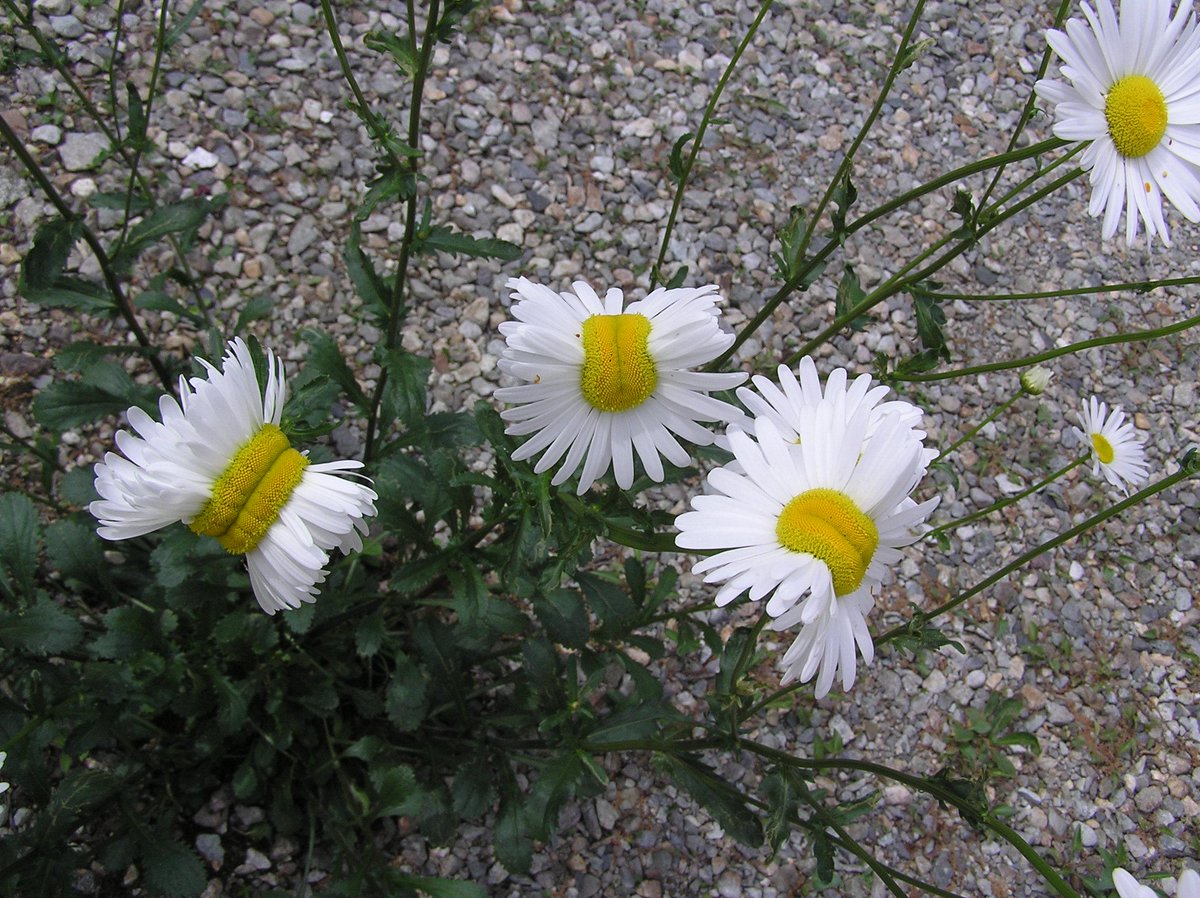
These deformed Daisies from Fukushima are blowing up the Internet….

A small patch of deformed daisies near the 2011 Fukushima disaster site have attracted global intrigue, after Japanese Twitter user @san_kaido posted a photo of the plant mutation in May

Embedded image permalink

The discovery of the freaky-looking flowers comes four years after the Fukushima Daichii Nuclear Power Plant meltdown in 2011. The plant went into a meltdown after a magnitude-9 earthquake shook northeastern Japan, unleashing a savage tsunami.

The daisies aren’t the first thing in Japan which people think may have been affected by the nuclear power plant’s failure. Mutant rabbits and twisted vegetables have all had their moment in the social media spotlight.

What has been confirmed, in July 2013, was that about 300 tons of radioactive water continues to leak from the plant every day into the Pacific Ocean. Read more about the serious biological effects on the ecosystem here.

Read the original article on Business Insider Australia. Copyright 2015.

Source::::www.businessinsider.com

Natarajan

Meet the Parents of Sumit Nagal… Wimbledon Boys’ Doubles Champion ….

‘Even if we ate our chappatis with pickle, we ensured proper food for Sumit.’

Wimbledon boys’ doubles champion Sumit Nagal’s father tells Manu Shankar/Rediff.com about his son’s tough rise, Mahesh Bhupathi’s incredible support and the hurdles ahead.

Image: Suresh Nagal and Krishna Nagal at their Nangloi home. Photograph: Manu Shankar/Rediff.com

When you enter Nangloi, west Delhi, and ask for directions to the Nagal home, you observe a glint in people’s eyes. A hint of pride.

Sumit Nagal’s home is now a local landmark.

Local residents may not know precisely what the teenager has achieved, but the constant buzz about him on television has added to their curiosity.

Some say he is a kabaddi star, some tell you he won a medal in judo while others assert that he was part of the junior hockey team that won a medal.

They could, I guess, be excused for their ignorance since the mother and sister of Wimbledon’s latest boys’ doubles champion were national kabaddi and hockey players themselves.

Meanwhile, Suresh and Krishna Nagal are waiting for yet another journalist who wants to chat with them about their son’s success at Wimbledon.

Sumit, partnering Vietnam’s Nam Hoang Ly, defeated Reilly Opelka of the United States and Japan’s Akira Santillan 7-6, 6-4 to win the boys’ doubles title at the All England Lawn Tennis Championships, only the sixth Indian to win a Grand Slam junior title.

Yuki Bhambri was the last Indian to taste similar success at the junior level when he won the Australian Open boys’ singles title in 2009. Ramanathan Krishnan (Wimbledon, 1954), Ramesh Krishnan (French Open and Wimbledon, 1979) and Leander Paes (Wimbledon 1990, US Open 1991) are the other Indian junior Grand Slam singles champions. Sania Mirza won the Wimbledon girls’ doubles title in 2003, partnering Russia’s Alisa Kleybanova.

Suresh Nagal, a teacher at Delhi’s municipal school in Nangloi, looks back on his son’s steady rise:

Image: Sumit Nagal. Photograph: Kind Courtesy Sumit Nagal

How did Sumit get into tennis?

We got Sumit enrolled at the DDA (Delhi Development Authority) tennis academy in Paschim Vihar, when he was 7. We are fond of tennis, so wanted him to get into the sport. Everyone sends their kids for cricket coaching, so I thought of putting Sumit into a different sport.

When he turned seven, I got him a Head tennis racquet, which was expensive at that time. It cost Rs 2,000 and I could see he liked the sport very much.

Cricket is commercialised these days and that’s why I wanted Sumit to play tennis. It is such a beautiful game!

At what age did Sumit win his first medal?

Sumit won his first medal, a gold, when he was 8 at a tournament organised by the DDA, in the Under-10 category. He had talent and his coaches used to tell me that tennis comes naturally to him.

When he was 10 he would convincingly beat the Under-14 or Under-12 boys. After that he won several medals outside the country, in Germany, Canada.

Tennis is an expensive sport. What were the difficulties you faced?

Sumit practiced at the Siri Fort Sports complex, which is about 27 km away from Nangloi. So the travelling took its toll. We used to travel in packed buses.

While studying at the Modern Child School, he used to come back by 1:30 pm, have his lunch and then leave for coaching, as he had to be there by 3.

We ensured that he had a proper diet, as this is a very physical sport. Humnein chahe achaar se roti khayi ho, ladke ka dhayaan zaroor rakha (Even if we ate our chappatis with pickle, we ensured proper food for Sumit).

It was after buying a racquet for him that we built our upper floor so that he could practice upstairs by hitting the ball against the wall.

The school authorities accommodated us a lot. There were several occasions when he had tournaments, they would adjust his schedule and allow him to come to school after his matches.

Image: The cabinet filled with trophies Sumit has won. Photograph: Manu Shankar/Rediff.com

When did the jump from DDA’s coaching to the RK Khanna Academy happen?

In December 2007 Apollo Tyres asked Mahesh Bhupathi along with foreign coaches to conduct a nationwide talent hunt. They  selected 14 bright prospects and train them for the future. They had four rounds before the final selection process in Delhi.

It was there that Mahesh spotted Sumit and said there is talent in the kid. Frankly speaking, I didn’t expect him to do so well. There were more than 5,000 kids in the trials and I wasn’t expecting him to bag a place, let alone work with Mahesh.

Sumit was the youngest of them all and had to go to the academy in Bengaluru.

What has been Mahesh Bhupathi’s contribution to Sumit’s growth as a tennis player?

Whatever Sumit has achieved today is due to Mahesh Bhupathi’s help and blessings. During the Apollo Tyres talent hunt, Sumit held Mahesh’s hand and urged him to come see his game. He was pretty impressed by the kid’s confidence level.

His mother, who accompanied Sumit to the trials, did not know who Mahesh was. Once he got into the academy, Bhupathi ensured that Sumit played in Europe to gain exposure. He supported us financially big time too.

They (Mahesh and Sumit) are pretty close and speak on a regular basis, discussing finer points of the game.

Image: Sumit Nagal and Nam Hoang Ly celebrate after winning the junior boys doubles title at Wimbledon. Photograph: Kind Courtesy Sumit Nagal

Sumit also took part in the singles at Wimbledon, but failed to go through. Were you disappointed?

He was aiming for singles glory at Wimbledon, but there were lot of complications which may have hampered his singles game.

First and foremost, his visa was delayed. He could only go to Wimbledon a day before the tournament commenced.

Secondly, at the airport, the Air India staff were not letting him fly as he was under 18 and asked him to bring along either a coach or guardian. His coach Mariano Delfino was supposed to meet him at Heathrow.

After spending considerable time explaining that he was going to represent the country in Wimbledon Air India let him fly.

In the commotion he missed the direct flight to Heathrow and had to travel to Germany, then take a train to London before just making it to the tournament.

Naturally, he was jet-lagged and tired. How can one expect him to do well?

Despite that he took the game against Juan Pablo Ficovich in the first round to the third set.

Coaches play an important role in the development of one’s game. Do you rue the fact he doesn’t have a personal coach?

A personal coach will enhance his game. At the moment he is missing one. A coach reads match situations better and is able to tell you the difference between a correct shot and a wrong one.

In Germany, when he practices, the coach records his practice games and then points out the mistakes so that he can work on his game. Otherwise, it’s like two friends playing the game.

At the same time, we want someone who is good. Often you find people who won’t even know the full form of AITA (the All India Tennis Association) or ITF (the International Tennis Federation) and are in the position of coach at various academies.

Manu Shankar / Rediff.com

Source….www.rediff.com

Natarajan

Message for the Day… ” Man of Few Words will be Free From Enmity…”

Embodiments of Love! The hard-working farmer has no fear of starvation. The one who chants the name of God has no fear of worldly worries. The man of few words will be free from enmity. Through excessive talk people fall prey to quarrels. Hence everyone should cultivate moderation in speech. Restraint in speech is conducive to friendly feelings. The one who is careful in his behaviour, doing all actions after due deliberation, will have no fear of danger. All these precepts are related to education. True education consists in knowing how to lead a peaceful life. This is the mark of every educated person. In addition to furthering your career, you should aspire for world peace, for all of you are part of the world community. Your well-being is intimately tied to that of the world. Hence you should give up all narrow feelings and acquire the feeling of unity with everyone and fellowship with the Divine.

Sathya Sai Baba

Meet Nischal Narayanam, India’s Youngest Chartered Accountant….

NISCHAL NARAYANAM

He’s the country’s youngest Chartered Accountant but he needs to wait two more years before he can enrol in the Institute of Chartered Accountants of India (ICAI), which needs its members to be at least 21. Nischal Narayanam is only 19 years old, but he already has a postgraduate degree in commerce from Osmania University in Hyderabad.

“The journey wasn’t easy and a tough one. But I was determined to achieve it,”Nischal told The Hindu.

Narayanam’s gifted mind was recognised early. He was eight years old when he passed several Sanskrit exams equivalent to a masters degree. By the time he was nine, he was already correcting mistakes in his father’s company balance sheet. At 10, he was the world memory champion among kids, had authored volumes of books on mathematics, and had designed and developed a mathematics laboratory. That year he won his first Guinness World Record by memorising 225 random objects in just over 12 minutes.

nischal narayanam

Nischal memorises 132 random digits as he prepares for his second Guinness World Record.

The next year he was awarded the national child award for exceptional achievement.

As he entered his teenage years, Narayanam passed the Cambridge University examination and qualified the basic level exam for becoming a CA. He also won another Guinness World Record — this time for memorising 132 digits in just a minute. Two years later, at 15, he passed the second level of the CA exam, and became the youngest mentor to a company — Nischal’s Smart Learning Solutions Pvt. Ltd — which offers tools to make learning easier.

He is listed as one of the “7 brilliant brains of the world” by the National Geographic Channel, and has his own philanthropic organisation to help kids to study at free summer camp

Source….Indrani Basu in http://www.huffingtonpost.in

Natarajan

” Britain Must Pay Reparations to India….”

British troops in Calcutta, with rifles at the ready, clearing a street after Hindus and Muslims used firearms against each other. (Pho

British troops in Kolkata after a religious clash


At the end of May, the Oxford Union held a debate on the motion “This house believes Britain owes reparations to her former colonies”. Speakers included former Conservative MP Sir Richard Ottaway, Indian politician and writer Shashi Tharoor and British historian John Mackenzie. Shashi Tharoor’sargument in support of the motion, went viral in India after he tweeted it out from his personal account. The argument has found favour among Indians, where the subject of colonial exploitation remains a sore topic. Here he gives a summary of his views:

Indian economy

At the beginning of the 18th Century, India’s share of the world economy was 23%, as large as all of Europe put together. By the time the British departed India, it had dropped to less than 4%.

The reason was simple: India was governed for the benefit of Britain. Britain’s rise for 200 years was financed by its depredations in India.

By the end of the 19th Century, India was Britain’s biggest cash-cow, the world’s biggest purchaser of British exports and the source of highly paid employment for British civil servants – all at India’s own expense. We literally paid for our own oppression.

Grey line

De-industrialisation of India

Britain’s Industrial Revolution was built on the de-industrialisation of India – the destruction of Indian textiles and their replacement by manufacturing in England, using Indian raw material and exporting the finished products back to India and the rest of the world.

The handloom weavers of Bengal had produced and exported some of the world’s most desirable fabrics, especially cheap but fine muslins, some light as “woven air”.

Britain’s response was to cut off the thumbs of Bengali weavers, break their looms and impose duties and tariffs on Indian cloth, while flooding India and the world with cheaper fabric from the new satanic steam mills of Britain.

Weavers became beggars, manufacturing collapsed; the population of Dhaka, which was once the great centre of muslin production, fell by 90%.

So instead of a great exporter of finished products, India became an importer of British ones, while its share of world exports fell from 27% to 2%.

‘Clive of India’

Robert Clive, Baron Clive of Plassey, (1725 - 1774), British soldier and governor of Bengal, circa 1755.

Lord Clive was an enigmatic figure in the history of the British Empire

Colonialists like Robert Clive bought their “rotten boroughs” in England with the proceeds of their loot in India (loot, by the way, was a Hindi word they took into their dictionaries as well as their habits), while publicly marvelling at their own self-restraint in not stealing even more than they did.

And the British had the gall to call him “Clive of India”, as if he belonged to the country, when all he really did was to ensure that much of the country belonged to him.

Bengal famine

As Britain ruthlessly exploited India, between 15 and 29 million Indians died tragically unnecessary deaths from starvation.

Famine victims in Bengal, November 1943

Four million Bengalis died in the Great Bengal Famine of 1943

The last large-scale famine to take place in India was under British rule; none has taken place since, since free democracies don’t let their people starve to death.

Some four million Bengalis died in the Great Bengal Famine of 1943 after Winston Churchill deliberately ordered the diversion of food from starving Indian civilians to well-supplied British soldiers and European stockpiles.

“The starvation of anyway underfed Bengalis is less serious than that of sturdy Greeks,” he argued.

When officers of conscience pointed out in a telegram to the prime minister the scale of the tragedy caused by his decisions, Mr Churchill’s only response was to ask peevishly “Why hasn’t Gandhi died yet?”

Myth of ‘enlightened despotism’

British imperialism had long justified itself with the pretence that it was enlightened despotism, conducted for the benefit of the governed. Mr Churchill’s inhumane conduct in 1943 gave the lie to this myth.

An Indian man takes a photograph of a painting depicting the Jallianwala Bagh massacre in Amritsar on April 12, 2011

Hundreds of people at a public meeting were shot dead by British troops at the Jallianwala Bagh

But it had been battered for two centuries already: British imperialism had triumphed not just by conquest and deception on a grand scale, but by blowing rebels to bits from the mouths of cannons, massacring unarmed protesters at Jallianwala Bagh and upholding iniquity through institutionalised racism.

No Indian in the colonial era was ever allowed to feel British; he was always a subject, never a citizen.

Indian railways


7th April 1951: A locomotive constructed for the Indian Government Railways by the North British Locomotive Company of Glasgow, on show at the Festival of Britain on London's South Bank.

The railways were intended to help the British get around’

The construction of the Indian Railways is often pointed to as a benefit of British rule, ignoring the obvious fact that many countries have built railways without having to be colonised to do so.

Nor were the railways laid to serve the Indian public. They were intended to help the British get around, and above all to carry Indian raw materials to the ports to be shipped to Britain.

The movement of people was incidental except when it served colonial interests; no effort was made to ensure that supply matched demand for mass transport.

In fact the Indian Railways were a big British colonial scam.

British shareholders made absurd amounts of money by investing in the railways, where the government guaranteed extravagant returns on capital, paid for by Indian taxes.

Thanks to British rapacity, a mile of Indian railways cost double that of a mile in Canada and Australia.

It was a splendid racket for the British, who made all the profits, controlled the technology and supplied all the equipment, which meant once again that the benefits went out of India.

It was a scheme described at the time as “private enterprise at public risk”. Private British enterprise, public Indian risk.

Grey line

British aid

In recent years, even as the reparations debate has been growing louder, British politicians have in fact been wondering whether countries like India should even receive basic economic aid at the expense of the British taxpayer.

To begin with, the aid received is 0.4%, which is less than half of 1% of India’s GDP.

British aid, which is far from the amounts a reparation debate would throw up, is only a fraction of India’s fertiliser subsidy to farmers, which may be an appropriate metaphor for this argument.

Britons may see our love of cricket or the English language, or even parliamentary democracy, conjuring up memories of the Raj as in television series like Indian Summers, with Simla, and garden parties, and gentile Indians.

For many Indians, however, it is a history of loot, massacres, bloodshed, of the banishing of the last Mughal emperor on a bullock cart to Burma.

Grey line

Indian soldiers in world wars

More than two million Indian soldiers participated in World War Two

More than two million Indian soldiers participated in World War Two

India contributed more soldiers to British forces fighting the First World War than Australia, Canada, New Zealand and South Africa combined.

Despite suffering recession, poverty and an influenza epidemic, India’s contributions in cash and materiel amount to £8bn ($12bn) in today’s money.

Two and a half million Indians also fought for British forces in the Second World War, by the end of which £1.25bn of Britain’s total £3bn war debt was owed to India, which was merely the tip of the iceberg that was colonial exploitation.

It still hasn’t been paid.

Return the Koh-i-Noor diamond’

he Queen Elizabeth The Queen Mothers priceless crown, containing the famous Koh-i-noor diamond, rests on her coffin on a Gun Carriage pulled by the Royal Horse Artillery to Westminster Hall.

Maybe Britain could kindly return the Koh-i-Noor diamond’

What’s important is not the quantum of reparations that Britain should pay, but the principle of atonement.

Two hundred years of injustice cannot be compensated for with any specific amount.

I, for one, would be happy to accept a symbolic pound a year for the next two hundred years, as a token of apology.

And maybe Britain could kindly return the Koh-i-Noor diamond to the country it was taken from!

Source…..www.bbc.com

Natarajan