வாரம் ஒரு கவிதை…” தண்ணீருக்கு இரத்தம் ” …


தண்ணீருக்கு  இரத்தம் ….
………………..
என் நதி ஓட்டம் ! … இந்த மண்ணுக்கே  உயிர் ஓட்டம் ! …என்
நீர்  இந்த மண்ணுக்கும்  மண்ணில் உள்ள எல்லா உயிருக்கும்
சொந்தம் ! இந்த பால பாடம் தெரியாதா உனக்கு ?
நீர் இது “எனக்கு”  மட்டும் சொந்தம் என்று உரிமைக்குரல்
எழுப்பும் உனக்கு ஒரு  நதி மூலம் என்னவென்று தெரியுமா ?
இந்த மண்ணுக்கும் மண்ணில் உள்ள நீருக்கும் சொந்தம்
கொண்டாடும் நீ … விண்ணுக்கும்,  விண்ணில் உள்ள
நிலவுக்கும்,  பகலவனுக்கும் ,மழை மேகத்துக்கும்  தனி உரிமை
கோர முடியுமா சொல்லு ?
விதி விலக்கு எதுவும் இல்லை நதி எனக்கு இந்த மண்ணில்
என் வழி நான்  செல்ல !  நான் ஒரு விலை கேட்டேனா உன்னை
நான் கொடுக்கும் நீருக்கு ?  பதில் சொல்லு நீ! …வைத்து
விட்டாயே நீ  என் நீருக்கு ஒரு விலை …தண்ணீருக்கு
விலை  செந்நீரா ?… எல்லையே இல்லையா உன் மமதைக்கு ?
அன்று உன் முன்னோர் சிந்திய ரத்தத்தால் நீ சுவாசிப்பது இன்று சுதந்திர
காற்றை !..மறந்து விடாதே அதை ! இன்று தண்ணீருக்கு  நீ சிந்த வைக்கும் இரத்தம்
உன் சந்ததியர் , சகோதரர் , நல்லிணக்க நல் வாழ்வைக் குலைத்து தொலைத்திட
நீ போட்டிருக்கும் ஒரு சிவப்புக் கோடு !.. விவரம் அறியா பிஞ்சு நெஞ்சில்  நீ விதைத்து
விட்டிருக்கும் ஒரு நஞ்சு வித்து ! …நீ  போட்ட சிவப்புக் கோட்டை அழித்து விடு நீயே !
பிஞ்சு நெஞ்சில் நீ விதைத்திருக்கும் வித்தையும் களை எடுத்து நசுக்கி விடு நீயே..அந்த
வித்து ஒரு நச்சு மரமாக வளரும் முன்னே !
இதை நீ கட்டாயம் செய்ய வேண்டும் மனிதா …  நதி என் கண்ணீர்
செந்நீராக  உருமாறும்  முன்னே !
Natarajan
20th sep 2016

மரச்செக்கரைத்து எண்ணெய் எடுக்கும் பட்டதாரிகள்….

e_1474005951

நம் முந்தைய தலைமுறை வரை, மரச்செக்கில் அரைத்து எடுத்த எண்ணெயால் சமைத்த உணவுகளை உண்டு, ஆரோக்கியமாக இருந்தனர். ஆனால், இன்றோ, எண்ணெய் என்று எழுதியதை படித்தாலே, ஏகப்பட்ட நோய்க்கு ஆளாகி விடுகிறோம்.
‘சுத்திகரிக்கப்பட்டது’ என்ற பெயருடன் வரும் எண்ணைகள் எல்லாம், உண்மையில், மனித ஆயுளை குறைக்கும் அல்லது குலைக்கும் எண்ணெய்களே!
இதனாலேயே, ‘செக்கு எண்ணெய் உபயோகியுங்கள்…’ என்று பொத்தாம் பொதுவாக சொல்லி வருகின்றனர். செக்கு எண்ணெய்க்கும், மரச்செக்கு எண்ணெய்க்கும் பெரிய வித்தியாசம் உண்டு.
இரும்புச்செக்கில், 350 டிகிரி வெப்பத்தில் அரைத்து, தானியத்திலுள்ள உயிர்ச்சத்துக்கள் அனைத்தையும் கொலை செய்து, ஒரு மோசமான திரவமாக பிழிந்து எடுப்பதை தான், செக்கு எண்ணெய் என்று கூறி, விற்கின்றனர், பலர். இது, நம் உடல் நலத்திற்கு உதவாது.
மரச்செக்கில் எண்ணெய் ஆட்டும் போது, அதிகபட்சம், 35 டிகிரி வெப்பம் மட்டுமே இருக்கும். இதில், உயிர்ச்சத்துக்கள் அதன் தன்மையை இழப்பதில்லை. இதுவே நம் உடலுக்கும், உயிருக்கும் முழு நன்மை வழங்கும் எண்ணெய்.
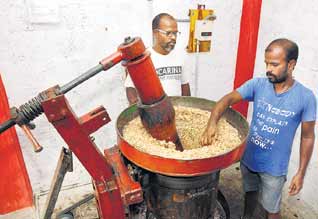
மரத்தாலான செக்கை பயன்படுத்தி, பாரம்பரிய முறையில் எண்ணெய் தயாரித்து, விற்பனை செய்கின்றனர், திருச்சியைச் சேர்ந்த சகோதரர்கள் இருவர்.
திருச்சி, தாராநல்லூர், எஸ்.வி.ஆர்., கார்டன் பகுதியில், ஆஸ்பெஸ்டாஸ் கூரை வேயப்பட்ட சிறிய கட்டடத்தில், மரத்தினாலான செக்கு வைத்துள்ளனர், எஸ்.அகஸ்டின் ராஜா மற்றும் எஸ்.ஜான்பால் ராஜிவ்.
பட்டதாரிகளான இவர்கள், சமையல் எண்ணெய் கலப்படம் தொடர்பான செய்திகளை படித்து, ஆரோக்கியத்துக்கு கேடு விளைவிக்காத சமையல் எண்ணெயை நாமே உற்பத்தி செய்வோம் என, முடிவெடுத்துள்ளனர். இதையடுத்து, சிறிய கட்டடத்தில் மரச்செக்கு அமைத்து, எள், தேங்காய் மற்றும் கடலையை செக்கில் தனித் தனியே ஆட்டிப் பிழிந்து, எண்ணெய் எடுத்து, வியாபாரம் செய்து வருகின்றனர்.
சந்தையில் விற்பனையாகும், பிற சமையல் எண்ணெய்களின் விலையை விட, இதன் விலை கூடுதலாக இருந்தாலும், வாடிக்கையாளர்கள் மத்தியில், நல்ல வரவேற்பு கிடைத்துள்ளது.
இதுகுறித்து அகஸ்டின் ராஜா கூறுகையில், ‘நம் முன்னோர் செக்கில் பிழிந்தெடுக்கும் எண்ணெயை, அப்படியே பயன்படுத்தினர். உடற்பயிற்சி முடிந்ததும், ஒரு கிண்ணம் நல்ல எண்ணெய் குடிக்கும் வழக்கத்தையும் கடைப்பிடித்தனர். உணவுக்கு மட்டுமின்றி, குளியலுக்கும், மசாஜ் செய்யவும் நல்லெண்ணெய் பயன்படுத்தியதால், மூட்டுவலி பிரச்னையின்றி வாழ்ந்தனர். அதனாலேயே, எள் எண்ணெய் என்பதற்கு பதிலாக, நல்ல எண்ணெய் என்று குறிப்பிட்டனர்.
‘அதனால் தான், நாங்களும் பாரம்பரியத்தை காக்கும் வகையில், மரத்தாலான செக்கு அமைக்க முடிவு செய்தோம். வேம்பு மரத்தில் உலக்கையும், வாகை மரத்தில் உரலும் கொண்ட செக்கு அமைத்து, மின்மோட்டார் உதவியுடன், செக்கை இயக்குகிறோம்.
‘முதலீட்டுக்கு ஏற்ப, சொற்ப லாபத்தில், விற்பனை செய்கிறோம். இயந்திரத்தில் எண்ணெய் பிழியும் போது, அது மூலப்பொருளை நன்றாகப் பிழிந்து விடுவதால், அதில் கிடைக்கும் புண்ணாக்கில், உயிர்ச் சத்துகள் மிஞ்சாது. ஆனால், மரச்செக்கில், மெதுவாக எண்ணெய் பிழிவதால், 80 சதவீதம் மட்டுமே எண்ணெய் கிடைக்கிறது. இதனால், பிழிந்தெடுக்கப்படும் எண்ணெய் அடர்த்தியாகவும், நிறமாகவும், மணமாகவும் இருக்கும். மேலும், அதில் உடல் ஆரோக்கியத்துக்கு தேவையான ஊட்டச்சத்துகளும் அதிகமிருக்கும். இதில் கிடைக்கும் புண்ணாக்கிலும், உயிர்ச்சத்துகள் எஞ்சியுள்ளதால், அதை உண்ணும் கால்நடைகளுக்கும் ஆரோக்கியத்தைக் கொடுக்கிறது.
‘மரத்தாலான செக்கை பயன்படுத்தி, எண்ணெய் ஆட்டும் முறை குறித்து, இலவசமாக கற்றுத் தருகிறோம்…’ என்றார்.
சகோதரர்கள் இருவரின் உடலிருந்தும் வழிவது வியர்வையா, எண்ணெயா என்று தெரியாத அளவிற்கு, கடுமையாக உழைக்கும் இவர்களது உழைப்பிற்கு பின் இருக்கும் லட்சியமும், சமூக அக்கறையும், இவர்களை நிச்சயம் உயர்ந்த இடத்திற்கு கொண்டு செல்லும்!
இவர்களை வாழ்த்த நினைத்தால், தொடர்பு கொள்ள வேண்டிய எண்: 96777 90080.

Source….
எல்.முருகராஜ்  in http://www.dinamalar.com

natarajan

Why iodine is added to Salt ….?


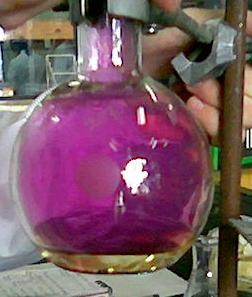
Iodine in a gaseous state. The fact that it is purple in this state is how it got its name, from the Greek for violet (iodes)

Today I found out why iodine is added to salt.

Iodine first began being added to salt commercially in the United States in 1924 by the Morton Salt Company at the request of the government.  This was done as a response to the fact that there were certain regions in the U.S., such as around the Great Lakes and in the Pacific Northwest, where people weren’t getting enough iodine in their diets due to it not being prevalent in the soil in those regions.  Among other problems, this caused many people to develop goiters (swelling of the thyroid gland, also sometimes spelled “goitre”).

About 90% of people who develop a goiter do so because of a lack of iodine in their diets, so the simple solution was to add iodine to something pretty much everyone consumes fairly regularly, namely salt. This practiced was not thought up by the U.S., but was copied from the Swiss who were adding iodine to salt at this time for the same reason.  This resulted in researchers at the University of Michigan testing this practice out with good results and subsequently Morton Salt Company adopting the practice on a national level.

This ultimately didn’t cost Morton and the other salt companies that followed suit much money, only a few cents per person per year in iodine, but drastically cut the number of people who developed goiters in the United States and beyond as the practice gradually became adopted throughout much of the developed world.

Today because most food in developed countries like the United States often isn’t grown locally, coming from all over the country and world, depending on the food item, continuing to add iodine to salt isn’t strictly necessary.  People in regions where the soil is lacking in iodine will likely consume plenty of food from regions where it is not, thus getting the iodine their bodies need, particularly because our thyroids don’t need much to function properly.

For reference, the U.S. Food and Drug Administration recommends that you consume about 150 micrograms of iodine per day and, on average, men in the United States gets about double that amount per day and women each consume about 210 micrograms of iodine per day.  Your thyroid itself only needs about 70 micrograms per day to function properly.

Even though most people get plenty of Iodine in their diets, because Iodine is so critical to our bodies functioning properly and the Tolerable Upper Intake Level is so high (about 1100 micrograms per day, and you won’t take a fatal dose unless you ingest about 2 million micrograms, or 2 grams), adding it to salt is still recommended by many government health agencies the world over to stave off certain health problems.

Specifically, Iodine is a critical element used by your thyroid in being able to synthesize certain gland secretions which, among other things, influences your heart, metabolism, nerve responses, etc.  Further, a lack of iodine during pregnancy and in the baby’s diet after being born can cause a myriad of significant health and developmental problems.  Iodine deficiency has also been linked to increased difficulty with information processing, diminished fine motor skills, extreme fatigue, depression, weight gain, and low basal body temperatures, among other things.

Bonus Facts:

  • Iodine deficiency, besides being a leading cause of goiters in the world, is also currently the number one easily preventable cause of mental retardation in the world, due to the fact that, despite iodized salt being fairly prevalent, there are still about two billion people in the world today that are iodine deficient.
  • Iodine was discovered by accident by the son of a saltpeter manufacturer, Bernard Courtois, in 1811.  This was thanks partially to the Napoleonic Wars which resulted in saltpeter, for gunpowder, being in high demand (the Napoleonic Wars also helped give us canned food and cheap and easily made pencils, read more at the links).  In the process of producing saltpeter, sodium carbonate was needed.  In order to get the sodium carbonate, the saltpeter manufacturers would isolate it from seaweed by burning the seaweed and washing the ash with water.  The waste from this process was then destroyed with sulfuric acid.  At one point, Courtois accidentally added too much sulfuric acid to the waste and he observed a purple vapor, which crystallized on cold surfaces.  He then gave samples of this substance to others to study in more detail as he suspected he’d discovered a new element.  One person he gave the substance to was chemist Joseph Louis Gay-Lussac, who subsequently  announced at the Imperial Institute of France that Coutois’ discovery was either a new element or was some compound of oxygen.  Another scientist, Humphry Davy, also studied the substance and determined that it was indeed a new element.
  • During the Cold War, it was a common practice for people to have iodine pills on hand in case of a nuclear strike.  Among many other problems we’d all have during a nuclear war is the issue of radioactive iodine accumulating in our thyroids.  In order to combat this accumulation, the idea was to take an iodine pill and give your thyroid so much iodine that it wouldn’t be able to absorb the radioactive iodine.
  • The first confirmed people to figure out how to cure most goiters were the Chinese during the Tang Dynasty (618-907).  During that time, they treated people with goiters by grinding up the thyroids of sheep and pigs to form a powder which was then consumed in a pill or in powdered form.  These animal thyroids are very iodine rich, so this cure worked quite well, though they didn’t realize why at the time.
  • The Pharmacopoeia of the Heavenly Husbandman also implies that as early as the 1st century BC the Chinese cured goiters with sargassum (a type of seaweed), which also contains significant quantities of iodine.  Whether this dating is accurate or not, at least as far as recorded history goes, it appears that the Chinese were the first to come up with an effective cure for a goiter.
  • Seafood typically contains relatively large amounts of iodine, so if you eat much seafood, you’re very likely getting more than enough iodine, without consuming salt laced with it.
  • According to a study done at the University of Texas about 47% off major salt manufacturers no longer put enough iodine in their salt to meet the U.S. Food and Drug Administration’s recommended levels.  This problem is further exacerbated when salt is exposed to air or in humid regions.  This will gradually lower the iodine content in the salt over time.
  • Salt is typically iodized by spraying it with potassium iodate at a rate of 60 ml per one ton of salt (which comes to a little over $1 of potassium iodate per ton of salt).
  •  Salt with iodine added makes for a poor choice for curing, as the iodine in large enough quantities will add a certain amount of bitterness to the cured food.
  • While pure salt doesn’t technically expire, when iodine is added, it does, having a shelf life of about five years on average, according to Morton Salt Company.
  • Calcium silicate is typically added to table salt as an anti-caking agent, to keep the salt flowing smoothly, rather than clumped together as it absorbs moisture.  Around .5% of the contents of a typical table salt container is calcium silicate.
  • Iodine was originally named “iode” by Gay-Lussac from the Greek word for violet (iodes), due to the purple vapor observed which formed the crystals.

Source….www.today i foundout.com

Natarajan

ஒப்பில்லா ஓணம்….!!!

1


பண்டிகைகளும் விரதங்களும் பாரத நாட்டு மக்களின் இரண்டு கண்களாகத் திகழ்கின்றன. நமது நாட்டின் சமூகப்பண்பாட்டை வளர்ப்பதோடு மக்களை ஒன்றிணைக்கும் பாலமாகவும் அவைகள் திகழ்கின்றன. அவற்றுள் ஒன்று ஓணம் பண்டிகை. கேரளாவில் மிகச்சிறப்பாகக் கொண்டாடப்பெறும் இவ்வோணம் பண்டிகை, ஒவ்வோர் ஆண்டும் ஆவணி மாதம் (மலையாளத்தில் சிங்க மாதம்) ஹஸ்த நட்சத்திரம் முதல் திருவோணம் வரை பத்து நாள்களுக்கு கொண்டாடப்படுகிறது. இப்பண்டிகையின் மகத்துவத்தை தெரிந்து கொள்வோம்.

திருமால் தசாவதாரங்களில் முதன் முதலாக மனித உருக்கொண்டு தோன்றியது வாமன அவதாரத்தில்தான். சிறு அந்தணச்சிறுவனாய் தோன்றி மகாபலியிடம் மூன்று அடி மண்கேட்டு பிறகு அவரே பெரிய உருக்கொண்டு திருவிக்ரமனாய் வந்து மகாபலி சக்ரவர்த்தியை பாதாள லோகத்தில் அழுத்திய அவதாரம் இது. தன் குலகுரு அறிவுரையையும் பொருட்படுத்தாமல் கொடுத்தவாக்கை காப்பாற்ற மகாபலி காட்டிய வள்ளல் தன்மையை வெளிப்படுத்தவும், அதே சமயம் அவன் மனதில் குடியிருந்த ஆணவப்பேயை அழிக்கவும் ஒரே நேரத்தில் எடுக்கப்பட்டதே வாமனதிருவிக்ரம அவதாரம். இதனையே “ஓங்கி உலகளந்த உத்தமன்’ என்று ஆண்டாள் தனது திருப்பாவை பாசுரங்களில் போற்றிப் பாடுகின்றாள். “மகாபலியின் மனத்தூய்மையை சோதிக்க வைத்த பரீட்சையா..?’ என்று குருவாயூரப்பனை நோக்கி வினவுகிறார் நாராயண பட்டத்ரி தனது நாராயணீயம் காவியத்தில்.

இந்த அவதாரத்தை தொடர்புப் படுத்தி பேசப்படும் திருத்தலம் திருக்காட்கரை (எர்ணாகுளத்திலிருந்து 7 கி.மீ தொலைவில் உள்ளது) மலை நாட்டுத் திருப்பதிகளில் ஒன்று. இதனை வாமன úக்ஷத்திரமாகக் கருதி, கோயில் கொண்டிருக்கும் மூலவரை வாமனராக வழிபடுகின்றனர் பக்தர்கள். இங்கு தன்னை ஆட்கொள்ள வந்தவன் திருமாலே என அறிந்து அவரிடம் மகாபலி மன்னன், ஆண்டுக்கு ஒருமுறை பாதாள லோகத்திலிருந்து தான் வந்து உலக மக்களைச் சந்திக்க அருளுமாறு வேண்டி அவ்வரத்தையும் பெற்றான். அந்தப் பேறு பெற்றது ஒரு ஆவணிமாதத் திருவோணநாளாகும். அந்நாளே ஓணம் பண்டிகையாகக் கொண்டாடப்படுகிறது.

மேலும் இவ்வூரில் வாழ்ந்த விவசாயி ஒருவர் தன் வாழைத் தோட்டத்தில் வாழை குலை தள்ளாமல் அழிவதுகண்டு இத்தல பெருமாளை வேண்டி தங்கத்தால் வாழைமரக் குலை ஒன்றை சமர்ப்பித்தான். பெருமாளின் நேத்ர கடாஷத்தினால் வாழை மரங்கள் குலைகளுடன் செழித்து வளர்ந்தன. அது முதல் அந்த மரத்தின் பழங்கள் நேத்ரபழம் என்றும், பெருமாளிடம் நேர்ந்து கொண்டு காய்த்ததால் நேந்திரம் பழம் என்றும் பெயர் பெற்றது.

இத்திருத்தலத்தில் ஆண்டுதோறும் “வாமன ஜெயந்தி’ உற்சவம் பத்து நாள்கள் சிறப்பாக நடைபெறுகின்றது. நம்மாழ்வார் பாசுரம் பெற்ற தலம் இது. தங்கள் வாழ்க்கையுடன் ஒன்றி, தங்கள் மனதில் நீங்கா இடம் பெற்று தங்களை தேடிவரும் மாமன்னன் மகாபலியை வரவேற்பதே ஓணம் பண்டிகையின் சிறப்பு அம்சமாகும். அத்தப்பூ என்று பூக்களால் போட்ட கோலங்களை ஒவ்வொரு வீட்டு வாசலிலும் அன்று காணலாம். பெண்கள் கை கொட்டுக்களி என்று நடனம் ஆடுவதும், பல வகை பதார்த்தங்களைக்கொண்டு அறுசுவை உணவு விருந்து வைத்தலும், படகுபோட்டி, விளையாட்டு போட்டி நடத்துவதும், யானைகளை அலங்கரித்து அதற்கு சிறப்பு உணவு படைத்தலும், ஆலயங்களில் சிறப்பு வழிபாடும், என கேரளாவே அமர்க்களப்படும்.

ஏழை, பணக்காரன் வித்தியாசமின்றி அனைத்து மதத்தினரும், சமுதாயத்தினரும் ஒன்று கூடி ஒரு தேசிய விழாவாகக் கொண்டாடுவது சிறப்பு. தமிழ்நாட்டிலும் ஒரு காலத்தில் இவ்விழா கொண்டாடியதை சங்ககால ஏடுகள் குறிப்பிடுகின்றன. மயிலை கபாலீசுரர் ஆலயத்தில் திருவோணவிழா நடைபெற்றுவந்ததை திருஞானசம்பந்தர் தனது தேவாரத்தில் குறிப்பிடுகிறார்.

காலைத் தூக்கியபடி திரிவிக்ரமனாய் காட்சியளிக்கும் திருமாலின் உலகளந்தான் கோலத்தை தமிழ்நாட்டில் காஞ்சியில் உலகளந்தப்பெருமாள் ஆலயத்திலும், திருக்கோவிலூர், சீர்காழி (காழிச்சீராம விண்ணகரம்) திருநீர்மலை போன்ற திவ்ய தேசங்களில் தரிசிக்கலாம். திருக்கோவிலூரில் வாமனர் சந்நிதியும் உண்டு. இங்கு பிரதி திருவோணம் நட்சத்திரத்தில் திருமஞ்சனம் நடைபெறுவது சிறப்பு.

எதிர்வரும் செப்டம்பர் 13 ஆம் தேதி (ஆவணி, சிரவணம்) ஓணம் பண்டிகை மற்றும் வாமன ஜெயந்தி நாளாகும். இந்த நன்னாளிலே ஓங்கி உலகளந்த உத்தமன் பேர் பாடி வணங்கினால் அனைவரும் நீங்காத செல்வம் நிறைந்து வாழ்வர் என்பது திண்ணம்.

Source…….www.dinamani.com

Natarajan

வாரம் ஒரு கவிதை…” என் ஓட்டம் என் இலக்கு ” …


என் ஓட்டம் …என்  இலக்கு
………………………
என் ஓட்டம் …ஓடும் நதியோட்டம் ..  என்  உயிரோட்டம் … என் இலக்கு… நதி நீர்
இந்த  மண்ணுக்கும் …மண்ணில்  விளையும்  பயிருக்கும் !
விதி விலக்கு இதில் எதுவும் இல்லை எனக்கு … ஓடிக்கொண்டே   இருக்கும்
நதி எனக்கு , நீயும் பிள்ளைதான் , அவனும்  பிள்ளைதான் !
மதி கெட்டு   நதி நீர் “எனக்கு”  மட்டும்தான்  என்று ஆணவக்
கூக்குரல் எதற்கு மனிதா? மமதையுடன் மண்ணுக்கும் , தண்ணீருக்கும்
உரிமைக்  குரல்  எழுப்பும்  நீ அந்த விண்ணுக்கும் , விண்ணில் உள்ள
நிலவுக்கும் ,பகலவனுக்கும்   தனி  உரிமை கோர முடியுமா சொல்லு  ?
நதி மூலம் அறியாமல் உன் மதி மயங்கி  ஒரு நதியின்  ஓட்டத்தை
தடுக்க நினைக்காதே ! உன்   அரசியல் விளையாட்டுக்கு எல்லாம்
நதி என்னை பகடைக் காயாக்காதே !
நதி என்னை என் வழியில் ஓட விடு ..என் ஓட்டத்தையும்
இலக்கையும்  குலைக்க  நினைக்காதே !
Natarajan
13 sep 2016

Watch this Chennai guy slay Karnataka and TN over Cauvery issue (Tamil)…

Watch this and share pl….

Source….In the video produced by Put Chutney, Raj Mohan talks about Karnataka’s contempt towards courts and environmental concerns in TN….YOU TUBE

and, www. thenewsminute.com

Natarajan


How the Five Day week work became popular ?


On September 25, 1926, the Ford Motor Company instituted a five-day, 40-hour work week for its factory employees. While Ford wasn’t the first to do this, they were arguably one of the most influential.

This action, at least initially, did not win Ford many friends among his fellow business owners, some of whom believed giving the working man any time off just encouraged them to indulge in drink even more than they already did. (To be fair, that was a real problem around this era. It was not from nothing that excessive drink was blamed for many of society’s woes at the time, ultimately inspiring Prohibition, which even a very large percentage of said drinkers supported in the beginning. But, of course, if you had to work 14-16 hour days, 6 days per week from your very early teen years on- for reference in 1890 the average work week in the United States for a blue-collar factory worker was 90-100 hours- you might be driven to drink excessively too. ;-))

Beyond this, many competing employers were still miffed at Ford for raising his (male) workers’ salaries up to five dollars per day (about $116 today) back in 1914, double the former going rate, and around the same time cutting the typical work week down to 48 hours at his factories. (Women had to wait until 1916 to command the same wage.) But since Ford was one the world’s largest manufacturers, most in the industry were compelled for various reasons to follow their example, like it or not.

Ford stated in his company’s newsletter,

“Just as the eight-hour day opened our way to prosperity in America, so the five-day work week will open our way to still greater prosperity … It is high time to rid ourselves of the notion that leisure for workmen is either lost time or a class privilege.”

Of course, Ford wasn’t just doing this out of the goodness of his heart. He understood that a five-day work week with “eight hours labour, eight hours recreation, eight hours rest” would encourage working people to vacation on weekends, shop on Saturdays, and have ample free time to fill during their daily 8 hour recreation time. (See: Why a Typical Work Day is Eight Hours Long) People with more leisure time required more clothing, ate a greater variety of food and, of course, were far more likely to be in the market to buy an automobile to travel around in. Workers who were paid more also were more likely to be able to afford such an automobile.

Beyond benefiting sales as other companies followed suit, he had also observed that happy workers (both in their home and work life) meant better and more efficient workers.

Now, Ford expected his workers to produce in those shorter working hours, but with the higher pay and weekends off, there were very few complaints from any of his employees. They were happy to put the pedal to the metal Monday through Friday for their excellent salary and five-day, 40 hour work week.

As Ford had thought, after instituting these changes, productivity skyrocketed, meaning he was getting more results from significantly fewer work hours and company loyalty and pride among Ford employees was equally boosted. Beyond low-skilled laborers banging down the doors to get work at Ford, he also now had the luxury of having the top talent in each of the high-skilled fields he needed workers for applying in droves. Needless to say, manufacturers all over the world would soon follow Ford’s example, which played right into his hands.

Edsel Ford, Henry’s son and then company president, was quoted in March of 1922 in the New York Times as saying of all this, “Every man needs more than one day a week for rest and recreation….The Ford Company always has sought to promote [an] ideal home life for its employees. We believe that in order to live properly every man should have more time to spend with his family.”

Ford himself laid it all out in black and white:

“The harder we crowd business for time, the more efficient it becomes. The more well-paid leisure workmen get, the greater become their wants. These wants soon become needs. Well-managed business pays high wages and sells at low prices. Its workmen have the leisure to enjoy life and the wherewithal with which to finance that enjoyment.”

Bonus Fact:

  • In the early 19th century in Britain, a series of “Factories Acts” were passed meant to help improve working conditions for workers, particularly for children. One of the first of these was in 1802 and stipulated children under the age of 9 were not to be allowed to work and, rather, must attend school. Further, children from the ages of 9-13 were only allowed to work eight hours per day and children from 14-18 could only work a maximum of 12 hours per day. Unfortunately, this law was largely ignored and almost never enforced in any way. Further, even when it rarely was enforced, the fines were small enough that it was more profitable for factory owners to break this law and pay the fine, than to follow it. The act also did nothing for adults except require that factories be well ventilated, though it did not stipulate what defines “well ventilated”, so factory owners could easily ignore this part of the act as well.

Source….www.today i foundout.com

Natarajan
படித்து நெகிழ்ந்தது …”திருவள்ளுவரின் நாலு அடி பாடல் …” !!!


இப்படியும் ஒரு மனைவி இருந்திருக்கிறாளா..?
பல நூறு ஆண்டுகளுக்கு முன்…ஒரு புலவரின் மனைவி… இறக்கும் தருவாயில் தன் கணவனை அருகே அழைத்தாளாம் …
என்னவென்று கேட்டு , கலங்கிய கண்களோடு கணவன் அவள் பக்கத்தில் வர…மனைவி தயக்கத்துடன் இப்படிக் கேட்டாளாம் …
“என் உயிர் எப்போதோ என்னை விட்டுப் பிரிந்திருக்க வேண்டும்..ஆனால்..ஒரே ஒரு கேள்வி ..என் நெஞ்சுக் குழியில் நின்று கொண்டு , என் உயிர் இந்த உடலை விட்டுப் பிரியாமல் தடுத்துக் கொண்டிருக்கிறது.. அந்தக் கேள்வியை இதுவரை உங்களிடம் நான் கேட்டதில்லை…இப்போதாவது கேட்கலாமா..?”
புலவனான அந்தக் கணவன் , புரியாமல் அந்தப் புனிதவதியைப் பார்க்க…அந்த மனைவி கேட்டாளாம் இப்படி:
“இதுவரை உங்களிடம் நான் கேட்காத அந்தக் கேள்விக்கு , இப்போதாவது பதில் எனக்குத் தெரிந்து விட்டால்…நிம்மதியாக கண்களை மூடுவேன்.. அந்த நிம்மதியான மரணத்தை எனக்குத் தருவீர்களா.?”
கணவன் மௌனமாக தலையசைத்து சம்மதம் தெரிவிக்க …மனைவி தன் நெடுநாள் சந்தேகத்தை கேட்டு விட்டாளாம்..
“ஒவ்வொரு நாளும் நீங்கள் உணவு அருந்தும்போது ஒரு கொட்டாங்குச்சியில் தண்ணீரும், ஒரு ஊசியும் கொண்டு வரச் சொல்லி , அதைப் பக்கத்தில் வைத்துக் கொண்டுதான் சாப்பிடுவீர்கள்…அப்படித்தானே..?”
கணவன் இதற்கும் மௌனமாக தலையசைக்க , மனைவி கேட்டாளாம் ..”இதுவரை அதற்கான காரணத்தை ஒருபோதும் நான் உங்களிடம் கேட்டதில்லை… காரணம்..கணவன் சொன்னதற்கு மறுபேச்சு பேசி , நான் அறிந்ததில்லை… இப்போது என் வாழ்வின் இறுதி மூச்சில் இருக்கிறேன்…இப்போதாவது சொல்லுங்கள்.. அந்த கொட்டங்கச்சியும் , தண்ணீரும் எதற்காக..?”
இதைக் கேட்டுவிட்டு , இதற்கான பதிலை எதிர்பார்த்து அந்த மனைவி , புலவனான கணவன் முகத்தைப் புரியாமல் பார்த்திருக்க , அந்தக் கணவன் சொன்னாராம்.. “ அது வேறொன்றும் இல்லை… பரிமாறும்போது தவறுதலாக சோற்றுப்பருக்கை கீழே சிந்தி விட்டால் , அதை அந்த ஊசியில் குத்தி , கொட்டாங்குச்சியில் உள்ள தண்ணீரில் கழுவி மீண்டும் சோற்றில் கலந்து உண்ணத்தான் அந்தக் கொட்டங்கச்சி நீரும்..ஊசியும்..”
கணவன் பதில் சொல்லியும் மனைவியின் குழப்பம் தீரவில்லை…அவள் கேட்டாள் .. “ஆனால் ஒருபோதும் நீங்கள் அந்த ஊசியையும் , கொட்டாங்கச்சியையும் பயன்படுத்தி நான் பார்த்ததே இல்லையே..?”
மனைவி இப்படிக் கேட்டதும்…குரல் உடைந்து போன கணவன்…குமுறும் அழுகையை அடக்கிக் கொண்டு சொன்னாராம்… “ உண்மைதான்…ஒரு நாளும் நான் அதைப் பயன்படுத்தவில்லை..!
ஏனென்றால் ஒரு நாளும் நீ எனக்குப் பரிமாறும்போது , ஒரு சோற்றுப் பருக்கையைக் கூட சிந்தவே இல்லையே….!”
கணவன் பதில் அறிந்த மனைவி.. புன்னகை செய்தாளாம்…. அவ்வளவுதான்…! போய் விட்டாளாம்..!!
நெகிழ்ச்சியோடு நெடு நேரம் நின்ற கணவன் ..அந்தப் புலவன்…கண்ணீரோடு தன் அன்பு மனைவிக்காக உடனே ஒரு கவிதை எழுதினானாம் …
இதுநாள் வரை தன் வாழ்நாளில் அவன் எழுதியதெல்லாம் …இரண்டு வரிப் பாடல்கள்…அதில் ஏழே ஏழு வார்த்தைகள்..! அவ்வளவுதான்…அதுதான் அந்தப் புலவன் தன் பாட்டுக்கு ஏற்படுத்திக் கொண்ட பார்முலா..விதி..!
இப்போது…. தனது செய்யுள் விதியை…தானே தளர்த்திக் கொண்ட அந்தப் புலவன்… தன் வாழ்வில் முதன் முதலாக , நாலு வரிப் பாட்டு ஒன்றை எழுதினானாம்…அந்த நாலு வரிப் பாடல்:
“அடியிற்கினியாளே அன்புடையாளே
படிசொல் தவறாத பாவாய்- அடிவருடி
பின்தூங்கி முன்னெழும்பும் பேதாய்-
இனிதா(அ)ய் என் தூங்கும் என்கண் இரவு”
# ஆம்… இந்த நாலு வரிப் பாடலை எழுதிய அந்தப் புலவர் ..திருவள்ளுவர்….!
கணவன் சொல் தட்டாத அந்த கள்ளமற்ற அன்பு மனைவி ..வாசுகி…!
அந்தப் பாடலின் பொருள் :
“அடியவனுக்கு இனியவளே! அன்புடையவளே! என் சொல்படி நடக்கத் தவறாத பெண்ணே! என் பாதங்களை வருடி தூங்கச் செய்தவளே! பின் தூங்கி முன் எழுபவளே! பேதையே! என் கண்கள் இனி எப்படித்தான் இரவில் தூங்கப் போகிறதோ!”
# இன்னொரு வள்ளுவன் எதிர்காலத்தில் பிறக்கலாம்…!


ஆனால்..இன்னொரு வாசுகி….?

Source…..Facebook post of Sridharan Sivaraman

Natarajan

படித்ததில் பிடித்தது …” கோயில் இல்லா ஊரில் குடி இருக்க வேண்டாம் …”


முற்காலத்தில் ஊரில் கோயில் கோபுரத்தை விட உயரமாக எந்தக் கட்டிடமும் இருக்கக் கூடாது என்று ஒரு எழுதாத சட்டம் இருந்தது. என்ன காரணம்?!
கோயில்களையும் உயரமான கோபுரங்களையும் அதன் மேல் இருக்கும் கலசங்களையும் பார்த்திருப்பீர்கள். அதன் பின் ஒளிந்திருக்கும் ஆன்மிக உண்மை தெரியவில்லை. ஆனால் அதன் பின் எவ்வளவு பெரிய அறிவியல் ஒளிந்திருக்கிறது என இப்போதுதான் தெரிகிறது.
கோபுரத்தின் உச்சியில் தங்கம், வெள்ளி செம்பு(அ) ஐம்பொன்னால் செய்யப்பட்ட கலசங்கள் இருக்கும். இக்கலசங்களிலும் அதில் கொட்டப்படும் தானியங்களும், உலோகங்களும் மின் காந்த அலைகளை ஈர்க்கும் சக்தியை கலசங்களுக்குக் கொடுக்கின்றன.
நெல், உப்பு, கேழ்வரகு, தினை, வரகு, சோளம், மக்கா சோளம், சலமை, எள் ஆகியவற்றைக் கொட்டினார்கள். குறிப்பாக வரகு தானியத்தை அதிகமாகக் கொட்டினார்கள். காரணத்தைத் தேடிப் பார்த்தால் ஆச்சர்யமாக இருக்கிறது. வரகு மின்னலைத் தாங்கும் அதிக ஆற்றலைப் பெற்றிருப்பது என இப்போதைய அறிவியல் கூறுகிறது.
இவ்வளவுதானா? இல்லை, பன்னிரெண்டு வருடங்களுக்கு ஒரு முறை குடமுழுக்கு விழா என்ற பெயரில் கலசங்களில் இருக்கும் பழைய தானியங்கள் நீக்கப்பட்டு புதிய தானியங்கள் நிரப்பப்படுகிறது. அதை இன்றைக்கு சம்பிரதாயமாகவே மட்டும் கடைபிடிக்கிறார்கள். காரணத்தைத் தேடினால், அந்த தானியங்களுக்குப் பன்னிரெண்டு வருடங்களுக்குத்தான் அந்த
சக்தி இருக்கிறது. அதன் பின் அது செயல் இழந்து விடுகிறது!! இதை எப்படி அப்போது அறிந்திருந்தார்கள்..?!
ஆச்சர்யம்தான். அவ்வளவுதானா அதுவும் இல்லை. இன்றைக்குப் பெய்வதைப் போன்று மூன்று நாட்களா மழை பெய்தது அன்று? தொடர்ந்து மூன்று மாதங்கள் பெய்தது. ஒரு வேளை தானியங்கள் அனைத்தும் நீரில் மூழ்கி அழிந்து போனால், மீண்டும் எதை வைத்துப் பயிர் செய்வது? இவ்வளவு உயரமான கோபுரத்தை நீர் சூழ வாய்ப்பில்லை. இதையே மீண்டும் எடுத்து விதைக்கலாமே!
ஒரு இடத்தில் எது மிக உயரமான இடத்தில் அமைந்த இடி தாங்கியோ அதுதான் முதலில் ‘எர்த்’ ஆகும். மேலும் அது எத்தனை பேரைக் காப்பாற்றும் என்பது அதன் உயரத்தைப் பொறுத்தது. அடிப்படையில் கலசங்கள் இடிதாங்கிகள். உதாரணமாக கோபுரத்தின் உயரம் ஐம்பது மீட்டர் என்றால் நூறு மீட்டர் விட்டம் வரைக்கும் பரப்பில் எத்தனை பேர் இருந்தாலும் அவர்கள் இடி தாங்காமல் காக்கப்படுவார்கள். அதாவது சுமார் 75008 மீட்டர் பரப்பளவிலிருக்கும் மனிதர்கள் காப்பாற்றப்படுவார்கள்!
சில கோயில்களுக்கு நான்கு வாயில்கள் உள்ளன. அது நாலாபுறமும் 75000சதுர
மீட்டர் பரப்பளவைக் காத்து நிற்கிறது! இது ஒரு தோராயமான கணக்கு தான்.
இதைவிட உயரமான கோபுரங்கள் இதை விட அதிகமான பணிகளை சத்தமில்லாமல் செய்து வருகின்றன.
“கோயில் இல்லா ஊரில் குடியிருக்க
வேண்டாம்”
என்ற பழமொழி நினைவுக்கு வருகிறது.

Source…..Facebook Post from Sridharan  Sivaraman

Natarajan

படித்ததில் பிடித்தது…” இயற்கை கற்பிக்கும் பாடம் …” !!!


ஞானத்தை யாரிடம் கற்பது ?
”குரங்கு சாவதற்கு ஒரே ஒரு புண் போதும்
முட்டாள் சாவதற்கு ஒரே ஒரு பிரச்சினை போதும்” என்று கிராமத்தில் ஒரு உவமான வாக்கியம் உண்டு.
காடுகளில் வாழும் குரங்குகள் பெரும்பாலும் நோய் வாய்ப்படுவதில்லை.
ஆனால் அவைகளுக்கு ஒரே ஒரு புண் வந்துவிட்டால் போதும். அதை நோண்டி நோண்டிப் பெரிதாக்கித் தன்னை அழித்துக் கொள்ளும்.
அதுபோலத்தான் மனித வாழ்க்கையில் ஏற்படும் பிரச்சினைகளை மனதிற்குள் போட்டு நோண்டி நோண்டிப் அதைப் பெரிதாக்கிக் கொள்வதும்.
அந்தக் குரங்கு கொஞ்சம் பொறுமையாய் புண்ணை நோண்டாமல் இருந்தாலே போதும், புண் விரைவில் ஆறிவிடும்.
இதை குரங்குக்குச் சொன்னாலும் புரியாது. அது புண்ணை நோண்டுவதை நிறுத்தப்போவதில்லை.
ஆனால்,
மனிதன் புரிந்து கொள்ள முடியும் தானே?
மனித வாழ்க்கையில் ஏற்படும் பிரச்சினைகளை மனதிற்குள் போட்டு நோண்டி நோண்டிப் அதைப் பெரிதாக்கிக் கொள்ளாமல் வாழமுடியும் தானே?
மனித மனம் வெறும் “மனம்” மட்டுமே… மனித மனம் குரங்கு அல்ல…
என்ற புரிந்து கொள்ளுதல்தான் ”ஞான உதயம்”.
இந்த புரிதல் எப்போதும் இயற்கையில் எதிர்பாராத தருணங்களில் நடந்து கொண்டேதான் இருக்கிறது.
இதில் புரிந்து கொள்வது எல்லாமே சீடர்கள். புரிய வைப்பவை எல்லாமே குரு. இந்த மொத்த நிகழ்வும் ”ஆன்மிகம்” எனப்படுகிறது, அவ்வளவுதான்.
தத்தாத்ரேயர் எனும் அவதூதர் காட்டில் சுற்றிக் கொண்டிருந்த போது, ஒரு நாட்டின் மன்னனைச் சந்தித்தார்.
தத்தாத்ரேயர் மிக மகிழ்ச்சியாக இருந்ததைக் கண்ட அரசன், அவரது மகிழ்ச்சிக்கான காரணத்தையும், அவரது குரு யார்? என்பதையும் கேட்டான்.
‘எனக்கு 24 குருமார்கள் இருக்கின்றனர்…’ என்றார் தத்தாத்ரேயர்.
இந்தப் பதிலைக் கேட்டு ஆச்சரியப்பட்ட அரசன், “சுவாமி! ஒருவருக்கு ஒரு குரு தானே இருக்க முடியும்? தங்கள் பதில் வித்தியாசமாக உள்ளதே…’ என்றான்.
அவனிடம், “பஞ்சபூதங்களான ஆகாயம், நீர், நிலம், நெருப்பு, காற்று,
“சந்திரன், புறா, மலைப்பாம்பு, கடல், விட்டில்பூச்சி, வண்டு,
“தேனீ, குளவி, சிலந்தி, யானை, மான், மீன், பருந்து, பாம்பு
ஆகியவையும்,
“நாட்டியக்காரி பிங்களா, ஒரு குழந்தை, ஒரு பணிப்பெண், அம்பு தயாரிப்பவன்,
சூரியன் ஆகியோரும் என் குருக்கள் ஆவர்…“ என்றார் தத்தாத்ரேயர்.
மன்னன் ஏதும் புரியாமல் நின்றதைக் கண்ட தத்தாத்ரேயர் இதற்கு விளக்கமளித்தார்…
“மன்னா! பொறுமையை பூமியிடம் கற்றேன்;
“தூய்மையை தண்ணீரிடம் தெரிந்து கொண்டேன்.
“பலருடன் பழகினாலும், பட்டும், படாமல் இருக்க வேண்டும் என்பதைக் காற்றிடம் படித்தேன்.
“எதிலும் பிரகாசிக்க வேண்டும் என்பதை தீ (நெருப்பு)உணர்த்தியது.
“பரந்து விரிந்த எல்லையற்ற மனம் வேண்டும் என்பதை ஆகாயம் – தெரிவித்தது.
“ஒரே சூரியன் இருந்தாலும் பல குடங்களில் உள்ள தண்ணீரில் பிரதிபலிப்பது போல மெய்ப்பொருள் ஒன்றாக இருந்தாலும் மனம் பலவாறாக சிந்திப்பதை உணர்ந்தேன்.
“வேடன் ஒருவன் புறாக்குஞ்சுகளைப் பிடித்தான். அவற்றின் மீது அன்பு கொண்ட தாய்ப்புறா தானும் வலியச் சென்று வலையில் சிக்கியது.
இதில் இருந்து பாசமே துன்பத்திற்கு காரணம் என்பதை உணர்ந்தேன்.
“எங்கும் அலையாமல் தன்னைத் தேடி வரும் உணவைப் பிடித்துக் கொள்வது போல, கிடைப்பதை உண்டு பிழைக்க வேண்டும் என்பதை மலைப்பாம்பிடம் கற்றேன்.
“பல்லாயிரம் நதிகளை ஏற்றுக்கொள்ளும் கடல் போல, எவ்வளவு துன்பம் வந்தாலும் ஏற்கும் பக்குவத்தை கடலிடம் படித்தேன்.
“பார்வையை சிதற விடாமல் ஒரே இடத்தில் மனதை செலுத்துவதை விட்டில் பூச்சி கற்றுத் தந்தது.
“எல்லாவற்றையும் மறந்து மகிழ்ச்சியாயிருப்பதை தாயிடம் பால் குடிக்கும் குழந்தையிடம் கற்றேன்.
“பணிப்பெண் ஒருத்தி அரிசி புடைக்கும்போது வளையல்கள் உரசி ஒலி எழுப்பின; இரண்டு வளையல்களில் ஒன்றை அவள் கழற்றியதும், ஒலி அடங்கியது.
“இதில் இருந்து இரண்டு பேர் இருந்தாலும் தேவையற்ற விவாதம் ஏற்படும் என்பதைப் புரிந்து கொண்டு, தனிமையே சிறந்ததென்ற முடிவுக்கு வந்தேன்.
“புற்களால் குழிக்குள் மாட்டிக்கொண்ட பெண் யானையைப் பார்த்த ஆண் யானை, அதன் மேல் ஆசை கொண்டு அதுவும் வீழ்ந்தது. இதில் இருந்து, பெண்ணாசையும் துன்பத்துக்கு காரணம் என்பதை உணர்ந்தேன்… ”
என்று ஒவ்வொரு பொருளுக்கும் விளக்கமளித்தார்.
இதைக் கேட்ட அரசன், பூரண அமைதி அடைந்தான்.
தத்தாத்ரேயர் இயற்கையிடம் கற்ற இந்த உயர்ந்த பாடம் நம் எல்லாருக்குமே பொருந்தும் தானே..
தத்தாத்ரேயரின் ”அவதூதகீதை” பகவான் ராமகிருஷ்ணர், ரமண மகரிஷி போன்ற பல மஹான்களால் சீடர்களுக்கு பரிந்துரைக்கப்பட்ட அத்வைத கிரந்தமாகும்.


நல்ல சீடனுக்கு எல்லாமே குருதான்.

Source…..FaceBook Post from  Sridharan  Sivaraman

Natarajan