Siachen Miracle – Army Jawan Found Alive, Buried Under 25 Feet of Snow for 6 Days!

Miracles happen! And the Army jawan who was found alive after remaining buried under 25 feet of snow for six days, is a living example of an amazing miracle.

Lance Naik Hanaman Thappa was found in a critical condition after six days of rescue efforts on the Siachen glacier.

siachen2

Source: Twitter

10 Army personnel including a Junior Commissioned Officer (JCO) and nine other ranks of Army’s 19 Madras Regiment were stationed at an altitude of 19,600 feet on the Siachen Glacier in Jammu and Kashmir. On February 3, they were hit by a massive avalanche, and rescue operations have been on since then. The base was located on the Saltoro ridge, close to the Line of Control (LoC) with Pakistan.

On February 4, a Defence Spokesperson had said that the hopes of finding anyone alive were “very remote”. And later, the Indian Army had declared them presumed dead.

After probable locations of the incident were identified by the rescue team with the help of specialised equipment, they had to cut through up to 40 feet of ice at multiple locations. Frequent snow blizzards, extreme freezing temperatures and low visibility made the search operation very difficult.

Army teams have been sifting through huge mass of ice in the hazardous region where temperatures range between minus 42 and minus 25 degrees Celsius.

siachen1

Source: Twitter

“It was a miraculous rescue, all efforts are being made to evacuate Lance Naik Hanaman Thappa to the RR hospital in the morning,” Lt Gen D S Hooda, Northern Army Commander, told PTI.

Five bodies have been recovered so far, and four of them have been identified.

“The teams are working round the clock and observing all precautions since the unstable ice and snow in the region could trigger fresh avalanches. Rescue efforts will continue till all our soldiers are found,” said an Army spokesperson.

On Friday, the Ministry of Defence had released the names of all 10 soldiers who were hit by the avalanche:

1. Subedar Nagesha TT – village Tejur, Hassan district, Karnataka.
2. Havildar Elumalai M – village Dukkam Parai, Vellore district, Tamil Nadu.
3. Lance Havildar S Kumar – village Kumanan Thozhu, Teni district, Tamil Nadu.
4. Lance Naik Sudheesh B – village Monroethuruth, Kollam district, Kerala.
5. Lance Naik Hanamanthappa Koppad – village Betadur, Dharwad district, Karnataka.
6. Sepoy Mahesha PN – village HD Kote, Mysore district, Karnataka.
7. Sepoy Ganesan G – village Chokkathevan Patti, Madurai district, Tamil Nadu.
8. Sepoy Rama Moorthy N – village Gudisatana Palli, Krishna Giri district, Tamil Nadu.
9. Sep Mustaq Ahmed S – village Parnapalle, Kurnool district, Andhra Pradesh.
10. Sepoy Nursing Assistant Suryawanshi SV – village Maskarwadi, Satara district, Maharashtra

The survivor is a resident of Betadur village in Dharwad district of Karnataka.

“We are happy. The entire village is happy and relieved. We were eagerly waiting for some news for past few days. It was difficult to even believe that he was saved. Now, we need everyone to pray for his survival,” his uncle told The News Minute.

Source…….Tanaya Singh in http://www.the betterindia.com

Natarajan

This Auto Driver Mortgaged His Auto to Pay for the Medical Expenses of a Passenger…

K Ravichandran, a 48-year-old auto driver from Chennai, mortgaged his auto to pay for the medical expenses of his passenger who suffered a cardiac arrest during the ride.

It happened a few months ago when a passenger boarded his auto to go from Ramapuram to Triplicane. They had reached Mount Road, when the passenger, who was about 57 years old, complained of chest pains. The Good Samaritan took the passenger to a nearby clinic, where he was referred to the Rajiv Gandhi Government General Hospital.

Doctors there informed Ravichandran that the patient had three blocks in his heart’s blood vessels, and they would have to place a pace-maker for his recovery.

chennai auto

PIcture for representation only. Source: Angus/Flickr

On informing his family, the passenger’s son arrived from Kolkata that night. The cost of treatment was about Rs. 1 lakh. They spoke with the hospital’s Dean and got the cost reduced to Rs. 47,000. But his son was left with Rs. 15,000 only after spending on flight tickets.

“I decided to pledge my auto rickshaw, the only property I owned and managed to pay the balance,” Ravichandran told The New Indian Express.

This Sunday, Ravichandran was rewarded by the Anna Auto Welfare Trust – an organisation that was started to motivate auto rickshaw drivers and acknowledge them for such laudable deeds. 16 other auto drivers including three women were also awarded.

Anil Khicha founded Anna Auto Trust with the view that people who visit Chennai, meet auto rickshaw drivers first. And the kind of behaviour they experience, forms their impression about the city. If the good work of drivers is appreciated, it will encourage them to do better.

According to the report, the trust has printed stickers asking passengers to send their feedback to 9243000111. Based on this feedback, they call drivers who have behaved well and honour them every month.

Featured image credit: The New Indian Express

Source…..Tanaya Singh in http://www.the better india .com

natarajan

Zika Virus – All You Need to Know…

The ongoing Zika virus outbreak has created fear and uncertainty throughout the world because no-one knows how to contain it or cure it as yet. With that being said, I figured that the best way to protect myself from infection was to inform myself. Here are the five W’s of the Zika virus, and how to protect yourself from contracting it:

Who discovered the Zika virus?

Image Source

Zika was first discovered by scientists in 1947, when a rhesus monkey (pictured) living in Uganda’s Zika forest developed an unknown febrile illness. They were able to isolate a new transmissible agent from the sick monkey, and, in 1952, named it Zika after the forest in which it was discovered.

The first recording of human infection was also made in 1954 after a serological (the study of bodily fluids) survey was conducted on people in Uganda and neighboring Nigeria. Some 50 out of 84 people tested were found to have developed antibodies.

Another study conducted in India around the same time showed that a significant number of the people tested had developed Zika-specific antibodies, indicating the likelihood that the virus has long been present in various human populations.

What is the Zika virus?

The Zika virus is a virus that’s spread by daytime-active mosquitoes that are part of the Aedes genus. They originated in tropical and subtropical zones, however they have now spread around the world. The only place they cannot be found is in Antarctica. Human activity has been in part to blame for the spread of Aedes mosquitoes. An example of this can be seen in how the Asian tiger mosquito made it to the Americas thanks to the used tire trade.

Some 1 in 5 people that are infected with the Zika virus through a mosquito bite actually become ill, and the symptoms they exhibit include fevers, rashes, joint pains, conjunctivitis (redness in the eye), muscle pain and headaches.

The incubation period for the virus is unknown, however it is believed to range from a few days to one week. Its symptoms usually last for the same period. People do not usually get sick enough to go to hospital if infected with the Zika virus, and it is very rare to hear of a death from the virus too.

Zika is related to dengue and yellow fevers, as well as the Japanese encephalitis (inflammation of the brain) and West Nile viruses. It is diagnosed with a specialized blood test, however there is no known cure or vaccine. There have been some media reports of the virus being transmitted sexually, however more evidence is needed to confirm whether this is a cause for widespread concern. Even if it is, the likelihood of this taking place remains very low.

Where did the current Zika virus outbreak start?

While Zika spread through equatorial Africa and Asia between 1951 and 1981, a bona-fide Zika outbreak wasn’t reported until 2007. That took place on the Pacific island of Yap, and thus remained relatively contained.

The current Zika outbreak first began last year in Brazil. Researchers suggested that the virus arrived in the country from French Polynesia sometime during 2014. In May 2015, a dengue-like disease outbreak took hold in northern, northeastern and southeastern Brazil. Many patients were exhibiting flu-like symptoms, followed by rashes and joint pain.

The outbreak reached Colombia by October 2015, before reaching other South American countries, as well as the Caribbean in November and December. At the time of writing, there were also confirmed cases in Central America, the United States, Australia and Europe. In fact, the World Health Organization has said that it expects Zika to spread throughout the entire Americas in the coming weeks.

When should you be concerned about the Zika infection?

Zika is said to have the most severe effects on pregnant women and children, however anyone is vulnerable to infection. If you have visited one of the affected countries and are exhibiting any of the symptoms mentioned in this article, see a doctor as soon as possible. He or she may prescribe blood tests to conduct further investigations should there be suspicion of you having contracted the virus.


Why has Zika become an international health concern?


As aforementioned, the ongoing Zika outbreak commenced in Brazil in May 2015. The main cause for concern over the virus is the fact that there has been a huge spike in births of babies with microcephaly in the affected regions of that country. That is why the virus’ movement is being tracked and reported on all over the world.

Microcephaly is a condition where a baby’s head is much smaller than expected. It occurs because a baby’s brain has not developed properly during pregnancy, or because it stops growing after birth, resulting in a smaller head size. While it can be an isolated birth defect, it can also occur in combination with other major defects, such as developmental delay, intellectual disability and proneness to seizures.

In a nutshell, the World Health Organization is doing what it can to halt Zika’s progress in order to protect unborn children. Currently the biggest fear is that there will be an explosion of microcephaly cases around the world.

How to Protect Yourself From Contracting Zika


– Avoid traveling to countries where the virus has been confirmed.

– If you must, wear long-sleeved shirts and pants.

– Stay somewhere air-conditioned or use windows and door screens to keep any mosquitoes outside.

– Sleep under a mosquito bed net if possible.

– Use insect repellent.

– If you have a child, dress in clothing that covers the arms and legs and use mosquito netting to cover cribs or strollers.

– Treat your clothing with permethrin (a synthetic insecticide), or purchase permethrin-treated items.

–  Use protection if you intend to sleep with someone who has just returned from traveling in a Zika-affected region.

Source……….www.ba-bamail.com

Natarajan

Message for the Day…” True Living consists in the Realisation of God …”

Education and other things that make one grow and become big are of no use for spiritual progress; they bring about only spiritual downfall. That is why the world is called the ‘illusory universe’ (maya-prapancha). Truth, in whatever illusion it is immersed, will only shine more effulgently, for such is the nature of truth. How can we say that the objective world, which undergoes modifications every minute, waning and waxing with the waywardness of appearing and disappearing, is eternal truth? The characteristic of a spiritual aspirant is the attainment of Truth, not the search of the unreal in this evanescent world. In this false world, there can be no true living(satya-achara). There can be only false living (mithya-achara). True living consists in the realisation of the Lord. This must be borne in mind by everyone every moment of one’s life.

Sathya Sai Baba

The Coconut Palace, Philippines…!!!

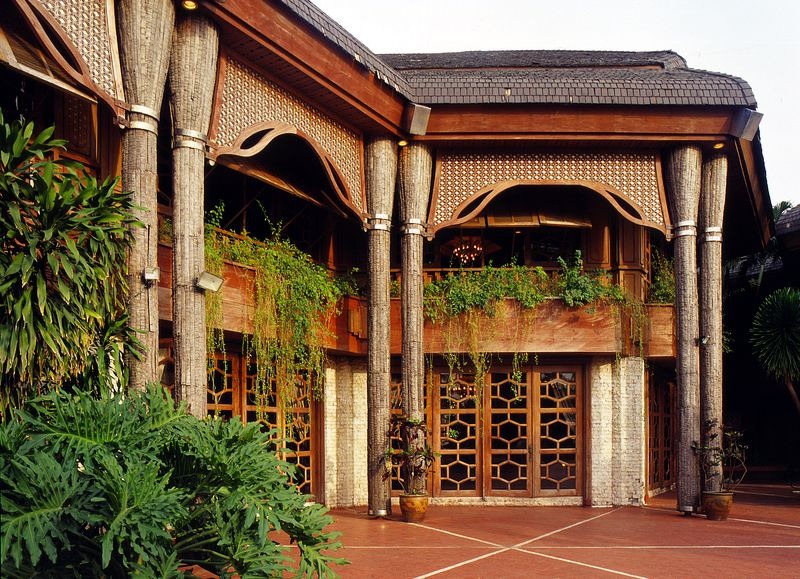
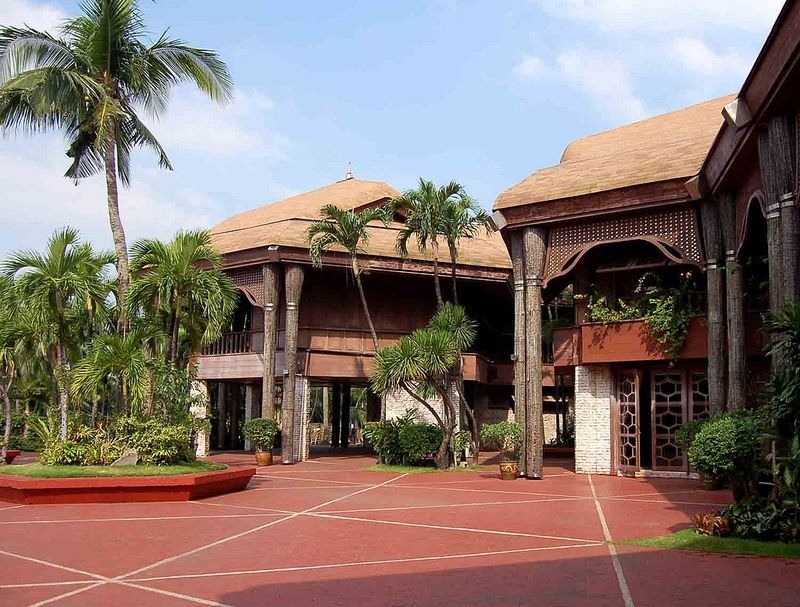
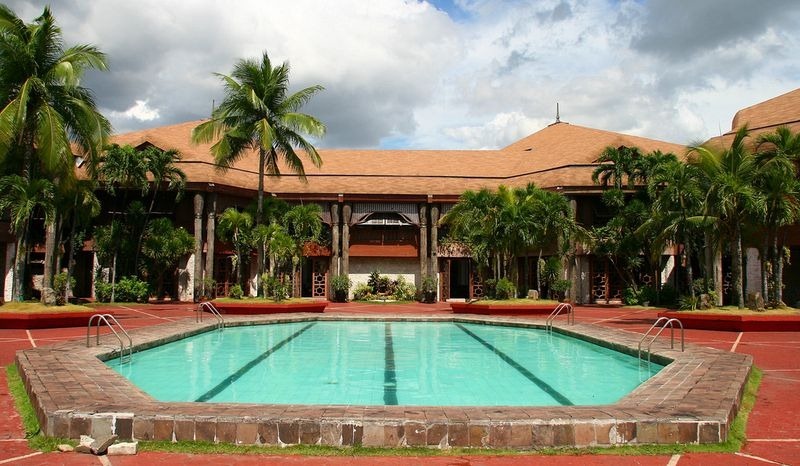
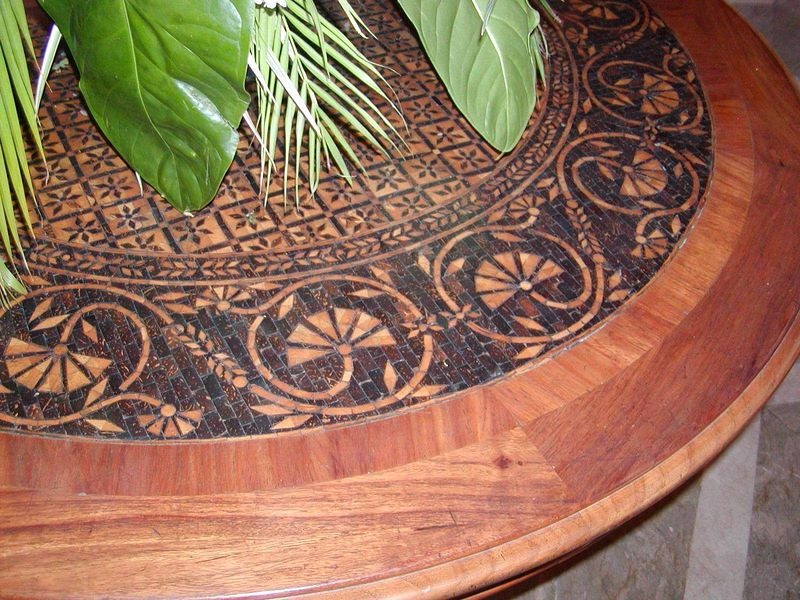
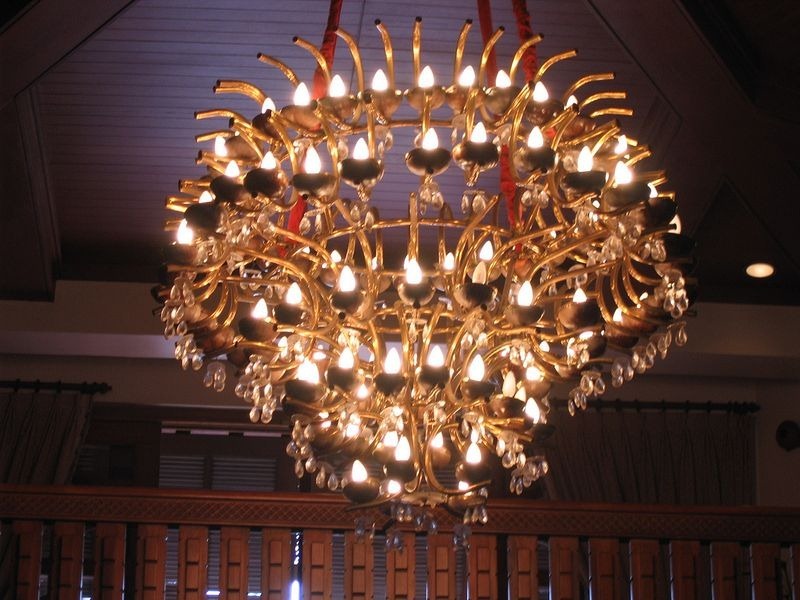
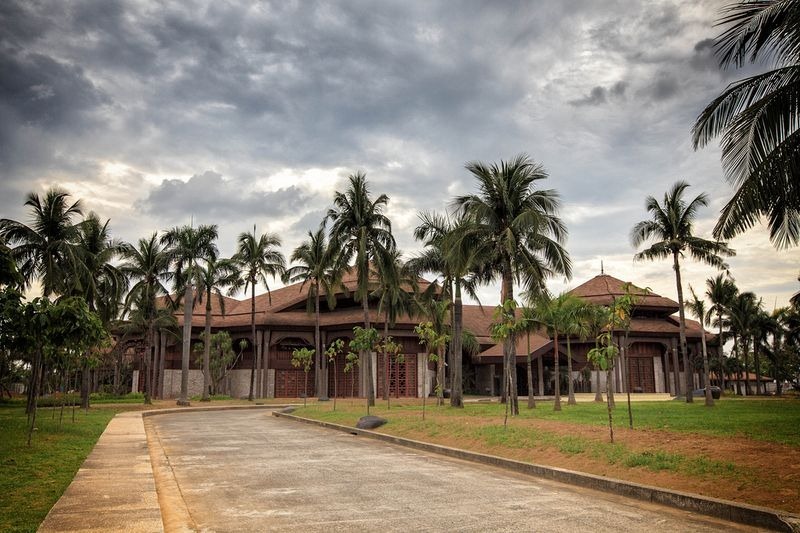
The official residence and workplace of the Vice President of the Philippines, in Manila, is a curious attraction. The building is called Coconut Palace, or Tahanang Pilipino, because of the extensive use of coconut lumber and various parts of the coconut tree in its construction. The roof is made from coconut wood shingles, while the columns are inverted coconut trunks, with their distinctive bulge at the root end forming the capitals. Coconut wood parquetry covers the floors, carpets are made of coconut fiber and wallpaper from the fibrous sheath. The massive chandelier made from 101 coconut shells is worth seeing, and so is the dining table of 40,000 tiny pieces of inlaid coconut shells.

coconut-palace-1

Photo credit: www.manosa.com

It is said that nearly 70% of the structure is made from the coconut tree. Everything from the tree’s roots to its trunk, bark, fruit, flower and shell were used to design and decorate the palace as a demonstration of the versatility of the humble coconut. No wonder the Philippines call the coconut tree the “tree of life”.

The Coconut Palace also has a certain notoriety. It was built during the regime of President Ferdinand Marcos who along with his wife First Lady Imelda Marcos, looted the Philippine treasury of at least USD 10 billion before he was ousted from his position. With the illegally accumulated wealth, the couple bought several palatial homes in the United States and Philippines, more than a hundred expensive paintings by old masters such as Van Gogh, Rembrandt, Rafael and Michelangelo, silver tableware, gold necklaces, diamond tiaras and all the best and precious the world had to offer.

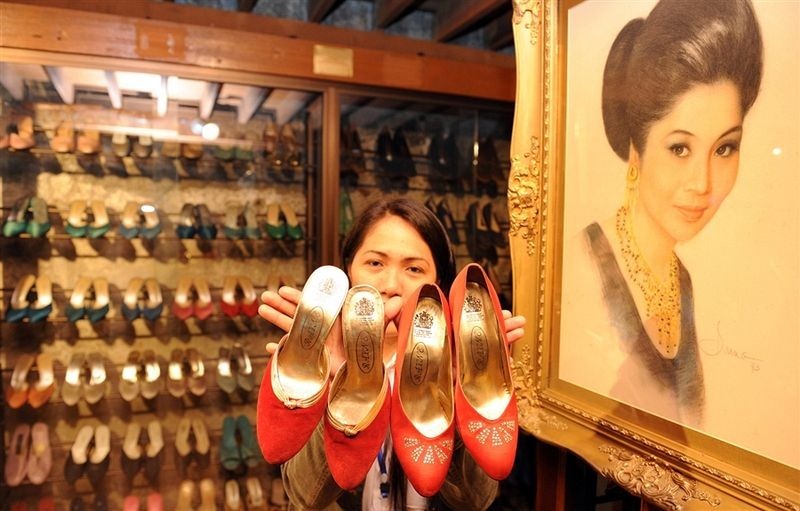
imelda-marcos-shoes-1

A museum employee displays some of the shoes of former Philippine first lady Imelda Marcos, next to her portrait at the shoe museum in Manila. Photo credit: Ted Aljibe

Imelda Marcos lived a famously extravagant lifestyle and was known to have a massive wardrobe featuring at least a thousand pairs of shoes. (Her shoe collection are now on display at the Marikina Shoe Museum in Manila). It was Imelda Marcos who came up with the wacky idea of building an elegant guest house, the Coconut Palace, in order to receive Pope John Paul II when he visited the Philippines in 1981. But when the Pope learned that it was built at the cost of 37 million Philippine pesos, or USD 10 million at that time, he refused to set foot in the palace because he knew the opulent place was built at the expense of the country’s citizens who still lived in poverty.

Surprised and possibly embarrassed at the Pope’s refusal, Imelda seized a couple of average Hollywood celebrities like Brooke Shields and George Hamilton for a gala opening. Later, the palace was turned into a venue for weddings and parties before it became the Vice President’s office and official residence. The Coconut Palace was opened for public tours on 2011.

coconut-palace-2

Photo credit: Paul Shaffner/Flickr

coconut-palace-3

coconut-palace-7

Coconut inlaid onto a table. Photo credit: hoagland.org

coconut-palace-5

The coconut chandelier. Photo credit: bigbark/Flickr

coconut-palace-6

Photo credit: Adam Brill/Flickr

Sources: Wikipedia / Philippines Travel Guide / Lonely Planet / BBC / www.manosa.com

Source……www.amusing planet.com

Natarajan

வாரம் ஒரு கவிதை …” இழப்புகள் தரும் வலி ” …

இழப்புகள் தரும் வலி
………………..
இருப்பதை  இழந்தால் உறுத்தும் மனசு …வலிக்கும்   இதயம்
பிறப்பும் இறப்பும் இயற்கையின் நியதி என்றால்
இருப்புக்கும் இழப்புக்கும் அதே நியதிதானே…பின்னர் ஏன்
 இருப்பதை இழக்கும் நேரம் வலிக்குது இதயம் ?
விடை இதுதான் …நம்மிடை ஒன்று இருக்கும் சமயம் தெரிவதில்லை
நம்முடன் இருப்பதன் அருமையும் பெருமையும் !
இழந்தது பொருளானால்  மீட்கலாம் அதை  கடும்  உழைப்பால்!
இழந்தது நட்பானாலும் மீண்டும் மலர்ந்து தொடரும் அதே நட்பு
நடந்ததை நண்பர்கள் மறந்தால் !
இழந்தது நெருங்கிய உறவானால் நிச்சயம் நொறுங்கும் இதயம் !
இந்த இழப்பினால் வரும்  வலி, ” நான் ”  ” எனது ” என்னும் நம்
குறுகிய உணர்வை  துறக்க ஒரு  வழியையும் திறக்கும் !
இழப்புகள் தரும் வலியால் பிறக்கும் ஒரு நல் வழியும்  இதுவே !
Natarajan

This Solar Powered Marvel of Engineering Lets a Person with Disabilities Earn a Living Anywhere!

Sunny Splendor is a great piece of engineering – a solar vehicle that works as a mobile shop for people with disabilities to start up small businesses and earn a living. It was designed by Hari Vasudevan of Ostrich Mobility, and this is how it works.

“I earn more than Rs. 4,000 a day now and can even think of sending my children to a good school,” says Umesh, a street vendor from Bangalore who lost both his legs in a road accident. Umesh used to work as a driver earlier but his life came to a standstill for about five years after the accident. He could not find any suitable source of income and things became increasingly difficult for his family. So he set up a small cart and started selling items like tea, coffee, bread, biscuits, and chocolates. But business was never very lucrative because he couldn’t move around with his cart and had to remain stationary at the same spot all day long.

After struggling for a long time to make ends meet, Umesh received the most amazing gift a few months back. He was introduced to Sunny Splendor – a mobile shop meant for people with disabilities to run petty businesses from wherever they want.

Earning more than double of what he would make earlier, Umesh has now left hard times far behind and is extremely happy with his new shop on wheels.

people with disabilities

Umesh at work

Sunny Splendor was developed by Hari Vasudevan, Founder and Managing Director of Ostrich Mobility, a company that excels in manufacturing personal mobility appliances for people with disabilities.

people with disabilities

The team at Ostrich Mobility

“Umesh was able to increase his profits only because he got the chance to roam around with his shop. If one place is less crowded he moves on to the next, and keeps moving to the more crowded areas of the city,” says Hari.

For Umesh, the best thing about Sunny Splendor is that it needs zero maintenance and customers are often attracted to his shop just to find out how it works. This adds to his business and he has some very loyal customers who are amazed by his story and keep coming back to his shop.

Hari says he was inspired to design this vehicle in 2013 when K.S. Rajanna, a differently-abled man, was appointed the State Commissioner for Persons with Disabilities in Karnataka.

people with disabilities

When Rajanna sir became the commissioner, he visited my office to see the kind of things we manufacture. He asked me a simple question: ‘Why don’t you hire people with physical disabilities?’ I told him that we deal with heavy objects and it would be difficult to find a person with disability who would want to do this kind of work. Moreover, we are not some big corporate firm and it won’t be easy for us to change the complete infrastructure of the office building to make it suitable for differently abled people.”

But the question remained with Hari. He found himself thinking about developing a way to help people with disabilities find a source of income. “And the idea suddenly struck me – I decided to design an electric wheelchair in a way that it would work as a mobile shop to help people run small businesses,” he says.

The mobile shop is called Sunny Splendor because there is a solar panel attached to its roof, which helps charge the batteries it operates on.

people with disabilities

Sunny Splendor is basically an electric wheelchair designed like a three-wheeler, with a lot of space to display the items for selling. The wheelchair’s batteries can be charged with the help of electricity as well as solar energy. Eight hours of sunlight are enough to get the vehicle fully charged, and it can run for about 45km at a speed of 15km/hr after one charge. Even those who don’t have access to electricity can use it with the help of solar charging only.

There is a joystick to control the direction in which it moves and disabled people can use the vehicle to sell all kinds of things like magazines, food, toys, vegetables, and more.

Sunny Splendor is available in the market for Rs. 1.5 lakh. But many people who need it the most don’t usually have the required money to make the purchase. So Hari and his team are talking to NGOs and other organizations to make it available to people with disabilities. As of now, two people in Karnataka are using the mobile shops gifted to them by Mahindra & Mahindra (as a part of the organization’s CSR activities). Three other people have received them from the Kerala government.

Hari, who is 44 years old, founded Ostrich Mobility after completing his M.Tech course in product design and manufacturing. Prior to that, he did his BSc in Physics and BE in Mechanical Engineering, followed by seven years of work in the field of manufacturing automobiles.

“Engineering is my passion…I got a chance to meet many kids with disabilities during college because my final year project was related to making a device to help them walk. And after a visit to a school for children with disabilities, I decided that I will do something to help such people with whatever engineering I know. In 2005, I got four orders for wheelchairs from a school, and I decided to continue from there,” he recounts.

In 2007, Hari started Ostrich Mobility with the idea of making electric wheelchairs. Today, the company sells more than 22 products, including various electric wheelchairs, mobility scooters, hospital beds, and more. All the products are designed by Hari.

Hari feels that anyone buying Sunny Splendor is actually buying a business that can grow much beyond the initial investment. However, it is difficult for someone who is poor to make that investment so Hari is looking for micro-financing companies to help people purchase the vehicle.

Source……Tanaya Singh in http://www.the better india.com

Natarajan

Message for the Day…” Only God’s Love is totally Free from the taint of Selfishness …”

Embodiments of Love! The hallmark of love is selfless sacrifice(thyaga). Love seeks nothing from anyone. It bears no ill-will towards anyone. It is utterly selfless and pure. Failing to understand the true nature of love, people yearn for it in various ways. Love must be cherished with feelings of selflessness and sacrifice. In what is deemed as love in the world – whether it be maternal love, brotherly love, or friendship – there is an element of selfishness. Only God’s love is totally free from the taint of selfishness. Divine love reaches out even to the remotest being. It brings together those who are separate. It raises man from animality to Divinity. It transforms gradually all forms of worldly love to Divine love. Even the feeling of universal brotherliness is not the same as the experience of ekatvam(oneness). Even in such a fraternal feeling there is an element of self-interest. Those who really wish to promote universal brotherhood too should develop the consciousness of the one Spirit dwelling in all beings.

Sathya Sai Baba

Shops in a Town in Assam Have Been Painted Blue. Here’s Why….!

If you happen to visit the town of Goalpara in Assam, a splendid surprise will welcome you.

More than 2,000 buildings in Goalpara, one of the cleanest places in the state, have been painted blue to maintain uniformity throughout the city and give it a neater look.

goalpara1

The entire project, which started in February last year, was undertaken by the businessmen in Goalpara, to paint all small and big shops in the town in one colour.

“The Deputy Commissioner had organised a meeting to discuss the Swachh Bharat mission. That was when I suggested the whole town should be of one colour so that it looks clean. He also wanted to ask us to do the same thing. The idea was appreciated and everyone came on board,” says 57-year-old Bimal Surana, who is the owner of a hardware shop in Goalpara.

Deputy Commissioner J.V.N. Subramanyam appealed to the business community to colour the entire commercial area in a unique colour.

The painted buildings are a part of a larger scheme launched by the DC in December 2014. It is called the Mukhyamantir Asomar Nirmal aru Seuj Abhijan – MANASA scheme, the state government’s own cleanliness program. A remarkable change took place in Goalpara under the District Administration and MANASA scheme. The numbers of workers and sweepers in the town have been increased from 30 and 23 respectively, to 60 and 30.

Over 170 dustbins have been placed on the streets and outside every shop.

goalpara5

Open and covered drains are regularly cleaned, and tree plantation drives keep taking place.

goalpara8

“The businessmen also get together, decide one day and clean the whole market. Nobody throws anything outside the dustbins. If anyone does, we stop them and explain the significance of a clean town,” says Bimal.

Goalpara Municipality is the second oldest municipality in the state of Assam. It was established in 1875 by the British Administrator. The town of Goalpara is the District Headquarters of a district by the same name.

The business community has contributed in many different ways. “The Deputy Commissioner asked how I will contribute. I have a hardware shop where I sell paint. So I said that whoever comes to purchase paint from me, I will set aside the profit margin and sell at the cost price. I have sold 6,000 litre of paint without profit. I just wanted everyone to take the initiative forward. No matter what it takes,” says Bimal.

Situated on the western most part of the state, on the southern bank of the Brahmaputra, Goalpara is a beautiful place. And to make it even more beautiful, the town is cleaned every day from 7:00 am to 2:00 pm.

goalpara4

On special cleanliness drives, the citizens, government officials, school and college students are also involved.]

goalpara6

Around 70 nameplates with proper directions have been installed on the streets, along with 50 sodium vapour lamps, 160 CFLs and 228 LEDs.

To ensure round-the-clock cleanliness, J.V.N. Subramanyam keeps visiting the municipal area on regular morning walks to check the progress of the work under MANASA.

According to a report by an executive officer of the Goalpara Municipality, Goalpara had very poor urban development indices prior to this scheme. The maintenance staff members were demotivated and this led to inefficient delivery of urban services. This in turn caused public discontent and non-payments of tax dues by the citizens. MANASA was launched to bring Goalpara out of this vicious circle by rebuilding trust among people and motivating the municipal staff. All conservancy staff members, including sweepers, were provided with two sets of uniforms, raincoats and jackets, helmets, gumboots, and hand gloves, with necessary appliances for cleaning garbage and solid waste. They were also provided with accident and health insurance.

This was followed by the eviction and demolition of unauthorised structures and clearing of clogged drains.

goalpara7

goalpara2

Source…….Tanaya Singh in http://www.the betterindia.com

Natarajan

கதை கதையாம் காரணமாம்……!!!

முக்கடலும் சங்கமிக்கும் கன்னியாகுமரிக்குச் செல்லும் போதெல்லாம், பெரும்பாறை ஒன்றின் மீது குறைந்த விளக்கொளியின் பரவலில் கம்பீரமாய் எழுந்து நிற்கும் சுவாமி விவேகானந்தர் மண்டபத்தைப் பார்க்கும் போதெல்லாம் ‘எப்படி சாத்தியமானது?’ என்ற கேள்வி என்னுள் எழுந்து நிற்கும்.இன்று, கரைக்கும் மண்டபத்திற்குமான துாரம் குறைந்து விட்டது. கடலில் மூன்றில் ஒரு பகுதி நடந்து செல்லும் பாதையாகி விட்டது. மீதப்பகுதியை சிறிய கப்பல் போன்ற படகில் பாதுகாப்பு உபகரணங்கள் அணிந்து ஐந்து நிமிடத்திற்குள் கடந்து விடலாம். ஆனால் பயணம் செய்யும் அந்த சின்னப் பொழுதில், கடல் அலைகளின் எழுச்சியும், காற்றின் வீச்சும் நம்மைப் பயமுறுத்தத்தான் செய்கிறது.
ஆனால் 113 வருடங்களுக்கு முன்னால், அதிக ஆள் அரவமற்ற இந்தக் கடற்கரையில், இருள் கவிழும் பொழுதில், ஆரவாரத்துடன் அலைகள் எழுந்து குமுறும் கடலில், இக்கரையில் இருந்து அப்பால் உள்ள பாறைக்கு சுவாமி விவேகானந்தர் தன்னந்தனியாக நீந்திச் சென்றிருக்கிறார்!
வானமே கூரையாக அமைந்த அப்பாறை மீது மூன்று நாட்கள் தனிமையில் அமர்ந்து, தாகத்திற்கும் பசிக்கும் ஆதாரமின்றி, தன்னைப் பிழிந்த தவத்தால் ஞான வெளிச்சம் பெற்றிருக்கிறார்! மீண்டும் இக்கரைக்கு நீந்தி வந்திருக்கிறார். இது எப்படி சாத்தியமானது?
இதற்கான வீரமும் துணிச்சலும் அவருக்கு எப்படி கிடைத்தது?
கதைகள் தந்த வீரம்!
சுவாமி விவேகானந்தரின் பால்ய பருவம். நரேந்திரனாய் ஓடியாடி விளையாடிய சின்ன வயசு. நரேந்திரனுக்கு தாய் புவனேஸ்வரியிடம் கதை கேட்பதில் அதிக ஆர்வம். புராண, இதிகாச கதைகளையே தாய் அதிகம் கூறுவார். மகாபாரத பீமன், ராமாயண அனுமன் இருவரது பராக்கிரமங்களைக் கூறும்போது நரேந்திரன் அதிக ஆர்வமாகி விடுவான். திரும்பத் திரும்ப பீமனையும், அனுமனையும் அவனுக்குச் சொல்லியாக வேண்டும்.
பள்ளி வளாகத்தில் பிள்ளைகள் விளையாடிக் கொண்டிருப்பர். ஆனால் நரேந்திரனோ பெரிய மரத்தில் ஏறி, அதன் கிளையில் தலைகீழாகத் தொங்கிக் கொண்டிருப்பான். எச்சரிப்பவர்களிடம், “நான் அனுமனாகப் போகிறேன்” என்பான்.

வருங்காலத்தில் நீ என்னவாகப் போகிறாய்?” என்று யாராவது கேட்டால், “நான் பீமன் ஆகப்போகிறேன்! பயில்வானாகப் போகிறேன்!” என்று நெஞ்சை நிமிர்த்தியவாறு பதில் சொல்லி இருக்கிறான். தீரத்தோடு அவர் தனிமையில் குமரி கடலில் நீந்தியதற்கு காரணம், சின்ன வயதில் தாயிடம் கதை கேட்டு வளர்ந்த அனுபவம் வளர்த்த துணிச்சல்!
கதை சொல்லிகள்!
தாத்தா, பாட்டி, அப்பா, அம்மா, மூத்தோர் என வீடுகளில், வீட்டுத் திண்ணைகளில் அன்று நிறைய கதை சொல்லிகள் இருந்தனர். படிப்பு, விளையாட்டு என ஓடியாடி ஓய்ந்த பொழுதுகளில் குழந்தைகளை அவர்கள் கதை உலகத்திற்குள் அழைத்துச் சென்றனர்.
கதைகள் மூலம் குழந்தைகளுக்கு புராண, இதிகாசங்கள் அறிமுகமாயின. ராஜாக்களும், வீரர்களும் வீரம் தந்தனர். வள்ளல்களும், நல்லவர்களும் மனவிலாசம் தந்தனர். நீதிகளும், நல்ல விஷயங்களும் இளம் சிந்தை வயலில் விதைகளாயின.
அதுமட்டுமல்ல, மூத்த தலைமுறை மூலம்தான் வளரும் தலைமுறைக்கு ஊர்ப் பெருமைகளும், குடும்பப் பாரம்பரியமும், உறவின் உன்னதங்களும் போய்ச் சேர்ந்தது. ஆனால் இன்று வீடுகளில் கதை சொல்லிகள் இல்லை. முதியோர் இருந்தாலும் அவர்களோடு ஒட்ட, உறவாட பிள்ளைகளுக்கு நேரமில்லை. நேரமிருந்தால், தாத்தா பாட்டிகளும், பேரக் குழந்தைகளும் தொலைக்காட்சி முன் கிடக்கிறார்கள்.
முன்பெல்லாம் தொடக்க வகுப்புகளில் ஆசிரியர்கள் நிறைய கதை சொல்வார்கள். ஓவிய ஆசிரியர், தையல் ஆசிரியை வகுப்புகளில் கலையோடு கதைகளும் நிறைந்திருக்கும். ஆனால் இன்று எல்.கே.ஜி. படிக்கும் குழந்தையின் முதுகில் 10 கே.ஜி! படிப்பு, மதிப்பெண், ரேங்க் என்ற ஓட்டத்தில் வகுப்பறைகளிலும் கதைகள் காணாமல் போயின. இதில் பெரிய இழப்பு எதுவென்றால், கலை இலக்கியப் படைப்பாளிகள் குறைந்து வருவதுதான். கதை கேட்கும் போது கற்பனைத் திறன் அதிகரிக்கும். இந்தக் கற்பனைத் திறன்தான் படைப்பாற்றலை வளர்க்கும்.
பால்ய கதைகள்.  என் பால்ய வயதில் எங்கள் வீட்டுக்கு (கன்னியாகுமரி மாவட்டம், தெற்கு சூரன்குடி கிராமம்) ஒரு பாட்டி வருவார்.வீட்டு வாசலுக்கு வரும்போதே “வெத்தல தட்ட எடுத்துட்டு வாங்க மக்களே!” என்று அறிவிப்பு. பாட்டியின் குரல் சின்னப்பிள்ளைகளான எங்களைப் பரவசப்படுத்தும். காரணம், பாட்டி அற்புதமாகக் கதை சொல்வாள்.

வெற்றிலையை மென்றவாறு பாட்டி கதையை ஆரம்பிப்பாள். ”ஒரு ஊர்ல ஒரு மகாராசா இருந்தாரா! அந்த மகாராசாவுக்கு வடிவான ஒரு பொண்ணு… அந்தப் பொண்ணுக்கு கல்யாணம். மகாராசா வீட்டுக் கல்யாணமாச்சே! அதனால, ஏழு ஊருக்கு பந்தல் போட்டு, பெரிய விருந்து வைக்கணும். விருந்து சமைக்க விறகு சேகரிக்க ரெண்டாயிரம் மாட்டு வண்டிகளை மந்திரி அனுப்புனாரு. அந்த வண்டிக ரெண்டு ஊரு நீளத்துக்கு ஜல்ஜல்லுணு ஊர்வலமா போச்சு…” என்று பாட்டியின் கதை நீளும்.
அந்த பாட்டி காவிப் பற்கள் தெரிய வாய்விட்டுச் சிரிக்க… நாங்களும் ஓ.. என்று கத்தியவாறு சிரிக்க…. அங்கு மகிழ்ச்சி சூழும். இன்பம் நிறையும். ஒற்றுமையுணர்வு ஓங்கும்.
கற்பனை வளர்த்த கதை உலகம் பாட்டி சொன்னது வெறும் கதையா? இல்லை! கதை சொல்லியான அந்த பாட்டி, எங்கள் கைகளைப் பிடித்துக் கொண்டு ஒரு கற்பனை உலகத்துக்கு அழைத்துச் சென்றாள்.
‘ஜல் ஜல் என்ற மணி ஓசையுடன் இரண்டாயிரம் மாட்டு வண்டிகளின் அணிவகுப்பு’- எங்கள் கற்பனைக் காட்சியில் விரிந்தது. ‘வெள்ளை வெளேர்னு யானை போன்ற குச்சிவீட்டுப் பூனை’- என்று அவர் சொன்னது எங்கள் கற்பனைக்குள் எழுந்து வியப்பைத் தந்தது. கதையின் பூதங்கள் எங்கள் கற்பனையில் தோன்றி மிரட்டியது. இந்த கற்பனை உருவாக்கம்தான் கதை கேட்டல் ஏற்படுத்தும் மகத்துவம்.
இன்று டைனோசர், பூதம் எல்லாவற்றையும் கார்ட்டூன் சேனல்களில், திரைப்படங்களில் கிராபிக்சில் கொண்டு வந்து காட்டி, குழந்தைகள் கற்பனை செய்து பார்ப்பதற்கு வாய்ப்பு தராமல் செய்து
விடுகின்றனர்.கதை கேட்கும் போது குழந்தைகளிடம் ஏற்படும் கற்பனைச் சித்திரங்களும், மனம் உருவகிக்கும் காட்சிகளும் தான் பிற்காலத்தில் அவர்களை ஒரு ஓவியனாகவோ, கலைஞனாகவோ,
கவிஞனாகவோ, கதை ஆசிரியனாகவோ உருவாக்குகிறது. கதைகள் உருவாக்கும் படைப்பாற்றல், குழந்தைகளிடம் புதியன உருவாக்குவதற்கான சிந்தனைப் புலத்தை வளர்க்கிறது.
எனவே பெற்றோர்களே! பிள்ளைகளுக்கு நிறைய கதைகளைச் சொல்லுங்கள். தாத்தா, பாட்டிகளுடன் நேரம் செலவிட பிள்ளைகளை அனுமதியுங்கள். அவர்களிடம் கதைகள் கேட்கும் சுந்தரப் பொழுதுகளை தொலைகாட்சி உலகமும், ஆன்ட்ராய்டு உலகமும் அபகரித்துக் கொள்ளாமல் பார்த்துக் கொள்ளுங்கள். உங்கள் வீட்டில் ஒரு படைப்பாளி
உருவாகட்டும்

முனைவர்.மு.அப்துல் சமது,தமிழ்த்துறைப் பேராசிரியர்ஹாஜி கருத்த ராவுத்தர் ஹவுதியா கல்லூரி,உத்தமபாளையம்

Source…….www.dinamalar.com

Natarajan