Positive Affirmations to Help You Through Tough Times….

When the going gets tough, I have found that positive affirmations have helped me push through and overcome the odds. After all, just like every muscle in the body, the mind needs to be exercised too. Positive affirmations remind us to believe in ourselves and move forward. They tell us exactly what we need to hear at the time we need it most. And if we train our mind with positive affirmations every day, soon enough, the right thoughts will spring to mind without needing to make the extra effort. Here are 10 of my favorite affirmations I repeat each morning. I hope that they will benefit you as much as they have me.

positive affirmations


positive affirmations


positive affirmations


positive affirmations


positive affirmations


positive affirmations


positive affirmations


positive affirmations


positive affirmations


positive affirmations


Source…….www.ba-bamail.com

Natarajan

These 5 Indians over 88 Will Prove that Age is Just a Number…!

A 93 year old woman whose graceful dance moves will leave you mesmerised, a 104 year old marathon runner — these five such elderly people will leave you deeply inspired and motivate you to pursue your dreams.

A man is not old until regrets take the place of dreams,” said John Barrymore. There are some inspiring people in their twilight years who make sure that they live their dream each day. For them, their dreams really do become reality.

Here are five such people, who are still rocking it in their 80s and 90s:

1. Sunderlal Bahuguna, 88

inspirational old people

Photo: alchetron.com

This environmentalist from Uttarakhand is the man behind the Chipko movement. Since several decades, he has been fighting to preserve Himalayan forests and is still very active when it comes to environmental conservation. He was awarded the Padma Shri by the government of India in 1981, but he turned it down. He later got the Padma Vibhushan in 2009. He has been actively working to defend India’s rivers and has backed many anti-dam protests.

2. Fauja Singh, 104

inspirational old people

Photo: weinterrupt.com

Born in Punjab, this 104-year-old superman is the oldest marathon runner in the world. He ran the London Marathon when he was 101-years-old and completed it in 7 hours and 49 minutes. Now he runs for fun! In 2011 (the year which also marked his 100th birthday), he attempted and accomplished eight world age-group records in one day at the special Ontario Masters Association Fauja Singh Invitational Meet, held at Birchmount Stadium in Toronto, Ontario Canada.

3. V. Nanammal, 95

She is 95 but does extremely difficult yoga poses with ease. With her talent, she has proved that age is just a number. She started practicing yoga when she was just 14 and has continued to pursue the ancient art till date. This Coimbatore-based super grandmother says she teaches yoga to over 100 kids and hasn’t faced any health problems till date — all thanks to yoga.

4. K.T. Antony, 91


inspirational old people

Photo: mattersindia.com

While many people of his age prefer reading as they grow older, Antony chose to follow a different path. He is currently busy writing his next romantic novel, which is based on biblical characters. He has completed two sets of short plays and three novels. Not just this, he is also a graphic designer, actor, and director. Now that’s what we call living the life to its fullest!

5. Bhanu Rao, 92

This extremely talented lady might be over 90 but still has amazing talent. Her graceful Bharatnatyam moves are enough to give a complex to any young dancer. Watch her perform on her 92nd birthday and fall in love with her.

source….Shreya Pareek in http://www.the betterindia.com

Natarajan

The Incredible Story of a Village in Kerala That Gave up Alcohol… For Chess!

In the midst of the recent debate surrounding prohibition in the southern Indian state of Kerala, maybe it’s time once again to talk about the tiny village of Marottichal in Puthur Gram, Thrissur.

In the 60s and 70s, the village had a serious problem with locally-brewed liquor. Too many villagers both brewed toddy and were addicted to it. Over time, this became a source of local suffering. Slowly but surely, though, the villagers realised that the deep rifts caused in their community because of alcohol needed to be healed. In a move that goes to show the extent of their determination (and desperation) to be rid of alcohol, they convinced excise officials to raid their village and put a stop to the brewing.

Often, when the focus of an addiction is removed, the addict simply replaces the object his devotion with another.

How delightful then, that what the residents of Marottichal chose to put their heart in was, of all things — chess.

kerala village chess

mage for representation only. Source: Wikipedia

Over 40 years ago, when the villagers were struggling to cope with the aftermath of their alcoholism, it just so happened that a young man called C. Unnikrishnan was intensely fascinated by Bobby Fischer — the American who became the youngest chess Grandmaster at the at of 16.

After he came across an article about Fischer in a magazine, Unnikrishnan was hooked. He started attending coaching classes to learn chess, then decided that the game was too special to remain a private pleasure; it needed to be popularised. He started giving free lessons at his home to villagers both young and old. Since then, he has trained over 600 people. Today, he runs a restaurant where people can come at any time and play chess.

In a 2012 article, Unnikrishnan had said to The Hindu, “Chess is my passion. Once I start playing, I forget everything. It’s kind of an addiction.”

Funny that he would choose that word.

Today, 90 percent of the residents of Marottichal are chess players. This passion cuts across gender and age — here men and women, children and grandparents all play intense games of chess against each other with equal fervour.

Viswanathan Anand, Grandmaster and five time World Chess Champion, has congratulated the villagers’ effort “to create a rare distinction in the field of chess”. Their prodigious love of the game has also found a place in a 2013 Malayalam movie, August Club.

Source…..Vandita Kapoor in  www.the betterindia.com

Natarajan


9 of the Most Remote Inhabited Islands in the World…!!!

I can’t get my head around how far away the inhabitants of these islands live from civilization! They are hundreds, if not thousands, of miles from the nearest continental land mass – it’s truly astonishing to think they’re even inhabited at all. Would you dare to visit somewhere so remote? These are 9 of the world’s most remote inhabited islands:
Saint Helena 

The Most Remoted Inhabited Islands in the World

Image Source

Distance from Civilization: 1,200 miles from Angolan coast


Saint Helena is widely believed to have been discovered by the Portuguese at the turn of the 15th Century. Various European powers staked different claims to the island during the 17th Century. It’s probably most well-known as the place that Napoleon Bonaparte was exiled to, following his defeat by the British. It is home to 4,255 people.

Ascension Island

The Most Remoted Inhabited Islands in the World

Distance from Civilization: 1,000 miles from African coast


Located in the South Atlantic Ocean, Ascension Island is home to approximately 880 people. It is not thought to have had an indigenous population, and it was first settled in 1815. Prior to that, it was sporadically used as an open prison. Its principle settlement and capital city is Georgetown.

Easter Island

The Most Remoted Inhabited Islands in the World

Distance from Civilization: 2,000 miles from Chilean coast


Easter Island is instantly recognizable due to the Moai, or giant statues, which dot the island. They were carved by the native Rapa Nui people between the 13th and 16th Centuries. In the present day, the island is populated by a little over 6,000 people. It’s said to overwhelm first-time visitors with the sheer sense of isolation they feel upon arrival.

Tristan da Cunha

The Most Remoted Inhabited Islands in the World

Image Source

Distance from Civilization: 1,750 miles from South African coast


Lying all alone in the middle of the South Atlantic Ocean, Tristan da Cunha was first inhabited in 1816. Its main settlement, Edinburgh of the Seven Seas, is widely considered to be the most remote permanent settlement on earth.

Pitcairn Island

The Most Remoted Inhabited Islands in the World

Image Source

Distance from Civilization: 1,800 miles from New Zealand


Most of the 56 people that currently live on Pitcairn Island descended from the Bounty mutineers and the Tahitians that accompanied them. The island is the least populous natural jurisdiction in the world.

South Keeling/Cocos Islands

The Most Remoted Inhabited Islands in the World

Distance from Civilization: 620 miles from Java, Indonesia


This island chain consists of two atolls and 27 coral islands. Just two of the latter are inhabited. West Island is home to approximately 120 people, while Home Island is home to about 500 people. The islands are a territory of Australia.

Floreana

The Most Remoted Inhabited Islands in the World

Distance from Civilization: 620 miles from Ecuador


Taking its name from the first president of Ecuador, Floreana is part of the Galapagos Islands. While it’s true that there are some 26,000 people living throughout this archipelago in the present day, Floreana is the most remote island within it. It’s home to just 100 people.

Niue

Image Source

Distance from Civilization: 1,500 miles from New Zealand


Although Niue is an independent island country, it is in free association with New Zealand, which conducts diplomatic affairs on its behalf. It was the first nation in the world to provide free WiFi to all of its 1,600 citizens.

St. George’s Island

The Most Remoted Inhabited Islands in the World

Distance from Civilization: Approx. 500 miles from Alaska

Located in the frigid Bering Sea between Russia to the west and Alaska to the east, St. George’s Island features one settlement that encompasses the entire 35 square miles of the island. Just 100 people live on the island.

Written by: Jake Schembri

Source……www.ba-bamail.com

Natarajan

Message for the Day….” Understand What is Culture …”

Many do not invest time to understand the sacredness and value of their culture. ‘Culture’ means that which sanctifies the world, which enhances the greatness and glory of a country, and which helps to raise the individual and society to a higher level of existence. The observance of morality in daily life, divinisation of all actions and thoughts related to life, and adherence to ideals – all these together constitute culture. Culture contributes to the refinement of life. The process of refinement or transformation is essential for improving the utility of any object. For instance, paddy has to be milled and the husk has to be removed before the rice is fit for cooking. This is the process known as Samskriti or transformation. This means getting rid of the unwanted elements and securing the desirable elements. With regards to people, Samskriti (culture) means getting rid of bad qualities and cultivating virtues. A cultured person is one who has good thoughts and good conduct.

Sathya Sai Baba

The Wedding Cake Rock, Australia…

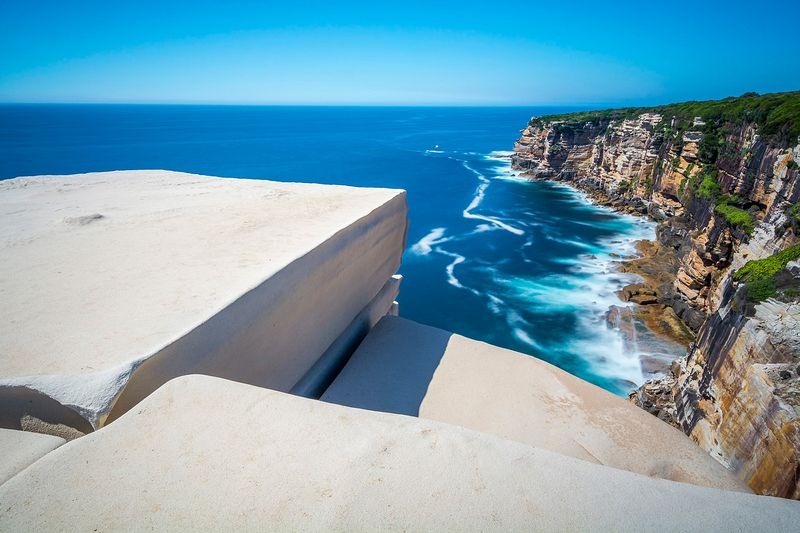
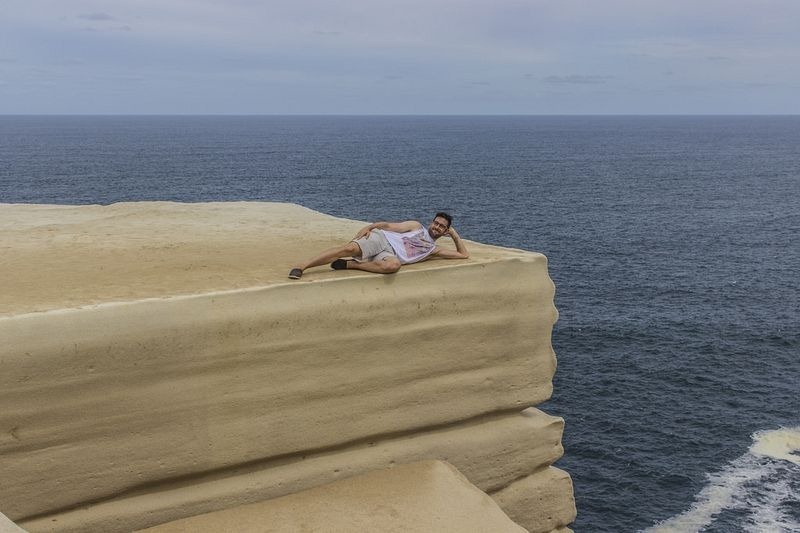
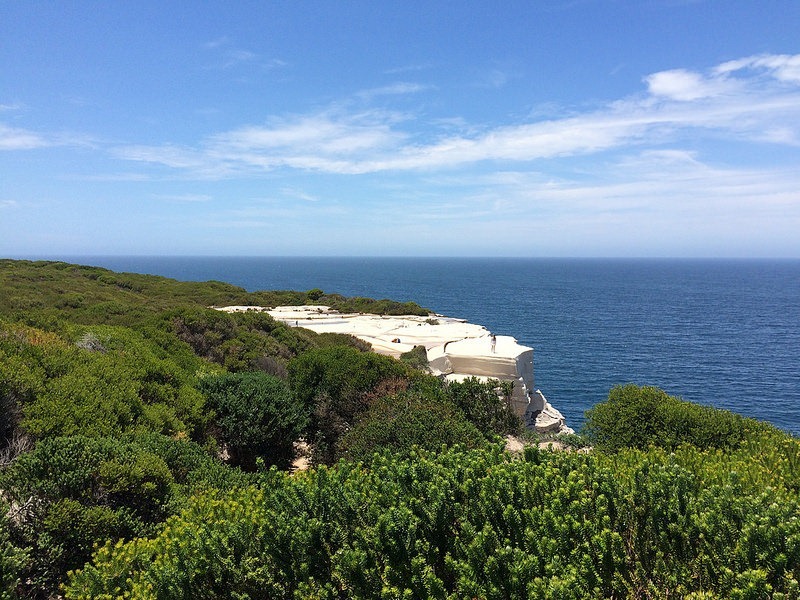
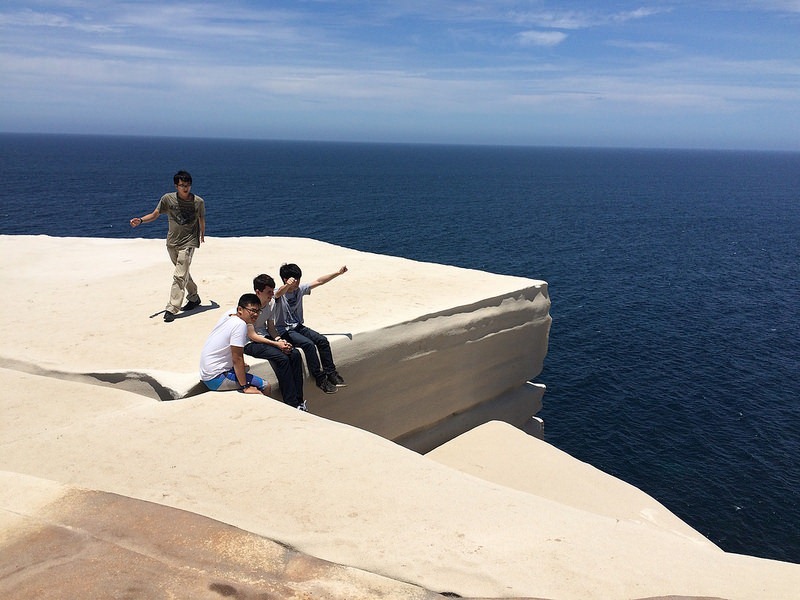
The Wedding Cake Rock is an unusual geological formation located just north of Marley Beach near Bundeena within the Royal National Park, in New South Wales. The dazzling white sandstone rock has a perfect 90° corner and a flat top, as if it has been curved by a knife. Some say, it resembles a sliced wedding cake. Others see a block of tofu or cheese.

The Wedding Cake Rock is one of many limestone formations along the Royal Coastal Walk track —a 26km long track along the cliffs of the Royal National Park from Bundeena to Otford. The landscape consist of steep valleys, ridges and rocky outcrops with panoramic views of the ocean stretching for miles around. Along the way you’ll encounter streams, waterfalls and pools. Wedding Cake Rock is situated 5.1 kilometers from the start of the trail at Bundeena.

wedding-cake-rock-1

Photo credit: photographyhotspots.com.au


In early 2015, Wedding Cake Rock saw a sharp increase in popularity. The New South Wales National Parks and Wildlife Service reported that the number of visitors per month on the Royal National Park Coast Track rose from the average of 2,000 per month to over 10,000. This turned out not to be good thing. These visitors had come after they saw pictures of the rock on the social media site Instagram. They sat on the rock or dangled from it, and took selfies while performing dangerous stunts. And worse — some vandals wrote over the perfectly white formation with chalk.

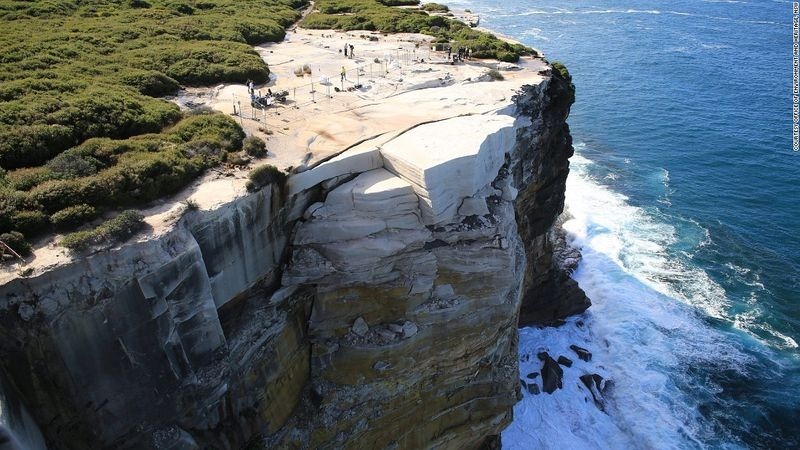
Park officials became concerned, not only for the safety of the visitors, but for the safety of the rock itself. They feared that the weight of 30 or 40 people standing on the rock might damage it or tip the rock to one side. The site was eventually closed off in May 2015. A subsequent evaluation of the rock revealed, to the Park’s surprise, that the formation was not only unstable, but was certain to collapse at anytime within the next ten years. The study found that the entire structure was precariously balancing on the edge of the cliff, and severely undercut. The rock is now permanently cordoned off to the public.

wedding-cake-rock-2

Photo credit: Danijel James/Flickr

wedding-cake-rock-4

Photo credit: CNN

wedding-cake-rock-5

Photo credit: Philip Terry Graham/Flickr

wedding-cake-rock-6

Photo credit: Philip Terry Graham/Flickr

Sources: Wikipedia / Weekend Notes

Source….www.amusingplanet.com

natarajan

Beautiful Words About Love ……….


When it comes to love, it’s hard to express true feelings with words. One can only try and mimic the wonderful, aching emotions of love and devotion. Nevertheless, words sometimes lead us to understanding love a little better. I hope these words fill your day up with some sweetness.

love


love

love


love

love

Source………www.ba-bamail.com

natarajan

“கம்பீரப் பார்வையும் சிலிர்த்து நிற்கும் திமிலும்: தமிழக மாட்டினங்களின் மரபும் பெருமையும்”

நம்ம ஊர் மாடுகள் என்ற வார்த்தையைக் கேட்டவுடன், அடுத்த கணம் நம் மனதில் தோன்றி மறைபவை துள்ளி ஓடும் காளைகளே. அவை எதுவும் சாதாரணக் காளைகள் அல்ல, கம்பீரப் பார்வையும் மேலெழுந்த திமிலுடனும் சிலிர்த்து நிற்கும் காங்கேயம் காளைகள்.

எந்தச் சந்தேகமும் இல்லாமல் காங்கேயம் காளை, நம் மண்ணின் பெருமிதம்தான். காங்கேயம் மட்டுமின்றி உம்பளச்சேரி, புளியகுளம், பர்கூர் மலை மாடு, தேனி மலை மாடு போன்றவையும் நம் மரபின் பெருமைகளைத் தூக்கிப் பிடிப்பவையே. தமிழ் மண்ணின் அடையாளமாகத் திகழ்ந்துவந்த ஆறு மரபார்ந்த மாட்டினங்களில் தர்மபுரி, ஓசூர், கிருஷ்ணகிரி பகுதிகளில் இருந்த ஆலம்பாடி வகை மட்டும் இன்றைக்கு இல்லை, அற்றுப்போய்விட்டது.

மற்ற உள்ளூர் மாட்டினங்களின் நிலையும் மகிழ்ச்சி யடைய வைக்கும் நிலையில் இல்லை. நம்முடைய மாட்டினங்கள் வேகமாக அழிந்துவருவதற்கு, அவற்றின் பெருமைகள் சரியாக உணரப்படாததே முக்கியக் காரணம். உள்ளூர் மாட்டினங்களின் இனப்பெருக்க நடைமுறைகளுள் ஒன்றான ஜல்லிக்கட்டு ஒருபுறம் கண்மூடித்தனமாக எதிர்க்கப்படுகிறது. மற்றொருபுறம் காலம்காலமாகக் கிடைத்துவந்த ஆதரவையும் பராமரிப்பையும் வேகமாக இழந்துவரும் உள்ளூர் மாட்டினங்கள் அழிவை நோக்கி நகர்ந்து வருகின்றன.

இந்தப் பின்னணியில் காங்கேயம் அருகே குட்டப்பாளையத்தில் செயல்பட்டுவரும் சேனாபதி காங்கேயம் மாடுகள் ஆராய்ச்சி அறக்கட்டளையின் நிர்வாக அறங்காவலர் கார்த்திகேய சிவசேனாபதி, நம் மாடுகளின் பெருமைகளை பகிர்ந்துகொள்கிறார்:

காங்கேயம்: கம்பீரமும் அழகும்

ஆங்கிலேய கவர்னர் ஒருவர் காங்கேயம் அருகேயுள்ள பழையக்கோட்டை கிராமத்துக்குச் சென்றிருந்தபோது, ராவ் பகதூர் சர்க்கரை மன்றாடியாரின் பண்ணையில் இருந்த காங்கேயம் காளைகளைப் பார்த்துவிட்டு, ‘அந்தப் பண்ணையின் அழகு’ (Beauty of the farm) என்று அவற்றை பெருமிதத்துடன் குறிப்பிட்டிருக்கிறார். இப்படிப் பலராலும் பாராட்டப்பட்ட காங்கேயம் மாட்டினமே, தமிழக மாட்டினங்களின் தாய் இனம்.


காங்கேயம் காளைகள் சாதாரணமாக 4,000-5,000 கிலோ வண்டிபாரத்தை இழுக்கும் திறன் கொண்டவை. எந்தக் காலநிலையையும் சமாளித்து வாழும் திறன் பெற்றவை, உள்ளூர் சூழ்நிலைக்கு ஏற்ப தகவமைத்து வாழக்கூடியவை. எல்லாம் நன்றாக இருக்கும் சூழ்நிலையில் மட்டுமல்லாமல் கடுமையான வெயில், பஞ்ச காலத்திலும் நொடித்துப் போகாமல் பனையோலை, எள்ளு சக்கை, கரும்புத் தோகை, வேப்பந்தழை எனக் கிடைப்பதைச் சாப்பிட்டு உயிர் வாழக்கூடியவை.

காங்கேயம் மாட்டினம் என்றாலே காளைகள் மட்டும்தான் என்று நம்புகிறோம். பால் கொடுக்கும் பசுக்களும் காங்கேயம் வகையில் உண்டு. இறைச்சி உண்ணும் நம்முடைய பண்பாட்டில் பாலுக்கான தேவை அதிகமாக இல்லாததால், உழைப்புக்குப் பெயர் பெற்ற காளைகளே பிரபலமடைந்தன.

நமது உள்ளூர் மாட்டினங்கள் உழைப்புக்காகவே பெரிதும் அறியப்பட்டவை. ஆனால், ‘வெள்ளைப் புரட்சி’க்குப் பிறகு உழைக்கும் காளைகளைத் தாழ்வாகப் பார்க்கும் குணம் உருவாகி, இன்றைக்கு அந்தப் பார்வை பெரிதாகப் பரவலாகிவிட்டதே உள்ளூர் மாட்டினங்களின் வீழ்ச்சிக்கு முக்கியக் காரணம்.

தமிழகத்தில் 1990-ல் 11 லட்சத்து 74 ஆயிரம் காங்கேயம் மாடுகள் இருந்தன. 2000-ல் அது நான்கு லட்சம் மாடுகளாகக் குறைந்து, 2015-ல் ஒரு லட்சம் மாடுகள்கூட இல்லை என்று சொல்லும் நிலைக்குச் சரிந்திருக்கின்றன.

தமிழக மாட்டினங்களின் தாய் இனம், காங்கேயம் என்று கூறப்படுவதற்குக் காரணம், தமிழகத்தின் பல்வேறு பகுதிகளுக்குக் கொண்டு செல்லப்பட்ட காங்கேயம் மாடுகள், அந்தந்த பகுதிக்கு ஏற்ப தகவமைத்துக்கொண்டதால் பின்னர் தனித்தனி மாட்டினங்களாகப் பரிணமித்துள்ளன.

வாழிடம்: கொங்கு, கோவை, கரூர், திண்டுக்கல், நாமக்கல், சேலம் ஆகிய பகுதிகள்.

தர்மபுரி, ஓசூர், கிருஷ்ணகிரி பகுதிகளில் இருந்த ஆலம்பாடி வகை மட்டும் இன்றைக்கு இல்லை, அற்றுப்போய்விட்டது.

உம்பளச்சேரி: உறுதிமிக்க கால்கள்

உம்பளச்சேரி மாடுகள் குட்டையானவை என்றாலும், கால்கள் மிகவும் உறுதியானவை. காவிரி பாசனப் பகுதி வயல்களில் உழ வேண்டுமென்றால், ஆழமான சேற்றில் மாடுகள் இறங்கியாக வேண்டும். அதற்கு ஏற்ப சிறந்த தகவமைப்பைப் பெற்றவை உம்பளச்சேரி மாடுகள். நன்கு உழக்கூடிய இவை, தஞ்சை டெல்டா பகுதியில் பரிணமித்தவை.

வாழிடம்: தஞ்சை, திருவாரூர், நாகை எனப்படும் பழைய தஞ்சை மாவட்டம்.

பர்கூர் மலை மாடு: கெட்டியான குளம்புகள்

இதற்கு செம்மறை என்று மற்றொரு பெயரும் உண்டு. இந்த மாட்டினத்தின் பாதங்களை வலுப்படுத்துவதற்கு லாடம் அடிக்கத் தேவையில்லை. அவற்றின் குளம்பே லாடத்தைப் போல கெட்டியாகவும் உறுதியாகவும் இருக்கும். காட்டில் அதிகம் மேயக்கூடிய மாட்டினம் இது. மத்திய அரசு கொண்டுவந்த வன உரிமைச் சட்டத்தைத் தமிழகம் உட்பட பல மாநிலங்கள் இன்னும் சட்டமாக ஏற்றுக்கொண்டு அறிவிக்காததால், இந்த மாட்டை வைத்திருக்கும் பழங்குடிகள் பெருமளவு பாதிக்கப்படுகிறார்கள். வயலில் பட்டி போடுவதற்காக இந்த மாட்டினம் அதிகம் பயன்படுத்தப்பட்டுவருகிறது.

வாழிடம்: ஈரோடு, அந்தியூர் 

புளியகுளம்: நிலம் காக்கும் பட்டி மாடு

புளியகுளம் மாட்டின் பெயரே ‘பட்டி மாடு’தான். ‘நிலம் தரிசாதல் அதிகரித்துவருகிறது என்றும், அதைத் தடுக்கும் சக்தி ஆடு-மாடு பட்டி போடுதலில் அடங்கியிருக்கிறது’ என்றும் குறிப்பிடுகிறார் ஸிம்பாப்வே சூழலியலாளர் ஆலன் சேவரி. ஒரு வயலில் ஒரு நாள் இரவு முழுக்க ஆடு அல்லது மாடுகளைப் பட்டிபோட்டுத் தங்கவைப்பதால் அவற்றின் சிறுநீர், புளுக்கை, சாணம் போன்றவை நிலத்தில் விழும்.

இயற்கையான, இந்த உடனடி உரம் மூலம் நிலம் வளமாகும். புளியகுளம் மாடு பட்டிபோட்டால் மூன்று ஆண்டுகளுக்கு உரம் தேவையில்லை என்கிறார்கள். பட்டி போடுபவருக்கு ஒரு மாட்டுக்கு ரூ. 10-ம், ஆட்டுக்கு ரூ. 5 ம் கிடைக்கிறது. கேரளப் பகுதியில் இயற்கை வேளாண் முறையில் மேற்கொள்ளப்படும் திராட்சை சாகுபடிக்குப் புளியகுளம் மாடுகளே பேருதவி புரிந்துவருகின்றன. ஜல்லிக்கட்டிலும் இந்த மாட்டினம் அதிகமாக ஈடுபடுத்தப்படுகிறது.

வாழிடம்: புளியகுளம், சிவகங்கை, பழைய மதுரை, ராமநாதபுரம், புதுக்கோட்டை ஆகிய பகுதிகள். தேனி பகுதியில் இருப்பது தேனி மலை மாடு.

காங்கேயம் பசு (பெண் மாடு) கன்றுடன் - காங்கேயம் காளையுடன் கார்த்திகேய சிவசேனாபதி

காங்கேயம் பசு (பெண் மாடு) கன்றுடன் – காங்கேயம் காளையுடன் கார்த்திகேய சிவசேனாபதி

பர்கூர் மலையினக் காளை

பர்கூர் மலையினக் காளை

கம்பீரம் நிறைந்த காங்கேயம் காளை

கம்பீரம் நிறைந்த காங்கேயம் காளை

வண்டியிழுக்கும் உம்பளச்சேரி காளைகள்

வண்டியிழுக்கும் உம்பளச்சேரி காளைகள்

புளியகுளம் மாடுகள்

புளியகுளம் மாடுகள்

தொடர்புக்கு: 04257 294234, 96295 28888
‘தி இந்து’ 2016 பொங்கல் மலரில் வெளியாகியுள்ள படத்தொகுப்பின் ஒரு பகுதி

Source……தொகுப்பு: ஆதி  in http://www.tamil.thehindu.com

Natarajan

” Why has history forgotten this Gentle Giant ?….”

50 years ago, on January 10, Lal Bahadur Shastri died suddenly in Tashkent.

We salute The Gentle Giant on his 50th death anniversary.

IMAGE: Prime Minister Lal Bahadur Shastri visits the Lahore sector on October 18, 1965.

Seven miles from Kashi in Uttar Pradesh is Mughalsarai. Lal Bahadur, India’s second prime minister, was born there on October 2, 1904, the same day as India’s greatest statesman Mohandas Karamchand Gandhi, born 35 years before Shastriji.

Though his parents Sharada Prasad and Ramdulari Devi were Srivastavas, Shastri dropped his caste identity in his early years. In 1921, inspired by Bal Gangadhar Tilak and Gandhi, he cut short his studies to join India’s freedom movement.

Later, he joined the Kashi Vidyapeeth and earned the epithet ‘Shastri’ by obtaining a degree on philosophy.

He won the hearts of Indians when he showed exemplary courage in taking quick decisions as prime minister (June 1964 to January 1966) during the India-Pakistan war in 1965. His leadership in war was an answer to that most often asked question at that time: ‘After Nehru, who?’

His untimely death on January 10, 1966 in Tashkent, in suspicious circumstances, deprived him the chance for history to sit in judgement.

Anil Shastri, one of the late prime minister’s six children, recounted memories of his father in this fascinating interview first published on Rediff.com on October 6, 2004.

On the Congress treatment of Shastri

I don’t think India has forgotten Lal Bahadur Shastri. Whatever he did is remembered even today. I must say since Sonia Gandhi has taken charge Shastriji‘s portraits are displayed in all the annual sessions of the party. Many people have observed that there was a conspiracy to underplay Shastri’s legacy within the Congress.

This serious charge is untrue for the simple reason that due to his untimely death his contribution to the nation was confined to those 18 to 19 months when he was PM.

Nehru ruled the country for 17 years, Indira Gandhi for 16 years and Rajiv Gandhi for 5 years. Obviously the Nehru-Gandhi contribution is unparalleled because nobody got this opportunity. And remember Shastriji considered himself a protege of Pandit Nehru.

He was never outside the sphere of the Nehru ideology which is the Congress ideology.

Shastriji, who represented a certain value system, is more relevant today than before because a majority of us today have no value systems.

His father

I still miss him although I was just 16 years old when he died. If he would have lived 10 more years he would have done much more for the country.

He was down to earth. A real son of the soil. His grounding was from the grassroots level. He was a practical man too. He strongly believed the laws of the land should be changed because the British formed them to rule over India.

He did make an attempt by constituting the administrative reforms commission and made Morarji Desai its chairman. But after he died the idea was shelved.

The most cherished memory I have is the verses of Guru Nanak, which were displayed on his table. As Nehru kept Robert Frost’s lines — ‘Miles to go before I sleep‘, on his desk, my father kept Nanak’s quotes in Gurmukhi.

When translated into English they mean — ‘O Nanak! Be tiny like the grass, for other plants will whither away, but grass will remain ever green.’

When under the PL-480 programme, America was going to send inferior quality of wheat to India, he opposed it. He asked the nation to go hungry once a day than accept poor quality food from US.

Before making this announcement he asked my mother not to cook evening meals. He himself followed what he recommended.

The 1965 war with Pakistan

He appeared very modest, but was a man of steel. He had the ability to take quick decisions. It was demonstrated on August 31, 1965. On that day he came home for an early dinner.

One of his secretaries told him that the three chiefs of the defence services had come to see him. He immediately left for his office next door at 10, Janpath.

The three chiefs visited him to inform him that the Pakistan army had crossed the International Border with 100 battle tanks in the Chamb sector of Jammu. They told him that in a short span of time the Pakistan army would cut off Kashmir from the rest of India.

Without losing time he asked for the opening of a new front including Lahore. Retaliate with full force, he said.<?p>

What I remember is that the historic meeting lasted less than five minutes. Arjan Singh, the then chief of the air force, was present. He is the only surviving member from that meeting.

He told them, “Be prepared for war.” He called Defence Minister Y B Chavan and informed him of the decision. He responded positively and expressed his support. He didn’t wait for international reactions.

The next day, newspapers reported that the Indian Army was marching towards Lahore. It was a big morale booster for the country.

During those tense days, in his address to the nation from Red Fort on Independence Day, he said: “Hathiyaron ka jawab hathiyaron se denge. (Force will be met with force). Hamara desh rahega to hamara tiranga rahega(Our flag will survive only if our country does).”

On Shastri and the Nehru-Gandhi family

Pandit Nehru was very found of him. Shastriji was around 15 years younger, but he trusted him fully. In 1956, when a train accident killed 144 passengers near Ariyalur in Tamil Nadu, Shastriji resigned. Panditji refused to accept the resignation, but he prevailed upon Panditji to accept it.

On the following day in Parliament, Nehru said no one could wish for a better comrade than Lal Bahadur. A man of the highest integrity and devoted to ideas is called Lal Bahadur, said Nehru.

Once he was sent to Kashmir by Nehru to help resolve the theft in the Hazaratbal shrine. Nehru asked him whether he had enough woolens for the trip.

“Are you aware Kashmir must be having snowfall at this time?” asked Nehru.

Shastri showed him the jacket he was wearing and Nehru immediately gave his own mink overcoat. My father was short in stature, so he told Nehru the coat was quite long. But Nehru said woollen overcoats were always longer. That no one would know it was a borrowed one.

On his return from Kashmir when father went to him to return the overcoat, Nehru asked him to keep it. The next day newspapers reported: Nehru’s Mantle Falls on Shastri.

Shastriji and Indiraji also enjoyed a close relationship.

She had the highest personal regard for him. After Nehru’s death in 1964, the Congress chose him as a consensus candidate. He did make an attempt to persuade Indira Gandhi to take over as the prime minister.

He went to see her and asked her to become prime minister.

She put her foot down and said no. “You become PM and I’ll totally support you,” she said. When he was PM he would drop by at 1, Safdarjung Road (Indira Gandhi’s home) without intimation just to chat with her.

Sheela Bhatt / Rediff.com

Source……www.rediff.com

Natarajan


inspiring lessons to be learnt from street food vendors……….

Before starting a new company, perhaps you should visit your nearest food stall for some quick inspiration. Here’s why.

As I travel across Bangalore and other cities attempting to discover interesting street food and local eateries, I am often struck by the creativity, innovation, and business sensibilities that some of the owners exhibit.

From humble tea stalls catering to actors and politicians to trained fine dine chefs, many owners bring extensive knowledge and an inspiring spirit of entrepreneurship to their eateries.

Here are some of these inspiring stories and what they’ve taught me.

#1. Don’t let the world dictate what you can do

Sharon Tea Stall

Daniel D’souza, the owner of Sharon Tea Stall in Bangalore, didn’t want to run just another tea stall.

So he decided that there was no reason why the more exotic teas should be available only in fancy tea parlours and out of the reach of an everyday person on the road.

Sharon Tea Stall in Indira Nagar is a full-fledged tea parlour in the garb of a small street-side shack that serves a wide variety of interesting teas.

No wonder then that his clients include actors and politicians from across the state, something he proudly displays through photographs at the tiny stall.

Try stuff that hasn’t been done before even if you’re unsure of succeeding.

#2. Do something unexpected. Then expect it to create stickiness

Simple creative differentiators can be used to transform products from also-rans to pack-leaders, and often a small tweak within existing boundaries can result in starkly different products that are bound to attract attention.

One momo vendor decided that plain white momos are passe.

So she transformed them into colourful bites using natural food extracts from beetroots, carrots and spinach. Now that’s creative!

Momos

3. Where there’s a will, there’s a way

A vendor selling sundal, the popular South Indian snack made with chickpeas, wanted to ensure that the food is both moist and steaming hot. Not an easy task to achieve, given the push-cart he was selling out of.

So he built a simple section below the cart to house a pot of water on a stove. The steam from the boiling water comes up through the holes on the cart platform.

When a customer draws up, he simply spoons the required quantity of sundal onto the holes so that it is infused with steam making it moist and piping hot.

A similar example is of a chicken seekh kebab stand at 27th Main Road, HSR Layout.

Here’s a photo shot of the crank-shaft-operated open grill that he conceptualised to keep the coals fired. Indian jugaad at its best!

Crank shaft operated open grill

#4. Limited variety, unbeatable quality

Just recently, I was introduced to small bhajji or pakora vendor in a popular market in Gandhi Bazaar, Bangalore.

He sells a simple variety of bhajjis made out of capsicum, raw bananas, potatoes and green peppers.

At the cost of pricing his bhajjis 50 per cent above market rate, the vendor, Praveen ensures that he only uses the best vegetables.

Each of the bhajjis is the same size and each vegetable he uses is fresh.

That’s also the case with many other street food vendors — they do not compromise on quality, which explains why they have stayed popular for decades.

#5. Service with a smile, always

Ravi

With the crowds that Ravi’s Gobi van attracts, it could be easy to be a little impatient at times.

But the one thing that regular customers love about Ravi (pictured above), apart from the delectable Chinese fare he churns out of his food van at one corner of the Banashankari BDA complex in Bangalore, is his constant smile and polite demeanour even when he is answering irate customers.

A perfect example of winning service orientation.

#6. Apply existing concepts differently

Who said pizzas are to be eaten only in fancy chains or that soup can be had only at sit-down restaurants?

Kumar, an erstwhile chef with Little Italy, has designed a pizza van which sees regular crowds relishing pizzas and garlic bread.

Meanwhile Vallarmati serves three different soups everyday complete with condiments, from her simple soup cart in HSR Layout, Bangalore.

#7. Choose a niche and be the expert in it


Revathy, a food and nutrition student, realised that street food hardly catered to people with health issues such as diabetes.

So she developed special recipes using sprouts, green gram and bitter gourd

which she retails from her small eatery in Malleshwaram, Bangalore.

Recipes with sprouts

8. Build something that customers love. And then sit back to enjoy it. More is not always better

This was a recurrent theme across Goa where work takes on a different meaning altogether and living a good life is about having the bandwidth to do the things one enjoys and spending time with friends and family.

Many a popular eatery owner makes a well thought through choice about business hours and expansion keeping this in mind.

The author Maheima Kapur is founder and CEO of Talking Street, a start-up that helps find the best street and local food in different cities. She was earlier with Unilever and Tata, and studied at IIM-B and SSSIHL. She can be followed on Twitter at @maheima

Source……..Maheima Kapur….in http://www.rediff.com

Natarajan