This $300 million airliner is the hottest new trend in private jets….

image

Kestrel Aviation Management   Boeing 787-8 BBJ.

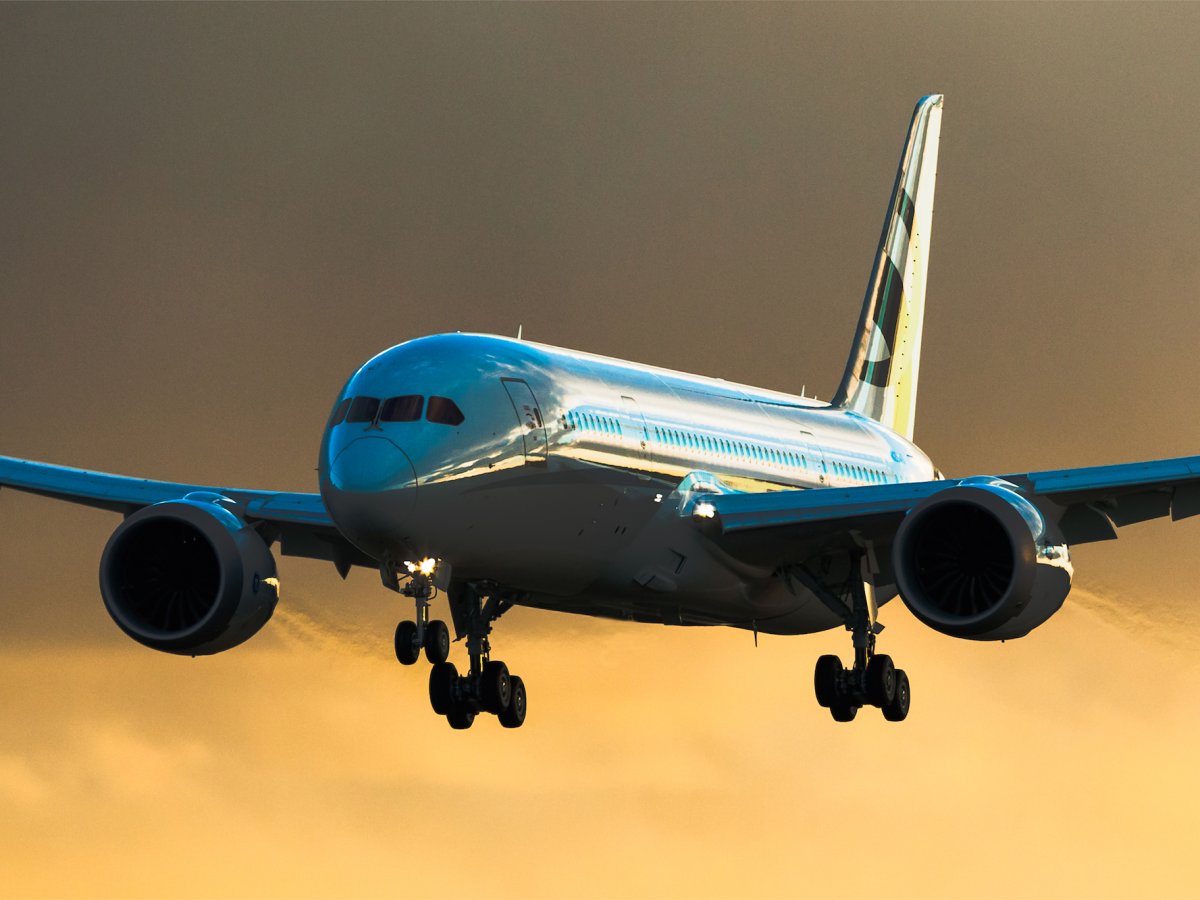
In July, China’s HNA Aviation Group will welcome a shiny new Boeing 787-8 Dreamliner to its fleet.

This plane is special because it is the first 787 Dreamliner to be built purely as a private jet.

HNA’s new Dreamliner is symbolic of a hot new trend in private and corporate aviation — long-range, mid-size, wide-body airliners.

“It’s an emerging market that didn’t really exist in the past,” Kestrel Aviation Management CEO Stephen Vella told Business Insider. Kestrel oversaw the design, engineering, and fabrication of HNA’s new Dreamliner which has an estimated total cost topping $300 million.

Airbus and Boeing have long offered versions of its airliners to private customers under their Airbus Corporate Jet and Boeing Business Jet programs. However, buyers of these airliner-based private jets have long gravitated to either four-engine, jumbo jets like the Boeing 747 or smaller, narrow-body jets such as the Airbus A320.

“The market is traditionally separated into two buckets,” Vella said. “The big Boeing 747s and Airbus A340s primarily catered to heads of state while the smaller Airbus A320 and Boeing 737s are popular corporate runabouts as well as secondary planes in government fleets.”
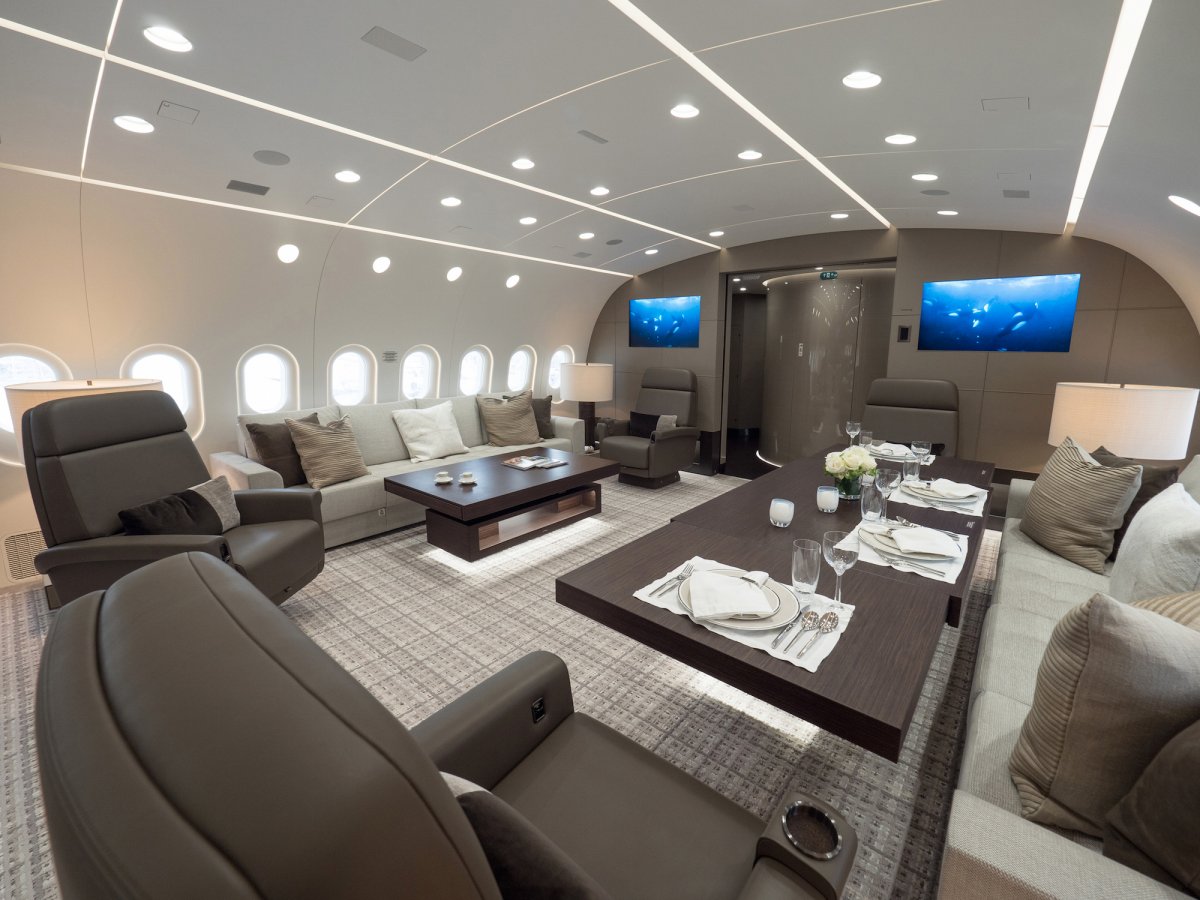
image (1)


Boeing 787-8 BBJ interior.

Although twin-engine, mid-size, wide-body jets such as the Boeing 767 and the Airbus A330 have long been available, they never quite caught on with the private jet crowd.

However, in recently years, ultra high-end private jet customers have become increasingly interested in the new generation mid-size, wide-body planes such as the Dreamliner and Airbus A350.

What’s changed?

According to Vella, several factors led to the shift.

First, leading business men and heads of state are generally pressed for time. As a result, they prefer be to able to fly anywhere they need to go non-stop. Until recently, this simply wasn’t possible in a twin-engined jet. The traditional thinking in the aviation dictates that there’s safety in the number of engines a plane has.

Regulating bodies such as the US Federal Aviation Administration have even placed limits on which ultra-long-range intercontinental routes twin-engine jets can fly. As a result, government and corporate clients looking for a plane which the range and capability to go anywhere in the world had to turn to four-engined jumbos.

However, with the incredible reliability of modern turbofan engines, the regulatory limitations on twin-engined jets have essentially been wiped out. Now, planes such as the A350 and the 787 can fly anywhere the owner requires, but in a slightly smaller and more affordable package. For instance, HNA’s new state-of-the-art composite Boeing has a range of 9,800 miles even when packed with passengers, luggage, and fuel. A similarly outfitted A350 ACJ will be able to delivery that type performance as well.

“You can fly between virtually any two points on the globe,” Vella said of the Dreamliner.

Secondly, the price of crude oil has fallen dramatically over the past two years. Even though cheaper fuel makes buying and operating a thirsty, four-engined, jumbo jet much more attractive, low crude prices have also cut dramatically into the income of Middle Eastern governments. Unfortunately for the 747 BBJ, they are also some of the plane’s biggest customers.

According to Vella, all major Middle Eastern governments such as Saudi Arabia, operate large royal fleets, many of which are jumbo jets, for elite members of the ruling family and officials to use.

Over the next decade or so, these fleets with need to be updated. Vella, whose company has bought and sold more than $50 billion worth of commercial and private jets, believes the Middle Eastern clientele are ready to do some belt-tightening and downsize to smaller planes.

Finally, another factor that has benefited the Dreamliner-sized jet is the increasing public sensitivity towards political largess. Unlike the US, where the plane that operates as Air Force One is held in high esteem and seen as a symbol of national power, the public in many countries view a large presidential aircraft as a sign of political over indulgence.

According to Vella, this is a particularly sensitive issue in Europe. However, a smaller aircraft with the performance capabilities of a jumbo, but in a less attention-getting package is a reasonable alternative.

“The mid-size jets have less ramp presence,” Vella said. “They offer the owner much more discretion.”

After all, it’s hard to arrive discretely in a jumbo jet no matter where you go. Even at the world’s busiest international airports, an aircraft the size of a 747 or Airbus A380 is conspicuous.

But all of this requires some perspective. Even the “smaller” 787 BBJ is still an absolutely massive aircraft. At 186 ft. long, even Donald Trump’s converted Boeing 757 is dwarfed by the new Dreamliner. And with 2,400 sq. ft. of living space, it offers the same amount of room as an average American suburban home.

What’s coming

According to the long-time aviation executive, over the next 15-20 years, demand from just the Middle East for Boeing 787-sized private jets will top 30 aircraft. That may not sound like many planes, but at more than $300 million a pop, that’s about $10 billion in business from just a handful of customers.

In fact, Vella believes demand from East Asia will be just as intense over that period of time.

“Because of the high number of long distance and (trans-oceanic) flights the customers make, these are the perfect planes for Asia,” Vella added.

Whether the market for these mid-size, twin-engine wide-body private jets actually skyrockets remain to be seen. But with the unprecedented level of advanced technology, luxury, and performance it can offer, they are an undeniably attractive option for the right buyer.

Source…..BENJAMIN ZHANG   in http://www.businessinsider.com.au

Natarajan
” துபாயை உலகத்துக்கே விற்ற கட்டிடம்…” !!!

building_2872234f

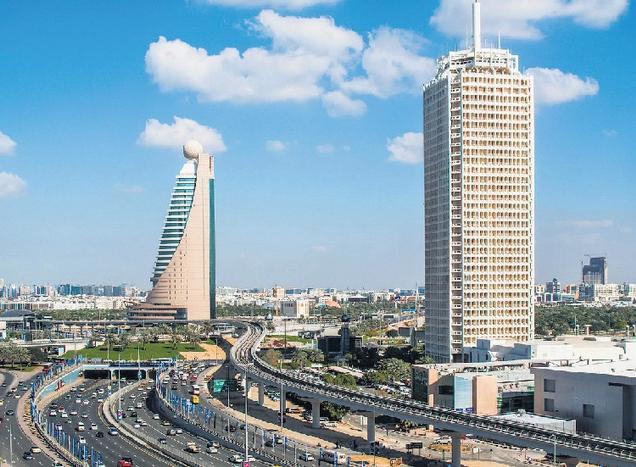
துபாயின் ‘உலக வர்த்தக மையம்’ பற்றி ஒரு கதை உண்டு. 70-களின் தொடக்கத்தில் ஒரு தொழிலதிபர் துபாய்க்கு வந்தார். இடம் ஒன்று வாங்கி, கட்டிடம் கட்டிப்போடும் எண்ணத்தில் துபாயின் ஷேக் ரஷீதின் அரண்மனைக்கு அவர் சென்றார். அவருக்கு இடம் விற்பதற்கு ஷேக் இசைந்தார். ஆனால், ஷேக்கின் சர்வேயர் காட்டிய இடம் நகரத்தின் மையத்தை விட்டு விலகியிருந்ததால் அந்தத் தொழிலதிபருக்கு அந்த இடம் பிடிக்கவில்லை. மிகுந்த பணிவுடன் மறுத்துவிட்டார். அதற்குப் பல மாதங்களுக்குப் பிறகு தான் மறுத்த இடம் எவ்வளவு வளர்ச்சி பெற்றிருக்கிறது என்பதைக் கண்ட தொழிலதிபர் சேக்கிடம் சென்றார்.

முதலில் காட்டிய இடத்தை மறுத்ததற்கு மன்னிப்பு கேட்டுவிட்டு, தனக்கு மறுபடியும் அந்த இடம் தேவைப்படுகிறது என்று கேட்டார். அவருக்கு ஷேக் வேறொரு இடத்தைக் காட்டச் செய்தார். அந்த இடத்திலிருந்து பார்த்தால் தூரத்தில் பாலைவனம் தெரிந்தது. அதற்கப்புறம், தொழிலதிபர் துபாய்க்குத் திரும்பி வரவேயில்லை. அவர் கண்டு பயந்து ஓடிய இரண்டாவது இடத்தில்தான் இப்போது ‘உலக வர்த்தக மையம்’ இருக்கிறது.

அந்தத் தொழிலதிபர் மட்டுமல்ல, ‘உலக வர்த்தக மையம்’ வந்த பிறகும் பலரும் துபாயின் வளர்ச்சி குறித்து ஐயமே கொண்டிருந்தனர். ஆனால், இப்போதோ அந்த வர்த்தக மையம்தான் துபாயில் இருமருங்கிலும், வானளாவிய கட்டிடங்களைக் கொண்டு நீளும் ஷேக் ஜயது சாலையின் நுழைவாயிலாக இருக்கிறது.

இதனால் உலக முதலீட்டாளர்கள் சுண்டியிழுக்கப்படுகிறார்கள். ஆக, தீர்க்கதரிசனமாக துபாயின் சேக் ரஷீத் செய்த செயல்தான் துபாயின் கைகாட்டிபோல் ‘உலக வர்த்தக மையம்’ இன்று நின்றுகொண்டிருக்கிறது.

இன்று அதிகார மையமாக இருக்கும் இந்தக் கட்டிடம் சற்றுப் பழமையானதாகவும் இருக்கிறது. 150 மீட்டர் உயரத்தில் அதை வானளாவிய கட்டிடம் என்று சொல்ல முடியாதுதான். ஆனால், பிரபலக் கட்டிடக் கலைஞர் ஒருவர் துபாய்க்கு வருவார் என்றால், துபாயின் கட்டிடக் கலையின் பெருமையாக ‘உலக வர்த்தக மைய’த்தைப் பற்றித்தான் குறிப்பிடுவார்.

ஷேக் ரசீதை ஆங்கில ஊடகங்கள் ‘வியாபாரி இளவரசர்’என்றே குறிப்பிடுகின்றன. உலகின் பொருளாதாரத் தலைநகரங்களுக்கெல்லாம் அவர் பயணித்து அங்கே வர்த்தகச் செயல்பாடுகளெல்லாம் எப்படிப் பொழுதுபோக்குடன் ஒன்றுசேர்கின்றன என்பதைக் கண்டார்.

அவரது நம்பிக்கையான கட்டிடக் கலைஞர் ஜான் ஹாரிஸிடம் வர்த்தகச் சந்தைகளுக்கான மையம் ஒன்றைக் கட்டும்படி பணித்தார். முதலில் பொருட்காட்சி மையமொன்றுக்கான திட்டமாக ஆரம்பித்து இறுதியில் அது ‘உலக வர்த்தக மைய’த்துக்கான திட்டமாக மாறியது.

நியூயார்க், டோக்கியோ போன்ற நகரங்களின் வர்த்தக மையங்களையெல்லாம் பார்வையிட்டு வந்தார் ஜான் ஹாரிஸ். துபாயிலேயே மிகவும் உயரமான ஒரு கட்டிடமாக, 33 மாடிகள் கொண்டதாக ‘உலக வர்த்தக மையம்’ உருவாக ஆரம்பித்தது. இன்னும் உயரம் வேண்டுமே என்று ஷேக் கேட்டுக்கொண்டதற்கு இணங்க, 39 மாடிகள் உயரம் கொண்டதாகக் கட்டப்பட்டது.

வானளாவிய கட்டிடம் ஒன்று உங்கள் நகரத்தை உலகத்தின் கண்களில் முக்கியத்துவம் பொருந்தியதாக மாற்றுமல்லவா, அது போலவே வர்த்தகச் செயல்பாடுகளுக்கு துபாய் தயாராக இருக்கிறது என்று இந்த உலகைத் திரும்பிப் பார்க்க வைத்தது இந்த வர்த்தக மையம்தான். சொகுசு ஹோட்டல், உயர்தர அடுக்ககங்களைக் கொண்ட மூன்று கோபுரங்கள், ஒரு கண்காட்சி மையம், வாகனங்கள் நிறுத்துமிடம், டென்னிஸ் ஆடுகளங்கள் போன்றவற்றைக் கொண்டு ஒரு உலகளாவிய நகரத்தைப் போல உருவானது அந்தக் கட்டிடம். 24 மணி நேரக் கண்காணிப்பு/ நிர்வாகம், பாதுகாப்பு ஊழியர்கள், தொழிலதிபர்களுக்கான கிளப், பயண ஏற்பாட்டு நிறுவனம், அஞ்சல் நிலையம், திரையரங்கம் என்று சுமுகமான வர்த்தகப் பரிவர்த்தனைகளுக்கு ஏற்ற ஒரு சூழலைக் கொண்டு செயல்படுகிறது அந்த மையம். ஜன்னல்களுக்கு வெளியே அவலட்சணமாக ஏ.சி.

பெட்டிகள் தொங்கும் கதைக்கே இங்கே இடமில்லை. எப்போதும் 22 டிகிரி செல்சியஸ் வெப்பநிலை இருக்கும் விதத்தில் அங்கு சூழல் அமைக்கப்பட்டிருக்கும்.

நகரத்துக்குள் ஒரு நகரம் என்ற திட்டத்தின் முன்வடிவம்தான் ‘உலக வர்த்தக மையம்’. நாம் அங்கே வசிக்கலாம், வேலை பார்க்கலாம், விளையாடலாம். உள்ளே இருக்கும் ‘பாலைவனச் சோலை’ உள்ளிட்ட ஒவ்வொரு இடத்துக்கும், ஒவ்வொரு அங்குலத்துக்கும் ஆகும் செலவு மேலாண்மைக் கட்டணத்தில் சேர்க்கப்பட்டுவிடும். பொருட்காட்சியின் தரையமைப்பையும் கூட பனிச்சறுக்குத் தளமாகவோ குத்துச்சண்டை தளமாகவோ மாற்றிக்கொள்ள முடியும்.

தொழில் செயல்பாடுகளுடன் பொழுதுபோக்கும் ஐக்கியமாகிவிடுகிறது இங்கே. கட்டிடம் கட்டும்போதே ஹாரிஸிடம் சேக் இப்படிச் சொல்லியிருந்தார், “வர்த்தகத்தை மனதில் கொண்டே வசதிகள், பொழுதுபோக்கு போன்றவற்றுக்கு நாம் முக்கியத்துவம் கொடுக்க வேண்டும்.”

500 சொகுசு அடுக்ககங்களுடன் ஒரு நகரம் போல அந்தக் கட்டிடம் செயல்பட்டுக் கொண்டிருக்கிறது. துபாய் ஷேக்குக்குச் சொந்தமான இந்தக் கட்டிடம் நகரத்தின் ஏனைய பகுதிகளிலிருந்து தனித்து இயங்குகிறது. அரபு உலகின் மையமாக இந்தக் கட்டிடத்தை ஆங்கில ஊடகங்களில் ஷேக் விளம்பரப்படுத்தினார்.

உலகிலேயே உயரமான கட்டிடங்கள் துபாயில் தற்போது கட்டப்பட்டுக்கொண்டிருக்கின்றன. அது மட்டுமல்லாமல் ‘பாம் ஜுமைரா’ போன்ற தீவுக் கட்டமைப்புகளும் உருவாக்கப்பட்டிருக்கின்றன. அவற்றுக்கு முன்னால் ‘உலக வர்த்தக மைய’த்தின் கட்டிடம் சிறு மடுபோலக் காட்சியளிக்கலாம். ஆனால், துபாயை உலகுக்கு விற்றது இந்தக் கட்டிடம்தான் என்பதை மறக்கக் கூடாது.

1981-ல் அபுதாபியிடம் ஆயுதங்களை விற்பதற்காக அப்போதைய இங்கிலாந்து பிரதமர் மார்கரெட் தாட்சர் வந்தபோது துபாயிலும் தலையைக் காட்டிவிட்டுச் சென்றார். அப்போது அவரை ஷேக் ரஷீத் வர்த்தக மையத்தின் கோபுரத்தின் உச்சிக்கு அழைத்துச் சென்றார்.

உலகின் மிகப் பெரிய செயற்கைத் துறைமுகமான ‘போர்ட் ஜெபல் அலி’யை அங்கிருந்து ஷேக் காட்டினார். பிரிட்டனின் பொறியாளர்களும் கடன் நல்கையாளர்களும் சேர்ந்து உதவியதால் உலக அரங்கில் துபாய் மேலே மேலே செல்ல ஆரம்பித்தது. அதற்கான உதாரணமாக ஷேக் அந்தத் துறைமுகத்தை ‘உலக வர்த்தக மைய’த்தின் உச்சியிலிருந்து காட்டினார். துபாயின் ஒரு கட்டிடம் துபாயை உலகுக்கு விற்ற கதை இதுதான்.

தி கார்டியன், சுருக்கமாகத் தமிழில்: ஆசை

Source….www.tamil.thehindu.com

Natarajan

An Inspiring Story…. Meet Renuka Aradhya of Bengaluru …

When he was young, Renuka Aradhya would beg for foodgrains, which he’d sell for a living.

Today, he owns a company that employs 150 people and directs three start-ups.

This is his inspiring story.18renuka-aradhya1


IMAGE: Renuka Aradhya grew up in poverty and had to take up several odd jobs to run his family.

Renuka Aradhya’s company today has a turnover of Rs 30 crore and employs 150 people.

This by no means is the finishing line even though the 50-year-old entrepreneur started life’s race with a major handicap.

Renuka was born poor. Very poor. He has seen the kind of poverty that put him on the streets to beg. The poverty that kept him hungry both literally and metaphorically.

Where does one begin to tell this entrepreneur’s story?

From pushing a handcart under a blazing sun to now owning a fleet of 1000 plus cars? Or from transporting 300 dead bodies to ferrying foreign tourists who left tips in dollars? Or from failing to clear Class X exams to now rubbing shoulders with the industry’s who’s who?

Or the fact that with his foresight he was able to ward off Uber and Ola poaching his business, and is making the next generation ready to dream big by bringing his daughter-in-law (who comes from a poor family) into the business.

Ernest Hemingway wrote a long time ago, “It is good to have an end to journey toward; but it is the journey that matters, in the end.”

Here’s Renuka’s roller coaster journey in his own words because no other words will do it justice.

Every day is a winding road

I belong to a village called Gopasandra, in Anekal taluk near Bengaluru.

My father was a pujari at a temple allotted by the state government though he did not get any fixed salary.

After conducting the puja, he would go to nearby villages to beg for ragi, jowar, or rice. He would then sell the grains in the market and with the money that he got from the sale he would take care of us. We were three children — two boys and one girl.

I would go begging with my father to these neighbouring villages, which is now Electronic City.

After I finished Class VI, my father thought he would put me in somebody’s home as a domestic help to make ends meet. My school fee till Class X was taken care of by my teachers because they would get me to do their domestic work like washing utensils, dusting and sweeping.

I started working for an old man who had a severe skin ailment. I would tend to him, give him a bath, and apply skin ointment all over his body.

Since I belonged to the pujari clan, I also had to perform puja at a nearby temple. After that, I would go to school. I lived there for one whole year.

Soon after, my father admitted me to a boys’ ashram in Chickpet, where I remained for three years.

The hostel would give us two meals a day, one at 8 am and the other at 8 pm and nothing in between.

I remember I was always hungry. I could not focus on my studies at all and my mind was occupied with trying to find how I could lay my hands on some food.

It was mandatory in this ashram to learn Sanskrit and the Vedas. I quickly picked this up because I realised that if I could accompany the seniors in some naming ceremony, weddings, or pujas I could eat at those events. But it was not very easy to get hold of these opportunities. I had to placate my seniors by offering to do their personal chores like washing their clothes.

As a result, I failed in Class X, passing only in Sanskrit. I then had to return home as my father passed away and the responsibility of my mother fell on me. My older brother was married and not keen on taking care of her or my sister and me.

In poverty, there is no unity. Lack of money can make people selfish and mean. If people lived happily together in the midst of poverty then they are gods.

I soon started working in a factory in Audgodi. I was there for a year.

This was followed by a stint in a plastic manufacturing company and then an ice-making factory.

I then found a job as a sweeper in an AdLabs branch.

My mind is sharp. I soon got a hang of printing and helping out with the work.

I was there for three years and had to quit because I was getting drawn into nefarious activities by some employees, who expected me to join them as well.

I am glad I quit because I heard later that they were found out and sacked.

I joined Shyam Sunder Trading Company where I started working as a helper.

The company was into making and trading in bags and suitcases. I had to load a handcart with suitcases. Another helper and I took turns pushing and pulling it through the city roads and transported them from the factory to the shop. Soon, I was promoted to a sales position.

After working there for a few months, I thought ‘why not start my own business?’

Since I was familiar with this business, I decided to make covers for suitcases and vanity bags.

I would take my bicycle and go around the city shouting for customers who wanted covers stitched for their suitcases and bags. It did not work out well for me and I lost Rs 30,000.

I was back to square one. My brother, who was a security guard, found me a job as one.

The reason I kept moving and starting all over again is because I wanted to achieve something. I did not have any educational background. I was not even a high-school pass. I had no money and no family connection. I did not have any mentors, no one to guide me. But I was always in search of opportunities.

I was around 18 when I got into bad company — drinking and gambling. Thankfully, the older boys I used to hang out with moved out and I escaped a life that would not have taken me anywhere.

When I turned 20, I told my mother I wanted to get married.

I thought that marriage would make me more responsible and focussed. I was earning Rs 600 as a security guard, so to make a few extra bucks I started taking on odd jobs like that of mali (gardener), or climbing coconut trees.

I remember that I charged Rs 15 per tree and I would climb 20 trees per day.

Not satisfied with what I was doing, I decided to become a driver, though I did not know how to drive.

I did not have any money to learn driving and to get a driver’s licence. So I borrowed some money from my brother-in-law and pawned my wedding ring.

All went well and I got my driving licence. But the first day of my driving job was a big nightmare.

I was meant to reverse the car and park it, instead, I banged it into the gate. That job lasted only a few hours. I was back to being a security guard.

It was very depressing. I would go to the temple and bang my head on the steps lamenting my destiny and how God was being so unkind to me. I wanted to drive and yet here I was going back to doing what I thought I had come out of.

Since I was always looking out for an opportunity, I met a taxi operator who decided to give me a break.

He told me not to worry if I banged the car. ‘Just run away from there,’ he told me.

I was so grateful that I told him he needn’t pay me till I can prove myself. I’ll manage with the driver ‘batha’ (per day charges on an outstation trip), I told him.

I remember carrying large stones in the car. Whenever I had to halt at an incline, I would pull the handbrakes and quickly place the stones next to the rear wheels to prevent the car from rolling back.

Imagine how many stones I must have left behind me in a trail (laughs).

I was determined not to go back to being a security guard this time. In the nights, I would practice reversing the car, parking it, and managing inclines on the road without the stones. Slowly, my confidence grew.

My first outstation trip was to Gokarna. I learnt that if you drive slow and steady then everything works out well. So that’s what I did.

I was so nervous that I did not dare press on the accelerator too hard. Imagine my surprise when I got this feedback from the guests saying that I was a very good driver (laughs).

One more thing I learnt was that if you take care of your customers, then you’ve won the battle. I got very good reviews from my customers and because of this, I was always in demand.

I worked at a transport company for four years. Besides ferrying passengers, the company also provided vehicles to hospitals like Nimhans to transport dead bodies back to their homes for the last rites.

I have transported approximately 300 dead bodies across India. And many times, I have done so alone because there was no one from the deceased family to accompany the body.

And look at the irony, immediately after I came back from one of these trips there would be a group waiting to go on a pilgrimage to Sabarimala. I would sprinkle some holy water on the vehicle and get on with the next journey.

This also taught me the impermanence of life. That nothing is enduring. That life and death are nothing but two ends of a long journey.

You know the most important learning for me in my journey has been that to earn money you must have a vision. And to make that happen, you must make the best of opportunities that come your way. You must do whatever you are doing with total dedication and keep a good track record.

One day, fortune will surely smile upon you.

Two-way street


My wife used to work in the garment industry. First, she was a helper and then she went on to become a tailor. Together, we would earn Rs 900.

I was soon upgraded to another travel company. Here I got an opportunity to drive foreign tourists.

I would get good tips in dollars. Over the four years that I worked there I had a neat sum saved up from these tips.

I got my wife to withdraw her PF money, and together with the amount I had saved I started a company called City Safari with some other people.

Once the company started doing well, I was made the manager.

When I was only a driver, I would often think that one day instead of submitting a trip sheet I should be the one collecting it. And that dream came true with my new post as manager (smiles).

Around this time, I bought my first car. It was an Indica.


I had to take a loan from the bank. My older brother refused to be a guarantor, and I had to seek someone else’s help.

In another year-and-a-half, I bought one more car. With these cars, I went to work for two years with Spot City Taxi.

As you can gather, I wanted to build my own travel/transport company.

A company called Indian City Taxi was on a distress sale. I did not have any knowledge of merger and acquisition, justpaisa de do, company le lo (give money, buy the company).

I bought that company in 2006 with Rs 6.5 lakh. I had to sell all the cars that I had by then to produce this money. The company had 35 cabs attached to it and they would make Rs 1000 commission per vehicle, so in a month Rs 35,000 was assured.

I took a lot of risks, which thankfully paid off.

I had earlier registered the name ‘Pravasi Cabs’ when I had three cars of my own. So I called my new company that.

I was an entrepreneur now. The name came to me from the foreign tourists and expatriates I drove around. Pravasi is the Sanskrit word for expatriates.

However, it was not all that easy. There were a lot of complications.

Anyway, to cut a long story short I soon got my first client — Amazon India. When they were setting up their Chennai office, they also helped me expand my business there.

Now the thing with corporates is they pay after three months, and I did not get my payments even after six months. So I took loans, and through the years have ended up paying lakhs as interest.

But mind you, the money was not for me. I would give my wife Rs 20,000 every month to run the house. The rest was all for the company.

I poured my days and nights with hard work. Slowly, revenue started coming in.

I thought of expanding my business and getting more clients.

What if Amazon withdrew? I would end up on the streets. Hence, I slowly got more clients like Walmart, Akamai, General Motors, and others. I did not have a sales team, no marketing team, nothing.

I never lost an opportunity even if my cut was three percent, I did not care. I just wanted to get into operations.

I had to increase my turnover, only then would I get funding from the market or banks. But if I concentrated only on profits, my turnover would decrease.

At this time, we were in on-call service, employee transport service (ETS), and train/bus ticketing (which I left after a year). I owe a lot to Amazon for supporting my growth.

I do not have any barrier to starting operations. I just look for three things: the attitude of the local drivers, their behaviour towards customers, and vehicle availability.

Are we nearly there, yet?

I learnt English by conversing with tourists.

When the car would be parked while the tourists did the sightseeing I would wait in the car either trying to read from an English newspaper or write passages from it.

I did not waste time gossiping with other drivers or smoking. I would either read or catch up on my sleep.

As my business grew, I felt the need to attend networking sessions, workshops and talks on marketing, customer retention or economics of running a business.

A lot of my personal growth happened this way. The other advantage I had was that I am very tech-savvy; I can work any gadget.

Three years ago, I started providing buses to schools.

Initially, the understanding was that we had to manage with the transport fee that the school charged.

The first year, I lost Rs 10 lakh. I made an agreement with the school that I would give them 35 percent for the next 10 years. So I would invest in the buses. This is the first year that I am going to break-even. I started this because I could not rely on only ETS.

And, surely, when Ola and Uber came along, it impacted the taxi industry greatly.

But I escaped because I had around 700 cabs attached to me. I lost about 200 to them. But I was still left with 500.

My idea was if I had more than 500 vehicles then no one can touch me. But if I had 100, 200 cars, then certainly I would have had reason to panic. In fact, many taxi operators had to shut shop when Ola and Uber speed chased them.

I believe that because I dreamt big, I managed to escape. If I had a small cab agency and was satisfied with earning Rs 40,000 a month, my business would certainly have been punctured.

I realised the best solution was to have a new scheme for my drivers, which was an owner-cum-driver scheme.

The deal was that for an advance of Rs 50,000, I would buy them a new car. He had to work for 36 months, and after that, the car would be transferred to his name. Whatever he earns, he keeps, we just deduct the EMI for the vehicle. We now have 300 vehicles like that, and I have the liability of all those vehicles on my head.

Besides this, we also provide training to the drivers regarding behaviour and how to manage their finances.

You know, my growth has been only this much because I wasn’t educated enough. I do not know the planning and strategies like the IIT and IIM guys.

I am also a director in three start-ups. Along with six other directors, I sit on the board of loaddial.com.

It is an aggregator of goods vehicles. I am also a director in a company that will provide affordable housing to people like drivers and garment workers.

I have a few other concepts like having a Foodpanda like app for smaller cities and towns.

In three years, once I cross Rs 100 crore I will go for an IPO.

As a social responsibility, I want to encourage women drivers.

I am ready to even waive the Rs 50,000 advance if women come forward saying they want to become owner-cum-drivers. We have also created an all-women call centre for Pravasi in Karwar.

I believe in the power of the mind. What we think, we become.

How many times will you say ‘I do not have any experience so how will I do this?’

Initially, there will be more criticism and less goodwill.

But slowly the criticism will fade away.

Whatever God has given me, I have shared with everyone. And I firmly believe that because of this I have managed to get myself educated and get rich.

I took my chances and during all those times when I picked up an opportunity even though it was not financially viable, I firmly believed that one day God would give me back double. Otherwise how else can a security guard today drive a Rs 23-lakh car?


Ad Choices


Clingstone: The House on The Rock…!!!

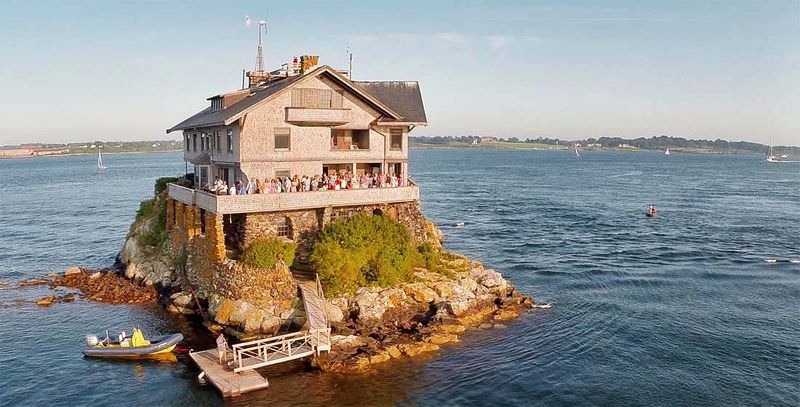
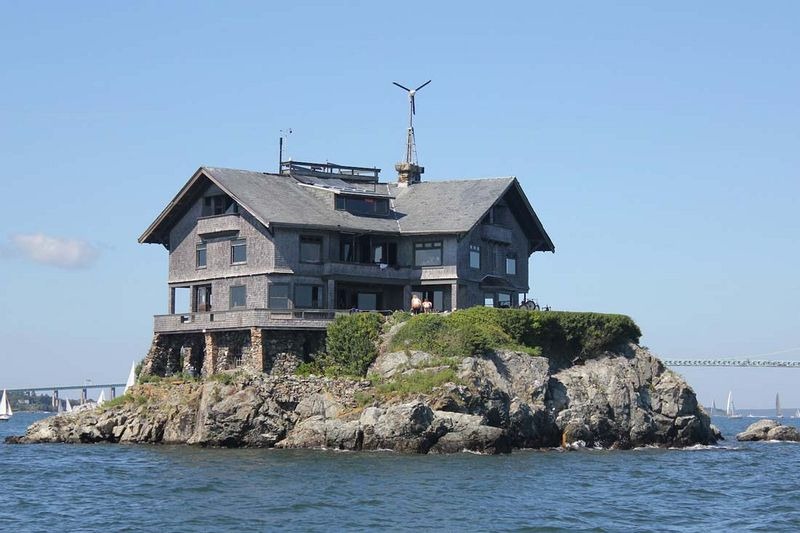
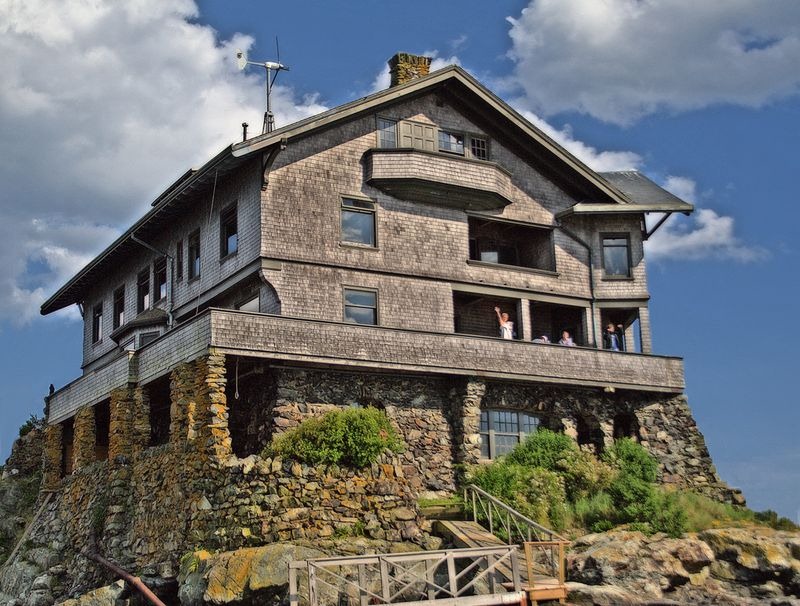
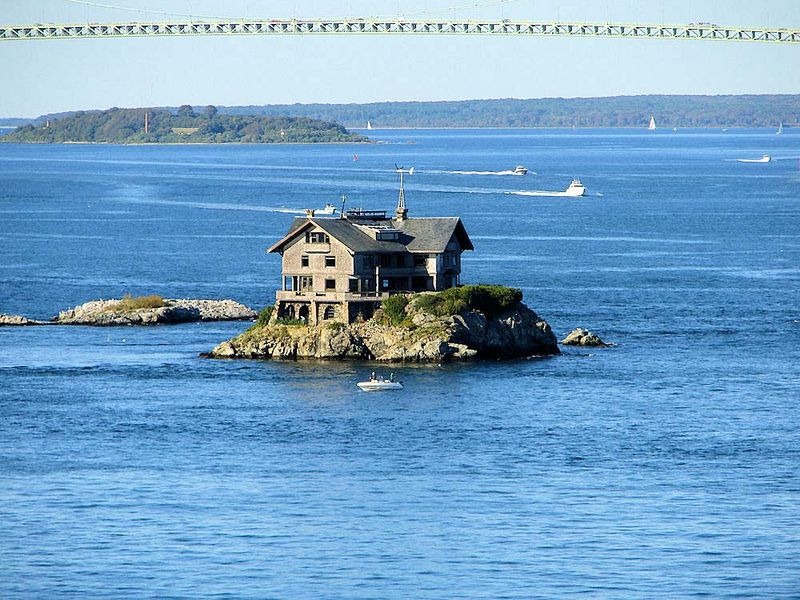
Perched on top of a small, rocky island in Narragansett Bay, near Jamestown, Rhode Island, the United States, is a three-story, cedar shingle mansion built by Philadelphia socialite Joseph Lovering Wharton in 1905. Wharton had built the house as an act of defiance after the government seized his land and summer home that he had in the Fort Wetherill area in south Jamestown, to enlarge the fort at the end of the 1800s. Angered at being ousted from his property, Wharton decided to build a house where no one could bother him, and Clingstone happened. One source claims that the name “Clingstone” was suggested when someone remarked that it was “a peach of a house”. Clingstone is a botanical term for fruits that has a hard stone-like seed inside. Or perhaps, the name is a reference to the way the house clings to the rock.

clingstone-house-6

Photo credit: mansion-homes.com

In spite of its perilious location in the sea, the Clingstone has managed to survive more than a hundred years, weathering countless storms and hurricanes. Originally there was a long stone jetty with gymnasts’ rings and bars, but it was blown away by the Great Hurricane of 1938. The house itself, which sits only 20 feet above sea level, survived with minimal damage. Now Clingstone’s current owner, Henry Wood, a distant cousin of Wharton, regularly goes out to Clingstone with his three grown sons to watch the yearly hurricanes in action.

Henry Wood, who is a Boston-based architect, had bought the house in 1961. It had been lying vacant for two decades after the death of Wharton’s widow in 1941. When Wood acquired it, the house was in a shabby condition with all its windows smashed, the floors rotten and covered with pigeon droppings, and the roof mostly gone.

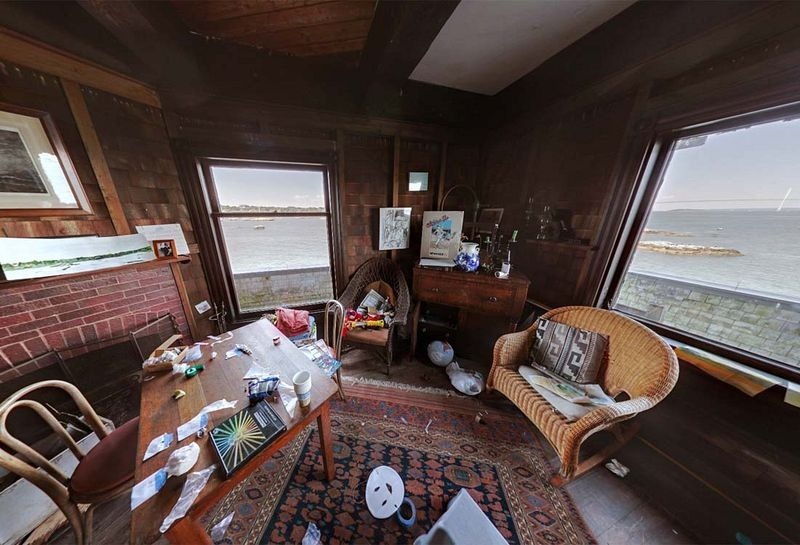
Wood and his sons take pride in their environment-friendly renovations of the house. The house is totally off the power grid. A windmill on the roof provides electricity, while photovoltaic cells charge a bank of batteries in the basement for additional power. Rainwater collected from the roof into a 3,000-gallon cistern provide water for washing and cleaning. Drinking water comes from a sea-water filtration system. Water is heated by solar panels. The house even has a composting toilet. The compost is then used to fertilize the garden.

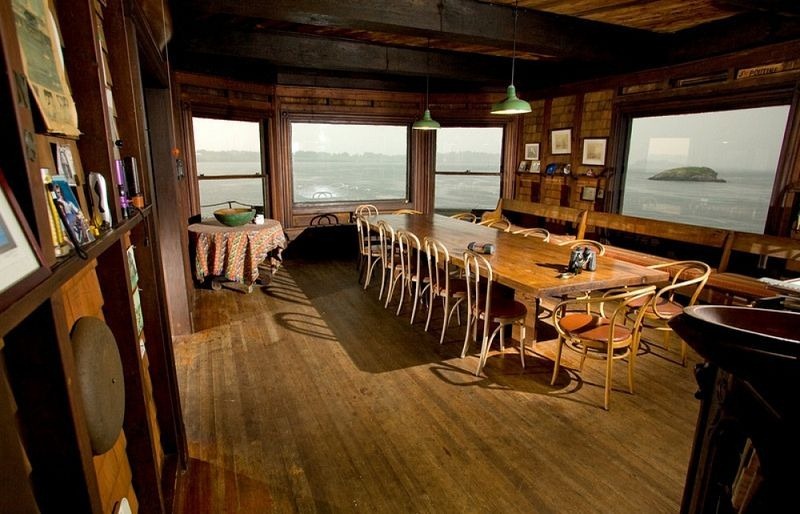
Although refitting the house with green technology has certainly been expensive, Wood has managed to cut corners by acquiring furnishings from thrift shops or yard sales. Windows, light fixtures and doorknobs were scavenged from old buildings that were torn down. The long cypress dining room table was retrieved from the bottom of a cistern.

Today, the house has 23 rooms, including 10 bedrooms and five bathrooms. Visible from the shores, the house is known by locals as “The House on a Rock”.

clingstone-house-5


Photo credit: mansion-homes.com

clingstone-house-22

Photo credit: G.E.Long/Flickr

clingstone-house-10

Photo credit: mansion-homes.com

clingstone-house-21

Photo credit: Eric Jacobs

clingstone-house-1

Photo credit: mansion-homes.com

Source…..www.amusingplanet.com

Natarajan


Image of the Day…. Robin in the backdrop of Moon !!!

First robin of the year

On Saturday, our friend Suzanne Murphy got her first robin sighting of the year yesterday in southern Wisconsin. Spring is coming!

Photo credit: Suzanne Murphy

Photo credit: Suzanne Murphy

Suzanne Murphy got a sign of spring on Saturday (February 20, 2016). She reported:

I was shooting a photo of the moon above this tree and a robin flew into my photo! This is my first Robin sighting of the year here in southern Wisconsin.

Photo credit: Suzanne Murphy

Photo credit: Suzanne Murphy

Source….www.earthsky.org

Natarajan

Message for the Day….” Understand What is Culture …”

Many do not invest time to understand the sacredness and value of their culture. ‘Culture’ means that which sanctifies the world, which enhances the greatness and glory of a country, and which helps to raise the individual and society to a higher level of existence. The observance of morality in daily life, divinisation of all actions and thoughts related to life, and adherence to ideals – all these together constitute culture. Culture contributes to the refinement of life. The process of refinement or transformation is essential for improving the utility of any object. For instance, paddy has to be milled and the husk has to be removed before the rice is fit for cooking. This is the process known as Samskriti or transformation. This means getting rid of the unwanted elements and securing the desirable elements. With regards to people, Samskriti (culture) means getting rid of bad qualities and cultivating virtues. A cultured person is one who has good thoughts and good conduct.

Sathya Sai Baba

9 personal finance mistakes to avoid….

All of us have made these mistakes, so let’s begin by seeing how many of them we can avoid/minimise…

I am normally a person who likes to say ‘be careful’ rather than say ‘do not break it’. The mind always sticks to the most important word — so the ‘break’ sticks in our head. However there are a few mistakes that I have been seeing and hearing from IFAs, websites, etc. and think it is necessary to summarise them in one place.

1. Optimism

This is a lovely thing to have, except when it comes to investing. When people invest in equities they have some outlandish expectation — say 28 per cent CAGR (compounded annual growth rate) or 17 per cent CAGR. No clue who gives them such ‘lofty’ expectations. Yes, some of us have got it in the past, but hey we have perhaps just been lucky.

A Rakesh Jhunjhunwala or a Vallabh Bhansali have got much higher returns, but you have no clue about the efforts and team work that has gone behind all this. A Naren Sankaran (Of ICICI) or a Motilal Oswal is perhaps capable of getting far better returns, but their risk taking capacity and sheer size of funds managed puts a huge limitation to the returns.

So please temper your expectations.

Just because you expect less it does not mean you will not get it. Keep your expectations at a far more realistic 20-25 per cent OVER PPF returns — so if you get 8 per cent in PPF, expect to earn about 10-11 per cent over a long period of time, tax free. It can do magic to your portfolio over say 50 years like it has done for some of us early starters.

2. Risk and return

The fact that you take more risks DOES NOT MEAN YOU HAVE TO GET greater returns. It is not your RIGHT; it is just that the odds favour you. If it were so certain, there would be no risk at all. Long term can mean really long term — say 13 years and you may have just lost patience after 12 years and 5 months.

Be very clear that for goals that are 7-8 years away equity is a good investment, but you will need a back up plan just in case it backfires.

3. Consumerism

Buying every shiny thing on the store shelf or on Amazon and Flipkart are not the way to create wealth. When you feel like buying something, wait. Think of the last 5 items that you bought and what you did with that. Clearly the manufacturer and the shop keeper want you to buy all that is made and displayed. It is up to you not to do so.

Investing more and for a longer period is the only route to a great portfolio.

4. Complications

Planners love to complicate things, ignore complex plans. Simpler plans are far superior.

5. Inertia

Good and noble intentions will not protect your family or create wealth for you. So get off your backside and get that term insurance, medical insurance, provident fund nomination form, …NOW and start your investing programme, NOW.

If you do not believe this, see the amount of money lying in bank deposits, savings banks, post offices around the country!

Even better see your own savings bank account and see how much of interest has been credited. Kickass start.

6. Impulsive actions…

…while in spending, investing, saving, eating and health issues only lead to pain later on. Learn some meditation and act in leisure. Relax, do not get bullied by bankers, contractors, salesmen, cousins, friends, television experts — by anybody.

Collect all the data, and then sleep over it for a day. Take a decision after a few hours, preferably 24 hours. Do not believe the agent who says “this scheme is closing…” Some agents have been using it for the past X number of years and doing it very successfully. When you have the money, a new scheme is born every day. Usually in a better form.

7. Ask

Ask the people who know before you invest. Parachutes are to be on your back BEFORE you eject from the plane, it cannot be sent to you mid air…

8. Greed

If you have invested in 50,000 shares of a company at Rs 30 a share and the price goes up to Rs 50 in two weeks time, great. Partial booking — of say 1000 shares every time a share jumps an X per cent is not a bad idea at all.

It is only the owners who can ride a share from its start to eternity — like a Premji or a Narayana Moorthy can/ will do. Yes there are many theories here, but hey, greed kills more than it makes you go. Be careful.

9. Mess

Do you have 40 items in a portfolio worth Rs 1 crore? You are a mess. You need to have no more than five. Okay make it 8, but not more. So please prune the mess, and clean it up.

Source………P V Subramanyam in www. rediff.com

Natarajan


The Unique Flower Auction at Aalsmeer…….

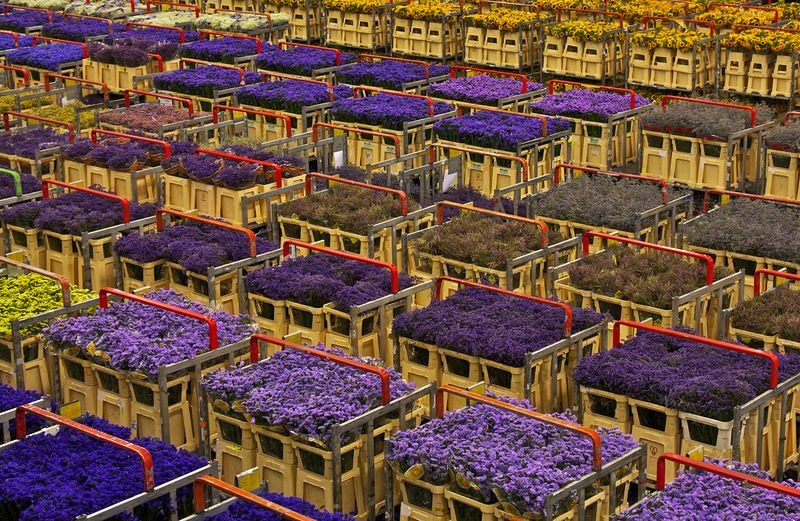
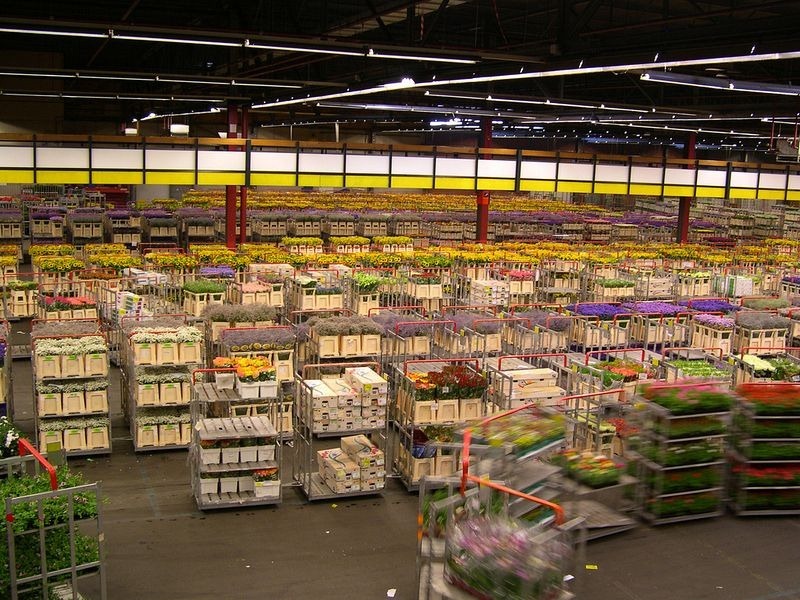
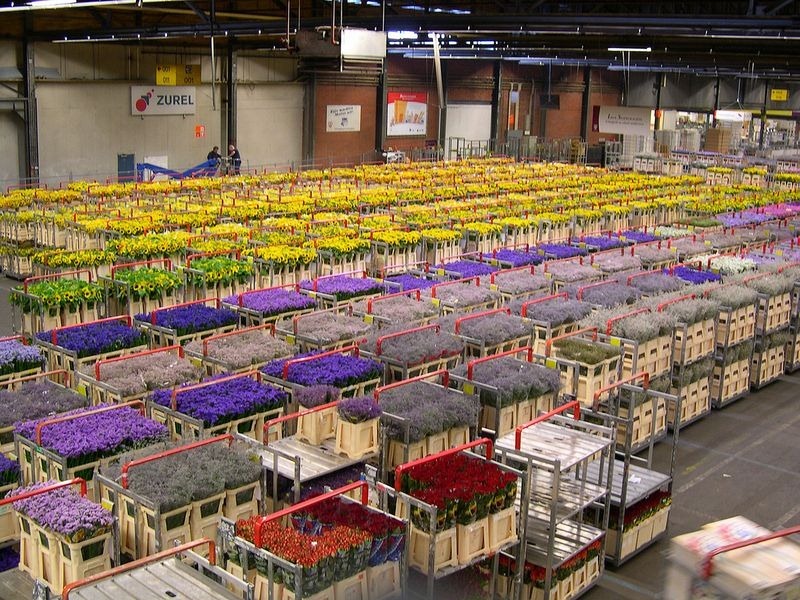
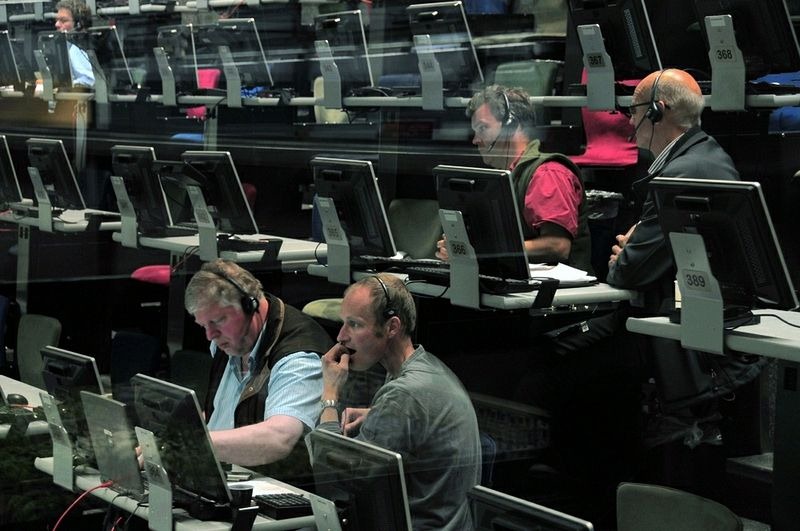
The Aalsmeer Flower Auction or Bloemenveiling Aalsmeer in Dutch, takes place in the town of Aalsmeer in North Holland near Amsterdam Schiphol Airport, and is by far the busiest and largest floral market in the world. Everyday 20 million flowers arrive here from all over the world. Whilst a large majority of the flowers sold here are from the Netherlands, many come from far off places like Ecuador, Colombia, Ethiopia, and Kenya. The warehouse itself, where the trading takes place, is the largest building by footprint in the world, covering 518,000 square meters or 243 acres.

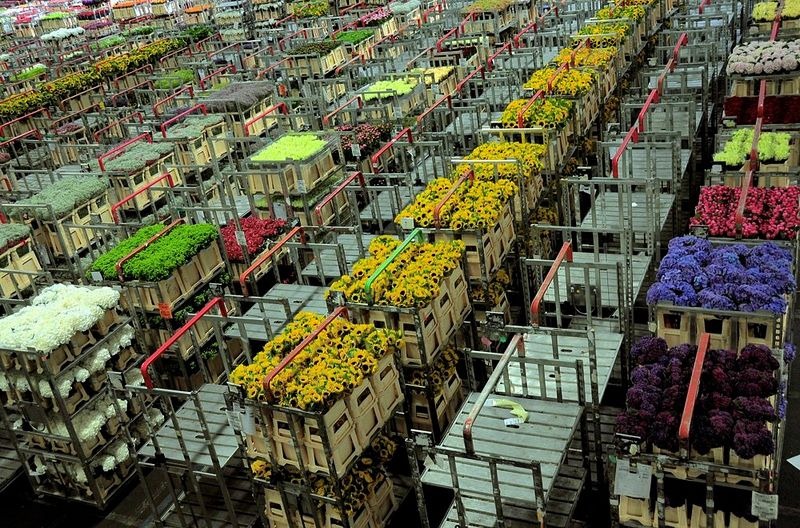
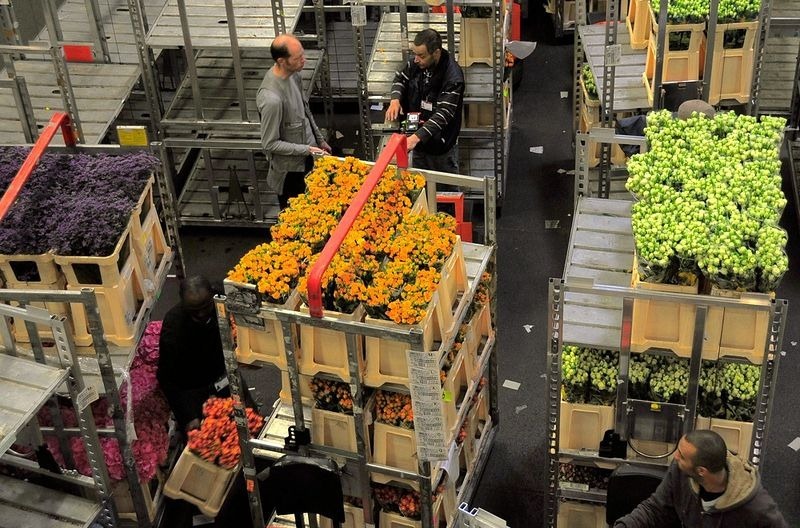
Flowers arrive the night before the auction, at around 10 PM, and are cooled and sorted during the night. The auction starts early morning. Carts of flowers are presented to the buyers, one at a time, while they bid on them. The flowers get bought and distributed almost immediately. By late afternoon, all the flowers will have moved out and the warehouse prepared for the next round.

aalsmeer-flower-auction-3

Crates of flowers waiting to be auctioned off at Aalsmeer Flower Auction. Photo credit: CGP Grey


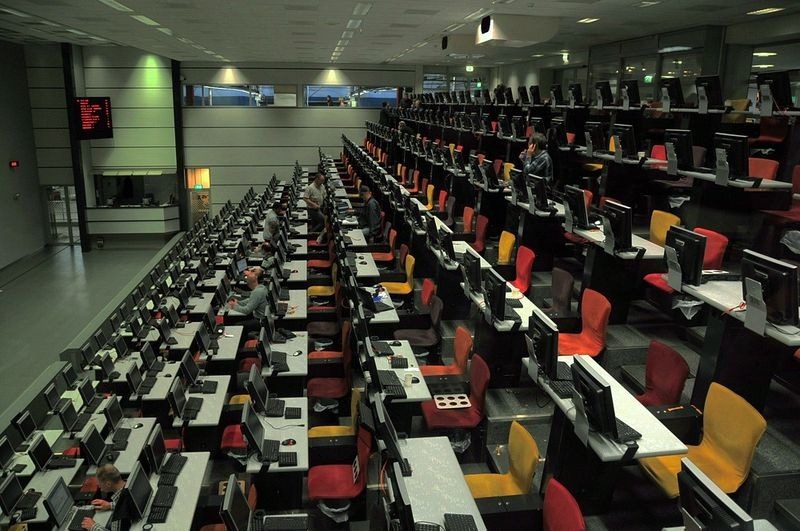
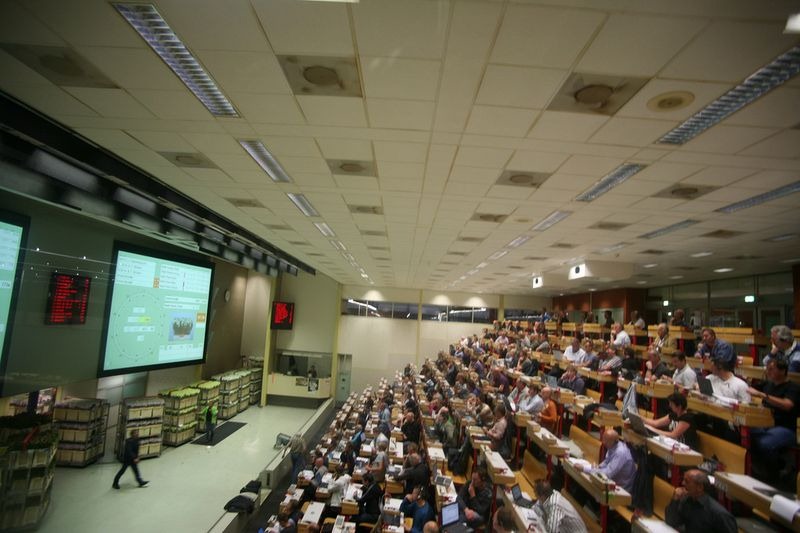
Flowers in Aalsmeer are sold using the infamous Dutch auction system. The price is set high and a clock starts ticking down from 100. As time falls, so does the price of the cart. The first person to make a bid gets the cart. Anyone buying too fast risks overpay, but those waiting too long for the price to drop may go home empty handed. This unique system was invented in the 17th century for selling Dutch tulip bulbs, and is based on a pricing system devised by Nobel prize winning economist William Vickrey. The ingenuity of the Dutch auction ensures that flowers are sold off quickly while extracting the highest price out of the dealer who wants the lot the most.

The bidding process can be seen on the large screens inside the auction room. Visitors are allowed but neither them nor buyers can get close to the flowers. The most interesting aspect of the Aalsmeer flower market is seeing the logistics in action, rather than admiring flowers up close. The closest one can get to the flowers are from two elevated walkways high above the busy warehouse. The actual trading can be observed through soundproof windows high above two auction rooms.

aalsmeer-flower-auction-1

aalsmeer-flower-auction-2

aalsmeer-flower-auction-5

Photo credit: faungg’s photos/Flickr


aalsmeer-flower-auction-4

The auction room. Photo credit: faungg’s photos/Flickr

aalsmeer-flower-auction-7

Photo credit: faungg’s photos/Flickr

aalsmeer-flower-auction-11

An auction in progress. Photo credit: bert knottenbeld/Flickr

aalsmeer-flower-auction-6

Photo credit: faungg’s photos/Flickr

aalsmeer-flower-auction-10

Photo credit: bert knottenbeld/Flickr


Sources: European Traveller / Flower Experts / Investor Words

Source….www.amusingplanet.com

Natarajan

These Are the 6 Singaporean Satellites Being Launched by ISRO Today…17 Dec 2015…

At 6:00 pm today, Indian Space Research Organisation (ISRO) will launch six Singaporean satellites from the first launch pad at Satish Dhawan Space Centre in Sriharikota, Andhra Pradesh.

The satellites will be put into orbit by India’s Polar Satellite Launch Vehicle, in its thirty-second flight (PSLV-C29).

ISRO Satellite

PSLV-C29 on the First Launch Pad with Vehicle Assembly Building in background

PSLV-C29 will launch the satellites into a 550 km circular orbit inclined at 15 degrees to the equator. They will be launched one after the other to avoid collision, and there will be a distance of about 20 kilometres between them. The satellites being launched include one primary satellite and five co-passenger satellites.

The commercial arm of ISRO, Antrix Corporation Limited, has provided launch services for 51 commercial satellites from 20 countries so far. The six satellites being launched today include the following –

TeLEOS-1:

ISRO Satellite

TeLEOS-1 and Nanosats

This is the primary satellite weighing 400kg. It is the first Singapore commercial earth observation satellite and it is being launched for remote sensing applications. Designed and developed by Singapore Technologies Electronics, the mission life for this satellite is five years.

VELOX-CI:

ISRO Satellite \

Velox-CI and Kent Ridge-1

This is a micro satellite weighing 123kg. It will be used for research in tropical environmental monitoring using radio occultation techniques.

VELOX-II:

This satellite weight 13 kg and is a 6U-CubeSat technology demonstrator with three payloads – the communications, GPS experimental, and fault tolerant payload. A CubeSat is a type of small satellite used for space research.

Athenoxat-1:

ISRO Satellite

PSLV-C29 Heat-shield closed with six satellites integrated to the Launch Vehicle

It is a technology demonstrator nano-satellite, designed and developed by Microspace Rapid Pvt. Ltd in Singapore.

Kent Ridge-1:

This is a micro satellite weighing 78 kg, and it has two primary payloads.

Galassia:

A 2U-Cubesat weighing 3.4 kg, this satellite has two payloads.

“The satellites will be able to produce information at a much higher frequency. This will surely be very important when you use it for disaster monitoring in the region like Southeast Asia,” Project Director of the Satellite Programme at the National University of Singapore (NUS), Professor Goh Cher Hiang, said.

The 59-hour countdown for the PSLV-C29/TeLEOS-1 Mission began at 7:00 am on December 14. This is the eleventh fight of PSLV in ‘core-alone’ configuration. In this configuration, the six strap-on boosters used by standard PSLV model is not used.

All pictures: isro.gov.in

Source….Tanaya Singh in http://www.the better india .com

Natarajan

” நிமிடக் கட்டுரை – சென்னையைப் பாதுகாத்த பக்கிங்காம்…”

சென்னையின் கால்வாய்களையும் ஆறுகளையும் இணைத்துச் சமன்படுத்திவந்த பக்கிங்காம் கால்வாய் மட்டும் உயிர்ப் போடு இருந்திருந்தால் சென்னை இன்று நீரில் தத்தளித்திருக்காது.

1801-ல் வெளிவந்த மெட்ராஸ் கெஜட் அறிவிப்பின்படி சென்னையைச் சுற்றியுள்ள ஓடைகளை இணைக்க எண்ணூரிலிருந்து சென்னை வரை ஒரு கால்வாய் கட்டத் திட்டமிடப்பட்டது. பிறகு ஆந்திராவின் காக்கிநாடா பகுதியிலிருந்து தமிழகத்தின் விழுப்புரம் வரை பறந்து விரிந்த மிக நீண்ட கால்வாயாக அது கட்டப்பட்டது. இன்று சென்னையை முட்டித்தள்ளும் ஆறுகளும் ஏரிகளும் அன்று பக்கிங்காம் கால்வாய்க்குக் கட்டுப்பட்டிருந்தன. உதாரணத்துக்கு, கூவத்தையும் அடையாறையும் இணைக்கும் ஆற்று வழிப்பாதை இருந்தது.

கோதாவரி ஆற்றோடும் கிருஷ்ணா நதியோடும் கைகோத்த இந்த பக்கிங்காம் கால்வாயில் 1890-களில் வணிகப்பொருட்களை உற்சாகமாகப் பல படகுகள் சுமந்து சென்றன என்று ‘இந்தியன் பால்ம்’ என்னும் புத்தகத்தில் பால் ஹைலாந்த் குறிப்பிட்டுள்ளார். ஆனால் பின்னாளில் எதிர்பாராத வெள்ளத்தினாலும் வறட்சியினாலும் பக்கிங்காம் கால்வாய் வழி வணிகம் தடைபட்டுப்போனது என்பது தெரியவருகிறது.

இதேபோன்று, சென்னையின் மழை நிலவரம் குறித்து 64 ஆண்டுகள் தொடர்ந்து நடத்தப்பட்ட ஆய்வின் விவரங்களை 1832-ல் வெளியிட்டார் ஆர்தர் காட்டன். இதன்படி சென்னையில் மழை வரத்து சீராக இல்லாமல் ஏற்றம் இறக்கத்தோடு மாறி மாறிப் பொழிவதாகக் குறிப்பிட்டுள்ளார். 1827-ல் 88.41 அங்குலம் வரை சென்னையில் மழை பொழிந்திருக்கிறது. ஆனால் 1831-ல் 44.35 அங்குலமாக அது குறைந்திருக்கிறது. 1832-ல் வெறும் 18.45 அங்குலம் மட்டுமே பொழிந்திருக்கிறது. அடுத்த ஆண்டில் 37.11 அங்குலமாகத் திடீரெனப் பெருகியிருக்கிறது.

இவ்வாறாகச் சென்னையின் மழை நிலவரம் ஏற்ற இறக்கத்தோடு இருப்பதால் இப்பகுதிக்கான நீர் மேலாண்மை கண்ணும் கருத்துமாகத் திட்டமிடப்பட வேண்டும் என தன் அறிக்கையில் சுட்டிக்காட்டியுள்ளார். சென்னையின் நீர் மேலாண்மையில் பக்கிங்காம் கால்வாய் முக்கியப் பங்குவகித்தது என்பதற்கான பதிவுகளும் காணப்படுகின்றன. பழுதடையாமல் இருந்தவரை கொள்திறன் ஒரு நொடிக்கு 5,600 கன அடி நீரைக் கொள்திறனாகக் கொண்டிருந்தது.

ஆனால் சென்னையின் ஏரிகளுக்கும் பிற நீர்நிலைகளுக்கும் இடையிலான தொடர்பு துண்டிக்கப்பட்டவுடன் பக்கிங்காம் கால்வாய்க் கான முக்கியத்துவமும் மறைந்துபோனது. 1900 மே 10-ல் வெளியான

`தி இந்து’ ஆங்கில நாளிதழின் கட்டுரை ஒன்றில் இது துல்லியமாகப் பதிவுசெய்யப்பட்டிருக்கிறது. நீண்ட காலத்துக்குப் பிறகு பக்கிங்காமின் அருமை அறிந்து மீண்டும் காக்கிநாடா முதல் புதுச்சேரி வரை அதன் நீர் படுகையைச் செப்பனிட்டு தேசிய நீர்வழிப் பாதையை அமைக்க 2008-ல் திட்டமிடப்பட்டது. ஆனால் இன்றுவரை இந்தக் கனவுத் திட்டம் மெய்ப்படவில்லை. சென்னையின் இன்றைய அவல நிலையைப் பார்த்த பிறகாவது விடிவு காலம் பிறக்குமா?

– ‘தி பிஸினஸ் லைன்’
தமிழில் சுருக்கமாக: ம. சுசித்ரா

Source….ஜி. நாகா ஸ்ரீதர்….www.tamil.thehindu.com

Natarajan