படித்து ரசித்தது …” பணம் என்பது எந்த மனதையும் மயக்கும் மாயப் பேய்.”


இரவு படுக்கும்போது எல்லாம் சரியாகத்தான் இருந்தது. திடீரென்று இனிமேல் பணத்துக்கு மதிப்பு இல்லை என்று அறிவித்துவிட்டார்கள்.

காலையில் எல்லாம் மாறிவிட்டன. பால் பாக்கெட் இல்லை. பேப்பர் இல்லை. இனிமேல் பணத்துக்கு மதிப்பு இல்லையென்றால் எதைக் கொடுத்து அரிசி, பருப்பு போன்ற அத்தியாவசியப் பொருட்களை வாங்குவது?

மக்கள் எல்லோரும் சூப்பர் மார்க்கெட், மளிகைக் கடைக்காரரைப் போய்ப் பார்க்க… ‘எதுவும் விக்கிறதுக்கு இல்லம்மா, எல்லாத்தையும் எங்க குடும்பத்துக்காக வச்சிக்கிட்டோம்’ என்று உணவுப்பொருட்களைப் பதுக்கிக்கொண்டார்கள்.

வாங்கி வைத்திருந்த உணவுப்பொருட்கள் எல்லாம் கொஞ்ச நாளில் காலியாக விட, நாடு முழுவதும் உணவுப்பொருட்களைத் தேடி ஓட ஆரம்பித்தார்கள். ஐ.டி. நிறுவனங்கள், தொழிற்சாலைகள், சினிமா தியேட்டர்கள், போக்குவரத்து நிறுவனங்கள் எல்லாம் மூடப்பட்டுவிட்டன.

கொஞ்சம் ரயில்களும், அரசு பஸ்களும் மட்டும் இயங்குகின்றன. அரசு ஊழியர்கள் எல்லோருக்கும் மாதம் 25 கிலோ அரிசியும், 10 கிலோ கோதுமையும் சம்பளமாக வழங்கப் பட்டது. பெட்ரோல் பங்க்குகளில் ஒரு கிராம் தங்கத்துக்கு 10 லிட்டர் பெட்ரோல் தரப்பட்டது.

எல்லோரும் சைக்கிள் பயன்படுத்த ஆரம்பித்தார்கள். ரயில் மற்றும் பஸ்ஸில் பயணம் செய்வோரிடமும், மின்சாரம் மற்றும் டெலிபோன் பயன்படுத்துவோரிடமும் மாதக் கட்டணமாகத் தங்கம் பெறப்பட்டது.

நாடே போர்க்களம் போல் அல்லோலப்பட்டுக் கொண்டு இருக்க… விவசாயிகள் மட்டும் எந்தவித பதற்றமோ சலனமோ இன்றி எப்போதும்போல் கோழி கூவியதும் கலப்பையுடன் உழவுக்குச் சென்று கொண்டிருந்தார்கள். வாரச் சந்தைகளில் விவசாயிகளிடம் அரிசி, பருப்பு வாங்க, நகைக்கடை அதிபர்களும் பெரிய செல்வந்தர்களும் அடகுக்கடை சேட்டுகளும் தங்கத்தோடு வரிசையில் நின்றார்கள். உணவுப் பொருட்களுக்காக பங்களா, கார் போன்றவை எல்லாம் விவசாயிகளிடம் விற்கப்பட்டது.

வேலை தேடி எல்லோரும் கிராமங்களுக்குச் செல்ல… மூன்று வேளை உணவுடன் மாதந்தோறும் குடும்பத்துக்குத் தேவையான உணவுப்பொருட்கள் சம்பளமாக வழங்கப்பட்டன.

ஒட்டுமொத்த தனியார் கல்வி நிறுவனங்கள் எல்லாம் மூடப்பட்டு, அரசுப் பள்ளிகளும் கல்லூரிகளும் மட்டுமே இயங்கின. அரசுக்குத் தங்கம் பற்றாக்குறையாகும் போதெல்லாம் விவசாயிகளிடம் கடனாகப் பெற்றார்கள். நாட்டு மக்கள் ஒவ்வொருவருக்கும் அரை ஏக்கர் விவசாய நிலம் வாங்குவதே வாழ்நாள் லட்சியமாக மாறிப்போனது.

விவசாயத்தின் முக்கியத்துவத்தை எல்லோரும் உணர்ந்ததால், நிலத்தடி நீர் சேகரிக்கப்பட்டது. வறண்ட பூமியெல்லாம் தவறாது மழை பெய்ததால் விவசாய நிலங்களாக மாறின. ஒவ்வொரு குடும்பத்துக்கும் தேவையான உணவுப்பொருட்கள் போதுமான அளவு கிடைத்ததால், மீதி இருந்த உணவுப்பொருட்கள் வெளிநாட்டுக்கு ஏற்றுமதி செய்யப்பட்டு, போதுமான மருத்துவ வசதிகள் ஏற்படுத்தப்பட்டன!

பணம் எனும் மாய வலையில் சிக்கியிருந்த நாமெல்லாம் இயந்திரங்கள் இல்லை, மனிதர்கள் எனும் உணர்வுகள் நிறைந்த உன்னதப் பிறவிகள் என்பது புரிய ஆரம்பித்தது.

தயவுசெய்து குறட்டையை நிறுத்திவிட்டுக் கொஞ்சம் கண்விழித்துப் பாருங்கள்… இது கனவுதான். ஆனால், எல்லா கனவுகளும் சந்தோஷத்தை மட்டுமே தருவதில்லை. சில கனவுகள் நம் தூக்கத்தையே கலைக்கும் சக்திகொண்டவை

இந்தக் கனவும் அப்படித்தான்…

உயிரற்ற காகிதத்தால் ஆன காசிற்காக,

உயிருள்ள
மனித இனமே,
மனித
இனத்தை அழித்து
கொண்டிருக்கிறது.
எங்கும் கலப்படம்,
எதிலும் கலப்படம்.

பணம் என்பது எந்த மனதையும் மயக்கும் மாயப் பேய். பணம் நம்மிடம் அடிமைப்பட்டு இருக்க வேண்டுமே ஒழிய, பணத்துக்கு நாம் அடிமையாகக் கூடாது!
இன்றைய நிலை

Source :  FaceBook post of Sridharan Sivaraman

Natarajan

படித்து ரசித்தது …” பன்னீர் இலை விபூதி …” !!!

திருசெந்தூர் முருகன் கோவில் பன்னீர் இலை விபூதி :
திருப்பதிக்கு லட்டு, பழனிக்கு பஞ்சாமிர்தம்….
என்கிற வரிசையில் திருசெந்தூர் முருகன் கோவிலின் சிறப்பு பிரசாதம்இலை விபூதி. பன்னீர் இலையில் விபூதியை வைத்து வழங்குவது தான் இது. எந்த கோவிலிலும் இப்படி வழங்குவது இல்லை.
ஆதி சங்கரர் இந்த இலை விபூதியை உண்டு காச நோயை நீக்கிக்கொண்டதாகவும், அதனாலேயே அவர் ஸ்ரீசுப்பிரமணிய புஜங்கம் பாடியதாகவும் கூறப்படுகிறது.
இன்றும் இந்த விபூதி இலை தீராத பல நோய்களை தீர்க்கும் அருமருந்தாக விளங்கி வருகிறது. திருசெந்தூர் செல்பவர்கள் இதை தவறரது பெற்றுச் செல்வதை வழக்கமாகக் கொண்டுள்ளனர்.
திருச்செந்தூரில் முருகன் சன்னதியில் விபூதி, சந்தனப் பிரசாதத்தை பக்தர்களுக்குத் தரும்போது, பன்னீர் இலையில் தான் தருவார்கள். முருகன் ஒருபக்கத்திற்கு ஆறு கரங்கள் என 12 கரங்கள் கொண்டவன்.
அது போலவே பன்னீர் மரத்தின் இலைகளிலும் ஒரு பக்கத்திற்கு ஆறு நரம்புகள் என ஈராறு பனிரெண்டு நரம்புகள் இருக்கும். பன்னீருக்கரத்தான் முருகனை சென்று வணங்கும் பக்தர்களுக்கு அவன் தனது பன்னீருதிருக்கரங்களாலேயே இங்கு விபூதி, சந்தன பிரசாதத்தை வழங்குவதாக ஐதீகமாகும். அதனால் இது பன்னீர் செல்வம் என்று பக்தர்களால் சொல்லப்படுகிறது.
திருச்செந்தூர் சுப்பிரமணிய சுவாமி கோவிலில் பக்தர்களுக்கு பன்னீ(னி)ரு இலை விபூதி பிரசாதம் காலம் காலமாக வழங்கப்பட்டு வருகிறது.
இலை விபூதியின் மகத்துவம் ;
அபிநபகுப்தர் என்ற சித்தர் ஒருவர் கெடுதல் செய்யும் நோக்கத்தில் ஆதிசங்கரருக்கு செய்வினை, ஏவல், பில்லி, சூனியம் செய்தார். இதனால் சூலைநோய் உள்பட பல்வேறு நோய்களுக்கு ஆதிசங்கரர் உட்பட்டார். மனமுடைந்த ஆதிசங்கரர் இறைவனை நாடி மனமுறுக வேண்டினார். இருந்தும் அவருக்கு நோய் குணமாகவில்லை. அவர் ஒவ்வொரு கோவிலாக சென்று இறுதியாக திருச்செந்தூர் சுப்பிரமணிய சுவாமிக்கு வந்து மனமுறுக வேண்டினார். அப்போது ஆதிசங்கரர் கையில் பன்னீரு இலை விபூதி பிரசாதம் வழங்கப்பட்டது. பிரசாதத்தை உடலில் பூசிக், அதை உள்கொண்டார். சில நாட்களில் அவரை தொற்றி இருந்த நோய்கள் அனைத்தும் முற்றிலும் குணமடைந்தது.
அதன் பின்னர் ஆதிசங்கரர் திருச்செந்தூர் சுப்பிரமணிய சுவாமி மீது அதிக பற்று கொண்டு மனமுறுகி 32 பாடல்கள் கொண்ட சுப்பிரமணிய புஜங்க ஸ்லோகம் பாடினார். அந்த 32 பாடல்களும் கோவிலில் சிறப்பு, சுவாமியின் பெருமை போன்றவை குறித்து இருந்தது. அதில் 25வது பாடலில் இலை விபூதியின் மகிமை பற்றி பெருமை பட பாடினார்.
சுப்பிரமண்யா! நின் இலை விபூதிகளை கண்டால் கால் கை வலிப்பு, காசம், கயம், குட்டம் முதலிய நோய்கள் நீங்கும். பூதம், பிசாசு, தீவினை யாவும் விட்டு விடும் என்று சுப்பிரம்மண்ய புஜங்கத்தில் ஆதிசங்கரர் செல்லி இருக்கிறார்.
பன்னீர் இலை என்பதற்கு அர்த்தம். இலையில் மொத்தம் 12 நரம்புகள் இருக்கும். முருக பெருமான் தனது 12 கரங்களால் இந்த பிரசாதத்தை வழங்கியதால் இந்த பன்னீர் இலையில் முருக பெருமானின் பன்னிரு கைகள் போன்று இருக்கும். பன்னிரு இலை என்ற பெயர் காலப்போக்கில் மருவி பன்னீர் இலை என்று கூறப்படுகிறது.
முருக பெருமானை பூஜித்த தேவர்கள் அனைவரும் இந்த பன்னீர் மரங்களாக இருப்பதாகவும், அதில் இருந்து இருந்த பெறப்படும் பன்னீர் இலைகள் பிரசாதமாக வழங்கப்படுவதால் அதற்கு தனி மகத்துவம் இருப்பதாக கருதப்படுகிறது.
இந்த பன்னீர் இலை விபூதி பிரசாதம் தினமும் காலை விஸ்வரூப தரிசனத்தின் போது சுவாமி பாதத்தில் வைத்து பூஜித்து பக்தர்களுக்கு வழங்கப்பட்டு வருகிறது. வேறு எந்த கோவிலிலும் இல்லாத சிறப்பாக திருச்செந்தூர் கோவிலில் இந்த இலை விபூதி பிரசாதம் வழங்கப்படுகிறது.
இந்த இலையை நேராக வைத்து பார்த்தால் முருக பெருமானின் வேல் போன்று காட்சி அளிக்கும்.
1.பன்னீர் இலையில் உள்ள பூவில் உள்ள சாந்த குண சக்தி நிறைவாக உள்ளது. அது நமது உடலுக்குச் சில நன்மைகளைத் தருகிறது என்று சித்தவைத்தியம் கூறுகிறது.
2.இறைவனுடைய பூஜைக்குறியது துளசி வில்வ இலை, வன்னி இலை. அதே போல் இறைவனுடைய பூஜைக்குரியதாகப் பன்னீர் இலை உள்ளது.
3.பன்னீர் இலையில் உள்ள 12 நரம்புகள் முருகப்பெருமானின் பன்னிரு திருக்கரங்களுச் சமம் என்று கூறுவர். 4.திருவாடுதுறை திருப்பனந்தாள் குரு மகாசந்நிதானங்கள் நடராஜப் பெருமானை வணங்குவோர்க்குப் பன்னீர் இலையில் விபூதிப் பிரசாதம் வழங்கி வருகிறார்கள்.
5.திருநீற்றைப்ப பன்னீர் இலையில் பத்திரமாக வைத்துக் கொள்வது செல்வத்தைச் சேமிப்பது போலாகும் என்று பக்தர்கள பன்னீர் இலை வீபூதியைப் பக்தியுடன் பத்திரமாக வைத்துக் கொள்கிறார்கள்.
6.பக்தர்கள் பன்னீர் இலை விபூதியுடன் இலையையும் உண்டு நோய்களிலிருந்து குணமடைகிறார்கள். அருளாளர் ஆதிசங்கரர் நோய் நீக்கும் உண்மையையும் பெருமையையும் வல்லமையையும் தனது பாடல்களில் எடுத்தியம்புகிறார். 7.பன்னீர் இலை விபூதியைப் பக்தர்கள் இல்லங்களுக்கு எடுத்துச் சென்று பூஜை அறைகளில் பத்திரப்படுத்தி வியாதிகள் வந்தால் செந்தில் முருகனை வேண்டி அணிந்து கொள்கிறார்கள். ஆடு, மாடுகள் நோய் கண்டால் நோய் நீங்க வழிபட்டுப் பன்னீர் இலை விபூதியினை மருந்தாகக் கொடுத்து நோய் நீங்கியதும் திருச்செந்தூர் முருகனுக்குக் காணிக்கையாக ஆடு மாடுகளைச் செலுத்திகிறார்கள். பன்னீர் இலை விபூதியினை மருந்தாக் கொடுத்து நோய் நீங்கியதும் திருச்செந்தூர் முருகனுக்குக் காணிக்கையாக ஆடு மாடுகளைச் செலுத்துகிறார்கள். பன்னீர் இலையும் நற்சந்தனமும் பக்தர்களுக்கு வழங்கபபடுகிறது.
“அபஸ்மார குஷ்டக்ஷ்யார்ச ப்ரமேஹ
ஜ்வரோந்மாத குல்மாதிரோகா மஹாந் தஹ
பிசாசஸ்ச சர்வே பவத் பத்ரபூதிம்
விலோக்ய க்ஷணாத் தாரகாரே த்ரவந்தே”
பொருள்
“தாரகாசுரனை வதம் செய்தவனே! வலிப்பு, காசம், குஷ்டம், சுரம், மேகவெட்டை, குடல்புண், புற்றுநோய், பிசாசு மற்றும் மனப்பயம் எனும் நோய்களனைத்தும் பன்னீர் இலையில் வைத்துத் தரப்படும் உன் திருநீற்றைப் பார்த்த மாத்திரத்தில் பறந்தோடி மறைந்துவிடும்.”
ஆதி சங்கரர், திருச்செந்தூரில் பாடிய சுப்ரமண்ய புஜங்கத்தில் இவ்வாறு குறிப்பிடுகிறார். பார்த்த மாத்திரத்திலேயே நோய்களைப் பறக்கடிக்கும் என்று அவர் குறிப்பிடும் ‘பத்ர பூதி’ என்பது என்ன?
விபூதியின் வரலாறு
‘பத்ர’ என்பது இலை. பூதி என்பது நீறு. செந்திலாண்டவன் திருக்கோயிலில் இறைவனது பிரசாதமாகிய திருநீறு, பன்னீர் இலையில் வைத்துத் தரப்படுகிறது. இதன் மணமே தனித்தன்மை உடையதாக இருக்கும்.
இலையினால் விபூதியின் மணம் இன்னும் அதிகரிக்கிறதோ என்று கூடத் தோன்றுகிறது. என்னவானாலும் சரி, இலை விபூதியில் செந்திலாண்டவனின் அருள் மணம் வீசுகிறது என்பதுதான் நிஜம்.
இலை விபூதியின் வரலாறு, என்னவென்று பார்ப்போம். செந்தூரில் சூரபத்மாதியர்களை ஒடுக்கிவிட்டு கடற்கரையில் கலங்கரை விளக்கம் போன்று ஒளி வீசி நின்றான் முருகப் பெருமான். அவனது பெருமையைத் துதித்த வேதங்களனைத்தும் ஒன்று சேர்ந்து செந்திலோனின் மகிமையை விளக்கும் பன்னீர் மரங்களாக இவ்விடத்தில் தோன்றின.
எனவே இவற்றின் இலைகளும் வேத மந்திர சக்தியை உடையவை என்கிறது புராணம். பன்னீர் இலையில் பத்திரப்படுத்தப்படும் விபூதியிலும் வேத மந்திர சக்திகள் நிறைந்து விடுகின்றன.தவிர, பன்னீர் இலையில் காணப்படும் 12 நரம்புகள் முருகனது பன்னிரு கரங்களை நினைவூட்டுவனவாக அமைந்துள்ளன.
தாடகை எனும் பெண்ணை ராமபிரான் மூலமாக வதம் செய்த காரணத்தினால் தனக்கு ஏற்பட்ட குன்மம் முதலான நோய்கள் தீர, ராமபிரான் தன் கனவில் கூறியபடி, செந்திலாண்டவன் இலை விபூதியைத் தரித்துக் கொண்டு நோய்கள் நீங்கப் பெற்றார் விசுவாமித்திர மகரிஷி.
ஆதி சங்கரரும் செந்திலாண்டவனின் நீறும்
ஆதி சங்கரரது வாழ்விலும் இலை விபூதி மகிமையை விளக்குவதான ஒரு சம்பவம் ஏற்பட்டது. அவருடன் ஏற்பட்ட வாதங்களில் தோற்ற அபிநவகுப்தர் என்பவர், ஆபிசார வேள்வி செய்து சங்கரருக்கு உடலை வருத்தும் நோய் உண்டாகச் செய்து விட்டார்.
அக்காலத்தில் அவர் வட கர்நாடகாவிலுள்ள கோகர்ணத் திருத்தலத்தில் தங்கி வழிபாடு செய்து வந்தார். ஒரு நாள் இரவு, இறைவன் அவர் கனவில் தோன்றி, “என் குமாரன் ஷண்முகன் குடியிருக்கும் புண்ணியத் தலமான செயந்திபுரம் எனும் திருச்செந்தூர் சென்று அவனைத் தரிசித்தால் உன் நோய் முற்றிலுமாக நீங்கப் பெறுவாய்” என்று கூறினார். உறங்கி எழுந்து பார்த்த சங்கரரின் அருகில் விபூதி இருந்தது.
கோகர்ணேஸ்வரர் ஆணைப்படி, செந்தூர் வந்தடைந்தார், ஆதிசங்கரர். கடலில் நீராடி, பின் இறைவன் சன்னதியில் மனமுருகி நின்றபோது, ஆதிசேஷனாகிய பாம்பு ஊர்ந்து ஊர்ந்து இறைவன் சன்னதியை அடைந்ததைக் கண்டார். அதே நேரம் அவருக்கும் இறை தரிசனம் கிட்டியது.
அவன் அருளாலே, மடை திறந்த வெள்ளம் போல அவர் திருவாயிலிருந்து சுலோகங்கள் வெளிவந்தன. வடமொழியில் பாம்பைப் புஜங்கம் என்பர். வடமொழி இலக்கணப்படி, புஜங்க விருத்தமாக அமைந்தன பாடல்கள். பாடி முடித்து இலை விபூதியைப் பெற்று அணிந்து கொண்ட சங்கரருக்கு வெகு விரைவில் நோய் குணமாயிற்று.
தெய்வ அவதாரமாகக் கருதப்படும் ஆதிசங்கரர் நினைத்திருந்தால், தானே நோயை விரட்டி இருக்க முடியும்.ஆனால் மானுட அவதாரத்தில், அத்துயரை, தானே அனுபவித்து உலகோருக்குப் பத்ர பூதியின் பெருமையை வெளிப்படுத்த அவர் நிகழ்த்திய திருவிளையாடலே இது என்று கூறலாம்.
விபூதியே கூலி
சுமார் 350 ஆண்டுகளுக்கு முன் திருவாவடுதுறை ஆதீனத்தைச் சேர்ந்த ஸ்ரீலஸ்ரீ தேசிகமூர்த்தி தம்பிரானவர்கள் செந்தூர் மேலக் கோபுரத்தை நிர்மாணித்தார். பொருள் பற்றாக் குறை ஏற்படவே, கூலியாட்களுக்குக் கூலிக்குப் பதிலாக இலை விபூதியைக் கொடுத்து, தூண்டுகை விநாயகர் கோயிலைத் தாண்டிச் சென்றபின் திறந்து பார்க்கும்படிக் கூறினாராம். அதன்படி திறந்து பார்த்தபோது, தத்தம் வேலைக்குரிய கூலி வைக்கப்பட்டிருப்பதைப் பார்த்து மெய் சிலிர்த்தனர் என்கிறது கோயில் வரலாறு.
திருச்செந்தூர் பிள்ளைத்தமிழ் பாடிய பகழிக் கூத்தர் வாழ்விலும் இலை விபூதி பெரும் அற்புதத்தை நிகழ்த்தியது. தீராத வயிற்று வலியால் துடித்த அவரது கனவில் கோயிலில் பூஜை செய்யும் உரிமையுடைய திரிசுதந்திரர் போல ஒருவர் தோன்றினார்.
“என் புகழைப் பிள்ளைத் தமிழால் பாடு, உன் நோய் குணமாகும்” என்று கூறி இலை விபூதியைக் கையில் கொடுத்திட்டு மறைந்தாராம். உரையாசிரியர் குகஸ்ரீ ரசபதி அவர்கள், திருச்செந்தூர் பிள்ளைத்தமிழ் உரையில் இதுபற்றி விரிவாகக் குறிப்பிட்டுள்ளார்.
கந்தர் கலி வெண்பா பாடிய குமரகுருபரரின் சரித்திரத்தை எழுதியருளிய வித்வான் மீனாட்சி சுந்தரம் பிள்ளை அவர்கள், செந்தூர் ஆலயத்தில் அர்ச்சகர்கள் இலை விபூதிப் பிரசாதத்தை எடுத்து வழங்குவதைக் குமரகுருபரர், தான் கண்டபடி அழகாகப் பாடியுள்ளார்.
“இலையமில் குமரவேள் முன் வணங்குவார்க்கு என்றும் துன்பம்
இலை.அடுபகை சற்றேனும் இலை.படுபிணி நிரப்பும்
இலை,அளற்றுழன்று வீழ்தல் இலை,பல பவத்துச் சார்பும்
இலை என இலை விபூதி எடுத்தெடுத்துதவல் கண்டார்”
என்று பாடுகிறார்.
விபூதியின் மகிமையைப் பாடவந்த அருணகிரிநாதரும்,
“ஆறுமுகம் ஆறுமுகம் ஆறுமுகம்
ஆறுமுகம் ஆறுமுகம் ஆறுமுகம் என்றுபூதி
ஆகமணி மாதவர்கள் பாதமலர் சூடும் அடியார்கள்
பதமே துணையதென்று…”
என்று பாடுகிறார். நாமும் “ஆறுமுகம்” என்று ஆறு முறை ஓதி இலை விபூதியைத் தரித்து செந்திலாண்டவன் திருவருளுக்குப் பாத்திரமாவோமாக.

 Source….Facebook post of Sridharan Sivaraman
Natarajan

10 Common Misconceptions About Certain ‘Health Foods’….


One of the great marketing gimmicks of recent years is ‘diet’ or ‘health food’. Though there are certain true principles around which you can develop a healthy diet (such as a balance, eating fresh, choosing organic and natural etc.), there is also a lot of devious trickery going on. How often have you seen that some product you know has brought out a ‘light’, ‘diet’, ‘sugar free’, or ‘low in fat’ option? Almost all of this food is not healthy. Here, dietary expert Sheryl Salis explains why with these 10 blatant food cons.
1. Sugarless Chocolate
When you see a product, such as your favorite chocolate bar, proudly labeled ‘sugar free’, you’ll want to have a good look at the nutritional information on the packet. If a company has removed sugar from the recipe, how have they maintained their popular flavor? They do so by adding fat and upping the carb and calorie content. So, there is no benefit to be gained whatsoever.
You are better off buying the standard bar, but not eating the whole thing straight away.  As Sheryl says, ‘the sugar-free market is booming thanks to our ignorance!’
2. ‘Brown’ Bread
Did you know that real brown bread should crumble under pressure, when you hold it? If the bread you have doesn’t do this it probably is white bread, dressed up to look like brown bread. Shocking and unlikely as it may sound, it is true. As Sheryl says, ‘some manufacturers add caramel color to the dough to give it its brown color.’ They also add 3-parts refined flour to 1-part wheat flour, when wheat flour is what they should be using as the main ingredient.
In the future, check the ingredients label to see if wheat flour is the main ingredient. If not, you’ve been fooled, because food producers know we expect brown bread to be healthier.
3. Multigrain & High-Fiber Cookies
Often, when some of us feel a touch of inopportune hunger kicking us in our bellies and we don’t have time to prepare a meal, we grab a pack of cookies and munch many of them. Since we’ve read they are ‘multigrain’ and ‘high fiber’, we believe we’ve done nothing but good to our health. Well, we are wrong, again.
Food manufacturers actually increase the levels of sugars and fats in these cookies to bolster their one-sided health claims, while making the biscuits tasty enough for us to devour them gladly in a few wild minutes.
4. Fat-Free Cereals
Cereals have been gaining in popularity ever since WWII, so that now it’s commonplace for many of us to have grown up eating them daily. But, unfortunately, cereal makers are some of the absolute worst perpetrators of food fraud.
Although there are many genuine cereals on the market today, most of the well-known versions are coated in far too much sugar, sodium and other additives that are used to offset the unappealing taste of the fat-free or low-fat cereals that would otherwise be produced by their factories.
5. Light Butter
Until quite recently people were convinced of the utter superiority, health-wise, of margarine over butter. Yet the truth is that, whatever the pros and cons of butter, margarine is by no means free of fat, though it may not contain cholesterol. Margarine contains saturated fat, trans fat and plenty of salt, which are not good for the heart. If you consider that margarine only exists as a cheaper and healthier alternative to butter, this really is not good enough.
6. Energy Bars
Sheryl has some good, clear advice when it comes to choosing a cereal bar to purchase. She says we should always check the nutritional information, and make sure a bar has less than 200 calories, less than 5 g fat, 5 g or more fiber, and 15 g or more protein. There are though hundreds of different types of power bars on the market. Many of them promise different benefits.
Most claim they are high in this and low in that, according to whichever slice of the market they want to claim for themselves. The main problem is that the majority of these bars do contain an awful lot of sugar, perhaps as much as a Snickers bar. At least the Snickers bar is not sold under false pretenses, though, unlike these ‘healthy’ cereal bars.
7. ‘Diet’ Food
Many of us like to unwind with a satisfying bag of chips, or similar snack. Yet there are quite a lot of ‘healthy’ versions of these snacks on the market. They exist because we know that snacks are not so good for us. Unfortunately, the ‘healthy’ versions are not healthy either. They just allow us to suppose that they are, by relying on their claims to be low fat or fat free. As ever, fat is not the only, or even the main, problem with these snacks when eaten in excess. Yet the problem could be even worse, because by making ‘low fat’ snacks, some food companies may even be adding ‘partially hydrogenated vegetable oil’, which contains harmful trans fats.
8. Flavored Yogurts
The problem with flavored yogurts is that the added ‘fruit’ comes largely from concentrate, which means high levels of sugar. A 150 g portion of Greek yogurt should give you 80 calories and no added sugar, whereas an average flavored yogurt offers 130 calories and 20 g of sugar.
The sugar is added to give the yogurt that extra flavor which makes it so tempting to shoppers. Yet there is nothing healthy about these flavors. Greek yogurt, on the other hand, is quite sumptuous, and there is nothing stopping you from adding your own fresh fruit to it yourself.
9. Ready-Meals
Ready meals aim to take the hassle and the time out of cooking for the supposedly time-poor shoppers that buy them. Who among us hasn’t succumbed to this tantalizing promise? On the one hand you won’t need to do any cooking or much cleaning, but on the other your health will be paying quite a high price for this too-good-to-be-true deal.
Food producers are able to make these ready meals by adding extra fats and salt to the mix. These help prolong their shelf-life, allowing companies to reach their sales targets with minimum wastage. Always check the labels for the sodium/salt content. Most of us take in 3,400mg of sodium per day, yet we should only be consuming 1,500. It’s purchases like these that are letting us down.
10. Cholesterol-Free Oils
Have you ever seen oils for sale that proclaim that they are free of cholesterol? The good news is that the claim will be true. The bad news is that ALL vegetable oils are, in fact, free of cholesterol. The claim is simply made as a marketing gimmick.
According to Sheryl, the best piece of advice you should take when it comes to oil consumption is to exercise moderation. She says that ‘heart friendly oil should be cholesterol- and trans-fat free, low in saturated fats and high in monounsaturated fat (MUFA) and polyunsaturated fat (PUFA), it should have an ideal omega-6 to omega-3 acids ratio and a high smoking point’.
Source……..www.ba-bamail.com
Natarajan

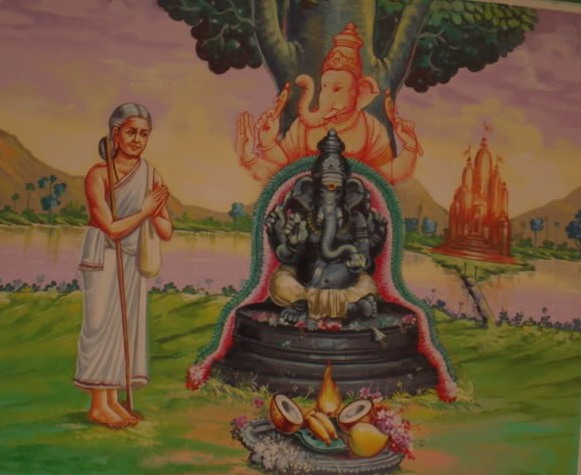
” கிழவியும் குழவியும் …” அவ்வையார் ….பிள்ளையார் …!!!


pillaiyar-avvaiyaar

Jaya Jaya Sankara Hara Hara Sankara – Great messages on Vinayagar by Maha Periyava from Vol. 2 of Deivathin Kural. Let’s enjoy these messages during Vinayaka Chaturthi time.
Thanks to Shri S.A. Ramakrishnan and Shri Balaji Venugopal for the translation. Ram Ram
கிழ‌வியும் குழ‌வியும்
கிழப் பாட்டி ஒருத்தி. பாட்டி என்றால் காலை நீட்டிக் கொண்டு இருந்த இடத்திலேயே கிடப்பவள். ஆனால் இந்தப் பாட்டி அப்படி இல்லை. இவள் நின்ற இடத்தில் நிற்காமல் இந்தத் தமிழ்நாடு முழுக்கச் சுற்றிக்கொண்டே இருந்தாள். ஒரு குக்கிராமம் பாக்கியில்லாமல் ஊர் ஊராக, தெருத் தெருவாக ஓடிக்கொண்டேயிருந்தாள். அந்தப் பாட்டிக்கு அப்படி ஒரு உற்சாக சக்தி இருந்தது. பாட்டி விஷயம் இப்படி இருக்கட்டும்.
குழந்தை ஒன்று. ‘கஷுக் முஷுக்’ என்று நல்ல ஆரோக்கியமாக இருக்கிற குழந்தை அது. குழந்தை என்றால் பொதுவாக என்ன பண்ணும்? துள்ளி விளையாடும். ஒரு க்ஷணம்கூட இருந்த இடத்தில் இருக்காமல் ‘துரு துரு’ என்று ஓடிக்கொண்டேயிருக்கும். ஆனால் இந்தக் குழந்தை இதற்கு நேர்மாறுதல். உட்கார்ந்த இடத்தைவிட்டு அது அசைவதில்லை.
வேடிக்கையான பாட்டி. வேடிக்கையான குழந்தை! குழந்தை மாதிரி பாட்டி ஓடிக் கொண்டிருக்கிறாள். பாட்டி மாதிரி குழந்தை இருந்த இடத்தைவிட்டு நகராமல் உட்கார்ந்திருக்கிற‌து.
ஆனால் அந்த‌ப் பாட்டி த‌ள்ளாத‌ வய‌சிலும் அத்த‌னை உற்சாகத்தோடு ஓடி ஆடிக் கொண்டிருந்ததற்கு இந்தக் குழந்தைதான் கார‌ண‌ம். இந்த‌க் குழந்தை கொடுத்த‌ ச‌க்தியினால்தான் அவ‌ள் அவ்வ‌ள‌வு காரிய‌ம் செய்தாள்.
இந்த‌ப் பிள்ளை யார்?
“பிள்ளை” என்றாலே அவ‌ர்தான். ம‌ரியாதையாக‌ப் “பிள்ளையார்” என்கிறோமே, அவ‌ர்தான் அந்த‌க் குழ‌ந்தை. யாராவ‌து ஒருத்த‌ர் இட‌த்தைவிட்டு ந‌க‌ராம‌ல் இருந்தால் ‘க‌ல்லுப் பிள்ளையார் மாதிரி” என்று சொல்வ‌து வ‌ழ‌க்க‌ம்!
ச‌க‌ல‌ உல‌கங்க‌ளுக்கும் தாய் த‌ந்தையான‌ பார்வ‌தி ப‌ர‌மேச்வ‌ர‌ர்க‌ளின் மூத்த‌ பிள்ளை அவ‌ர். அத‌னால்தான் த‌மிழ் நாட்டில் அவ‌ரைப் “பிள்ளையார்” என்று சொல்கிறோம்.
ம‌ற்ற‌ இட‌ங்க‌ளில் இவ‌ரை க‌ணேஷ் (க‌ணேச‌ர்), க‌ண‌ப‌தி என்பார்க‌ள். சிவ‌பெருமானின் ப‌டைக‌ளுக்கு, பூதகணங்களுக்கெல்லாம் பிள்ளையார்தான் தலைவர், ஈச‌ர், ப‌தி. அதனால் க‌ணேச‌ர், க‌ண‌ப‌தி என்று பெய‌ர். இவ‌ருக்கு மேலே த‌லைவ‌ர் யாரும் கிடையாது. எல்லாவ‌ற்றுக்கும் முந்திய‌வ‌ராக‌, முத‌ல்வ‌ராக‌, மேலாக‌ இருப்ப‌வ‌ர் அவர். அவ‌ருக்கு மேலே இன்னொரு த‌லைவ‌ர் (நாய‌கர்) இல்லை. அத‌னால் ‘விநாய‌க‌ர்’ என்றும் பெய‌ர். ‘வி’ என்ப‌து சில‌ ச‌ம‌ய‌ங்க‌ளில் ஒன்றை உய‌ர்த்திக் காட்டுவ‌த‌ற்கும் சில‌ சம‌ய‌ங்க‌ளில் ஒன்றுக்கு எதிர்ம‌றையான‌தைக் (opposite) குறிப்பிட‌வும் வார்த்தைக்கு முத‌லில் வ‌ரும். இங்கே “நாய‌க‌ன் இல்லாத‌வ‌ர்” என்று எதிர்ம‌றையாக‌ வ‌ருகிற‌து. த‌ம‌க்குமேல் ஒரு நாய‌க‌ன் இல்லாத‌வ‌ர் என்று அர்த்த‌ம்.
அவ‌ர் செய்யாத‌ அநுக்கிர‌ஹ‌ம் இல்லை. குறிப்பாக‌, ந‌மக்கு வ‌ருகிற‌ விக்கின‌ங்க‌ளை எல்லாம் அழிக்கிற‌வ‌ர் அவ‌ர்தான். ஆகையால் ‘விக்நேச்வ‌ர‌ர்’ என்றும் அவ‌ரை சொல்கிறோம். எந்த‌ காரிய‌த்துக்கும் த‌டை வ‌ராம‌ல் இருப்ப‌த‌ற்காக‌வே முத‌லில் இவ‌ரை பிரார்த்திக்கிறோம். முத‌ல் பூஜை இவ‌ருக்குத்தான்.
க‌ஜ‌முக‌ன், க‌ஜ‌ராஜ‌ன் இப்ப‌டியெல்லாம் அவருக்குப் பெய‌ர் இருக்கிற‌து. யானை முக‌த்தோடு அவ‌ர் விள‌ங்குவ‌தால் இந்தப் பெய‌ர்க‌ள் வ‌ந்திருக்கின்ற‌ன‌.
யானைக்குத் தேக‌ப‌ல‌ம் மிக‌வும் அதிக‌ம். ஆனாலும் அது சிங்க‌ம், புலி போல் ம‌ற்ற‌ப் பிராணிக‌ளை ஹிம்சிப்ப‌தில்லை. ப‌ர்மா, ம‌லையாள‌ம் மாதிரி இட‌ங்க‌ளில் ஜ‌ன‌ங்க‌ளுக்காக‌ யானைக‌ள் தான் பெரிய‌ பெரிய‌ காரிய‌ங்க‌ளைச் செய்கின்ற‌ன‌. பிள்ளையாரும் இப்ப‌டித்தான் ரொம்ப‌ ச‌க்திவாய்ந்த‌வ‌ர்; ஆனாலும் அதைக் காட்டிக் கெடுத‌ல் செய்யாம‌ல் ந‌ம‌க்கெல்லாம் ந‌ன்மையே செய்துகொண்டிருப்பார். யானைக்கு புத்திகூர்மை, ஞாப‌க‌ச‌க்தி எல்லாம் மிக அதிக‌ம். பிள்ளையார் அறிவே வ‌டிவான‌வ‌ர்.
யானை என்ன‌ செய்தாலும் அழ‌காயிருக்கிற‌து. அது அசக்கி அச‌க்கி ந‌ட‌ப்ப‌து, சாப்பிடுவ‌து, காதை ஆட்டுவ‌து, தும்பிக்கையைத் தூக்குவ‌து – எல்லாமே பார்க்க‌ ஆன‌ந்த‌மாயிருக்கிற‌து. அத‌ன் முகத்தைப் பார்த்தாலே ப‌ர‌ம‌ சாந்தமாக இருக்கிற‌து. சின்ன‌ க‌ண்க‌ளான‌லும், அமைதியாக‌, அன்பாக‌ இருக்கின்ற‌ன‌. மிருக‌ வ‌ர்க்கத்தில் நாம் பார்த்துக்கொண்டேயிருப்ப‌து யானையைத்தான்.
ம‌னித‌வ‌ர்க்க‌த்தில் குழ‌ந்தை என்றால் அதைப் பார்த்துக் கொண்டே இருக்க‌ வேண்டும் போல் தோன்றுகிற‌து. கெட்ட‌ எண்ண‌மே இல்லாதது குழ‌ந்தை. ஆன‌ந்த‌மாக‌ விளையாடிக்கொண்டு இருப்ப‌து குழ‌ந்தை. அதைப் பார்த்தாலே நம‌க்கும் ஸந்தோஷ‌மாக‌ இருக்கிற‌து.
பிள்ளையார் யானைக்கு யானை; குழ‌ந்தைக்குக் குழ‌ந்தை. அதனால் அவ‌ரை எத்த‌னை பார்த்தாலும் போதும் என்ற‌ திருப்தி உண்டாவ‌தில்லை. க‌ள்ள‌ம் க‌ப‌ட‌ம் இல்லாத‌ குழ‌ந்தை ம‌னசு அவ‌ருக்கு. குழ‌ந்தை போல் ந‌ல்ல‌ உள்ள‌ம்; யானை மாதிரி தேக‌ பல‌ம், புத்தி கூர்மை; எல்லாவ‌ற்றுக்கும் மேலாக‌ தெவிட்டாத‌ அழ‌கு; ஆன‌ந்த‌ம் பொங்கிக் கொண்டிருக்கிற‌ ரூபம்.
சேராத‌தெல்லாம் அவ‌ரிட‌ம் ஸ்வபாவமாக‌ச் சேருகிற‌து. க‌ழுத்துக்கு கீழே குழ‌ந்தை; ம‌னித‌வ‌ர்க்க‌ம். மேலே முக‌ம் யானை; மிருக‌வ‌ர்க்க‌ம். ஆனால், அவ‌ர் வாஸ்த‌வ‌த்தில் தேவ‌வ‌ர்க்க‌ம். தேவ‌ர்க‌ளுக்குள் முத‌ல் பூஜை பெறும் தெய்வ‌மாக‌ இருக்கிறார்.
குழ‌ந்தையாக‌ இருந்துகொண்டே மஹா பெரிய‌ த‌த்வ‌ங்க‌ளுக்கு ரூப‌கமாக‌ (Personification) இருக்கிற‌ பிள்ளையாரிட‌ம் ப‌ல‌ தினுசான‌ மாறுபாடுக‌ள் (Contrasts). இதிலே ஓர் அழ‌கு. வித்தியாச‌மான‌தெல்லாம் அவ‌ரிட‌ம் சேர்ந்திருப்பதாலேயே அவ‌ரிட‌ம் எல்லாம் ஐக்கிய‌ம் என்றாகிற‌து. உதார‌ண‌மாக‌, ஒரு கையில் ஒடிந்த‌ த‌ந்த‌ம் என்றால், இன்னொரு கையிலே கொழுக்க‌ட்டை வைத்திருக்கிறார். அத‌ற்குள் தித்திப்பாக‌ இருக்கிற‌ வ‌ஸ்துவுக்குப் பெய‌ர் பூர்ண‌ம். பூர்ண‌ம் என்றால் முழுமை. ஒரு கையில் இருக்கிற‌ த‌ந்த‌ம் மூளி; இன்னொன்றிலோ முழுமை. எல்லாம் நிறைந்த‌ பூர‌ண‌ப் பொருள் பிள்ளையாரேதான். இதை அறிந்துகொள்வ‌துதான் பேரான‌ந்த‌ம். ஆன‌ந்த‌த்திற்கு இன்னொரு பேர் மோத‌ம், மோத‌க‌ம். கொழுக்க‌ட்டைக்கும் மோத‌க‌ம் என்றே பெய‌ர்.
இன்னொரு மாறுபாடு: பிள்ளையார் குழ‌ந்தை. அத‌னால் பிர‌ம்ம‌ச்சாரி. ஆனால் இவ‌ர் யானையாக‌ வ‌ந்து வ‌ள்ளியை விர‌ட்டிய‌தால்தான் அவ‌ள் ஸுப்ரம்ம‌ண்ய‌ ஸ்வாமியை க‌ல்யாண‌ம் செய்துகொண்டாள்! இன்றைக்கும் க‌ல்யாண‌ம் ஆக‌வேண்டுமானால் இந்த‌ க‌ட்டைப் பிர‌ம்ம‌ச்சாரியை வேண்டிக்கொள்கிறார்க‌ள். இத‌ற்கு என்ன‌ அர்த்த‌ம்? அவ‌ர் இருக்கிற‌ நிலையில் அவ‌ருக்கு வேண்டாத‌தையெல்லாம் கூட‌, அவ‌ர் நிலைக்கு மாறாக‌ இருக்கிற‌ ந‌ம‌க்குப் ப‌ர‌ம‌ க‌ருணையோடு கொடுத்துக் கொஞ்ச‌ம் கொஞ்ச‌மாக‌ தூக்கிவிடுக்கிறார்.
‘க‌ல்லுப் பிள்ளையார்’ என்ப‌த‌ற்கேற்கத் தாம் உட்கார்ந்த‌ இட‌த்தைவிட்டு அசையாம‌லே இருந்தாலும் ப‌க்த‌ர்க‌ளை ஒரே தூக்காக‌ தூக்கி உச்ச‌த்தில் சேர்த்து விடுவார். அவ்வையாரை இப்ப‌டிததான் க‌டைசியில், தாம் இருக்கிற‌ இட‌த்திலிருந்தே தும்பிக்கையால் ஒரு தூக்குத் தூக்கி கைலாஸத்திலேயே கொண்டு சேர்த்து விட்டார்!
பிள்ளையாரைப் பார்க்க‌ப் பார்க்க‌ ந‌ம‌க்கு மேலே மேலே இப்ப‌டிப் ப‌ல‌ த‌த்துவ‌ம் தோன்றுகிற‌து. இதுவும் ந‌ம் அறிவின் அள‌வுக்கு எவ்வ‌ள‌வு எட்டுகிற‌தோ அவ்வ‌ள‌வுதான். வாஸ்த‌வ‌த்தில் ந‌ம‌க்குத் தெரிவ‌த‌ற்கும் அதிக‌மாக‌, அவ‌ரிட‌ம் பெருமைக‌ள் அள‌விட‌ முடியாம‌ல் இருக்கின்ற‌ன‌.
‘குழ‌ந்தையும் தெய்வ‌மும் கொண்டாடும் இட‌த்திலே’ என்பார்க‌ள். தெய்வ‌மே குழ‌ந்தையாக‌ வ‌ந்துவிட்ட‌து பிள்ளையாரில். அத‌னால் குழ‌ந்தை ஸ்வாமியாக‌க் கொண்டாடுகின்ற‌ த‌மிழ்நாட்டில், ஒரு மூலை முடுக்கு பாக்கி இல்லாம‌ல் எங்கு பார்த்தாலும் உட்கார்ந்து கொண்டு அநுக்கிர‌ஹ‌ம் ப‌ண்ணிக் கொண்டிருக்கிறார்.
அவ‌ர் செய்த‌ அநுக்கிர‌ஹ‌த்தினால்தான் அந்த‌ப் பாட்டி தமிழ் நாடு முழுவதும் ஓடிக்கொண்டிருந்தாள்.
அந்த‌ப் பாட்டி யார் என்றால், அவ‌ள்தான் அவ்வையார்.     பிள்ளையார் – அவ்வையார்.!
Source….Input from a friend of mine
natarajan

படித்து ரசித்தது …” தவறாக பொருள் கொள்ளப்படும் பழமொழிகள்….” !!!


தவறாக பொருள் கொள்ளப்படும் பழமொழிகள்….!!!
—————————————————————————
1.ஆயிரம் பொய் சொல்லி ஒரு கல்யாணத்த
பண்ணு...
தப்புங்க தப்பு,,,
ஆயிரம் பேரிடம் போய்
சொல்லி ஒரு கல்யாணத்த பண்ணு… இதாங்க
சரி…
2.படிச்சவன் பாட்டை கெடுத்தான்,
எழுதுனவன் ஏட்டை கெடுத்தான்….
இதுவும் தப்பு
சரியானது என்னன்னா ………..
படிச்சவன் பாட்டை கொடுத்தான் ,
எழுதுனவன் ஏட்டை கொடுத்தான் …
.
3.ஆயிரம் பேரை கொன்றவன்
அரை வைத்தியன்…
இது பேரை அல்ல வேரை (மூலிகை வேரை )
ஆயிரம் வேரை கொன்றவன்
அரை வைத்தியன்…….
4.நல்ல மாட்டுக்கு ஒரு சூடு ….
சூடு அல்ல சுவடு…
சந்தையில்
மாட்டை வாங்கும்போது அது பதிக்கும் தடம்
சுவடு.. அழுத்தமான சுவட்டை பதிக்கும்
மாடே அதிக பலம் வாய்ந்தது…
ஒரு சுவட்டை பார்த்தாலே மாட்டின் பலம்
புலனாகும்….
5.அற்பனுக்கு வாழ்வு வந்தால் அர்த்த
ராத்திரியில் கொடை புடிப்பான்….
அர்பணித்து வாழ்ந்து வந்தால் அர்த்த
ராத்திரியிலும் கொடை கொடுப்பான்….
வள்ளல் ஆனவரை கஞ்சனாக
மாற்றி விட்டோம் …
காலப்போக்கில்….நம் முன்னோர்கள் நம் நல்வாழ்வுக்காக சொல்லி வைத்ததை நாம் பிறரை குறை கூற உபயோகிக்கிறோம்…!!!

6.சட்டியில் இருந்தா ஆப்பையில் வரும்(சஷ்டியில் இருந்தால் அக பை(கருப்பை) இல் வரும்)

.7.அடி உதவுவதுபோல் அண்ணன் தம்பி உதவ மாட்டார்கள்(அடி(கடவுள் பாதம்)உதவுவதுபோல் அண்ணன் தம்பி உதவ மாட்டார்கள்)

Source…………..Facebook input from Sridhar Sivaraman

Natarajan

படித்ததில் பிடித்தது …” ஜாக்கிரதை …ஜாக்கிரதை ” !!!


ஒரு காவல்காரன். வழக்கம்போல் தப்பட்டை அடித்துக்கொண்டு நடுநிசியில் ”ஜாக்கிரதை” என்று கத்திக்கொண்டே போவான்….
ஒருநாள் அவசரமாக வேறு ஒரு ஊருக்கு போகவேண்டி இருந்ததால் அவன் வேலையை அவன் பிள்ளை செய்யவேண்டியதாயிற்று….
அவன் பிள்ளை முன் ஜன்மத்தில் ஒரு ‪#‎வேதமறிந்த_பண்டிதனாக‬இருந்தவன். எனவே பூர்வ ஜன்ம வாசனை ஞானம் இருந்தது…

இரவில் அவன் தப்பட்டை அடித்துக்கொண்டு ஜாக்கிரதை சொல்லிக்கொண்டு தகப்பன் வேலையை செய்தான்….
அடுத்த நாள் ராஜாவே அந்த காவல்காரன் வீட்டு வாசலில் நின்றான்….
அந்த பையனைப் பார்க்கத்தான் வந்தான்.
”ஐயோ ராஜாவே வந்திருக்கிறார், என் பிள்ளை என்ன பெரிய தவறு ஏதாவது செய்து விட்டானோ,
இங்கேயே ஏதாவது தண்டனையை கொடுத்து நிறைவேற்றுவானோ ?”
காவல் காரன் நடுங்கினான்…..
ஆனால் ராஜா அந்த பையனுக்கு பரிசு கொடுத்து கௌரவிக்க அல்லவோ வந்தான்? எதற்காக?
முதல் நாள் இரவு பையன் ” ஜாக்கிரதை. ஜாக்கிரதை” என்று அப்பாவை போல் சும்மா கத்திக்கொண்டு போகவில்லை….

அவன் ஸ்லோகமாக சில வார்த்தைகள் சொன்னதுதான் ராஜாவை மயக்கியது.
அந்த நீதி வாக்யங்கள் இவைதான்…….

‪#‎ஸ்ரீஆதிசங்கரர்‬ அருளிய இந்த வைராக்ய ஸ்லோகங்களில் சில……..

(1)

माता नास्ति पिता नास्ति नास्ति बन्धुः सहोदरः।
अर्थँ नास्ति गृहँ नाति तस्मात् जाग्रत जाग्रत॥

“மாதா நாஸ்தி பிதா நாஸ்தி பந்து ஸஹோதரா
அர்தம் நாஸ்தி க்ருஹம் நாஸ்தி தஸ்மாத்
ஜாக்ரதா ஜாக்ரதா”

There is no mother, no father, no relationships nor any siblings. No money or house. Therefore be alert, Wake up!

அடே தூங்குமூஞ்சி விழித்துக் கொள்ளடா. அப்பன் என்னடா , தாயுமென்னடா, அண்ணனென்னடா தம்பியென்னடா,காசும் பொய் வீடும் பொய். சொந்தமும் இல்லை பந்தமும் இல்லை,. காயமும் பொய் காற்றடைத்த பை, இதையெல்லாம் நம்பி ஏமாறாதே, உடனே விழித்துக் கொள் ஜாக்ரதை ஜாக்ரதை,…

(2)

जन्म दुःखँ जरा दुःखँ जाया दुःखँ पुनः पुनः।
सँसारसागरँ दुःखँ तस्मात् जाग्रत जाग्रत॥

“ஜன்மதுக்கம் ஜராதுக்கம் ஜாயாதுக்கம் புந;புந: சம்ஸார ஸாகரதுக்கம் தஸ்மாத் ஜாக்ரதா: ஜாக்ரதா”

Birth is sorrow, aging is sorrow, spose is sorrow !
Samsara itself is sorrow, therefore remain awake! be alert!

பிறப்பே துன்பம், வயோதிகம் பரம துக்கம், கட்டின மனையாளோ நடக்கும் துயரம், வாழ்வே சோகம்,மாயம்,
விழித்துக்கொள் ஜாக்ரதை….
(3)

कामक्ष्च क्रोधक्ष्च लोभक्ष्च देहे तिष्ठन्ति तस्कराः।
ज्ञनरत्नापहाराय तस्मात् जाग्रत जाग्रत॥

“காம; குரோதச்ச லோபச்ச தேஹே நிஷ்டந்தி தஸ்கரா;
ஞான ரத்நாப ஹாராய தஸ்மாத் ஜாக்ரத ஜாக்ரதா!”

Kama (desires), Krodha (Anger), Lobha (Greed) are like theifs in this body who steal the jewel called “Jnana” [Self Knowledge]. Therefore be alert! Be Awake!

ஆசையும் பாசமும், கோபமும், பேராசையும் திருடர்களப்பா .உன் உள்ளே இருக்கும் ஞானமெனும் விலை மதிப்பில்லா மாணிக்கத்தை திருடுபவர்கள். விளக்கு எடுத்துக்கொண்டு வெளியே திருடர்களை தேடாதே, உள்ளே, உனக்கு உள்ளே ஒளிந்திருக்கும் அவர்களைத் தேடி துரத்து. விழித்துக் கொள், ஜாக்ரதை ஜாக்ரதை…

(4)

आशाया बध्यते जन्तुः कर्मणा बहुचिन्तया।
आयु क्षीणँ न जानाति तस्मात् जाग्रत जाग्रत॥

“ஆசாயா பத்யதே ஜந்து : கர்மணா பஹு சிந்தயா: ஆயுக்ஷீணம் ந ஜாநாதி தஸ்மாத் ஜாக்ரதா
ஜாக்ரதா”

We are [The animal -humans are also addressed as animals here] bound by Expectations: various activities and excess thinking. so much so that we do not recognize the ebbing away of life. Therefore be awake! Be Awake!

ஆசையெல்லாம் தோசை தான் மனித மிருகமே, எதிர்பார்த்து ஏமாறுவதே வழக்கமா? நாம், மனக்கோட்டை கட்டுபவர்கள்… அழிவதை சாஸ்வதம் என்று மனப்பால் குடிப்பவர்கள், விழித்துக் கொள்ளவேண்டாமா, ஜாக்ரதை ஜாக்ரதை.

(5)

सम्पदः स्वप्नसँकाशाः यौवनँ कुसुमोपम्।
विधुच्चन्चचँल आयुषँ तस्मात् जाग्रत जाग्रत॥

All possessions are like what are seen in a dream, youthfulness is only for a short time , like a flower’s lifetime. Life passes away like a lightening therefore be alert!

“நம்முடைய சொத்து எல்லாமே கனவில் கட்டிய மாளிகைகள், இளமை வாலிபம் நிரந்தரமல்ல … நேற்று மொட்டு, காலை மலர், மாலையில் வாடிபோய் எறிந்தாகி விட்டது. மின்னல் போலாகும் இந்த வாழ்க்கை, இதில் நீ என்ன நான் என்ன, விழித்துக் கொள், ஜாக்ரதை ஜாக்ரதை,.

(6)

क्षणँ वित्तँ क्षणँ चित्तँ क्षणँ जीवितमावयोः।
यमस्य करूणा नास्ति तस्मात् जाग्रत जाग्रत॥

Money, memory and life are all momentary. Lord Yama, the lord of death, does not show any mercy. Therefore be awake!!

சூரியன் வருமுன் ஜொலிக்கும் இலையின் மேல் உள்ள பனித்துளி நம் வாழ்வு, சாஸ்வதம் என்று மயங்காதே. சொத்து சுதந்திரம், டாம்பிகம், பேர் புகழ் எல்லாமே, கண்மூடி கண் திறக்கும் வரை தான். கொஞ்சம் கூட நெஞ்சில் ஈரமில்லாதவன் அந்த யமன் . ஜாக்ரதை ஜாக்ரதை

(7)

यावत् कालँ भवेत् कर्म तावत् तिष्ठन्ति जन्तवः।
तस्मिन् क्षीणे विन्श्यन्ति तत्र का परिदेवना॥

As long as their karma lasts so long we see the animal here, the moment the karma is over, the animal is gone. what is there to brood over this ?

சாவி கொடுத்தால் அது வேலை செய்யும் வரை தான் இந்த குரங்கு பொம்மை டமாரம் தட்டும்.தலை ஆட்டும் நடக்கும். கர்மா அளிக்கும் நேரம் வரை தான் வேலையே இங்கு.அப்புறம்? வேறென்ன, தொடரும் கதை தான்.
இதில் என்ன யோசிக்க இருக்கிறது. மேடையில் ஏறியாயிற்று.., வேஷம் கலையும் வரை, வேளை வரும் வரை ஆடு பாடு. இதை உணர விழித்துக் கொள், ஜாக்ரதை ஜாக்ரதை…..

Source ….Facebook post of Sridharan Sivaraman

Natarajan

“Did You Know, Dr APJ Abdul Kalam’s Best Friend Was 110 Years Old…? “


Meeting Arjuna, Dr APJ Abdul Kalam’s 110-year-old best friend who was a permanent fixture at the former President’s residence, 10 Rajaji Marg, in a book excerpt.
July 27, 2016 marked the first death anniversary of the nation’s best loved president, a teacher par excellence and a human being worthy of being called one of the most humble people in the current times: Dr APJ Abdul Kalam.

Srijan Pal Singh, a close associate of Dr Kalam as well as his student, has chosen to pay tribute to the People’s President through the book ‘What Can I Give: Life Lessons from my Teacher APJ Abdul Kalam.’ The book reveals to readers rare, personal and unheard of anecdotes as well as unseen pictures from Dr Kalam’s life. It also offers one a peek into his daily routine, travels and reflections on various issues.

Below is an excerpt from the book

The people who visited 10, Rajaji Marg to meet Dr Kalam were inevitably asked one question: ‘Have you met my friend Arjuna? Let me introduce you to him. He is a wonderful fellow.’

Then he would escort the guest to the front garden, where Arjuna stood—tall and majestic like the warrior he had been named after, the long years proudly etched on his body.

Dr Kalam would then say, ‘This fellow is very old. Hundred and-ten years old. He must have seen so much, imagine− Gandhiji, Nehru, the freedom wars and India’s rising story. He holds an entire section of history his heart. He is my best friend.’

Arjuna would wave back at Dr Kalam gently, its large branches swaying gracefully. The people who have seen it have always been tempted to take a selfie with it. Arjuna was almost three decades older than Dr Kalam. He was the most special occupant of 10, Rajaji Marg, loved and respected by the owner of the house.

Dr Kalam would walk up to him every day and they would exchange their thoughts silently. No one knew what they communicated, in what language, but we all knew that they made each other wiser. Dr Kalam would often thank Arjuna for taking care of 10, Rajaji Marg through the ages and for helping so many flowers and plants grow under his care. Arjuna was also the official bee-keeper of the house.

One day in 2012, while Dr Kalam and I were in the garden, I asked him, ‘What is so special about Arjuna? Why do you admire him so much?’ He looked at me, puzzled.

Then he said, ‘Because Arjuna lives to give and anyone who lives to give needs to be venerated. Arjuna’s mission in life has been “What can I give, what can I give, what can I give?” That is why he is standing so proudly and happily at such an age.’

I could feel Arjuna, the 110 year-old Terminalia tree, smile behind us.

The conversation did not stop there. Dr Kalam gave me a task one day. ‘Can you determine how many lives Arjuna supports?’ he asked. I was puzzled. It was an unexpected challenge. ‘Go ahead, find out,’ he said.

So I walked up to the giant tree and counted the thick rings of runners around the trunk. Runners are smaller plants that cannot support themselves and so spread themselves around the trunks of large and stronger trees like Arjuna.
One, two, three . . . eleven. Bingo. Eleven rings. I came back with my answer. ‘Sir, it supports eleven rings and of course, it gives out oxygen.’

‘Oh. You missed the nests. Look again.’

So I went back to Arjuna. This task was difficult because the tree was heavy with foliage, which carefully shielded its inner branches. I managed to count about twelve nests. I went back. ‘Sir, it supports eleven rings, twelve nests, and gives oxygen.’

‘You missed something again. Come with me.’

This time he walked back towards Arjuna with me. Pointing down at the base of the trunk, he said, ‘You missed this. Didn’t you?’ There it was. Hidden in the dense bushes, growing around the base of the trunk was a peacock’s nest, and a beautiful peahen was laying her eggs in there.

‘Yes, I missed it.’

You know why? Because we often look for solutions that are above us and that makes the solutions look more magnificent. Our mind points us that way. Thus we ignore the inspiration that comes from below, from the ground level. You missed, the largest nest, with the prettiest birds in it, because it was lying on the ground—at the base, around the roots. Diamonds are found in the depths of the earth, and not at the height of the sky.’

A few weeks later, the nest became alive with the chirping of five little chicks. Dr Kalam asked me if I knew what a baby peacock was called. And before I could Google it, he gave them a name—‘Pea-children’.

The pea-children became a part of the 10, Rajaji Marg family. Dr Kalam would regularly ensure that they were fed in the courtyard, which was near the dining room. While we had lunch at the table, he would get birdfeed laid out at the courtyard for the pea-children. And the pea-children would flock to it hungrily.

‘We have more guests for lunch. Now they will always come here for their lunch happily, even when we are not there. You just keep watching; they will come, and come just on time, regardless of anything,’ he would say.
Of course, soon the pea-children were joined by many other birds—pigeons, parrots and crows. This established a tradition which continued for years to come. Even when Dr Kalam went out of town, those birds were served their food. He would remind his staff to feed them whenever he was gone for a long time. And he made it a point to check on them whenever he returned from his trip.

When I returned to 10, Rajaji Marg after Dr Kalam’s death, the fact that he would never again eat in that dining room across the courtyard sunk in. But the birds are still fed, like they used to be in his time. The birds will always be fed, in his honour.

www. the betterindia.com

Natarajan

The Strange Story of the First Olympian Disqualified for Doping….


Olympians have been bending (and occasionally breaking) the rules in an effort to give themselves an edge over the competition since the games began. Despite this, the International Olympic Committee (IOC) only started testing for performance enhancing substances in 1968, and only seem to have really started taking the issue seriously in the 1990s. As for the 1968 Games, despite that a large percentage of Olympians are thought to have been using performance enhancing drugs, they only managed to catch and disqualify one guy. What dangerous substance did he take to get himself disqualified? He drank two beers before an event, resulting in him becoming the first person to be disqualified for “doping”.

To really drive home how ingrained using performance enhancers is in Olympic culture, and to highlight how endemic is was before the IOC began to crack down on it recently, ancient Olympians were known to drink “potions” containing mysterious, often exotic herbs, or even ground up animal testicles, in the belief that doing so would give them an edge. Much like the athletes that wear colored tape (see: Why Do Olympians Wear Colored Tape?) or more recently the use of cupping therapy, it didn’t really matter if the thing actually helped them- only that they thought it did.

Although there were no specific rules against using performance enhancing substances back then, there were rules in place against the use of magic to “curse” or otherwise unnerve an opponent. In other words- in the ancient Olympics, you were free to use anything you wished to improve your own performance, but you weren’t allowed to try and negatively impact the performance of others. As far as we can tell, this didn’t actually stop people from doing such things.

When the Olympic Games were revived in the 19th century, athletes were similarly open to having various substances put into their bodies if it had even a small chance at giving them the ability to perform citius, altius, fortius.

For example, Thomas Hicks, the winner of the 1904 Olympic Marathon was givendoses of strychnine and shots of brandy in the middle of the race by his trainers in full view of gathered crowds and officials.

At the time, strychnine was used in small doses as a performance enhancing drug. Anything but small doses would, of course, kill the athlete via asphyxiation due to paralysis of the respiratory muscles.  However, if the dose wasn’t too large, strychnine was believed to provide a performance boost via the muscle spasms it relatively quickly induces. They gave Hicks three doses during the race… This was only part of the way in which his trainers almost killed him.

You see, while his trainers were willing to give him, essentially, rat poison and brandy, they refused to give him any water despite the sweltering Missouri summer heat. By the end of the race, Hicks was delusional and had to more or less be carried to and over the finish line as he was too weak to remain upright on his own. He immediately passed out upon finishing and the doctor was unable to revive him for almost a full hour. Despite not being able to finish the race without help, he was nevertheless declared the victor. (See: The Trials and Tribulations of 1904 Olympic Marathon Runners)

And if you thought that being carried over the finish line made for a questionable victory, Hicks only won after it emerged that the first person to finish, Fred Lorz, had traversed most of the course by car. You see, due to the amazingly bad conditions in the race, Lorz decided to quit and hitched a ride back to the starting point. When he exited the car and subsequently jogged back into view of the spectators, everyone just assumed he’d ran the whole thing, so he went along with it. Eventually his automotive adventure came to light, at which point he claimed his pretending he ran had all been a joke.

Back to doping in the Olympics. The IOC didn’t officially ban certain dangerous performance enhancing substances until the late 1960s, and even then, it took the death of an athlete to jar them into taking a stand. That athlete was a cyclist competing in the 1960 games on behalf of Denmark called Knud Enemark Jensen. He collapsed and subsequently died in the middle of a race, with it widely reported that the cause of his collapse was that he’d been given a cocktail of drugs, including Roniacol, by his trainer beforehand.

Of course, it should also be noted that at the time it was 108° F (42° C) out and what actually happened was that Jensen succumbed to heat stroke and then fractured his skull after falling off his bike- the official cause of death was brain injury resultant from his fractured skull. Although it was ultimately determined that drugs probably didn’t have anything to do with Jensen’s death, the IOC was shaken enough by the media backlash to decide to ban, at least officially (more on this in a bit), certain substances starting in the 1968 Games.

Although testing was in effect during the 1968 Winter Olympics in Grenoble, France, no athlete is known to have been caught with a performance enhancing drug in their system.

The same couldn’t be said for that year’s summer games. (At the time the Winter and Summer Olympics occurred in the same year) During those Olympics, as mentioned, Swedish athlete Hans-Gunnar Liljenwall was found to have alcohol in his system.

Though alcohol may seem like the exact opposite of a dangerous performance enhancing drug given that it dulls the senses, clouds judgement, and is otherwise pretty safe in moderation, in the right quantities, there was, and still is, a popular idea that it gives one an advantage.  How?

The hypothesis goes that in skill based games that rely more on muscle memory than things like reaction times- games like darts, billiards and even target shooting- alcohol could, perhaps, potentially improve performance in individuals prone to stress or “overthinking“. Whether actually helpful or not, in Liljenwall’s case, he was trying to use the alcohol for this very purpose and so drank two beers before a shooting event to steady his nerves, and hopefully hands.

After his urine was found to contain alcohol, Liljenwall was disqualified and was ordered to return the bronze pentathlon medal he’d won while under the influence. Not stopping there, the rest of Sweden’s pentathletes were also forced to hand back their medals for Liljenwall’s mistake.

What makes Liljenwall’s disqualification even more bizarre is that, seemingly, little was actually being done to stop anyone else from using performance enhancing drugs.

You see, they only used urine tests during the 1968 games out of fear that blood tests could potentially spread infection or cause some sort of injury to the athletes. Although today urine tests are fairly comprehensive and accurate for many things, back then the science was still in its infancy and the chemists performing the tests were only looking for a very specific set of substances, mostly “hard drugs” like cocaine and heroin, but not steroids.

In fact, in 1969, an American weightlifter responded to being asked about the recent ban on amphetamine use by defiantly saying, “What ban?” He went on to explain that he and his fellow athletes had all used a new drug recently developed in West Germany that couldn’t be detected during the previous Olympic games, openly bragging: “When they get a test for that one, we’ll find something else. It’s like cops and robbers.

Beyond some using undetectable drugs, others would use a catheter to fill their bladder with someone else’s urine directly before testing. Women had another trick up their, well… not sleeves… in the use of a condom filled with clean urine cleverly hidden inside the vagina.

Because the IOC was only testing urine and the tests were fairly inaccurate and not very sensitive on the whole, more low-tech methods of avoiding detection included drinking a lot of water to dilute results beyond the capabilities of the testing of the age to detect anything in, or simply rejecting the test results for various reasons.

For instance, in a non-Olympic event at the 1970 Weightlifting World Championship in Ohio, all three medalists were found to have banned substances in their urine. Despite this, they were allowed to keep their winning medals. Why? Due to systemic issues with testing procedures, with some athletes even managing to get around being tested at all, including the guys who came in fourth, fifth and sixth place at this event, there was no way to ensure the medals would definitely go to someone who hadn’t cheated. Given that the orginisation knew well that pretty much all of the top lifters were using drugs, they reasoned the winner should probably just be the best of the cheaters.

This same problem plagued the Olympics as well. Dr. Robert Voy, formerly in charge of drug testing for the U.S. Olympic Committee, noted that, beyond inherent problems with the accuracy of the tests, complete lack of quality control in the samples, and inconsistent procedures from test to test, because the tests were so easily fooled, those in charge of the drug testing resorted to “a less libelous approach to testing called ‘sink testing,’ used to prevent false positive reporting and legal challenges. This now nonexistent method meant all samples were collected but either were not tested or were simply poured down the drain.”

Dr. Voy went on to state, “The athletes knew better than anyone that the drug testing posed little threat to them.  They scoffed at testing notices and went right on with their routine drug use with little fear of detection.”

In fact, one survey of track and field athletes from seven different nations in the 1972 Olympics revealed that a whopping 61% of them admitted to using steroids before those games. The actual number of track athletes using is thought to have been higher as presumably not everyone taking steroids would be so keen on admitting it, even in an informal survey.

The reason they could be so flippant, particularly about using steroids was that, while drugs like alcohol, heroin, and cocaine were being tested for, as previously mentioned, at this points steroids were not.

On top of that, even if they tested positive for substances that were being tested for, they could simply say their sample wasn’t handled or tested right, which may well have been true. Other excuses included things like- if they’d been using heroin, they could say they’d been eating poppy seed muffins, and even could be publicly seen doing so to back their story. (And yes, that is really a thing, even today- see: Can Eating Poppy Seeds Really Cause You to Fail a Drug Test?)

It would not be until the late 1980s when Canadian sprinter Ben Johnson stunned the world by setting a new world record- 9.79 seconds- in the 100m sprint, and subsequently had his medal stripped three days later after testing positive forstanozolol, that the public began to wake up to the problem.

Beyond Johnson, there was evidence that six of the eight sprinters in that race were likely using steroids. This was a problem in the sport that famed Olympian Carl Lewis (who finished 9.92 seconds in that sprint) raged against in the media before the 1988 games, noting “There are gold medalists at this meet who are on drugs, that [100 metres] race will be looked at for many years, for more reasons than one.”

Funny enough, Johnson’s trainer, Charlie Francis, would later come out and say the fact that Johnson tested positive for stanozolol just showed the flaws in the Olympic testing procedures.  You see, Johnson was actually taking the steroid furazabol, as he didn’t like the way stanozolol made him feel.  Francis also claimed that at the time all the top athletes in the sport were taking steroids.

In support of Francis’ assertions, in a recent CBC documentary, Ben Johnson: A Hero Disgraced, a former IOC official revealed that approximately 80% of the track and field athletes in the 1988 Games showed significant signs of long-term steroid abuse. Not only that, but 20 actually tested positive but were nevertheless cleared for the Games by the IOC. It has been claimed that the reason the IOC was so keen on allowing these athletes to compete was due to pressure from NBC who didn’t want the games to “collapse in scandal”. They were also supposedly refusing to pay the IOC owed funds and threatening to withdraw broadcasting the Olympics that year if such a thing happened before the Games.

The media frenzy that surrounded Johnson’s rapid downfall, along with the public becoming aware of the widespread use of steroids in the Olympics, resulted in the IOC finally putting significant effort into ending performance enhancing drug use among Olympics athletes.

Source…..www.today i found out .com

Natarajan

This is how much time it should take to escape a crashed airliner….


A Emirates Boeing 777-300 crashed landed and burst into flames at Dubai International Airport on Wednesday.

Fortunately, the airline has confirmed that all 300 passengers and crew on board the flight made it to safety before the aircraft became engulfed in flames.

Which leads us to the question, how long does it take to evacuate a crashed airliner?

Believe it or not, federal regulations dictate that all modern airliners capable of carrying more than 44 passengers must be able to be fully evacuated in less than 90 seconds.

In addition, in order to be certified to fly, new airliners or even new derivatives of existing airliners must pass an evacuation test. The tests involve simulated emergency situations in which all passengers and crew must exit the aircraft in pitch-black darkness using only half of the available emergency escapes.

In 2006, the Airbus A380 superjumbo managed to pass the test by evacuating 853 passengers, 18 crew, and two pilots in just 78 seconds, Flight Global reported.  The Boeing 777-200 passed the evacuation test in 1994 in 84 seconds, Quartz reported. The aircraft involved in the Emirates crash is an elongated 777-300. According to the AP, the aircraft was not subject to its own evacuation test. Instead, it was certified by extrapolating the test results of the 777-200 with the addition of two emergency exits.

These tests are generally conducted using the aircraft type’s maximum passenger capacity which means that aircraft in service are equipped with far fewer seats. For instance, the A380 was evacuation tested with 853 passengers. In operation these days, most of the superjumbos fly with around 500 seats.

However, it should also be noted that these test are also conducted in a laboratory conditions that are calm and organised. The hectic nature of an actual emergency evacuation may slow down the time it takes to empty an aircraft.

As a result, experts recommend that passengers select seats within three rows of an emergency exit. In addition, passengers should be aware of the location of the nearest emergency exit at all times.

Here’s a video of the Airbus A380 evacuation test:

Source….www.businessinsider.com.au

Natarajan

Avoid These Actions to Live Regret-Free ….


The phrase “if only…” is normally one associated with deep regret, and that’s why it’s incredibly sad when we feel compelled to say it. To avoid having to utter those fateful words, I’ve made a list of 10 bad life choices that ultimately lead to this phrase of regret, as well as how to avoid them:

1. Wearing a mask in front of others

It’s a big mistake to always think about other people’s perceptions of you and trying to play up to them, as opposed to just being yourself. If you continuously focus on this, rather than being who you really are, the end result will be that one fine day, you will forget who you are beneath the mask you always try to uphold. Forget about who people want you to be, or how they see you – impress them and inspire them with how you deal with your imperfections instead.
2. Letting others create your dreams

Although the greatest life challenge is the sound discovery of who you really are, the second greatest is finding happiness and peace with yourself. You should always stay true to your own goals and dreams to find happiness and peace. If people disagree with you, it isn’t necessarily a bad thing – it just means you’re standing your own ground and finding you own way. Don’t worry about whether people think you’re doing something crazy. When you find yourself excitedly losing track of time, you’ll know in your heart that you’re on the right path.

3. Keeping the company of negative people

Negative people are best avoided, because they can foist their bad attitudes on you, and even get to you. Remember that keeping the company of negative people is a choice, not an obligation. Once you realize this and begin to keep it in mind, you will open up your world to compassion over anger, generosity over greed, and patience over anxiety.

Although the greatest life challenge is the sound discovery of who you really are, the second greatest is finding happiness and peace with yourself. You should always stay true to your own goals and dreams to find happiness and peace. If people disagree with you, it isn’t necessarily a bad thing – it just means you’re standing your own ground and finding you own way. Don’t worry about whether people think you’re doing something crazy. When you find yourself excitedly losing track of time, you’ll know in your heart that you’re on the right path.
4. Falling into selfishness and egotism

A life that revolves around selfish pursuits and egotism is not a life well-lived. You will be remembered by what you have done for others and the world at large, rather than what you have done for yourself. Be selfless, compassionate and try and give back whenever and wherever you can.

5. Avoidance of change and growth

If you want to know why your life is the way it is, take a look at your past. If you want to know how your future’s going to be, take a look at your actions in the present. You should always leave room in your life for the old to make way for the new. As much as we all like to hold on to that which we know, the truth is that the old is gone, and isn’t coming back. Accepting this fundamental reality and embracing change as it comes will set you up for lasting success.

6. Giving up during tough times

Whenever we fail in life, we should take is as a blessing. This is because failures act as indicators that we need to try something else. What failures do not indicate is the necessity to give up on what we’re setting out to achieve. Learn what you can from a failure and move on. One baby step at a time is what will get you ahead in life. Eventually, these baby steps build on top of each other and lead to our most glorious and defining moments.

7. Attempting to micro-manage everything                       

There’s plenty of truth to the notion of creating your own destiny, however this doesn’t mean that you incessantly have to worry about and control everything. Letting go a little will allow you to gain perspective. Once you can see the forest for the trees again, it’s time to take the next step forward. Remember that you don’t always have to be certain that you’re headed somewhere great. Occurrences in life happen in perfect order, regardless of whether you understand that or not. As time goes by in our lives, we all come to understand this principle and see how all the dots are connected.

8. Settling for less than you are deserving of

You should always make it a priority in life to let go of what no longer serves you. Sometimes we need to be floored by a bad relationship or other situation, as hitting rock bottom can actually be the springboard we need for us to stand taller than we ever did before. The tears we cry can sometimes clear our eyes so we can see the possibilities that lie in front of us. Remember not to settle for anything less than you deserve.

9. Forever waiting for tomorrow

We all know life is short, but it’s actually even shorter than you think. If you’re forever waiting for tomorrow, the window for you to do all the things you’ve always wanted to do will silently close, and by the time you realize it has, it will be too late. The choice is yours – do you want to look back on what you’ve achieved with pride, or do you want to make a whole myriad of excuses for the things you haven’t?

10. Not being assertive and waiting for things to happen

For whatever reason, you may feel hard done by due to the hand of cards that life has dealt you, but that doesn’t mean that you are owed anything – by anyone. Focus on developing a backbone, rather than a wishbone. It’s up to you to take responsibility for what transpires in your life. You are equally important to and just as needed as everyone else in this world. Don’t sit around waiting for things to happen, because they just won’t. Your day is now, it’s here. Seize it and go and create the world you want for yourself.
Content Source: Brightside   thro http://www.ba-bamail.com

Natarajan