
SOURCE:::: http://www.glasbergen.com
Natarajan
Jan 27 2015

Portlanders REALLY love their airport carpet. Source: Facebook
THE carpet at the Portland Airport has a cult-like following and has become a social media superstar.
That’s right. The people of Portland love the kitsch pattern that lines the flooring of their provincial airport so much that it has its own Facebook, Instagram and Twitteraccounts.
The carpet’s celebrity has spread through the internet as a growing number of travellers partake in a ritual of photographing themselves on the famed flooring. Currently there are nearly 30,000 photos on Instagram with the hashtag #PDXcarpet.

This is what you’re supposed to do at Portland Airport. Picture: adamdachis. Source: Flickr
The popularity of the carpet’s pattern has spawned an online store where one can pick up shirts, mugs, bags and even posters designed in the carpet’s likeness.
But such is the adoration and dedication to the carpet that those not content with a bag have even gone as far as getting the renowned pattern tattooed on them.
If you’re a tad perplexed, you’re not alone.
A spokesperson for PDX, Kama Simonds, seems equally baffled by the carpet’s stardom.
“Yes, other airports have carpets, but right now people seem to think we have a masterpiece of a welcome mat,” she told USA Today.
It seems the affection felt for the carpet lies in the nostalgic sentiment it holds for Portland residents returning to their beloved city.
When it was announced that the carpet would be getting replaced this month (albeit with a somewhat similar pattern) people’s reaction on social media was closer to disappointment than despair. But only just.
In an effort to comfort travellers and commemorate the beloved carpet, the airport has installed an artistic display which hangs on the wall over one of the gates entitled “Carpet Diem!”
The 3 metre by 5 metre collage is made of — you guessed it — pieces of that sacred carpet from throughout the terminal.
Public demand for the old carpet is likely to be high with an airport spokesperson telling the LA Times they are “offering a very limited number of 1,000-square-yard (304.8 metres) increments of the carpet to interested parties through a formal public advertisement.”
By all accounts, it will be a very competitive sale. !!!
SOURCE:::: http://www.news.com.au
Natarajan
Jan 23 2015
Mumbai may pace to a frenetic beat, but the metropolis has hidden corners where life moves more leisurely.
Satish Bodas/Rediff.com visits the city’s BDD chawls where neighbours live like one big family.
If you want to see what life was like a few decades ago, I’d suggest a visit to Mumbai’s 92-year-old Bombay Development Directorate’s chawls.
Families manage in tiny rooms and neighbours, unlike what happens in much of Mumbai, are very much a part of each other’s lives. The chawls’s residents still share their joys, sorrows and festivals with each other.
BDD is a little oasis in the heart of Mumbai — where a bustling lifestyle and tall skyscrapers pause to watch a slower, more measured Time that exists in a few old stone buildings.
But the residents — mainly Hindus and Buddhists — say it is time for change. Their families have expanded and living in such tiny spaces, plagued by leakage problems, is no longer easy.
Many youngsters have moved out; the older generation waits behind, hoping that redevelopment will take place, yet not completely ready to let go of a life they are so familiar with.
In my eyes, it is one of the last bastions guarding a simple, old-fashioned way of life.

The structures of the BDD chawls were built between 1922 and 1925.

When space is short, windows provide a convenient area for storage.

Kashinath Anna Kakade, who is 95 years old, has created a special calendar.
If you tell him the date of your birth, he will tell you on which day you were born.
He makes it a point to read the newspaper regularly and enjoys drinking a glass of milk every day.
Mr Kakade has been staying here since 1948 and feels that life today is much more comfortable than it was in his youth.
“Then,” he says, “we had to go down to fetch water, but now the BMC (Brihammumbai Municipal Corporation) water comes directly to my house.”

This old ladder leads to the terrace. Only one person can use it at a time.
As you can see, the ravages of age have begun to show in this old stone structure.

The families living here rely on gas cylinders and kerosene stoves to cook their daily meals.
As you can see, water continues to be a major issue. Look at all the vessels used to store the precious liquid.
Each room is home a family and is self-contained; it includes the bathroom and the kitchen.
The toilets, of course, are communal and are located outside the house.
Each floor houses 20 families in 20 rooms.
There are six toilets on each floor — three for men and three for women.

This family on the ground floor, like many others in the chawl, uses the extra space outside their house to wash and dry their clothes.
If you look at the photograph carefully, you will see the little door (behind the lady in maroon) they have made under the window for a quick entry and exit.

Sadly, the rear areas of the BDD buildings are used as chicken coops-cum-garbage dumps.

Facing the chawls is a huge open area where children skip out to play… a rarity in Mumbai.

Most of the residents, except those who stay in buildings reserved as residential quarters for the police (known locally as Police Line Buildings), have extended their rooms to get extra space.
Take a look at this picture and you’ll know what I mean.

You don’t need to live in fancy buildings to have a gymnasium on the premises. Here’s a look at the gym at BDD chawl.

Skyscrapers, with their alluring promise of a more modern lifestyle, tower nearby.

Every floor is connected through a long passage, with houses on both sides. These passage, as you can see, become an extension of the houses.

Finally, here’s a glimpse of how the old replaces the new — the old wooden staircase of the chawl has been renovated using tiles and marble.
Satish Bodas/Rediff.com
 The paperclip is today a ubiquitous item in offices and homes the world over. So who invented it?
One very popular false origin of the paperclip was that it was invented by Norwegian patent office manager, Johan Vaaler. He was even granted patents in Germany and the U.S. for a paperclip of similar design as the Gem style paperclip, which is the most commonly used paperclip today. However, Vaaler’s paperclip came after the Gem paperclip was already popular throughout Europe. His design was slightly different than the Gem paperclip in that it didn’t include the all too critical second loop that makes the Gem style much more functional. His paperclip had the papers inserted by lifting the outer wire slightly and pushing the papers into the clip such that the rest of the clip stood out from the paper at a 90 degree angle, which was necessary because of the lack of the critical second loop to allow the papers to be more or less embedded in the clip flatly.
This also made it so the papers wouldn’t be held together very well as they relied only on how bendable the wire used was to hold the papers. The Gem style paperclip, on the other hand, exploits the torsion principle to help bind papers together. Vaaler’s design was never manufactured or sold and his patents eventually expired.
Why Vaaler gets the credit in so many places, including in many encyclopedias and dictionaries after the 1950s, is largely thanks to a patent agency worker who was visiting Germany to register Norwegian patents in the 1920s. When he was doing so, he noticed Vaaler’s design for the paperclip and wrote an article stating Vaaler was the original creator of the paperclip.
This misinformation found its way into encyclopedias around the 1950s thanks to WWII. During WWII in Norway particularly, along with France and some other occupied countries, the paperclip became a symbol of unity for those rebelling against the Germans. It is not thought that the Norwegians did this because they thought a Norwegian had invented the paperclip, but rather because it simply signified being bound together and was useful as it wasn’t initially a banned symbol or item by the Germans and could be easily clipped to one’s clothing. Eventually, the Germans caught on and people were prohibited from wearing paperclips.
After the war, the fact that the Gem style paperclip had served as a symbol of unity resulted in interest in the origin of the paperclip, at which point the article written by the patent agency worker and the subsequent patent by Vaaler, who was now long dead, was discovered. It was overlooked, of course, that his design was different than the Gem style paperclip and apparently they didn’t bother checking that the Gem style paperclip had already been around by the time Vaaler patented his version of the paperclip. It made a good story though, particularly after the war and how the paperclip was used in Norway among other places, and so this false origin subsequently found its way into many encyclopedias.
The myth is so popular, in fact, that a Gem style, 23 foot tall paperclip was placed near a university in Oslo in 1989 to honor Vaaler, who in fact had nothing to do with the Gem style paperclip design. Further, a commemorative stamp was created honoring Vaaler that also depicted the Gem style paperclip, not Vaaler’s design.
Another false origin of the modern day paperclip often attributes it to Herbert Spencer, who was the man who came up with the term “survival of the fittest”. He claims in his autobiography that he invented a pin that bound papers together. This led to the false belief that he invented the paperclip. In fact, though, his drawing of his binding pin looked more like a cotter pin and, thus, held papers together more like Vaaler’s design. Unlike Vaaler’s design though, this cotter pin style clip wouldn’t stick out nearly as much and, thus, was a bit more functional.
So who really invented the paperclip as we know it today? It is thought to have first been made by the Gem Manufacturing Company in Britain around the 1870s and later introduced to the United States around the 1890s. This is also why the Swedish word for paperclip is “gem”. As for who within that company invented it, this isn’t known, as it was never patented nor did they realize at the time how historically significant that little invention would be, so nobody bothered to save the documentation of the invention.
SOURCE:::: http://www.today i foundout.com
Natarajan
Jan 16 2015

மகாப் பெரியவாளிடம் எல்லா மதத்தினருக்கும்
பக்தி உண்டு. பெரியவாளை, அல்லாவாகவும்
கிறிஸ்துவாகவும் கண்டதாகக் கூறும்
இஸ்லாமியர்களும்,கிறிஸ்தவர்களும் ஏராளம்.
1989-ம் ஆண்டு ஜூலை மாதம் முதல் தேதி.
ஒரு முஸ்லீம் அன்பர்,தன்னுடைய மகனை-
குலாம் தஸ்தகீர் – கையைப் பிடித்து
அழைத்துக்கொண்டு வந்தார் ஸ்ரீ மடத்துக்கு.
சட்டையைக் கழற்றிவிட்டு சுவாமிகளை
நமஸ்கரித்தார்கள்.
‘என்னோட மகன்,வயலின் வாசிக்கிறான்.
ஒரு போட்டியில் கலந்துக்கப் போறான்.
பெரியவங்க ஆசி வேணும்…சாமிக்கு
முன்னாலே வயலின் வாசிக்கணும்….’
அனுமதி கிடைத்ததும், பார்வையில்லாத
குலாம் தஸ்தகீர் வாசிக்கத் தொடங்கினான்.
பெரியவாள் கண்களை மூடிக்கொண்டு ரசித்தார்கள்.
பின்னர், அவர்கள் குடும்பம் பற்றி விசாரித்து,
‘பையனுக்கு யாரிடம் சிட்சை’ என்றும்
கேட்டறிந்தார்கள்.
தஸ்தகீரின் தகப்பனார்க்கு உணர்ச்சிபூர்வமான
தவிப்பு, நெஞ்சு,கெஞ்சியது.
‘சுவாமி..நீங்க இந்த வயலினைத் தொட்டுக்
கொடுக்கணும்..’ என்று சொல்லியே விட்டார்!.
தொண்டர்களுக்குத் தூக்கிவாரிப் போட்டது.
இது என்ன பிரார்த்தனை?
ஆசீர்வாதம் கேட்டால் போதாதோ?…
முஸ்லீம் இதயத்தில் பரிசுத்தம் இருந்தது.
பெரியவாள், ஒரு சிஷ்யருக்கு ஜாடைகாட்டி,
அந்த வயலினை வாங்கிக்கொண்டு வரச் சொல்லி
தன் அருட்கரத்தால் தொட்டுக் கொடுத்தார்கள்.
பார்த்துக் கொண்டிருந்தவர்கள், வெண்ணையாய்
உருகிப் போனார்கள்.
இரண்டு வேஷ்டிகளும்,மாம்பழங்களும்
பிரசாதமாகக் கொடுக்கச் சொன்னார்கள், பெரியவா.
மதம் கடந்த கருணை, பெரியவாளுக்கு.
SOURCE:::: http://www.periva.proboards.com
Natarajan
Read more: http://periva.proboards.com/thread/8439/#ixzz3NnKx0mQe


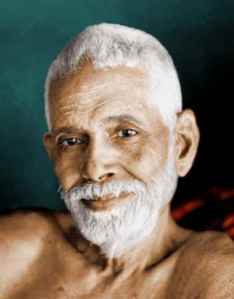


 கிரிவலம் செல்வதை ரமணர் தடுத்ததில்லை. ‘‘அமைதியாக இறைவனை நினைத்துக் கொண்டு நடந்து செல்லுங்கள்’’என்றே அவர் கூறுவார். அனைவரும் திருவண்ணாமலையைச் சுற்றி வந்து இறைவனின் ஆசியைப் பெற வேண்டும் என்று சொல்லிக்கொண்டேயிருப்பார். பகவானும் பல முறை கிரிவலம் சென்றுள்ளார். அண்ணாமலையைச் சுற்றி வருவது பற்றி ஒரு உண்மைக் கதையையும் பகவான் பக்தர்களிடம் சொல்வார்.கதையின் க்ளைமாக்ஸ் பகுதியை மட்டும் அவர் சொன்னதேயில்லை.அந்த க்ளைமாக்ஸை பகவானின் அனுக்ரஹத்துடன் நான் உங்களுக்கு இங்கே சொல்லப் போகிறேன்.
 ஆனால் இந்த உண்மைக் கதையில் பகவான் சொல்லாத ஒரு விஷயத்தை நான் உங்களுக்குச் சொல்கிறேன். பகவான் கடைசி வரை அதன் க்ளைமாக்ஸைத் தன் வாயால் சொல்லவே இல்லை.
 Take off with Natarajan