No mission is impossible….Meet Mr. K.R.Pechimuthu of Trichy…

K.R. Pechimuthu with his self-published Thirukkural booklets. Photo: M. Srinath

THE HINDU

K.R. Pechimuthu with his self-published Thirukkural booklets. Photo: M. Srinath

From blood donation to tree-planting, vermicompost and Thirukkural dissemination, retiree K. R. Pechimuthu has espoused each cause with gusto

K.R. Pechimuthu has clearly never thought of retirement as an end. What else would push him (literally) to cycle from his home in Kumaresapuram, on the outskirts of Tiruchi, distributing free booklets of the Thirukkural to primary-level school students?

“Instead of expecting the Government to come and bail us out each time, why cannot we do something ourselves?” he replies with a question.

And so, motivated by the idea of inculcating good values in youngsters, Mr. Pechimuthu and a helper hop on to their bicycles, packed with at least four 25-kilo bundles of booklets at 7 a.m., and visit the schools. Mr. Pechimuthu holds a value-orientation class using the Tamil literary classic as a foundation, for an hour, and encourages children to learn how to recite the poetic lines precisely. To keep them engaged, he offers a prize of Rs. 10 per correct recitation.

“We used to have moral science in our education system earlier, now it’s gone,” says Mr. Pechimuthu. “I use the Thirukkural to unite young children in learning how to venerate their parents and teachers, who are our founts of knowledge.”

It is 17 years since Mr. Pechimuthu stopped working as a mechanical engineer in BHEL, Kailasapuram, and 15 years since he started the Thirukkural project through his Akarur Educational Trust.

Mr. Pechimuthu reckons that at least 10,000 copies are given away every one or two months. He has cycled up to Manachanallur, 15 km from Tiruchi, on this unique mission, eager to use his retirement benefits to fund his dreams.

Father’s lessons

And there has been no dearth in the dreams department either. “People often wonder why I do all this,” he says. “When you grow older, shouldn’t you be getting more careful about your money? But then, no matter how much you earn in this lifetime, are you going to take it all with you when you die? So I thought, ‘let me look for people who need help.’”

Mr. Pechimuthu, born in Mayiladuthurai, and brought up in Devakottai, names his father A. Karupaiyya, a farmer, who worked briefly in Burma before setting up a timber depot in Devakottai, as his chief source of inspiration. “My father was a spiritually-inclined person, and used to recite theThevaram Thiruvasagam (sacred poems written by Saivite saints known as Nayanmars). “I used to be entranced by the recitation, though I couldn’t really understand their full meaning until I was much older,” recalls Mr. Pechimuthu.

“In his advanced years, my father handed over his timber depot to Periyasami, a worker who had joined us at the age of 10, as a symbol of gratitude for his long years of service,” he says. “Besides, as both my brother and I had moved on in our education and career and my sisters had settled into married life, he felt it was the best thing to do. My father’s selfless gesture convinced me to become more socially conscious.”

Social concerns

Mr. Pechimuthu’s social work started with blood donation in 1966, when he was a foreman in BHEL’s design engineering department. He donated blood around 75-80 times until he was 58 years old. He then shifted his attention to raising awareness about eye donation. In the mid-1980s, he got interested in organic farming and vermicompost, and got guidance in the subject from Chennai-based soil biologist Dr. Sultan Ahmed Ismail and Dr. Kalai of Bangalore University.

Popularising the concept through All India Radio broadcasts and workshops for Tamil Nadu Women in Agriculture, Mr. Pechimuthu mastered vermicomposting enough to develop his own study material that was used in many institutions.

Approaching retirement, he decided to set up an industrial training unit for rural youth in Vaiyyampatti block. Its students were also roped into the voluntary tree-planting drive overseen by Mr. Pechimuthu. Some 10,000 neem and laurel saplings (given free by the Agriculture Department), had been planted throughout the block by 1996, with Mr. Pechimuthu paying Rs. 10 per month out of his own funds for the maintenance of each tree planted in a public place. Unable to sustain the institute due to land problems, Mr. Pechimuthu shifted to Kumaresapuram, still keen to be of some use to the youth of the area.

And a new cause soon suggested itself to him. Approached by a tearful mother for aid to pay her child’s school fees, Mr. Pechimuthu wondered why the poor couldn’t have an affordable savings programme that would help them to educate their children.

He decided to act on the advice of his insurance agent friend, and offered to enrol the mother in an endowment assurance scheme where a Rs. 300 premium would ensure a substantial payout at maturity. “I asked her to give half the premium, and I offered to pay the other half,” he says. “By the grace of God, some 568 children have been able to pay their school fees through this policy.” It was while interacting with the students that he realised the need to teach them good manners and ethical awareness through the Thirukkural.

The man who gets up at 4 a.m. to sweep the street outside his home and clean out the open ditches, then accompany his wife on their daily stroll through the neighbourhood and finally gets ready for his school visits, is an inspiring figure. He doesn’t accept (or expect) any kind of financial or ideological sponsorship for his work.

“I don’t want people to praise me, just to absorb the ideals and values I’m putting across,” he concludes.

Mr. K. R. Pechimuthu may be contacted on 9715426463.

Source….Nahla Nainar …www.the hindu.com

Natarajan

” இட்லிக்கு ஏன் அந்த பெயர் வந்தது …” ?

மஹான் சாப்பிடுவது என்னவோ அவல்பொரிதான். எப்போதாவது கீரையை தமது மதிய உணவில் சேர்த்துக் கொள்வார் என்று மடத்து ஊழியர்கள் சொன்னது உண்டு. இருந்தாலும் சமையல் பக்குவத்தைப் பற்றி அவர் சொல்வதைக் கேட்டு பிரபல சமையல்காரர்களே மூக்கில் விரல் வைத்திருக்கிறார்கள்.

அவ்வப்போது மடத்திற்கு அரிசி, பருப்பு, உளுந்து என்று பக்தர்கள் மூட்டை மூட்டையாகக் கொண்டுவந்து கொடுப்பார்கள். ஒரு தடவை பக்தர் ஒருவர் தன் தோட்டத்தில் பயிரான கருணைக்கிழங்கை மூட்டையாகக் கொண்டு வந்து கொடுத்தார். மடத்தில் சிப்பந்திகள் மிகவும் திருப்தியாக அதை மசியல் செய்து எல்லோருக்கும் பரிமாறினார்கள். சாப்பிட்டவர்கள், முதலில் அதை எடுத்து வாயில் போட்ட பிறகு அதைத் தொடவே இல்லை. இலையில் மூலையில் அதை ஒதுக்கி வைத்து விட்டனர். ஏனெனில் கிழங்கு மசியல் நாக்கில் பட்டவுடன் அரிப்பு ஏற்பட்டு விட்டது. அதனால்தான் ஒதுக்கிவிட்டார்கள்.

இந்த ’மசியல் பகிஷ்காரம்’ மஹானின் காதுக்குப் போகாமல் இருக்குமா?

சமையல் செய்தவர்கள் மஹானின் முன்னால் கையைக் கட்டிக் கொண்டு விசாரணையை எதிர்பார்க்கும் குற்றவாளிகளைப் போல் நின்றுகொண்டு இருந்தார்கள்.

அவர்கள் எல்லோரும் பயந்தபடி ஏதும் நடக்கவில்லை. அமைதியான குரலில் மஹான் கேட்டார்:

“எப்படிச் சமையல் செய்தாய்?”

“கழுநீரில் நன்றாக அலசியபிறகு புளி விட்டுக் கொதிக்க வைத்தேன்… இந்தக் கிழங்கு அதற்கெல்லாம் மசியவில்லை… அதனுடைய குணம் மாறவில்லை..” என்று பிரதம சமையல்காரர் குறைப்பட்டுக் கொண்டார்.

பெரியவா சிரித்தபடியே சொன்னார்:

“கருணைக்கிழங்கை வெந்நீரில் வேகவைக்கும்போது அதோடு வாழைத்தண்டை சிறிதாக நறுக்கிப் போட வேண்டும். இரண்டும் நன்றாக வேகும்போது, கருணையின் குணம் மாறிவிடும்” என்றார்.

மறுநாள் இந்த முறைப்படி சமைத்தபோது எல்லோரும் விரும்பி, கேட்டுச் சாப்பிட்டார்கள்.

சமையல் விஷயத்தில் மஹானின் இன்னொரு அனுபவம்.

பண்டிதர் ஒருவர் மஹானிடம் பேச வந்தார். அவரிடம் ஏதேதோ பேசிக்கொண்டு இருந்து விட்டு, மஹான் ’‘இட்லி’ என்று ஏன் பெயர் வந்தது?’ என்று கேட்டார்.

ஏதோ புதிய விளக்கம் தருவதாக நினைத்த அந்தப் பண்டிதர் சொன்னார்:

“இலையில் இட்லியைப் போட்டவுடன் அது காலியாகி விடுகிறது. இட்டு+இல்லை=இட்டிலை-இட்லி” என்றார்.

மஹான் சிரித்துக்கொண்டே அவரிடம் கேட்டார்:

“இலையில் இட்லி விழுந்ததும் எல்லோரும் அதை இல்லையின்னு ஆக்கிடும் சாத்தியம் நம்பும்படியாக இல்லையே. என்னை மாதிரி எத்தனையோ பேர் அதை இலையிலேயே வச்சிண்டு உட்கார்ந்து இருக்காளே, அதனால் நீங்கள் சொல்ற விளக்கம் சரியில்லை.”

”பெரியவா சொன்னா கேட்டுக்கிறேன்….”

“ஏதாவது நாம் சமைக்கிறோமுன்னா, அதுக்குக் கொஞ்சம் சிரமம் எடுத்துக்கணும் இல்லையா?”

“அடுப்புப் பக்கத்துலேயே நிக்கணும். கருகிப் போகாமப் பாத்துக்கணும். இல்லேன்னா பக்குவம் கெட்டுப் போகும் இல்லையா? இட்லியை எடுத்துக்கோங்கோ. அதை ஊத்தி வச்சுட்டு பத்து நிமிஷம் அதை மறந்து அந்தண்டை போய் வேறு வேலையைக் கவனிக்கலாம். தானாக வெந்து, பக்குவமாக இருக்கும். ஒன்றை வைத்துவிட்டுத் திரும்பிப் பாராமல் வருவதை இடுதல் என்கிறார்கள். ‘இடுகாடு, இடுமருந்து’ என்பது போல் இட்லி என்று பெயர் வந்திருக்கலாம்” என்று முடித்தார் எல்லாம் தெரிந்த ஞானியான மஹான்.

மிகப்பெரிய விஷயங்கள் மட்டுமல்லாமல் சிறு சிறு விஷயங்களுக்கும் அவர் அளிக்கும் விளக்கங்கள் எல்லோராலும் அங்கீகரிக்கப்பட்டன. சமையல் விஷயமாக அவர் சொன்ன கருத்துக்கள் காஞ்சிமடத்தில் இன்றும் உலா வருகின்றன.

ஒருநாள் மடத்து சமையல்காரர் ஒருவர், மடத்திற்கு சமையல் செய்ய பெருங்காயம் அதிகமாகத் தேவை என்று விண்ணப்பம் கொடுக்க, “சாம்பார், ரசம் வைக்கும்போது தனித்தனியாக பெருங்காயத்தை போடக்கூடாது. நீ பருப்பை சாம்பாருக்காக வேக வைக்கும்போது அதில் பெருங்காயத்தைப் போட்டுடு. அதே பருப்பு தானே சாம்பார், ரசம் வைக்க உதவுகிறது. அதில் பெருங்காய வாசனை இல்லாமலா போகும்? இப்படி செய்து பார். அதிகப் பெருங்காயம் தேவைப்படாது…” என்று மஹான் விளக்கமாகச் சொன்னார். இத்தனை நாள் சமையல் செய்யும் தனக்கு இந்த உத்தி தெரியவில்லையே என்று புலம்பினார் சமையல்காரர்.

இன்னொரு சம்பவம் – ‘ரசமான விவாதம்’ :

அதாவது குழம்புக்கும் ரசத்துக்கும் என்ன வித்தியாசம்?

“இரண்டிலுமே பருப்பு, புளி, உப்பு, சாம்பார்பொடி பெருங்காயம் தானே இருக்கு?”

அங்கிருந்த பக்தர்கள் “சாம்பாரை முதலிலும் ரசத்தை பின்னாலும் சாப்பிடுகிறோம், அதுதான் வித்தியாசம்” என்றார்கள்.

மஹான் பெரிதாகச் சிரித்தார்.

“குழம்பில் காய்கறி உண்டு. ரசத்தில் இல்லை. இதுதான் வித்தியாசம்” என்றார்.

இந்தக் குழம்பையும் ரசத்தையும் வைத்து அன்று ஒரு சிறிய பிரசங்கத்தையே எல்லோருக்கும் விளக்கமாகச் சொன்னாராம்.

அவர் சொன்னதன் கருத்து என்ன?

“தான் என்னும் அகங்காரம் மனதில் இடம் பெற்று விட்டதால், நாம் குழம்பிப் போகிறோம். அதாவது சாம்பார் போல்… ஆனால் இது இல்லையென்றால் மனம் தெளிவாக இருக்கும் ரசம் போல. இவைகளை மறக்கக் கூடாதுங்கிறதுக்காகத்தான் தினமும் குழம்பு ரசம் வைக்கிறோம். நீங்கள் விருந்துக்குச் சென்றால் குழம்பு, ரசம், பாயசம், மோர் என்று வரிசைப்படி சாப்பிடுகிறோம் இல்லையா?

இந்த உணவுக்கலாசாரம் வேறு எங்கேயும் இல்லை. மனிதன் பிறக்கும் போதே அவன் மனதில் ‘தான்’ என்னும் அகங்காரம் இடம் பிடித்து வருகிறது. அவன் பலவிதமான குழப்பத்தில் ஆள்வதால் அவன் மனம் குழம்புகிறது.

இதைத்தான் முதலில் நாம் சாப்பிடும் ‘குழம்பு’ எடுத்துக் காட்டுகிறது. அது தெளிந்துவிட்டால் ரசம் போல் ஆகிவிடுகிறது. இவற்றை தொடர்வது இனிமை, ஆனந்தம் அவைதான் பாயசம் – மோர் – பட்சணம் – இதைப் போல் மனிதனின் வாழ்க்கைக்கும் சாப்பிடும் சாப்பாட்டுக்கும் பலவிதமான ஒற்றுமைகள் உண்டு.

மோர் தனித்தன்மை வாய்ந்தது. பிரம்மானந்தத்துடன் நம் மனம் லயிக்க இது உதவுகிறது. பாலிலிருந்து தயிர், வெண்ணை, நெய் மோர் என்று தொடராகப் பொருட்கள் நமக்குக் கிடைக்கின்றன. மோர்தான் கடைசி நிலை. அதிலிருந்து நீங்கள் எதையுமே எடுக்க முடியாது.

அதனால் தான் பரமாத்மாவைக் கலந்தபின், மேலே தொட ஏதும் இல்லை என்பதை மோர் தெளிவாக்குகிறது. அதாவது மோர் சாதம் முடிந்தால் இலையை விட்டு எழுந்திருக்க வேண்டாமா?” என்று அன்றைய தினம் நீண்ட பிரசங்கமே செய்து விட்டார் மஹான்.

நாம் தினமும் சாப்பிடும் சாப்பாட்டைப் பற்றிய விளக்கத்தை இதுவரை, இதைப்போல் யாரும் சொன்னதே இல்லை. இவர் சகலமும் தெரிந்தவர் என்பதற்கு இதைப் போல் எவ்வளவோ எடுத்துக்காட்டுகள், தெய்வீகத்தைத் தவிர அவருக்கு வேறு ஏதும் தெரியாது என்று நினைப்பவர்கள், மஹானை சரிவர அறியாதவராகத்தான் இருப்பார்கள்

Read more: http://periva.proboards.com/thread/9883/#ixzz3j3wfN42x

Source….www.periva.proboards.com

Natarajan


The Doctor Who Makes the Difference… Meet Dr. M.R. Rajagopal Kerala…

On August 10, the Human Rights Watch, an international non-governmental organisation that conducts research and advocacy on human rights, announced that Dr M R Rajagopal was one of the recipients of the prestigious Alison Des Forges Award for Extraordinary Activism (external link).

Announcing the award, the NGO said that Dr M R Rajagopal was being honoured for ‘his efforts to defend the rights of patients with severe pain to live and die with dignity’.

On this occasion, Rediff.com digs into its archives, tracking down Dr M R Rajagopal’s sincere efforts of changing lives and changing the way India looks at palliative care.


‘Even if there is only one day left for a person, I find it very satisfying to have made a difference. That is because I believe life matters. If I can bring a smile to the face of a person who has seen only pain and suffering, I feel satisfied.”

Rediff.com’s Shobha Warrier meets Dr M R Rajagopal who has made such a difference to the lives of the terminally ill.

Dr M R Rajagopal attends to a terminally ill patient. Photograph: Shobha Warrier/Rediff.com

“I haven’t slept for months. I can’t lie down in any position. The pain is killing me. I want to sleep for just one day without the pain bothering me. Please do something, doctor,” Sasidharan Nair breaks down. He has very advanced cancer in the spinal cord and many other bones.

“No, you need not suffer any pain. You have every right to feel better,” says Dr M R Rajagopal, prescribing morphine.

A few days ago, I travelled with Dr Rajagopal and the Pallium India team on home visits to some of the remotest areas outside Thiruvananthapuram; places where no vehicle could go. We climbed hills and walked through rubber plantations to visit terminally ill cancer patients.

The doctor was patience personified, listening keenly to all the complaints the patients had, and consoling them with compassionate words. The visits continued until late in the evening, but Dr Rajagopal’s energy and commitment didn’t wane in the slightest. The nurses on his team changed diapers and catheters, and dispensed the medicines prescribed by the doctor for free.

If you are one of those who has faced the frustration of dealing with doctors in corporate hospitals, who have no time to even talk to you, you will find Dr Rajagopal an aberration.

He picks up his phone when you call, calls you back if he can’t, and listens to all of your concerned questions, answering them honestly and patiently. You don’t find doctors like him anymore.

Pallium India wants to take care of those in terrible pain and isolation due to cancer, AIDS, paralysis, or other prolonged, debilitating, diseases. ‘No one,’ the organisation believes, ‘should be left to face all of this without support and proper medical care.’

A Pallium India van sets out to reach out to terminally ill patients. Photograph: Shobha Warrier/Rediff.com

Dr Rajagopal set up the country’s first palliative care unit, the Institute of Palliative Medicine, in Kozhikode, Kerala, in 1993, at a time when few in India had heard of palliative care.

The World Health Organisation only passed a resolution integrating palliative care as a part of healthcare on January 23, 2014.

“I was then working in the KozhikodeMedicalCollege as an anaesthetist,” recalls Dr Rajagopal, “I was also treating patients in pain, mainly cancer patients. It was a 42-year-old college professor with two small children who taught me a lesson. He had cancer of the tongue spreading to his cheeks. I gave him a nerve block, and the next day, he told me he was pain free.”

“I was very happy. He asked me then, ‘When should I come again?’ I said, ‘You don’t have to come back unless you are in pain’.”

That night, the young professor committed suicide.

“I found out that his oncologist had never discussed the prognosis with him,” remembers Dr Rajagopal. “So, he was expecting a cure. When I told him that he didn’t have to come back again, he understood for the first time that his disease was incurable.”

“I never bothered to find out what his emotions were and how he felt; I just relieved him of his physical pain. That was a turning point in my life. He gave up his life to teach me that a man is not made of just a few nerves and organs.”

Dr M R Rajagopal: You don’t find doctors like him anymore, says Shobha Warrier. Photograph: Shobha Warrier/Rediff.com

After the professor’s death, Dr Rajagopal understood that he had to look at disease-related suffering as a whole; the physical, the psychological, social, and spiritual.

Dr Rajagopal came across a book on palliative care by Dr Robert Twycross. He also attended a lecture by a British nurse, Gilly Burn, who travelled around India teaching palliative care, and invited her to his centre in Kozhikode.

After spending half an hour at the centre, she asked him whether he was interested in going to Oxford to take a course in palliative care. The 10-week course served as the doctor’s formal introduction to the precepts of palliative medicine.

When he came back, with a capital of Rs 1,500, he formed a non governmental organisation with six friends, each of whom contributed Rs 250.

At this point, he was sure of one thing — that he was going to offer the treatment for free, as most of the patients who came to the Kozhikode Medical College were very poor.

When he discovered that his patients did not buy the medicines he prescribed, he started dispensing the medication for free, a practice he continues to this day.

“This is possible due to many kind-hearted people,” he says. “There are many such people around us, contrary to our belief.”

The small unit he started in Kozhikode in 1993 became Pallium India in 2006, aiming to care for all terminally ill people in the country.

Pallium India has palliative care facilities in 11 states, mostly in the north and north-east. The Thiruvananthapuram unit, a WHO collaborating centre for four years, is a demonstration project that works with 12 link centres in the interiors of the Kerala capital.

Eighty two per cent of the patients Pallium India sees are from the poorest sections of society. People like Sasidharan Nair, Yunus, Shiji and Esther.

Dr Rajagopal and his team walk down the hill to Shiji’s home. Photograph: Shobha Warrier/Rediff.com

Yunus, who suffers from lung cancer, is angry.

“We went to the TrivandrumMedicalCollege for treatment and we were asked to take a CT scan at a private centre. We went to the centre with all the money we had. We had just Rs 1,900, and they wanted Rs 10,000. Where are we supposed to find Rs 10,000?” he asks angrily.

He was the family’s only earner till he fell ill two years ago. His family is now dependent on his 18-year-old son.

A narrow path through a rubber plantation leads us to a small unfinished house, where 20-year-old Shiji lives. He lies on the bed, paralysed from the waist down.

From the time the sun comes out, he lies on his bed, staring at the huge trees and the blue sky, thinking of the days he and his father had built the house brick by brick.

The house was not finished when Shiji was diagnosed with cancer two years ago. Today, his world is confined to the tiny room he built.

Hope is what makes this young man smile. He believes he will get better one day and go out. Raveendran, his father, has hopes for his only son, and it is that which has driven him to pledge the house and borrow money from wherever he could.

His debt has now run up to Rs 50 lakh (Rs 5 million), but he is hopeful that Shiji will get better and the two of them will work hard and pay off all the debts.

Raveendran has borrowed money again to take Shiji to the VelloreMedicalCollege. “I feel my son will get better…” he says.

As we walk back to the car, Dr Rajagopal speaks of a healthcare system that ignores the psycho-social aspect of suffering.

“It is this kind of unnecessary treatment and lack of information that has resulted in people like Raveendran building up huge debt burdens from which he may never escape,” he says.

“This kind of destruction of families in the name of healthcare is cruel and almost criminal. The so-called healthcare industry is exploiting the ignorance of people for financial gain. Palliative care is making a difference to such people, and it will transform healthcare.”

Dr M R Rajagopal interacts with his patient, Sasidharan Nair. Photograph: Shobha Warrier/Rediff.com

“It is sad that people have to go through years of treatment without psycho-social support just because they are undergoing curative treatment,” says Dr Rajagopal, stressing that palliative care should start at the time of diagnosis and go hand in hand with curative treatment.

Pallium India doesn’t just take care of the terminally ill, though up to half of all its patients suffer from terminal cancers.

“It is very worthwhile working with even the terminally ill, because even if there is only one day left for a person, I find it very satisfying to have made a difference. That is because I believe life matters. If I can bring a smile to the face of a person who has seen only pain and suffering, I feel satisfied.”

Dr Rajagopal can be described as a crusader in making morphine-based medicines, one of the cheapest and the most effective treatment for chronic pain, available to every patient in pain.

The 15th Lok Sabha recently passed an amendment to the Narcotic Drugs and Psychotropic Substances Act in its last sitting only because of Dr Rajagopal’s efforts.

“It was the culmination of frustrating moments waiting outside government offices and being insulted. But I also saw a lot of goodness in many people.”

Once the amended Act is implemented, the licensing procedure for obtaining and storing morphine becomes very simple.

The amendment essentially scraps the long list of licences, which currently varies from state to state, that drug makers and hospitals are required to obtain in order to produce and store morphine sulphate.

Under the new Act, there will be a uniform regulation across states for issuing licences to manufacture morphine-based drugs.

Similarly, each medical institution that previously needed four to five different licences from different government agencies to store morphine will now have to approach just the state Food and Drug Administration.

Does that mean the amendment to the NDPS Act will transform pain relief?

“No. It needs harder struggle,” says Dr Rajagopal. “But we can consider it a new beginning. Regulatory barriers are not the only barriers to access to pain relief. I would say attitudes and lack of knowledge among medical professionals is the biggest barrier.”

“To make this a success, drug availability, education and strategy are equally important. We now have a government strategy for palliative care; but this is not full-fledged or fully funded.”

“Drug availability can improve with the amendment provided we work with each state government,” Dr Rajagopal adds, “and make sure that the Act is implemented without additional complications.”

“Government hospitals should have doctors and nurses with basic education in pain management and the hospitals should have morphine and other essential narcotic drugs. Then again, pain management is not enough on its own, there also has to be psycho-social support.”

Dr M R Rajagopal and his team walk up an unpaved path to a patient’s home. Photograph: Shobha Warrier/Rediff.com

Dr Katherine Irene Pettus of the International Association for Hospice and Palliative Care, who accompanies us on the home visits, is a strong advocate of using morphine to relieve pain.

She became a hospice volunteer after having watched, as a 19-year-old, her mother die in pain in the United States.

Today, she works from Vienna to educate physicians, politicians and lawyers on the purpose of morphine in palliative care. “My work involves educating people on the need to make morphine-based medicines available instead of controlling them. They only care about control, which doesn’t work anyway,” Dr Pettus says. “We have drug addicts, illegal use, and de-addiction centres everywhere, but yet, 80 per cent of the world has no access to morphine.”

Kerala follows a model of palliative care that other Indian states would do well to emulate.

Dr Rajagopal has shaped the Kerala government’s palliative care policy. “Palliative care,” he says, “has to be fully integrated into the healthcare system.”

“For example, when I fall ill, the doctors and nurses treating me will consider me a human being — and not only look at my coronary arteries — but try to understand what I feel. I hope they will care for my family too.”

“I hope that when I go, I will not be shut up in an intensive care unit, but instead have someone who cares for me sitting beside me, and maybe holding my hand. It would be the ultimate cruelty if I have to die in an intensive care unit with tubes in every orifice and masked creatures working around me.”

“If I were to get disoriented and delirious, my hands and feet may be tied up. I am looking for a world where this kind of intensive cruelty does not happen anymore. I hope for a world where healthcare is delivered with compassion and empathy.”


Source…….Shobha Warrier / Rediff.com

Natarajan

” சென்னை சாலைகள் ….பெயர் காரணம் ….ஒரு அலசல் …”

சென்னையில் இருக்கும், முக்கிய சாலைகள் பலவற்றின், பெயர் காரணம் குறித்து, திண்ணைப் பெரிசு ஒருவர், சொன்ன விவரம்:


சார்லஸ் பின்னி என்பவர், 1769ல், இந்தியாவில், வாணிபம் செய்ய வந்தார். இவர் பெயரில், பின்னி தெரு உள்ளது. இது, அண்ணா சாலையையும், கமாண்டர்- இன் -சீப் பாலத்தையும், இணைக்கும் சிறிய தெரு. இங்கு, பின்னி வாழ்ந்த மாளிகைதான், இப்போது கன்னிமாரா ஓட்டலாக உள்ளது.
கிழக்கிந்திய கம்பெனி காலத்தில், ஐரோப்பிய குடியேறிகளின், பொழுதுபோக்கு மன்றமாக இருந்த இடம் பாந்தியன் எனப்பட்டது. (அதுவே இன்றைய மியூசியம் தியேட்டர்) இதை நினைவுபடுத்தும் வகையில், இங்குள்ள சாலைக்கு, ‘பாந்தியன் சாலை’ எனப் பெயரிடப்பட்டது.
ரிச்சர்ட் எல்டாம்ஸ் என்பவர், பிரபல ஆங்கிலேய வர்த்தகர். இவர், சென்னை மேயராக இருந்து, 1820ல், இறந்தார். இவர் பெயரில் தான், எல்டாம்ஸ் சாலை உள்ளது.
ஜேம்ஸ் டெய்லர் என்பவர், 1795ல், சென்னையில், நிர்வாக அதிகாரியாக இருந்ததால், கீழ்பாக்கத்தில், இவர் பெயரில், டெய்லர்ஸ் சாலை உள்ளது.
சிங்கண்ணை செட்டி என்பவர், செயின்ட் ஜார்ஜ் கோட்டைக்குள், அடகுக்கடை வைத்திருந்தார். இவர் பெயரில், சென்னையில் மூன்று தெருக்களும், சிந்தாதிரிப் பேட்டையில் இரண்டு சந்துகளும் உள்ளன.
ஆளுநரின் பாதுகாவலர் இருந்த வீதிக்கு, பாடிகார்ட்ஸ் சாலை என்று பெயர். அக்காலத்தில், கப்பல்படை வீரர்களுக்குப் பயன்பட்ட இடத்திற்கு, ஓல்டுநேவல் மருத்துவமனை சாலை என்று பெயரிட்டு, பெரியமேட்டில், ஒரு வீதி உள்ளது.
‘தி மெட்ராஸ் ஆர்மி’ என்ற பெயரில், சென்னைக்கு பிரத்யேகமாக, ஒரு தனிப்படை ராணுவம் இருந்தது. இதன் தளபதி இருந்த இடம்தான், ‘கமாண்டர் – இன்- சீப் சாலை’ என, அழைக்கப்படுகிறது.
வெள்ளையர் அரசால், நடத்தப்பட்ட கல்லூரி இருந்த இடம், கல்லூரி சாலை என்ற பெயரில் உள்ளது.
வேப்பேரியில், டவுட்டன் பிராட்டஸ்டண்டு கல்லூரி இருந்த இடம், சுருக்கமாக, டவுட்டன் என்று அழைக்கப்பட்டது. இன்றும், அதுவே பெயர்.
இந்தியர்கள் வாழும் பகுதி கறுப்பர் தெரு, (பிளாக்கர்ஸ் ஸ்ட்ரீட் ) என அழைக்கப்பட்டு, இன்றும் அதே பெயரில் உள்ளது. கெயிட்டி தியேட்டர் இருக்கும் சாலை இது.
பஞ்சாமிர்தம் (1925) இதழ் ஆசிரியர், அ.மாதையா எழுதிய கட்டுரையிலிருந்து…
சென்னையில், குஜிலியின் முக்கில், ஒரு வீதிக்கு, ‘ஈவினிங் பஜார்’ என்றும், அடுத்த வீதிக்கு, ‘தீவிங் பஜார்’ என்றும் பெயர் இருந்தது. இதை, நான் முதலில் கவனித்த போது, உண்மை எவ்வாறிருப்பினும், ராஜதானி நகரத்தில், ஒரு வீதிக்கு, ‘தீவிங் பஜார் சாலை’ அதாவது, ‘திருட்டுக் கடை தெரு’ என்றிருப்பது நகரவாசிகளுக்கும் போலீசாருக்கும் கவுரவம் தருவதன்று என்று நினைத்து, அப்போது முனிசிபல் கமிஷனராயிருந்த என் நண்பர், மலோனி துரைக்கு அதைப்பற்றி எழுத, அவர், ‘தீவிங் பஜார்’ என்ற பெயரை, ‘குஜிலி பஜார்’ என்று மாற்றினார்.

‘அமரர் கல்கியின் ஹாஸ்யம்’ நூலிலிருந்து: வைணவ மதம், ரொம்ப ருசியான மதம் என்பது பிரசித்தம். கண்ணனை வெண்ணெய் திருடும் கடவுளாகச் செய்தவர்கள், ரொம்பவும் சுவை அறிந்த மனிதர்களாகத் தானே இருக்க வேண்டும். இன்னும், வைணவ மதத்தின் ருசியை, ஸ்ரீரங்கம் மற்றும் காஞ்சிபுரம் கோவில் பிரசாதங்கள் எவ்வளவு தெளிவாக நிரூபிக்கின்றன!
தன்னை விட, 153 மடங்கு உயரமான ஈபிள் டவரை கட்டி, சாதனை படைத்திருக்கிறான் மனிதன். ஆனால், கரையான் புற்றை, கரையான், தன்னை விட, 1,000 மடங்கு உயரமாக கட்டுகிறது. ஆனால், அதை சாதனையாக அவை வெளியே சொல்வதில்லை.
குப்பண்ணா சொன்னது.

Source….www.dinamalar.com

Natarajan

ஈரோடு பெண்ணுக்கு ‘கல்பனா சாவ்லா’ விருது: கனரக வாகனம் ஓட்டுவதற்காக கிடைத்த கவுரவம்

கனரக வாகனமான லாரியை இயக்கும் ஜோதிமணி

கனரக வாகனமான லாரியை இயக்கும் ஜோதிமணி

ஈரோட்டை சேர்ந்த பெண் லாரி ஓட்டுநர் வீர தீரச் செயலுக்கான கல்பனா சாவ்லா விருதை பெற்றுள்ளார்.

வீர தீரச் செயலுக்கான கல்பனா சாவ்லா விருதுக்கு ஈரோடு மாவட் டத்தை சேர்ந்த ஜோதிமணி(30) தேர்வு செய்யப்பட்டிருந்தார். அவருக்கு இந்த விருதை நேற்று முதல்வர் ஜெயலலிதா சென்னை யில் நடைபெற்ற சுதந்திர தின விழாவில் வழங்கி கவுரவித்தார். விருதுடன் ரூ.5 லட்சம் ரொக்கப் பரிசு மற்றும் ரூ.5 ஆயிரம் மதிப் புள்ள தங்கப் பதக்கம் மற்றும் பாராட்டுச் சான்றிதழ் வழங்கப்பட் டன.

ஈரோடு மாவட்டம், கோபிசெட் டிப்பாளையம் வட்டம், கணக்கம் பாளையம் கிராமத்தில் உள்ள மஜ்ரா வடகள்ளிப்பட்டியைச் சேர்ந்த ஜோதிமணி, லாரி ஓட்டு நராக பணிபுரிகிறார். இவர் துணிச் சலாக கனரக வாகனம் இயக்கி வருவதற்காக, அவருக்கு இந்த விருது வழங்கப்பட்டது.

ஆண்களுக்கு, பெண்கள் சளைத்தவர்கள் அல்ல என்பதை மெய்பிக்கும் வகையில், ஈரோட்டை சேர்ந்த ஜோதிமணி தமிழகத்தின் ஒரே பெண் லாரி ஓட்டுநர் என்பது குறிப்பிடத்தக்கது.

இவர் 16 டன் எடை கொண்ட கனரக வாகனத்தை லாவகமாக ஓட்டுவதில் வல்லவர். இவரது கணவர் கவுதமனும் லாரி ஓட்டுநர். அவருக்கு சொந்தமான லாரி மூலம் இவர் கனரக வாகனம் ஒட்டுவதை கற்று தேர்ந்தார். பின்னர் கணவருக்கு இணையாக சொந்தமாக ஜோதிமணி மற்றொரு லாரியை வாங்கி இயக்கி வருகி றார்.

கடந்த 2009-ம் ஆண்டு முதல் தேசிய நெடுஞ்சாலையில் சரக்கு லாரி பயணத்தை தொடங்கிய ஜோதிமணி ஒரே ஒரு விபத்தை தவிர, லாரியை லாவகமாக இயக்கி வருவது அவரின் திறமைக்கும், பொறுமைக்கும் உதாரணமாக உள்ளது.

வெளிமாநிலங்களுக்கு தன்னந் தனியாக ஜோதிமணி ஒரு மாதம் வரை பயணம் செய்வதுண்டு. இவரது இரு குழந்தைகளையும் பாட்டி கவனித்துக் கொள்வதால், ஜோதிமணி குடும்ப கவலையின்றி செய்யும் தொழிலை திறம்பட வும், நேர்த்தியாகவும் செய்து, வீரதீரச் செயலுக்கான கல்பனா சாவ்லா விருதை முதல்வர் ஜெய லலிதாவிடம் பெற்று ஒட்டுமொத்த தமிழக பெண்களுக்கும் ஒரு எடுத்துக்காட்டாக வலம் வருகிறார்.

Source…..www.tamil.thehindu.com

Natarajan

Will the Mist Lift in Kodaikanal….?

“If the company accepts its mistake and compensates us, it would serve as justice.” Helen Margaret with her mentally-disabled son Nitesh Kumar. Photo: Sruthisagar Yamunan

The focus on mercury poisoning following a popular rap song raises hopes for victims in Kodaikanal

The serene view of the Kodaikanal hills from the ‘Coaker’s Walk’ hides a tale of melancholy and everyday struggle. As she flitted from one pushcart to another attending to a rare tourist in this off-season, Helen Margaret, now 39, recalled in a tremulous voice her days as a worker at the defunct thermometer factory of Hindustan Unilever on St. Mary’s road. “In the three years from 1996 when I worked there, I did not know the hazards of mercury. We used to play with the silvery liquid, often throwing it at each other,” she recollects, making the “bhoni” (first sale of the day) of her small fruit cart.

Playing with mercury, recognised as one among top ten chemicals of major public health concern, came with a price, she says. Her second son Nitesh Kumar was born with mental disability in 2000.
Subsequently, her husband, a chronic diabetic, died. Today, Ms. Margaret takes care of three school-going sons from a meagre income of Rs 150 a day. “I cannot leave Nitesh alone for a minute. He studies at the Church-run school for the disabled nearby. I make multiple visits to check on him. My life is a struggle that I cannot explain,” she rues, outraged by a recent comment by Unilever CEO Paul Polman that he wants only facts and not “false emotions” on Kodaikanal.

The ‘Kodaikanal Won’t’ rap video released this month has brought focus to the plight of these former workers, and the pristine environment of this Western Ghat hill station.

According to the World Health Organisation, foetuses are most susceptible to developmental effects due to mercury. “It can adversely affect a baby’s growing brain and nervous system. The primary health effect of methylmercury is impaired neurological development.” Industrial processing is listed as one of the two important ways of exposure to mercury. And former workers say they were exposed to a lot of mercury.

“I never wore a glove when I handled the thermometer. I had severe skin rashes, which were treated as allergies. It was only after the factory was shut in 2001 that we came to know of the dangers of mercury. We were never told about it when we worked,” says P. Sangeetha, who claims to have worked at the site in 1996 when she was just 14 years old.

The company maintained women were never allowed to work in mercury area.

Her father, Govindhan, was contractually employed as a security staffer which involved several inspection rounds around the site. In 2000, Govindhan died following an alarming drop in haemoglobin levels.

An HUL-driven study published in 2006 in the Indian Journal of Occupational and Environmental Health, based on the examination of 255 employees and contract workers in 2001, found many showing symptoms of various possible disorders that activists state were the result of exposure to mercury vapour. However, supported by clean chits from three institutions of repute–the All India Institute of Medical Sciences , National Institute of Occupational Health and Industrial Toxicology Research Centre–the company has maintained that mercury in its factory had nothing to do with the health issues of the workers. Nor has it had any effect on the environment.

S.A. Mahindran of the 550–strong Ex-Mercury Employees Welfare Association, which has approached the Madras High Court for compensation to workers, states that the three reports cited by HUL were given by experts without meeting any of the workers. “On the contrary, a Ministry of Labour constituted committee concluded that there was prima facie evidence that not only ex-workers, but also their children have suffered on account of mercury exposure. This committee met the workers in October 2011 and was a first-hand study.”

In many cases, the company has replied that it does not possess records of annual medical check-ups of workers.

Many though claim to have continuing symptoms while over 40 former workers have allegedly died due to mercury-related issues, the association says. K.M. Gias Mohammed Gori was one of the first to join the thermometer plant when it opened in 1984. “At that time, Kodaikanal had no industries. People were begging for employment. When the plant opened, we all rushed to join and saw it as a blessing,” he recalls. But within a year or two, Mr. Gori began experiencing loss of teeth, which the committee in 2011 noted as one ill-effect of mercury exposure. “Soon, I experienced severe fatigue and backache and left the job. I live in poverty in this 10 ft x10 ft thatched hut. Let Mr. Polman come and see if my emotion is fake,” he says.

The long-drawn legal battle has also tired out the workers. The Madras High Court has not heard the matter since 2013 even as workers complain of great financial burden from medical expenses.

On the environment front, the battle has been raging on the standards to which the mercury contaminated soil needs to be cleaned up. Citing media reports, Member of Parliament and Pattali Makkal Katchi leader, Anbumani Ramadoss, one of the first to react, stated that the company was proposing a remediation norm that was 25 times laxer than those prevalent in the United Kingdom, where Unilever has its headquarters.

“They are providing techno-commercial reasons as justification of the lax standard. In the UK, the permissible mercury level is 1mg/kg whereas the company wants a standard of 20-25mg/kg of soil here. By its own estimation, it let out 1.2 tonnes of mercury into the Pambar Shola forests. This is environmental colonialism,” says environment activist Nityanand Jayaraman, who has worked on the issue since 2001 when the company was shut by the Tamil Nadu Pollution Control Board (TNPCB) after evidence emerged that mercury-contaminated glass was sold to scrap dealers a few kilometers away from the factory site.

With the rap song, viewed over two million times on YouTube, building up pressure, HUL has now submitted the Detailed Project Report (DPR) for remediation in Kodaikanal to the TNPCB. However, questions from The Hindu on what the cleaning standard the DPR proposed went unanswered. An HUL spokesperson said via email that preparatory work for the process will begin immediately. In 2003, an expert decontamination team from the U.S. removed tonnes of partially treated mercury sludge from the site. The workers have accused TNPCB of collusion.

With upcoming Assembly elections, the Kodaikanal Municipality, blamed for being silent all along, has got into the act, with its chairman M. Sridhar committing to pass a resolution against the company with a demand for compensation for environmental degradation during a public consultation meeting on August 12.

Activists note that water flowing through contaminated soil finally reaches the Vaigai dam, which irrigates thousands of hectares in South Tamil Nadu. “We have also decided to campaign for the boycott of Unilever products and to boycott elections if no solution is found,” says Mr. Mahindran.

But these technicalities have very little relevance for Ms. Margaret. “If the company accepts its mistake and compensates us, it would serve as justice and would reduce the burden on our lives,” she says, as she helps her son Nitesh back into the classroom.

Timeline:

2001 TNPCB shuts down the HUL thermometer factory after sale of mercury contaminated glass to scrap dealers is detected. Health study of workers done
2003 Large amount of mercury scrap sent back to the U.S.
2006 Ex-employees move Madras High Court against Unilever. Health effects such as miscarriages, kidney and nervous system damages, mental disability in children etc. stated
2011 Committee constituted by Ministry of Labour concludes there was prima facie evidence of mercury-related ailments in workers
2015 Unilever CEO Paul Polman says he is determined to solve the issue after international focus following rap song

Source…..

Natarajan

Google Doodle Celebrates India’s Independence Day…

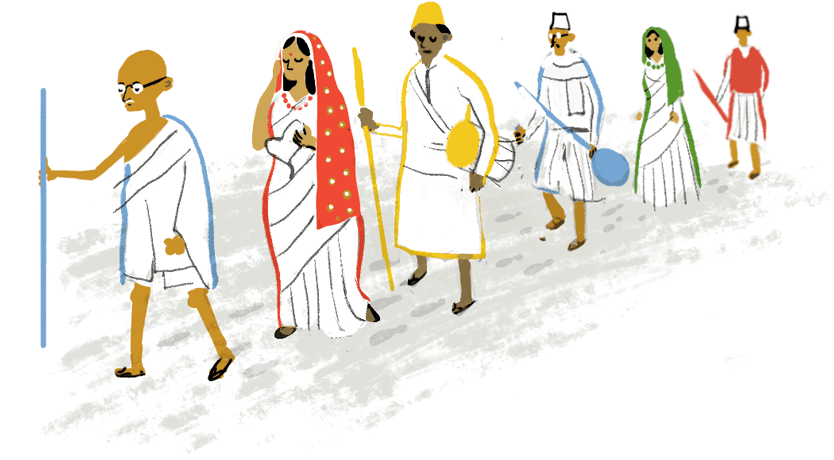
Illustration on Google India shows Gandhi leading the Dandi March of 1930

In honor of the 69th Anniversary of India’s Independence on Aug. 15,Google India’s Doodle features Mahatma Gandhi leading the Dandi March of 1930.

India Independence Day 2015

The scene depicts a significant moment in India’s push for freedom from the rule of the British Raj and the beginning of the Civil Disobedience Movement. Seventy-eight Congress volunteers participated in the 240-mile march in protest of unfair salt laws.

Leon Hong illustrated the Doodle for Google users in India as they celebrate the Indian Independence Act of 1947 on Saturday.


Source…Julia Zorthian   http://www.times.com

Natarajan

“வேப்பம்பூ பச்சடி எப்படிச் செய்கிறீர்கள்?”….

ஜகத்குரு தரிசனம்
வேப்பம்பூ பச்சடி
(எழுசீர் விருத்தம்: காய் விளம் விளம் தேமா . காய் காய் காய் )


வேப்பம்பூ புளியுடன் வெல்லமும் நாங்கள்
. வேதமுனி அவைதன்னில் சமர்ப்பித்தோம்
வேப்பம்பூ பச்சடி செய்விதம் என்ன
. மேதையவர் எங்களிடம் கேட்டாரே
யாப்பென்றே அவரிடம் ஓர்முறை சொன்னோம்
. யாதுமறி யாதவர்போல் செவிமடுத்தார்
சாப்பாட்டுக் கித்துடன் தேனுடன் நெய்யும்
. சற்றேசேர் பச்சடியில் சுவைகூடும்! … 1

பக்குவமாய்ச் செய்தபின் பச்சடி அம்பாள்
. பாதத்தில் நைவேத்யம் செய்வீரே
முக்கண்ணி நம்மிடம் வசப்படு வாளே
. முன்வந்தே அருள்செய்து காத்திடுவாள்
அக்கணத்தில் கேட்டது சரியெனச் சொல்வார்
. அகமுடையான் பச்சடியை உண்டாலே!
சிக்கலின்றி பணிகளைச் செய்வரே செய்வோர்
. சீர்மிக்க பச்சடியின் மகிமையன்றோ! … 2

பக்குவமாய்ப் பச்சடி செய்திடச் சொல்லிப்
. பணித்தாரே திருமடத்தின் பிரசாதம்!
சிக்கனமாய்ப் பச்சடி தந்தவர் கேட்டார்
. தெரிகிறதா நான்தந்த காரணமே?
தக்கபடிப் பெரியவர் சொல்வது உள்ளம்
. தங்கிடவே என்றுரைத்தாள் ஓர்மங்கை
முக்கண்ணி பக்தியில் எந்நாளும் நீங்கள்
. முழுகிடவே தந்தேன்நான் என்றாரே. … 3

புதுக்கோட்டை பத்தராய்த் தரிசனம் செய்தே
. புண்ணியங்கள் பெற்றோமே நாங்களெலாம்!
எதுசொன்னா லுமதிலோர் தத்துவம் காட்டி
. எங்களுக்கு வழிசொல்லும் காஞ்சிமுனி
பொதுவான அறமென உள்ளதைச் செய்தால்
. பொலிவுடனே வாழ்ந்திடலாம் என்றாரே
எதுநல்ல காரியம் என்றுநாம் தேர்ந்தே
. இறைபக்தி உடன்சேரச் செய்வோமே! … 4

–ரமணி, 13/08/2015
Source…www.periva.proboards.com

Natarajan
Read more: http://periva.proboards.com/thread/9877?page=1&scrollTo=16638#ixzz3ihamzKId

The Weekend Agriculturist… Meet Harish Srinivasan and his friends…

Tired of weekend parties, discotheques and pubs? Have aimless visits to the mall and the latest movies lost their charm?

Are you looking for something more meaningful? Something fun and challenging as well?

Then this weekend, join Harish Srinivasan and his friends at a farm near Chennai.

The Weekend Agriculturist

Like thousands of youngsters in the city, Harish has a regular job during weekdays.

But his weekends are anything but regular.

This 29-year-old is the founder of The Weekend Agriculturist, an informal group of enthusiastic youngsters, who offer free labour to small and marginal farmers on weekends.

“My plan is simple: offer free labour to the farmers, who cannot afford to hire help.

“I started a Facebook page outlining my mission and vision for the group. That was about three years ago. Today our group has nearly 5000 volunteers from all walks of life — IT professionals, doctors, teachers, entrepreneurs, social activists and students,” says Harish.

J Satish Kumar, SEO Associate, CoreLead Interactive, Chennai, is part of the core group of volunteers.

“We may have been born and brought up in the city, but agriculture is in our genes,” he points out.

“Go back a few generations and most of us will find that our ancestors were farmers. All of us have a deep connection with the land and we probably just need to be reminded about it.”

The Weekend Agriculturist

Satish was invited to an event organised by The Weekend Agriculturist (TWA) 18 months ago “and since then I have been completely hooked.”

The teams assist with everything from preparing the soil, planting the seed, transplanting, weeding and harvesting.

“Whatever help they require, we provide. In the process, we learn so much. There is nothing like first-hand experience to understand the problems that plague our farmers,” Satish says.

For founder Harish Srinivasan it all started after reading MoondramUlagaPor (Third World War), a novel by Tamil poet and lyricist Vairamuthu.

“Though I have no agricultural background, the plight of our farmers has always moved me. But it was only after reading MoondramUlagaPor that I was actually jolted into doing something.

“The book described in painful detail the untold sufferings of our farmers. I knew that I had to do something.

“Blaming the politicians and debating endlessly about who is responsible, while we go about our lives in the city, content with buying our food from the supermarket, was not going to solve the problem,” says the 29-year-old who is senior consultant at Virtusa India Pvt Ltd in Chennai.

“It is ironic that farmers, who provide our food, have to go hungry,” Harish points out. “Isn’t it a national shame that they believe their only solution is suicide?

“Farmers, who for generations have depended on agriculture for their survival, today encourage their children to find other employment.

The Weekend Agriculturist

“How much longer are we going to wait? No superhero is going to come save them.”

Harish acknowledges that it was not easy to convince farmers that they were serious.

But persistence and sincerity paid off.

“We convinced some of the big, more educated farmers, who took us in and taught us some of the basics. We went back week after week until they realised that we really had their best interests at heart.”

They spend their own money for travel and usually spend the night in open terraces, schools or small hostels.

The core group of volunteers is between the ages of 20-30, but there are older volunteers and some bring their families as well.

T R Sarathy, 45, lives in the small village of Alathur, in Thiruvallur district of Tamil Nadu. He belongs to a family of farmers. Six years ago, he gave up farming and ventured into brick making, which, he says, is much more profitable.

“Until about six years ago, farming was all we knew. For generations our family survived growing seasonal crops, but it was becoming harder every year.

“When a few villagers ventured into brick making, I too gave up farming,” says Sarathy who is a huge support to Harish and his team. He scouts the nearby farms to find out who needs help.

He says most of the farmers have small farms and cannot afford the Rs 250-300 that the labourers demand.

They grow rice, vegetable and also some flowers like roses and kanakambaram (an orange flower that women put on their hair).

Harish lets him know in advance when the group will be coming. He identifies the farmers who need help most.

They groups are of 10-20 and they work for two days from 6:30 in the morning to about 4 in the evening, doing whatever needs to be done.

“I was forced to give up farming, but today I am happy that at least I am helping my brothers survive,” Sarathy says.

The Weekend Agriculturist

Prachi Ghatwal, 25, from Goa, a mobile app developer at Creative Capsule India Pvt Limited was an active part of TWA before she went back to her hometown.

“When I was in Chennai, I used to travel with the other volunteers to the farms. Most of the farms are family owned and can barely afford any extra manpower. They are grateful for any kind of help and it is hugely satisfying seeing your work make some difference to their lives.”

She now helps with registrations and provides some technical support. “We are working on a mobile app that will facilitate better and easy registration of volunteers for the various events planned by TWA,” she says.

The group not only offers free services, they also bring in consultants, who offer expert advice and provide solutions based on the individual needs of each farmer.

The consultants educate the farmer on how to improve the quality and yield of crops. They work on sustainability and increasing growth and profitability.

They are also trying to make them adopt the traditional, healthier practices of farming.

“Our work is not over with just the weekend; we are constantly exploring new avenues to help the farmers,” says Satish.

“For the last 30-40 years, our farmers have relied on chemical fertilisers and pesticides to boost crop production without understanding its long-term effects. Most of the food on our table today is loaded with toxins.

“We are teaching the farmers the benefits of going organic, but it is not an easy task. A few have agreed to go organic on a small patch of their land.”

Volunteers are also taught how to grow their own organic vegetables.

“Vegetables like brinjal, chilly, or tomatoes can be grown very easily. I myself harvest about three or four kilos of brinjal every month in my garden. Growing your own food is a totally exhilarating experience,” Satish claims.

The Weekend Agriculturist

The volunteers are encouraged to buy produce from the farmers.

“These poor farmers sell their produce to middlemen, who buy for as low as Rs 5-6 per kg and sell for Rs 40-50 in the city. We are currently working to get corporates interested in building a direct link between the farmers and consumers, to help farmers get a better rate for their produce,” says Harish.

TWA has been in operation for three years and Harish is happy with the results.

“Today, we are appreciated for our work. Occasionally youngsters from Coonoor, Erode and Bangalore join us. There are plans to encourage such groups in other cities too.”

He says farmers too are encouraged at getting the help. “Our desire to help them is a huge motivation for them. They are happy to know that somebody cares.”

Source….Saraswathi in http://www.rediff.com

Natarajan

The quiet, nerdy schoolboy who went all the way….Read What SundarPichai’s Grandmother says about him ….

Sundar Pichai was inquisitive and eager to learn, says grandmother Ranganayaki

Kamikaze auto drivers on Chennai’s streets may make you fear for life and limb. But as a school-boy, auto rides to school did not faze the newly-anointed CEO of Google Sundar Pichai, who, a school-mate who shared the rides recalls, had his nose in his books all the way to school.

Quiet, nerdy and studious is how friends of Pichai remember him from his days at Jawahar Vidyalaya, a CBSE school in Ashok Nagar, Chennai. Pichai was so focused on studies and wanted to fare well in academics that most of his associates don’t remember him participating in sports or any other extra-curricular activities.

A classmate recalls, “Sundar was academically bright, though he wasn’t the first in class. He was always ranked third, behind two girls, who took the first two ranks. He wasn’t very participative and kept to himself.”

Cool guy

Another classmate, chary of having her name on record, recalls that he always had a smile on and never got upset over anything.

The school put all the brightest students and achievers in the 9th standard in section A, where Pichai too was placed. Though, of course, there was nothing to indicate that one day he would go on to head a major global corporation.

That he could be fiercely competitive was, however, evident as this classmate recalls: “When the mark-sheets were distributed in class, he would be the first one to rush to take them from the teacher and compare his marks with other toppers in the class.”

Pichai moved out of Jawahar Vidyalaya to join Vana Vani, a school inside the IIT-Madras campus to pursue his Plus Two under the Tamil Nadu State board syllabus.

Born in Madurai, Pichai grew up in Chennai, where his father worked for switchgear-maker English Electric Co Ltd. Pichai did not have very many friends but he was inquisitive and eager to learn, even at a young age, says Ranganayaki, Pichai’s grandmother, who is 92 years old and lives in the same modest house in a quiet lane in Ashok Nagar where Pichai grew up.

Street cricket

Ranganayaki, her memory still strong, recalls that Rajesh, as Pichai is called at home, hated wasting time and was diligent when it came to his studies.

“Both the brothers liked to play cricket in front of the house after school, though it was mostly just the two of them,” she says.

Another classmate, who is still in touch with him from his school days, says Pichai remains the same quiet person he always was.

“It’s difficult for us to imagine that he now heads Google,” she says.

(This article was published on August 11, 2015)
Source…..

    SWATHI MOORTHY and,
    Natarajan