THE OLYMPIC SWIMMER WHO HAD NEVER BEEN IN A POOL UNTIL A FEW MONTHS BEFORE COMPETING IN THE OLYMPICS….!!!


The man was Eric Moussambani Malonga, later nicknamed “Eric the Eel”.  Moussambani is from Equatorial Guinea in Africa and only managed to get into the Olympics at all because of a wildcard drawing system put in place by the International Olympic Committee, designed to try to encourage developing countries to participate in various Olympic events.

Thanks to this drawing, Equatorial Guinea decided to send a swim team to the 2000 Olympics in Sydney, Australia.  They put out an advertisement on the radio a few months before the Games to try to get people to come and tryout for the country’s new national swim team which would be going to the Olympics.  Those who wished to tryout were to show up at the Hotel Ureca in Malabo, Equatorial Guinea. At the time, this hotel was the only place in the country that had a swimming pool (only 12 meters long).

Two people showed up, one woman, Paula Barila Bolopa (who was a grocery store cashier at the time), and one man, Eric Moussambani.  Because of the lack of competition, the only thing the two had to do to get on the team was to demonstrate that they could in fact swim.

Previous to this, Moussambani didn’t know much about swimming, but contrary to what is often reported, he did know how to swim.  Said Moussambani:

The first time I swam in the sea, I was 12 years old and was on vacation in my mother’s village. My first time in a swimming pool was on May 6, 2000 in the Hotel Ureca swimming pool…

They just told me to get my passport and a picture ready so they could send me to the Olympics. They said to me, ‘Keep on training.’ I asked them, ‘With who? I don’t have a trainer.’  They said: ‘Do what you can. Keep training because you are going to the Olympics.’

My preparation was very poor…  I was training by myself, in the river and the sea. My country did not have a competition swimming pool, and I was only training at the weekends, for two hours at a time. I didn’t have any experience in crawl, breaststroke, or butterfly. I didn’t know how to swim competitively.

The Olympic Games was something unknown for me.  I was just happy that I was going to travel abroad and represent my country. It was new for me. It was very far from Africa.

Just three months after hearing the advertisement and then getting selected to represent his country, Moussambani was on his way to the Olympics.  He took a somewhat roundabout flight to Libreville (Gabon), then to Paris, then to Hong Kong, and finally to Sydney, a trip that took nearly three days to complete.  Along with accommodations, he had £50 of spending money while at the games and an Equatorial Guinea flag for use in the opening ceremony.

Once at the Olympics, he got his first glimpse of an Olympic size swimming pool,

When I arrived, I just went to the swimming pool to see how it is. I was very surprised, I did not imagine that it would be so big…

My training schedule there was with the American swimmers. I was going to the pool and watching them, how they trained and how they dived because I didn’t have any idea. I copied them. I had to know how to dive, how to move my legs, how to move my hands… I learned everything in Sydney.

What makes Moussambani’s story even more compelling is that he would go on to win his heat in the 100m freestyle, albeit in a pretty unorthodox way.  You see, at the time, he was to compete against just two other people in the qualifiers, Karim Bare from Niger and Farkhod Oripov from Tajikistan.  Both of these two ended up getting disqualified for false starts, leaving just Moussambani, who at the time thought he had been disqualified, before it was explained to him that his competitors were the ones out and that he’d be swimming the heat alone in front of 17,000 spectators.

In order to qualify for the next round, he needed to beat 1 minute and 10 seconds… He didn’t quite manage that.  However, for someone with such limited training and technique, he actually didn’t do too bad at the very beginning, even executing an OK dive and looking pretty fast for the first 10 or 15 seconds or so, then quickly faded.   As he said,

The first 50 meters were OK, but in the second 50 meters I got a bit worried and thought I wasn’t going to make it… I felt that [it] was important [to finish] because I was representing my country… I remember that when I was swimming, I could hear the crowd, and that gave me strength to continue and complete the 100 meters, but I was already tired. It was my first time in an Olympic swimming pool.

He finished with a time of 1 minute 52.72 seconds (40.97 seconds at the halfway mark), which was about 43 seconds off the qualifying time. This was, of course, a new Equatorial Guinea swimming record, but also unfortunately was the slowest 100m freestyle swim pace in Olympic history.  For his efforts, he was immediately a media darling, with fans and some other athletes loving his story.  However, many felt that his being allowed to participate was embarrassing, as he had not a hope in the world of actually winning anything, and it was unfair to athletes in more privileged countries that could swim circles around Moussambani, but who weren’t given a chance to compete because lesser swimmers from developing countries were being included. The International Olympic Committee’s president, Jacques Rogge, was one of those, saying he would work to get rid of the wild card system and stated, “We want to avoid what happened in the swimming in Sydney; the public loved it, but I did not like it.”

Of course, the “father” of the modern Olympic Games, Baron Pierre de Coubertin, likely wouldn’t have agreed with this negative sentiment at all, as he wanted all countries to compete in the Games. He also once criticized English rowing competitions for not including working-class athletes.  He further developed the Olympic motto (Citius, Altrius, Fortius- Faster, Higher, Stronger) after a portion of a sermon given by Bishop Ethelbert Talbo, which de Coubertin was fond of quoting

The most important thing in the Olympic Games is not to win but to take part, just as the most important thing in life is not the triumph but the struggle. The essential thing is not to have conquered but to have fought well.

Certainly Moussambani exemplifies that sentiment.

Bonus Facts:

  • Since 2012 Moussambani has been the coach of the Equatorial Guinea swim team, when he’s not working his day job as an IT engineer. They actually have a real, competitive team now comprising 36 swimmers, so the Olympic wild card system paid off in that respect.  They also have an Olympic size swimming pool to practice in now.
  • Moussambani has gotten a lot better at competitive swimming. By 2004, he got his 100m free style time down to 57 seconds, which would have been good enough for him to qualify in the 2004 Olympics, but a visa mistake ended up costing him a trip to that year’s Games. Some have speculated the visa mishap was intentional in order to stop him from competing.  The gist of it was that when he submitted his application, his passport photo was somehow lost by the Malabo officials processing it. Some highly placed government officials in his country had previously expressed anger at how he’d embarrassed their country in 2000 and were not enthusiastic about him going to the Athens games. Whatever the case, due to the loss of the photo, his application was denied.
  • Moussambani recently started training again along with coaching and he posted his best swim time in 2012 at the age of 34, having it down to 55 seconds in the 100m freestyle, just under 8 seconds off the current Olympic record. As such, he’s decided to come out of semi-retirement from professional swimming to try out for the 2016 games.  “I still have a dream. I want to show people that my times have improved, that we have swimming pools in my country now and that I can now swim a hundred meters.”
  • Moussambani’s current training routine for the 2016 Olympics is to wake up at 5am and run for 3 km.  He then gets ready for work and spends 8am to 5pm there.  On Tuesday, Thursday, Friday, and Saturday he heads down to the pool where he meets his team and trains from 6pm-10pm.
  • The 100m freestyle gold medalist (Pieter Van den Hoogenband) in the 2000 Olympics finished with a time of 48.3 seconds, which was a new world record.
  • The current world record for the men’s 100m freestyle (long course: 50m pool) is 46.91 seconds, set by Cesar Cielo of Brazil in the 2009 World Championships in Rome.
  • The current Olympic record is 47.05 seconds, set by Eamon Sullivan of Australia in the 2008 games.
  • Equatorial Guinea’s other swimmer in the 2000 Olympics, Paula Barilia Bolopa, also struggled to finish her heat, this time in the 50m freestyle, finishing with a time of 1:03.97.  While it was a new record for the 50m freestyle for Equatorial Guinea, it was also, like Moussambani’s time, a new slowest time record in Olympic history for the 50m freestyle.

Source….www.today i foundout.com

Natarajan
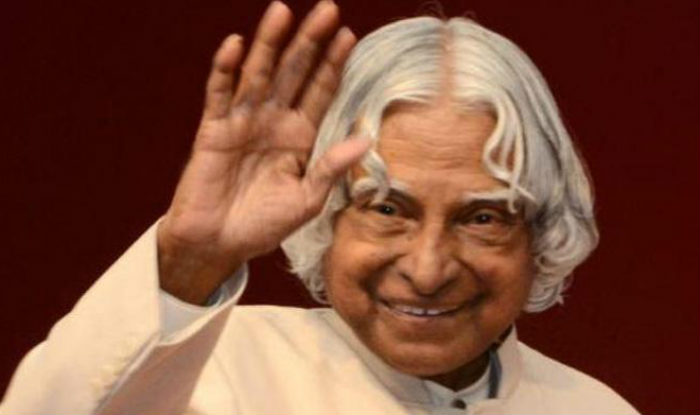
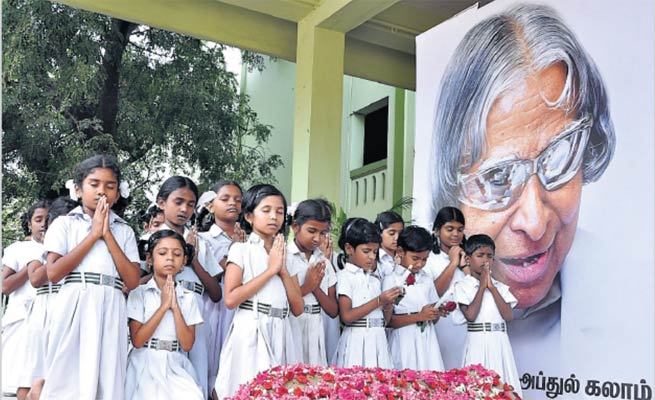
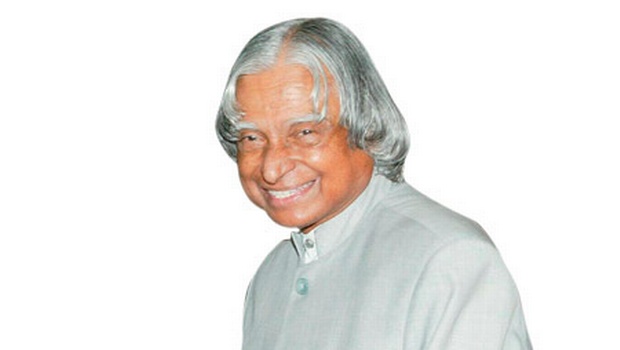
APJ Abdul Kalam 1st death anniversary: This is how the noble soul planned to celebrate his elder brother’s 100th birthday….


APJ Maracayer, elder brother of APJ Abdul Kalam was like a father figure to Kalam and counselled him on several important decisions and was also his spiritual guide.

apj-abdul-kalam-political-party

APJ Abdul Kalam had planned a “big surprise party” for his elder brother who would turn 100 this November by gathering all the family members at his native place Rameswaram, putting up banners saying ’100′ and playing Tamil songs but destiny had other ideas.
Sixteen years older, APJ Maracayer was like a father figure to Kalam and counselled him on several important decisions and was also his spiritual guide.

But as fate would have it, seven weeks after this planning session Kalam passed away on July 27 last year. Kalam’s aide Srijan Pal Singh presents a tribute to the late President on his first death anniversary in the form of a book “What Can I Give?: Life Lessons from My Teacher, A.P.J.

The book, published by Penguin Random House, brings alive rare personal and unheard-of anecdotes as well as unseen pictures from Kalam’s life. Taking Kalam’s vision ahead, Singh has decided to donate all the royalties from the book to the charitable cause of providing free education to underprivileged children through an initiative called The Kalam Library Project.

On the grand plans made by Kalam for his brother’s 100th birthday celebrations, Singh writes, “In 2015, in the month of May, Kalam’s brother dropped by for a visit. It was a special moment as Janaab A P J Maracayer was about to turn 99 in a few months. His birthday was on the 5th of November. The day his brother was leaving for Rameswaram, Kalam met him over dinner.

He said to me later, ‘You fellow, listen. My brother will turn 99 years old in November. Tell me, now by the end of this year, how many orbits will he have completed around the sun? “This was the question he always asked on people’s birthdays. A true rocket engineer, he loved equating years to the number of orbits the earth had made around the sun and the number of orbits the moon had made around the earth. I was familiar with this question by now.”

“Hundredth orbit!” Singh replied. ”Right. Now listen, you fellow. You see, next year, in November 2016, my brother will be a hundred years old. He has never celebrated his birthday in a big way. On his hundredth birthday, I want to throw him a big surprise party. He would love it, right?” Kalam asked.

Kalam wanted the party to happen at his native place. ”We can also gather all the family – the grandchildren, the great-grandchildren – everyone. There will be about 50 fellows like that,” Singh quotes Kalam as saying. Kalam entrusted Singh with making all the arrangements. Then Kalam was undecided on what gift he should give to his brother. For the next half an hour, both sat planning the details of the party.

“We thought of everything, from banners saying ’100′ to Tamil songs to be played in the party. We came up with many ideas for commemorating the occasion and finally decided to open a 100 libraries across rural India. A 100 libraries for a 100 years on earth. Kalam was very happy with the idea. We decided to begin working on it by July,” Singh writes. The Kalam Library Project was started in December 2015.

“By the time this book reaches you, we would have perhaps already completed the target of opening a hundred libraries.
And by reading this book, you are becoming a part of this project because the proceeds from this book will be used to open more and more such libraries,” Singh says.

Source…..Press Trust of India….27 july 2016

Natarajan


காவியம் படைத்த கனவு நாயகன் கலாம் முதலாண்டு நினைவஞ்சலி….


1931: தமிழகத்தின் ராமேஸ்வரம் தீவில் அப்துல் கலாம் பிறந்தார்.

gallerye_021857771_1572606

1954: திருச்சி புனித ஜோசப் கல்லுாரியில் பி.எஸ்சி., இயற்பியல் பட்டம் பெற்றார்.


1960: சென்னை எம்.ஐ.டி., கல்லுாரியில் ‘ஏரோஸ்பேஸ் இன்ஜினியரிங்’ பட்டம் பெற்றார்.


1960: டி.ஆர்.டி.ஓ.,வில் விஞ்ஞானியாக பணியில் சேர்ந்தார்.


1969: இஸ்ரோ நிறுவனத்துக்கு மாற்றப்பட்டார்.


1980: கலாம் தலைமையிலான விஞ்ஞானிகள் ரோகிணி செயற்கைக்கோளை,


‘எஸ்.எல்.வி.,- 3’ ராக்கெட் மூலம் விண்ணில் வெற்றிகரமாக ஏவினர். இதன் மூலம்


உலகின் பார்வையை இந்தியா மீது திருப்பினார்.


1980-90: ஒருங்கிணைந்த ஏவுகணை தயாரிப்பு திட்டத்தின் கீழ், அக்னி மற்றும் பிருத்வி ஏவுகணைகள் வெற்றிகரமாக சோதித்து பார்க்கப்பட்டது.

1981: பத்ம பூஷன் விருது பெற்றார்.


1990: பத்ம விபூஷன் விருது பெற்றார்.


1992 – 99: டி.ஆர்.டி.ஓ., அமைப்பின் செயலராகவும், பிரதமரின் தலைமை பாதுகாப்பு ஆலோசகராகவும் பணியாற்றினார்.


1997: நாட்டின் உயரிய விருதான ‘பாரத ரத்னா’ விருது பெற்றார்.


1998: பொக்ரான் அணுஆயுத சோதனையை வெற்றிகரமாக நடத்திக் காட்டினார். இதன் மூலம் அணுஆயுத நாடுகளின் பட்டியலில் இந்தியாவும் இடம் பெற்றது.


1999: அப்துல் கலாம் எழுதிய அவரது சுயசரிதை புத்தகம் ‘அக்னி சிறகுகள்’


ஆங்கிலத்தில் வெளியானது.

1999 – 2001 : பிரதமர் வாஜ்பாயின் முதன்மை அறிவியல் ஆலோசகராக பணியாற்றினார்.


2002: நாட்டின் 11வது ஜனாதிபதியாக பதவியேற்றார்.


2007: ஜனாதிபதி பதவிக்காலத்தை நிறைவு செய்தார்.


2007: திருவனந்தபுரத்தில் இஸ்ரோவால், தொடங்கப்பட்ட இந்திய விண்வெளி அறிவியல் மற்றும் தொழில்நுட்ப கல்லுாரியின் முதல் வேந்தராக பொறுப்பேற்றார்.


2007-15 : ஜனாதிபதி பதவியில் இருந்து விலகிய பின், பல்வேறு பல்கலைக்கழங்களில் கவுரவ பேராசிரியராக பணியாற்றினார்.


2015: மேகாலயாவில் மறைந்தார்.

பொன்மொழிகள்


* கனவு காணுங்கள் அவற்றை நனவாக்க கடுமையாக உழைக்க வேண்டும். என்னால் முடியும்… நம்மால் முடியும்… இந்தியாவால் முடியும் என்ற மந்திரத்தை சொல்லிக்கொண்டே இருங்கள்.


* முதல் வெற்றியுடன் ஓய்வு எடுத்து விடாதீர். ஏனெனில் இரண்டாவது முயற்சியில்


தோல்வி அடைந்தால், முதல் வெற்றி அதிர்ஷ்டத்தால் வந்தது என விமர்சிப்பர்.


* மழை வந்தால் பறவைகள் எல்லாம் பாதுகாப்பான இடத்தில் தஞ்சம் அடையும். ஆனால் கழுகு மட்டும் வித்தியாசமாக சிந்தித்து, மேகத்துக்கு மேலே பறந்து மழையில் இருந்து தப்பிக்கும்.


* அனைவருக்கும் ஒரே மாதிரியான திறமை கிடையாது. ஆனால் திறமையை வளர்த்துக் கொள்ள ஒரே மாதிரியான வாய்ப்பு கிடைக்கிறது.


* வாழ்க்கையில் மகிழ்ச்சியாக இருப்பதற்கு ஒரு வழி. அடுத்தவர்களின் வெற்றியை உங்களுடைய வெற்றியைப் போலக் கொண்டாட கற்றுக் கொள்ளுங்கள்.


* நீங்கள் உறங்கும்போது வருவதல்ல கனவு. உங்களை உறங்கவிடாமல் செய்வதே கனவு.


* உங்களுக்கு சிறகுகள் உள்ளன. தவழ்ந்து செல்லாதீர்கள். அதைக் கொண்டு, மேலே மேலே பறந்து செல்லுங்கள்.


* உன் ரேகையைப் பார்த்து எதிர்காலத்தை நிர்ணயித்து விடாதே. ஏனெனில் கையே இல்லாதவனுக்கும் எதிர்காலம் உள்ளது.


* ஜனாதிபதி, விஞ்ஞானி என பன்முக மனிதராக இருந்த அப்துல் கலாம், தேசப்பற்று மிக்கவராக இருந்தார். இந்தியாவின் மிகப் பெரும் விஞ்ஞானி விக்ரம் சாராபாயை தனது ‘ரோல் மாடலாக’ கொண்டு செயல்பட்டார்.

கலாமுக்கு மரியாதை


கலாம் மறைவுக்குப் பின் பல்வேறு மாநில அரசுகளும், அவரது பெயரை சூட்டி மரியாதை அளித்துள்ளன.


* டில்லியில் உள்ள அவுரங்கசீப் சாலை, அப்துல் கலாம் சாலை என பெயர் மாற்றம்.


* ஒடிசாவில் உள்ள ஏவுகணை சோதனை மையமான வீலர் தீவுக்கு, அப்துல் கலாம்


தீவு என பெயர் மாற்றப்பட்டது.


* கேரள தொழில்நுட்ப பல்கலைக்கழகம், அப்துல் கலாம் தொழில்நுட்ப பல்கலைக்கழகம் என பெயர் சூட்டியுள்ளது.


* உத்தர பிரதேசத்தில் செயல்படும் உ.பி., தொழில்நுட்ப பல்கலைக்கழகம், அப்துல் கலாம் தொழில்நுட்ப பல்கலைக்கழகம் என பெயர் மாற்றம் செய்துள்ளது.


* டில்லி அரசு ‘மாணவர்களுக்கு 10 லட்சம் ரூபாய் வரை வழங்கப்படும் கல்விக்கடன்’ திட்டத்துக்கு, அப்துல் கலாம் பெயரை சூட்டியுள்ளது.


* தமிழக அரசு அப்துல் கலாம் பிறந்த தினத்தை ‘இளைஞர் எழுச்சி தினமாக’ அறிவித்தது. மேலும் அறிவியல் துறையில் சாதிப்பவர்களுக்கு அவரது பெயரில் விருது ஒன்றையும் வழங்குகிறது.


* ஐதராபாத்தில் உள்ள ஏவுகணை மையத்துக்கு, அப்துல் கலாம் பெயரை மத்திய அரசு


இன்று சூட்டுகிறது.


* பீகாரில் உள்ள கிஷன்கஞ்ச் வேளாண்மை கல்லுாரிக்கு, அப்துல் கலாம் பெயர் சூட்டப்பட்டது.

புதுவை அறிவியல் மையம் மற்றும் கோளரங்கத்திற்கு அப்துல் கலாம் பெயர் சூட்டப்பட்டது.


கடைசி நிமிடத்திலும்


கலாம் தன் கடைசி நிகழ்ச்சியில் பங்கேற்பதற்காக கவுகாத்தியில் இருந்து ஷில்லாங்கிற்கு காரில் பயணம். மேற்கொண்டார். அப்போது அவரது பாதுகாப்பிற்காக, பாதுகாப்பு வீரர்கள் நின்றபடி பின்தொடர்ந்து வந்தனர்.


அதைப்பார்த்த கலாம், அவரை தயவு செய்து அமரச் செய்யுங்கள் என்றார். இது வழக்கமான பாதுகாப்பு நடைமுறைதான் என எடுத்துச் சொல்லியும் கலாம், கேட்க வில்லை. கடைசியில் அவர், நான் அந்த பாதுகாவலரை சந்திக்க வேண்டும் என்றார்.


ஐ.ஐ.எம்., சென்றதும் அந்த பாதுகாப்பு வீரரை சந்தித்த அப்துல் கலாம், ‘நன்றி இளைஞனே. என்னால் தானே உனக்கு இந்த கஷ்டம். சோர்ந்து விட்டாயா? எதாவது சாப்பிடுகிறாயா? எனக்காக


1 மணி நேரம் நின்று கொண்டு வந்தாயே நன்றி இளைஞனே என்றார். அந்த பாதுகாவலருக்கு பேச வார்த்தை வரவில்லை.


‘சார்… உங்களுக்காக நான் 1 மணி நேரம் அல்ல… 6 மணி நேரம் கூட நின்று கொண்டே வருவேன் என்று பதிலளித்தான். கலாமின் இப்படிப்பட்ட மனிதநேய செயல்களால் தான் அவர், இன்றும் மக்களால் விரும்பப்படுகிறார்.

Source……www,dinamalar.com

Natarajan


இங்கிவரை யாம் பெறவே…..A.P.J. Abdul Kalam ….

kalam2


மானுடம் சூன்யம் ஆவதற்கோ, வெற்றிடம் ஆவதற்கோ காலம் என்றும் அனுமதித்ததில்லை. நிலைகெட்டிருக்கும் சமுதாயத்தை நிலை நிறுத்துவதற்கென்று, அவ்வப்போது அருட்தூதுவர்கள் வந்துகொண்டுதான் இருக்கிறார்கள். அவரும் இகத்தே பரத்தைப் பெற்று மகிழ்ந்திடுதற்கென்றே, எனையிந்த யுகத்தே இறைவன் வருவிக்க உற்றேன் என வள்ளலாரும் இதனை உறுதிப்படுத்துகின்றார். மகாகவி பாரதியும் எனக்கு முன்னே சித்தர் பலர் இருந்தாரப்பா யானும் வந்தேன் ஒரு சித்தர் இந்த நாட்டில் என அழுத்தம் திருத்தமாக உரைக்கின்றார். வள்ளலார் வந்த வழியிலும், பாரதி நடந்த பாட்டையிலும் தொடர்ந்து நடந்தவர்தாம், ஏ.பி.ஜெ. அப்துல் கலாம்.

காலம் காலமாக இந்திய மக்கள் புண்ணியத்தைத் தேடி இராமேசுவரத்திற்கு வந்தனர். ஆனால், வைய மக்கள் கால்கள் நோகக்கூடாதென்று, புண்ணியமே ஒரு முடிவெடுத்து 15.10.1931 அன்று, ஏ.பி.ஜெ. அப்துல் கலாம் என்னும் வடிவத்தில் இந்த மண்ணுக்கு வந்து சேர்ந்தது.

கலாமின் குடும்பம், பற்றாக்குறையின் கைகளில் பட்டுவாடா செய்யப்பட்டதால், எட்டாம் வகுப்புப் படிக்கும்போதே புளியங்கொட்டைகளைப் பொறுக்கி விற்று (இரண்டாவது உலகப்போர் நடந்த காலம்) ஓரணா சம்பாதித்ததையும், பின்னர் வீட்டுக்கு வீடு தினமணி செய்தித்தாள் போட்டதையும் அவரே கீழ்வருமாறு வருணிக்கிறார். “பத்திரிகைகளில் தினமணிக்கு ஏக கிராக்கி. என் அண்ணன் சம்சுதீன் வாடிக்கையாளர்களுக்கு விநியோகிப்பதற்கு முன்பு அதிலுள்ள படங்களைப் பார்த்துத் திருப்திப்பட்டுக் கொள்வேன். யுத்தம் பற்றிய செய்திகளை எல்லாம் எனக்கு ஜலாலுதீன் சொல்லுவார். பிறகு நான் அதைப்பற்றி தினமணியின் செய்தித்தாள்களில் படித்துப் பார்ப்பேன். இராமேசுவரத்தில் இரயில்கள் நிற்பதை திடீரென்று நிறுத்திவிட்டார்கள். இராமேசுவரம் இருப்புப் பாதையில், ஓடும் இரயிலிலிருந்து பத்திரிகைகளைக் கட்டுக்கட்டாக வீசுவார்கள். நான் அவற்றை எல்லாம் பிடித்து வாங்கி, அண்ணன் சம்சுதீனிடம் சேர்ப்பேன். அண்ணனிடம் வாங்கியதுதான் என் முதற் சம்பளம்’ என்பதாகச் சுய சரிதையில் விவரித்துள்ளார். பழமையை மறவாதவர்கள், என்றும் தம் நிலையில் தாழ மாட்டார்கள் என்பதற்குக் கலாம் அவர்களின் வாழ்க்கை, ஓர் உரைகல்.

கலாம் உயர்நிலைப் பள்ளி, கல்லூரி வாழ்க்கையை வெற்றிகரமாக முடித்திருந்தாலும், உயராய்வுக்கு (எம்.ஐ.டி.) வருகின்றபோது அவருக்குச் சோதனைகள் காத்திருந்தன. வெற்றிப்படிகளில் அவருக்கு அணிவிக்கப்பட்ட மாலைகளில், மலர்களைக் காட்டிலும் முட்களே அதிகமாக இருந்தன. எம்.ஐ.டி.யில் முதுநிலை ஆய்வுத் திட்டம் ஒன்றைப் பெற்று, அதற்குக் கிடைத்த உதவித் தொகையில்தான், அவருடைய எதிர்காலம் நகர்ந்து கொண்டிருந்தது. ஒருநாள் அவருடைய ஆய்வின் வளர்ச்சியைப் பார்வையிட்ட பேராசிரியர், “கலாம், உன்னுடைய அறிக்கை எனக்கு நிறைவைத் தரவில்லை. நாளை காலைக்குள் ஒரு விமானத்திற்குரிய அத்தனை அம்சங்களையும் விவரித்துக்காட்டும் வரைபடத்தை வரைந்து தராவிட்டால், உன்னுடைய உதவித்தொகை நிறுத்தப்படும்’ என்ற ஏவுகணையை ஏவிவிட்டுப் போய்விட்டார்.

எல்லையில்லாத மன நெருக்கடிக்கு ஆளானாலும் ஒரு பழைய கவிதையைத் தேடிப்பிடித்துப் படித்தார். “உனது எல்லா நாட்களிலும் தயாராய் இரு. எவரையும் சம உணர்வோடு சந்தி. நீ பட்டறைக் கல்லானால், அடி தாங்கு. நீ சுத்தியானால் அடி’ எனும் கவிதை நாடி நரம்புகளை அக்கினியாய் முறுக்கேற்றியது. மறுநாள் அப்பணியைச் செவ்வனே முடித்துத் தந்து, மேற்பார்வையாளரின் பாராட்டையும் பெற்றார். எது அவரைக் காயப்படுத்தியதோ, அதுவே அவரைச் சகாயப்படுத்தவும் செய்தது.

1958-இல் விமானப் படையில் விமானியாகப் பணியாற்ற வேண்டும் எனும் எண்ணத்தில் டேராடூனுக்கு நேர்முகத்திற்குச் (இண்டர்வியூ) செல்லுகிறார். தெருவரைக்கும் வந்த நல் வாய்ப்பு, வாசற்படியை மிதித்தவுடன் கதவைச் சாத்திக் கொண்டது. எட்டு இடங்களுக்கு இவர் ஒன்பதாவதாக இடம் பெற்றதுதான் காரணம்

என்றாலும், சோர்வடையாமல் ரிஷிகேசத்திலுள்ள சிவானந்தர் ஆசிரமத்திற்குள் நுழைகிறார். அங்கு அவர் பெற்ற அனுபவத்தை, “கங்கையில் நீராடி ஆசிரமத்திற்குள் நுழைந்தவுடன் அதிர்வலைகளின் வலுவான தாக்கத்தை உணர்ந்தேன். கருணை பொங்கும் முகத்தோடும், ஊடுருவிப் பார்க்கும் விழிகளோடும் புத்தரைப் போலக் காட்சியளித்த சுவாமி சிவானந்தரிடம் பெயரைச் சொல்லி அறிமுகப்படுத்திக் கொண்டேன். என்னுடைய முஸ்லிம் பெயர், அவரிடம் எந்தச் சலனத்தையும் ஏற்படுத்தவில்லை. நான் வாயைத் திறப்பதற்கு முன்பே, என் துயரத்தின் மூலக் காரணம் பற்றி வினவினார்’ என விவரிப்பதிலிருந்து, கோபுரங்களுக்கு வேற்றுமைகள் தெரிவதில்லை என்ற உண்மையை அறியலாம்.

கலாம் 1981-இல் பத்மவிபூஷண் விருது பெற்று, இராமேசுவரத்திற்குள் நுழைகிறார். மசூதி தெருவில் ஜலாலுதீன் அவரை வரவேற்று நிற்கிறார். பள்ளி வாழ்க்கையில் கற்பித்த பட்சி லட்சுமண சாஸ்திரிகள் கலாமின் நெற்றியில் திலகமிட்டு ஆசி வழங்குகிறார் தொடர்ந்து அருட்தந்தை சாலமன் புனித சிலுவையை ஏந்தி ஆசீர்வதிக்கின்றார். மேலும், கலாம் தம்முடைய வெற்றிக்குக் காரணமானவர்களாக மூன்றுபேரை அடிக்கடி சொல்லுவார். (1) விக்ரம் சாராபாய், (2) சதீஷ் தவன், (3) பிரம்ம பிரகாஷ். 40 பல்கலைக் கழகங்களிலிருந்து பட்டயங்களையும், பாராட்டுக்களையும் பெற்றபோதெல்லாம், தம்மைச் செதுக்கிய சிற்பிகளை அவர் மறந்ததே இல்லை

ஆலமரத்தின் கிளைகள் வானத்தை நோக்கி உயர்ந்து கொண்டே போனாலும், அதன் விழுதுகள் பூமியை நோக்கித்தான் பயணிக்கும். அதுபோல கலாம் அவர்கள் ஏவுகணை உலகத்திலும், ராக்கெட் உலகத்திலும் விண்ணளவு புகழ் பெற்றாலும், அவருடைய இதயம் அடித்தளத்து மக்களை நோக்கித்தான் கசித்து கொண்டிருந்தது. 2020-இல் குடிதண்ணீர் பஞ்சமில்லாத தேசத்தை உருவாக்க வேண்டுமென்று, தண்ணீரைத் தேசியமயமாக்க வேண்டும் என்றார்.

கலாம் வாழ்க்கையில் மகத்தான மாறுதலை ஏற்படுத்தியது, சுவாமிஜி பிரமுக் அவர்களுடைய தரிசனம் ஆகும். (பாப்ஸ் சுவாமிநாராயண் சம்பிரதாய ஆசிரமத்தின் குருநாதர்). நிவேதிதாவின் தரிசனம் மகாகவி பாரதியிடம் என்ன மாற்றத்தை ஏற்படுத்தியதோ, அந்த மாற்றத்தை பிரமுக் சுவாமிஜியின் தரிசனம், கலாமிற்குத் தந்தது எனலாம். அக்குருஜியே தம் வாழ்க்கையின் முடிந்த முடிவான குருஜி எனக் கலாம் எழுதுகின்றார். அக்குருநாதரைக் கலாம் 14 ஆண்டு கால இடைவெளியில் எட்டுமுறை சந்தித்து ஆத்ம விசாரணையில் ஈடுபட்டிருக்கிறார். கலாம் எழுதிய கடைசி நூல்: ‘The Transcendence : My Spiritual Experiences with Pramuk Swamiji’  என்பதாகும். பாரத ரத்னா கலாம் தம் மறைவுக்கு ஒரு மாதத்திற்கு முன் எழுதப்பட்ட நூல் இது.

27.07.2015 அன்று ஷில்லாங் நிர்வாகவியல் உயராய்வு மையத்தில் மாணவர்கள் மத்தியில் பேசிக் கொண்டிருந்தபோது ஏற்பட்ட மறைவு, ஒட்டுமொத்த இந்தியாவையும் ஒரு பூகம்ப அதிர்ச்சிக்கு உள்ளாக்கியது. சிம்பொனிக் சக்கரவர்த்தி பீத்தோவன் எப்படித் தம்முடைய பியானோவில் தலை வைத்தபடி மறைந்தாரோ, அப்படித்தான் கலாம் மாணவர்கள் மத்தியில் தலை சாய்த்தார். வீட்டுக்கு வீடு செய்தித்தாள் போட்ட ஒரு மாமனிதரின் மறைவை, உலகத்தின் அத்தனைச் செய்தித்தாள்களும் கண்ணீரால் அச்சிட்டன. தமக்கென்று ஒரு தொலைக்காட்சிப் பெட்டிகூட இல்லாதவரின் மரணத்திற்கு அத்தனைத் தொலைக்காட்சிப் பெட்டிகளும் அழுது தீர்த்தன. அவரால் அனுதினமும் மீட்டப்பட்ட வீணை, விதவை ஆயிற்று. பெருந்தலைவர்களின் மறைவுக்கு டெல்லியை நோக்கிச் சென்றுகொண்டிருந்த மக்கள், முதல்முறையாக இராமேசுவரத்தை நோக்கி பயணித்தனர்.

பிரதமர் நரேந்திர மோடி, “தம்முடைய அறிவியல் சாதனைகளின் மூலம் இந்தியாவை மிக உயரமான இடத்திற்கு அழைத்துச் சென்றவர் கலாம். அவரது மறைவு ஓர் ஈடு செய்ய முடியாத இழப்பாகும்’ என்றார்.

அவருடைய மறைவைக் கண்ணீரில் மட்டும் கரைத்துவிடாமல், நிலைத்து நிற்கக் கூடிய ஓர் அஞ்சலியைச் செலுத்தியது, தமிழக அரசு. அவருடைய பிறந்த நாளாகிய அக்டோபர் 15-ஆம் தேதியை இளைஞர்களின் மறுமலர்ச்சி நாளாக அறிவித்தது. வியத்தகு சாதனைகளை நிகழ்த்தும் இளைஞர்களுக்கு ஒவ்வோர் ஆண்டும் ரூபாய் ஐந்து லட்சம், ஒரு சவரன் தங்கத்துடன் வழங்கப்படும். காற்றுள்ளவரை, இராமேசுவரம் கடற்கரை மணல் இருக்கும்வரை, இங்கிவரை யாம் பெறவே என்ன தவம் செய்துவிட்டோம் எனும் கீதம் ஒலித்துக்கொண்டே இருக்கும்.

Source…..By பேராசிரியர் தி. இராசகோபாலன் in http://www.dinamani.com

Natarajan

” அது ஒரு காலம் …” !!!


💥ஒரு காலம் இருந்தது.

💥மனிதாபிமானத்தையும்
மனச்சாட்சியையும்
எம்மில் பெரும்பாண்மையினர்
நேசித்த ஒரு காலம் இருந்தது.

💥கடவுளுக்கு பணிந்த காலம்.
💥சத்தியத்தை மதித்த காலம்.
💥நம்பிக்கையை காப்பாற்றிய காலம்.
💥வாக்குறுதிகளை பறக்கவிடாத காலம்.
💥அகிம்சைக்கு அடிபணிந்த காலம்.
💥பெண்களை போற்றிய காலம்.
💥நீதியை நிலைநாட்டிய காலம்.
💥நியாயத்தை துணிந்து கேட்ட காலம்.
💥பணத்துக்கு மதிப்பிருந்த காலம்.
💥பாசத்துக்கு கட்டுப்பட்ட காலம்.

💥நாடகக்கலை வளர்ந்த காலம்.
💥நடிப்புக்கு இலக்கணமிருந்த காலம்.
💥பயபக்தி என்ற சொல்லையே வணங்கிய காலம்.
💥சுவாமிமாரை கடவுள்களாய் பார்த்த காலம்.
💥வானொலிப் பாடல்களில் சுகித்திருந்த காலம்.
💥பழஞ்சோற்று உருண்டையை ருசித்த காலம்.
💥பனம்பாயில் படுத்துறங்கிய காலம்.

💥ஆறுகளில் எப்போதும் நீர் இருந்த காலம்.
💥முழுநிலவை சனங்கள் ரசித்த காலம்.

💥பத்திரிகைகைள் உண்மைகளை மட்டுமே சொன்ன காலம்.
💥கட்சிகள் மக்களுக்காய் உழைத்த காலம்.
💥கோயில்கள் சேவை செய்த காலம்.
💥மழை தவறாமல் பொழிந்த காலம்.
💥மலிவு விலையில் எல்லாம் கிடைத்த காலம்.
💥ஊழல் என்ற சொல் அறியாத காலம்.
💥தண்ணீர் விற்கப்படாத காலம்.
💥வயல்களில் கட்டிடங்கள் எழுப்பப்படாத காலம்.
💥கடிதங்கள் மட்டுமே இருந்த காலம்.

💥மீதிப் பணத்திற்கு மிட்டாய்களைத் தராத காலம்.
💥ஆபாசங்களை நம்பியிராத நடிகைகளின் காலம்.
💥பாடகிகள் நிலைத்து நின்று பாடிய காலம்.
💥மருந்தில் பழுக்காத மாம்பழங்கள் கிடைத்த காலம்.
💥நகைக்கடன் கடைகள் அதிகமிராத காலம்.
💥இராப் பிச்சைக்காரர்கள் வீடுதேடி வந்த காலம்.
💥விபத்துக்கள் அரிதாக இருந்த காலம்.
💥வீட்டு வாசல்களில் குடிதண்ணீர் வைத்திருந்த காலம்.

💥எல்லோரையும் கள்வர்களாய் பார்க்காத காலம்.
💥மருந்துக் கடைகள் குறைவாய் இருந்த காலம்.
💥புற்றுநோய் அதிகம் உயிரெடுக்காத காலம்.
💥உடலுழைப்பு அதிகமாய் இருந்த காலம்.
💥மின்வெட்டு பற்றி யாருமறியாத காலம்.
💥வண்ணத்துப் பூச்சிகளை இலகுவாய் பிடித்த காலம்.
💥வழுக்கல் இளநீரை மிகமலிவாய் குடித்த காலம்.

💥சிட்டுக்குருவிகள் முத்தத்துக்கு வந்த காலம்.
💥வாகன நெரிசல் இல்லாத காலம்.
💥இலவசங்கள் ஏதும் தரப்படாத காலம்.
💥அர்த்தமுள்ள பாடல்கள் எழுதப்பட்ட காலம்.
💥வார்த்தைகள் விளங்கும் சங்கீதம் வாழ்ந்த காலம்.
💥கலப்பில்லாத அழகுத் தமிழ் பேசிய காலம்.
💥வேப்பமரங்களும்,குயில்களும் நிறைந்திருந்த காலம்.
💥எல்லோருக்கும் நேரமிருந்த காலம்.
💥ஊர்கூடி தேர் இழுத்த காலம்.

💥இனிமேல் யாருக்கும் கிடைக்கவே கிடைக்காத
ஒரு காலமிருந்தது
ஒரு காலமிருந்தது.

💥அது நாங்களெல்லோரும்
அன்பில் திளைத்திருந்த காலம்.

Source….. input from a friend of mine

Natarajan

THAT TIME A FLYING PIG GROUNDED EVERY PLANE AT LONDON’S HEATHROW AIRPORT….


Imagine if you will that you’re sitting in an airport waiting to go on vacation. Suddenly and without warning you hear a voice over the tannoy system informing you that every single plane scheduled that day had been grounded. As your mind begins to think of all the horrible things that could have caused the delay, you hear the voice again informing you that flights have been grounded not by a freak storm, crash or technical glitch, but by an escaped flying pig.

flying pig

As unbelievable as it’s going to sound, this is genuinely something that once happened in London in the 1970s thanks to the band Pink Floyd and their gigantic pig shaped balloon.

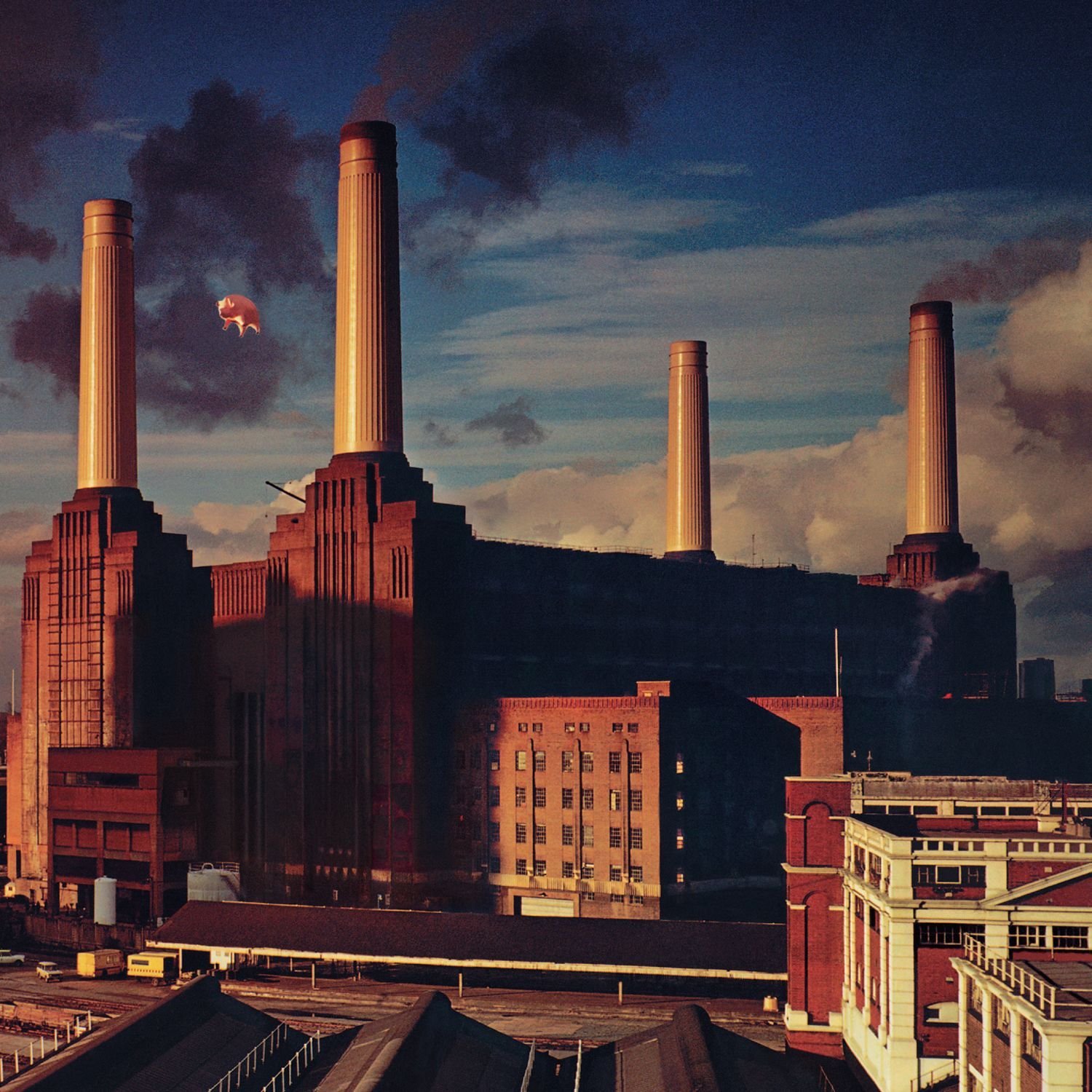
In 1976, Pink Floyd recorded an album called Animals which drew inspiration from the 1945 novel Animal Farm, a thinly veiled allegory of Soviet communism that prominently features pigs as characters.

After the album was recorded, the band met with a design team called Hipgnosis to create the album’s cover. Despite being regarded by many as some of the best album designers of all time (working with and designing albums for the likes of AC/DC, ELO, Styx and Rainbow), all of Hipgnosis’ ideas fell flat with the band.

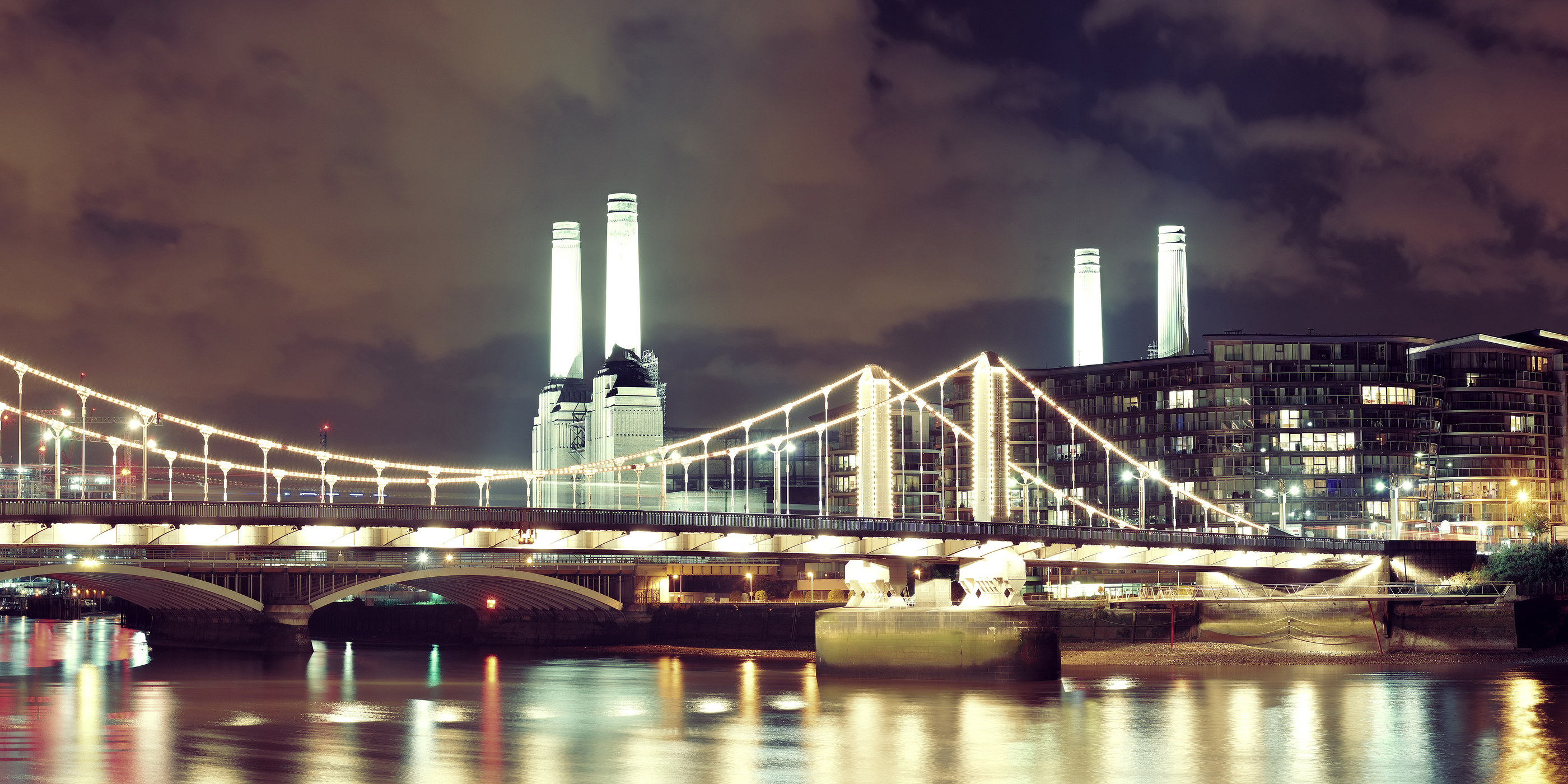
Battersea-Power-StationAfter some deliberation, bassist Roger Waters suggested to Aubrey Powell of Hipgnosis that they use Battersea Power Station as the backdrop for the cover. Waters later explained to Rolling Stone, “I’d always loved Battersea Power Station, just as a piece of architecture. And I thought it had some good symbolic connections with Pink Floyd as it was at that point. One, I thought it was a power station, that’s pretty obvious. And two, that it had four legs. If you inverted it, it was like a table. And there were four bits to it, representing the four members of the band…” (I’m getting a definite This is Spinal Tapvibe here… Just me?)

The band had recently commissioned a gigantic 40 ft. inflatable pig for their upcoming tour.  Putting two and two together, Powell stated in an interview that when the pair were discussing the power station idea, “Roger and I both looked up at the Station, and said, ‘let’s fly the pig between the chimneys’. Just like that.”

After applying for what we can only assume was an ungodly amount of permits to float a giant balloon shaped like a pig above an (at the time) operational major power station, the band with help from Powell picked out the best angle from which to shoot the cover. Other prep work included hiring an expert marksman who was given orders to shoot the pig down should it escape. The band then decided on a date on which to shoot the photo- December 2, 1976, a day which was supposed to be mostly clear with some cloud, which the band specifically wanted so that the sky didn’t look “boring”, or as boring as it could be with a giant floating pig in the middle of it.

However, on the day of the shoot, the pig wouldn’t inflate for reasons never explained in any interview we could find. This annoyed Powell to no end because, “that day there was the most incredible, Turner-esque sky. But for some reason, the pig wasn’t inflating. I shot the Station anyway, because the sky was so amazing.”

After trying and failing to inflate the pig for several hours, the band gave up and they agreed to come back the next day.

The group returned and, oddly, this time the pig inflated just fine. After painstakingly attaching the pig to Battersea’s southernmost chimney, disaster struck as the tether holding the balloon in place broke during a wind gust, causing the gigantic inflatable porcine to begin lazily drifting away.

The pig was loose.

So what happened to the sniper they hired for just such a bizarre event? Well, apparently the manager simply forgot to tell him or his gun that they required his services the next day. So he never showed up.

As the pig began to climb ever higher, rising to heights no pig, inflatable or otherwise, had ever hoped or dared to dream, a terrible realisation crept over those watching it sail toward the heavens- the pig was flying directly towards Heathrow airport. As panic began to set in, the band did what many would do in such a situation, according to Powell, “Pink Floyd left the site.”

Moments after the skyward swine escaped, Heathrow officials received several communiqués from pilots in passing planes matter-of-factly telling them that they’d just seen a giant pig float past their windows. After realising that the calls weren’t a joke, all flights from the airport were grounded.

As the pig danced around in the sky, police helicopters and eventually the RAF were called in to chase it down, but to no avail; by the time they arrived the pig was gone and, despite their sincerest efforts, they couldn’t find it.

With the pig off enjoying its freedom and the band having absconded the scene of the crime, this left Aubrey Powell to take the fall. After police arrived, according to Powell, he was promptly arrested and taken in for questioning.

Meanwhile the band, who’d managed to retain their freedom, set about trying to find the pig- giant inflatable pigs not being cheap, after all. Using their status as Pink Floyd, they were able to convince radio stations across the country to plead with listeners to keep their eyes peeled for a giant floating pig, providing a number they could call if they happened to see it.

Almost immediately this number was flooded with prank calls because, of course it was. However, at around 9:30 pm that evening, a phone call from an irate farmer in Kent (about 40 miles or 65 km away) came in, with the farmer sharply asking “Are you the guy looking for a pig?”

After having this fact affirmed, the farmer angrily told the group that such an object had landed on his farm and was currently scaring all his cows. After getting the man’s details, Powell, along with the police, went and collected the swine which was miraculously undamaged from its adventure.

pink-floyd-animalsSurprisingly, the police and officials at Battersea allowed the band to come back and re-shoot their album cover, with the proviso that they actually bring the sharpshooter along this time. Although Powell was able to get shots with the tethered pig, the sky that day was entirely clear and he ended up hating how they looked initially. However, he was able to get the shot he wanted by using a photo from the first day and superimposing the pig on top of it. Sans Photoshop, this did not look that great if you looked too closely at the picture.

As such, this all went against Waters’ original requirements that the “picture should be real”, rather than superimposing the pig, as Powell had at one point suggested before the whole debacle. This nevertheless all ended up working out for the band swimmingly. As Powell later noted, the escaped pig “was front-page news: Pink Floyd couldn’t have got better publicity if they tried.”

After its little adventure, the pig went on tour with the band later the following year.

Source…….www.today i foundout .com

Natarajan


” நீ திருப்பாவை படித்தாய் …கண்ணன் உனக்கு கணவன் …” !!!


நீ திருப்பாவை படித்தாய், கண்ணன் கணவனாக வருகிறான். திருவெம்பாவை படித்தாய், பரமேஸ்வரன் மாமனராக வருகிறார்,”

13442188_1273387012679287_8859585920371746160_n

காஞ்சிப்பெரியவருக்கு 40 ஆண்டுகள் கைங்கர்யம் செய்த குமரேசன் என்பவர் கூறிய தகவல் நம்மை பரவசமடைய செய்கிறது.

பல ஆண்டுகளுக்கு முன், ஒரு கார்த்திகை மாதத்தில் தஞ்சாவூர் அருகிலுள்ள திருக்காட்டுப்பள்ளியில் இருந்து ஒரு தம்பதி தங்கள் மகளுடன் காஞ்சிபுரம் வந்தனர். மகாபெரியவரை தரிசிக்க காத்திருந்தனர். அவர்கள் முறை வந்ததும் அந்த குடும்பத்தினர் பெரியவருக்கு நமஸ்காரம் செய்தனர்.

அவரைப் பார்த்து தயக்கத்துடன் நின்ற குடும்பத்தலைவரிடம், “என்ன விஷயம்?” என்று பெரியவர் கேட்டார்.

“பெரியவா! இவள் எங்களுக்கு ஒரே மகள். இவளுக்கு திருமணம் தள்ளிக்கொண்டே போகிறது. தாங்கள் அனுக்கிரகம் செய்து, திருமணம் விரைவில் நடக்க ஆசி வழங்க வேண்டும்,” என்றார் குடும்பத்தலைவர்.

பெரியவர் அந்தப் பெண்ணிடம், “உன் பெயர் என்ன?” என்றார்.

“ராதா’ என்றாள் அவள்.

பெரியவர் அவளிடம், “உங்கள் ஊரில் பெருமாள் கோவில், சிவன் கோவிலெல்லாம் இருக்கிறதா?” என்றார்.

“ஆம்’ என்றாள் அவள்.

“சரி…அடுத்த மாதம் மார்கழி. தினமும் அதிகாலையில் நீராடிய பிறகு வீட்டு வாசலில் கோலம் போடு. பெருமாள் கோவிலுக்குப் போய் திருப்பாவை பாடு, சிவன் கோவிலுக்கு போய் திருவெம்பாவை பாடு. உனக்கு போக முடியாத நாட்கள் வருமில்லையா! அந்த நாட்களில் வீட்டில் இருந்தே அந்த பாடல்களை பாராயணம் செய்,” என்று சொல்லி ஆசிர்வதித்தார்.

ராதாவும் பெரியவர் சொன்னதை தவறாமல் கடைபிடித்தாள். தை மாதம் பிறந்தது. ஒரு நன்னாளில் அவள் வீட்டுக் கதவு தட்டப்பட்டது. ராதாவின் பெற்றோர் கதவைத் திறந்தனர்.

வெளியே ஒரு பெரியவரும் அவரது மனைவியும் நின்றனர். அவர்கள் ராதாவைப் பெண் கேட்டு வந்துள்ள விபரம் தெரியவந்தது.

“எங்கள் பூர்வீகம் பாலக்காடு. உங்கள் பெண்ணைப் பற்றி அறிந்தோம். அவள் ஜாதகம் எங்கள் மகன் ஜாதகத்துக்கு பொருத்தமாயிருக்கிறது,” என்றனர்.

திருமணப் பேச்சு நடந்தது. நிச்சயதார்த்த நாள், முகூர்த்த நாள் குறிக்கப்பட்டது. தை பிறந்ததும் ராதாவுக்கு வழியும் பிறந்து விட்டது.

திருமணத்துக்கு முன்னதாக பெரியவரிடம் ஆசி பெற ராதாவும், அவளது பெற்றோரும் காஞ்சிபுரம் வந்தனர். பெரியவரை அவர்கள் தரிசித்தனர்.

ராதாவிடம், “உன் பெயர் ராதா தானே! உனக்கு வரப்போகும் ஆத்துக்காரர் பெயர் என்ன?” என்று கேட்டார்.

“கண்ணன்” என்ற ராதாவிடம், “உன் மாமனார் பெயர் பரமேஸ்வரனா?” என்றார்.

“ஆம்…என்றாள் ராதா ஆச்சரியமாய்.

“மாமனார் பெயர் பெரியவருக்கு எப்படி தெரிந்தது?’ என்று அவள் ஆச்சரியப்பட்ட வேளையில், “நீ திருப்பாவை படித்தாய், கண்ணன் கணவனாக வருகிறான். திருவெம்பாவை படித்தாய், பரமேஸ்வரன் மாமனராக வருகிறார்,” என்றார்.

இதைக் கேட்ட எல்லாருமே அதிசயித்துப் போனார்கள். முக்காலமும் உணர்ந்த ஞானிக்கு இவர்கள் பெயர் தெரியாதா என்ன? !!!


Source ….facebook input

Natarajan

” ஒட்டிய பழமும் …ஒட்டாத பழமும் …” Mahaperiava ‘s Tips for getting Good Orange !

Experiences with Maha Periyava: Ottiya Pazhamum Ottadha Pazhamum (The fruit that sticks and the fruit that does not)

album1_22

Many years have passed since this happened. Still it remains unfading green in my heart and guides me until today.

My marriage was held in the year 1958. My husband was serving as a Captain in the Army. Since, even after some years there was no putra bhagyam (fortune of a child) for me, my mother took me to have darshan of Shri Kanchi Kamakoti Pithadhipati Shri Chandrashekarendra Saraswati Maha Swamigal.

It was evening time. Shri Kanchi Maha Swamigal was doing japam (litany) sitting in his mena (palanquin). Some time passed by, and then Sri Maha Periyava looked at us with boundless compassion. My mother conveyed my grievance to Sri Maha Periyava. Taking an orange fruit from a plate nearby, Sri Maha Periyava kept meditating, closing His two eyes that were in blossom like lotus flowers, and rolling that fruit over those two eyes.

After sometime, He blossomed his eyes, gave that fruit to me and said, “You take this.”

With great happiness I took that fruit and went home.

Years rolled by. My husband was serving as a Major in charge of guarding the borders. When he came home during his vacation, we both went to Shri Kanchi Matham to have darshan of Shri Maha Swamigal.

It was evening time. Coming out of his room, the God of Compassion welcomed us with vatsalyam (paternal love), looked at me with limitless kindness and said, “Vaama Kuzhandhe! (Come, child! Come inside!)” He took us inside and told us to sit down.

Looking at my husband he asked, “You are serving in the Army, right?” and my husband replied, “Yes, I am in Siliguri.” Periyava asked him, “Can you get oranges there? Can you send me a basket of them?” “Yes”, replied my husband.

Sri Kanchi Maha Periyava looked at me and said, “There are two varieties of the orange fruit. Do you know?”

“I don’t know”, I said.

Periyava explained, “There are two kinds of oranges, one where the fruit sticks to the inner rind, the other, (he gestured with his hand as if He held a fruit and shook it near his ear), like this, rattles, with the fruit not touching the rind. It is this fruit that is tastier and sweeter than the kind that sticks to the rind. Always keep this in mind.”

He had given me a fruit earlier. Years later, He spoke to me about ‘the fruit that does not stick’ to its rind and gave me an insight into a very great truth. He taught me that one must live like ‘the fruit that does not stick’, unattached and unaffected by life. By calling me with the words, “Come, my child”, He made me His child. After I have myself become His child, where is the need of a child for me?


Author: Smt.Lalitha Raman, Sainikpuri
Source: Maha Periyaval – Darisana Anubhavangal Vol.2, Pages 120-122

Source….Facebook input

Natarajan

Shakuntala Railways: The Only Train Line In India That Is Still Not Owned By India !!!


The Indian Railways is India’s lifeline. Every day millions of passengers avail its facilities.

It has become such an integral part of our lives that we cannot imagine a life without it. The Indian railways were nationalized way back in the year 1951. But today, we are not going to talk about the Indian railways but we are going to talk about of its long forgotten relative ‘The Shakuntala Railways’. I am sure that for most of you this sounds a bit alien. Hearing the name you might think of it as a name of some train or maybe a little-known rail zone.

Shakuntala Railways is one of only a few operational railway lines in India that remains with private owners and perhaps the only one that belongs to a British firm.

Beyer.Garrett

But Shakuntala is neither one of them. In fact, it is an independent railway which does not come under the Indian Railways. So, technically the Indian Railways does not enjoy a monopoly. When Nationalization happened in 1951, Strangely this line was left alone. Interestingly till date, nobody knows the exact reason why this line was never de-privatised.

The birth of Central Province Railway Company (CPRC) or The Shakuntala railways took place way back in 1910. It was founded by a British Firm called Killick-Nixon.

11travel-kalka

It was formed during the British Raj. During those times, most of the rail lines were operated by individual firms. The location of the track was quite strategical as this route was used to transport cotton from Vidharba. This cotton then made its way to Manchester.

During those times, there was a deal between the CPRC and the Great Indian Peninsular Railway (GIPR). This deal stayed in place even after GIPR became Central Railways.

Soon, not only cotton but the line was used even to ferry passengers. The GIPR used CPRC’s lines to run its trains and paid a compensation or rent to the company. The deal continued even after GIPR was replaced by the Central Railways. To this day, the Central Railways pays the British firm a compensation for using its lines. Interestingly, in recent times, the Indian Railways has not paid the decided rent instead has been adjusting it from the cost of repairs and maintenance.

Unlike most train lines in India, this train line still uses a narrow gauge.

The rail line itself is quite unique as the unlike most of the rail lines that are broad gauge lines, Shankuntala railways still use narrow gauge lines. The British company still gets more than 1 crore rupees from the Indian Railways for running a train on its tracks called the Shakuntala Express.

The Shakuntala Express is a passenger train that runs from the towns of Yavatmal to Murtijapur

Shakuntala-Express-yavatmal-train-service-suspended

The train runs through the beautiful cotton growing areas of Achalpur, which falls under Amravati division. If you are ever lucky enough to board this train then this train journey is sure to take you back to the 19th century. Everything about it is old school. It seems that when modernisation happened everywhere it forgot about poor Shakuntala.

Every day it covers just one return journey and even today it is a lifeline for hundreds of poor people, who cannot afford to take the road, as it almost 5-6 times the train’s fare

It covers a journey of almost 190Km in about 4 hours.  For these people, it is the cheapest means of transport and they can’t imagine their lives without it. The train runs through a narrow gauge which itself gives it a very toy- train kind of feeling.

It still runs on a steam engine and the rail signals have been there right from the British Raj

Most of the official works are also done manually. In times when our trains run on electric engines ,  Shakuntala Express still uses an old steam engine. Another interesting thing that you would find when you board this train is that all the existing rail signals are still from the British era with the words ‘made in Liverpool’inscribed on it.

This journey literally takes you on a trip down the memory lane.

Source….Abir Gupta in http://www.storypick.com

Natarajan

” Sarcasm at its best…” Pl read and share with younger gen… !!!