Epsom Salts Help Your Garden Grow
 Not only are epsom salt something you should keep in your kitchen, they are also a miracle worker for gardening enthusiasts. Adding epsom salt to your garden can enrich your soil with additional nutrients (like magnesium), increase your vegetable output, and speed up your plant growth. There are so many benefits to adding this salt to your gardening routine. Not only are epsom salt something you should keep in your kitchen, they are also a miracle worker for gardening enthusiasts. Adding epsom salt to your garden can enrich your soil with additional nutrients (like magnesium), increase your vegetable output, and speed up your plant growth. There are so many benefits to adding this salt to your gardening routine. |
| 1. Enrich your roses – Roses benefit from epsom salt immensely. It provides them with magnesium, which is vital for chlorophyll production and seed germination. By adding this salt, the rose bush produces more vibrant blooms with richer colors and darker foliage, and the plant grows stronger. The plant’s inflow of sulfur, nitrogen and phosphorus improves too.
What to do: When planting a rose bush, soak the roots in a ½ cup salt diluted in one gallon water beforehand. Sprinkle a tablespoon of salt in the hole in the ground and cover this with a thin layer of soil. During the growing season, you can sprinkle a tablespoon of salt per foot of plant height to the base of the plant once a month before watering. 2. Grow healthier tomatoes and peppers – Both these plants use up a lot of magnesium while growing, so adding epsom salt – which are easily absorbed into the plant – offers gardeners a cheap source of magnesium for their crops. The Epsom salt helps in other ways too: The plants are stronger, produce more fruit, with less blossom rot, deeper color, and more flavorful vegetables. Gardeners also report sweeter and healthy-sized vegetables. What to do: When planting a new tomato or pepper plant, dig a hole, place one tablespoon of salt in the hole and then cover with a thin layer of soil. You can position the plant on top of this. During the growing season, you can give the plants a liquid treatment every two weeks: Mix 1 tablespoon in a gallon of water and water the plants with this mix. Using warm water can make it easier to dissolve the salt. 3. Cultivate better flowers and stronger blooms – Experienced gardeners swear that adding epsom salt to their flower gardens benefits the plants. They cite that the added nutrients make their plants healthier, grow stronger flowers and feature blossoms with improved color and texture. Start by adding the Epsom salt to the soil when planting new flower-bearing plants, and after that treat the plants with a liquid solution (same method mentioned in #3) every two to three weeks.
4. Nurture better azaleas and rhododendron – Add some Epsom salt to help these flowering plants produce more buds. The supplement of sulfate from the Epsom salt also helps prevent the plants from turning yellow. Every two to four weeks you can apply 1 tablespoon per 9 square feet, making sure to cover the root zone. 4. Nurture better azaleas and rhododendron – Add some Epsom salt to help these flowering plants produce more buds. The supplement of sulfate from the Epsom salt also helps prevent the plants from turning yellow. Every two to four weeks you can apply 1 tablespoon per 9 square feet, making sure to cover the root zone. 5. Grow greener grass – Adding epsom salt to your lawn can supplement the grass with minerals that make the grass healthier, greener and grow stronger, enabling the plant to withstand any harsh environmental factors. Adding this salt can help with the germination process and the seed growth in the early stages. What to do: Use a spreader, or dilute the salt in water and apply with a sprayer. It’s recommended that three pounds be applied per every 1250 square feet.
Magnesium deficiency problems 7. Prevent palm trees from getting “frizzle top” – Frizzle top is what gardeners call the palm trees with yellow or light green leaves at the top. It looks as if the plant is having a bad hair day, hence the name. You can remedy this by applying epsom salt at the base and then spraying the leaves and crown with a liquid mixture (1 tablespoon mixed in a gallon of water). 8. Stop leaves from curling – Another problem plants incur due to a lack of magnesium is that their leaves begin to curl. If this is the case, you can drench the soil with a mixture of 1 tablespoon salt dissolved in 1 gallon of water, or just sprinkle salt into the soil before watering. 9. Avoid yellowing bougainvillea and gardenia leaves. These low maintenance plants are beautiful additions to a garden. However, due to their heavy flowering or if their soil pH is slightly off balance, they can suffer from low levels of magnesium, which results in yellowing blooms or foliage. You can fix this by sprinkling ½ cup of salt in the ground around the plant roots. 10. Put an end to yellowing leaves – When plants lack magnesium or sulfur, their foliage often turns yellow. Epsom salt’s technical name is magnesium sulfate, which makes it the perfect fix for this problem. Plants such as ferns, cycads, and elephant-ear plants benefit from richer foliage coloring with Epsom salt treatments. Add epsom salt to soil fertilizer once a month and, if you want to solve the problem more quickly, you can spray a solution of 1 tablespoon per gallon directly onto the plant leaves.
11. Help with transplant shock – If you move a plant to a new location or from a pot to the ground, the roots can get damaged and shock can occur. Help the plant adapt more easily to its new environment by adding epsom salt, which facilitate chlorophyll production. Water after planting with a solution of one gallon water mixed with one tablespoon of epsom salt. 12. Keeps slugs away – epsom salt can offer a non-toxic way to rid your garden of unwanted pests. Sprinkling them will keep slugs and snails from nibbling on your plants leaves and fruit, making your garden safer for animals and children, because you didn’t add pesticides to the soil. 13. Easily remove tree stumps – epsom salt can help you drain a tree stump, so that it is easier to remove it. Drill holes in the top of the stump, with three to four inch gaps in between, and fill these with the salt. You can also pour it on any exposed roots to dry them out as well. Add water after filling the holes with the salt – it can take several tries to completely dry out the stump, but the salts speed up the process. 14. Help remove a splinter – It’s easy to get a splinter when working in the garden, even when wearing gloves. They can be irritating and painful, but epsom salt can help with this too. Soak the affected area with a mixture of 2 tablespoons of the salts dissolved in a cup of water. This solution will increase the skin’s osmotic pressure, and help draw the splinter out on its own. 15. Kill weeds – Create a homemade weed killer that can efficiently destroy weeds but won’t damage your growing plants. Mix 2 cups of epsom salt with 1 gallon of vinegar, and add a few squirts of liquid dish soap into the solution. Store this in a spray bottle and apply to any destructive weeds. Source….www.ba-bamail.com Natarajan
|

 6. Help fruit trees flourish – It is a long process for a tree to bear fruit, but adding the salt to its soil helps the plant reap better-tasting, nutritious and more attractive fruit. It can also help improve photosynthesis, and make the tree more weather and disease resistant. You can treat the trees three times a year with 2 tablespoons per 9 square feet, applied over the root zone.


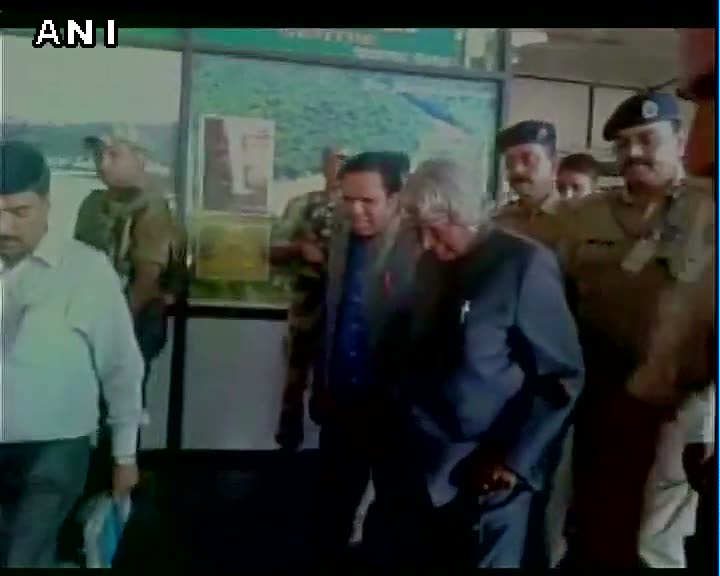
 Last Photo of Kalam Entering IIM Shillong on Monday
 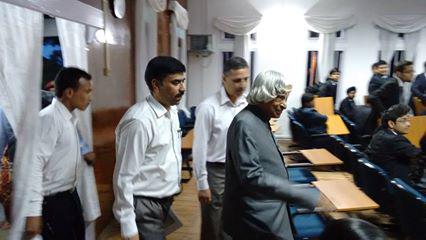 Former President Bharat Ratna Dr APJ Abdul Kalam passed away in Shillong on Monday evening. He was 84. The Missile Man of India, the name by which Kalam was popular, was rushed to Bethany Hospital after he collapsed during a public lecture at IIM Shillong. He was declared dead by the doctors at 7.45 pm. According to reports, Kalam suffered a cardiac arrest during the lecture and was rushed to the hospital where he was put under observation in the ICU. However, he could not be revived, according to reports. Patricia Mukhim, Editor of The Shillong Times on her Facebook post said: “Former President of India, APJ Abdul Kalam collapses during a lecture at IIM Shillong. Reportedly brought dead to Bethany Hospital. Dr Kalam has been a guest faculty at IIM Shillong for the last couple of years! A life well led by example. A great, dedicated teacher until the very end! No salute will be enough for this great son of Mother India. Kalam was born in Rameswarama, Tamil Nadu on 15 October 1931 and served as the 11th President of India from 2002 to 2007. Kalam was associated with the Defence Research and Development Organisation (DRDO) and Indian Space Research Organisation (ISRO) for over four decades. He was known for his work on the development of ballistic missiles and launch vehicle technology. He also played a crucial role in India’s Pokhran-II nuclear tests in 1998.





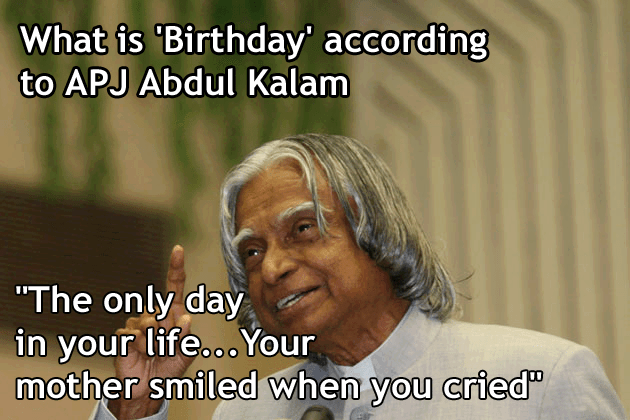


 Source….Patricia Mukhim, Editor of The Shillong Times on her Facebook post and Quotes compiled from various sites as a mark of Tribute to the Great Son of India


