When Thousands of Indians and Pakistanis Changed Their Profile Pictures for a Special Reason …

Check out any social media page related to India or Pakistan today, and chances are that you will find many comments that do nothing but spread hatred between the two nations.

In a time like this, it is up to the users to realise the power of social media, and understand how it can be used for a better purpose instead. Fortunately, there are some people who are already doing so. Among the thousands of those who spread hatred on such pages, there are also a few who are out there to spread love and bridge the gap between the two countries.

Mumbai-based artist, Ram Subramanian, is one of those people. He started a social media campaign called #ProfileforPeace to show the world that he is not alone in being an Indian who does not hate Pakistan.

The man behind the campaign.

The simple campaign required people from India and Pakistan to change their profile pictures on social media to one in which they have a little note that informs where they are from, and says that they don’t hate the other country, but are only being divided because of hate politics.

Soon after the launch of this campaign, hundreds of citizens from India and Pakistan took to Facebook, Twitter and Instagram to extend their support through their love notes and new display pictures. The campaign went viral and even Indians and Pakistanis living in the US, UK and UAE, became a part of it.

The 36-year-old artist started the campaign after the recent incidents when Shiv Sena tried to ban Pakistani artists and writers in Mumbai.

peace9

Earlier this month, organisers of a concert by Pakistani singer Ghulam Ali had to cancel the event after Shiv Sena threatened them saying that they would face poor consequences if they went ahead with the performance. The next day, organisers in Pune had to cancel his event too.

The hatred did not just end there. A few days later, Sena members tried to stop the launch of a book written by ex-Pakistan foreign minister, Khurshid Mahmud Kasuri. For this, they threw black ink on the face of the organiser, Sudheendra Kulkarni. However, the attack did not stop Kulkarni from going ahead, and he continued with the launch as planned.

Thus on Dussehra night, Ram Subramanian decided to express his views through a selfie with a note which read, “I am an Indian. I am from Mumbai. I don’t hate Pakistan. I am not alone. There are many people like me!

peace2

This is the idea. Do join in if you believe in peace being the way forward. write this message on a post it note, take a selfie and make it your profile picture#ProfileForPeace. No more artists being banned. This is my voice. This is our voice for our Mumbai, our India. Enough of hate politics. #SpeakUp,” he posted on Facebook.

As citizens of both the countries joined hands for a better cause, there was no looking back. Here are some amazing pictures from the campaign-

peace3

peace4

peace5

peace8

peace7

peace6

All photos: Facebook

Source….. Shreya  Pareek   ………www.thebetterindia.com

Natarajan


An Indian Artist’s Journey to Challenge Borders….

Akram Feroze travels by camel as part of his mission to travel along India's border

Mr Feroze, who does not believe in borders, carries a world passport

Theatre actor-director Mohammad Akram Feroze recently set off on foot to travel along India’s 10,000km-long border, stopping to perform plays at villages with – and for – their inhabitants.

Mr Feroze, who does not believe in borders, carries a world passport – as part of a global movement established under Article 13(2) of the Universal Declaration of Human Rights which says “everyone has the right to leave any country, including his own, and to return to his country”.

His journey, however, was cut short just a little over a month after he set off – at the India-Pakistan border, local police accused him of “breach of peace” and arrested him.

After spending two weeks in prison, he was freed on bail, but he says the time he spent travelling has taught him some invaluable lessons.

These are some of the highlights of his journey, as told to BBC Hindi’s Divya Arya:

Invisible Theatre

Akram Feroze with some residents from a border village in India

‘In one village, the residents only warmed up to me when I told them that my family was originally from Pakistan’

The whole idea of my journey was to understand, engage and plant new ideas in the minds of people living in border villages.

Invisible theatre was a very effective – though risky – tool for this. It meant taking on a completely different identity to my own, when interacting with people.

I did this because I wanted villagers to interact with me as a random traveller, rather than as an artist on a project.

In one village, the residents only warmed up to me when I told them that my family was originally from Pakistan who lost everything they owned during partition when they migrated to India.

The villagers immediately grew sympathetic and, in fact, opened up about their opinions on partition and how the border had altered their lives.

One old man said, “Border tension is all hype, created and sustained by governments. On the ground, it is us ordinary people who continue to suffer.”

But such insights would more often than not be quickly swept away by passionate rhetoric about security. I would be told, “things have changed now, you shouldn’t go to the border, people on the other side have bad intentions, and there are terrorists”.

No shades of grey

A profile of an Indian villager

Attitudes towards borders changed depending on proximity to it’

The attitudes towards borders also changed depending on how close or far people lived from them.

It seemed to me that when it came to borders at least, people in the rest of the country understood grey, whereas those who lived on the border were more black-and-white.

One Hindu truck driver from the northern state of Uttar Pradesh who I hitched a ride with told me: “The terror across the border doesn’t worry me, my only worry is feeding my family.”

This was in sharp contrast with most border residents.

One man told me, “The threat of the enemy on the other side is real, our elders have seen violence, we fear those across the border and we have to defend ourselves.” A world passport according to him was “stupidity”.


Border children

Children from a border village act out a play

For children in the villages, the border was a physical end, not a political line’

I found the children a different experience altogether.

Wherever I met them, I would try to develop a play, to challenge their concept of borders and introduce the concept of a border-less world. But the dilemma was that they didn’t understand borders as political lines.

When I asked the first set of children, “what is a border?”, pat came the reply, “it’s the end”. Like the boundaries of boxes.

So first I had to show them a world map to explain country borders, and then ask them to imagine a world without them.

These were rural students who had only ever crossed the border of their village to go to a neighbouring Indian village. Life ended at the village and beyond that – their parents had explained – lay danger.

“Why? Were the people any different?” I asked. “No,” they replied in unison. Their own answer must have triggered some thought, because then a child stood up and asked, “What if I was born on the other side of the border?”


Beyond borders

Sharing a meal with residents from border villages

‘Explaining a border-less world to people who live along one is a challenging concept’

Talking about a border-less world to border villagers is challenging, to say the least, given that even the children have barriers built in their subconscious minds.

I would have to take a circuitous route. One play, titled ‘The educated ghost will scare away the ghost of superstition’, was to educate the villagers about the efficacy of medical treatment for epilepsy instead of prayers by local priests.

While developing the script, a child said there were no doctors in the village.

So, they had to be called from across the border from another village. It automatically drove home the point that people from outside or across the border, in this case a doctor, had good intentions.

What I was doing with them wasn’t really about what happened while I was there, but I hope that a lot of the impact will come later and these new thoughts begin to influence their actions.

Source…www.bbc.com

Natarajan

Message for the Day…”Discipline is the soil on which Virtue Grows …”

Sathya Sai Baba

These days virtue is becoming rare at all levels – in the individual, family, society and community, and also in all fields of life – economic, political and even ‘spiritual’. Life must be spent in accumulating and safeguarding virtue, not riches. Listen and ruminate over the stories of the great moral heroes of the past, so that their ideals may be imprinted on your hearts. There is also a decline in discipline, which is the soil on which virtue grows. Each one must be respected, whatever be their status, economic condition or spiritual development; else there will be no peace and happiness in life. This respect can be aroused only by the conviction that the same Real Self (Atma) that is in you is playing the role of the other person. See that Divinity (Atma) in others; feel that they too have hunger, thirst, yearning and desires as you have, develop sympathy and the anxiety to serve and be useful to everyone.

40 years on, victim of Vietnam napalm attack, Kim Phuc, finally gets burns treatment……

Kim Phuc shows the burn scars on her back and arms after laser treatments in Miami. Phuc was burned by a napalm bomb in Vietnam more than 40 years ago. Picture: AP Photo/Nick Ut

IN the photograph that made Kim Phuc a living symbol of the Vietnam War, her burns aren’t visible — only her agony as she runs wailing toward the camera, her arms flung away from her body, naked because she has ripped off her burning clothes.

More than 40 years later she can hide the scars beneath long sleeves, but a single tear down her otherwise radiant face betrays the pain she has endured since that errant napalm strike in 1972.

Now she has a new chance to heal — a prospect she once thought possible only in a life after death.

“So many years I thought that I have no more scars, no more pain when I’m in heaven. But now — heaven on earth for me!” Phuc says upon her arrival in Miami to see a dermatologist who specialises in laser treatments for burn patients.

Late last month, Phuc, 52, began a series of laser treatments that her doctor, Jill Waibel of the Miami Dermatology and Laser Institute, says will smooth and soften the pale, thick scar tissue that ripples from her left hand up her arm, up her neck to her hairline and down almost all of her back.

Even more important to Phuc, Waibel says the treatments also will relieve the deep aches and pains that plague her to this day.

With Phuc are her husband, Bui Huy Toan, and another man who has been part of her life since she was 9 years old: Los Angeles-based Associated Press photojournalist Nick Ut.

“He’s the beginning and the end,” Phuc says of the man she calls “Uncle Ut.” ‘‘He took my picture and now he’ll be here with me with this new journey, new chapter.”

A 9-year-old Kim Phuc, centre, runs with her brothers and cousins after a South Vietnamese plane accidentally dropped its flaming napalm on its own troops and civilians. Picture: AP Photo/Nick Ut

A 9-year-old Kim Phuc, centre, runs with her brothers and cousins after a South Vietnamese plane accidentally dropped its flaming napalm on its own troops and civilians. Picture: AP Photo/Nick UtSource:AP

It was Ut, now 65, who captured Phuc’s agony on June 8, 1972, after the South Vietnamese military accidentally dropped napalm on civilians in Phuc’s village, Trang Bang, outside Saigon.

Ut remembers the girl screaming in Vietnamese, “Too hot! Too hot!” He put her in the AP van where she crouched on the floor, her burnt skin raw and peeling off her body as she sobbed, “I think I’m dying, too hot, too hot, I’m dying.”

He took her to a hospital. Only then did he return to the Saigon bureau to file his photographs, including the one of Phuc on fire that would win the Pulitzer Prize.

Phuc suffered serious burns over a third of her body; at that time, most people who sustained such injuries over 10 per cent of their bodies died, Waibel says.

Napalm sticks like a jelly, so there was no way for victims like Phuc to outrun the heat, as they could in a regular fire. “The fire was stuck on her for a very long time,” Waibel says, and destroyed her skin down through the layer of collagen, leaving her with scars almost four times as thick as normal skin.

While she spent years doing painful exercises to preserve her range of motion, her left arm still doesn’t extend as far as her right arm, and her desire to learn how to play the piano has been thwarted by stiffness in her left hand. Tasks as simple as carrying her purse on her left side are too difficult.

“As a child, I loved to climb on the tree, like a monkey,” picking the best guavas, tossing them down to her friends, Phuc says. “After I got burned, I never climbed on the tree anymore and I never played the game like before with my friends. It’s really difficult. I was really, really disabled.”

Kim Phuc now lives in Canada. Picture: Nick Ut

Kim Phuc now lives in Canada. Picture: Nick UtSource:AP

Triggered by scarred nerve endings that misfire at random, her pain is especially acute when the seasons change in Canada, where Phuc defected with her husband in the early 1990s. The couple live outside Toronto, and they have two sons, ages 21 and 18.

Phuc says her Christian faith brought her physical and emotional peace “in the midst of hatred, bitterness, pain, loss, hopelessness,” when the pain seemed insurmountable.

“No operation, no medication, no doctor can help to heal my heart. The only one is a miracle, (that) God love me,” she says. “I just wish one day I am free from pain.”

Ut thinks of Phuc as a daughter, and he worried when, during their regular phone calls, she described her pain. When he travels now in Vietnam, he sees how the war lingers in hospitals there, in children born with defects attributed to Agent Orange and in others like Phuc, who were caught in napalm strikes. If their pain continues, he wonders, how much hope is there for Phuc?

Ut says he’s worried about the treatments. “Forty-three years later, how is laser doing this? I hope the doctor can help her. … When she was 18 or 20, but now she’s over 50! That’s a long time.”

Waibel has been using lasers to treat burn scars, including napalm scars, for about a decade. Each treatment typically costs $2000 to $2700, but Waibel offered to donate her services when Phuc contacted her for a consultation. Waibel’s father-in-law had heard Phuc speak at a church several years ago, and he approached her after hearing her describe her pain.

At the first treatment in Waibel’s office, a scented candle lends a comforting air to the procedure room, and Phuc’s husband holds her hand in prayer.

Phuc tells Waibel her pain is “10 out of 10” — the worst of the worst.

The type of lasers being used on Phuc’s scars originally were developed to smooth out wrinkles around the eyes, Waibel says. The lasers heat skin to the boiling point to vaporise scar tissue. Once sedatives have been administered and numbing cream spread thickly over Phuc’s skin, Waibel dons safety glasses and aims the laser. Again and again, a red square appears on Phuc’s skin, the laser fires with a beep and a nurse aims a vacuum-like hose at the area to catch the vapour.

The procedure creates microscopic holes in the skin, which allows topical, collagen-building medicines to be absorbed deep through the layers of tissue.

Waibel expects Phuc to need up to seven treatments over the next eight or nine months.

Wrapped in blankets, drowsy from painkillers, her scarred skin a little red from the procedure, Phuc made a little fist pump. Compared to the other surgeries and skin grafts when she was younger, the lasers were easier to take.

“This was so light, just so easy,” she says.

A couple weeks later, home in Canada, Phuc says her scars have reddened and feel tight and itchy as they heal — but she’s eager to continue the treatments.

“Maybe it takes a year,” she says. “But I am really excited — and thankful.”

Source…..www.news.com.au

Natarajan

Joke of the Day….” Who Washes his Face …” ?

Bill, a fresh computer graduate from a world-class University, goes for an interview in a software company.

The interviewer is Steve, a grubby old man. And the first question he asks Bill is, `Are you good at logic?’

`Of course,’ replies Bill.

`Let me test you,’ replies Steve. `Two men come down a chimney. One comes with a clean face and the other comes out with a dirty face. Which one would wash his face?’

Bill stares at Steve. `Is that a test in Logic?’ Steve nods.

`The one with the dirty face washes his face’, Bill answers wearily.

`Wrong. The one with the clean face washes his face. Examine the simple logic. The one with the dirty face looks at the one with the clean face and thinks his face is clean. The one with the clean face looks at the one with the dirty face and thinks his face is dirty. So, the one with the clean face washes his face.’

`Hmm. I never thought of that,” says Bill. `Give me another test.’

Steve holds up two fingers, `Two men come down a chimney. One comes out with a clean face and the other comes out with a dirty face. Which one washes his face?’

`We have already established that. The one with the clean face washes his face.’

`Wrong. Each one washes one’s face. Examine the simple logic. The one with the dirty face looks at the one with the clean face and thinks his face is clean. The one with the clean face looks at the one with the dirty face and thinks his face is dirty. So, the one with the clean face washes his face. When the one with the dirty face sees the one with the clean face washing his face, he also washes his face. So each one washes one’s face.’

`I didn’t think of that!’ says Bill. `It’s shocking to me that I could make an error in logic. Test me again!’

Steve holds up two fingers, `Two men come down a chimney. One comes out with a clean face and the other comes out with a dirty face. Which one washes his face?’

`Each one washes his face.’

`Wrong. Neither one washes his face. Examine the simple logic. The one with the dirty face looks at the one with the clean face and thinks his face is clean too. The one with the clean face looks at the one with the dirty face and thinks his face is dirty too. But when the one with clean face sees that the one with the dirty face doesn’t wash his face, he assumes it is because the dirty face guy is seeing his clean face so he doesn’t wash his face either. So neither one washes his face.’

Bill is desperate. `I am qualified for this job. Please give me one more test!’

He groans when Steve lifts his two fingers, `Two men come down a chimney. One comes out with a clean face and the other comes out with a dirty face. Which one washes his face?’

`Neither one washes his face’, Bill replies, `I have learnt this logic.’

`Wrong, again. Do you now see, Bill, why programming knowledge is insufficient for this job? Tell me, how is it possible for two men to come down the same chimney at the same time, and for one to come out with a clean face and the other with a dirty face? Don’t you see the flaw in the premise?'”

Source…unknown….input from a friend of mine

Natarajan


படித்து ரசித்தது …” நம் நிலை உயரும்போது பணிவு கொள்ள வேண்டும் “

Rajesh Kumar

சமீபத்தில் வாசகர் ஒருவர் கேட்ட கேள்வி இது. பல பெயர்களிலும் பல உருவங்களிலும் கடவுள்கள் இருக்கிறார்கள் என்பதை நீங்கள் ஏற்றுக் கொள்கிறீர்களா?
இந்தக் கேள்வியைப் படித்ததும் எனக்கு காஞ்சி ஸ்ரீ சந்திரசேகர சரஸ்வதி ஸ்வாமிகள் சொன்ன வரிகள்தான் ஞாபகத்துக்கு வந்தன. “கடவுள் ஒருவரே… ஆனாலும் பல பெயர்களிலும் பலவித உருவங்களிலும் கடவுளை வழிபடுவது கேலிக்குரிய ஒன்றல்ல. ஒரு பிள்ளையை அவனுடைய அம்மா ஒரு பெயரிலும், அப்பா இன்னொரு பெயரிலும், நண்பர்கள் பிறிதொரு பெயரிலும் அழைப்பார்கள். பள்ளிக்கூடத்தில் ஆசிரியர் வேறு ஒரு பெயரைச் சொல்லி அழைப்பார். அந்தப் பிள்ளையோ ஒவ்வொரு வேளைக்கும் ஒவ்வொரு உடையாக அணிந்து செல்லும். விதவிதமாய் அலங்கரித்துக் கொள்ளும். இத்தனைக்கும் ஆள் மாறுபடுவதில்லை. பெயர் மாறும், உடை மாறும். அதைப் போலத்தான் பலப்பல பெயர்களிலும் உருவங்களிலும் இருந்தாலும் கடவுள் ஒருவரே! ஒவ்வொருவரும் எப்படியும் இதைப் பற்றி தெரிந்து கொள்ள வேண்டும் என்பதற்காக கடவுளுக்கு பல உருவங்கள் ஏற்பட்டுள்ளன.
சிலர் இந்த உருவ வழிபாடுகளில் நம்பிக்கை இல்லாமல் இருக்கலாம். ஆனால் உலகத்தை படைத்து நடத்துகிற ஒரு தெய்வீக சக்தி இருப்பதாக நம்பி, கசிந்து உருகிய மனதோடு ஒருவன் ‘பகவானே! உன்னுடைய உருவம் எது என்று எனக்குத் தெரியாது. எனக்கு உன்னுடைய உண்மையான உருவத்தைப் பார்க்கஆசை. என்னுடைய இந்த ஆசையை நீ நிறைவேற்ற வேண்டும்’ என்று மனம் உருகி பிரார்த்தனை செய்தால் சர்வ நிச்சயமாய் கடவுள் ஏதாவது ஒரு வகையில் கனவிலாவது தோன்றி தன் உருவத்தைக் காட்டுவார்.
கடவுள் எல்லாவற்றையும் அறியும் தன்மை கொண்டவர். சிறு துரும்பு கீழே விழும் சத்தத்தையும் அவர் அறிவார். எனவே உங்கள் பிரார்த்தனை ஒவ்வொன்றும் சர்வ சத்தியமாய் அவர் காதுகளில் விழும். சிலருக்கு மனிதனைப் படைத்தது கடவுள்தானா என்பதில் சந்தேகம். ஒரு வீட்டை வடிவமைத்துக் கட்டியது ஒரு எஞ்ஜினியர் என்று சொன்னால் ஒப்புக் கொள்ளும் நாம், மனிதனைப் படைத்தது இறைவன்தான் என்பதை ஒப்புக் கொள்ள மறுத்து விஞ்ஞானம் பேசுகிறோம்.
கடவுள் மனிதனைப் பார்த்துப் பார்த்துப் படைத்திருக்கிறான். ஒரு சாண் வயிறு,பார்க்கஇரண்டு கண்கள், கேட்க இரு காதுகள், சுவாசிக்க நாசி, உணவு உண்ண வாய், பற்கள், நாக்கு, பேசக் குரல் நாண்கள். இந்த ஆச்சர்யங்களைக் காட்டிலும் பெரிய ஆச்சர்யம் எது என்றால், உரலில் அரசி போட்டு தண்ணீர் விட்டு ஆட்டுவார்கள். ஆனால் நாம் சாப்பிடும்போது, நமது உணவை வாயில் அரைப்பதற்கு நீர் எங்கிருந்து வருகிறது? அந்த உமிழ்நீரைச் சுரக்கச் செய்தது இறைவன் அல்லவா!
இறைவனின் படைப்பில் மனிதன் மட்டும் அதிசயமானவன் கிடையாது. அவன் படைத்த எல்லாமே அதிசயமானது, பாதுகாப்பானது. புளி பிசுபிசுப்பாக உள்ள ஒரு பொருள். அது மரத்திலிருந்து கீழே விழுந்தால், அந்த பிசுபிசுப்பில் மண் ஒட்டிக் கொண்டு யாருக்குமே உபயோகப்படாமல் போய்விடுமே என்பதற்காக அதற்கு ஒரு உறையைக் கடவுள் போட்டுள்ளார். உயரத்தில் காய்க்கின்ற தேய்ங்காய்க்கு கெட்டியான ஓடு, அந்த ஓட்டுக்கு மேல் ‘ஷாக் அப்சர்வர்’ மாதிரி கெட்டியான நார். இவையெல்லாம் ஏன் தெரியுமா? தேங்காய் எவ்வளவு உயரத்திலிருந்து விழுந்தாலும் உடையாமல் இருப்பதற்காகத்தான். இப்படி நாள் முழுக்க இறைவன் படைத்த பொருள்களையும், அந்தப் பொருள்களுக்கு அவன் செய்து வைத்துள்ள பாதுகாப்பு ஏற்பாடுகள் பற்றியும் சொல்லிக் கொண்டே போகலாம்.

நான் என்னுடைய பனிரெண்டாவது வயதிலேயே இந்த உலகத்தில் கடவுள் ஒருவர் இருக்கிறார் என்பதையும், அந்தக் கடவுள் ஒரு தாயின் அம்சமாக இருந்து அருள்பாலிக்கத் தயாராக இருக்கிறார் என்பதையும் புரிந்து கொண்டேன். கோவையில் தெப்பக் குளம் மைதானம் என்ற இடம் மிகவும் பிரசித்தமானது. காரணம், கோவையில் ஒரு பெரிய பொதுக்கூட்டம் நடத்த வேண்டுமென்றால், எந்த அரசியல் கட்சியாவது விருப்பப்பட்டால் கைகொடுக்கக் கூடிய ஒரே இடம் இந்த தெப்பக் குளம் மைதானம்தான். இந்த மைதானத்தில் மைக் பிடித்துப் பேசாத அரசியல் கட்சித் தலைவர்களே கிடையாது. தங்களை நாத்திகவாதிகள்

என்று பெருமையாய் சொல்லிக் கொண்டவர்கள், பிள்ளையார் சிலைகளை போட்டு உடைத்ததும் இந்த தெப்பக் குளம் மைதானத்தில்தான். பின் அதே நாத்திகவாதிகள், மார்கழி மாத பஜனையில் கலந்து கொண்டு திருப்பாவை, திருவெம்பாவை பாடல்களை சத்தம் போட்டுப் பாடி வந்ததையும் அதே மைதானத்தில் பார்த்துக் கொண்டிருக்கிறேன். இந்த தெப்பக்குள மைதானத்தில்தான் எனக்கு வீடு.
மைதானத்தின் மேற்குப் பகுதியில் அன்னை ஸ்ரீ ராமலிங்க சௌடேஸ்வரியின் கோயில் அமைந்து இருந்தது. என்னுடைய பனிரெண்டாவது வயது வரையிலும் இந்தக் கோயில் என்னைப் பொறுத்தவரைக்கும் பிரசாதம் வழங்கும் இடம். நவராத்திரி நாட்களில் புளியோதரை, சுண்டல், மார்கழி மாத காலைகளில் சர்க்கரைப் பொங்கல், வெண் பொங்கள். அமாவாசை நாட்களில் இலைபோட்டு அன்னதானம், ஏகாதசி, சிவராத்திரி நாட்களில் தொன்னைகளில் பால் பாயாசம். இந்த மெனு எனக்கு மட்டுமல்ல, அந்த நாட்களில் என் வயதையொத்த
எல்லாருக்குமே மனப்பாடம்.
பிரசாதங்களைப் பெற்று சாப்பிடுவதற்காக மட்டுமே கோயிலுக்குச் சென்று வந்து கொண்டிருந்த நான், என் பனிரெண்டாவது வயதில் முதல் முறையாக ஒரு பர்சனல் கோரிக்கையோடு, அம்பாளைக் கும்பிடப் போனேன். அம்பாளிடம் நான்வைத்த பர்சனல் கோரிக்கை இதுதான்: “அம்மா தாயே.. இப்ப எனக்கு கணக்குப் பாடம் சொல்லித் தர்ற வாத்தியார் ரொம்ப கோவக்காரர். கணக்கை தப்பா போட்டுட்டால் கண் மண் தெரியாமல் அடிக்கிறார். வகுப்புக்குப் போகவே பயமாய் இருக்கு. அந்த கோபக்கார கணக்கு வாத்தியாருக்கு பதிலாக வேறு ஒரு நல்ல கணக்கு வாத்தியாரை அனுப்பி வைக்கக் கூடாதா…? அப்படி நீ அனுப்பி வச்சா, இந்த கோயிலுக்கு தினசரி வந்து உன்னைக் கும்பிடறேன்!’ இப்படி பிரார்த்தனை செய்து விட்டு மறுநாள் காலை பள்ளிக்குப் போனேன். 11 மணிக்கு கணக்கு வகுப்பு. நம்பினால் நம்புங்கள். அந்த முரட்டுக் கணக்கு வாத்தியார் வரல. அவருக்குப் பதிலாக சிரிக்கச் சிரிக்கப் பேசும் புது கணக்கு வாத்தியார் கணக்குப் பாடம் எடுத்தார்.
அவர் கணக்குப் பாடத்தைச் சொல்லிக் கொடுக்கும் முறையும் சுலபமாக இருந்தது. எல்லா மாணவர்களும் ‘ஹோம் ஒர்க்கை’ ஒழுங்காகச் செய்து முடித்தால், பீரியட் முடிவில் ஒரு பத்து நிமிஷம் ஒரு குட்டிக் கதை சொல்வார். என் வேண்டுகோளை ஒரு நாளில் நிறைவேற்றி வைத்த அம்பாள் கோயிலுக்கு அன்று முதல் மாலை வேளைகளில் செல்ல ஆரம்பித்தேன். அதன்பிறகு, நான் அம்பாளிடம் வைத்த சின்னச் சின்ன கோரிக்கைகள் எல்லாம், கோரிக்கைகள் வைத்த அடுத்த சில நாள்களிலேயே நிறைவேறின.
இப்போது நான் அந்தக் கோரிக்கைகளை எல்லாம் நினைத்துப் பார்த்தால், அவைகளில் பொதிந்து இருந்த ஒரு உண்மை பிடிபட்டது. நான் அம்பாளிடம் வைத்த எல்லா கோரிக்கைகளிலும், ஒரு தார்மீக நியாயம் இருந்தது. “கடவுள் ஒருவர் நிச்சயமாய் இருக்கிறார்” என்று நான் ஆணித்தரமாய் நம்புவதற்கு இன்னொருவரும் காரணமாயிருந்தார். அவர் வேறு யாருமில்லை. திருமுருக கிருபானந்த வாரியார் அவர்கள்.
அப்போது பள்ளிக்குப் பின்புறம் இருந்த மைதானத்தில் ஒரு பெரிய பந்தல் போடப்பட்டு, அங்கே வாரியார் ஸ்வாமிகளின் மஹாபாரத கதாகாலட்சேபம் தினசரி நடைப் பெற்றுக் கொண்டிருந்தது. (மாலை 6 மணியிலிருந்து இரவு 8 மணி வரையிலும்) வாரியார் ஸ்வாமிகள் கதாகாலட்சேபம் நடத்தும்போது அவருக்கு முன்பாய் பத்து பதினைந்து சிறுவர்கள் எப்போதும் உட்கார்ந்து இருப்பார்கள். அவர் ஏதாவது ஒரு கேள்வி கேட்டுவிட்டு சிறுவர்களிடம் பதில் என்ன என்று கேட்பார். சரியான பதில் சொல்லும் சிறுவனுக்கு அவர் ஒரு சிறிய பாக்கெட் சைஸ் கந்தர் சஷ்டி புத்தகத்தைக் கொடுப்பார். நானும் அந்த கும்பலில் இருப்பேன். ஆனால் ஒரு தடவை கூட பரிசு வாங்கியது கிடையாது.
ஆனால் வாரியார் சுவாமிகள் ‘கடவுள் இருக்கிறார்’ என்பதற்கு அவர் சொல்லும் எளிமையான உதாரணங்கள் என்னுடைய மனதுக்குள் அப்படியே சம்மணம் போட்டு உட்கார்ந்து கொள்ளும். அவர் ஒரு முறை இப்படிச் சொன்னார். “சில பேர் கோயிலுக்குப் போவாங்க. விழுந்து விழுந்து கும்பிடுவாங்க. கும்பிடும்போதே மனசுக்குள் ஒரு சந்தேகம் லேசா எட்டிப் பார்க்கும். கடவுள் உண்மையிலேயே இருக்கிறாரா இல்லையாங்கற சந்தேகம்தான் அது. என்னோட தலைக்கு மேல வெளிச்சம் கொடுத்துக்கிட்டிருக்கிற இந்த ட்யூப் லைட்டை மாட்டினது யார்னு கேட்டா உடனே எலக்ட்ரீஷியன்னு பதில் வரும். இந்த பதிலை நாம் எல்லோரும் நம்பறோம். ஏன்னா அது உண்மை. இந்த இடத்துக்கு மட்டும் வெளிச்சம் தர்ற ட்யூப்லைட்டை மாட்டினது ஒரு எலக்ட்ரீஷியன்னு சொன்னா நம்பற நாம், இந்த உலகம் முழுவதற்கும் வெளிச்சம் தரக்கூடிய சூரியனை உயரத்திலேயே ஒரு பாதுகாப்பான இடத்தில் பொருத்தி வச்சிருக்கிறது கடவுள்னு சொன்னா ஏன் நம்ப மாட்டேங்கறோம்?”
இப்படி அவர் சொன்ன எத்தனையோ விஷயங்கள் என்னை நிரம்பவே கடவுளிடம் நெருங்க வைத்தது. போகப் போக, வயது ஏற ஏற இன்னொரு உண்மையும் புரிந்தது. வெறுமனே கோயிலுக்குப் போய், நெற்றியில் விபூதி குங்குமம் வைத்துக் கொண்டு கடவுளைக் கும்பிடுவதால் மட்டுமே அவனுடைய அருள் கிடைத்துவிடாது. நம்முடைய எண்ணங்களும் செயல்களும் தூய்மையாக இருக்க வேண்டும். நாம் பேசும் வார்த்தைகள் ஒருவரை மகிழ்ச்சிப்படுத்த வேண்டுமே தவிர, புண்படுத்தக் கூடாது. பெற்றவர்களையும் பெரியோர்களையும் மதிக்க வேண்டும். செய்யும் தொழிலே தெய்வமாய் நினைக்க வேண்டும். நம் நிலை உயரும்போது பணிவு கொள்ள வேண்டும். எல்லோரிடமும் திறமை இருக்கிறது என்று எண்ண வேண்டும்.
நான் ஆயிரத்துக்கும் மேற்பட்ட நாவல்களை எழுதியிருக்கிறேன் என்றால் அதற்குக் காரணம் அந்த இறையருளே தவிர, வேறு ஒரு காரணமில்லை. ‘நீ எழுது!’ என்று இறைவன் எனக்கு இட்ட பணியை நான் நிறைவேற்றிக் கொண்டிருக்கிறேன். நான் என் கையில் ‘பேனா’ பிடிப்பதோடு சரி. என்னை எழுத வைப்பதும்… அதை வாசகர்களைப் படிக்க வைப்பதும்.. அந்த இறையருள் மட்டுமே.
Source…..Tamil Writer  Rajesh Kumar www. balhanuman.wordpress.com
Natarajan

Message for the Day….” Modesty is the Most Valuable Jewel for a Woman…”

Sathya Sai Baba

Modesty is essential for woman. Overstepping the limits of modesty is against her innate dharma; crossing its limits brings about many calamities, including destroying the very glory of womanhood. Without modesty, woman is devoid of beauty and culture. Absence of modesty makes the life of a woman, however rich in other accomplishments, a vacuum. Modesty lifts her to the heights of sublime holiness. Modesty is a blend of these qualities – humility, purity of thought and manners, meekness, surrender to high ideals, sensitivity and sweetness of temper. It is the most invaluable of all jewels for women. Through her innate sense of propriety, a modest woman will ever keep within limits. She becomes automatically aware which behaviour is proper and which is not. Modesty is the true test of a woman’s grandeur. A modest woman will stick only to virtuous deeds and behavior, and will wield authority in the ho

Why Are Little Kids in Japan So Independent….?

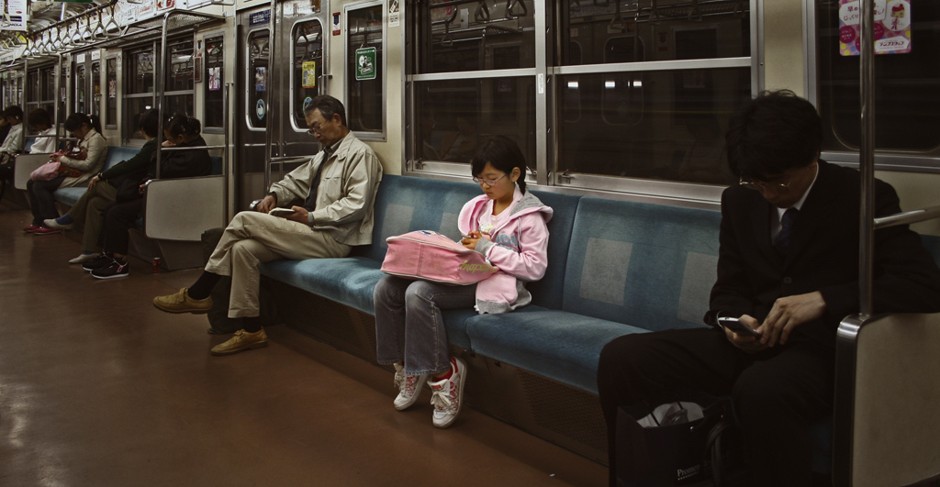
In Japan, small children take the subway and run errands alone, no parent in sight. The reason why has more to do with social trust than self-reliance.

Image Toru Hanai / Reuters

A schoolgirl walks through a Tokyo subway station. (Toru Hanai / Reuters)

It’s a common sight on Japanese mass transit: children troop through train cars, singly or in small groups, looking for seats.

They wear knee socks, polished patent leather shoes, and plaid jumpers, with wide-brimmed hats fastened under the chin and train passes pinned to their backpacks. The kids are as young as six or seven, on their way to and from school, and there is nary a guardian in sight.

Parents in Japan regularly send their kids out into the world at a very young age. A popular television show called Hajimete no Otsukai, or My First Errand, features children as young as two or three being sent out to do a task for their family. As they tentatively make their way to the greengrocer or bakery, their progress is secretly filmed by a camera crew. The show has been running for more than 25 years.

In this English-subtitled segment from My First Errand, a brother and sister head out to buy groceries for the first time, not without a few tears.

Kaito, a 12-year-old in Tokyo, has been riding the train by himself between the homes of his parents, who share his custody, since he was nine. “At first I was a little worried,” he admits, “whether I could ride the train alone. But only a little worried.”

Now, he says, it’s easy. His parents were apprehensive at first, too, but they went ahead because they felt he was old enough, and lots of other kids were doing it safely.

“Honestly, what I remember thinking at the time is, the trains are safe and on time and easy to navigate, and he’s a smart kid,” Kaito’s stepmother says. (His parents asked not to publish his last name and their names for the sake of privacy.)

“I took the trains on my own when I was younger than him in Tokyo,” his stepmother recalls. “We didn’t have cell phones back in my day, but I still managed to go from point A to point B on the train. If he gets lost, he can call us.”

What accounts for this unusual degree of independence? Not self-sufficiency, in fact, but “group reliance,” according to Dwayne Dixon, a cultural anthropologist who wrote his doctoral dissertation on Japanese youth. “[Japanese] kids learn early on that, ideally, any member of the community can be called on to serve or help others,” he says.

This assumption is reinforced at school, where children take turns cleaning and serving lunch instead of relying on staff to perform such duties. This “distributes labor across various shoulders and rotates expectations, while also teaching everyone what it takes to clean a toilet, for instance,” Dixon says.

Taking responsibility for shared spaces means that children have pride of ownership and understand in a concrete way the consequences of making a mess, since they’ll have to clean it up themselves. This ethic extends to public space more broadly (one reason Japanese streets are generally so clean). A child out in public knows he can rely on the group to help in an emergency.

A young girl riding the Tokyo subway alone (tokyoform / Flickr)

Japan has a very low crime rate, which is surely a key reason parents feel confident about sending their kids out alone. But small-scaled urban spaces and a culture of walking and transit use also foster safety and, perhaps just as important, the perception of safety.

“Public space is scaled so much better—old, human-sized spaces that also control flow and speed,” Dixon notes. In Japanese cities, people are accustomed to walking everywhere, and public transportation trumps car culture; in Tokyo, half of all trips are made on rail or bus, and a quarter on foot. Drivers are used to sharing the road and yielding to pedestrians and cyclists.

Kaito’s stepmother says she wouldn’t let a 9-year-old ride the subway alone in London or New York—just in Tokyo. That’s not to say the Tokyo subway is risk-free. The persistent problem of women and girls being groped, for example, led to the introduction of women-only cars on select lines starting in 2000. Still, many city children continue to take the train to school and run errands in their neighborhood without close supervision.

By giving them this freedom, parents are placing significant trust not only in their kids, but in the whole community. “Plenty of kids across the world are self-sufficient,” Dixon observes. “But the thing that I suspect Westerners are intrigued by [in Japan] is the sense of trust and cooperation that occurs, often unspoken or unsolicited.”

Source….

30 ஆண்டுகளாக நோயாளிகளுக்கு இலவச சுடுநீர்: டீக்கடை வருவாயில் சமூக சேவை….

மதுரை அரசு ராஜாஜி மருத்துவமனை அமைந்துள்ள பனகல் சாலையில், ஒரு டீக்கடை முன் அதிகாலை நேரத்தில் தினமும் ஏகப்பட்ட கூட்டம். டீ வாங்கத்தான் இவ்வளவு கூட்டமா எனச் சென்று பார்த்தால், எல்லோரும் இலவசமாக அந்தக் கடையில் பாட்டில், பாட்டிலாக சுடுதண்ணீர் வாங்கிச் செல்கின்றனர். பேரல் பேரலாகக் கொண்டு வரப்படும் தண்ணீரை ஒரு ஊழியர் கேஸ் அடுப்பில் சூடுபடுத்திக் கொண்டிருக்க, மற்றொரு ஊழியர் அந்த சுடு தண்ணீரை வாளியில் வருகிறவர்களுக்கெல்லாம் இலவசமாக வழங்குகிறார்.

நம்மூரில் குடிதண்ணீருக்கே குழாயடிச் சண்டை நடப்பது வழக்கம். ஆனால், இந்த டீக்கடையில் கடந்த 30 ஆண்டுகளுக்கும் மேலாக, ஏழை நோயாளிகளுக்காக சுடுதண்ணீர் வழங்கும் சேவையை வெளியே தெரியாமல் செய்து வருகின்றனர்.

இந்த டீக்கடை உரிமையாளர் பி.சி. தங்கம். முன்னாள் மாநகராட்சி கவுன்சிலரான இவர் இறந்துவிட்டார். இவரது மனைவி ஆனந்தவள்ளிதான், தற்போது இந்தக் கடையை நடத்துகிறார். இவரும் கவுன்சிலராக உ ள்ளார். ஆனந்தவள்ளியின் கணவர் பி.சி. தங்கம் இந்தக் கடையைத் தொடங்கும்போது, மருத்து வமனைக்கு வரும் நோயாளிகள் குடிக்க, மருந்து, மாத்திரைகள் சாப்பிட அவர்களுடைய உறவி னர்கள், அப்பகுதி டீக் கடைகளில் சுடுதண்ணீர் கேட்டு வருவார்களாம். அவர்களிடம் கடைக்காரர்கள் ‘டீ வாங்கினால் ஒரு டம்ளர், 2 டம்ளர் சுடுதண்ணீர் தருகிறோம் எனப் பேரம் பேசுவார்களாம். சிலர் சுடுதண்ணீரெல்லாம் தர முடியாது என விரட்டுவார்களாம். அதனால், சுடுதண்ணீர் வாங்குவ தற்காகவே கடைகளில் பார்சல் டீ வாங்குவா ர்களாம். சுடுதண்ணீருக்கு அவர்கள் திண்டாடுவதைப் பார்த்த பி.சி.தங்கம், தனது கடை ஊழியர்களிடம் நோயாளிகளுக்காக யார் வந்து கேட்டாலும் எந்நேரத்திலும் இலவசமாக சுடுதண்ணீர் போட்டுக் கொடுங்கள் என்றாராம்.

அன்று முதல் இன்று வரை, நோயாளிகளுக்கு இலவசமாக சுடுதண்ணீர் வழங்கி வருகின்றனர். கணவர் இறந்தபின், அவரது மனைவி ஆனந்தவள்ளியும் இந்த சேவையைத் தொடர்ந்து வரு கிறார்.

தினமும் 2 வணிக சிலிண்டர்கள்

இதுகுறித்து கடை ஊழியர்கள் அழகுசுந்தரம், திருமலை ஆகியோர் ‘தி இந்து’ விடம் கூறுகையில், “அறுவை சிகிச்சை செய்தவர்கள், கட்டு போட்ட வர்களுக்கு மருத்துவர்கள் சுடுதண்ணீரால் உடம்பை துடைத்துவிடச் சொல்வார்கள். சுடு தண்ணீரைதான் குடிக்கச் சொல்வார்கள். நோயாளிகளுக்கு மருத்துவமனையில் சுடுதண்ணீர் வசதியில்லை. அதனால், நோயாளி யின் உறவினர்கள் வீட்டில் இருந்து சுடுதண்ணீர் கொண்டுவர வேண்டும். இல்லையென்றால், டீக்கடைகளில்தான் வாங்க வேண்டும்.

டீ வாங்கினால் மட்டுமே கடைகளில் பாட்டிலில் ஒன்று, இரண்டு டீ டம்ளரில் மட்டும் சுடுதண்ணீர் கொடுப்பார்கள். சுடு தண்ணீர் வாங்குவதற்காக ஒரு நாளைக்கு மூன்று, நான்கு முறை டீ வாங்க வருவார்கள். அதனாலே, மருத்துவமனையை சுற்றி டீ கடைகள் ஏராளம். மதுரை அரசு மருத்துவமனைக்கு தென் மாவட்டங்கள் முழுவதும் இருந்து நோயாளிகள் வருவார்கள். அவர்கள் சுடு தண்ணீரை வீட்டிலிருந்து எடுத்து வர முடியாது. சுடு தண்ணீருக்காக அவர்கள் தடுமாறுவார்கள். அவர்களுக்காக தினமும் சுடு தண்ணீர் வழங்குகிறோம். தினமும் 6 பேரல் சுடுதண்ணீர் கொடுக்கிறோம். இதற்காக தினமும் இரண்டு வணிக சிலிண்டர்கள் செலவாகிறது. ஒரு சிலிண்டர் விலை ரூ. 1900-க்கு மேல் விற்கிறது. டீக் கடையில் கிடைக்கும் வருமானத்தில் ஒரு பகுதியை சுடு தண்ணீர் வழங்குவதற்காக செலவிடுகிறோம் டீக்கடை முன் சுடுதண்ணீர் வாங்க கூட்டம் குவிவதால், காலை நேரத்தில் வியாபாரம் பாதிக்கும். அதனால், அதிகாலை 5 மணி முதல் 7 மணி வரையும், மாலை 3 மணி முதல் 7 மணி வரை மட்டுமே சுடு தண்ணீர் வழங்குவோம். அந்த நேரத்தில்தான் நோயாளிகளுக்கும் தண்ணீர் தேவைப்படும் என்றனர். இவர்களைப் பார்த்து, தற்போது மற்ற டீக்கடைக்காரர்களும், தினமும் குறிப்பிட்ட சிறிது நேரம் இலவசமாக சுடுதண்ணீரை வழங்கத் தொடங்கிவிட்டது குறிப்பிடத்தக்கது.

Source….www.tamil.thehindu.com

Natarajan

Most Important Airplanes of All Time….

Ever since the Wright Brothers managed to get their Wright flyer airborne in 1903, the history of aviation has been dotted with a number of fascinating, landmark moments. This list will run through 14 of the most innovative, important and incredible airplanes ever to grace the skies, and tell the remarkable stories that made them such trailblazing groundbreakers.
1. Wright Flyer

The first plane to successfully take flight

Important Airplanes

Image: US Library Congress via wikicommons
The Wright Flyer is famous for being the first airplane to successfully take flight. Designed and built by pioneering inventors and entrepreneurs Orville and Wilbur Wright, it achieved its feat on the beaches of Kitty Hawk, when Orville Wright piloted the airborne plane for 12 short seconds, covering 120 feet. The flight may have been short, but it was to prove one of the moments of the century, and the brothers toured with their plane to show off their achievements to skeptical audiences throughout the world. It was during this tour that they flew about Le Mans in France and kick-started an aviation revolution across Europe that was to change the world.

2. Lockheed SR-71 Blackbird

The fastest airplane ever built

Important Airplanes

Image: Amstrong Photo Gallery via Wikicommons
The Lockheed SR71 Blackbird was a long range, strategic reconnaissance aircraft operated by the US Air Force. Despite the fact that the Blackbird last flew in 1999, it still holds the record for the fastest flight speed ever recorded by an air-breathing manned aircraft at 2,193.2mph (3,529kph), a record that it has held – remarkably – since 1976. It once flew from London to New York (a distance of 3461.53 miles or 5,570.79km) in a ridiculously fast 1 hour 54 minutes in 1972, but Incredible speed was not the Blackbird’s only selling point. Throughout its commission it was also the highest flying plane in the world, capable of flying at an altitude of 85,069 feet or 25,929m. Of course, these attributes were not just for show, they helped the plane carry out crucial reconnaissance missions without detection, and evade missile fire when under attack.

3. Spitfire

The only plane to be manufactured throughout World War II

Important Airplanes

Image: Flickr Airwolfhound
The Supermarine Spitfire was used extensively by the British Royal Air Force and other Allied countries during and beyond World War II. It has achieved iconic status for its role during the Battle of Britain when used by heavily outnumbered allied pilots to repel invaders from the German Luftwaffe. It was also produced in greater numbers than any other British aircraft, and was the only plane to be continuously manufactured throughout the war. It remained in production until 1954.

4. Benoist XIV

The first plane to fly a paying passenger

Important Airplanes

Image: Florida Photographic Collection via Wikicommons
The Wright Brothers had proved that man’s dream of flying could become reality, but it was left to a tiny plane called the Benoist XIV to bring that dream to the paying market. The small plane was specifically designed in the hope of carrying passengers, but suffered problems in its early days. The summer of 1913 saw its first attempts to establish itself as a passenger plane, but the plan failed and the aircraft was a wrecked. It wasn’t until the winter of 1914 that the designer Thomas Benoist partnered with businessman Percival Fansler to offer commercial flights between the Florida cities of St Petersburg and Tampa. Finally, on January 10th 1914 pilot Tony Jannus flew former St Petersburg mayor Abram C. Pheil across the route for the princely sum of $400.00. Although regular flights were priced at $5.00, Pheil had paid more at auction for the honor of being the very first passenger.

5. de Havilland Comet

The first commercial jetliner

Important Airplanes

Image: wikicommons
The de Havilland Comet is regarded as both a trailblazer and a tragedy by aviation historians. It was the first jet-powered passenger plane, capable of cruising at high altitudes  – and brought with it new levels of comfort and fresh possibilities for passenger flights. However, the Comet was beset by design faults leading to a number of awful accidents including three incidents in 1954 where planes broke up in mid-air. The tragedies ushered in a new era of extensive accident investigation and informed future aircraft design testing as engineers learned from the mistakes made by the Comet’s designers, including the use of catastrophically inadequate airframes.

6. Messerschmitt Me 262

The first jet-powered military plane

Important Airplanes

Image: Flickr user Peter Gronemann
The German built Messerschmitt Me 262 become the first jet-powered fighter aircraft when it was first commissioned in 1942, bolstering the Luftwaffe fleet in the middle of World War II. Allied attacks on fuel supplies and problems with the reliability of the engines meant that its impact on the direction of the War was not as great as the German military hoped, and it was not in production for very long. However, its jet engines offered a degree of maneuverability and speed that was not replicated elsewhere at the time, and its design would inspire future military aircraft into the jet-powered age.

7. Gossamer Albatross

The first human powered aircraft to cross the English Channel

Important Airplanes

Image: NASA via wikicommons

At first glance, you could be forgiven for thinking that the Gossamer Albatross was the product of aviation experimentation in the early 20th century. However, it was actually designed and built in the late 1970s. Paul B. McGready was the man behind the concept, and the Albatross was intended as a man-powered craft capable of long distance travel. On June 12th 1979, it achieved its ultimate goal when amateur cyclist and keen pilot Bryan Allen successfully flew it from England to France in 2 hours 49 minutes, reaching a top speed of 18mph. The super-lightweight composition of the Albatross has gone on to inspire the design of solar powered electric aircraft seen today.

8. Cirrus SR22

The first plane to have a life-saving ‘whole-airplane parachute’

Important Airplanes

Image: planesmart.com

The Cirrus SR22 has been the best selling single-engine, four-seater aircraft since it was introduced in 2001 – and for good reason. It features a composite construction fitted with a parachute that works on the entire plane. The parachute system has saved well over 100 lives over the course of the Cirrus’s production run, and has given confidence to budding pilots who can take the controls without the same levels of danger associated with other light aircraft. 19 year old Ryan Campbell flew in a Cirrus when he became the youngest pilot to fly around the world in 2014.


9. Concorde

Brought supersonic flights to the masses

Concorde

Image: Flickr user Dean Morley

Concorde is one of only two supersonic jets to ever carry commercial passengers and became synonymous with luxury travel and wealth. It first flew in 1969, but was not actually the first of its type – the Soviet built Tupolev Tu-144 beat it into flight by two months and the two types of plane were to be pitted in a commercial battle for years to follow. However, it was Concorde’s distinctive design that became best known throughout most of the world, and it remains an iconic symbol of aviation history today, even though it took its last flight (in a blaze of publicity) in 2003.


10. General Atomics MQ-1 Predator

The first military ‘drone’

Important Airplanes

Image: U.S Air Force via wikicommons

The MQ-1 Predator was the first ‘unmanned aerial vehicle’ (more commonly known as ‘drone’) to be used in conflict. It is capable of being piloted remotely for up to 14 hours, monitoring its target and completing missions before returning to base. The plane has been used on reconnaissance missions primarily but is also capable of firing missiles, making it a trailblazer for a new era of drone warfare that is changing the face of military conflict.


11. Blériot XI

The first plane to cross the English Channel

Important Airplanes

Image: Bain News Service via Wikicommons

The Blériot XI was designed and piloted by Frenchman Louis Blériot, becoming the first aircraft to successfully fly the 22 miles of the English channel on July 25th 1909. The accomplishment was one of the foremost achievements of the ‘pioneer era’ of aviation in the early 20th century, and sees Blériot take his place alongside the likes of the Wright Brothers as one of the most influential innovators of early aircraft design. His achievements changed the way aviation was viewed and inspired the famous ‘Britain is no longer an island’ headline from British newspaper the Daily Express once news of the successful Channel crossing broke.


12. Boeing 747

The original high passenger capacity ‘Jumbo Jet’

Important Airplanes

Image: Flickr user Kevin White

The Boeing 747 was the original ‘jumbo jet’ built to transport more passengers than ever to faraway vacations. Much of the increase was provided by the ‘upper deck’, typically reserved for first class passengers. For 37 years it held the record for passenger capacity, after being originally introduced in 1970, and its design was even more impressive considering engineers had to hand-draw 75,000 technical sketches in the days before computers could do the job for them. The design was so good, in fact, that further advancements stalled and commercial passenger aviation remained unchanged for a number of years.


13. Bell X-1

The first aircraft to break the speed of sound

Important Airplanes

Image: U.S Airforce via Wikicommons

The Bell X-1 was the product of a research experiment by the National Advisory Committee for Aeronautics and the US Air Force, designed in 1944 and built in 1945. It was intended to break the sound barrier, and it did, achieving the first Mach 1 flight ever on October 14th 1947, in a plane pilot Chuck Yeager named Glamorous Glennis after his wife. The legacy of the Bell X-1 was vast as the research techniques informed future designs of supersonic aircraft and the flight data was crucial to American military design in the latter half of the 20th century.


14. Solar Impulse

The airplane powered by the sun

Solar Impulse

Image: Flickr user Reflexite

Solar Impulse represents the fruits of a Swiss led project to build a solar powered aircraft capable of flying long distances. The project has been in development since 2003 and has achieved a number of successes, included manned test flights, a continental flight across the USA and a re-design that saw the development of Solar Impulse 2, a second model that is currently on a round-the-world trip conducted in 13 stages over two years. As of the 23rd of October 2015, Solar Impulse 2 has completed 8 of those stages and sits in Hawaii ready to complete the final 5 stages of its journey back to Abu Dhabi, from where its journey began in March 2015.

H/T popularmechanics

Source…..www.ba-bamail.com

natarajan