வாரம் ஒரு கவிதை…” என் ஓட்டம் என் இலக்கு ” …


என் ஓட்டம் …என்  இலக்கு
………………………
என் ஓட்டம் …ஓடும் நதியோட்டம் ..  என்  உயிரோட்டம் … என் இலக்கு… நதி நீர்
இந்த  மண்ணுக்கும் …மண்ணில்  விளையும்  பயிருக்கும் !
விதி விலக்கு இதில் எதுவும் இல்லை எனக்கு … ஓடிக்கொண்டே   இருக்கும்
நதி எனக்கு , நீயும் பிள்ளைதான் , அவனும்  பிள்ளைதான் !
மதி கெட்டு   நதி நீர் “எனக்கு”  மட்டும்தான்  என்று ஆணவக்
கூக்குரல் எதற்கு மனிதா? மமதையுடன் மண்ணுக்கும் , தண்ணீருக்கும்
உரிமைக்  குரல்  எழுப்பும்  நீ அந்த விண்ணுக்கும் , விண்ணில் உள்ள
நிலவுக்கும் ,பகலவனுக்கும்   தனி  உரிமை கோர முடியுமா சொல்லு  ?
நதி மூலம் அறியாமல் உன் மதி மயங்கி  ஒரு நதியின்  ஓட்டத்தை
தடுக்க நினைக்காதே ! உன்   அரசியல் விளையாட்டுக்கு எல்லாம்
நதி என்னை பகடைக் காயாக்காதே !
நதி என்னை என் வழியில் ஓட விடு ..என் ஓட்டத்தையும்
இலக்கையும்  குலைக்க  நினைக்காதே !
Natarajan
13 sep 2016

படித்து ரசித்தது …” என்னுடன் இருக்கிறார் மகாகவி பாரதி!”


TM-6

எங்கள் குடும்பத்தினர் அனைவரும் 1986ஆம் ஆண்டு ஜூன் 6ஆவது நாள் பட்டினப்பாக்கம், வீட்டுவசதி வாரியக் குடியிருப்பில், பால் காய்ச்சிக் குடியேறினோம். அடிப்படையில் நானோர் ஓவியன் என்பதால், இல்லத்தின் வரவேற்பறையில் என்னுடைய ஓவியங்கள் அழகுற அமைகின்றன. நான் ஓவியன் என்பதோடு கவிஞனும் என்பதால், வீட்டின் முகப்பில் மகாகவி பாரதியாரின் படத்தை மாட்டுகிறேன்.
புது வீட்டில் குடியேறிய மூன்றாம் நாள் எனக்கோர் வியப்பு! ஆமாம், வீட்டுக்குள் நான் வரைந்த வண்ணப் படங்களும் விழாவில் எடுத்த ஒளிப்படங்களும் சட்டமிட்டு மாட்டியிருக்க, அவற்றை விட்டுவிட்டு, வீட்டின் முகப்பில் அணிசெய்த மகாகவி பாரதியின் படத்திற்குப் பின்புற இடைவெளியில் சிட்டுக் குருவிகள் கூடுகட்டியிருந்தன! அசந்து போனேன் நான்! “”காக்கை குருவி எங்கள் ஜாதி” என்று பாடிய கவிஞனின் படத்தின் பின்புற இடைவெளியில் குருவிக்கூடு! அடடா என்ன பொருத்தம்!
இன்னொரு நிகழ்ச்சி… தமிழ்நாடு வீட்டுவசதி வாரிய அடுக்குமாடிக் குடியிருப்பில், ஒவ்வொரு தளமாக ஏறிச்சென்று கடிதம் கொடுக்க முடியாததால் அஞ்சல் துறையினர், அனைத்து ஊடகங்களின் வாயிலாகவும் ஓர் அறிவிப்பினைச் செய்திருந்தார்கள்:
“குடியிருப்பாளர்கள் அனைவரும் தரைத்தளத்தில், படியேறும் முன்பாகவே, சுவரில் அவரவர்க்கான அஞ்சல் பெட்டிகளைப் பொருத்துதல் நலம் பயக்கும்’ என நயமாகவும் அழுத்தமாகவும் அறிவித்திருந்தார்கள். அதன்படி எங்கள் குடியிருப்பில் இருந்த அனைவரும் அவரவர்க்கான அஞ்சல் பெட்டிகளைச் சுவரில் பொருத்தி விட்டோம்.
ஆச்சரியம் பாருங்கள்! மூன்றாம் நாள். மற்றவர்களின் அஞ்சல் பெட்டிகளை விட்டுவிட்டு, எமது அஞ்சல் பெட்டியில் மட்டும் குருவிகள் கூடு கட்டிவிட்டன! அடடே! எனது பெயரில் “பாரதி’யாரின் பெயரும் இணைந்திருக்கிறதல்லவா! பாரதி என்றாலே குருவிகளுக்குக் கொண்டாட்டந்தான் போலும்! எனக்குச் சிலிர்ப்பாயிற்று. உடனே நான் ஒரு செயலைச் செய்தேன்.
அஞ்சல் பெட்டியின் குருவிக் கூட்டுக்குத் தொல்லை நேராமல் இருக்கவும், அஞ்சல்காரருக்கு வசதியாகவும், அஞ்சல் பெட்டியின் கீழே, ஒரு பையைக் கட்டித் தொங்கவிட்டேன். பெட்டியின் மேற்பகுதியில், ஓர் அட்டையில், “”பெட்டியில் குருவிக் கூடு; அஞ்சலைப் பையில் போடு” என எழுதி மாட்டிவிட்டேன். அதனைப் படித்த அஞ்சல்காரரும் ரசித்துப் புன்னகைத்தார்.
“மகாகவி பாரதி என்னுடன் இருக்கிறார்’ என்பதற்கு மேலும் ஓர் எடுத்துக்காட்டு தருகிறேன்.2012-ஆம் ஆண்டு ஏப்ரல் 16ஆம் தேதி நானும் என் துணைவியார் திருமதி ராணியும் காசி நகர்ப் பயணம் செல்ல வாய்த்தது. பல இடங்களைப் பார்த்துவிட்டு, 19ஆம் தேதி காலை காசி நகர் போய்ச் சேர்ந்தோம். சுற்றுப் பயணக் குழுவில் எங்கள் பகுதியினர் தங்க வேண்டிய இடம் வேறு. ஆனால், நாங்கள் “அனுமன் காட்’ எனும் தெருவில் உள்ள விடுதியில் வந்து தங்கிவிட்டோம். சுற்றுலா ஏற்பாட்டாளர்களும் “”பரவாயில்லை, இங்கேயே தங்கிக் கொள்ளுங்கள்” எனக் கூறிவிட்டனர். மறுநாள் காலை ஒன்பது மணிக்கு மேல் கங்கையில் நீராடக் கிளம்பினோம்.
வெளியே பக்கத்து வீட்டுத் திண்ணையில் சுமார் அறுபது வயது மதிக்கத்தக்க அம்மையார் ஒருவர் அமர்ந்திருந்தார். அவரிடம், “”அம்மா! பாரதியார் தன் இளம் வயதிலே காசியிலே இருந்ததா வரலாறுண்டு. அவர் எந்தத் தெருவிலே, எந்தப் பகுதியிலே இருந்தாருன்னு உங்களுக்குத் தெரியுமா?” என்று பொதுவாகக் கேட்டேன்.
“”தெரியுமே! இதோ, இந்த எதிர்வீட்டில்தான் அவர் இருந்தார். அவரோட ஒன்றுவிட்ட மருமகன்கூட அங்க இருக்கார். டி.என்.கிருஷ்ணன்னு பேரு, போய்ப் பாருங்க” என்று அந்த அம்மையார் கூறியதைக் கேட்டதும் அசந்து போனேன் நான்!
எதேச்சையாக எங்கள் குழு இடம் மாறித் தங்கிடப் போக, அந்த இடத்தின் எதிர் வீடுதான் பாரதியார் தங்கியிருந்த “சிவமடம்’ என்கிற வீடு என்றால்… எப்படி இருக்கும் எனக்கு? “இது ஒரு தற்செயல் நிகழ்ச்சிதான்’ என்று சிலர் சொல்லக்கூடும். ஆனால், அப்படியில்லை; ஆத்மார்த்தமாக பாரதியாரை நேசிக்கும் எனக்கு அப்படிக் கருத முடியவில்லை.
அருவமாக முன்னின்று அவரே எம்மை, அவர் வாழ்ந்த சிவமடத்துக்கு இழுத்துச் சென்றுவிட்டதாகவே நம்புகிறேன். ஆமாம், “”என்னுடன் இருக்கிறார் மகாகவி பாரதி!”

Source……….ஓவியக் கவிஞர் அமுதபாரதி in http://www.dinamani.com on Sep 11 2016

Natarajan

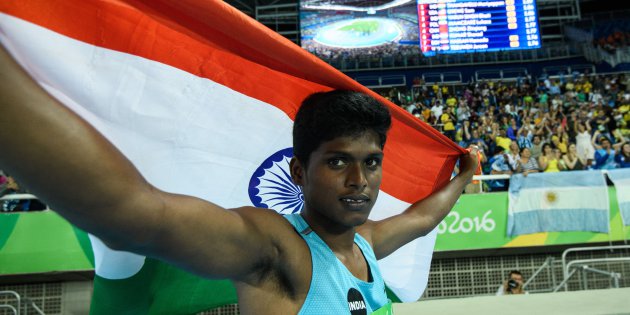
Paralympics Gold Medallist Mariyappan Thangavelu’s Story Is A Lesson In Grit…

http-%2f%2fo-aolcdn-com%2fhss%2fstorage%2fmidas%2ff79efe9e062cbc45337168c7ca47d3b6%2f204309037%2f601342684


In May this year, Mariyappan Thangavelu said during an interview, “It’s not beyond me.” India’s rising star in para-athletics had just cleared a distance of 1.78m in the men’s high jump T42 event at the IPC Grand Prix in Tunisia. So what was not beyond him? A gold at the Paralympics, he said.

Three months later Thangavelu has showed the country what walking the talk is supposed to look like.

Not only is he the first athlete to bag a gold in this year’s Paralympics, he is also the first Indian high jumper to win a gold in the history of Paralympics.

According to NDTV, ‘T-42 is a disability sport classification for differently-abled track and field athletes with single ‘above the knee’ amputations or a disability that is comparable’.

Born in a small village of Periavadagampatti, 50km from Salem, in Tamil Nadu, Mariyappan’s brush with unpredictability of life, occurred at a tender age of five. Fifteen years ago, Mariyappan was on his way to school in his village, when he met with a terrifying accident. A bus took a wrong turn, spun out of control and hit the five-year-old, running over his right leg and crushing it in process.

Later, when he was old enough to comprehend the tragedy that had hit him, he was told that the driver of the bus was drunk. However, that information did nothing to comfort him or ease the difficult road that lay ahead of him. In an interview to The Hindu, Mariyappan said, “It doesn’t matter. My right leg is now stunted — it is still a five-year-old’s leg; it has never grown or healed.”

A report on Sportskeeda states that Mariyappan’s mother had then taken a loan of Rs 3 lakh to pay for his treatment. Years later, the vegetable vendor is still repaying the money.

The same article traces Mariyappan’s interest in sports back to his physical education teacher, who encouraged him to take up athletics and nurtured his interest in high jump. He also played volleyball.

“His coach Satyanarayana spotted him at the National Para-Athletics Championship when he was just 18. After rigorous training in Bengaluru, he became the World Number 1 in 2015, his first year of senior-level competition,” Sportskeeda reports.

His first competitive event was when he was 14 years old and participated in an athletics meet with other able-bodied students. He finished second.

“At first, my classmates didn’t believe I could do it. But once I made that first jump, they were all excited. After that day, a lot of people came to support me whenever I competed in the district,” he told The Hindu. 

Source…..www.huffingtonpost.com

Natarajan

Watch this Chennai guy slay Karnataka and TN over Cauvery issue (Tamil)…

Watch this and share pl….

Source….In the video produced by Put Chutney, Raj Mohan talks about Karnataka’s contempt towards courts and environmental concerns in TN….YOU TUBE

and, www. thenewsminute.com

Natarajan


Why the word ” May Day ” in distress calls ….?


Why People on Planes and Ships Use the Word Mayday When in Distress and What SOS Really Stands For

In 1923, a senior radio officer, Frederick Stanley Mockford, in Croydon Airport in London, England, was asked to think of one word that would be easy to understand for all pilots and ground staff in the event of an emergency.

The problem had arisen as voice radio communication slowly became more common, so an equivalent to the Morse code “SOS” distress signal was needed. Obvious a word like “help” wasn’t a good choice for English speakers because it could be commonly used in normal conversations where no one was in distress.

At the time Mockford was considering the request, much of the traffic he was dealing with was between Croydon and Le Bourget Airport in Paris, France. With both the French and English languages in mind, he came up with the somewhat unique word “Mayday,” the Anglicized spelling of the French pronunciation of the word “m’aider,” which means “help me.”

Four years later, in 1927, the International Radiotelegraph Convention of Washington made “Mayday” the official voice distress call used only to communicate the most serious level of distress, such as with life-threatening emergencies.

When using Mayday in a distress call, it is traditional to repeat it three times in a row, “Mayday, Mayday, Mayday.” This is to make sure it is easily distinguishable from a message about a Mayday call and from any similar sounding phrases in noisy conditions or garbled transmissions.

In situations where a vessel merely requires assistance, but is not in grave and imminent danger, a distress call of “pan-pan” can be used instead. Essentially, it means you need aid, but you don’t need support personnel to necessarily drop what they’re doing right that instant and come help you, as with a Mayday.

Like Mayday, pan-pan is the Anglicized spelling of a French word, in this case “panne,” which means “broken / failure / breakdown.” Also, as with Mayday, one should state it three consecutive times: “pan-pan pan-pan pan-pan,” followed by which station(s) you are addressing and your last known location, nature of your emergency, etc.

If there is no reply to a Mayday or pan-pan call by the Coast Guard or other emergency agency, and a couple minutes have passed since the last call, some other radio source, such as another ship or plane that received the call, should transmit their own Mayday call, but on behalf of the ship or plane that first made the call, repeating the pertinent information they heard when they received the Mayday message.

Source……www.today i foundout .com

Natarajan

வாரம் ஒரு கவிதை….” நெல்லுக்கு இறைத்த நீர் …” !!!


நெல்லுக்கிறைத்த  நீர்
…………………..
தண்ணீர் விட்டா வளர்த்தோம்  நம் சுதந்திர செடியை  ?
கண்ணீரும்  செந்நீரும் விட்டு வளர்த்த கொடி மரமல்லவா அது !
கேட்க  முடியுமா நம் முன்னோரிடம் அந்த கொடியின் விலை என்ன என்று ?
விலை மதிப்பில்லா சுதந்திரக் காற்று சுவாசிக்கும் நாம்  விலை வைத்து
விட்டோமே  குடிக்கும் நீருக்கும் , குழந்தைகள் படிக்கும் படிப்புக்கும் !
விலை இல்லா பொருள் கொடுத்து  எனக்கும், உனக்கும், எவருக்கும்
ஒரு விலை உண்டு என்று சொல்லிவிட்டதே  நம்  அரசியல்
கட்சிகள் !  விலை  மதிப்பில்லா நேர்மைக்கே ஒரு சோதனை காலம் இது !
நிலைமை கண்டு துவள வேண்டாம்  தம்பி …நீ ! சோதனை பல
கண்டாலும் சாதனை புரிய காத்திருக்கும் நீ செய்ய வேண்டியது ஒன்றே ஒன்று !
எடுக்க வேண்டும் ஒரு உறுதிப்பாடு  நீ  இன்று…
“என் முன்னோர் செய்த தியாகம்  விழலுக்கு இறைத்த நீர் அல்ல …
 அது நெல்லுக்கு இறைத்த நீரே   அன்றும் ,இன்றும், என்றும் ! …என் தேசம் என்
 சுவாசம் !
 எதற்கும் விலை போகாமல் நான் காண்பேன்  ஒரு புதிய பாரதம் “
தடைக் கற்கள் யாவும் உனக்கு படிக்கற்கள் ஆகும் …புதிய
பாரதமும்  பொலிவுடன் மலரும் ஒரு வல்லரசாக …!
நாளை உனதே தம்பி ! நாளைய பாரதமும் உன்னை நம்பிதான் தம்பி  !
Natarajan

How the Five Day week work became popular ?


On September 25, 1926, the Ford Motor Company instituted a five-day, 40-hour work week for its factory employees. While Ford wasn’t the first to do this, they were arguably one of the most influential.

This action, at least initially, did not win Ford many friends among his fellow business owners, some of whom believed giving the working man any time off just encouraged them to indulge in drink even more than they already did. (To be fair, that was a real problem around this era. It was not from nothing that excessive drink was blamed for many of society’s woes at the time, ultimately inspiring Prohibition, which even a very large percentage of said drinkers supported in the beginning. But, of course, if you had to work 14-16 hour days, 6 days per week from your very early teen years on- for reference in 1890 the average work week in the United States for a blue-collar factory worker was 90-100 hours- you might be driven to drink excessively too. ;-))

Beyond this, many competing employers were still miffed at Ford for raising his (male) workers’ salaries up to five dollars per day (about $116 today) back in 1914, double the former going rate, and around the same time cutting the typical work week down to 48 hours at his factories. (Women had to wait until 1916 to command the same wage.) But since Ford was one the world’s largest manufacturers, most in the industry were compelled for various reasons to follow their example, like it or not.

Ford stated in his company’s newsletter,

“Just as the eight-hour day opened our way to prosperity in America, so the five-day work week will open our way to still greater prosperity … It is high time to rid ourselves of the notion that leisure for workmen is either lost time or a class privilege.”

Of course, Ford wasn’t just doing this out of the goodness of his heart. He understood that a five-day work week with “eight hours labour, eight hours recreation, eight hours rest” would encourage working people to vacation on weekends, shop on Saturdays, and have ample free time to fill during their daily 8 hour recreation time. (See: Why a Typical Work Day is Eight Hours Long) People with more leisure time required more clothing, ate a greater variety of food and, of course, were far more likely to be in the market to buy an automobile to travel around in. Workers who were paid more also were more likely to be able to afford such an automobile.

Beyond benefiting sales as other companies followed suit, he had also observed that happy workers (both in their home and work life) meant better and more efficient workers.

Now, Ford expected his workers to produce in those shorter working hours, but with the higher pay and weekends off, there were very few complaints from any of his employees. They were happy to put the pedal to the metal Monday through Friday for their excellent salary and five-day, 40 hour work week.

As Ford had thought, after instituting these changes, productivity skyrocketed, meaning he was getting more results from significantly fewer work hours and company loyalty and pride among Ford employees was equally boosted. Beyond low-skilled laborers banging down the doors to get work at Ford, he also now had the luxury of having the top talent in each of the high-skilled fields he needed workers for applying in droves. Needless to say, manufacturers all over the world would soon follow Ford’s example, which played right into his hands.

Edsel Ford, Henry’s son and then company president, was quoted in March of 1922 in the New York Times as saying of all this, “Every man needs more than one day a week for rest and recreation….The Ford Company always has sought to promote [an] ideal home life for its employees. We believe that in order to live properly every man should have more time to spend with his family.”

Ford himself laid it all out in black and white:

“The harder we crowd business for time, the more efficient it becomes. The more well-paid leisure workmen get, the greater become their wants. These wants soon become needs. Well-managed business pays high wages and sells at low prices. Its workmen have the leisure to enjoy life and the wherewithal with which to finance that enjoyment.”

Bonus Fact:

  • In the early 19th century in Britain, a series of “Factories Acts” were passed meant to help improve working conditions for workers, particularly for children. One of the first of these was in 1802 and stipulated children under the age of 9 were not to be allowed to work and, rather, must attend school. Further, children from the ages of 9-13 were only allowed to work eight hours per day and children from 14-18 could only work a maximum of 12 hours per day. Unfortunately, this law was largely ignored and almost never enforced in any way. Further, even when it rarely was enforced, the fines were small enough that it was more profitable for factory owners to break this law and pay the fine, than to follow it. The act also did nothing for adults except require that factories be well ventilated, though it did not stipulate what defines “well ventilated”, so factory owners could easily ignore this part of the act as well.

Source….www.today i foundout.com

Natarajan

படித்து நெகிழ்ந்தது …”திருவள்ளுவரின் நாலு அடி பாடல் …” !!!


இப்படியும் ஒரு மனைவி இருந்திருக்கிறாளா..?
பல நூறு ஆண்டுகளுக்கு முன்…ஒரு புலவரின் மனைவி… இறக்கும் தருவாயில் தன் கணவனை அருகே அழைத்தாளாம் …
என்னவென்று கேட்டு , கலங்கிய கண்களோடு கணவன் அவள் பக்கத்தில் வர…மனைவி தயக்கத்துடன் இப்படிக் கேட்டாளாம் …
“என் உயிர் எப்போதோ என்னை விட்டுப் பிரிந்திருக்க வேண்டும்..ஆனால்..ஒரே ஒரு கேள்வி ..என் நெஞ்சுக் குழியில் நின்று கொண்டு , என் உயிர் இந்த உடலை விட்டுப் பிரியாமல் தடுத்துக் கொண்டிருக்கிறது.. அந்தக் கேள்வியை இதுவரை உங்களிடம் நான் கேட்டதில்லை…இப்போதாவது கேட்கலாமா..?”
புலவனான அந்தக் கணவன் , புரியாமல் அந்தப் புனிதவதியைப் பார்க்க…அந்த மனைவி கேட்டாளாம் இப்படி:
“இதுவரை உங்களிடம் நான் கேட்காத அந்தக் கேள்விக்கு , இப்போதாவது பதில் எனக்குத் தெரிந்து விட்டால்…நிம்மதியாக கண்களை மூடுவேன்.. அந்த நிம்மதியான மரணத்தை எனக்குத் தருவீர்களா.?”
கணவன் மௌனமாக தலையசைத்து சம்மதம் தெரிவிக்க …மனைவி தன் நெடுநாள் சந்தேகத்தை கேட்டு விட்டாளாம்..
“ஒவ்வொரு நாளும் நீங்கள் உணவு அருந்தும்போது ஒரு கொட்டாங்குச்சியில் தண்ணீரும், ஒரு ஊசியும் கொண்டு வரச் சொல்லி , அதைப் பக்கத்தில் வைத்துக் கொண்டுதான் சாப்பிடுவீர்கள்…அப்படித்தானே..?”
கணவன் இதற்கும் மௌனமாக தலையசைக்க , மனைவி கேட்டாளாம் ..”இதுவரை அதற்கான காரணத்தை ஒருபோதும் நான் உங்களிடம் கேட்டதில்லை… காரணம்..கணவன் சொன்னதற்கு மறுபேச்சு பேசி , நான் அறிந்ததில்லை… இப்போது என் வாழ்வின் இறுதி மூச்சில் இருக்கிறேன்…இப்போதாவது சொல்லுங்கள்.. அந்த கொட்டங்கச்சியும் , தண்ணீரும் எதற்காக..?”
இதைக் கேட்டுவிட்டு , இதற்கான பதிலை எதிர்பார்த்து அந்த மனைவி , புலவனான கணவன் முகத்தைப் புரியாமல் பார்த்திருக்க , அந்தக் கணவன் சொன்னாராம்.. “ அது வேறொன்றும் இல்லை… பரிமாறும்போது தவறுதலாக சோற்றுப்பருக்கை கீழே சிந்தி விட்டால் , அதை அந்த ஊசியில் குத்தி , கொட்டாங்குச்சியில் உள்ள தண்ணீரில் கழுவி மீண்டும் சோற்றில் கலந்து உண்ணத்தான் அந்தக் கொட்டங்கச்சி நீரும்..ஊசியும்..”
கணவன் பதில் சொல்லியும் மனைவியின் குழப்பம் தீரவில்லை…அவள் கேட்டாள் .. “ஆனால் ஒருபோதும் நீங்கள் அந்த ஊசியையும் , கொட்டாங்கச்சியையும் பயன்படுத்தி நான் பார்த்ததே இல்லையே..?”
மனைவி இப்படிக் கேட்டதும்…குரல் உடைந்து போன கணவன்…குமுறும் அழுகையை அடக்கிக் கொண்டு சொன்னாராம்… “ உண்மைதான்…ஒரு நாளும் நான் அதைப் பயன்படுத்தவில்லை..!
ஏனென்றால் ஒரு நாளும் நீ எனக்குப் பரிமாறும்போது , ஒரு சோற்றுப் பருக்கையைக் கூட சிந்தவே இல்லையே….!”
கணவன் பதில் அறிந்த மனைவி.. புன்னகை செய்தாளாம்…. அவ்வளவுதான்…! போய் விட்டாளாம்..!!
நெகிழ்ச்சியோடு நெடு நேரம் நின்ற கணவன் ..அந்தப் புலவன்…கண்ணீரோடு தன் அன்பு மனைவிக்காக உடனே ஒரு கவிதை எழுதினானாம் …
இதுநாள் வரை தன் வாழ்நாளில் அவன் எழுதியதெல்லாம் …இரண்டு வரிப் பாடல்கள்…அதில் ஏழே ஏழு வார்த்தைகள்..! அவ்வளவுதான்…அதுதான் அந்தப் புலவன் தன் பாட்டுக்கு ஏற்படுத்திக் கொண்ட பார்முலா..விதி..!
இப்போது…. தனது செய்யுள் விதியை…தானே தளர்த்திக் கொண்ட அந்தப் புலவன்… தன் வாழ்வில் முதன் முதலாக , நாலு வரிப் பாட்டு ஒன்றை எழுதினானாம்…அந்த நாலு வரிப் பாடல்:
“அடியிற்கினியாளே அன்புடையாளே
படிசொல் தவறாத பாவாய்- அடிவருடி
பின்தூங்கி முன்னெழும்பும் பேதாய்-
இனிதா(அ)ய் என் தூங்கும் என்கண் இரவு”
# ஆம்… இந்த நாலு வரிப் பாடலை எழுதிய அந்தப் புலவர் ..திருவள்ளுவர்….!
கணவன் சொல் தட்டாத அந்த கள்ளமற்ற அன்பு மனைவி ..வாசுகி…!
அந்தப் பாடலின் பொருள் :
“அடியவனுக்கு இனியவளே! அன்புடையவளே! என் சொல்படி நடக்கத் தவறாத பெண்ணே! என் பாதங்களை வருடி தூங்கச் செய்தவளே! பின் தூங்கி முன் எழுபவளே! பேதையே! என் கண்கள் இனி எப்படித்தான் இரவில் தூங்கப் போகிறதோ!”
# இன்னொரு வள்ளுவன் எதிர்காலத்தில் பிறக்கலாம்…!


ஆனால்..இன்னொரு வாசுகி….?

Source…..Facebook post of Sridharan Sivaraman

Natarajan

படித்ததில் பிடித்தது …” கோயில் இல்லா ஊரில் குடி இருக்க வேண்டாம் …”


முற்காலத்தில் ஊரில் கோயில் கோபுரத்தை விட உயரமாக எந்தக் கட்டிடமும் இருக்கக் கூடாது என்று ஒரு எழுதாத சட்டம் இருந்தது. என்ன காரணம்?!
கோயில்களையும் உயரமான கோபுரங்களையும் அதன் மேல் இருக்கும் கலசங்களையும் பார்த்திருப்பீர்கள். அதன் பின் ஒளிந்திருக்கும் ஆன்மிக உண்மை தெரியவில்லை. ஆனால் அதன் பின் எவ்வளவு பெரிய அறிவியல் ஒளிந்திருக்கிறது என இப்போதுதான் தெரிகிறது.
கோபுரத்தின் உச்சியில் தங்கம், வெள்ளி செம்பு(அ) ஐம்பொன்னால் செய்யப்பட்ட கலசங்கள் இருக்கும். இக்கலசங்களிலும் அதில் கொட்டப்படும் தானியங்களும், உலோகங்களும் மின் காந்த அலைகளை ஈர்க்கும் சக்தியை கலசங்களுக்குக் கொடுக்கின்றன.
நெல், உப்பு, கேழ்வரகு, தினை, வரகு, சோளம், மக்கா சோளம், சலமை, எள் ஆகியவற்றைக் கொட்டினார்கள். குறிப்பாக வரகு தானியத்தை அதிகமாகக் கொட்டினார்கள். காரணத்தைத் தேடிப் பார்த்தால் ஆச்சர்யமாக இருக்கிறது. வரகு மின்னலைத் தாங்கும் அதிக ஆற்றலைப் பெற்றிருப்பது என இப்போதைய அறிவியல் கூறுகிறது.
இவ்வளவுதானா? இல்லை, பன்னிரெண்டு வருடங்களுக்கு ஒரு முறை குடமுழுக்கு விழா என்ற பெயரில் கலசங்களில் இருக்கும் பழைய தானியங்கள் நீக்கப்பட்டு புதிய தானியங்கள் நிரப்பப்படுகிறது. அதை இன்றைக்கு சம்பிரதாயமாகவே மட்டும் கடைபிடிக்கிறார்கள். காரணத்தைத் தேடினால், அந்த தானியங்களுக்குப் பன்னிரெண்டு வருடங்களுக்குத்தான் அந்த
சக்தி இருக்கிறது. அதன் பின் அது செயல் இழந்து விடுகிறது!! இதை எப்படி அப்போது அறிந்திருந்தார்கள்..?!
ஆச்சர்யம்தான். அவ்வளவுதானா அதுவும் இல்லை. இன்றைக்குப் பெய்வதைப் போன்று மூன்று நாட்களா மழை பெய்தது அன்று? தொடர்ந்து மூன்று மாதங்கள் பெய்தது. ஒரு வேளை தானியங்கள் அனைத்தும் நீரில் மூழ்கி அழிந்து போனால், மீண்டும் எதை வைத்துப் பயிர் செய்வது? இவ்வளவு உயரமான கோபுரத்தை நீர் சூழ வாய்ப்பில்லை. இதையே மீண்டும் எடுத்து விதைக்கலாமே!
ஒரு இடத்தில் எது மிக உயரமான இடத்தில் அமைந்த இடி தாங்கியோ அதுதான் முதலில் ‘எர்த்’ ஆகும். மேலும் அது எத்தனை பேரைக் காப்பாற்றும் என்பது அதன் உயரத்தைப் பொறுத்தது. அடிப்படையில் கலசங்கள் இடிதாங்கிகள். உதாரணமாக கோபுரத்தின் உயரம் ஐம்பது மீட்டர் என்றால் நூறு மீட்டர் விட்டம் வரைக்கும் பரப்பில் எத்தனை பேர் இருந்தாலும் அவர்கள் இடி தாங்காமல் காக்கப்படுவார்கள். அதாவது சுமார் 75008 மீட்டர் பரப்பளவிலிருக்கும் மனிதர்கள் காப்பாற்றப்படுவார்கள்!
சில கோயில்களுக்கு நான்கு வாயில்கள் உள்ளன. அது நாலாபுறமும் 75000சதுர
மீட்டர் பரப்பளவைக் காத்து நிற்கிறது! இது ஒரு தோராயமான கணக்கு தான்.
இதைவிட உயரமான கோபுரங்கள் இதை விட அதிகமான பணிகளை சத்தமில்லாமல் செய்து வருகின்றன.
“கோயில் இல்லா ஊரில் குடியிருக்க
வேண்டாம்”
என்ற பழமொழி நினைவுக்கு வருகிறது.

Source…..Facebook Post from Sridharan  Sivaraman

Natarajan

படித்ததில் பிடித்தது…” இயற்கை கற்பிக்கும் பாடம் …” !!!


ஞானத்தை யாரிடம் கற்பது ?
”குரங்கு சாவதற்கு ஒரே ஒரு புண் போதும்
முட்டாள் சாவதற்கு ஒரே ஒரு பிரச்சினை போதும்” என்று கிராமத்தில் ஒரு உவமான வாக்கியம் உண்டு.
காடுகளில் வாழும் குரங்குகள் பெரும்பாலும் நோய் வாய்ப்படுவதில்லை.
ஆனால் அவைகளுக்கு ஒரே ஒரு புண் வந்துவிட்டால் போதும். அதை நோண்டி நோண்டிப் பெரிதாக்கித் தன்னை அழித்துக் கொள்ளும்.
அதுபோலத்தான் மனித வாழ்க்கையில் ஏற்படும் பிரச்சினைகளை மனதிற்குள் போட்டு நோண்டி நோண்டிப் அதைப் பெரிதாக்கிக் கொள்வதும்.
அந்தக் குரங்கு கொஞ்சம் பொறுமையாய் புண்ணை நோண்டாமல் இருந்தாலே போதும், புண் விரைவில் ஆறிவிடும்.
இதை குரங்குக்குச் சொன்னாலும் புரியாது. அது புண்ணை நோண்டுவதை நிறுத்தப்போவதில்லை.
ஆனால்,
மனிதன் புரிந்து கொள்ள முடியும் தானே?
மனித வாழ்க்கையில் ஏற்படும் பிரச்சினைகளை மனதிற்குள் போட்டு நோண்டி நோண்டிப் அதைப் பெரிதாக்கிக் கொள்ளாமல் வாழமுடியும் தானே?
மனித மனம் வெறும் “மனம்” மட்டுமே… மனித மனம் குரங்கு அல்ல…
என்ற புரிந்து கொள்ளுதல்தான் ”ஞான உதயம்”.
இந்த புரிதல் எப்போதும் இயற்கையில் எதிர்பாராத தருணங்களில் நடந்து கொண்டேதான் இருக்கிறது.
இதில் புரிந்து கொள்வது எல்லாமே சீடர்கள். புரிய வைப்பவை எல்லாமே குரு. இந்த மொத்த நிகழ்வும் ”ஆன்மிகம்” எனப்படுகிறது, அவ்வளவுதான்.
தத்தாத்ரேயர் எனும் அவதூதர் காட்டில் சுற்றிக் கொண்டிருந்த போது, ஒரு நாட்டின் மன்னனைச் சந்தித்தார்.
தத்தாத்ரேயர் மிக மகிழ்ச்சியாக இருந்ததைக் கண்ட அரசன், அவரது மகிழ்ச்சிக்கான காரணத்தையும், அவரது குரு யார்? என்பதையும் கேட்டான்.
‘எனக்கு 24 குருமார்கள் இருக்கின்றனர்…’ என்றார் தத்தாத்ரேயர்.
இந்தப் பதிலைக் கேட்டு ஆச்சரியப்பட்ட அரசன், “சுவாமி! ஒருவருக்கு ஒரு குரு தானே இருக்க முடியும்? தங்கள் பதில் வித்தியாசமாக உள்ளதே…’ என்றான்.
அவனிடம், “பஞ்சபூதங்களான ஆகாயம், நீர், நிலம், நெருப்பு, காற்று,
“சந்திரன், புறா, மலைப்பாம்பு, கடல், விட்டில்பூச்சி, வண்டு,
“தேனீ, குளவி, சிலந்தி, யானை, மான், மீன், பருந்து, பாம்பு
ஆகியவையும்,
“நாட்டியக்காரி பிங்களா, ஒரு குழந்தை, ஒரு பணிப்பெண், அம்பு தயாரிப்பவன்,
சூரியன் ஆகியோரும் என் குருக்கள் ஆவர்…“ என்றார் தத்தாத்ரேயர்.
மன்னன் ஏதும் புரியாமல் நின்றதைக் கண்ட தத்தாத்ரேயர் இதற்கு விளக்கமளித்தார்…
“மன்னா! பொறுமையை பூமியிடம் கற்றேன்;
“தூய்மையை தண்ணீரிடம் தெரிந்து கொண்டேன்.
“பலருடன் பழகினாலும், பட்டும், படாமல் இருக்க வேண்டும் என்பதைக் காற்றிடம் படித்தேன்.
“எதிலும் பிரகாசிக்க வேண்டும் என்பதை தீ (நெருப்பு)உணர்த்தியது.
“பரந்து விரிந்த எல்லையற்ற மனம் வேண்டும் என்பதை ஆகாயம் – தெரிவித்தது.
“ஒரே சூரியன் இருந்தாலும் பல குடங்களில் உள்ள தண்ணீரில் பிரதிபலிப்பது போல மெய்ப்பொருள் ஒன்றாக இருந்தாலும் மனம் பலவாறாக சிந்திப்பதை உணர்ந்தேன்.
“வேடன் ஒருவன் புறாக்குஞ்சுகளைப் பிடித்தான். அவற்றின் மீது அன்பு கொண்ட தாய்ப்புறா தானும் வலியச் சென்று வலையில் சிக்கியது.
இதில் இருந்து பாசமே துன்பத்திற்கு காரணம் என்பதை உணர்ந்தேன்.
“எங்கும் அலையாமல் தன்னைத் தேடி வரும் உணவைப் பிடித்துக் கொள்வது போல, கிடைப்பதை உண்டு பிழைக்க வேண்டும் என்பதை மலைப்பாம்பிடம் கற்றேன்.
“பல்லாயிரம் நதிகளை ஏற்றுக்கொள்ளும் கடல் போல, எவ்வளவு துன்பம் வந்தாலும் ஏற்கும் பக்குவத்தை கடலிடம் படித்தேன்.
“பார்வையை சிதற விடாமல் ஒரே இடத்தில் மனதை செலுத்துவதை விட்டில் பூச்சி கற்றுத் தந்தது.
“எல்லாவற்றையும் மறந்து மகிழ்ச்சியாயிருப்பதை தாயிடம் பால் குடிக்கும் குழந்தையிடம் கற்றேன்.
“பணிப்பெண் ஒருத்தி அரிசி புடைக்கும்போது வளையல்கள் உரசி ஒலி எழுப்பின; இரண்டு வளையல்களில் ஒன்றை அவள் கழற்றியதும், ஒலி அடங்கியது.
“இதில் இருந்து இரண்டு பேர் இருந்தாலும் தேவையற்ற விவாதம் ஏற்படும் என்பதைப் புரிந்து கொண்டு, தனிமையே சிறந்ததென்ற முடிவுக்கு வந்தேன்.
“புற்களால் குழிக்குள் மாட்டிக்கொண்ட பெண் யானையைப் பார்த்த ஆண் யானை, அதன் மேல் ஆசை கொண்டு அதுவும் வீழ்ந்தது. இதில் இருந்து, பெண்ணாசையும் துன்பத்துக்கு காரணம் என்பதை உணர்ந்தேன்… ”
என்று ஒவ்வொரு பொருளுக்கும் விளக்கமளித்தார்.
இதைக் கேட்ட அரசன், பூரண அமைதி அடைந்தான்.
தத்தாத்ரேயர் இயற்கையிடம் கற்ற இந்த உயர்ந்த பாடம் நம் எல்லாருக்குமே பொருந்தும் தானே..
தத்தாத்ரேயரின் ”அவதூதகீதை” பகவான் ராமகிருஷ்ணர், ரமண மகரிஷி போன்ற பல மஹான்களால் சீடர்களுக்கு பரிந்துரைக்கப்பட்ட அத்வைத கிரந்தமாகும்.


நல்ல சீடனுக்கு எல்லாமே குருதான்.

Source…..FaceBook Post from  Sridharan  Sivaraman

Natarajan