6 Tips for You to Stay Fit….

The keys for attaining good health and a fit body are quite simple. All of you have to do is take care of good nutrition, physical activity, sufficient sleep and rest, meditation and conscious breathing.


Constant travel for work coupled with never ending long and tiring commutes to the office, work pressure, unhealthy diets high in saturated fats, sugar, food with high sodium content and a sedentary lifestyle, all combined together pose serious health challenges like obesity. It can also play host to complications like hypertension, atherosclerosis, diabetes, osteoporosis, and more. In the long run, if this kind of lifestyle is not altered these will turn into life threatening and life shortening disorders!

But, the good news is that despite these challenges, one can maintain one’s weight and achieve a healthy and fit body by adhering to a sensible eating pattern with a variety of natural, wholesome foods and most of all by staying active, physically and mentally.

Diet and nutrition

The best insurance for healthy eating is maintaining a diet that has a balance of fruits, veggies, salads, millets, whole grains, nuts, pulses, sprouts, seeds, low fat milk, soy milk, tofu etc. These foods have detoxifying, healing and regenerative properties and are rich in antioxidants and elements needed to keep you nourished.

Exercise

Any physical activity like walks, swimming, yoga, gym workouts etc helps to keep one energised, well oxygenated and improves strength, stamina, flexibility, immunity and metabolism.

1. Avoid snacking on junk foods

Instead, make sure you eat a wholesome breakfast before hitting the road and carry a fruit that can be munched on in between. Choose steamed foods like idlis or toasted sandwiches and stay away from all fried foods, aerated drinks, milk shakes, fruit juices, desserts and any kind of sweets.

2. Keep dry fruits handy

These are nutritious and will keep hunger at bay. A few almonds, walnuts, cashew nuts, dates and figs are ideal.

3. Do neck rotations, shoulder shrugs, arm rotations etc. in between travelling

These can be done when you take a break from driving, between meetings and even in an aircraft. These exercises work wonders especially for long flights as they keep your blood flowing even when you’re sitting in one place for a long time. While sitting at a traffic signal or in the plane extend your legs, keep your toes pointed and rotate your ankles clockwise and anti-clockwise. Shoulder rotations are also recommended to ease away the muscle tension.

4. Walk a lot

A brisk walk daily is an effective way to do some cardio without hitting the gym and can be an invigorating experience as walking is an exercise that you can do anywhere, anytime.

Take a brisk walk everyday and you are sure to be on the way to better health and vitality. Walking also helps you enjoy the freshness of nature with the added benefit of relaxing your mind and simultaneously getting rid of stress.

Here’s a quick tip, whenever possible, use the stairs instead of elevators.

5. Exercise

Simple exercises like leg kicks, squats, lunges, chair dips, push ups, ab crunches and a few yoga stretches like suryanamaskar, bhujangasan, dhanurasan, sethubandhasan and naukasan are possible to do in your room.

These help to boost flexibility as well as stamina and strengthens the core and back muscles.

Pranayam or breathing exercises like chanting Om, kapalbhati and anulom-vilom should be done at regular intervals throughout the week. These revitalise your body and alleviate stress and tension after a long day.

6. Drink plenty of water

Keep yourself well hydrated. This can include water, herbal/green teas/coconut water (depending on their availability).

Health, wellness and fitness certainly do not require extreme or rigid measures. All they need is proper planning, consistency and regularity. These are the key factors for a healthy mind and a well toned body. Incorporate the above mentioned simple strategies to reinforce complete and total wellness and enjoy a healthy and stress free life.

Photograph: pexels.com

Source….www.ba-bamail.com

Natarajan


Message for the Day…”What is the Permanent Address of God …” !!!

Sathya Sai Baba

The Lord’s abode is described in various ways as Vaikuntha, Kailasa, etc. All these are fanciful names. Which is the abode of God? The Lord told Sage Narada: “I reside wherever My devotees sing My glories.” The Lord dwells in the hearts of devotees; this is His main address. All other places are ‘branch offices!’ Any message addressed to the Divine as Indweller in your heart is bound to reach God. What is meant by Ekadashi? It should not be regarded as some special place or time. The form of Ekadasa Rudra is made up of the five organs of perception, the five organs of action and the mind. Rudra is a resident of the human body, which is full of numerous divine potencies. Remind yourself, today and every day that these special potencies, including the Divine Himself dwell deep within your heart.


How Brooklyn girl Chanie Gorkin’s poem became a global sensation….Just Read it…

Across the seas ... teenager Chanie Gordon is “overwhelmed” by the global reaction to her

Across the seas … teenager Chanie Gordon is “overwhelmed” by the global reaction to her school assignment. Picture: Thinkstock Source: ThinkStock

A HASIDIC girl from Brooklyn, New York, wrote a clever poem that spread like wildfire online and became a hit after it was posted on a wall in London.

Chanie Gorkin, in eleventh grade at the all-girls Lubavitch high school Beth Rivkah in Crown Heights, jotted down the lines for a class assignment last year and then published it on PoetryNation.com.

What happened next is remarkable.


Zachery Stephenson, the events manager at the Nambucca bar on Holloway Road in North London had tacked the poem on a wall, after his cousin in New York had forwarded it in response to a negative Facebook post, US ABC News reports.

There it was seen by Ronnie Joice, who was feeling a “bit worn out” after a day of meetings about a prospective job.

The poem, which at first appears to be a bleak outlook on a bad day, contains a surprise. The ending instructs the reader to go back and re-read from the bottom to the top, which completely reverses its meaning.

Class assignment ... the Beth Rivkah High School in Crown Heights, where Chanie Gorkin wr

Class assignment … the Beth Rivkah High School in Crown Heights, where Chanie Gorkin wrote her poem and is in 11th grade. Picture: Google Streetview Source: Supplied

Mr Joice was so taken with the clever poem, he photographed and posted it to Twitter, which resulted in thousands of shares on social media.

The uplifting poem — ironically titled “Worst Day Ever?” — has since been translated into multiple languages, including Hebrew, Chinese and Russian. Her father, Baruch Gorkin, posted some of the translations to his Facebook page.

Chanie’s brother, Shimon Gorkin, proudly posted: “That’s my sister!”

Chanie’s mother, Dena Gorkin, confirmed to ABC News that her daughter wrote the poem. She also said Chanie was away at summer camp and unavailable for comment, but Mrs Gorkin has been telling her daughter about the reaction to the poem and “she’s quite overwhelmed.”

One of the major tenets of Hasidic philosophy is that the mind rules over the heart, that we are able to channel our emotions to the positive … that there is God in everything, and it is part of our mission in life to look for the good, and to find it and to spread it,” Mrs Gorkin said.

So, when Chanie was given the assignment to write about her worst day ever, she used her writing skills to turn the question around.

The Worst Day Ever, by Chanie Gorkin

Today was the absolute worst day ever

And don’t try to convince me that

There’s something good in every day

Because, when you take a closer look,

This world is a pretty evil place.

Even if

Some goodness does shine through once in a while

Satisfaction and happiness don’t last.

And it’s not true that

It’s all in the mind and heart

Because

True happiness can be attained

Only if one’s surroundings are good

It’s not true that good exists

I’m sure you can agree that

The reality

Creates

My attitude

It’s all beyond my control

And you’ll never in a million years hear me say

Today was a very good day

Now read it from bottom to top, the other way,

And see what I really feel about my day.

Source….www.news.com.au

Natarajan

Message for the Day…” Any Time and Anywhere, if Mind Desires Meditate on God…”

Sathya Sai Baba

There are no limitations of time or space for the establishment of oneself in the contemplation of the Omnipresent Lord. There is nothing like a holy place or a special time. Wherever the mind revels in contemplation of the Divine, that place is holy! Whenever it does so, that moment becomes the auspicious moment! Ancient sages and scriptures also revealed to us that for meditation on God, there is no fixed time or place. Hence anytime and anywhere your mind desires, meditate on the Lord! The world can achieve prosperity only through disciplined souls whose hearts are pure; they represent the salt of the earth. In an attempt to promote the welfare of the world, from this very minute, everyone should pray for the advent of the noble and holy, and try to deserve the blessings of the great. Every day you retire, recall these thoughts, and try to forget the sufferings of the day.

Image of the Day… First Ever Look at Pluto’s Night Side…

First-ever look at Pluto’s night side

New image just released! A stunning snapshot of Pluto’s night side. The halo is from sunlight shining through the dwarf planet’s hazy atmosphere.

View larger. |

As New Horizons sped away from Pluto, it looked back toward Pluto and the sun and captured this image of the dwarf planet and its hazy atmosphere. Image taken by NASA’s New Horizons spacecraft around midnight EDT on July 15, when the craft was about 1.25 million miles (2 million kilometers) past Pluto. Via NASA / JHU-APL / SWRI. New Horizons spacecraft.

Here’s something no one on Earth has ever seen before. NASA released this new image today (July 24, 2015). It’s the night side of Pluto with the hazy atmosphere scattering light from a distant sun.

This is the first view of Pluto, a Kuiper Belt Object and a dwarf planet seen from the night side.

The diagram inset below shows what was revealed. A layer of hydrocarbon haze stretches up to 80 miles ( into the atmosphere and is believed to be responsible for the planet’s reddish color.

View larger. |

Image via NASA / JHU-APL / SWRI. New Horizons spacecraft

Bottom line: New image just released! A stunning snapshot of Pluto’s night side. The halo is from sunlight shining through the dwarf planet’s hazy atmosphere.

Source…..www.earthsky.org

Natarajan

Ghantewala: Why did Delhi’s ‘oldest sweet shop’ shut down….?

Ghantewala

Ghantewala was set up in 1790


A 225-year-old sweet shop in the Indian capital, Delhi, recently shut down after its owner said it was no longer profitable to run it. The BBC’s Geeta Pandey visits Delhi’s “oldest sweet shop” to trace its history and legacy.

When the Ghantewala sweet shop was set up in 1790, George Washington was the US president, Mozart was performing in Vienna, France was in the grip of French Revolution, Britain was ruled by King George III and Shah Alam II was the Mughal emperor who ruled Delhi.

It was at the time of such momentous world events that Lala Sukh Lal Jain, a small-time sweet maker from Nagaur in the western state of Rajasthan, arrived in Delhi to earn a living.

“He knew how to make sweets and always used the finest of ingredients,” says Sohail Hashmi, a writer and documentary filmmaker who conducts heritage walks in the city.

Indira Gandhi photo from 1954

In 1954, Indira Gandhi sent boxes of Ghantewala sweets to Indian troops based in Korea

Film set

For the 1954 Bollywood film Chandni Chowk, a replica of the shop was created on the set in Mumbai to give the film an authentic feel

“He would arrange the sweets on a brass plate, balance it on his head, and go selling it from street to street, while ringing a small brass bell to attract attention. That is why the shop is called Ghantewala – the bell man,” Mr Hashmi adds.

As his popularity – and sales – grew, Lala Sukh Lal Jain graduated to a pushcart and by 1790, his business had grown so much that he could open up a large shop in the bustling Chandni Chowk market, close to the Red Fort, the seat of the Mughal empire.

Sushant Jain, the current owner of the shop, is the scion of the Jain family who had to make the “really tough decision” to shut the shop.

“I’ve been receiving calls from old customers every day, they are very upset. Some of them are even angry, they’ve been telling me ‘how dare you close the shop’?”

From the beginning, Ghantewala’s most popular sweet has been Sohan Halwa. “It was the favourite of Mughal emperors, it was loved by India’s presidents and prime ministers and it was also much in demand among the ordinary residents of Delhi,” says Mr Jain.

Sohan Halwa

The shop was famous for its Sohan Halwa sweet


“We’ve served sweets to generations of the Nehru-Gandhi family. Jawaharlal Nehru and Indira Gandhi [both prime ministers] bought sweets from my grandfather. My father supplied sweets to [former PM] Rajiv Gandhi and I supplied sweets at [his daughter] Priyanka Gandhi’s wedding,” he says.

The shop found mention in the 1912 Delhi Gazetteer which said their sweets had “a pre-eminent position in Delhi’s gastronomic art”. Going through Mr Jain’s files and family album is like a lesson in history – there are letters of appreciation from Nepal’s former king Birendra, a senior United Nations official, Indian politicians and celebrities.

A photograph taken in 1954 shows Indira Gandhi standing next to boxes of Ghantewala sweets. “She was flagging off a consignment of our sweets for Indian troops in Korea,” Mr Jain explains.

He shows me a letter his grandfather, who ran the shop then, received from the prime minister’s office a few days later saying how much the sweets were appreciated.

Mr Jain's grandfather in the shop

The Jain family has run Ghantewala for eight generations

MF Hussain's note

Their celebrity clients included India’s most famous artist MF Hussain


Ashok Arora, who owns a sari shop next door to Ghantewala, remembers how during the annual Hindu festival of Diwali, the shop owners would have to call the police to manage the long queue of customers that would form outside from early in the morning.

Today, however, the customers are all gone and the once thriving shop wears a deserted look.


One of Mr Jain’s employees lifts the shutter for us to peek in – the floor is covered in dust, cardboard boxes and disposable plates are strewn about, and there is a no-smoking sign on the wall.

In recent months, the shop has been facing legal problems and licensing issues and Mr Jain says that changing tastes have brought the curtains down on Ghantewala.

Ghantewala shop

No smoking sign

“People nowadays are reluctant to buy Indian sweets and traditional snacks, they now prefer chocolates and pastries. Even my children prefer burgers, pizzas or cakes,” Mr Jain says.

Moreover, Sohan Halwa – the melt-in-the-mouth hard, crisp, disk-shaped sweet made from refined wheat flour, sugar, almonds, pistachios and dollops of pure desi ghee (clarified butter) – has fallen out of favour in a country that has a growing cholesterol problem and where more than 63 million people suffer from diabetes.

Mr Jain says by closing the shop, he feels like he has done “something wrong” and is “letting down my forefathers”.

But with business consistently declining, he says, he is left with no choice: “We are no longer getting the footfall we require to keep this shop going.”

Mr Hashmi, who was first introduced to the “joys of Sohan Halwa” at a friend’s house in Chandni Chowk in 1973, says Ghantewala is a mere memory now.

“We have made no effort to save the living heritage of our city and it is slowly dying. Ghantewala has also now become a lost slice of the city’s heritage,” he says.

A witness to Delhi’s history

Ghantewala

During its 225-year existence, Ghantewala has “witnessed all the joys and sorrows of Delhi”, says Sohail Hashmi. Here, he lists some of the historical events that took place between between 1790 and 2015:

  • Collapse of the Mughal empire
  • The rise of the British Raj
  • The 1857 Mutiny against British rule
  • Durbar move in 1912 when the Indian capital was moved from Calcutta (now Kolkata) to Delhi
  • Independence in 1947, partition of India and creation of Pakistan, Hindu-Muslim riots, the exchange of population
  • Emergency rule imposed by Indira Gandhi from 1975 to 1977
  • Assassination of Mrs Gandhi in 1984 and anti-Sikh riots
  • Economic liberalisation in the 1990s

Source….www.bbc.com

Natarajan


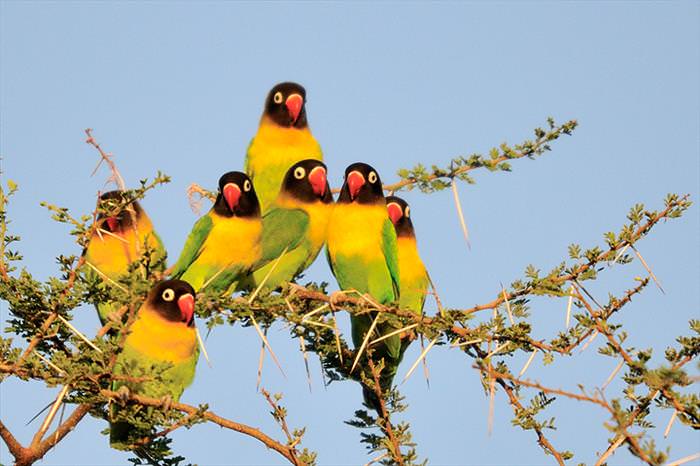
Pictures of the Day…. Colorful Birds….

Colorful Birds

Yellow-collared Lovebirds are predominantly green and yellow.  They are small for a member of the parrot family, standing only 14.5cm tall when fully grown.
 

Violet-crowned woodnymph

The Violet-crowned Woodnymph is undeniably cute – not only for its shimmering purple and green colors, which almost look metallic, but also for its tiny size – they are just 10cm long when fully grown.

Colorful Birds

The Splendid Fairy Wren is a brilliant blue bird found across much of the Australasian continent.  The males are electric blue and pluck petals to display to brown females as part of their mating ritual

Colorful Birds

The Purple Gallinule is found in marshes and swamps of the Southern Eastern States in the US.   Displaying an iridescent indigo and violet feathering, they are omnivores and feed on a wide variety of plants, insects and fish.

Colorful Birds

The Scarlet Macaw is a famous member of the parrot family, known for both its spectacular, predominantly red and blue plumage and familiar loud squawk.

Colorful Birds

The Blue Crowned Pigeon is not your average pigeon.  They can grow to the size of a turkey and boast spectacular blue feathers.
 

Colorful Birds

The Mandarin Duck is immediately recognizable for its incredible combination of dazzling colors.  Only the males display the colorful feathers, the females are predominantly brown with a white eye ring.

Source….www.ba-bamail.com

natarajan

6-திருப்பதி… திருப்பம்… திருப்தி …..

இந்தியாவில் புராதனமான – பிரமாண்டமான எத்தனையோ கோயில்கள் இருக்கின்றன. அங்கெல்லாம் பக்தர்கள் சென்று தரிசிக்கிறார்கள். பிரார்த்தனைக்கேற்ப பலன் பெறுகிறார்கள். ஏதோ, தங்களால் இயன்ற காணிக்கையையும் செலுத்துகிறார்கள்.

ஆனால், திருப்பதியில் மட்டும் பணத்தையும் தங்கத்தையும் ஏன் கொட்டோ கொட்டென்று கொட்டுகிறார்கள்?

‘162 வைரக் கற்களை ஒருவர் உண்டியலில் போட்டிருந்தார்.’

‘ஒரே ஆசாமி 2 கோடி ரூபாயை உண்டியலில் போட்டார்.’

– இப்படிப் பிரமிக்க வைக்கும் ‘உண்டியல்’ அதிசயங்கள் திருப்பதியில் மட்டுமே சாத்தியம்!


காவாளம்’ என்று சொல்லப்படும் பிரமாண்ட உண்டியல்கள் அவ்வப்போது நிரம்பியதும், உடனுக்குடன் அதை அங்கிருந்து அப்புறப்படுத்தி, வேறு உண்டியலைக் கொண்டு வந்து வைத்து விடுவார்கள் திருப்பதி தேவஸ்தான ஊழியர்கள். காலியாக இருந்த உண்டியல் ஒரே நாளிலேயே நிறை மாத கர்ப்பிணியாய் தளும்பி, உடனடியாக வேறு உண்டியல் மாற்றும் நிகழ்வு திருமலையில் சாதாரணம்.

ஒரு சுவாரஸ்யமான விஷயம் தெரியுமா?

ஏழுமலையான் தரிசனத்தை முடித்து விட்டு, உண்டியலில் காணிக்கை செலுத்துவதற்காக நீங்கள் வரிசையில் நின்று கொண்டிருக்கிறீர்கள் என்று வைத்துக் கொள்வோம். சரியாக உங்கள் முறை வரும்போது – நீங்கள் பணம் செலுத்திய அல்லது செலுத்துவதற்குக் காத்திருக்கிற நேரத்தில், அந்த உண்டியல் நிரம்பிவிட்டது என்பதை தேவஸ்தான ஊழியர்கள் அறிந்துகொண்டால், அதற்கு மேல் ஒரு நயா பைசா போடவும் அனுமதிக்க மாட்டார்கள். உண்டியலை ‘சீல்’ வைத்து அங்கிருந்து அப்புறப்படுத்திவிட்டு வேறு உண்டியலை வைத்து விடுவார்கள்.

‘சீல்’ வைத்த உண்டியலை அங்கிருந்து அப்புறப்படுத்தும் வேளையில், அந்த உண்டியலுக்கு அருகில் நிற்கின்ற இரண்டு பக்தர்களைத் தங்களுடன் அழைத்துச் செல்வார்கள். பயப்பட வேண்டாம்… நல்ல தகவல்தான்.


இந்த உண்டியல் நிரம்பிவிட்டது… இதைக் கச்சிதமாக ‘சீல்’ செய்து எடுத்துக் கொண்டுபோனார்கள். அப்போது நான் உடன் இருந்தேன்’ என்று அந்த இரண்டு பக்தரும் சாட்சிக் கையெழுத்து போட வேண்டுமாம். வங்கியில் லோன் வாங்கிய ஒருவருக்காக நாம் போடும் சாட்சிக் கையெழுத்து போன்றதல்ல இது. தைரியமாகக் கையெழுத்து போடலாம். இது சம்பிரதாயத்துக்காகச் செய்யப்படுகின்ற ஒன்று. தற்போது ஏராளமான ‘குளோஸ்டு சர்க்யூட் கேமராக்கள்’ ஆங்காங்கே செயல்பாட்டில் இருக்கும்போது, இதுபோன்ற விஷயங்களில் எந்த ஒரு திருட்டுத்தனமும் நடக்காது.

பிறகு, ஏன் இரண்டு ஊழியரைப் பிடித்துக் கையெழுத்து வாங்குகிறார்கள் என்றால், ஆதி காலத்தில் இருந்து – அதாவது ‘குளோஸ்டு சர்க்யூட் கேமராக்கள்’ இல்லாத நாட்களில் இருந்தே பின்பற்றப்பட்டு வரும் நடைமுறையாம் இது. ஆகவே, அதை இன்றும் விடாமல் கடைப்பிடித்து வருகிறது தேவஸ்தானம்.

இப்படி சாட்சிக் கையெழுத்து போட்ட இரண்டு நபர்களுக்கு என்ன வெகுமதி தெரியுமா? மீண்டும் ஒரு முறை ஏழுமலையான் தரிசனம் இலவசமாக – அதுவும் வெகு அருகில் அழைத்துச் சென்று தரிசனம் செய்து வைப்பார்கள். இந்த தரிசனத்தின்போது உங்களை எவரும் அவசரப்படுத்த மாட்டார்கள். நின்று நிதானமாக பிரார்த்தனை செய்து, ஒரு நமஸ்காரமும் செய்து வரலாம்.

ஆக, இனிமேல் திருப்பதி உண்டியலில் பணம் போடும்போது அல்லது போடுவதற்கு நிற்கும்போதோ, ‘உண்டியல் நிரம்பிவிட்டது போலிருக்கே… எங்கே தேவஸ்தான ஆட்களைக் காணோம். கையெழுத்து போடணுமே’ என்றெல்லாம் ஏக்கப்பட ஆரம்பிப்பீர்கள்தானே?!

திருப்பதி உண்டியல்களில் தினம்தோறும் சேரும் பணத்தை எண்ணி முடிப்பதே பெரும் வேலையாக இருக்கிறது தேவஸ்தானத்துக்கு. தற்போது வெளி ஆட்களையும் உண்டியல் எண்ணும் பணியில் ஈடுபடுத்தி வருகிறார்கள். உண்டியல் தொகையை எண்ண வேண்டும் என்று விரும்புபவர்கள், திருப்பதி தேவஸ்தானத்து இணையத்தில் நுழைந்து அதற்குரிய படிவத்தைத் தேர்ந்தெடுத்து விண்ணப்பிக்க வேண்டுமாம். நீங்கள் அளிக்கின்ற தகவல்களை வைத்து, ‘உண்டியல் எண்ணுவதற்கு இவர் நமக்குப் பயன்படுவாரா’ என்று தேவஸ்தானம் தீர்மானிக்கும். இப்படி உண்டியல் எண்ணுகிற (ஊழியர்கள் அல்லாத) பக்தர்களை தினமும் இரண்டு ஷிஃப்ட்டுகளில் அமர்த்திக் கொள்வர்.

உண்டியல் பற்றிய கூடுதல் தகவல்களைத் தெரிந்துகொள்வதற்கு முன், திருப்பதியில் மட்டும் ஏன் இப்படிக் கொட்டேகொட்டென்று கொட்டுகிறது?


பத்மாவதி தாயாரைத் திருமணம் செய்துகொள்வதற்கு முன், குபேரனிடம் கோடிக்கணக்கான தங்கத்தைக் கடன் வாங்கிவிட்டு, அதை அடைப்பதற்கு வழியாக, எம்பெருமான் ஸ்ரீநிவாஸர் திருவாய் மலர்ந்து சொன்ன வார்த்தைகள் தான் காரணம்.

யார் யார் பாவம் செய்தார்களோ, அவர்களின் பாவக் கணக்குக்கேற்ப, கலியுகத்தில் அவர்களிடம் இருந்து பணத்தை வசூல் செய்து கடனை அடைத்துவிடுவேன்’ என்று, புராண காலத்திலேயே குபேரனுக்கு வாக்கு கொடுத்துள்ளார் ஸ்ரீநிவாஸன். அதன்படி அவர் நம்மிடம் இருந்து இன்றைக்கும் வசூல் வேட்டையை நடத்திக் கொண்டிருக்கிறார்.

குபேரனிடம் ஸ்ரீநிவாஸ பெருமான் ஏன் கடன் வாங்க வேண்டும்?

மன்னன் ஆகாசராஜனின் மகள் பத்மாவதியை விரும்பிய ஸ்ரீநிவாஸன் (வேங்கடவன்) அந்த தேவியை மணம் முடிக்கத் தயாராகி, திருமண ஏற்பாடுகளைக் கவனிக்கலானார். அப்போது, லட்சுமி தேவி ஸ்ரீநிவாஸனிடம் வாசம் செய்யாததால் பணத்துக்கு மிகவும் கஷ்டப்பட்டார். தான் மிகவும் ஏழ்மையான நிலையில் இருக்கும்போது, இந்தத் திருமணத்தை எப்படி விமரிசையாக நடத்துவது என்று தவித்தார் ஸ்ரீநிவாஸன்.

எனவே, எப்போதும் தனக்கு உபகாரமாக இருந்து வரும் நாரதரிடம், என்ன செய்வீர்களோ தெரியாது… எப்படியாவது பெருமளவில் பணம் திரட்டி இந்தத் திருமணத்தை நடத்தி வைக்க உதவுங்கள்” என்று கேட்டுக் கொண்டார்.

பகவானே பணம் கேட்கின்றாரே’ என்று நாரதர், தேவர்கள் உள்ளிட்ட முக்கியமானவர்களுக்குத் தகவல் அனுப்பினார். நாரதர் சொன்ன தினத்தில் குபேரன் உட்பட அனைத்து திக்பாலகர்களும், நவகிரக அதிபதிகளும் சேஷாத்திரி மலைக்கு வரவழைக்கப்பட்டனர். இந்தத் தெய்வத் திருமணம் இங்குதானே நடக்கப் போகிறது!

சேஷாத்திரிக்கு வந்திருப்பவர்களில் யாரிடம் கேட்டால் பணம் கிடைக்கும் என்பது தெரியாதவரா நாரதர்? திக்பாலர்களையும் நவக்கிரகங்களையும் ஒருமுறை பார்த்த நாரதர், குபேரனைக் கண்டு அப்படியே பூரித்தார்.

குபேரனே… நீதான் சரியான தேர்வு. இந்த உலகத்திலேயே அனைத்து வளங்களையும் ஒருங்கே பெற்ற பெரிய செல்வந்தன் நீதான்… வைகாசி மாதம் வளர்பிறை தசமியுடன் கூடிய வெள்ளிக்கிழமை அன்று, ஸ்ரீநிவாஸனுக்கும் பத்மாவதிக்கும் திருமணம் நடைபெற இருக்கிறது. தற்போது ஸ்ரீநிவாஸனுடன் லட்சுமிதேவி இல்லை. எனவே, பணத்துக்குக் கஷ்டப்படுகிறார். ஏழையாக இருக்கும் ஸ்ரீநிவாஸனின் திருமணச் செலவுக்கு உடனடியாக நிறைய பணம் தேவைப்படுகிறது. இதற்குண்டான பணத்தை, நீ கொடுத்து உதவ வேண்டும். அந்தப் பணத்தை ஸ்ரீநிவாஸன் வட்டியுடன் திருப்பித் தருவார்” என்றார்.

குபேரனும் சந்தோஷத்துடன் சம்மதித்தான். எவ்வளவு தேவையோ, அவ்வளவு பணத்தைக் கொடுப்பதாக ஒப்புக்கொண்டான். ஸ்ரீநிவாஸனுக்கு குபேரன் கொடுத்த தொகை, ஒரு கோடியே பதினான்கு லட்சம் பொன் (இந்தத் தொகை பல்வேறு விதமாகவும் நூல்களில் குறிப்பிடப்பட்டிருக்கின்றன) என்று ஒரு தகவல். குபேரனிடம் கடன் வாங்கியதற்காக ஸ்ரீநிவாஸன் பத்திரம் எழுதிக் கொடுத்தார்.

அதோடு குபேரனைப் பார்த்து, நீ கொடுத்த பணத்துக்குக் கலியுகத்தில் வட்டி செலுத்திக்கொண்டு கலியுகத்தின் கடைசியில் அசல் – வட்டி எல்லாம் சேர்த்துக் கொடுத்து விடுகிறேன்” என்றாராம் ஸ்ரீநிவாஸன்.

குபேரனிடம் ஸ்ரீநிவாஸன் வாங்கிய கடனைத்தான், இன்று பக்தர்கள் உண்டியலில் கொட்டோ கொட்டென்று கொட்டி அடைத்து வருவதாகச் சொல்லப்படுகிறது. பக்தர்களிடம் வசூலித்துத் தருவேன்” என்று குபேரனிடம் ஸ்ரீநிவாஸர் சொன்ன வார்த்தைகளையே, திருமலையில் உண்டியல்களுக்கு அருகிலும் தேவஸ்தானம் குறிப்பிட்டு எழுதி வைத்திருக்கிறது.

நன்றி தீபம் (கல்கி வழங்கும் ஆன்மீக மாத இதழ்)  and P.Swaminathan

Source…..www.balhanuman.wordpress.com

Natarajan

5-திருப்பதி… திருப்பம்… திருப்தி…..

நாமெல்லாம் ராத்திரியில் நிம்மதியாக ஏழெட்டு மணி நேரம் உறங்குகிறோம். ஆனால், சர்வலோகத்தையும் காத்தருளும் திருமலை ஸ்ரீவேங்கடவனுக்கு தினமும் எத்தனை மணி நேரம் ஓய்வு தெரியுமா?

வெறும் ஒண்ணரை மணி நேரம்தான்!

நள்ளிரவு ஒண்ணரை மணிக்கு (இரண்டு மணிகூட ஆகிவிடுவதுண்டாம். என் நண்பர் ஒருவர் சமீபத்தில் நள்ளிரவு இரண்டு மணிக்கு ஓட்டமாக ஓடிப் போய் பெருமாளைத் தரிசித்திருக்கிறார்). ‘ஏகாந்த சேவை’ முடிந்த கையோடு திரையிட்டுவிடுவார்கள். அதன்பின் அதிகாலை – அதாவது ஒண்ணரை மணி நேரம் கழித்து ‘சுப்ரபாத சேவை’க்காகத் திருப்பள்ளி எழுச்சி பாடி, துயில் களைப்பர்.


திருவையாறு சங்கீத மூர்த்தியான தியாகராஜ ஸ்வாமிகள் திருப்பதி தரிசனத்துக்குப் போயிருக்கிறார். கஷ்டப்பட்டு நடந்து மலையேறி இவர் சன்னிதியை அடையும்போது நள்ளிரவு. அதுவரை பெருமாளின் தரிசனம் கிடைத்துக் கொண்டிருந்தது. இவர் சன்னிதிக்கு முன் போய் நின்று கண்ணீர் மல்க, அந்த பெருமாளை பிரார்த்திக்கத் தொடங்கும்போது, அங்கிருந்த அர்ச்சகர்கள் தியாகராஜ ஸ்வாமிகள் யார் என்பது தெரியாமல், ஏகாந்த சேவை முடிந்தது. எல்லோரும் புறப்படுங்கள்” என்று கூறிச் சட்டென்று திரையைப் போட்டுவிட்டார்கள்.

தியாகராஜரின் சீடர்கள், எங்களின் குருநாதர் யார் என்று உங்களுக்குத் தெரியாதா?” என்றெல்லாம் ஆலய அர்ச்சகர்களுடன் வாக்குவாதத்தில் இறங்கினர். அவர்கள் அனைவரையும் அமைதிப்படுத்திவிட்டு, தியாகராஜர் வெளியே வந்து ஒரு பாடல் பாடுகிறார். அவ்வளவுதான்… ஸ்ரீவேங்கடவனுக்கு முன்னால் இருந்த திரை மட்டும் திடீரெனப் பற்றி எரிந்து தரையில் பொத்தென விழுந்தது. மாலவன் தரிசனம் கிடைத்தது. அர்ச்சகர்கள் அதிர்ந்துபோய், ஸ்ரீதியாகராஜரிடம் மன்னிப்புக் கேட்டனர். அதன்பின் ஏகாந்த சேவையை மீண்டும் ஒருமுறை தியாகராஜருக்காகச் செய்துவிட்டு அர்ச்சர்கள் நடையைச் சாத்தியதாக ஒரு கதை உண்டு.

ஏகாந்த சேவை முடிந்ததும் பெருமாளின் பிரசாதமாக திராட்சை, முந்திரி தூவிய கெட்டியான பசும்பால் தியாகராஜருக்கும் அவரது சீடர்களுக்கும் தரப்பட்டதாம்.

பொதுவாக, திருப்பதியில் தினந்தோறும் அதிகாலை மூன்று மணிக்குத் தொடங்கும் தரிசனம், நள்ளிரவு ஒண்றரை மணிவரை நீடிக்கும். அதன்பின் பெருமாளைத் தூங்கச் செய்வதற்காக ஏகாந்த சேவை என்கிற தரிசனம் நடக்கும். சயனம் கொள்பவர் – கருவறையில் இருக்கும் போக ஸ்ரீநிவாசமூர்த்தி. மூலவரின் பிரதிநிதியாக இவரை வெல்வெட் மெத்தை விரிக்கப்பட்ட வெள்ளித் தொட்டிலில் இடுவார்கள். பெருமாள் ஓய்வெடுத்துக் கொள்வதாக ஐதீகம்!


பிறகு காய்ச்சிய பால், முந்திரி, பாதாம், திராட்சை ஆகியவற்றை நைவேத்தியம் செய்வார்கள். இரவு வேளையில் வெளிச்சத்தைக் குறைவாக்கி நாம் உறங்குகிறோம் அல்லவா? அது போல் சன்னிதியின் விளக்குத் திரியைச் சற்றே குறைத்து வைப்பார்கள். அன்ன மாச்சார்யர் பரம்பரையில் வந்தவர்கள், தம்புராவுடன் வந்து கீர்த்தனைகளைப் பாடி அவரைத் தூங்கச் செய்வார்கள். பின்னர் சன்னிதிக்குத் திரை போடப்பட்டு, தங்க வாசல் அடைக்கப்படும். அதிகாலை சுப்ரபாத தரிசனத்தின்போதுதான் மீண்டும் திறக்கப்படும்.

அதிகாலை மூன்று மணிக்குத் திறக்கப்பட்டு, மூன்றரை வரை சுப்ரபாத தரிசனம் நடக்கும். பெருமாளை எழுப்புவதற்காக இரண்டு அர்ச்சகர்கள், இரண்டு ஊழியர்கள், தீப்பந்தம் ஏந்திய ஒருவர், வீணை வாசிக்கும் ஒருவர் என ஆறு பேர் சன்னிதியின் முன்னால் உள்ள தங்க வாசலுக்கு வந்து சேருவார்கள். முதலில் துவார பாலகர்களை நமஸ்கரிப்பார்கள். பின்னர், ஊழியரிடம் சாவியை வாங்கி சன்னிதியைத் திறப்பார் அர்ச்சகர். அனைவரும் பெருமாளை வணங்கிவிட்டு, சன்னிதியின் கதவைச் சாத்திவிட்டு உள்ளே செல்வார்கள்.

சரியாக இந்த வேளையில், வெளியே காத்திருக்கும் ஒரு குழுவினரால் சுப்ரபாதம் பாடப்படும். தீப்பந்தம் கொண்டு செல்பவர் சன்னிதியில் தீபங்களை ஏற்றுவார். பின்னர் வீணையை இசைக்க, அதுவரை துயில் கொண்டிருந்த போக ஸ்ரீநிவாசமூர்த்தியை மூலவருக்கு அருகில் கொண்டு வந்து அமர்த்துவார்கள். இதுவே திருப்பள்ளி எழுச்சி.

சுப்ரபாதம் பாடி முடிந்ததும் சன்னிதியின் கதவு திறக்கப்படும். பெருமாளுக்குப் பாலும் வெண்ணெயும் நிவேதனம் செய்து ‘நவநீத ஆரத்தி’ எனப்படும் தீபாராதனை செய்யப்படும். ‘விஸ்வரூப தரிசனம்’ என்று சொல்லப்படுவது இதுதான்.

திருப்பதி மலையில் உள்ள ஆகாயகங்கை தீர்த்தத்தில் இருந்து, மூன்று குடங்களில் புனிதநீர் வந்து சேரும். ஒரு குடம் நீரை காலை பூஜைக்கும், மற்றொன்று மாலை பூஜைக்கும், இன்னொன்று இரவு பூஜைக்குமாக எடுத்து வைப்பார்கள் (பிரம்மோத்ஸவ காலத்தில் யானைமீது தீர்த்தம் வரும்).

காலை பூஜைக்கான ஒரு குடம் தண்ணீரை ஐந்து வெள்ளி கிண்ணங்களில் நிரப்புவார்கள். பின்னர் உத்தரணியில் அதை எடுத்து மந்திரங்கள் உச்சரித்து மிக பவ்யமாக பெருமாள் முன் அர்ச்சகர் நீட்டுவார். ஸ்வாமி அதில் முகத்தைக் கழுவிக் கொள்வதாக ஐதீகம். பின்னர் எஞ்சி உள்ள நீரை சுவாமியின் பாதத்தில் அபிஷேகம் செய்வார்கள். முழு மூர்த்திக்கும் அபிஷேகம் நடப்பதில்லை. மூலவருக்குப் பதிலாக போக ஸ்ரீநிவாச மூர்த்திக்கு அபிஷேகம் நடக்கும். வாசனைத் தைலம், மஞ்சள், பசும்பால், சந்தனம், தேன் போன்றவை இந்த அபிஷேகத்துக்குப் பயன்படுத்தப்படும். அலங்காரம் செய்து, சாமரம் வீசி, தீபாராதனை காட்டியதோடு சுப்ரபாத பூஜை நிறைவடையும்.


சுப்ரபாத பூஜையை அடுத்து, காலை 3.30 முதல் 3.45 வரை சன்னிதியைத் திரை போட்டு மறைத்து, ஸுத்தி எனப்படும் தூய்மை செய்யும் பணி நடக்கும். முதல் நாள் பெருமாளுக்கு அணிவித்த பூமாலைகளைக் களைந்து கோயிலுக்குப் பின்னால் உள்ள பூக்கிணற்றில் சேர்ப்பார்கள்.

பின்னர், புதிய மாலைகள் வாத்திய முழக்கங்களோடு கொண்டு வரப்படும். இந்த சேவைக்கு ‘தோமாலா சேவா’ என்றுபெயர். அதிகாலை 3.45 மணிக்கு இது தொடங்கும். சன்னிதிக்கு பூக்கூடை வந்தவுடன் பெருமாளின் மார்பில் வாசம் புரியும் ஸ்ரீமகாலட்சுமிக்கு முதலில் பூச்சரத்தை சார்த்துவார் அர்ச்சகர். பின்னர் பெருமாளுக்கு மாலைகள் சாத்தப்படும். இது பூர்த்தி ஆனதும், அடுக்கு தீபாராதனை செய்யப்படும். இதற்கு 25 நிமிடம் ஆகும். அதுவரை வெளியே அமர்ந்திருப்போர் பாடல்களைப் பாடிக் கொண்டிருப்பார்கள். அதிகாலை 4.30 மணிக்கு நிறைவுறும்.

இதை அடுத்து கொலுவு நிகழ்ச்சி. சுமார் 15 நிமிடங்கள் நடக்கும். இதற்காக கொலுவு ஸ்ரீநிவாசமூர்த்தி உத்ஸவர் விக்கிரகம், ஸ்ரீவேங்கடவனின் சன்னிதிக்குள் இருக்கிறது. இந்த விக்கிரகத்தை வெள்ளிப் பல்லக்கில் அமர்த்தி, வெள்ளிக் குடை பிடித்து சன்னிதியில் இருந்து எடுத்து வருவர். ஓரிடத்தில் பல்லக்கை இறக்கி எள்ளுப்பொடி, வெல்லம்,வெண்ணெய் ஆகியவற்றை நைவேத்தியம் செய்து அர்ச்சனை, ஆரத்தி நடத்துவார்கள். அதன் பின், ஒரு அர்ச்சகர் பஞ்சாங்கத்தைப் பிரித்து அன்றைய நாள், நட்சத்திரம், திதி உள்ளிட்ட விவரங்களை சத்தம் போட்டு வாசித்து, கொலுவு ஸ்ரீநிவாசமூர்த்திக்குத் தெரியப்படுத்துவார். அதோடு உண்டியலில் முதல் நாள் காணிக்கையாக வந்த தொகை, தங்கம் – வெள்ளி வந்த விவரம் போன்றவற்றைத் தெரியப்படுத்துவார். மூலவர் ஸ்ரீவேங்கடவனே வெளியே வந்து இவற்றை எல்லாம் கேட்பதாக ஐதீகம். இந்த நிகழ்வின்போது பக்தர்களுக்கு அனுமதி இல்லை.

இவை எல்லாம் முடிந்த ஸ்ரீவேங்கடாசலபதிக்கு முதல் நைவேத்தியம் சமர்ப்பிக்கப்படும். அப்போது, ஆலயத்தில் இரண்டு முறை மணி ஒலிக்கப்படும்.

என்ன நைவேத்தியம்? ஏற்கெனவே சொல்லி இருந்தோமே! தயிர் சாதம்! மூலவருக்கு உண்டான இதே நைவேத்தியம்தான் இவருடைய படைகளுக்கும். அதாவது – விஷ்வக்சேனர், கருடன், நித்யசூரிகள் ஆகிய அனைவருக்கும் இதே தயிர்சாதம்தான் நிவேதனம்!

பெருமாளின் நைவேத்தியமே இவர்களுக்கும் கிடைப்பது பெரும் பாக்கியம் அல்லவா?!

நன்றி தீபம் (கல்கி வழங்கும் ஆன்மீக மாத இதழ்) and P.Swaminathan

Source…www.balhanuman.wordpress.com

Natarajan


4-திருப்பதி… திருப்பம்… திருப்தி …..

ஸ்ரீவாரி பிரசாதம் என்றும் லட்டு பிரசாதம் என்றும் அழைக்கப்படும் திருப்பதி லட்டைத் தயாரிப்பதற்குப் பிரத்யேகமான ஒரு மடப்பள்ளியே திருமலையில் இயங்கி வருகிறது. இந்த மடப்பள்ளியை ‘பொடு’ என்று அழைக்கிறார்கள். பிரசாதமாக விலைக்குத் தரப்படும் லட்டு தவிர, பெருமாள் தரிசனம் முடிந்து வரும் பக்தர்களுக்கு, சிறிய லட்டு ஒன்று தேவஸ்தானத்தால் இலவசமாக வழங்கப்படுகிறது.

விற்பனைக்குச் செல்லும் லட்டுகள் தயாரான பின், அதன் எடை தேவஸ்தான ஊழியர்களால் பரிசோதிக்கப்படுகிறது. என்றாலும், காசு கொடுத்து தாங்கள் வாங்கும் லட்டின் எடை சரியாக இருக்கின்றதா என்பதை பக்தர்களே சோதித்து அறிவதற்கு, லட்டுகள் விற்பனை செய்யப்படும் மையத்துக்கு அருகில் மின்னணுத் தராசும் வைத்திருக்கிறார்கள். இதையும் மீறி லட்டின் தரம் குறித்தும், எடை குறித்தும் அவ்வப்போது புகார்கள் எழுந்து கொண்டுதான் இருக்கின்றன.

லட்டு விற்பனை மூலம் தேவஸ்தானத்துக்கு வருடத்துக்கு பல கோடி ரூபாய் வருமானம் கிடைக்கிறது. உதாரணமாக, 2007ஆம் ஆண்டு 103 கோடி ரூபாய்க்கும், 2009ஆம் ஆண்டு 125 கோடி ரூபாய்க்கும் லட்டு விற்பனையாகி உள்ளதாகத் தகவல்கள் தெரிவிக்கின்றன.


திருப்பதி தேவஸ்தானம் எத்தனை லட்டுகள் தயாரித்தாலும், சில நேரங்களில் பக்தர்களின் தேவையைப் பூர்த்தி செய்ய முடியாமலேயே போய்விடுகிறது. இதற்காக, தடை இல்லாமல் லட்டு கிடைப்பதற்கும், சுவையை மேம்படுத்துவதற்கும், கள்ள மார்க்கெட்டில் விற்பனையாவதைத் தடுப்பதற்கும், திருப்பதி தேவஸ்தான அதிகாரிகள் அவ்வப்போது நடவடிக்கை எடுத்துதான் வருகிறார்கள்.

திருமலையில் லட்டு தயாரிப்பதற்குப் பயன்படும் கடலைப் பருப்பு, நெய், சர்க்கரை, முந்திரிப் பருப்பு, ஏலக்காய் போன்ற பொருட்களை டெண்டர் மூலமாக ஆரம்பத்தில் வாங்கி வந்தார்கள். அப்படி வாங்கப்படும் பொருட்களின் தரம், சில வேளைகளில் திருப்திகரமாக இல்லை என்பதாகத் தெரிவிக்கப்பட்டது.

இதன் பிறகுதான், லட்டு தயாரிப்பதற்கான மூலப் பொருட்களைத் தகுந்த அதிகாரிகளை வைத்து பரிசோதனை செய்த பின், நேரடியாகவே கொள்முதல் செய்வதென்று தேவஸ்தானத்தால் தீர்மானிக்கப்பட்டது. அப்படித்தான் அனைத்துப் பொருட்களும் தற்போது வாங்கப்படுகின்றன. உதாரணமாக, மும்பையில் இருக்கிற ஸ்பைசஸ் போர்டு நிறுவனத்திடம் இருந்து ஏலக்காய் மற்றும் முந்திரிப் பருப்பும், ஆந்திர மாநில அரசு நிறுவனமான விஜயா டைரியில் இருந்து நெய்யும் வாங்குகிறார்கள்.

உலகத்தையே தன் பக்கம் திருப்பி இருக்கும் திருப்பதி லட்டுக்கு இப்போது காப்புரிமையும் வழங்கப்பட்டுவிட்டது. இதைப் பெறும் நோக்கத்துடன் சென்னையில் உள்ள ‘உற்பத்தி இட அடையாளக் குறியீட்டுப் பதிவக’த்திடம் விண்ணப்பித்த திருப்பதி தேவஸ்தானம், ‘எங்கள் ஆலயம் சார்பில் தயாரிக்கப்படும் திருப்பதி லட்டு உருண்டையின் அளவும், நறுமணமும் வேறு எங்கும் கிடையாது. உலகின் வேறு எந்த இடத்திலும் இதுபோல் தயாரிக்கப்படவும் இல்லை. இதன் தரம், நறுமணம், சுவை ஆகியன தனித்தன்மை வாய்ந்தவை’ என்று பதிவு செய்திருக்கிறது.

இனிமேல் திருப்பதி லட்டு என்ற பெயரில் வேறு எந்த இனிப்புக் கடைக்காரரும், அதே சைஸில் – சுவையில் லட்டு தயாரித்து விற்க முடியாது. இதன் தயாரிப்பு முறையையும் வெளியில் பிரபலப்படுத்த முடியாது. ‘திருப்பதி லட்டு’ என்ற பெயர் திருப்பதி தேவஸ்தானத்துக்கு மட்டுமே சொந்தமாகிவிட்டது.

மேல் திருப்பதியில் – அதாவது திருமலையில் பெருமாளுக்கு நிவேதனம் தயாராகிற மடைப்பள்ளி மிகவும் பெரியது. இந்தப் புனிதமான மடைப்பள்ளியில் லட்டு மட்டும்தான் என்று இல்லை. பொங்கல், தயிர்சாதம், புளிசாதம், சித்ரான்னங்கள், வடை, முறுக்கு, ஜிலேபி, அதிரசம், போளி, அப்பம், மனோகரம், பாயசம், தோசை, ரவா கேசரி, பாதாம் கேசரி, முந்திரிப் பருப்பு கேசரி இப்படி எண்ணற்ற நிவேத்தியங்கள் தயாராகின்றன. இவை அனைத்திலும் லட்டுதான் முதலிடம்.

என்றாலும், ஆதிகாலத்தில் ‘மனோகரம்’ என்கிற பிரசாதம்தான் பாப்புலராக இருந்துள்ளது. திருப்பதி தேவஸ்தானத்தின் பழைய கல்வெட்டுகளும் இந்தத் தகவலை ஊர்ஜிதம் செய்கின்றன. ஆந்திராவில் மனோகரம் ரொம்ப ஃபேமஸ்.

மனோகரம் என்பது என்ன? கிட்டத்தட்ட ‘இனிப்பு முறுக்கு’ என்று சொல்லலாம். அதாவது, அரிசி மாவையும் வெல்லப் பாகையும் ஒன்றாகக் கலந்து கொள்ள வேண்டும். அதன்பின் உலர்ந்த இந்தக் கலவையை, எண்ணெயில் போட்டு முறுக்குபோல் பொறித்து எடுத்தால் அதுதான் மனோகரம். கரகரவென பல்லால் கடித்து உண்ணக்கூடிய ஒரு உணவு அயிட்டம் இது. இந்த மனோகரம் தயாரிப்பதற்குத் தேவையான பொருட்களை, பக்தர்களே ஆலயத்துக்கு தானமாகக் கொடுத்த தகவல்களையும் கல்வெட்டுக்களில் இருந்து அறிய முடிகிறது.

நீண்ட நாட்களுக்கு மனோகரம் கெடாமல் இருக்கும். எனவேதான், மலை ஏறி வரும் பக்தர்களுக்கு பிரசாதமாக மனோகரம் கொடுக்கப்பட்டதாக 12ஆம் நூற்றாண்டைச் சேர்ந்த கல்வெட்டு ஒன்று தெரிவிக்கிறது.

தினமும் 1.5 லட்சம்!

தீபாவளி காலங்களில் இனிப்புகள் தயார் செய்வதற்கு கடலை மாவு, ரவா, சர்க்கரை, நெய், முந்திரி என்று ஏகப்பட்ட பொருட்கள் தேவைப்படும். இவற்றை வாங்குவதற்கு, ஒரு நீண்ட பட்டியலை எழுதிக்கொண்டு மளிகைக் கடையில் கூட்டத்தோடு கூட்டமாக நிற்போம்.

ஆனால், திருமலை மடைப்பள்ளியில் தினமும் ஒண்ணரை லட்சம் லட்டுகள் தயாராகின்றன. அதற்கு, 5 ஆயிரம் கிலோ கடலை மாவு, 10 ஆயிரம் கிலோ சர்க்கரை, 300 கிலோ நெய், 600 கிலோ முந்திரிப் பருப்பு, உலர்ந்த திராட்சை 540 கிலோ, ஏலக்காய் 150 கிலோ, டைமண்ட் கல்கண்டு 400 கிலோ, எண்ணெய் 20 கிலோ, வாதுமைப் பருப்பு 2 பெட்டி என்கிற அளவில் பொருட்கள் தேவைப்படுகின்றன.

பொங்கல்தான்… ஆனால்!


கி.பி. 1250ஆம் ஆண்டில் சுந்தரபாண்டியன் என்னும் மன்னன் காலத்திய கல்வெட்டுக்களில், திருப்பதி ஆலயத்தில் வழங்கப்பட்ட பிரசாதங்கள் பற்றிய சில குறிப்புகள் காணப்படுகின்றன. அதில் தயிர்சாதம், எலுமிச்சை சாதம் போன்றவை இடம்பெறுகின்றன.

இதற்கடுத்த பதின்மூன்று மற்றும் பதினான்காம் நூற்றாண்டுகளைச் சேர்ந்த கல்வெட்டுக்களில் பாசிப் பருப்பு, அரிசி, உப்பு, மிளகு, நெய் இவை சேர்ந்த பிரசாதம் தயாரிக்கப்பட்டு, ஏழுமலையானுக்கு நிவேதனம் செய்யப்பட்டதாக ஒரு தகவல் இடம் பெற்றிருக்கிறது. இவை எல்லாம் சேர்ந்தால் வெண்பொங்கல்தானே! ஆனால், இதன் பெயர் பொங்கல் என்ற குறிப்பு இடம்பெறவில்லை. அப்போது வெண்பொங்கல் என்கிற வார்த்தை உபயோகத்தில் இல்லை போலிருக்கிறது.

நன்றி தீபம் (கல்கி வழங்கும் ஆன்மீக மாத இதழ்)  and P.Swaminathan

Source….www.balhanuman.wordpress.com

Natarajan