From Golconda to Kandahar to London: The Journey of the Fabled Kohinoor Diamond…!!!


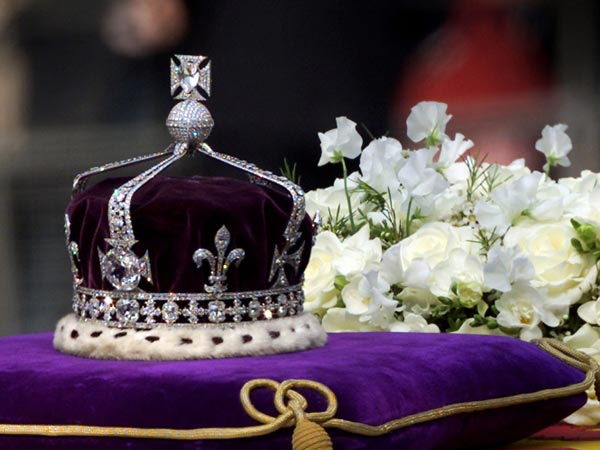
Described by the Mughal Emperor Babur as ‘Worth the value of one day’s food for all the people in the world‘, Kohinoor is one of the most coveted and valuable diamonds of all times. This dazzlingly beautiful rare jewel has been in the eye of the storm ever since it left the hands of its original owners, the Kakatiyas of Warangal. Never bought or sold, the fabled diamond changed many hands as it traveled through several dynasties that included the Khiljis, the Mughals, the Persians, the Afghans and the British before ending up at the Tower of London.
kohinoor_diamond1

This is the intriguing story of its eventful journey.

Photo Source

The Kohinoor has a complex history that goes back to the 13th century. A large colourless diamond that weighed around 793 carats, Kohinoor originated in India’s Golconda mines when they were under the rule of the Kakatiya dynasty.

Legend has it that it was used as an eye of the deity in a Kakatiya temple in Warangal in 1310.

In the early 14th century, Alauddin Khilji, second ruler of the Khilji dynasty of the Delhi Sultanate, and his army began looting the kingdoms of southern India. During a raid on Warangal, Malik Kafur (Khilji’s general) acquired the priceless diamond for the Khilji dynasty. It was then passed on to the succeeding dynasties of the Delhi Sultanate.

In 1526, Babur handed a resounding defeat to Ibrahim Lodi at the Battle of Panipat. The victorious Babur received reports that the Fort of Agra housed an immense treasure, which included a diamond that defied all description. Enraptured by the jewel on its acquisition, Babur called it the ‘Diamond of Babur’ and even mentioned it in his memoir, the Baburnama.

After Babur’s death, the precious stone was inherited by his son Humayun from whom it passed on to successive generations of Mughal rulers, including Shah Jahan, who set the priceless gem in his legendary Peacock throne.

Later, when he was imprisoned in the Agra Fort by his son Aurangzeb, Shah Jahan used to see the reflection of the Taj Mahal in the glittering jewel, placed near a window.

It was in Aurangzeb’s reign that Tavernier, an enterprising French traveller and gem connoisseur, visited India in the search of rare and wonderful gems. Having been shown the diamond by Aurangzeb, Tavernier made the first sketch of Kohinoor in history.

Aurangzeb also entrusted the work of cutting and enhancing the diamond to Hortenso Borgia, a Venetian lapidary (gem artist) so clumsy that he reduced the weight of the stone from 793 carats to 186 carats. So enraged was Aurangzeb at the carelessness and stupidity of the lapidary, that not only did he refuse to compensate him for his labour, but he also confiscated all of Borgia’s worldly possessions.

During the rule of Aurangzeb’s grand son Muhammad Shah in 1739, Delhi was invaded by Nadir Shah, the Shah of Persia. His army looted all the jewels in the royal Mughal treasury, which also included the famous Peacock Throne, and Daria-i-noor, the sister diamond of the Kohinoor. However, the Kohinoor was nowhere to be seen. How Nadir Shah acquired the Kohinoor is a very interesting story.

Muhammad Shah used to carry the prized diamond with him hidden in the folds of his turban, a secret known only to a selected few, including a eunuch in the harem of the Emperor. Hoping to win the favor of the victorious Nadir Shah, the disloyal eunuch whispered the emperor’s secret into his ears. Devising a plan to deprive Muhammad Shah of his prized possession., Nadir Shah ordered a grand feast to coincide with the restoration of Muhammad Shah to his throne.

During the feast, Nadir Shah proposed an exchange of turbans as a gesture of eternal friendship and Muhammad Shah, unable to refuse the gesture, had to hand over his turban. After the ceremony, Nadir Shah returned to his private chambers where he eagerly unfolded the turban to find the diamond concealed within. Dazzled by its beauty, he exclaimed ‘Koh-i-noor‘, which in Persian means mountain of light. One of Nadir Shah’s consort, wonder struck by the Kohinoor, had said,

“If a strong man were to throw four stones, one north, one south, one east, one west, and a fifth stone up into the air, and if the space between them were to be filled with gold, all would not equal the value of the Kohinoor.”

Nadir Shah was assassinated soon after he returned to Persia and the diamond fell into the hands of Ahmad Shah Abdali, one of his ablest generals, who later became the Emir of Afghanistan.

A descendant of Abdali, Shah Shuja Durrani brought the Kohinoor back to India in 1813 and gave it to Ranjit Singh,the ruler of Lahore, in exchange for his help in winning back the throne of Afghanistan.

Ranjit Singh , the founder of the Sikh empire, had the prized jewel sewn into an armlet, which he wore on all the important state occasions. It remained with him for the next twenty years. Ranjit Singh had willed the diamond to the temple of Jagannath in Puri, in modern-day Odisha, but after his death in 1839, the East India Company did not comply with the terms of his will.

His son, Duleep Singh lost the second Anglo-Sikh War leading to the annexation of the Punjab by the British. Under the aegis of Lord Dalhousie, the Last Treaty of Lahore was signed, officially ceding the Kohinoor to Queen Victoria along with the Maharaja’s other assets. The treaty specified,

“The gem called Kohinoor which was taken from Shah Shuja-ul-Malik by Maharaja Ranjit Singh shall be surrendered by the Maharajah of Lahore to the Queen of England.”

On 6 April 1850, the Kohinoor left the shores of India on board of the HMS Medea. So shrouded in mystery was its departure that even the Captain of the ship did not know the priceless cargo his ship carried.

n a grand event organized in Hyde Park in London, the Kohinoor was formally handed over to Queen Victoria by the officials of the East India Company.

Disappointed by its Mughal-style cut, the Queen, along with Prince Albert and others in the court, decided to refashion the diamond to enhance its brilliance. The re-cutting of the Kohinoor, that took a mere 38 days and costed £8000, resulted in an oval brilliant that weighed 108.93 carat. Despite the efforts of the Dutch jeweler, Mr Cantor, the results reduced the diamond drastically in weight. In 1853, it was mounted on a magnificent tiara for the Queen that contained over two thousand diamonds.

Queen Victoria wore the diamond frequently afterwards and left it in her will that the Kohinoor should only be worn by a queen of the royal family. This was due to rumour of an ancient curse associated with the Kohinoor that said,

“He who owns this diamond will own the world, but will also know all its misfortunes. Only God, or a woman, can wear it with impunity.”

As a result, the diamond is worn only by the female members of the British Royal Family. Since getting into British hands, the Kohinoor was been worn by Queen Victoria, Queen Alexandra, Queen Mary and Queen Elizabeth.

It is now displayed along with the other British crown jewels in the Tower of London. Crystal replicas of the diamond set in the oldest crowns as well as the original bracelet given to Queen Victoria can also be seen at the Tower’s Jewel House.

During the Second World War, the Crown Jewels were moved from their home at the Tower of London to a secret location. The biography of the French army general, Jean de Lattre de Tassigny, by his widow Simonne says that George VI hid the Kohinoor at the bottom of a lake near Windsor Castle where it remained until after the war. The only people who knew of the hiding place were the king and his librarian, who apparently revealed the secret to the general and his wife on their visit to England in 1949.

The subject of bitter battles and court intrigues, today Kohinoor casts its brilliance on the millions of tourists who, for the most part, are unaware of its long history in shaping the destinies of men.

Source…..www.the betterindia.com

natarajan
படித்து ரசித்தது …புராணங்களில் தேடுங்கள் அறிவியலை…!!!


புதியவைகள் கண்டுபிடிக்க வேண்டுமெனில் கனவு காணுங்கள் என்றார், நமது முன்னாள் ஜனாதிபதி அப்துல் கலாம். கனவு காண்பதன் அடிப்படையே கற்பனையில் பிறப்பதுதானே. நமது புராணங்களும் இதிகாசங்களும் வெறும் கற்பனையில் தோன்றியதுதானே என சிலர் வாதிடுவதுண்டு. அவைகள் வெறும் கற்பனைகளாகவே இருந்துவிட்டுப் போகட்டுமே. ஆனால் புராணங்களிலும் நமது தமிழ் இலக்கியங்களிலும் புதைந்து கிடக்கும் அறிவியல் உண்மைகளைக் காணும் போது பெரும் வியப்பு மேலிடுகிறதே! எங்கேயோ நடக்கும் கிரிக்கெட் போட்டி, கோயில் கும்பாபிஷேகம் போன்ற நிகழ்வுகளை தொலைக்காட்சிகள் இன்று நேரடியாக ஒளிபரப்பு செய்கின்றன. இந்த விஞ்ஞான வினோதத்தை வீட்டிற்குள் இருந்தபடியே நாமும் அனுபவித்து வருகிறோம். நேரடி ஒளிபரப்பு நிகழ்வதைப் போன்ற காட்சியை நமது புராணங்களும் சொல்லியிருக்கின்றன. சிவபெருமானுக்கும் பார்வதிக்கும் இமய மலையில் உள்ள கைலாயத்தில் திருமணம் நடக்கிறது. அந்தத் திருமணத்தை அகத்திய முனிவர் பொதிகை மலையில் இருந்தபடியே பார்த்துப் பரவசப்பட்டாராம். வட கோடியில் நடந்த ஒரு நிகழ்ச்சியை தென் கோடியில் இருந்து ஒருவர் உடனுக்குடன் கண்டதும், உள்ளம் களிப்படைந்ததும் நேரடி ஒளிபரப்பு போன்றது அல்லாமல் வேறென்ன?

வயர்ெலஸ் தொடர்புகள் : ஆதிரை என்பவளின் கணவன் சாதுவன் வியாபாரம் நிமித்தமாக நண்பர்களுடன் சேர்ந்து கடல் பயணம் மேற்கொள்கிறான். திடீரென்று கப்பல் மூழ்கி

விடுகிறது. ஆபத்திலிருந்து தப்பித்த சாதுவன், நாகர்கள் என்ற ஆதிவாசிகள் வசிக்கும் ஒரு தீவில் கரையேறுகிறான். சாதுவனைப் போலவே ஆபத்திலிருந்து தப்பித்த அவனது நண்பர்களில் சிலர் ஊர் திரும்புகின்றனர். சாதுவன் மூழ்கி விட்டதாக ஆதிரையிடம் தெரிவிக்கின்றனர். கணவர் இறந்தபின் தான் மட்டும் வாழ்ந்து என்ன பயன் என்று ஆதிரை தீக்குளிக்க முயல்கிறாள்.

அப்போது வானத்திலிருந்து ஒரு அசரீரி கேட்கிறது. உன் கணவன் சாகவில்லை பத்திரமாக திரும்பிக் கொண்டிருக்கிறான் என்கிறது அக்குரல். அந்த வார்த்தையை நம்பி ஆதிரை தீக்குளிப்பதை நிறுத்துகிறாள். சாதுவனும் உயிருடன் திரும்புகிறான். இந்த அசரீரியின் வாக்கு எந்த தொடர்பும் இல்லாமல் ஒருவர் மற்றவருடன் உரையாட முடியும் என்கிற உண்மையை உள்ளடக்கியதாகவே தென்படுகிறது. இக்கதை, வயர்லெஸ் கருவிகள் வழியாக இன்று நாம் பேசிக் கொள்வதற்கும் எந்த விதக் கம்பித் தொடர்புமே இல்லாமல் அன்று அசரீரியின் குரலை ஆதிரை கேட்டு ஆறுதல் அடைந்ததற்கும் பெரிய வித்தியாசம் இருப்பதாகத் தெரியவில்லை.

அணுஆற்றல் : அணுவைப் பிளக்க முடியும், அதன் மூலம் ஆற்றலைப் பெற முடியும் என்கிற கருத்தெல்லாம் விஞ்ஞானி ஐன்ஸ்டீன் காலத்திற்குப் பின்னரே உலகின் வலுப்பெற்றது. ஆனால் தமிழ் மூதாட்டி அவ்வையார் ‘அணுவைத் துளைத்து எழு கடலைப் புகட்டி’ என்று பாடி அணுவைத் துளைக்க முடியும் அதைப் பிளக்கவும் முடியும் என்கிற உண்மைகளை எல்லாம் இரண்டாயிரம் ஆண்டுகளுக்கு முன்பே புட்டு புட்டு வைத்து விட்டாரே.அணுகுறித்த மேலும் ஒரு வியப்பூட்டும் தகவலும் நமக்குக் கிடைத்திருக்கிறது. மகாபாரதச் சண்டை நடந்த இடத்தில்

ஆய்வுகள் மேற்கொள்ளப்பட்டன. அதிசயம் என்னவென்றால், அந்த இடத்தில் இப்போதும் கூட கதிரியக்கம் இருக்கிறதாம். கதிரியக்கம் வெளிப்படுவதால் அணு ஆயுதங்கள் போன்ற சண்டைக் கருவிகள் மகாபாரத யுத்தத்திலும் பயன்படுத்தப் பட்டிருக்கலாம் எனவும் யூகிக்கப்படுகிறது.

வான்வெளி பயணம் : ராவணன் சீதையைக் கவர்ந்து சென்ற இடத்திற்கு ராமரும், லட்சுமணனும் வருகிறார்கள். அங்கே தேர்ச்சக்கரங்களின் தடம் மட்டுமே தென்படுகிறது. தடம் போகும் திசையில் இருவரும் நடக்கிறார்கள். சிறிது துாரத்தில் தடம் மறைந்து விடுகிறது. அப்படியானால் தேர் என்னவாயிற்று? ஒன்று பூமிக்குள் புதைந்திருக்க வேண்டும் அல்லது வானத்தில் பறந்திருக்க வேண்டும். ராவணன் சீதையை இலங்கைக்கு கடத்திச் சென்றது ஊர்ஜிதமாகிவிட்டதால், தேர் பூமிக்குள் புதைய வாய்ப்பேயில்லை. வான் வெளிப்பயணம் மட்டும்தான் ஒரே வழி. அப்படியானால் சிறிது துாரம் ஓடி, பின் மேலெழும்புகிற மாதிரியான வடிவமைப்புடன் ராவணனின் தேர் உருவாக்கப்பட்டிருக்க வேண்டும். எனவே ரன்வேயில் ஓடி பின் ‘டேக் ஆப்’ ஆகிற தற்கால விமானங்களுக்கு முன்னோடியாக ராவணனின் தேர் இருந்திருக்கிறது.

சீவக சிந்தாமணியில் உலவும் கதாபாத்திரமான சச்சந்தன் ஆபத்துக் காலத்தில் தப்பிப்பதற்காக தனது மனைவிக்கு மயில் பொறி என்னும் வாகனத்தைப் பரிசளிக்கிறான். ஹெலிகாப்டரைப் போலவே அந்த மயில்பொறியும் நின்ற இடத்திலிருந்து ஜிவ்வென்று வானத்தில் எழும்பும் இயக்கத்தைப் பெற்றதுதானாம்.

கண் மருத்துவம் : உலகில் முதல் கண் மருத்துவர் யார் தெரியுமா? சாட்சாத் கண்ணப்ப நாயக்கனார்தான். அவர்தான் முதன் முதலில் கண் மாற்றும் அறுவைச் சிகிச்சையை அறிமுகப்படுத்தியவர். கண்ணப்ப நாயனார் சிவபெருமானின் தீவிர தொண்டர். சிவனுக்கு தொண்டு செய்வதையே பெரும் பாக்கியமாக கருதுபவர். ஒருநாள் சிவலிங்கத்தின் கண்ணிலிருந்து ரத்தம் வழிவதைப் பார்த்து விடுகிறார். நெஞ்சம் பதறி விடுகிறார். செய்வதறியாது நின்ற கண்ணப்பரின் மனதில் ஒரு எண்ணம் தோன்றுகிறது. தனது கண்களைப் பிடுங்கி எடுத்து சிவபெருமானின் முகத்தில் ஒட்டுகிறார். உடனே விக்கிரகத்தில் ரத்தம் வழிவது நின்று விடுகிறது. முதல் கண் மாற்று அறுவைச் சிகிச்சை பற்றிய இந்த செய்தி கண்ணப்ப நாயனார் புராணத்தில் வருகிறது.

அண்டங்கள் : பல்வேறு புராணங்களும் வெளிப்படுத்துகின்ற ஒரு தகவல், வான் வெளியில் 1008 கோடி அண்டங்கள் உள்ளது என்பதுதான். விஞ்ஞானி கலிலியோ காலத்தின் பின்பே வான்வெளி ஆய்வுகள் உலகில் தீவிரப்படுத்தப்பட்டன. டெலஸ்கோப், செயற்கைக்கோள் இன்றி அன்றே எப்படி அண்டங்களைப் பற்றி ஆராய்ந்தார்கள் என்பது புதிர். பூலோக மனிதர்கள் வானுலகம் சென்றதாகவும் வானுலகத் தேவர்கள் பூலோகம் வந்ததாகவும் புராணங்கள் கூறுவதை நம்பும்படியாகவா உள்ளது என்று கேட்கலாம். இன்று நிலவில் காலடி வைத்து விட்டானே மனிதன்? செவ்வாய்க் கிரகம் செல்வதற்கும் முயற்சி எடுத்து விட்டானே?

புராணங்களில் வரும் செய்திகள் எல்லாம் உண்மையாகி வருவதைப் பார்த்தால், பூலோக மனிதரும், வானுலகப் பிறவிகளும் சந்தித்துக் கொள்ளும் நிலை வரலாம். புராணங்களில் தேடுங்கள் அறிவியலை! அவற்றில் பல அற்புதங்களுக்கு விடையும், வழிமுறைகளும் குறிப்பிடப்பட்டிருக்கலாம்.

Source…..

எல். பிரைட்,எழுத்தாளர்

தேவகோட்டை,   in http://www.dinamalar.com

Natarajan

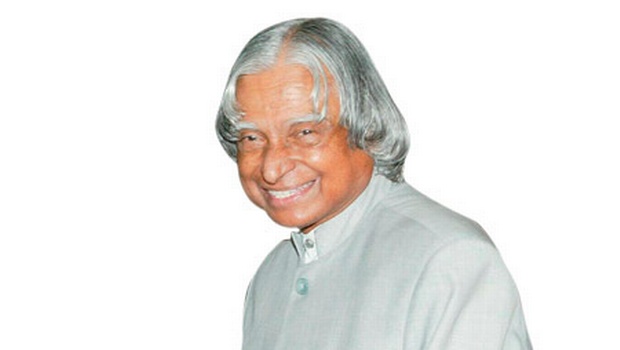
இங்கிவரை யாம் பெறவே…..A.P.J. Abdul Kalam ….

kalam2


மானுடம் சூன்யம் ஆவதற்கோ, வெற்றிடம் ஆவதற்கோ காலம் என்றும் அனுமதித்ததில்லை. நிலைகெட்டிருக்கும் சமுதாயத்தை நிலை நிறுத்துவதற்கென்று, அவ்வப்போது அருட்தூதுவர்கள் வந்துகொண்டுதான் இருக்கிறார்கள். அவரும் இகத்தே பரத்தைப் பெற்று மகிழ்ந்திடுதற்கென்றே, எனையிந்த யுகத்தே இறைவன் வருவிக்க உற்றேன் என வள்ளலாரும் இதனை உறுதிப்படுத்துகின்றார். மகாகவி பாரதியும் எனக்கு முன்னே சித்தர் பலர் இருந்தாரப்பா யானும் வந்தேன் ஒரு சித்தர் இந்த நாட்டில் என அழுத்தம் திருத்தமாக உரைக்கின்றார். வள்ளலார் வந்த வழியிலும், பாரதி நடந்த பாட்டையிலும் தொடர்ந்து நடந்தவர்தாம், ஏ.பி.ஜெ. அப்துல் கலாம்.

காலம் காலமாக இந்திய மக்கள் புண்ணியத்தைத் தேடி இராமேசுவரத்திற்கு வந்தனர். ஆனால், வைய மக்கள் கால்கள் நோகக்கூடாதென்று, புண்ணியமே ஒரு முடிவெடுத்து 15.10.1931 அன்று, ஏ.பி.ஜெ. அப்துல் கலாம் என்னும் வடிவத்தில் இந்த மண்ணுக்கு வந்து சேர்ந்தது.

கலாமின் குடும்பம், பற்றாக்குறையின் கைகளில் பட்டுவாடா செய்யப்பட்டதால், எட்டாம் வகுப்புப் படிக்கும்போதே புளியங்கொட்டைகளைப் பொறுக்கி விற்று (இரண்டாவது உலகப்போர் நடந்த காலம்) ஓரணா சம்பாதித்ததையும், பின்னர் வீட்டுக்கு வீடு தினமணி செய்தித்தாள் போட்டதையும் அவரே கீழ்வருமாறு வருணிக்கிறார். “பத்திரிகைகளில் தினமணிக்கு ஏக கிராக்கி. என் அண்ணன் சம்சுதீன் வாடிக்கையாளர்களுக்கு விநியோகிப்பதற்கு முன்பு அதிலுள்ள படங்களைப் பார்த்துத் திருப்திப்பட்டுக் கொள்வேன். யுத்தம் பற்றிய செய்திகளை எல்லாம் எனக்கு ஜலாலுதீன் சொல்லுவார். பிறகு நான் அதைப்பற்றி தினமணியின் செய்தித்தாள்களில் படித்துப் பார்ப்பேன். இராமேசுவரத்தில் இரயில்கள் நிற்பதை திடீரென்று நிறுத்திவிட்டார்கள். இராமேசுவரம் இருப்புப் பாதையில், ஓடும் இரயிலிலிருந்து பத்திரிகைகளைக் கட்டுக்கட்டாக வீசுவார்கள். நான் அவற்றை எல்லாம் பிடித்து வாங்கி, அண்ணன் சம்சுதீனிடம் சேர்ப்பேன். அண்ணனிடம் வாங்கியதுதான் என் முதற் சம்பளம்’ என்பதாகச் சுய சரிதையில் விவரித்துள்ளார். பழமையை மறவாதவர்கள், என்றும் தம் நிலையில் தாழ மாட்டார்கள் என்பதற்குக் கலாம் அவர்களின் வாழ்க்கை, ஓர் உரைகல்.

கலாம் உயர்நிலைப் பள்ளி, கல்லூரி வாழ்க்கையை வெற்றிகரமாக முடித்திருந்தாலும், உயராய்வுக்கு (எம்.ஐ.டி.) வருகின்றபோது அவருக்குச் சோதனைகள் காத்திருந்தன. வெற்றிப்படிகளில் அவருக்கு அணிவிக்கப்பட்ட மாலைகளில், மலர்களைக் காட்டிலும் முட்களே அதிகமாக இருந்தன. எம்.ஐ.டி.யில் முதுநிலை ஆய்வுத் திட்டம் ஒன்றைப் பெற்று, அதற்குக் கிடைத்த உதவித் தொகையில்தான், அவருடைய எதிர்காலம் நகர்ந்து கொண்டிருந்தது. ஒருநாள் அவருடைய ஆய்வின் வளர்ச்சியைப் பார்வையிட்ட பேராசிரியர், “கலாம், உன்னுடைய அறிக்கை எனக்கு நிறைவைத் தரவில்லை. நாளை காலைக்குள் ஒரு விமானத்திற்குரிய அத்தனை அம்சங்களையும் விவரித்துக்காட்டும் வரைபடத்தை வரைந்து தராவிட்டால், உன்னுடைய உதவித்தொகை நிறுத்தப்படும்’ என்ற ஏவுகணையை ஏவிவிட்டுப் போய்விட்டார்.

எல்லையில்லாத மன நெருக்கடிக்கு ஆளானாலும் ஒரு பழைய கவிதையைத் தேடிப்பிடித்துப் படித்தார். “உனது எல்லா நாட்களிலும் தயாராய் இரு. எவரையும் சம உணர்வோடு சந்தி. நீ பட்டறைக் கல்லானால், அடி தாங்கு. நீ சுத்தியானால் அடி’ எனும் கவிதை நாடி நரம்புகளை அக்கினியாய் முறுக்கேற்றியது. மறுநாள் அப்பணியைச் செவ்வனே முடித்துத் தந்து, மேற்பார்வையாளரின் பாராட்டையும் பெற்றார். எது அவரைக் காயப்படுத்தியதோ, அதுவே அவரைச் சகாயப்படுத்தவும் செய்தது.

1958-இல் விமானப் படையில் விமானியாகப் பணியாற்ற வேண்டும் எனும் எண்ணத்தில் டேராடூனுக்கு நேர்முகத்திற்குச் (இண்டர்வியூ) செல்லுகிறார். தெருவரைக்கும் வந்த நல் வாய்ப்பு, வாசற்படியை மிதித்தவுடன் கதவைச் சாத்திக் கொண்டது. எட்டு இடங்களுக்கு இவர் ஒன்பதாவதாக இடம் பெற்றதுதான் காரணம்

என்றாலும், சோர்வடையாமல் ரிஷிகேசத்திலுள்ள சிவானந்தர் ஆசிரமத்திற்குள் நுழைகிறார். அங்கு அவர் பெற்ற அனுபவத்தை, “கங்கையில் நீராடி ஆசிரமத்திற்குள் நுழைந்தவுடன் அதிர்வலைகளின் வலுவான தாக்கத்தை உணர்ந்தேன். கருணை பொங்கும் முகத்தோடும், ஊடுருவிப் பார்க்கும் விழிகளோடும் புத்தரைப் போலக் காட்சியளித்த சுவாமி சிவானந்தரிடம் பெயரைச் சொல்லி அறிமுகப்படுத்திக் கொண்டேன். என்னுடைய முஸ்லிம் பெயர், அவரிடம் எந்தச் சலனத்தையும் ஏற்படுத்தவில்லை. நான் வாயைத் திறப்பதற்கு முன்பே, என் துயரத்தின் மூலக் காரணம் பற்றி வினவினார்’ என விவரிப்பதிலிருந்து, கோபுரங்களுக்கு வேற்றுமைகள் தெரிவதில்லை என்ற உண்மையை அறியலாம்.

கலாம் 1981-இல் பத்மவிபூஷண் விருது பெற்று, இராமேசுவரத்திற்குள் நுழைகிறார். மசூதி தெருவில் ஜலாலுதீன் அவரை வரவேற்று நிற்கிறார். பள்ளி வாழ்க்கையில் கற்பித்த பட்சி லட்சுமண சாஸ்திரிகள் கலாமின் நெற்றியில் திலகமிட்டு ஆசி வழங்குகிறார் தொடர்ந்து அருட்தந்தை சாலமன் புனித சிலுவையை ஏந்தி ஆசீர்வதிக்கின்றார். மேலும், கலாம் தம்முடைய வெற்றிக்குக் காரணமானவர்களாக மூன்றுபேரை அடிக்கடி சொல்லுவார். (1) விக்ரம் சாராபாய், (2) சதீஷ் தவன், (3) பிரம்ம பிரகாஷ். 40 பல்கலைக் கழகங்களிலிருந்து பட்டயங்களையும், பாராட்டுக்களையும் பெற்றபோதெல்லாம், தம்மைச் செதுக்கிய சிற்பிகளை அவர் மறந்ததே இல்லை

ஆலமரத்தின் கிளைகள் வானத்தை நோக்கி உயர்ந்து கொண்டே போனாலும், அதன் விழுதுகள் பூமியை நோக்கித்தான் பயணிக்கும். அதுபோல கலாம் அவர்கள் ஏவுகணை உலகத்திலும், ராக்கெட் உலகத்திலும் விண்ணளவு புகழ் பெற்றாலும், அவருடைய இதயம் அடித்தளத்து மக்களை நோக்கித்தான் கசித்து கொண்டிருந்தது. 2020-இல் குடிதண்ணீர் பஞ்சமில்லாத தேசத்தை உருவாக்க வேண்டுமென்று, தண்ணீரைத் தேசியமயமாக்க வேண்டும் என்றார்.

கலாம் வாழ்க்கையில் மகத்தான மாறுதலை ஏற்படுத்தியது, சுவாமிஜி பிரமுக் அவர்களுடைய தரிசனம் ஆகும். (பாப்ஸ் சுவாமிநாராயண் சம்பிரதாய ஆசிரமத்தின் குருநாதர்). நிவேதிதாவின் தரிசனம் மகாகவி பாரதியிடம் என்ன மாற்றத்தை ஏற்படுத்தியதோ, அந்த மாற்றத்தை பிரமுக் சுவாமிஜியின் தரிசனம், கலாமிற்குத் தந்தது எனலாம். அக்குருஜியே தம் வாழ்க்கையின் முடிந்த முடிவான குருஜி எனக் கலாம் எழுதுகின்றார். அக்குருநாதரைக் கலாம் 14 ஆண்டு கால இடைவெளியில் எட்டுமுறை சந்தித்து ஆத்ம விசாரணையில் ஈடுபட்டிருக்கிறார். கலாம் எழுதிய கடைசி நூல்: ‘The Transcendence : My Spiritual Experiences with Pramuk Swamiji’  என்பதாகும். பாரத ரத்னா கலாம் தம் மறைவுக்கு ஒரு மாதத்திற்கு முன் எழுதப்பட்ட நூல் இது.

27.07.2015 அன்று ஷில்லாங் நிர்வாகவியல் உயராய்வு மையத்தில் மாணவர்கள் மத்தியில் பேசிக் கொண்டிருந்தபோது ஏற்பட்ட மறைவு, ஒட்டுமொத்த இந்தியாவையும் ஒரு பூகம்ப அதிர்ச்சிக்கு உள்ளாக்கியது. சிம்பொனிக் சக்கரவர்த்தி பீத்தோவன் எப்படித் தம்முடைய பியானோவில் தலை வைத்தபடி மறைந்தாரோ, அப்படித்தான் கலாம் மாணவர்கள் மத்தியில் தலை சாய்த்தார். வீட்டுக்கு வீடு செய்தித்தாள் போட்ட ஒரு மாமனிதரின் மறைவை, உலகத்தின் அத்தனைச் செய்தித்தாள்களும் கண்ணீரால் அச்சிட்டன. தமக்கென்று ஒரு தொலைக்காட்சிப் பெட்டிகூட இல்லாதவரின் மரணத்திற்கு அத்தனைத் தொலைக்காட்சிப் பெட்டிகளும் அழுது தீர்த்தன. அவரால் அனுதினமும் மீட்டப்பட்ட வீணை, விதவை ஆயிற்று. பெருந்தலைவர்களின் மறைவுக்கு டெல்லியை நோக்கிச் சென்றுகொண்டிருந்த மக்கள், முதல்முறையாக இராமேசுவரத்தை நோக்கி பயணித்தனர்.

பிரதமர் நரேந்திர மோடி, “தம்முடைய அறிவியல் சாதனைகளின் மூலம் இந்தியாவை மிக உயரமான இடத்திற்கு அழைத்துச் சென்றவர் கலாம். அவரது மறைவு ஓர் ஈடு செய்ய முடியாத இழப்பாகும்’ என்றார்.

அவருடைய மறைவைக் கண்ணீரில் மட்டும் கரைத்துவிடாமல், நிலைத்து நிற்கக் கூடிய ஓர் அஞ்சலியைச் செலுத்தியது, தமிழக அரசு. அவருடைய பிறந்த நாளாகிய அக்டோபர் 15-ஆம் தேதியை இளைஞர்களின் மறுமலர்ச்சி நாளாக அறிவித்தது. வியத்தகு சாதனைகளை நிகழ்த்தும் இளைஞர்களுக்கு ஒவ்வோர் ஆண்டும் ரூபாய் ஐந்து லட்சம், ஒரு சவரன் தங்கத்துடன் வழங்கப்படும். காற்றுள்ளவரை, இராமேசுவரம் கடற்கரை மணல் இருக்கும்வரை, இங்கிவரை யாம் பெறவே என்ன தவம் செய்துவிட்டோம் எனும் கீதம் ஒலித்துக்கொண்டே இருக்கும்.

Source…..By பேராசிரியர் தி. இராசகோபாலன் in http://www.dinamani.com

Natarajan

” அது ஒரு காலம் …” !!!


💥ஒரு காலம் இருந்தது.

💥மனிதாபிமானத்தையும்
மனச்சாட்சியையும்
எம்மில் பெரும்பாண்மையினர்
நேசித்த ஒரு காலம் இருந்தது.

💥கடவுளுக்கு பணிந்த காலம்.
💥சத்தியத்தை மதித்த காலம்.
💥நம்பிக்கையை காப்பாற்றிய காலம்.
💥வாக்குறுதிகளை பறக்கவிடாத காலம்.
💥அகிம்சைக்கு அடிபணிந்த காலம்.
💥பெண்களை போற்றிய காலம்.
💥நீதியை நிலைநாட்டிய காலம்.
💥நியாயத்தை துணிந்து கேட்ட காலம்.
💥பணத்துக்கு மதிப்பிருந்த காலம்.
💥பாசத்துக்கு கட்டுப்பட்ட காலம்.

💥நாடகக்கலை வளர்ந்த காலம்.
💥நடிப்புக்கு இலக்கணமிருந்த காலம்.
💥பயபக்தி என்ற சொல்லையே வணங்கிய காலம்.
💥சுவாமிமாரை கடவுள்களாய் பார்த்த காலம்.
💥வானொலிப் பாடல்களில் சுகித்திருந்த காலம்.
💥பழஞ்சோற்று உருண்டையை ருசித்த காலம்.
💥பனம்பாயில் படுத்துறங்கிய காலம்.

💥ஆறுகளில் எப்போதும் நீர் இருந்த காலம்.
💥முழுநிலவை சனங்கள் ரசித்த காலம்.

💥பத்திரிகைகைள் உண்மைகளை மட்டுமே சொன்ன காலம்.
💥கட்சிகள் மக்களுக்காய் உழைத்த காலம்.
💥கோயில்கள் சேவை செய்த காலம்.
💥மழை தவறாமல் பொழிந்த காலம்.
💥மலிவு விலையில் எல்லாம் கிடைத்த காலம்.
💥ஊழல் என்ற சொல் அறியாத காலம்.
💥தண்ணீர் விற்கப்படாத காலம்.
💥வயல்களில் கட்டிடங்கள் எழுப்பப்படாத காலம்.
💥கடிதங்கள் மட்டுமே இருந்த காலம்.

💥மீதிப் பணத்திற்கு மிட்டாய்களைத் தராத காலம்.
💥ஆபாசங்களை நம்பியிராத நடிகைகளின் காலம்.
💥பாடகிகள் நிலைத்து நின்று பாடிய காலம்.
💥மருந்தில் பழுக்காத மாம்பழங்கள் கிடைத்த காலம்.
💥நகைக்கடன் கடைகள் அதிகமிராத காலம்.
💥இராப் பிச்சைக்காரர்கள் வீடுதேடி வந்த காலம்.
💥விபத்துக்கள் அரிதாக இருந்த காலம்.
💥வீட்டு வாசல்களில் குடிதண்ணீர் வைத்திருந்த காலம்.

💥எல்லோரையும் கள்வர்களாய் பார்க்காத காலம்.
💥மருந்துக் கடைகள் குறைவாய் இருந்த காலம்.
💥புற்றுநோய் அதிகம் உயிரெடுக்காத காலம்.
💥உடலுழைப்பு அதிகமாய் இருந்த காலம்.
💥மின்வெட்டு பற்றி யாருமறியாத காலம்.
💥வண்ணத்துப் பூச்சிகளை இலகுவாய் பிடித்த காலம்.
💥வழுக்கல் இளநீரை மிகமலிவாய் குடித்த காலம்.

💥சிட்டுக்குருவிகள் முத்தத்துக்கு வந்த காலம்.
💥வாகன நெரிசல் இல்லாத காலம்.
💥இலவசங்கள் ஏதும் தரப்படாத காலம்.
💥அர்த்தமுள்ள பாடல்கள் எழுதப்பட்ட காலம்.
💥வார்த்தைகள் விளங்கும் சங்கீதம் வாழ்ந்த காலம்.
💥கலப்பில்லாத அழகுத் தமிழ் பேசிய காலம்.
💥வேப்பமரங்களும்,குயில்களும் நிறைந்திருந்த காலம்.
💥எல்லோருக்கும் நேரமிருந்த காலம்.
💥ஊர்கூடி தேர் இழுத்த காலம்.

💥இனிமேல் யாருக்கும் கிடைக்கவே கிடைக்காத
ஒரு காலமிருந்தது
ஒரு காலமிருந்தது.

💥அது நாங்களெல்லோரும்
அன்பில் திளைத்திருந்த காலம்.

Source….. input from a friend of mine

Natarajan

THAT TIME A FLYING PIG GROUNDED EVERY PLANE AT LONDON’S HEATHROW AIRPORT….


Imagine if you will that you’re sitting in an airport waiting to go on vacation. Suddenly and without warning you hear a voice over the tannoy system informing you that every single plane scheduled that day had been grounded. As your mind begins to think of all the horrible things that could have caused the delay, you hear the voice again informing you that flights have been grounded not by a freak storm, crash or technical glitch, but by an escaped flying pig.

flying pig

As unbelievable as it’s going to sound, this is genuinely something that once happened in London in the 1970s thanks to the band Pink Floyd and their gigantic pig shaped balloon.

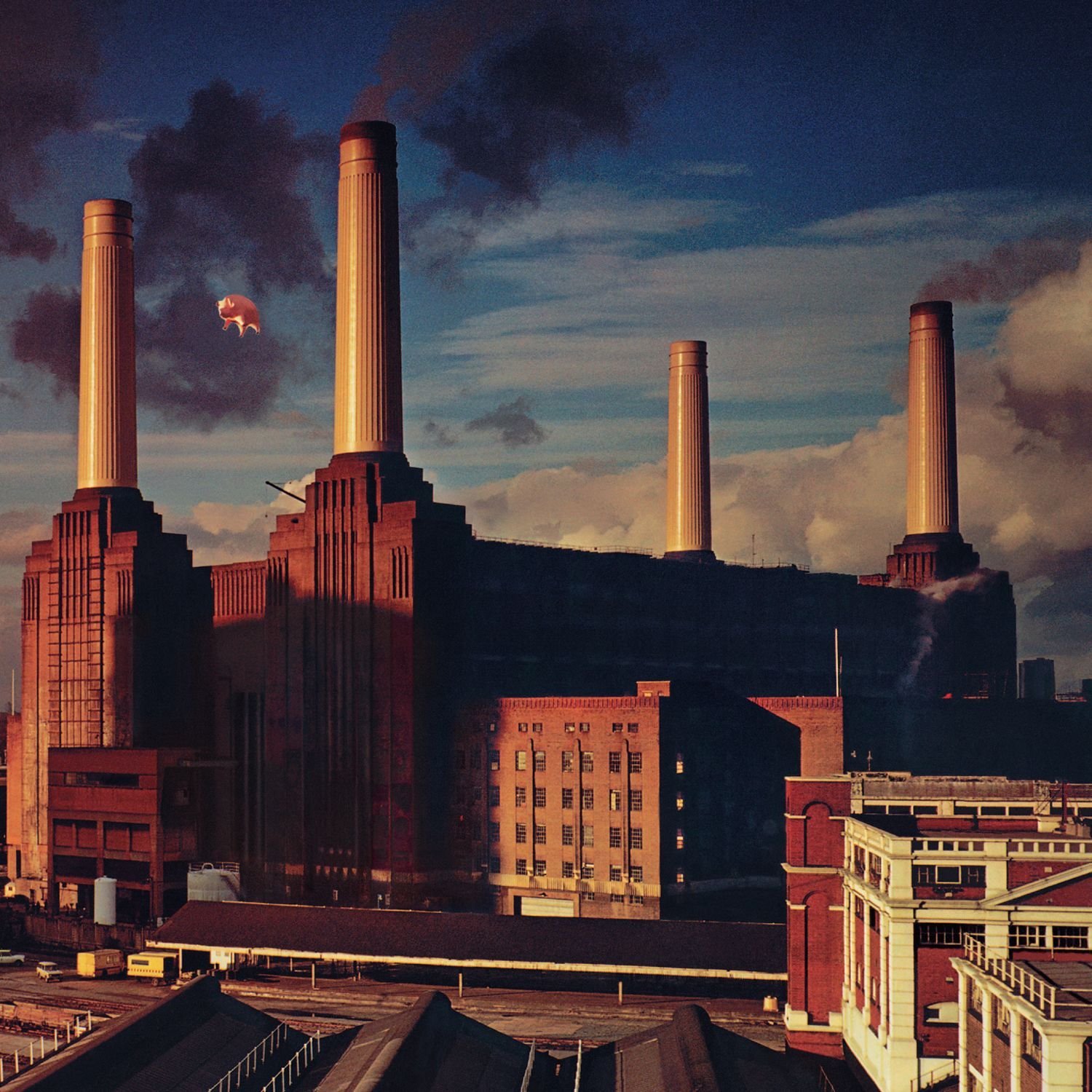
In 1976, Pink Floyd recorded an album called Animals which drew inspiration from the 1945 novel Animal Farm, a thinly veiled allegory of Soviet communism that prominently features pigs as characters.

After the album was recorded, the band met with a design team called Hipgnosis to create the album’s cover. Despite being regarded by many as some of the best album designers of all time (working with and designing albums for the likes of AC/DC, ELO, Styx and Rainbow), all of Hipgnosis’ ideas fell flat with the band.

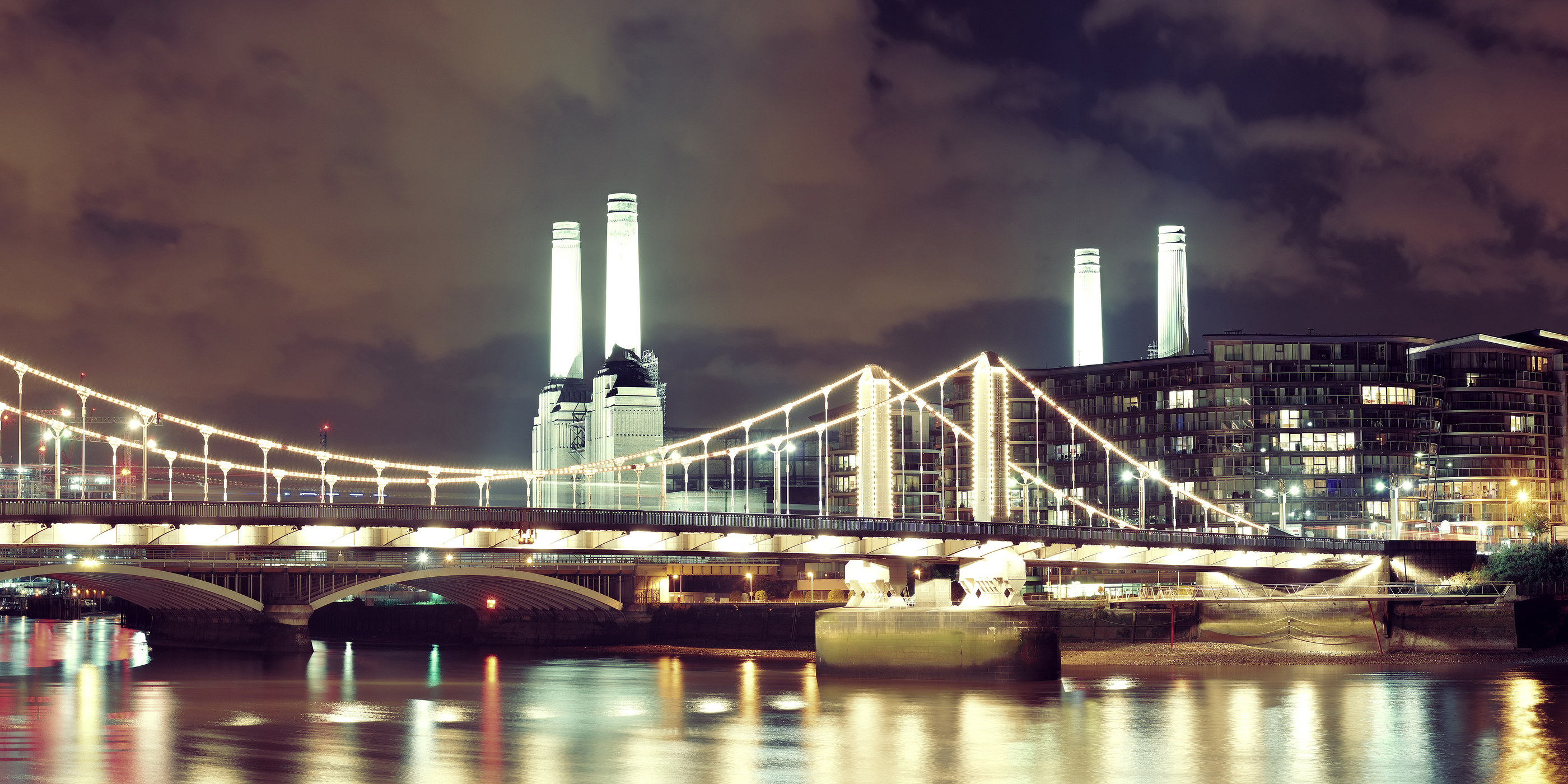
Battersea-Power-StationAfter some deliberation, bassist Roger Waters suggested to Aubrey Powell of Hipgnosis that they use Battersea Power Station as the backdrop for the cover. Waters later explained to Rolling Stone, “I’d always loved Battersea Power Station, just as a piece of architecture. And I thought it had some good symbolic connections with Pink Floyd as it was at that point. One, I thought it was a power station, that’s pretty obvious. And two, that it had four legs. If you inverted it, it was like a table. And there were four bits to it, representing the four members of the band…” (I’m getting a definite This is Spinal Tapvibe here… Just me?)

The band had recently commissioned a gigantic 40 ft. inflatable pig for their upcoming tour.  Putting two and two together, Powell stated in an interview that when the pair were discussing the power station idea, “Roger and I both looked up at the Station, and said, ‘let’s fly the pig between the chimneys’. Just like that.”

After applying for what we can only assume was an ungodly amount of permits to float a giant balloon shaped like a pig above an (at the time) operational major power station, the band with help from Powell picked out the best angle from which to shoot the cover. Other prep work included hiring an expert marksman who was given orders to shoot the pig down should it escape. The band then decided on a date on which to shoot the photo- December 2, 1976, a day which was supposed to be mostly clear with some cloud, which the band specifically wanted so that the sky didn’t look “boring”, or as boring as it could be with a giant floating pig in the middle of it.

However, on the day of the shoot, the pig wouldn’t inflate for reasons never explained in any interview we could find. This annoyed Powell to no end because, “that day there was the most incredible, Turner-esque sky. But for some reason, the pig wasn’t inflating. I shot the Station anyway, because the sky was so amazing.”

After trying and failing to inflate the pig for several hours, the band gave up and they agreed to come back the next day.

The group returned and, oddly, this time the pig inflated just fine. After painstakingly attaching the pig to Battersea’s southernmost chimney, disaster struck as the tether holding the balloon in place broke during a wind gust, causing the gigantic inflatable porcine to begin lazily drifting away.

The pig was loose.

So what happened to the sniper they hired for just such a bizarre event? Well, apparently the manager simply forgot to tell him or his gun that they required his services the next day. So he never showed up.

As the pig began to climb ever higher, rising to heights no pig, inflatable or otherwise, had ever hoped or dared to dream, a terrible realisation crept over those watching it sail toward the heavens- the pig was flying directly towards Heathrow airport. As panic began to set in, the band did what many would do in such a situation, according to Powell, “Pink Floyd left the site.”

Moments after the skyward swine escaped, Heathrow officials received several communiqués from pilots in passing planes matter-of-factly telling them that they’d just seen a giant pig float past their windows. After realising that the calls weren’t a joke, all flights from the airport were grounded.

As the pig danced around in the sky, police helicopters and eventually the RAF were called in to chase it down, but to no avail; by the time they arrived the pig was gone and, despite their sincerest efforts, they couldn’t find it.

With the pig off enjoying its freedom and the band having absconded the scene of the crime, this left Aubrey Powell to take the fall. After police arrived, according to Powell, he was promptly arrested and taken in for questioning.

Meanwhile the band, who’d managed to retain their freedom, set about trying to find the pig- giant inflatable pigs not being cheap, after all. Using their status as Pink Floyd, they were able to convince radio stations across the country to plead with listeners to keep their eyes peeled for a giant floating pig, providing a number they could call if they happened to see it.

Almost immediately this number was flooded with prank calls because, of course it was. However, at around 9:30 pm that evening, a phone call from an irate farmer in Kent (about 40 miles or 65 km away) came in, with the farmer sharply asking “Are you the guy looking for a pig?”

After having this fact affirmed, the farmer angrily told the group that such an object had landed on his farm and was currently scaring all his cows. After getting the man’s details, Powell, along with the police, went and collected the swine which was miraculously undamaged from its adventure.

pink-floyd-animalsSurprisingly, the police and officials at Battersea allowed the band to come back and re-shoot their album cover, with the proviso that they actually bring the sharpshooter along this time. Although Powell was able to get shots with the tethered pig, the sky that day was entirely clear and he ended up hating how they looked initially. However, he was able to get the shot he wanted by using a photo from the first day and superimposing the pig on top of it. Sans Photoshop, this did not look that great if you looked too closely at the picture.

As such, this all went against Waters’ original requirements that the “picture should be real”, rather than superimposing the pig, as Powell had at one point suggested before the whole debacle. This nevertheless all ended up working out for the band swimmingly. As Powell later noted, the escaped pig “was front-page news: Pink Floyd couldn’t have got better publicity if they tried.”

After its little adventure, the pig went on tour with the band later the following year.

Source…….www.today i foundout .com

Natarajan


World’s Largest Camera Museum to Come Up in Gurugram, India…


Gurugram is all set to become home to the world’s largest camera museum this World Photography Day.

Untitled-design-37

On August 19th, the Municipal Corporation of Gurgaon along with acclaimed photographer Aditya Arya, of the Vintage Camera Museum fame, will launch ‘The Museo Camera – Centre of Photography.’

The Museum will trace the art of photography through the evolution of cameras, various photography processes as well as photography paraphenlia. Pinhole cameras, the camera obscura, daguerreotypes, dry plates, the birth of film, polaroid and digicams will be on display in the Museum.

Close to 700 cameras, of different shapes, sizes and models, will be displayed. These are a part of the collection painstakingly curated by Arya.

Around 800 original patents of cameras from the 1800s will also be displayed at the Museum. These have been collected by Arya during his many travels.

The Museum will also be home to a collection of vintage camera ads.

In addition to displaying the wonderful and fascinating history of photography, the Museum will also function as a place of learning: “I want to create an institution, a physical space that should also be state-of-the-art,” Arya toldThe Times of India.

The Museum will be spread across 15,000 square feet in Chakkarpur village of New Gurgaon.

Says Vivek Kalia, joint commissioner of the Muncipal Corporation of Gurgaon, “We want this to be world-class, a symbol of excellence.”

Source….. Anandita Jumde in http://www.thebetterindia.com

Natarajan

A Must Read….” Values of Punniyam & Paapam” …!

Featured Image -- 20447

Jaya Jaya Shankara Hara Hara Shankara – Actually Sri Periyava narrates this incident under Deivathin Kural Volume 1 Madham Section reiterating Karma theory. It is a foreign lady and not a man but the gist is more important to take here. Thanks to TV Shivram for sharing it in Whatsapp. Ram Ram
Values of Punniyam & Paapam

Once a foreigner interested in the philosophy of Hinduism was waiting for Darshan of Mahaperiva ( Most revered Mahaswami) at Sri Madam to clarify his doubt. Shortly, he got his appointment and without wasting time, he put forth his question.
Swamiji, I understand all your concepts, value them but for one particular faith (i.e.) same soul taking various births, papa, punya being carried forward to the next births etc. Can you please make me comfortable on this aspect? Because, in all our religions, we get the reward for what we do in this birth  only. (i.e.) if we are honest, God is pleased and blesses us with benefits and we are dishonest, we get punished by Him.
At this point, Periva asked him, whether he owns a car and if he could do a favour of collecting some statistical information within Kancheepuram using his vehicle. The guest readily agreed, at the same time wondering why his question was not answered spontaneously.
Please, Swamiji, go ahead, What is the service you expect me to do now?
Periva said, Please go around 10 maternity centres within Kancheepuram and collect the data of children born within the last 2 days – Child’s gender, health condition, parents name, status, educational qualification, time of birth.
The man said – Fine, this is nothing, – immediately rushed in his car like Lord Muruga goes in Thiruvilayadal and within a day he was back in the matam with exact statistics in front of Mahaperiva. He went through the statistics, about 15 children were born in 10 hospitals, 8 female and 7 male infants, out of which 3 children had malnutrition defects, 2 children were the first child of highly rich parents born in luxury hospitals, while 4 were children of coolie labourers who already had few children.
Maha Periva now looked at the gentleman and started asking few questions:
Do you think any of these children have been honest / dishonest within 2 days of their birth? Probably they could not even recognize their own mother. So, they have neither earned papa or punya in this birth.
According to your concepts, all these children should be living exactly identical to each other, but not so practically, some are ill, some are healthy, some are born to rich parents, some are born to poor parents. Remember all children born in the same day, same longitude, latitude, you can’t blame their horoscope which is going to be almost identical.
The gentleman was dumbfounded!
It is here the concept of previous birth erupts! All these children have taken their present birth according to their deeds (karma) and the resultant papa, punya which they have assimilated in their previous births.
Hara Hara Shankara Jaya Jaya Shankara
Source….input from a friend of mine….
Natarajan

Revisiting History …A Harappa in Tamilnadu …!!!


Brick buildings, the drainage system excavated in Keezhadi village are on par with those found in Harappa, reports A Ganesh Nadar/Rediff.com

OLYMPUS DIGITAL CAMERA

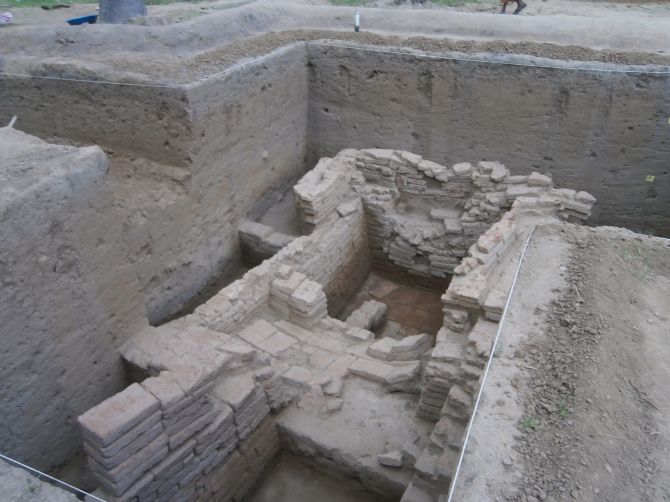
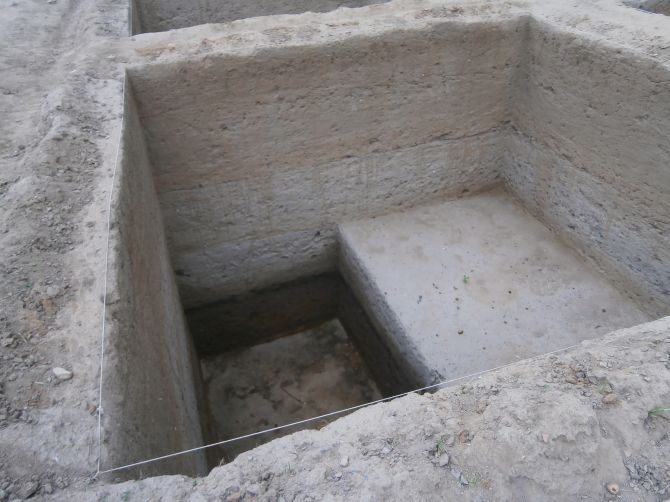
IMAGE: A water tank with feeder channels discovered during excavation at Keezhadi village in Sivaganga district, Tamil Nadu. All photographs: A Ganesh Nadar/Rediff.com

A major excavation by the Archaeological Survey of India of a Sangam era settlement is making big news with its amazing discoveries.

About 12 km from Madurai on the highway to Rameswaram, a large coconut field on the banks of the Vaigai river in Keezhadi village of Sivaganga district is being excavated, where Roman artefacts and vessels with writings in the Brahmi script have been discovered.

Brahmi is the earliest script which the Tamils used during the Sangam period, which roughly extended from the 3rd century BC to the 3rd century AD. There were three dynasties during this period: The Cheras, the Cholas and the Pandyas who traded with the Romans. After the 6th century AD, the Grantha script replaced Brahmi.

In the 13th century AD, this area was called Kuntidevi Chaturdevi Mangalam and there are no records from before that period. This area is spread over about 80 acres and covers a radius of about 3.5 km.

Since the ASI, to seek permission for the excavation, had to give the owners of the land a written assurance that they will get it back in the same condition, ASI staff refill the digs after photographing and collecting the artefacts.

The first survey in the area commenced in 2013, the excavation was conducted in 2015 and again in 2016. The ASI plans another excavation next year, but that has to be sanctioned by the Survey’s headquarters in New Delhi. Students from Chennai University and the Krishna Arts College helped the ASI in the current round of digs.

OLYMPUS DIGITAL CAMERA

IMAGE: Burnt tile pieces recovered from the site.

In the present phase of excavation — apart from the Roman artefacts and vessels with Brahmi text — relics confirming the presence of handicrafts like weaving, ship-building, metal working, carpentry, rope-making, ornament-making, making of ivory products, tanning etc during the Sangam period have been found.

Nails and other iron and ivory products have been found, which confirm the presence of this town during the Sangam period. Structures built with bricks and mortar have also been unearthed.

A team of ASI experts — including Superintendent K Amarnath Ramakrishna, Assistant Archaeologists Rajesh and Veeraraghavan — is involved in the excavation work, which began on January 18 and is likely to continue till September.

The ASI officials say the settlement was more than 2,000 years old, and dates to the Sangam era.

So far, about 3,000 ancient artefacts, including a signet made of clay with an ornamental design, have been excavated.

According to the ASI officials, the ancient settlement had an underground drainage system which was on par with the Harappan system. The sewage drains had been laid with baked clay pipelines, which are still visible.

The drainage system is similar to the one that was found in Harappa, the ASI officials said.

Apart from signets, arrows, weapons made of iron and copper, rare ornaments have been found, ASI Superintendent Ramakrishna said.

“It is very rare to find the constructions intact. The findings threw more light on the Sangakaala (Sangam era) Tamil civilisation,” he added.

OLYMPUS DIGITAL CAMERA

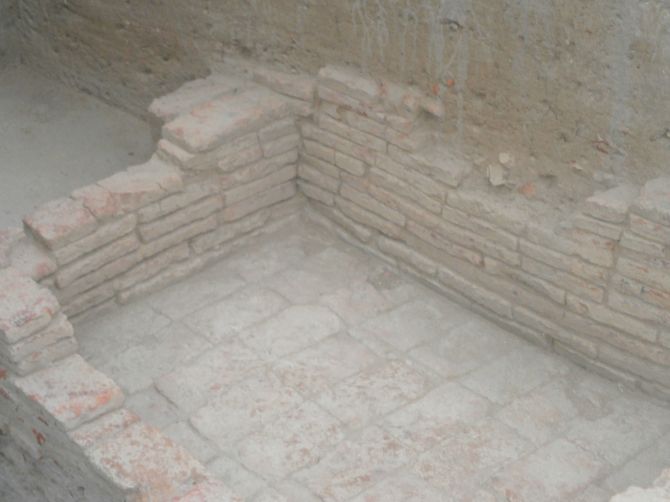
IMAGE: ASI archaeologists have excavated rare Sangam-era brick buildings at Keezhadi village.

This town was a residential area, Assistant Archaeologist Rajesh said, and they have discovered brick buildings in it, which were very rare during that time.

The ASI team surveyed the banks of the Vaigai in 2013-2014, checked out 293 sites for excavation, and chose the present site.

As many as 43 excavations were conducted last year and 1,800 artefacts found. This year, 53 excavations have been conducted and 3,000 items discovered and preserved.

Among the artefacts were semi-precious stones, glass, shells, burnt bricks, tusk, and iron. Products used by people in their day-to-day lives were recovered.

There were plenty of small water tanks made of bricks and mud. The water tanks were fed through well-laid channels, which are still present. Though most of the place looks residential, some business centres were also found.

They have found roof tiles and nails which suggest that the buildings were storied. Vessels with names written in the Brahmi script have been found, names like ‘Sattan, Thisan, Chandan, Inavadan, Muyan’ and ‘Udhiran’.

“The date we are looking at is between the 3rd century BC and the 3rd century AD, which was the Sangam period. Carbon dating is still to be done,” Rajesh said.

OLYMPUS DIGITAL CAMERA

IMAGE: A water tank unearthed in the excavations.

This is the second phase of the ASI excavation and the team has sought permission for another one.

“There has been no important excavation in south Tamil Nadu, so we want to do this extensively,” Ramakrishna said. “The history of this area has not been properly understood. In the third phase, we will learn more.”


A Ganesh Nadar / Rediff.com

Source…www.rediff.com

Natarajan

Shakuntala Railways: The Only Train Line In India That Is Still Not Owned By India !!!


The Indian Railways is India’s lifeline. Every day millions of passengers avail its facilities.

It has become such an integral part of our lives that we cannot imagine a life without it. The Indian railways were nationalized way back in the year 1951. But today, we are not going to talk about the Indian railways but we are going to talk about of its long forgotten relative ‘The Shakuntala Railways’. I am sure that for most of you this sounds a bit alien. Hearing the name you might think of it as a name of some train or maybe a little-known rail zone.

Shakuntala Railways is one of only a few operational railway lines in India that remains with private owners and perhaps the only one that belongs to a British firm.

Beyer.Garrett

But Shakuntala is neither one of them. In fact, it is an independent railway which does not come under the Indian Railways. So, technically the Indian Railways does not enjoy a monopoly. When Nationalization happened in 1951, Strangely this line was left alone. Interestingly till date, nobody knows the exact reason why this line was never de-privatised.

The birth of Central Province Railway Company (CPRC) or The Shakuntala railways took place way back in 1910. It was founded by a British Firm called Killick-Nixon.

11travel-kalka

It was formed during the British Raj. During those times, most of the rail lines were operated by individual firms. The location of the track was quite strategical as this route was used to transport cotton from Vidharba. This cotton then made its way to Manchester.

During those times, there was a deal between the CPRC and the Great Indian Peninsular Railway (GIPR). This deal stayed in place even after GIPR became Central Railways.

Soon, not only cotton but the line was used even to ferry passengers. The GIPR used CPRC’s lines to run its trains and paid a compensation or rent to the company. The deal continued even after GIPR was replaced by the Central Railways. To this day, the Central Railways pays the British firm a compensation for using its lines. Interestingly, in recent times, the Indian Railways has not paid the decided rent instead has been adjusting it from the cost of repairs and maintenance.

Unlike most train lines in India, this train line still uses a narrow gauge.

The rail line itself is quite unique as the unlike most of the rail lines that are broad gauge lines, Shankuntala railways still use narrow gauge lines. The British company still gets more than 1 crore rupees from the Indian Railways for running a train on its tracks called the Shakuntala Express.

The Shakuntala Express is a passenger train that runs from the towns of Yavatmal to Murtijapur

Shakuntala-Express-yavatmal-train-service-suspended

The train runs through the beautiful cotton growing areas of Achalpur, which falls under Amravati division. If you are ever lucky enough to board this train then this train journey is sure to take you back to the 19th century. Everything about it is old school. It seems that when modernisation happened everywhere it forgot about poor Shakuntala.

Every day it covers just one return journey and even today it is a lifeline for hundreds of poor people, who cannot afford to take the road, as it almost 5-6 times the train’s fare

It covers a journey of almost 190Km in about 4 hours.  For these people, it is the cheapest means of transport and they can’t imagine their lives without it. The train runs through a narrow gauge which itself gives it a very toy- train kind of feeling.

It still runs on a steam engine and the rail signals have been there right from the British Raj

Most of the official works are also done manually. In times when our trains run on electric engines ,  Shakuntala Express still uses an old steam engine. Another interesting thing that you would find when you board this train is that all the existing rail signals are still from the British era with the words ‘made in Liverpool’inscribed on it.

This journey literally takes you on a trip down the memory lane.

Source….Abir Gupta in http://www.storypick.com

Natarajan