The Buddhas of Bamiyan….


On the cliff face of a sandstone mountain, visible from the ancient Silk Road near the town of Bamiyan in Afghanistan, are two massive voids left by two monumental statues of Buddha that once stood there. In 2001, the nearly 1,500 year old statues were blown to bits by the Taliban in an act of violence that shook the entire world, and set a disturbing precedent which has been imitated in recent years by Islamic State fighters in the Middle East.

For a long time, Buddhism was an important religion in the Indian subcontinent and Central Asia, having been introduced during the early Kushan period, in the 1st century. Along the Silk Road, on which Bamiyan lies, are several Buddhist monasteries, chapels and sanctuaries constructed inside caves carved into the mountains. In several of the caves and niches, often linked by galleries, there are remains of wall paintings and seated Buddha figures.


The 175 feet high Buddha statue in Bamiyan, Afghanistan, destroyed in 2001. Photo credit: Afghanistan Embassy

The two most prominent figures were the giant Buddha statues destroyed in 2001. The larger of the two stood 175 feet tall, and was one of the largest standing Buddha carvings in the world. The second figure was also enormous and measured 120 feet in height. Both figures were carved into niches of the cliff side in high relief. The main bodies were hewn directly from the sandstone cliffs, but details were modeled in mud mixed with straw, coated with stucco. This coating had worn away a long time ago, but in the early days, it served to enhance the expressions of the faces, hands, and folds of the robes. Both statues were originally painted—the larger one in carmine red and the smaller one in multiple colors. The area near the heads of both Buddha figures and the area around the larger Buddha’s feet were carved in the round, allowing worshippers to walk around as a form of worship.

Much of what we know about the monumental Buddha sculptures comes from the travelogue of the Chinese monk Hsuan-Tsang, who traveled to Bamiyan in the 7th century. Hsuan-Tsang described Bamiyan as a flourishing Buddhist center “with more than ten monasteries and more than a thousand monks”. He also noted that both Buddha figures were decorated in “dazzling golden color and adorned with brilliant gems”. Historians believe that the monumental Buddha sculptures were carved into the cliffs between the 3rd to 6th centuries A.D. They were perhaps the most famous cultural landmarks of the region attracting numerous pilgrims from all around.

After the Islamic invasion in the 9th century, the presence of a large Buddhist cultural icon in Afghanistan greatly disturbed the Muslim rulers. The 17th century Mughal emperor, Aurangzeb, and the 18th century Persian king Nader Afshar, both tried to destroy the statues by using heavy artillery but failed to inflict any noticeable damage. It was the Afghan king Abdur Rahman Khan who eventually managed to destroyed its face.

In 2001, the leader of the Taliban movement ordered that all statues and non-Islamic shrines in the different areas of the Islamic Emirate must be destroyed. Accordingly, in March the same year, Taliban fighters laid explosives at the base and the shoulders of the two Buddhas and blew them to pieces.

Later in an interview, the Taliban supreme leader Mullah Omar defended his actions by saying:

I did not want to destroy the Bamiyan Buddha. In fact, some foreigners came to me and said they would like to conduct the repair work of the Bamiyan Buddha that had been slightly damaged due to rains. This shocked me. I thought, these callous people have no regard for thousands of living human beings – the Afghans who are dying of hunger, but they are so concerned about non-living objects like the Buddha. This was extremely deplorable. That is why I ordered its destruction. Had they come for humanitarian work, I would have never ordered the Buddha’s destruction.

The only silver lining in the cloud was, that after the destitution, several new caves and wall paintings were discovered, including fragments of a previously unknown 62-foot long reclining Buddha.

Sources: Wikipedia / Khan Academy

Source…. Kaushik in www. amusingplanet.com

Natarajan
Joe Reginella’s Memorials to Disasters That Never Happened…!!!


Most remember October 29th, 1929—also known as Black Tuesday—as the day when the New York stock market crashed. However, it was also the day when one of the most horrific tragedy involving human-animal conflict happened at the Brooklyn Bridge.

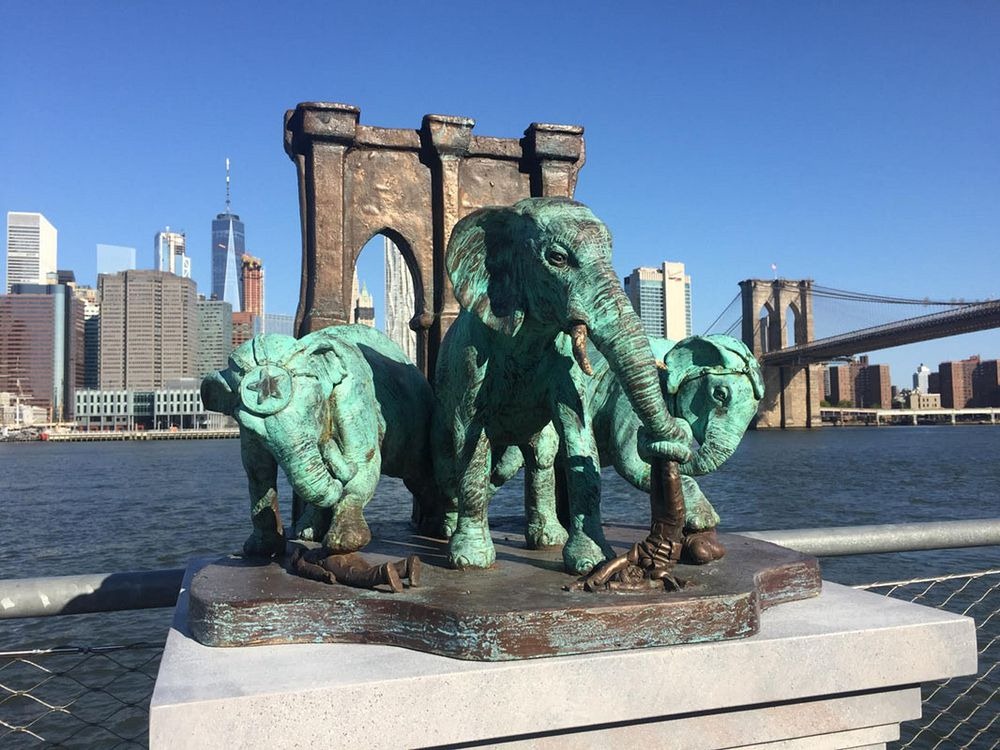
On that awful day a trio of three circus elephants, including the star attraction—a thirteen-foot-tall African elephant named Jumbo, was to cross the Brooklyn Bridge and into New York. The event was greatly publicized and crowds of people came from miles around to see Jumbo. While crossing the bridge, something caused the animals to panic and what was to be a slow and deliberate cross suddenly became a deadly stampede as the three elephants charged into the cheering crowd. Aside from scores of human casualty, two of the elephants died in the stampede, while Jumbo escaped to freedom through the Holland Tunnel and lived out his days at an elephant sanctuary.

 The memorial to the 1929 Brooklyn Bridge Elephant Stampede. Photo credit: Joe Reginella

When a new bronze memorial to the tragedy was unveiled at the Brooklyn Bridge Park last month, it left visitors scratching their heads because no one ever remembered hearing or reading about the Brooklyn Bridge Elephant Stampede of 1929. That’s because the tragedy never happened. It’s a satirical piece of art by sculptor Joe Reginella.

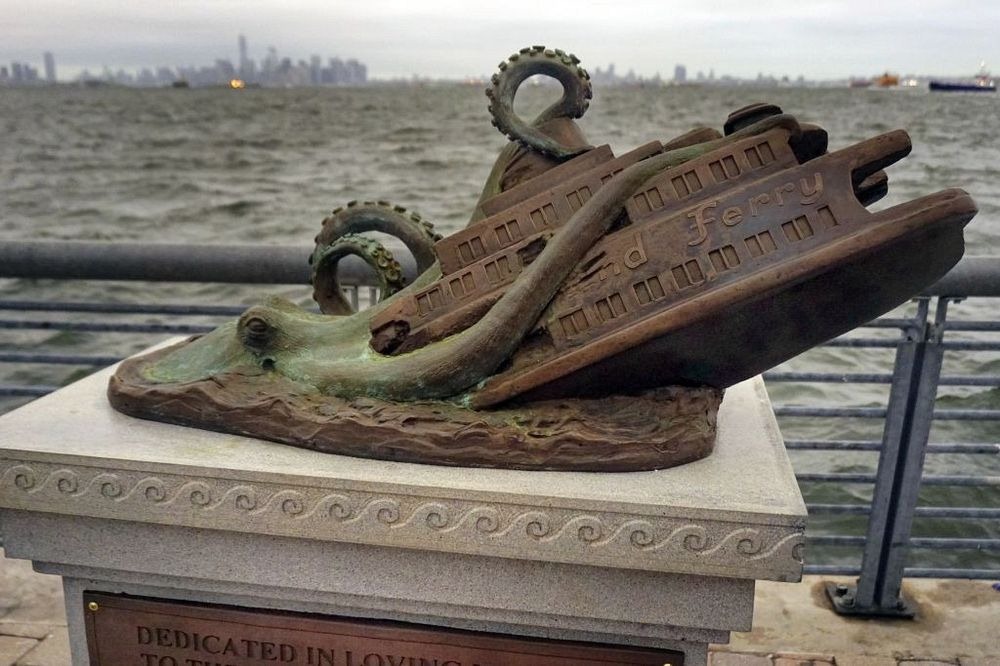
Last year, the prankster-artist erected another memorial to yet another fabricated tragedy—the so-called Staten Island Ferry Disaster—in Battery Park. The story goes, that on November 2nd, 1963, a Staten Island Ferry with over 400 people onboard was attacked by a giant octopus and was pulled beneath the water resulting in the death of all passengers. According to Reginella, the disaster went almost completely unnoticed by the public because it was overshadowed by another more “newsworthy” tragedy that occurred that day—the assassination of President John F. Kennedy.

As part of the hoax, Reginella created a fake documentary, fabricated newspaper articles and distributed flyers to puzzled tourists sending them to a nonexistent museum on Staten Island.


The memorial to the 1963 Staten Island Ferry Disaster. Photo credit: Ula Ilnytzky

The idea for the hoax came to him when Reginella was taking his 11-year-old nephew on the ferry between Manhattan and Staten Island. To satisfy the kid’s curious questions, such as if the waters were infested with shark, Reginella fabricated the story of a giant octopus attack.

“The story just rolled off the top of my head,” he told The Guardian, and it evolved to become “a multimedia art project and social experience – not maliciously – about how gullible people are”.

In the early few days after the memorial was unveiled, Reginella sat close by with a fishing pole pretending to fish so that he could eavesdrop on the conversations. Sometimes he overheard people wondering why nobody ever heard of it. Others simply stared out at the water and walked away.

While the Staten Island Ferry Disaster never happened, there is actually a bit of interesting history behind Reginella’s latest hoax—the Brooklyn Bridge Elephant Stampede. Elephants belonging to the Barnum and Bailey’s Circus did actually cross the Brooklyn Bridge in 1884, when the circus came to town. One of the elephants, a thirteen-foot and seven-ton African, was actually named Jumbo. He was accompanied by twenty other elephants, seven camels and ten dromedaries in what was known as Barnum’s legendary “elephant walk.”

Neither memorials are permanent, and are displayed only on specific days and times. Consult the memorials’ websites for timing before you decide to visit.

www.sioctopusdisaster.com
www.bbelephantstampede.com

Source….Kaushik in http://www.amusingplanet.com

Natarajan


வாரம் ஒரு கவிதை….” காந்திக்கு ஒரு கடிதம் “


காந்திக்கு ஒரு கடிதம்
———————-
விடுதலை பெற்று தந்தாய் என் தாய்
நாட்டுக்கு …உன்னையே விலையாகவும்
கொடுத்தாய் மத பேதம் இல்லா புதிய
பாரதம் ஒன்று படைக்க !
ஆனால் …
விடுதலை பெற்ற என் தேசம் இன்னும்
புது விடியலை தேடுதே …அது ஏன் ?
மதவாத அரசியலில் ஆதாயம் தேடுதே
ஒரு பெரும் கூட்டம் !
அது ஏன் ?
மூலைக்கு மூலை உன் சிலை
வைத்து காந்தி ஒரு பொம்மைதான் எங்கள்
அரசியல் விளையாட்டுக்கு என்று சொல்லாமல்
சொல்லுது ஒரு கூட்டம் !
காந்தியா …அது  யார் என்று கேக்குது
இன்னொரு கூட்டம் …காந்தி உன்னையே
மறந்த கூட்டம் காந்தீயக் கொள்கை கிடைக்குமா
ஒரு விலைக்கு என்று அலைவதும் உண்மை இன்று !
வேற்றுமையில் ஒற்றுமை என்பது வெறும் பேச்சு
மட்டுமா ?  ஒளிமயமான வலுவான பாரதம்
பிறப்பது எப்போது ?  என் தேசம் புது விடியல்
காண்பது எப்போது ?
சிலையாய் இருக்கும் காந்தி நீ இப்போது
எடுக்க வேண்டும் மீண்டும் ஒரு பிறவி !
காந்தி சிலைகள் எல்லாம்  உயிர் பெற்று
பல நூறு புதிய காந்திகளாய் என் மண்ணில்
பிறக்க வேண்டும் இப்போதே !
என் மண்ணின் விடுதலைக்கு ஒரே ஒரு
காந்தி நீ இருந்தாய்.. இன்று
இந்த  மண்ணின் புது விடியலுக்கு  பல  நூறு
காந்தி வேண்டுமே  அய்யா !
மறுக்காமல் நீ பிறப்பாயா அய்யா மீண்டும்
என் மண்ணில் ? ஒரு புதிய பாரதமும்
மலர்ந்து ஒளிருமா என் கண் முன்னால் ?
My kavithai as published in http://www.dinamani.com on 8th Oct 2017
Natarajan

The Fascinating History of the Iconic Mysore Sandal Soap…

A soap that has held a special place in the hearts of Indians for more than a century, Mysore Sandal Soap’s legacy is intricately interwoven with Karnataka’s history and heritage.

There is something beautifully Indian about the fragrance of sandalwood. Sweet, warm, rich and woody, it is a scent that is deeply interwoven with the nation’s history and heritage. This is, perhaps, one of the many reasons why the Mysore Sandal Soap has held a special place in the hearts of Indians for more than a century.

Here’s the fascinating story behind India’s most-loved sandal soap.

One hundred and one years ago, in May 1916, Krishna Raja Wodiyar IV (the then Maharaja of Mysore) and Mokshagundam Visvesvaraya (the then Diwan of Mysore), set up the Government Sandalwood Oil factory at Mysore for sandalwood oil extraction.

The primary goal of the project was to utilise the excess stocks of the fragrant wood that had piled up after World War I halted the export of sandalwood from the kingdom of Mysore (the largest producer of sandalwood in the world at the time).

Two years later, the Maharaja was gifted a rare set of sandalwood oil soaps. This gave him the idea of producing similar soaps for the masses which he immediately shared with his bright Diwan. In total agreement about the need for industrial development in the state, the enterprising duo (who would go on to plan many projects whose benefits are still being reaped) immediately got to work.

A stickler for perfection, Visveswaraya wanted to produce a good quality soap that would also be affordable for the public. He invited technical experts from Bombay (now Mumbai) and made arrangements for soap making experiments on the premises of the Indian Institute of Science (IISc). Interestingly, the IISc had been set up in 1911 due to the efforts of another legendary Diwan of Mysore, K Sheshadri Iyer!

From the talent involved in the research happening at IISc, he identified a bright, young industrial chemist called Sosale Garalapuri Shastry and sent him to England to fine tune his knowledge about making soap. Affectionately remembered by many as Soap Shastry, the hardworking scientist would go on to play a key role in making Visveswaraya’s dream a reality.

After acquiring the required knowledge, Shastry quickly returned to Mysore where the Maharaja and his Diwan were waiting anxiously. He standardized the procedure of incorporating pure sandalwood oil in soaps after which the government soap factory was established near K R Circle in Bengaluru.

The same year, another oil extraction factory was set up at Mysore to ensure a steady supply of sandalwood oil to the soap making unit. In 1944, another unit was established in Shivamoga. Once the soap hit the market, it quickly became popular with the public, not just within the princely state but across the country.

However, Shastry was not done yet. He also created a perfume from distilled sandalwood oil. Next, he decided to give the Mysore Sandal Soap a unique shape and innovative packaging. In those days, soaps would normally be rectangular in shape and packed in thin, glossy and brightly coloured paper. To help it stand out from the rest, he gave the soap an oval shape before working on a culturally significant packaging.

Cognizant of the Indian love of jewels, Shastry designed a rectangular box resembling a jewellery case— with floral prints and carefully chosen colours. At the centre of the design was the unusual logo he chose for the company, Sharaba (a mythical creature from local folklore with the head of an elephant and the body of a lion. A symbol of courage as well as wisdom, the scientist wanted it to symbolise the state’s rich heritage.

The message ‘Srigandhada Tavarininda’ (that translates to ‘from the maternal home of sandalwood’) was printed on every Mysore Sandal Soapbox. The aromatic soap itself was wrapped in delicate white paper, similar to the ones used by jewellery shops to pack jewels.

This was followed by a systematic and well-planned advertising campaign with cities across the country carrying vibrant signboards in neon colours. Pictures of the soapbox were noticeable everywhere, from tram tickets to matchboxes. Even a camel procession was held to advertise the soap in Karachi!

The out-of-the-box campaign led to rich results. The soap’s demand in India and abroad touched new heights, with even royal families of foreign nations ordering it for themselves. Another important turning point for the company was when, in 1980, it was merged with the oil extraction units (in Mysuru and Shivamoga) and incorporated into one company called Karnataka Soaps and Detergent Limited (KSDL).

However, in the early 1990s, the state-run firm did face a rough patch due to multinational competition, declining demand and lack of coordination between sales and production departments. As losses started rising, it was given a rehabilitation package by BIFR (Board for Industrial & Financial Reconstruction) and KSDL grabbed the lifeline with both hands.

The company streamlined its way of functioning and soon it had started showing profits again. Thanks to rising profits year after year, it had soon wiped out all its losses and repaid its entire debt to BIFR by 2003. The company also successfully diversified into other soaps, incense sticks, essential oils, hand washes, talcum powder etc.

Nonetheless, the Mysore Sandal Soap remains the company’s flagship product, the only soap in the world made from 100% pure sandalwood oil (along with other natural essential oils such as patchouli, vetiver, orange, geranium and palm rose). Due to tremendous brand recall and loyalty associated with the soap, it also bags a prized position on the shopping lists of visiting NRIs.

In 2006, the iconic was awarded a Geographical Indicator (GI) tag — that means anyone can make and market a sandalwood soap but only KSDL can rightfully claim it to be a ‘Mysore Sandalwood’ soap.

Thanks to this near-monopolistic presence in the market for sandalwood bathing soaps, KSDL has also become one of Karnataka’s few public sector enterprises that turns consistent profits. In fact, the company registered its highest gross sales turnover (of ₹476 crore) in 2015-16.

Such is the legacy of sandalwood and this earthy, oval-shaped soap in the state that even Karnataka’s thriving film industry calls itself Sandalwood!

Today, there are a multitude of branded soaps in the market but Mysore Sandal Soap continues to hold a distinctive place among all of them. Its production figures continue to rise, even as the availability of sandalwood is on the decline.

To counter this, KSDL has been running a ‘Grow More Sandalwood’ programme for farmers, that provides affordable sandalwood saplings along with a buy-back guarantee.Working in partnership with the forest department, it is also working to ensure that for every sandalwood removed for extraction, a sandalwood sapling is planted to replace it.

The story of Mysore Sandal Soap and its enduring appeal is an inspiration not just for Indian PSUs but for the entire FMCG sector. Here’s hoping that its future is aromatic as its history!

Source….www.the betterindia.com

Natarajan


A Garden In A Sinkhole…

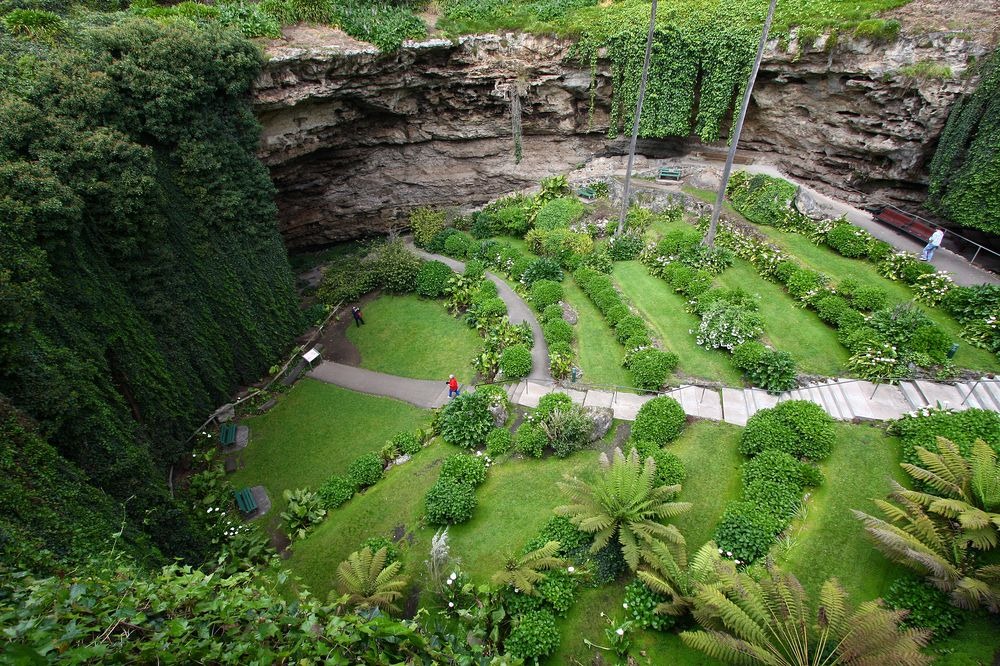
The region in the southeast of South Australia, near Mount Gambier, is littered with many volcanic and karst features such as volcanic craters, lakes, limestone caves, water-filled caves and sinkholes. One particular sinkhole, located just off Jubilee Highway East, is particularly worth visiting. What was once a typical limestone cave formed by the corrosion of limestone rocks by seawater, and the subsequent collapse of the chamber’s roof, has been transformed into a beautiful garden.

The Sunken Garden in the Umpherston Sinkhole was built by James Umpherston in the 1880s, after he purchased the property about twenty years prior. Being retired, Umpherson wanted to create a place where the people of Mount Gambier could come to relax and escape the heat of summer. He carved a path in the side of the rock and erected a set of wooden steps so people could descend into the sinkhole and to his sunken garden, where he planted all sorts of ferns, shrubs and flowers. The sinkhole even had a small lake within where visitors could take boat rides.

The garden became an immediate success and very popular among the residents of Mount Gambier. After James Umpherston died in 1900, his garden fell into disrepair, and it was only about forty years ago that the garden was rescued from a rubbish dump that it had become. The garden was restored by the employees of the South Australian Woods and Forests Department in 1976. They removed the rubbish and cleared the weeds, and planted hydrangeas and other species along the terraces.

Once again, the garden has become a popular recreation spot. In 1995, the garden was added to the South Australian Heritage Register.

Source….kaushik in http://www.amusingplanet.com

Natarajan

The Stockholm Telephone Tower….


By the late 19th century, the miracle device called the telephone had been invented but the simple concept of undergrounding telephone cables had eluded engineers. Clumps of telephone wires strung from monstrous towers hung above the heads of pedestrians in all major cities with a sizable number of subscribers.

Telephone service was expensive at that time, and only the wealthy could afford it. In Sweden, the first public telephone exchange was opened in the capital city Stockholm, in 1880, by the Bell Telephone Company. It originally had only 121 subscribers. The telephone company charged subscribers between 160 and 280 Swedish Krona, depending on the subscriber’s location and distance to the exchange. This was equivalent to paying a subscription fee of 9,000 to 16,000 Krona (USD 1,100 to USD 1,966) in today’s value, which was a very high rate.

The Bell Telephone Company with their high rates soon got a competitor in Stockholm General Telephone Company (SAT), which was founded in 1883 by the engineer and businessman Henrik Tore Cedergren. His mission was to put a telephone in every household. Cedergren’s charged very low fees for a connection and monthly subscription, and the number of subscribers increased rapidly. By 1886, Stockholm had more telephones than any of the major cities in the world, with 4,832 subscribers, including about 1,600 at Bell Telephone Company. In 1887, SAT became the world’s largest telephone company, large enough to buy out Bell Company’s business in Stockholm in 1888.

In this early days of telephony, there were no substations and every subscriber was physically connected to the central exchange with an overhead wire. The Stockholm telephone exchange had thousands of wires converging in from every direction. A massive tower held these wires together.

This iconic Phone Tower, or Telefontornet, was opened in 1887, and had over 5,500 telephone lines whose collective length came to around 5,000 kilometers. As you can see from these pictures, it was quite a mess, and the network was extremely vulnerable to the elements. The locals thought the tower looked hideous and even complained that it darkened out the sun.

With the public and the press lambasting the tower at every opportunity, the telephone company decided that the tower needed a makeover. A decoration competition was announced, and in 1890 the tower got the four corner turrets. At all major events in Stockholm, the city’s flags were hoisted there.

However, by the turn of the 19th century, the tower was already on its path to obsolescence. The telephone company realized that laying cables underground was a far more elegant solution than stringing them from towers. By 1913, the entire network had gone underground and the Telefontornet lost its function. The remaining shell stood as a landmark for the several decades. At one point, the telephone company hung advertisement banners from the tower. In 1952, the tower caught fire which weakened the structure, and was demolished the following year on safety grounds.

Source….Kaushik in http://www.amusingplanet.com

Natarajan

“மிகவும் தொன்மை வாய்ந்த வாய்ஸ் ரெக்கார்டர் எது தெரியுமா …? “


விஷ்ணு சஹஸ்ரநாமம் நமக்கு எப்படி கிடைத்தது…

1950-களில் ஒருநாள் ஒரு வானொலி நிருபர் ஸ்ரீமஹாபெரியவாளை பேட்டிகண்டு அதனை டேப்ரிகார்டரில் பதிவு செய்துகொண்டிருந்தார்.

திடீரென்று பெரியவா அவரிடமும்,அங்கு இருந்தவர்களிடமும்,”மிகவும் பழைய காலத்து வாய்ஸ் ரிகார்டர் எதுவென்று யாருக்காவது தெரியுமா” என்று கேட்டார்.

யாரும் பதில் சொல்லவில்லை.

பெரியவா மற்றொரு கேள்வியைக் கேட்டார், ”விஷ்ணு சஹஸ்ரநாமம் நமக்கு எப்படி கிடைத்தது?”

யாரோ ஒருவர்,”விஷ்ணு சஹஸ்ரநாமத்தை பீஷ்மர் நமக்குத் தந்தார்” என்றார்.

அனைவரும் “ஆம்” என்று ஒப்புக்கொண்டனர்.

பெரியவா சிரித்துக்கொண்டே தலையசைத்து விட்டு, மற்றொரு கேள்வியை வீசினார்,

”குருக்ஷேத்திரத்தில் அனைவரும் பீஷ்மர் சொன்ன விஷ்ணு சஹஸ்ரநாமத்தை பக்தியோடு கேட்டுக் கொண்டிருந்தபோது, அதனை குறிப்பெடுத்ததோ, எழுதிக்கொண்டதோ யார்?” மீண்டும் அமைதி.

ஸ்ரீசரணர் புன்னகையுடன் சொல்ல ஆரம்பி த்தார்

“பீஷ்மர், ஸ்ரீகிருஷணரின் புகழையும், பெருமைகளையும் விஷ்ணு சஹஸ்ரநாமத்தால் விளக்கிக் கொண்டிருந்தபோது, ஸ்ரீகிருஷணரும், வியாசரும் உட்பட அனைவரும் வேறு எந்த நினைப்புமின்றி அவரையே உன்னிப்பாக கவனித்துக்கொண்டிருந்தனர்.

பிதாமகர் பீஷ்மர் ஆயிரம் நாமங்களையும் சொல்லி முடித்தபின்பு அனைவரும் விழிப்படைந்தனர்.

முதலில் யுதிஷ்ட்டிரர் பேசினார்,

”பிதாமகர், ஸ்ரீவாசுதேவரின் ஒப்பற்ற பெருமை வாய்ந்த ஆயிரம் புனித நாமாக்களை சொன்னார். அவற்றைக் கேட்பதில் கவனமாக இருந்த நாம் அனைவரும் அவற்றை குறிப்பெடுக்கவோ, எழுதிக்கொள்ளவோ தவறிவிட்டோம்.

நாம் அற்புதமான விஷயத்தை இழந்து நிற்கின்றோம்” என்றார்.

அப்போதுதான் அனைவரும் எப்படிப்பட்ட தவறு நேர்ந்துவிட்டதென்று உணர்ந்து திகைத்தனர்.

பிறகு யுதிஷ்டிரர் ஸ்ரீகிருஷணரிடம் திரும்பி,”ஆயிரம் புனித நாமாக்களை மீட்டுத்தர தாங்களாவது உதவக்கூடாதா” என்று கேட்டார்.

ஸ்ரீகிருஷ்ணர் வழக்கம்போல், “என்னால் மட்டும் என்ன செய்ய முடியும்? உங்கள் எல்லோரையும் போல நானும் ஆச்சார்யர் பீஷ்மரைத்தான் பார்த்துக்கொண்டிருந்தேன் என்றார்.

அனைவரும் சேர்ந்து ஸ்ரீகிருஷ்ணரிடம், “ஹே.. வாசுதேவா, நீ ஆனைத்தும் அறிந்தவர். உம்மால் இயலாததென்பது எதுவுமே இல்லை. தாங்கள் தயைகூர்ந்து எங்களுக்கு உதவ வேண்டும்.

அந்த ஒப்புயர்வற்ற பெருமைவாய்ந்த பரந்தாமனின் ஆயிரம் புனித நாமாக்களை மீட்டுத்தர வேணடும். அது தங்களால் மட்டுமே முடியும்” என்று வேண்டினர்.

அதற்கு ஸ்ரீகிருஷ்ணர்,”இதனை செய்ய முடிந்த ஒருவர் உங்களுக்குள்ளேயே இருக்கின்றார்” என்றார்.

எவருக்கும் ஒன்றும் புரியவில்லை.

ஸ்ரீவாசுதேவர் தொடர்ந்தார்,”சகாதேவன் அதனை மீட்டு சொல்ல, வியாசர் எழுதுவார்” என்றார்.

அனைவரும் சகாதேவனால் எப்படி சஹஸ்ர நாமத்தை மீட்க முடியும் என்பதை அறிய ஆவலாக இருந்தனர்.

ஸ்ரீவாசுதேவர் கூறினார்,”உங்கள் அனைவருள்ளும் சகாதேவன் மட்டுமே ‘சுத்த ஸ்படிக’ மாலை அணிந்திருந்தான்.

சகாதேவன் சிவபெருமானை பிரார்த்தனை செய்து தியானித்து ‘சுத்த ஸ்படிகம்’ உள்வாங்கியுள்ள சஹஸ்ரநாமத்தை சப்த அலைகளாக மாற்ற, அதனை வியாசர் எழுதிக்கொள்ளுவார்” என்றார்.

‘சுத்த ஸ்படிகம்’ அமைதியான சூழ்நிலையில் எழும் சப்தங்களை கிரகித்துக்கொள்ளும்.

இது ஸ்படிகத்தின் குணம், தன்மை.

‘ஸ்வதம்பரராகவும்’ ‘ஸ்படிகமாகவும்’ இருக்கும் சிவபெருமானை தியானித்து அந்த சப்தங்களை மீட்க முடியும்.

உடனே சகாதேவனும் வியாசரும், பீஷ்மர் சஹஸ்ரநாமம் சொல்லிய அதே இடத்தில் அமர்ந்தனர்.

சகாதேவன் மஹாதேவரை பிரார்த்தித்து, தியானம் செய்து சஹஸ்ரநாமத்தை மீட்கத் துவங்கினர்.

அந்த ‘சுத்த ஸ்படிக’ மாலையே உலகின் முதல் ‘வாய்ஸ் ரிகார்டராக’, அற்புதமான விஷ்ணு சஹஸ்ரநாமத்தை நமக்குத் தந்தது………..”

என்று சொல்லி குழந்தைபோல சிரித்தார் ஸ்ரீசரணர்.

ஹர ஹர சங்கர, ஜய ஜய சங்கர.

Source….FB input from Mohan Krishnaswamy and Subramanian Thanappa

Natarajan

திருப்பதி பெருமாளுக்கு தாடையில் பச்சைக் கற்பூரம் வைப்பது ஏன்?


திருப்பதி பெருமாள் தாடையில் பச்சைக் கற்பூரம் வைப்பது ஏன்? திருப்பதி திருமலைவாசனை தரிசிக்கச் செல்லும்போது பிரதான வாசலின் வலப் புறத்தில் ஒரு கடப்பாரை தொங்குவதைப் பார்க்கலாம். இதுவரை பார்க்காதவர்கள் இனிமேல் செல்லும்போது அந்த கடப்பாரையை அவசியம் பாருங்கள். காரணம் அந்தக் கடப்பாரை பெருமாளை ஸ்பரிசித்த பெருமை கொண்டது.
எப்படி..?

பெருமாள்

திருப்பதி திருமலையின் தண்ணீர்த்தேவையைத் தீர்த்துவைக்கும் குளமான ‘கோகர்ப்ப ஜலபாகம்’ என்னும் குளத்தைத் தோண்ட  பல நூறு ஆண்டுகளுக்கு முன் பயன்படுத்தப்பட்ட கடப்பாரைதான் அது என்பதும், அப்போதுதான் பெருமாளின் திருமேனியை ஸ்பரிசிக்கும் வாய்ப்பு அந்த கடப்பாரைக்கு ஏற்பட்டது என்றும் சொல்லும்போது நம்முடைய வியப்பு பன்மடங்கு கூடுகிறது. திருமலையில் இன்றைக்கும் எங்கு பார்த்தாலும் மலர்கள் பூத்துக் குலுங்கும் இந்த நந்தவனத்தை முதலில் அமைத்த அனந்தாழ்வான்தான், அந்தக் குளத்தையும் ஏற்படுத்தியவர் என்பதும் குறிப்பிடத்தக்கது.

யார் இந்த அனந்தாழ்வான்?

வாருங்கள் திருவரங்கத்துக்குச் செல்வோம்…

திருவரங்கத்தில் திருவரங்கப் பெருமானின் கைங்கர்யத்தில் தம்மை ஈடுபடுத்திக் கொண்ட ஶ்ரீராமாநுஜருக்கு நீண்டகாலமாகவே ஒரு குறை இருந்துவந்தது. ‘நாம் திருவரங்கத்தில் நந்தவனமும், தபோவனமும் அமைத்துக்கொண்டு பெருமாளின் கைங்கர்யத்தில் ஈடுபட்டிருக் கிறோம். ஆனால்,  ‘சிந்துப்பூ மகிழும் திருவேங்கடம்’ என சதா சர்வகாலமும் பாடிப் புகழும் வேங்கடமுடையானுக்கு இப்படி ஒரு நந்தவனமும் தபோவனமும் அமைக்க முடியவில்லையே’ என்பதுதான் அவருடைய ஆதங்கம்.

அதை ஒரு நாள், தமது சீடர்களுடன் பேசிக்கொண்டிருந்தபோது தெரிவித்தும்விட்டார். தெரிவித்ததோடு நில்லாமல், ‘உங்களில் எவர் வேங்கடவனின் கைங்கர்யத்துக்கு அனுதினமும் மாலை தயாரித்துத் தரும் வேலையை எடுத்துக்கொள்ளப் போகிறீர் ?’ எனக் கேட்கவும் செய்தார். ஆனால், பசுஞ்சோலைகளும் மருதாணிப் பூக்களும் செழித்துக் கிடக்கும் காவிரிக்கரையில் நீராடிவிட்டு, அரங்கனைத் தொழும்போது கிடைக்கும் சுகானுபவம் வேறெங்கு கிடைக்கும் என்ற எண்ணத்தில் எவரும் வாய் திறக்கவில்லை.

‘குருவின் மனக்குறையைப் போக்குபவர் உங்களில் எவருமில்லையா?’ என்ற மறுபடியும் ஆச்சர்யத்துடன் பார்த்தார். அப்போது ஒற்றை ஆளாக எழுந்து நின்றார் அனந்தாழ்வான், கண்களில் வைராக்கியம். உதட்டில் புன்முறுவல். அனந்தாழ்வானை வாரி அணைத்து உச்சி முகர்ந்து திருமலைக்கு அனுப்பி வைத்தார். ஏழுமலை ஆண்டவனுக்கு ‘திருமாலை சேவை’ செய்யும்பேறு தனக்குக் கிடைத்த மகிழ்ச்சியோடு தனது மனைவியுடன் அவரும் திருமலைக்கு வந்து சேர்ந்தார்.

முன்னதாகவே அங்கே வந்து சேர்ந்திருந்த ராமாநுஜரின் தாய்மாமனான திருமலை நம்பி அவரை இன்முகத்துடன் வரவேற்று உபசரித்தார்.

‘அனந்தாழ்வா, உனக்கு குடிசைபோட்டுத் தருகிறேன். மேலும் நந்தவனம் அமைக்கவும் ஏற்பாடு செய்கிறேன். முதல் காரியமாக பெருமாளை வணங்கிவிட்டு வந்து உணவு அருந்துங்கள். களைப்பு தீர ஓய்வு எடுங்கள். நாளை முதல் உங்கள் பணியை ஆரம்பிக்கலாம்’ என்றார். அனந்தாழ்வானும் அவரது மனைவியும் அப்படியே செய்தனர்.

திருமலையில்  குடிசை ஒன்றைக் கட்டினார்.  அதனருகே நந்தவனம் அமைத்தார். மண்வெட்டியால் வெட்டி நிலத்தைப் பண்படுத்தி பூச்செடிகளை நட்டார். அந்த நந்தவனத்துக்கு தமது குருநாதரின் திருப்பெயரே நிலைக்கும்படி ‘ராமாநுஜ நந்தவனம்’ என்று பெயரும் வைத்தார். இப்போதும் அந்த நந்தவனம் அதே பெயரிலேயே அழைக்கப்படுகிறது.

மழைக்காலத்தில் செடிகள் பூத்துக் குலுங்கின. தண்ணீர் பிரச்னை எழவில்லை. கோடைக் காலத்தின்  தண்ணீர்த் தேவைக்காக குளம் வெட்டி அதில் தண்ணீரைத் தேக்க முடிவுசெய்தார். இச்சமயம் அவரது மனைவி கர்ப்பம் தரித்திருந்தார். நந்தவனம் அருகே சிறுபள்ளம் இருந்தது. அந்தப் பள்ளத்தில் ஒரு பகுதியை மேடாக்கினார். குளத்தின் ஒரு பக்கத்தை மட்டும் மண்இட்டு உயரமாக நிரப்பி, பள்ளத்தை ஆழப்படுத்தினார். ‘நானும் உங்களுக்கு உதவுகிறேன்’ என குளம் வெட்டும் பணியில் மனைவியும் சேர்ந்துகொண்டார்.

மண்ணை ஒரு புறமிருந்து மறுபக்கம் கொண்டு சென்று மனைவி கொட்டிவிட்டு வந்தார். அப்போது அவர் கருவுற்று இருந்தார். ஒரு கர்ப்பிணிப் பெண் மண் சுமந்து செல்வதைப் பார்த்த ஒரு சிறுவன், அவருக்குத் தானும் உதவுவதாகக் கூறினான். ஆனால், அனந்தாழ்வானோ, ‘நம்மால் ஊரார் பிள்ளை எதற்கு சிரமப்பட வேண்டும் என்று நினைத்தவராக, அந்தச் சிறுவனைப் பார்த்து, ‘உன் வேலை எதுவோ அதைப் போய் செய்’  என்று அனுப்பிவிட்டார்.

தனக்குக் கூலி எதுவும் வேண்டாம் என்று சிறுவன் கூறியும், அனந்தாழ்வான் மறுத்துவிட்டார். பெருமாளின் கைங்கர்யத்தில் தானும் தன் மனைவியும் மட்டுமே ஈடுபடவேண்டும் என்று நினைத்தார். அதனாலேயே அந்தச் சிறுவனை தன் திருப்பணியில் சேர்த்துக்கொள்ளவில்லை. ஆனாலும், கர்ப்பிணிப் பெண் கஷ்டப்பட்டு மண் சுமப்பதைப் பார்த்து அந்தச் சிறுவன் மிகவும் வருந்தினான்.
எனவே, ‘வேலை செய்ய கூலியே வேண்டாம். நான் மண் சுமக்கிறேன். மண் சுமந்த புண்ணியம் தங்கள் மனைவிக்கே கிடைக்கட்டும்’ என்றான் சிறுவன்.  ‘பாவ புண்ணிய விஷயங்களில் சிறுபையனான இவன் தனக்கு புத்திமதி சொல்கிறானே என ஆத்திரமுற்ற அவர் ‘அதிகப் பிரசங்கித்தனமாகப் பேசாமல் போய்விடு. கண்டிப்பாக இவ்விஷயத்தில் நீ தலையிடாதே’ என்று சிறுவனைக்  கடிந்துகொண்டு அங்கிருந்து அனுப்பினார்.

சற்று வளைவான பாதையில் சென்று மண்ணைக் கொண்டுபோய் கொட்ட  வேண்டியிருந்ததால், மனைவி அங்கு சென்று மண்ணைக் கொட்டி விட்டு வந்தார்.  அனந்தாழ்வான் இந்தப் பக்கம் மண் தோண்டினார். வளைவுக்கோ அதிக தூரம் இருந்தது. என்ன ஆச்சர்யம்… அவர் போகச் சொன்ன சிறுவன் போகாமல், அந்தப்பக்கத்தில் கூடையுடன் நின்றிருந்தான்.

” தாயே, நான் மண் சுமந்தால்தானே அவர் கோபப்படுவார். அவருக்குத் தெரியாமல் உங்களுக்கு உதவுகிறேன். இந்த வளைவுக்கு இந்தப் பக்கம் நான் சுமக்கிறேன். அந்தப்பக்கம் நீங்கள் சுமந்து வாருங்கள் ”என்றான் சிறுவன். சிறுவனின் கெஞ்சல் மொழியைக் கேட்ட பிறகு அவளால் மறுக்க இயலவில்லை.

‘சரி, தம்பி’ என்று கூடையை மாற்றிக் கொடுத்தாள். சற்றுநேரம் இப்படியே வேலை நடந்தது.  திடீரென்று அனந்தாழ்வானுக்கு சந்தேகம் தோன்றியது. ‘மண்ணைக்  கொட்டிவிட்டு சீக்கிரம் சீக்கிரமாக வந்து விடுகிறாயே’ என்று மனைவியைக் கேட்க, ”சீக்கிரமாகவே சென்று போட்டு விடுகிறேன் சிரமம் இல்லை”என்று பதில் சொல்லி சமாளித்தாள்.

சிறிது நேரம் சென்றதும், அனந்தாழ்வான்  கரையைப் பார்க்க வந்தார். சிறுவன் கர்மசிரத்தையாக மண்ணைக் கொண்டு போய் கொட்டிக்கொண்டிருந்தான். தன்னை அவர் கவனிப்பதைக்கூட பொருட்படுத்தாமல் சிறுவன் தன் பணியைச் செய்தவாறு இருந்தான். இதனால், கோபம் தலைக்கேற கடப்பாறையால் சிறுவனின் கீழ்த்தாடையில் அடித்தார்.  சிறுவனின் தாடையில் இருந்து ரத்தம் கொட்டியது. கடப்பாரையால் அடிபட்டு ரத்தம் பெருகிய நிலையில், அந்தச் சிறுவன் ஓடிப்போய்விட்டான்.


அவசரப்பட்டுத் தான் சிறுவனை ரத்தம் வரும்படி அடித்துவிட்டோமே என்ற வருத்தத்தில் அனந்தாழ்வானுக்கும் தொடர்ந்து வேலை செய்யப் பிடிக்கவில்லை. குடிசைக்குத் திரும்பிவிட்டார்.

மறுநாள் காலை திருமலை பெருமாளுக்கு அர்ச்சனைகள் செய்யவந்த அர்ச்சகர்கள் கதவைத் திறந்ததும் அலறினர். பெருமாளின் தாடையிலிருந்து ரத்தம் வழிந்து கொண்டிருந்தது. ‘அர்ச்சகரே பயப்படவேண்டாம். அனந்தாழ்வாரை அழைத்து வாருங்கள்’ என ஒரு அசரீரி கேட்டது. உடனே அவரை அழைத்துவந்தனர்.

பெருமாள் தாடையில் ரத்தம் வடிவதை அனந்தாழ்வான் கண்டார். ஆனால், அவருக்கு மட்டும், தான் மண்சுமந்த கோலத்தைக் காண்பித்தார் பெருமாள்.

”சுவாமி, என்னை மன்னித்து விடுங்கள். தங்கள் தொண்டுக்கு அடுத்தவர் உதவியை நாடக்கூடாது என்ற சுயநலத்தில் சிறுவனை விரட்டினேன். அவன் வலிய வந்து மண் சுமந்ததால் வந்த கோபத்தில் அடித்தேன். அந்தச் சிறுவனாக வந்தது தாங்கள்தான் என்று தெரியாது. சுவாமி என்னை மன்னித்தருள்க” என்று விழுந்து வணங்கினார் அனந்தாழ்வான்.

‘அனந்தாழ்வா, நீ மலர்மாலை நேர்த்தியாகக் தொடுத்து அணிவிப்பதில் எனக்கு மகிழ்ச்சி.  ஆனால், கர்ப்பிணியான உன் மனைவி மண் சுமப்பதை என்னால் பொறுத்துக்கொள்ள முடியவில்லை. பக்தர்களின் கஷ்டத்தைப் போக்கத்தான் நான் இங்கு இருக்கிறேன். என் பக்தை கஷ்டப்படுவதைக் கண்டு வேடிக்கை பார்க்க என் மனம் எப்படி இடம் கொடுக்கும்”என்று அசரீரியாகக் கேட்டார்.

”கருணைக் கடலே! உன் அருளே வேதனை போக்கும். கஷ்டம் துடைக்கும். என்னை மன்னியுங்கள் சுவாமி” என்றார். பெருமாளோ மோகனமாக தனக்கே உரிய புன்னகையை உதித்தார்.

‘சரி ‘ ரத்தம் வழியாமல் இருக்க என்ன செய்வது?’ என்று அர்ச்சகர்கள் குழம்பினர்.

‘சுவாமியின் தாடையில் பச்சைக்கற்பூரத்தை வைத்து அழுத்துங்கள் ரத்தம் வழிவது நின்றுவிடும்’ என்றார்.

அர்ச்சகர்களும் மூலவரின் கீழ்தாடையில் பச்சைக் கற்பூரத்தை வைக்க, ரத்தம் வழிந்தது நின்று போனது. இதை நினைவுபடுத்தும்விதமாகவே திருப்பதிப் பெருமாளின்தாடையில் பச்சைக் கற்பூரம் வைக்கும் நிகழ்ச்சி இன்றளவும் தொடர்கிறது.

Source…

 எஸ்.கதிரேசன் in http://www.vikatan.com
Natarajan

“உத்தரவின்றி உள்ளே வராதீர்கள்… மீறினால் கொல்லப்படுவீர்கள்”! – திகில் தீவு செண்டினல்..


அந்தமான் பக்கத்தில் இருக்கிற குட்டித் தீவு செண்டினல். நூறு ஆண்டுகளுக்கும் மேலாக இத்தீவில் இருக்கிற மனிதர்கள் பற்றிய குறிப்புகளைப் பல நாடுகளைச் சேர்ந்த பல ஆராய்ச்சியாளர்கள் வலை வீசித் தேடி கொண்டிருக்கிறார்கள். இதுவரை அவர்கள் பற்றிய ஒரு துரும்பைக் கூடக் கண்டுபிடிக்க முடியாமல் திணறுகிறது ஒட்டு மொத்த உலகமும். அவர்களை எப்படி அணுகினாலும் பதிலாக வருவது வில்லும் அம்புகளும்தான். தப்பிப் பிழைத்தவர்கள் வெளி உலகத்துக்குச் சொன்ன செய்திகள் ஒவ்வொன்றும் திகில் ரகம். செண்டினல் தீவு மக்கள் இந்த உலகத்துக்குச் சொல்வதெல்லாம் ஒன்றேயொன்றுதான் “உத்தரவின்றி உள்ளே வராதீர்கள்.”

சம்பவம் ஒன்று:

ஆவணப்படக் குழு ஒன்று படப்பிடிப்புக்காக செண்டினல் தீவுக்குப் படகில் செல்கிறது. போகும் பொழுது சில பரிசுப் பொருள்களைக் குழு கொண்டு செல்கிறது. தீவில் கரை இறங்கிய இரண்டொரு வினாடிகளில் நான்கு புறமிருந்து ஈட்டிகளும் அம்புகளும் வந்து விழுகின்றன. பதறிப் போன மொத்த குழுவும் உயிரைக் கையில் பிடித்துக்கொண்டு திரும்பி வந்திருக்கிறார்கள். திரும்பி கரையைப் பார்க்கும்போது  ஒரு அம்பு படகில் வந்து குத்துகிறது. திரும்பி வரக் கூடாது என்பதற்கு எச்சரிக்கைதான் அந்த அம்பு. சம்பவம் நடந்த ஆண்டு 1974

சம்பவம் இரண்டு:

கப்பல் ஒன்று செண்டினல் தீவின் பவளப்பாறைகளில் மோதிக் கரை தட்டி நிற்கிறது. கப்பல் கேப்டன் உதவிக் கேட்டு காத்திருக்கிறார். இரண்டாவது நாள் அதிகாலையில் கரையை நோக்கி சிலர் வருகிறார்கள். உற்றுக் கவனித்ததில் வந்தவர்கள் எல்லோர் கையிலும் வில் அம்பு ஈட்டி என வைத்திருக்கிறார்கள். கவனிக்க வேண்டிய முக்கிய விஷயம் எல்லோரும் நிர்வாணமாக இருந்திருக்கிறார்கள். ஏதோ ஆபத்து வருகிறது என்பதை உணர்ந்த கேப்டன் பதறிப்போய் வயர்லெஸ்ஸில் கடற்படைக்குத் தகவல் சொல்ல ஹெலிகாப்டரில் வந்து எல்லோரையும் மீட்டு வந்திருக்கிறது இந்திய கடற்படை. சம்பவம் நடந்த ஆண்டு 1981. கப்பலின் பெயர் ப்ரைம்ரோஸ். கூகுள் மேப்பில் இப்போதும் இந்த சிதிலமடைந்த கப்பலின் உருவம் தென்படுகிறது.

சம்பவம் மூன்று:

2006 ஜனவரி மாதம் இரண்டு மீனவர்கள் மீன்பிடித்துவிட்டு தீவின் கரையில் ஒதுங்குகிறார்கள். இரண்டு நாள்கள் கழித்து அவர்களின் இறந்துபோன உடல்கள் கரை ஒதுங்கி இருக்கின்றன. உடலெங்கும் ஈட்டி குத்திய தடயங்களுடன் கிடந்திருக்கின்றன. உடல்களை மீட்கச் சென்ற கடலோர காவல்படையினரை நோக்கி அம்புகளும் ஈட்டிகளும் வர உடல்களை மீட்காமலே திரும்பி இருக்கிறது கடற்படை.

60000 ஆண்டுகள் பழைமை வாய்ந்த பழங்குடியினர் வசிக்கிற தீவு செண்டினல். வங்காள விரிகுடா கடலில் இருக்கிறது. உலகம் இத்தீவில் இருக்கிற மக்களை செண்டினலீஸ் என அழைத்துக்கொண்டிருக்கிறது. அந்தமான் தீவுக்கு அருகில் இருக்கும் இந்தத் தீவு இந்திய அரசின் கட்டுப்பாட்டில் இருக்கிறது. பசுமை சூழ்ந்த காடுகள் அழகிய மணல் பரப்புகளைக் கொண்ட தீவின் மொத்த பரப்பளவு 72 சதுர கிலோ மீட்டர்கள். தீவில் எத்தனைப்  பேர் இருக்கிறார்கள், அவர்களின் பழக்கவழக்கம் என்ன என்பது பற்றிய எந்தக் குறிப்பும் இதுவரை இல்லை. மரங்களும் செடிகளும் சூழ்ந்திருப்பதால் ஆகாய மார்க்கமாக எடுக்கப்பட்ட படங்களில் அவர்கள் பற்றிய எந்த விவரங்களும் இல்லை. விலங்குகள், மீன்களை வேட்டையாடுவதை முக்கியத் தொழிலாகக் கொண்டிருக்கிறார்கள். உலகின் எந்தத் தொடர்பும் இல்லாமல் இருக்கிற தீவில் 50ல் இருந்து 250 வரை மக்கள் தொகை இருக்கலாம் எனத் தரவுகள் தெரிவிக்கின்றன.

2004-ம் ஆண்டு சுனாமியின்போது இந்தத் தீவு அழிந்துவிடும் என நினைத்தவர்களுக்கு எதிர்மறையான பதில்களே கிடைத்திருக்கின்றன. ஆழிப்பேரலையில் எந்தப் பாதிப்பும் நிகழாமல் இருந்திருக்கிறது. சுனாமியை முன் கூட்டியே உணர்ந்த தீவு மக்கள், உயர்ந்த இடங்களுக்குச் சென்று தப்பித்திருக்கலாம் என்கிறார்கள் ஆராய்ச்சியாளர்கள். சுனாமிக்கு பிறகான நாள்களில் செஞ்சிலுவைச் சங்கம் சென்டினல் தீவு மக்களுக்கு மருந்து மற்றும் உணவுகளை விமானத்தில் இருந்தபடியே போட்டிருக்கிறது. ஆனால், தீவு மக்கள் அவற்றை ஏற்றுக் கொள்ளாமல் ஈட்டிகளையும் அம்புகளையும் திருப்பி அனுப்பி இருக்கிறார்கள். விமானத்தை ஈட்டி பதம் பார்க்க, போன வழியிலேயே திரும்பி இருக்கிறது செஞ்சிலுவைச் சங்கம்.

இந்தத் தீவுக்குச் சென்று வெற்றிகரமாகத் திரும்பியவர்களும் இருக்கிறார்கள். 1991-ம் ஆண்டு இந்திய தொல்லியல் துறையின் திருலோகிநாத் பண்டிட் என்கிறவரின் தலைமையில் ஒரு குழு சென்றிருக்கிறது. பல ஆண்டுகளாக அவர்களைப் பற்றி முழுதும் தெரிந்து கொண்டு பயணித்திருக்கிறார். பல தடைகளுக்குப் பிறகு ஒரு முறை அம்மக்களை சந்தித்திருக்கிறார்கள். குழுவினர் கொடுத்த தேங்காய்களைப் பழங்குடியினர் பெற்றுக்கொண்டு அடுத்த பத்தாவது நிமிடத்தில் குழுவினரை திரும்பிப் போகச் சொல்லி சைகை செய்திருக்கிறார்கள். குழு சில புகைப்படங்களை எடுத்துக்கொண்டு திரும்பியிருக்கிறது.

அந்தமானின் ஜாரவா, கிரேட் அந்தமானிஸ், சென்டினலிஸ் போன்ற பழங்குடியின மக்களிடம்தான் உலகின் ஒட்டு மொத்த மனித வரலாறும் புதைந்து கிடக்கிறது. ஜாரவா இன மக்கள் நவீன மக்களுடன் இணைந்து வாழும்போது பல பிரச்னைகளை சந்திக்கிறார்கள். சில வருடங்களுக்கு முன்பு ஜாரவா மக்களிடம் சில வெளிநாட்டுப் பயணிகள் பழங்களைக் கொடுத்து ஆடச் சொல்கிற காணொளி ஒன்றை யூடியூபில் காணமுடிகிறது. பல ஆயிரம் வருடப் பாரம்பர்யம் கொண்ட ஒர் இன மக்களை ஆடச் சொல்லி வேதனைப் பட வைத்திருக்கிறார்கள் சுற்றுலாப் பயணிகள். செண்டினல் தீவு மக்கள் வெளி நபர்களை அனுமதிக்காமல் இருப்பதால்தான் இன்னமும் அங்கே வாழ்ந்துகொண்டிருக்கிறார்கள். ஒரு வேளை அனுமதித்திருந்தால் ஜாரவா இன மக்களுக்கு நேர்ந்ததைப் போல நடப்பதற்குச் சாத்தியம் இருக்கிறது.

இந்திய அரசின் கட்டுப்பாட்டில் இருக்கும் இத்தீவுக்கு யாரும் போக கூடாது என்ற உத்தரவும் இன்று வரை இருக்கிறது. தீவைச் சுற்றிய மூன்று கடல் மைல்களைப் பாதுகாப்பு வளையமாக அறிவித்திருக்கிறது  இந்தியக் கடற்படை. அந்தமான் அரசு 2005-ம் ஆண்டு செண்டினல் மக்களின் வாழ்வியல் மீதும் வாழ்விடங்கள் மீதும் ஒரு போதும் தலையிடப் போவதில்லை என அறிவித்திருக்கிறது.

இறுதியாக ஒரு விஷயம். செண்டினல் என்கிறப்  பெயருக்கு “காவலாளி” என்று பொருள்.

Source:George Anthony in http://www.vikatan.com

Natarajan


நவராத்திரியை புரட்டாசியில் கொண்டாடுவது ஏன்?…


நவராத்திரியை புரட்டாசியில் கொண்டாடுவது ஏன்?

புரட்டாசி, ஐப்பசி மாதங்களிலும், சித்திரை மாதத்திலும் நவராத்திரி கொண்டாடப்பட வேண்டும் என, இந்து சாஸ்திரம் கூறுகிறது. இவை முறையே, சரத் ருது, வசந்த ருது என்றழைக்கப்படுகின்றன.ஏன் இப்படி என்ற கேள்விக்கு, இந்த மாதங்கள், எமனின் கோரைப் பற்கள் என்றும், மனித குலம், கடுமையான நோய்களால் பீடிக்கப்படும் காலம் என்றும் பதில் வருகிறது.

சண்டிகையை வழிபட்டால், நோய்களைத் தவிர்க்கலாம். சண்டிகை என்பவள் சாதாரணமானவள் அல்ல. 18 கைகளை உடையவள்; ஆயுதம் தரிப்பவள். மகா வீரியம் கொண்டவள். எப்பேற்பட்ட துக்கங்களையும் துாக்கி எறிபவள். இவளை வழிபடுவதற்கான காலமாகவே, நவராத்திரி ஏற்படுத்தப்பட்டது. மகாளய பட்சம் முடிந்த அடுத்த தினத்திலிருந்து கொண்டாடினால், நோய் வரும் முன் விரட்டலாம்.

வட மாநிலங்களில் நவராத்திரி, துர்கா பூஜையாகக் கொண்டாடப்படுகிறது. கல்வியில் சிறந்து விளங்க விரும்புபவர்கள், எதிலும் வெற்றி வாகை சூட விரும்புபவர்கள், அதிகாரத்தில் தொடர்ந்து இருக்க விரும்புபவர்கள், சுக வாழ்வு வாழ விரும்புபவர்கள், நவராத்திரியைக் கொண்டாட வேண்டும் என, வியாசர் சொல்கிறார்.நவராத்திரி, பெண்களுக்கு மட்டுமே உரிய பண்டிகை என நம்பப்படுகிறது. ஆனால், மேலே சொன்ன பராக்கிரமங்களை பெரும்பாலும் விரும்புபவர்கள் ஆண்களே. எனவே, அவர்களுக்கு இந்த பண்டிகை மிகவும் முக்கியம்.

நவராத்திரி விரதம், பிரதமையில் துவங்கி நவமியில் முடிகிறது. இந்த நாட்களில், அம்பிகையை பூஜித்தால், அம்மை நோய் வராது என்றும், கிரக தோஷங்கள் நீங்கும் என்றும் சொல்லப்படுகிறது. எதிர்மறையான விளைவுகள் எதுவும் வாழ்க்கையில் அண்டாது.

அழகு, அன்பு, ஆற்றல், அருள், அறிவு ஆகியவற்றை, பெண் வடிவமாக கருதுவது நம் மரபு. கல்லையும், பெண்ணுருவாக்கி வழிபடுவது, நம் கலாசாரம். இவை இப்படி இருக்க, பெண் என்றால் பலவீனம் என நினைத்து, சுயஅழிவை தேடிக் கொண்ட மகிஷாசுரனின் கதை தான், நவராத்திரி விழாவின் துவக்கம். அன்னை பராசக்திக்காக, ஒன்பது நாட்கள் இரவில் தொடர்ந்து செய்யப்படும் பூஜையாகும். பொதுவாக, நவராத்திரி பூஜை, ஆண்டிற்கு நான்கு முறை கொண்டாடப்பட வேண்டும் என்பது புராண வரலாறு.

நான்கு வகை நவராத்திரி

ஆடி மாத அமாவாசைக்கு அடுத்து வரும் பிரதமை முதல் ஒன்பது நாட்கள் – வராஹி நவராத்திரி

புரட்டாசி மாத அமாவாசைக்கு அடுத்து வரும் பிரதமை முதல் நவமி வரை ஒன்பது நாட்கள் – சாரதா நவராத்திரி

தை மாத அமாவாசைக்கு அடுத்து வரும் பிரதமை முதல் ஒன்பது நாட்கள் கொண்டாடப்படும் நவராத்திரி – சியாமளா நவராத்திரி

பங்குனி மாத அமாவாசைக்கு அடுத்து வரும் பிரதமை முதல் ஒன்பது நாட்கள் – வசந்த நவராத்திரி

இந்தியாவில், புரட்டாசி மாத மகாளய அமாவாசைக்கு பின் வரும், பிரதமை நாள் முதல் ஆரம்பிக்கும் சாரதா நவராத்திரி பெரும்பாலானோரால் கொண்டாடப்படுகிறது. புரட்டாசி மாதம் பிறந்தால், புது வாழ்வு அமையும் என்பது புதுமொழி.

அரிசி மாவு கோலம்

சுண்ணாம்பு மாவு பயன்படுத்தாமல், அரிசி மாவு மற்றும் செம்மண் கோலமிட்டால், குடும்ப ஒற்றுமையும், செல்வமும் வளரும். நவக்கிரக கோலம் போட்டால், அம்பாள் அனுக்கிரகமும், நவக்கிரகப் பலன்களும் கிடைக்கும்.இரவு, 7:00 மணி முதல், 9:30 மணி வரை தேவி வழிபாடு செய்ய உகந்த நேரமாகும்.

பூஜையில் கலந்து கொள்ளும் கன்னிப் பெண்களுக்கு புதிய ஆடை, பல விதமான மங்கலப் பொருட்கள், மஞ்சள், குங்குமம், வளையல், ரிப்பன், பொட்டு என, அளிப்பது நன்மை தரும்.

ஒன்பது நாட்களின் மகிமை

இந்த ஒன்பது நாட்களும், பராசக்தி, ஒவ்வொரு தேவியின் வடிவில், ஒரு வயது முதல் 10 வயது கன்னிப்பெண் வடிவில் அவதாரம் செய்கிறாள்.கன்னியின் வயதிற்கேற்ப, ஒவ்வொரு நாளும் ஒரு கன்னிகையாக ஒன்பது நாள் ஒன்பது கன்னிகைகளையும், ஒன்பது சுமங்கலிகளையும் பூஜை செய்வது, அளவிட முடியாத புண்ணியம் உண்டாகும்

குமாரி, திருமூர்த்தி, கல்யாணி, ரோகிணி, காளி, சாண்டிகா, சாம்பவி, துர்க்கா, சுபத்திரா
என்ற பெயர்களால் ஒன்பது நாட்களும் பூஜிக்கப்பட வேண்டும்.அனைத்திலும் தேவியே உள்ளாள் என்பதை, உலகுக்கு உணர்த்தவே நவராத்திரி நாட்களில் கொலு வைக்கப்படுகிறது. பராசக்தி, அசுரர்களுடன் சண்டையிட்ட போது, தேவர்கள், பொம்மை மாதிரி நின்று கொண்டிருந்ததைக் காட்டத்தான், ‘பொம்மை கொலு’ வைப்பதாகவும் சொல்வதுண்டு.

இந்த ஒன்பது நாட்களில், தினமும், பகலில் சிவ பூஜையும், இரவில் அம்பிகை பூஜையும் செய்வதே சரியான வழிபாடாகும். பகலில், 1008 சிவ நாமாவளிகளை ஜெபித்து வழிபட்டால் பலன்கள் கிடைக்கும்.தசரதனின் மகன் ராமர் தான், முதன்முதலில் கொண்டாடினார். அதன் பின் தான், அவருக்கு சீதை இருக்குமிடம் தெரிந்தது என்று கூறப்படுவதும் உண்டு.

Source….www.dinamalar.com

Natarajan