The Secrecy of the Film ” Psycho”….

hitchcock

When it was released in 1960, Psycho was one of the most controversial films of the day, thanks in part to the surprising (for the time) depictions of violence and sexuality it contained. In an effort to keep spoilers to a minimum and thus ensure audiences were as surprised as possible by the film’s more shocking twists and scenes, Hitchcock went to some rather extreme lengths to keep the film’s basic plot a secret.

For starters, one of the first things Hitchcock did after reading the original 1959 novel the film was based on-Psycho, by Robert Bloch- and deciding that he just had to adapt it to film, was charge his assistant with purchasing as many copies of the book as possible to keep it out of public hands. Exactly how many copies Hitchcock managed to get his hands on isn’t known, but it is generally thought that he came reasonably close to purchasing every copy on the shelves at the time. This must have been nice for Bloch, at least financially, who not only got a little over $9,000  (about $71,000 today) for the movie rights to the novel, but a nice payout for all the extra copies Hitchcock purchased.

Although Hitchcock was positively enamoured by the novel’s twists and shocking content (which was partly inspired by the killings of Ed Gein, who also inspired the Texas Chainsaw Massacre movies) Paramount Pictures weren’t. They particularly didn’t like the fact that Hitchcock’s contract with them only guaranteed he’d do one other film for them.  They did not want it to be Pyscho.

To try and dissuade Hitchcock from pursuing the film any further, executives more or less attempted to halt production at every turn, which only strengthened the director’s resolve. For example, the studio refused to give Hitchcock his usual budget, offering him just shy of a million dollars instead of the $3 million and change they’d given him for his previous film, North by Northwest.

Rather than scrap the project, as they hoped, a defiant Hitchcock decided instead to simply film the movie using a television crew mostly borrowed from his show, Alfred Hitchcock Presents and shoot the entire thing in black and white. Hitchcock also managed to secure the film’s main two actors, Janet Leigh and Anthony Perkins, for a fraction of their usual fees saving tens of thousands of dollars. He also, as a demonstration of his faith in the project, turned down his normal pay and instead very wisely opted for a percentage of the film’s ultimate returns, reportedly at a whopping 60%.

In a further attempt to get him to scrap the project in favour of something they deemed better to complete his contract with them, Paramount Pictures told Hitchcock their sound stages and other such needed equipment were completely booked, even though they weren’t. Again, Hitchcock was undeterred and moved production over to Universal Studios. Ultimately Paramount gave in and green-lighted the project, though at this stage not nearly as involved in it as they’d normally have been.

This proved to be a boon to Hitchcock as he was free from executive meddling. It also allowed him to film on what was essentially a closed set, helping to insure that no details of the plot leaked.

To further make sure of this, Hitchcock made every member of the cast and crew promise that they wouldn’t talk about the film, its plot, or twists- rumor has it by making each and every one of them say in front of him “I promise I shall not divulge the plot of Psycho”.

Even after the film was finished, Hitchcock barred both Leigh and Perkins from giving any interviews concerning it, instead choosing to promote the film almost entirely by himself.

To avoid giving away any potential details about the plot, Hitchcock promotional efforts focused wholly on alluding to the film’s shocking twists and content, without giving away any details.  For instance, he sent a guide to theatres instructing them what to do in the event someone had a heart attack while watching the film. This is something Hitchcock would later double down on at initial screenings by hiring “nurses” to stand around theatre lobbies.

Hitchcock also took out a number ads in the lead up to the film’s release that merely featured an image of himself pointing sternly at his watch with a statement that said nobody who turned up to the film late would be permitted to see that showing of it.

Other ads, and even a clip at the end of the film, featured an image of Hitchcock encouraging those who watched it not to spoil the film for others saying things like,”After you see Psycho, don’t give away the ending, it’s the only one we have.” and “If you can’t keep a secret, please stay away from people after you see Psycho.

The final means with which the plot could potentially be spoiled early was with movie critics. As such, Hitchcock didn’t allow critics to see an advanced copy, suggesting instead that they watch it on release day like everybody else. Annoyed critics generally responded by savaging the film and, as Hitchcock had suspected they would, giving away plot points he’d tried so hard to protect in their rushed, release day reviews. For example, in their 1960 review of the film, Variety mentioned that the film contained several “graphically-depicted knife murders”.  After the film was a smashing success with the public, many of the critics who’d initially called the film a schlock,  bravely changed their opinion and began referring to it as a masterpiece of cinema.

Paramount similarly forgot all about how they’d initially tried to can the film before production began and heroically tried to ride Hitchcock’s coattails after the film proved to be one of the most profitable they’d ever produced up to that point, grossing about $32 million (about $252 million today) in its initial run off the ultra-tight budget they’d given Hitchcock.

Source…..www.todayifoundout.com

Natarajan

20 years of Internet in India: On August 15, 1995 public Internet access was launched in India…

It was on August 15, 1995 Videsh Sanchar Nigam Limited (VSNL) formally launched the Internet for the Indian public

Today, it has been exactly 20 years since the Internet entered our country’s e-sphere and has been powering our lives in ways unimaginable back then. From education, banking, shopping, to the notorious hacks and scams; Internet has become ubiquitous. It has moved from the bulky desktops in cyber cafés and arrived into the palms of people; the future looks even more sweeping with balloon Internet complete with flying cars and virtual reality zones where all that is needed to explore is – human imagination.

The early history of Internet in India, in fact, dates back to 1986 when it was launched in the form of Educational Research Network (ERNET) meant only for the use of educational and research communities. It was a joint undertaking of the Department of Electronics (DOE) of the Government of India, and the United Nations Development Program (UNDP), which provides technical assistance to developing nations.

There was also the NICNet that began in 1988, the network was operated by the National Informatics Centre with the purpose of improving communications between government institutions.

Bringing the technology to India wasn’t exactly a smooth process; rather marred by negative criticism and publicity when it was first launched as Videsh Sanchar Nigam Limited (VSNL) Gateway Internet Access Service (GIAS).

People who spearheaded the digital revolution included tech evangelists like Kanakasabapathy Pandyan, VSNL chairman BK Syngal, technology director at VSNL Amitabh Kumar, and other corporate honchos, and also an iconic Hindi cinema personality – Shammi Kapoor. Bringing them together was their love for computers and the digital revolution they could foresee in Internet.

The Gateway Internet Access Service (GIAS) was launched on August 15, 1995 in Bombay (now Mumbai), Delhi, Calcutta (now Kolkata) and Madras (now Chennai). The initial launch of Internet services in India was with a rate of Rs 25,000 for a 250 hour TCP/IP account for commercial organisations at 9.6 kbps speed.

The official launch of the Internet for the Indian public ended up being a big goof up as VSNL had no estimation about the hidden demand, this was coupled with hardware and network issues. However, post the botched launch, VSNL was able to add 10,000 Internet users in just six months.

Twenty years later, according to the latest data released by the Telecom Regulatory Authority of India (TRAI), there are a total of 302.35 million Internet subscribers in India.

Source….Deepali Moray IBNLIVE.COM

Natarajan

Google Doodle Celebrates India’s Independence Day…

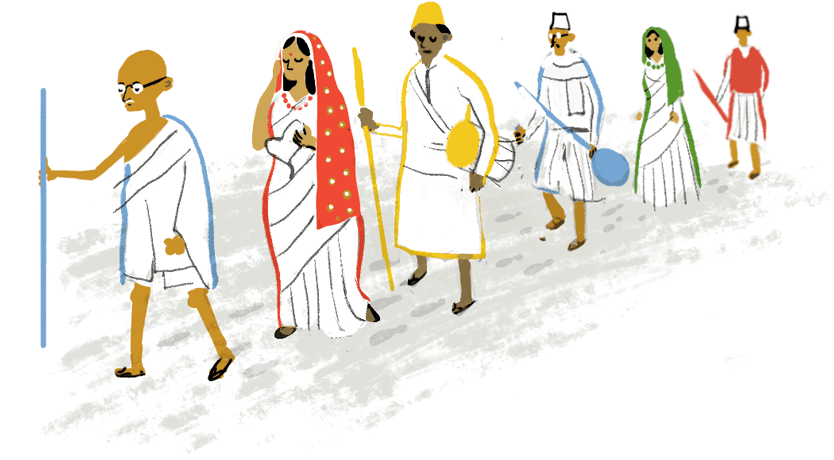
Illustration on Google India shows Gandhi leading the Dandi March of 1930

In honor of the 69th Anniversary of India’s Independence on Aug. 15,Google India’s Doodle features Mahatma Gandhi leading the Dandi March of 1930.

India Independence Day 2015

The scene depicts a significant moment in India’s push for freedom from the rule of the British Raj and the beginning of the Civil Disobedience Movement. Seventy-eight Congress volunteers participated in the 240-mile march in protest of unfair salt laws.

Leon Hong illustrated the Doodle for Google users in India as they celebrate the Indian Independence Act of 1947 on Saturday.


Source…Julia Zorthian   http://www.times.com

Natarajan

“வேப்பம்பூ பச்சடி எப்படிச் செய்கிறீர்கள்?”….

ஜகத்குரு தரிசனம்
வேப்பம்பூ பச்சடி
(எழுசீர் விருத்தம்: காய் விளம் விளம் தேமா . காய் காய் காய் )


வேப்பம்பூ புளியுடன் வெல்லமும் நாங்கள்
. வேதமுனி அவைதன்னில் சமர்ப்பித்தோம்
வேப்பம்பூ பச்சடி செய்விதம் என்ன
. மேதையவர் எங்களிடம் கேட்டாரே
யாப்பென்றே அவரிடம் ஓர்முறை சொன்னோம்
. யாதுமறி யாதவர்போல் செவிமடுத்தார்
சாப்பாட்டுக் கித்துடன் தேனுடன் நெய்யும்
. சற்றேசேர் பச்சடியில் சுவைகூடும்! … 1

பக்குவமாய்ச் செய்தபின் பச்சடி அம்பாள்
. பாதத்தில் நைவேத்யம் செய்வீரே
முக்கண்ணி நம்மிடம் வசப்படு வாளே
. முன்வந்தே அருள்செய்து காத்திடுவாள்
அக்கணத்தில் கேட்டது சரியெனச் சொல்வார்
. அகமுடையான் பச்சடியை உண்டாலே!
சிக்கலின்றி பணிகளைச் செய்வரே செய்வோர்
. சீர்மிக்க பச்சடியின் மகிமையன்றோ! … 2

பக்குவமாய்ப் பச்சடி செய்திடச் சொல்லிப்
. பணித்தாரே திருமடத்தின் பிரசாதம்!
சிக்கனமாய்ப் பச்சடி தந்தவர் கேட்டார்
. தெரிகிறதா நான்தந்த காரணமே?
தக்கபடிப் பெரியவர் சொல்வது உள்ளம்
. தங்கிடவே என்றுரைத்தாள் ஓர்மங்கை
முக்கண்ணி பக்தியில் எந்நாளும் நீங்கள்
. முழுகிடவே தந்தேன்நான் என்றாரே. … 3

புதுக்கோட்டை பத்தராய்த் தரிசனம் செய்தே
. புண்ணியங்கள் பெற்றோமே நாங்களெலாம்!
எதுசொன்னா லுமதிலோர் தத்துவம் காட்டி
. எங்களுக்கு வழிசொல்லும் காஞ்சிமுனி
பொதுவான அறமென உள்ளதைச் செய்தால்
. பொலிவுடனே வாழ்ந்திடலாம் என்றாரே
எதுநல்ல காரியம் என்றுநாம் தேர்ந்தே
. இறைபக்தி உடன்சேரச் செய்வோமே! … 4

–ரமணி, 13/08/2015
Source…www.periva.proboards.com

Natarajan
Read more: http://periva.proboards.com/thread/9877?page=1&scrollTo=16638#ixzz3ihamzKId

The quiet, nerdy schoolboy who went all the way….Read What SundarPichai’s Grandmother says about him ….

Sundar Pichai was inquisitive and eager to learn, says grandmother Ranganayaki

Kamikaze auto drivers on Chennai’s streets may make you fear for life and limb. But as a school-boy, auto rides to school did not faze the newly-anointed CEO of Google Sundar Pichai, who, a school-mate who shared the rides recalls, had his nose in his books all the way to school.

Quiet, nerdy and studious is how friends of Pichai remember him from his days at Jawahar Vidyalaya, a CBSE school in Ashok Nagar, Chennai. Pichai was so focused on studies and wanted to fare well in academics that most of his associates don’t remember him participating in sports or any other extra-curricular activities.

A classmate recalls, “Sundar was academically bright, though he wasn’t the first in class. He was always ranked third, behind two girls, who took the first two ranks. He wasn’t very participative and kept to himself.”

Cool guy

Another classmate, chary of having her name on record, recalls that he always had a smile on and never got upset over anything.

The school put all the brightest students and achievers in the 9th standard in section A, where Pichai too was placed. Though, of course, there was nothing to indicate that one day he would go on to head a major global corporation.

That he could be fiercely competitive was, however, evident as this classmate recalls: “When the mark-sheets were distributed in class, he would be the first one to rush to take them from the teacher and compare his marks with other toppers in the class.”

Pichai moved out of Jawahar Vidyalaya to join Vana Vani, a school inside the IIT-Madras campus to pursue his Plus Two under the Tamil Nadu State board syllabus.

Born in Madurai, Pichai grew up in Chennai, where his father worked for switchgear-maker English Electric Co Ltd. Pichai did not have very many friends but he was inquisitive and eager to learn, even at a young age, says Ranganayaki, Pichai’s grandmother, who is 92 years old and lives in the same modest house in a quiet lane in Ashok Nagar where Pichai grew up.

Street cricket

Ranganayaki, her memory still strong, recalls that Rajesh, as Pichai is called at home, hated wasting time and was diligent when it came to his studies.

“Both the brothers liked to play cricket in front of the house after school, though it was mostly just the two of them,” she says.

Another classmate, who is still in touch with him from his school days, says Pichai remains the same quiet person he always was.

“It’s difficult for us to imagine that he now heads Google,” she says.

(This article was published on August 11, 2015)
Source…..

    SWATHI MOORTHY and,
    Natarajan

கம்பனும் மதுவிலக்கும்…..

மது அருந்துவது தீய பழக்கம் என்று கம்பராமாயணத்தில் பல இடங்களில் பதிவுசெய்கிறான் கம்பன்

ஆங்கிலேயரது ஆட்சிக் காலத்திலேயே தமிழ்நாட்டில் மது விலக்குக்காக 1886-ல் மதராஸ் அப்காரி சட்டம் என்ற ஒரு சட்டம் இயற்றப்பட்டது. அப்காரி என்ற சொல்லுக்குப் போதை ஊட்டும் பானங்களையோ மருந்துகளையோ தயாரிப்பது அல்லது விற்பது என்பது பொருளாகும். இச்சொல், பெர்ஷிய மொழிச் சொல்லாகும். இந்தச் சொல்லுக்கு இன்னொரு பொருள் மதுபானம் மற்றும் மருந்துகள் தயாரிப்பது அல்லது விற்பதற்கு விதிக்கப்படும் வரி என்பதாகும்.

மதராஸ் அப்காரி சட்டம், 1905, 1913, 1929 ஆகிய ஆண்டுகளில் திருத்தம் செய்யப்பட்டு, அதன் பின்னால் ஒரு புதுச் சட்டமாக 1937-ம் ஆண்டு தமிழ்நாடு மதுவிலக்குச் சட்டம் இயற்றப்பட்டது. இந்தச் சட்டத்தின் முதல் நோக்கம் என்னவென்றால், போதையூட்டும் பானங்களையும், மருந்துகளையும் தயாரிப்பது, விற்பது மற்றும் அருந்துவது ஆகிய அனைத்தையும் தடை செய்வதாகும். ஆனால் பின்னாளில், மதுபானங்களின் தயாரிப்பு, விற்பனை மற்றும் அருந்துதலை ஒழுங்குபடுத்தும் சட்டமாக இது மாற்றப்பட்டுவிட்டது.

1947-ல், இந்திய நாடு சுதந்திரம் அடைந்த பிறகு, 26.1.1950-ல் நமது அரசியல் நிர்ணயச் சட்டம் அமலுக்கு வந்தபிறகு, அதில் மருத்துவத் தேவையைத் தவிர மற்ற எந்தக் காரணத்துக்காகவும் மது அருந்துவதைத் தடை செய்வதற்கு எல்லா மாநிலங்களும் தீவிர முயற்சி எடுக்க வேண்டும் என்னும் உறுதிப்பாடு, பிரிவு 47-ல் கொண்டுவரப்பட்டது. இது ஏட்டளவில் நின்றுபோய், பெருவாரியான மாநிலங்கள் மது விலக்கைத் தளர்த்தி, குறைந்தபட்சம் இரண்டு தலைமுறைகளை உடல் மற்றும் மனவளம் குன்றியவர்களாக ஆக்கிவிட்டது. கடந்த 67 ஆண்டுகளாகச் சுதந்திர இந்தியாவில் பல மாநிலங்கள் மது விற்பனையால் வரும் வருமானத்தைக்கொண்டே மக்கள் நலத் திட்டங்களை அமல்படுத்துவதாகக் கூறுகின்றன. கண்ணிரண்டும் விற்றுச் சித்திரம் வாங்குவது போலவும், கோயிற்பசை செய்வோர் சிலையைக் கொண்டு விற்றல் போலும், வாயிற் காத்து நிற்போர் வீட்டை வைத்து இழத்தல் போலும், நம் நாட்டின் மதுவிலக்குக் கொள்கை அமைந்துவிட்டது.


கம்பன் கண்ட கோசல நாடு, கிஷ்கிந்தை மற்றும் இலங்கை கூட, இந்தக் குழப்பத்துக்கு விதிவிலக்குகளாக அமையவில்லை போலும். எனவே, கம்பன் பல இடங்களில் கோசல நாட்டு மக்கள், கிஷ்கிந்தை மற்றும் இலங்கை மக்கள் கொண்டிருந்த குடிப் பழக்கத்தை ஆங்காங்கே காட்டிவிட்டு, அதேசமயம், பல இடங்களில் இப்பழக்கத்தைக் கண்டிக்கவும் செய்கிறான்.

யுத்த காண்டம், பிரம்மாத்திரப் படலத்தில், இந்திரஜித்தனின் பிரம்மாஸ்திரத்தால் அனைவரும் கீழே விழுந்து கிடக்கும் செய்தியைக் கேள்விப்பட்ட ராவணன், ஒரு வெற்றிவிழாக் கொண்டாட்டத்துக்கு ஏற்பாடு செய்கிறான். இந்தக் கொண்டாட்டங்களைக் களியாட்டுப் படலத்தில், கம்பன் கற்பனை வளத்தோடு விவரிக்கிறான். அந்தக் கொண்டாட்டத்தில், அரம்பையர்கள், அரக்கியர்கள், அசுரப் பெண்கள், நாக கன்னியர்கள் ஆகியோரை ராவணன் ஆடவைக்கிறான். அப்போது, கள்ளுண்டு ஆடியவர்களுடைய நிலை எப்படி இருந்தது என்பதைக் கம்பன் சொல்கிறான் :

நல் பெருங் கல்விச் செல்வம் நவை அறு நெறியை நண்ணி,

முன் பயன் உணர்ந்த தூயோர் மொழியொடும் பழகி, முற்றி,

பின் பயன் உணர்தல் தேற்றாப் பேதைபால், வஞ்சன் செய்த

கற்பனை என்ன ஓடிக் கலந்தது, கள்ளின் வேகம்.

அதாவது, நல்ல கல்விச் செல்வத்தால் பெரியோர் களது உபதேச மொழிகளை அறிந்து அவற்றால் வரும் பயனைத் துய்க்க வேண்டிய தருணத்தில், ஒரு மூடன் மனதில் ஒரு வஞ்சகன் வைத்த கற்பனை எப்படிப் பரவி நிற்குமோ அப்படிக் கள்ளின் வேகம், மகளிர் கூட்டத்தில் பரவியது என்பது இப்பாடலின் பொருள். கல்வியால் பெறும் தெளிவைக் கள்ளினால் வரும் மயக்கம் அழித்துவிடும் என்னும் உறுதியை இப்பாடலில் கம்பன் காட்டுகிறான். இதில் பின்னால் வரும் இன்னொரு பாடலில் கள்ளுண்டு ஆடிய காரணத்தால் தாளமும், காலமும் தவறி ஆடிய பெண்களைக் கம்பன்,

‘பாணியின் தள்ளி, கால மாத்திரைப் படாது பட்ட நாணியின் முறையின் கூடாது, ஒரு வழி நடையின் செல்லும் ஆணியின் அழிந்த பாடல் நவின்றனர்’

என்று விவரித்தான். கள்ளுண்ணுதல் பெரும் பாவம் என்னும் கருத்தையும் பல்வேறு இடங்களில் குறிப்பிடுகிறான்.

யுத்த காண்டம், நிகும்பலை யாகப் படலத்தில், தன்னை இகழ்ந்து பேசும் இந்திரஜித்தனுக்கு மறுமொழி உரைக்கும் வீடணன், தான் குற்றமற்றவன் என்பதற்கு அத்தாட்சியாக

‘உண்டிலென் நறவம் பொய்ம்மை உரைத்திலென் வலியால் ஒன்றும் கொண்டிலென் மாய வஞ்சம் குறித்திலென், யாரும் குற்றம் கண்டிலர் என்பால்;

என்று உரைக்கிறான். எனவே, மது அருந்துவது என்பது, பொய் சொல்வதற்கும், பிறர் பொருளைக் கவர்வதற்கும், வஞ்சம் செய்வதற்கும் இணையான குற்றம் என்பதையும் கம்பன் பதிவு செய்கிறான்.

‘ஏயின இது அலால், மற்று, ஏழைமைப் பாலது என்னோ?

“தாய் இவள், மனைவி” என்னும் தெளிவின்றேல், தருமம் என் ஆம்?

தீவினை ஐந்தின் ஒன்று ஆம் அன்றியும், திருக்கு நீங்கா

மாயையின் மயங்குகின்றாம் மயக்கின்மேல் மயக்கும் வைத்தாம்!

‘கள்ளுண்ணல் ஐம்பெரும் பாதகங்களில் ஒன்று. தாயையும் மனைவியையும் வேறுபடுத்தி அறியும் அறிவைக் கள் அழிக்கும். மற்ற எல்லா அறங்களைப் பின்பற்றி வாழ்ந்தாலும், கள் அருந்துபவனுக்குப் பிற அறங்களால் என்ன பயன்? மனிதப் பிறவி எடுத்தவன் ஏற்கெனவே மாயையின் மயக்கத்தில் ஆழ்ந்து கிடக்கும் போது, அந்த மயக்கத்தின் மேல் இன்னொரு மயக்கத்தை ஊட்டுவது எஎவ்வளவு விந்தை’ என்று ஒரு மாயையின் தத்துவத்தை இப்பாடலில் சுக்ரீவன் பேசுகிறான்.

‘வஞ்சமும், களவும், பொய்யும், மயக்கமும், மரபு இல் கொட்பும்,

தஞ்சம் என்றாரை நீக்கும் தன்மையும், களிப்பும், தாக்கும்

கஞ்ச மெல் அணங்கும் தீரும், கள்ளினால் அருந்தினாரை

நஞ்சமும் கொல்வது அல்லால் நரகினை நல்காது அன்றே?

விஷம்கூட அருந்தியவரைக் கொல்லுமே தவிர, நரகத்தில் தள்ளி விடாது. ஆனால், மது அருந்துவதால் வஞ்சனை, திருட்டு, பொய், அறியாமை, தொன்று தொட்டு வந்த மரபுக்கு மாறான கொள்கை, அடைக் கலமாக வந்தவரைக் காப்பாற்றாத தன்மை, ஆணவம் ஆகியவை வந்து சேர்ந்து நரகத்தில் கொண்டு விட்டுவிடும் என்கிறான் சுக்ரீவன்.

இப்படி சுக்ரீவன் மூலமாக மது ஒழிப்புக்கு ஒரு மிகப் பெரிய அடித்தளத்தை அமைத்துக் கொடுத்த கம்பன், இந்திய அரசியல் நிர்ணயச் சட்டம் பிரிவு 47-ல் கொள்கையளவில் ஏற்றுக்கொள்ளப்பட்ட மது விலக்கு, நடைமுறையில் காற்றில் பறக்க விடப்பட்டதை நமக்கு நினைவுபடுத்திக் காட்டுகிறான்.

– உயர் நீதிமன்ற நீதிபதி வெ.இராமசுப்பிரமணியன் எழுதிய ‘கம்பனில் சட்டமும் நீதியும்’ நூலிலிருந்து தேர்ந்தெடுக்கப்பட்ட பகுதிகள் (வெளியீடு: வானதி பதிப்பகம்).

source….வெ.இராமசுப்பிரமணியன் in http://www.tamil.thehindu.com

Natarajan

சிங்கப்பூரின் பொன்விழா….

சிங்கப்பூர் நிகழ்த்திவரும் சாதனைகளும் அதன்முன் உள்ள சவால்களும்.

சிங்கப்பூர் தனி நாடானது ஆகஸ்ட் 9, 1965. ஆனால், யாரும் ஆடவில்லை பள்ளுப் பாடவில்லை. ஆனந்த சுதந்திரம் அடைந்துவிட்டோமென்று கொண்டாடவும் இல்லை. அடுத்த 25 ஆண்டுகளுக்கு சிங்கப்பூரின் பிரதமராக இருக்கப்போகும் லீ குவான் யூ மிகுந்த கலக்கத்திலிருந்தார். இந்த நகரை எப்படி ஒரு தனிநாடாக மாற்றப்போகிறோம் என்று மலைத்துப்போயிருந்தார். மழை நசநசத்துக்கொண்டிருந்தது. எங்கும் புழுக்கம். தனது உணர்ச்சிகளைக் கட்டுப்படுத்த முடியாமல் செய்தியாளர் சந்திப்பை 20 நிமிடங்கள் தள்ளி வைத்தார். சிங்கப்பூர் மலேசியாவுடன் இணைந்திருப்பதையே லீ விரும்பினார். ஆனால், மலேசியா விரும்பவில்லை. அது சிங்கப்பூரை வெளியேற்றியது.

ஓர் இந்தோனேசியத் தலைவர் காழ்ப்போடு குறிப்பிட்டார்: ‘உலக வரைபடத்தில் சிங்கப்பூர் ஒரு சிவப்புப் புள்ளி’ என்று! பரப்பளவு வெறும் 718 ச.கி.மீ. சிங்கப்பூரில் இயற்கை வளங்கள் குறைவு. தண்ணீரே மலேசியாவிலிருந்துதான் வர வேண்டும். அன்று தொழிலும் வணிகமும் சொல்லிக்கொள்ளும்படி இல்லை. மொழியால், இனத்தால், பண்பாட்டால், வேறுபட்ட சீனர்களையும் மலேசியர்களையும் இந்தியர்களையும் உள்ளடக்கிய நாடு. இனக் கலவரம் தொட்டால் பற்றிக்கொள்ளும் நிலையிலிருந்தது. அண்டை நாடுகளான மலேசியாவுடனும் இந்தோனேசியாவுடனும் நல்லுறவு இல்லை. லீ-யின் கவலையில் நியாயமிருந்தது.

ஆடுவோமே பள்ளுப்பாடுவோமே

50 ஆண்டுகள் கழிந்துவிட்டன. இப்போது தேசிய தினத்தின் பொன்விழா கோலாகலமாக நடக்கிறது. வாண வேடிக்கை, கண்காட்சிகள், இசை நிகழ்ச்சிகள்… அரசு ஊழியர்களுக்கு போனஸ், பள்ளிப் பிள்ளைகளுக்கு லீகோ விளையாட்டுப் பெட்டி, ஒவ்வொரு வீட்டுக்கும் நினைவுப் பரிசு. நான்கு நாள் கொண்டாட்டங்களை அறிவித்திருக்கிறார் லீ குவான் யூ-வின் மகனும் இப்போதைய பிரதமருமான லீ சியன் லூங்.

இந்தக் கொண்டாட்டங்களுக்குக் காரணம் இருக்கிறது. இன்று சிங்கப்பூர் உலகின் செல்வந்த நாடுகளின் பட்டியலில் அமெரிக்கா, சுவிட்சர்லாந்து, ஆஸ்திரேலியா போன்ற நாடுகளைப் பின்னுக்குத் தள்ளிவிட்டு, மூன்றாவது இடத்தில் இருக்கிறது. பொதுத் துறைகள் திறமையானவை. வரிகள் குறைவானவை. சேவைகள் தரமானவை.

சிங்கப்பூரும் ஹாங்காங்கும்

ஆய்வாளர்கள் ஹாங்காங்கையும் சிங்கப்பூரையும் எப்போதும் ஒப்பிடுவார்கள். இரண்டு இடங்களிலும் உள்ள துறைமுகங்களும், விமான நிலையங்களும், உள்கட்டமைப்பும் உலகத் தரமானவை. குற்றச் செயல்கள் குறைவானவை. ஊழலற்ற ஆட்சி நடக்கிறது. அதனால், முதலீட்டாளர்கள் படையெடுக்கிறார்கள். ஆனால், சில முக்கியமான புள்ளிகளில் சிங்கப்பூர் வேறுபடுகிறது. ஹாங்காங், மக்கள் சீனக் குடியரசின் கீழ் தன்னாட்சி அதிகாரத்துடன் இயங்குகிறது; பாதுகாப்புக்காக ஒரு சதவீதம்கூடச் செலவழிப்பதில்லை. ஆனால், சிங்கப்பூர் தனது உள்நாட்டு உற்பத்தியில் ஐந்து சதவீதத்துக்கும் மேல் பாதுகாப்புக்காக ஒதுக்குகிறது. 18 வயது நிரம்பிய நிரந்தரக் குடியுரிமை பெற்ற ஆண்கள் அனைவரும் இரண்டு வருட ராணுவப் பயிற்சி பெற வேண்டும். இன்னொரு முக்கிய வேறுபாடு ஹாங்காங் ஜனநாயகத்தில் எதிர்க் குரலுக்கு இடமுண்டு. சிங்கப்பூரில் அது கட்டுப்பாடுகளுக்கு உட்பட்டது.

சிங்கப்பூரின் வெற்றிக்குப் பின்னால் உள்ள காரணிகளில் மூன்றை இங்கே குறிப்பிடலாம். முதலாவதாக வீட்டுவசதி. சிங்கப்பூரில் சேரிகள் இல்லை. 1974-ல் 40% மக்களுக்குச் சொந்த வீடு இருந்தது. இப்போது 80% ஆக உயர்ந்திருக்கிறது. இதற்குக் காரணம் வைப்பு நிதி. நிரந்தரக் குடியுரிமை பெற்ற ஊழியர்கள் தமது ஊதியத்தில் 20%-ஐ வைப்பு நிதியில் செலுத்த வேண்டும். முதலாளிகள் 17% செலுத்துவார்கள். இதை வீடு வாங்கப் பயன்படுத்தலாம். குடியுரிமை உள்ள அனைவரும் வீடு வாங்கிவிடுவது அதனால்தான்.

இரண்டாவதாக, பல் இன மக்களிடையே நிலவும் இணக்கத்தைச் சொல்லலாம். பெரும்பாலான மக்கள் சொந்தக் கூரையின் கீழ் வசிக்கிறார்கள். வேலையில்லாதவர்கள் 2%-க்கும் குறைவு. அடிப்படைத் தேவைகள் நிறைவேறிவிடுவதால் பூசல்கள் இல்லை. 2013 மக்கள்தொகைக் கணக்கெடுப்பின்படி சீனர்கள் 74%, மலேசியர் 13%, இந்தியர்கள் 9%. இந்தியர்களில் 58% தமிழர்கள். மெட்ரோ ரயிலில் ஆங்கிலமும் சீனமும் மலாயும் கேட்கலாம். கூடவே, தேமதுரத் தமிழோசையையும் கேட்கலாம். நான்கும் ஆட்சி மொழிகள். தாய்மொழிக் கல்வி கட்டாயம். தமிழ்ப் பாடநூல்கள் தரமானவை.

சிங்கப்பூர் வெற்றிக்கு இன்னொரு காரணி, வெளியுறவுக் கொள்கை. 1967-ல் துவங்கப்பட்ட தென்கிழக்காசிய நாடுகளின் ஒருங்கிணைப்பான ஆசியானில் சிங்கப்பூர் முன்கை எடுத்துச் செயலாற்றிவருகிறது. இது பிராந்திய ஒத்துழைப்புக்கு உதவுகிறது. இன்று மலேசியாவுடனும் இந்தோனேசியாவுடனும் உறவு சுமுகமாக இருக்கிறது.

சிங்கப்பூரின் சவால்கள்

இந்த இடத்தில் சிங்கப்பூர் எதிர்நோக்கும் சவால்களைப் பற்றியும் பேச வேண்டும். கடந்த 50 ஆண்டுகளாக லீ குவான் யூ-வின் மக்கள் செயல் கட்சிதான் பெருவாரியான வாக்குகளைப் பெற்றுவருகிறது. தூய்மையான, திறமையான ஆட்சி என்பது முக்கியமான காரணம். எதிர்க் கட்சிகள் பலவீனமானவை என்பதும் ஒரு காரணம். கடுமையான தேர்தல் விதிகளும், கட்டுப்பாடுகளுடன் கூடிய பேச்சுச் சுதந்திரமும் நிலவுவதால் எதிர்க் கட்சிகளால் ஒரு சக்தியாக உருவாக முடியவில்லை. 2011 தேர்தல் இதில் சிறிய மாற்றத்தை ஏற்படுத்தியது. இந்தத் தேர்தலிலும் ஆளுங்கட்சி 93% இடங்களைப் பிடித்தது. ஆனால் 60% வாக்குகளையே பெற்றது. கடந்த 50 ஆண்டுகளில் இது மிகக் குறைவானது.

அரசியல் நோக்கர்கள் இந்தப் பின்னடைவுக்குச் சொல்லும் காரணங்களில் பிரதானமானதாகச் சொல்வதைக் கேட்டால், அது விநோதமாகத் தோன்றலாம் – சிங்கப்பூரின் தரமான கல்வி. உலகத் தரமான பல்கலைக்கழகங்களில் நவீன கல்வி கற்ற இளைஞர்களுக்கு அரசின் கடுமையான சட்ட திட்டங்கள் உவப்பாக இல்லை; கூடுதல் சுதந்திரத்தை அவர்கள் எதிர்பார்க்கிறார்கள் என்கிறார்கள். சிங்கப்பூர் அரசு இதை உணர்ந்திருப்பதாகவே தோன்றுகிறது. மாற்றங்களுக்கு அது எப்போதும் தயாராகவே இருந்திருக்கிறது.

கடந்த மார்ச் மாதம் தனது 91-வது வயதில் லீ குவான் யூ காலமானார். மக்கள் மணிக்கணக்கில் வரிசையில் நின்று மரியாதை செலுத்தினார்கள். அவரது மரணம் ஒரு வகையில் சிங்கப்பூர் மக்களிடையே உள்ள இணைப்பை வலுவாக்கியிருக்கிறது என்றார்கள். நாளைய பொன்விழாக் கொண்டாட்டங்கள் அதை மேலும் உறுதிப்படுத்தும்.

– மு. இராமனாதன், ஹாங்காங்கின் பதிவுபெற்ற பொறியாளர், தொடர்புக்கு: mu.ramanathan@gmail.com

ஆகஸ்ட் 9, 2015 சிங்கப்பூரின் 50-வது தேசிய தினம்

Source….www. tamil.thehindu.com

Natarajan

Dhanushkodi….A Ghost Town Hopes to Come Alive…

50 years after a cyclone wiped it out, Dhanushkodi is slowly finding its feet. A tourist attraction precisely for its desolateness, road connectivity could soon transform it. Saisuresh Sivaswamy, who spent a few hours there, comes back enchanted. Photographs: Saisuresh Sivaswamy

As the doughty, packed to the gills Mahindra 4WD vehicle bounces along the tracks left by others of its ilk, along the undulating sand dunes leading up to the seaside, you strain your eyes to see the desolate yet mesmerising sights outside.

It is just sand dunes, as far as the eye can see, in various shapes and grey shades. But on the horizon is a sliver of silver that expands as you weave across towards it, into the glorious sea that is at times green as emerald and suddenly azure as a clear summer sky.

The sand and the sea. Photograph: Saisuresh Sivaswamy/Rediff.com

Just as the waters of Indian Ocean and Bay of Bengal merge here in many hues, Dhanushkodi is where legend, faith and macabre recent history mingle to form a skein of emotions as you gaze across the severe, sere, landscape.

Legend has it that Ram crossed over to Lanka to rescue his wife Sita from Ravan’s clutches from here. This is where he built the Ram Setu, with floating rocks (one of them is under lock and key in a temple in the ghost town), to cross over to Thalaimannar, a few kilometres across the Palk Straits.

Legend further tells that on his successful return he destroyed the bridge with the tip of his arrow on the request of the new king of Lanka, Vibhishan, thus immortalising the town’s name (dhanush + kodi meaning end of a bow).

Political parties may squabble over the legend’s veracity but for the local folk this is all part of history, just as there are spots associated with Ram and his life in distant Ayodhya. On the way from Rameswaram to Dhanushkodi is the Kodhandaramar temple, where Vibhishan is said to have surrendered to Ram and anointed king of Lanka.

The association with Ram, and the proximity to Rameswaram, where the ancient warrior-king is said to have prayed to Lord Siva before embarking on his journey to Lanka, vest the town with divinity.

For most devotees who visit the eponymous Siva temple in the temple town, a visit to Dhanushkodi, around 25 kilometres away, is a must, a bath in the ocean not advised owing to the treacherous waters but still indulged in.

Lore has it too that a pilgrimage to Kasi/Varanasi/Benaras is incomplete without praying at Rameswaram.

The church destroyed in the cyclone 50 years ago. Photograph: Saisuresh Sivaswamy/Rediff.com

But growing up in Tamil Nadu in the 1970s-’80s it is not distant happenings or the power of faith that you remember the town for but a horrid December night from 50 years ago.

When a furious cyclone swept the then bustling town, people, buildings, everything into the all-devouring oceanic maws, the metres-high tidal waves even swallowing up a whole train with all 115 on board.

It was something that stays seared into your memory the way only a nightmare can.

What about the people on the train? What were their last thoughts as their carriages were yanked into the sea by forces beyond comprehension?

What of the townfolk, did anyone survive? What is the place like today?

What’s left of the railway tracks. Photograph: Saisuresh Sivaswamy/Rediff.com

Till the disaster, Dhanushkodi was like any other Indian town. It had a port for traffic to and from Sri Lanka; it had a railway station, a post office, hotels, the usual urban accoutrements you will find in any town of that vintage.

Pamban, the island in Ramnad district which houses Rameswaram and Dhanushkodi, was connected to Mannar in the mainland via a railway line. And regular trains would ply between Madras Egmore and the tip of the island, disgorging and collecting men and materials from the ships from Thalaimannar that would come calling at the port.

Today, all that is left of the town are skeletons of what was, and a splattering of hutments occupied by the fishermen families who continue to live there.

After the December 23-23, 1964, cyclone the town was declared ‘unfit for occupation’ and it doesn’t look like anything has changed on the ground.

The ‘tempos’ that ferry you to and fro Dhanushkodi. Photograph: Saisuresh Sivaswamy/Rediff.com

To get to Dhanushkodi you will have to drive down from Rameswaram, from where a clutch of ‘tempos’, as the ancient Mahindra 4WDs are called, ferry you till land’s end, the south-east corner of Pamban island.

Traffic is regulated, so even if you have a 4WD of your own you will need to register it at the checkpoint at Mukundarayar Chathiram where all tempos, waiting for passengers, are grouped.

Once upon a time there was no regulation and movement was easy. But once Sri Lanka’s Tamil ethnic problem began to intensify, this was where boatloads of Tamil refugees would alight, and as the militancy in the island-nation grew virulent the authorities moved in, clamping down on any illegal entry.

On a clear night, it is said, the lights of Thalaimannar can be seen.

***

The road from Rameswaram goes beyond the barricade at Mukundarayar Chathiram but no vehicles are allowed beyond this point. One can walk all the way on this road, which looks like a good half hour’s trek. There are stalls selling vaazhakkai bajji (coconut fritters), sugarcane juice and such. Fried fish is also sold here, but usually in the evenings, we are told.

This point is, for those who don’t wish to undertake the short but time-consuming drive in decrepit vehicles to land’s end, known poetically as Arichal Munai in Tamil (or, Erosion Point), the walk along the coast will do fine. But if you decide to go all the way, remember, some tempo drivers really pack it in, like ours did, and charge Rs 100 per head, otherwise the norm is Rs 150. They are also open to hiring out their vehicles for smaller groups but on fixed payment, say, around Rs 2000.

If your driver is a voluble man, like ours was, you will get a running commentary of the scenery on the way. ‘There, that was the track there that got blown away.’ ‘Here, you can see the tracks from that night.’ All this is in first person, like he was witness to that traumatic night from 50 years ago.

The mesmerising Arichal Munal or Erosion Point. Photograph: Saisuresh Sivaswamy/Rediff.com

The locale is perfect for film shootings, and as if on cue our man rattles off a list of directors who have shot here, starting from Mani Ratman in Kannathil Mutthamittal and including many others.

Arichal Munai is mesmerising and inviting. There are a few stalls here, selling the usual souvenirs (shells, and more shells, in all shapes and sizes), water, lime juice etc.

The right setting for a chilled beer given that the sun is glaring down at you, you tell yourself, but alas, no luck with the spirits. Although, judging from the odours emanating off a group, where there is a swill, there is a way.

After spending around 30 minutes at the waterfront – really, if you are not swimming, how long can you withstand the afternoon’s scorching sun even if the view is breath-taking?

The tempo trundles to the village some distance away. Which is when the reality of what happened that night 50 years ago hits you.

The church, its roof blown off, silhouette dominant, stands like a silent sentinel over the destroyed homes around, and there’s a small temple next door. A little further is what our driver-guide says was the railway station.

The water tank was next door, what is left of it are the columns, pointing an accusatory finger at the skies.

The water tank near the the railway station. Photograph: Saisuresh Sivaswamy/Rediff.com

There are a few hutments where fisher-folk live, there’s a local school with classes till the eighth standard. Kids try to sell shells to visiting tourists for Rs 10 a pop.

The tourist traffic is constant, through the year except during the rains, and amounts to a few thousands. The numbers are expected to go up exponentially once the sanctioned road from the Mukundarayar Chathiram till Arichal Munai becomes a reality, by next year.

There are earthmovers clearing the way for it, and there’s an air of expectancy among the locals that with connectivity their lives too will improve.

Hotels will come in, so will electricity and regular water supply, schools and hospital… And a ghost town will finally be laid to rest.

Dhanushkodi needs to snap out of it, 50 years is enough time to grieve.

But for now, everyone is grim-faced on gazing at the remainders of what nature’s fury can do, and the return journey is sombre.

Saisuresh Sivaswamy / Rediff.com

Source…..www.rediff.com

Natarajan


Believe it or Not…No Casualties in these Air crashes….

When one thinks of airplane disasters, one relates them to tragedy, loss and devastation.

However, German photographer Dietmar Eckell finds ‘miracles in aviation history’ at the abandoned sites of wrecks that have resulted in no casualties.

Happy End’ is a photo-project of 15 airplanes that had forced landings but all on board survived and were rescued from the remote locations. The planes remain abandoned in nowhere for the last 10-70 years.

He writes, “It’s part of  my long term project ‘restwert’ (German for residual value) to document abandoned objects with fascinating backgrounds like cold war relicts, Olympic sites, flooded churches, railroad tracks, never finished nuclear reactors, overgrown adventure parks etc.”

Douglas Skytrain C-47, Yukon, Canada

In February 1950, a Douglas Skytrain C-47 plane accidentally crashed into the ridge and 10 passengers on board miraculously survived in the cold weather. Photograph: Dietmar Eckell

The pilot made it down to a nearby highway to get help rescuing the other nine survivors.Photograph: Dietmar Eckell

The photographer spent two hours at the crash site taking various shots of the wreckage. Speaking of his experience, Eckell says, “I still cannot imagine how they survived in February 1950 with temperatures in the -40s up there.” Photograph: Dietmar Eckell

Carvair, Alaska

In June 1997, Carvair took off from Venetie, United States of America. The aircraft was climbing when the engine on the left wing began to run rough. Soon, a fire broke out, causing the engine to fall off the wing. The captain was forced to carry out an emergency landing on a sand and gravel bar in the ChandalarRiver. Photograph: Dietmar Eckell

Fairchild C-82, Alaska

A twin-engine Fairchild C-82, carrying cargo, experienced troubled and had to crash-land in January 1965 in the Tundra forest, cutting down many trees. The three crewmembers survived by building a huge fire from the surrounding pines, which proved their salvation when a spotter plane saw its glow 3 days later. Photograph: Dietmar Eckell

Cessna T-50, Alaska

This Cessna T-50, also known as the “Bamboo Bomber,” crash-landed in Alaska after it ran out of fuel in the 1960s. Photograph: Dietmar Eckell


Cessna 310, Australia

A Cessna 310 in repose in Western Australia after it crashed in 1993. Eckell captured this image after a 1,500 kilometre drive. Photograph: Dietmar Eckell

B-24 Liberator, Papua New Guinea

This massive B-24 bomber crash-landed in Papua New Guinea swamp in October 1943 after running low on fuel after a bombing mission. The crew successfully parachuted to the ground, and the two pilots were unhurt in the crash landing.

Douglas C-53, Australia

The Douglas Skytrooper was forced to land in February 1942 after the pilot missed the airport and ran out of fuel. This cluttered transport wreck is the last shoot — to date — of the Happy End project. Photograph: Dietmar Eckell

Grumman hu-16 Albatross, Mexico

This Grumman Albatross crashed on a beach about 70 km south of Puerto Escondido, Mexico. The locals told Eckell that the plane was used by drug traffickers. Eckell discovered the wreck in 2010, six years after the crash. The imminent storm gave him precisely the backdrop he wanted. Photograph: Dietmar Eckell


Avro Shackleton, Western Sahara

Two engines of this plane suddenly failed, sending it down to the desert sand in 1994. Surviving this crash in such an inhospitable environment was an astonishing feat for the 19 passengers and crew. He remembers his attempt to reach the plane as dangerous. “After a 30-hour car ride from Morocco to Mauritania and a 26-hour ride on an ore train, I got to a mining town and there had to convince the local Polisario leader to take me over the border to the Western Sahara. I had the plane’s GPS location and we drove cross country to avoid getting caught by the Mauritanian military. Photograph: Dietmar Eckell

Curtiss C-46 Commando, Manitoba, Canada

This Curtiss Commando made a heroic emergency landing in the hills of Manitoba, Canada. All 3 people aboard survived. The Commando was often used as transport aircraft in World War II; command crews nicknamed the C-46 the ‘flying coffin’. Eckell explains that although this wreck is relatively easy to hike to, it involves an extra threat: It’s in polar bear country. Photograph: Dietmar Eckell

Douglas C-47 R4D-8, Iceland

In November 1973, this US Navy transport plane crashed after encountering severe weather conditions and icing near Vik, Iceland. All 7 passengers and crew members made it to safety.Photograph: Dietmar Eckell

Vought F4U Corsair, Hawaii

A Vought F4U Corsair ended up in Hawaii waters a few years after World War II.  cal diving school operators helped Eckell to find the small fighter plane and told him the pilot escaped.Photograph: Dietmar Eckell


Bristol 170, Canada

This Bristol Type 170 broke through the frozen lake on landing, fracturing the wing, and has been there ever since 1956. Eckell tracked it down with the GPS coordinates and persuaded a local Cessna pilot to fly him out to it. Photograph: Dietmar Eckell

Check out Dietmar Eckell’s Facebook page

Source….www.rediff.com

Natarajan