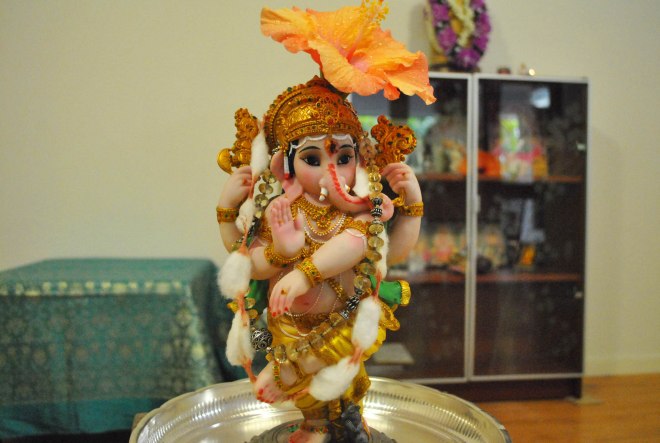
Credit ….Photo as well as the Clay Model ….By my Son Senthil Natarajan Brisbane Australia
Senthil Natarajan deserves a pat on his back for his artistic creation of the clay model pillayar as well as an eye catching photographic image of the art he created thro his photoshoot this day.. REf his facebook page .
This Pillayar is going to be kept in the Ganesh Pooja Tomorrow.@ our Home in Australia
An international Sikh relief organisation, Khalsa Aid, is setting an example for the world to follow by helping Syrian refugees in Serbia.
When it comes to helping people in need, this international relief organization is leading the way and inspiring many to come forward and do everything they can in the name of humanity, selflessness and goodwill.
Members of Khalsa Aid have come to the rescue of the Syrian refugees in Serbia, and have been helping them by providing for their basic daily needs.
“Our teams landed in Serbia last Thursday and ever since have been working closely with several local organisations to provide food, water, clothing, toys, etc., to the many Syrian refugee families arriving after an exhausting journey,” they announced in a Facebook post.
According to their website, Khalsa Aid is primarily a non-profit humanitarian relief agency. Their work is based on the teachings of the Sikh Gurus who preached well-being of all humanity, selfless service and universal love.
The organization was set up to provide cross border humanitarian relief and raise awareness about global relief and development work.
Since its launch, the organization has not paid anyone for this work; it operates on a completely voluntary model.
Khalsa Aid is known for providing aid in many different disasters across the world. This, they say, would not have been possible without the generosity of the Sikh community worldwide.
Everyone, but everyone, has heard about Bangalore traffic. People complain about it in drawing rooms, write about it on Facebook and joke about it on WhatsApp. There are very few though who will step out to get down and dirty and do something about it. Ajit Lakshmirathan, 65 years old and retired from the Reserve Bank of India (RBI), is one such man.
“You can start a conversation about the troublesome traffic of Bangalore with anyone in India. Residents here are always complaining about the horrible traffic situation and how nothing is being done about it, ” says Ajit.
Therefore, at an age when many people like to relax and spend time at home with their families, Ajit Lakshmirathan decided that it was time to end the continuous cribbing about traffic.
He wanted to start taking action in order to solve the ever-increasing problem. Today, he is seen at some of the most crowded and chaotic traffic signals of Bangalore, trying his best to help vehicles move as smoothly as possible.
“We see a lot of people complaining — ‘this is not right,’ ‘that is wrong.’ There are also many armchair activists, people on Facebook and WhatsApp who keep whining about various issues in the country. But I believe that if you have a complaint, you have to work on it,” says Ajit, who lives in the Whitefield area of the city, a locality known for two reasons – for being the IT hub of Bangalore and for being a very difficult region to reach or cross because of the traffic.
Ajit retired from RBI in 2010, after 40 years of service. Since he was always interested in working at a personal level to bring change rather than give armchair advice, he soon joined a group called Whitefield Rising. This group helps people from the locality come together to devise solutions for issues concerning them — water pollution, broken footpaths, unhygienic garbage disposal habits, and a lot more. (Read more about Whitefield Rising here)
“I made many friends in the group and we realised that in Whitefield a major area of concern for most people is the traffic. So, a couple of us thought that we should be doing something about it,” says Ajit.
Initially, he began by speaking with traffic officials in the area close to his house, to find out what the problems were and how they could be dealt with.
After speaking with the officials, Ajit felt that some formal training would help him and others who wanted to contribute to solving the problem. They required a much better understanding of the issue at hand.
Hence, he joined the Traffic Warden Organization (TWO), which is a wing of the Bangalore Traffic Police. The Bengaluru City Police Traffic Warden Organisation came into existence in 1985 with a view to having citizens assist the traffic police in Bangalore. Since then, members of TWO have been sharing the load of the increasing vehicle population and traffic woes with the officials. The duties of the wardens include assisting the police in regulating traffic, along with educating road users, including pedestrians, about road safety. Headed by former Traffic DCP M.T. Naik, TWO has trained numerous wardens coming from various fields of employment, including doctors, engineers, lawyers, teachers, industrialists, and more.
These wardens volunteer their time to help fight traffic troubles in the city.
In order to become a traffic warden, interested candidates with a minimum educational qualification of Class 12, are required to fill an application form, which is followed by police verification and a day of rigorous training. The training includes information about the various traffic rules, awareness programs, traffic violations, rules for violators, and other traffic management details. Wardens also have to file monthly enforcement sheets and submit them to TWO, detailing the kind of work done in the month. They do not get any salary for this role.
After the training, applicants receive certificates from the Commissioner of Police, post which they can begin their duties.
Ajit received his certificate in December last year and since then, he spends three to four days on the road every week helping with the traffic.
“Every traffic signal in the Whitfield area is always jam packed. So thinking about which signal I should go to help out that day is not much of a task,” he laughs. As Ajit lives near the Kundalahalli Gate signal, he usually chooses to go there and works from 9:30 am to 12:00 noon.
“The priority for us is the smooth movement of traffic. We also stop violators at times but that is not the first thing we do; the number of violators anyway comes down when there is a person in a uniform standing at the signal,” he says.
He takes down the numbers of the vehicles that break rules, such as people who jump the signal, cabs that stop at bus stops, buses that don’t stop at the bus stops, etc. He also helps conduct trainings for BMTC (Bangalore Metropolitan Transport Corporation) drivers.
Ajit has some really amusing stories about the excuses framed by traffic violators: “People give some ridiculous excuses for driving on the footpath. A few will tell you that they are related to some prominent personality in a position of power. There are others who request that I should let them go because they have to use the toilet urgently.”
Ajit is active on other fronts besides traffic and Whitefield Rising. This 65-year-old is a member of a group called the 50+ Bulleteers of Bangalore.
This group of people, over the age of 50, who have a passion for riding Royal Enfields, get together once every three months to ride for a cause. They take up social issues on the way — such as teaching English to village kids, picking up plastic waste and clearing garbage, donating clothes to the needy, etc.
Ajit lives with his wife, while his two sons live in Mumbai. This inspiring man is very humble about the work he is doing.
“It is not a very strenuous job like people think it is. You just have to stand in the open for some time. But the respect you get is mostly because you are wearing a uniform and, in my case, also because of the age. My idea of relaxing is to do something which makes me personally happy and if that means working for community welfare, it’s right up my alley! Being part of the wonderful Traffic Warden Organisation and Bangalore Traffic Police gives me immense pleasure. Seeing people much older than me relentlessly pursuing difficult goals continues to inspire me,” he concludes.
வழிபாட்டில் மிகவும் சிறப்பானதும் இன்றியமையாததும் விநாயகர் வழிபாடே. ஓர் ஊரின் குளக்கரையிலும் ஏரிக்கரையிலும் நம் கண்ணுக்கு தெரிவது முதலில் விநாயகர் சிலைதான்.
இவ்விநாயகரைப் பற்றிக் கூறும்பொழுது, தன் தாயாரைப் போன்றே மனைவி தனக்கும் வேண்டும் என்பதற்காக, ஏரிக்கரையிலும் குளக்கரையிலும் அவர் காத்திருப்பதாகக் கூறுவர்.
இந்த விநாயகர் வழிபாடும், இவர் தமிழகத்துக்கு வந்த விதமும் ஒரு பெரிய வரலாற்றைக் கொண்டுள்ளது. இவரை காவல் தெய்வம் என்றும், கானகத் தலைவன் என்றும் குறிப்பர். தலைப்பகுதி யானை முகமும், உடல் பகுதி மனித வடிவமும் கொண்டு அமைந்த இவரை, விநாயக மூர்த்தி என்றே அழைப்பர்.
முழுமுதற் கடவுள் விநாயகர். இவர் இல்லாத ஊரே இல்லையென்று சொல்வது சரியாக இருக்கும். கணபதி என்பதற்குப் பூதகணங்களின் தலைவன் என்று பொருள். சிற்ப அமைதிப்படி, பதினெட்டுக்கும் மேற்பட்ட உருவ வேற்றுமைகளில் கணபதி காணப்படுகிறார்.
முதலாம் இராசராசனால் எடுக்கப்பட்ட தஞ்சை இராசராசேச்சுரம் எனும் பெரியகோயிலில் காணப்படும் தேவகோட்டச் சிற்பம் – விநாயகர்.
பொதுவாக, கணபதியின் இரண்டு கைகளில் இரண்டு ஆயுதங்கள் இருக்கும். அவை, பாசமும் அங்குசமும் ஆகும். இந்த அடையாளங்கள், தாருண கணபதி, வீர விக்னேஷ்வர கணபதி, லட்சுமண கணபதி, பிரசன்ன கணபதி, நிருத்த கணபதி ஆகிய உருவங்களில் காணப்படுகின்றன. இவரை, வேட்டுவர்களின் தலைவன், கடவுள் என்றும் சிலர் குறிப்பர்.
பிரம்ம வைவார்த்த புராணம், கணபதியின் பிற பெயர்களாகக் குறிக்கும்பொழுது ஏகதந்த, லம்போதரா, சூர்ப்பனா, கஜநான, குகராஜா எனக் குறிக்கின்றது. கணபதி என்ற சொல்லுக்குப் பொருள் கொள்ளும்பொழுது, முதல் எழுத்து மதிநுட்பத்தையும், இரண்டாம் எழுத்து தடங்கலுக்குப் பாதுகாப்பு அளிப்பவன் என்றும் ஏழைப் பங்காளன் என்றும், பதி என்ற இறுதி எழுத்துகள் இறைவனாகிய பரபிரம்மத்தையும் குறிப்பதாகும்.
கணபதி வரலாறு
விநாயகர் சிற்பத்தை, கி.பி. ஏழாம் நூற்றாண்டில், வாதாபியில் இருந்து சிறுத்தொண்டர் கொண்டுவந்த பிறகுதான், விநாயகர் வழிபாடு தமிழகத்துக்கு வந்தது என்று கருதியதால்தான், கணபதியைப் பற்றி பாடும்பொழுது வாதாபி கணபதியே எனப் பாடினர்.
அக்கருத்துக்கு மாறாக, தமிழகத்தில் காணப்படும் பிள்ளையார்பட்டி விநாயகர், காலத்தால் கி.பி. ஐந்தாம் நுற்றாண்டைச் சார்ந்தது என்பதை அங்குள்ள கல்வெட்டுகள் மற்றும் அதன் சிற்ப அமைதியும் தெளிவுபடுத்துகின்றன. பரஞ்சோதி முனிவருக்கு முன்பே தமிழகத்தில் பிள்ளையார் வழிபாடு இருந்து வந்துள்ளது என்பது இதன்மூலம் தெளிவாகிறது.
திருச்சி மலைக்கோட்டையின் கீழே காணப்படும் பல்லவர் காலக் குடவரையில், பாறையில் செதுக்கப்பட்டுள்ள விநாயகர் உருவம், பரஞ்சோதி முனிவருக்கு முன் வந்தது. அதாவது, நரசிம்ம பல்லவரின் தந்தை மகேந்திர பல்லவரின் காலத்தைச் சார்ந்தது.
ஆக, வாதாபி கணபதிக்கு முன்பே தமிழகத்தில் வழிபாட்டில் விநாயகர் இருந்துள்ளார் என்பதற்கு, திருச்சி குடவரையில் காணப்படும் விநாயகர் சான்றாகும். மேலும், சங்க காலச் சோர்களும் கணபதியை வழிபட்டுள்ளனர் என்பதற்குச் சான்றாக, காஞ்சிபுரத்தில் கரிகாலச் சோழப் பிள்ளையார் எனும் கோயில் இன்றும் வழிபாட்டில் உள்ளது. இது, கரிகாலச் சோழனால் எழுப்பப்பட்டதாக இருக்கலாம்.
வழிபாட்டில் முதலில் வணங்கப்படும் கடவுள் கணபதிதான். தனிவழிபாடாக இருப்பினும், கோயில் அமைப்பிலும், கணபதியையே முதலில் வழிபாடு செய்வது வழக்கம்.
உற்சவ மூர்த்திகளை அமைக்கும்பொழுது, பஞ்ச மூர்த்திகளை ஊர்வலமாக அமைப்பர். அவற்றிலும், விநாயகரே முதன்மை வகிப்பார். இவரை, சிவனின் 24 மூர்த்தங்களில் ஒன்றாகவே கருதுவர். புராணங்களிலும், பாடல்களிலும், நூல்களிலும், கணபதி பாடலையே முதலில் அமைத்து, அவரை வணங்கிய பிறகே காரியங்களைத் துவங்குவது வழக்கமாக இருந்து வருகிறது.
முதலாம் இராசேந்திர சோழன், தனது போரினால் பெற்ற வெற்றிப் பரிசாக சாளுக்கிய நாட்டில் இருந்து கொண்டுவந்து, தன்னால் நிறுவப்பட்ட சோழர்களின் இரண்டாவது தலைநகரமான கங்கைகொண்டசோழபுரத்தில் வைத்து வணங்கிய பிள்ளையார்.
‘ஓம், சுக்லாம் பரதரம் விஷ்ணும் சசி வர்ணம் சதுர்புஜம் பிரசன்ன வதனம் தியாயோத் சர்வ விக்னோப சாந்தேயத்’ – என்று, வைணவர்வளின் விஷ்ணு சகஸ்ரநாமம் துவங்குகிறது. எனவே, முழுமுதல் கடவுளாக கணபதிதான் உள்ளார்.
இலக்கியங்களில் கணபதி
சங்க இலக்கிய நூல்களில் எட்டுத்தொகை, பத்துப்பாட்டு இரண்டும் சிறப்பு பெற்றவை. அவற்றில், கணபதியை நேரடியாக குறிப்பவை எதுவும் இல்லை. இருப்பினும், பத்துப்பாட்டில் முதல் பாடலான திருமுருகாற்றுப்படையில் கணபதி பற்றிய குறிப்பு வருகிறது. ‘ஐந்து கரத்தனை ஆனை முகத்தனை’ என்று இருக்கிறது. இந்த ஐங்கரன் குறிப்பை பிற்சேர்க்கை என்பர்.
கி.பி. ஐந்தாம் நூற்றாண்டுக்குப் பின் வந்த இலக்கியங்களிலும், சைவ ஆசாரியர்களும், விநாயகர் துதி பாடியுள்ளனர். திருஞானசம்பந்தர், அப்பர், இவர்களின் பாடல்களில் விநாயகர் பற்றிய குறிப்புகளைக் காணலாம். நம்பியாண்டார் நம்பி அவர்கள், ‘விநாயகர் திரு இரட்டை மணிமாலை’ என்ற நூலைப் படைத்துள்ளார். சைவ ஆசாரியர்களான திருஞானசம்பந்தர், அப்பர், சுந்தரர் ஆகியோர், நரசிம்ம பல்லவன், பாண்டியன் அரிகேசரி, மாறவர்மன் மற்றும் மகேந்திரவர்மன், ராஜசிம்மன் போன்ற பல்லவ, பாண்டிய மன்னர்கள் அரசு புரிந்த காலத்தில் வாழ்ந்தவர்கள்.
சம்பந்தர் பாடிய துதியில் மிகவும் சிறப்பு வாய்ந்த பாடல் –
‘படியதன் உரு உமைகொள மிக கரியது,
வடிகொடு, தனதடி வழிபடும் அவரிடம்
கடிகண பதிவர அருளினன் மிகு கொடை
வடிவினா; பயில்வலி வல முறை இறையே’
என்பது ஆகும். அப்பர், கணபதியைக் குறிக்கும்பொழுது, விநாயகர், விக்னேஷ்வரர், விக்னவிநாயகர் என்றே குறித்துள்ளார்.
விநாயகன் என்றால் தடைகளை நீக்குபவன். கணேசன் என்றால் தலைவன் என்று பவிஷ்ய புராணம், வாமன புராணம் போன்றவற்றில் விநாயகர் பற்றிய விளக்கத்தைக் காணமுடிகிறது.
நல்லோரைச் செம்மைப்படுத்தும் கருவியாகத் திகழ்பவன்; இத்தகு பெருமை வாய்ந்த விநாயகப் பெருமான், தமிழர்களுக்கு விநாயக சதுர்த்தித் திருநாளில் அனைத்தும் வழங்கி அருள வேண்டுகிறேன். இவன் திருவடிகளை நாமும் இந்த நன்நாளில் போற்றித் துதிப்போமாக.
Source…..ச.செல்வராஜ், தொல்லியல் துறை…www.dinamani.com
சுற்றுச்சூழல் மாசுபாடுகளால் ஓசோன் படலத்துக்கு ஏற்பட்டுள்ள பாதிப்பை எதிர்கொண்டு அதனை பாதுகாக்க வீடுகள்தோறும் துளசிச் செடிகளை வளர்க்க வேண்டும் என்கிறார் உலக பசுமை வளர்ச்சிக் குழு நிறுவனர் கே.பாலசுப்பிரமணியன்.
மனிதனின் உடல் உறுப்புகளைப் பாதுகாக்கும் தோலைப் போன்று, இந்த பூமியை சூரியனில் இருந்து வரும் தீமை தரும் புற ஊதாக் கதிர்களில் இருந்து நம்மை பாதுகாப்பது ஓசோன் படலம்.
பூமிப் பந்தின் மீது போர்வை போர்த்தியதுபோல படர்ந்துள்ள ஓசோன் படலம் 230 மி.மீ. இருந்து 500 மி.மீ. வரை மக்களின் வாழ்க்கை முறைக்கு ஏற்ப மாறுபடுகிறது. இந்தியாவில் ஓசோன் படலத்தின் அடர்த்தி 280 முதல் 300 மி. மீ. வரை உள்ளது. இதன் காரணமாக பூமியின் சராசரி வெப்ப நிலை உயருகிறது. இதனால் பனிப் பிரதேசங்களில் பனி வேகமாக உருகி கடல் மட்டம் உயர வழிவகுக்கிறது.
இதுபோன்று ஓசோன் படலத்தில் ஏற்படும் பாதிப்புகளால் சங்கிலித் தொடர் போன்ற அடுக்கடுக்கான விளைவுகளையும், பிரச்சினைகளையும் நாம் சந்திக்க வேண்டியிருக்கும் என எச்சரிக்கின்றனர் விஞ்ஞானிகள்.
ஓசோன் படலத்தைப் பாதுகாக்க மரம் வளர்க்க வேண்டும் என்ற கருத்து பரவலாக்கப்பட்டு, பல்வேறு இடங்களில் மரக்கன்றுகள் நடப்பட்டு வருகின்றன. இருப்பினும் ஓசோன் படலத்தைப் பாதுகாக்க எளிமையாக வீடுகள்தோறும் துளசிச் செடியை வளர்க்க வேண்டும் என கடந்த 3 ஆண்டுகளாக பிரச்சார இயக்கம் நடத்தியும், 30 ஆயிரம் துளசிச் செடிகளை மக்களுக்கு வழங்கியும், 80 ஆயிரத்துக்கும் மேற்பட்ட துளசி குறித்த சிறு வெளியீடுகளை வெளியிட்டும் விழிப்புணர்வை ஏற்படுத்தி வருகிறார் திருச்சியைச் சேர்ந்த உலக பசுமை வளர்ச்சிக் குழுவின் நிறுவனரான கே.பாலசுப்பிரமணியன்.
இதுகுறித்து அவர் ‘தி இந்து’ விடம் மேலும் கூறியதாவது:
எந்த ஒரு நிகழ்வுக்கும் பின்னால் ஒரு எதிர்நிகழ்வு இருக்கிறது. நாம் பயன்டுத்தும் ஏசி, பிரிஜ் ஆகியவற்றில் இருந்து வெளியாகும் வாயுதான் ஓசோன் படலத்தைப் பாதிக்கும் முக்கிய காரணியாக உள்ளது என விஞ்ஞானிகள் தெரிவிக்கின்றனர்.
அரசு, மூங்கில், துளசி
காற்று மண்டலத்தில் உள்ள கரியமில வாயுவை உள்வாங்கிக் கொண்டு 24 மணி நேரமும் ஆக்சிஜனை வெளியிடுபவை அரச மரம், மூங்கில் மற்றும் துளசிச் செடி. இதில் அரச மரம், மூங்கில் ஆகியவற்றை வளர்க்க பெரிய அளவிலான இடமும், அதிக ஆண்டுகள் காத்திருக்கவும் வேண்டும்.
ஆனால், துளசியை வளர்க்க சிறிய தொட்டியும், வீட்டின் ஜன்னல் பகுதியுமே போதுமானது. விதை போட்டாலும், கன்றாக வைத்தாலும் 2 முதல் 4 மாதங்களில் முழுமையான ஆக்சிஜனை தரவல்லது துளசிச் செடி.
துளசிச் செடி 20 மணி நேரம் ஆக்சிஜனையும் 4 மணி நேரம் ஓசோனையும் வெளியிடுகிறது. ஒரு துளசிச் செடி அதிகாலை 2 மணி முதல் 6 மணி வரை ஓசோனை வெளியிடுகிறது. துளசி ஓசோனைப் பாதுகாப்பதுடன், 4 ஆயிரம் விதமான வியாதிகளுக்கு குணமளிக்கும் அருமருந்தாகவும் பயன்படுகிறது. தினந்தோறும் 4 துளசி இலையை உட்கொண்டு வந்தால் நோய் எதிர்ப்புசக்தி அதிகமாகி நோய்கள் நம்மை அண்டாது.
துளசிச் செடியை வீடுகளில் வைத்தால் சுத்தமாக இருக்க வேண் டும் என்பன உள்ளிட்ட பிற் போக்குத்தனமான பேச்சுகளை புறந்தள்ளிவிட்டு, துளசியை வீடுகள் தோறும் வளர்க்க வேண்டும்.
நாம் ஒவ்வொருவரும்..
பூமியில் கரியமில வாயுவை தற்போதுள்ள 400 பிபிஎம் என்ற உயரிய நிலையில் இருந்து 350 பிபிஎம் என்ற சாதாரண நிலைக்கு குறைக்க 72 கோடி அரச மரங்கள் அல்லது 720 கோடி மூங்கில் மரங்கள் அல்லது 7,200 கோடி துளசிச் செடிகள் தேவை. இதில் நம் ஒவ்வொருவரது பங்களிப்பாக ஒவ்வொரு வீட்டிலும் 16 துளசிச் செடிகளை வளர்க்க வேண்டும் என்றார் அவர்.
டெல்லியில் ஸென்ட்ரல் கவர்ன்மென்ட் உத்யோகம். 1974 ல் காலை ஆபிஸுக்கு வந்து அட்டன்டன்ஸ் ரிஜிஸ்டரில் கையெழுத்து போடப் போனபோது ….எங்கே போடுவது? என்றுகூட தெரியாத அளவு திடீரென்று பார்வை போய்விட்டது! பகவானே! உடனேயே ஸப்தர்ஜங் ஹாஸ்பிடலுக்கு போய் காண்பித்தார். டாக்டர்களோ கண்ணாடி போட்டால்கூட பார்வை வருவது ஸந்தேஹம் என்று சொல்லிவிட்டனர். உடனே மெட்ராஸுக்கு வந்து அப்போதுதான் ப்ரபலமாகிக் கொண்டிருந்த டாக்டர் பத்ரிநாத்திடம் காண்பித்தார்.
அவர் எல்லா டெஸ்டும் பண்ணிவிட்டு இது “போட்டோ கொவாகுலேஷன் ” என்று சொல்லிவிட்டார். அதாவது ரெடினாவை ஒரு திரவம் மறைப்பதால்,உண்டாகும் ஒரு வ்யாதி. ஆபேரஷன் மூலம் அந்த திரவத்தை வற்றச் செய்யலாம். அதோடு ஒரு கண்ணாடியும் போட்டுக் கொள்ள வேண்டும் என்று சொன்னார்.
என்ன ஆனாலும் பெரியவா தர்ஶனத்துக்கு அப்பறந்தான்! என்று மனஸை திடப்படுத்திக் கொண்டு, மறுநாள் தேனம்பாக்கத்தில் இருந்த பெரியவாளை தர்ஶனம் பண்ணப் போனார் டெல்லி பக்தர். நல்ல கூட்டம். அங்கே போனதும் இவர் மனஸில் ஒரு ஸங்கல்பம். “பெரியவாளா கூப்டு கேட்டாலொழிய அவர்கிட்ட எதுவும் சொல்லப் போறதில்லே” என்பதே! கிணத்தடியில் உட்கார்ந்திருந்த பெரியவா இவரையும் இவர் குடும்பத்தாரையும் எதுவும் கேட்காமல் ஆஸிர்வாதம் மட்டும் பண்ணினார்.
பக்தரும் குத்து மதிப்பாக பெரியவா இருந்த திசைக்கு நமஸ்காரம் பண்ணிவிட்டு, எதுவும் சொல்லாமல் வந்துவிட்டார். மறுநாள் கண்ணாடியுடன் டாக்டரை பார்க்கப் போனபோது கடைசி பொடி எழுத்து வரை ஈஸியாக படித்துவிட்டார். டாக்டர் பத்ரிநாத்துக்கோ ஆச்சர்யம்! “என் மெடிக்கல் நாலெட்ஜை தாண்டி ஏதோ அதிஸயம் நடந்திருக்கு. ரெட்டினால நேத்திக்கு கசிஞ்சுண்டு இருந்த liquid இன்னிக்கு எப்டியோ ஒங்க ஸிஸ்டத்துக்குள்ள absorb ஆயிருக்கு” என்றார்.
“என்னது? அவ்ளோவ்தானா! அதானே பாத்தேன்! மஹாவைத்யநாதன் ஒங்களுக்கு அனுக்ரஹம் பண்ணினதுக்கப்பறம் வேற யார் treatment குடுக்கணும்?…..” டாக்டர் பத்ரிநாத் பெரியவாளின் பரம பக்தராச்சே!
அவ்வளவுதான்! பெரியவா என்ற தெய்வத்திடம் நாம் எதுவுமே சொல்லித்தான் ஆகவேண்டும் என்பதில்லை, என்ற பேருண்மையை டெல்லி பக்தர் அன்றே அப்போதே ப்ரத்யக்ஷமாக உணர்ந்தார். ஆனாலும், நம் மனித மனம் ‘குரங்கு’ இல்லையா? பக்தருக்கும் ஒரு ஸந்தேஹம் வந்தது….. “கண் பார்வை வந்தது…ஒருவேளை ரொம்ப நாளானதால, automaticஆ, மங்கின பார்வை தானாவே சரியாப் போய்டுத்தோ? இது இயற்கையா நடந்ததுதானோ?இதுல, நாமளா பெரியவாளோட கருணை…ன்னு, நடுவுல சொருகிட்டோமோ?” என்று அலைபாய்ந்தது.
‘கல்கி’ இதழில் அவருடைய கண் பார்வை கிடைத்த அனுபவம் வெளியாகியிருந்தது. அதை படித்துக் கொண்டிருக்கும் ஸமயத்தில்தான் இந்த பாழாப் போன ஸந்தேஹம். இந்த எண்ணம் தோன்றியதோ இல்லையோ, மேலே எதையுமே படிக்க முடியாதபடி பார்வை மங்கிவிட்டது!
“ஈஶ்வரா! என்னை மன்னிச்சுடுங்கோ!பெரியவா! ஸாக்ஷாத் சந்த்ரமௌலீஶ்வரனோட க்ருபையை ஸந்தேஹப்பட்டுட்டேனே! மஹாப்ரபோ! அடியேனோட பார்வையை பிச்சையா போடுங்கோ!” கண்ணீர் வழிய வாய் விட்டு அலறினார்.
அடுத்த க்ஷணம்…….இதோ…..மந்தஹாஸமான புன்னகையோடு தண்ட கமண்டலுவோடு இவருடைய அனுபவத்தோடு வெளிவந்த பெரியவாளின் ஜோதிப் பிழம்பான திவ்யமங்கள ரூபம் இவர் கண்ணுக்கு தெரிய ஆரம்பித்தது.
For spiritual progress kshama (forbearance) is the real basis or foundation. Great people and countries have lost their glory, prestige, and reputation because of the disappearance of Kshama. Without patience and the capacity for forbearance, one becomes spiritually weak. Such weakness leads to bad feelings, undesirable thoughts, and unbecoming actions. This virtue is best cultivated under adverse circumstances, and one must therefore gladly welcome troubles instead of regarding them as unwelcome. Thus times of distress, and an environment of sorrow and misery offer the ideal opportunity for the development ofKshama. However, because of mental weakness and ignorance, we shun painful experiences and distress. You should not be weak; be brave and welcome troubles. Let them come, more the merrier. Only with such a courageous attitude, you would be able to bring out the kshama hidden within you.
Being a policeman is often synonymous with being brave. We hear various incidents where cops save lives without even thinking twice about themselves.
Meet Manoj Barahate, a 24-year-old policeman, who jumped off a 20-feet-high bridge in Kumbh and saved a man from drowning.
Manoj was on duty with his team (a colleague and assistant sub-inspector) at the ongoing Kumbh Mela in Nashik. He was near the Amardham bridge where the incident happened.
Details of the incident:
Between 3-4 PM, a 45-year-old man came and stood near the railing of the bridge. He was seen muttering to himself. The man lifted one of his legs and jumped off the 20-feet-high bridge.
With stupefied onlookers everywhere, some of them tried to enter the water from under the bridge.
Without wasting any time, Manoj being one of the onlookers took out his mobile phone and wallet and dived. So brave, right?
When asked about his intrepid act, Manoj said,
”There was no other option. That was the only way to save him. I saw that there was no movement in the water after he jumped. So if I would have gone from under the bridge he would have lost his life.”
This act obviously didn’t go unnoticed. Praveen Gedam, IAS officer and Commissioner tweeted about his bravery.
Also, this incident was recorded in a CCTV.
Isn’t this just spectacular? With incidents like these, we can safely conclude that humanity is extant.
If you travel by air, you must be knowing about the vacuum toilets that they have. Well, now the Indian Railways is keen to incorporate the same. Earlier, we had told you about Japan modernizing Indian Railways. And now, this!
Indian Railways will soon adopt the concept of vacuum toilets. The trial run was launched in Dibrugarh Rajdhani from September 14 at an estimated cost of Rs 3 Lakh.
The filthy and stinky toilets will soon be a thing of the past as the Indian Railways have launched the vacuum toilets.
The idea of having a vacuum toilet came up in Union Budget 2015 and was announced by Union Rail Minister, Suresh Prabhu.
What is a vacuum toilet?
What’s different in vacuum toilets is their suction system. With that, the faeces and urine are removed with a minimal amount of water (0.5 – 1.5 litres). Other than that, the toilet looks and feels exactly like the toilets used everywhere.
Working principle:
Flush toilets that use a negative pressure (vacuum) to suck faeces away.
Working:
1. When the toilet is flushed, a strong vacuum is created inside the pipe which helps in taking the waste out successfully.
2. The waste is carried along quickly and efficiently using air instead of water.
3. The waste passes through the pump and then discharged to the collection or treatment point of your choosing.
4. And while someone flushes the toilet, a small amount of water is used to hygienically rinse the inside of the toilet bowl.
Time taken: Around 5 seconds.
Another advantage: Since it uses air, so when the toilet is flushed, air is drawn into the toilet from the surrounding environment. Odours, aerosols, and nasty bacteria are removed and literally sucked out of the toilet.
With all of these steps, the stench of the toilets will be a thing of the past.
Indian Railways will soon get a whole new avatar. With Japan’s help pouring in, Indian Railways is ready for the new look. And with that, I cannot help waiting for these changes to be incorporated.




 Take off with Natarajan