10 Common Items That Were Invented by Accident …!!!

1) Teflon: Roy Plunkett, a chemist who worked for DuPont in the early 20th century, accidentally stumbled across the non-reactive, no stick chemical while experimenting with refrigerants, specifically looking for a non-toxic chemical to use for a refrigerant. After storing tetrafluorethylene (TFE) in gas form in small cylinders and having it frozen, the gas unexpectedly turned into a waxy solid.  Further experimentation showed this wax had some interesting qualities, such as the most well known one, it is one of the slipperiest substances known to man.  Dupont quickly patented it and today we know it as Teflon.

2) Post-It Notes: In 1968 Spencer Silver, a chemist working for 3M, stumbled across a “low-tack” adhesive while he was trying to make a super strong adhesive for use in airplane manufacturing. Silver thought the low-tack adhesive that left no residue and was somewhat reusable had value, but nobody agreed with him. He campaigned for its use for 5 years before someone at 3M listened and even then it took another 7 years of development, 3 of which where the Post-It Notes were made, but were just used internally because management at 3M thought they had very little commercial value.  Finally, they tried some test markets to sell the Post-It Notes and they flopped in the four test cities.  Nobody wanted them.  They tried one last ditch effort, giving them away for free to numerous businesses.  After that, everybody wanted them and today Post-It Notes are one of the most purchased office products in the world.

3)  Plastic:  In the early 1900s, shellac was the material of choice when it came to insulation. But due to the fact that it was made from Southeast Asian beetles, the material was not the cheapest thing to import. For this reason, chemist Leo Hendrik Baekeland thought he might be able to make some money by producing an alternative. What he came up with, however, was a moldable material that could be heated to extremely high temperatures without being distorted… plastic.

4) Microwave: Every single guy in the world should be grateful to Percy Spencer, a true genius who was an orphan and didn’t even finish grammar school (as an adult, though, he self educated himself to an amazing extent, teaching himself everything from calculus to metallurgy, and becoming one of the world’s leading experts in radar tube design).  While working as a radar specialist, he was tinkering around with microwave emitters and standing in front of one when he noticed the chocolate bar in his pocket had melted.  He soon ran some experiments, including exploding an egg, and realized the potential for microwaves to cook things. The year was 1945 and the world, or rather the kitchen, hasn’t been the same since.

5) Vulcanized Rubber: Charles Goodyear had spent ages trying to find a way to make rubber resistant to heat and cold. After a number of failed attempts, he finally stumbled across a mixture that worked. Before turning out the lights one evening, he accidentally spilled some rubber, sulfur, and lead onto a stove resulting in a mixture that charred and hardened but could still be used.

6) Play-Doh: Maybe it comes as no surprise that the smelly, gooey stuff kids have been playing with for decades was originally used as wallpaper cleaner. In the mid-20th century, however, people quit using coal to heat their homes which meant their wallpaper stayed relatively clean. Luckily for Cleo McVicker, the owner of the company that made this wallpaper cleaner (they had previously just copied the recipe from a common homemade wallpaper cleaner), his sister-in-law discovered another use while teaching children – modeling clay.  At her suggestion, they took out the detergent ingredient, added the almond scent and coloring and Play-Doh was born.

7) Super Glue: While developing plastic lenses for gun sights, Harry Coover, a researcher at Kodak Laboratories, stumbled across a synthetic adhesive made from cyanoacrylate. At the time, however, he abandoned his discovery. Nine years later, though, it was “rediscovered”, again by accident, this time Coover was supervising a project to try to develop heat resistant acrylate polymer.  During this project, one of his underlings, Fred Joyner, rediscovered super glue after making it and accidentally sticking two prisms together.  This time, when Coover heard of Joyner’s “discovery”, he decided not to abandon it and Super Glue, as a commercial product, was born.

8) Slinky:  During World War II, when navy engineer Richard James was developing a horsepower monitor for battleships which employed special springs to keep the instruments steady when out in the ocean, he accidentally dropped one of them. To his amusement, the spring “walked” from his desk onto a stack of books, and landed upright on the floor.  He and his wife immediately saw the potential for a toy.  He perfected the tension on the spring and the Slinky was the result. Like Post-It Notes, though, people needed to be shown what it did before they bought into it.  After making about 400 Slinkies, funded off a loan, and convincing a store to display them at Christmas, not a single one sold.  After several days, James himself went to the store to demonstrate the product.  All 400 Slinkies sold within 90 minutes of him doing this.

9)  Popsicles:  It was 1905 and soda pop had just become the most popular drink on the market. 11 year old Frank Epperson decided he wanted to try saving some money by making his own at home. Using a combination of powder and water, he got pretty close but then absentmindedly left the concoction out on the porch all night. Temperatures ended up dropping severely and when he came out in the morning he found his mixture frozen with the stirring stick still in it.  At first he didn’t do anything with this other than make himself tasty Popsicles every now and again, he was 11 after-all.  But 17 years later, he realized the commercial potential of Popsicles after he served them at a Fireman’s ball and everybody loved them.  A year later, he made a business out of it, and the rest is history.

10) Saccharin:  You know that pink packet of fake sugar that’s always sitting on the restaurant table? Well, as sweet as it is, you may be surprised to know where it came from. In 1879, Constantin Fahlberg, a chemist trying to find alternative uses for coal tar, came home after a long day of work only to notice that his wife’s biscuits tasted a lot sweeter. After asking her about it, he realized he hadn’t washed his hands after work, and voila, artificial sweetener.

SOURCE::: http://www.todayifoundout.com

Natarajan

திருவண்ணாமலை தீபத்திருவிழா …


திருவண்ணாமலை அருணாசலேஸ்வரர் திருக்கோயிலில் உள்ள சில அற்புத  தகவல்கள்…..


திருவண்ணாமலைத் தலம் நடுநாட்டுத் தலங்களுள் முதன்மையானது. பஞ்சபூதத் தலங்களுள் இது அக்னித் தலம். நால்வராலும் பாடப்பட்ட தலம். எங்கிருந்து நினைத்தாலும் முக்தி கொடுக்கும் தலம் இதுதான். இத்தலத்தில்தான் திருப்புகழ், கந்தர் அனுபூதி, திருவெம்பாவை, திருவம்மானை, அருணாச்சல அஷ்டகம் போன்ற புனித நூல்கள் பிறந்தன.

மூர்த்தி, தலம், தீர்த்தம் என மூவகை சிறப்புகள் கொண்ட தலம் இது. பிரம்மன், திருமாலின் ஆணவம் அழிந்த தலம். அர்த்தநாரீஸ்வரர் கோலம் கொண்ட தலம். கார்த்திகை தீபத்தின் மூலத் தலம். ஆதாரத் தலங்களுள் இது மணிப்பூரகத் தலம். இத்தல மலையுச்சியில் ஏற்றப்படும் மகா தீபத்தால், இது உலகப் புகழ்பெற்ற தலம்.

நகரின் மையத்தில், மலையடிவாரத்தில் !

அண்ணாமலையார் ஆலயம் 24 ஏக்கர் நிலப்பரப்பில் பரந்து விரிந்துள்ளது. ஆலயத்தில் ஒன்பது கோபுரங்கள் உள்ளன. கோபுரங்கள் மலிந்த ஆலயம் இது. இவ்வாலயத்தின் உள்ளே ஆறு பிராகாரங்கள் உள்ளன. 142 சந்நிதிகள், 22 பிள்ளையார்கள், 306 மண்டபங்கள், 1,000 தூண்கள் கொண்ட ஆயிரங்கால் மண்டபம், அதனடியில் பாதாள லிங்கம் (பால ரமணர் தவம் செய்த இடம்), 43 செப்புச் சிலைகள், கல்யாண மண்டபம், அண்ணாமலையார் பாத மண்டபம் என அமைந்த ஆலயம்.

ஆலயத்தின் உள்ளேயே சிவகங்கைத் தீர்த்தம், பிரம்ம தீர்த்தம் என்ற இரு பெரிய குளங்கள் உள்ளன. கொடிக்கம்பம் அருகே செந்தூர விநாயகர் பிரம்மாண்டமாக காட்சி தருகிறார். பஞ்ச லிங்கங்களும், நான்கு முகங்கள் கொண்ட பிரம்ம லிங்கமும் உள்ளன. காலபைரவர் சந்நிதியும் உண்டு.

மூன்று இளையனார்!

இங்கே முருகப்பெருமான் இளையனார் என்னும் பெயரில் மூன்று இடங்களில் வணங்கப் பெறுகிறார்.

அருணகிரியுடன் சவால் விட்டான் சம்பந் தாண்டான். அதற்காக முருகன் அருணகிரிக்கு கம்பத்தில் காட்சி தந்தார். இவர்தான் கம்பத்திளையனார் என்ற பெயரில் வளைகாப்பு மண்டபத் தூணில் காட்சி தருகிறார்.

அருணகிரி வல்லாள கோபுரத்தின் மீதேறி கீழே குதித்து உயிர்விட முயன்றபோது, தடுத்தாட்கொண்டு அருள்புரிந்து திருப்புகழ் பாட வைத்தவர் கோபுரத்திளையனார்.

கோபுரம் அருகிலேயே சந்நிதி. பிச்சை இளையனார் சந்நிதி, கிளிகோபுரம் அருகே யுள்ளது.

காமதகனம் நடக்கும் சிவாலயம் இது ஒன்றுதான். ஆடிப்பூரத்தன்று மாலை, ஆலயத்தின் உள்ளேயே உண்ணாமுலையம்மன் சந்நிதிமுன் தீமிதி விழா நடத்தும் ஆலயமும் இது ஒன்றுதான். திருவிழா நாட்களில் திட்டிவாசல் வழியே உற்சவமூர்த்திகள் வெளிவருவதும் இவ்வாலயத்தில் மட்டும்தான். அருணகிரிக்கு விழா எடுக்கும் ஆலயமும் இதுதான்.

ஒன்பது கோபுரங்கள்!

கிழக்கே ராஜகோபுரம் (217 அடி உயரம்), வீரவல்லாள கோபுரம், கிளி கோபுரம் (81 அடி உயரம்); தெற்கே திருமஞ்சன கோபுரம் (157 அடி உயரம்), தெற்கு கட்டை கோபுரம் (70 அடி உயரம்); மேற்கே பேய் கோபுரம் (160 அடி உயரம்), மேற்கு கட்டை கோபுரம் (70 அடி உயரம்); வடக்கே அம்மணி அம்மன் கோபுரம் (171 அடி உயரம்), வடக்கு கட்டை கோபுரம் (45 அடி உயரம்).

சிவபெருமானே அண்ணாமலையாகக் காட்சி தருகிறார். இதை காந்த மலை என்பர். காரணம், இம்மலையை தரிசிக்க வருவோரை மீண்டும் மீண்டும் காந்தம்போல கவர்ந்து இங்கு வரவழைக்கும்.

கிருத யுகத்தில் இது அக்னி மலையாகவும், திரேதா யுகத்தில் மாணிக்க மலையாகவும், துவாபர யுகத்தில் தாமிர மலையாகவும், இக்கலியுகத்தில் கல் மலையாகவும் திகழ்கிறது.

மலையின் உயரம் 2,688 அடி. (800 மீட்டர்). கிரிவலப் பாதையின் தூரம் 14 கிலோமீட்டர். இப்பாதையில் 20 ஆசிரமங்களும், 360 தீர்த்தங் களும், பல சந்நிதிகளும், அஷ்ட லிங்கங்களும் உள்ளன. 26 சித்தர்கள் வாழ்ந்துள்ளனர். அடிக்கு 1,008 லிங்கம் அமைந்துள்ளது என்பர். மலையை ஒவ்வொரு இடத்தில் நின்று பார்த்தால் ஒவ்வொரு வகை தரிசனமாக 27 வகை தரிசனம் காணலாம்.

உமைக்கு இடபாகம் கொடுத்த ஈசன்!
திருக்கயிலாயத்தில் ஆழ்நிலை தியானத்தில் இருந்த சிவபெருமானின் கண்களை அன்னை பராசக்தி விளையாட்டாக மூடியதால் இப்பிரபஞ்சமே இருண்டது. அனைத்து ஜீவராசிகளும் துன்பத்திற்கு ஆளாகி தவித்தன. இதனால் ஏற்பட்ட பாவத்தை போக்க பூவுலகில் காஞ்சிபுரம் கம்பை நதிக்கரையில் அன்னை காமாட்சியாக தவம் இருந்தாள். ஒருநாள் கம்பை நதி வெள்ளத்தில் தான் அமைத்த சிவலிங்கம் கரையாமல் இருக்க மார்போடு சேர்த்து அணைத்தார் அன்னை காமாட்சி. இதனால் அன்னையின் பாவத்தை சிவபெருமான் நீக்கினார். அய்யனே நீங்கள் எப்போதும் என்னை பிரியாதிருக்க தங்கள் திருமேனியில் எனக்கு இடபாகம் தந்தருள வேண்டும் என சக்தி வேண்டினார். அதற்கு சிவபெருமான், அண்ணாலை சென்று தவம் செய் என உத்தரவிட்டார்.

அவ்வாறே உமையும் தவம் செய்தாள். கார்த்திகை மாதத்தில் பவுர்ணமியும், கிருத்திகையும் சேரும் நாளில் மலையின்மீது பிரகாசமான ஒளி ஒன்று உண்டானது. அப்போது ‘மலையை இடதுபுறமாக சுற்றிவா’ என அசரீரி ஒலித்தது. அதன்படி கிரிவலம் சென்ற அன்னையை அழைத்து தனது மேனியில் இடபாகத்தை அளித்து ஆட்கொண்ட சிவபெருமான் அர்த்தநாரீஸ்வரராக காட்சியளித்தார். இதையும் நினைவுகூர்ந்தே அண்ணாமலையில் மகாதீபம் ஏற்றப்படுகிறது.

மலையளவு பயன்!

நரசிம்மர் இரணிய வதம் செய்தபோது, அருகிலிருந்த சிறுபாலகனான பிரகலாதனை நரசிம்மரின் உக்கிரம் தாக்கவில்லை. காரணம் இரணியன் மனைவி கர்ப்பமாக இருந்தபோது நாரதர் யோசனைப்படி கிரிவலம் வந்தாள். அப்போது பெய்த அமுத மழைத் துளி மலைமீதுபட்டு அவள் வயிற்றில் பட்டது. அது குழந்தைக்கு தக்கபலம் கொடுத்ததால்தான் இரணியன் மகன் பிரகலாதனுக்கு சக்தி கிடைத்தது.

கிரிவலம் செல்ல நினைத்து ஓர் அடி எடுத்து வைத்தால் முதல் அடிக்கு ஒரு யாகம் செய்த பலன் கிடைக்கும். இரண்டாம் அடிக்கு ராஜசூய யாகம் செய்த பலனும், மூன்றாம் அடிக்கு அனைத்து யாகங்களையும் செய்த பலனும் கிட்டும். திருவண்ணாமலை என உச்சரித்தாலே ஐந்தெழுத்தை மூன்று கோடி முறை உச்சரித்த பலன் கிட்டும். மகாதீப தரிசனம் கண்டால், அவர்களின் 21 தலை முறையினருக்கும் புண்ணியம் கிட்டும்.

கிரிவலப் பாதையிலுள்ள இடுக்குப் பிள்ளையார் சந்நிதிக்கு மூன்று வாயில்கள்- நேர்க்கோட்டில் இருக்காது. இதன்வழியே படுத்துநெளிந்து, வளைந்துதான் வெளிவர வேண்டும். இதனால் குழந்தைப்பேறு கிட்டும்; கருப்பைக் கோளாறுகள் நீங்கும்.

மலையின் கிழக்கே இந்திரலிங்கம், தென் கிழக்கே அக்னிலிங்கம், தெற்கே எமலிங்கம், தென்மேற்கே நிருதிலிங்கம், மேற்கே வருணலிங்கம், வடமேற்கே வாயுலிங்கம், வடக்கே குபேரலிங்கம், வடகிழக்கே ஈசான்ய லிங்கம் அமைந்துள்ளன. இந்த எட்டு லிங்க தரிசனம் முடிக்கவும் கிரிவலமும் முடிந்துவிடும்.

பாவம் போக்கும் அண்ணாமலை திருப்பாதம்!
கோபுர தரிசனம் கோடி புண்ணியம் என்பது ஆன்றோர் வாக்கு. அதைப்போன்றே இறைவனின் திருப்பாத தரிசனம் நமது முற்பிறவி பாவங்களை எல்லாம் தீர்க்கும் என்பது ஐதீகம். திருஅண்ணாமலையார் கோயிலில் அண்ணாமலையார் பாதம் அமைந்துள்ளது. கோயிலுக்கு உள்ளே பே கோபுரத்துக்கு வலது புறத்தில் அண்ணாமலையார் பாதம் உள்ளது. அடி முடி காணாத பரம் பொருளின் பாத தரிசனம் காண வேண்டி அடியார்களும், அருளாளர்களும் மேற்கொண்ட கடும் தவத்தின் பயனாக விஸ்வரூப மூர்த்தியாக அண்ணாமலையார் எழுந்தருளிய இடத்தில் அமைந்துள்ளதே திருப்பாதம். அண்ணாமலையார் பாதம் தனி சன்னதியாக அமைந்துள்ளது. கோயிலில் தரிசனம் செய்யும் பக்தர்கள் தவறாமல் பாத தரிசனம் செய்வது நன்மை தரும்.

பாத தரிசன சன்னதியில் தினமும் மலர் அலங்காரத்துடன் சிறப்பு வழிபாடுகள் நடைபெறுகிறது. பாதத்தை சுற்றியுள்ள தூண்களில் விநாயகர், முருகர், கோதண்டராமர், சக்திதேவியின் திருவடிவங்கள் காட்சி தருகின்றன. மேலும் மலை உச்சியிலும் அண்ணாமலையாரின் திருப்பாதம் அமைந்திருக்கிறது. தீபம் ஏற்றப்படும் மலை உச்சியின் வலது புறத்தில் பாத தரிசனத்தை நாம் காணலாம். திருவண்ணாமலையை தரிசித்து தவமிருந்து பேறு பெற்ற சித்தர்கள், மகான்கள், அருளாளர்கள் ஏராளம்.

அவர்களில் இடைக்காட்டு சித்தர், அருணகிரிநாதர், ஈசான்ய ஞானதேசிகர், குரு நமச்சிவாயர், குகை நமச்சிவாயர், ரமணமகரிஷி, தெய்வசிகாமணி தேசிகர், விருப்பாட்சிமுனிவர், சேஷாத்ரி சுவாமிகள், இசக்கிசாமியார், விசிறி சாமியார், அம்மணியம்மன், கணபதி சாஸ்திரி, சடைசாமிகள், தண்டபாணி சுவாமி, கண்ணாடி சாமியார், சடைச்சி அம்மாள், பத்ராசல சுவாமி, சைவ எல்லப்பநாவலர், பாணி பத்தர் உள்ளிட்டவர்கள் முக்கியமானவர்கள்.

கார்த்திகை ஜோதி மகத்துவம்!
அண்ணாமலையார் தீபம் என்பது திருவிளக்கின் விஸ்வரூபம். தீபம் என்பது லட்சுமி தேவியின் வடிவத்தையும் (சுடர்), சரஸ்வதி தேவியின் பிம்பத்தையும் (ஒளி), பார்வதியின் சக்தியையும் (வெப்பம்) ஒன்றாக சேர்த்தது. திருவிளக்கு தீபச்சுடரில் மூன்று தேவிகளின் வடிவத்தை காணும் அனைவரும் நற்கதி அடைவர் என்பது ஆன்றோர் மொழி. எனவேதான் தீபம் என்றாலே விசேஷமாக கருதப்படுகிறது. கார்த்திகை தீபத்தன்று தீபமேற்றி வழிபட்டால், சிவனின் அருளுடன், மூன்று தேவியரின் அருளும் சேர்ந்து கிடைக்கும். தீப ஒளி தீய சிந்தனைகள் ஏற்படாத வண்ணம் தடுக்கிறது. இதன் அடிப்பாகத்தில் பிரம்மா, தண்டு பாகத்தில் மகாவிஷ்ணு, நெய், எண்ணெய் நிறையுமிடத்தில் சிவபெருமான் வாசம் செய்கின்றனர்.

வேத புராணங்களும்கூட விளக்கேற்றுவதால் மிகச் சிறந்த பலன் கிடைக்கும் என்கின்றன. எத்தனை எத்தனையோ அரசர்கள், கோயில்களில் தீபம் ஏற்றுவதையே மிகச் சிறந்த திருப்பணியாகச் செய்துள்ளனர். எல்லா நாளுமே தீபம் ஏற்றி வழிபட உயர்வான பலன் தரும் என்றாலும், கார்த்திகை மாதத்தில் ஆலயங்களில் தீபம் ஏற்றி வைப்பதும், இல்லத்தில் இருவேளைகளும் விளக்கேற்றுவதும் எல்லா மங்களங்களையும் தந்து வாழ்வை ஒளிமயமாக்கும்.

தீபஜோதி வழிபாடானது இருள் போன்று நம்மை சூழ்ந்து நிற்கிற தடைகள், இடையூறுகளையும் ஏழரை சனி, அஷ்டமச்சனி போன்றவற்றால் ஏற்படக் கூடிய கெடுபலன்களையும் போக்கி ஒளிமயமான, வளமான வாழ்வை அருளும் என்பது நம்பிக்கை. சிவபெருமானே மலையாகி நிற்கும் அண்ணாமலையின் உச்சியில் மகாதீப வடிவில் காட்சி தரும் சிவபெருமானை வணங்கி வளமான வாழ்வு பெறுவோம்.

தீபத் திருவிழா!

உலகப் புகழ்பெற்ற தீபத்திருவிழா 12 நாட்களுக்கு திருவண்ணாமலையில் நடைபெறும். தினமும் காலையும், மாலையும் பஞ்சமூர்த்திகள் சிறப்பு அலங்காரத்துடன் பலவகை வாகனங்களில் பவனி வருவார்கள். ஐந்தாம் நாள் வெள்ளி ரத உற்சவமும், ஏழாம் நாள் ரத உற்சவமும் சிறப்பாக நடைபெறும். பஞ்சமூர்த்திகளும் தனித்தனி தேர்களில் உலா வருவார்கள். சுவாமி தேர் பெரியது. அடுத்தது அம்மன் தேர். இதை பெண்களே வடம் பிடித்து இழுப்பார்கள்.

பரணி தீபம்!

பத்தாம் நாள் அதிகாலை 4.00 மணிக்கு, மூலவர் கருவறைமுன் மிகப்பெரிய கற்பூரக் கட்டியில் ஜோதி ஒளி ஏற்றி, தீபாராதனை காட்டி, அதில் ஒற்றை தீபம் ஏற்றுவார்கள். இந்த ஒற்றை நெய்தீபத்தால் நந்திமுன் ஐந்து பெரிய அகல் விளக்கு ஏற்றுவார்கள். அதன்பின் உண்ணாமுலை அம்மன் சந்நிதியிலும் ஐந்து பெரிய அகல் விளக்கில் தீபம் ஏற்றுவார்கள். இந்த பரணிதீபம் காலையில் நடக்கும்.

மகாதீபம்!

மாலை 6.00 மணிக்கு இந்த பத்து தீபங்களும் மேள தாளத்துடன் வெளியே எடுத்துவந்து கொடிக் கம்பம் அருகேயுள்ள தீபக் கொப்பரையில் ஒன்றுசேர்த்து எரிய விடுவார்கள். அந்த நிமிடத்தில் அர்த்தநாரீஸ்வரர் வெளிவந்து காட்சி கொடுத்துவிட்டு உடனே உள்ளே சென்றுவிடுவார். இது இரண்டு நிமிட தரிசனம்தான். அப்போதே வாசல் வழியே பெரிய தீவட்டியை (ஜலால ஒளியை) ஆட்டி மலைக்கு அடையாளம் காட்டுவார்கள். இதற்காகவே காத்திருந்தோர் மலைமீது உடனே மகாதீபம் ஏற்றிவிடுவர். மக்கள் கோஷமாக “அண்ணாமலைக்கு அரோஹரா’ எனக்கூறி தரிசனம் கண்டபின், இல்லம் சென்று வீடு முழுவதும் தீபமேற்றி மாவிளக்கேற்றி பூஜை செய்துவிட்டு விரதம் முடிப்பார்கள்.

ஏழடி உயரமுள்ள செப்புக் கொப்பரையில் தான் மகாதீபம் ஏற்றப்படுகிறது. 3,000 கிலோ பசுநெய், 1,000 மீட்டர் காடாதுணி திரி, 2 கிலோ கற்பூரம் இட்டு தீபம் ஏற்றுவார்கள்.

தீபம் ஏற்றும் உரிமையுடையோர் மீனவ இன பரத்வாஜ குலத்தவர்கள்தான். இவர்களின் பரம்பரையினர்தான் இப்போதும் தீபம் ஏற்றுகிறார்கள். தீப விழாவன்று இவர்கள் ஆலயத்தில் கூடுவார்கள். ஆலயத்தார் இவர்களை கௌரவித்தபின் தீபம் ஏற்றும் பொருட்களைக் கொடுத்தனுப்புவார்கள். மூன்று மணி நேரத்தில் மலை உச்சியையடைந்து விடுவார்கள். ஜலால தீப அடையாளம் கண்டபின் தீபம் ஏற்றி விடுவார்கள். இத்தீபம் 11 நாட்கள் எரியும். இரவில் பத்து கிலோமீட்டர் தூரம் வரை தெரியும்.

திருப்புகழ் மண்டபம் ஆலயத்தில் அமைந் துள்ளது. இங்குதான் சமயச் சொற்பொழிவுகள் நடைபெறும். இவ்வாலயம் முழுவதும் சுற்றிப் பார்க்க மூன்று மணி நேரம் ஆகும்.

லட்சக்கணக்கான பக்தர்களைத் தன்பால் ஈர்க்கும் அண்ணாமலையை தரிசிப்போம்! பிறவிப் பிணி நீங்கி நல்வாழ்வு பெறுவோம்!

“தென்னாடுடைய சிவனே போற்றி எந்நாட்டவர்க்கும் இறைவா போற்றி” 

SOURCE::::: INPUT  from a friend of mine…

NATARAJAN

Historical Images For the Weekend … !!!

5.) Sweden switched to driving on the right side of the road in 1967. This was the result on the first morning.

Sweden switched to driving on the right side of the road in 1967. This was the result on the first morning


This Austrian boy got a new pair of shoes in World War II.

Incredible Apartment @ the Top of Eiffel Tower !!!

Gustave Eiffel’s apartment had a lot of things going for it: beautiful furnishings, a grand piano, and its prime location were major highlights. And that’s before the fact that it was located on the third level of the tower he designed. After all, what’s the point of bringing such an architectural masterpiece into being if you don’t have a cool place to crash in it?

After the Eiffel Tower opened in 1889, Eiffel himself would entertain some of the greatest scientific minds in his pied-à-terre high above Paris. For many years, Eiffel’s apartment was off limits to tourists, but you can peer into it today and see what it was like in the late 19th and early 20th centuries.

The Eiffel Tower – Paris, France

Gustave Eiffel’s Apartment

Gustave Eiffel

Thomas Edison

The View From The Apartment

Don’t Look Down

What a beautiful apartment. The only problem with living there is that people would think you were a prank caller any time you ordered delivery. And what if the elevator ever broke down? Yikes.
Take a slightly more in-depth look at the apartment in the video below….
On the top of the tower apartment, Gustave Eiffel used to receive prominent guests. You can see Gustave on the right, his daughter in the back and Thomas Edison, wax figures, 2011
SOURCE:::: viralnova.com and You Tube
Natarajan

The Birth Of ” Peanut Airline” …!!!

It’s the final week for our Aviation History Month articles, and this week we are looking at airlines between 1980 and 2000.

The Birth of the 'Peanut Airline' - Aviation History Month

1989 saw a Qantas Boeing 747, fly non-stop from London to Sydney, setting a world record for a four engine jet, after having flown 11,000 miles in 20 hours. During the first half of the 1990’s, the industry suffered world recession, and in 1991, international passenger numbers dropped for the first time.  The financial difficulties were aggravated by airlines over-ordering aircraft in the boom years of the late 1980s.

However, in 1993, The 1,000th Boeing 747 came off the production line 26 years after the first 747 was built. By 1997, all EU airlines were given unlimited rights to serve airports in other member states after the European Commission approved new regulations to liberalise air travel within the EU.

Virgin Atlantic

On June 22, 1984, the airline launched its inaugural flight from London Gatwick to Newark, consisting mainly of celebrities and media. The airline celebrated its 1,000,000thpassenger only 4 years afterwards, and in 1999, Richard Branson sold a 49% stake in the company to Singapore Airlines, which was later acquired by Delta Airlines.

VAA

Virgin Atlantic inaugural flight, 1984 [Image by Virgin Atlantic]

Emirates

The airline commenced operations on October 25, 1985, departing Dubai International Airport for Karachi in Pakistan. The airline began operations to Karachi, New Delhi and Bombay using Airbus A300 and Boeing 737 leased aircraft from Pakistan International Airlines. In 1992, the airline became the first to install video entertainment systems in all of its classes throughout its fleet, and in 1995 when the airline celebrated its tenth birthday; it could already boast 34 locations in the Middle East, Far East and Europe.

Emirates

Emirates inaugural flight 1985. [Image by Gulf News]

Ryanair

The airline was established in 1985 with a share capital of £1 and 25 employees, using only a 15-seater Embraer EMB 110 Bandeirante aircraft. By 1990, Ryanair dropped its Business Class product and closed the Frequent Flyer Club, to re-launch as Europe’s first low fares airline, using only Boeing 737 aircraft. 1992 saw more than one million passengers carried in a year for the first time. The airline stopped serving meals and served only snacks instead, leading to the birth of the ‘peanut airline’.

Ryanair

Ryanair ATR 42-300. [Image by airliners.net]

Air China

Air China was established in 1988 after the Chinese Government decided to split the operating divisions of Civil Aviation Administration of China (CAAC) into six separate airlines, including Air China. The carrier was given chief responsibility for intercontinental flights, and took over the CAAC’s long haul aircraft and routes, including its Boeing 747s, 767s and 707s. In 2001, Air China acquired China Southwest Airlines following a merger plan.

Air China

Air China A340

 Jet Airways

Jet Airways was incorporated in 1993 as an air taxi operator with a fleet of four leased Boeing 737-300 aircraft from Malaysia Airlines. The operator became a scheduled airline in 1995, after the Air Corporations Act was abolished, and began its first international operation in March 2004, from Chennai to Colombo.

Jet Airways

Jet Airways A340, 2005, with 1993-2007 livery. [Image by Adrian Pingstone

SOURCE:::: Poppy Marello in http://www.routesonline.com

Natarajan


” ஸ்ரீ மஹாலக்ஷ்மி கடாக்ஷம் …

காஞ்சிபுரத்தில் இருந்து சுமார் 10 கி.மீ. தொலைவில் அமைந்துள்ள கூரம் என்ற கிராமத்தில், தன் மனைவி ஆண்டாளுடன் வாழ்ந்து வந்தவர் கூரத்தாழ்வார். ராமாநுஜரை விட ஏழு ஆண்டுகள் மூத்தவரான கூரத்தாழ்வாருக்கு இரட்டையராகப் பிறந்த இரண்டு பிள்ளைகளில் மூத்தவர் பராசர பட்டர்; அடுத்தவர் வியாச பட்டர்.

இந்த கூரத்தாழ்வார் மஹாலக்ஷ்மியின் கடாக்ஷத்தினால், எல்லாவிதமான ஐஸ்வர்யங் களையும் பெற்றிருந்தார். தாம் பெற்ற அந்த ஐஸ்வர்யத்தைக் கொண்டு, வருகின்ற பாகவதர்க்கெல்லாம் ததியாராதனம் (சாப்பாடு போட்டு) செய்வித்து அனுப்புவதை வழக்கமாகக்கொண்டிருந்தார். ஒவ்வொரு நாளுமே இந்த ததியாராதன வைபவம் நடைபெறும். தங்கத்தினால் ஆன அவருடைய வீட்டுக் கதவுகளில் தங்க மணி, வெண்கல மணி போன்றவை பொருத்தப்பட்டிருக்குமாம்.

ஒருநாள் இரவு பத்தரை மணிக்கு, காஞ்சிபுரம், வரதராஜ பெருமாள் கோயிலில் அர்த்தஜாம பூஜை முடிந்து, பெருமாளும் தாயாரும் பள்ளியறைக்கு எழுந்தருளி, கோயிலின் நடைகூட சாத்தப்பட்டுவிட்டது. அப்போது எங்கேயோ கதவு சாத்தப்படும் ஓசையும், அதனால் ஏற்பட்ட மணியோசையும் பள்ளியறையில் இருந்த பெருமாளுக்கும், பெருந்தேவி தாயாருக்கும் கேட்டது.

மணியோசையைக் கேட்ட பெருந்தேவி தாயார், ”யாருடைய வீடோ ரொம்பப் பெரிய தாக இருக்கும் போலிருக்கிறது. ரொம்ப பணக்காரராக இருப்பார் போலிருக்கிறது. அவர் வீட்டு வாசல் கதவை இவ்வளவு தாமதமாக மூடுகிறாரே. நாமே நம்முடைய உற்ஸவம் எல்லாம் முடிந்து கதவை சாத்திக்கொண்டோம். ஆனால், இன்னும் யாரோ ஒருவர் இதுவரை ததியாராதனம் செய்துவிட்டு, இப்போதுதான் கதவை சாத்துகிறாரே. அவர் யாராக இருக்கும்” என்று வரதராஜ பெருமாளிடம் கேட்கிறார்.

அதற்கு வரதராஜ பெருமாள் சொல்கிறார்… ”தேவி, அவர்தான் கூரத்தாழ்வார். அவர் நிரம்ப ஐஸ்வர்யம் உள்ளவர். அவருடைய செல்வத்தின் அளவை நம்மால் கணக்கிடவே முடியாது.

ஒவ்வொருநாளும் அவர் எத்தனை பேருக்கு சாப்பாடு போடுவார் தெரியுமா? ஒவ்வொரு
நாளும் காலையில் தொடங்கும் ததியாராதனம் நள்ளிரவு வரை நடைபெறுவது வழக்கம்.”

பெருந்தேவி தாயாரும் வரதராஜ பெருமாளும் இப்படிப் பேசிக்கொண்டது வெளியில் நின்றுகொண்டிருந்த அடியவரின் காதுகளில் விழுந்தது.

காஞ்சிபூர்ணர் என்ற பெயர் கொண்ட அந்த அடியவர், பூவிருந்தவல்லி க்ஷேத்திரத்தைச் சேர்ந்தவர். அவர் தினமும் காஞ்சிபுரத்துக்குச் சென்று வரதராஜ பெருமாளுக்கு திருவாலவட்ட கைங்கர்யம் (விசிறி விசிறுதல்) செய்பவர்.

பெருமாளும் தாயாரும் இப்படி பேசிக் கொண்டிருந்ததைக் கேட்ட அவர், மறுநாள் கூரத்தாழ்வாரைச் சந்தித்தபோது, ”ஆழ்வாரே, நீர் பெரிய செல்வந்தராமே? நேற்றிரவு உம்முடைய சொத்து மதிப்பை பெரியவர்கள் கணக்கு பார்த்துக் கொண்டிருந்தார்களே” என்று கூறினார். அவர்களைப் பொறுத்தவரை பெரியவர்கள் என்றால், அது காஞ்சி வரதராஜ பெருமாளையும் பெருந்தேவி தாயாரையுமே குறிக்கும்.

இப்படி ஒருவர் நம்மிடம் சொன்னால், நாமாக இருந்தால் என்ன செய்திருப்போம்? பெருமிதத்தால் பூரித்துப்போய் சிரித்துக் கொள்வோம். ஆனால், கூரத்தாழ்வார் என்ன செய்தார் தெரியுமோ?

”அடியேனுக்கு பக்தி உண்டு; பிரேமை உண்டு; வைராக்கியம் உண்டு என்றெல்லாம் பெரியவர்கள் பேசிக்கொள்ளாமல், அடியேனின் ஐஸ்வர்யத்தின் மதிப்பைக் குறிப்பிட்டு எப்போது பேசினார்களோ, அப்போதே அதைத் துறந்துவிட முடிவு செய்துவிட்டேன்” என்று கூறியவராக, தாம் பெற்றிருந்த அத்தனை ஐஸ்வர்யங்களையும் தர்ம ஸ்தாபனங்களுக்கு எழுதி வைத்துவிட்டு, தம்முடைய மனைவி ஆண்டாளை அழைத்துக்கொண்டு ஸ்ரீரங்கத்துக்குச் சென்றுவிட்டார்.

அப்படி அவர் செய்ததற்கு காரணம் என்ன தெரியுமோ?

ஒருவன் பெரிய பணக்காரராக இருந்தால், பெருமாள் அவனைக் கைவிட்டுவிடுகிறார். அவன் செல்வத்தை எப்போது துறக்கிறானோ அப்போதுதான் பெருமாளின் அனுக்கிரஹம் அவனுக்குக் கிடைக்கிறது. ‘யஸ்யாதம் அனுக்கிரஹிணம்’ யாரை கடாக்ஷிக்க வேண்டும் என்று நான் ஆசைப்படுகின்றேனோ, ‘தஸ்வித்தமராம்யஹா’ அவருடைய சொத்தை நான் உடனே அபகரித்துவிடுவேன் என்று சொல்லி இருக்கிறார்.

FullSizeRender (10)

திருமங்கை ஆழ்வார் அஹோபிலம் திருத்தலத்தில் அருள்புரியும் லக்ஷ்மிநரசிம்மனாய் எழுந்தருளி இருக்கும் மாலோல நரசிம்மரை மங்களாசாசனம் செய்யும்போது இப்படி பாடியிருக்கிறார்.

அலைத்தபேழ்வாய் வாளெயிற்றோர்க் கோளரியாய் அவுணன்
கொலைக்கையாளன் நெஞ்சிடந்த கூருகிராளனிடம்
மலைத்தசெல்சாத்தெறிந்தபூசல்வன்துடி வாய் கடுப்ப
சிலைக்கை வேடர்தெழிப்பறாத சிங்கவேள் குன்றமே.

அஹோபிலத்தில் பெருமாள் தம்மை சேவிக்க வரும் பக்தர்களிடம் இருக்கும் செல்வங்களை எல்லாம், கொள்ளையர்களை அனுப்பி பறித்துக்கொள்வாராம். அவர் ஏன் அப்படி செய்கிறார் தெரியுமோ? அஹோபிலம் புனிதமான க்ஷேத்திரம் ஆயிற்றே. இந்த க்ஷேத்திரத்தைப் பற்றி திருமங்கை ஆழ்வார் ஏன் இப்படி பாடியிருக்கிறார் என்று அதற்கு விளக்கம் சொல்ல வந்த பெரியவாச்சான் பிள்ளைக்கு ஆதங்கம் ஏற்பட்டது. தம்முடைய ஆதங்கத்தை பெருமாளிடம் முறையிட்டார். பெருமாள் அவரை சமாதானப்படுத்துவதுபோல்,

”கையில் பொருளுடன் ஒருவர் என்னை சேவிக்க வரும்போது, பெருமாளுக்கு சமர்ப்பிக்க தன்னிடமும் பொருள் உள்ளது என்ற எண்ணம் தோன்றும். அது அகங்காரத்தைக் குறிக்கும் என்பதால்தான் நான் அந்த பொருளை அபகரித்துக்கொள்கிறேன். அப்போதுதான் அவருக்கு என்னுடைய அருள் கிடைக்கும்”’ என்றாராம்.

இதைத்தான் திருமங்கை ஆழ்வார்,

சிலைக்கை வேடர்தெழிப்பறாத சிங்கவேள் குன்றமே’ என்று பாடி இருக்கிறார்.

அப்படி என்றால் மஹாலக்ஷ்மியின் கடாக்ஷத்தினால் நாம் பெற்றிடக்கூடிய ஐஸ்வர்யங்களுக்கு மதிப்பே இல்லையா என்று கேட்கத் தோன்றுகிறது அல்லவா? மஹாலக்ஷ்மி கடாக்ஷத்தினால் நாம் பெற்றிருக்கக்கூடிய செல்வங்களை, சாஸ்திரங்களில் சொல்லி இருக்கிற தர்மமுறைப்படி பயன்படுத்தினால், அதே மஹாலக்ஷ்மியின் கடாக்ஷத்தினால் நாம் பெறக்கூடிய நிறைவான ஐஸ்வர்யமான புருஷார்த்தம் என்கிற மோக்ஷ நிலையை நாம் அடையலாம்.

மஹாலக்ஷ்மி கடாக்ஷத்தினால் நாம் அடைந்திருக்கக் கூடிய செல்வத்தை,

அன்பும் அறனும் உடைத்தாயின் இல்வாழ்க்கை
பண்பும் பயனும் அது

அன்பு, அறன் இரண்டும் போதும். அவையே இல்வாழ்வில் குணமும் பயனும் தரும்.  (திருக்குறள் புதிய உரை – சுஜாதா)

என்று திருக்குறளில் சொல்லி உள்ளபடி பயன்படுத்த வேண்டும். அப்போதுதான் நாம் பெற்ற செல்வத்தின் நிறைவான பயனான புருஷார்த்தத்தை அடையமுடியும். அன்பும் அறனும் என்றுதான் சொல்லியிருக்கிறதே தவிர, செல்வத்தைப் பற்றி சொல்லப்படவில்லை. அன்பும் தர்மகுணமும் இருக்கும்போது செல்வமும் இருக்கலாம். ஆனால், செல்வம் வந்துவிட்டால், இந்த அன்பும் தர்ம குணமும் நம்மை விட்டுப் போனாலும் போய்விடும். செல்வம் அதிகம் சேர்ந்துவிட்டாலும் அன்பும் தர்ம குணமும் நமக்கு இருக்க வேண்டும்.

கூரத்தாழ்வார் அப்படிப்பட்ட உயர்ந்த பரிபக்குவ மனநிலையைப் பெற்றிருந்தவர். அதனால்தான் அவர், ‘ஹத்ரி’… முக்குணங்களைக் கடந்தவர் என்று போற்றப்படுகிறார். தர்ம, அர்த்த, காம என்னும் மூன்றையும் துறந்து, மோக்ஷத்தில் மட்டுமே விருப்பம் கொண்டவராக இருந்தபடியால்தான், தாம் பெற்றிருந்த செல்வத்தைக் குறித்து பெருமாளும் தாயாரும் பேசிக்கொண்டதாகக் கேட்ட உடனே, தாம் பெற்றிருந்த செல்வம் அனைத்தையும் துறந்து, ஸ்ரீரங்கத்துக்குச் சென்றுவிட்டார்.

SOURCE:::: Balhanuman’s Blog…http/balhanuman.wordpress.com from 

Natarajan

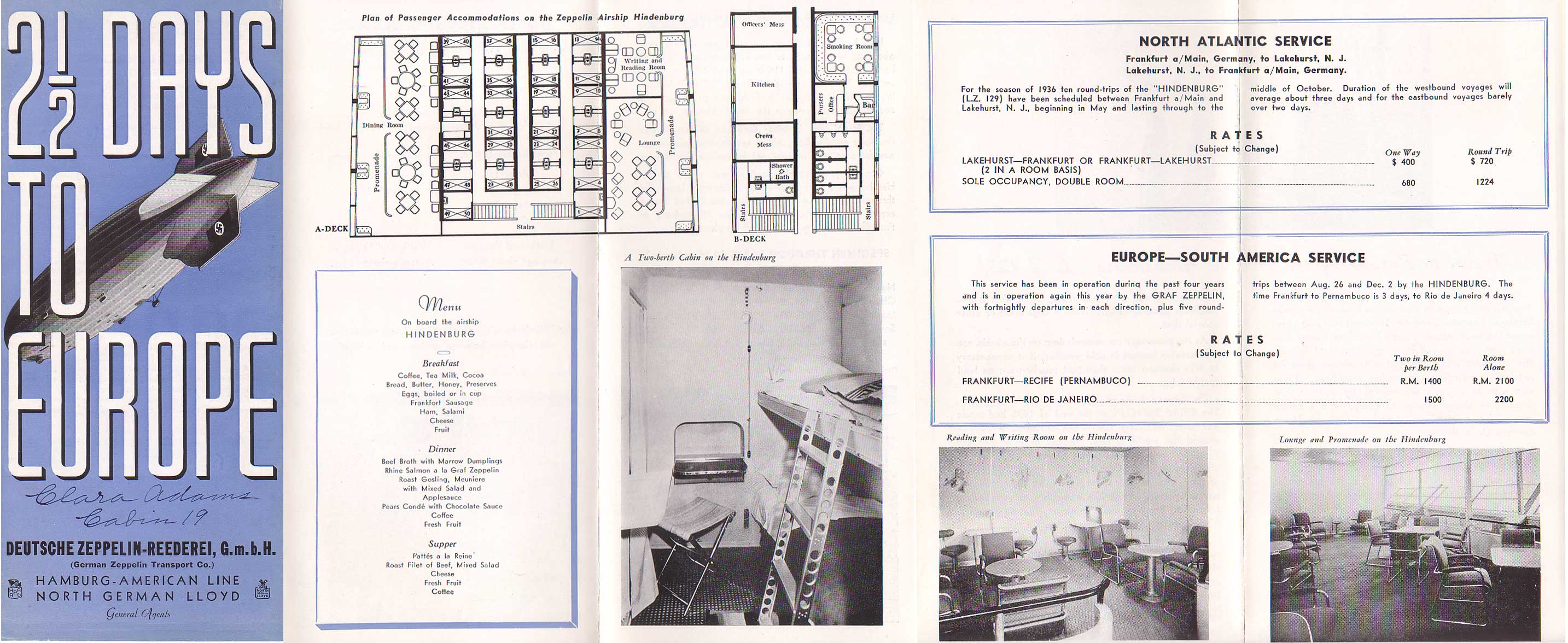
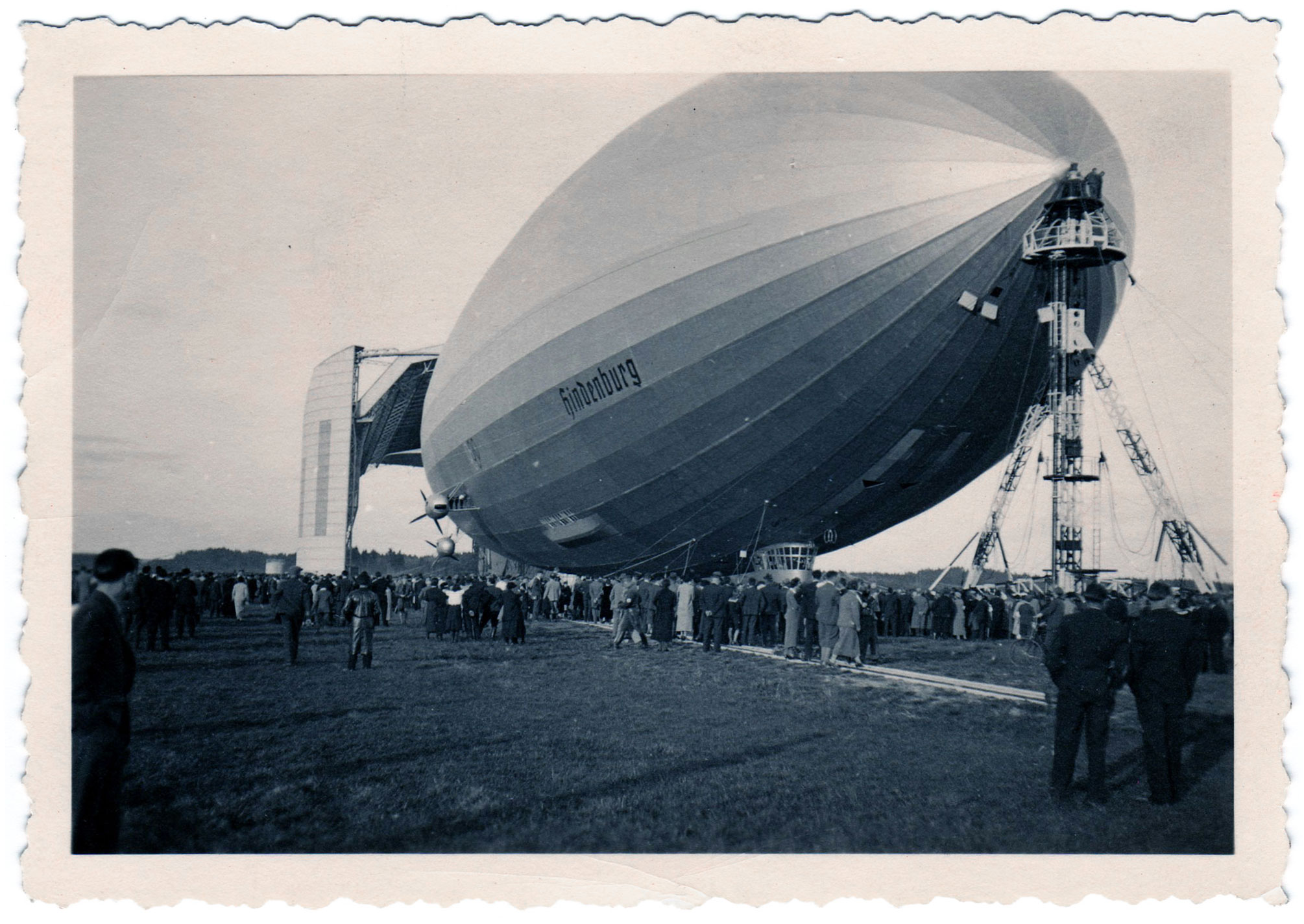
LZ-129 Hindenburg: …Airships Which Ruled The Skies Prior to Airliners !!!

Prior to the age of the airliner, Zeppelin airships ruled the skies over the north Atlantic — connecting cities like New York with Western Europe. Zeppelin’s fleet of airships included such colossal creations like the Graf Zeppelin and the Hindenburg  along with the less famous Graf Zeppelin II.

Before the modern jumbo jet and its first class suites, the biggest and grandest thing in luxury air travel was the German Zeppelin Airship.

Of all the massive Zeppelin’s constructed, the most famous was the Hindenburg. The Hindenburg was designed to ferry passengers across the Atlantic in serenity, with the dirigible floating smoothly through the clouds.

The Hindenburg was the first of two “Hindenburg” Class airships constructed by the Zeppelin Company. Construction of the airship began in 1931 and was completed in 1936. The Hindenburg, along with its highly successful predecessor, the Graf Zeppelin, made numerous trans-Atlantic crossings in their brief but illustrious career.

Constructed out of an aluminum alloy called duralumin, the Hindenburg’s massive frame work was filled with 7 tons of hydrogen. Hydrogen is much lighter than air, and allows the massive Zeppelin to carry more people in greater levels of luxury. However, with an ignition source, an oxidizer, and right concentration, hydrogen can also be incredibly flammable.

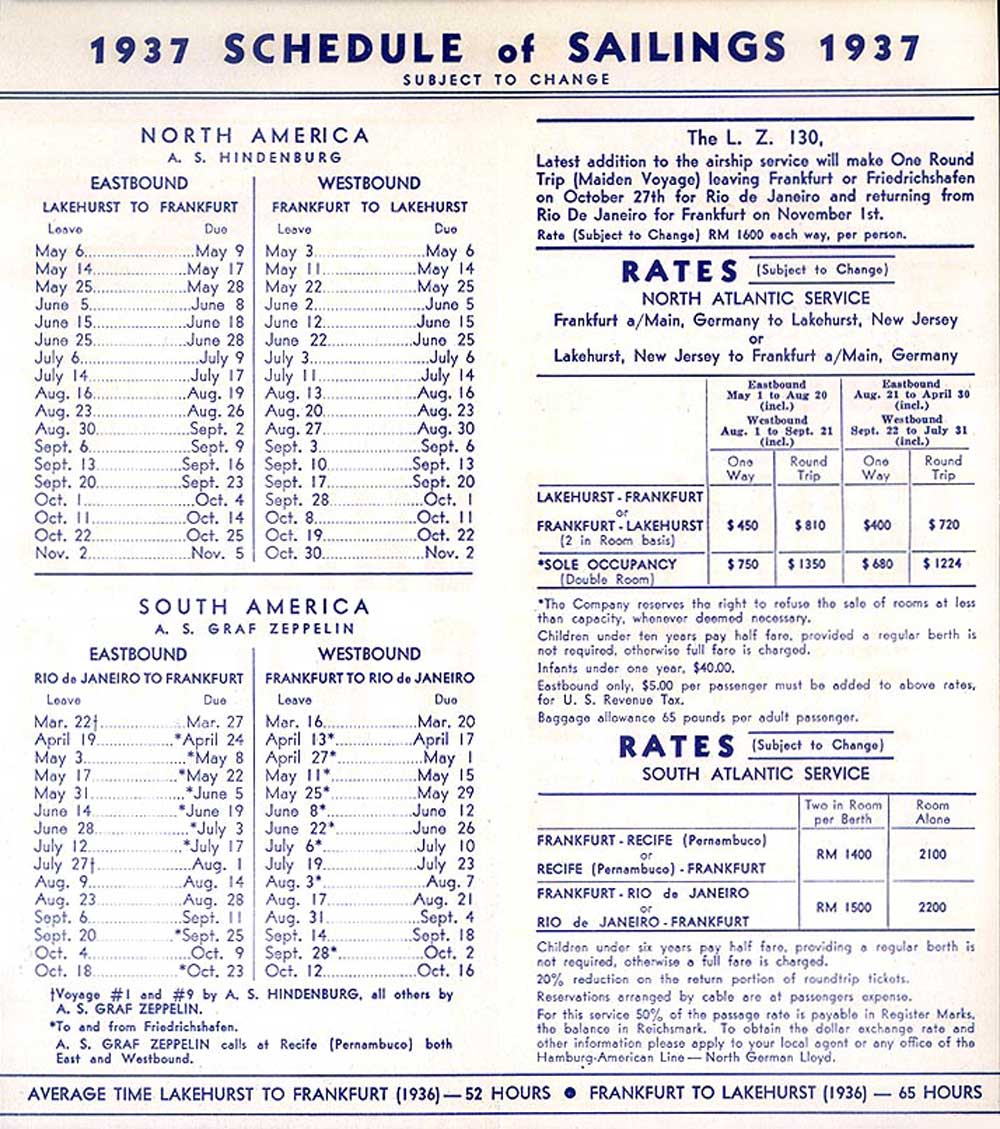
The Hindenburg entered passenger service in May of 1936 and carrier up 50 passengers in luxury across the Atlantic.

The legend of the Hindenburg’s luxurious amenities are well know, but most have not seen them in living color. So take the opportunity to check out these wonderful photos of the Zeppelin’s passengers spaces courtesy of airships.net and the German Federal Archive.

 http://www.airships.net/hindenburg/interiors
 SOURCE :::: http://www.airships.net/hindenburg/
Natarajan


Swinging Sixties …Aviation History …A Flashback !!!

Poppy Marello,
Digital Content Executive, Routesonline     …..It’s the penultimate week for our Aviation History Months articles, and this week we’re looking at airlines that began operation from 1960 – 1980.

Swinging Sixties – Aviation History Month

The sixties saw a number of aviation records, with A Royal Air Force Avro Vulcan making the first non-stop flight from England to Australia on June 21, 1961. Boeing rolled out its first Boeing 727 airline on November 27, 1962, Concorde flew for the first time on March 2, 1969 and of course, on July 20, 1969, Apollo 11 landed the first men on the moon.

The seventies saw a 24-hour worldwide strike in 1972 calling for tighter security after the International Federation of Air Line Pilots Associations (IFALPA) accused governments of failing to take action to halt air piracy. In September 1972, the 1,000th Boeing 727 is sold, a sales record for airliners. The Space Shuttle ‘Enterprise’ makes its first test flight after detaching from a Boeing 747 Shuttle Carrier Aircraft.

Thai Airways

The airline was founded in 1960 as a joint venture between Thailand’s domestic carrier, Thai Airways Company (TAC) and Scandinavian Airlines System (SAS). On 14 May 1997, THAI, along with Lufthansa, Air Canada, SAS, and United Airlines, founded the world’s first and largest airline alliance, Star Alliance.

Thai Airways

Thai Airways, 1960s [Image by Thai Airways]

Royal Jordanian

The airline was established under the name ‘Alia’ in December 1963, after King Hussain’s eldest daughter, Princess Alia bint Al Hussein. The national carrier for Jordan joined the jet age in 1970 when it phased out its Fokker F-27s and ordered Boeing 707 aircraft, and in that year, services were initiated to Madrid, Copenhagen and Karachi.

Jordanian

The third Caravelle delivered to Royal Jordanian, 1966. [Image by Royal Jordanian]

Transavia Airlines

In 1966, the airline was established as ‘Transavia Holland’, until 1986 when the name was changed to ‘Transavia Airlines’. The newly branded operator became the first airline to take advantage of the world’s first open skies agreement signed between the UK and Dutch governments, operating its route between Amsterdam and London Gatwick from October 26, 1986.

Transavia

Boeing 737, 1986, just before the name change. [Image by airliners.net]


SOURCE:::: http://www.routesonline.com

Natarajan

British Airways

The airline was established on 31 March 1974, upon the dissolution of British Overseas Airways Corporation (BOAC) and British European Airways (BEA). The airline jointly inaugurated the world’s first passenger supersonic services to Bahrain using Concorde G-BOAA aircraft, alongside Air France’s operation to Rio de Janeiro via Dakar in January 1976. In March 1979, the new Boeing 757 aircraft was launched with orders for 19 from British Airways and 21 from Eastern (USA).

BA

British Airways Lockheed L1011 TriStar 200 G-BHBN, 1974 [Image by British Airways]

Air Berlin

The airline was founded as Air Berlin USA in July 1978 by PanAm captain, Kim Lundgren, and was originally headquartered in Oregon, United States to operate charter flights on behalf of German tour operators from Berlin Tegel Airport. On 28 April 1979, the first airberlin jet took off from Berlin to Palma de Mallorca. During most of the 1980s, Air Berlin USA operated only a single 737-200. The airline was sole in 1991 when it changed its name to the current ‘Air Berlin’.

Air Berlin 1979

Air Berlin USA Boeing 707, 1979 [Image by Air Berlin]

” Fax Machine was Invented in 1843 … ” !!!

Today, we mostly think of the fax machine as an outdated piece of technology. While there are still some uses for it in an office-setting, technological advances are sending the fax machines to the same pasture as pagers, land-line telephones, and disposable cameras. Even if this is the last we hear of the beeps and bops that echo as an incoming fax is transmitted, the fax machine had a very long life – an amazing 171 years to be exact. Yes, the fax machine was invented in 1843, before the Model-T was even a dream, before the telephone was invented, and even before the American Civil War broke out.

Alexander Bain, a Scotsman clockmaker living in London, was already a decently well-known inventor by the time he got to inventing the world’s first facsimile (meaning in Latin to “make alike”) – or fax – machine. In 1841, he had invented an electric clock by electrifying a pendulum (rather than using springs or weights), while submitting patents for several other useful inventions like improved control systems for railways, automated music machines, and devices to measure how fast a ship was going.

On May 27, 1843, he applied for a patent for a “chemical telegram” and “”improvements in producing and regulating electric currents and improvements in timepieces, and in electric printing, and signal telegraphs,” in which “a copy of any other surface composed of conducting and non-conducting materials can be taken by these means.”

His new invention used the newly popularized telegraph (the electrical telegraph, which was patented by Samuel Morse in 1837) as its base and then added electromagnetic pendulums (like his clock) that would scan the image and puncture a chemically treated paper with lines and tics, which would then be interpreted by a telegraph operator.

Bain’s initial version of the fax machine essentially was a written telegraph and this wasn’t lost upon Samuel Morse. Morse and Bain became embroiled in a patent dispute that eventually was ruled in Morse’s favor. Journalists of the time wondered out loud that since the dispute was taken up in US courts and Morse was American, that the ruling had a bias. In fact, one even went as far as to jokingly state that Bain should never bring his children to America because if he did, Morse would surely claim them as his own too.

Bain submitted another patent for the chemical telegram in 1846 with improvements to his invention that included sketching out and sending facsimile images. It used the same premise as before, but now the paper was treated with a mixture of ammonium nitrate and potassium ferrocyanide, so when electrified, the paper turned blue. (See: Why Blueprints are Blue.) Again, Morse blocked the patent. Within a few years, Bain would further improve his machine, resulting in a version capable of copying approximately 325 written words per minute, about 8 times what Morse’ telegraph system could do. However, by this time, other inventors were getting into the facsimile game with even better designs and Bain’s career was basically over. He would die in poverty in 1877.

This brings us to Frederick Bakewell who received a patent for his improved “image telegraph,” which essentially replaced the pendulums with synchronized rotating cylinders. He was able to send the first certified “telefax” with actual words and images. He demonstrated it at the Great Exhibition in London in 1851, but it wasn’t met with much enthusiasm due to the very long time it took to copy and transmit. Plus, as with Bain’s system, it suffered from synchronization problems.

Italian physicist Giovanni Caselli focused his work on making sure the cylinders stayed synchronized. He succeeded with his invention, the pantelegraph, which used a regulating clock signal to keep both ends in perfect synchronization. With Caselli’s device, first, a message or image would be written in non-conductive ink on a piece of tin. The thin tin sheet would then be scanned by an electrified transmitting stylus, attached to telegraph wires, going back and forth across the sheet. When the stylus encountered the non-conductive ink, rather than the tin, electrical conduction stopped. A very similar apparatus was placed on the receiving end, except this had chemically-treated paper and an electrified stylus (similar to what Bain had done), which would contact the paper where the conduction stopped on the sending side, creating an exact replica of the message. Thanks to his advancements in synchronization, Caselli had created the first reliable fax machine.

Caselli was so confident in it, he demonstrated it for the French Emperor Napoleon III in 1860. The Emperor was astounded with what he saw – the signature of well-known French composer Gioacchino Rossini transmitted over a 140 kilometer long telegraph line between Paris and Amiens. To ensure its viability, the Emperor asked for another test. So, Caselli sent a message between Paris and Marseille, which had 800 kilometers separating them. It worked. Napoleon III accepted the pantelegraph for use by law across France. A year later, Russian Tsar Nicholas I used the pantelegraph to send messages between his palaces in Moscow and Saint Petersburg. Unfortunately, the French-Prussian war of 1870 caused many telegraph poles to come down across both countries and forced the pantelegraph to cease operations. But the technology was here to stay.

Improvements continued on the image-creating telegraph with Bernhard Meyer using a drum to double the speed of the previous pantelegraph. In 1888, Ohio-born Elisha Gray received a patent for the telautograph, a unit that had horizontal and vertical bars that further quickened the pace. Foster Richie created the telewriter, which could be operated on the newly-built telephone lines that stretched across America, allowing for both speech and copies simultaneously.

The first wireless fax was sent, using radio-waves, in 1924. Richard Ranger worked for the Radio Corporation of America (RCA) when he sent an image of President Calvin Coolidge on November 29, 1924 across radio-waves. Also all the way back in 1924, the first color fax was sent by Herbert Ives of the American Telephone and Telegraph Company (AT&T).

Despite reliable fax machines (even wireless and color) being around for quite some time, it wouldn’t be until 1964 when fax machines were widely used commercially. Xerox, a Rochester, New York based company, developed the “Long Distance Xerography” which connected copiers in offices via telephone lines. It would take a few years, but Xerox fax machines soon were the mode de jour to send and receive documents. And the rest, as they say, is history.

SOURCE:::: http://www.todayifoundout.com

Natarajan

November 19… Birthday of Mrs. Indira Gandhi…Rare and Vintage Photos Collection…

Jawaharlal Nehru (1869 – 1964), President of the Indian Congress, with his daughter future Indian prime minister, Indira Nehru (Indira Priyardarshini Nehru, 1917 – 1984) in Bombay. (Photo by Keystone/Getty Images


Portrait of Indira Gandhi (1917 – 1984) who served as Prime Minister of India from 1966 to 1974 and 1980 until her assassination in 1984, New York, 1963. (Photo by Bachrach/Getty Images)

Queen Elizabeth II meets Indira Gandhi (1917 – 1984), the Prime Minister of India, at Hyderabad House in Delhi, India, 17th November 1983. (Photo by Tim Graham/Getty Images)


22nd March 1982: British prime minister Margaret Thatcher with the Indian prime minister, Indira Gandhi (1917 – 1984), outside number 10 Downing Street. (Photo by Gary Stone/Central Press/Getty Images)

23rd June 1938: Pandit Jawaharlal Nehru (1869 – 1964) in London for discussions. With him (right) is his daughter Indira (Indira Priyardarshini Nehru, later Gandhi, 1917 – 1984). (Photo by Keystone/Getty Images)

20th January 1966: Mrs Indira Gandhi (1917 – 1984) with Mr Kamaraj and Mr Nanda makes a gesture of peace after her election as leader of the Congress Party. (Photo by Keystone/Getty Images)

SOURCE::: https://in.news.yahoo.com/

Natarajan