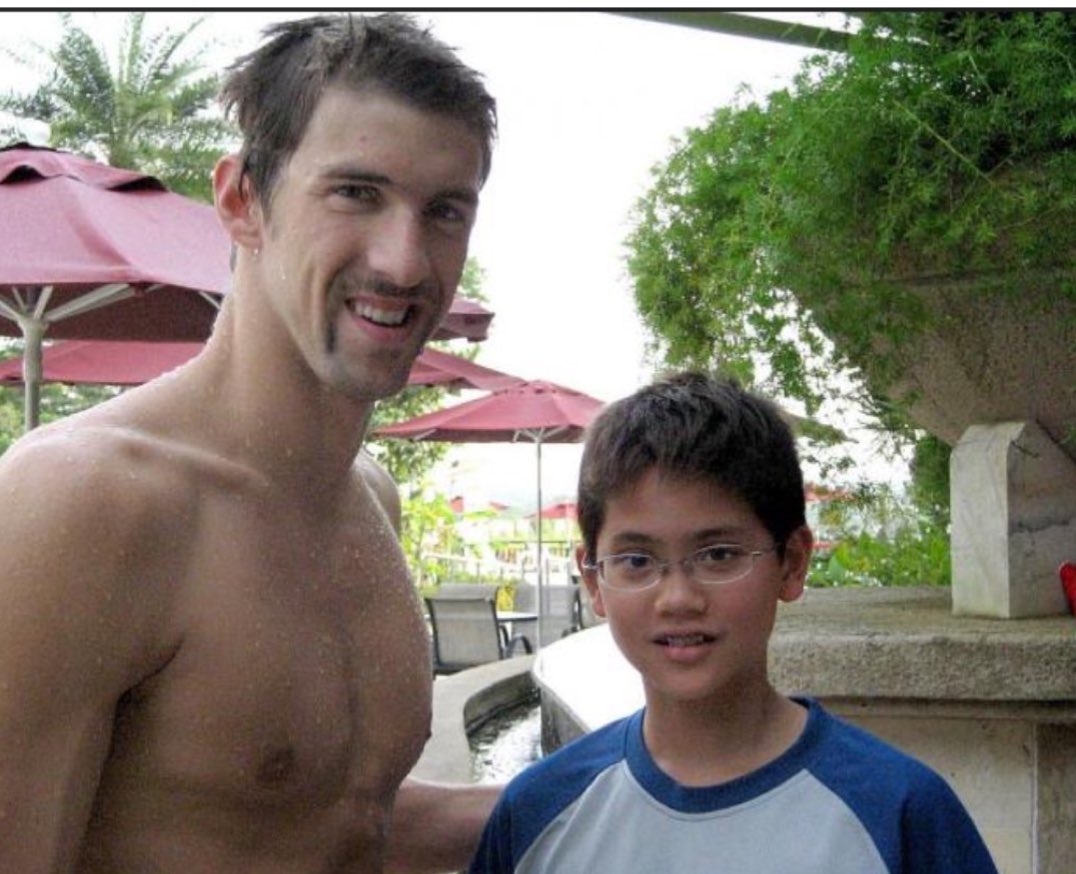
The 21-year-old who beat Michael Phelps first met him as a kid in 2008….!!!

joseph schooling

Joseph Schooling

Michael Phelps might still be snagging gold medals, but a lot has changed since 2008.

Michael Phelps’ only silver medal of the Rio Olympics came at the hands of 21-year-old Singaporean swimmer Joseph Schooling. Schooling beat Phelps in the 100-meter butterfly, claiming his and Singapore’s first gold medal in Olympic history.

During the victory lap after the race, Schooling turned to Phelps and said, “Dude this is crazy, out of this world, I don’t know how to feel right now,” according to The Guardian. Phelps smiled and simply replied, “I know.”

For Schooling, beating Phelps also meant beating his swimming idol. Phelps and Schooling met for the first time in 2008. Here is a picture that has been circulating on social media that puts that meeting into perspective:

Cps6iiuWAAAKEW5

“They came to the country club that I trained at,” Schooling told The Guardian. “Everyone just rushed up and was like “it’s Michael Phelps! It’s Michael Phelps!’ and I really wanted a picture … It was very early in the morning and I was so shell shocked, I couldn’t really open my mouth.”

Now it’s Phelps’ turn to be shell shocked, as Schooling put him in a position he’s not used to: second.

And the gold medal isn’t the only thing Schooling will take away from these Olympics. He also just became a millionaire. Singapore tops the rest of the world in prize money for winning a gold medal. According to Fox Sports Australia, athletes who win Olympic gold medals get paid 1 million Singapore dollars for their achievements (roughly $983,000 American).

Source…..www.businessinsider.com.in

Natarajan

The end of an era: Iconic Indian brands and establishments which shut shop…


Till recently, one of the most delightful moments on a train journey through the western suburbs of Mumbai, was passing through Vile Parle station and inhaling the delicious baking smells that used to waft in to the train. The aroma was that of the Parle G biscuits being baked at the Parle factory, located near the station. But, with the closure of the iconic 87 year old factory, came an end to a fragrant era. While, Parle G will continue manufacturing its much loved biscuits from its other factories across the country, the Parle factory at Vile Parle would be deeply missed.

Over the recent years, a number of iconic Indian establishments and brands have shut shop or stopped production across the country, due to legal issues, falling sales, competition, or not being able to stand up to the times. While modern businesses constantly fold up, and not much thought is given to them, these are icons that have served the country for decades, and have left behind nostalgic memories. We pay tribute to some of them:

HMT watches: Much before Titan, Swatch, Omega, Casio, and the rest of the popular watch brands told time, HMT adorned our wrists and dominated the watch market. The watch maker set up its first factory in Bangalore in 1961, in collaboration with Japan’s Citizen Watch Co, and the first batch of the Hand Wound Wrist Watches manufactured by HMT, was released by the then PM Jawaharlal Nehru. The watches continued to be an integral part of the average Indian attire in the 60’s, 70’s and 80’s until competition and technological changes led to the watch maker facing growing losses. HMT Watches finally chimed its last in May, this year as it shut down its last manufacturing unit in Tumakuru.

Gold Spot: When foreign brands such as Coca Cola and PepsiCo exited the Indian market in the late 1970s, because the Foreign Exchange Regulation Act (FERA) was making it difficult for them to continue in the country, Parle decided to launch its own line of soft drinks. Gold Spot, with the tag line ‘The Zing Thing’, was one of them. The drink, along with Limca and Thumbs Up, gained popularity in the country, and was much sought after by youngsters, and the older generation alike. With the re-entry of Coca Cola in the 1990’s, came the slow decline of the soft drinks. Parle sold its soft drinks to Coca-Cola in 1993, and, while the other two ( Limca and Thumbs Up) still remain in the market, the much loved Gold Spot was withdrawn to make space for Fanta.

Rhythm House: With the shutting of Mumbai’s Rhythm House came the end of a golden era for music lovers and city dwellers. The shop, which was established in 1948, offered its patrons a wide collection of Indian and western music, across all genres – filmy, non-filmy, classical and modern. Customers and passersby would walk in to browse through the albums of their favourite artists. And, if they could not find what they were looking for, it would be ordered for them. But, with the advent of technology, MP3s, downloadable music and Apple’s Music Store, the music shop started to feel the heat. After facing much losses and trying to stay afloat, it finally downed its shutters in March, 2016.

Ghantewala Sweets: A sweet shop that dated back to 1790, The Ghantewala Halwai had among its distinguished clientele emperors, Prime Ministers and Presidents, along with the common man. Set up by Lala Sukh Lal Jain, a small time sweet maker from Rajasthan, Ghantewala Sweets, in Delhi’s Chandni Chowk, the sweet shop earned its name from when Jain started off by selling the sweets on a brass plate, balanced on his head, ringing a brass bell. As his business grew, Jain built a shop, which continued growing in fame. Known for its Sohan Halwa, the shop has even played a role in BR Chopra’s 1954 film, Chandi Chowk, where a replica was created in Mumbai. However, legal and licensing problems, as well as the changing customer tastes, led to the closure of the sweet shop in July, last year.

Vijayanand Talkies: The historic cinema house where the Father of Indian cinema, Dadasaheb Phalke used to screen his motion pictures using a projector, finally downed its curtains in November, 2015. Vijayananad Talkies, located in Nashik, was one of the few remaining single screen cinemas of its generation, and had been conferred the ‘Oldest Exhibitor in India’ Award by the President in 2013 for being one of the longest operating cinema hall in the country. The historical Talkies had to shut shop due to non-renewal of its license by the government.

Ambassador cars: Once the car that India drove – from the politicians in their ostentatious white, beaconed cars, to the taxi drivers in their kaali peeli ones, the Ambassador was known for its sturdy body and powerful engine. The original made in India car was modeled on the Morris Oxford series III, and was in production from 1958. The once ubiquitous Ambassador had even been crowned the best taxi in the world by BBC’s Top Gear programme. The car zoomed in popularity through the 60’s and 70’s, until the Maruti Suzuki 800 brought its low cost car into the country. The opening up of the automobile sector and the entry of numerous other auto brands into the country led to its demise, with Hindustan Motors halting production in 2014.

AA Husain & Co: The go-to place for book lovers in Hyderabad, AA Husain & Co, which was started more than 65 years ago, shut shop in March, 2015. The much-loved book store, which saw the likes of painter MF Hussain, actors Dilip Kumar and Suresh Oberoi, and cricketer Sunil Gavaskar as its patrons, was closed down to make way for a mall which is being built on the Arasu Trust Complex, a Waqf property that housed the shop. The bookstore was started by Abid Asgar Husain, a surgeon of the 6th Nizam, in the mid-1940s, as a store for imported products. It was converted into a bookstore in 1949 by Asif Husain Arastu, his son.

Cafe Samovar: It was with tears that many of its loyal patrons bid the legendary cafe goodbye in March, last year. Surrounded by history and culture, the five-decade-old Cafe Samovar, situated in the Jehangir Art Gallery, with landmarks such as Chhatrapati Shivaji Museum, the Kala Ghoda square, David Sassoon Library and Lion Gate, within walking distance, was a popular haunt among city’s intellectuals, students and general public. Opened by Usha Khanna, the niece of noted Indian actor Balraj Sahni, the Cafe was especially known for its pudina chai and pakoda platter, and any food that came cold or was spilled, would be replaced free of cost. The Cafe had to down its shutters since the Jehangir Art Gallery has been looking to expand its space.

Source….www.in.news.yahoo.com

Natarajan

From Golconda to Kandahar to London: The Journey of the Fabled Kohinoor Diamond…!!!


Described by the Mughal Emperor Babur as ‘Worth the value of one day’s food for all the people in the world‘, Kohinoor is one of the most coveted and valuable diamonds of all times. This dazzlingly beautiful rare jewel has been in the eye of the storm ever since it left the hands of its original owners, the Kakatiyas of Warangal. Never bought or sold, the fabled diamond changed many hands as it traveled through several dynasties that included the Khiljis, the Mughals, the Persians, the Afghans and the British before ending up at the Tower of London.
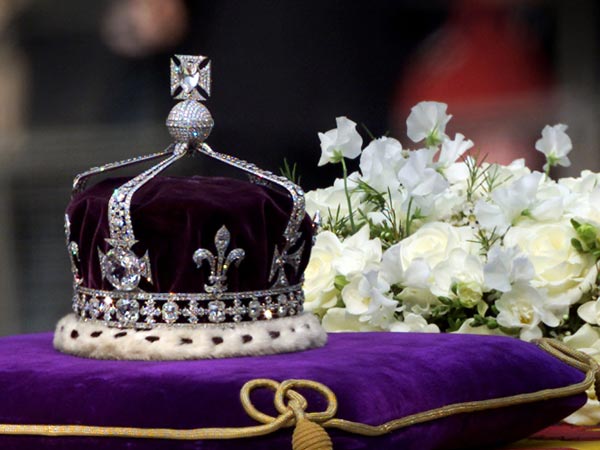
kohinoor_diamond1

This is the intriguing story of its eventful journey.

Photo Source

The Kohinoor has a complex history that goes back to the 13th century. A large colourless diamond that weighed around 793 carats, Kohinoor originated in India’s Golconda mines when they were under the rule of the Kakatiya dynasty.

Legend has it that it was used as an eye of the deity in a Kakatiya temple in Warangal in 1310.

In the early 14th century, Alauddin Khilji, second ruler of the Khilji dynasty of the Delhi Sultanate, and his army began looting the kingdoms of southern India. During a raid on Warangal, Malik Kafur (Khilji’s general) acquired the priceless diamond for the Khilji dynasty. It was then passed on to the succeeding dynasties of the Delhi Sultanate.

In 1526, Babur handed a resounding defeat to Ibrahim Lodi at the Battle of Panipat. The victorious Babur received reports that the Fort of Agra housed an immense treasure, which included a diamond that defied all description. Enraptured by the jewel on its acquisition, Babur called it the ‘Diamond of Babur’ and even mentioned it in his memoir, the Baburnama.

After Babur’s death, the precious stone was inherited by his son Humayun from whom it passed on to successive generations of Mughal rulers, including Shah Jahan, who set the priceless gem in his legendary Peacock throne.

Later, when he was imprisoned in the Agra Fort by his son Aurangzeb, Shah Jahan used to see the reflection of the Taj Mahal in the glittering jewel, placed near a window.

It was in Aurangzeb’s reign that Tavernier, an enterprising French traveller and gem connoisseur, visited India in the search of rare and wonderful gems. Having been shown the diamond by Aurangzeb, Tavernier made the first sketch of Kohinoor in history.

Aurangzeb also entrusted the work of cutting and enhancing the diamond to Hortenso Borgia, a Venetian lapidary (gem artist) so clumsy that he reduced the weight of the stone from 793 carats to 186 carats. So enraged was Aurangzeb at the carelessness and stupidity of the lapidary, that not only did he refuse to compensate him for his labour, but he also confiscated all of Borgia’s worldly possessions.

During the rule of Aurangzeb’s grand son Muhammad Shah in 1739, Delhi was invaded by Nadir Shah, the Shah of Persia. His army looted all the jewels in the royal Mughal treasury, which also included the famous Peacock Throne, and Daria-i-noor, the sister diamond of the Kohinoor. However, the Kohinoor was nowhere to be seen. How Nadir Shah acquired the Kohinoor is a very interesting story.

Muhammad Shah used to carry the prized diamond with him hidden in the folds of his turban, a secret known only to a selected few, including a eunuch in the harem of the Emperor. Hoping to win the favor of the victorious Nadir Shah, the disloyal eunuch whispered the emperor’s secret into his ears. Devising a plan to deprive Muhammad Shah of his prized possession., Nadir Shah ordered a grand feast to coincide with the restoration of Muhammad Shah to his throne.

During the feast, Nadir Shah proposed an exchange of turbans as a gesture of eternal friendship and Muhammad Shah, unable to refuse the gesture, had to hand over his turban. After the ceremony, Nadir Shah returned to his private chambers where he eagerly unfolded the turban to find the diamond concealed within. Dazzled by its beauty, he exclaimed ‘Koh-i-noor‘, which in Persian means mountain of light. One of Nadir Shah’s consort, wonder struck by the Kohinoor, had said,

“If a strong man were to throw four stones, one north, one south, one east, one west, and a fifth stone up into the air, and if the space between them were to be filled with gold, all would not equal the value of the Kohinoor.”

Nadir Shah was assassinated soon after he returned to Persia and the diamond fell into the hands of Ahmad Shah Abdali, one of his ablest generals, who later became the Emir of Afghanistan.

A descendant of Abdali, Shah Shuja Durrani brought the Kohinoor back to India in 1813 and gave it to Ranjit Singh,the ruler of Lahore, in exchange for his help in winning back the throne of Afghanistan.

Ranjit Singh , the founder of the Sikh empire, had the prized jewel sewn into an armlet, which he wore on all the important state occasions. It remained with him for the next twenty years. Ranjit Singh had willed the diamond to the temple of Jagannath in Puri, in modern-day Odisha, but after his death in 1839, the East India Company did not comply with the terms of his will.

His son, Duleep Singh lost the second Anglo-Sikh War leading to the annexation of the Punjab by the British. Under the aegis of Lord Dalhousie, the Last Treaty of Lahore was signed, officially ceding the Kohinoor to Queen Victoria along with the Maharaja’s other assets. The treaty specified,

“The gem called Kohinoor which was taken from Shah Shuja-ul-Malik by Maharaja Ranjit Singh shall be surrendered by the Maharajah of Lahore to the Queen of England.”

On 6 April 1850, the Kohinoor left the shores of India on board of the HMS Medea. So shrouded in mystery was its departure that even the Captain of the ship did not know the priceless cargo his ship carried.

n a grand event organized in Hyde Park in London, the Kohinoor was formally handed over to Queen Victoria by the officials of the East India Company.

Disappointed by its Mughal-style cut, the Queen, along with Prince Albert and others in the court, decided to refashion the diamond to enhance its brilliance. The re-cutting of the Kohinoor, that took a mere 38 days and costed £8000, resulted in an oval brilliant that weighed 108.93 carat. Despite the efforts of the Dutch jeweler, Mr Cantor, the results reduced the diamond drastically in weight. In 1853, it was mounted on a magnificent tiara for the Queen that contained over two thousand diamonds.

Queen Victoria wore the diamond frequently afterwards and left it in her will that the Kohinoor should only be worn by a queen of the royal family. This was due to rumour of an ancient curse associated with the Kohinoor that said,

“He who owns this diamond will own the world, but will also know all its misfortunes. Only God, or a woman, can wear it with impunity.”

As a result, the diamond is worn only by the female members of the British Royal Family. Since getting into British hands, the Kohinoor was been worn by Queen Victoria, Queen Alexandra, Queen Mary and Queen Elizabeth.

It is now displayed along with the other British crown jewels in the Tower of London. Crystal replicas of the diamond set in the oldest crowns as well as the original bracelet given to Queen Victoria can also be seen at the Tower’s Jewel House.

During the Second World War, the Crown Jewels were moved from their home at the Tower of London to a secret location. The biography of the French army general, Jean de Lattre de Tassigny, by his widow Simonne says that George VI hid the Kohinoor at the bottom of a lake near Windsor Castle where it remained until after the war. The only people who knew of the hiding place were the king and his librarian, who apparently revealed the secret to the general and his wife on their visit to England in 1949.

The subject of bitter battles and court intrigues, today Kohinoor casts its brilliance on the millions of tourists who, for the most part, are unaware of its long history in shaping the destinies of men.

Source…..www.the betterindia.com

natarajan
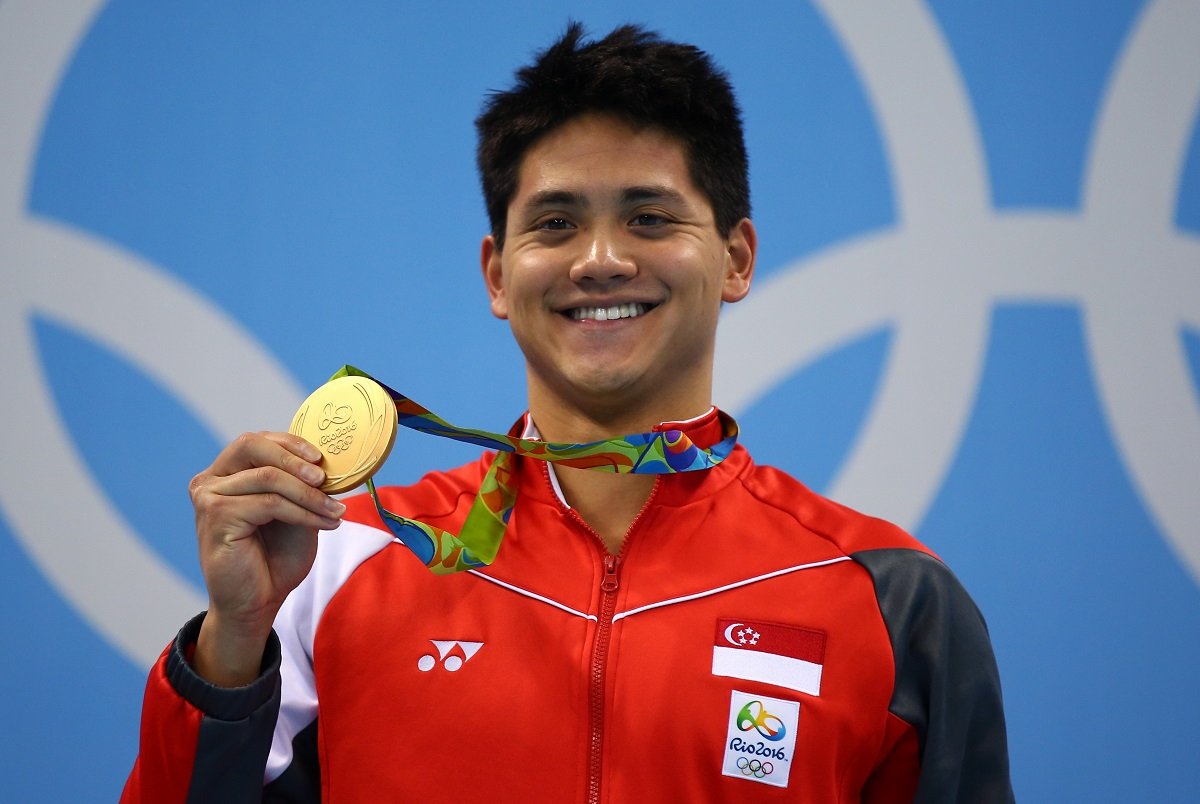
How Much are Olympic Gold Medals Worth….?


As far as the value of the raw materials in them, this varies from Olympiad to Olympiad.  For the recent 2012 Olympics in London, the medals were the largest of any in Summer Olympic history up to that point, weighing in at 400g for the gold medal.  Of this 400g, 394g was sterling silver (364.45g silver / 29.55g copper) with 6g of 24 karat gold plating.  At the price of gold and silver when these medals were won by various Olympians, this means a gold medal in the London Olympics was worth about $624, with $304 of the value coming from the gold plating and about $320 coming from the sterling silver. Since then, the price of gold has dropped about 18% and the price of silver has dropped about 39%.

For the current 2016 Rio Olympics, the gold medals are one-upping the London Games, weighing in at a a half a kilogram, with about 462g of it silver, 6g gold, and the rest copper.  So by current gold and silver prices as of July 13, 2016, these medals are worth about $561 total, with approximately $301 of the value from silver and $260 from gold. So, despite being 1/5 more massive than the London Games Olympics medals, and having the same amount of gold and much more silver, due to the significant drop in gold and silver prices since 2012, the Rio gold medals are worth less at their awarding than the London Games medals were worth when they were awarded.

Of course, athletes can often get much more than this selling the medals on the open market, particularly for momentous medals, like the “Miracle on Ice” 1980 men’s U.S. hockey team gold medal.  Mark Wells, a member of that team, auctioned his medal off in 2012 and received $310,700 for it, which he needed to help pay for medical treatment.
Most auctioned medals don’t go for nearly this much, though.  For instance, Anthony Ervin’s 50 meter freestyle gold medal won in 2000, even with all proceeds going to the victims of the Indian Ocean tsunami, only sold for $17,100.  John Konrads’ 1500 meter freestyle gold medal won in 1960 only sold for $11,250 in 2011.  This is a great return in terms of what the raw value of the materials are worth, but certainly nowhere close to Mark Wells’ medal.

Gold medals in the Olympics weren’t always made mostly of silver.  Before the 1912 Olympics, they were made of solid gold.  However, they tended to be much smaller than modern medals.  For instance, the 1900 Paris gold medals were only 3.2 mm thick, with a 59 mm diameter, weighing just 53g.  For perspective, the London 2012 medals were 7 mm thick, with a diameter of 85 mm and, as mentioned, weighed 400g.  The 1900 Paris gold medals at today’s value of gold are worth about $2300.  For the 1912 games in Stockholm, the last year the gold medals were made of solid gold, the value of the gold medals at current prices of gold would be around $870.

If the current 2016 Olympic gold medals were made out of solid gold, they’d be worth about $21,625 each.  This may seem feasible, considering how much money the Olympics brings in, until you consider just how many medals are awarded during each summer Olympics.  For instance, in these 2016 Olympics, about 2,488 medals have been produced, including 812 gold medals. At $21,625 each, that would be just shy of $18 million dollars for the gold medal materials alone.

As it is, with the current gold medals having about $561 worth of materials, then $305 for the silver medals, and about $5 for the bronze (which are mostly made of copper, with a very small amount of zinc and tin), about $708,000 is still being spent on the raw materials alone for these medals, not to mention the cost of having them minted.

Source……..www.today i foundout.com

Natarajan

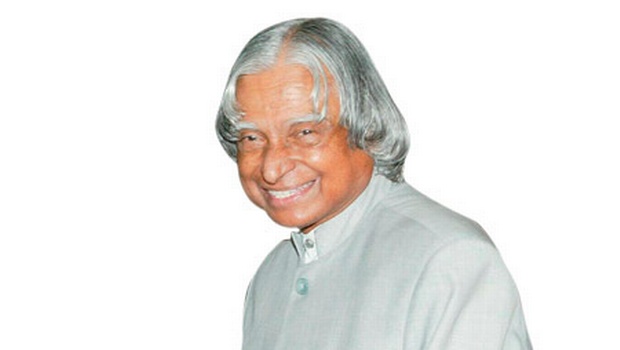
இங்கிவரை யாம் பெறவே…..A.P.J. Abdul Kalam ….

kalam2


மானுடம் சூன்யம் ஆவதற்கோ, வெற்றிடம் ஆவதற்கோ காலம் என்றும் அனுமதித்ததில்லை. நிலைகெட்டிருக்கும் சமுதாயத்தை நிலை நிறுத்துவதற்கென்று, அவ்வப்போது அருட்தூதுவர்கள் வந்துகொண்டுதான் இருக்கிறார்கள். அவரும் இகத்தே பரத்தைப் பெற்று மகிழ்ந்திடுதற்கென்றே, எனையிந்த யுகத்தே இறைவன் வருவிக்க உற்றேன் என வள்ளலாரும் இதனை உறுதிப்படுத்துகின்றார். மகாகவி பாரதியும் எனக்கு முன்னே சித்தர் பலர் இருந்தாரப்பா யானும் வந்தேன் ஒரு சித்தர் இந்த நாட்டில் என அழுத்தம் திருத்தமாக உரைக்கின்றார். வள்ளலார் வந்த வழியிலும், பாரதி நடந்த பாட்டையிலும் தொடர்ந்து நடந்தவர்தாம், ஏ.பி.ஜெ. அப்துல் கலாம்.

காலம் காலமாக இந்திய மக்கள் புண்ணியத்தைத் தேடி இராமேசுவரத்திற்கு வந்தனர். ஆனால், வைய மக்கள் கால்கள் நோகக்கூடாதென்று, புண்ணியமே ஒரு முடிவெடுத்து 15.10.1931 அன்று, ஏ.பி.ஜெ. அப்துல் கலாம் என்னும் வடிவத்தில் இந்த மண்ணுக்கு வந்து சேர்ந்தது.

கலாமின் குடும்பம், பற்றாக்குறையின் கைகளில் பட்டுவாடா செய்யப்பட்டதால், எட்டாம் வகுப்புப் படிக்கும்போதே புளியங்கொட்டைகளைப் பொறுக்கி விற்று (இரண்டாவது உலகப்போர் நடந்த காலம்) ஓரணா சம்பாதித்ததையும், பின்னர் வீட்டுக்கு வீடு தினமணி செய்தித்தாள் போட்டதையும் அவரே கீழ்வருமாறு வருணிக்கிறார். “பத்திரிகைகளில் தினமணிக்கு ஏக கிராக்கி. என் அண்ணன் சம்சுதீன் வாடிக்கையாளர்களுக்கு விநியோகிப்பதற்கு முன்பு அதிலுள்ள படங்களைப் பார்த்துத் திருப்திப்பட்டுக் கொள்வேன். யுத்தம் பற்றிய செய்திகளை எல்லாம் எனக்கு ஜலாலுதீன் சொல்லுவார். பிறகு நான் அதைப்பற்றி தினமணியின் செய்தித்தாள்களில் படித்துப் பார்ப்பேன். இராமேசுவரத்தில் இரயில்கள் நிற்பதை திடீரென்று நிறுத்திவிட்டார்கள். இராமேசுவரம் இருப்புப் பாதையில், ஓடும் இரயிலிலிருந்து பத்திரிகைகளைக் கட்டுக்கட்டாக வீசுவார்கள். நான் அவற்றை எல்லாம் பிடித்து வாங்கி, அண்ணன் சம்சுதீனிடம் சேர்ப்பேன். அண்ணனிடம் வாங்கியதுதான் என் முதற் சம்பளம்’ என்பதாகச் சுய சரிதையில் விவரித்துள்ளார். பழமையை மறவாதவர்கள், என்றும் தம் நிலையில் தாழ மாட்டார்கள் என்பதற்குக் கலாம் அவர்களின் வாழ்க்கை, ஓர் உரைகல்.

கலாம் உயர்நிலைப் பள்ளி, கல்லூரி வாழ்க்கையை வெற்றிகரமாக முடித்திருந்தாலும், உயராய்வுக்கு (எம்.ஐ.டி.) வருகின்றபோது அவருக்குச் சோதனைகள் காத்திருந்தன. வெற்றிப்படிகளில் அவருக்கு அணிவிக்கப்பட்ட மாலைகளில், மலர்களைக் காட்டிலும் முட்களே அதிகமாக இருந்தன. எம்.ஐ.டி.யில் முதுநிலை ஆய்வுத் திட்டம் ஒன்றைப் பெற்று, அதற்குக் கிடைத்த உதவித் தொகையில்தான், அவருடைய எதிர்காலம் நகர்ந்து கொண்டிருந்தது. ஒருநாள் அவருடைய ஆய்வின் வளர்ச்சியைப் பார்வையிட்ட பேராசிரியர், “கலாம், உன்னுடைய அறிக்கை எனக்கு நிறைவைத் தரவில்லை. நாளை காலைக்குள் ஒரு விமானத்திற்குரிய அத்தனை அம்சங்களையும் விவரித்துக்காட்டும் வரைபடத்தை வரைந்து தராவிட்டால், உன்னுடைய உதவித்தொகை நிறுத்தப்படும்’ என்ற ஏவுகணையை ஏவிவிட்டுப் போய்விட்டார்.

எல்லையில்லாத மன நெருக்கடிக்கு ஆளானாலும் ஒரு பழைய கவிதையைத் தேடிப்பிடித்துப் படித்தார். “உனது எல்லா நாட்களிலும் தயாராய் இரு. எவரையும் சம உணர்வோடு சந்தி. நீ பட்டறைக் கல்லானால், அடி தாங்கு. நீ சுத்தியானால் அடி’ எனும் கவிதை நாடி நரம்புகளை அக்கினியாய் முறுக்கேற்றியது. மறுநாள் அப்பணியைச் செவ்வனே முடித்துத் தந்து, மேற்பார்வையாளரின் பாராட்டையும் பெற்றார். எது அவரைக் காயப்படுத்தியதோ, அதுவே அவரைச் சகாயப்படுத்தவும் செய்தது.

1958-இல் விமானப் படையில் விமானியாகப் பணியாற்ற வேண்டும் எனும் எண்ணத்தில் டேராடூனுக்கு நேர்முகத்திற்குச் (இண்டர்வியூ) செல்லுகிறார். தெருவரைக்கும் வந்த நல் வாய்ப்பு, வாசற்படியை மிதித்தவுடன் கதவைச் சாத்திக் கொண்டது. எட்டு இடங்களுக்கு இவர் ஒன்பதாவதாக இடம் பெற்றதுதான் காரணம்

என்றாலும், சோர்வடையாமல் ரிஷிகேசத்திலுள்ள சிவானந்தர் ஆசிரமத்திற்குள் நுழைகிறார். அங்கு அவர் பெற்ற அனுபவத்தை, “கங்கையில் நீராடி ஆசிரமத்திற்குள் நுழைந்தவுடன் அதிர்வலைகளின் வலுவான தாக்கத்தை உணர்ந்தேன். கருணை பொங்கும் முகத்தோடும், ஊடுருவிப் பார்க்கும் விழிகளோடும் புத்தரைப் போலக் காட்சியளித்த சுவாமி சிவானந்தரிடம் பெயரைச் சொல்லி அறிமுகப்படுத்திக் கொண்டேன். என்னுடைய முஸ்லிம் பெயர், அவரிடம் எந்தச் சலனத்தையும் ஏற்படுத்தவில்லை. நான் வாயைத் திறப்பதற்கு முன்பே, என் துயரத்தின் மூலக் காரணம் பற்றி வினவினார்’ என விவரிப்பதிலிருந்து, கோபுரங்களுக்கு வேற்றுமைகள் தெரிவதில்லை என்ற உண்மையை அறியலாம்.

கலாம் 1981-இல் பத்மவிபூஷண் விருது பெற்று, இராமேசுவரத்திற்குள் நுழைகிறார். மசூதி தெருவில் ஜலாலுதீன் அவரை வரவேற்று நிற்கிறார். பள்ளி வாழ்க்கையில் கற்பித்த பட்சி லட்சுமண சாஸ்திரிகள் கலாமின் நெற்றியில் திலகமிட்டு ஆசி வழங்குகிறார் தொடர்ந்து அருட்தந்தை சாலமன் புனித சிலுவையை ஏந்தி ஆசீர்வதிக்கின்றார். மேலும், கலாம் தம்முடைய வெற்றிக்குக் காரணமானவர்களாக மூன்றுபேரை அடிக்கடி சொல்லுவார். (1) விக்ரம் சாராபாய், (2) சதீஷ் தவன், (3) பிரம்ம பிரகாஷ். 40 பல்கலைக் கழகங்களிலிருந்து பட்டயங்களையும், பாராட்டுக்களையும் பெற்றபோதெல்லாம், தம்மைச் செதுக்கிய சிற்பிகளை அவர் மறந்ததே இல்லை

ஆலமரத்தின் கிளைகள் வானத்தை நோக்கி உயர்ந்து கொண்டே போனாலும், அதன் விழுதுகள் பூமியை நோக்கித்தான் பயணிக்கும். அதுபோல கலாம் அவர்கள் ஏவுகணை உலகத்திலும், ராக்கெட் உலகத்திலும் விண்ணளவு புகழ் பெற்றாலும், அவருடைய இதயம் அடித்தளத்து மக்களை நோக்கித்தான் கசித்து கொண்டிருந்தது. 2020-இல் குடிதண்ணீர் பஞ்சமில்லாத தேசத்தை உருவாக்க வேண்டுமென்று, தண்ணீரைத் தேசியமயமாக்க வேண்டும் என்றார்.

கலாம் வாழ்க்கையில் மகத்தான மாறுதலை ஏற்படுத்தியது, சுவாமிஜி பிரமுக் அவர்களுடைய தரிசனம் ஆகும். (பாப்ஸ் சுவாமிநாராயண் சம்பிரதாய ஆசிரமத்தின் குருநாதர்). நிவேதிதாவின் தரிசனம் மகாகவி பாரதியிடம் என்ன மாற்றத்தை ஏற்படுத்தியதோ, அந்த மாற்றத்தை பிரமுக் சுவாமிஜியின் தரிசனம், கலாமிற்குத் தந்தது எனலாம். அக்குருஜியே தம் வாழ்க்கையின் முடிந்த முடிவான குருஜி எனக் கலாம் எழுதுகின்றார். அக்குருநாதரைக் கலாம் 14 ஆண்டு கால இடைவெளியில் எட்டுமுறை சந்தித்து ஆத்ம விசாரணையில் ஈடுபட்டிருக்கிறார். கலாம் எழுதிய கடைசி நூல்: ‘The Transcendence : My Spiritual Experiences with Pramuk Swamiji’  என்பதாகும். பாரத ரத்னா கலாம் தம் மறைவுக்கு ஒரு மாதத்திற்கு முன் எழுதப்பட்ட நூல் இது.

27.07.2015 அன்று ஷில்லாங் நிர்வாகவியல் உயராய்வு மையத்தில் மாணவர்கள் மத்தியில் பேசிக் கொண்டிருந்தபோது ஏற்பட்ட மறைவு, ஒட்டுமொத்த இந்தியாவையும் ஒரு பூகம்ப அதிர்ச்சிக்கு உள்ளாக்கியது. சிம்பொனிக் சக்கரவர்த்தி பீத்தோவன் எப்படித் தம்முடைய பியானோவில் தலை வைத்தபடி மறைந்தாரோ, அப்படித்தான் கலாம் மாணவர்கள் மத்தியில் தலை சாய்த்தார். வீட்டுக்கு வீடு செய்தித்தாள் போட்ட ஒரு மாமனிதரின் மறைவை, உலகத்தின் அத்தனைச் செய்தித்தாள்களும் கண்ணீரால் அச்சிட்டன. தமக்கென்று ஒரு தொலைக்காட்சிப் பெட்டிகூட இல்லாதவரின் மரணத்திற்கு அத்தனைத் தொலைக்காட்சிப் பெட்டிகளும் அழுது தீர்த்தன. அவரால் அனுதினமும் மீட்டப்பட்ட வீணை, விதவை ஆயிற்று. பெருந்தலைவர்களின் மறைவுக்கு டெல்லியை நோக்கிச் சென்றுகொண்டிருந்த மக்கள், முதல்முறையாக இராமேசுவரத்தை நோக்கி பயணித்தனர்.

பிரதமர் நரேந்திர மோடி, “தம்முடைய அறிவியல் சாதனைகளின் மூலம் இந்தியாவை மிக உயரமான இடத்திற்கு அழைத்துச் சென்றவர் கலாம். அவரது மறைவு ஓர் ஈடு செய்ய முடியாத இழப்பாகும்’ என்றார்.

அவருடைய மறைவைக் கண்ணீரில் மட்டும் கரைத்துவிடாமல், நிலைத்து நிற்கக் கூடிய ஓர் அஞ்சலியைச் செலுத்தியது, தமிழக அரசு. அவருடைய பிறந்த நாளாகிய அக்டோபர் 15-ஆம் தேதியை இளைஞர்களின் மறுமலர்ச்சி நாளாக அறிவித்தது. வியத்தகு சாதனைகளை நிகழ்த்தும் இளைஞர்களுக்கு ஒவ்வோர் ஆண்டும் ரூபாய் ஐந்து லட்சம், ஒரு சவரன் தங்கத்துடன் வழங்கப்படும். காற்றுள்ளவரை, இராமேசுவரம் கடற்கரை மணல் இருக்கும்வரை, இங்கிவரை யாம் பெறவே என்ன தவம் செய்துவிட்டோம் எனும் கீதம் ஒலித்துக்கொண்டே இருக்கும்.

Source…..By பேராசிரியர் தி. இராசகோபாலன் in http://www.dinamani.com

Natarajan

Shakuntala Railways: The Only Train Line In India That Is Still Not Owned By India !!!


The Indian Railways is India’s lifeline. Every day millions of passengers avail its facilities.

It has become such an integral part of our lives that we cannot imagine a life without it. The Indian railways were nationalized way back in the year 1951. But today, we are not going to talk about the Indian railways but we are going to talk about of its long forgotten relative ‘The Shakuntala Railways’. I am sure that for most of you this sounds a bit alien. Hearing the name you might think of it as a name of some train or maybe a little-known rail zone.

Shakuntala Railways is one of only a few operational railway lines in India that remains with private owners and perhaps the only one that belongs to a British firm.

Beyer.Garrett

But Shakuntala is neither one of them. In fact, it is an independent railway which does not come under the Indian Railways. So, technically the Indian Railways does not enjoy a monopoly. When Nationalization happened in 1951, Strangely this line was left alone. Interestingly till date, nobody knows the exact reason why this line was never de-privatised.

The birth of Central Province Railway Company (CPRC) or The Shakuntala railways took place way back in 1910. It was founded by a British Firm called Killick-Nixon.

11travel-kalka

It was formed during the British Raj. During those times, most of the rail lines were operated by individual firms. The location of the track was quite strategical as this route was used to transport cotton from Vidharba. This cotton then made its way to Manchester.

During those times, there was a deal between the CPRC and the Great Indian Peninsular Railway (GIPR). This deal stayed in place even after GIPR became Central Railways.

Soon, not only cotton but the line was used even to ferry passengers. The GIPR used CPRC’s lines to run its trains and paid a compensation or rent to the company. The deal continued even after GIPR was replaced by the Central Railways. To this day, the Central Railways pays the British firm a compensation for using its lines. Interestingly, in recent times, the Indian Railways has not paid the decided rent instead has been adjusting it from the cost of repairs and maintenance.

Unlike most train lines in India, this train line still uses a narrow gauge.

The rail line itself is quite unique as the unlike most of the rail lines that are broad gauge lines, Shankuntala railways still use narrow gauge lines. The British company still gets more than 1 crore rupees from the Indian Railways for running a train on its tracks called the Shakuntala Express.

The Shakuntala Express is a passenger train that runs from the towns of Yavatmal to Murtijapur

Shakuntala-Express-yavatmal-train-service-suspended

The train runs through the beautiful cotton growing areas of Achalpur, which falls under Amravati division. If you are ever lucky enough to board this train then this train journey is sure to take you back to the 19th century. Everything about it is old school. It seems that when modernisation happened everywhere it forgot about poor Shakuntala.

Every day it covers just one return journey and even today it is a lifeline for hundreds of poor people, who cannot afford to take the road, as it almost 5-6 times the train’s fare

It covers a journey of almost 190Km in about 4 hours.  For these people, it is the cheapest means of transport and they can’t imagine their lives without it. The train runs through a narrow gauge which itself gives it a very toy- train kind of feeling.

It still runs on a steam engine and the rail signals have been there right from the British Raj

Most of the official works are also done manually. In times when our trains run on electric engines ,  Shakuntala Express still uses an old steam engine. Another interesting thing that you would find when you board this train is that all the existing rail signals are still from the British era with the words ‘made in Liverpool’inscribed on it.

This journey literally takes you on a trip down the memory lane.

Source….Abir Gupta in http://www.storypick.com

Natarajan

” Sarcasm at its best…” Pl read and share with younger gen… !!!


Message for the Day…”Dharmakshetra and Kurukshetra…”

SI_20160512It is said that King Dhritarashtra asked a question and described the battlefield of Kurukshetra as Dharmakshetra, field of virtue (The Gita begins with King Dhritarashtra asking what his sons and the Pandavas are doing in Kurukshetra). Referring to his sons he says, ‘Mamaka‘ — that is, those to whom I am bound by attachment. Dhritarashtra, in his ignorance, asked a question which really means, what are the thamo and rajo gunas (slothful and passionate qualities), represented by the Kauravas, doing in the battlefield with the Pandavas who representsattvic gunas (pure qualities). This battle is continually being waged, in the body which is the true Dharmakshetra, in Kurukshetra which symbolises the sensory organs. And Lord Krishna in the form of the consciousness or Atma is a witness to this battle all the time.

Message for the Day…” Vedas as Shurti…has neither beginning nor will have an end….”


The Vedas do not have their origin in human beings. All history has been created by experienced people. In such things which have been created by men, there are possibilities for changes, additions and alterations; but there is no such possibility in the case of the Vedas. As the Vedas have been obtained merely by listening to sound, it has been referred to as Shruti (that which was heard). We have forgotten the Vedic culture which has neither a beginning nor will have an end, and placed our faith in material comfort. We have also tried to give more importance to what we see around us in the form of material comforts and given up what is essential for our own culture. This has brought our life into great difficulty.SI_20160512

First Recorded public version on a Gramophone Plate…First Sloka in Rig Veda !!!


Something Surprising..

His Masters Voice (HMV) had once published a pamphlet giving the history of gramophone record.
Gramophone was invented by Thomas Alva Edison in the 19th century.
Edison, who had invented many other gadgets like electric light and the motion picture camera, had become a legend even in his own time.

When he invented the gramophone record, which could record human voice for posterity, he wanted to record the voice of an eminent scholar on his first piece.
For that he chose Prof. Max Muller another great personality of the 19th century.
He wrote to Max Muller saying,
“I want to meet you and record your voice. When should I come?”
Max Muller who had great respect for Edison asked him to come on a suitable time when most of the scholars of the Europe would be gathering in England.

Accordingly, Edison took a ship and went to meet Max Muller .
He was introduced to the audience.
All cheered Edison’s presence.
Later at the request of Edison, Max Muller came on the stage and spoke in front of the instrument.
Then Edison went back to his laboratory and by afternoon came back with a disc.
He played the gramophone disc from his instrument.
The audience was thrilled to hear the voice of Max Muller from the instrument.
They were glad that voices of great persons like Max Muller could be stored for the benefit of posterity.

After several rounds of applause and congratulations to Thomas Edison, Max Muller came to the stage and addressed the scholars and asked them,
“You heard my original voice in the morning. Then you heard the same voice coming out from this instrument in the afternoon. Do you understand what I said in the morning or what you heard in the afternoon?”

The audience fell silent because they could not understand the language in which Max Muller had spoken.
It was ‘Greek and Latin’ to them as they say.

But had it been Greek or Latin, they would have definitely understood because they were from various parts of Europe.
It was in a language which the European scholars had never heard.

Max Muller then explained what he had spoken.
He said that the language he spoke was Sanskrit and it was the first sloka of Rig Veda, which says “Agni Meele Purohitam”

This was the first recorded public version on the gramophone plate.

अग्निमीळे पुरोहितं यज्ञस्य देवं रत्वीजम।
होतारं रत्नधातमम।।
(Rig Veda 1.001.01)

Why did Max Muller choose this?

Addressing the audience he said,
“Vedas are the oldest text of the human race. And “Agni Meele Purohitam” is the first verse of Rig Veda.
In the most primordial time, when the people did not know how even to cover their bodies and lived by hunting and housed in caves, Indians had attained high civilization and they gave the world universal philosophies in the form of the Vedas”

When “Agni Meele Purohitam” was replayed, the entire audience stood up in silence as a mark of respect.

The verse means :
“Oh Agni, You who gleam in the darkness, to You we come day by day, with devotion and bearing homage. So be of easy access to us, Agni, as a father to his son, abide with us for our well being.”

Source…..Input from a friend of mine

Natarajan