Message For the Day….” Follow Sabari’s Example , who always thought of Rama and His happiness…”

Follow at least one of the nine modes of devotion (Sravanam, kirtanam, etc.). It doesn’t matter how wealthy or learned you are; God is concerned only with the sincerity and purity of your mind and heart and the wholeheartedness and genuine nature of your love. Valmiki was a hunter. Nandanar was of a low caste. Kuchela was a poor man. Dhruva and Prahlada were five-year-old lads. Sabari was a tribal woman, illiterate and uncivilized. But all of them won God’s Grace in abundance, because of their wholehearted devotion, love and surrender. Follow Sabari’s example, who always thought of Sri Rama and His happiness, and dedicated all her thoughts, words, and deeds to Him alone, such that her every action was transformed and sublimated into the highest penance (tapas).Meditation does not mean sitting idle in a particular posture, like posing for a photograph.  Like Sabari’s life, your life must become a continuous meditation wherever you are, and whatever you do.


Sathya Sai Baba

Message for the Day…” “Do you require light inside the house as well as outside? If yes, then place the lamp on the doorstep!” So too, if you desire to experience the illumination of peace (shanti) “

Temple worship, company of sages, adoration of the Lord and recital of His name – these are external sources of light. Meditation, austerity and reflection (dhyana, tapas andmanana) — these are sources of inner illumination. Devoid of both, how can you experience the vision of divine glory? Once Tulsidas Goswami declared, “Do you require light inside the house as well as outside? If yes, then place the lamp on the doorstep!” So too, if you desire to experience the illumination of peace (shanti) within you and also spread it out, then place the name of the Lord on the tongue, which is the doorstep of your personality! The lamp on the tongue will not flicker, fade, or be put out by any storm. It will confer peace on you as well as on all whom you meet – in fact, the entire world.” Therefore, for your salvation, evoke the vision of the form with the Lord’s name on your tongue.

Sathya Sai Baba

This Man Left His Job, Sold His Car and Took a Loan – Just to Make India Clean !

This cleanliness warrior resigned from his job to take the battle against garbage to cars, autorickshaws, buses, and other vehicles. His car trash bins will give income to slum dwellers while helping keep our roads clean.

India is developing fast — roads are jammed with cars, cellphones are ubiquitous, and there is talk of smart cities emerging all over the country.

But are we behaviourally developed as a nation? We still lack civic sense and spit on walls, we don’t show up for our appointments on time, we deface our historical landmarks, we rarely stick to queues when waiting, and we litter our streets indiscriminately.

Abhishek Marwaha was one of us until three years ago when he read somewhere: ‘”A person who throws his trash actually throws his humanity.”


abhishek marwaha1

Abhishek Marwaha

He then started making a conscious effort to keep his surroundings clean. His friends made fun of him when he kept dumping used tissues in his pockets or in car back pockets while travelling, instead of throwing them outside the window.

“I used to work in a travel technology firm and travelling to different countries used to be part of my job profile. I realized that we are more conscious of our habits when abroad (like littering, spitting, honking, etc.) but we tend to be careless when we are here in India. So all we need to do is one simple thing to bring a wave of change. Let’s behave in our own country the way we behave in any other foreign country,” says Abhishek.

One day, while having lunch, he found that his lunch bag was worn and could be used as a trash bin in his car. The idea stayed with him and he began to design a trash bin that is easily accessible in a car or any vehicle, even while driving. Once the design was ready, he started making cheap trash bins in bulk and contacting vendors.

spit pouches

This mission to keep India clean has today resulted in the launch of Abhishek’s online store, ujosho.com, which sells the first ever car trash bins in India.

The word UJosho is derived from the Japanese word ‘josho,’ which means ever victorious. Abhishek added a ‘U’ to indicate that we can all be victorious in the battle against littering if we do our bit to keep the nation clean.

swach bin

Swachh bin for cars

“There are an estimated 25 million cars in any Tier 1 city in India. The problem of garbage will continue to haunt us as the trash thrown from cars chokes the roadside drains and contributes to water logging and floods during rains. There is an immediate need to educate and encourage people to use this simple trash bin in their cars so that many of these issues can be resolved without intervention of civic authorities and with proper and positive participation from each one of us,” adds Abhishek

The car trash bins that Abhishek sells are not machine made. He aims to provide earnings to slum dwellers by getting them to make these trash bins by hand in bulk.

He has also experimented with giving away these bins to beggars for free and was delighted to see them selling these to car owners at traffic signals.

beggar

“You don’t have to hold a gun at the border and save the country to be truly patriotic. You can bring about change by changing yourself, your habits and your surroundings. Even if 10% of our population shares this view, it can make a difference. Maybe what I am doing is minuscule, but it will hit the root cause of the trash problem,” Abhishek says with great zeal.

According to Abhishek, installing and using the trash bin in vehicles will be good because:

1) It will help bring about a behavioral change among adults and children with respect to cleanliness, littering and spitting.

2) It will support civic authorities in ensuring optimum use of manpower in cleaning roads.

3) Trash chokes the roadside drains and contributes to water logging and floods during rains. Car trash bins will help prevent that.

Though the car trash bin is a first-of-its-kind product, Abhishek does not want to patent the idea as he wants it to spread widely. He wants other people to replicate it and make it more cost effective if possible.

happy customers\

Happy Customers!

“We also encourage people to share their ideas about cleanliness on the ‘Idea’ section of our website. If we are able to make a product from that idea, we will then give royalty on every sale of that product,” says Abhishek

To know more about Abhishek and his products, you can visit www.ujosho.com

Source….Manabhi Katoch in http://www.the betterindia .com

Natarajan

Message for the Day……” For the tasks of spiritual discipline, there is no yesterday and no tomorrow. This very moment is the moment…”

 Sathya Sai Baba

Lord of Death (Yama) is as omnipresent as Lord Siva! Yama is associated with the body (deha); He cannot affect the individual soul (jiva). Siva is associated with the individual soul, but He won’t allow the body to subsist for any length of time. The body is the essential vehicle for the individual soul to understand its real nature. Still who knows when the body may become the target for the attention of Yama? The individual soul, burdened with this destructible body, must grasp the above-mentioned caution and be all-eager to merge in Siva! No single moment that is passed by can be turned back. People usually delay doing some things; yesterday’s till today and today’s till tomorrow. For the tasks of spiritual discipline, there is no yesterday and no tomorrow. This very moment is the moment! The minute that just elapsed is beyond your grasp; so too, the approaching minute is not yours! Only those who have this understanding engraved in their heart can merge in Siva.


Places Where Three Time Zones Meet……..

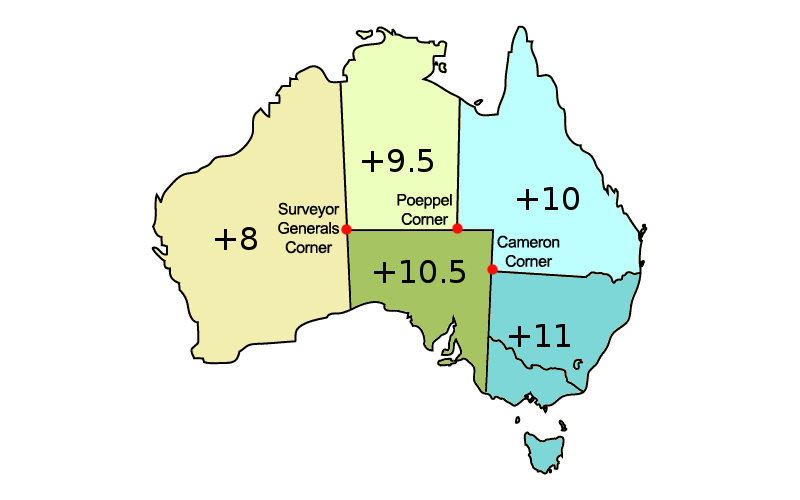
When Italian mathematician Quirico Filopanti first sounded the idea of time zones in his book Miranda! published in 1858, he proposed that the world be divided longitudinally into 24 equal time zones, where each zone differs from the last by one hour. But the real world is rarely that simple. Influenced by political, geographical and social changes, the world adopted a much more complicated system where time zones differed by three-quarter, half and even quarter of an hour. Today there are as many as 40 different time zones.

With so many different time zones around it’s imperative that some of them would meet at more than one point. There are exactly twenty-two places, according to various sources, where more than three time zones meet. Some of them are obvious, such as tri-point boundaries between nations observing different time zones. The strangest ones are located in Australia because the way the country’s different states follow time.


australia-tri-points

The time zones of Australia and the three state corners where three time zones meet.

Australia has three time zones, but from spring until autumn when New South Wales and South Australia adjust their clocks for daylight-savings, two additional time zones appear that horizontally break up the country’s two easternmost time zones into four. These time zones, which differ from each other by 30-minutes, meet at three different places. The most popular of them is Cameron Corner in the outback of eastern Australia, where the boundaries of states of Queensland, South Australia, and New South Wales meet. The other ones are Poeppel Corner (located at the corner of Queensland, South Australia and the Northern Territory) and Surveyor Generals Corner (located at the corner of South Australia, Western Australia and the Northern Territory). Standing at any one these locations allows any person to be at three different points of time at the same time. To take advantage of this anomaly, more than a thousand people descended on the tiny settlement of Cameron Corner on December 31, 1999, so they could celebrate the arrival of the new millennium three separate times.

cameron-corner-1

Marker at Cameron Corner. Photo credit: Kris H/Flickr


cameron-corner-2

Marker at Cameron Corner. Photo credit: Geoffrey Rhodes/Flickr


poeppel-corner

Marker at Poeppel Corner. Photo credit: Mark161/Panoramio

surveyor-generals-corner

Marker at Surveyor Generals Corner. Photo credit: jeza1/Panoramio

Another interesting place where a bunch of time zones meet is Antarctica. Being located on the South Pole, where every line of longitude meet, you might be tempted to think that all time zones meet here, but this is not the case, as time zones rarely adhere to geographical divisions. Because of the extreme day-night cycles near the times of the June and December solstices in Antarctica it is difficult to determine which time zone would be appropriate. Instead, researchers working on various stations in the Antarctic Circle observe time zones of the country the station is owned by, or the time zone of their supply base. For example, McMurdo Station and Amundsen–Scott South Pole Station use New Zealand time due to their main supply base being Christchurch, New Zealand. Many areas —those labeled in red in the map below— have no time zone at all, and follow Universal Time, by default.

antarctica-time-zones

Photo credit: Phoenix B 1of3/Wikimedia

Sources: CN Traveler / iO9

Story credit….www.amusingplanet.com
Natarajan

” பீடுடைய மாதம்- மார்கழி!’….

மாதங்களில் நான் மார்கழி என்று மாதவனால் பெருமை பெற்று மனிதனை உயர்வழிக்கு அழைத்துச் செல்லும் மார்கழி மாதம். தேவலோகத்தில் வாழும் தேவர்களுக்கு தை மாதம் முதல் ஆனி மாதம் வரையில் பகல் பொழுதாகவும், ஆடியில் இருந்து மார்கழி மாதம் வரையில் இரவாகவும் கருதப்படுகிறது. இதில் பகலை உத்தராயனம் என்றும் இரவை தட்சிணாயனம் என்றும் அழைப்பார்கள். இவ்வாறு பார்க்கும்பொழுது மார்கழி மாதம், தேவர்கள் விழிப்பதற்கு ஆயத்தமாகும் விடியற்காலை நேரமாகிறது. அக்காலத்தையே பிரம்ம முகூர்த்தம் என்கிறோம். இந்த மாதத்தில் அதிகாலையிலேயே எழுந்து நீராடி தெய்வத்தை வணங்கினால் நோய் நீங்கி, குடும்பத்தில் ஐஸ்வர்யம் பெருகும் என்பது நம்பிக்கையாகும். அதனாலேயே இம் மாதத்தில் எல்லோரும் அதிகாலையில் எழுவது என்பது வழக்கமான நடைமுறையில் ஒன்றாக இருக்கிறது. இதற்கு ஒரு அறிவியல் காரணமும் உண்டு.

மார்கழியில் அதிகாலைப் பொழுதில், (4.30 மணி முதல் 6.00 மணி) வளி மண்டலத்தில் தூய்மையான ஒசோன் படலம் பூமிக்கு மிகத் தாழ்வாய் இறங்கி வருகிறது. ஓúஸôன் என்பது அடர்த்தியான ஆக்ஸிஜனாகும். அதை சுவாசித்தால், நோய் எதிர்ப்பு சக்தியும், ஆரோக்கியமும் கிடைப்பதால் உடல் இயக்கம் எளிதாகிறது. ஆகவே அதன் பலனைப் பெற இம்மாதத்தில் பெண்களை காலையில் கோலமும் ஆண்களை பஜனை பாடல்களை பாடவும் செய்தனர் என்று அறிவியலார் கூறுகின்றனர்.

மார்கழி மாதத்தை சூன்ய மாதம் என்பர். சூன்யம் என்றால், ஒன்றுமில்லாதது எனப் பொருள். நம் வாழ்க்கை ஒன்றுமில்லாதது, நிலையற்றது. இந்த வாழ்வை அர்த்தமுள்ளதாக்கிக் கொள்ள வேண்டுமானால், சரணாகதி எனும் உயர் தத்துவத்தைக் கடைபிடிக்க வேண்டும். லௌகீகங்களுக்காக இல்லாமல், ஆன்மீக நிகழ்வுகளுக்காக மட்டுமே என்று இம்மாதத்தை முன்னோர் ஒதுக்கி வைத்தார்கள். நமது உடலையும் உள்ளத்தையும் நல்ல விதமாக ஆக்கிக்கொள்வதற்கு உரிய மாதம் மார்கழி மாதம். இம்மாதங்களில், சுபநிகழ்ச்சி நடத்தினால், வழிபாடு பாதிக்கும் என்பதாலேயே, இம்மாதங்களில் அவற்றை நடத்தாமல் தவிர்த்தனர். இதற்காகவே, ஆண்டாளும், மாணிக்கவாசகரும், திருப்பாவை, திருவெம்பாவை பாடி, நமக்கு வழிகாட்டியுள்ளனர்.

சிவபெருமான் உண்ட நஞ்சை அவர் கண்டத்திலேயே தடுத்து, அந்த நஞ்சு அவரைத் தீண்டா வண்ணம் காத்த கார்த்யாயனியை வேண்டி தங்கள் கணவரின் நீண்ட ஆயுளுக்காக இம்மாதத்தில் வருகின்ற திருவாதிரை அன்று விரதமிருக்கிறார்கள். இதையே பாகவதம் மார்கழி மாதத்தில் ஆயர் மகளிர் கார்த்தியாயினியை வழிபட்டு, அவியுணவு உண்டு கண்ணனை அடைந்தார்கள் என்றும் கூறுகிறது. கன்னியர் இந்நோன்பிருந்து கார்த்தியாயினி தேவியை வழிபட, தகுந்த கணவன் கிடைப்பான். சுமங்கலிகள் கடைப்பிடித்தால், தம்பதியர் ஒற்றுமை கூடும்.

மார்கழி மாதத்தை, மார்கசீர்ஷம் என்று வடமொழியில் சொல்வர். மார்கம் என்றால், வழி – சீர்ஷம் என்றால், உயர்ந்த – வழிகளுக்குள் தலைசிறந்தது என்பது பொருள். இறைவனை அடையும் உயர்வழியே சரணாகதி.

ஆண்டாள் பொழுது புலர்வதற்குமுன் எழுந்து தமது தோழியர்களை அழைத்து ஆற்றில் நீராடி, அங்குள்ள மணலினால் பாவை போன்ற உருவம் செய்து, மலர்கள் சூட்டி, அப்பாவையை கெüரி தேவியாக பாவித்து, “பாற்கடலுள் பையத்துயின்ற பரமன் அடிபாடி’ பாடித் துதித்து பின் ஆலயம் சென்று வழிபட்டு நோன்பு நோற்றாள். அவளுடைய அன்பை உணர்ந்த ஸ்ரீரங்கநாதர், ஆண்டாளை ஸ்ரீரங்கத்துக்கு அழைத்து வரச் செய்தார். ஆண்டாள் ஸ்ரீரங்கநாதனின் திருவடிகளை வணங்கி நாகணையை மீதேறி பெருமாளுடன் சேர்ந்து அவருடன் ஒன்றானாள். உண்மையான பக்தியின் மூலம் ஆண்டவனை நிச்சயம் அடைய முடியும் என்று, இந்த கலியுகத்திலும் வாழ்ந்து காட்டியவள் ஆண்டாள். அவள் செய்த நோன்பையே பாவை நோன்பென்று குறிப்பிடுகின்றனர்.

இம்மாதத்தில் வரும் திருவாதிரை விரதம் சைவர்களுக்கு இன்றியமையாதது. மார்கழி மாத திருவாதிரையை இறுதி நாளாகக் கொண்டு, பத்துத் திங்கள் திருவெம்பாவை நோன்பு நோற்கப்படுகின்றது. பத்தாவது நாளான திருவாதிரை அன்று அதை நிறைவு செய்வார்கள். இவ்விரதம், இவ் வருடம் 26.12.2015 அன்று கொண்டாடப்படுகிறது.

இந்த மார்கழியில் சிவபெருமானும், ஏனைய தேவர்களும் பூமிக்கு வந்து தவமிருப்பதாக ஐதீகம். சிவபெருமான், சிதம்பரத்தில் நந்தனாரை ஆட்கொண்ட நாள் திருவாதிரைத் திருநாள்! மார்கழித் திருவாதிரை நாளில் நடராஜப் பெருமானை வழிபடவேண்டும். திருவாதிரை நாளில் உமையம்மை, பதஞ்சலி முனிவர் கண்டு மகிழ, சிவபெருமான் திருநடனம் ஆடினார். தாருகாவனத்து முனிவர்களின் செருக்கை அடக்கி, அவர்களால் ஏவப்பட்ட மதயானையைக் கொன்று, அதன் தோலை அணிந்து, முயலகன் மீது வலது காலை ஊன்றி இடது காலைத் தூக்கி நடனமாடி, முனிவர்களுக்கு உண்மையை உணர்த்தியதே “ஆருத்ரா தரிசனம்’ என்று சொல்லப்படுகின்றது.

அசுர சம்ஹாரத்திற்காக பகவான் பூலோகத்திற்கு மூன்று கோடி தேவர்களுடன் எழுந்தருளிய “வைகுண்ட ஏகாதசி’ இம்மாதம் 21.12.2015 அன்று கொண்டாடப்படுகிறது. கலியுகத்தில் நம்மாழ்வாருக்கு முன்னதாக வைகுண்டத்திற்கு சென்றவர் யாருமில்லை என்பதால் வைகுண்ட வாசல் மூடப்பட்டிருந்ததாகவும் பின்னர் வைகுண்ட ஏகாதசி அன்று அது திறக்கப்படுவதாகவும் ஐதீகம். இந்த வைபவத்தை முதன்முதலாக திருமங்கையாழ்வார் திருவரங்கத்தில் ஏற்படுத்தினார் என்பர்.

மார்கழி மாதம் இருபத்து ஏழாம் தேதி திருப்பாவை 27 ஆம் பாடலில் “கூடாரை வெல்லும் சீர் கோவிந்தா’ என்று தொடங்குகிறது. “பாற்சோறு மூட நெய் பெய்து முழங்கை வழி வார’ என்று 27 ஆம் பாடலில் சொன்னவாறு இன்று எல்லா விஷ்ணு கோயில்களிலும் நெய்வழிய சர்க்கரைப் பொங்கல் நிவேதனம் செய்து “கூடாரைவல்லி’ என்று விசேஷமாகக் கொண்டாடுவர்.

ராம நாம ஜபத்தினையே தனது உயிராகக் கொண்டிருக்கும் அனுமன் அவதாரமும் மார்கழியில்தான் நடைபெற்றது. கீதை அருளப்பட்டது மார்கழி வளர்பிறை 11 ஆம் நாளாகிய ஏகாதசி தினத்தில் தான். அன்றைய தினத்தை “கீதா ஜயந்தி’ எனச் சிறப்பிக்கப்படுகிறது. மார்கழிப் பெüர்ணமியன்று “தத்தாத்ரேயர் ஜயந்தி’ தினம். மேலும் தொண்டரடிப்பொடியாழ்வார் பிறந்த மாதமும் மார்கழியே.

மார்கழி மாத வியாழக்கிழமைகளில் மகாலட்சுமி பூஜையை ஆண், பெண் இருபாலரும் செய்வர். இதற்கு “குருவார பூஜை’ எனப் பெயர். இப்பூஜை செய்வதால் சகல ஐஸ்வர்யங்களும் கிடைக்கும்.

மார்கழியில் விரதம் இருப்பது உடல் நலத்திற்கு மட்டுமல்லாது மன வலிமையை வளர்க்கவும் உதவும். இந்த ஒரு மாதத்தை இறை உணர்வுடன் சிரத்தையாய்க் கழித்தால் அதனால் வரும் உன்னத குணங்களும், உடல் மற்றும் மன நலன்களும் நம் வாழ்நாள் முழுவதும் நம்முடனிருக்கும். இந்த வாழ்க்கையை சிறப்பாய் வாழவும், நம் குறிக்கோள்களை நோக்கிய பயணத்தை விரைவுபடுத்தவும் மார்கழி நமக்குத் துணை செய்யும். பக்தி மார்க்கத்திற்கு வழிகாட்டும் மாதமாகவும், வீடுபேறு எனும் மோட்சத்தினை அடைய உதவும் மாதமாகவும் முன்னோர் கருதியதாலேயே இதனை “பீடுடைய மாதம்’ என்றனர்.

” ‘If you have the passion to start something, do it immediately. Don’t wait for tomorrow.’…Says P.C.Musthafa, from Wayanad Kerala…

‘When we became a Rs 100 crore company in October, we celebrated in grand scale. We have grown from producing 10 packets a day in 2005, with just my cousin managing the kitchen, to 50,000 packets a day with 1,100 employees in 10 years.’

‘If you have the passion to start something, do it immediately. Don’t wait for tomorrow.’

Shobha Warrier/Rediff.com listens to P C Musthafa’s incredibly inspiring story.

This is the story of a 42-year-old man from a remote village in Wayanad, Kerala. His father was a coolie. His mother never went to school.

This is the story of a man who failed in Class 6, but went on to join the Regional Engineering College (now the National Institute of Technology), Calicut and the Indian Institute of Management-Bangalore.

This is the story of a man who decided to become an entrepreneur and employ people from rural India.

Today, fresh idli and dosa batter made by P C Mustafa’s company ID Fresh reaches homes in Bengaluru, Chennai, Pune, Mumbai, Delhi, Hyderabad, Mangaluru and even Dubai.

Childhood in Wayanad

I grew up in a small village called Chennalode near Kalpatta in Wayanad.

The village was so remote that we had only a primary school. It had no roads or electricity. We had to walk at least four kilometres to go to high school so most of the kids dropped out after primary school.

My father Ahmed stopped studying after Class 4 and worked as a coolie on a coffee plantation. My mother Fathima never went to school.

I am the eldest and I have three younger sisters.

Failing in Class 6

I was not interested in studies. After school every day, and on weekends, I preferred helping my father, a daily wage worker, instead of doing homework or studying.

There was no question of opening the books at night as there was no electricity at home, only kerosene lamps.

Though I was below average in all other subjects, I was good at mathematics. After I failed in Class 6 I lost interest in going to school.

A school master steps in

My father asked me to join him as a daily wage worker. My maths teacher, Mathew Sir, didn’t like my dropping out of school one bit. He spoke to my father who agreed to give me one more chance.

Mathew Sir asked me a question, ‘Do you want to be a coolie or a teacher?’ I looked at him and could see the difference between my father and my teacher. ‘Sir,’ I answered, ‘I want to be a teacher like you.’

When I went back to school, I had to sit with my juniors. All my friends were in a higher class. I felt so humiliated that I became attentive in class.

I was very weak in both English and Hindi. Seeing me struggle, Mathew Sir helped me after school.

From a failure to a topper

Sir’s help worked. I came first in the Class 7, surprising all the teachers. There was no looking back after that.

I stood first in the school in Class 10.

In those days, I had only one ambition: I wanted to be a maths teacher like Mathew Sir. He was my role model.

From a village to a city

Till I completed Class 10, I had not stepped out of Wayanad. For college (junior college was known as pre-degree those days), I had to go to Kozhikode (Calicut). My father didn’t have a problem but didn’t have any money to fund my education.

I got admission at the Farooq College in Kozhikode where my father’s friend, who had suggested I study further, arranged for a free meal scheme in the college charity hostel. I was one of the 15 students who were offered free stay and food, as we could not afford to pay.

There were four hostels in the college and we had to go to different hostels for breakfast, lunch and dinner as we were on charity.

Naturally, other students looked at us with disdain. That upset me. It was like we were eating somebody else’s food. Some students made fun of us. It was not a pleasant experience, but I had to swallow the humiliation for the sake of my education.

Looking back, I feel the college management did a great job by taking care of poor students like us.

Coming from a village, I was very weak in English. It was a big handicap in college where all the lectures were in English. A good friend of mine used to translate everything for my benefit. I also worked extremely hard and felt even more motivated when I scored good marks.

Engineering at REC, Calicut

I wrote the engineering entrance exam after my college and was ranked No 63 in the state. I got admission at the Regional Engineering College (now the National Institute of Technology).

When I look back, I feel three factors helped me.

I had the potential as I was good in Maths. I was a hard worker. And the third and most important reason was that God was with me.

I was very lucky to have secured such a good rank. I got the opportunity to study what I really liked — computer science. There was no one to guide me in those days except God Almighty.

Life was not that bad at REC. I got a scholarship and also took a student’s loan. I didn’t have to pay any tuition fees and only had to take care of the hostel fees. That was a big relief. Unlike other students, I had to be very careful about spending money, but that was okay.

I had no dreams to be an entrepreneur then. I wanted to be a well-known engineer. I worked hard and did well in studies. When I graduated in 1995, I got placed at Manhattan Associates, an Indian start-up in the US.

First flight

After a few days of working at the start-up in Bangalore, I got an offer from Motorola. It was a dream offer for a person from a remote village in Wayanad. After working for a short period in Bangalore, I was sent to Ireland.

As a young boy, I stepped out of Wayanad for the first time to study in a college. Now, for the first time in my life, I boarded a flight and went out of the country.

The flight took off at 6.30 pm. I looked down and saw Bangalore. I will never be able to forget the image: The aerial view of Bangalore.

Missing India

Though I loved Ireland and the Irish people, I missed my people and country a lot. I also missed Indian food, as there were no Indian restaurants there. I was used to praying five times a day, which I found difficult to do there.

After three months, I got a very good offer from CitiBank. I jumped at it and moved to Dubai. In 1996, a salary in lakhs was quite something. The first thing I did after I paid off my loan was to send Rs 1 lakh in cash to my father through a friend. I was told he cried seeing so much cash in a bag sent by his son.

He paid off his debts and started planning my sister’s wedding. One of my sisters had dropped out after school, but the others went to college. In 2000, I also got married.

A home for his parents

Soon, I built a house for my parents in our village. The people in my village, who had seen me as a small child, could not believe the change in my life. Many kids in my village now look up to me. They also dream of achieving something big in life.

From Dubai to India

In 2003, after having lived in Dubai for so long, I decided to return to India. There were three reasons for the decision.

I wanted to come back and spend time with my parents.

I wanted to study further. Though I had a very good GATE score, I couldn’t study after my engineering due to financial constraints. After working for a few years, I decided to study business administration.

The third reason was that I wanted to give something back to society.

There are so many smart youngsters in our villages who are not getting a good break in life. I wanted to give them that opportunity so that they too could come up in life. And the best way to help them, I thought, was by providing them with jobs. In order to do that, I had to be an entrepreneur.

Quitting a well paying job

It was one of the toughest decision I have ever made.

My father was horrified. So was my wife’s family. But one person supported me wholeheartedly, my cousin Nasser. As did my wife.

I am very close to my maternal cousins. We grew up together. They also came from very poor families. Unlike me, they didn’t go for higher studies.

Nasser ran away from home to Bangalore where he started a small kirana store. He gave me the courage to listen to my heart. He said, ‘If it does not work out, you can go back to work anytime. Quitting the job was the end of the world. But you shouldn’t feel that you didn’t try to do what you wanted to.’

The funny thing was I knew I wanted to do something but had no idea what it would be. I came to back to India with a savings of Rs 15 lakh (Rs 1.5 million).

Idlis and dosas
I met with my first objective by going to my village every weekend to be with my parents.

Instead of studying technology, I decided to do an MBA as I found management more interesting. I gave the CAT exam and got admission at IIM-Bangalore.

Even while studying at IIM-B, I would constantly discuss business plans with my cousins.

Shamsuddin, one of my cousins, had seen dosa batter being sold in plastic bags tied with a rubber band in nearby stores and suggested we make and supply dosa batter. That was an Aha! moment. I decided to invest Rs 25,000 and start a company immediately.

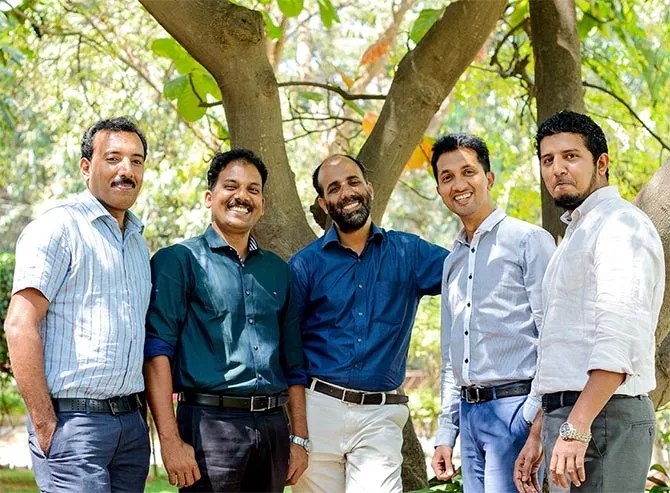
Five of us cousins — Nasser, Shamsu, Jaffer, Naushad and me — decided to join hands. The partnership was such that I had 50 per cent share in the company and the other 50 per cent was with the four of them.

We found a small place of around 550 square feet and started with two grinders, a mixer and a sealing machine.

ID is identity, not idli dosa

We were discussing names when a cousin suggested ID for idli dosa. We named the venture ID Fresh as we planned to supply fresh dosa and idli batter.

Our initial target were 20 stores in the neighbouring area. If we were able to sell 100 packets a day in six months, I would invest more and buy more machines.

We didn’t employ anyone; my cousin was in charge. We started very small with just 10 packets a day. Initially, the shopkeepers were not willing to keep a new brand. So we gave them a special offer — cash after sales.

When the customers asked for ID repeatedly, other stores also wanted to stock our product. But we stuck to the first 20 stores and waited to touch the 100 packet figure. By the ninth month, we were selling an average of 100 packets a day.

Making profits from day one

The best part of our venture was that we were making profits from day one. None of us took any salary initially. After paying the rent of Rs 500 and crossing off the expenditure of buying rice, dal, etc, our profit was Rs 400 in the first month.

Once we reached the target of 100 packets, I decided to invest Rs 6 lakh (Rs 600,000) and move to a bigger kitchen of 800 sq ft with 2,000 kg capacity, which is 2,000 packets with 15 wet grinders.

Nasser was handling the kitchen alone so we employed five people, all of whom were our relatives.

Joining as the CEO
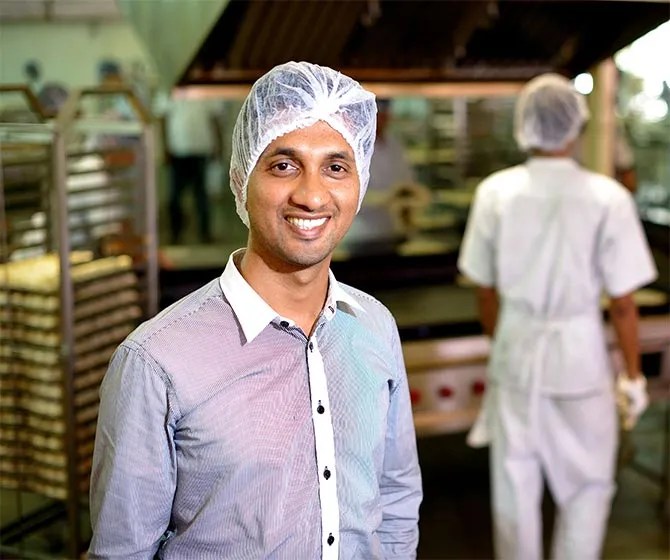
In 2007, I got my MBA and officially joined as the CEO in charge of marketing and finance. Till then, I was only remotely participating in the operation along with my cousins.

In two years, we increased the capacity to 3,500 kg a day. The number of stores we partnered with increased to 300, 400. We now had 30 employees working for us. We were operating our kitchen in a residential area till then.

As the demand increased, we decided to have a proper manufacturing plant in an industrial area. We were making a decent 10 to 12 per cent profit every month.

In 2008, I invested another Rs 40 lakh (Rs 4 million) and bought a 2,500 sq ft shed in the Hoskote Industrial Area. We imported five large wet grinders from America and customised them to fit our requirements.

In 2008, we added parathas to our list of products. We will soon introduce vada batter and also rava idli batter.

At ID Fresh, we only deal with natural fresh food. We do not add any preservatives to any of our products.

Expanding operations

In 2012, we expanded to other cities like Chennai, Mangaluru, Mumbai, Pune and Hyderabad. My friends and relatives joined me to take ID Fresh to the next level. We follow a partnership model in other cities, with a local manufacturing plant in each city. Each partner becomes a shareholder in the parent company.

In 2013, we started our operations in Dubai. We see the maximum demand for dosa batter in Dubai and are not able to match the demand.

Our experience in Bangalore helped us. We use the same raw materials, the same manufacturing process and the same business model everywhere. Expanding to other cities was a bit tough though, since we are not locally present there.

We are not looking at any other international market right now. India is such a huge market and we have so much to explore.

Rs 100 crore company

Today, we produce around 50,000 kg in our plant. The total investment must be around Rs 4 crore (Rs 40 million) and our revenue is Rs 100 crore (Rs 1 billion).

When we became a Rs 100 crore company in October 2015, we celebrated in grand scale. We have grown from producing 10 packets a day in 2005, with just my cousin managing the kitchen, to 50,000 packets a day with 1,100 employees in 10 years.

Employs only youngsters from rural areas

When I recruit someone, I ensure he is from a rural area. He has to be smart, honest and committed. Those who work in the plant make around Rs 40,000 a month.

Biggest challenge

The biggest challenge any start-up faces is getting the right people, the right team. I was lucky to have my cousins with me.

But balancing work and personal life is by far the toughest challenge.

Future plans

My aim is to make ID the most popular and trusted brand in the fresh food segment and make it Rs 1,000 crore (Rs 10 billion) company in the next five to six years.

By then, I am sure we will be able to employ at least 5,000 people.

Advice to aspiring entrepreneurs

If you have the passion to start something, do it immediately. Don’t wait for tomorrow. I had the passion to be an entrepreneur, but it took me a few years make that decision. I still regret the delay. I wish I had started five years earlier.

My words may sound like management jargon, but it is very important to maintain the quality of the product to be successful.

The three things that worked for us were that we were in the right city with the right product at the right time.

Photographs: Courtesy ID Fresh

Source…..Shobha Warrier in http://www.rediff.com

Natarajan


“படித்தேன் , பகர்கிறேன் உங்களுடன்… பெருமை நிறைந்த மார்கழி மாதப் பிறப்பு…! “

பெருமை நிறைந்த மார்கழி மாதப் பிறப்பு…!
மாதங்களில் மிகவும் உயர்ந்தது மார்கழி என்பார்கள்.
அதனால்தான், ‘மாதங்களில் நான் மார்கழியாக இருக்கிறேன்!’
என்று ஸ்ரீகிருஷ்ணனே கூறியிருக்கிறார்.
மேலும் அவரே, கீதையில் “மார்கழி மாதத்தை தேவர்களின் மாதம்” என்று சொல்கிறார்.
அத்தனை சிறப்புகள் வாய்ந்தது இந்த மார்கழி மாதம்.
அதிகாலை எழுந்து கோலம் இட்டு அதில் சாணத்தால் பிள்ளையார் பிடித்து வைத்து கோலத்தை பூக்களால் அலங்கரித்து மார்கழியை வரவேற்கிறோம்.
‘பீடு’ என்றால் ‘பெருமை’ என்று பொருள். பெருமை நிறைந்த மாதம் என்பதே மருவி ‘பீடை’ என்றானது.
அதுவரை இருந்த எல்லா கஷ்டங்களும் நீங்கி வரும் தைத் திங்களில் இருந்து புது வாழ்க்கை அமைய வேண்டும் என பிரார்த்திக்கப்படும் மாதமும் இது தான்.
மார்கழி முப்பது நாட்களும் பாவை விரதம் இருந்து தானே ஆண்டாள் அந்த பெருமாளையே மணாளனாகக் கொண்டாள்.
இதிலிருந்தே அந்த மாதத்தின் பெருமையை உணரலாம்.
விடியற்காலையில் இருந்தே, ஆலயங்களில் வழிபாடுகள் தொடங்கிவிடும்.
அதுபோலவே பல ஆலயங்களில் திருப்பள்ளி எழுச்சி பூஜை தொடங்கி விடும்.
மார்கழி மாதத்தில் கோலத்தில் பூ வைப்பதற்கும், சாணத்தால் பிள்ளையார் பிடித்து வைப்பதற்கும் முன்னோர்கள் காரணங்கள் சொல்லிச் சென்றுள்ளனர்.
பூ வைப்பது ஏன் ?
அக்காலத்தில், திருமணத் தரகர்களோ, மாப்பிள்ளை – பெண் தேவை என்பதற்காக வெளியிடப்படும் கல்யாண விளம்பரங்களோ கிடையாது.
எந்த வீட்டில் பெண் அல்லது பிள்ளை திருமணத்துக்குத் தயாராக இருக்கிறார்களோ,
அந்த வீட்டின் வாயிலில் மட்டும் கோலத்தின் மேல் பூசணிப் பூ வைப்பார்கள்.
ஒட்டு மொத்தமாக எல்லா வீடுகளிலும் வைக்க மாட்டார்கள்.
மார்கழி மாத அதிகாலையில் வீதி பஜனையில் வருபவர்களின் பார்வையில் இந்தப் பூக்கள் தென்படும்.
விவரத்தைப் புரிந்து கொள்வார்கள். தை மாதம் பிறந்த உடனே பேசி, கல்யாணத்தை முடிப்பார்கள்.
இதன் காரணமாகவே மார்கழி மாதத்தில் வீட்டு வாயிலில் இருக்கும் கோலத்தில் பூக்களை வைத்தார்கள்.
அது போலவே மார்கழி மாதத்தில் பல புராதன நிகழ்வுகளும் நடந்துள்ளன.
மகாபாரத யுத்தம் மார்கழி மாதத்தில் நடைபெற்றதாக இதிகாசம் கூறுகிறது.
எல்லாவற்றிற்கும் மேலாக ஆண்டாள் நாள்தோறும் வைகறையில் எழுந்து ,
{ஒவ்வொரு பாசுரமாகப் பாடி, திருமாலை திருப்பாவையால் திருவடித் தொழுது, திருமணம் புரிந்ததும் மார்கழி மாதம்}
என்னும் சிறப்பு மிக்க மார்கழி மாதத்தில் தான்.
இவ்வாறு பல மகத்துவத்தை தன்னுள் அடக்கி வைத்துள்ளது மார்கழி மாதம்.
சிதம்பரத்தில் மார்கழி மாதத்தில் நடைபெறும் ஆருத்ரா தரிசனமும், ஸ்ரீரங்கத்தில் நடைபெறும் வைகுண்ட ஏகாதசியும் மிக முக்கியமான விசேஷங்களுள் ஒன்று.

ஆன்மிக மலர்ச்சிக்கு சிறந்த மாதமாக கருதப்படும் இந்த
{மார்கழி மாதத்தில்} இறைவனை எண்ணத்தால் துதித்துப் போற்றுங்கள்…..
அனைத்து செல்வங்களையும் பெறுங்கள்…..
மார்கழி மாதம் அதிகாலை எழுந்து ஏன் கோலம் போட வேண்டும்?
இந்த மாதத்தில்தான் சூரியன் தட்சிணாயணத்திலிருந்து உத்தராயணத்திற்கு நகர்கிறான்.
அதாவது டிசம்பர் முதல் மே வரை சூரியன் தெற்கிலிருந்து வடக்கிற்கும்,
ஜுன் மாதத்திலிருந்து நவம்பர் வரை வடக்கிலிருந்து தெற்கு நோக்கியும் நகர்கிறான்.
சூரியனின் ஓட்டத்தில் இந்த மாற்றம் நிகழும்போது,
பூமியினுடைய சக்தி சூழ்நிலையிலும் பல மாற்றங்கள் நிகழ்கின்றன.
குறிப்பிட்ட விதத்தில் கோலம் இடுவதன் மூலம் அந்தச் சக்தியை நம் வீட்டிற்குள் கிரகித்துக் கொள்ள முடியும்.
இதனை நீங்கள் விஞ்ஞானப்பூர்வமாக செய்தால் உங்களுக்கு நிச்சயம் பலன் கிடைக்கும்.
குறிப்பாக பூமத்திய ரேகையிலிருந்து 32 டிகிரி அட்சரேகையில் (Latitude) பெரிய மாற்றங்கள் நடைபெறுகின்றன.
தமிழ்நாடு, ஆந்திரா, கர்நாடகா போன்ற மாநிலங்கள் இந்தப் பரப்பில்தான் உள்ளன.
இந்த மாற்றங்கள் நிகழ்கின்றபோது அதனை பயன்படுத்திக் கொள்ள பல கருவிகள் உருவாக்கப்பட்டன.
யோக முறைகளிலும் பலவிதமான பயிற்சிகள் வகுக்கப்பட்டுள்ளது. நீங்கள் மஹாபாரதக் கதை கேட்டிருப்பீர்கள்.
அதில் பீஷ்மர், தன் உடலில் அத்தனை அம்புகள் ஏறியிருந்தாலும் தன் உயிரை உத்தராயணத்தில் தான் துறக்க வேண்டும் என்று விடாமல் பிடித்து வைத்திருந்தது உங்களுக்கு தெரிந்திருக்கும்.
உத்தராயணத்தில் உடலை நீத்தால் முக்தி கிடைக்கும் என்னும் நம்பிக்கையே இதற்குக் காரணம்.
எனவே முக்தி நோக்கிலுள்ள மக்களுக்கு மார்கழியில் தொடங்கும் உத்தராயணம் முக்கியமானதாக இருக்கிறது.
எனவே சூரியனின் போக்கில் மாற்றங்கள் நிகழும் போதும், பூமிக்கும் சூரியனுக்குமான தொடர்பில் மாற்றங்கள் ஏற்படும்போதும்,
தேவையான { அறிவு, ஞானம் } இருந்தால், அப்போது ஏற்படும் சக்தி சூழ்நிலையை, நமக்கு சாதகமாக பயன்படுத்திக் கொள்ள முடியும்.
{ அதில் ஒன்று தான் கோலம் இடுவதும். }
குறிப்பிட்ட விதத்தில் கோலம் இடுவதன் மூலம் அந்தச் சக்தியை நம் வீட்டிற்குள் கிரகித்துக் கொள்ள முடியும்.
இதனை நீங்கள் விஞ்ஞானப் பூர்வமாக செய்தால் உங்களுக்கு நிச்சயம் பலன் கிடைக்கும்.
உங்களுக்கும், உங்கள் வீட்டில் இருப்பவர்களுக்கும், உங்கள் வீட்டு சூழ்நிலைக்கும் நன்மையைக் கொண்டு வர முடியும்.
இந்த மாதத்தில் அதற்கான வாய்ப்பு மிகத் தீவிரமாக உள்ளது…

Source….input from a friend of mine…

Natarajan

Just for your Laugh …. Start Your day with a Smile !!!

A little girl comes back home from school and tells her mom:

“Mommy, today I got punished for something I didn’t even do!”
“What?! What do you mean?” Her mother says, angry, “I’m going to call your teacher right now! What is it you didn’t do?”
My homework.
 ………………………….
A rich businessman walks down the street when he spots an old man sitting with a fishing rod next to a puddle, trying to fish.
The businessman takes pity on the old deranged man, and invites him to lunch at the coffee shop close by.
After the meal, the businessman asks him with a smile: “So? Did you catch any fish today?”
Sure did,” answers the old man, “You’re my third one.
 …………………….
Mark spent a year in an asylum, thinking he was a mouse. After intensive therapy, he was released.  10 minutes later he appears back inside as if all hell broke loose.
“What happened to you??” Asked his surprised doctor.
“There’s a cat outside!” screams Mark.
“But Mark, I thought you got better! You know you’re not a mouse!” Cried the doctor.
I do!” Exclaims Mark, “but he doesn’t know that!
 …………………..
Teacher: “Daniel, if you had a dollar in your hand and you asked your dad for another dollar, how many dollars would you have in your hand?”
Daniel: “A dollar.”
Teacher: “Daniel, apparently you don’t know math…”
Daniel: “Apparently you don’t know my dad.
Source…..www.ba-bamail.com
Natarajan

Inside the world’s most dangerous airport….

Flying into Nepal’s Lukla airport demands courage and precision.

FLYING into Nepal’s Lukla airport — the gateway to Mount Everest — demands courage and precision, thanks to its tiny, treacherous runway perched on a steep cliff.

For half a century pilots have needed to navigate snow-capped peaks and endure erratic weather to land on a runway just 500 metres long that has been carved into a mountain ridge and sits by a perilous three-kilometre drop.

A litany of deadly crashes, including one in October 2008 that killed all 18 on board except the pilot, has earned Lukla the nickname of the “world’s most dangerous airport”.

But when a massive earthquake hit Nepal eight months ago, triggering Everest’s deadliest avalanche and leaving hundreds of climbers and trekkers stranded, the tiny airfield faced its toughest test yet.

Helicopter pilot Nischal KC says that even on an average day constant “weather changes and the steep terrain sometimes make landing impossible”.

“It’s high-stakes work and there’s very little room for error,” he added.

Also known as Tenzing-Hillary Airport after the first men to summit Everest, it has no radar system because of the high cost of installation, forcing officials to rely on an outdated voice communications system to track movements in the air.

“The pilots tell us when they are approaching, we give them updates on wind and traffic, then as the aircraft enters Lukla valley, we warn choppers to steer clear for the landing,” said air traffic controller Dinesh Koirala.

People stand around the wreckage of a Yeti Airlines plane in 2008.

People stand around the wreckage of a Yeti Airlines plane in 2008.Source:News Limited

Things became even tougher in the aftermath of the April 25 earthquake, which killed nearly 8900 people across the impoverished Himalayan nation.

Rescue pilots seeking to reach Everest base camp, where an avalanche set off by the 7.8-magnitude quake killed 18 people, were held back for a day because of hostile weather.

When they were finally able to fly, rippling aftershocks raised the threat of further damage.

“Aftershocks kept coming that day but I was more stressed out by the weather. I knew that unless it cleared up, we could not send any choppers to rescue people injured by the avalanche,” air traffic controller Koirala said.

Pilot KC, who has been flying in the Everest region for 14 years, recalls starting the day with a prayer.

“My first priority was to get the injured out of base camp but people higher up the mountain were panicking because of all the aftershocks,” the Manang Air pilot said.

He made dozens of trips that day to rescue terrified climbers desperate to get off the mountain, and to base camp to rescue the injured.

Things became tougher after the earthquake earlier this year.

Things became tougher after the earthquake earlier this year.Source:Supplied

The frequency of aftershocks and the precarious terrain made landing even more difficult than usual, prompting the pilots to hover overhead and haul climbers up with ropes instead.

As rescuers carried dozens of quake victims into Lukla on sleeping bags doubling as stretchers, the tiny airport began to swell with hundreds of tourists haggling with airline officials for a ticket out.

Back in the control tower, Koirala and his colleagues embarked on the busiest week of their lives, closely monitoring the movement of planes and helicopters to ensure no accidents occurred midair.

“The whole week was a blur of flights — the fact that there were so many more aircraft than usual in the air made the job very stressful,” Koirala said.

Before the airport’s construction in 1964, porters would spend days walking from Kathmandu to Lukla, carrying hundreds of kilos of expedition gear on their backs.

The wreckage of a plane.

The wreckage of a plane.Source:AFP

Mountaineering legend Sir Edmund Hillary originally planned to build the airfield on flat ground — but local farmers refused to part with their fertile land.

Undeterred, he bought a steep slope for $US635 ($871) and recruited scores of Sherpa villagers to cut down scrub with knives. The climber then plied villagers with local liquor and asked them to perform a foot-stomping traditional dance to flatten the land.

“A very festive mood prevailed and the earth received a most resounding thumping. Two days of this rather reduced the Sherpas’ enthusiasm for the dance but produced a firm and smooth surface for our airfield,” Hillary wrote in his 1998 memoir, View from the Summit.

As the number of climbers taking on the world’s highest mountain has boomed in recent decades, so has traffic at Lukla airport, which can be accessed by helicopter or small aircraft.

Spring and autumn tourist seasons are the busiest, but closures are common since clear skies are essential for safe landing on the clifftop runway.

Despite the challenges, some say its reputation for danger is undeserved.

“It’s unfair to call Lukla the most dangerous airport when there’s not much we can do about the terrain or the weather,” said Koirala.

“I have no doubt many lives were saved because this airport remained open after the quake.”

It’s busier here these days.

It’s busier here these days.Source:News Limited

Source………Ammu KannampillyAFP in http://www.news.com.au

Natarajan