” Home is Where the Address Proof is… “

I came to live in Chennai 14 years ago with Rs. 40,000 of my father’s hard-earned money, which remained concealed throughout the train journey in a special pocket sewn onto my vest by my mother (at that time, electronic transfer of money was unheard of and ATMs were almost non-existent).

 I was aware that landlords in Chennai usually demand 10 months’ rent in advance; and I had no one to turn to except my father, who nursed an unexplained fondness for the city and was happy to help his son settle down there.

 It took me about 10 days to find a house to my liking. By then the bundle of notes had thinned down to almost half. But fortunately for me, the landlord asked for only five months’ rent as deposit. With whatever little money was left after paying the broker, I bought a mattress and a pillow and — on February 1, 2001 — moved into Kamakoti Flats on Murugesan Street in T. Nagar. I formally became a resident of Chennai, with an address of my own.

 Kamakoti Flats has been my home ever since. This piece, needless to say, is being written in the building, in the same silence of the night that gave me company for 14 years. But by the time it appears in print, I would have moved out to another street nearby. The ‘packers and movers’ arrive tomorrow morning.

I am suddenly facing an identity crisis. Countless articles may have appeared under my byline; my name may appear on the spines of three books; but my identity is invalid without an ‘address proof’. For nearly every basic requirement in life — from opening a bank account to buying life insurance to getting a phone connection, not to mention applying for a loan — you need to prove that you reside in a certain address; and now that I am moving out of the address that had served as the proof of my identity for 14 years, I will have to start from scratch.

 And all this while, I toiled night after night, believing that I was building an identity for myself.

Keywords: Writer’s block columnlife in Chennai

SOURCE::::  BISHWANATH GHOSH  in http://www.thehindu.com

Natarajan

“அப்ப எங்களுக்கும் குரு நீங்கதானே …” !!!

1939 ஜூனில் காசி யாத்திரையின் முடிவாக ஸ்ரீசரணாள் வடபுலத்திலிருந்து திரும்பி தென்கோடியான ராமேஸ்வரம் சென்றுகொண்டிருக்கறார். ஏறக்குறைய இறுதிக்கட்டம். திருப்புனவாயிலைக் கடந்து தேவிபட்டணம் போகும் வழி..

சுக்ரவார பூஜை பொருத்தமாக தேவிபட்டணத்தில் ஏற்பாடாகியிருந்தத. அதற்குத்தான் விரைகிறார்..

ஆயின் தேவி அங்கே காளிரூபம் கொண்டிருப்பதாக அல்லவோ தோன்றுகிறது?

அங்கு ஊராட்சி முக்யஸ்தர் ஒரு முஸ்லீம் மரைக்காயர்.. வெளிப்படவே ஐக்கிய இந்தியக் கொள்கையிலும், ஹிந்து மதத்தாரிடமும் முஸ்லீம் லீக் பகமை பாராட்டி வந்த அந்நாளில் அவர் அங்கு ஒரு பெரிய கட்சிக்கூட்டத்திறகு ஏற்பாடு செய்திருந்தார். அதன் தொண்டர்கள் ஹிந்து சமுதாயத்தின் விஷயமாக குண்டர்களே ஆகித் தெருக்களில் ஆயுதமும் கையுமாக அன்று செய்த தர்பாரில் ஊரே கிடுகிடுத்துக் கொண்டிருந்தது. ஹிந்துக்கள் நடுநடுங்கிக்கொண்டருந்தனர்.

செல்லும் வழியில் ஸ்ரீசரணாளுக்குச் செய்தி வந்தது. பயணத்தைத் தொடராமல், இருந்த இடத்திலேயே அப்போதைக்கு ‘நிப்பாட்டி’ விடலாம்; தேவிபட்டணத்தில் கூட்டம் முடிந்து, ஊர் அமைதிக்குத் திரும்பியபின்னர் மீண்டும் பயணம் மேற்கொள்ளலாம்; வேறு வழியில்லை என்று அனைவரும் கருதினர்.

அந்த அனைவர் கருத்தும் எந்த ஒருவரின் அங்கீகாரத்தில்தான காரியமாகுமோ, அவர் ஏதும் சொல்லாமலே மோன சாந்த விக்ரஹமாக, ஆயினும் உத்ஸவ விக்ரஹமாக மேலே சென்று கொண்டேயிருந்தார்.

அதே வழியில் அந்த மரைக்காயரே எதிர்ப்படும்படி நேர்ந்தது! கூட்டத்திற்கான ஏற்பாடுகளைச் சுற்றுப்பிரதேசங்கலும் செய்து விட்டு அவர் திரும்புகையில் ஸ்ரீசரணாரின் பரிவாரம் வருவதைக் கண்டார்!

பரிவாரத்திடை வந்த பரமரையும் கண்டார்.

எப்படிக் கண்டார்? மைத்ரீ தேவதையாகவேதான் கண்டிருக்கவேண்டும

பெரியவாளிடம் நெருங்கி வந்து பெரிதாகக் கும்பிட்டு நின்றார். அவர் நெஞ்சமெல்லாம் பக்தி பூரிக்க உருகியிருந்தது வெளிப்பார்வைக்கே தெரிந்தது.

முதல் தரிசன மாத்திரத்தில் முழு மனமாற்றம்! மாறு நினைத்த மனம் அன்பிலே கொண்ட அதிசய மாற்றம்!

தற்செயலாகக் கிடைத்த தரிசனம் தாம் எதிர்பார்க்காத அமைதியையும், இன்பத்தையும் ஊட்டியதை அவருக்குத் தெரிந்த மொழிநடையில் உணர்ச்சியுடன் பெரியவாளிடம் தெரிவித்தார்.

“நம்ம ஊர்ல சாமி வந்து பூசை பண்றது பாக்கியங்க! எங்களைச் சேர்ந்தவங்களுக்கு சொல்றேங்க! என்ன பணியானாலும் செஞ்சு குடுப்பாங்க. சாமி நல்லா நம்ம ஊர்ல இருந்து, எங்களுக்கெல்லாம் அருளு பண்ணிட்டுப் போகணுங்க” என்று வேண்டிக் கொண்டார்.

“உங்க மனஸுப்படியே ஆகட்டும்!” என்று ஸ்ரீசரணர் நெகிழ்ந்து கூறி ஆசி வழங்கினார்.

ஒருபுறம் லீக் கூட்டம் அமைதியாகவே நடக்க, மறுபுறம் தேவியின்—காளி ரூபத்தில் அல்ல; ஸௌம்ய லலிதா ரூபத்திலேயே உள்ள தேவியின்——பூஜையும் கோலாஹலமாக நடந்தேறியது.

அன்னையன்பின் வடிவான அவதார அன்னைக்குச் செய்யும் பூஜை மணிக்கணக்கில் நீள்வதுண்டுதானே? அப்படித்தான் அன்றும் நடந்தது.

கூட்டம் முடிந்த பின்னும், பூஜை நடப்பதறிந்த மரைக்காயர் தம் முஸ்லீம் பரிவாரத்துடன் முகாமுக்கு வந்து, அவர்களோடு வெளியே காத்திருந்து, தாங்கள் கொண்டு வந்திருந்த ஏராளமான பழக்கூடைகள், பூக்கூடைகள், கட்டுக்கட்டாக ஊதுபத்தி, புட்டி புட்டியாக அத்தர், பன்னீர் முதலானவற்றை உள்ளே அனுப்பி வைத்தார்.

பூஜை முடிந்ததும் நேரே பெரியவாள் அவர்களுக்குத் தரிசனம் வழங்கத்தான் வந்தார். எப்போதுமே அன்னையன்புக்கு மூர்த்தமான அவரது திருவுருவம் இதுபோன்ற அன்னை வழிபாட்டிற்குப் பின்னோ முன்னிலும் அன்பு மெருகேறி ஜ்வலிப்பது வழக்கம். இன்றோ அந்த வழக்கத்திற்கும் அதிகமான அன்பொளி வீச வந்து நின்று, திருநயனத்தால் அதனை அவர்களுக்கு அள்ளித் தெளித்தார்.

அப்போதும், அன்னிய மதத்தினர், அன்று சில மணிகள் முன்பு கூட, என்ன அநியாயம் செய்வரோ என்று அஞ்ச வைத்தவர்கள், கனிந்த மனத்தோடு, கனியும் மலரும், மணமிகு மற்ற கையுறைகளும் கொண்டுவந்து கொட்டிப் பணிந்தவாறிருந்தனர

‘அன்னியோன்னியம்’ என்று ஒரு அழகான சொல். அன்னியம் என்பது அன்னியமாகிவிடும் ஆரன்பைக் காட்டும் சொல். அதற்கு அற்புதச் சான்றாயிருந்தது அந்த நிகழ்ச்சி.

“இத்தனை அன்பா நீங்க செய்யறதை நான் ஸந்தோஷமா ஏத்துக்கத்தான் வேணும். ஆனாலும் இவ்வளவு தாங்குமா’ன்னு இருக்கு!” என்று உள்ளத்திலிருந்து கூறினார் ஸ்ரீசரணர்.

“ஏங்க தாங்காம?” என்றார் மரைக்காயர், பரம பவ்யமாக. “ சாமியை செகத்து குரு—வுன்னு சொன்னாங்க. அப்ப எங்களுக்கும் குருதானுங்களே! நாங்க என்னதான் செய்யக் கூடாது?” என்றார் அந்த முஸ்லீம் அன்பர் !!
SOURCE:::::www.periva.proboards.com

Natarajan


Read more: http://periva.proboards.com/thread/3928/grace-love-muslim-brethern#ixzz3J3GBZZGy

” The War and Beyond… Aviation History Month …. November ” ….

Aviation History Month is still underway, and this week we’re looking at airlines from 1940 – 1960. Despite World War II ongoing during the first quarter of the period, aviation still saw a great deal of progression and many new airlines commenced operation.

The War and Beyond - Aviation History Month

July 1940 saw the first operational flight of the Boeing Stratoliner which became the first aircraft to fly with a pressurised cabin. The aircraft flew up to 20,000 feet avoiding turbulence, from Miami, Florida to Latin America.

The Gloster ‘Whittle’ E28/39 first flew on May 15 1941 as the first successful jet aircraft, with the engine designed by Frank Whittle.

April 1947 saw United Airlines introducing the Douglas DC-6 aircraft, the first commercial postwar aircraft to feature full-cabin pressurisation.

In March 1949, Luck Lady II made the first non-stop flight around the world. The Boeing B-50A was in the air for 94 hours and one minute, was refuelled four times by strategically positioned B-29s before touching down.

But to continue our theme, Routesonline have taken a look at some of the airlines that began operation between the periods of 1940 – 1960.

SAS Scandinavian Airlines

Scandinavian Airlines System, as it was originally named, was founded in 1946 and is now the flag carrier of Denmark, Norway and Sweden. It was created after three airlines from Sweden, Denmark and Norway formed a partnership to handle the intercontinental air traffic. By the end of 1947, Scandinavian Airlines had carried more than 18,000 passengers over the Atlantic. This figure was far beyond the 3675 passengers SAS had forecasted for the time.

SAS Saab 90A-2 Scandia, Arne Viking SE-BSK, ready for takeoff [Image by SAS]

Japan Airlines

The national flag carrier commenced operations in 1951, and in the October of the same year launched the first private domestic airline service in Japan during the postwar period with Northwest Airlines in charge of flight operations. The Martin 202 “Mokusei” was the first aircraft to enter service, but in 1952, it crashed on Mt. Mihara in Izu Oshima, killing all 37 passengers on board.

Japan Airlines launches a Boeing 747 jumbo jet (1970) [Image by The Guardian]

Lufthansa

Although the airline originally traces its history to 1926 as the airline ‘Deutsche Luft Hansa A.G’, it was suspended in 1945 following the defeat of Germany in WWII. In order to create a new national airline, a company called Aktiengesellschaft für Luftverkehrsbedarf (Luftag) founded a new airline in 1953, using many of the staff that worked at the defunct national flag carrier. On 6 August 1954, Luftag acquired the name and logo from the liquidated Deutsche Lufthansa.

The flagship of the Lufthansa fleet: the Lockheed L-1049 Super Constellation. Their characteristic vertical stabilizers made these aircraft unmistakable. [Image by Lufthansa]

Austrian Airlines

When Austria regained sovereignty over its airspace in 1955 with the signature of the State Treaty, two separate carriers were founded, Air Austria and Austrian Airways. On 4 April 1957, the two companies finally merged to form a single airline, Austrian Airlines.The airline began operations in 1958 with its first service from Vienna – London with one of four chartered Vickers Viscount 779 aircraft.

Austrian Airlines Douglas DC9-MD81 [Image by Austrian Airlines]

You can follow the hashtag #AviationHistoryMonth on Twitter to see what else is going on in the world of aviation history, and follow us at @Routesonline

SOURCE::::

Poppy Marello, IN http://www.routesonline.com
Natarajan


” அதுதான்…அவனிடம் சொல்லு …” !!!

Source: Maha Periyavaal Darisana Anubhavangal – Part 4
As narrated by Sri V.Sundaram, Cuddalore

Contributed by Forum Member Shri Sankara Narayanan

மகாபெரியவாள் சிவாஸ்தானத்தில் தங்கியிருந்தார்கள். அங்கிருந்த ஸ்ரீ பிரம்மபுரீஸ்வர்ர் ஆலயத்துக்கு அப்போதுதான் பெருமை வந்த்து. பிரும்ம ஸ்வரூபியான் பெரியவாளைத் தரிசிக்க வந்த அடியார்கள் எல்லாரும் பிரும்மபுரீஸ்வர்ரையும் நிச்சயமாகத் தரிசனம் செய்தார்கள்.

நாங்கள் பெரியவாளைத் தரிசனம் செய்யச் சென்றிருந்தோம். அன்றைக்குப் பெரியவா, மௌனம் ! ஆனால். அவர்களுடைய அருட்பாரிவையே பக்தர்களுக்குப் போதுமானதாக இருந்த்து.

அந்த்ச் சமயம் பார்த்து, இந்தோனேஷியாவிலிருந்து ஒரு சரித்திர ஆராய்ச்சியாளர் தரிசனத்துக்கும், சில சந்தேகங்களுக்கு விளக்கம் கேட்கவும் வந்தார்.

நல்லகாலமாக, அன்றைக்குக் காஷ்ட மௌனம் இல்லை; கைகளால் ஜாடைகள் காட்டினார். அதை விவரித்துச் சொன்னார், அணுக்கத் தொண்டர்.

அவருக்குச் சரித்திர ஞானம் – அதுவும், இந்தோனேஷிய சரித்திரம் ! – இல்லவேயில்லை.

நான் மேனிலைப் பள்ளித் தலைமையாசிரியராதலால், தொண்டர் கூறியதை மேலும் தெளிவாக ஆங்கிலத்தில் கூறி வந்தேன்.

இந்தோனேஷியா என்பது அநேகம் தீவுகளின் தொகுதி. அவற்றில், ஒரு தீவில், ஒரு இந்து மன்னர் நட்த்திய யாகத்தைப் பற்றி மிகவும் ஆர்வத்துடன் கூறினார், அந்த ஆராய்ச்சியாளர்.

“யாகம் நடந்த தீவின் பெயர் என்ன?” என்று ஜாடை மூலமாகவே பெரியவா கேட்டார்கள்.

ஆராய்ச்சியாளருக்குத் தெரியவில்லை, நூற்றுக்கணக்கான தீவுகளின் பெயரை நினைவில் வைத்துக் கொள்வது சாத்தியமில்லை என்றாலும், சில முக்கியமான் தீவுகளின் பெயர்களைக் கூறத் தொடங்கினார். அவர் ஒன்றொன்றாகத் தீவின் பெர்யரைச் சொன்னதும், ‘அது இல்லை’ என்ற பாவனையில் பெரியவா தலையை அசைத்துக் கொண்டிருந்தார்கள்.

ஆராய்ச்சியாளருக்கே அலுப்பு வந்துவிட்ட்து. “நூற்றுக்கணக்கான தீவுகள் இருக்கும்போது, அவைகளின் பெயர்கள் பெரியவாளுக்கு மட்டும் தெரிந்திருக்கப் போகிறதா என்ன?” என்ற எண்ணமும் தோன்றியிருக்க்க் கூடும்.

பெரியவா, பக்தர்களின் கூட்ட்த்தில் பார்வையைச் செலுத்தினார். பின், தன் செவியின் கீழே, கைவிரல்களை வட்டமாக வைத்து, ‘என்ன பெயர்?’ என்று கேட்பது போல ஜாடை காட்டினார்கள்.

ஒருவர், “குண்டலம்” என்று மெல்லிய குரலில் கூறினார்.

பெரியவா, ‘அதுதான்! .. அவனிடம் சொல்லு …’ என்று ஜாடை காட்டினார்கள்.

அங்கு நடப்பதையெல்லாம் விந்தையுடன் பார்த்துக் கொண்டிருந்த இந்தோனேஷிய ஆராய்ச்சியாளரிடம், ‘குண்டலம்..” என்ற சொல் இரைந்து கூறப்பட்ட்து.

ஒரு துள்ளு துள்ளினார், அவர்.

“ஆமாம்! அந்த யாகம் நடந்த தீவின் முதற்சொல் குண்டலம் தான்!” என்று பக்தர்களிடம் கூறிவிட்டு, பெரியவாளிடம் முழுப் பெயரையும் தெரிவித்தார்.

பெரியவா புன்னகைத்தார். ஆராய்ச்சியாளருக்கு மகா ஆச்சரியம் ! தன்னுடன் வந்திருந்தவர்களிடம், அவர்கள் மொழியில் தன் வியப்பை வெளிப்படுத்திப் பேசி, பெரியவாளின் பூகோள ஞானத்தைப் பெரிதும் போற்றினார்.

ஆனால் பக்தர்களுக்கெல்லாம் உண்மை தெரியும். பெரியவா, ஞானக் களஞ்சியம்; ஞான ஊற்று; அனைத்து ஞான்ங்களையும் தன்னுள் அடக்கி வைத்திருக்கும் ரத்தினப் பெட்டகம்.

ஆசிரியனான எனக்கு நன்றாகவே புரிந்த்து – ‘இது, வெறும் படிப்பு அறிவு அல்ல !”

இந்த அதிசய நிகழ்ச்சி நடந்தபோது நாங்களும் அதைக் காணக் கிடைத்த்து, எங்கள் பாக்கியம்.

SOURCE:::::www.periva.proboards.com

Natarajan
Read more: http://periva.proboards.com/thread/3472/name-island#ixzz3Ix2Zq58I

” பக்தர்கள் எல்லாம் நல்லா இருக்கணும் …”


Source: DInamalar dated 11 Nov-14

ஒரு சமயம், மகாபெரியவர் காஞ்சிபுரம் அருகிலுள்ள தேனம்பாக்கத்தில் முகாமிட்டுஇருந்தார். பெரியவருக்கு நெருக்கமான தொண்டர்களான திருவட்டீஸ்வரன் பேட்டை வெங்கட்ராம அய்யர், பாணாம்பட்டு கண்ணன் ஆகியோர் அருகில் இருந்தனர்.

அன்று மகாபெரியவரின் ஜெயந்தி (பிறந்த நாள்). பெரியவர் அன்று காலையில், அனுஷ்டானம், ஸ்நானம் முடித்துக் கொண்டு பக்தர்களுக்கு தரிசனம் அளிக்க வெளியே வந்தார். ஏராளமான கூட்டம் இருந்தது.

எத்தனையோ ஊர்களில் இருந்து பெரியவருக்காக ஹோமம் செய்து கொண்டு வரப்பட்ட பிரசாதங்கள், ஹோம பஸ்மா, கோயில் தண்டு மாலைகள், வில்வம், துளசி மாலைகள், பரிவட்டங்கள், திருப்பதி லட்டு,

திருநீறு, குங்குமம் என அனைத்தையும் ஏந்தி வந்தனர் பக்தர்கள்.

வந்தவர்கள் எல்லாரது நோக்கமும் பெரியவர் ஆரோக்கியமாக தீர்க்காயுளுடன் இருக்க வேண்டும் என்ற ரீதியிலேயே இருந்தது. அதற்காக, பெரியவர் பெயரில் அவரவர் இஷ்ட தெய்வக் கோயில்களில் அர்ச்சனை செய்து பிரசாதம் கொண்டு வந்திருந்தனர். அதை ஏற்றுக்கொள்ளுமாறு எல்லாரும் வேண்டிக் கொண்டிருந்தனர்.

பெரியவர் கூட்டத்தினரை நோக்கி மனம் நெகிழும்படியான பதில் சொன்னார்.

“”நீங்க எல்லாரும் நான் (குரு) நல்லா இருக்கணும்னு ஹோமம், அர்ச்சனை செஞ்சு பிரசாதம் கொண்டு வந்திருக்கீங்க! சரி…ஆனா, எனக்கு என்ன ஆசை தெரியுமா! காஞ்சி மடத்துக்கு வருகிற பக்தர்கள் எல்லாரும் சவுக்கியமா இருக்கணுமேனு ஆசை! ஹோமப்பிரசாதம் எல்லாம் தெய்வ அனுக்கிரகத்தைக் கொடுக்கும் இல்லையா! பக்தர்கள் பல கவலைகளோடு என்னிடம் வருகிறார்கள். சுவாமி பிரசாதங்களை அவர்கள் பெற்றுக்கொண்டு சவுக்கியம் அடையட்டுமேனு நான் நெனக்கிறேன்!” என்று சொல்லியபடியே, அந்த பிரசாதங்களைத் தொட்டார். அதன்பின், பெரியவரின் விருப்பப்படி அவை பக்தர்களுக்கே விநியோகம் செய்யப்பட்டன.

பெரியவர் ஜெயந்தியன்று பிரசாதம் பெற்ற பக்தர்கள் எல்லாரும், தங்கள் நோய்கள், கஷ்டங்கள் எல்லாமே தீர்ந்து விட்டதாக மகிழ்ந்தார்கள்.

“பக்தர்களுக்காக நான் இருக்கிறேன்’ என்று அருள்பாலித்த மகாபெரியவரை தினமும் மனதில் நினைத்து வணங்குவோருக்கு எந்தக்குறையும் வராது.

Read more: http://periva.proboards.com/thread/8283/#ixzz3IsFIRpso

SOURCE:::: http://www.periva.proboards.com

Natarajan

Few Surprising Facts about the Fall of Berlin Wall …

Nov. 9 marks the 25th anniversary of the fall of the Berlin Wall, the iconic barrier that completely enclosed East Berlin between 1961 and 1989 and symbolized the height of Cold War tensions.

West Berliners crowd in front of the Berlin Wall early

West Berliners crowd in front of the Berlin Wall Nov. 11, 1989, as they watch East German border guards demolish a section to open a crossing point. (Photo: Gerard Malie, AFP/Getty Images) 


Around the world, the international German community and others are marking the milestone with celebrations and shared memories. In Germany, artists have recreated the Wall with illuminated white balloons along the path that the structure once traced. The 8,000 balloons stretch more than nine miles across the city, according to the German embassy in London.

With the anniversary putting the Cold War fresh in most people’s minds, here are nine facts about the Berlin Wall that may be new to you:

• A mistake helped lead to the fall of the Wall. The flood of East Germans and West Germans to the Wall, which led to its ultimate collapse, came after East German Politburo member Guenther Schabowski on Nov. 9, 1989, mistakenly announced that East Germans would be allowed to cross into West Germany effective immediately, according to National Public Radio.

• What the world saw as the Berlin Wall was actually two concrete barriers with a 160-yard “death strip” in between that included watchtowers, trenches, runs for guard dogs, flood lights and trip-wire machine guns, according to History.com.

• Parts of the Wall are on display or in private safekeeping all over the world. One section of the Wall is in a men’s room of the Main Street Casino in Las Vegas, History.com reports. Urinals are mounted on the graffiti-covered segment, which is protected by glass. Another section is in the gardens of the Vatican. If you don’t feel like traveling to Italy or Vegas to see a part of the Wall, you can have your own little slice for as little as $10 on eBay. And you can consider that a steal; an 8,000-pound slab went for $23,500 at an Atlanta auction

• A mass exodus of East Germans into West Germany began almost 15 years before the Berlin Wall was erected in 1961. In fact, so many left that by the time the Wall went up, East Germany lost one-sixth of its population, according to the Berlin Wall Memorial website.

• The Wall and several U.S. presidents shared a relationship. President Kennedy visited in the summer of 1963, not long before his assassination that November. He said in a rousing speech that Berlin could help the world understand the divisions between the Communist and non-Communist world.

In 1987, Reagan challenged Russian leader Mikhail Gorbachev to “Tear down this wall” during a June 1987 speech near the Wall.

When Clinton visited in 1994, he told the crowd of Berliners, “You have proved that no Wall can forever contain the mighty power of freedom.”

During President Obama’s June 2013 visit, he noted neither he nor German Chancellor Angela Merkel looked like their predecessors.

“The fact that we can stand here today, along the fault line where a city was divided, speaks to an eternal truth: No wall can stand against the yearning of justice, the yearnings for freedom, the yearnings for peace that burns in the human heart,” he said.

• The formal reunification of East and West Germany did not happen until Oct. 3, 1990, almost a year after the fall of the Wall, according to History.com.

• A July 1988 concert by Bruce Springsteen in East Berlin may have led to the growing sense of dissent in the walled city that contributed to the fall of the Wall, according to the CBC. “The Boss” told the crowd in German, “I’ve come to play rock ‘n’ roll for you in the hope that one day all the barriers will be torn down.”

Another in the U.S. music industry, conductor Leonard Bernstein, performed a series of concerts in venues on both sides of the barrier just weeks after the November 1989 fall of the Wall. Bernstein’s international orchestra included musicians from the four countries that had occupied Berlin after World War II: the United States, the former Soviet Union, France and England. Bernstein led Beethoven’s Ninth Symphony and altered its final movement, “Ode to Joy,” to become “Ode to Freedom.”

• Some parts of the barrier became world famous. Checkpoint Charlie, formally known as Checkpoint C, was the nickname that Western Allies gave the best-known border crossing point between East and West Berlin.

Also, the Brandenburg Gate is an 18th-century arch that is built on the site of a former gate that marked the start of a road that led from Berlin to the town of Brandenburg. Because of its location, it was associated with the Berlin Wall for a time.

• The physical demolition of the Berlin Wall was not complete until 1992, according to the BBC.

SOURCE::::www.usatoday.com

Natarajan


” Hello Uncle….Hello Aunty …” !!!


Illustration by Satwik Gade
The HinduIllustration by Satwik Gade

On being pushed up in the seniority stakes after marriage, no matter what your age.

We all know that age carries clout in India. As the website indianchild.com says, “Respect for elders is a major component in Indian culture”. In ancient times, this meant that youngsters would touch the feet of elders in greeting, talk to them deferentially and fetch things for them. But the modern guideline for respecting elders in India is crisper: simply address them ‘uncle’ and ‘aunty’.

I discovered this truth early in my marriage, at the tender age of 24. An older couple and their three-year-old daughter were staying in the ground floor of our apartment building. On our first visit to their house, the girl smiled sweetly at us and said, “Hello uncle; hello aunty’. My wife and I found it endearing to be addressed like this by the little one. Two days later, we were trudging up the stairs to our flat when the door of the apartment on the second floor opened and a man walked out. He politely moved out of the way to let us pass and said, “Hullo uncle; hullo aunty.” I looked at him closely. He had a thick moustache and a three-day stubble that made him look older than me. Yet he was calling me ‘uncle’ and his only excuse was that I was married!

“Hullo,” I said coldly and offered my hand. “I’m Paddy. And you?”

As he shook hands with me, his smile became friendlier. I thought he had recognised his error and would now address me by my name. “I’m Ajit, uncle,” he said. “I just finished my B. Com and am looking for a job.” Maybe he needed a broader hint. “I’m a graduate engineering trainee at Telco,” I said, subtly conveying that I had an engineering degree and had just got a job, and was, therefore, not more than two years older than him. “That’s great, uncle,” he said. “My dad works there too, at the forge.” After that initiation, my wife and I became reconciled to being addressed as ‘uncle’ and ‘aunty’ by men and women who did not look much younger than us. We would return their greetings graciously and later, in the privacy of our bedroom, have a quiet laugh together. A few years later, on another staircase to another flat in another city, we met another young man.

At six feet five inches, he towered over us and, in the dimly lit corridor, looked a shade dangerous. I remember thinking that if I had met him in a dark, lonely alley, I’d have handed him my wallet and watch without waiting to be asked. But, as he greeted us, it was obvious that he had met my wife, “Hello akka(elder sister),” he said, “nice to see you again.” I smiled with pleasure at his ability to impart respect without making my wife feel ancient. As I beamed at him, I noticed how pleasant and gentle he was and wondered how I could have thought he looked dangerous.

“And is this your husband?” the fine fellow continued. As my wife nodded, he turned to me and offered his hand. “Hullo uncle! So nice to meet you at last.”

“Nasty specimen,” I said to my wife when we entered our flat. “Doesn’t he look like a villain.?”

“No!” she said. “I think he looks sweet and innocent.”

I realised that as long as we had shared the rewards of seniority equally and had been able to laugh together at the foibles of youth, things had been bearable. But now it appeared that I might overtake my wife on the path to seniority. I felt a shiver go down my spine. What if, over the years, I got promoted from ‘uncle’ to thatha (grandfather) while she remained akka? Luckily, that didn’t happen. Apart from the occasional akka thrown her way, we’ve collected an equal quota of ‘uncles’ and ‘aunties’ from an array of fellow Indians in different places and at different times. Just last week, returning from an outing, we saw a couple in their late forties struggling with their shopping at the entrance to our apartment. The man was balding and, among the few hairs left on his head, the colour grey dominated. My wife and I helped them by picking up a few bags and carrying them to the lift. “Thank you so much,” the man said as the lift came to a stop. I began to smile to imply ‘it was no trouble’ when he continued, “It’s so kind of you, uncle.”

“I think I have more hair on my head than you,” I wanted to say but he had left the lift. Two days after this I was talking to my 26-year-old son in Mumbai. “You won’t believe this, appa,” he said. “In the lift today, I met a man in his thirties and his three-year-old son. The boy called me ‘uncle’! I felt very old.”

“Don’t worry,” I told him. “Once you marry, the boy’s father will also call you ‘uncle’!”

Paddy Rangappa is a freelance writer.

E-mail: Paddy.Rangappa@apmea.mcd.com

Keywords: After marriage lifeseniorityhuman Interest

SOURCE:::: Paddy Rangappa in http://www.thehindu.com

Natarajan

“புத்தகம் படித்த வித்தகர் …”

‘கலவையில் பிறந்த பேரொளி’ என்ற புத்தகத்தில் இருந்து சில நினைவுகள்.

Author: கவிஞர் நெமிலி எழில்மணி.

புத்தகம் படித்த வித்தகர்.
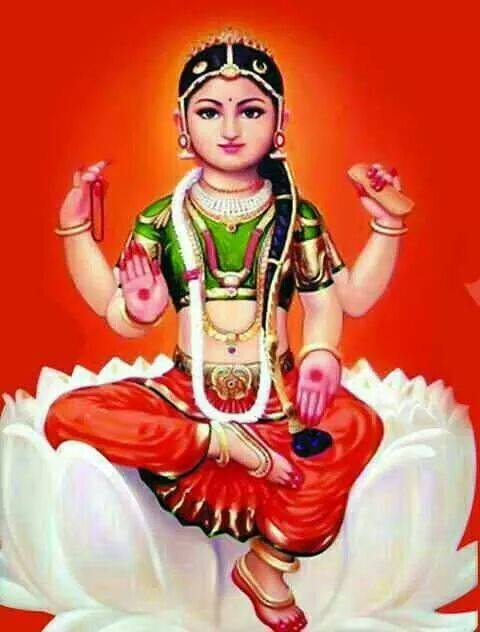
 

Bala_Tripurasundari

“திரிபுரசுந்தரி திருவிளையாடல்” என்ற நூலை எழுதிட அன்னை எனக்கு ஒரு வாய்ப்புத் தந்தாள். அதனை வானதி பதிப்பகத்தார் அழகாக அச்சிட்டனர். அந்தப் புத்தகம் நெமிலியில் அருள் கொடுக்கும் அன்னை பாலதிரிபுரசுந்தரியின் சன்னதியில் பத்மஸ்ரீ இசைமணி சீர்காழி எஸ். கோவிந்தராஜன் அவர்களால் வெளியிடப்பட்டது. அதனைப் பெரியவாள் திருக்கரங்களில் சமர்ப்பிக்க வேண்டும் என்ற பேராவல் எனக்கு.

அதன்படி ஒருநாள் அன்னையை வணங்கிவிட்டு கருணைபொழியும் காஞ்சி முனிவரைத் தரிசிக்கக் காஞ்சீபுரம் சென்றேன்.

சாந்தியளிக்கும் சங்கரமடம் எழில் பூத்து விளங்கியது. ஆதவன் மெல்ல எழுந்து தனது பொன்னிறக் கதிர்களால் சங்கர மடத்தைப் பொன்னிற மண்டபமாக மாற்றிக் கொண்டிருந்தான்.

புன்முறுவல் பூத்த முகத்தோடு காஞ்சித் தெய்வம் அனைவருடனும் கனிவாக சம்பாஷித்துக் கொண்டிருந்தார். கூட்டம் அதிகமாக இருந்ததால் அருகே செல்ல இயலவில்லை. எனவே தூரத்தில் இருந்தவாறே அந்த இருள் நீக்கும் ஞானச் சூரியனை தரிசித்துக் கொண்டிருந்தேன்.

அனைவரும் ஒரு தட்டில் மலர், கனிகள், துளசி மற்றும் பூஜா திரவியங்களை வைத்துப் பெரியவாள் பாத கமலங்களில் சமர்ப்பித்து வணங்கிக் கொண்டிருந்தார்கள். குருவையும், குழந்தையையும் தெய்வத்தையும் காணச் செல்லும்போது வெறுங்கையுடன் செல்லக்கூடாது என்பது மரபு. ஆனால் நானோ வெறுங்கையுடன் ‘திரிபுரசுந்தரி திருவிளையாடல்’ புத்தகம் மட்டும் ஏந்தி நிற்கிறேன். ஒருவொருக்கொருவர் நேரே சந்தித்து, “சார் ! என்னோட புத்தகம் ரிலீசாயிருக்கு பாருங்க சார் !” என்று சொல்வோமே அந்தப் பாங்கினில் அல்லவோ நான் நின்று கொண்டுள்ளேன். எனக்கே வெட்கமாக இருந்தது.

அதுமட்டுமல்ல. எங்கேஜ்மென்ட் பட்டியல் போட்டுக்கொண்டல்லவா சென்றிருக்கிறேன். 7=30 மணி முதல் 8=30 வரை தரிசனம், 8=30 முதல் 9=00 வரை சிற்றுண்டி, 9=00 முதல் 10=00 வரை காஞ்சியில் உள்ள எனது நண்பர் வீட்டிற்குச் செல்லவேண்டும், 10=00 முதல் 12=00 வரை சென்னைக்குப் பயணம் அங்கு 1=00 மணிக்கு நண்பர் ஒருவரை சந்திக்கவேண்டும், அங்கிருந்து 2=00 மணிக்குக் கிளம்பி 5=00 மணிக்கு நெமிலி வரவேண்டும். இதுதான் எனது எங்கேஜ்மென்ட் விவரம். “நாம் வந்திருக்கிற இடம் என்ன இடம், எதிரே உள்ள தெய்வம் என்ன ஆசி வழங்குகிறது “ இதையெல்லாம் பாழும் மனது யோசிக்கிறதா என்ன? மனதைத்தான் கம்ப்யூடர் ஆக்கி விட்டோமே! அதுவோ ‘மணி எட்டாகி விட்டது என்று குத்திக் கொண்டிருந்தது.

எனக்கோ இருப்பு கொள்ளவில்லை. புத்தகத்தை பெரியவாள் ஒருமுறை தொட்டுவிட்டால்கூட போதும், அது என் ஜன்ம சாபல்யமாக ஆகிவிடும். எப்படி நெருங்குவது ? எப்படிக் கொடுப்பது?

வந்தவர்கள் அனைவருக்கும் தனது அருளாசியை வழங்கிக் கொண்டிருந்தார். கூட்டம் கூடியதே தவிரக் குறையவில்லை. எனக்கோ இருப்புக் கொள்ளவில்லை. உடனே பெரியவாளைத் தரிசித்து விட்டு புத்தகத்தை வைத்துவிட்டு ஓடிவிட வேண்டும். எனது புத்தி அதுபோல, என்ன செய்வது ?

ஓட்டலுக்குச் சென்றால் சர்வர் முதலில் நம்மைக் கவனித்து அனுப்பிவிட வேண்டும்,

தியேட்டருக்குப் போனால் நாம் போனவுடனேயே படத்தைத் தொடங்கிவிட வேண்டும்,

பஸ் ஸ்டாண்டுக்குப் போனால் உடனே நாம் செல்லவேண்டிய பஸ் வந்துவிட வேண்டும்,

கோவிலுக்குப் போனால் அர்ச்சகர் உடனே நமக்கு அர்ச்சனை செய்து அனுப்பி விடவேண்டும்.

பொறுமை என்பது கடல் என்பார்கள். அந்தக் கடலின் ஒரு துளிகூட என்னிடம் இல்லையே !

அப்போது வயதான பெரியவர் ஒருவர் அங்கே வந்தார். அவர் ஒரு தட்டில் புஷ்பங்கள், கனிகள் வைத்திருந்தார். அவரிடம் நயமாக நான் வந்த விவரம் கூறி, “அந்தத் தட்டில் இந்தப் புத்தகத்தை வைத்து விடுகிறேன். பெரியவாள் தொட்டுவிட்டால் போதும்” என்று கேட்டுக்கொண்டேன்.

அம்பாளின் புத்தகமாக அது இருந்தபடியால் அவரும் மறுப்பேதும் கூறாமல் அதைத் தம் தட்டில் வைத்துக்கொண்டார்.

சிறிது நேரத்தில் அவருக்கு தரிசனம் ஆயிற்று. திருமண சம்பந்தமாக பெரியவாளிடம் தம் ஏக்கத்தைக் கூறி தனது மகளுக்கோ அன்றி மகனுக்கோ திருமணப் பிராப்தம் செய்யுமாறு வேண்டினார். பெரியவரும் தன் மென்மையான குரலில் தமது ஆசியை வழங்கினார்.

நான் மணியைப் பார்த்தேன். ஒன்பது ஆகிவிட்டது. “சரி பெரியவா சன்னதியில் புத்தகம் வைத்தாயிற்று, கிளம்ப வேண்டியதுதான்.”

இது மனதின் ஒரு பாதியின் அறிவுரை.

மறுபாதியோ, “வந்ததுதான் வந்துவிட்டோம். பெரியவர் அந்தப் புத்தகத்தைத் தொட்டுவிடுகிறாரா என்பதைப் பார்த்து விட்டால் எவ்வளவு பெரிய நிம்மதி” என்று புத்திமதி கூறியது.

‘பாதிமனதில் தெய்வம் இருந்து பார்த்துக் கொண்டதடா
மீதிமனதில் மிருகம் இருந்து ஆட்டி வைத்ததடா ‘

என்ற கவியரசர் கண்ணதாசனின் வரிகள்தான் எத்தனை அனுபவபூர்வமானவை !

“இருந்து பொறுமையாக தரிசனம் செய்யலாம்’ என்பது ஒரு நினைவு.

‘சரி சரி’ பெரியவாள் தரிசனம் ஆயிற்று ! கிளம்பலாம்’ என்பது மறு நினைவு.

‘புத்தகத்தைத் தொட்டுவிட்டால் கூட போதும், சென்று விடலாம்’ என்று ஒரு காம்ப்ரமைசஸ்.

அப்போதுதான் தட்டில் உள்ள புத்தகத்தை மலரை எடுப்பது போன்று மென்மையாகப் பெரியவர் எடுத்தார்.

அவ்வளவுதான்! “அப்பா! எவ்வளவு பெரிய ஆசி ! என்னையே பரமாச்சார்யாள் தொட்டு விட்டது போன்ற இன்ப உணர்வு” என்னால் மகிழ்ச்சியைத் தாள இயலவில்லை.

அந்தப் புத்தகத்தை எடுத்து வழவழப்பாக உள்ள அட்டைகளைத் தடவிக் கொடுத்தாரே பார்க்கலாம்! பிறகு மெல்லப் பிரித்தும் விட்டார். எனக்கோ ஆனந்தம் எல்லையைத் தாண்டியது. மிக அருகில் சென்று அந்த தெய்வீகக் காட்சியை அணு அணுவாக ரசித்தேன். எங்கேஜ்மென்ட் மனது எங்கேயோ போய் விட்டது.

மூக்குக் கண்ணாடியை சரிசெய்து கொண்டு அன்னையின் வரலாறு தொடங்கும் முதலிரண்டு பக்கங்களைப் படிக்க ஆரம்பித்தார். எங்கும் நிசப்தம்.

‘நெமிலியில் வாழும் சிவம் பெருக்கும் சீலர் ஸ்ரீ டி.கே.சுப்ரமண்ய ஐயர் கனவில் அன்னை தோன்றியமையும், ஆற்றிலேயிருந்து அன்னையை எடுத்து வந்து வீட்டில் ஆராதனை செய்தமையும், வீட்டையே கோயில் போல் அமைத்துப் பூஜைகளைத் தொடர்ந்து நடத்தியமையும்’ அடங்கிய அந்த இரண்டு பக்கங்களை மிகவும் உன்னிப்பாகப் படித்தார்.

அன்னை கனவில் தோன்றும் அற்புதக் காட்சியினைப் படமாக வரையப் பட்டிருந்ததை ஆர்வத்தோடு பார்த்தார். பின்பு புத்தகத்தை மூடி வைத்துவிட்டு அதனை மென்மையாக மீண்டும் ஒரு தடவை தடவிக் கொடுத்தார். அழகான பொம்மையை ஒரு சின்ன பாப்பா எத்தனை ஆர்வத்துடன் மெல்ல மெல்ல தடவுமோ அதே போன்று அந்த தெய்வக் குழந்தையும் செய்தது.

மெல்ல மேல் நோக்கியவாறு “இந்தப் புஸ்தகத்தை யார் வெச்சது?” என்று கேட்டாரே பார்க்கலாம்.

‘ஆஹா! புஸ்தகத்தைத் தொட்டுவிட்டாலே போதும்’ என்றிருந்த எனக்கு போனஸ் அளிப்பதைப் போன்று பேசவும் செய்கிறாரே என்ற பேரானந்தத்துடன் “நான்தான் வெச்சது” என்று கூறினேன்.

“நீதான் நெமிலி எழில்மணியா?”

எனக்கோ கண்கள் குளமாகிவிட்டன.

“ஆமாம்” என்றேன்.

பெரியவர் என்னைக் கூர்ந்து நோக்கவும் எனக்கோ மின்சார அதிர்ச்சிபோல் ஆகிவிட்டது.

“நீதான் எழுதினையா/”—இது பரமாச்சார்யள் கேள்வி. மெல்லத் தலையசைத்தேன்.

“இதை யார் ரிலீஸ் பண்ணா?”

நான் பதட்டத்துடன், “வானதி பதிப்பகத்தார் ரிலீஸ் பண்ணியிருக்கா” என்றேன்.

பெரியவர் சிரித்தார்.

“புஸ்தகத்தை யார் ரிலீஸ் பண்ணா?”

உடனே நான் அவசர அவசரமாக, “சீர்காழி சார்தான் இதை அம்பாளோட நவராத்திரி விழாவிலே ரிலீஸ் பண்ணினார்” என்றேன்.

மீண்டும் ஒருமுறை புத்தகத்தின் தலைப்பைப் படித்தார். “திரிபுர சுந்தரி திருவிளையாடல்” என மெல்ல உச்சரித்தார். பின்பு கையால், கேள்வி கேட்பது போன்று, “ஆமா! என்ன திருவிளையாடல் பண்ணியிருக்கா சொல்லேன்” என்று கூறவும் என் தைரியம் என்னை விட்டகன்றது.

பரமாச்சார்யாள் பேசுகிறார். எத்தனையோ லட்சக் கணக்கான மக்களுக்கு அருள்மழை பொழியும் அந்த தெய்வம் ஏதுமே தெரியாத இந்தப் பேதையை—சின்னஞ்சிறுவனை—–ஆசீர்வதித்துப் பேசச் சொல்கிறாரே ! இது என்ன விளையாட்டு ! இதுவும் திரிபுர சுந்தரியின் திருவிளையாடல்தானோ ?

இமய மலையின் முன்னே ஒரு சின்னஞ்சிறிய கூழாங்கல் என்ன பேசும்? ஆயிரங்கோடி சூரிய வெளிச்சத்துக்கு முன்னே ஸீரோ வாட் பல்பு எப்படி ஒளி வீசும் ?

“வந்து சார்…….வந்து……..வர்றவாளுக்கெல்லாம் க்ஷேமம் உண்டாறது. நெறையப்பேர் கல்யாணப் பிராப்தம் பண்ணி வைக்கறா ! பல பேர் டிரான்ஸ்ஃபர், ப்ரமோஷன்னு கேட்டதையெல்லாம் அம்மா பண்ணி வைக்கறா…..” இன்னமும் ஏதோ சொல்லி முடிப்பதற்குள் வியர்த்துக் கொட்டியது.

தெய்வத்தை வேண்டுகிறோம்—பாடுகிறோம். வரவேண்டும் என பிரார்த்தனை செய்கிறோம். அந்தத் தெய்வம் திடீரென எதிரில் காட்சி கொடுத்தால் எப்படி இருக்கும் ?

“உனக்கு என்ன வேண்டும் ?” எனக் கேட்டால் எப்படி இருக்கும் ? என்ன கேட்கத் தோன்றும் ? திக்பிரமை பிடித்தது போலல்லவா ஆகி விடும் ? அந்த நிலையில்தான் நான் இருந்தேன்.

தரிசனம் செய்துவிட்டு மட்டும் சென்று விடலாம் என்று நினைத்தது என்ன?

புத்தகத்தை மட்டும் தொட்டுவிட்டால் போதும் என்று நினைத்தது என்ன?

அதற்கும் மேலாக தெய்வமே என்னைப் “பேசு” என்று கூறிய பேரருள் என்ன?

ஓ! எந்த வார்த்தைகளைக் கொண்டு எப்படிச் சொல்லி என் மனநிலையை விவரிக்க இயலும் ?

காமாட்சிச் செல்வரின் கண்களிலிருந்து வீசும் அந்தக் காந்தக் கதிர்களைச் சந்திக்க இயலாமல் எனது உடலும் உள்ளமும் பதறிக்கொண்டிருக்கும் விதத்தை வர்ணிக்க வார்த்தைகள் ஏது?

நான் குழறுவதைப் பார்த்து அந்தப் பெரும் தெய்வம் புன்னகைத்தவாறே, “உன் தாய் பாஷை என்ன?” என்று கேட்கவும் பிரமித்தேன்.

தெலுங்கு என்று கூறவும் திருவாய் மலர்ந்து சிரித்தது அந்தத் தெய்வம்.

“உன் வீட்டுக்குப் பக்கத்திலே ஓர் ஆறு போறதா?” என்று கேட்டாரே பார்க்கலாம் ! அசந்து போனேன் நான். என் வீட்டுக்குப் பக்கத்தில் ஒரு ஆறு ஓடுகிறது! “ஆமாம்” என்றேன்.

“நாப்பது வருஷத்துக்கு முன்னே உன்னோட வீட்டுக்கு நான் வந்திருக்கேனே” என்று சொல்லவும் அப்படியே கதறி விடலாம் போல் இருந்தது எனக்கு.

ஆம் ! அப்போது எனக்கு வயது ஆறு அல்லது ஏழு இருக்கும். 1945—ஆம் ஆண்டுஎன்று நினைவு. என்னுடைய தந்தையார் நெமிலி ஹெட்மாஸ்டர் டி.கே.ஜானகிராமையர் அவர்கள் பெரியவாளுக்குப் பாதபூஜை செய்தது இன்னமும் பசுமையாக நினைவிருக்கிறது.

பல்லக்கு, யானை, குதிரைகள் மற்றும் காஞ்சி சமஸ்தானத்தைச் சேர்ந்தவர்கள் பலரும் குழுமியிருந்தது மறக்க இயலுமோ?

என் முகத்தைப் பார்த்துவிட்டு என் ஜாதகத்தையே கூறும் அந்த தெய்வத்திற்கு முன்னால் நிற்கக்கூட இயலுமோ ?

நான் மிக மிகப் பணிவுடன், “நினைவிருக்கு” என்கிறேன்.

அது மட்டுமா?

அடுத்துக் கேட்டாரே ஒரு கேள்வி!

“இங்கேயிருக்கிற பாடசாலை வெங்கட்ராமன் உங்களுக்கு சம்பந்தி அல்லவா?”

ஓ! என்ன இது ? நடப்பது கனவா அல்லது நினைவா ? என் மனைவியின் அண்ணா கோதண்டராமனுக்கு பாடசாலை வெங்கட்ராமய்யரின் புதல்வி சந்திராவைத்தான் மணமுடித்தார்.காஞ்சியில் நடந்த அந்தத் திருமணத்திற்கு கல்கி அதிபர் சதாசிவம் அவர்களும் இசையரசி திருமதி எம்.எஸ்.சுப்புலக்ஷ்மி அவர்களும் வந்திருந்தனர்.

“கோதண்டராமா!—ரகுராமா!” என்று ராம நாமமே வரக்க்கூடிய ஒரு பாடலைப் பாடி திருமதி எம்.எஸ் அவர்கள் திருமணத்திற்கு வந்திருந்த அத்தனை பேருக்கும் இசை விருந்து அளித்தார்கள். எத்தனை வருடத்திற்கு முன் நடந்த நிகழ்ச்சி அது! பெரியவாளின் அருளாசியோடு நடந்த திருமணமல்லவா அது!

“ஆமாம் ! ஆமாம் ! சம்பந்திதான்!” என்று என்று பரபரப்புடன் கூறுகிறேன்.

பெரியவர் மீண்டும் புன்னகை பூக்கிறார்.

மீண்டும் ஒரு தடவை அந்தப் புத்தகத்தைத் தடவிக் கொடுத்தார். இரு கரங்களாலும் ஆசியை அள்ளி வழங்கினார்.

ஆஹா! பிறவிப்பயனையே நான் பெற்றேன். நவமணிகள் நிறைந்து வானுயர விளங்கும் நவரத்னச் சிகரம் ஒரு சின்னஞ்சிறு கூழாங்கல்லை எடுத்து அதன் பளபளப்பை வியந்தால் அந்தக் கூழாங்கல்லுக்கு எப்படி இருக்கும் ? அந்தக் கூழாங்கல் நிலையில்தான் நான் இருந்தேன்.

இப்படியொரு அற்புதம் விளைவித்த அந்தப் பெரியவரை நோக்கி நெடுஞ்சாண்கிடையாக வீழ்ந்து நிம்மதியாக வணங்கினேன். அவரைத் தொடக்கூடாது என்பார்கள். நான் மானசீகமாக அவர் கால்களைப் பிடித்துக்கொண்டு என் நெஞ்சிலே சேர்த்துக் கொண்டேனே, அதை யார் தடுக்க முடியும் ?

செண்பகப் பாண்டியன் சமஸ்தானத்தில் விரிசடை சிவனின் திருவிளையாடலால் வறுமைப் புலவன் தருமிக்குப் பொற்கிழி கிடைத்தது அன்று.

காஞ்சிப்பெரியவாள் சமஸ்தானத்தில் திரிபுரசுந்தரி திருவிளையாடலால் இந்த ஏழைக் கவிஞனுக்குக் கிடைத்து விட்டது பரமாச்சார்யாளின் அருட்கடாட்சம் என்கிற பொற்கிழி.

இதனை என்றும் என் இதயம் மறக்காது.

Read more: http://periva.proboards.com/thread/8267/#ixzz3INP0YiPB

SOURCE::::www.periva.proboards.com

Natarajan

November….Aviation History Month …A Look @ Oldest Airlines in the World !!!

November has arrived, which means it is Aviation History Month!

Oldest Airlines in the World - Aviation History Month

To coincide with the event, Routesonline delved into the history of some of the world’s oldest airlines, and chose some of our favourite historical photos. Beginning with one of the first ever airlines (KLM), we took a look at the first 20 years of commercial aviation, and some of the airlines that were founded between 1920 and 1940.

KLM

KLM is the oldest running airline still operating under its original name. The airline was founded on October 7, 1919 as ‘Dutch Royal Airlines for the Netherlands and its Colonies’ (Koninklijke Luchtvaart Maatschappij voor Nederland en Koloniën) – KLM. The first flight by the airline was piloted by Jerry Shaw and it flew from Croydon Airport, London to Amsterdam on May 7, 1920 in a leased De Havilland DH-16.

PH-AJU KLM Royal Dutch Airlines Douglas DC-2  [Image by KLM]

Qantas

Qantas is Australia’s largest airline, and the second oldest airline in the world, founded in November 1920. In 1921, the airlines’ fleet consisted of two biplanes, one Avro 504K with a 100 horsepower water-cooled engine and a Royal Aircraft Factory BE2E with a 90 horsepower air-cooled engine. Qantas began to operate a scheduled airmail service in November 1922 between Charleville and Cloncurry, and this became the first scheduled air service for the airline. Qantas operated its first overseas passenger flight in February 1935 from Brisbane to Singapore using its four-engine DH86 aircraft.

Economy class cabin of a Qantas Boeing 747B in the early 1970s. [Image by Qantas]

Finnair

Finnair, which was founded in 1923, is the fifth oldest airline in the world with continuous operation. The airline was originally founded under the name ‘Aero Yhtiö’ (Aero Company) which is where the airlines’ code ‘AY’ originates from. Aero took delivery of its first aircraft, a German-registered Junkers F 13 D-335, on 14 March 1924, and its maiden commercial flight was on 20 March 1924, when it carried 162 kilos of mail from Helsinki to Tallinn.

Finnair inauguration flight to London Heathrow airport August 29th, 1954. [Image byFinnair]

Czech Airlines

Czech Airlines was founded in 1923 as Czechoslovak State Airlines and completed its first transport from Prague to Bratislava on October 29 of the same year. On the 1st July 1930, CSA operated its first international flight with a Ford 5AT plane on from Prague to the Croatian capital, Zagreb. It was in 1937 when Czech Airlines introduced cabin attendants on board to improve the passenger experience.

Czech Airlines Tupolev Tu-104. [Image by Czech Airlines]

Icelandair

Icelandair was originally founded in 1937 under the name Flugfélag Akureyrar, before becoming grounded again in 1939 after a capsizing accident destroyed the airlines’ only aircraft. The airline was re-launched in 1940 under the name ‘Flugfélag Íslands’ but was often referred to as Iceland Airways for international purposes. The airline did not adopt its current name until 1979 when it merged with Loftleiðir.

Icelandair Pilots 1942. [Image by Icelandair]

SOURCE::::Poppy Marello, in http://www.routesonline.com

Natarajan


கொண்டையா ராஜு: காலண்டர் ஓவியங்களின் பிதாமகன் …

காலையில் எழுந்தவுடன் காலண்டர் பார்க்கும் பழக்கம் 15 ஆண்டுகளுக்கு முன்பு வரைக்கும் இருந்தது. இப்போது படுக்கைக்கு அருகிலேயே செல்பேசியில் நாள், நேரம், நட்சத்திரம் எல்லாம் பார்த்துக்கொள்கிறோம். காலண்டர்களில் நாள் கிழமை பற்றிய தகவல்கள் ஒருபுறம் இருந்தாலும், பரவசப்படுத்தும் பக்தி ஓவியங்கள்தான் நம் நினைவில் பதிந்திருக்கின்றன. காலண்டர் தயாரிப்பில் பெரும் புரட்சியை ஏற்படுத்தியது சிவகாசி நகரம் என்றால், காலண்டர் ஓவியக் கலையை வளர்த்தெடுத்தது கொண்டையா ராஜு போன்ற மிகச் சிறந்த கலைஞர்கள்தான்.

ரமணரைத் ‘திருத்தியவர்’ 

கொண்டையா ராஜு

கொண்டையா ராஜு சென்னை அரசு கவின்கலைக் கல்லூரியில் பயின்றவர். 1918-ம் ஆண்டு மாநிலத்திலேயே முதல் மாணவராகத் தேர்ச்சி பெற்றார். 1920-வாக்கில் தனிமையை நாடி திருவண்ணாமலை சென்று, ரமணாஸ் ரமத்தில் பிற சீடர்களுடன் சேர்ந்து பிச்சை எடுத்து பிரம் மச்சாரியாக ஆசிரமத்தில் வாழ்ந்துவந்தார். அப்போது ஒரு அன்பர், ரமணரின் முழு உருவப் படத்தை பெரிய அளவில் வரைந்து எடுத்துவந்து அவரிடம் காட்டினார். படத்தில் ஏதோ குறையிருக்கிறது என்றார் ரமணர். அருகிலிருந்த கொண்டையா ராஜு, “ஸ்வாமிகள் அனுமதித்தால் அதை நான் சரிசெய்கிறேன்” என்றார். “உனக்கு ஓவியம் வரையத் தெரியுமா?” என்று ரமணர் கேட்க, ஓரளவுக்குத் தெரியும் என்று தன்னடக்கத்துடன் கூறிய ராஜு படத்தை நன்றாகத் திருத்தி அழகுபடுத்தினார். அந்தப் படத்தைப் பார்த்த ரமணர், “இவ்வளவு கலைத் திறமை கொண்ட உனக்கு ஆசிரமத்தில் என்ன வேலை? உன் கலையால் உலகம் பயனடைய வேளை வந்துவிட்டது” என்று கூறி ஆசிர்வதித்து ஆசிரமத்திலிருந்து அனுப்பி வைத்தார்.

அந்தச் சமயத்தில் ஆசிரமத்துடன் தொடர்பில் இருந்த நகராட்சித் தலைவர் ராமசாமி ஐயர் மூலம், மதுரையைச் சேர்ந்த நாடக சபை உரிமையாளர் டி.என். பழனியப்பப் பிள்ளை, நாடக சீனுக்கான திரைச்சீலை ஓவியராக ராஜுவை அமர்த்திக்கொண்டார். அந்த நாடக கம்பெனி தமிழகம், இலங்கை முழுவதும் பயணம் செய்து நாடகம் நடத்தியது. பிறகு, அந்த கம்பெனி நொடித்துப்போய்விட்டது. 1942-ல் கோவில்பட்டியில் தங்கினார் ராஜு. தன்னை நம்பிவந்த சீடர்களையும் வளர்க்க, தேவி ஆர்ட் ஸ்டுடியோ என்ற கலைக்கூடத்தை நிறுவி, உள்ளூர் கோயில் அம்மன்களை வரைந்து வெளியிடலானார். இந்து புராண காவிய மரபையொட்டி கடவுளர் படங்களை வரைந்த ராஜா ரவிவர்மாவின் மரபில், ராஜுவும் கடவுளர்களை அழகிய ஓவியங்களாக வரைந்தார். காவியக் காட்சிகளும் அவரது ஓவியத் திறமையால் உயிர்கொண்டன. மக்களிடம் அவரது ஓவியங்களுக்குப் பெரும் வரவேற்பு இருந்தது.

தன்னுடைய சீடர்களைப் பிள்ளைகளாகக் கருதினார். டி.எஸ். சுப்பையா, ராமலிங்கம், டி.எஸ். மீனாட்சி சுந்தரம், டி.எஸ். அருணாசலம், செண்பகராமன் சீனிவாசன் ஆகியோர் அவருடைய சீடர்கள். ஒவ்வொருவரும் தனித்தனி பாணியை உருவாக்கிக்கொண்டனர்.

முதல் காலண்டர்

சிவகாசி அச்சகத்தார் முதலில் கொண்டையா ராஜுவைத் தொடர்புகொண்டபோது, விருதுநகர் அம்பாள் காபி நிறுவனத்துக்காக முதலில் தயாரானது மீனாட்சி திருக்கல்யாணம். கொண்டையா ராஜுவின் பெயரில் வரையப்

பட்டிருந்தாலும் வரைந்தவர் ராமலிங்கம். அவருடைய சீடர்கள் தங்களுடைய படங்களுக்கு அவருடைய பெயரை முதலில் எழுதி, பிறகு தங்களுடைய பெயரை இணைப் பதை மரபாக வைத்திருந்தனர். கே. மாதவன் சமூகக் காட்சிகளையும் தமிழர் பண்பாட்டையும் சித்தரிக்கும் ஓவியங்களை வரைந்து அச்சிட்டார்.

வடக்கத்திய ஓவியர்கள் முல்காவுங்கர், பண்டிட் ராம்குமார் சர்தர் போன்றவர்களின் வருகை காலண்டர் உலகில் புதிய திருப்பத்தை ஏற்படுத்தியது. திரைப்பட நிறுவனங்களில் கலை இயக்குநர்களாக வேலை பார்த்த இந்த ஓவியர்கள் உருவாக்கிய காலண்டர்கள் புதிய தனித்துவத்துடன் விளங்கின. கண்ணைக் கவரும் வண்ணங்களில், புதிய கோணங்களில் கடவுள்கள், மோனோடோன் காலண்டர்கள் என்று காலண்டர்களை உருவாக்கினார்கள். வடக்கத்திய ஓவியர்களின் பாணி, கோவில்பட்டி காலண்டர் ஓவியங்களில் புதிய உருமாற்றத்தைக் கொண்டுவந்தது.

குறிப்பிட்ட சில கம்பெனிகள் காலண்டருக்கெனத் தனி தெய்வங்கள், கோயில் தெய்வங்கள் என வெளியிட்டுவந்தன. பெங்களூர் கணேஷ் பீடி கம்பெனி பிள்ளையாரின் திரு விளையாடல் காட்சிகளையும், பெங்களூர் எம்.ஜி.பிரதர் லாரி கம்பெனி ராகவேந்தர் படங்களையும், நல்லி சில்க்ஸ் பெண் சக்தி தெய்வங்களையும், மேட்டூர் கெமிக்கல்ஸ் கம்பெனி புதிய புதிய கோயில்களுக்குச் சென்று வரலாற்று விவரங்களுடன் அந்த ஊர் தெய்வங்களையும், ஏ.பி.டி. பார்சல் சர்வீஸ் கம்பெனி அனுமன் படத்தையும், கிரைப் வாட்டர் கம்பெனி கிருஷ்ணன் உருவங்களைத் தாங்கி காலண்டர் படங்களை வெளியிட்டுவந்தன.

லட்சுமி, பிள்ளையார்…

பல்வேறு கலைஞர்களின் வருகையில் பின்னணிக் காட்சிகள், வண்ணங்கள் மட்டுமே மாறி வந்தன. எனினும், யாரும் லட்சுமி சேலையை வெள்ளையாகவோ, சரஸ்வதி சேலையை வெள்ளையின்றி வேறு நிறத்திலோ தீட்ட வில்லை. காரணம், ஐதீகம் குறித்த நம்பிக்கை. குறிப்பாக, கோவில்பட்டி வகை கலைஞர்கள் ஐதீகம் குறித்து மிகுந்த கவனம் கொண்டவர்கள்.

காலண்டர் யுகத்தின் ஆரம்பத்தில் அதிகம் காணப்பட்ட முருகன் இடத்தை, பிள்ளையார் பிடித்துக்கொண்டார். நாளாக நாளாக லட்சுமி பிரதானமாகச் சித்தரிக்கப்பட்டார். வெங்கடாசலபதி, தீபாவளி பூஜை படங்கள், முருகன், மதுரை மீனாட்சி, காமாட்சி அம்மன் படங்கள் போன்றவை அடுத்தடுத்த இடங்களைப் பிடித்தன. பின்வந்த காலங்களில் அந்தந்த ஆண்டுகளில் அதிகம் பேசப்பட்ட தலைவர்கள், சம்பவங்களை வைத்து காலண்டர்கள் வெளிவந்தன.

1980-களில் கொண்டையா ராஜு பாணி ஓவியக் கலை குறித்தான ஆய்வு ஒன்றின் மூலம் அவரை வெளியுலகுக்கு அறிமுகப்படுத்தியவர் ஆய்வாளர் ஸ்டீபன். எஸ். இங்க்லீஸ். சிவகாசியில் அச்சிட்டுத் தயாரிக்கப்பட்ட பழைய காலத்து காலண்டர் படங்கள் அனைத்தும் ஸ்டீபன் இங்க்லீஸின் முயற்சியால் கனடா நாட்டு அருங்காட்சியகத்தில் அரிய பெட்டகமாக இன்றும் பாதுகாக்கப்பட்டுவருகின்றன.

வெறுமனே ரசனைக்காக மட்டுமன்றி அன்றாட வாழ்வின் ஒரு அம்சமாக, பின்னணியாக இடம்பிடித்தவை காலண்டர் ஓவியங்கள். தொழில்நுட்பம் அழித்துக்கொண்டிருக்கும் அந்த ஓவிய மரபை நினைத்து மனம்குமுறும் யாரும் கொண்டையா ராஜுவை நினைத்து ஒரு கணம் பெருமூச்சு விடாமல் இருக்க மாட்டார்கள். அதுதான் கொண்டையா ராஜுவுக்குச் செலுத்தப்படும் உயர்ந்தபட்ச மரியாதை!

– ரெங்கையா முருகன், ‘அனுபவங்களின் நிழல் பாதை’ என்ற நூலின் ஆசிரியர். தொடர்புக்கு:murugan_kani@yahoo.com

தகவல், ஓவியங்கள் தந்து உதவியவர்: மாரீஸ்

SOURCE::::TAMIL.THEHINDU.COM
Natarajan