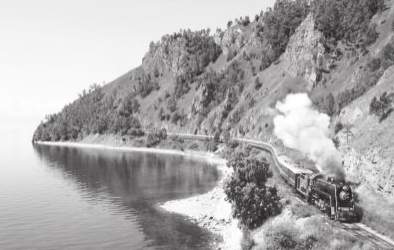
டிரான்ஸ் சைபீரியன் ரயில்வேயின் நூறு வயது….!!!

s2
இந்த ஆண்டு (2016) டிரான்ஸ் சைபீரியன் ரயில்வே பயன்பாட்டுக்கு வந்த நூறாவது ஆண்டாகும். இந்தியாவிற்குக் கடல் வழி கண்டறிந்தது, அமெரிக்காவைக் கண்டறிந்தது, சூயல் கால்வாய் வெட்டப்பட்டது போலவே டிரான்ஸ் சைபீரியன் ரயில்வே உருவாக்கப்பட்டதும் மிக முக்கியமான நிகழ்வாகும்!

இந்த ரயில்வே லைன் “ரஷ்யாவின் இரும்பு பெல்ட்’ (IRON BELT OF RUSSIA) என்று அழைக்கப்படுகிறது. ரஷ்யாவை ஆண்ட ஜார்ஜ் மன்னர் இரண்டாம் நிகோலஸ் (TSAR NICHOLAS-II) ரஷ்யாவின் மேற்கு எல்லையிலிருந்து கிழக்குக் கோடி வரை ஜார் மன்னர்கள் வம்சாவளியைச் சேர்ந்தவர்கள் மட்டுமே பிரத்யேகமாகப் பயணிக்க “ஜார் டிரெயின் சேவை’ ஒன்றைத் துவக்க விரும்பினார். ஏனெனில் பெரும்பாலான ரஷ்யர்கள் தங்கள் நாட்டின் கிழக்கு எல்லைக்கு வந்ததே இல்லை! கிழக்கில் வசிப்போர் மேற்கு எல்லைக்கு வந்ததே இல்லை!
காரணம்…,அதன் நீண்ட தொலைவுதான்!
அதையும்விட மிக முக்கிய காரணம் ஒன்று இருந்தது! ஜப்பான், சீனா, இங்கிலாந்து போன்ற நாடுகள் ஆசியாவை ஒட்டி இருந்த ரஷ்யப் பகுதியை ஆக்கிரமிக்க விரும்பின! எனவே ரஷ்யா ரயில்வே லைன் அமைக்க வேண்டிய கட்டாயம் ஏற்பட்டது! எனவே ரஷ்யப் புவியியல் கூறுகள் அனைத்தும் சர்வே செய்யப்பட்டன.

பிறகு 9-7-1891 ஆம் ஆண்டு ரயில்வே லைன் அமைக்கும் பணி துவங்கப்பட்டது! மாஸ்கோவிலுள்ள செயின்ட் பீட்டர்ஸ்பர்க் ரயில் நிலையத்தில் ஆரம்பித்து மேற்கிலிருந்து கிழக்கில் ஒரு கட்டுமானமும், “விளாடிவாஸ்டாக்’கில் இருந்து “கிழக்கிலிருந்து மேற்கு’ நோக்கி ஒரு கட்டுமானமும் ஒரே நேரத்தில் தொடங்கப்பட்டன.

ஜார் அரசர் இரண்டாம் நிகோலஸ் அமெரிக்க, மற்றும் இத்தாலி பொறியியல் வல்லுனர்களின் உதவியைக் கோரினார். எண்ணிலடங்கா சிறைக்கைதிகள், மற்றும் உள்ளூர் மக்கள் இம்மாபெரும் பணியில் ஈடுபடுத்தப்பட்டனர். உலகின் மிகப் பெரிய நன்னீர் ஏரியான “பைகால்’ ஏரியைத் தாண்டி இருப்புப் பாதை அமைப்பது மிகப் பெரும் சவாலாக இருந்தது! ஏனெனில் இது 636 கிலோ மீட்டர் நீளமும் கி.மீ 744மீ ஆழமும் கொண்ட மிகப் பெரிய ஏரியாகும். இந்த ஏரியைச் சுற்றி இருப்புப்பாதை அமைத்தல் என்பது மிகவும் கடினமாகும். எனவே அதிகாரிகள் மற்றொரு யோசனையை செயல்படுத்தினர். ஃபெர்ரீஸ் (FERRIES) எனப்படும் பனியில் செல்லும் படகில் ரயில் பெட்டிகளுடன் மக்களையும் ஏற்றிக் கொண்டு ஏரியின் இக்கரையிலிருந்து அக்கரைக்குச் செல்வதுதான் அது! கடினமான பனிக்கட்டிகளைக் கூட உடைத்துச் செல்லும் இத்தகைய படகுகள் கடும்பனிக்காலத்தில் (PERMA FROST) காலத்தில் உறைந்து போயின.

எனவே வடகிழக்குச் சைனாவின் மன்சூரியாவில் இருந்து விளாடிவாஸ்டாக்கை அடையும் மற்றொரு வழியைத் தேர்ந்தெடுத்தனர். மன்சூரியாவில் உள்ள “ஹார்பின்’ என்ற நகரத்தின் வழியாக இந்த ரயில் சேவை தொடரப்பட்டது. இந்த ரயில் சேவையின் கட்டுமானம் 1901ஆம் ஆண்டு நிறைவுற்றது.

1904ஆம் ஆண்டு ரஷ்ய ஜப்பானியப் போர் துவங்கும் வரை அனைத்தும் சுமுகமாய் இருந்தன. போர் தொடங்கிய அடுத்த நிமிடமே மன்சூரிய இருப்புப் பாதையின் தடம் ஜப்பானியர்களால் சேதப்படுத்தப்படும் என்பதை ரஷ்ய அரசு தெரிந்து கொண்டது.

எனவே பைகால் ஏரியைச் சுற்றி இருப்புப்பாதை அமைக்கும் பணி தீவிரப்படுத்தப்பட்டது. உலகக் கட்டுமான வரலாற்றிலேயே சீனப் பெருஞ்சுவருக்கு அடுத்தபடியாக அதிக மக்களை பலியாகக் கொண்டது இந்தப் பணியாகத்தான் இருக்கும்! இந்தக் கட்டுமானத்தில் எத்தனை பேர் பங்கு கொண்டனர் என்பதும் எத்தனை பேர் பலியாயினர் என்பதும் பதிவு செய்யப்படவில்லை! காரணம்…,அத்தனை பேரும் சிறைக்கைதிகள்…,மற்றும் நாடு கடத்தப்பட்டோர் என்பதுதான்!

அட்டைப் பூச்சிகள், கொசுக்கள், வனவிலங்குகள், கடும் குளிர் ஆகிய அனைத்தையும் எதிர் கொண்டு அவர்கள் 33 குகை வழிகளையும் (TUNNELS) 200 பாலங்களையும் அமைத்தனர். இந்த வழித்தடப் பணிகள் 1905ஆம் ஆண்டு நிறைவு பெற்றன. இன்றும் கூட மனிதக் கட்டுமானத்தில் பைகால் ஏரியைச் சுற்றுயுள்ள இந்த வழித்தடம் மிகவும் சிக்கல் நிறைந்ததாகும்! (MOST COMPLICATED DUE TO INHOSPITABLE TERRAIN) ரஷ்யப் பொறியியல் வல்லுனர்களுக்கு அடுத்த சவால் “ஆமுர்’ நதி (AMUR RIVER) வடிவில் வந்தது. அந்நதியின் மேல் பாலம் அமைக்கும் பணி 1908ஆம் ஆண்டு துவக்கப்பட்டது. இதன் உயரம் 79அடிகள் ஆகும்! மொத்தம் நீளம் 4709 அடிகள். எத்தனையோ இடர்பாடுகளையும், உயிர் பலிகளையும் தாண்டி 1916ஆம் ஆண்டு இப்பணி முழுமையடைந்தது!

1916ஆம் ஆண்டு ஆக்டோபர் 5ஆம் நாள் ஜார் மன்னர் இரண்டாம் நிக்கோலஸ் இந்த வழித்தடத்தை முறைப்படி திறந்து வைத்தார். இதில் ஒரு வேடிக்கை என்ன தெரியுமா?

ரஷ்யா கம்யூனிஸ்டுகள் வசம் வந்த பிறகு இதே வழித்தடத்திலேயே, இதே சைபீரியன் ரயிலிலேயே அவர் கைது செய்யப்பட்டு வீட்டுக் காவலில் வைக்க அழைத்துச் செல்லப்பட்டார்!

டிரான்ஸ் சைபீரியன் ரயில் இறுதியாக நிற்கும் இடம் “விளாடிவாஸ்டாக்’ ஆகும்! ரஷ்யாவின் மிகப் பெரிய துறைமுகமும் இதுவே!
இந்த ரயில்கள் 485 பாலங்களையும், 33 குகைப்பாதைகளையும் கடந்து செல்கின்றன! ஆசியாவையும் ஐரோப்பாவையும் தரை வழியாக இணைக்கும் ஒரே கருவி டிரான்ஸ் சைபீரியன் ரயில்வே ஆகும்.
மாஸ்கோவில் தொடங்கி விளாடிவாஸ்டாக் வரை உள்ள மொத்த தூரம் 9288 கிலோ மீட்டர்கள் ஆகும்! மொத்தப் பயண நாட்கள் 7 ஆகும்!
இந்த ரயில் கடந்து செல்லும் ஆமுர் நதிப் பாலம் உலகிலேயே இரண்டாவது நீளமான பாலம் ஆகும்! முதலாம் இடத்தைப் பெறுவது மிசிசிபி நதியின் மீது கட்டப்பட்டுள்ளது.
இதன் வழியில் உலகின் மிக நீளமான குகைப் பாதை ஒன்று உள்ளது. இதன் நீளம் 2.3கி.மீ ஆகும் மற்ற 32 குகைப்பாதைகளைவிட இதுவே மிக நீளமானதாகும்.


Source………www.dinamani.com

Natarajan

A train journey and two names to remember….


Of two co-travellers who surprised the writer with their graciousness, 24 years ago

It was the summer of 1990. As Indian Railway (Traffic) Service probationers, my friend and I travelled by train from Lucknow to Delhi. Two MPs were also travelling in the same bogie. That was fine, but the behaviour of some 12 people who were travelling with them without reservation was terrifying. They forced us to vacate our reserved berths and sit on the luggage, and passed obscene and abusive comments. We cowered in fright and squirmed with rage. It was a harrowing night in the company of an unruly battalion; we were on edge, on the thin line between honour and dishonour. All other passengers seemed to have vanished, along with the Travelling Ticket Examiner.

We reached Delhi the next morning without being physically harmed by the goons, though we were emotionally wrecked. My friend was so traumatised she decided to skip the next phase of training in Ahmedabad and stayed back in Delhi. I decided to carry on since another batchmate was joining me. (She is Utpalparna Hazarika, now Executive Director, Railway Board.) We boarded an overnight train to Gujarat’s capital, this time without reservations as there wasn’t enough time to arrange for them. We had been wait-listed.

We met the TTE of the first class bogie, and told him how we had to get to Ahmedabad. The train was heavily booked, but he politely led us to a coupe to sit as he tried to help us. I looked at the two potential co-travellers, two politicians, as could be discerned from their white khadi attire, and panicked. “They’re decent people, regular travellers on this route, nothing to worry,” the TTE assured us. One of them was in his mid-forties with a normal, affectionate face, and the other in his late-thirties with a warm but somewhat impervious expression. They readily made space for us by almost squeezing themselves to one corner.

They introduced themselves: two BJP leaders from Gujarat. The names were told but quickly forgotten as names of co-passengers were inconsequential at that moment. We also introduced ourselves, two Railway service probationers from Assam. The conversation turned to different topics, particularly in the areas of History and the Polity. My friend, a post-graduate in History from Delhi University and very intelligent, took part. I too chipped in. The discussion veered around to the formation of the Hindu Mahasabha and the Muslim League.

The senior one was an enthusiastic participant. The younger one mostly remained quiet, but his body language conveyed his total mental involvement in what was being discussed, though he hardly contributed. Then I mentioned Syama Prasad Mookerjee’s death, why it was still considered a mystery by many. He suddenly asked: “How do you know about Syama Prasad Mookerjee?” I had to tell him that when my father was a post-graduate student in Calcutta University, as its Vice-Chancellor he had arranged a scholarship for the young man from Assam. My father often reminisced about that and regretted his untimely death [in June 1953 at the age of 51].

The younger man then almost looked away and spoke in a hushed tone almost to himself: “It’s good they know so many things …”

Suddenly the senior man proposed: “Why don’t you join our party in Gujarat?” We both laughed it off, saying we were not from Gujarat. The younger man then forcefully interjected: “So what? We don’t have any problem on that. We welcome talent in our State.” I could see a sudden spark in his calm demeanour.

The food arrived, four vegetarian thalis. We ate in silence. When the pantry-car manager came to take the payment, the younger man paid for all of us. I muttered a feeble ‘thank you’, but he almost dismissed that as something utterly trivial. I observed at that moment that he had a different kind of glow in his eyes, which one could hardly miss. He rarely spoke, mostly listened.

The TTE then came and informed us the train was packed and he couldn’t arrange berths for us. Both men immediately stood up and said: “It’s okay, we’ll manage.” They swiftly spread a cloth on the floor and went to sleep, while we occupied the berths.

What a contrast! The previous night we had felt very insecure travelling with a bunch of politicians, and here we were travelling with two politicians in a coupe, with no fear.

The next morning, when the train neared Ahmedabad, both of them asked us about our lodging arrangements in the city. The senior one told us that in case of any problem, the doors of his house were open for us. There was some kind of genuine concern in the voice or the facial contours of the otherwise apparently inscrutable younger one, and he told us: “I’m like a nomad, I don’t have a proper home to invite you but you can accept his offer of safe shelter in this new place.”

We thanked them for that invitation and assured them that accommodation was not going to be a problem for us.

Before the train came to a stop, I pulled out my diary and asked them for their names again. I didn’t want to forget the names of two large-hearted fellow passengers who almost forced me to revise my opinion about politicians in general. I scribbled down the names quickly as the train was about to stop:Shankersinh Vaghela and Narendra Modi.

I wrote on this episode in an Assamese newspaper in 1995. It was a tribute to two unknown politicians from Gujarat for giving up their comfort ungrudgingly for the sake of two bens from Assam. When I wrote that, I didn’t have the faintest idea that these two people were going to become so prominent, or that I would hear more about them later. When Mr. Vaghela became Chief Minister of Gujarat in 1996, I was glad. When Mr. Modi took office as Chief Minister in 2001, I felt elated. (A few months later, another Assamese daily reproduced my 1995 piece.) And now, he is the Prime Minister of India.

Every time I see him on TV, I remember that warm meal, that gentle courtesy, caring and sense of security that we got that night far from home in a train, and bow my head.

(The author is General Manager of the Centre for Railway Information System, Indian Railways, New Delhi. leenasarma@rediffmail.com)

A 17 YEAR OLD GIRL SURVIVED A 2 MILE FALL WITHOUT A PARACHUTE, THEN TREKKED ALONE 10 DAYS THROUGH THE PERUVIAN RAINFOREST..

juliane-koepcke

Today I found out that a 17 year old girl survived a 2 mile fall from a plane without a parachute, then trekked alone 10 days through the Peruvian rainforest.

On Christmas Eve, 1971, just a few hours after attending her high school graduation, 17 year old Juliane Koepcke and her mother, Maria, got on a flight from Lima, Peru to Pucallpa. The two were headed out to join Juliane’s father, Hans-Wilhelm, a famous German zoologist who was working at a remote research station in the rainforest.

Approximately 30 minutes into the flight, the plane entered very thick, black clouds. “The clouds became darker and darker and the flight became more turbulent. Then we were in the midst of pitch-black clouds and a proper storm with thunder and lightning,” said Koepcke. “It was pitch-black all around us and there was constant lightning. Then I saw a glistening light on the right wing… The motor was hit by lightning. ”

While planes get struck by lightning all the time with no real problems ensuing, this time there was a big problem.  Directly after the wing was struck, the aircraft was ripped apart, largely thanks to the fact that the Electra aircraft they were on wasn’t built for flying in heavy turbulence to begin with, due to its very rigid wings. Contrary to what is often reported, Koepcke states the wing “definitely didn’t explode.”  Rather, the plane was simply ripped apart in the air after the wing fell off.

The last words Koepcke ever heard from her mother were when the lightning struck the wing, “it’s all over”… LIES!!!  Well, at least for her daughter (and technically not the immediate end for her mother either, as you’ll soon see). Still strapped to her seat, Juliane Koepcke was ejected from the aircraft and fell approximately 2 miles into the dense Peruvian rainforest.

I heard the incredibly loud motor and people screaming and then the plane fell extremely steeply. And then it was calm—incredibly calm compared with the noise before that. I could only hear the wind in my ears. I was still attached to my seat. My mother and the man sitting by the aisle had both been propelled out of their seats. I was free-falling, that’s what I registered for sure. I was in a tailspin. I saw the forest beneath me—like ‘green cauliflower, like broccoli,’ is how I described it later on. Then I lost consciousness and regained it only way later, the next day.

Koepcke became the sole survivor of Lansa flight 508, all 91 other passengers and crew died. It isn’t known what exact factors played into Juliane’s surviving the fall. Some have speculated that her fall was slowed by the row of seats she was strapped to rotating like a helicopter, and then helped cushion her landing thanks to striking the dense forest on her way down.  The actual cushion of her seat itself also likely played a small role.

Whatever the case, over the next 19 hours or so, Koepcke lapsed in and out of consciousness and at some point unknown to her, she managed to unstrap herself from her seat and crawl under it, she thinks as a response to rain.  Finally, at 9am, she became lucid and in somewhat of a daze took stock of her situation. She was lying on the ground, dressed in only a sleeveless mini-dress and was missing one of her sandals and glasses.  While she didn’t realize all her injuries at the time, she had survived the fall with a broken collar bone; a torn ACL; one of her eyes swollen shut; her capillaries in her eyes had popped (due to rapid decompression from the plane); a strained vertebrae in her neck; a partially fractured shin; and several deep cuts on her arms and legs.

It took her half the day just to be able to stand without getting too dizzy, but eventually she managed it and at first set out to find her mother, searching for a full day before giving up. During her search for her mother, though, she did find a bag of candy, which was her only food she had during her journey, and more importantly, a stream.  Her father had once given her the very good advice that if she were ever lost in the rainforest and came across a stream or river, she should follow it downstream; because people tend to live on or near water, following a river long enough, should get you to civilization eventually.

She then set out.  She knew from experience that snakes particularly liked to lay camouflaged under dry leaves, so when she wasn’t walking in the water, she used her one shoe, thrown before her, to test the ground for snakes and the like (she couldn’t see very well due to missing her glasses).  Luckily, she never encountered any, that she saw at least. She walked as much as possible in the river as it was an easier way to go, rather than through the dense foliage. Of course, this came with hazards of its own.

Within a couple days, she started hearing King vultures around her, the sound of which she recognized from living at her parent’s research station a year and a half before, only about 30 miles from where the plane crashed.  Because King vultures usually only land when there is carrion around, she figured there must be dead bodies about that they were feeding on, but at first didn’t encounter any.  On the fourth day, she finally spotted some; three other passengers still strapped to their seats and rammed several feet, headfirst into the ground.

I couldn’t really see that much, only people’s feet pointing up. I poked their feet with a stick. I couldn’t touch the dead bodies. I couldn’t smell anything and they hadn’t been eaten yet or started to decay. I mean, sure, decay must have started, but I couldn’t notice it. I could tell it was a woman because she had polished toenails and the others must have been two men, judging by their pants and shoes. I moved on after a while, but in the first moment after finding them, it was like I was paralyzed.

During her trek, several of her wounds became infected and a large cut on her right arm was infested with maggots.  This is something she’d seen happen to her dog before, with near disastrous results for the dog.  Try as she might, though, she couldn’t manage to get the maggots out as they were too deep in the wound.  “I had this ring that was open on one side that you could squeeze together, and I tried with that. It didn’t work because the hole was so deep. So I tried with a stick, but that didn’t work either.”

On the tenth day she came across a boat, which in her delirious state at this point, she thought was a mirage until she finally came up to it and touched it. Next to the boat was a path, which she crawled up (at this point being extremely weak, making walking up the path somewhat difficult).  At the end of the path was a small hut that was being used by lumbermen. Empty at the time, she found an outboard motor and some diesel fuel in a barrel.

She used a tube to suck out some of the fuel from the barrel and put that on her wound that was maggot infested, something her father had done to her dog, though with kerosene.  Albeit extremely painful, this worked and most of the maggots, while initially trying to burrow deeper into her arm, eventually came to the surface and she was able pick them out.

She then tried to sleep in the hut, but found the ground to be much too hard, so she went back down to the river side and laid in the sand.  The next day, she woke up and, hearing frogs all around her, tried to catch some to eat.  Luckily for her she was unable to as they were poisonous dart frogs.  At this point, she was debating whether to take the boat or not, something she didn’t want to do as it was stealing, but ultimately decided to spend the night at the hut.

She ended up not having to do so alone, though, because she soon heard voices, “like hearing angels’ voices”.  Three people came out of the forest and spotted her. At first they thought she was a “Yemanjá”, a type of blond, pale skinned water spirit. “When they saw me, they were pretty freaked out.” However, she explained what had happened and how she got there, and they had heard of the plane crash, so accepted her tale.  They then fed her and cared for her wounds as best they could and took her downstream on about a seven hour boat ride to a lumber station/village. (who says the deforestation of the rainforest is all bad?  That’s one life that would have ended had there been no lumbermen about) 😉

Once there, a local pilot knew of some missionaries nearby running a hospital in Pucuallpa.  The pilot took her on what must have been a freaky, for Juliane, 15 minute flight to the hospital and the day after her rescue, she was reunited with her father.  She then helped the search parties locate the crash site. On January 12th, they finally discovered her mother’s body. Like Juliane, her mother apparently survived the fall. However, her injuries prevented her from moving and she ended up dying several days later.

Now known as Juliane Diller, she has a PhD in Zoology and is a librarian at the Bacarian State Zoological Collection in Munich. Her autobiography “When I Fell From The Sky” (“Als ich vom Himmel fiel”) was released on March 10, 2011 and she received the Corine Literature Prize for her publication in 2011.

Bonus Facts:

  • According to the Guardian newspaper, there have been well over 20 documented cases of single survivors of civilian air crashes. The military also has many documented cases of similar events. According to David Learmount, an air safety expert, young, fit male passengers who sit in rear seats (note: Juliane and her mother were sitting in the second to last row of seats) and are frequent travelers are statistically more likely to survive an accident. When asked about why being a frequent traveler helps, Learmount states, it is likely because they “know where the exits are”.
  • The average number of deaths per year for commercial air carriers is just 138. That means you have a 1 in 2 million chance of being killed if you chose to fly, or 1 in 11 million for the average American.
  • The chance of being killed in a car crash is 1 in 7,700. The chance of being killed in a motorcycle accident is 1 in 91,500. If you think that these numbers make it sound like motorcycles are a safer way to travel, you have to consider that more people are likely travel in a car versus a motorcycle. To illustrate, the number of deaths per 100 million vehicle miles is 1.3 for a car, and 31.3 for a motorcycle. Wear your helmets kids!
  • You are statistically more likely to die in a railroad accident than a bicycle accident. On average, 931 people die each year in railroad accidents and 695 die in bicycle accidents. The odds are 1 in 306,000 for railroads and 1 in 410,000 for bicycles.
  • The two riskiest portions of a flight are during takeoff and landing; 75% of all crashes occur during these two phases of the flight. This is mainly due to the fact that takeoff demands the most from an airplane and landing demands the most from the cockpit crew. Save your prayers for just before these points during your travel.
  • If these numbers are beginning to scare you, don’t worry. Over the past 30 years, there has been a 10 fold increase in the number of miles flown before a fatal accident. Also, consider that from 1983 to 2000 there were just 568 commercial plane crashes in the world. 53,487 people were involved in those crashes and 51,207 survived to tell the tale.
  • Professor Ed Galea, of the University of Greenwich, is a world expert in aviation safety. His tips for helping you survive a plane crash are as follows:
    1. Do not push the button on your safety belt to try and undo it. You have to pull it. Most people in a panic will tend to push the belts button as if they were traveling in a car.
    2. Adopt the brace position (head in your lap). This will prevent you from flying forward and striking the seat in front of you.
    3. Count the seat rows between you and the exit when you get on a plane. Most crashes end up with a fire and resulting smoke. The smoke may make it difficult or impossible to see and should you take a deep breath, may kill you. By feeling, and counting the seat-backs you will know which row is the exit and be able to get there quickly.
    4. Make a plan prior to take-off, every time you fly. This should include: where the flight attendants are that can help you escape, the number of rows and locations of all the exits nearest you, and have a plan of how to get to each one.
    5. Do not inflate your life jacket inside the aircraft. This will increase your body size and make it more difficult to escape.

Source…..www.today i foundout.com

Natarajan
 

சுப்ரபாதத்தின் முதல் வரி… தந்தது யார்…?

venkada

அன்னையாய், குழந்தையாய், காதலனாய், தோழனாய் இறைவனைப் பாடி உருகிய ஆழ்வார்களும் அடியார்களும், அதன் மூலம் இறைவனை நம்மில் ஒருவனாகக் கருதி வழிபடும் நுணுக்கத்தை அழகாய்ச் சொல்லிக் கொடுத்திருக்கிறார்கள். அந்த வகையில், காலை எழுந்தது முதல் இரவு உறங்குவது வரையில் நமக்கு நாம்  செய்துகொள்ளும் அன்றாடச் செயல்கள் அனைத்தையும் அவருக்கும் செய்து அழகு பார்த்து ஆனந்திப்பது ஒரு ரசானுபவம்!

இதன் அடிப்படையிலான விளைவுதான், திருப்பள்ளியெழுச்சி பாடல்களும் வழிபாடுகளும் எனலாம். ஆழ்வார்களில் தொண்டரடிப் பொடியாழ்வாரும், சைவ சமயத்தில் மாணிக்கவாசகரும் திருப்பள்ளியெழுச்சி பாடி மகிழ்ந்திருக்கிறார்கள். விநாயகருக்கும் முருகப் பெருமானுக்கும்கூட சுப்ரபாதம் உண்டு. அவ்வளவு ஏன்? ஜைன மதத்திலும் சுப்ரபாதம் பாடப்பட்டிருக்கிறது.
இவை அனைத்துமே விசேஷமானவை. எனினும், வேங்கடேச சுப்ரபாதத்துக்கு தனிச்சிறப்பு உண்டு. இதன் முதல் வரி, விஸ்வாமித்ர முனிவரின் திருவாக்கில் உதித்தது என்பதே அது.

ராமபிரானின் பால பருவம். அயோத்தி அரண்மனைக்கு விஜயம் செய்த விஸ்வாமித்திரர், தமது யாகத்துக்குத் தீங்கு விளைவிக்கும் அசுரர்களை அடக்கவும் அழிக்கவும் ராமனைத் தம்முடன் அனுப்பிவைக்குமாறு தசரதனிடம் கேட்டுக் கொண்டார். தசரதரோ தயங்கினார். பின்னர், குலகுரு வசிஷ்டரின் அறிவுரைப்படி ராமனை அனுப்பச் சம்மதித்தார். கூடவே, லக்ஷ்மணனையும் அனுப்பி வைத்தார்.
விஸ்வாமித்திரர் அவர்களுக்கு பலா, அதிபலா மந்திரோபதேசம் செய்ததுடன், வழியில் அமைந்திருந்த பல புண்ணியத் தலங்களின் மகிமைகளையும், மகான்களின் சரிதைகளையும் விளக்கியவாறு அழைத்துச் சென்றார். இரவு வேளை வந்தது. காட்டில் ஓரிடத்தில் ராமனும் லட்சுமணனும் விஸ்வாமித்ர மகரிஷியுடன்  கட்டாந்தரையில் படுத்து உறங்கினார்கள்.

பொழுது புலர்ந்தது. அரண்மனையில் பஞ்சணையில் படுத்து உறங்க வேண்டிய அரசிளங்குமரர்கள் தரையில் படுத்திருப்பது கண்டு, நெகிழ்ந்தார் விஸ்வாமித்ர மகரிஷி. மிக்க பரிவுடன் அவர்களைத் துயிலெழுப்பினார், ‘கௌசல்யா சுப்ரஜா ராமா…’ என்று! ஆக, முதன்முதலில் திருமாலுக்குச் சுப்ரபாதம் அமைத்த பெருமையும் பாக்கியமும் அவருக்கு ஏற்பட்டது.
இந்த வரியைக் கொண்டே துவங்குகிறது, இப்போது நாம் படித்தும் கேட்டும் மகிழும் வேங்கடேச சுப்ரபாதம்.

வேங்கடேச சுப்ரபாதம்

திருமலைவாசனின் சுப்ரபாதத்தில் முதல் பகுதி பெருமானைத் துயிலெழுப்பவதாகவும், அடுத்து அவன் பெருமையை தெரிவிக்கும் விதமாகவும், அடுத்து அவனைச் சரணடைந்து, இறுதியாக அவனுக்கு மங்களம் பாடுவதாகவும் அமைந்துள்ளது. இப்பாடல்களில் வைணவ சித்தாந்தக் கருத்துக்களும், பொதுவான நீதிகளும் அடங்கியுள்ளன என்பது பெரியோர்களின் கருத்து.

வேங்கடேச சுப்ரபாதம் மொத்தம் 70 ஸ்லோகங்களுடன், நான்கு பகுதிகளாக அமைந்துள்ளது. முதல் பகுதி, யோக நித்திரையில் இருக்கும் வேங்கடவனைத் துயில் எழச் செய்வது குறித்ததாகும். இதில் 29 ஸ்லோகங்கள் காணப்படுகின்றன.

2-ம் பகுதி- வேங்கடவனைத் துதி செய்தல்; அதாவது போற்றி வணங்கும் பகுதி. இதில் 11 ஸ்லோகங்கள் உண்டு.

3-ம் பகுதியான பிரபத்தியில், திருமகளின் பெருமை குறித்தும், வேங்கடவனின் திருவடிகளில் சரணாகதி அடைவது குறித்தும் சொல்லப்பட்டிருக்கிறது. இதில் 16 ஸ்லோகங்கள் உண்டு.

4-வது பகுதியான மங்களம், நிறைவுப் பகுதி. மங்களகரமான அருளை வேண்டும் வகையில் துதிக்கப்படும் இந்தப் பகுதியில், 14 ஸ்லோகங்கள் அமைந்துள்ளன.

அரங்கமாநகருளானுக்குத் திருப்பள்ளி யெழுச்சி பாசுரங்களைப் பாடியவர் தொண்டரடிப் பொடியாழ்வார். பிற்காலத்தில் சோளிங்கர், ஒப்பிலா அப்பன் திருக்கோயில், திருவல்லிக்கேணி போன்ற சில திவ்யதேசங்களுக்கு அந்தந்த ஸ்தலத்தைச் சார்ந்த சில மஹநீயர்கள் சுப்ரபாதம் இயற்றி, அது அந்தந்த திவ்யதேசங்களில் அனுசரிக்கப்படுகிறது.

திருமலையில் வேங்கடேச சுப்ரபாத தரிசனம்

திருமலை வேங்கடவனுக்கு நித்தமும் பல ஸேவைகள் நடை பெறும் என்றாலும், முதலாவதாக இடம்பெறுவது சுப்ரபாத ஸேவைதான். அதிகாலையில் அர்ச்சகர்கள், பரிசாரகர்கள், கோயில் சேவகர்கள், வீணை இசைக் கலைஞர்கள் ஆகியோர் தங்க வாசலை அடைவார்கள். அங்கே துவார பாலகரை வணங்கி, ஸ்வாமியை மனத்தில் தியானித்தவண்ணம் திருக்கதவைத் திறப்பார் அர்ச்சகர். அனைவரும் நுழைந்ததும், கதவு சாத்தப்படும்.

பிறகு, திருச்சந்நிதியில் தீபங்கள் ஏற்றப்பட, வேங்கடேச சுப்ரபாதம் ஒலிக்க… முதல் நாள் இரவு தொட்டிலில் கிடத்திய ‘போக நிவாஸ மூர்த்தி’யை திருப்பள்ளி எழுந்தருளச் செய்வார்கள். பின்பு, அவரை மூலவருக்கு அருகில், எப்போதும் அவர் இருக்கும் இடத்தில் எழுந்தருளச் செய்வார்கள். வேங்கடேச சுப்ரபாதம் முடியும் தருணத்தில் சந்நிதியின் திருக் கதவுகள் மீண்டும் திறக்க, ஸ்வாமிக்கு பாலும் வெண்ணெயும் சமர்ப்பித்து, தீபாராதனை நிகழும். இதற்கு நவநீத ஆரத்தி என்று பெயர். இந்த தரிசனத்தையே சுப்ரபாத தரிசனம், விஸ்வரூப தரிசனம் என்பார்கள். அதிகாலைப் பொழுதில் தீப ஒளியில் சுடர்ஜோதியாய் அருளும் திருவேங்கடவனை, திருமகள் நாயகனைக் காணக் கண்கோடி வேண்டும்.

பகவானின் அர்சசாவதார நிலையில் (உருவ வழிபாடு – தற்போது நாம் திருக்கோயில்களில் வழிபடும் தெய்விகத் திருவுருவங்
கள்) முதன்முதலாக திருமாலுக்கு சுப்ரபாதம் பாடிய பாக்கியமும் பெருமையும் பெற்றவர் யார் தெரியுமா?
‘பிரதிவாதி பயங்கரம் அண்ணங்கராச்சார்யர்’ என்ற மகான். சுமார் 600 ஆண்டுகளுக்கு முன் வாழ்ந்த இந்த மகானால் அருளப் பட்டது வேங்கடேச சுப்ரபாதம். பின்னாளில் இவருடைய வம்சத்தில் பிறந்து, அதே பெயரோடு 92 ஆண்டுகள் வாழ்வாங்கு வாழ்ந்த பிரதிவாதி பயங்கரம் உ.வே.அண்ணங்கராச்சார்யர் சுவாமிகளால், பி.வி.அனந்தசயனம் ஐயங்காருக்கு சுப்ரபாதம் முறைப்படி கற்றுத் தரப்பட்டது.

இவரிடம் இருந்து வேங்கடேச சுப்ரபாதம் பாடும் முறையைக் கற்றுக்கொண்ட அனந்தசயனம் ஐயங்கார், தனது வாழ்நாள் முழுவதும் திருமலை சந்நிதானத்தில் சுப்ரபாத ஸேவையில், அந்தத் தெய்விகப் பாடலைப் பாடி சேவை செய்திருக்கிறார். முதன்முதலில் இசைத்தட்டு வடிவில் சுப்ரபாதத்தைப் பதிவு செய்து வெளியிட்டவரும் அனந்தசயனம் ஐயங்கார்தான். இவருக்குப் பிறகே, திருப்பதி திருமலையில் எம்.எஸ்.சுப்புலட்சுமியின் குரலில்  சுப்ரபாதம் ஒலிக்கத் துவங்கியது.!

Source…..www.vikatan.com

Natarajan


ஒரே சூரியன். ஒரே சந்திரன்.. ஒரே சாஸ்திரி! : அக். -2 லால்பகதூர் சாஸ்திரி பிறந்த தினம்

tamil_news_large_1617513_318_219

அக்டோபர் 2 என்றவுடன் நம் சிந்தனைச் சிறையில் சட்டென மின்னலாய் வந்து மறையும் பெயர் காந்தி. அவர் பாசறையில் சத்தியம், நேர்மை பாடங்களை பயின்றவர்களில் முதலிடம் பெற்றவர் லால்பகதுார் சாஸ்திரி.

இவர் 1904 அக்டோபர் 2-ல் வாரணாசியில் பிறந்தார். சாஸ்திரிக்கு ஒன்றரை வயது இருந்த போது, நேரிட்ட தந்தை சாரதா பிரசாத்தின் மரணம் தாயார் இராம் துலாரியை உலுக்கியது.

குடும்பம் வறுமையில் வாடினாலும், என்றும் வாடாத கல்வியறிவை புகட்ட விரும்பிய தாய் துலாரி, சாஸ்திரியை பள்ளியில் சேர்த்து விட்டார். ஆனால் புத்தகம் வாங்கப் பணமில்லை. புத்தகத்தை இரவல் பெற்று படித்தார். சாஸ்திரியின் வறுமையைச் சுருங்கச் சொல்ல

வேண்டுமெனில் 38 வயது வரை, தேநீர் அருந்தாமல் இருந்திருக்கிறார்.

தேசப் பணி தெய்வப் பணி : ஒரு முறை காசியில் காந்தியின் பொதுக் கூட்டத்திற்கு ஏற்பாடு செய்யப்பட்டிருந்தது. அக்கூட்டத்தில் வெள்ளையர் ஏகாதி பத்தியம், சுதேசி கொள்கைகள் பற்றிய காந்தியின் பேச்சு 11வயது சிறுவன் லால்பகதுாரை காந்தமாய் தேசப் பணிக்கு இழுத்தது.

காசி வித்யா பீடம் கல்லுாரியில் சேர்ந்து சமஸ்கிருதம் மற்றும் தத்துவப் பாடத்தை விருப்பப் பாடமாக படித்தார். சாஸ்திரியிடம் சைக்கிள் கூட இல்லை. 16 மைல் நடந்தே சென்று படித்தார். கல்லுாரியில் முதல் மாணவராக தேர்ச்சிப் பெற்ற சாஸ்திரி, 1925-ல் சாஸ்திரி பட்டம் பெற்றார்.

கொள்கைத் திறம் : 1927-ல் நாட்டின் ஒவ்வொரு நகரிலுள்ள மணிக்கூண்டில் தேசியக் கொடி ஏற்றப்பட வேண்டும் என்று நேரு கேட்டுக் கொண்டதும், சாஸ்திரி மாறுவேடத்தில், காவல் துறையின் கண்களை ஏமாற்றி மிர்சாபூர் மணிக்கூண்டில் தேசியக் கொடியைப் பறக்க விட்டார். இதை ஒரு கட்டடத்தின் மாடத்தில் இருந்து கண்ணுற்ற லலிதா தேவி என்ற பெண்மணி சாஸ்திரி மீது காதல் வயப்பட்டார், பின் லலிதா தேவி, லலிதா சாஸ்திரியானார்.

மணமேடையில் புரோகிதர், 7 கட்டளைகளை லலிதாவுக்கு கூற, சாஸ்திரி தன் மனைவியாகப் போகும் லலிதாதேவி இன்று முதல் கதராடைதான் அணிய வேண்டும் என்று எட்டாவது கட்டளையிட்டார். முதலிரவில் லலிதாதேவி கதராடை அணியாததால் அந்த அறையை விட்டு வெளியேறினார். சாஸ்திரியின் சகோதரி, ஒரு கதர் புடவையை லலிதாவுக்கு வழங்கிய பின்பே, அந்த அறைக்குள் நுழைந்தார். எதற்கும் சலனப்படாத கொள்கைப் பிடிப்பு சாஸ்திரிக்கு மட்டுமே சாத்தியம்.விடுதலைப் போராட்டத்தில் சாஸ்திரி 10 முறை கைது செய்யப்பட்டு 8 ஆண்டுகள் வரை சிறைவாசம் செய்தவர். மகளுக்கு நோய் கடுமையாகியது மகள் இனி பிழைக்க மாட்டாள் என்ற செய்தி சாஸ்திரி அடைக்கப்பட்டுள்ள சிறைக்கம்பிகளைத் தட்டி தெரிவிக்கப்பட்டது. செய்தி அறிந்த சாஸ்திரி மகளைப் பார்க்க பரோல் கேட்கவில்லை, ஏனெனில் பரோலுக்கு ஆங்கில அரசின் பல நிபந்தனைகளை ஏற்று கட்டுப்படுவதாக எழுதிக் கொடுக்க வேண்டும்.

சாஸ்திரியின் உறுதி வெள்ளையரின் கறுப்பு இதயத்திலும் ஒளி வெளிச்சத்தை பாய்ச்சியது. சிறை அதிகாரிகள் நிபந்தனையற்ற பரோல் வழங்கினர்.

விறுவிறுவென வீடு சென்றார் அங்கே தன் செல்வ மகளைக் கண்டார் உயிரற்ற சடலமாய். மகளின் இறுதிச் சடங்குகளை செய்து முடித்தார், பரோலை இடையே ரத்து செய்துவிட்டு தானாகவே சிறைக்கு சென்றுவிட்டார்.

பதவிகளுக்கு சிறப்பு : 1952-ல் நேருவின் மத்திய அமைச்சரவையில் ரயில்வே மற்றும் போக்குவரத்து அமைச்சராக 4 ஆண்டுகள் பணியாற்றினார். ஒரு நாள் வாரணாசியிலிருந்து மொகல்சராய் ரயில் நிலையத்தில் ரயிலைப் பிடிக்க காரில் கிளம்பினார், ரயில்வே அமைச்சர் சாஸ்திரியின் வருகை விஷயத்தை அறிந்த ரயில்வே கார்டு அவர் வரும் வரை ரயிலை தாமதப்படுத்தினார்.

சாஸ்திரி வந்த பின் ரயில் நகர்ந்தது. ரயில் தாமதத்தை உணர்ந்த சாஸ்திரி தன் வருகைக்காக தாமதப்படுத்திய ரயில்வே கார்டை பணிநீக்கம் செய்தார். அரியலுார் ரயில் விபத்தில் 150 பயணிகள் இறந்த போது பதவியை ராஜினாமா செய்தார். “அரியலுார் பாலத்தை கட்டியவர்கள்

வெள்ளையர்கள், பாலம் அரிக்கப்பட்டிருப்பதை அறியாமல் ரயிலை ஓட்டிச் சென்றவர் யாரோ ஒரு டிரைவர். இதற்கு நீங்கள் ஏன் ராஜினாமா செய்ய வேண்டும்” என்று பலரும் கேட்டனர்.

என்றாலும் விபத்துக்கு சட்டப் பூர்வ பொறுப்பாளி நானே என முடிவு செய்து ராஜினாமா செய்தார்.

1962-ல் சாஸ்திரி உள்துறை அமைச்சராக இருந்த போது அவசரமாக கோல்கட்டாவிலிருந்து டெல்லி திரும்ப விமானத்தை பிடிக்க வேண்டிய அவசரம். அப்பொழுது கோல்கட்டா காவல் கண்காணிப்பாளர், விமான நிலையம் செல்ல உள்துறை அமைச்சர் சாஸ்திரியிடம், தங்களின் கார் முன்னால் அபாய ஒலி எழுப்பும் காவல்துறை வாகனத்தை அனுப்புவதாகவும் இதனால் சாலையில் நெருக்கடி குறைந்து நீங்கள் விரைவில் விமான நிலையத்தை அடையலாம் என்று யோசனை தெரிவித்தார்.

அந்த யோசனையை மறுத்த சாஸ்திரி “உரத்த ஒலி எழுப்பிக் கொண்டு செல்லும் வாகனத்தை மக்கள் பார்க்கும் போது யாரோ மிகப் பெரிய மனிதர் செல்வதாக நினைத்துக் கொள்வர். என்னைக் கண்டவுடன் இவ்வளவு சிறிய மனிதனுக்காகவா? என ஏமாற்றமடைந்து விடுவர்” என்றார். பதவியின் படாடோபத்தை துச்சமாக நினைத்த பரிசுத்தமானவர் சாஸ்திரி.

1964-ல் நேரு இறந்த பின்பு, சாஸ்திரியை பிரதமர் பதவிக்கு முன்மொழிந்தார் காமராஜர். கதர் குல்லாயுடன் சாதாரண மனிதனாக இருந்த சாஸ்திரிக்கு, பிரதமர் பதவி என்பது தங்க கிரீடமாய்த் தோன்றவில்லை.ஒரு நாள் பிரதமர் சாஸ்திரி வீட்டுக்கு தரமான அரிசியை வாங்கி வந்தார் சாஸ்திரியால் வளர்க்கப்பட்ட ராம்ஸ்வரூப், “ஒரு சாதாரண மனிதனால் இது போன்ற அரிசியை விலை கொடுத்து வாங்க இயலாது, நம் குடும்ப வரவு செலவுக்கு இந்த அரிசி ஒத்து வராது, இந்த அரிசியைக் கொடுத்துவிட்டு நம்மைப் போல் சாதாரண மக்கள் சாப்பிடும் அரிசியை வாங்கி வா” என்றார்.

ஜெய் ஜவான்! ஜெய் கிஸான் : 1965-ல் இந்தியா–பாகிஸ்தான் போரின் போது கோபத்தால் கொந்தளித்த சாஸ்திரி ஜெய் ஜவான், ஜெய் கிஸான் என்று முழங்கினார். நாட்டு மக்கள் அவரின் பின்னால் அணிவகுக்க இந்தியா போரில் வென்றது. முடிவில் ரஷ்யாவின் தாஷ்கண்டில்

இந்தியா–பாகிஸ்தான் அமைதி உடன்படிக்கைக்குப் பின் 11.1.1966-ல் மறைந்தார்.

மரணத்துக்குப் பின், சாஸ்திரி பயன்படுத்திய சிறிய பியட் கார், மாதத் தவணை செலுத்த இயலாத காரணத்தால், கடன் வாங்கப்பட்ட நிறுவனத்திடமே, சாஸ்திரியின் குடும்பத்தினரால் ஒப்படைக்கப்பட்டது.காமராஜர் திட்டத்தால் உள்துறை அமைச்சர் பதவியை ராஜினாமா செய்த சாஸ்திரி தனது நண்பருக்கு எழுதிய கடிதத்தில் “நானும் எனது குடும்பமும் மிகச் சிறிய வீட்டிற்கு இடம் பெயர்கிறோம், காய்கனிகள் மற்றும் பாலின் அளவைக் குறைத்துக் கொண்டோம். நாங்களே துணிகளைத் துவைத்துக் கொள்கிறோம்!” என்று குறிப்பிட்டார்.

“சாஸ்திரியின் வாழ்க்கை – கடந்த கால அதிசயம்!

சாஸ்திரியின் நேர்மை -இன்றைய மக்களின்

எதிர்பார்ப்பு!

சாஸ்திரியின் எளிமை, உண்மை – எதிர்கால

ஜனநாயகத்திற்கான திறந்த புத்தகம்!

Source:::::

முனைவர். சி. செல்லப்பாண்டியன்

உதவிப் பேராசிரியர்

அருப்புக்கோட்டை, 78108 41550   in http://www.dinamalar.com

Natarajan

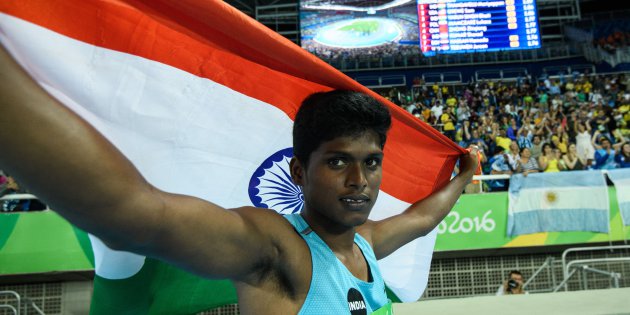
Paralympics Gold Medallist Mariyappan Thangavelu’s Story Is A Lesson In Grit…

http-%2f%2fo-aolcdn-com%2fhss%2fstorage%2fmidas%2ff79efe9e062cbc45337168c7ca47d3b6%2f204309037%2f601342684


In May this year, Mariyappan Thangavelu said during an interview, “It’s not beyond me.” India’s rising star in para-athletics had just cleared a distance of 1.78m in the men’s high jump T42 event at the IPC Grand Prix in Tunisia. So what was not beyond him? A gold at the Paralympics, he said.

Three months later Thangavelu has showed the country what walking the talk is supposed to look like.

Not only is he the first athlete to bag a gold in this year’s Paralympics, he is also the first Indian high jumper to win a gold in the history of Paralympics.

According to NDTV, ‘T-42 is a disability sport classification for differently-abled track and field athletes with single ‘above the knee’ amputations or a disability that is comparable’.

Born in a small village of Periavadagampatti, 50km from Salem, in Tamil Nadu, Mariyappan’s brush with unpredictability of life, occurred at a tender age of five. Fifteen years ago, Mariyappan was on his way to school in his village, when he met with a terrifying accident. A bus took a wrong turn, spun out of control and hit the five-year-old, running over his right leg and crushing it in process.

Later, when he was old enough to comprehend the tragedy that had hit him, he was told that the driver of the bus was drunk. However, that information did nothing to comfort him or ease the difficult road that lay ahead of him. In an interview to The Hindu, Mariyappan said, “It doesn’t matter. My right leg is now stunted — it is still a five-year-old’s leg; it has never grown or healed.”

A report on Sportskeeda states that Mariyappan’s mother had then taken a loan of Rs 3 lakh to pay for his treatment. Years later, the vegetable vendor is still repaying the money.

The same article traces Mariyappan’s interest in sports back to his physical education teacher, who encouraged him to take up athletics and nurtured his interest in high jump. He also played volleyball.

“His coach Satyanarayana spotted him at the National Para-Athletics Championship when he was just 18. After rigorous training in Bengaluru, he became the World Number 1 in 2015, his first year of senior-level competition,” Sportskeeda reports.

His first competitive event was when he was 14 years old and participated in an athletics meet with other able-bodied students. He finished second.

“At first, my classmates didn’t believe I could do it. But once I made that first jump, they were all excited. After that day, a lot of people came to support me whenever I competed in the district,” he told The Hindu. 

Source…..www.huffingtonpost.com

Natarajan

” கிழவியும் குழவியும் …” அவ்வையார் ….பிள்ளையார் …!!!


pillaiyar-avvaiyaar

Jaya Jaya Sankara Hara Hara Sankara – Great messages on Vinayagar by Maha Periyava from Vol. 2 of Deivathin Kural. Let’s enjoy these messages during Vinayaka Chaturthi time.
Thanks to Shri S.A. Ramakrishnan and Shri Balaji Venugopal for the translation. Ram Ram
கிழ‌வியும் குழ‌வியும்
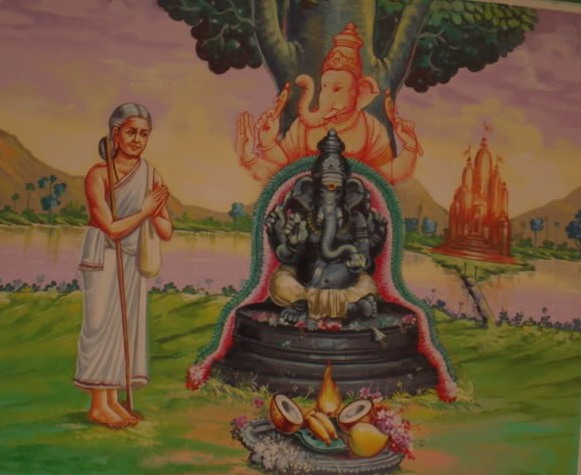
கிழப் பாட்டி ஒருத்தி. பாட்டி என்றால் காலை நீட்டிக் கொண்டு இருந்த இடத்திலேயே கிடப்பவள். ஆனால் இந்தப் பாட்டி அப்படி இல்லை. இவள் நின்ற இடத்தில் நிற்காமல் இந்தத் தமிழ்நாடு முழுக்கச் சுற்றிக்கொண்டே இருந்தாள். ஒரு குக்கிராமம் பாக்கியில்லாமல் ஊர் ஊராக, தெருத் தெருவாக ஓடிக்கொண்டேயிருந்தாள். அந்தப் பாட்டிக்கு அப்படி ஒரு உற்சாக சக்தி இருந்தது. பாட்டி விஷயம் இப்படி இருக்கட்டும்.
குழந்தை ஒன்று. ‘கஷுக் முஷுக்’ என்று நல்ல ஆரோக்கியமாக இருக்கிற குழந்தை அது. குழந்தை என்றால் பொதுவாக என்ன பண்ணும்? துள்ளி விளையாடும். ஒரு க்ஷணம்கூட இருந்த இடத்தில் இருக்காமல் ‘துரு துரு’ என்று ஓடிக்கொண்டேயிருக்கும். ஆனால் இந்தக் குழந்தை இதற்கு நேர்மாறுதல். உட்கார்ந்த இடத்தைவிட்டு அது அசைவதில்லை.
வேடிக்கையான பாட்டி. வேடிக்கையான குழந்தை! குழந்தை மாதிரி பாட்டி ஓடிக் கொண்டிருக்கிறாள். பாட்டி மாதிரி குழந்தை இருந்த இடத்தைவிட்டு நகராமல் உட்கார்ந்திருக்கிற‌து.
ஆனால் அந்த‌ப் பாட்டி த‌ள்ளாத‌ வய‌சிலும் அத்த‌னை உற்சாகத்தோடு ஓடி ஆடிக் கொண்டிருந்ததற்கு இந்தக் குழந்தைதான் கார‌ண‌ம். இந்த‌க் குழந்தை கொடுத்த‌ ச‌க்தியினால்தான் அவ‌ள் அவ்வ‌ள‌வு காரிய‌ம் செய்தாள்.
இந்த‌ப் பிள்ளை யார்?
“பிள்ளை” என்றாலே அவ‌ர்தான். ம‌ரியாதையாக‌ப் “பிள்ளையார்” என்கிறோமே, அவ‌ர்தான் அந்த‌க் குழ‌ந்தை. யாராவ‌து ஒருத்த‌ர் இட‌த்தைவிட்டு ந‌க‌ராம‌ல் இருந்தால் ‘க‌ல்லுப் பிள்ளையார் மாதிரி” என்று சொல்வ‌து வ‌ழ‌க்க‌ம்!
ச‌க‌ல‌ உல‌கங்க‌ளுக்கும் தாய் த‌ந்தையான‌ பார்வ‌தி ப‌ர‌மேச்வ‌ர‌ர்க‌ளின் மூத்த‌ பிள்ளை அவ‌ர். அத‌னால்தான் த‌மிழ் நாட்டில் அவ‌ரைப் “பிள்ளையார்” என்று சொல்கிறோம்.
ம‌ற்ற‌ இட‌ங்க‌ளில் இவ‌ரை க‌ணேஷ் (க‌ணேச‌ர்), க‌ண‌ப‌தி என்பார்க‌ள். சிவ‌பெருமானின் ப‌டைக‌ளுக்கு, பூதகணங்களுக்கெல்லாம் பிள்ளையார்தான் தலைவர், ஈச‌ர், ப‌தி. அதனால் க‌ணேச‌ர், க‌ண‌ப‌தி என்று பெய‌ர். இவ‌ருக்கு மேலே த‌லைவ‌ர் யாரும் கிடையாது. எல்லாவ‌ற்றுக்கும் முந்திய‌வ‌ராக‌, முத‌ல்வ‌ராக‌, மேலாக‌ இருப்ப‌வ‌ர் அவர். அவ‌ருக்கு மேலே இன்னொரு த‌லைவ‌ர் (நாய‌கர்) இல்லை. அத‌னால் ‘விநாய‌க‌ர்’ என்றும் பெய‌ர். ‘வி’ என்ப‌து சில‌ ச‌ம‌ய‌ங்க‌ளில் ஒன்றை உய‌ர்த்திக் காட்டுவ‌த‌ற்கும் சில‌ சம‌ய‌ங்க‌ளில் ஒன்றுக்கு எதிர்ம‌றையான‌தைக் (opposite) குறிப்பிட‌வும் வார்த்தைக்கு முத‌லில் வ‌ரும். இங்கே “நாய‌க‌ன் இல்லாத‌வ‌ர்” என்று எதிர்ம‌றையாக‌ வ‌ருகிற‌து. த‌ம‌க்குமேல் ஒரு நாய‌க‌ன் இல்லாத‌வ‌ர் என்று அர்த்த‌ம்.
அவ‌ர் செய்யாத‌ அநுக்கிர‌ஹ‌ம் இல்லை. குறிப்பாக‌, ந‌மக்கு வ‌ருகிற‌ விக்கின‌ங்க‌ளை எல்லாம் அழிக்கிற‌வ‌ர் அவ‌ர்தான். ஆகையால் ‘விக்நேச்வ‌ர‌ர்’ என்றும் அவ‌ரை சொல்கிறோம். எந்த‌ காரிய‌த்துக்கும் த‌டை வ‌ராம‌ல் இருப்ப‌த‌ற்காக‌வே முத‌லில் இவ‌ரை பிரார்த்திக்கிறோம். முத‌ல் பூஜை இவ‌ருக்குத்தான்.
க‌ஜ‌முக‌ன், க‌ஜ‌ராஜ‌ன் இப்ப‌டியெல்லாம் அவருக்குப் பெய‌ர் இருக்கிற‌து. யானை முக‌த்தோடு அவ‌ர் விள‌ங்குவ‌தால் இந்தப் பெய‌ர்க‌ள் வ‌ந்திருக்கின்ற‌ன‌.
யானைக்குத் தேக‌ப‌ல‌ம் மிக‌வும் அதிக‌ம். ஆனாலும் அது சிங்க‌ம், புலி போல் ம‌ற்ற‌ப் பிராணிக‌ளை ஹிம்சிப்ப‌தில்லை. ப‌ர்மா, ம‌லையாள‌ம் மாதிரி இட‌ங்க‌ளில் ஜ‌ன‌ங்க‌ளுக்காக‌ யானைக‌ள் தான் பெரிய‌ பெரிய‌ காரிய‌ங்க‌ளைச் செய்கின்ற‌ன‌. பிள்ளையாரும் இப்ப‌டித்தான் ரொம்ப‌ ச‌க்திவாய்ந்த‌வ‌ர்; ஆனாலும் அதைக் காட்டிக் கெடுத‌ல் செய்யாம‌ல் ந‌ம‌க்கெல்லாம் ந‌ன்மையே செய்துகொண்டிருப்பார். யானைக்கு புத்திகூர்மை, ஞாப‌க‌ச‌க்தி எல்லாம் மிக அதிக‌ம். பிள்ளையார் அறிவே வ‌டிவான‌வ‌ர்.
யானை என்ன‌ செய்தாலும் அழ‌காயிருக்கிற‌து. அது அசக்கி அச‌க்கி ந‌ட‌ப்ப‌து, சாப்பிடுவ‌து, காதை ஆட்டுவ‌து, தும்பிக்கையைத் தூக்குவ‌து – எல்லாமே பார்க்க‌ ஆன‌ந்த‌மாயிருக்கிற‌து. அத‌ன் முகத்தைப் பார்த்தாலே ப‌ர‌ம‌ சாந்தமாக இருக்கிற‌து. சின்ன‌ க‌ண்க‌ளான‌லும், அமைதியாக‌, அன்பாக‌ இருக்கின்ற‌ன‌. மிருக‌ வ‌ர்க்கத்தில் நாம் பார்த்துக்கொண்டேயிருப்ப‌து யானையைத்தான்.
ம‌னித‌வ‌ர்க்க‌த்தில் குழ‌ந்தை என்றால் அதைப் பார்த்துக் கொண்டே இருக்க‌ வேண்டும் போல் தோன்றுகிற‌து. கெட்ட‌ எண்ண‌மே இல்லாதது குழ‌ந்தை. ஆன‌ந்த‌மாக‌ விளையாடிக்கொண்டு இருப்ப‌து குழ‌ந்தை. அதைப் பார்த்தாலே நம‌க்கும் ஸந்தோஷ‌மாக‌ இருக்கிற‌து.
பிள்ளையார் யானைக்கு யானை; குழ‌ந்தைக்குக் குழ‌ந்தை. அதனால் அவ‌ரை எத்த‌னை பார்த்தாலும் போதும் என்ற‌ திருப்தி உண்டாவ‌தில்லை. க‌ள்ள‌ம் க‌ப‌ட‌ம் இல்லாத‌ குழ‌ந்தை ம‌னசு அவ‌ருக்கு. குழ‌ந்தை போல் ந‌ல்ல‌ உள்ள‌ம்; யானை மாதிரி தேக‌ பல‌ம், புத்தி கூர்மை; எல்லாவ‌ற்றுக்கும் மேலாக‌ தெவிட்டாத‌ அழ‌கு; ஆன‌ந்த‌ம் பொங்கிக் கொண்டிருக்கிற‌ ரூபம்.
சேராத‌தெல்லாம் அவ‌ரிட‌ம் ஸ்வபாவமாக‌ச் சேருகிற‌து. க‌ழுத்துக்கு கீழே குழ‌ந்தை; ம‌னித‌வ‌ர்க்க‌ம். மேலே முக‌ம் யானை; மிருக‌வ‌ர்க்க‌ம். ஆனால், அவ‌ர் வாஸ்த‌வ‌த்தில் தேவ‌வ‌ர்க்க‌ம். தேவ‌ர்க‌ளுக்குள் முத‌ல் பூஜை பெறும் தெய்வ‌மாக‌ இருக்கிறார்.
குழ‌ந்தையாக‌ இருந்துகொண்டே மஹா பெரிய‌ த‌த்வ‌ங்க‌ளுக்கு ரூப‌கமாக‌ (Personification) இருக்கிற‌ பிள்ளையாரிட‌ம் ப‌ல‌ தினுசான‌ மாறுபாடுக‌ள் (Contrasts). இதிலே ஓர் அழ‌கு. வித்தியாச‌மான‌தெல்லாம் அவ‌ரிட‌ம் சேர்ந்திருப்பதாலேயே அவ‌ரிட‌ம் எல்லாம் ஐக்கிய‌ம் என்றாகிற‌து. உதார‌ண‌மாக‌, ஒரு கையில் ஒடிந்த‌ த‌ந்த‌ம் என்றால், இன்னொரு கையிலே கொழுக்க‌ட்டை வைத்திருக்கிறார். அத‌ற்குள் தித்திப்பாக‌ இருக்கிற‌ வ‌ஸ்துவுக்குப் பெய‌ர் பூர்ண‌ம். பூர்ண‌ம் என்றால் முழுமை. ஒரு கையில் இருக்கிற‌ த‌ந்த‌ம் மூளி; இன்னொன்றிலோ முழுமை. எல்லாம் நிறைந்த‌ பூர‌ண‌ப் பொருள் பிள்ளையாரேதான். இதை அறிந்துகொள்வ‌துதான் பேரான‌ந்த‌ம். ஆன‌ந்த‌த்திற்கு இன்னொரு பேர் மோத‌ம், மோத‌க‌ம். கொழுக்க‌ட்டைக்கும் மோத‌க‌ம் என்றே பெய‌ர்.
இன்னொரு மாறுபாடு: பிள்ளையார் குழ‌ந்தை. அத‌னால் பிர‌ம்ம‌ச்சாரி. ஆனால் இவ‌ர் யானையாக‌ வ‌ந்து வ‌ள்ளியை விர‌ட்டிய‌தால்தான் அவ‌ள் ஸுப்ரம்ம‌ண்ய‌ ஸ்வாமியை க‌ல்யாண‌ம் செய்துகொண்டாள்! இன்றைக்கும் க‌ல்யாண‌ம் ஆக‌வேண்டுமானால் இந்த‌ க‌ட்டைப் பிர‌ம்ம‌ச்சாரியை வேண்டிக்கொள்கிறார்க‌ள். இத‌ற்கு என்ன‌ அர்த்த‌ம்? அவ‌ர் இருக்கிற‌ நிலையில் அவ‌ருக்கு வேண்டாத‌தையெல்லாம் கூட‌, அவ‌ர் நிலைக்கு மாறாக‌ இருக்கிற‌ ந‌ம‌க்குப் ப‌ர‌ம‌ க‌ருணையோடு கொடுத்துக் கொஞ்ச‌ம் கொஞ்ச‌மாக‌ தூக்கிவிடுக்கிறார்.
‘க‌ல்லுப் பிள்ளையார்’ என்ப‌த‌ற்கேற்கத் தாம் உட்கார்ந்த‌ இட‌த்தைவிட்டு அசையாம‌லே இருந்தாலும் ப‌க்த‌ர்க‌ளை ஒரே தூக்காக‌ தூக்கி உச்ச‌த்தில் சேர்த்து விடுவார். அவ்வையாரை இப்ப‌டிததான் க‌டைசியில், தாம் இருக்கிற‌ இட‌த்திலிருந்தே தும்பிக்கையால் ஒரு தூக்குத் தூக்கி கைலாஸத்திலேயே கொண்டு சேர்த்து விட்டார்!
பிள்ளையாரைப் பார்க்க‌ப் பார்க்க‌ ந‌ம‌க்கு மேலே மேலே இப்ப‌டிப் ப‌ல‌ த‌த்துவ‌ம் தோன்றுகிற‌து. இதுவும் ந‌ம் அறிவின் அள‌வுக்கு எவ்வ‌ள‌வு எட்டுகிற‌தோ அவ்வ‌ள‌வுதான். வாஸ்த‌வ‌த்தில் ந‌ம‌க்குத் தெரிவ‌த‌ற்கும் அதிக‌மாக‌, அவ‌ரிட‌ம் பெருமைக‌ள் அள‌விட‌ முடியாம‌ல் இருக்கின்ற‌ன‌.
‘குழ‌ந்தையும் தெய்வ‌மும் கொண்டாடும் இட‌த்திலே’ என்பார்க‌ள். தெய்வ‌மே குழ‌ந்தையாக‌ வ‌ந்துவிட்ட‌து பிள்ளையாரில். அத‌னால் குழ‌ந்தை ஸ்வாமியாக‌க் கொண்டாடுகின்ற‌ த‌மிழ்நாட்டில், ஒரு மூலை முடுக்கு பாக்கி இல்லாம‌ல் எங்கு பார்த்தாலும் உட்கார்ந்து கொண்டு அநுக்கிர‌ஹ‌ம் ப‌ண்ணிக் கொண்டிருக்கிறார்.
அவ‌ர் செய்த‌ அநுக்கிர‌ஹ‌த்தினால்தான் அந்த‌ப் பாட்டி தமிழ் நாடு முழுவதும் ஓடிக்கொண்டிருந்தாள்.
அந்த‌ப் பாட்டி யார் என்றால், அவ‌ள்தான் அவ்வையார்.     பிள்ளையார் – அவ்வையார்.!
Source….Input from a friend of mine
natarajan

சென்னை டா! …. இது நம்ம சென்னை டா!!!!

chennai day

கி.பி. 1639 ல் இதே ஆகஸ்டு 22 ஆம் நாள் தான் பிரான்சிஸ் டே  மதராஸபட்டினத்தை விஜயநகர மன்னரின் ஆளுகையின் கீழிருந்த வந்தவாசி பகுதியின் பிரதிநிதி  தாமர்ல வேங்கடபதியிடம் இருந்து சொற்பத்  தொகைக்கு விலைக்கு வாங்கினார். சென்னைப்பட்டினம் விலைக்கு வாங்கப் பட்ட அந்த நாளை  ஒட்டி  அடிப்படையில் சென்னைவாசியான பத்திரிகையாளர் வின்சென்ட் டிசோசா மற்றும் வரலாற்று ஆசிரியர் எஸ்.முத்தையா இருவரது முயற்சியால் ‘சென்னை ஹெரிடேஜ் பவுண்டேஷன்’ மூலமாக 2004 ஆம் ஆண்டு ஆகஸ்டு 22 ஆம் நாள் ’சென்னை டே’ வாக அறிவிக்கப் பட்டு ஒவ்வொரு வருடமும் ’சென்னை டே’ கொண்டாடப்பட்டு வருகிறது.

இந்த வருடமும் சென்னை மக்கள் ‘சென்னை டே’ வைத் தங்களுக்குப் பிடித்தமான விதவிதமான வகைகளில் கொண்டாடித் தீர்த்து விட்டார்கள். சென்னைக்குள் கொண்டாட சென்னையைக் கொண்டாட விஷயங்களா இல்லை?! ஒன்றா இரண்டா நினைத்து நினைத்து ரசிக்க எத்தனை எத்தனை விஷயங்கள்!

50 களின் பழைய ஓரணா நாணயங்கள் முதல் 60 களின் கிராமஃபோன் ரிகார்டுகள், பிரிட்டிஷ் காலத்தில் கட்டப்பட்டு இன்று வரை பயன்பாட்டில் இருக்கும் சென்னை கார்ப்பரேஷன் ரிப்பன் மாளிகை, இன்றும் பழமை விரும்பிகளின் புராதன சேகரிப்பில் பெருமிதம் காட்டும் கிரஹாம்பெல் காலத்திய கையால் சுழற்றப்படும் டயல் டெலிபோன்கள், காசிமேட்டின் கட்டுமரங்கள்,மோட்டார் போட்டுகள், சென்னை வாழ் மக்களின் சந்தோசம், துக்கம், வருத்தம், கொண்டாட்டம் அனைத்துக்கும் தோன்றாத்துணை நிற்கும் ஈடு இணையற்ற மெரினா பீச், சற்று முரட்டுத்தனமாக தோற்றமிருப்பினும் பெரும்பாலும் நட்பு முகம் காட்டும்  சென்னை ஆட்டோக்காரர்கள், ஒவ்வொரு நாளின் அதிகாலையிலும் சென்னைத் தெருக்களை நிரப்பி அவசர அவசரமாக சைக்கிளிலிருந்தவாறு  செய்தித்தாள்களை விசிறியடித்துச் செல்லும் பேப்பர் பையன்கள், சரவண பவன் சாம்பர் இட்லி, நெய் ரோஸ்ட்,  கிருஷ்ணா சுவீட்ஸ் மைசூர் பாகு அடடா  சொல்லித் தீராது இன்னுமிருக்கிறது!

மக்கள் கூடும் இடமெங்கும் குளுமையாய்  கடை விரிக்கும்  இளநீர் வியாபாரிகள், சுடச் சுட ஃபில்டர் காப்பி, இனிக்க இனிக்க கரும்பு ஜூஸ், நினைவுகளை கிளறிச் செல்லும் அண்ணா மேம்பாலம், ஜெமினி மேம்பாலம், சதா காதோடு உரசியவறு கதை பேசிக் கடக்கும் எலக்ட்ரிக் டிரெயின் சகட ஓசைகள், அத்தனைக்கும் அப்பால் என்றென்றைக்கும் சென்னைக்கு அதன் உயிர்ப்பான வண்ணம் அளிக்கத் தயங்காத குடிசை மாற்று வாரிய பகுதிகளின் குஷியான குழந்தைப் பட்டாளங்கள்.

இன்னும்…இன்னும் இன்னுமிருக்கிறதே சொல்ல… சென்னைச் சாலைகளின் மீன்பாடி வண்டிகள், இந்தியாவின் அத்தனை மாநிலங்களில் இருந்தும் இங்கே பிழைப்பிற்காக வந்தாலும் தமது மரபை விடாது தினுசு தினுசாக தலைப்பாகை கட்டிய பல இனத்து இளையவர்கள், முதியவர்கள், எப்போதும் ஜனங்களின் சல சலப்பில் திருவிழா மூடில் கல கலக்கும் தி.நகர் ரங்கநாதன் தெரு, வெளிநாட்டினரும் வந்து கைகளால் பிசைந்து அள்ளி உண்வருந்த விரும்பும் திருவல்லிகேணி காசி விநாயகா மெஸ், பூ கட்டும் வித்தை கற்க விரும்பும் மயிலை கபாலி கோயில், இன்றைக்கு இடிக்கப்பட்டு விட்டாலும் சென்னையின் அடையாளங்களில் ஒன்றாக எப்போதும் மக்களின் மனதில் மறவாது இடம் பிடிக்கும் கடற்கரை சீரணி அரங்கம். எல்.ஐ.சி கட்டிடம், சாந்தோம் சர்ச்… கடவுளே!

லிஸ்ட் இன்னும் முடிந்தபாடில்லை சென்னை என்றதும் பழமையும் புதுமையாக நம் மனம் நிறைக்கும் ஞாபகங்கள் தான் எத்தனை எத்தனை?! சென்னை வாழ் மக்களுக்கும் சரி இங்கே வந்து செல்லும் அயல் மாநிலத்து  அல்லது அயல் நாட்டு விருந்தினர்களுக்கும் சரி சென்னை எப்போதும்  தன் கலாச்சார அடையாளங்களை இழக்க விரும்பாத அதே சமயம் புதுமைகளையும் பெருமிதத்தோடு  அரவணைத்துக் கொள்ளும் நவ நாகரீக யுவதியாகவே காட்சியளிக்கிறது. இந்த நகரத்துக்குள் ஒரு முறையேனும்  வந்து போன ஒவ்வொருவருக்குள்ளும் உள்ளன்போடு கூடிய தோழமையை, இதுவும் எனது சொந்த வீடென எண்ணிக் கொள்ளும் நெருக்கத்தை இந்த நகரம் தன் இரு கரங்களிலும் அள்ளி அள்ளி வழங்கி இருக்கிறது என்பதற்கு நீடித்த சாட்சியங்களாக நிற்பவை தான் மேலே சொல்லப்பட்ட அத்தனை அடையாளங்களும். அதனால் மட்டுமே கடும் போக்குவரத்து நெரிசல், சுழற்றி அடித்த சுனாமி, மீட்டெடுக்க முடியாத மழைக்கால கோர இழப்புகள் போன்ற சென்னையின் சில விரும்பத் தகாத அம்சங்களையும் கூட மக்கள் சகித்துக் கொள்ளப் பழகி விட்டனர். அந்தக் குறைகளும் நிவர்த்தி செய்யப்படுமானால் சென்னை எப்போதும் சிங்காரச் சென்னை தான். கபாலி ஸ்டைலில் சொல்ல வேண்டுமென்றால் “இது சென்னை டா! நம்ம சென்னை டா” .

சென்னையின் பல்வேறு வண்ணம் காண  கீழே உள்ள வீடியோ இணைப்புகளை கிளிக்குங்கள்…

https://youtu.be/GuPcXuwXhbU

சர்ஃப் எக்ஸெல் விளம்பரத்தில் வரும் பாட்டி சொல்வது போல குளிக்க, துவைக்க, சாப்பிட, சுத்தம் செய்ய என  எல்லா வேலைகளுக்கும் இந்தியர்களான  நாம் நமது கைகளையே பயன்படுத்துகிறோம், இது வெளிநாட்டினருக்கு எப்போதும் ஆச்சர்யம் தரும் விசயம். கீழே உள்ள வீடியோ இணைப்பில் சென்னை டே வை முன்னிட்டு திருவல்லிக்கேணி காசி விநாயகா மெஸ்ஸில்  வெளிநாட்டுக் குடும்பம் ஒன்று நமது இந்தியச் சாப்பாட்டை கைகளால்  பிசைந்து ரசித்து ருசித்து உண்பதைப் பாருங்கள்.

மயிலை கபாலி கோயிலில் பூ கட்ட கற்றுக் கொள்ளும் வெளிநாட்டுப் பெண்.


Source….By கார்த்திகா வாசுதேவன்  in  www.dinamani.com

Natarajan

The end of an era: Iconic Indian brands and establishments which shut shop…


Till recently, one of the most delightful moments on a train journey through the western suburbs of Mumbai, was passing through Vile Parle station and inhaling the delicious baking smells that used to waft in to the train. The aroma was that of the Parle G biscuits being baked at the Parle factory, located near the station. But, with the closure of the iconic 87 year old factory, came an end to a fragrant era. While, Parle G will continue manufacturing its much loved biscuits from its other factories across the country, the Parle factory at Vile Parle would be deeply missed.

Over the recent years, a number of iconic Indian establishments and brands have shut shop or stopped production across the country, due to legal issues, falling sales, competition, or not being able to stand up to the times. While modern businesses constantly fold up, and not much thought is given to them, these are icons that have served the country for decades, and have left behind nostalgic memories. We pay tribute to some of them:

HMT watches: Much before Titan, Swatch, Omega, Casio, and the rest of the popular watch brands told time, HMT adorned our wrists and dominated the watch market. The watch maker set up its first factory in Bangalore in 1961, in collaboration with Japan’s Citizen Watch Co, and the first batch of the Hand Wound Wrist Watches manufactured by HMT, was released by the then PM Jawaharlal Nehru. The watches continued to be an integral part of the average Indian attire in the 60’s, 70’s and 80’s until competition and technological changes led to the watch maker facing growing losses. HMT Watches finally chimed its last in May, this year as it shut down its last manufacturing unit in Tumakuru.

Gold Spot: When foreign brands such as Coca Cola and PepsiCo exited the Indian market in the late 1970s, because the Foreign Exchange Regulation Act (FERA) was making it difficult for them to continue in the country, Parle decided to launch its own line of soft drinks. Gold Spot, with the tag line ‘The Zing Thing’, was one of them. The drink, along with Limca and Thumbs Up, gained popularity in the country, and was much sought after by youngsters, and the older generation alike. With the re-entry of Coca Cola in the 1990’s, came the slow decline of the soft drinks. Parle sold its soft drinks to Coca-Cola in 1993, and, while the other two ( Limca and Thumbs Up) still remain in the market, the much loved Gold Spot was withdrawn to make space for Fanta.

Rhythm House: With the shutting of Mumbai’s Rhythm House came the end of a golden era for music lovers and city dwellers. The shop, which was established in 1948, offered its patrons a wide collection of Indian and western music, across all genres – filmy, non-filmy, classical and modern. Customers and passersby would walk in to browse through the albums of their favourite artists. And, if they could not find what they were looking for, it would be ordered for them. But, with the advent of technology, MP3s, downloadable music and Apple’s Music Store, the music shop started to feel the heat. After facing much losses and trying to stay afloat, it finally downed its shutters in March, 2016.

Ghantewala Sweets: A sweet shop that dated back to 1790, The Ghantewala Halwai had among its distinguished clientele emperors, Prime Ministers and Presidents, along with the common man. Set up by Lala Sukh Lal Jain, a small time sweet maker from Rajasthan, Ghantewala Sweets, in Delhi’s Chandni Chowk, the sweet shop earned its name from when Jain started off by selling the sweets on a brass plate, balanced on his head, ringing a brass bell. As his business grew, Jain built a shop, which continued growing in fame. Known for its Sohan Halwa, the shop has even played a role in BR Chopra’s 1954 film, Chandi Chowk, where a replica was created in Mumbai. However, legal and licensing problems, as well as the changing customer tastes, led to the closure of the sweet shop in July, last year.

Vijayanand Talkies: The historic cinema house where the Father of Indian cinema, Dadasaheb Phalke used to screen his motion pictures using a projector, finally downed its curtains in November, 2015. Vijayananad Talkies, located in Nashik, was one of the few remaining single screen cinemas of its generation, and had been conferred the ‘Oldest Exhibitor in India’ Award by the President in 2013 for being one of the longest operating cinema hall in the country. The historical Talkies had to shut shop due to non-renewal of its license by the government.

Ambassador cars: Once the car that India drove – from the politicians in their ostentatious white, beaconed cars, to the taxi drivers in their kaali peeli ones, the Ambassador was known for its sturdy body and powerful engine. The original made in India car was modeled on the Morris Oxford series III, and was in production from 1958. The once ubiquitous Ambassador had even been crowned the best taxi in the world by BBC’s Top Gear programme. The car zoomed in popularity through the 60’s and 70’s, until the Maruti Suzuki 800 brought its low cost car into the country. The opening up of the automobile sector and the entry of numerous other auto brands into the country led to its demise, with Hindustan Motors halting production in 2014.

AA Husain & Co: The go-to place for book lovers in Hyderabad, AA Husain & Co, which was started more than 65 years ago, shut shop in March, 2015. The much-loved book store, which saw the likes of painter MF Hussain, actors Dilip Kumar and Suresh Oberoi, and cricketer Sunil Gavaskar as its patrons, was closed down to make way for a mall which is being built on the Arasu Trust Complex, a Waqf property that housed the shop. The bookstore was started by Abid Asgar Husain, a surgeon of the 6th Nizam, in the mid-1940s, as a store for imported products. It was converted into a bookstore in 1949 by Asif Husain Arastu, his son.

Cafe Samovar: It was with tears that many of its loyal patrons bid the legendary cafe goodbye in March, last year. Surrounded by history and culture, the five-decade-old Cafe Samovar, situated in the Jehangir Art Gallery, with landmarks such as Chhatrapati Shivaji Museum, the Kala Ghoda square, David Sassoon Library and Lion Gate, within walking distance, was a popular haunt among city’s intellectuals, students and general public. Opened by Usha Khanna, the niece of noted Indian actor Balraj Sahni, the Cafe was especially known for its pudina chai and pakoda platter, and any food that came cold or was spilled, would be replaced free of cost. The Cafe had to down its shutters since the Jehangir Art Gallery has been looking to expand its space.

Source….www.in.news.yahoo.com

Natarajan

From Golconda to Kandahar to London: The Journey of the Fabled Kohinoor Diamond…!!!


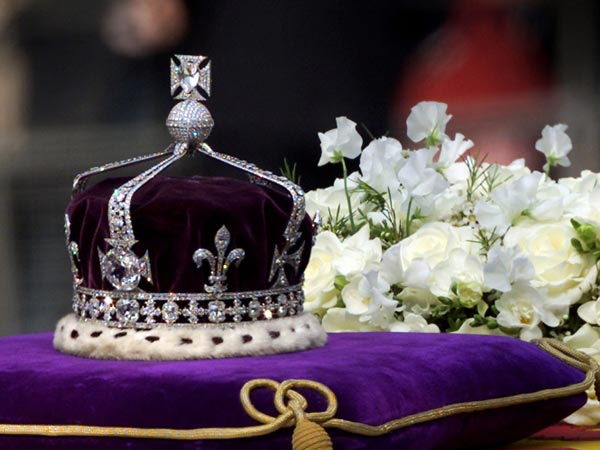
Described by the Mughal Emperor Babur as ‘Worth the value of one day’s food for all the people in the world‘, Kohinoor is one of the most coveted and valuable diamonds of all times. This dazzlingly beautiful rare jewel has been in the eye of the storm ever since it left the hands of its original owners, the Kakatiyas of Warangal. Never bought or sold, the fabled diamond changed many hands as it traveled through several dynasties that included the Khiljis, the Mughals, the Persians, the Afghans and the British before ending up at the Tower of London.

kohinoor_diamond1

This is the intriguing story of its eventful journey.

Photo Source

The Kohinoor has a complex history that goes back to the 13th century. A large colourless diamond that weighed around 793 carats, Kohinoor originated in India’s Golconda mines when they were under the rule of the Kakatiya dynasty.

Legend has it that it was used as an eye of the deity in a Kakatiya temple in Warangal in 1310.

In the early 14th century, Alauddin Khilji, second ruler of the Khilji dynasty of the Delhi Sultanate, and his army began looting the kingdoms of southern India. During a raid on Warangal, Malik Kafur (Khilji’s general) acquired the priceless diamond for the Khilji dynasty. It was then passed on to the succeeding dynasties of the Delhi Sultanate.

In 1526, Babur handed a resounding defeat to Ibrahim Lodi at the Battle of Panipat. The victorious Babur received reports that the Fort of Agra housed an immense treasure, which included a diamond that defied all description. Enraptured by the jewel on its acquisition, Babur called it the ‘Diamond of Babur’ and even mentioned it in his memoir, the Baburnama.

After Babur’s death, the precious stone was inherited by his son Humayun from whom it passed on to successive generations of Mughal rulers, including Shah Jahan, who set the priceless gem in his legendary Peacock throne.

Later, when he was imprisoned in the Agra Fort by his son Aurangzeb, Shah Jahan used to see the reflection of the Taj Mahal in the glittering jewel, placed near a window.

It was in Aurangzeb’s reign that Tavernier, an enterprising French traveller and gem connoisseur, visited India in the search of rare and wonderful gems. Having been shown the diamond by Aurangzeb, Tavernier made the first sketch of Kohinoor in history.

Aurangzeb also entrusted the work of cutting and enhancing the diamond to Hortenso Borgia, a Venetian lapidary (gem artist) so clumsy that he reduced the weight of the stone from 793 carats to 186 carats. So enraged was Aurangzeb at the carelessness and stupidity of the lapidary, that not only did he refuse to compensate him for his labour, but he also confiscated all of Borgia’s worldly possessions.

During the rule of Aurangzeb’s grand son Muhammad Shah in 1739, Delhi was invaded by Nadir Shah, the Shah of Persia. His army looted all the jewels in the royal Mughal treasury, which also included the famous Peacock Throne, and Daria-i-noor, the sister diamond of the Kohinoor. However, the Kohinoor was nowhere to be seen. How Nadir Shah acquired the Kohinoor is a very interesting story.

Muhammad Shah used to carry the prized diamond with him hidden in the folds of his turban, a secret known only to a selected few, including a eunuch in the harem of the Emperor. Hoping to win the favor of the victorious Nadir Shah, the disloyal eunuch whispered the emperor’s secret into his ears. Devising a plan to deprive Muhammad Shah of his prized possession., Nadir Shah ordered a grand feast to coincide with the restoration of Muhammad Shah to his throne.

During the feast, Nadir Shah proposed an exchange of turbans as a gesture of eternal friendship and Muhammad Shah, unable to refuse the gesture, had to hand over his turban. After the ceremony, Nadir Shah returned to his private chambers where he eagerly unfolded the turban to find the diamond concealed within. Dazzled by its beauty, he exclaimed ‘Koh-i-noor‘, which in Persian means mountain of light. One of Nadir Shah’s consort, wonder struck by the Kohinoor, had said,

“If a strong man were to throw four stones, one north, one south, one east, one west, and a fifth stone up into the air, and if the space between them were to be filled with gold, all would not equal the value of the Kohinoor.”

Nadir Shah was assassinated soon after he returned to Persia and the diamond fell into the hands of Ahmad Shah Abdali, one of his ablest generals, who later became the Emir of Afghanistan.

A descendant of Abdali, Shah Shuja Durrani brought the Kohinoor back to India in 1813 and gave it to Ranjit Singh,the ruler of Lahore, in exchange for his help in winning back the throne of Afghanistan.

Ranjit Singh , the founder of the Sikh empire, had the prized jewel sewn into an armlet, which he wore on all the important state occasions. It remained with him for the next twenty years. Ranjit Singh had willed the diamond to the temple of Jagannath in Puri, in modern-day Odisha, but after his death in 1839, the East India Company did not comply with the terms of his will.

His son, Duleep Singh lost the second Anglo-Sikh War leading to the annexation of the Punjab by the British. Under the aegis of Lord Dalhousie, the Last Treaty of Lahore was signed, officially ceding the Kohinoor to Queen Victoria along with the Maharaja’s other assets. The treaty specified,

“The gem called Kohinoor which was taken from Shah Shuja-ul-Malik by Maharaja Ranjit Singh shall be surrendered by the Maharajah of Lahore to the Queen of England.”

On 6 April 1850, the Kohinoor left the shores of India on board of the HMS Medea. So shrouded in mystery was its departure that even the Captain of the ship did not know the priceless cargo his ship carried.

n a grand event organized in Hyde Park in London, the Kohinoor was formally handed over to Queen Victoria by the officials of the East India Company.

Disappointed by its Mughal-style cut, the Queen, along with Prince Albert and others in the court, decided to refashion the diamond to enhance its brilliance. The re-cutting of the Kohinoor, that took a mere 38 days and costed £8000, resulted in an oval brilliant that weighed 108.93 carat. Despite the efforts of the Dutch jeweler, Mr Cantor, the results reduced the diamond drastically in weight. In 1853, it was mounted on a magnificent tiara for the Queen that contained over two thousand diamonds.

Queen Victoria wore the diamond frequently afterwards and left it in her will that the Kohinoor should only be worn by a queen of the royal family. This was due to rumour of an ancient curse associated with the Kohinoor that said,

“He who owns this diamond will own the world, but will also know all its misfortunes. Only God, or a woman, can wear it with impunity.”

As a result, the diamond is worn only by the female members of the British Royal Family. Since getting into British hands, the Kohinoor was been worn by Queen Victoria, Queen Alexandra, Queen Mary and Queen Elizabeth.

It is now displayed along with the other British crown jewels in the Tower of London. Crystal replicas of the diamond set in the oldest crowns as well as the original bracelet given to Queen Victoria can also be seen at the Tower’s Jewel House.

During the Second World War, the Crown Jewels were moved from their home at the Tower of London to a secret location. The biography of the French army general, Jean de Lattre de Tassigny, by his widow Simonne says that George VI hid the Kohinoor at the bottom of a lake near Windsor Castle where it remained until after the war. The only people who knew of the hiding place were the king and his librarian, who apparently revealed the secret to the general and his wife on their visit to England in 1949.

The subject of bitter battles and court intrigues, today Kohinoor casts its brilliance on the millions of tourists who, for the most part, are unaware of its long history in shaping the destinies of men.

Source…..www.the betterindia.com

natarajan