First Recorded public version on a Gramophone Plate…First Sloka in Rig Veda !!!


Something Surprising..

His Masters Voice (HMV) had once published a pamphlet giving the history of gramophone record.
Gramophone was invented by Thomas Alva Edison in the 19th century.
Edison, who had invented many other gadgets like electric light and the motion picture camera, had become a legend even in his own time.

When he invented the gramophone record, which could record human voice for posterity, he wanted to record the voice of an eminent scholar on his first piece.
For that he chose Prof. Max Muller another great personality of the 19th century.
He wrote to Max Muller saying,
“I want to meet you and record your voice. When should I come?”
Max Muller who had great respect for Edison asked him to come on a suitable time when most of the scholars of the Europe would be gathering in England.

Accordingly, Edison took a ship and went to meet Max Muller .
He was introduced to the audience.
All cheered Edison’s presence.
Later at the request of Edison, Max Muller came on the stage and spoke in front of the instrument.
Then Edison went back to his laboratory and by afternoon came back with a disc.
He played the gramophone disc from his instrument.
The audience was thrilled to hear the voice of Max Muller from the instrument.
They were glad that voices of great persons like Max Muller could be stored for the benefit of posterity.

After several rounds of applause and congratulations to Thomas Edison, Max Muller came to the stage and addressed the scholars and asked them,
“You heard my original voice in the morning. Then you heard the same voice coming out from this instrument in the afternoon. Do you understand what I said in the morning or what you heard in the afternoon?”

The audience fell silent because they could not understand the language in which Max Muller had spoken.
It was ‘Greek and Latin’ to them as they say.

But had it been Greek or Latin, they would have definitely understood because they were from various parts of Europe.
It was in a language which the European scholars had never heard.

Max Muller then explained what he had spoken.
He said that the language he spoke was Sanskrit and it was the first sloka of Rig Veda, which says “Agni Meele Purohitam”

This was the first recorded public version on the gramophone plate.

अग्निमीळे पुरोहितं यज्ञस्य देवं रत्वीजम।
होतारं रत्नधातमम।।
(Rig Veda 1.001.01)

Why did Max Muller choose this?

Addressing the audience he said,
“Vedas are the oldest text of the human race. And “Agni Meele Purohitam” is the first verse of Rig Veda.
In the most primordial time, when the people did not know how even to cover their bodies and lived by hunting and housed in caves, Indians had attained high civilization and they gave the world universal philosophies in the form of the Vedas”

When “Agni Meele Purohitam” was replayed, the entire audience stood up in silence as a mark of respect.

The verse means :
“Oh Agni, You who gleam in the darkness, to You we come day by day, with devotion and bearing homage. So be of easy access to us, Agni, as a father to his son, abide with us for our well being.”

Source…..Input from a friend of mine

Natarajan

Message for the Day…” Emulate Rama and transform yourselves by following the path of Love …”

God descends and takes on the human form only to change the lives of humans by His own example. Only humans descend to the depths of degradation by their utter disregard of their dharma (code of conduct) and Divinity. Birds and beasts firmly adhere to their own respectivedharmas. There is no need for the Avatar to arise amongst birds and beasts since dharma has not declined in them. Lord Krishna declared, “I come down for the protection of the good” (Paritranaya sadhunam). God always protects the virtuous. There is no use merely lisping Rama’s name. Emulate Rama and transform yourselves by following the path of Love. However deep and great your scholastic eminence may be, one cannot achieve anything without undergoing the transformation of the mind.

SI_20160430

“ஆழமான இடத்தில் அதிக நீர் தங்கும் …ஆத்மார்த்தமான உள்ளத்தில் பகவான் தங்குவார் …”

album1_22கடமையைச் செய்… பலனை எதிர்பார்க்காதே.’

– இது பகவான் கிருஷ்ணன் சொன்னது.

அதுபோல் தெய்வங்களிடமும், மகான்களிடமும் பிரார்த்தனைகளை வைப்பதோடு நம் வேலை முடிந்து விட்டது. ‘பிரார்த்தனை வைத்தோமே… நாம் வணங்குகிற கடவுள் இதை எப்போது நிவர்த்தி செய்வார்? நாம் கும்பிடுகிற மகான் இதை எப்போது நிறைவேற்றி வைப்பார்?’ என்று எதிர்பார்த்துக் கொண்டிருக்கக் கூடாது.

ஆழமான இடத்தில்தான் நீர் அதிகம் தங்கும்.

ஆத்மார்த்தமான உள்ளத்தில்தான் பகவான் தங்குவார்.

நம் பிரார்த்தனை நியாயமாக இருந்தால், அவற்றை தெய்வங்களிடமோ மகான்களிடமோ சொல்ல வேண்டும் என்கிற அவசியம் இல்லை. அதை அவர்களாகவே தங்களது தீர்க்க தரிசனத்தின் மூலம் உணர்ந்து எப்போது நிறைவேற்ற வேண்டுமோ, அப்போது நிறைவேற்றி விடுவார்கள்.

காஞ்சி மகா பெரியவாளின் அனுக்ரஹத்துக்கு உள்ளான பக்தர்களுக்கு இது நன்றாகவே தெரியும்.

அந்த மகானின் அன்புக்கும், கருணைக்கும் கட்டுப்பட்ட பக்தகோடிகள் இவரது தரிசனத்தையே மாபெரும் வரப்ரசாதமாக எண்ணுவார்கள்.

அது 1991-ஆம் வருடம்… மகா பெரியவா முதுமைக் காலத்தில் இருந்தார். பக்தர்களுக்கு அதிக தரிசனம் அப்போது இல்லை.

அன்றைய தினம் விசேஷமாக மகா பெரியவா பக்தர்களுக்கு தரிசனம் தந்து கொண்டிருந்தார்.

ரொம்ப நாள் கழித்துப் பெரியவா தரிசனம் தரப் போகிறார் என்பதற்காக அன்றைய தினம் மகா பெரியவாளைத் தரிசிக்க எண்ணற்ற பக்தர்கள் வந்திருந்தனர்.

குழந்தைகளில் இருந்து முதியோர் வரை எல்லா தரப்பினரும் ஸ்ரீமடத்தில் திரண்டிருந்தனர்.

பிரார்த்தனை எதுவும் இல்லாமல் இன்றைக்குக் கோயில்களுக்குச் செல்வோரையும், மகான்களின் அதிஷ்டானம் செல்வோரையும் காண்பது மிகவும் அரிதாகி விட்டது.

அன்றைய தினமும் அப்படித்தான். மகா பெரியவாளைத் தரிசிக்கக் கூடி இருந்த பக்தர்களுள் பலரது முகத்தில் ஏதோ எதிர்பார்ப்புகள். வேண்டுதல்கள்.

அவரவர்கள் தங்களால் இயன்ற காணிக்கைகளைக் குருவுக்கு சமர்ப்பிக்க வேண்டும் என்று வாங்கிக் கொண்டு வந்திருந்தார்கள். அவற்றில் பழங்கள், உலர்வகை பழங்கள், முந்திரி, வில்வ மற்றும் துளசி மாலைகளும் அடங்கும்.

பக்தர்களோடு பக்தராக அங்கே கலந்து ஓர் ஓரமாக நின்று கொண்டிருந்தனர், நாராயணன் – வைதேகி தம்பதியர். சென்னையில் வசிப்பவர்கள். நாராயணன் உத்தியோகஸ்தர்.
நாராயணனது இடுப்பில் அவர்களது ஒண்ணரை வயது பெண் குழந்தை நிதர்சனா அப்பாவின் கழுத்தைக் கட்டிக் கொண்டிருந்தது.

விழிகளை உருட்டி உருட்டி அங்குமிங்கும் பார்த்துக் கொண்டிருந்தாள். புதுப் புது மனிதர்களே எங்கும் தென்பட்டதால், குழந்தையின் முகத்தில் ஒரு மிரட்சி தெரிந்தது.

‘மகா பெரியவா அருகே செல்ல வேண்டும்… அந்த மகானிடம் தங்களது பிரார்த்தனையைச் சொல்ல வேண்டும்’ என்பது இந்தத் தம்பதியர்களின் விருப்பமாக இருந்தது.

ஆனால், அன்றைக்குக் கூடி இருந்த பக்தர்கள் கூட்டத்தில் இவர்களால் ஒரு இஞ்ச் கூட முன்னேறிச் செல்ல முடியாத சூழ்நிலை.

எனவே, தாங்கள் இருந்த இடத்தில் இருந்தபடியே மகா பெரியவாளின் திருமுக தரிசனத்தை எம்பி எம்பிப் பார்த்து கன்னத்தில் போட்டபடி இருந்தனர்.

‘‘ஏங்க, கூட்டம் இவ்ளோ இருக்கே… நிதர்சனாவைப் பெரியவாகிட்ட கூட்டிண்டு போய் காட்ட முடியுமாங்க? அந்த தெய்வத்தின் அனுக்ரஹப் பார்வை இவ மேல் திரும்புமாங்க?’’ என்று வைதேகி, நாராயணனைப் பார்த்து ஏக்கத்துடன் கேட்டாள்.

‘‘இன்னிக்கு அந்த மகானோட அனுக்ரஹம் கிடைக்கணும்னு நமக்கு விதி இருந்தா கிடைக்கும். பார்ப்போம், குருவோட பார்வை நம்ம மேல திரும்பறதானு…’’ என்று மகா பெரியவாளையே வைத்த கண் வாங்காமல் பார்த்தபடி உருக்கத்துடன் சொன்னார் நாராயணன்.


‘‘ஏங்க, கூட்டம் இவ்ளோ இருக்கே… நிதர்சனாவைப் பெரியவாகிட்ட கூட்டிண்டு போய் காட்ட முடியுமாங்க? அந்த தெய்வத்தின் அனுக்ரஹப் பார்வை இவ மேல் திரும்புமாங்க?’’ என்று வைதேகி, நாராயணனைப் பார்த்து ஏக்கத்துடன் கேட்டாள்.

‘‘இன்னிக்கு அந்த மகானோட அனுக்ரஹம் கிடைக்கணும்னு நமக்கு விதி இருந்தா கிடைக்கும். பார்ப்போம், குருவோட பார்வை நம்ம மேல திரும்பறதானு…’’ என்று மகா பெரியவாளையே வைத்த கண் வாங்காமல் பார்த்தபடி உருக்கத்துடன் சொன்னார் நாராயணன்.

வந்திருந்த பக்தர்கள் ஒவ்வொருவருக்கும் அவரவர்களது பிரார்த்தனையை மகானிடம் சென்று சொல்ல வேண்டும்… இதற்கு சாதகமாக ஒரு அருளாசி அவரிடம் இருந்து பெற வேண்டும் என்று இருந்ததே தவிர, தரிசனத்துக்காகக் காத்திருக்கும் குழந்தைகளுக்கோ, பெரியோர்களுக்கோ ஒரு முன்னுரிமை கொடுத்து அவர்களை முதலில் அனுப்ப வேண்டும் என்று யாருக்கும் கவலை இல்லை. அப்படிப்பட்ட எண்ணமும் இல்லை.

மகானின் சந்நிதி முன்னாலும், எல்லோரும் சுய நலத்துடன் காணப்பட்டார்கள்.

மகா பெரியவா அருகே வரும் பக்தகோடிகளை அவரது சிஷ்யர்கள் கட்டுப்படுத்தி, அனுப்பிக் கொண்டிருந்தார்கள்.

வழக்கம்போல் மகா பெரியவா அங்கே திரண்டிருந்த பக்தகோடிகளைத் தன் அனுக்ரஹப் பார்வையால் ஒரு முறை அலசினார்.

தன்னைத் தரிசிக்க ஆத்மார்த்தமாக வந்திருக்கும் நாராயணன் – வைதேகி தம்பதியருக்கு அன்றைய தினம் யோகம் அடித்தது.

அடுத்த விநாடி ஒரு சிப்பந்தியை ஜாடை காட்டித் தன் அருகே அழைத்தார் மகா பெரியவா. குழந்தை நிதர்சனாவை இடுப்பில் சுமந்து கொண்டிருக்கும் நாராயணனை அடையாளம் காண்பித்து, ‘அவாளைக் கொஞ்சம் கிட்டக்கக் கூட்டிண்டு வா’ என்று சைகை செய்தார் மகான்.

அந்த சிப்பந்தி கூட்டத்தை விலக்கிக் கொண்டு நாலடி பாய்ச்சலில் ஓடிப் போய் நாராயணன் – வைதேகி தம்பதியரிடம் விஷயத்தைச் சொல்ல… அவர்கள் ஆனந்த அதிர்ச்சியில் திறந்த வாயை மூட மறந்தார்கள். ‘‘என்னது… மகா பெரியவா எங்களைக் கூப்பிடறாரா?’’

‘ஆமா… வாங்கோ, சீக்கிரம். உங்களுக்குத்தான் உத்தரவு ஆகி இருக்கு.’’

கணவன், மனைவி இருவரின் விழியோரங்களும் நெகிழ்வின் காரணமாக கண்ணீர் சொரிந்தன.

குழந்தையை இடுப்பில் வைத்துக் கொண்டே இரு கரங்களையும் கூப்பிய வண்ணம் மகா பெரியவாளை வணங்கியபடியே நடந்தார் நாராயணன்.

‘‘வழி விடுங்கோ… வழி விடுங்கோ…’’ என்று உரக்கக் கூவிக் கொண்டே சிப்பந்தி முன்னால் செல்ல… பின்னால் நாராயணனும் வைதேகியும் நடந்தனர்.

மகா பெரியவா அருகே இவர்களைக் கூட்டிக் கொண்டு வந்து நிறுத்திய சிப்பந்தி, பெரியவாளுக்குத் தகவல் தெரிவித்தார்.

கலியுக தெய்வத்தின் பார்வை தம்பதியின் மேல் விழுந்தது. ‘‘இடுப்புல வெச்சிண்டு இருக்காளே… அது அவாளோட குழந்தையானு கேளு…’’ – தன் பக்கத்தில் இருந்த சிப்பந்திக்கு பெரியவா உத்தரவு!

இந்தக் கேள்வி அப்படியே ஓவர் டூ தம்பதியர்.

வந்த பிரார்த்தனையே அதுதானே!

குழந்தையை முன்னிறுத்தித்தானே இன்றைக்கு மகா பெரியவாளைத் தரிசிக்க வந்திருக்கிறார்கள் இவர்கள்!

இவ எங்க கொழந்தைதான் பெரியவா…’’ – நாராயணன் நெக்குருகச் சொன்னார். அதை ஆமோதிப்பதுபோல் வைதேகியும் கண்கள் கலங்க… பெரியவாளையும் நிதர்சனாவையும் மாறி மாறிப் பார்த்துக் கொண்டிருந்தாள்.

குழந்தையைப் பார்த்துப் பெரியவா புன்னகைத்தார்.

குழந்தையும் பதிலுக்குப் புன்னகைத்தது.

அதன்பின் மகா பெரியவா தனக்கு அருகில் இருந்த ஒரு மூங்கில் தட்டில் இருந்து சிறிது உலர் திராட்சைகளை அள்ளி, சிப்பந்தியிடம் கொடுத்தார். ‘‘அந்தக் கொழந்தைகிட்ட கொடு.’’
திராட்சை இடம் மாறியது.

தன் பிஞ்சுக் கைகளை நீட்டியபடி அத்தனை திராட்சைகளையும் இரண்டு உள்ளங்கைகளுக்குள் அடக்க முற்பட்டது குழந்தை. அம்மாவும் இதற்கு உதவினார்.

மகா பெரியவா திருச்சந்நிதியிலேயே அந்த திராட்சைகளில் இருந்து இரண்டை எடுத்துத் தன் வாயில் போட்டுக் கொண்டது குழந்தை.

நாராயணனுக்கும் வைதேகிக்கும் கண்கள் குளமாயின என்று சொன்னால், அது சாதாரணம்.

இருவரும் குழந்தையை வைத்துக் கொண்டு தேம்புகிறார்கள்.

வந்த கார்யம் முடிந்து விட்டது. அந்தப் பரப்பிரம்மம் தன் வலக் கையை உயர்த்தி, இவர்களுக்கு விடை கொடுத்தது.

இத்தனை பக்தகோடிகள் கூடி இருக்கிற இடத்தில், மிகவும் ஆத்மார்த்தமாக வந்திருக்கிற ஒரு ஜோடியைத் தேர்ந்தெடுத்துத் தன் அருகே வரவழைத்து அவர்களுக்குத் தேவையானதைக் கொடுத்து விட்டார் மகா பெரியவா.

அடுத்து, மகானது பார்வை கூட்டத்தைத் துழாவியது.

அடுத்த அதிர்ஷ்டம் யாருக்கோ?!

காஞ்சி ஸ்ரீமடத்தை விட்டு வெளியே வந்தார்கள் நாராயணனும் வைதேகியும்!

இன்னமும் இடுப்பிலேயே இருந்தாள் நிதர்சனா!

இதுவரை அநேகமாக ஏழெட்டு திராட்சையை சாப்பிட்டிருப்பாள்.

மகா பெரியவா பிரசாதம் இன்னமும் அவள் கையில் இருந்தது.

காஞ்சிபுரம் பஸ் ஸ்டாண்ட் வந்து சென்னைக்குச் செல்லும் பஸ்ஸில் ஏறினார்கள் மூவரும்.

மிதமான கூட்டத்தோடு பஸ் புறப்பட்டது.

மூவர் அமரக் கூடிய ஒரு இருக்கையில் ஜன்னல் ஓரமாக நிதர்சனாவும், அவளுக்கு அருகில் நாராயணனும் வைதேகியும் அமர்ந்தார்கள்.

பஸ் புறப்பட்டு ஐந்து நிமிடம் ஆகி இருக்கும்

திடீரென நாராயணனின் கன்னத்தையும், சற்று எம்பி வைதேகியின் கன்னத்தையும் தடவி, ‘‘அம்மாமா… அப்பாபா…’’ என்று குரல் உயர்த்திக் குழந்தை பேச ஆரம்பித்தபோது, தாயும் தகப்பனும் போட்ட விநோதக் கூச்சலில் ஒரு விநாடி அதிர்ந்து சடன் பிரேக் போட்டு பேருந்தை நிறுத்தினார் டிரைவர்.

‘என்ன பிரச்னையோ?’ என்று டிரைவர், தன் இருக்கையில் இருந்தே திரும்பிப் பார்க்க… கண்டக்டர் ஓடி வந்து, ‘‘என்னம்மா…’’ என்று கரிசனத்துடன் விசாரிக்க…
கண்களில் உடைப்பெடுத்துப் பெருகும் நீருடன் எல்லோரையும் பார்த்து வைதேகி சொன்னாள்: ‘‘எங் குழந்தை பேச ஆரம்பிச்சிடுச்சுங்க. எங் குழந்தை பேச ஆரம்பிச்சிடுச்சுங்க… ஒண்ணரை வருஷமா பேசாம இருந்த கொழந்தை இப்ப பேசுது. இவளோட மழலை மொழியை இப்பதான் கேக்கறேன்.’’

பஸ்ஸில் இருந்த அத்தனை பேரும் எழுந்து வந்து குழந்தையின் கன்னம் தொட்டுக் குதூகலித்தனர்.

ஆம்! நிதர்சனா பிறந்தது முதல் தற்போது வரை (ஒண்ணரை வயது) எந்த ஒரு வார்த்தையும் பேசியதில்லை.

வேண்டாத தெய்வம் இல்லை. போகாத கோயில் இல்லை. செய்யாத பரிகாரம் இல்லை.

ஆனால், அத்தனையும் தாண்டி, ஒரு கலியுக தெய்வம் தனக்கு பிக்ஷையாக வந்த திராட்சையைக் கொண்டே இவர்களின் பிரச்னையைத் தீர்த்து விட்டது.

குடும்பத்துக்கே பிரசாதமாக வந்த திராட்சை குழந்தை நிதர்சனாவுக்கு மட்டுமில்லை.

நாராயணன் அவர் புரிந்து வரும் உத்தியோகத்தில் அடுத்தடுத்து நல்ல மாற்றங்கள். பிரமோஷன், சம்பள உயர்வு என்று எல்லாம் கிடைத்தன.

மகா பெரியவாளுக்கு சுமார் 97 வயது இருக்கும்போது நடந்த அற்புதங்களில் இதுவும் ஒன்று.

ராகவேந்திரரும், ஷீர்டி பாபாவும் காலங்களைக் கடந்தும் தங்களது பக்தர்களுக்கு – தங்களை நம்பியவர்களுக்கு அபயம் அளித்துக் கொண்டுதான் இருக்கிறார்கள்.

நம் பக்கத்திலேயே வெண்ணெயை வைத்துக் கொண்டு நெய்க்கு அலைந்து கொண்டிருக்கிறோம் நாம்!

மகானின் திருச்சந்நிதி தேடி காஞ்சிக்கு ஒரு முறை போய் வாருங்கள்!

உங்கள் உதடுகள் பேச வேண்டாம். மனம் அவரோடு பேசட்டும்.

உணர்வுகளைப் புரிந்து கொள்வார். உள்ளத்தை அறிந்து கொள்வார்.

‘குருவே சரணம்’ என்று அவரது திருப்பாதங்களைப் பற்றிக் கொள்ளுங்கள்.

உங்களை ஆசிர்வதித்து அருள அவர் தயாராக இருக்கிறார்.

கட்டுரையாளர்: பி. சுவாமிநாதன்

Source …….Mail input from my friend Shri . Swaminathan

Natarajan
 

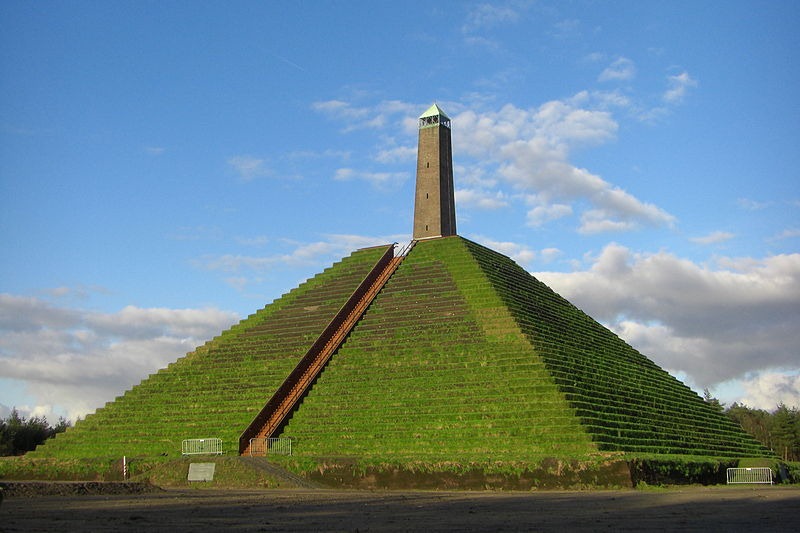
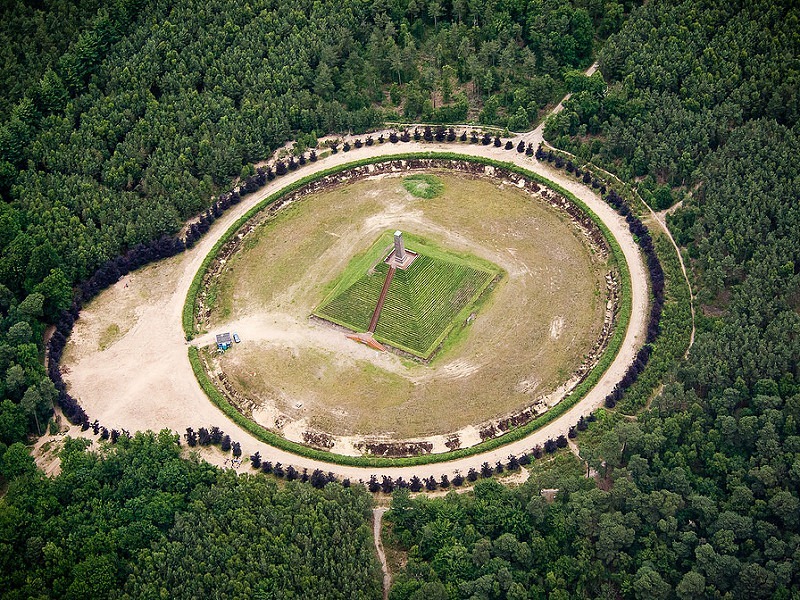
The Pyramid of Austerlitz…

At the highest point of the Utrecht Ridge, in the Dutch village of Woudenberg, stands Europe’s only pyramid. The 36-meter-tall earthen hill was built in 1804 by Napoleon’s soldiers, under the direction of General Marmont as a tribute to his friend and example Napolean Bonaparte (although Marmont betrayed Napolean later). Marmont called it “Mont Marmont”. But in 1806, despite protest from General Marmont, Louis Napoleon, the new king of Holland, renamed the hill the Pyramid of Austerlitz in memory of the Battle of Austerlitz in which Napoleon decisively defeated the Russians and Austrians.

pyramid-of-austerlitz-4

Photo credit: Kattjosh/Flickr

In 1804 the French General Auguste de Marmont established an army camp in this central location in the Batavian Republic, the present Netherlands, where over a period of several months he managed to forge together various battalions into a large, well-trained army, capable of beating the British enemy should there be any repetition of the invasion of 1799. Satisfied with the military power of the new army, and to occupy his bored soldiers, in the autumn of 1804 Marmont had his soldiers build an earth and turf monument inspired by the pyramid of Giza, which Marmont had seen in 1798 during Napoleon’s Egyptian campaign. Even the erosion-exposed stepped surface was imitated.

Construction took a mere 27 days and the structure rose to 36 meters. The apex of the pyramid was flat where was erected a 13-meter-tall wooden obelisk. Marmont was, however, too haste in its construction. There wasn’t even a proper foundation to the structure. It was simply a pile of earth and sand. Naturally, the pyramid started to collapse not too long after it was built. Marmont struggled to keep it in good repair, but when locals vandalized it by removing the stone plaques, the frustrated General sold the pyramid and the surrounding land to the Hubert M.A.J. van Asch van Wijk, who would later become mayor of the nearby city of Utrecht.

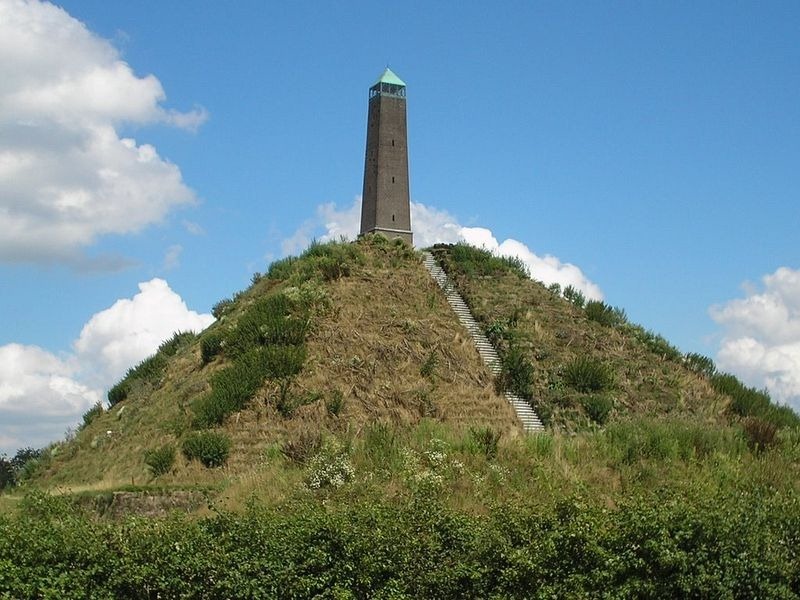
The pyramid remained neglected throughout the 20th century, until its restoration in 2004. The Pyramid and the surrounding area is now a popular tourist attraction and recreation spot.

pyramid-of-austerlitz-1

The Pyramid before it was restored. Photo credit: Fernambukk/Panoramio

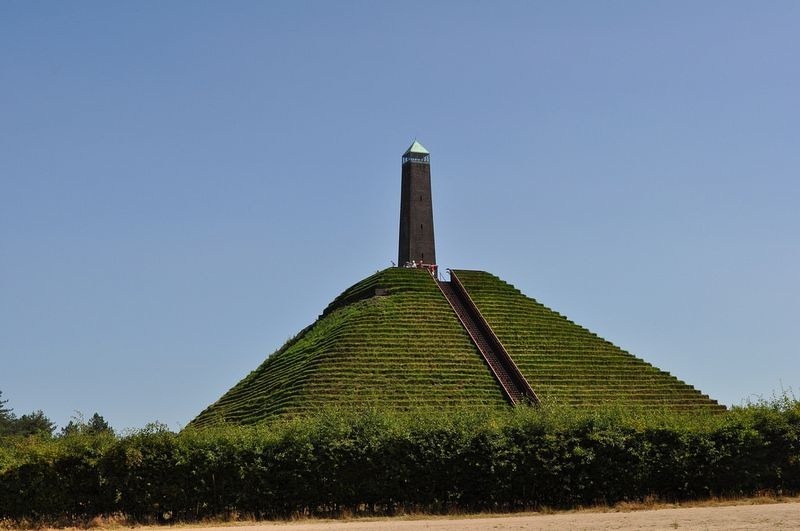
pyramid-of-austerlitz-2

Photo credit: Traveling Tourist/Flickr

pyramid-of-austerlitz-3

Photo credit: Traveling Tourist/Flickr

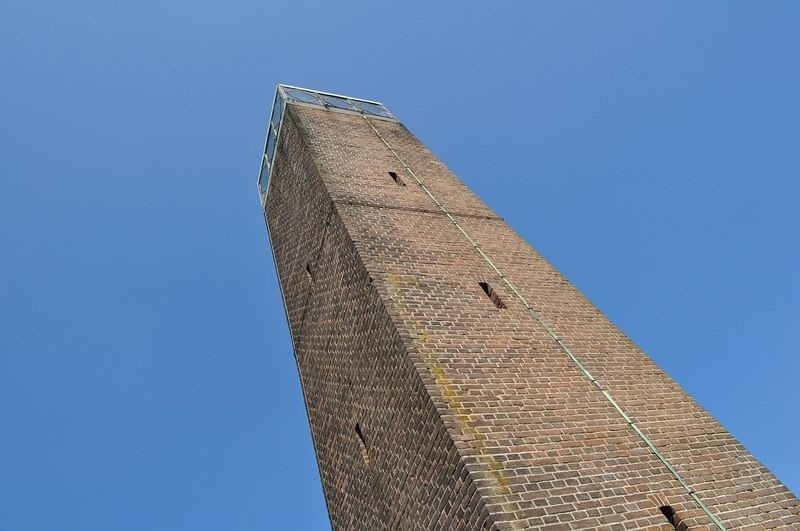
pyramid-of-austerlitz-5

Photo credit: Marc Rauw/Flickr

Source…www.amusingplanet.com

natarajan

Bartered, Gifted, Stolen, But Never Sold, the Elusive Kohinoor Diamond is Still Making History…!!!

Entrenched in history, having been passed down by some of the greatest rulers of massive empires in the Indian subcontinent, the Kohinoor diamond is the most desirable, priceless stone.

It’s a clear stone the size of a ping pong ball and it fits in the palm of the hand. But the Kohinoor Diamond is priceless, with a deep history engraved in its essence. The stone has seen bloodshed, violence, greed, wonder, deception and wars. It has seen men go mad with power, it has seen men fall from grace. It has seen the thirst, the hunger and the dreams that make humans essentially human. The stone has been brought down through the ages, changing hands and making history on its way.

The assertion of ownership over the stone is still an elusive decision. India, Pakistan and Afghanistan all want the stone back, claiming ownership, while Britain vehemently refuses to part with their most prized possession. As theIndian government claims to bring back to stone ‘amicably’, here’s a look at why this legendary, brilliant cut 106-carat stone is so remarkable and desirable.

From India to Present-day Uzbekistan to England

kohinoor

The Kohinoor Diamond on the royal crown

Source: Wikimedia Commons

According to legends, in the 13th century, the diamond was found in Guntur, in Andhra Pradesh. The first known record of the possession of the diamond was with the Kakatiya Dynasty in South India, and then with the Rajas of Malwa. When the Delhi Sultanate took over the South of India in 1300s, Alauddin Khilji held the stone in his palace.

In 1339, it was taken to Samarkand (present day Uzbekistan), which was its home for the next 500 years. Sultan Ibrahim Lodi gifted it to Babur. After three generations, it was passed on to Shah Jahan. Then his son Aurangzeb took over and imprisoned him, and guarded the stone with his life. It was passed on to Bahadur Shah I and later to his great grandson, Muhammad Shah. Being a weak ruler, the stone was taken from Muhammad by Nader Shah. In 1747, he was assassinated, and his general, Ahmad Shah Durrani, passed on the stone to his grandson, Shah Shuja Durrani.

Durrani took the stone to India, and gifted it to the founder of the Sikh Empire, Ranjit Singh in 1813, in return for help to take down the Afghani throne. Emporer Ranjit Singh had instructed the stone to be part of Jagannath Temple in Puri after his death in his will. But when the East India Company and the British Empire took over the Sikh Empire in 1849, the stone was confiscated, and stored at a treasury in Lahore. Finally, it was taken to the Queen in 1850. Today, it is part of the Crown Jewels, placed in the Tower of London in the UK

The Curse of the Mountain of Light

In Persian, Koh-i-Noor means the mountain of light. However, the name didn’t come about till the stone reached Nader Shah in the mid-1700s. Legend has it that in 1306, someone wrote that the stone was cursed. According to the curse, any man who owns the stone is likely to own all the riches and power of the world, but also suffer great misfortunes. Only a god or a woman can carry or wear the stone with no ill consequences.

A New, Lighter Cut

kohinoor

The size of the stone before 1852

Source: Kohinoordiamond.org

When the stone was discovered, it was allegedly 793 carats, uncut. By the time it reached the British Empire in 1849, the stone weighed 186 carats. The Queen ordered the stone to be cut in 1852, as it wasn’t as brilliant and beautifully shaped when compared to other cut diamonds in their possession at the Crystal Palace. The stone was cut into an oval shape, and weighed 42% lighter at 105.602 carats.

The Priceless Gem

In the 1500s, Babur had declared that the Kohinoor was worth half the world’s total production costs in a day. However, there’s no certain way of determining the price of the stone. It has changed hands through history mainly because it was bartered, gifted or stolen. Compared to other stones in the world that weigh somewhere close, like the 100-carat flawless diamond sold by Sotheby’s at an auction in 2015, it should cost around $22-30 million (Rs 146 crores). But considering that the stone has been possessed by many of the greatest legends in Indian and world history, the premium for it could be priceless.

The Tug of War

kohinoor

Source: Wikimedia Commons, Kohinoordiamond.org

When India got its independence in 1947, it asked for the stone back, believing it was supposed to be in India. Even after consequent requests in 1953 and 2000, the British government refused, citing that it was nearly impossible to decide who the stone belonged to, given its various owners throughout history. In 1976, Pakistan laid claim to the stone, but was refused by then-Prime Minister of the UK, James Callaghan, claiming that in a treaty with the Maharaja of Lahore in 1849, the stone was ordered to be transferred to the British Crown. Afghanistan too claimed that the stone should be returned to them.

In 2010, Prime Minister David Cameron said, in a quote that’s now popular, “If you say yes to one you suddenly find the British Museum would be empty. I am afraid to say, it is going to have to stay put.”

It might be a while before a concrete decision has been made about the ownership of the diamond. Until then, it’ll take you a ticket to London to appreciate this beauty, steeped in historical legends!

Source…..Neeti VijiayKumar in http://www.the better india .com

Natarajan

The story of the World War II gunner who fell 22,000 feet without a parachute and lived…

Paratroopers make a big deal about jumping out of planes from 800 feet, but U.S. Army Air Force Staff Sgt. Alan Magee fell out of a plane at 22,000 feet without a parachute while the plane was on fire.

And he lived.

ball turret gunner

Magee was a ball turret gunner in a B-17 named “Snap! Crackle! Pop!” after the three mascots for Rice Krispies cereal. That plane, along with others from the 360th Squadron, was sent to bomb German torpedo stores in St. Nazaire, France on Jan. 3, 1943.

During the mission, the plane was shot by anti-aircraft guns and became a ball of flames. Magee climbed into the fuselage to get his chute and bail out, but it had been shredded by the flak. As Magee was trying to figure out a new plan, a second flak burst tore through the aircraft and then a fighter blasted it with machine gun fire.

b17 bomber liberty belle


Magee was knocked unconscious and thrown from the aircraft. When he woke up, he was falling through the air with nothing but a prayer.

Magee told God, “I don’t wish to die because I know nothing of life,” according to reports from the 303rd Bomb Group.

Magee, struggling with a shortage of oxygen and likely in shock from the events of the past few minutes, passed out again and God seemingly answered his prayer. The young noncommissioned officer fell into the town of St. Nazaire and through the glass roof of the train station. He was later found dangling on the steel girders that supported the ceiling.

The glass had slowed his fall and he regained consciousness as German soldiers took him to medical care. Magee’s right leg and ankle were broken, he had 28 wounds from shrapnel and glass, and his right arm was cut nearly the whole way off. He had also suffered numerous internal injuries.

“I owe the German military doctor who treated me a debt of gratitude,” Magee said. “He told me, ‘we are enemies, but I am first a doctor and I will do my best to save your arm.'”

GErman prison camp wwii

French POWs at work at a farm in Westscheid bei Mennighüffen.

Magee was able to keep his arm and eventually made a full recovery. He spent most of the rest of the war as a POW.

In 1995, Magee was invited back to France as part of a ceremony sponsored by French citizens to thank Allied service members for their efforts in the war. Magee was able to see monuments to the crew of Snap! Crackle! Pop!, including the nose art which had been used as a Nazi trophy until after the war when a French man recovered it. It was restored in 1989.

Magee died in 2003.

Read the original article on We Are The Mighty. Copyright 2016. Follow We Are The Mighty on Twitter.

Source….www.businessinsider.com

Natarajan

படித்து நெகிழ்ந்தது ….” பெரியவா பிரசாதம் …என்ன செய்தீர்கள் …” ?

எனது நண்பர் திரு. சுவாமிநாதன் ( ஜீ டிவி } அவர்களின் அனுபவம் … இமெயிலில் அவர் என்னுடன் பகிர்ந்து கொண்டதை நான் உங்களுடன் பகிர்ந்து கொள்கிறேன் .

நடராஜன்

12 04 2016

துபாயில் நடந்த 151-வது அனுஷ சிறப்பு வைபவத்தில் கலந்து கொள்வதற்காக சமீபத்தில் அங்கு சென்றிருந்தேன். மார்ச் 28 அன்று அனுஷம். அன்றைக்கு மாலை அங்கே நடந்த சிறப்பு பூஜையில் கலந்து கொண்டேன். துபாயில் இந்த வைபவத்தைத் தொடர்ந்து நடத்தி வருகிற என் அன்பு நண்பர் சூர்யா அவர்களின் அழைப்பின்பேரில் இந்தப் பயணம் வெகு சிறப்பாக அமைந்திருந்தது.

அனுஷ தினத்தன்று சூர்யா அவர்கள் எனக்கு ஒரு வேஷ்டி – புடவை வழங்கினார். இது அவர்கள் வழக்கமாம். ஒவ்வொரு அனுஷத்தின்போதும் ஒரு தம்பதிக்கு அவர்கள் இதை வழங்குவார்கள். துபாயிலும், உலகின் பிற இடங்களிலும் இருக்கிற மகா பெரியவா பக்தர்கள் போட்டி போட்டுக் கொண்டு இந்த வஸ்திரங்களை சூர்யாவுக்கு அனுப்பி, ‘இந்த பாக்கியத்தை இந்த முறை எங்களுக்குத் தாருங்கள்’ என்று அன்புடன் போட்டி போடுவார்களாம். அந்த வகையில், சிறப்பு அழைப்பாளனாக நான் அங்கு சென்றிருந்ததால், இவற்றை எனக்கு வழங்கியதாக சூர்யா அவர்கள் அந்த பூஜையிலேயே அறிவித்தார்.

துபாய் பயணம் முடிந்து சென்னையும் திரும்பி விட்டேன். ஒரு வாரம் கழித்து, சூர்யா எனக்கு ‘வாட்ஸப்’பில் ஒரு தகவல் அனுப்பி இருந்தார். ‘உங்களுக்கு ஒரு வேஷ்டி – புடவையும் பெரியவா பிரசாதமாக வழங்கினோமே… அதை என்ன செய்தீர்கள்? இப்படிக் கேட்கிறேன் என்று என்னை தவறாக நினைத்துக் கொள்ள வேண்டாம்’ என்று கேட்டிருந்தார்.

நான் பதிலுக்கு, ‘இதில் தவறு ஒன்றும் இல்லை. மகா பெரியவா பிரசாதமாக அனுஷ தினத்தன்று வழங்கி இருக்கிறீர்கள். எனவே, அவற்றை நானும் என் மனைவியும் எங்களது பயன்பாட்டுக்காக வைத்துக் கொள்ளலாம் என்று தீர்மானித்திருக்கிறோம்’ என்று செய்தி அனுப்பிய அடுத்த விநாடியே, ‘உங்களுடன் இப்போது பேசலாமா?’ என்று செய்தி அனுப்பினார்.

ஜீ தமிழ் படப்பிடிப்பு முடித்துத் திரும்பிக் கொண்டிருந்தேன். ‘பேசுங்களேன். நான் ஃப்ரீதான்’ என்று பதில் அனுப்பினேன்.

சூர்யா பேசத் துவங்கியபோதே அவரது நா தழுதழுத்தது. ‘கடந்த மார்ச் 25-ஆம் தேதி வெள்ளிக்கிழமை சென்னை சாலிகிராமத்தில் ஒரு திருமணத்துக்குச் சென்றிருந்தீர்களா?’ என்று கேட்டார்.

நான் ரொம்ப ஞாபக மறதி பேர்வழி. யோசித்தேன். சூர்யாவே ஆரம்பித்தார். ‘அன்றைக்கு அந்தப் பெண் வீட்டுக்காரர் உங்களுக்குச் சொந்தம்’ என்று எடுத்துக் கொடுத்தார்.

எனக்கு நினைவு வந்தது. என் மனைவியின் குடும்பத்துக்குச் சொந்தமான நண்பர் ரமானந்த் அவர்களின் மகள் திருமணம் அது. ‘ஆமாம்… நான் போயிருந்தேன்’ என்றேன் நினைவுக்கு வந்தவனாக.

சூர்யா ஆரம்பித்தார். ‘கல்யாணத்துக்குப் போனபோது மணமகன் வீட்டாரை நீங்கள் சந்திக்கவில்லை போலிருக்கிறது. மணமகனின் தாயார் பெயர் பட்டு சீனிவாசன். அவர்கள் எங்கள் துபாய் அனுஷ குரூப்பில் இருந்து வருகிறார். அவரிடம் ஓரிரண்டு நாட்களுக்கு முன் யதேச்சையாக பேசும்போது, ‘பையன் கல்யாணம் நல்ல விதமாக முடிந்ததா?’ என்று கேட்டேன். ‘எல்லாம் நன்றாக முடிந்தது. ஆனால், ஒரே ஒரு வருத்தம். அன்றைக்கு சொற்பொழிவாளர் சுவாமிநாதன் இந்தக் கல்யாணத்துக்கு மனைவியுடன் வந்திருக்கிறாராம். எனக்குத் தெரியவே இல்லை. அவர் வந்து விட்டுச் சென்ற பின்தான் எனக்குத் தெரிய வந்தது. ஆஹா… அவரை நாம் பார்த்திருந்தால் ஒரு வேஷ்டி – புடவை வைத்துக் கொடுத்து நமஸ்கரித்திருக்கலாமே என்று தோன்றியது. எனக்கு ஏனோ கொடுத்து வைக்கவில்லை’ என்று வருத்தத்துடன் சொன்னார்.

பிறகு என்னிடம் பட்டு சீனிவாசன் கேட்டார்: ‘இந்த அனுஷத்தில் ஒரு தம்பதிக்கு வழங்குவதற்காக வேஷ்டி மற்றும் புடவை அனுப்பி இருந்தேனே… வந்து சேர்ந்ததா?’ என்று கேட்டார்.

‘வந்து சேர்ந்தது. அதை வழங்கியும் விட்டேன். யாருக்குக் கொடுத்தேன் என்று சொன்னால் நீங்கள் ஆச்சரியப்படுவீர்கள்’ என்று சொல்லி இருக்கிறார் சூர்யா.

‘சொல்லுங்கள்… யாருக்கு?’ என்று பட்டு ஆர்வத்துடன் கேட்க…

‘25-ஆம் தேதி சென்னையில் நீங்கள் கொடுக்க முடியவில்லையே என்று கவலைப்பட்ட சுவாமிநாதனுக்கு 28-ஆம் தேதி துபாயில் கொடுத்து விட்டேன். நீங்கள் சென்னையில் விருப்பப்பட்டதை மகா பெரியவா இங்கே முடித்து விட்டார். நீங்கள் அனுப்பிய வஸ்திரம் பெரியவா கிருபையால் இப்போது அவரிடம் போய்ச் சேர்ந்திருக்கிறது’’ என்று சொல்ல… பட்டு சீனிவாசனுக்கு ஆனந்தம்.

இதனால்தான், ‘அந்த வஸ்திரத்தை என்ன செய்தீர்கள்?’ என்று சூர்யா கேட்டிருக்கிறார்.

மகா பெரியவா பக்தர்கள் என்றைக்கு எதை விரும்பினாலும், நினைத்தாலும் அதை அந்த மகானே முடித்துத் தருவார் என்பதற்கு இதை விட என்ன சாட்சி வேண்டும்?!

நன்றி திரு சூர்யா, திருமதி பட்டு சீனிவாசன்.

மகா பெரியவா சரணம்.

அன்புடன்,
பி. சுவாமிநாதன்

காருக்குறிச்சியின் நாத சுகம்…


இடதுபுறம் காருக்குறிச்சி அருணாசலம், வலதுபுறம் கே.எம். அருணாசலம்

  • இடதுபுறம் காருக்குறிச்சி அருணாசலம், வலதுபுறம் கே.எம். அருணாசலம்
  • காருக்குறிச்சி அருணாசலத்தின் குடும்ப ஒளிப்படம்
    காருக்குறிச்சி அருணாசலத்தின் குடும்ப ஒளிப்படம்

நினைவு தினம் ஏப்ரல் 8

தமிழகத்தில் அண்மைக்காலத்தில் மிகவும் புகழ்பெற்று விளங்கிய நாகஸ்வரக் கலைஞர் காருக் குறிச்சி அருணாசலம். திருநெல்வேலி மாவட்டத்திலுள்ள காருக்குறிச்சி எனும் ஊரில் 1907-ம் ஆண்டில் இவர் பிறந்தார். இவருடைய தந்தை பலவேசம் நெல்தானிய அளவை செய்யும் பணியைச் செய்துவந்தவர்.

ஒரு முறை காருகுறிச்சியிலுள்ள பெரும் பண்ணையார் ஒருவர் இல்லத் திருமணத்துக்கு கூறைநாடு நடேசபிள்ளை எனும் பிரபல நாகஸ்வர வித்வான் நாகஸ்வரம் வாசிக்கச் சென்றிருந்தார், அப்போது அருணாசலத்தின் தந்தை பலவேசம், அந்த நாகஸ்வர வித்வான் தங்கியிருந்த வீட்டுத் திண்ணையில் அமர்ந்து மாலைகள் கட்டிக்கொண்டிருந்தார். “மாப்பிள்ளை புறப்படத் தயார், உங்களை அழைத்துவரச் சொல்கிறார்கள்” என்று நடேசபிள்ளைக்கு ஆள் வந்தது. “பத்து நிமிடங்களில் கிளம்பி வருகிறோம் என்று சொல்” என்று அவர் வந்த ஆளிடம் சொல்லியனுப்பினார்.

இதுபோலப் பல ஆட்கள் வந்தழைப்பதும், “இதோ கிளம்பிவிட்டோம்” என்று நடேசபிள்ளை சொல்வதுமாகவே இருந்தது. அந்தப் பண்ணையார் தனது வார்த்தைக்கு யாரும் கட்டுப்படவில்லையென்றால் அவர்களைக் கொன்றுபோடக் கூடத் தயங்க மாட்டார். “இந்த நாகஸ்வரக்காரர் இப்படி அலட்சிய மாகயிருக்கிறாரே, என்ன ஆகப் போகிறதோ” என்ற கவலை மிகந்தது பலவேசத்துக்கு இறுதியாகப் பண்ணையாரே நேரில் வந்துவிட்டார். “இதோ வந்துகொண்டே இருக்கிறோம், நீங்கள் முன்னால் போய்க்கொண்டிருங்கள்” என்று அப்போதும் நடேசபிள்ளை கூறியபோது, “அதற்கென்ன, தங்கள் சௌகரியம் போல் வாருங்கள்” என்று சிறிதும் கோபமற்றவராகப் பண்ணையார் கூறிச் சென்றதைக் கண்ட பலவேசத்துக்கு இது மிகவும் ஆச்சரியத்தை உண்டாக்கியது.

‘ஆஹா! இவர் ஒரு பெரிய நாகஸ்வர வித்வான்; இவரிடமுள்ள கலை எவ்வளவு மதிப்புடையதாயிருந்தால் நமது பண்ணையார் இவ்வாறு சிறிதும் கோபம் கொள்ளாதிருப்பார்! இந்தக் கலையைப் பயில வேண்டும், அப்போதுதான் நமக்கும் மதிப்பு கிடைக்கும்’ என்ற முடிவு செய்த பலவேசம், சேரன்மகாதேவியிலிருந்த நாகஸ்வரக் கலைஞர் ஒருவரிடம் சீடரானார். வயதும் இதரச் சூழ்நிலைகளும் அவரது ஆசைக்கு இடையூறாக இருந்தன. தன்னால் சாதிக்க முடியாதவொன்றைத் தன் மகன் அருணாசலமாவது செய்ய வேண்டுமென்ற எண்ணம் அவருக்கு.

அருணாசலத்தை, சுத்தமல்லி சுப்பையா கம்பரிடம் நாகஸ்வரமும், களக்காடு சுப்பையா பாகவதரிடம் வாய்ப்பாட்டும் கற்றுக்கொள்வதற்காகச் சேர்த்துவிட்டார். ஓரளவு தேர்ந்த பின், அங்கொன்றும் இங்கொன்றுமாய்க் கச்சேரிகளும் அருணாசலத்துக்குக் கிடைத்தன. எனினும், உலகிலேயே நாகஸ்வரத்தில் ஈடிணையற்ற சக்கரவர்த்தியாக விளங்கும் திருவாவடுதுறையார் போன்ற ஒருவரிடம் சீடனாக ஆனால் தனது கலை மேன்மை பெறும் என்றும், அப்படியொரு நல்வாய்ப்பு தனக்குக் கிட்டுமா? என்றும் சிந்தனைவயப்பட்டார் அருணாசலம்.

ஈடேறிய கனவு

ஒருமுறை காருக்குறிச்சியிலுள்ள ஒரு பண்ணையில் நாகஸ்வரம் வாசிக்க வந்திருந்தார் திருவாவடுதுறை ராஜரத்தினம் பிள்ளை. அவருடன் வாசித்து வந்த ‘கக்காயி’ நடராஜசுந்தரத்துக்கு உடல்நலமில்லை. “யாரேனுமொரு பையன், அவன் சும்மா சத்தம் கொடுத்தால் போதும். ஒத்தாசைக்குக் கிடைப்பானா?” என்று தம் நண்பர்களிடம் கேட்டார் திருவாவடுதுறையார். மணிசர்மா என்பவர் உடனே ஓடிச் சென்று அருணாசலத்தை அழைத்து வந்து அறிமுகம் செய்வித்தார்.

“பையன் தேவலாமே. இவன் சில காலம் என்னோடு இருக்கட்டும்” என்று ராஜரத்தினம் பிள்ளை கூறினார். இவ்வாறு 26.6.1935 அன்று ராஜரத்தினம் பிள்ளையின் சீடராக ஆனார் அருணாசலம். தனித்து, அமர்ந்து, முறைப்படியெல்லாம் கற்பிப்பவரல்ல திருவாவடுதுறையார். வீட்டில் இருக்கும்போதெல்லாம் வாசித்துக்கொண்டிருப்பார். அதைக் கவனமாகக் கேட்பது, கச்சேரிகளில் கூட அமர்ந்து கேட்பது இவைதான் பயிற்சி. கற்பதைக் காட்டிலும், இசையில் ‘கேள்வி’ பெரும் பயனைத் தரும்.

இப்படியாக, ராக ஆலாபனை செய்வது, அழகாகக் கீர்த்தனைகளை வாசிப்பது போன்ற பல அம்சங்களில் நிகரற்றவராக ஆனார் அருணாசலம். பாராட்டுகளும் பட்டங்களும் சன்மானங்களும் வந்து குவிந்தன. ராஜரத்தினம் பிள்ளைக்குப் பின்பு, மிக உயர்வான ஸ்தானம் அவருக்குக் கிடைத்தது. அப்படிப்பட்ட நிலையிலும் சிறிதும் கர்வமில்லாமல், எல்லோரிடத்தும் அன்புடனும் பண்புடனும் பழகிவந்தார் அருணாச்சலம்.

தன்னை மறக்கும் கலை

ஒருமுறை சென்னை பனகல் பார்க் அருகே திருமண விழா ஒன்றில் முதல் நாள் மாப்பிள்ளை அழைப்புக்கு நாகஸ்வர சக்கரவர்த்தி டி.என். ராஜரத்தினம் பிள்ளையின் நாகஸ்வர கச்சேரி. சமூகத்தின் பலதரப்பட்ட மக்களிடமும் அவருக்கு அமோக செல்வாக்கு. ராஜரத்தினம் பிள்ளை நாகஸ்வரம் வாசிக்கும்போது அநேகமாகத் தன்னை மறந்து கண்களை முடிக்கொள்வார். தன்னை மறந்த அந்த நிலையிலேயே, மிக எளிதில் சில ஸ்வரங்களை உதவியாகக் கொண்டு வாசித்துக்கொண்டிருப்பார்.

இந்தத் திருமண நிகழ்விலும் அவர் தன்னை மறந்த நிலையில் வாசித்துக்கொண்டிருந்தார். திடீரென அவரது வாசிப்பு நின்றது. ஆனால், கண்களை மட்டும் திறக்கவில்லை. அருகிலேயே அவரது சிஷ்யப்பிள்ளை காருக்குறிச்சி தொடர்ந்து வாசித்துக்கொண்டிருந்தார். அருகில் இருந்து வாசித்துக்கொண்டிருந்த அருணாச்சலத்துக்கு கை, கால் உதறல் எடுக்கத் தொடங்கிவிட்டது. வாசிப்பில் தான் ஏதாவது தவறு செய்துவிட்டோமோ என்று அவருக்குள் ஒரு பயம். பயந்தபடியே தனது குருநாதரை ஏறிட்டுப் பார்த்தார். குருநாதரோ ரசித்துக்கொண்டிருந்தார்.

தேடிவந்த பிராபல்யம்

ரசிகர்களுக்குக் காருக்குறிச்சியாரிடம் இருந்த மதிப்புக்கும் அன்புக்கும் ஈடுகூற முடியாது. ஒருமுறை, சென்னைத் தமிழிசைச் சங்கத்தின் இசை விழாவில் நடைபெற்ற அருணாசலத்தின் நாகஸ்வரக் கச்சேரியை வானொலி நிலையத்தினர், வழக்கத்துக்கு மாறாக, நள்ளிரவு 12 மணி வரையிலும் நேரடியாக ஒலிபரப்பினார்கள் என்றால், மக்களுக்கு அருணாசலத்தின் இசையின் மீது இருந்த மதிப்பே காரணமாகும்.

காருக்குறிச்சியாரிடம் புகழ்பெற்ற தவில் கலைஞர்கள் பலர் வாசித்து வந்தனர். திருமுல்லைவாயில் முத்துவீர் பிள்ளை, நீடாமங்கலம் சண்முகவடிவேல் பிள்ளை, யாழ்ப் பாணம் தட்சிணாமூர்த்தி பிள்ளை போன்றோரை முக்கியமாகக் குறிப்பிடலாம்.

அருணாசலம் தனது நாகஸ்வர இசையைக் கிராமபோன் இசைத்தட்டுகளில் பதிவு செய்திருப்ப தோடு, சில திரைப்படங்களிலும் வாசித்துள்ளார். ‘கொஞ்சும் சலங்கை’ என்ற திரைப்படத்தில் எஸ். ஜானகி பாட அருணாச்சலம் நாகஸ்வரம் வாசித்துள்ள ‘சிங்கார வேலனே தேவா’ என்ற பாடல் மிகவும் பிரபலமானது. ‘அனார்கலி’ என்ற இந்திப் படத்தில் லதா மங்கேஷ்கர் ஒரு பாட்டு பாடுவார். அந்தப் பாடலை காருக்குறிச்சி தனது நாகஸ்வரத்தில் இசைத்திருப்பார்.

புகழேணியின் உச்சியை எளிதாகவும், விரைவாகவும் எட்டிப்பிடித்த சிறந்த நாகஸ்வர விற்பன்னரான காருக்குறிச்சி அருணாச்சலம் 8.4.1964 அன்று தன் கோவில்பட்டி இல்லத்தில், இயற்கையைத் தழுவி, இசை ரசிகர்களுக்குப் பேரிழப்பை உண்டாக்கினார்.

காருக்குறிச்சி வாசிப்பில் உள்ள சுகம் ரசிகர்களுக்கு ஒரு போதை. நாகஸ்வரம் இருக்கின்ற வரையில், இசை இருக்கின்ற வரையில் அவருடைய பெயர் நிலைத்திருக்கும். அப்படிப்பட்ட ஒரு மகா வித்வான் அவர்!

Source….www.thehindu.com

natarajan

“I’d Given up on Returning to India After 18 Years Abroad. But This Year Something Changed.”

From dreaming about returning to India one day after she had to shift to the US with her family, to reaching a stage where she could no longer find that cherished connection with her country, to falling in love with it all over again – this is the story of Jessica Sinha and how Kolkata showed her a different India.

I was 10 when I moved to the U.S. and have lived abroad for over 18 years now. Leaving was the most difficult thing for me to do every time I visited India in the first eight years of moving to the U.S. I would bite my lip hoping the pain would hold back the tears. My last memory of India would be of the last song that played on the radio before we arrived at Indira Gandhi International Airport. Each year I vowed – I’ll be back someday, I’ll live here eventually. With no plans of when, where, and how, I continued to dream about it.

But after those first eight years, it never felt the same again. My relatives grew distant. Their excitement on seeing us dwindled every year. I found myself struggling with the basic things – showering, going to the bathroom, shopping, getting to places on my own, taking the bus, etc. Even my Indian looks and perfect Hindi couldn’t help hide the fact that I had no clue about anything in India. I was just a guest to my relatives now – a guest who visited once a year.

I grew up and started feeling unsafe in my country, cringing every time I read another news article about another rape case. Every trip from then on was the same. We would arrive in Delhi, go home, stay home. Then we would take the car and driver, visit relatives and family friends, and come back home again. We went to the mall once in a while, but the charm of India that I was delighted about once…it remained only in my heart. Everything and everyone I connected with, seemed to have almost never existed and my dream of moving to India started fading, right in front of my eyes.

This month I went back to India, Kolkata this time, with my Bengali husband for our first India trip after marriage. And something changed in the 14 days I spent there. A fire that I thought was long put out, sparked again. I saw a different country:

kolkata3

Mornings here begin with the sweet cooing of the Koyal. This city wakes up later than many others, but by 7-8 am, I can hear elderly neighbours chattering, gargling, or fighting a cough. The kitchen stoves come alive and the scraping of metal palta against the kadais marks the beginning of a new day. The smell of mouth-watering spices slowly fills the corridors of the building and escapes into the alleys.

Someone blows a long note on the conch shell over the sound of bells and muffles of Bengali prayers.

kolkata1

I walk up to the roof and get a glimpse of the sun. The buildings, painted yellow or light blue or pink sometimes, bear brown-black streaks from past rains. Some rooftops have bent clotheslines holding long saris that flow in the cool morning breeze. Somehow, the unfolded sari speaks to me. It floats freely like a kite, but is held safely by the clothesline.

With the distant sound of koyals, I sweep into a daydream where every single day in India feels as this moment does.

kolkata2

Back inside the flat, my mother-in-law brings out tea for the three of us, herself, my husband, and I; and we all decide to sit in the balcony. The balconies, windows, doors, any openings into the flat, are all protected by grills. There is something about the grills that’s uniquely classic and nostalgic. I think back to my childhood in Delhi – every night the community watchman would walk around the block, blowing his whistle loud and clear as he ran his baton across the park fence.

I look out into the streets and though it is mostly empty at this time, I know that the morning has already begun in many homes. Every balcony is a window into a different life. I look across to the building on the right and find an elderly man sitting in his balcony with a cup of chai and his parrot. In another window there’s a woman pulling down the dry clothes from the clothesline, hung the day before.

A sip of my tea. I wonder if my mother-in-law sees what I see. On days when she’s feeling hot, tired, and wants to take a break, does she look out like I do? Does she see the different lives as I do? And in those quiet tranquil moments when she does, does the world outside beckon to her? Does she see the ever turning wheels of time in Kolkata? Does she savour the endless festivities of every day? Even if a dispirited heart was to look out this balcony, it would find peace in knowing that it is not alone.

I’m not sure how the rest of India has fared since 1997, but Kolkata seems to be stalled in a time and place, which I dreamed about in my thoughts. It remains culturally rich and enticing. There is no confused blend of the western influences and eastern culture. I heard no heart-wrenching stories, saw no soul-searching individuals. I saw no street corners engulfed in conversations of unfulfilled ambitions. I saw hope in a newly-wed couple’s humble home, gratification in the everyday affairs, modesty of character, and a satisfaction with life as it is.

– Jessica Sinha

Source…..www.the betterindia.com

Natarajan

படித்து நெகிழ்ந்தது …” மே /பா காமராஜர் தலைவர் சத்திய மூர்த்தி பவன் “

எட்டயாபுரம், பா.நா.கணபதி எழுதிய, ‘நினைவுகள்’ நூலிலிருந்து:

ஒரு முதிய காங்கிரஸ் தியாகி, சென்னை அரசு மருத்துவமனையில் சிகிச்சைக்காக சேரும்போது, தன் பெயருடன், மே/பா. காமராஜர், தலைவர், சத்தியமூர்த்திபவன், சென்னை என, பதிவேட்டில் எழுதி கொள்ளும்படி கூறினார்.
ஒருநாள், அம்முதியவர் திடீரென்று இறந்து விட்டார். அவர் தந்த முகவரிப்படி காமராஜருக்கு தகவல் தரப்பட்டது. அதைக் கேட்டு அதிர்ந்து போனார் காமராஜர். ஏன் என்றால், இறந்தவர் யார் என்றே அவருக்கு தெரியாது.
‘இறந்தவர் காங்கிரஸ் தியாகி; என் முகவரியை தந்திருக்கிறார். அவருக்கு என்னிடம் அவ்வளவு நம்பிக்கை! தியாகியின் இறுதி சடங்கை நல்ல முறையில் செய்ய வேண்டும்…’ என்ற கடமையுணர்வு அவரது உள்ளத்தில் மேலிட்டது.
மருத்துவமனை சென்று, இறந்தவரின் உடலை பெற்று, நல்லடக்கம் செய்யும்படி, செயலர் வி.எஸ். வெங்கட்ராமனிடம் தெரிவித்தார். அன்று, தன் வழக்கமான நிகழ்ச்சிகளை ரத்து செய்தவர், செயலற்றவராக, ஈஸி சேரில் சாய்ந்து விட்டார்.
சடலம், மூலகொத்தளம் சென்றடைந்து, எரியூட்டும் சமயம் அங்கு சென்ற காமராஜர், ‘இந்த தியாகி யாரோ… வீடு, வாசல், மனைவி, மக்கள் எல்லாவற்றையும் துறந்து, காங்கிரசில் சேர்ந்து பல அவஸ்தைகள் பட்டும் கூட, அக்கட்சியிடம் நம்பிக்கை இழக்காத இவர், மரணம் அடையும் முன், காங்., அலுவலக விலாசமே தந்துள்ளார். இவருக்கு நாம் எல்லாருமே கொள்ளி போடுவோம்…’ என்று, நா தழுதழுக்க கூறிய வார்த்தைகள், அனைவரையும் கண்ணீர் விட செய்தன.
ஒரு எளிய தியாகிக்காக, தியாக சீலரான காமராஜர் சிந்திய கண்ணீர், தூய்மையான அன்பின் வெளிப்பாடாக விளங்கியது.

Source….www.dinamalar.com

Natarajan