The World”s Strangest Unsolved Plane Mysteries….

The world’s strangest unsolved plane mysteries

The shadow of a Royal New Zealand Air Force P3 Orion is seen on low-level clouds while the aircraft searches for missing Malaysia Airlines Flight MH370 in March 2014.Photo: AP

Plane debris that could possibly be linked to missing Flight MH370 has been discovered washed up on the beach of a remote island in the Indian Ocean, officials revealed Wednesday.

The component found is believed to be the flaperon from a Boeing 777, the same type of plane that disappeared over the southern Indian Ocean in March 2014 with 239 people onboard.

Malaysia Airlines Flight MH370 is the only Boeing 777 currently unaccounted for, and experts have taken the part away for further analysis in an attempt to determine its origin.

This is the first major development in the flight’s puzzling disappearance over a year ago in an event that has become one of the biggest unsolved aviation mysteries in history.

However, this is not the first time a plane has disappeared or crashed under mysterious circumstances. Here are some of the other unexplained aviation disasters that have taken place in the last century:

1. Aer Lingus Flight 712

On March 24, 1968, Aer Lingus Flight 712 from Cork in Ireland to London’s Heathrow Airport crashed into the sea, killing all 61 onboard.

But when investigators looked into the crash, they could find no explanation for what brought the plane down. In the years following the crash, several witnesses came forward to claim that the plane had been shot down by an experimental British missile — a claim that was strongly denied by the British government.

2. B47 Stratojet Bomber

In March 1956, a Boeing B47 Stratojet long-range bomber carrying three US Air Force personnel vanished over the Mediterranean Sea while en route from MacDill Air Force Base in Florida to Ben Guerir Air Force Base in Morocco. The plane disappeared without a trace. Frighteningly, the bomber was carrying two nuclear warheads, which were never recovered.

3. Helios Airways Flight 522

On Aug. 14, 2005, Greek air traffic controllers lost contact with Helios Airways Flight 522 as it headed toward Athens airport to begin its descent after a short trip from Cyprus. Strangely, the plane stayed within its set holding pattern around the airport for over an hour. When fighter jets were scrambled to intercept the flight, they saw the pilot slumped over the controls. The plane descended rapidly around 30 minutes later, crashing into a hillside outside the city and killing all 121 souls onboard. An investigation into the crash determined that there may have been a gradual cabin pressure loss that had likely incapacitated the crew.

4. Amelia Earhart’s Lockheed Electra

One of the most famous aviation mysteries in history occurred in 1937 when the Lockheed Electra plane piloted by pioneer aviator Amelia Earhart vanished over the Pacific Ocean during her attempt to circumnavigate the globe. No wreckage was ever found, and the plane’s disappearance has been the focus of intense conspiracy theories ever since. There have been stories of her being shot down by the Japanese or being a spy. Some have speculated that she faked her own death, and a very small contingent is convinced she was abducted by aliens.

5. Flight 19

Flight 19 was the name given to a US Air Force training exercise that took place on Dec. 5, 1945, involving an Avenger Torpedo Bomber. The plane disappeared over the Bermuda Triangle with 14 airmen on board. The Air Force then sent a Mariner flying boat with 13 men onboard to attempt to find the missing aircraft. That plane also went missing. Neither of the planes, nor the 27 crew members in total, was ever seen again, and investigators could never determine the cause of either flight’s disappearance.

6. Egypt Air Flight 990

Flight 990 was a scheduled flight from Los Angeles to Cairo with a stopover in New York. But on Oct. 31, 1999, the Boeing 747 mysteriously crashed into the Atlantic Ocean about 100 miles south of Nantucket, killing all 217 people onboard, including 14 crew members. While investigators never discovered the specific cause of the crash, the FBI believed that the evidence suggested the crash was deliberate rather than accidental. Egyptian and American authorities never agreed on the cause of the crash, with the Egyptians concluding it was due to mechanical malfunction and the Americans stating it was the responsibility of the relief first officer.

7. Pan Am Flight 7

Pan Am Flight 7 was once considered one of the most exclusive and luxurious “around-the-world trips” available. But in 1957, during a leg from Los Angeles to Hawaii, the Boeing Stratocruiser vanished into thin air. Rescue crews hunted for five days before finding the plane floating in the ocean, hundreds of miles off course, with very little actual damage to the aircraft. Autopsies on the passengers found that they had been poisoned by carbon monoxide emissions, but no reason for the poisoning was ever found. Many speculated that it was possibly an act of insurance fraud.

8. Air France Flight 447

On the morning of June 1, 2009, Air France Flight 447, traveling from Rio de Janeiro to Paris, went missing with 216 passengers and 12 crew members onboard. The Airbus A330 had flown through a thunderstorm, but no distress signal was sent. For several days there was no trace of the plane, and it took over two years to recover the black boxes from the ocean floor. Analysis of the boxes found that a combination of equipment malfunction and human error resulted in the crash.

Source…. Sohpie Forbes, Yahoo Travel in http://www.nypost.com and www,news.com.au

Natarajan


” அங்கே பெருமாள் கோயில் இருந்தா , இங்கே சிவன் கோயில் கண்டிப்பா இருந்திருக்கனுமே …”

மேல் கோடீல பெருமாள் கோவில் இருந்தா கீழ்க்கோடீல கண்டிப்பா சிவன் கோவில் இருந்திருக்கணுமே!

இருந்தது! கண்டிப்பா இருந்திருக்கு

08 -8-2012 தினமலரில் வந்த கட்டுரை.

எஸ். கமலா இந்திரஜித்

(பல ஸ்வாரஸ்ய சம்பவங்கள் இணைந்த

விரிவான கட்டுரை)

அந்த விடியற்காலை வேளையில்…. ஜெயகோஷத்துடனும், மாறாத நம்பிக்கையுடனும் யாத்திரை போய்க் கொண்டிருந்தது.

மாசிமாத ஊதற்காற்று உடலில் ஊசியாய் இறங்கிற்கு. யானை, ஒட்டகம், குதிரைகள் முன் செல்ல நடுவில் பல்லக்கு அசைந்து வந்தது. பின்னே பக்தர் குழாம், நாகங்குடி, சாத்தனூர், பழையனூர், கிளியனூர் என்று வெண்ணாற்று வடகரையில் தொடர்ந்து கொண்டிருந்தது பயணம். அடுத்து மாயனூர், ஹரிச்சந்திரபுரம், திட்டச்சேரி, தாண்டி நத்தம் வந்த பொழுது பிள்ளையார் கோவில் முக்கில் இரு ஊராய் பிரந்தது பாதை. பல்லக்கின் உள்ளிருந்து தண்டத்தால் பலகையைத் தட்டும் ஓசை கேட்டது. பல்லக்கு நின்றது.

உள்ளிருந்த கை வலது பக்கப் பரிவில் போகச் சொல்லி சைகை செய்தது. அவர்கள் பயணத் திட்டப்படி இடது பக்கப் பாதையில் நெடுங்கரை வழியாக ஆத்தூரைக் கடந்து நாட்டியத்தான் குடி செல்ல வேண்டும். ஆனால் திடீரென்று உத்தரவு வேறு விதமாக வருகிறதே? என்று ஒன்றும் புரியாமல் திகைத்தது பின்னே வந்த கூட்டம்.

“ஏன் நிப்பாட்டியாச்சு?’ என்றார் வைத்தா.

“இல்லே; பிளான்படி அந்தப்பக்கம்னா போக….’ என்று முடிக்கவில்லை மகாலிங்கம்.

“நீரும், நானும் யாருங்கானும் பிளான் பண்றத்துக்கு? இந்தப் பக்கம் போகச்சொல்லி உத்தரவாச்சுன்னா, கண்ண மூடிண்டு, போய்த்தான் ஆகணும். ஒரு சின்ன அசைவுலையும் ஆயிரம் அர்த்தம் இருக்கும். காரண, காரியத்தை கேட்டுக் கொண்டிருக்கப்படாது.

உமக்கும் எனக்கும் என்ன தெரியுமா? பின்னாடி தான் புரியும் எல்லாம்’ என்றார் வைத்தா தீர்மானமாக.

“இது எந்த ஊர் போற பாதை’? “மண மங்கலம்!’

“யப்பா, யானை, ஒட்டகம், குதிரை எல்லாத்தையும் இந்தப் பக்கம் திருப்புங்கோ, பிரயாணம் இந்த மார்க்கமா போப்போறது!’ என்று அவர்குரல் கொடுத்ததும், இடது பக்கம் திரும்ப எத்தனித்த கூட்டம், வலது பக்கப் பாதையில் திரும்பிற்று.

அந்த அதிகாலைக் குளிருக்கு கட்டுண்டு சுகமாய் உறங்கிக் கொண்டிருந்தது ஊர். வழக்கம்போல விடியற்காலை எழுந்த வேம்பு அகல் விளக்குகள் இரண்டை ஏற்றி வாசல் பிறையில் ஒன்றையும், பக்கவாட்டில் இருந்த பெருமாள் கோவிலில் ஒன்றையும் வைத்தாள். வாளியிஷள் கை வைத்து சாணம் கரைக்க முடியவில்லை. அத்தனை ஜில்லிப்பு; மார்கழி, தை, எல்லாம் முடிந்து மாசியும் பிறந்து விட்டது. ஆனால் பனியின் உக்கிரம் இன்னும் குறையவில்லை. கை வளையலை மேலே ஏற்றிவிட்டுக் கொண்டு, நன்கு கரைத்து, வீட்டு வாசலில் நாலுகை, கோவில் வாசலில் நாலுகை தெளித்து, கட்டை விளக்குமற்றால் கூட்டும் பொழுது தூரத்தில் ஏதோ, புது அரவம் கேட்பது போலிருந்தது. “என்ன’ என்று கூர்ந்து அவதானித்தாள். ஒன்றும் விளங்கவில்லை.

சரி விடு என்று பரக்கப் பரக்க நாலு இழை வீட்டு வாசலில் இழுத்து விட்டு பெருமாள் பலிபீடத்தின்முன் கோலம் போட்டு, காவி எழுதி நிமிரும் போது வெகு அருகில் காலடி ஓசையும் குளம்பொலியும் துல்லியமாய் கேட்டது.

“என்னவாய் இருக்கும்?’ என்று எண்ணியபடியே மாவு சம்புடத்தை மூடித் திண்ணைக் குறட்டில் வைத்துவிட்டு நிமிர்வதற்குள், காட்சி பிரசன்னமாயிற்று. யானை, ஒட்டகம், குதிரைகள், பல்லக்கு, என்று ஒவ்வொன்றாய் வர… விக்கித்துப் போய் பார்த்துக் கொண்டிருந்தாள் வேம்பு. பல்லக்கின் உள்ளிருந்து தண்டத்தால் மீண்டும் தட்டல். பல்லக்கு நின்றது.

மீண்டும் ஒரு சின்ன தட்டில் கீழ் நோக்கி பல்லக்கு தரை இறங்கிற்று. மெல்லிய இரண்டு பாத கமலங்கள் வெளிப்பட்டன. வலது பாதத்தை முதலில் எடுத்த அழுந்த பூமியில் ஊன்றி, அடுத்து இடது பாதத்தைத் தூக்கி வைத்து காவிமுக்காட்டை சரிபண்ணியபடி தண்டம் ஊன்றி அந்தத் “திரு’ எழுந்து நிற்கவும் வேம்புவிற்கு பாதாதிகேசம் சிலிர்ப்பு ஓடியது. உடம்பே கிடுகிடுத்து, கால்கள் துவண்டும் இற்றும் போய்விடும் போல் இருந்தது. சிரமப்பட்டு வாசல் தூண் பிடித்து கீழிறங்கி “சர்வேசா’ என்று கதறியபடி நமஸ்கரித்தாள்

. கமல விரல்கள் “ஹஸ்த்தம்’ போல் காட்டி ஆசி வழங்கியதை எல்லாம் அவள் கவனிக்கவில்லை. எழுந்து பின்னாலேயே நாலுத்தப்படி நடந்து வீட்டு வாயிற்கதவு தள்ளி, உள்ளே கூடம்தாண்டி, காமிரா உள்ளினுள் ஓடி, கணவனை எழுப்பினாள். கலவரத்துடன் அவன் எழுந்து

“என்ன, ஏது’ என்று கேட்டபொழுது.

“யானை, குதிரை, தெய்வம்; பெரியவா…’ என்று சொல்ல முடியாமல் திணறினாள்.

ஜன்னல் வழி வாசலில் எட்டிப் பார்த்த பொழுது காட்சி தெரிந்தது. மண்டைக்குள் உரைத்த பொழுது உடம்பு சிலிர்த்தது. ஓடிப்போய் கொல்லைக் கிணற்றில் நாலு வாளி இழுத்து தலையில் கொட்டிக் கொண்டு புதிது உடுத்தி, விபூதி தரித்து வருவதற்குள் அவன் மனைவி நிறைகுடமும் பூரண கும்பமும், ஆரத்திதட்டும் தயார் செய்து வைத்த விட்டாள். பாதபூஜை செய்து, கற்பூரம் ஏற்றி, ஆரத்தி எடுத்து நமஸ்காரம் பண்ணி உள்ளுக்கழைக்கவும், பொழுது லேசாய் விடியவும் சரியாய் இருந்தது. அதற்குள் யானையின் பிளிறலும், குதிரைகளின் கனைப்பொலியும் தெருவையும், ஊரையும் எழுப்பிவிட்டு விட்டது. தீப்பிடித்தது போன்ற பரபரப்பு ஊருக்குள். “திக் விஜயம்’ செய்திருக்கும் செய்தி பரவ ஆரம்பித்ததும், ஜனங்கள் சாரி சாரியாய் வர ஆரம்பித்தனர். சுத்தமாய் அலசிவிடப்பட்டு கோலத்துடன் காய்ந்திருந்த பெரிய திண்ணையில் நட்ட நடுநாயகமாக வெறுந்தரையில் அமர்ந்துவிட்டது “பரபிரம்மம்’. பக்கத்துத் தூணில் தண்டம் சார்த்தப்பட்டிருந்தது. குளித்து, முழுகி ஈரத்தலையுடன் தெருமக்கள் பழத்தட்டு, பூக்குடலை ஏந்தி ஜோடி ஜோடியாய் வந்து தெண்டனித்துச் சென்றார்கள்.

யானை, ஒட்டகம், குதிரையெல்லாம் வெண்ணாற்றுப் பக்கம் ஓட்டிச் செல்லப்பட்டன. கூட வந்த குழாமிற்குத் தெரிந்து விட்டது. உடனடியாக இந்த இடத்தை விட்டுப் புறப்படப் போவதில்லை என்று, அடுத்தடுத்த திண்ணைகளில் மறைவாய் அமர்ந்து சிரமப் பரிகாரம் செய்ய ஆரம்பித்துவிட்டார்கள்.

“என்ன, ஸ்ரீமடம் இந்தப் பாதையில் வரப்போறதா தகவலே இல்லையே; எப்படி?’ என்றார் தெரு முக்கியஸ்த்தர் வைத்தாவிடம்.

“நெடுங்கரை பக்கமா அப்படித் திரும்பறதாத்தான் பிளான் என்னவோ கையகாட்டி இந்தப் பக்கம் உள்ள வரச்சொல்லி உத்தரவு வந்தது. வந்துட்டோம். ஏதோ முக்கியமான காரணமிருக்கும்’ என்றார் வைத்தி.

“ஏன் பெரியவா வாயத் தொறக்கவே மாட்டேங்கறா?’

“ரெண்டு நாளா “காஷ்ட்டிக மௌனம்’ இப்போ உபவாசமோ, விரதமோ கிடையாது. நம்ம பேச்சுக்கு ஓர் அர்த்தம்னா, அவா மௌனம்கறது ஆழ்கடல் போல ஆயிரம் அர்த்தம் இருக்கும் அதுக்கு; எப்போவேனா திருவாய் மலரலாம்.’

“ஒரு வார்த்தை சொல்லி இருந்தா, ஊர் எல்லையிருந்தே மேளதாளம், பூரண கும்ப மரியாதையோட அழைச்சுட்டு வந்திருப்பமே!’

“அதான் சொன்னேனே, நாம என்ன செய்ய முடியும்?

அவாதிருவுளம் அப்படி, திடும்னு திரும்பியாச்சு, இப்படி!’

மாலியும், சேஷூவும் அலுக்காமல் கிராமத்தார் சந்தேகத்திற்குப் பதில் சொல்லிக் கொண்டிருந்தனர்; ஸ்னானம், பூஜை, சாப்பாடு என்று எல்லாம் நியமமாய்நடந்தேரியது. “பரப்பிரம்மம்’ பசும்பாலும், உலர்திராட்சையும் மட்டும் ஏற்றுக் கொண்டது; மற்றவர்களுக்கு அடுத்தடுத்த வீடுகளில் தலை வாழை இலையில் சாம்பார், ரசம், பொரியல், கூட்டு, பொரித்த அப்பளம், வடை, பாயசம் என்று அமர்க்களப்பட்டது. செய்தி கேள்விப்பட்டு உள்ளூரிலிருந்தும், பக்கத்து கிராமங்களிலிருந்தும் சாரிசாரியாக மக்கள் வந்த வண்ணமிருந்தனர். மாசி மாத அறுவடை மும்முரமாய் நடந்து கொண்டிருந்த நேரம். களத்திலிருந்தபடியே மிரசுகளும், விவசாயிகளும், தொழிலாளர்களும் வந்தனர். ஒரு மூதாட்டி மடியில் கட்டி வந்த னத கூலி நெல்லை சுவாமியின் முன் சமர்ப்பித்து தெண்டனிட்டார். இளநீரும், வாழைத்தாருமு“, வெள்ளரிப் பிஞ்சும், நார்த்தங்காயும், எலுமிச்சம் பழங்களும், தாமரைப் பூவுமாய் மக்கள் கொண்ட வந்த காணிக்கைகளால் திண்ணை நிறைந்துவிட்டது.

“பெரியவா எங்க வீட்டு பாகப்பிரிவினைல சிக்கல், சரி பண்ணணும்? பொண்ணுக்கு கல்யாணம் திகையலை; அனுக்கிரகம் பண்ணணும்!’

புது வீடு கட்ட ஆரம்பிச்சு மனைபோட்டதோட அப்படியே நிக்கறது. மேக்கொண்டு ஒரு செங்கல் வைச்சு கட்டலை, கட்டிமுடிக்க பெரிவத அனுக்கிரஹிக்கனும்.

வடக்க இந்து முஸ்லிம் கலவரம் சதா நடந்திண்டிருக்கு; ஒயரதே இல்லை; ரத்த வெள்ளம்தான்; அமைதியே இல்லை. அமைதி உண்டாக பெரயவா தான் மனசு வைக்கணும்.

நம்ம ஊர்லயே மதமாற்றம் நிறைய நடக்க ஆரம்பிச்சாச்சு. சிலுவைக்கு பாதி, மசூதிக்கு பாதின்னு நிறைய மனுஷா மாறிண்டிருக்கா, தடுத்து நிப்பாட்டணும். ஏதாவது வழி ஊர் மக்கள் கொட்டித் தீர்த்தார்கள்.

வீட்டு பிரச்சனையிலிருந்து, ஊர் பிரச்சனை, சமூகப் பிரச்னை, தேசப் பிரச்னை வரை வகை வகையாக ஆதங்கத்தைக் கொட்டித் தீர்த்தார்கள். புழுக்கத்தாலும், வேண்டுதலாலும், பேராசையாலும், யாகத்தாலும், அத்திண்ணையே இறுக்கமாய் இருந்தது. சாது எல்லாவற்றையும் கேட்டுக் கொண்டது மௌனமாய். விருப்பப்பட்டால் ஒரு பூவோ, ஒரு துளசி விள்ளலோ, ஒரு எலுமிச்சை பழத்தையோ எடுத்துக் கொடுத்தது. சிலருக்கு அதுவும் கிடையாது. ஆனால் யாருக்கும் ஒரு வார்த்தை வாய் திறக்க வில்லை. இடையில் மாலியை சைகை செய்து கூப்பிட்டார். லிங்க வடிவில் அபினயம் செய்து கோபுர வடிவில் கைகளை உயர்த்தி எங்கே? என்று வலது கை மடித்துக் கேட்டார்.

மற்றவர்கள் ஒன்றும் புரியாமல் மௌனமாய் நின்றனர். மாலி கற்பூரமாய் புரிந்து கொண்ட கூட்டத்தைப் பார்த்து கேட்டார்.

“இந்த ஊரில் சிவன் கோவில் எங்க இருக்கு?’ கூட்டம் விழித்தது;

ஒருவருக்கும் தெரியவில்லை, “இந்தூர்ல ஒரு அய்யனார் கோயில், ஒரு மாரியம்மன் கோயில், ஒரு பெருமாள் கோயில், நத்தம் எல்லையில் ஒரு பிள்ளையார் கோயில் இதுதான் உண்டு; சிவன் கோயில் இல்லையே?’ என்றார் தொன்னூரு வயது ரெங்கண்ணா. அவருக்கே தெரியவில்லை என்றால் இங்கே வேறு யாருக்கும் தெரியப்போவதில்லை, பரப்பிரம்மம் மீண்டும் ஏதோ சைகை செய்தது. “இல்லையே’ இருந்திருக்கு நிச்சயமா தெருவின் மேல் கோடீல பெருமாள் கோவில் இருந்தா கீழ்க்கோடீல கண்டிப்பா சிவன் கோவில் இருந்திருக்கணுமே!

இருந்தது! கண்டிப்பா இருந்திருக்கு?

பதில் சொல்லத் தெரியாமல் கூட்டம் விழித்தது. குழப்பமான மௌனம் நிலவியது அங்கே. சிவன் கோவில் எங்கே, எப்பொழுது, இப்பொழுது எங்கே எப்படி? என்று யோசித்துக் கொண்டிருக்கும்பொழுதுதான். லத்திஃப்பாயும், அவர் மனைவி மெகருன்னிசாவும் வந்தனர். கொண்டு வந்திருந்த பேயன் பழம் இரண்டு சீப்பையும், கொழுந்து வெற்றிலை ஒரு கவுளியையும் அப்பொழுது தான் பறித்த இரண்டு ரோஜாப் பூக்களையும் சுவாமி முன் வைத்து வந்தனம் செய்தனர்.

தாமரைக் கண்கள், வந்தவர்களை பாதாதி கேசம் உற்றுப் பார்த்தது; ஊடுருவிப் பார்த்தது. ஆசிர்வதித்தது; குளிறப் பண்ணிற்று. லத்திஃபும், அவர் மனைவியும் மெய்மறந்து நின்றனர். பின்னர் ஒருவாறு சுதாரித்து, திக்கித்திணறி அவர் கோர்வையற்று சொல்லிய விஷயத்தின் சாராம்சம் இதுதான்.

“நேற்று கொல்லைப்புறம் செத்தி, கொத்திய பொழுது மண்வெட்டியில் ஏதோ தட்டுப்படடது. கடப்பாறையைக் கொண்டு ழத்தோண்டி பார்த்தபொழுது பெரிய சிவலிங்கம் ஒன்று தட்டுப்பட்டது. அடுத்தடுத்து தளவரிசை, படிந்து போன கருங்கற் தூண்கள், பின்னால் பாழடைந்த கிணறு என்று ஒவ்வொன்றாய்த் தட்டுப்பட்டது; எனக்கு இரவு முழுவதும் தூக்கம் வரவில்லை, ஒரே கலக்கமாகவும், கலவரமாகவும் இருந்தது. என்ன செய்றது அல்லாவே!ன்னு ராத்திரி முழுக்க விசனப்பட்டு உட்கார்ந்திருந்த போதுதான் பெரியவர் வந்திருக்கும் செய்தி வந்தது; இதற்குமேல் கொண்டு என்ன செய்ய வேண்டும் என்று தாங்கள் தான் கூற வேண்டும்.’

லத்திஃப் சொல்லச் சொல்லக் கூட்டம் மெய்மறந்து உட்கார்ந்திருந்தது.

பல நூற்றாண்டுகளுக்கு முன் சிவன் கோயில் அங்கு இருந்திருக்கிறது. காலப்போக்கில் கவனிப்பாரில்லாது சிதிலற்று மண்ணுள் புதைந்து மறைந்து விட்டது. நில ஆக்கிரமிப்பால் அடைக்கப்பட்டு, பலகை மாறி, கடைசியில் லத்திஃப்பாய் கைக்கு வந்து இன்று வெளிச்சத்திற்கு வந்திருக்கிறது.

“எங்க வாப்பா பள்ளிவாசல் நிலங்களை சாகுபடி செய்யும்பொழுது கூடவே கோவில் நிலங்களையும் குத்தகைக்கு எடுத்து சாகுபடி செய்தாக; நெல் அளக்கும் போது ஒரு மரக்கால் கூட குறையாம அளப்பாக சிவ சொத்து குல நாசம்ன்னு சொல்லி அல்லா சாட்சியா அத்தனை நேர்மையா அளப்பாக எனக்கும் அதே தர்ம புத்தி நியாபுத்தி உண்டு; அப்படியும் பொறந்த ஒத்த பொம்பள புள்ளையும் மனவளர்ச்சி இல்லாததாவே இருந்தது. குமருவாயி பத்து வருஷத்துக்கு முன்ன செத்து போச்சி. அறியாம செய்த பாவத்துக்கே அந்த கூலி; தெரிஞ்சும் பாவம் செய்ய மனம் ஒப்பலை. மனசார எழுதித்தர்ரேன் எனக்கு பறம் பைசா வேண்டாம்.

சுயநினைவோட, சுத்த மனசோட தர்ரேன்; பழையபடி அங்க சிவன் கோவில் கட்டிக்குங்க. ஊர் ஜனத்துக்கு பயன்பட்டா அதவே அல்லாவை சந்தோஷப்படுத்தும். இந்தாங்க கோவில் கட்ட எங்களால் ஆன் பணம் 101. இதை முதல் வரவா வச்சிகிங்க!’ என்று வெற்றிலை பாக்கு தட்டில் வைத்து அவர் கொடுத்த பொழுத கூட்டத்தில் எல்லோருக்கும் உடம்பு சிலிர்த்தது. இரு உதடுகளையும் அழுந்த மூடிக் கொண்டிருந்த ஞானி, அடுத்து சைகையால் கேட்டதை அவரது அணுக்க தொண்டராலும் விளக்கிக் கொள்ள இயலவில்லை. படிக்கும் பையன்களிடமிருந்து ஸ்லேட்டும், குச்சியும் தருவிக்கப்பட்டு பெரியவாளிடம் கொடுக்கப்பட்டது.

“மார்க்கக் கடமையை முடித்துவிட்டீர்களா?’ என்று எழுதிக் கொடுத்ததை கூட்டத்திடம் காட்டினார் வைத்தா. அவர்கள் மலங்க விழித்தனர். பின்பு ஸ்லேட் லத்தீஃப் தம்பதியை நோக்கித் திரும்பியது.

“இன்னும் இல்லை; பாவியாகத்தான் இருக்கோம். அதுக்குண்டான வசதியை இன்னும் அல்லா எங்களுக்குக் கொடுக்கலை. பல வருஷமா எத்தனையோ முயற்சி பண்ணியும், மெக்காமதீனா போறது இன்னைக்கு வரைக்கும் கனவாத்தான் இருக்கு!’ இதைச் சொல்லம் பொழுது லத்தீஃப்பாய் மனைவியின் குரல் தழுதழுத்தது. பெரியவா வைத்தாவைப் பார்த்தார். பார்வையின் பொருள் புரிந்த வைத்தா கூட்டத்தைப் பார்த்து, “இந்த உயர்ந்த மனிதர்களிடமிருந்து கோயில் கட்ட இடத்தை இனாமா வாங்கிக்கறேளளே? பிறதியா, நாம ஒண்ணும் செய்யவாண்டாமா அவாளுக்கு?’

பரபரவென்று யோசித்து, சடாரென்று முடிவு செய்து, “அவங்க புனிதப் பயணம் போய் வர்ர செலவு அத்தனையும் எங்களோடுது?’ ஏகமனதாய் கூட்டம் சொல்ல திண்ணையில் அமிர்தம் நிறைந்து வழிந்தோடியது, லத்தீஃப் தம்பதி நெஞ்சில் கைவைத்து சிரம் தாழ்த்தி நன்றி நவின்றனர். கண்களில் நீர் வழிந்தது.

ஞானி தாமரைக்கண்களால் எல்லோரையும் ஆசிர்வதித்தார். கூட்டம் மெய் மறந்து விழுந்து வணங்கிற்று. அபயஹஸ்த்தம் காட்டி ஆசிர்வதித்த மகான் எழுந்தார். தண்டத்தை எடுத்துக் கொண்டார். பல்லக்கு அருகில் வர ஏறிக் கொண்டார். யானை, ஒட்டகமெல்லாம் தொடர்ந்து வர பயணம் மீண்டும்

திருநாட்டியத்தான்குடி நோக்கிப் புறப்பட்டது. “என்னங்காணும், புரிஞ்சுதா உமக்கு ஏன் இந்தப் பக்கம் திரும்பித்துன்னு?’ என்று வைத்தா பார்வையால் கேட்க, “உணர்ந்தேன்! தெரிந்தேன்!’ என்று மகாலிங்கம் கன்னத்தில் போட்டுக் கொண்டார்.

“ஜெய ஜெய சங்கரா, ஹர ஹர சங்கரா…’ என்று ஜெய கோஷத்தடன் பயணம் புனிதமாய் தொடர ஆரம்பித்தது.

– எஸ். கமலா இந்திரஜித்

Read more: http://periva.proboards.com/thread/9774/#ixzz3hTbILFaD

Source…www.periva.proboards.com

Natarajan


“அரைக்காசு அம்மன்….”

ஆடி மாதம் என்றாலே சக்தி வழிபாடுதான். நடைபாதை அம்மன் என்றாலும், பெரும் கோயில்களில் உள்ள அம்மன் என்றாலும் கோலாகலமாகக் கொண்டாடப்படுவது இந்த ஆடி மாதத்தில்தான். இது பெண்களுக்கான மாதம்

என்றே சொல்லலாம். புற்றுள்ள அம்மன் கோயில்களில், பெண்கள் புற்றுக்குப் பால் வார்ப்பதும், அம்மனை ஆராதிக்கும் வண்ணம் குலவை இடுவதும் வழக்கம்.

வீதிதோறும் உள்ள அம்மன்களுக்குக் கூழ் காய்ச்சுதலும், நைவேத்தியத்திற்குப் பின் அவற்றை ஏழை, எளியோருக்கு வழங்குதலும் வாடிக்கை. இவ்விழாக்களில் வாண வேடிக்கையும் உண்டு. பிரமாதமான அலங்காரங்களில் வீதி உலா வரும் அம்மன், விடிய, விடிய ஊர்க்காவலில் இருப்பவள் என்கிறார்கள்.

சின்னஞ்சிறிய கிராமங்களில்கூட விநாயகர் சன்னிதியும், மாரியம்மன் கோயிலும் இருப்பது சர்வ சகஜம். அருகம்புல் விநாயகருக்கு உரியது என்றால், வேப்பம் தழை அம்மனுக்கு உரியது. அம்மை நோய் கண்டால் வேப்ப இலைகளையே அம்மனின் பிரசாதமாகக் கருதித் தலையில் சூட்டிக்கொள்வர். இல்லத்தின் வாயிலில் கட்டித் தொங்க விடுவதன் மூலம் மேலும் நோய்க் கிருமிகள் இல்லத்தில் அண்ட விடாமலும், வெளியே பரவி விடாமலும் காப்பது வழக்கம். இல்லத்தில் வேப்ப மரம் இருந்தால் ஆடி மாதத்தில் அதனையே தெய்வமாகப் பூஜிப்பதும் உண்டு.

அரைக்காசு அம்மன்

புதுக்கோட்டை மன்னர்களில் சிலர் திருக்கோகர்ணம் திருக்கோயிலில் உள்ள அன்னை பிரகதாம்பாளைக் குலதெய்வமாகவும், பலர் இஷ்ட தெய்வமாகவும் வணங்கிவந்தனர். அந்நாளில் இந்த அன்னைக்கு நவராத்திரி விழாவினை மன்னர்கள் விமரிசையாகக் கொண்டாடுவார்கள். அப்போது அன்றைய தினத்திற்கு மட்டுமல்லாமல் பல நாட்களுக்கும் அன்னம் கிடைக்க வேண்டும் என்பதற்காக அரிசி, வெல்லம் போன்ற பொருட்களையும், அம்மன் பொறிக்கப்பட்ட அக்காலத்தில் புழக்கத்தில் இருந்த அரைக்காசு ஒன்றையும் சேர்த்து மக்களுக்கு அவர்கள் தானம் செய்து வந்தனர்.

இந்த நிலையில்தான் மன்னர் ஒருவரின் முக்கியமான பொருள் ஒன்று தொலைந்துவிட்டது. எங்கு தேடியும் கிடைக்காத அந்தப் பொருள் கிடைக்க வேண்டும் என்று திருக்கோகர்ணம் பிரகதாம்பாளிடம் பிரார்த்தனை செய்தாராம் மன்னர். தான் வணங்கும் இந்த அரைக்காசு அம்மனே அதனை மீட்டுத் தர வேண்டும் என்று கூறி பிரார்த்தனையை தீவிரப்படுத்தினார். அவர் பிரார்த்தனை பலித்து, தேடிய பொருள் கைக்கு வந்தது என்பது நம்பிக்கை.

அதற்கு நன்றி தெரிவிக்கும் விதமாக, வெல்லத்தைப் பிடித்து வைத்து பூஜை செய்துள்ளார். பின்னர் அந்த வெல்லப் பிரசாதத்தைத் தானும் உண்டு, பக்தர்களுக்கும் வழங்கினார். அதனால் அரைக்காசு அம்மனை வேண்டினால் தொலைந்த பொருள் கிடைக்கும் என்ற செய்தி நாடு முழுவதும் பரவியது. அந்த பழக்கம் இன்றும் நடைமுறையில் உள்ளது.

Source….www.tamil.thehindu.com

Natarajan

July 29…” Mohun Bagan Day”….Read this story to know the Reason…

Imagine India in 1911.

Lord Curzon had recently announced the partition of Bengal between East and West Bengal along Hindu and Muslim lines. When the whole country was fighting against the British and the movement was at its peak…

…THE SUCCESS OF MOHUN BAGAN in IFA SHIELD in 1911 is remembered as an eventful event in the social history of Indian sports.

Mohun Bagan’s barefooted Bengalis defeated the British Army’s East Yorkshire Regiment to win the Indian Football Association Shield. This IFA Shield victory of 1911 is one of the most commented upon events in Indian histories. This victory was much more than just the greatest day in the history of Indian football. It provided an inspiration to a movement which was gathering pace in India then.

1911-2

Mohun Bagan, considered the national club of India, became the first Asian football club when it was set up in 1889 in Calcutta. On 29th July 1911, Mohun Bagan was up against the East Yorkshire Regiment, a major British team. Over 80,000 Indians had gathered in and around the stadium to witness the real-life Lagaan moment.

After drubbing St. Xavier’s College 3-0 in the first round, they defeated Rangers Football Club in the second round. A 1-0 win over Rifle Brigade secured a semi-final berth for Mohun Bagan, under the leadership of inspirational Shibdas Bhaduri.

The final was as exciting as any game played today by players who cost their clubs millions. Perhaps more, because Mohun Bagan played that day with one thing on their mind – FREEDOM.

1911-1

Mohun Bagan captain Shibdas Bhaduri scored an equalizer after the British team drew first blood. Then with just two minutes to go from the final whistle, Abhilash Ghosh received a pass from the captain and scored the winner with a thunderous strike.

The ground erupted in celebration. It started to rain in shirts and shoes within the ground. Mohun Bagan became the first Indian team to lift the IFA Shield. Indian football was born on 29 July 1911, and at the same time it pumped the freedom movement with much-needed enthusiasm.

3

29th July came to be known as Mohun Bagan Day.

This victory was highly praised not only by the Indian media. The British media wrote,“What the Congress failed to achieve, Mohun Bagan has”.

This day is remembered, for the bare-footed warriors who gave direction to a freedom movement. Not only that, it also has a nationalist, social, cultural and economic significance in historical perspective.

Source….www.storypick,com

natarajan

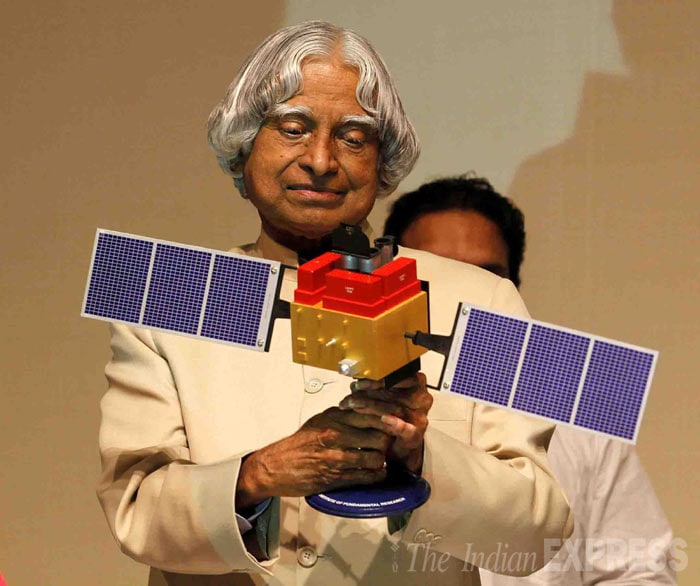
Rare Photographs of Dr. Abdul Kalam ….From The Archives of Indian Express…

abdul kalam, abdul kalam rare photos, abdul kalam photos, photos abdul kalam, apj abdul kalam, apj abdul kalam photos, photos abdul kalam, abdul kalam photo, photos kalam, kalam photos, latest photos, photos 27 July abdul kalam

The journey of A P J Abdul Kalam as a space scientist began in early 1960s at Thumba, a coastal village near here, which housed India’s first rocket launcher, Thumba Equatorial Rocket Launcher.

I K Gujral congratulating former President Dr. APJ Abdul Kalam after he was conferred with the Bharat Ratna at Rashtrapati Bhawan in New Delhi. (Source: Express photo by Virendra Singh) –


abdul kalam, abdul kalam rare photos, abdul kalam photos, photos abdul kalam, apj abdul kalam, apj abdul kalam photos, photos abdul kalam, abdul kalam photo, photos kalam, kalam photos, latest photos, photos 27 July abdul kalam

One of the little known facts about former President A P J Abdul Kalam is that he has a medical invention to his name — a coronary stent built with missile composites that dramatically brought down the cost of heart stents from Rs 55,000 to Rs 10,000 in the mid-1990s.

Former president Dr APJ Kalam deliver lecture on Homi Bhabha Birth Centenary Commemoration TIFR Foundation Day at Colaba. (Source: Express Photo by Ganesh Shirsekar) –


abdul kalam, abdul kalam rare photos, abdul kalam photos, photos abdul kalam, apj abdul kalam, apj abdul kalam photos, photos abdul kalam, abdul kalam photo, photos kalam, kalam photos, latest photos, photos 27 July abdul kalam

Dr. Abdul Kalam, who received several prestigious awards including Bharat Ratna, played a crucial role when India tested its nuclear weapons at Pokhran in 1998 when the Vajpayee government was in power.

Former prime minister Atal Bihari Vajpayee, George Fernandes, Pramod Mahajan, Bhairon singh Shekhawat and other senior sceintist and army officals at the site of 1998 Pokharan nuclear missile launch. (Source: Express photo by Ravi Batra) –

abdul kalam, abdul kalam rare photos, abdul kalam photos, photos abdul kalam, apj abdul kalam, apj abdul kalam photos, photos abdul kalam, abdul kalam photo, photos kalam, kalam photos, latest photos, photos 27 July abdul kalam

Dr. APJ Abdul Kalam felicitated 100-year-old body builder from Kolkata Manohar Aich during the celebration of Shanmukhananda Hall Diamond Jubilee. (Source: Express photo by Prashant Nadka) –

abdul kalam, abdul kalam rare photos, abdul kalam photos, photos abdul kalam, apj abdul kalam, apj abdul kalam photos, photos abdul kalam, abdul kalam photo, photos kalam, kalam photos, latest photos, photos 27 July abdul kalam

“At Rashtrapati Bhawan I found a letter from our first President, Rajendra Prasad to Nobel laureate Sir C V Raman in 1954 asking him to come to Rashtrapati Bhawan to accept the Bharat Ratna. Anyone would have jumped at the offer. Then I read Sir CV Raman’s reply to the invitation. It said, “Dear Mr President, I thank you for giving me such a great honour, but I have a problem. I am guiding a scholar and he is submitting his thesis in December-January. I have to sign the thesis and won’t be able to accept the invitation, ” Dr. Kalam said at Idea Exchange. (Source: Express archive) –

abdul kalam, abdul kalam rare photos, abdul kalam photos, photos abdul kalam, apj abdul kalam, apj abdul kalam photos, photos abdul kalam, abdul kalam photo, photos kalam, kalam photos, latest photos, photos 27 July abdul kalam

Dr. APJ Abdul Kalam being sworn-in as the 11th President of India by the then Chief Justice of India B N Kirpal at the central hall of Parliament in New Delhi. (Source: PTI file photo) –


abdul kalam, abdul kalam rare photos, abdul kalam photos, photos abdul kalam, apj abdul kalam, apj abdul kalam photos, photos abdul kalam, abdul kalam photo, photos kalam, kalam photos, latest photos, photos 27 July abdul kalam

Former President A P J Abdul Kalam intervenes in the debate after presenting the second Ramnath Goenka Excellence in Journalism awards on Monday night. On stage (from left): moderators Rajdeep Sardesai of CNN-IBN and Barkha Dutt of NDTV; panelists Shobhana Bhartia of The Hindustan Times, N Ram of The Hindu, Ravi Dhariwal of Bennett, Coleman (publishers of The Times of India), Pankaj Pachauri of NDTV India and Shekhar Gupta of The Indian Express. (Source: Express archive) –

abdul kalam, abdul kalam rare photos, abdul kalam photos, photos abdul kalam, apj abdul kalam, apj abdul kalam photos, photos abdul kalam, abdul kalam photo, photos kalam, kalam photos, latest photos, photos 27 July abdul kalam

During the Ramnath Goenka Awards, Dr. Kalam had broken protocol and sat on the dais to interact with the journalists present at the ceremony. (Source: Express archive) –

abdul kalam, abdul kalam rare photos, abdul kalam photos, photos abdul kalam, apj abdul kalam, apj abdul kalam photos, photos abdul kalam, abdul kalam photo, photos kalam, kalam photos, latest photos, photos 27 July abdul kalam

Dr. APJ Abdul Kalam in Sukhoi-30 MKI. (Source: Express photo by Ravindra Joshi)

APJ Abdul Kalam's rare photos from Indian Express archive

Dr. Abdul Kalam at his residence at 10 Rajaji Marg in New Delhi. (Source: Express photo by Oinam Anand) –

See more at: http://indianexpress.com/photos/photo-archives/apj-abdul-kalams-rare-photos-from-indian-express-archive/15/#sthash.0VnQg57H.dpuf


Source….www.indianexpress.com

Natarajan

Sir Donald Bradman: Living in the shadow of The Don’s fame….

The effect of Sir Donald Bradman’s fame has filtered down through the family tree. Now, for the first time, members of the notoriously private family have spoken about how the spotlight has influenced their lives.

Throughout the world’s greatest Test batsman’s life, he shunned most media requests and denounced the hero-worshipping which came with his fame.

“Some people are fascinated by fame and it just draws people to be part of it, and there’s absolutely nobody who ever lived who could enjoy that process less than my dad,” his son John said.

This distaste for the public gaze is a characteristic that has trickled through subsequent generations.

John Bradman was deeply affected by the relentless attention paid to him as son of ‘The Don’.

“When people would come up to him as a child quite often the first question would be, ‘and are you going to be a sportsman like your dad when you grow up?’,” John’s daughter Greta Bradman said.

John decided the best way to cope with the associated fame was to change his name.

“[It wasn’t] to pretend I was somebody other than who I was but simply to say ‘people, please give me a break’,” John told Australian Story.

In his early 30s John Bradman became John Bradsen, a pun on the ‘son of Bradman’ with a nod to Norway, where he had spent some time as a young man.

“John felt he was not his own person, that people saw him as Don Bradman’s son, and it was crushing him,” John’s former wife and Greta’s mother Judith Bradsen said.

According to Ms Bradsen, it worked.

“People did not know. I did not ever, ever get a Bradman question all through the time I was teaching as Bradsen,” she said.

Even though he raised the possibility of a name change with his father when he was 18, John said it was a tough decision to make, as he knew Sir Donald would find it difficult.

“My father wrote some letters to a friend in which he expressed his anguish over my changing my name which reflected the fact that it must have been difficult for him,” he said.

Next generation steps into the limelight

Greta Bradman, The Don’s granddaughter and John’s daughter, is now a soprano singer and on the cusp of international stardom herself.

Greta told Australian Story her grandfather’s great love of classical music helped shape her interests as a child.

“My Grandpa was hugely into music. He composed music,” Greta said.

“He also had a very large record collection and he was really interested in certain soprano and certain conductors.

“He and I would sit and listen to his record collection and talk about it.”

In the past year Greta has been fostered by conductor Richard Bonynge.

“She should be singing in Covent Garden because I’ve heard many singers there who are not as good as she is,” Bonynge told Australian Story.

“She’s a one off as far as I’m concerned. She’s very special.”

But it is a path Greta has been reluctant to travel because of the shadow fame has cast over her family.

Bradman childhood and Sir Donald as a grandparent

Greta and her brother Tom Bradman’s childhood was a happy one.

They enjoyed a close relationship with their grandparents, going to their house every day after school and having dinner with them once a week.

“My grandparents were amazing after school carers,” said Tom Bradman.

Lady Jessie Bradman played a pivotal role in their upbringing.

She would bring crayfish for lunch every Saturday and play endless games with the children.

“My grandma had this long, long grey hair that she’d have usually tied up in buns and we’d play witches, she’d let her hair right down,” Tom said.

But even as a child Greta could see the toll fame took on her grandfather.

“Grandpa wouldn’t come to school concerts and things like that because he really just wasn’t comfortable with people staring at him,” she said.

“He didn’t want anything to be different for me.”

According to Greta, Lady Jessie helped him through many public appearances.

“She was so good at conversing with people and keeping the conversations sort of light and keeping grandpa feeling really comfortable because he, socially, I don’t think was quite as fluid in his conversation as she was.”

Full circle name change

As Tom and Greta grew older, Sir Don’s health was failing and John Bradman and his new partner Megan were about to give birth to their son Nicholas

It was then John began to think seriously about the possibility of changing his name back to Bradman.

Tom said for years they had enjoyed “the gift of anonymity” but that it was time to change back.

“When I told him [we were changing our name back to Bradman] he just smiled and said — you know, don’t do it for me,” John said.

“The period of its effectiveness had somehow come to a close,” Tom said.

“We were ready to assume our family name.”

“My grandpa was truly tickled pink,” Greta said.

Don Bradman being asked for an autograph

Don Bradman being asked for an autograph by nine-year-old Rick Scheeren in 1963.

source…..

By Belinda Hawkins and Wendy Page

http://www.abc.net.au

Natarajan

Nation Salutes its Fallen Heroes ….

To commemorate the anniversary of the Kargil war, various tributes and homages kickstarted in various parts of India.

Defence Minister Manohar Parrikar and the chief of staff pay their tribute at the Amar Jawan Jyoti Memorial. Photograph: PTI

In the Capital, Defence Minister Manohar Parrikar laid a wreath and all the three service chiefs paid a tribute at the Amar Jawan Jyoti memorial. Army Chief General Dalbir Singh was also present.

In Drass at the war memorial, there was a heaviness in the air as armymen remembered their colleagues and fellow-fighters, some dead at the line of duty and some tortured to death, defending the country.

Kargil war martyrs families visiting their memorials during a function to commemorate the war. Photograph: PTI

On Saturday, Army Chief General Dalbir Singh paid tributes to the Kargil War martyrs memorial in Jammu and Kashmir’s Drass sector. The chief reiterated the fact that India has learned a lot after the Kargil attacks about the enemy’s intentions and has made the borders sound-proof for such attacks in the future. He also said that any such attacks are not possible as the army would neutralize any threat before it escalates into an all out war.

A woman breaks down seeing her brother’s name up on the wall of fallen heroes. Photograph: @AskAnshul/Twitter

Several events are planned at army centres across the country to celebrate the Kargil victory and pay respect to the over 400 soldiers who were martyred in the Kargil war.

Air Warrior Drill Team performing during celebration of 16th anniversary of Kargil war victory at Drass sector. Photograph: S Irfan/PTI

The Kargil war, which began in May 1999, lasted for more than two months before Pakistani soldiers, a bulk of them drawn from its Northern Light Infantry, and irregulars withdrew from the mountain tops they had occupied overlooking the Srinagar-Leh highway.

Naval soldiers after paying homage to Kargil martyrs at Amar Jawan Jyoti at India Gate on the occasion of Kargil Vijay Diwas in New Delhi on Sunday. Photograph: Atul Yadav/PTI

Wreath laying ceremony in Chennai. Photograph: @SpokespersonMoD/Twitter

Source….www.rediff.com

Natarajan


Ghantewala: Why did Delhi’s ‘oldest sweet shop’ shut down….?

Ghantewala

Ghantewala was set up in 1790


A 225-year-old sweet shop in the Indian capital, Delhi, recently shut down after its owner said it was no longer profitable to run it. The BBC’s Geeta Pandey visits Delhi’s “oldest sweet shop” to trace its history and legacy.

When the Ghantewala sweet shop was set up in 1790, George Washington was the US president, Mozart was performing in Vienna, France was in the grip of French Revolution, Britain was ruled by King George III and Shah Alam II was the Mughal emperor who ruled Delhi.

It was at the time of such momentous world events that Lala Sukh Lal Jain, a small-time sweet maker from Nagaur in the western state of Rajasthan, arrived in Delhi to earn a living.

“He knew how to make sweets and always used the finest of ingredients,” says Sohail Hashmi, a writer and documentary filmmaker who conducts heritage walks in the city.

Indira Gandhi photo from 1954

In 1954, Indira Gandhi sent boxes of Ghantewala sweets to Indian troops based in Korea

Film set

For the 1954 Bollywood film Chandni Chowk, a replica of the shop was created on the set in Mumbai to give the film an authentic feel

“He would arrange the sweets on a brass plate, balance it on his head, and go selling it from street to street, while ringing a small brass bell to attract attention. That is why the shop is called Ghantewala – the bell man,” Mr Hashmi adds.

As his popularity – and sales – grew, Lala Sukh Lal Jain graduated to a pushcart and by 1790, his business had grown so much that he could open up a large shop in the bustling Chandni Chowk market, close to the Red Fort, the seat of the Mughal empire.

Sushant Jain, the current owner of the shop, is the scion of the Jain family who had to make the “really tough decision” to shut the shop.

“I’ve been receiving calls from old customers every day, they are very upset. Some of them are even angry, they’ve been telling me ‘how dare you close the shop’?”

From the beginning, Ghantewala’s most popular sweet has been Sohan Halwa. “It was the favourite of Mughal emperors, it was loved by India’s presidents and prime ministers and it was also much in demand among the ordinary residents of Delhi,” says Mr Jain.

Sohan Halwa

The shop was famous for its Sohan Halwa sweet


“We’ve served sweets to generations of the Nehru-Gandhi family. Jawaharlal Nehru and Indira Gandhi [both prime ministers] bought sweets from my grandfather. My father supplied sweets to [former PM] Rajiv Gandhi and I supplied sweets at [his daughter] Priyanka Gandhi’s wedding,” he says.

The shop found mention in the 1912 Delhi Gazetteer which said their sweets had “a pre-eminent position in Delhi’s gastronomic art”. Going through Mr Jain’s files and family album is like a lesson in history – there are letters of appreciation from Nepal’s former king Birendra, a senior United Nations official, Indian politicians and celebrities.

A photograph taken in 1954 shows Indira Gandhi standing next to boxes of Ghantewala sweets. “She was flagging off a consignment of our sweets for Indian troops in Korea,” Mr Jain explains.

He shows me a letter his grandfather, who ran the shop then, received from the prime minister’s office a few days later saying how much the sweets were appreciated.

Mr Jain's grandfather in the shop

The Jain family has run Ghantewala for eight generations

MF Hussain's note

Their celebrity clients included India’s most famous artist MF Hussain


Ashok Arora, who owns a sari shop next door to Ghantewala, remembers how during the annual Hindu festival of Diwali, the shop owners would have to call the police to manage the long queue of customers that would form outside from early in the morning.

Today, however, the customers are all gone and the once thriving shop wears a deserted look.


One of Mr Jain’s employees lifts the shutter for us to peek in – the floor is covered in dust, cardboard boxes and disposable plates are strewn about, and there is a no-smoking sign on the wall.

In recent months, the shop has been facing legal problems and licensing issues and Mr Jain says that changing tastes have brought the curtains down on Ghantewala.

Ghantewala shop

No smoking sign

“People nowadays are reluctant to buy Indian sweets and traditional snacks, they now prefer chocolates and pastries. Even my children prefer burgers, pizzas or cakes,” Mr Jain says.

Moreover, Sohan Halwa – the melt-in-the-mouth hard, crisp, disk-shaped sweet made from refined wheat flour, sugar, almonds, pistachios and dollops of pure desi ghee (clarified butter) – has fallen out of favour in a country that has a growing cholesterol problem and where more than 63 million people suffer from diabetes.

Mr Jain says by closing the shop, he feels like he has done “something wrong” and is “letting down my forefathers”.

But with business consistently declining, he says, he is left with no choice: “We are no longer getting the footfall we require to keep this shop going.”

Mr Hashmi, who was first introduced to the “joys of Sohan Halwa” at a friend’s house in Chandni Chowk in 1973, says Ghantewala is a mere memory now.

“We have made no effort to save the living heritage of our city and it is slowly dying. Ghantewala has also now become a lost slice of the city’s heritage,” he says.

A witness to Delhi’s history

Ghantewala

During its 225-year existence, Ghantewala has “witnessed all the joys and sorrows of Delhi”, says Sohail Hashmi. Here, he lists some of the historical events that took place between between 1790 and 2015:

  • Collapse of the Mughal empire
  • The rise of the British Raj
  • The 1857 Mutiny against British rule
  • Durbar move in 1912 when the Indian capital was moved from Calcutta (now Kolkata) to Delhi
  • Independence in 1947, partition of India and creation of Pakistan, Hindu-Muslim riots, the exchange of population
  • Emergency rule imposed by Indira Gandhi from 1975 to 1977
  • Assassination of Mrs Gandhi in 1984 and anti-Sikh riots
  • Economic liberalisation in the 1990s

Source….www.bbc.com

Natarajan


6-திருப்பதி… திருப்பம்… திருப்தி …..

இந்தியாவில் புராதனமான – பிரமாண்டமான எத்தனையோ கோயில்கள் இருக்கின்றன. அங்கெல்லாம் பக்தர்கள் சென்று தரிசிக்கிறார்கள். பிரார்த்தனைக்கேற்ப பலன் பெறுகிறார்கள். ஏதோ, தங்களால் இயன்ற காணிக்கையையும் செலுத்துகிறார்கள்.

ஆனால், திருப்பதியில் மட்டும் பணத்தையும் தங்கத்தையும் ஏன் கொட்டோ கொட்டென்று கொட்டுகிறார்கள்?

‘162 வைரக் கற்களை ஒருவர் உண்டியலில் போட்டிருந்தார்.’

‘ஒரே ஆசாமி 2 கோடி ரூபாயை உண்டியலில் போட்டார்.’

– இப்படிப் பிரமிக்க வைக்கும் ‘உண்டியல்’ அதிசயங்கள் திருப்பதியில் மட்டுமே சாத்தியம்!


காவாளம்’ என்று சொல்லப்படும் பிரமாண்ட உண்டியல்கள் அவ்வப்போது நிரம்பியதும், உடனுக்குடன் அதை அங்கிருந்து அப்புறப்படுத்தி, வேறு உண்டியலைக் கொண்டு வந்து வைத்து விடுவார்கள் திருப்பதி தேவஸ்தான ஊழியர்கள். காலியாக இருந்த உண்டியல் ஒரே நாளிலேயே நிறை மாத கர்ப்பிணியாய் தளும்பி, உடனடியாக வேறு உண்டியல் மாற்றும் நிகழ்வு திருமலையில் சாதாரணம்.

ஒரு சுவாரஸ்யமான விஷயம் தெரியுமா?

ஏழுமலையான் தரிசனத்தை முடித்து விட்டு, உண்டியலில் காணிக்கை செலுத்துவதற்காக நீங்கள் வரிசையில் நின்று கொண்டிருக்கிறீர்கள் என்று வைத்துக் கொள்வோம். சரியாக உங்கள் முறை வரும்போது – நீங்கள் பணம் செலுத்திய அல்லது செலுத்துவதற்குக் காத்திருக்கிற நேரத்தில், அந்த உண்டியல் நிரம்பிவிட்டது என்பதை தேவஸ்தான ஊழியர்கள் அறிந்துகொண்டால், அதற்கு மேல் ஒரு நயா பைசா போடவும் அனுமதிக்க மாட்டார்கள். உண்டியலை ‘சீல்’ வைத்து அங்கிருந்து அப்புறப்படுத்திவிட்டு வேறு உண்டியலை வைத்து விடுவார்கள்.

‘சீல்’ வைத்த உண்டியலை அங்கிருந்து அப்புறப்படுத்தும் வேளையில், அந்த உண்டியலுக்கு அருகில் நிற்கின்ற இரண்டு பக்தர்களைத் தங்களுடன் அழைத்துச் செல்வார்கள். பயப்பட வேண்டாம்… நல்ல தகவல்தான்.


இந்த உண்டியல் நிரம்பிவிட்டது… இதைக் கச்சிதமாக ‘சீல்’ செய்து எடுத்துக் கொண்டுபோனார்கள். அப்போது நான் உடன் இருந்தேன்’ என்று அந்த இரண்டு பக்தரும் சாட்சிக் கையெழுத்து போட வேண்டுமாம். வங்கியில் லோன் வாங்கிய ஒருவருக்காக நாம் போடும் சாட்சிக் கையெழுத்து போன்றதல்ல இது. தைரியமாகக் கையெழுத்து போடலாம். இது சம்பிரதாயத்துக்காகச் செய்யப்படுகின்ற ஒன்று. தற்போது ஏராளமான ‘குளோஸ்டு சர்க்யூட் கேமராக்கள்’ ஆங்காங்கே செயல்பாட்டில் இருக்கும்போது, இதுபோன்ற விஷயங்களில் எந்த ஒரு திருட்டுத்தனமும் நடக்காது.

பிறகு, ஏன் இரண்டு ஊழியரைப் பிடித்துக் கையெழுத்து வாங்குகிறார்கள் என்றால், ஆதி காலத்தில் இருந்து – அதாவது ‘குளோஸ்டு சர்க்யூட் கேமராக்கள்’ இல்லாத நாட்களில் இருந்தே பின்பற்றப்பட்டு வரும் நடைமுறையாம் இது. ஆகவே, அதை இன்றும் விடாமல் கடைப்பிடித்து வருகிறது தேவஸ்தானம்.

இப்படி சாட்சிக் கையெழுத்து போட்ட இரண்டு நபர்களுக்கு என்ன வெகுமதி தெரியுமா? மீண்டும் ஒரு முறை ஏழுமலையான் தரிசனம் இலவசமாக – அதுவும் வெகு அருகில் அழைத்துச் சென்று தரிசனம் செய்து வைப்பார்கள். இந்த தரிசனத்தின்போது உங்களை எவரும் அவசரப்படுத்த மாட்டார்கள். நின்று நிதானமாக பிரார்த்தனை செய்து, ஒரு நமஸ்காரமும் செய்து வரலாம்.

ஆக, இனிமேல் திருப்பதி உண்டியலில் பணம் போடும்போது அல்லது போடுவதற்கு நிற்கும்போதோ, ‘உண்டியல் நிரம்பிவிட்டது போலிருக்கே… எங்கே தேவஸ்தான ஆட்களைக் காணோம். கையெழுத்து போடணுமே’ என்றெல்லாம் ஏக்கப்பட ஆரம்பிப்பீர்கள்தானே?!

திருப்பதி உண்டியல்களில் தினம்தோறும் சேரும் பணத்தை எண்ணி முடிப்பதே பெரும் வேலையாக இருக்கிறது தேவஸ்தானத்துக்கு. தற்போது வெளி ஆட்களையும் உண்டியல் எண்ணும் பணியில் ஈடுபடுத்தி வருகிறார்கள். உண்டியல் தொகையை எண்ண வேண்டும் என்று விரும்புபவர்கள், திருப்பதி தேவஸ்தானத்து இணையத்தில் நுழைந்து அதற்குரிய படிவத்தைத் தேர்ந்தெடுத்து விண்ணப்பிக்க வேண்டுமாம். நீங்கள் அளிக்கின்ற தகவல்களை வைத்து, ‘உண்டியல் எண்ணுவதற்கு இவர் நமக்குப் பயன்படுவாரா’ என்று தேவஸ்தானம் தீர்மானிக்கும். இப்படி உண்டியல் எண்ணுகிற (ஊழியர்கள் அல்லாத) பக்தர்களை தினமும் இரண்டு ஷிஃப்ட்டுகளில் அமர்த்திக் கொள்வர்.

உண்டியல் பற்றிய கூடுதல் தகவல்களைத் தெரிந்துகொள்வதற்கு முன், திருப்பதியில் மட்டும் ஏன் இப்படிக் கொட்டேகொட்டென்று கொட்டுகிறது?


பத்மாவதி தாயாரைத் திருமணம் செய்துகொள்வதற்கு முன், குபேரனிடம் கோடிக்கணக்கான தங்கத்தைக் கடன் வாங்கிவிட்டு, அதை அடைப்பதற்கு வழியாக, எம்பெருமான் ஸ்ரீநிவாஸர் திருவாய் மலர்ந்து சொன்ன வார்த்தைகள் தான் காரணம்.

யார் யார் பாவம் செய்தார்களோ, அவர்களின் பாவக் கணக்குக்கேற்ப, கலியுகத்தில் அவர்களிடம் இருந்து பணத்தை வசூல் செய்து கடனை அடைத்துவிடுவேன்’ என்று, புராண காலத்திலேயே குபேரனுக்கு வாக்கு கொடுத்துள்ளார் ஸ்ரீநிவாஸன். அதன்படி அவர் நம்மிடம் இருந்து இன்றைக்கும் வசூல் வேட்டையை நடத்திக் கொண்டிருக்கிறார்.

குபேரனிடம் ஸ்ரீநிவாஸ பெருமான் ஏன் கடன் வாங்க வேண்டும்?

மன்னன் ஆகாசராஜனின் மகள் பத்மாவதியை விரும்பிய ஸ்ரீநிவாஸன் (வேங்கடவன்) அந்த தேவியை மணம் முடிக்கத் தயாராகி, திருமண ஏற்பாடுகளைக் கவனிக்கலானார். அப்போது, லட்சுமி தேவி ஸ்ரீநிவாஸனிடம் வாசம் செய்யாததால் பணத்துக்கு மிகவும் கஷ்டப்பட்டார். தான் மிகவும் ஏழ்மையான நிலையில் இருக்கும்போது, இந்தத் திருமணத்தை எப்படி விமரிசையாக நடத்துவது என்று தவித்தார் ஸ்ரீநிவாஸன்.

எனவே, எப்போதும் தனக்கு உபகாரமாக இருந்து வரும் நாரதரிடம், என்ன செய்வீர்களோ தெரியாது… எப்படியாவது பெருமளவில் பணம் திரட்டி இந்தத் திருமணத்தை நடத்தி வைக்க உதவுங்கள்” என்று கேட்டுக் கொண்டார்.

பகவானே பணம் கேட்கின்றாரே’ என்று நாரதர், தேவர்கள் உள்ளிட்ட முக்கியமானவர்களுக்குத் தகவல் அனுப்பினார். நாரதர் சொன்ன தினத்தில் குபேரன் உட்பட அனைத்து திக்பாலகர்களும், நவகிரக அதிபதிகளும் சேஷாத்திரி மலைக்கு வரவழைக்கப்பட்டனர். இந்தத் தெய்வத் திருமணம் இங்குதானே நடக்கப் போகிறது!

சேஷாத்திரிக்கு வந்திருப்பவர்களில் யாரிடம் கேட்டால் பணம் கிடைக்கும் என்பது தெரியாதவரா நாரதர்? திக்பாலர்களையும் நவக்கிரகங்களையும் ஒருமுறை பார்த்த நாரதர், குபேரனைக் கண்டு அப்படியே பூரித்தார்.

குபேரனே… நீதான் சரியான தேர்வு. இந்த உலகத்திலேயே அனைத்து வளங்களையும் ஒருங்கே பெற்ற பெரிய செல்வந்தன் நீதான்… வைகாசி மாதம் வளர்பிறை தசமியுடன் கூடிய வெள்ளிக்கிழமை அன்று, ஸ்ரீநிவாஸனுக்கும் பத்மாவதிக்கும் திருமணம் நடைபெற இருக்கிறது. தற்போது ஸ்ரீநிவாஸனுடன் லட்சுமிதேவி இல்லை. எனவே, பணத்துக்குக் கஷ்டப்படுகிறார். ஏழையாக இருக்கும் ஸ்ரீநிவாஸனின் திருமணச் செலவுக்கு உடனடியாக நிறைய பணம் தேவைப்படுகிறது. இதற்குண்டான பணத்தை, நீ கொடுத்து உதவ வேண்டும். அந்தப் பணத்தை ஸ்ரீநிவாஸன் வட்டியுடன் திருப்பித் தருவார்” என்றார்.

குபேரனும் சந்தோஷத்துடன் சம்மதித்தான். எவ்வளவு தேவையோ, அவ்வளவு பணத்தைக் கொடுப்பதாக ஒப்புக்கொண்டான். ஸ்ரீநிவாஸனுக்கு குபேரன் கொடுத்த தொகை, ஒரு கோடியே பதினான்கு லட்சம் பொன் (இந்தத் தொகை பல்வேறு விதமாகவும் நூல்களில் குறிப்பிடப்பட்டிருக்கின்றன) என்று ஒரு தகவல். குபேரனிடம் கடன் வாங்கியதற்காக ஸ்ரீநிவாஸன் பத்திரம் எழுதிக் கொடுத்தார்.

அதோடு குபேரனைப் பார்த்து, நீ கொடுத்த பணத்துக்குக் கலியுகத்தில் வட்டி செலுத்திக்கொண்டு கலியுகத்தின் கடைசியில் அசல் – வட்டி எல்லாம் சேர்த்துக் கொடுத்து விடுகிறேன்” என்றாராம் ஸ்ரீநிவாஸன்.

குபேரனிடம் ஸ்ரீநிவாஸன் வாங்கிய கடனைத்தான், இன்று பக்தர்கள் உண்டியலில் கொட்டோ கொட்டென்று கொட்டி அடைத்து வருவதாகச் சொல்லப்படுகிறது. பக்தர்களிடம் வசூலித்துத் தருவேன்” என்று குபேரனிடம் ஸ்ரீநிவாஸர் சொன்ன வார்த்தைகளையே, திருமலையில் உண்டியல்களுக்கு அருகிலும் தேவஸ்தானம் குறிப்பிட்டு எழுதி வைத்திருக்கிறது.

நன்றி தீபம் (கல்கி வழங்கும் ஆன்மீக மாத இதழ்)  and P.Swaminathan

Source…..www.balhanuman.wordpress.com

Natarajan

5-திருப்பதி… திருப்பம்… திருப்தி…..

நாமெல்லாம் ராத்திரியில் நிம்மதியாக ஏழெட்டு மணி நேரம் உறங்குகிறோம். ஆனால், சர்வலோகத்தையும் காத்தருளும் திருமலை ஸ்ரீவேங்கடவனுக்கு தினமும் எத்தனை மணி நேரம் ஓய்வு தெரியுமா?

வெறும் ஒண்ணரை மணி நேரம்தான்!

நள்ளிரவு ஒண்ணரை மணிக்கு (இரண்டு மணிகூட ஆகிவிடுவதுண்டாம். என் நண்பர் ஒருவர் சமீபத்தில் நள்ளிரவு இரண்டு மணிக்கு ஓட்டமாக ஓடிப் போய் பெருமாளைத் தரிசித்திருக்கிறார்). ‘ஏகாந்த சேவை’ முடிந்த கையோடு திரையிட்டுவிடுவார்கள். அதன்பின் அதிகாலை – அதாவது ஒண்ணரை மணி நேரம் கழித்து ‘சுப்ரபாத சேவை’க்காகத் திருப்பள்ளி எழுச்சி பாடி, துயில் களைப்பர்.


திருவையாறு சங்கீத மூர்த்தியான தியாகராஜ ஸ்வாமிகள் திருப்பதி தரிசனத்துக்குப் போயிருக்கிறார். கஷ்டப்பட்டு நடந்து மலையேறி இவர் சன்னிதியை அடையும்போது நள்ளிரவு. அதுவரை பெருமாளின் தரிசனம் கிடைத்துக் கொண்டிருந்தது. இவர் சன்னிதிக்கு முன் போய் நின்று கண்ணீர் மல்க, அந்த பெருமாளை பிரார்த்திக்கத் தொடங்கும்போது, அங்கிருந்த அர்ச்சகர்கள் தியாகராஜ ஸ்வாமிகள் யார் என்பது தெரியாமல், ஏகாந்த சேவை முடிந்தது. எல்லோரும் புறப்படுங்கள்” என்று கூறிச் சட்டென்று திரையைப் போட்டுவிட்டார்கள்.

தியாகராஜரின் சீடர்கள், எங்களின் குருநாதர் யார் என்று உங்களுக்குத் தெரியாதா?” என்றெல்லாம் ஆலய அர்ச்சகர்களுடன் வாக்குவாதத்தில் இறங்கினர். அவர்கள் அனைவரையும் அமைதிப்படுத்திவிட்டு, தியாகராஜர் வெளியே வந்து ஒரு பாடல் பாடுகிறார். அவ்வளவுதான்… ஸ்ரீவேங்கடவனுக்கு முன்னால் இருந்த திரை மட்டும் திடீரெனப் பற்றி எரிந்து தரையில் பொத்தென விழுந்தது. மாலவன் தரிசனம் கிடைத்தது. அர்ச்சகர்கள் அதிர்ந்துபோய், ஸ்ரீதியாகராஜரிடம் மன்னிப்புக் கேட்டனர். அதன்பின் ஏகாந்த சேவையை மீண்டும் ஒருமுறை தியாகராஜருக்காகச் செய்துவிட்டு அர்ச்சர்கள் நடையைச் சாத்தியதாக ஒரு கதை உண்டு.

ஏகாந்த சேவை முடிந்ததும் பெருமாளின் பிரசாதமாக திராட்சை, முந்திரி தூவிய கெட்டியான பசும்பால் தியாகராஜருக்கும் அவரது சீடர்களுக்கும் தரப்பட்டதாம்.

பொதுவாக, திருப்பதியில் தினந்தோறும் அதிகாலை மூன்று மணிக்குத் தொடங்கும் தரிசனம், நள்ளிரவு ஒண்றரை மணிவரை நீடிக்கும். அதன்பின் பெருமாளைத் தூங்கச் செய்வதற்காக ஏகாந்த சேவை என்கிற தரிசனம் நடக்கும். சயனம் கொள்பவர் – கருவறையில் இருக்கும் போக ஸ்ரீநிவாசமூர்த்தி. மூலவரின் பிரதிநிதியாக இவரை வெல்வெட் மெத்தை விரிக்கப்பட்ட வெள்ளித் தொட்டிலில் இடுவார்கள். பெருமாள் ஓய்வெடுத்துக் கொள்வதாக ஐதீகம்!


பிறகு காய்ச்சிய பால், முந்திரி, பாதாம், திராட்சை ஆகியவற்றை நைவேத்தியம் செய்வார்கள். இரவு வேளையில் வெளிச்சத்தைக் குறைவாக்கி நாம் உறங்குகிறோம் அல்லவா? அது போல் சன்னிதியின் விளக்குத் திரியைச் சற்றே குறைத்து வைப்பார்கள். அன்ன மாச்சார்யர் பரம்பரையில் வந்தவர்கள், தம்புராவுடன் வந்து கீர்த்தனைகளைப் பாடி அவரைத் தூங்கச் செய்வார்கள். பின்னர் சன்னிதிக்குத் திரை போடப்பட்டு, தங்க வாசல் அடைக்கப்படும். அதிகாலை சுப்ரபாத தரிசனத்தின்போதுதான் மீண்டும் திறக்கப்படும்.

அதிகாலை மூன்று மணிக்குத் திறக்கப்பட்டு, மூன்றரை வரை சுப்ரபாத தரிசனம் நடக்கும். பெருமாளை எழுப்புவதற்காக இரண்டு அர்ச்சகர்கள், இரண்டு ஊழியர்கள், தீப்பந்தம் ஏந்திய ஒருவர், வீணை வாசிக்கும் ஒருவர் என ஆறு பேர் சன்னிதியின் முன்னால் உள்ள தங்க வாசலுக்கு வந்து சேருவார்கள். முதலில் துவார பாலகர்களை நமஸ்கரிப்பார்கள். பின்னர், ஊழியரிடம் சாவியை வாங்கி சன்னிதியைத் திறப்பார் அர்ச்சகர். அனைவரும் பெருமாளை வணங்கிவிட்டு, சன்னிதியின் கதவைச் சாத்திவிட்டு உள்ளே செல்வார்கள்.

சரியாக இந்த வேளையில், வெளியே காத்திருக்கும் ஒரு குழுவினரால் சுப்ரபாதம் பாடப்படும். தீப்பந்தம் கொண்டு செல்பவர் சன்னிதியில் தீபங்களை ஏற்றுவார். பின்னர் வீணையை இசைக்க, அதுவரை துயில் கொண்டிருந்த போக ஸ்ரீநிவாசமூர்த்தியை மூலவருக்கு அருகில் கொண்டு வந்து அமர்த்துவார்கள். இதுவே திருப்பள்ளி எழுச்சி.

சுப்ரபாதம் பாடி முடிந்ததும் சன்னிதியின் கதவு திறக்கப்படும். பெருமாளுக்குப் பாலும் வெண்ணெயும் நிவேதனம் செய்து ‘நவநீத ஆரத்தி’ எனப்படும் தீபாராதனை செய்யப்படும். ‘விஸ்வரூப தரிசனம்’ என்று சொல்லப்படுவது இதுதான்.

திருப்பதி மலையில் உள்ள ஆகாயகங்கை தீர்த்தத்தில் இருந்து, மூன்று குடங்களில் புனிதநீர் வந்து சேரும். ஒரு குடம் நீரை காலை பூஜைக்கும், மற்றொன்று மாலை பூஜைக்கும், இன்னொன்று இரவு பூஜைக்குமாக எடுத்து வைப்பார்கள் (பிரம்மோத்ஸவ காலத்தில் யானைமீது தீர்த்தம் வரும்).

காலை பூஜைக்கான ஒரு குடம் தண்ணீரை ஐந்து வெள்ளி கிண்ணங்களில் நிரப்புவார்கள். பின்னர் உத்தரணியில் அதை எடுத்து மந்திரங்கள் உச்சரித்து மிக பவ்யமாக பெருமாள் முன் அர்ச்சகர் நீட்டுவார். ஸ்வாமி அதில் முகத்தைக் கழுவிக் கொள்வதாக ஐதீகம். பின்னர் எஞ்சி உள்ள நீரை சுவாமியின் பாதத்தில் அபிஷேகம் செய்வார்கள். முழு மூர்த்திக்கும் அபிஷேகம் நடப்பதில்லை. மூலவருக்குப் பதிலாக போக ஸ்ரீநிவாச மூர்த்திக்கு அபிஷேகம் நடக்கும். வாசனைத் தைலம், மஞ்சள், பசும்பால், சந்தனம், தேன் போன்றவை இந்த அபிஷேகத்துக்குப் பயன்படுத்தப்படும். அலங்காரம் செய்து, சாமரம் வீசி, தீபாராதனை காட்டியதோடு சுப்ரபாத பூஜை நிறைவடையும்.


சுப்ரபாத பூஜையை அடுத்து, காலை 3.30 முதல் 3.45 வரை சன்னிதியைத் திரை போட்டு மறைத்து, ஸுத்தி எனப்படும் தூய்மை செய்யும் பணி நடக்கும். முதல் நாள் பெருமாளுக்கு அணிவித்த பூமாலைகளைக் களைந்து கோயிலுக்குப் பின்னால் உள்ள பூக்கிணற்றில் சேர்ப்பார்கள்.

பின்னர், புதிய மாலைகள் வாத்திய முழக்கங்களோடு கொண்டு வரப்படும். இந்த சேவைக்கு ‘தோமாலா சேவா’ என்றுபெயர். அதிகாலை 3.45 மணிக்கு இது தொடங்கும். சன்னிதிக்கு பூக்கூடை வந்தவுடன் பெருமாளின் மார்பில் வாசம் புரியும் ஸ்ரீமகாலட்சுமிக்கு முதலில் பூச்சரத்தை சார்த்துவார் அர்ச்சகர். பின்னர் பெருமாளுக்கு மாலைகள் சாத்தப்படும். இது பூர்த்தி ஆனதும், அடுக்கு தீபாராதனை செய்யப்படும். இதற்கு 25 நிமிடம் ஆகும். அதுவரை வெளியே அமர்ந்திருப்போர் பாடல்களைப் பாடிக் கொண்டிருப்பார்கள். அதிகாலை 4.30 மணிக்கு நிறைவுறும்.

இதை அடுத்து கொலுவு நிகழ்ச்சி. சுமார் 15 நிமிடங்கள் நடக்கும். இதற்காக கொலுவு ஸ்ரீநிவாசமூர்த்தி உத்ஸவர் விக்கிரகம், ஸ்ரீவேங்கடவனின் சன்னிதிக்குள் இருக்கிறது. இந்த விக்கிரகத்தை வெள்ளிப் பல்லக்கில் அமர்த்தி, வெள்ளிக் குடை பிடித்து சன்னிதியில் இருந்து எடுத்து வருவர். ஓரிடத்தில் பல்லக்கை இறக்கி எள்ளுப்பொடி, வெல்லம்,வெண்ணெய் ஆகியவற்றை நைவேத்தியம் செய்து அர்ச்சனை, ஆரத்தி நடத்துவார்கள். அதன் பின், ஒரு அர்ச்சகர் பஞ்சாங்கத்தைப் பிரித்து அன்றைய நாள், நட்சத்திரம், திதி உள்ளிட்ட விவரங்களை சத்தம் போட்டு வாசித்து, கொலுவு ஸ்ரீநிவாசமூர்த்திக்குத் தெரியப்படுத்துவார். அதோடு உண்டியலில் முதல் நாள் காணிக்கையாக வந்த தொகை, தங்கம் – வெள்ளி வந்த விவரம் போன்றவற்றைத் தெரியப்படுத்துவார். மூலவர் ஸ்ரீவேங்கடவனே வெளியே வந்து இவற்றை எல்லாம் கேட்பதாக ஐதீகம். இந்த நிகழ்வின்போது பக்தர்களுக்கு அனுமதி இல்லை.

இவை எல்லாம் முடிந்த ஸ்ரீவேங்கடாசலபதிக்கு முதல் நைவேத்தியம் சமர்ப்பிக்கப்படும். அப்போது, ஆலயத்தில் இரண்டு முறை மணி ஒலிக்கப்படும்.

என்ன நைவேத்தியம்? ஏற்கெனவே சொல்லி இருந்தோமே! தயிர் சாதம்! மூலவருக்கு உண்டான இதே நைவேத்தியம்தான் இவருடைய படைகளுக்கும். அதாவது – விஷ்வக்சேனர், கருடன், நித்யசூரிகள் ஆகிய அனைவருக்கும் இதே தயிர்சாதம்தான் நிவேதனம்!

பெருமாளின் நைவேத்தியமே இவர்களுக்கும் கிடைப்பது பெரும் பாக்கியம் அல்லவா?!

நன்றி தீபம் (கல்கி வழங்கும் ஆன்மீக மாத இதழ்) and P.Swaminathan

Source…www.balhanuman.wordpress.com

Natarajan