The Parallel Worlds Of Puddles In Toronto…!!!

With my Instagram account I try to demonstrate that you don’t need a professional camera to take a nice picture. With the use of a smartphone, one can take a beautiful picture that tells its own story.

Many people don’t like rain, but the puddles left behind can be more than magical. Every time I see a puddle I take out my smartphone and put my camera lens as close as I can to the water and capture its parallel world. These are some of my puddle reflections I have taken in Toronto, Canada last month.

More info: Instagram

Source………Guigurui

Guigurui

Community Member  in http://www.boredpanda.com

Natarajan

Proud Granddaughter Writes Tribute to Real Life ‘Airlift’ Hero Sunny Mathews….

When Saddam Hussain invaded Kuwait during the gulf war in 1990, more than one lakh Indians were stranded there. The entire country was in a state of terror and the residents suffered great tragedies and loss. This was when the Indian government came forward to rescue the Indian community and airlifted over 1,70,000 people with the help of 488 flights in just 59 days. After everyone was rescued, Air India’s name was recorded in the Guinness Book of World Records for being the civil airline that had evacuated the most people till date.

And that’s what the latest Bollywood movie, Airlift, is about – the unsung heroes who masterminded the evacuation plan.

airlift

But Ranjit Katyal, the character played by Akshay Kumar in the movie, does not actually exist. According to the director Raja Krishna Menon, the character is an amalgamation of two gentlemen, Sunny Mathews and Vedi, who formed an unofficial committee to oversee the evacuation because they knew that Indians were not safe.

A day before the Airlift released, Sunny Mathews’ granddaughter wrote a post about her grandfather on Facebook, with old paper clippings about his bravery.

Today ‘Airlift’ releases, a movie based on the largest civil evacuation (Indians based in Kuwait) during the Iraqi invasion in 1990. Akshay Kumar’s leading role is based on a few people such as my grandfather, who facilitated the evacuation of nearly 170,000 Indians and brought them safely home. My grandfather stayed through the turmoil of it all and put his life at risk to secure safety for all those he could help. He is a great man and through all his success has always stressed on the importance of humility, gratitude and love, especially to those not so fortunate. An inspirational icon who has touched the hearts of many and lived a life of service. I wish I could even be half the man he is. He may not have many years left but through this movie, his legacy will live on and for that I will be forever proud

Talk to any returnee from Kuwait, who has undergone the ordeal of having escaped from Kuwait and he’ll tell you about Toyota Mathews. Mathews is the person who has helped many Indians by either organising their transport, or giving them some money which would come handy on the way, or more importantly, providing them with food and water for the arduous journey. For thousands of Indians stranded in Kuwait, Mathews has been some sort of messiah,” says one of the old reports in the picture.

The evacuation was very difficult because many people did not want to leave their well settled lives behind, and many did not have their passports and other travel documents as they had handed them over to their employers.

“The first challenge was to prepare over 100,000 travel documents. Delhi had sent two planes for evacuation. Ships began arriving a lot later. With nearly a lakh people stranded, I had to look at the alternative of bulk evacuation by road. Sunny Mathews, an extremely resourceful Indian working in Toyota, did a great job negotiating with private bus operators for evacuation via Iraq to Jordan by road,” Ashoke Kumar Sengupta, the then officer-in-charge of the Indian embassy in Kuwait, had told The Times of India in 2014.

Source……Tanaya Singh in http://www.the betterindia.com

Natarajan

10 Rare Pictures of Netaji Subhas Chandra Bose That Everyone Must See…

Remembering Netaji Subhas Chandra Bose on his 119th birth anniversary. Generations of Indians admire his patriotism and courage. Here are some rare pictures of him:

bose

bose1

bose 2


bose4

bose 5

bose 6

bose 7

bose 8

bose 9

bose10

Photo credit: Twitter

Source…….Meryl Garcia in http://www.the betterindia.com

Natarajan

Here Are Few Old Republic Day Pictures That Will Warm Your Heart…

F or most Indians, it’s been customary to be glued to the television every Republic Day. The grand parade at the  Rajpath, with all its frills,  is a visual treat. The celebrations have changed over the years. Here’a trip down memory lane:

Nepal king

King Tribhuvan of Nepal was the Guest of Honour for the Republic Day in 1951.

Photo source: Twitter

Lama Dance from – West Bengal –during the Republic Day parade in 1956.

Photo source: photodivision.gov.in

jacque chiraq

Jacques Chirac, President of France, was the Guest of Honour for Republic Day in 1998

Photo source: Twitter

kiran republic

IPS Kiran Bedi leading Delhi Police in Republic Day Parade in 1975.

Photo source: Facebook

nelson mandela R Day

Nelson R. Mandela, President of South Africa, was Guest of Honour on Republic Day in 1995.

Studio/Jan.52,A52h A view of the Republic Day Cultural Pageant – Republic Day (January 26, 1952): Tableau showing ‘Youth & Progress’ – The machines depict growing development in transport and industry. The plough symbioses rural economy and the urge to grow more food.

A view of the Republic Day Cultural Pageant – in 1952. This tableau is depicting ‘youth and progress.

Photo source: photodivision.gov.in

Studio/Jan.52,A52h Republic Day Celebrations (January 26, 1952): Dr. Rajendra Prasad, the President of India, driving in State towards the Saluting Base.

Dr. Rajendra Prasad, the President of India, driving in State towards the Saluting Base, during Republic Day celebrations in 1952.

Photo source: photodivision.gov.in

The first Republic Day parade in 1950.

Photo source: Facebook

Studio/Jan.52,A52h Republic Day Cultural Pageant (January 26, 1952): A section of he huge crowds that witnessed the Parade.

A section of the huge crowd that witnessed the Republic Day parade in 1952.

Photo source: photodivision.gov.in

chariot r day

Kenneth Kaunda, President of Zambia, was the Guest of Honour for republic Day in 1975.

DPD/ Jan.’ 56, A52h CULTURAL PAGENT IN THE REPUBLIC DAY CEREBRATION , AT NEW DELHI (1956) The tableau from Madhya Pradesh was a replica of Mahatma Gandhi’s hut (Bapu Kuti) at Sevagram.

The tableau from Madhya Pradesh was a replica of Mahatma Gandhi’’s hut (Bapu Kuti) at Sevagram, during Republic Day in 1956.

Photo source: photodivision.gov.in

Source…..Meryl  Garcia  in http://www.the betterindia.com

Natarajan

Tarr Steps: An Ancient ‘Clapper Bridge’ in Somerset…

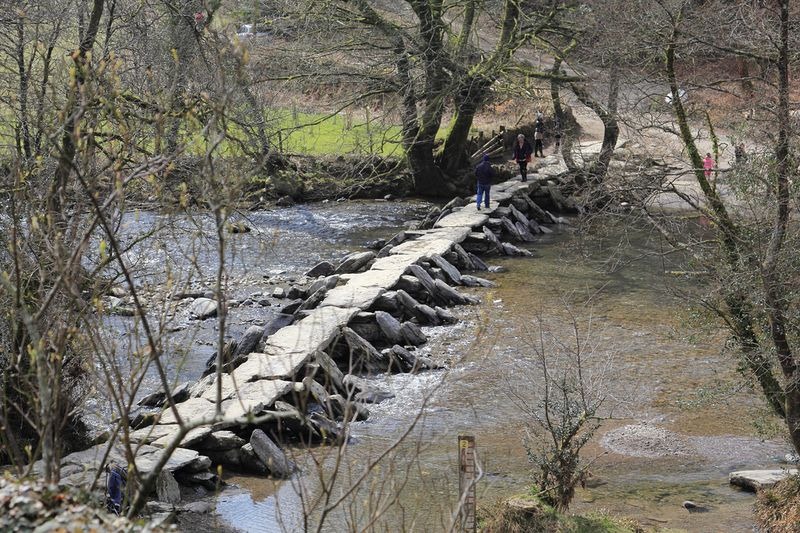
In the lonely moors of Devon and in other upland areas of the United Kingdom, the ancient people had built stone bridges by placing large flat slabs of stones over piles of stones, without mortar or cement, to cross narrow streams. These bridges are called clapper bridges. The name is derived from the Anglo-Saxon word “cleaca” which means “bridging the stepping stones”, suggesting that the first clapper bridges might have been stone slabs laid across the top of existing stepping stones. Most clapper bridges were built during the medieval times, although some of them age much much more.

tarr-steps-3

Photo credit: j.e.mcgowan/Flickr


One of the most famous clapper bridge is Tarr Steps, located in the Exmoor National Park, in Somerset, across the River Barle. It is also the longest clapper bridge in Britain with 17 spans and measuring 55 meters in length.The bridge lies very low in the water, less than a meter over the river’s normal water level. Over the last century, the river has silted so much that during flood it often flows over the stones. Several times in recent years, the slabs of stones, which weigh up to two tons each, have been washed up to 50 meters downstream. The bridge was repaired each time.

The age of Tarr Steps is unknown with several theories claiming that it dates from the Bronze Age, but others put them around 1400 AD. According to local legend, the Devil himself built it so that he could sunbath on. A more elaborate story says that the Devil never fully completed building the bridge, because his apron strings broke and he dropped the stones he was carrying. The Devil then denounced destruction on the first creature to venture across, so the villagers sent a cat across. The poor creature was torn to pieces. The parson then crossed the bridge without harm, and traded insults with the Devil.

The Tar Steps has been a tourist attraction for at least two hundred years.

tarr-steps-1

Photo credit: James Morley/Flickr

tarr-steps-2

Photo credit: Matt Neale/Flickr

tarr-steps-4

Photo credit: Exmoor NP/Flickr

tarr-steps-8

Photo credit: lee roberts/Flickr

Sources: Wikipedia / Theaa.com / www.everythingexmoor.org.uk

Source……www.amusingplanet.com
Natarajan

” Why has history forgotten this Gentle Giant ?….”

50 years ago, on January 10, Lal Bahadur Shastri died suddenly in Tashkent.

We salute The Gentle Giant on his 50th death anniversary.

IMAGE: Prime Minister Lal Bahadur Shastri visits the Lahore sector on October 18, 1965.

Seven miles from Kashi in Uttar Pradesh is Mughalsarai. Lal Bahadur, India’s second prime minister, was born there on October 2, 1904, the same day as India’s greatest statesman Mohandas Karamchand Gandhi, born 35 years before Shastriji.

Though his parents Sharada Prasad and Ramdulari Devi were Srivastavas, Shastri dropped his caste identity in his early years. In 1921, inspired by Bal Gangadhar Tilak and Gandhi, he cut short his studies to join India’s freedom movement.

Later, he joined the Kashi Vidyapeeth and earned the epithet ‘Shastri’ by obtaining a degree on philosophy.

He won the hearts of Indians when he showed exemplary courage in taking quick decisions as prime minister (June 1964 to January 1966) during the India-Pakistan war in 1965. His leadership in war was an answer to that most often asked question at that time: ‘After Nehru, who?’

His untimely death on January 10, 1966 in Tashkent, in suspicious circumstances, deprived him the chance for history to sit in judgement.

Anil Shastri, one of the late prime minister’s six children, recounted memories of his father in this fascinating interview first published on Rediff.com on October 6, 2004.

On the Congress treatment of Shastri

I don’t think India has forgotten Lal Bahadur Shastri. Whatever he did is remembered even today. I must say since Sonia Gandhi has taken charge Shastriji‘s portraits are displayed in all the annual sessions of the party. Many people have observed that there was a conspiracy to underplay Shastri’s legacy within the Congress.

This serious charge is untrue for the simple reason that due to his untimely death his contribution to the nation was confined to those 18 to 19 months when he was PM.

Nehru ruled the country for 17 years, Indira Gandhi for 16 years and Rajiv Gandhi for 5 years. Obviously the Nehru-Gandhi contribution is unparalleled because nobody got this opportunity. And remember Shastriji considered himself a protege of Pandit Nehru.

He was never outside the sphere of the Nehru ideology which is the Congress ideology.

Shastriji, who represented a certain value system, is more relevant today than before because a majority of us today have no value systems.

His father

I still miss him although I was just 16 years old when he died. If he would have lived 10 more years he would have done much more for the country.

He was down to earth. A real son of the soil. His grounding was from the grassroots level. He was a practical man too. He strongly believed the laws of the land should be changed because the British formed them to rule over India.

He did make an attempt by constituting the administrative reforms commission and made Morarji Desai its chairman. But after he died the idea was shelved.

The most cherished memory I have is the verses of Guru Nanak, which were displayed on his table. As Nehru kept Robert Frost’s lines — ‘Miles to go before I sleep‘, on his desk, my father kept Nanak’s quotes in Gurmukhi.

When translated into English they mean — ‘O Nanak! Be tiny like the grass, for other plants will whither away, but grass will remain ever green.’

When under the PL-480 programme, America was going to send inferior quality of wheat to India, he opposed it. He asked the nation to go hungry once a day than accept poor quality food from US.

Before making this announcement he asked my mother not to cook evening meals. He himself followed what he recommended.

The 1965 war with Pakistan

He appeared very modest, but was a man of steel. He had the ability to take quick decisions. It was demonstrated on August 31, 1965. On that day he came home for an early dinner.

One of his secretaries told him that the three chiefs of the defence services had come to see him. He immediately left for his office next door at 10, Janpath.

The three chiefs visited him to inform him that the Pakistan army had crossed the International Border with 100 battle tanks in the Chamb sector of Jammu. They told him that in a short span of time the Pakistan army would cut off Kashmir from the rest of India.

Without losing time he asked for the opening of a new front including Lahore. Retaliate with full force, he said.<?p>

What I remember is that the historic meeting lasted less than five minutes. Arjan Singh, the then chief of the air force, was present. He is the only surviving member from that meeting.

He told them, “Be prepared for war.” He called Defence Minister Y B Chavan and informed him of the decision. He responded positively and expressed his support. He didn’t wait for international reactions.

The next day, newspapers reported that the Indian Army was marching towards Lahore. It was a big morale booster for the country.

During those tense days, in his address to the nation from Red Fort on Independence Day, he said: “Hathiyaron ka jawab hathiyaron se denge. (Force will be met with force). Hamara desh rahega to hamara tiranga rahega(Our flag will survive only if our country does).”

On Shastri and the Nehru-Gandhi family

Pandit Nehru was very found of him. Shastriji was around 15 years younger, but he trusted him fully. In 1956, when a train accident killed 144 passengers near Ariyalur in Tamil Nadu, Shastriji resigned. Panditji refused to accept the resignation, but he prevailed upon Panditji to accept it.

On the following day in Parliament, Nehru said no one could wish for a better comrade than Lal Bahadur. A man of the highest integrity and devoted to ideas is called Lal Bahadur, said Nehru.

Once he was sent to Kashmir by Nehru to help resolve the theft in the Hazaratbal shrine. Nehru asked him whether he had enough woolens for the trip.

“Are you aware Kashmir must be having snowfall at this time?” asked Nehru.

Shastri showed him the jacket he was wearing and Nehru immediately gave his own mink overcoat. My father was short in stature, so he told Nehru the coat was quite long. But Nehru said woollen overcoats were always longer. That no one would know it was a borrowed one.

On his return from Kashmir when father went to him to return the overcoat, Nehru asked him to keep it. The next day newspapers reported: Nehru’s Mantle Falls on Shastri.

Shastriji and Indiraji also enjoyed a close relationship.

She had the highest personal regard for him. After Nehru’s death in 1964, the Congress chose him as a consensus candidate. He did make an attempt to persuade Indira Gandhi to take over as the prime minister.

He went to see her and asked her to become prime minister.

She put her foot down and said no. “You become PM and I’ll totally support you,” she said. When he was PM he would drop by at 1, Safdarjung Road (Indira Gandhi’s home) without intimation just to chat with her.

Sheela Bhatt / Rediff.com

Source……www.rediff.com

Natarajan


ஜனவரி 8 1994….பெரியவா மஹா சமாதி அடைந்த நாள் …

1994 ஜனவரி 8 ஆம் தேதி ஐயன் மஹா சமாதி அடைந்த பின், வெளி வந்த ஆனந்த விகடனில், அப்போது தொடராக வந்து கொண்டிருந்த ‘அன்பே அருளே’ கட்டுரையின் 8 ஆவது அத்தியாயம். ஸ்ரீ பரணீதரன் மாமா அவர்கள் கைவண்ணம்…

சாக்கியர் கூத்தை பற்றி தொடர்வதற்குள் ஒரு பிரளய கால ஊழிக்கூத்தே நடந்து முடிந்து விட்டது.

நூற்றாண்டு பிறந்த தின வைபவமாக கடந்த மே மாதம் கனகாபிஷேக காட்சியருளி, கோடிக்கணக்கான பக்தர்களின் நெஞ்சங்களை குளிர்வித்த பெரியவா, ஒரே நொடியில் தமது சரீர உடையை உதறிவிட்டு நம் கண்ணிலிருந்து மறைந்து விட்டார்.

1994 ஆம் ஆண்டு ஜனவரி மாதம் 8 ஆம் தேதி – சனிக்கிழமை பிற்பகல் 2.58 மணிக்கு துவாதசியன்று பெரியவா மகா சமாதி அடைந்து விட்ட செய்தி ஊரெங்கும், நகரங்கள் என்றும், கிராமங்கள் தோறும், நாடு முழுவதும், உலகம் பூராவும், எட்டி விடுகிறது. கோடிக்கணக்கானவர்களின் நெஞ்சங்கள் பதறி துடித்தன. கண்ணீர் பொங்கி பொங்கி பெருகியது. பாசத்தை வளர்த்து கொண்டு விட்ட பக்தர்கள் குமுறி குமுறி அழுதார்கள்.

‘பெரியவா என்னை அனாதையா விட்டுட்டு போயிட்டாளே…’

‘திடீர்ன்னு இப்படி ஏமாத்திட்டு போயிட்டாரே…’

‘இனிமே பெரியவாளை தரிசனம் பண்ண முடியாதே..அந்த கருணை வடிவத்தை காண முடியாதே…அன்பு சிரிப்பை பார்க்க முடியாதே… அமுத பேச்சை கேட்க முடியாதே…’

அப்பா அம்மா போனப்ப ஆறுதலுக்கு, பெரியவா கிட்டே ஓடி வந்தேன். இப்ப பெரியவாளே போயிட்டாளே யாருகிட்டே போவேன்?

‘பெரியவாளுக்கு முன்னாலே நான் போயிடணும் ன்னு பிரார்த்தனை பண்ணிண்டு இருந்தேன். என்னாலே யாருக்கு என்ன பிரயோஜனம்?

பெரியவா இருந்தா உலகத்துக்கே க்ஷேமமாச்சே…’

‘நான் கொடுத்து வெச்சவன் சார், பெரியவா மௌனவிரதம் ஏற்பதற்கு முன்னே ஒரு நாள் தரிசனத்துக்கு போயி இருந்தேன். நிறைய பேசினார் அமோகமா அனுக்கிரகம் பண்ணினா…இப்படியே பேசாம ரொம்ப நாள் உக்காந்திருப்பார் ன்னு நெனைச்சனே… மோசம் போயிட்டேனே…’

‘பெரியவாளை தவிர எனக்கு வேறு யாரையும் தெரியாதே..நாற்பது வருஷமா பெரியவா கூட இருந்து தொண்டு பண்ணினேன்…எவ்வளவு பேசி இருக்கா…ஒரு தரம் என்னை கோவிச்சிண்டுட்டா…ஏண்டா, உன்னை ரொம்ப கோவிச்சிண்டுட்டேனா? வருத்தமா இருந்ததா ன்னு அடுத்த நிமிஷமே குழந்தை மாதிரி விசாரிச்சாளே…எப்பு கோவிச்சிக்க இப்ப பெரியவா இல்லியே…’

‘பெரிய எசமான் உள்ளே படுத்துண்டு இருக்காங்க ன்னு ஒரு தைரியம் இருந்துதுங்க. எட்டி பார்த்தா அவங்க இருக்க மாட்டாங்களே…’

‘தெய்வம் என்னை தனியா விட்டுட்டு போயிடுச்சுங்க…உலகமே இருளோன்னு இருக்குதே..’

இப்படி பல்வேறு தரப்பட்ட பக்தர்கள் கதறி கதறி தீர்த்துவிட்டனர். தன் தாய், தந்தை, குழந்தை, நெருங்கிய உறவினர் இவர்களை இழந்து விட்டவர்கள் போல் என்னிடம் தேம்பி தேம்பி அழுதனர். என் சொந்த துயரத்தை உள்ளடக்கி பொங்கிய கண்ணீரை தேக்கி நிறுத்தி, அவர்களுக்கு ஆறுதல் வார்த்தை சொல்லி தேற்றிக்கொண்டு இருந்தேன்.

என்னால் தேற்ற முடியாமல் போனது அந்த ஆறு வயது சிறுமியைத்தான்.

‘எனக்கு மூணு வயசு இருக்கறப்போ பெரியவா கல்கண்டு கொடுத்தா. அதுக்கப்பறம் பெரியவாளை நான் பார்க்கவே இல்லை. அழைச்சிண்டு போ ன்னு அப்பா கிட்ட எத்தனையோ தடவை சொன்னேன். அழைச்சிண்டு போகலே. இப்போ சாமி கிட்டே போயிட்டாரே.நான் இனிமே பெரியவாளை எப்படி பார்க்கிறது?’ என்று அந்த சிறுமி கண்கலங்கிய போது, எப்படி தேற்றுவது என்று கலங்கி போனேன் நான்.

ஜனவரி முதல் தேதியன்று பத்து நிமிடங்கள் மட்டுமே பெரியவா தரிசனம் இருந்திருக்கிறது. அதற்கு பிறகு பொது தரிசனமே இல்லை. உடல்நிலை சரியில்லை. வைத்தியர்கள் அருகிலேயே இருந்து தேவையான சிகிச்சைகள் அளித்து கொண்டு இருந்தார்கள்.

8-ஆம் தேதி சனிக்கிழமை அன்று உடல் நிலை தேறியது. ஈச்சங்குடியில் வாங்கியுள்ள பெரியவாளின் பூர்வாச்ரம தாயாரின் இல்லத்தில் வைப்பதற்காக தயாரான அப்பா அம்மா படங்கள் அவரிடம் காட்டப்பட்டது. அதை சற்று நேரம் பார்த்து கொண்டிருந்தார்.

பாலுவிடம், ‘நீ கலவை பார்த்திருக்கியோ அங்கே போயிருக்கியோ?’ என்று கேட்டிருக்கிறார்.

எதற்கு திடீர் என்று கலவையை நினைத்துக்கொண்டாரோ?

யாரோ ஒருவர் தரிசனத்துக்கு வந்தார். ‘சௌக்கியமா இருக்கேளா?’ என்று உரத்த குரலில் கேட்டிருக்கிறார்.

‘பெரியவாளோட பழைய குரல் மாதிரி இருந்தது. எங்களுக்கெல்லாம் ஆச்சிரியமாக போய்விட்டது…’ என்றார் திருக்காளாவூர் ராமமூர்த்தி.

‘பிரும்ம ஸ்ரீ சாஸ்த்ரிகள்’ என்று பெரியவா பெயரிட்ட வேதபுரியை பார்த்து ‘கையில் என்ன?’ என்று கேட்டாராம். ‘பெரியவாளோட மரக்குவளை…அலம்ப எடுத்துண்டு போறேன்…’ என்று பதில் கூறி விட்டு போயிருக்கிறார்.

பெரியவா சாதாரணமாக இருப்பதை அறிந்து எல்லோருக்கும் மகிழ்ச்சி. பிக்ஷையை ஏற்றுக்கொண்டு இருக்கிறார். பிறகு படுக்க வைத்து இருக்கிறார்கள். அரை நொடியில்…அனாயாசமாக அப்போது மணி 2.58…

அல்லும் பகலும் ஒவ்வொரு கணமும் கண்ணிமை போல் பாதுகாத்து வந்த திவ்ய சரீரத்தை பார்த்து கதறி தீர்த்து விட்டார்கள் அந்த புண்ணியசாலிகள். மஹா சுவாமிகளுக்கு கைங்கர்யம் செய்தவர்கள் அத்தனை பெரும் பாக்கியசாலிகள். யார் பெயராவது விட்டு போய் விடுமோ என்பதால் அவர்களது பெயர்களை நான் இங்கு குறிப்பிடவில்லை.

அன்று மதியம் இரண்டரை மணி அளவில் ஸ்ரீ ஜெயேந்திர சரஸ்வதி சுவாமிகள், பால சுவாமிகளுடன் தாம்பரம் நிகழ்ச்சி ஒன்றுக்கு சென்று வர, பெரியவாளிடம் உத்தரவு பெற்று சென்றதை கண் கலங்கியவாறு கூறினார். சென்னைக்கு செய்தி சென்று, தாம்பரத்தை அடைவதற்கு முன்பே தெரிவிக்கப்பட்டு, இரு சுவாமிகளும் மாலை ஐந்து மணியளவில் ஸ்ரீ மடத்துக்கு வந்திருக்கிறார்கள்.

துறவியேனும் நாற்பது ஆண்டு கால தொடர்பின் பின்னணியும், பல்வேறு நிகழ்ச்சிகளும் நினைவில் அலைமோத ஸ்ரீ ஜெயேந்திரர் நெஞ்சம் குமுறி கண்ணீர் வடித்ததில் வியப்பென்ன? ஒப்புயர்வற்ற குருவின் உபதேசம் பெற்றதற்கும், பிரம்ம ஞானியிடம் பாடம் பயின்றதற்கும், மகானிடம் அறிவுரை கேட்டதற்கும் முற்பிறவியின் நற்பேறு அன்றோ காரணம் என்ற நன்றி கண்ணீர் அல்லவா அது!

அத்தருணம் உள்ளத்தில் எழுந்த சிந்தனைகள் எல்லாம் கூற முடியாமல் துயரமே உருவாக சோகமே வடிவாக அமர்ந்திருந்தாலும் – மறுநாள் நடக்க வேண்டிய சடங்குகளில் தீவிர கவனம் செலுத்தி, பக்தர்களிடம் ஆணைகள் பிறப்பித்துக்கொண்டு இருந்தார்.

பால சுவாமிகள் அங்கும் இங்கும் எங்கும் காணப்பட்டார். ஒரு கணம் தரிசித்து ஆறுதல் பெற காத்திருக்கும் பக்தர்களை சந்தித்தவாறே, தேவையான ஏற்பாடுகளில் கவனம் செலுத்தி கொண்டு இருந்தார்.

என்னை கண்டதும் தனியே அழைத்து சென்று, ‘ஏமாந்து போயிட்டோம்…இன்னிக்கு நன்னா தான் இருந்தா. பேசினா, சிரிச்சா, பிக்ஷை பண்ணினா…தைரியமா இருந்தது. தாம்பரம் போயிட்டு வந்துடலாம் ன்னு புறப்பட்டோம்…எதிர்பார்க்காம சேதி வந்தது.’என்று நடந்தவற்றை கூற தொடங்கினார். நடந்து சென்றவாறே ஒருவருக்கு கையசைப்பு, ஒருவரை அருகில் வரசொல்வது, இன்னொருவரை பார்த்து, ‘ஒ, வந்திருக்கேளா?’ என்று கேட்பது. ‘உங்களுக்கு எப்போ தெரியும்?’ என்று பரிவுடன் விசாரிப்பது…’பிருந்தாவன வேலை வேகமா நடந்து கொண்டு இருக்கிறதா?’என்று பார்வையிடுவது… பம்பரமாக சுற்றி சுழன்று கொண்டிருந்தார் பால பெரியவர்.

பக்தர்கள் கூட்டம் பெருகி கொண்டே இருந்தது. வேகமாக நகர்ந்த க்யு இரண்டு கிலோ மீட்டர் வரை நீண்டது. வெகு விரைவில் தேவையான ஏற்பாடுகள் செய்யப்பட்டிருந்தன. காவலர்கள் பணி போற்றத்தக்கதாய் இருந்தது.

மேடையில் பெரியவாளின் திருமேனி ஒளிர்ந்து கொண்டு இருந்தது. நான்கு ஆண்டுகளாக நாம் கண்ட தரிசனம். ஒரே ஒரு வித்தியாசம்…எவ்வித அசைவும் இல்லை…மூலவராகிவிட்ட நிலையில், தெய்வீக சாந்நித்யம் நிலவியது. சுற்றிலும் மடத்து சிப்பந்திகள். அவ்வப்போது, இரு சிஷ்ய சுவாமிகளும் வந்து உடனிருந்தார்கள்.

எதிரில் நகர்ந்த க்யூ வில் கும்பிட்டவர்கள், குமுறி அழுதவர்கள், கன்னத்தில் போட்டு கொண்டவர்கள், கண்ணீர் அஞ்சலி செலுத்தியவர்கள், இஸ்லாமிய பெருமக்கள், கிறிஸ்துவ சகோதர-சகோதரிகள், வெளிநாட்டினர், பல சமயத்தினர், பல மொழியினர் பொது வாழ்வில் பலதுறை சேர்ந்தவர்கள், பெரும் செல்வந்தர்கள், பரம ஏழைகள், தள்ளாடும் முதியவர்கள், ஆண்கள், பெண்கள், சிறுவர்-சிறுமியர்…

ஒரு புறம் ஒலிப்பெருக்கியில் ‘ஜெய ஜெய சங்கர…ஹர ஹர சங்கர…’கோஷம், நாம சங்கீர்த்தனம், பக்தி பாடல்கள், தேவாரம், திருப்புகழ், சகஸ்ர நாம பாராயணம், வேத முழக்கம்…. மேடை நிரம்ப மணம் பரப்பும் மலர் கொத்துக்கள், வாசனை திரவியங்களின் புகை மண்டலம்…தேவலோக சூழ்நிலை…

பன்னிரண்டு மணிக்கு மேல் மகாபிஷேகம் தொடங்கியது. பிரதம சீடர் ஸ்ரீ ஜெயேந்திர சுவாமிகள், குருவின் திருமேனிக்கு முறைப்படி அபிஷேக, அர்ச்சனைகள் செய்வித்து, தூப தீப கற்பூர ஆரத்தி எடுத்து வழிபட்டது, ஆலயம் ஒன்றில் சிவபூஜை நடைபெற்றது போன்ற உணர்வை தோற்றுவித்தது.

இறுதியாக நான்கு மணியளவில் பிருந்தாவன பிரவேச ஊர்வலம் புறப்பட்டு அருகிலிருந்த மாளிகைக்குள் சென்றது.

வெளியே இருந்தவர்களுக்கு புனித திருமேனியின் கடைசி புண்ணிய தரிசனம் அதுவே

Read more: http://periva.proboards.com/thread/10890/06-01-2016/#ixzz3wZpAMVSV

Source…….www.periva.proboards.com

Natarajan


” மஹா விஷ்ணுவும் , கொசுவும் ஒண்ணு …..” !!!

10482143_599228513527816_46027082804070919_n.jpg

ஒரு நாள் மடத்தில் உள்ளவர்களிடம்,” மகா விஷ்ணுவும்

கொசுவும் ஒண்ணு, உனக்குத் தெரியுமா?” என்றார் பெரியவா.

வழக்கம்போல் தானே அந்தப் புதிரையும் விடுவிக்கிறார்.

“விஷ்ணுவின் கையில் சக்கரம் சுற்றிக்கொண்டிருக்கு,கொசுவும்

சக்கரமாய் சுற்றிக்கொண்டுதான் இருக்கு.

கெட்டவர்கள் விஷ்ணுவைப் பார்க்க முடியாமல் ஒதுங்கிக் கொள்வார்கள்.

கண் வலிக்காரர்கள் கொசுவைப் பார்க்க முடியாமல் ஒதுங்கி விடுவார்கள். ச்ருதியிடம் விளையாடுபவர்

விஷ்ணு. [ச்ருதி=வேதம்] ச்ருதி முனையில் ஙொய் என்று கத்திக்கொண்டு விளையாடும் கொசு [ச்ருதி=காது]!”

இந்த சிலேடை சொன்னதுக்குக் காரணம் மடத்தோடு

அவர்கள் இருந்த முகாமில் கொசுத்தொல்லை தாங்க முடியாது.

“அனந்தசயனம் பண்ணும் பெருமாள்தான் கொசுன்னு

நினைச்சுண்டேன்னா, பகவத் ஸ்மரணையோடு தூங்கலாம்!” என்று எல்லோரையும் சமாதானம் செய்வாராம்.

இப்படி எந்தக் கஷ்டத்தையும் நகைச்சுவை ததும்ப சரி செய்துவிடும் அழகையும் பெரியவாளிடம் அனுபவிக்க முடியும்.

ஒரு நீண்ட உபன்யாசம் நடந்து கொண்டிருந்தது. பெரியவாளும் கேட்டார். ஒரு வழியாக உபன்யாசம் முடிந்தது.உடனே பெரியவா”சாக்கு கிடைச்சுதுன்னு நன்னா ரொம்ப நேரம் சொன்னயா?”என்றார்: “நீ ஒக்காந்துண்டிருந்தது ஒரு சாக்குமேலே…அந்த சாக்கைச் சொன்னேன்!” என்று தமாஷ் பண்ணினாராம்

Read more: http://periva.proboards.com/thread/10869/#ixzz3wPgbz2Ii

Source ……..www.perivaproboards.com

Natarajan


” வாக்குண்டாம் நல்ல மனமுண்டாம் …”

நவராத்ரிக்கு முந்தின வாரம். பெரியவாளை தர்ஶனம் பண்ண ஒரு தம்பதிகள், தங்கள் ஐந்து வயதுக் குழந்தையோடு வந்து நமஸ்காரம் பண்ணினார்கள்.
“பெரியவாகிட்ட ஒரு ப்ரார்த்தனை… கொழந்தைக்கு விஜயதஸமியன்னிக்கி அக்ஷராப்யாஸம் பண்ணணும்… நவராத்ரி டைம்-ங்கறதால ஆத்தை விட்டு வரது கொஞ்சம் கஷ்டம்… கொழந்தை நன்னா படிச்சு, நன்னா வரணும்…. அதுக்கு பெரியவா அனுக்ரஹம் பண்ணணும்…”
பெரியவா தன் முன்னால் அப்பா, அம்மாவைப் போலவே கை கூப்பிக் கொண்டு, அம்மாவையும், தன்னையும் மாறி மாறிப் பார்த்துக் கொண்டு நிற்கும் குழந்தையை கடாக்ஷித்தார்…
“பெரியவாளோட திருவாக்கால, கொழந்தைக்கு எதாவுது வார்த்தை சொல்லித் தரணும்….”
“இங்க வா……”
‘ஸரஸ்வதி’ அழைத்தாள்!
“நா…..சொல்றதை திருப்பி சொல்றியா?…”
“சொல்றேன்..உம்மாச்சி தாத்தா!…”
“சொல்லு….வாக்குண்டாம்!…..”
“வாகுந்தாம்…..”
“நல்ல மனமுண்டாம்”
“நல்ல மனமுந்தாம்”
“மாமலராள் ….”
“மாமலரால் ..”
“நோக்குண்டாம்….”
“நோக்குந்தாம்..”
“மேனி…”
“மேனி..”
“நுடங்காது….”
“நுங்காது…”
“பூக்கொண்டு…”
“பூக்கொந்து…”
“துப்பார்….”
“துப்பார்….”
“திருமேனி……”
“தியுமேனி….”
“தும்பிக்கையான் பாதம்”
“தும்பிக்கியான் பாதம்”
“தப்பாமல்…”
“தப்பாமல்”
“சார்வார் தமக்கு….”
“சார்வார் தமக்கு….”
குழந்தைக்கு கொள்ளை ஸந்தோஷம்! உம்மாச்சித் தாத்தா சொன்னதை, தான் அப்படியே ‘கரெக்டாக’ சொல்லிய பெருமை!
“வாக்குண்டாம், நல்ல மனமுண்டாம்,
மாமலராள் நோக்குண்டாம், மேனி நுடங்காது….
பூக்கொண்டு துப்பார் திருமேனி
தும்பிக்கையான் பாதம்
தப்பாமற் சார்வார் தமக்கு!…..”
“….ஒனக்கு ஔவைப்பாட்டி தெரியுமா?…”
“தெரியும் தாத்தா!…”
“இது….ஔவைப்பாட்டி பாடினது….தெரியுமோ? தெனோமும் சொல்லு….நன்னா படிப்பே!…”
“செரி…தாத்தா!…”
வாய்க்கு கல்கண்டும், ஞானக்கல்கண்டு மலையிலிருந்து உண்மையான நல்லறிவுக்கு கல்கண்டும், குழந்தைக்கு கிடைத்தது!
அப்போது அங்கே சில தமிழ் அறிஞர்களும் இருந்தார்கள். பெரியவா, ஸமஸ்க்ருதத்தை மட்டுந்தான் போஷிப்பார்; ஆதரிப்பார்; என்ற தவறான கருத்து அப்போது பரவியிருந்ததால், இந்த பெற்றோர் வந்து அக்ஷராப்யாஸம் செய்து வைக்க வேண்டி, பெரியவாளிடம் ப்ரார்த்தனை செய்ததும், அங்கிருந்த தமிழ் அறிஞர்கள் எதிர்பார்த்தது…..
“மூஷிக வாஹன மோதகஹஸ்தா…..” என்ற ஸம்ஸ்க்ருத ஸ்லோகத்தைத்தான்! ஆனால், அத்தனை மொழிகளுக்கும் ஆதார ஶக்தியான ‘ஸரஸ்வதி’க்கு மொழி பேதம் ஏது?
“வாக்குண்டாம்…..” என்று பெரியவா ஆரம்பித்ததும், அவர்களுக்கு ஆஸ்சர்யம்! ஸந்தோஷம்!
“பெரியவா கொழந்தைக்கு மட்டும் உபதேஸிக்கல……எங்க எல்லாருக்குந்தான் இந்த அருமையான உபதேஸம்! இனிமே எங்க வீடுகள்ளயும், வாக்குண்டாம்-தான் மொதல் பாடம் !…”
உண்மைதான்! இன்றைய கல்வியறிவு “வாக்குண்டாம்……” ஸ்லோகத்தில் சொல்லிய ஏதாவது ஒன்றையாவது குழந்தைகளுக்கும், பெரியவர்களுக்கும் தந்திருக்கிறதா? என்று மூளையை குடைந்து குடைந்து யோஜித்தாலும், “இல்லை” என்றுதான் ஸத்யமான பதிலாக வரும். இது பெரியவா நம் அத்தனை பேருக்குமே அனுக்ரஹித்த அக்ஷராப்யாஸம்!
இந்த புது வர்ஷத்தில், நல்ல, உயர்ந்த ஸத்யமான வார்த்தைகள், நல்ல தர்மங்களை எடுத்துக் கொண்டு கடைப்பிடிக்கும் தாராள மனது, இந்த ரெண்டையும் அனுக்ரஹிக்க “ஜகத்குரு” காட்டிய விக்னேஶ்வர மூர்த்தியின் பாதங்களை பணிவோம். குழந்தைகள் இதை தினமும் சொல்லி வந்தாலே, மனஸும் ஶுத்தமாகும், அதனால் வாக்கும் ஶுத்தமாகும், தெளிந்த நல்லறிவும் உண்டாகும்.
Source…input from a friend of mine
Natarajan

WHY DOES THE NEW YEAR BEGIN ON JANUARY FIRST IN MANY COUNTRIES…?

Because Julius Caesar said so.

Early Roman Calendar

Since long before Caesar’s time, date keeping was dicey. In fact, the 355-day Roman calendar that immediately preceded Caesar’s Julian, worked on a four year cycle where every other year, an additional month was inserted between February (Februarius), the last month of that calendar year, and March (Martius), the first month of the year; this was done in order to catch the calendar up with the Earth’s orbit of the Sun. That additional month, called the Mensis intercalaris, brought in the missing 22 or 23 days, and to even things up, took another five days from February in the years it was present.

Since the calendar had been designed to ensure the proper observance of religious dates, priests, calledpontifices, were responsible for declaring when theinterclaris month should begin and end. Since these priests were also involved with politics, they sometimes:

newyears

Misused their power by intercalating days or not intercalating them, merely in order to lengthen or shorten some magistrate’s year of office, or to increase the gains of some government contractor, or to inflict loss upon him.

By the time Caesar came around, the Roman calendar was in shambles, and in 46 BC, Julius Caesar commanded that it be changed.

Julian Calendar

The Julian calendar’s beginnings were as crazy as the old Roman calendar at its worst:

In order to wipe out the consequences of past neglect, it was necessary that the year 46 BC (called by Macrobius the annus confusionis) should extend to 445 days. The normal number of 355 days had already been increased by the addition of the ordinary 23 days, inserted after Feb. 23. As many as 67 days, divided into two menses intercalares . . . were now interposed between November and December. . . . This year thus consisted of 15 months.

After this “year of confusion,” the new calendar really started. Intercalation was abolished, and each year was increased to 365 days, with a leap year added every fourth year (quarto quoque anno) to February. The months of the calendar after Caesar’s shake-up followed the old Roman calendar closely and most are familiar to us even today: Ianuarius, Februarius, Martius, Aprilis, Maius, Iunius, Guintilis, Sextilis, September, October, November and December.

Along with these changes, Caesar set the New Year to January 1.  Why? Since 153 BC, January 1 was the day new consuls in Rome took office and Romans had commonly used the name of the two consuls to identify a specific year in question.  Thus, by officially making January 1 start the New Year, it simply lined up with the consular year.

As to why the consular year started on January 1 instead of the original Roman Calendar New Year’s day of March 1, this isn’t known.  That said, there are references that seem to imply that January 1 may have begun marking the New Year as early as 189 BC, which precedes when the consular year started beginning on that day.

One proposed reason for this switch is that January is thought by most to have been named after the god of transitions and beginnings, Janus, during the reign of the second King of Rome, Numa Pompilius, who lived from 753-673 BC.  Thus, it was naturally enough for the Romans to eventually decide to make the switch. However, whether this is the reason or not is very much up for debate.

Gregorian Calendar

Although the Julian Calendar was relatively accurate, its use of 365.25 days in a calendar year, as opposed to the precise 365.2425 days, over centuries, created a discrepancy in the calendar. In fact, by the time Pope Gregory XIII (1572-1585) became the Bishop of Rome, the Julian calendar had lost 10 days.

It was this discrepancy that brought about the reformed calendar. Actually beginning 20 years before the calendar took effect with the Council of Trent in 1563, church leaders wanted to restore the spring equinox to the date it was when the First Council of Nicaea was convened in 325 (by 1563, the equinox was falling on March 11, rather than March 21).

As simple as making a Papal decree, Gregory issued the Inter gravissimas on February 24, 1582, and nearly eight months later, the last day of the Julian calendar, October 4, 1582, was followed by the first day of the Gregorian calendar, October 15, 1582. Voila!

Today, the Gregorian calendar is the unofficial calendar of the United States and the United Nations, as well as most countries in the world.

New Year’s Day

Since before even Caesar’s time, people celebrated the New Year. In ancient Babylon, this began after the spring equinox in March, and part of the celebration including subjecting the king to ritual humiliation. In fact, “if royal tears were shed, it was seen as a sign that Marduk [a god] was satisfied and had symbolically extended the king’s rule.”

After he was murdered by a small group of his “friends” (“Et tu, Brute?”), the Roman Senate made Caesar a god on January 1, 42 BC, a date which coincided with the time-honored practice of making offerings to Janus in the hope of having good fortune throughout the year.

Throughout the Middle Ages in Europe, January 1st’s New Year’s celebrations were discouraged, as they were seen by church leaders as a pagan practice.  Instead, other days were often used as a substitute varying from nation to nation.  This changed when the Gregorian calendar was instituted and, at least in the Catholic nations, January 1 once again became the official New Year, and it slowly spread from there with the Gregorian calendar.

Bonus Facts:

  • As mentioned, many protestant nations ignored the Gregorian calendar for some time. England stuck to the Julian Calendar until 1751 before finally making the switch. Orthodox countries took even longer to accept the change in calendars. Russia, for one did not convert to the Gregorian calendar until after the Russian Revolution in 1917. The funny thing was, in 1908, the Russian Olympic team arrived 12 days late to the London Olympics because of it.
  • Under the Gregorian calendar we do not have a leap year every four years, since to properly align the calendar with the Earth’s orbit, an additional day is required in only 97 out of 400 years. So, leap years are calculated as follows:

Every year that is exactly divisible by four is a leap year, except for years that are exactly divisible by 100, but these centurial years are leap years if they are exactly divisible by 400. For example, the years 1700, 1800 and 1900 are not leap years, but the year 2000 is.

source….www.today i foundout.com

Natarajan