Message for the Day…..”The Right Attitude to March Forward to attain the Presence of God …”

Sathya Sai Baba

A farmer clears and levels the land, removes the stones and thorns, ploughs and prepares the field, manures and strengthens the soil, waters and fertilizes it. Then after sowing, transplanting, weeding, spraying, and waiting, he reaps the crop. After winnowing and threshing, he stacks the corn. All these various processes are for the sake of feeding the stomach. So too one must feel that all hunger and thirst, joy and sorrow, grief and loss, suffering and anger, food and appetite are but impulses that help us march forward to attain the Presence of the Lord. When you have this attitude, sin will never tarnish any of your activities. Your appetite for hunger and material desires will also vanish, without a vestige of name or form. On the other hand, if you treat the appetites as more important, you will be sure to earn only sorrow, not joy. It will be impossible to acquire peace.

Children in Rural India Have Found a New Way to Travel the World. And It’s Heartwarming…

With the motto ‘Inform, Communicate & Empower!’, New Delhi-based organisation Digital Empowerment Foundation (DEF) finds sustainable ICT solutions for marginalised communities to overcome information poverty and enable better access to benefits and rights in rural India.

Udita Chaturvedi witnessed a positive change in Rajasthan’s villages. Parents and children are embracing computer literacy. Read about her experiences.

Last month, I was in Alwar district of Rajasthan (Alwar is about 160 km from Delhi), accompanying two foreign nationals who’re shooting for a film in India.  They are documenting how lives are changing in this country due to digital literacy.

While the filmmakers were busy shooting in a Community Information Resource Centre (CIRC), established byDigital Empowerment Foundation (DEF) to promote digital literacy and social awareness, I was sitting among some mothers and their children, discussing their lives and understanding the difficulties they face.

It was during this conversation that I learnt that most of the mothers in Mungaska, a slum-like locality in Alwar, are either illiterate or school dropouts. While they chose not to study or were forced to drop out of school, they all wanted proper education for their children.

Meena is the mother of an extremely talented eight-year-old boy. The boy, Aman, is born into a family of professional bhapang players and is, in fact, the youngest bhapang player himself — he started learning at the age of three!

Eight-year-old Aman is the youngest bhapang player in the village. Photo source: Udita Chaturvedi

Eight-year-old Aman is the youngest bhapang player in the village. Photo: Udita Chaturvedi

Aman, his elder brother, and sister are the first school-going generation of the family. While several efforts are being made by the family to ensure that bhapang doesn’t prove to be a dying art, it is not the reason the younger generation is attending school. The reason is that Meena believes, “Education can make or break a person, but mostly make.”

Aman’s mother only studied till class 5, because, back then, there was no school in Mungaska for students who wanted to study beyond class 5. “Education is important for everything today. Whether you want to use a computer or get a government job, school education has become a must,” says Meena.

But what made her realise this?

“I have seen smart children grow up, playing in the lanes of our colony. There’s nothing wrong in playing. In fact, I encourage Aman to play after school. But I’ve seen those smart children grow into useless 20-year-olds as well. They still play cricket in the lanes all day long and live off their father’s income. What will they do when their father is no more? How will they feed their wife or children?” she questions.

Meena is very sure she wants Aman to study, and not just till class 12. She wants him to go to college. At the same time, she doesn’t want Aman to give up on his musical talents. In fact, she believes Aman will be able to take their family’s music to a wider audience around the globe, if he’s well educated and digitally literate.

“He can do so much with the Internet,” she says.

Rimpy, a young mother of three children — two girls and a boy, has similar views. Rimpy never went to school because she “wasn’t interested in studying”. However, when her children give her the same excuse in the morning, they’re scolded and pushed out of the house.

“Education makes people independent. It helps them get a job, or even fight society. I know my life could have been very different had I been to school. If nothing else, I could have at least brought in some extra income into the house. Maybe my family would even listen to my opinions more,” she says.

Rimpy, a mother of three, believes education can make a person independent. Photo: Udita Chaturvedi

Rimpy is a housewife. One of her friends studied till class 12 and got married. However, a year later her husband died and she returned to her parents’ house in Mungaska. Here, she enrolled at a CIRC, established by DEF, and took computer lessons. Rimpy wishes she had been to school too, because learning computers at the age of 30, with no education at all, was far more difficult than she had imagined. While her widow friend aced, she lagged behind. Now, Rimpy doesn’t want her children to face a similar fate.

“School education is as important as computer training. In fact, all schools should also teach children how to use computers,” she says.

There are many others like Meena and Rimpy who understand the value of education — both traditional and digital — because they themselves have been deprived of it for some reason or the other.

In today’s time, where knowledge of computers has become crucial, English has become an aspirational language and a degree has become mandatory for jobs. It is silly to not go to school or learn computers, believes Rafia, the mother of a nine-year-old girl. “Even Modi (Indian Prime Minister Narendra Modi) wants the youngsters to learn computers today,” she adds.

However, I would be lying if I say that every child in Mungaska understands the importance of education. While a lot of them enjoy going to school or learning computers in a group at the CIRC, there are some who only attend school because they’re forced by their parents or only because they get to play games or use Google Search after an hour of practicing on Microsoft Office.

Google Search, in fact, seemed like the second favourite — after Facebook, of course — feature of the Internet for most children.

Aman uses Google Search to travel, though his travel has been restricted to Alwar and Delhi so far. He says, “The day before, I searched for Qutub Minar on Google after I read about it in my school textbook. Do you know how tall it is? It’s 240 feet tall.” He was right, I cross-checked on the Internet.

The story was no different in Chandauli village where Sahil was coincidentally looking up the Taj Mahal, when I entered the CIRC there.

When I asked him what he was doing, he replied, “People from America come to India to see the Taj Mahal, so I wanted to see it too. But I can’t travel to Agra, it’s very far. So I am looking it up on Google.”

A student explores the Taj Mahal through Google Images. Photo: Udita Chaturvedi

Sahil showed me at least a dozen different pictures of Taj Mahal, each from a different angle. By the time he finished, he had inspired other children at the centre to look up some city or the other. Somebody used Google Search to travel to Agra while another travelled to Jaipur.

A kid even asked Will, one of the filmmakers in our group, where he was from and then looked up “America”. But he soon lost interest and searched for the Red Fort in Delhi instead.

The visit to Alwar gave me a whole new perspective about how these CIRCs are impacting society. It’s not just about digital literacy and learning how to operate Microsoft Office tools, but so much more. DEF has eight CIRCs in as many villages of Alwar district (and a total of 150 across 23 Indian states) where the poorest of the poor spend their time learning computers, playing with the Internet, and utilising various digital tools. It is interesting how these digital resource centers are making children, youth — both, boys and girls — and their families look at education in a non-traditional manner.

At these centers, the locals, who had never stepped out of their village, are now travelling to various parts of the country and the world, and learning about things that they had only heard of. These villagers, who are first-time learners of digital tools, are not just learning but are also teaching us that a connected digital device is just not a tool for digital literacy, but a tool that impacts them socially, behaviourally, economically and perhaps even responsibly.

Featured image source: Facebook

Source…….About the author: Udita Chaturvedi is a former journalist who now works with Digital Empowerment Foundation and writes stories of impact in the areas of digital literacy,education, and women empowerment. She can be reached atudita@defindia.org or through her Twitter handle @uditachaturvedi.    .www.the betterindia.com

Natarajan

Kolkata Girl Makes It to Forbes 30 Under 30 List for Developing Pathbreaking Underwater Drones…

28-year-old Sampriti Bhattacharyya, a PhD scholar from Massachusetts Institute of Technology, has designed an underwater drone that can map ocean floors at places where GPS does not work. She is the founder of Hydroswarm – a startup that designs and markets small, autonomous drones for ocean exploration and maritime big data. These drones are shaped like an egg and are roughly the size of a football.

Sampriti, who hails from Kolkata, has been featured among Forbes’ top 30 most powerful young change agents of the world.


drone

She pursued engineering from St. Thomas’ College of Engineering & Technology in Kolkata and then went to Ohio State University to study aerospace engineering. She later switched to robotics at MIT.

The absence of any easy way to study ocean floors inspired her to create an underwater robot. As of now, remotely operated autonomous underwater vehicles (AUV) are used to explore the deep sea. They are deployed for missions like studying oil spills, environmental monitoring, search operations, etc. But AUVs are very costly and mission-oriented. They are not used to study the ocean on a day-to-day basis to understand the underwater environment better.

This is what Sampriti wants to change with Hydroswarm, by developing drones that can roam the oceans and collect data all the time.

drone1

“Underwater navigation has been a reality for many years but for advanced searches you need maps that are as refined as, say, the Google map. This is where my drone comes in. It can map the ocean, sitting on its bed, and you can zero in on the minutest objects, living or non-living. You can even map underwater pollution with the help of his drone,” she told The Times of India when she was in Kolkata for some time recently.

These drones can withstand the immense pressure in deep oceans, can cover up to 100 square meters in one hour, and can swim across the ocean floors mapping the topography, studying aquatic life, etc.

To commercialize her drone by starting a company, Sampriti joined a business programme at Harvard Business School. She was one of the top eight contenders to reach the finals of MIT $100K Entrepreneurship Competition, winning $15,000.

All pictures: Twitter

Source……..Tanaya Singh in http://www.the betterindia.com

Natarajan
joke for the Day….” A witty Search for proper job….” !!!

 1. My first job was working in an orange juice factory,
BUT I got canned. I just couldn’t concentrate.
2. Then I worked in the woods as a lumberjack,
BUT I just couldn’t hack it, so they gave me the axe.
3. After that, I tried being a tailor,
BUT I wasn’t suited for it – mainly because it was a sew-sew job.
4. Next, I tried working at Starbucks,
BUT I had to quit because I got tired of the same old grind.
5. Then, I tried being a chef – I figured it would add spice to my life,
BUT I just didn’t have the thyme.
6. Next, I tried working in a deli,
BUT any way I sliced it, I just couldn’t cut the mustard.
7. My best job was as a musician,
BUT I eventually found I wasn’t noteworthy.
music notes gif
8. I studied for a long time to become a doctor,
BUT I didn’t have any patience.
9. Next up was a job in a shoe factory – I tried hard,
BUT I just didn’t fit in.
10. After that, I became a fisherman,
BUT I discovered I couldn’t live on my net income.
11. Next, I managed to get a job at a pool maintenance company,
BUT the work was too draining.
12. So after that I got a job at a workout center,
 BUT they said I wasn’t fit for the job…
13. After many years of trying to find steady work, I finally got a job as a historian,
BUT I realized there was no future in it…
14. My last job was when I tried working in a muffler factory,
BUT that was too exhausting.
 So, I tried retirement!
AND I FOUND I’M PERFECT FOR THE JOB!
Source……….www.ba-bamail.com
Natarajan

” இறைவனின் அழைப்பை உணர்ந்த போது……”

அண்ணல் காந்தி “நான் 125 ஆண்டுகள் வாழ்வேன்’ என்று பல முறை சொல்லியிருக்கிறார். ஆனால், தனது 79-ஆவது வயதிலேயே இறைவனடி சேர்ந்துவிட்டார்.
ஞானிகளும், யோகிகளும், சித்தர்களும் தாங்கள் இறக்கும் காலம் எப்போது என்பதை முன்னதாகவே உணர்ந்து, அறிவிக்கும் சக்தி படைத்தவர்கள் என்பார்கள். சுவாமி விவேகானந்தர் தன் ஆன்மா பிரியும் நாளை, வங்காளப் பஞ்சாங்கத்தைப் பார்த்து, தானே முடிவு செய்து கொண்டார்.
அதேபோல், மகான் காந்தியும் தனது இறுதிக் காலம் நெருங்கிவிட்டது; இறைவனின் அழைப்பு வந்துவிட்டது என்பதை உணர்ந்தார்; அந்த உள்ளுணர்வை வெளிப்படுத்தவும் செய்தார் தன் சொல்லாலும், செயலாலும்.
இறப்பதற்கு முந்தைய நாள் (29.01.1948) அந்த உள்ளுணர்வைத் தெளிவாக வெளிப்படுத்தினார்.
அன்று மதிய உணவு வேளையின் போது, தில்லி பிர்லா பவன் புல்வெளி அரங்கில் அமர்ந்திருந்தார். அப்பொழுது நேருஜியின் சகோதரி கிருஷ்ணா ஹதீசிங், கவிக்குயில் சரோஜினி நாயுடு, இந்திரா காந்தி, நான்கு வயதான ராஜீவ் காந்தி – ஆகிய நால்வரும் வந்தார்கள். வண்ண வண்ண உடைகள் அணிந்திருந்த அவர்களைப் பார்த்து “இந்த ஏழையைப் பார்ப்பதற்கு இளவரசிகள் வந்திருக்கிறார்களோ!’ என வேடிக்கையாகப் பேசி வரவேற்றார் காந்திஜி. “முன்பை விட உங்கள் உடல் தேறியிருக்கிறது: மிகவும் நேர்த்தியாகக் காணப்படுகிறீர்கள்’ என்று ஹதீசிங் சொன்னதற்கு, காந்திஜி பதில் எதுவும் பேசவில்லை.
அவ்வேளையில் சிறுவன் ராஜீவ், அங்கே சிதறிக்கிடந்த மலர்களை தன் இரு கைகளாலும் சேகரித்து எடுத்து, அண்ணலின் அருகில் சென்று, அவரது காலடிகளில் வைத்தான். உடனே காந்திஜி, ராஜீவைப் பிடித்து, அவரது காதை செல்லமாகக் கிள்ளியபடி “நீ இதைச் செய்யக் கூடாது. மலர்களை இறந்தவர்களின் காலடியில் வைப்பது தான் வழக்கம்’ என்று சொன்னார்.

ஒருமணி நேரம் கழித்து, பிரபலமான “லைஃப்’ பத்திரிகை நிருபர் “மார்கரெட் பூர்சி ஒயிட்’ அண்ணலிடம் பேட்டிக்காக சந்தித்தார். அதுவே காந்திஜி அளித்த கடைசிப் பேட்டியாக அமைந்தது. அந்த நிருபர் “125 வயதுவரை வாழ வேண்டும் என்ற விருப்பம் உங்களுக்கு இருக்கிறதா?’ என்று கேட்க, அதற்கு அண்ணல், “அந்த நம்பிக்கையை நான் இழந்துவிட்டேன். இன்று உலகில் நிகழும் கொடிய நிகழ்வுகளே அதற்குக் காரணம். இருண்ட உலகத்தில் நான் வாழ விரும்பவில்லை’ என்று சற்று அழுத்தமாகவே சொன்னார்.
அதன்பின் மதக்கலவரங்களால் பாதிக்கப்பட்டு, வீடுகளை, சொத்துக்களை இழந்த ஒரு கிராம மக்கள் கூட்டம் காந்தியைச் சந்தித்தது. வந்தவர்களில் பலர் கண்ணீர் விட்டு அழுது கொண்டே கை வணங்கி நின்ற போது, உணர்ச்சி வசப்பட்ட ஒரு நபர் கோபத்தோடும், வேகத்தோடும் காந்தியை நோக்கி “நீங்கள் எங்களுக்கு செய்த தீங்குகள் போதும், எங்களை முழுமையாக அழித்து விட்டீர்கள், எங்களை விட்டு விடுங்கள். நாங்கள் பார்த்துக் கொள்வோம். நீங்கள் இமயமலைக்குச் சென்று விடுங்கள். அது போதும் எங்களுக்கு’ என்று கொடிய சொற்களை கொட்டித் தீர்த்தார். இது அண்ணலின் மனதை அதிகம் பாதித்திருக்க வேண்டும். ஆகவேதான், தன் பேத்தி மனு பென் இடம் “ஏழைகளின் இந்த கோபக்குரல் எனக்கு இறைவனின் குரலாகவே தோன்றுகிறது. இறைவன் எனக்கு அனுப்பும் மரண எச்சரிக்கையாக இதனை நான் கருதுகிறேன். ஆனால், ஒன்றை உறுதியாகச் சொல்வேன். இமயமலையில் எனக்கு அமைதி கிடைக்காது. அவதியுறும் என் மக்களுக்கு உதவுவதே எனக்கு அமைதியைக் கொடுக்கும். மக்களுக்கு மத்தியில் நான் வாழ விரும்புகிறேன். குழப்பத்திற்கு மத்தியிலேயே நான் சாக விரும்புகிறேன். இறைவன் எப்பொழுது வேண்டுமானாலும் என்னை எடுத்துக் கொள்ளட்டும். (I want to find peace in the midst of my people: I want to die in the turmoil. God may take me away any time as He wills) என்று சொன்னார்.
இந்த நிகழ்வு அவர் நெஞ்சை மிகவும் பாதித்தது. ஆகவே தான், இரவு படுக்கைக்குச் செல்லும் முன்பு, தன் நீண்ட கால சகாவான பிரிஜ் கிருஷ்ணா சந்தி வாலாவிடம் “இதனை இறைவன் எனக்கு அனுப்பிய இறுதி எச்சரிக்கையாக எடுத்துக் கொள்ள வேண்டும்’ என்று திரும்பவும் சொன்னார்

கடுமையான இருமலுக்காக டாக்டர் சொன்ன பெனிசிலின் மாத்திரையை எடுத்துக் கொடுத்த போது, என்றுமில்லாத வகையில் கோபத்தை வெளிப்படுத்திச் சொன்னார். “நான் நோயால் அல்லது கட்டியால் இறக்க நேர்ந்தால், இவன் ஒரு “போலி மகாத்மா’ (False Mahatma) என்று எல்லோரும் ஒன்று சேர்ந்து உரக்கச் சொல்லுங்கள். ஆனால், ஒரு எதிர்பாராத நிகழ்வால் அல்லது ஒருவனின் துப்பாக்கிக் குண்டுகள் என் நெஞ்சிலே பாய்ந்து, எந்த ஏக்கமும் இல்லாமல், ராம நாமத்தை என் உதடுகள் உச்சரித்தவாறே, என் உயிர் போகுமானால், அப்பொழுது இவன் உண்மையான மகாத்மா (True Mahatma) என்று நீங்கள் சொல்லலாம்…’
அண்ணலின் இறுதி நாளான, ஜனவரி 30 அன்று, மாலை 4 மணி அளவில் சர்தார் படேலுடன் ஆழ்ந்த உரையாடலில் ஈடுபட்டிருந்தார். அது சமயம் அவரைச் சந்திப்பதற்காக, அவரது சொந்த மாநிலமான “கத்தியவாரி’லிருந்து இரண்டு தலைவர்கள், முன் அறிவிப்பு எதுவும் இல்லாமல் வந்திருப்பதாகச் சொன்னார்கள். அதைக் கேட்டவுடன் “பிரார்த்தனை கூட்டம் முடிந்த பின், அவர்களைச் சந்திப்பதாக சொல்லுங்கள். அதுவும் அப்பொழுது நான் உயிரோடு இருந்தால்’ என்று சொன்னார்.
இதற்கு சில மணி நேரத்திற்கு முன்னால், காந்தி இருமலுக்காக எடுக்க வேண்டிய மருந்தை – கிராம்பும் வெல்லமும் சேர்ந்த கலவையை – எடுத்து வருகிறேன் என்று மனு பென் சொன்ன போது “இன்று இரவுக்குள் என்ன நடக்கும் என்பதை யார் அறிவார்? நான் உயிருடன் இருப்பேனா? என்பது கூடத் தெரியாதே’ என்று குறிப்பிட்டார்.
இவ்வாறு, தனது இறுதிக் காலம் நெருங்கி விட்டது. இறைவனின் அழைப்பு வந்து விட்டது. தனது மரணம் ஒரிரு நாள்களில் நிகழும் என்பதை மற்ற மகான்கள், ஞானிகள், சித்தர்கள் போல் மகாத்மா காந்தி அடிகளும் முன்னதாகவே உணர்ந்தார். அந்த உள்ளுணர்வை பலமுறை வெளிப்படுத்தவும் செய்தார்.

ஜனவரி 30-ஆம் நாளன்று அண்ணல் மூன்று முக்கிய செயல்களில் ஈடுபட்டார் எனச் சொல்லலாம். “பிரிவினைக்குப் பின் நிகழ்ந்து வரும் குழப்பங்களையும் கொடுமைகளையும் பார்த்த பின்பும் காந்திஜி பாகிஸ்தானின் மீது மென்மையான போக்கைக் கடைப்பிடிக்கிறாரே என்று குற்றம் சாட்டி, காந்திஜியின் சேவை இனி தேசத்திற்குத் தேவை இல்லை. அவர் இமயமலைக்குத் துறவியாகச் செல்வதே உசிதம்’ என்ற குரல் வலது சாரிகள், மதவாதிகள், பிற்போக்குவாதிகளிடமிருந்து பலமாக ஒலிக்கத் தொடங்கியது. ÷ஆனால், காந்தியோ தன் அமைதிப்பணி, தான் இல்லாவிட்டாலும், தொடர வேண்டியது முன்பை விட மிகமிக அவசியம் எனக் கருதியிருக்க வேண்டும். ஆகவேதான், அன்று எவரும் எதிர்பாராத வகையில் அங்கிருந்தவர்களை ஒரு குறிப்பிட்ட குஜராத்தி பஜனைப் பாடலைப் பாடும்படி பணித்தார்.
அந்த பாடல் வரிகளின் பொருள்:
“ஓ! மனிதா! நீ களைப்படைந்தாலும், இல்லா விட்டாலும், ஓய்வு எடுக்காதே! உன் போராட்டத்தை நிறுத்தாதே! தனிமனிதனாக அதனைத் தொடர்ந்து நடத்து’ என்பதாகும்.
தான் மறைந்தாலும், ஒவ்வொரு தனிமனிதனும் தன் போராட்டத்தைத் தொடர வேண்டும் என மகாத்மா எண்ணியதால் தான், இப்பாடலைப் பாடச் சொல்லியிருக்க வேண்டும்.
“தேசம் இன்று இருக்கும் சூழலில் நேரு, படேல் ஆகிய இரு தலைவர்களும் இணைந்து செயல்பட வேண்டும். அவர்களது அறிவும், ஆற்றலும், சேவையும், அர்ப்பணிப்பும் தேசத்திற்குத் தொடர்ந்து கிடைக்க வேண்டும்’ – என்ற ஆவலை அண்ணல் உறுதிபட வெளிப்படுத்தினார். அதற்கு சர்தார் படேல் இசைவு தெரிவித்தார். அன்றைய தினத்தில் அண்ணலின் இரண்டாவது முக்கியமான பணி இது.
மூன்றாவதாக, காங்கிரஸ் பேரியக்கத்தின் இலட்சியம், அணுகுமுறை, செயல்பாடு ஆகியவற்றைத் திருத்தும், வரைவு ஆவணத்தைத் (Draft Document) தயாரிக்கும் பணியில் மும்முரமாக ஈடுபட்டிருந்தார். இதனை காங்கிரஸின் கடைசி அத்தியாயத்தைக் காந்திஜி எழுதிக் கொண்டிருந்ததாகச் சொல்வார்கள். அதே நாளில் தான், நாதுராம் கோட்சே, காந்திஜியின் கடைசி அத்தியாயம் எழுதப்படுவதற்கான திட்டத்தைத் தீர்க்கமாக, வகுத்துக் கொண்டிருந்தான்.

பிரார்த்தனைக் கூட்டத்திற்கு சரியாக 5 மணிக்கு செல்பவர் மகாத்மா. அன்று 10 நிமிடங்கள் தாமதமாகி விட்டதை அறிந்த அண்ணல், தன்னையே நொந்து கொண்டு “நான் என்னையே சிதைத்துக் கொள்ள வேண்டியது தான்’ என்று சொன்னார். அவைதான் அண்ணலின் வாயிலிருந்து வந்த கடைசி வார்த்தைகள்.
காலதாமதம் ஆகிவிட்டதால், என்றுமில்லாத வகையில் வேகமாக நடந்தார் காந்திஜி. எதிரே ராணுவ பாணியில் காக்கி உடை அணிந்திருந்த கோட்சே, காந்திஜியின் முன் வந்து வணங்கினான். பதிலுக்கு காந்திஜியும் இருகரம் கூப்பி வணங்கினார். கூப்பிய கைகளை எடுக்கும் முன்பாக, கோட்சே, தன் கைத் துப்பாக்கியால் காந்திஜியின் நெஞ்சை நோக்கி 3 முறை சுட்டான். “ஹே! ராம்’ என்ற வார்த்தைகள் அண்ணலின் வாயிலிருந்து கடைசியாக வந்தன. நிலைகுலைந்து மண்ணில் சாய்ந்தார் மகாத்மா.
கூடியிருந்தவர்கள் அனைவரும் அதிர்ச்சிக்குள்ளானார்கள். பலர் பயந்து ஓடினார்கள். பலர் கதறி அழுதார்கள். அதிர்ச்சிக்கு உள்ளாகாமல், ஆடாமல் அசையாமல் அப்படியே நின்றிருந்தான் கோட்சே. அவன் தப்பிச் செல்ல எந்த முயற்சியும் எடுக்கவில்லை. ஆனால், அமெரிக்கத் தூதரகத்தின் இளம் அதிகாரி-ஹெர்பர்ட் டாம் ரெய்னர்-கோட்சேயின் தோள்களைக் கெட்டியாகப் பிடித்துக் கொண்டு காவல் அதிகாரி வந்தவுடன் ஒப்படைத்தார்.
அண்ணலின் உடலை மனு பென் தன் மடியில் வைத்துக் கொண்டார். அங்கிருந்த ஓர் இளம் பெண் மருத்துவர், காந்திஜியைத் தொட்டுப் பார்த்தார். உயிர் பிரிந்து விட்டது என்பதை அறிந்தார். ஆனால், அதனை அறிவிக்க அவருக்கு மனோதிடம் வரவில்லை.
செய்தி அறிந்தவுடன் தன் மகள் மணிபென் உடன் முதலில் ஓடிவந்தவர் சர்தார் படேல். அதிர்ச்சியடைந்த நிலையில், அண்ணலின் மணிக்கட்டைப்(Wrist) பிடித்துப் பார்த்தார். இதயம் இன்னும் கொஞ்சமாவது இயங்கும் அறிகுறி இருக்கிறதா? என்ற ஏக்கத்தோடு பார்த்தார் படேல். ஆனால், அந்த அறிகுறி எதுவும் இல்லை போலும்.
அடுத்து வந்த டாக்டர் பி.பி. பார்கவா, உயிர்பிரிந்து 10 நிமிடங்கள் ஆகிவிட்டன என்பதை அறிவித்தார். கூடியிருந்தோர் அழுது புலம்பினர்.
அடுத்து ஓடிவந்து சேர்ந்தவர் அண்ணலின் மகன் தேவதாஸ் காந்தி. அவரது மகன் கோபாலும் உடன் வந்திருந்தார். தன் தந்தையின் கைகளைப் பிடித்துக் கொண்டு கதறினார். காந்திஜியின் காதருகே தன் முகத்தை வைத்துக் கொண்டு, “பாபு! ஏதாவது சொல்லுங்களேன் என்று அழுதுகொண்டே கேட்டார். அழு குரல் விண்ணை எட்டியது.

அப்போழுது, சர்தார் படேல் “மற்றவர்கள் அழலாம். கண்ணீர் வடித்து தங்கள் துக்கத்தைக் கரைத்துக் கொள்ளலாம். நான் அதைச் செய்ய முடியாதே! என் செய்வேன்! என்றார்.
அடுத்து வந்து சேர்ந்த பண்டித நேரு, ரத்தக் கறை தோய்ந்த காந்திஜியின் உடையில் முகத்தைப் புதைத்துக் கொண்டு, ஒரு குழந்தையைப் போல, தேம்பித் தேம்பி அழுதார். படேல், நேருஜியின் முதுகில் மெதுவாக வருடி, அவரை அமைதிப்படுத்த முயன்றார். நேருவும், படேலும் ஒருவரை ஒருவர் கட்டித் தழுவிக்கொண்டு எவரும் கட்டுப்படுத்த முடியாத அளவில் விம்மி, விம்மி அழுதார்கள். (They embraced each other and sobbed uncontrollably). இந்திய தேசத்தின் பிரதம மந்திரியும், உள்துறை அமைச்சரும், தன் தந்தையை இழந்த மகன்களைப் போல் ஒருவரை ஒருவர் தழுவிக் கொண்டு, அழுது கொண்டிருப்பதைப் பார்த்து பதை பதைத்துப் போனார்கள் மக்கள்.
மக்கள் கூட்டம் கூடிக் கொண்டே இருந்தது. கூட்டத்தை விலக்கிக் கொண்டு உள்ளே நுழைந்தார் கவர்னர் ஜெனரல் மௌண்ட் பேட்டன். அப்பொழுது ஒரு இளைஞன் கோபமாக “காந்திஜியை ஒரு முஸ்லிம் கொலை செய்து விட்டான்’ (It was a muslim who murdered gandhiji) எனக் கூக்குரலிட்டான்.
அது கேட்ட மௌண்ட் பேட்டன் “ஏ முட்டாள்! காந்தியைக் கொன்றவன் ஒரு இந்து’ (you fool! It was a Hindu) என்று உரக்கக் கத்தினார். இதனை உடனே சொல்லியிருக்காவிட்டால், நிலைமை பயங்கரமானதாக மாறியிருக்கும் என்கிறார்கள் வரலாற்று ஆய்வாளர்கள்.
நேருஜியும், படேலும் அதிர்ச்சியாலும் துக்கத்தாலும் நிலைகுலைந்து நின்றார்கள். அப்பொழுது மௌண்ட் பேட்டன், நேருஜியை படேல் அருகில் அழைத்துச் சென்று, இருவரிடமும் மெதுவாக “நீங்கள் இருவரும் இணைந்தே இருக்க வேண்டும் என்பது தான் காந்திஜியின் கடைசி ஆசை’ என்றார். அதனைக் கேட்டு, இருவரும் மனம் வெதும்பினார்கள். ஒருவரை ஒருவர் தழுவிக் கொண்டு அழுதார்கள். சமரசப் பேச்சு மூலம் சாதிக்க முடியாத இருவரின் ஒற்றுமையை, காந்திஜியின் மரணம் சாதித்துக் காட்டியது.
அண்ணலின் உடலைப் பதப்படுத்தி, பாதுகாப்பாக வைத்து, மக்களும், விஜயம் செய்யும் வெளி நாட்டுத் தலைவர்களும் அஞ்சலி செலுத்தும் வகையில், ஒரு நிரந்தர ஏற்பாட்டைச் செய்யலாமா? என்ற கேள்வி எழுந்தது. அப்பொழுது, அண்ணலின் செயலாளர் பியாரேலால் “அண்ணல் அது கூடாது என்று ஏற்கெனவே சொல்லியிருக்கிறார்’ என்றார்.

இந்த விவாதம் தொடர்ந்த போது, பொறுமை இழந்த நேருஜி, “ஏன் காலம் தாழ்த்துகிறீர்கள்? என்ன எற்பாடு செய்ய வேண்டும் என்பதை பாபு-விடமே கேட்போம்,’ (Why waste time! Lets us go and ask Babu what arrangements must be made) என்றார். அதனைக் கேட்டு கூடியிருந்த அனைவரும் அழத் தொடங்கிவிட்டார்கள்.
அண்ணலின் இறுதிப் பயணத்திற்கான ஏற்பாடுகள் செய்யப்பட்டன. காந்திஜி சுடப்பட்ட போது, மனுவின் கையிலிருந்து விழுந்த மலர் மாலை, அண்ணலுக்கு அணிவிக்கப்பட்டது. கதர் மாலையும் சூட்டப்பட்டது. தலைக்குப் பின்னால் “ஹே! ராம்’ என்று எழுதப்பட்டது. கால் அருகில் “ஓம்’ என எழுதப்பட்டது. உடம்பை மலர்களாலும், அண்ணலே நூற்று நெய்த கதர் ஆடையாலும் மூடத் தொடங்கினார்கன். அப்பொழுது மகன் தேவதாஸ். “பாபுவின் நெஞ்சை மட்டும் (மலர்களாலோ, ஆடையாலோ) மூடாதிர்கள். அது திறந்தே இருக்கட்டும். ஏனென்றால் பாபுவைப் போன்ற நேர்த்தியான நெஞ்சு, உலகில் எந்த வீரனுக்கும் இல்லை’ (I asked for the chest to be left bare. No soldier ever had a finer chest than Bapu’s  என்று சொன்னார்.
பாபுஜிக்குப் பிடித்தமான பஜனைப் பாடல்களை மிகவும் மென்மையான குரலில் பாடிக் கொண்டிருந்தார்கள். அதனைக் கேட்ட நேருஜி, பாடகர் குழுவை நோக்கி ஓடினார். “ஏன் மென்மையாகப் பாடுகீறீர்கள்! உரக்கப் பாடுங்கள்! யார் கண்டார்கள்! உங்கள் பாடல் கேட்டு பாபு எழுந்து வந்தாலும் வந்துவிடுவார்’ – (Sing louder; who knows Bapu may wake up) என்று உணர்ச்சி பொங்கக் கூறினார்.
காந்திஜியின் வாழ்க்கையே ஒரு வரலாறு. அவரது மரணமும் ஒரு தனி வரலாறு. அவர் சுடப்பட்ட போது “ஹே! ராம்!’ என்றார். அவரைச் சுட்டவனும் “ராம்’ என்ற பெயரைக் (நாதுராம் கோட்சே) கொண்டவனாக இருக்கிறானே! கொடுத்தவனே எடுத்துக் கொண்டானா! படைத்தவனே பறித்துக்கொண்டானா?
விடை காண முடியாத வினா இது!
அண்ணல் காந்தி ஓர் அணையா ஜோதி! அந்தத் தீப ஒளியில், அவர்காட்டிய வழியில் நடப்போம் நாம்!

(இன்று மகாத்மா காந்தியின்
69-ஆவது நினைவு தினம்.)
“ஒரு எதிர்பாராத நிகழ்வால் அல்லது ஒருவனின் துப்பாக்கிக் குண்டுகள் என் நெஞ்சிலே பாய்ந்து, எந்த ஏக்கமும் இல்லாமல், ராம நாமத்தை என் உதடுகள் உச்சரித்தவாறே, என் உயிர் போகுமானால், அப்பொழுது இவன் உண்மையான மகாத்மா என்று நீங்கள் சொல்லலாம்…’

Source……..முனைவர் அ. பிச்சை in http://www.dinamani.com

Natarajan

Message for the Day……” Discipline Consists of….”

Sathya Sai Baba

You must seek Truth and test it thoroughly with all the canons of reasoning. The discipline consists of: 1) The heroism to observe dharma rigorously (Ojas). 2) Fearless self-control (Tejas). 3) Discarding of all feelings of joy or sorrow with equanimity, due to the peaks and troughs of life. 4) Having unshakable faith in dharma and truth(Sahana). 5) Mental and physical health of the most excellent kind, earned by discipline and celibacy (bala). 6) The desire and ability to speak sweetly and straight, won by the practice of truth and love. 7) Withdrawal of the five senses of wisdom (Jnanendriyas) and the five senses of action (karmendriyas) from vice and sin, and the sublimation of all the senses to serve truth (indriya-moha).8) Victory over Self resulting in acceptance by the world. 9) The destruction of one’s prejudices and the pursuit of truth at all times (dharma). It is essential that all humanity today acknowledges the glory of this universal dharma. You must earnestly pray, “May all this be conferred on me” as found in the ‘Chamakam’ hymn.

Australian Farmer Fights Soil Erosion With Land Art……

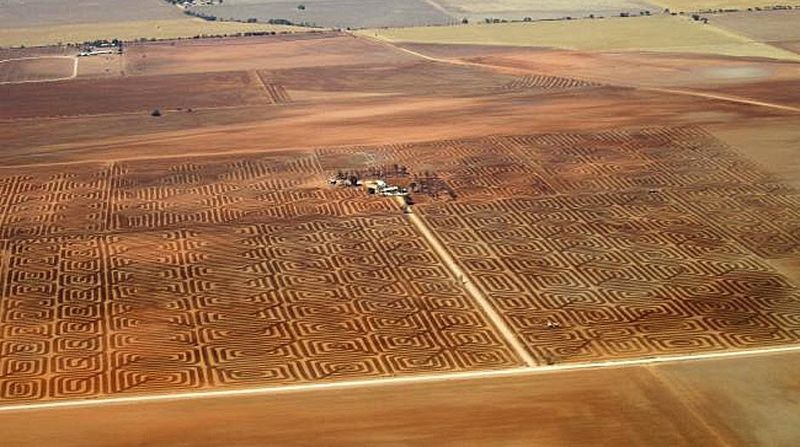
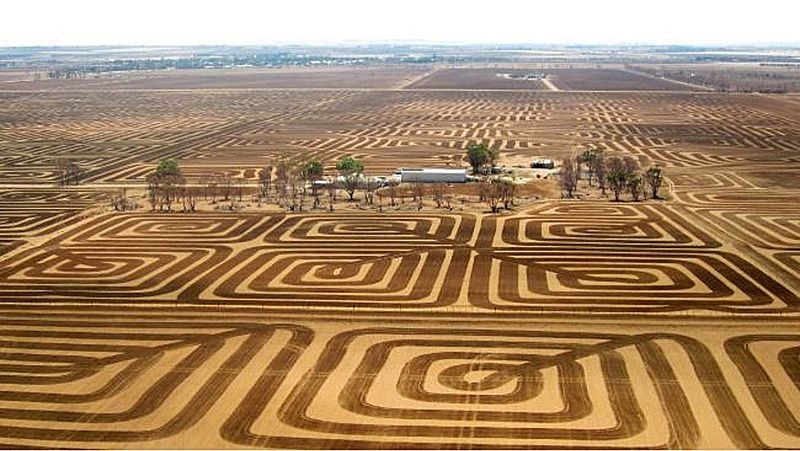
After a recent bushfire consumed all vegetation on his land, a South Australian farmer Brian Fischer decided to etch a gigantic geometric pattern on the bare ground in a bid to fight soil erosion. Without vegetation, the topsoil was vulnerable to erosion by gusting winds. So Fischer ploughed his land in a patchwork of spirals creating long furrows in the topsoil. Now no matter which direction the wind blows there will always be a furrow to catch the soil. Fischer says the pattern cost him a few days to make, but he expects to save 15 cm of topsoil that would have otherwise been lost, until the fields are green again.

The clever erosion-fighting technique came from his dad, who used it on the farm as early as 1944 during one of the worst droughts South Australia experienced. More than one million hectares of land were destroyed by a raging bushfire in Victoria, prompting some farmers to come up with this unique solution.

brian-fischer-1

Photo credit: Brian Fischer

brian-fischer-2

Photo credit: Brian Fischer

via The Guardian

Source….www.amusingplanet.com

Natarajan

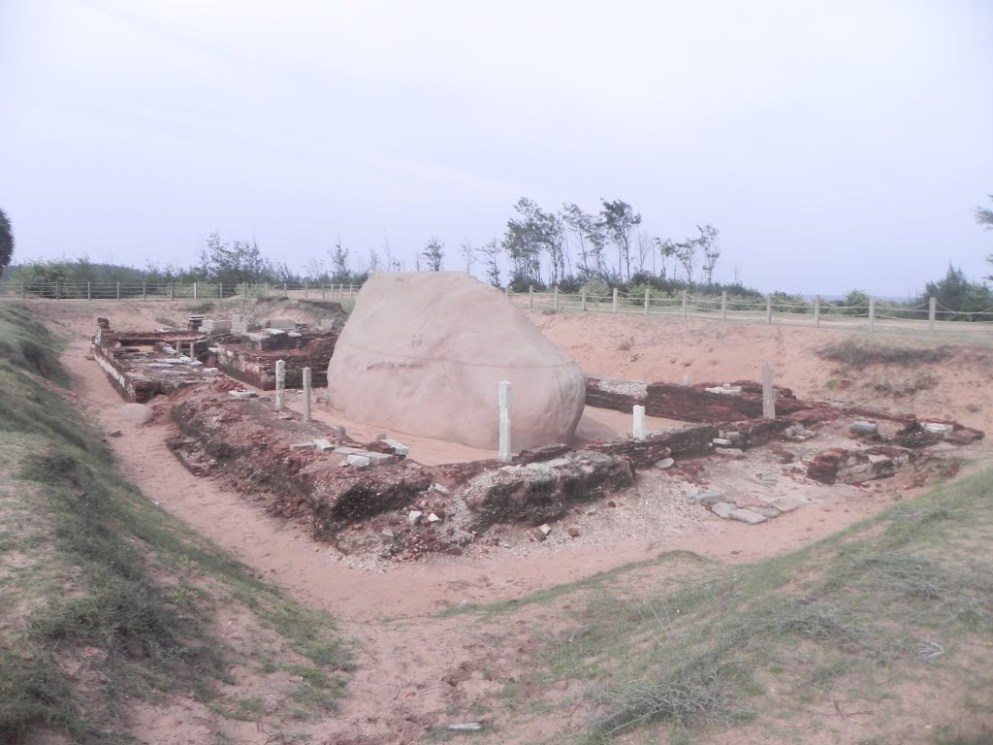
Subramanya Temple, Saluvankuppam….Ancient Sangam period Murugan temple unearthed !

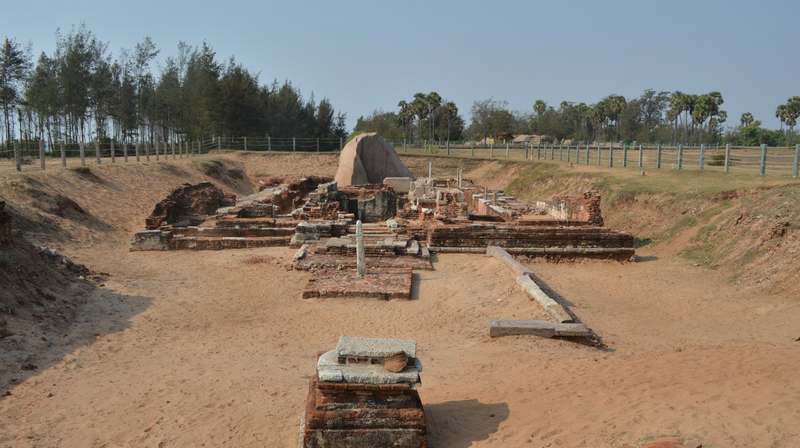
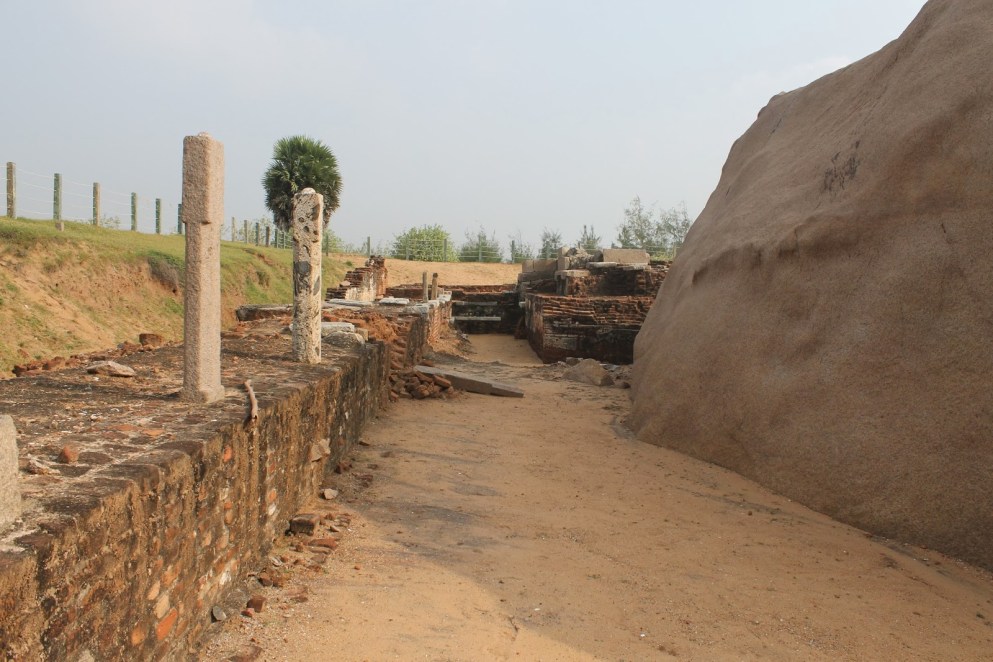
The Subramanya Temple at SaluvankuppamTamil Nadu, is a shrine dedicated to the Hindu deity Murugan. Archaeologists believe that the shrine, unearthed in 2005, consists of two layers: a brick temple constructed during the Sangam period (the 3rd century BC to the 3rd century AD) and a granite Pallava temple dating from the 8th century AD and constructed on top of the brick shrine. The Archaeological Survey of India (ASI) team which conducted the excavation believes that brick temple could be the oldest of its kind to be discovered in Tamil Nadu. However, noted Indian archaeologist R. Nagaswamy is critical of this claim owing to lack of references to the shrine in the popular literature of the period.

The temple was discovered by a team of archaeologists from the ASI based on clues found in a rock inscription left exposed by the 2004 Indian Ocean tsunami. Initially, excavations revealed an 8th-century Pallava-era shrine. Further excavations revealed that the 8th-century shrine had been built on the brick foundation of an earlier shrine. The brick shrine has been dated to the Sangam period.
The temple faces north, unlike most Hindu temples. Artifacts from two phases, the Sangam phase as well as the Pallava phase, have been found. The temple is Tamil Nadu’s oldest shrine to Murugan. It is also believed to be one of only two pre-Pallava temples to be discovered in the state, the other being the Veetrirundha Perumal Temple at Veppathur.
Discovery
After the 2004 Indian Ocean tsunami had subsided, archaeologists discovered rock inscriptions which had been exposed by the tsunami waves close to the hamlet of Saluvankuppam, near the UNESCO-designated World Heritage Site of Mahabalipuram. The inscriptions by the Rashtrakuta king Krishna III and the Chola kings Parantaka I and Kulothunga Chola I spoke of a Subramanya Temple at Thiruvizhchil (the present day Saluvankuppam). S. Rajavelu, epigraphist with the Archaeological Survey of India (ASI), identified a nearby mound as the site of the temple. In 2005, archaeologists unearthed an 8th-century Pallava temple under the mound. G. Thirumoorthy, ASI Assistant Archaeologist, believed that the shrine could be the oldest Subramanya temple to be excavated in Tamil Nadu. There were speculations on whether the temple could be one of the “Seven Pagodas“.

However, further excavations revealed that the 8th-century temple was constructed over the remains of an older brick temple. According to Thirumoorthy, the garbhagriha or sanctum Sanctorum of the brick temple was filled with sand and covered with granite slabs upon which the newer temple was constructed. Sathyamurthy, Superintendent, ASI Chennai Circle, said that the brick temple could be dated to the Sangam period as the shrine faced north unlike modern temples which face either east or west. This proved conclusively that the temple was constructed before the 6th or 7th century AD when the shilpa shastras, the canonical texts of temple architecture, were written. It has been estimated that the age of the brick shrine range from 1700 to 2200 years.
Archaeologists believe that the brick shrine was destroyed either by a cyclone or a tsunami which took place 2,200 years ago. The Pallavas built a granite temple on the brick foundation in the 8th century AD, which also was likely to have been destroyed by a tsunami. Archaeologists believe that the second tsunami must have occurred in the 13th century AD as the latest inscriptions which speak of the shrine have been dated to 1215.
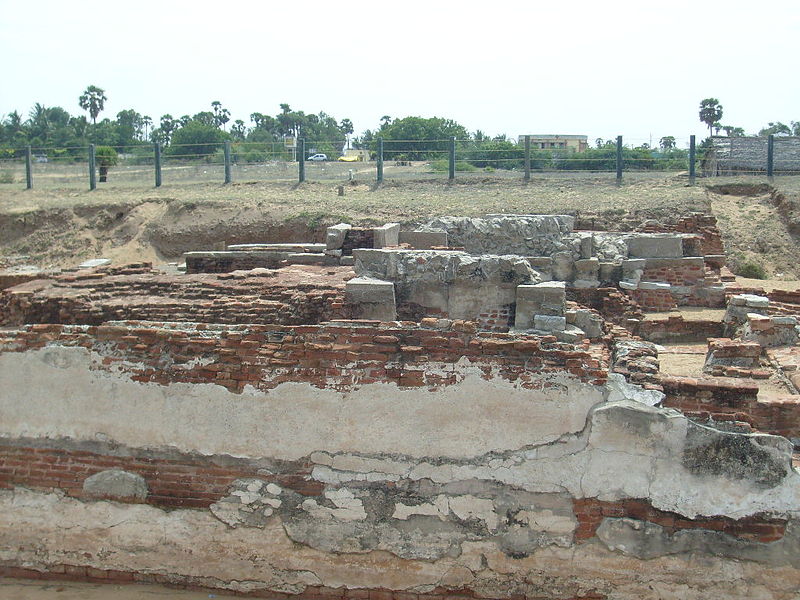
The remains of a brick temple, dating back to the late Tamil Sangam period [circa 1st century B.C. to 2nd century A.D.], have been discovered on the seafront near the Tiger Cave at Saluvankuppam, a few km ahead of the world-famous Mamallapuram monuments.
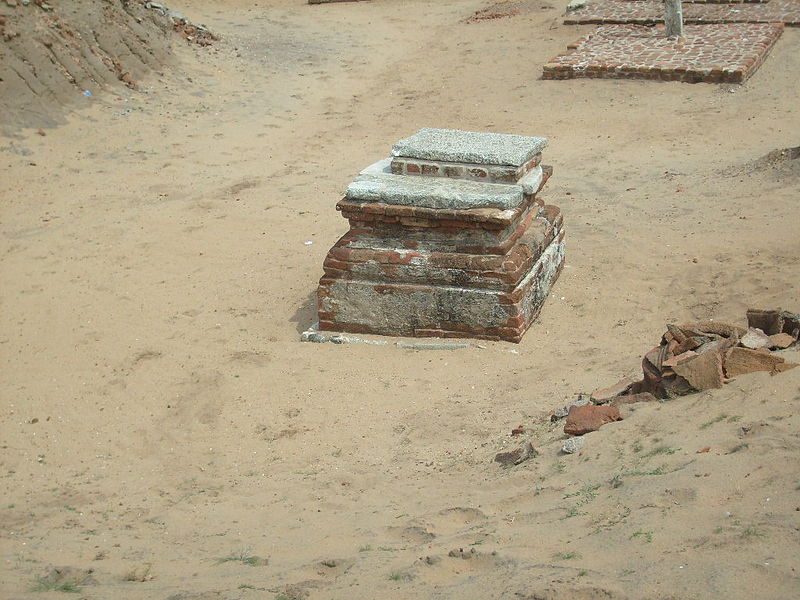
“The brick temple is the most ancient temple discovered so far in Tamil Nadu. There is no doubt that it is about 2,000 years old,” said T. Sathyamurthy, Superintending Archaeologist, ASI, Chennai Circle. Twenty-seven courses of bricks with a square garbha griha (sanctum sanctorum) that made the Sangam age temple form the center piece of the discovery. The temple is dedicated to Muruga, the presiding deity of “Kurinji” [hill] tracts. The sanctum measures 2 metres by 2.2 metres. The bricks measure 40 cm x 20 cm x 7 cm. They are still sturdy.
The big-sized bricks are typical of the period and are similar to those found at Kaveripoompattinam near Thanjavur; Uraiyur in Tiruchi district — Uraiyur was the capital of the Cholas of the Sangam age; Mangudi near Tirunelveli; and Arikkamedu near Pondicherry.
Dr. Sathyamurthy was sure the brick temple was built before the canonical period because it faced north. “Agama” texts, which came into existence in the sixth or seventh century A.D., and “shilpa shastras”, had prescribed rules for construction of temples including the directions they should face. Normally, temples faced east or west. But this one did not follow “agama” texts and hence looked north. Tsunami or tidal waves that occurred twice had pulled down the entire temple complex. There is telltale evidence of wave action from the excavation. Deposits of shells and debris of the temple have been found on the eastern side of the complex, towards the shoreline. “What is interesting is not the discovery of the brick temple but that we can record stratigraphically the remains of palaeo-tsunami deposits. The impact of the tidal wave is seen on the eastern side of the temple, close to the sea. Such a feature is absent on the western side,” Dr. Sathyamurthy said.
G. Thirumoorthy, Assistant Archaeologist, ASI, said the temple belonged to two periods: the late Sangam age and the Pallava period. After the brick temple collapsed, the Pallava kings of the 8th and 9th century A.D., built another temple over it, using granite slabs. This temple too collapsed.
Artifacts found at the site include broken stucco figurines, obviously under worship; a painted hand portion with a bangle of a stucco figurine, simple-looking terracotta lamps, beads, roofing tiles made of terracotta, spinning whorls, a broken animal terracotta figurine and hop-scotches. A “prakara” (compound) wall of the same period has been excavated.
Archaeologists’ conclusions are:
From the evidences like temple orientation, brick size and artifacts collected from this site, the ASI team concluded that this structure immediately antedates the Pallavas. They are also of the opinion that this one is the earliest brick temple in Tamil Nadu identified as of now. Further to this they also infer that no other temple of such nature is reported from south India.
Presence two evidences granite spear and the plaque depicting women dancing ‘Kuravai Koothu’ allow the ASI experts to conclude this one as Lord Subramanya temple.
The Reach foundation, Chennai conducted carbon – 14 dating on the paleo-tsunami evidences (sea shells and other debris) proved that they got deposited in different periods between 405 A.D. and 564 A.D. and between 1019 A.D. and 1161 A.D.
According to T.Sathyamurthy, Superintendent, ASI Chennai Circle, (now Reach foundation trustee) conclude that the shrine belongs to Sangam period since it faces northwards. The modern temples built according to Shilpa Shastras (written between 6th or 7th century A.D.) are facing either east or west. This fact encouraged him to conclude that the temple was constructed before the 6th or 7th century A.D. He also estimated the age of the brick shrine ranging between 1700 and 2200 years.
However, noted Indian archaeologist R. Nagaswamy is critical of this claim due to lack of references to the shrine in the popular literature of the period.
Historical background
Although the city of Mahabalipuram was constructed by the Pallava king Narasimhavarman I in the 7th century AD, there is evidence that a small port might have functioned at the site even earlier. Megalithic burial urns dating to the very dawn of the Christian era have been discovered near Mahabalipuram. The Sangam age poem Perumpānattuppadai describes a port called Nirppeyyaru which some scholars identify with the present-day Mahabalipuram. Sadras near Mahabalipuram has been identified as the site of the port of Sopatma mentioned in the Periplus of the Erythraean Sea.
Inscriptions
Number of rock inscriptions is found near the shrine. The specific three granite pillars, which lead for the discovery of the shrine, bears inscriptions of grants offered to this shrine (Ref. 1-3). Later five more inscriptions discovered (Ref. 4-8). Now three more inscriptions identified Ref. (9-11).
Ø Kirarpiriyan of Mamallapuram made grants of ten ‘kazhanjus’ (small sized gold balls) First pillar inscription
Ø Vasanthanar, a Brahmin woman offered a grant of 16 kazhanjus Second pillar inscription which can be dated back to 813 A.D.
Ø Raja Raja Chola I (985–1014 A.D.) Third pillar inscription is about the grant
Ø Pallava king Dantivarman (795 to 846 A.D.) Fourth pillar inscriptions which can be dated back to 813 A.D.
Ø Pallava kings Nandivarman III (846 to 869 A.D.) Fifth pillar inscriptions which can be dated back to 858 A.D.
Ø Pallava kings Kambavarman (9th century A.D) sixth pillar inscriptions
7. Krishna III (939-68 A.D) Rashtrakuta king Seventh pillar inscriptions which can be dated back to 976 AD,
Ø Pallava king Kambavarman (9th century A.D) Eighth  pillar inscriptions
Ø Krishna III (939-68 A.D) Rashtrakuta king Ninth pillar which can be dated back to 971 A.D.   in his 21st regnal year
Ø Rajendra III Chola (1216–1256 A.D) Tenth pillar inscriptions
Ø Kulothunga Chola III (1178–1218 A.D.) which can be dated back to 1215 A.D.
All the inscriptions in ancient Tamil script record about the donations of land and gold for the maintenance of the Subramanya temple at Thiruvizhchil and it continuously received grants. All these inscriptions mention the village as Thiruvizhchil.
Architecture
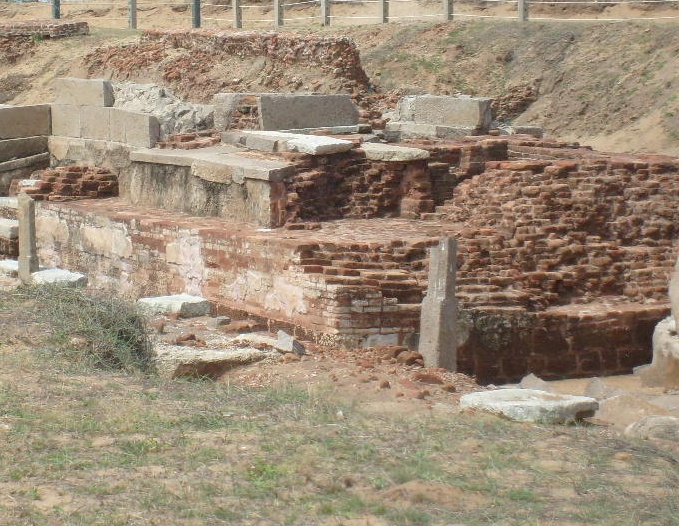
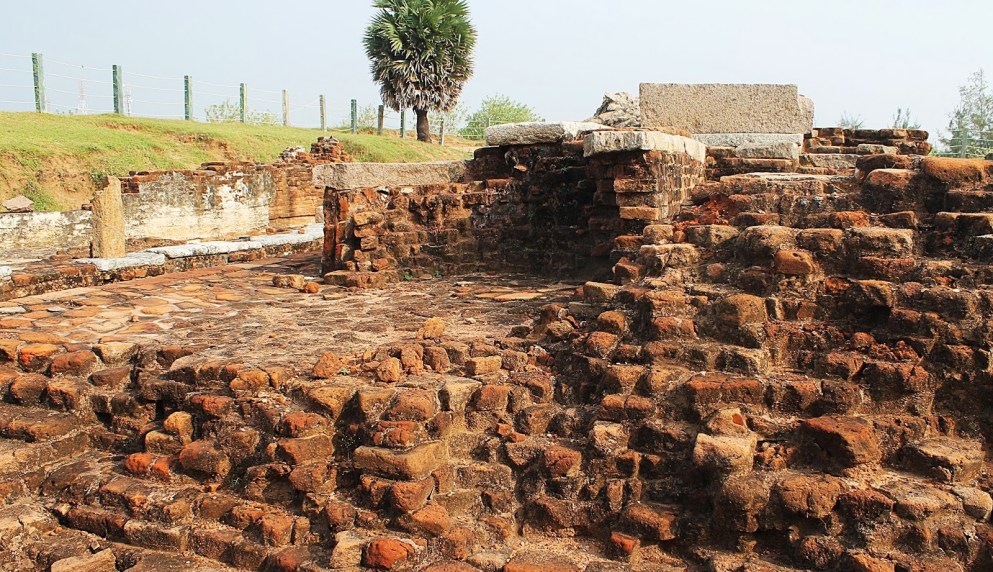
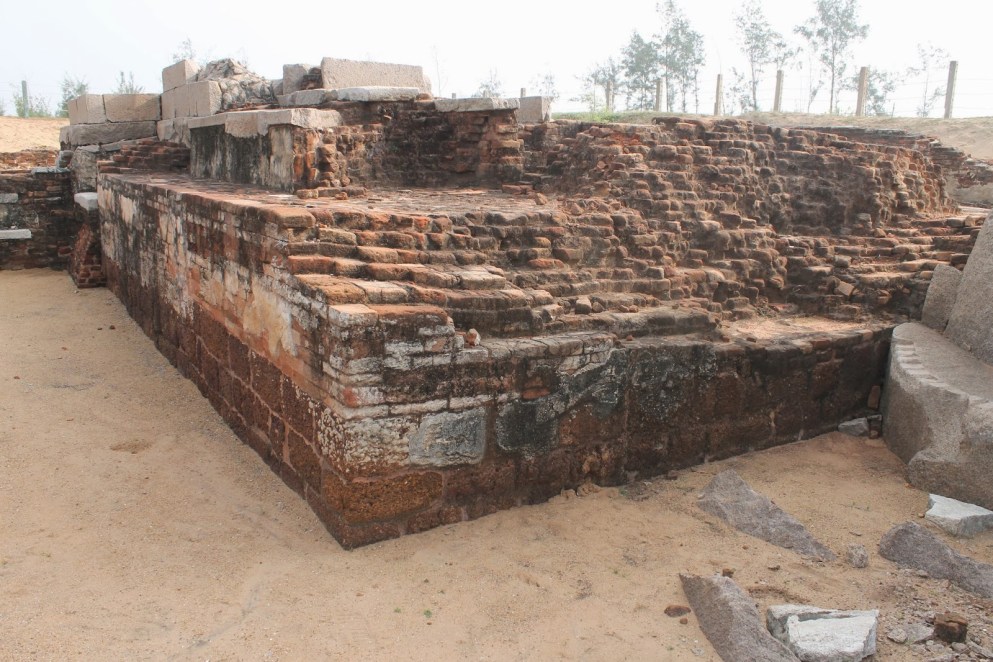
While the thin, tabular bricks at the top were laid by the Pallavas, the larger bricks underneath date from the Sangam period
The temple is dedicated to the Hindu deity Murugan and faces north. The garbhagriha or sanctum sanctorum is 2 metres long and 2.2 metres wide and is made of 27 courses of bricks. The bricks used are similar to the ones used in other Sangam age sites such as PuharUraiyur, Mangudi and Arikkamedu.
A stone Vel is positioned at the entrance of the shrine. During the excavations, a terracotta plaque depicting a Kuravai Koothu, a dance which is mentioned in the 1st century AD Tamil epic Silappadikaram, was discovered. Sathyamurthy feels that there may not have been any idol in the square garbhagriha as it is too small to house one. The temple is surrounded by a prakara or a compound wall dating from the Sangam period. According to Thirumoorthy, the shrine is “the biggest brick temple complex dating to the pre-Pallava period”.
The temple is built on a cushion of alluvium on which a layer of man-made bricks were laid. On top of this were another four layers of man-made bricks separated by four layers of laterite. There were two types of bricks used: large-sized laterite bricks of the Sangam period and thin, tabular bricks of a later age. The bricks were plastered together with lime.
Artifacts unearthed
A terracotta Nandi (the bull of the god Shiva – father of Murugan), head of a woman, terracotta lamps, potsherds and a shivalinga (aniconic symbol of Shiva) made of green stone are some of the important artifacts found at the site. The Nandi is the first one made of terracotta to be found. While most of the items unearthed belong to the Sangam period, artifacts of a later period including a Chola copper coin have also been found.

The Story of the Wise Old Man…..Inspiring Story !!!

Everyone has their own personal outlook on life. Many of us don’t choose it – we just follow our feelings, shaped by circumstance and experience. Others decide to choose what their outlook will be, and follow their minds instead. The old man in this story shows us that it takes some wisdom to be able to live happily…

A 92-year-old man, short, very well-presented, who takes great care of his appearance, is moving into an old people’s home today.

His wife of 70 years has recently died, and he is obliged to leave his home.

After waiting several hours in the retirement home lobby, he gently smiles as he is told that his room is ready. 

 As he slowly walks to the elevator, using his cane, I describe his small room to him, including the sheet hung at the window, which serves as a curtain.

 “I like it very much”, he says, with the enthusiasm of an 8-year-old boy who has just been given a new puppy. 

“Sir, you haven’t even seen the room yet. Hang on a moment, we are almost there.”

This Story Will Inspire You: The Wise Old Man

“That has nothing to do with it,” he replies. 

“Happiness is something I choose in advance.  Whether or not I like the room does not depend on the furniture, or the decor – rather it depends on how I decide to see it. 

“It is already decided in my mind that I like my room.  It is a decision I make every morning when I wake up. 

“I can choose.  I can spend my day in bed enumerating all the difficulties that I have with the parts of my body that no longer work very well, or I can get up and give thanks to heaven for those parts that are still in working order. 

“Every day is a gift, and as long as I can open my eyes, I will focus on the new day, and all the happy memories that I have made during my life. 

“Old age is like a bank account.  You withdraw in later life what you have deposited along the way. “

This Story Will Inspire You: The Wise Old Man

For a moment, I thought about the old man’s words, and it all made sense.

He made me realize that in life, we have to deposit all the happiness we can in our bank account of memories. Like this, we will always have a trove of them to cherish.

Source………….www.ba-bamail.com

Natarajan