India
திருப்பதி பெருமாளுக்கு தாடையில் பச்சைக் கற்பூரம் வைப்பது ஏன்?
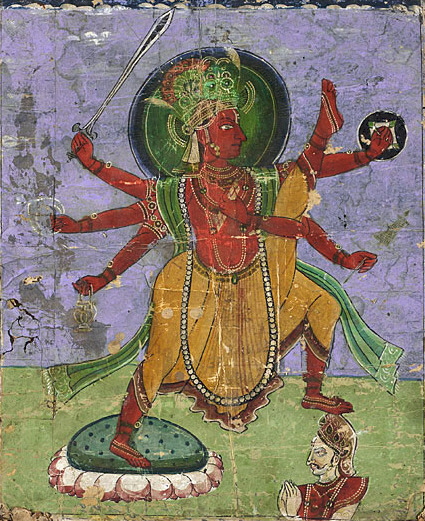
திருப்பதி பெருமாள் தாடையில் பச்சைக் கற்பூரம் வைப்பது ஏன்? திருப்பதி திருமலைவாசனை தரிசிக்கச் செல்லும்போது பிரதான வாசலின் வலப் புறத்தில் ஒரு கடப்பாரை தொங்குவதைப் பார்க்கலாம். இதுவரை பார்க்காதவர்கள் இனிமேல் செல்லும்போது அந்த கடப்பாரையை அவசியம் பாருங்கள். காரணம் அந்தக் கடப்பாரை பெருமாளை ஸ்பரிசித்த பெருமை கொண்டது.
எப்படி..?
திருப்பதி திருமலையின் தண்ணீர்த்தேவையைத் தீர்த்துவைக்கும் குளமான ‘கோகர்ப்ப ஜலபாகம்’ என்னும் குளத்தைத் தோண்ட பல நூறு ஆண்டுகளுக்கு முன் பயன்படுத்தப்பட்ட கடப்பாரைதான் அது என்பதும், அப்போதுதான் பெருமாளின் திருமேனியை ஸ்பரிசிக்கும் வாய்ப்பு அந்த கடப்பாரைக்கு ஏற்பட்டது என்றும் சொல்லும்போது நம்முடைய வியப்பு பன்மடங்கு கூடுகிறது. திருமலையில் இன்றைக்கும் எங்கு பார்த்தாலும் மலர்கள் பூத்துக் குலுங்கும் இந்த நந்தவனத்தை முதலில் அமைத்த அனந்தாழ்வான்தான், அந்தக் குளத்தையும் ஏற்படுத்தியவர் என்பதும் குறிப்பிடத்தக்கது.
யார் இந்த அனந்தாழ்வான்?
வாருங்கள் திருவரங்கத்துக்குச் செல்வோம்…
திருவரங்கத்தில் திருவரங்கப் பெருமானின் கைங்கர்யத்தில் தம்மை ஈடுபடுத்திக் கொண்ட ஶ்ரீராமாநுஜருக்கு நீண்டகாலமாகவே ஒரு குறை இருந்துவந்தது. ‘நாம் திருவரங்கத்தில் நந்தவனமும், தபோவனமும் அமைத்துக்கொண்டு பெருமாளின் கைங்கர்யத்தில் ஈடுபட்டிருக் கிறோம். ஆனால், ‘சிந்துப்பூ மகிழும் திருவேங்கடம்’ என சதா சர்வகாலமும் பாடிப் புகழும் வேங்கடமுடையானுக்கு இப்படி ஒரு நந்தவனமும் தபோவனமும் அமைக்க முடியவில்லையே’ என்பதுதான் அவருடைய ஆதங்கம்.
அதை ஒரு நாள், தமது சீடர்களுடன் பேசிக்கொண்டிருந்தபோது தெரிவித்தும்விட்டார். தெரிவித்ததோடு நில்லாமல், ‘உங்களில் எவர் வேங்கடவனின் கைங்கர்யத்துக்கு அனுதினமும் மாலை தயாரித்துத் தரும் வேலையை எடுத்துக்கொள்ளப் போகிறீர் ?’ எனக் கேட்கவும் செய்தார். ஆனால், பசுஞ்சோலைகளும் மருதாணிப் பூக்களும் செழித்துக் கிடக்கும் காவிரிக்கரையில் நீராடிவிட்டு, அரங்கனைத் தொழும்போது கிடைக்கும் சுகானுபவம் வேறெங்கு கிடைக்கும் என்ற எண்ணத்தில் எவரும் வாய் திறக்கவில்லை.
‘குருவின் மனக்குறையைப் போக்குபவர் உங்களில் எவருமில்லையா?’ என்ற மறுபடியும் ஆச்சர்யத்துடன் பார்த்தார். அப்போது ஒற்றை ஆளாக எழுந்து நின்றார் அனந்தாழ்வான், கண்களில் வைராக்கியம். உதட்டில் புன்முறுவல். அனந்தாழ்வானை வாரி அணைத்து உச்சி முகர்ந்து திருமலைக்கு அனுப்பி வைத்தார். ஏழுமலை ஆண்டவனுக்கு ‘திருமாலை சேவை’ செய்யும்பேறு தனக்குக் கிடைத்த மகிழ்ச்சியோடு தனது மனைவியுடன் அவரும் திருமலைக்கு வந்து சேர்ந்தார்.
முன்னதாகவே அங்கே வந்து சேர்ந்திருந்த ராமாநுஜரின் தாய்மாமனான திருமலை நம்பி அவரை இன்முகத்துடன் வரவேற்று உபசரித்தார்.
‘அனந்தாழ்வா, உனக்கு குடிசைபோட்டுத் தருகிறேன். மேலும் நந்தவனம் அமைக்கவும் ஏற்பாடு செய்கிறேன். முதல் காரியமாக பெருமாளை வணங்கிவிட்டு வந்து உணவு அருந்துங்கள். களைப்பு தீர ஓய்வு எடுங்கள். நாளை முதல் உங்கள் பணியை ஆரம்பிக்கலாம்’ என்றார். அனந்தாழ்வானும் அவரது மனைவியும் அப்படியே செய்தனர்.
திருமலையில் குடிசை ஒன்றைக் கட்டினார். அதனருகே நந்தவனம் அமைத்தார். மண்வெட்டியால் வெட்டி நிலத்தைப் பண்படுத்தி பூச்செடிகளை நட்டார். அந்த நந்தவனத்துக்கு தமது குருநாதரின் திருப்பெயரே நிலைக்கும்படி ‘ராமாநுஜ நந்தவனம்’ என்று பெயரும் வைத்தார். இப்போதும் அந்த நந்தவனம் அதே பெயரிலேயே அழைக்கப்படுகிறது.
மழைக்காலத்தில் செடிகள் பூத்துக் குலுங்கின. தண்ணீர் பிரச்னை எழவில்லை. கோடைக் காலத்தின் தண்ணீர்த் தேவைக்காக குளம் வெட்டி அதில் தண்ணீரைத் தேக்க முடிவுசெய்தார். இச்சமயம் அவரது மனைவி கர்ப்பம் தரித்திருந்தார். நந்தவனம் அருகே சிறுபள்ளம் இருந்தது. அந்தப் பள்ளத்தில் ஒரு பகுதியை மேடாக்கினார். குளத்தின் ஒரு பக்கத்தை மட்டும் மண்இட்டு உயரமாக நிரப்பி, பள்ளத்தை ஆழப்படுத்தினார். ‘நானும் உங்களுக்கு உதவுகிறேன்’ என குளம் வெட்டும் பணியில் மனைவியும் சேர்ந்துகொண்டார்.
மண்ணை ஒரு புறமிருந்து மறுபக்கம் கொண்டு சென்று மனைவி கொட்டிவிட்டு வந்தார். அப்போது அவர் கருவுற்று இருந்தார். ஒரு கர்ப்பிணிப் பெண் மண் சுமந்து செல்வதைப் பார்த்த ஒரு சிறுவன், அவருக்குத் தானும் உதவுவதாகக் கூறினான். ஆனால், அனந்தாழ்வானோ, ‘நம்மால் ஊரார் பிள்ளை எதற்கு சிரமப்பட வேண்டும் என்று நினைத்தவராக, அந்தச் சிறுவனைப் பார்த்து, ‘உன் வேலை எதுவோ அதைப் போய் செய்’ என்று அனுப்பிவிட்டார்.
தனக்குக் கூலி எதுவும் வேண்டாம் என்று சிறுவன் கூறியும், அனந்தாழ்வான் மறுத்துவிட்டார். பெருமாளின் கைங்கர்யத்தில் தானும் தன் மனைவியும் மட்டுமே ஈடுபடவேண்டும் என்று நினைத்தார். அதனாலேயே அந்தச் சிறுவனை தன் திருப்பணியில் சேர்த்துக்கொள்ளவில்லை. ஆனாலும், கர்ப்பிணிப் பெண் கஷ்டப்பட்டு மண் சுமப்பதைப் பார்த்து அந்தச் சிறுவன் மிகவும் வருந்தினான்.
எனவே, ‘வேலை செய்ய கூலியே வேண்டாம். நான் மண் சுமக்கிறேன். மண் சுமந்த புண்ணியம் தங்கள் மனைவிக்கே கிடைக்கட்டும்’ என்றான் சிறுவன். ‘பாவ புண்ணிய விஷயங்களில் சிறுபையனான இவன் தனக்கு புத்திமதி சொல்கிறானே என ஆத்திரமுற்ற அவர் ‘அதிகப் பிரசங்கித்தனமாகப் பேசாமல் போய்விடு. கண்டிப்பாக இவ்விஷயத்தில் நீ தலையிடாதே’ என்று சிறுவனைக் கடிந்துகொண்டு அங்கிருந்து அனுப்பினார்.
சற்று வளைவான பாதையில் சென்று மண்ணைக் கொண்டுபோய் கொட்ட வேண்டியிருந்ததால், மனைவி அங்கு சென்று மண்ணைக் கொட்டி விட்டு வந்தார். அனந்தாழ்வான் இந்தப் பக்கம் மண் தோண்டினார். வளைவுக்கோ அதிக தூரம் இருந்தது. என்ன ஆச்சர்யம்… அவர் போகச் சொன்ன சிறுவன் போகாமல், அந்தப்பக்கத்தில் கூடையுடன் நின்றிருந்தான்.
” தாயே, நான் மண் சுமந்தால்தானே அவர் கோபப்படுவார். அவருக்குத் தெரியாமல் உங்களுக்கு உதவுகிறேன். இந்த வளைவுக்கு இந்தப் பக்கம் நான் சுமக்கிறேன். அந்தப்பக்கம் நீங்கள் சுமந்து வாருங்கள் ”என்றான் சிறுவன். சிறுவனின் கெஞ்சல் மொழியைக் கேட்ட பிறகு அவளால் மறுக்க இயலவில்லை.
‘சரி, தம்பி’ என்று கூடையை மாற்றிக் கொடுத்தாள். சற்றுநேரம் இப்படியே வேலை நடந்தது. திடீரென்று அனந்தாழ்வானுக்கு சந்தேகம் தோன்றியது. ‘மண்ணைக் கொட்டிவிட்டு சீக்கிரம் சீக்கிரமாக வந்து விடுகிறாயே’ என்று மனைவியைக் கேட்க, ”சீக்கிரமாகவே சென்று போட்டு விடுகிறேன் சிரமம் இல்லை”என்று பதில் சொல்லி சமாளித்தாள்.
சிறிது நேரம் சென்றதும், அனந்தாழ்வான் கரையைப் பார்க்க வந்தார். சிறுவன் கர்மசிரத்தையாக மண்ணைக் கொண்டு போய் கொட்டிக்கொண்டிருந்தான். தன்னை அவர் கவனிப்பதைக்கூட பொருட்படுத்தாமல் சிறுவன் தன் பணியைச் செய்தவாறு இருந்தான். இதனால், கோபம் தலைக்கேற கடப்பாறையால் சிறுவனின் கீழ்த்தாடையில் அடித்தார். சிறுவனின் தாடையில் இருந்து ரத்தம் கொட்டியது. கடப்பாரையால் அடிபட்டு ரத்தம் பெருகிய நிலையில், அந்தச் சிறுவன் ஓடிப்போய்விட்டான்.
அவசரப்பட்டுத் தான் சிறுவனை ரத்தம் வரும்படி அடித்துவிட்டோமே என்ற வருத்தத்தில் அனந்தாழ்வானுக்கும் தொடர்ந்து வேலை செய்யப் பிடிக்கவில்லை. குடிசைக்குத் திரும்பிவிட்டார்.
மறுநாள் காலை திருமலை பெருமாளுக்கு அர்ச்சனைகள் செய்யவந்த அர்ச்சகர்கள் கதவைத் திறந்ததும் அலறினர். பெருமாளின் தாடையிலிருந்து ரத்தம் வழிந்து கொண்டிருந்தது. ‘அர்ச்சகரே பயப்படவேண்டாம். அனந்தாழ்வாரை அழைத்து வாருங்கள்’ என ஒரு அசரீரி கேட்டது. உடனே அவரை அழைத்துவந்தனர்.
பெருமாள் தாடையில் ரத்தம் வடிவதை அனந்தாழ்வான் கண்டார். ஆனால், அவருக்கு மட்டும், தான் மண்சுமந்த கோலத்தைக் காண்பித்தார் பெருமாள்.
”சுவாமி, என்னை மன்னித்து விடுங்கள். தங்கள் தொண்டுக்கு அடுத்தவர் உதவியை நாடக்கூடாது என்ற சுயநலத்தில் சிறுவனை விரட்டினேன். அவன் வலிய வந்து மண் சுமந்ததால் வந்த கோபத்தில் அடித்தேன். அந்தச் சிறுவனாக வந்தது தாங்கள்தான் என்று தெரியாது. சுவாமி என்னை மன்னித்தருள்க” என்று விழுந்து வணங்கினார் அனந்தாழ்வான்.
‘அனந்தாழ்வா, நீ மலர்மாலை நேர்த்தியாகக் தொடுத்து அணிவிப்பதில் எனக்கு மகிழ்ச்சி. ஆனால், கர்ப்பிணியான உன் மனைவி மண் சுமப்பதை என்னால் பொறுத்துக்கொள்ள முடியவில்லை. பக்தர்களின் கஷ்டத்தைப் போக்கத்தான் நான் இங்கு இருக்கிறேன். என் பக்தை கஷ்டப்படுவதைக் கண்டு வேடிக்கை பார்க்க என் மனம் எப்படி இடம் கொடுக்கும்”என்று அசரீரியாகக் கேட்டார்.
”கருணைக் கடலே! உன் அருளே வேதனை போக்கும். கஷ்டம் துடைக்கும். என்னை மன்னியுங்கள் சுவாமி” என்றார். பெருமாளோ மோகனமாக தனக்கே உரிய புன்னகையை உதித்தார்.
‘சரி ‘ ரத்தம் வழியாமல் இருக்க என்ன செய்வது?’ என்று அர்ச்சகர்கள் குழம்பினர்.
‘சுவாமியின் தாடையில் பச்சைக்கற்பூரத்தை வைத்து அழுத்துங்கள் ரத்தம் வழிவது நின்றுவிடும்’ என்றார்.
அர்ச்சகர்களும் மூலவரின் கீழ்தாடையில் பச்சைக் கற்பூரத்தை வைக்க, ரத்தம் வழிந்தது நின்று போனது. இதை நினைவுபடுத்தும்விதமாகவே திருப்பதிப் பெருமாளின்தாடையில் பச்சைக் கற்பூரம் வைக்கும் நிகழ்ச்சி இன்றளவும் தொடர்கிறது.
Source…
Legends of Onam: Let us all welcome Maveli, the righteous king!…
Onam is one the most anticipated festivals celebrated with much fanfare and merriment by the people in Kerala, irrespective of one’s caste or creed.
Usually coinciding with crop harvests in the region, the story behind how the festival came into being goes all the way back to Vedic and Puranic ages.
The mythical King Mahabali, considered to be one of the greatest kings to have ever ruled Kerala, is believed to ascend to Earth from the netherworld to meet his subjects once every year.
It is his homecoming that is celebrated as the festival of Onam, as we know it today.
The king remains quite popular in Kerala even to this day, as testified by the folk song, Maaveli Naadu Vannidum Kaalam (When Maveli, our King, ruled the land), that speaks of his reign being one where all were equal.
According to the traditional legend, the king’s growing popularity amidst the common people became a rising concern for the jealous gods, Indra in particular.
According to Hindu beliefs, when a king or an emperor has a considerable number of fair and just deeds to his credit, he has the power to dethrone even Indra, who is the god of the gods.
Threatened by Mahabali’s rising greatness, they decided to hatch a scheme against the king and rope in the supreme god Vishnu.
Taking the form of a poor Brahmin monk named Vamana, Vishnu approached the king and asked to be granted a boon. Mahabali, who was known for his altruistic qualities, readily agreed to the monk’s request. 
Where to put the third step? The king could not go back on his word. Having nothing left that he could pledge, Mahabali offered his head to the monk as the third step. Vamana’s final step pushed the king to the netherworld, thus robbing him of his earthly commitments and his throne to heaven.
Vishnu offered the king a chance to visit his kingdom once every year, for his attachment to his subjects was well known even amidst the gods.
And thus, the festival of Onam came into being, marking the homecoming of the noble king, who is lovingly called Maaveli by his people.
Different rituals are practised even today that celebrate the reign of the king, which is considered to be a golden era in the history of Kerala.
Interestingly, despite the role that Vamana had in the banishment of Mahabali, he is not written off as a villainous character in the state.
In fact, one of the major instalments of the festivities includes statues of both figures. These are circulated in homes of people as a representation of the king’s visit as well as the god’s.
While the statue of Mahabali is known as Onathappan, Vamana’s form goes by the name of Thrikkarayappan, the lord of the land covered in three paces. And both make way into the floral arrangement of Pookalam on Pooradam, the eighth day of Onam.
And as the month of Chingam falls by year after year, the people of Kerala continue to await the visit of their beloved king and seek his blessings.
Source….LekshmiPriya .S in http://www.betterindia.com
Natarajan
Hiding in plain sight; Rangoli, Kolam designs and what they mean…
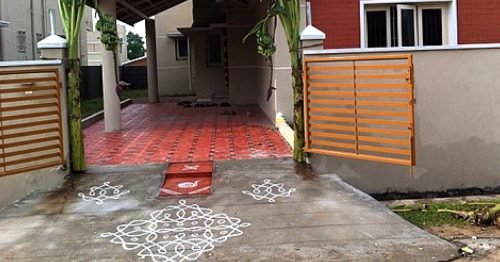
Every day, my mother religiously performed a ritual. Rain or shine, she never skipped this ritual even for a day. Every day, she drew enchanting kolam patterns using rice flour.
On special occasions, the white kolam designs were made with wet rice flour paste accompanied by thick strips of earth colored borders made with red sand mixed with water.
My mother is proud of her kolam design skills. She is not alone. It seems no self-respecting South Indian woman will tolerate anyone questioning her ability to conjure up kolam designs at will.
Millions of women from different communities in South India practice this art form every day.
For over 38 years, I considered Kolam to be just another ritual among the long list of rituals Indian women seem to follow. However, when I decided to dig deeper to understand the significance of kolam designs, I was surprised at what I discovered.
The threshold is a key concept in Tamilian culture. Even historical Tamil literature such as the Sangam literature (Tamil literature in the period spanning 300BC to 300 CE) is divided into the akam (inner field) and the puram (outer field).
That’s not all.
In one of Nammalvar’s (the fifth among the 12 Alwar saints who espoused Vaishnavism) hymns, the God in the poem is the God of the threshold. Of course, every newly married bride formally becomes a part of the household when she steps overs the threshold.
Should we then conclude that kolam designs are a celebration of the threshold?
Different interpretations of the significance of kolam designs
Here are a few explanations I came across in my quest to unearth the real significance of the kolam ritual.
The most common understanding has been that the idea of using rice flour is to provide food to ants, insects and small birds.
If that is the case, what’s stopping men from participating in this noble deed?
While I did not find an answer, a common sense reasoning is that women have traditionally carried the burden of maintaining the home and the kolam ritual automatically became a part of the woman’s domain.
That’s also a reason why my mother and my aunts believe that women see it as a key ritual that helps them improve their concentration and patience, two key components needed to run a household!
Here is another interpretation recorded in Lance Nelson’s study of Kolam.
“Bhumi Devi [earth goddess] is our mother. She is everyone’s source of existence. Nothing would exist without her. The entire world depends on her for sustenance and life. So, we draw the kolam first to remind ourselves of her. All day we walk on Bhumi Devi. All night we sleep on her. We spit on her. We poke her. We burden her. We do everything on her. We expect her to bear us and all the activities we do on her with endless patience. That is why we do the kolam.”
According to Devdutt Pattnaik, author and mythologist –
“A downward pointing triangle represented woman; an upward pointing triangle represented man. A circle represented nature while a square represented culture. A lotus represented the womb. A pentagram represented Venus and the five elements.”
Kolams connects the dots in more than one way.
Cultural practices are common across the length and breadth of India. They also transcend regions.
The concept of Kolam is definitely not unique to Tamil speaking community in India. For example, in the Telugu language, it is called ‘Muggulu’, and it’s known as ‘Rangoli’ in the Kannada language.
But the idea of drawing patterns on the ground transcends India and can be found in other cultures as well!
Anil Menon, a computer scientist, and a speculative novelist has compiled findings from his research on similar practices among cultures separated by oceans. Here are some tidbits from Menon’s work.
British anthropologist, John Layard, found that the patterns drawn on the sand by the tribal population of Malekula (an island that’s a part of The Republic of Vanuatu, situated 1000 miles east of Australia) are similar to the kolam patterns popular in Tamil Nadu!
Here is the proof.
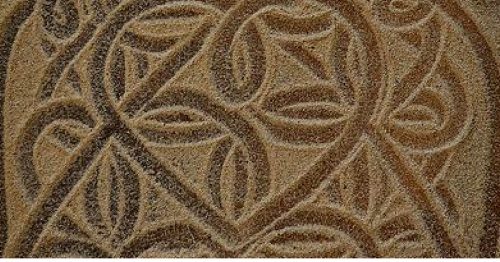
There is also a possibility that kolam designs were an early form of pictorial language!
Dr Gift Siromani, through his path-breaking work, has proved that it is possible to create any kolam pattern using a combination of strokes.
Rituals and cultural practices are to be cherished
I did not think much of the kolam designs my mom drew every day. But a sudden spark of curiosity led me to unexpected findings and the joy of discovering human beings are connected to each other in more ways than we can imagine.
Physical boundaries, cultural differences, and racial definitions are just imaginary barriers we have erected over a period of time. Our lives are always connected just like the dots of the kolam my mom draws.
SOURCE….Srinivas Krishnaswamy in http://www.the betterindia.com
Natarajan
This 30-Year-Old Indian Pilot Is the World’s Youngest Woman to Captain a Boeing 777!
Currently based in Mumbai, the young aviator had always dreamed of becoming a pilot and did so at the age of 19
“Since my childhood, I wanted to be a pilot. Other children used to make fun of me for this. Kids, at that time, were pushed to pursue engineering or become a doctor but not a pilot,” Anny told to HT.
Coming from an army background, one would think Anny must have had it easy. While she had rock-solid support from her parents, dissent often cropped up in form of family friends and relatives.
“Luckily, my parents never forced their choice on me. They were supportive and progressive in their thinking. My mother always used to encourage me. However, my relatives and my family friends were against my decision to become a pilot. Also, at that time, being a pilot was not considered as a profession for woman,” she said.
After her father took voluntary retirement, the family moved to Vijayawada, where Anny did her schooling. Hailing from a modest background, their family had their share of financial shortcomings. “Since I grew up in Vijayawada, I could write and read English but speaking English was a major challenge that I had to overcome,” Anny said.
Post her school education, the 17-year-old Anny made it to Indira Gandhi Rashtriya Uran Akademi (IGRUA), one of the premier flying schools in the country.
The cultural change from a small town to a big city was overwhelming for me. I had difficulty adjusting and speaking English. People used to mock me for my poor English and that hurt me a lot. At times, I had even thought of going back. However, backed with my parents’ support, I worked hard enough to win a scholarship,” she added.
Completing her training by the time she was 19, Anny bagged a job with Air India and since then, there has been no looking back. Post her training, she kickstarted her flying carrier with Boeing 737.
“When I turned 21, I was sent to London for further training. It was then when I started to fly Boeing 777. Since then, my life has changed. It’s been a great experience so far. I’ve got the opportunity to travel to various countries. My journey so far has taught me a lot,” Anny added.
When the going gets tough, the tough get going!
Source….LekshmiPriya .S in http://www.betterindia.com
Natarajan
வாரம் ஒரு கவிதை ….” கை கோர்ப்போம் ” !
சஷ்டி கவசம் பிறந்த கதையை தெரிஞ்சுக்கோங்க! …
Source.. Valaiyapettai R. Krishnan in http://www.vikatan.com
Natarajan
உலகம் முழுவதும் உள்ள தமிழ் அறிந்த பெரும்பாலான இந்து மக்கள் இல்லங்களிலும், திருக்கோயில்களிலும் தினமும் ஒலிக்கும் திருமுருகனின் தெய்வீகத் தமிழ்ப்பாடல் அது. படிப்போரையும், கேட்போரையும் பரவசப்படுத்தி, மன நிம்மதி தரும் மந்திர மறை நூல்! அது என்னவென்று உங்களுக்குப் புரிந்திருக்குமே!
சஷ்டியை நோக்கச் சரவண பவனார்
சிஷ்டருக்கு உதவும் செங்கதிர் வேலோன்
பாதம் இரண்டில் பன்மணிச் சதங்கை
கீதம் பாடக் கிண்கிணி ஆட…
என்று தொடங்கி கேட்கும் இடங்களிலெல்லாம் நம்மைத் திரும்ப உச்சரிக்கவைக்கும்; உள்ளத்திலும் உடலிலும் அதிர்வு தரும் ஆற்றல் மிக்க அழகு முருகனின் அருந்தமிழ்ப் பாமாலை. அதுதான் அனைவரும் அறிந்த கந்தர் சஷ்டி கவசம். இதனைப் பாடியவர் தேவராய சுவாமிகள் என்னும் அருளாளர். அவர் இக்கவசத்தைப் பாடிய பின்னணி மிகவும் சுவாரஸ்யமானது.
ஒருமுறை, பழநி தண்டாயுதபாணி திருக்கோயிலுக்குச் சென்றார் தேவராயர். மலையைச் சுற்றி கிரிவலம் வந்தார். அங்குள்ள மண்டபங்களில் உடல்நோயால் பீடிக்கப்பட்டவர்கள். மனநோயால் வருந்துவோர், வறுமையால் வாட்டமுற் றோர் எனப் பலர் அழுவதும் அரற்றுவதும் கண்டு மனம் வருந்தினார். அவர்கள் அனைவரும் நலம்பெற ஞானபண்டிதன் வழிகாட்ட வேண்டும் என்று மனத்தில் உறுதிகொண்டார். பழநியாண்டவர் கோயில் மண்டபத்தில் துயில் கொண்டார். அன்றிரவு அவரது கனவில் பழநியப்பரமன் பிரசன்னமானார்.
‘உன் எண்ணம் ஈடேற அருளினோம்.பிணிகள் முதலான அனைத்து உபாதைகளும் நீங்கும். அதற்கு வழி உன்னிடம் உள்ளது. உலகிலுள்ளோர் அனைவரும் மந்திரமாக ஓதி இன்புற்று வாழ்வுறும் வகையில் செந்தமிழில் பாடு!’’ என்று ஆசியளித்து கந்தவேள் மறைந்தார்.
உடனே பரவசத்துடன் எழுந்தார் தேவராயர். ‘‘அரஹரா போற்றி! அடியார்க்கு எளியாய் போற்றி! சண்முகா போற்றி! சரவணபவனே போற்றி!’’ என்று ஆடிப்பாடி மகிழ்ந்தார். மயில்மேல் வலம் வரும் அயில் வேலனைப் போற்றுவோர்பால் மறலியும் அணுகமாட்டான் என்று முருகன் திருவருளை வியந்து போற்றி பாமாலை சூட்டியருளினார். அதுதான் 238 அடிகளைக் கொண்ட கந்தர் சஷ்டி கவசம் என்னும் புகழ்பெற்ற தோத்திரம்.
பாலதேவராய சுவாமிகள்
கந்தர் சஷ்டி கவசம் பாடிய தேவராய சுவாமிகள் தொண்டை மண்டலத்து வல்லூர் என்ற ஊரைச் சேர்ந்தவர், அவருடைய தந்தையார் வீரசாமிப்பிள்ளை என்றும், அவர் கணக்கர் வேலை பார்த்தவர் என்றும் 19-ஆம் நூற்றாண்டில் வாழ்ந்தவர் என்றும் சில நூல்களில் குறிப்புகள் உள்ளன.
வீராசாமிக்கு நீண்ட நாட்களாகக் குழந்தை செல்வம் இல்லாமல் முருகன் திருவருளால் தேவராயர் பிறந்தார். நன்கு கல்வி கற்று வியாபார நிமித்தமாக பெங்களூரு சென்று அங்கு தமது வணிகத் தொழிலை மேற்கொண்டார். திருவாவடுதுறை ஆதினத்தில் பெரும் புலவராகத் திகழ்ந்த திரிசிரபுரம் மகாவித்வான் மீனாட்சி சுந்தரம் பிள்ளையவர்கள் பெங்களூர் வந்தபோது தேவராயர் அவரைத் தமது இல்லத்துக்கு அழைத்து உபசரித்து மகிழ்ந்தார்.
பிள்ளையவர்களிடம் தமிழ் இலக்கிய அறிவை வளர்த்துக் கொண்டார். தாம் இயற்றிய கவிதைகளை மகாவித்வானிடம் காட்டி பிழை திருத்தம் செய்துகொள்வாராம். தணிகாசல மாலை, பஞ்சாக்ர தேசிகர் பதிகம், சேட மலை மாலை முதலிய நூல்களை தேவராயர் இயற்றியதாகக் குறிப்பிடுகின்றனர். ஆனால் டாக்டர் உ.வே.சாமிநாதய்யர் அவர்கள் எழுதியுள்ள மகாவித்வான் மீனாட்சி சுந்தரம் பிள்ளையவர்கள் வரலாற்றில் தேவராயர் அவரது மாணவர் என்பதற்கான குறிப்பு எதுவும் காணப்பெறவில்லை.
சஷ்டிக்கவசம் பாடப்பட்டது எந்த ஊரில்?
தேவராய சுவாமிகள் திருப்பரங்குன்றம், திருச்செந்தூர், பழநி, திருவேரகம், குன்று தோறாடல், பழமுதிர்ச்சோலை ஆகிய ஆறு பதிகளுக்கும் தனித்தனியே ஆறு கவசம் பாடியுள்ளார் என அறிய முடிகிறது. தற்போது அனைவரும் பாராயணம் செய்யும் கவசம் திருச்செந்தூரில் பாடப்பட்டது என்று கூறிகிறார்கள். ஆயினும் இக்கவசத்தின் நிறைவுப் பகுதியில் ‘பழநிமலையின் மீது’ கோயில் கொண்டு எழுந்தருளியிருக்கும் சிறு குழந்தை வடிவாகிய முருகப் பெருமானது செம்மையான திருப்பாதங்களைப் போற்றுகின்றேன்’ (பழநிக் குன்றினில் இருக்கும் சின்னக் குழந்தை சேவடி போற்றி (225, 226) என்று பாடியுள்ளார். எனவே இக்கவசம் பழநியில் பாடப்பெற்றது என்பதற்கு மேலே குறிப்பிட்டுள்ள வரலாற்றையும், இவ்வரிகளையும் ஆதாரமாகக் கொள்ளலாம்.
மேலும் ‘எல்லாப் பிணியும் எந்தனைக் கண்டால் நில்லாதோட நீ எனக்கு அருள்வாய் (156, 157) மைந்தன் என்மீது உன் மனமகிழ்ந்து அருளித் தஞ்சமென்று அடியார் தழைத்திட அருள்செய்! (198, 199) எனைத்தடுத்து ஆட்கொள் எந்தனது உள்ளம் மேவிய வடிவுறும் ‘வேலவா போற்றி’ (227,228) என்ற வரிகள் மூலம் பழநிப் பரமன் ஆட்கொண்டு இக்கவசம் பாட வைத்ததை உறுதியாகக் கூறலாம். இப்பாமாலையை சிரகிரி எனப்படும் சென்னிமலையில் அரங்கேற்றியதாகச் சிலர் கூறுவர். ஆனால் அதற்கு ஆதாரம் எதுவும் காணப்பெறவில்லை.
கவலைகள் தீர்க்கும் கந்தசஷ்டி கவசம்
இதனைச் சிந்தை கலங்காது தியானிப்பவர்கள் ஒருநாள் முப்பத்தாறு முறை ஓதி ஜபம் செய்து திருநீறணிய எல்லா நோயும் நீங்கும்; நவக்கிரகங்கள் மகிழ்ந்து நன்மை செய்வர்; என்றும் இன்பமுடன் வாழ்வர் என்று அறுதியிட்டுக் கூறுகிறார் தேவராயர்.
‘சரவணபவ’ எனும் திருநாமம் இந்த கந்தர்சஷ்டி கவசத்தின் மூல மந்திரமாகும். இந்நூலின் முதல், இடை, கடை (1, 16, 162, 237) பகுதிகளில் இந்த மூலமந்திரத்தைப் பொருத்தி இதனைப் பாடியுள்ளார் என்று கருத முடிகிறது. முருகனடியார்கள் அனைவரும் விரும்பிப் படிக்க வேண்டும் என்பதற்காக வள்ளியம்மையாரின் குழந்தையாகிய தேவராயன் இயற்றியதாகக் (கந்தர் சஷ்டி கவசம் விரும்பிய பாலன் தேவராயன் பகர்ந்ததை) குறிப்பிடுகிறார். கவசத்தின் ஒவ்வோர் அடியும் கந்தசுவாமியின் திருக்கையிலுள்ள வேலைப் போன்றது.
ஞானாசாரியார் ஒருவரின் மூலம் அந்த அடிகளின் உண்மைப் பொருள்களைத் தெளிவாக உணரலாம். உடல், உள்ளம், உயிர் அனைத்துக்கும் வேலே கவசமாக உள்ளது. கந்தர் சஷ்டி கவசம் மந்திர மறை நூல் என்பது, பாராயணம் செய்து பலன் அடைந்தவர்களது அனுபவ உண்மையாகும்.
On Diwali Day Think of Young Kids of Sivakasi who Swelter in the Heat to Make Your Diwali Sparkle!!!!
Reblogged from my earlier Post dated 12 Nov2012
Diwali: Spare a thought for children of Sivakasi
source:::::: Article by Sriram Balasubramaniam in IBN lIVE Blog…
Natarajan
One of the first things that we would be looking in a yearly calendar is the day Diwali would be celebrated. The Indians living in India would be itching to celebrate while the Indians living abroad would make sure their Indian holiday plans are in sync with Diwali time. Joy derived from triumph of good over evil is the hallmark of Diwali. However, there are certain sections of people who need to be remembered, the same people who are the catalyst for making your Diwali as colourful as you want to be.
Every year, 90 per cent of the crackers for Diwali are made from a small place called Sivakasi in South India. This is the capital of the fireworks industry in India and one of the leading centers across the world. After Lui Yang, the Chinese city which is leader in the world production of crackers, Sivakasi is the next hub for global fireworks industries. This is something that we should be proud about, however, this empire has been built on a model of extreme low wages and high casualty rates. According to the Tamil Nadu Fireworks and Amorces Manufacturers Association (TNFAMA), 237 lives have been lost over the last 12 years in fireworks manufacturing plants. In September this year, 39 people lost their lives in a fire at Om Shakti Fireworks in Sivakasi due to lack of adherence to safety norms and regulations in the town. The flouting of safety norms is a norm rather than an aberration in the fireworks industry especially amidst the unorganized and small companies operating across the sector. Even though there has been widespread condemnation by civil society over the state of affairs in Sivakasi, year after year you see a similar situation unfolding. While accidents could happen in any city which produces firecrackers, it rarely happens with the sheer consistency and magnitude of Sivakasi in recent times. Besides the issue of safety, the issue of child labour has plagued the industry for long.
Lets come to terms with this fact; most of the crackers that you are bursting today have had involvement of child labour at some level or the other. Though this is alarming, it is not surprising considering the magnitude of child labour in the fireworks industry across the country. Child labour is regrettably rampant as much in many other industries but the exploitation of children to make crackers that are dangerous is simply unacceptable. According to a UN study published in the mid 1990’s there were 30,000 people employed in the match industry and 3,000 people employed in the fireworks industry in Sivakasi; all in between the age of 6-14. Some estimates suggest that the daily wage for these workers is less than 150 Rupees a day; an abysmal reality that makes it almost on par with the minimum wage for workers in the fireworks industry which has been set at Rs 99.98 per day. Besides the economics, the question is why should the children be doing what they are doing? Shouldn’t they be taken care of by the society and the state? What happened to the self acclaimed goal of education to all? All of these questions point to a greater role needed to be played by both the state and the society at large.
There has to be a systematic response from the government in terms of legislation that tightens the safety norms and action on the ground with more investment in safety monitoring systems. A report from the BBC states that Petroleum and Explosives Safety Organisation (PESO) had just 4 officers overseeing over 1,000 companies and factories in Sivakasi over the last year. Is this good enough? There has to be an increase in manpower in monitoring mechanisms and enhanced law and order which cracks down vehemently on the firecracker owners who are flouting rules. Though there have been raids on companies flouting the law, the issue requires more investment and action. Legislation such as the Child Labour (Prohibition and Regulation) Act of 1986 could be revamped to discourage children from working in family owned businesses etc. In addition, there has to be a sustained effort to educate the public, especially the people in the rural areas, on the impact of this on the children’s future in the years to come.
Society needs to stand up and address these concerns. I am not suggesting we boycott crackers but why not contribute to the upliftment of communities in the Sivakasi belt in the form of public private partnership? Why not work on evolving the best practices that the world’s leading fireworks manufacturing city Lui Yang has? Why not try and provide education tools to these young kids who are sweltering in the heat with their lives on the line? Why not just think about all that we could do to mobilize non governmental resources for this cause? Why not start thinking about all this during an auspicious day such as Diwali?
As you celebrate this Diwali, spare a thought for the people of Sivakasi; after all, they are the ones who make your Diwali sparkle
Wish you a very Happy Diwali!!
A train journey and two names to remember….
Of two co-travellers who surprised the writer with their graciousness, 24 years ago
It was the summer of 1990. As Indian Railway (Traffic) Service probationers, my friend and I travelled by train from Lucknow to Delhi. Two MPs were also travelling in the same bogie. That was fine, but the behaviour of some 12 people who were travelling with them without reservation was terrifying. They forced us to vacate our reserved berths and sit on the luggage, and passed obscene and abusive comments. We cowered in fright and squirmed with rage. It was a harrowing night in the company of an unruly battalion; we were on edge, on the thin line between honour and dishonour. All other passengers seemed to have vanished, along with the Travelling Ticket Examiner.
We reached Delhi the next morning without being physically harmed by the goons, though we were emotionally wrecked. My friend was so traumatised she decided to skip the next phase of training in Ahmedabad and stayed back in Delhi. I decided to carry on since another batchmate was joining me. (She is Utpalparna Hazarika, now Executive Director, Railway Board.) We boarded an overnight train to Gujarat’s capital, this time without reservations as there wasn’t enough time to arrange for them. We had been wait-listed.
We met the TTE of the first class bogie, and told him how we had to get to Ahmedabad. The train was heavily booked, but he politely led us to a coupe to sit as he tried to help us. I looked at the two potential co-travellers, two politicians, as could be discerned from their white khadi attire, and panicked. “They’re decent people, regular travellers on this route, nothing to worry,” the TTE assured us. One of them was in his mid-forties with a normal, affectionate face, and the other in his late-thirties with a warm but somewhat impervious expression. They readily made space for us by almost squeezing themselves to one corner.
They introduced themselves: two BJP leaders from Gujarat. The names were told but quickly forgotten as names of co-passengers were inconsequential at that moment. We also introduced ourselves, two Railway service probationers from Assam. The conversation turned to different topics, particularly in the areas of History and the Polity. My friend, a post-graduate in History from Delhi University and very intelligent, took part. I too chipped in. The discussion veered around to the formation of the Hindu Mahasabha and the Muslim League.
The senior one was an enthusiastic participant. The younger one mostly remained quiet, but his body language conveyed his total mental involvement in what was being discussed, though he hardly contributed. Then I mentioned Syama Prasad Mookerjee’s death, why it was still considered a mystery by many. He suddenly asked: “How do you know about Syama Prasad Mookerjee?” I had to tell him that when my father was a post-graduate student in Calcutta University, as its Vice-Chancellor he had arranged a scholarship for the young man from Assam. My father often reminisced about that and regretted his untimely death [in June 1953 at the age of 51].
The younger man then almost looked away and spoke in a hushed tone almost to himself: “It’s good they know so many things …”
Suddenly the senior man proposed: “Why don’t you join our party in Gujarat?” We both laughed it off, saying we were not from Gujarat. The younger man then forcefully interjected: “So what? We don’t have any problem on that. We welcome talent in our State.” I could see a sudden spark in his calm demeanour.
The food arrived, four vegetarian thalis. We ate in silence. When the pantry-car manager came to take the payment, the younger man paid for all of us. I muttered a feeble ‘thank you’, but he almost dismissed that as something utterly trivial. I observed at that moment that he had a different kind of glow in his eyes, which one could hardly miss. He rarely spoke, mostly listened.
The TTE then came and informed us the train was packed and he couldn’t arrange berths for us. Both men immediately stood up and said: “It’s okay, we’ll manage.” They swiftly spread a cloth on the floor and went to sleep, while we occupied the berths.
What a contrast! The previous night we had felt very insecure travelling with a bunch of politicians, and here we were travelling with two politicians in a coupe, with no fear.
The next morning, when the train neared Ahmedabad, both of them asked us about our lodging arrangements in the city. The senior one told us that in case of any problem, the doors of his house were open for us. There was some kind of genuine concern in the voice or the facial contours of the otherwise apparently inscrutable younger one, and he told us: “I’m like a nomad, I don’t have a proper home to invite you but you can accept his offer of safe shelter in this new place.”
We thanked them for that invitation and assured them that accommodation was not going to be a problem for us.
Before the train came to a stop, I pulled out my diary and asked them for their names again. I didn’t want to forget the names of two large-hearted fellow passengers who almost forced me to revise my opinion about politicians in general. I scribbled down the names quickly as the train was about to stop:Shankersinh Vaghela and Narendra Modi.
I wrote on this episode in an Assamese newspaper in 1995. It was a tribute to two unknown politicians from Gujarat for giving up their comfort ungrudgingly for the sake of two bens from Assam. When I wrote that, I didn’t have the faintest idea that these two people were going to become so prominent, or that I would hear more about them later. When Mr. Vaghela became Chief Minister of Gujarat in 1996, I was glad. When Mr. Modi took office as Chief Minister in 2001, I felt elated. (A few months later, another Assamese daily reproduced my 1995 piece.) And now, he is the Prime Minister of India.
Every time I see him on TV, I remember that warm meal, that gentle courtesy, caring and sense of security that we got that night far from home in a train, and bow my head.
(The author is General Manager of the Centre for Railway Information System, Indian Railways, New Delhi. leenasarma@rediffmail.com)
Keywords: Indian Railways, Shankersinh Vaghela, Narendra Modi, memories of Narendra Modi, Modi travelling by train
Source….
- LEENA SARMA in http://www.thehindu.com
- Natarajan