Watch this and share pl….
Source….In the video produced by Put Chutney, Raj Mohan talks about Karnataka’s contempt towards courts and environmental concerns in TN….YOU TUBE
and, www. thenewsminute.com
Natarajan
Watch this and share pl….
Source….In the video produced by Put Chutney, Raj Mohan talks about Karnataka’s contempt towards courts and environmental concerns in TN….YOU TUBE
and, www. thenewsminute.com
Natarajan

கி.பி. 1639 ல் இதே ஆகஸ்டு 22 ஆம் நாள் தான் பிரான்சிஸ் டே மதராஸபட்டினத்தை விஜயநகர மன்னரின் ஆளுகையின் கீழிருந்த வந்தவாசி பகுதியின் பிரதிநிதி தாமர்ல வேங்கடபதியிடம் இருந்து சொற்பத் தொகைக்கு விலைக்கு வாங்கினார். சென்னைப்பட்டினம் விலைக்கு வாங்கப் பட்ட அந்த நாளை ஒட்டி அடிப்படையில் சென்னைவாசியான பத்திரிகையாளர் வின்சென்ட் டிசோசா மற்றும் வரலாற்று ஆசிரியர் எஸ்.முத்தையா இருவரது முயற்சியால் ‘சென்னை ஹெரிடேஜ் பவுண்டேஷன்’ மூலமாக 2004 ஆம் ஆண்டு ஆகஸ்டு 22 ஆம் நாள் ’சென்னை டே’ வாக அறிவிக்கப் பட்டு ஒவ்வொரு வருடமும் ’சென்னை டே’ கொண்டாடப்பட்டு வருகிறது.
இந்த வருடமும் சென்னை மக்கள் ‘சென்னை டே’ வைத் தங்களுக்குப் பிடித்தமான விதவிதமான வகைகளில் கொண்டாடித் தீர்த்து விட்டார்கள். சென்னைக்குள் கொண்டாட சென்னையைக் கொண்டாட விஷயங்களா இல்லை?! ஒன்றா இரண்டா நினைத்து நினைத்து ரசிக்க எத்தனை எத்தனை விஷயங்கள்!
50 களின் பழைய ஓரணா நாணயங்கள் முதல் 60 களின் கிராமஃபோன் ரிகார்டுகள், பிரிட்டிஷ் காலத்தில் கட்டப்பட்டு இன்று வரை பயன்பாட்டில் இருக்கும் சென்னை கார்ப்பரேஷன் ரிப்பன் மாளிகை, இன்றும் பழமை விரும்பிகளின் புராதன சேகரிப்பில் பெருமிதம் காட்டும் கிரஹாம்பெல் காலத்திய கையால் சுழற்றப்படும் டயல் டெலிபோன்கள், காசிமேட்டின் கட்டுமரங்கள்,மோட்டார் போட்டுகள், சென்னை வாழ் மக்களின் சந்தோசம், துக்கம், வருத்தம், கொண்டாட்டம் அனைத்துக்கும் தோன்றாத்துணை நிற்கும் ஈடு இணையற்ற மெரினா பீச், சற்று முரட்டுத்தனமாக தோற்றமிருப்பினும் பெரும்பாலும் நட்பு முகம் காட்டும் சென்னை ஆட்டோக்காரர்கள், ஒவ்வொரு நாளின் அதிகாலையிலும் சென்னைத் தெருக்களை நிரப்பி அவசர அவசரமாக சைக்கிளிலிருந்தவாறு செய்தித்தாள்களை விசிறியடித்துச் செல்லும் பேப்பர் பையன்கள், சரவண பவன் சாம்பர் இட்லி, நெய் ரோஸ்ட், கிருஷ்ணா சுவீட்ஸ் மைசூர் பாகு அடடா சொல்லித் தீராது இன்னுமிருக்கிறது!
மக்கள் கூடும் இடமெங்கும் குளுமையாய் கடை விரிக்கும் இளநீர் வியாபாரிகள், சுடச் சுட ஃபில்டர் காப்பி, இனிக்க இனிக்க கரும்பு ஜூஸ், நினைவுகளை கிளறிச் செல்லும் அண்ணா மேம்பாலம், ஜெமினி மேம்பாலம், சதா காதோடு உரசியவறு கதை பேசிக் கடக்கும் எலக்ட்ரிக் டிரெயின் சகட ஓசைகள், அத்தனைக்கும் அப்பால் என்றென்றைக்கும் சென்னைக்கு அதன் உயிர்ப்பான வண்ணம் அளிக்கத் தயங்காத குடிசை மாற்று வாரிய பகுதிகளின் குஷியான குழந்தைப் பட்டாளங்கள்.
இன்னும்…இன்னும் இன்னுமிருக்கிறதே சொல்ல… சென்னைச் சாலைகளின் மீன்பாடி வண்டிகள், இந்தியாவின் அத்தனை மாநிலங்களில் இருந்தும் இங்கே பிழைப்பிற்காக வந்தாலும் தமது மரபை விடாது தினுசு தினுசாக தலைப்பாகை கட்டிய பல இனத்து இளையவர்கள், முதியவர்கள், எப்போதும் ஜனங்களின் சல சலப்பில் திருவிழா மூடில் கல கலக்கும் தி.நகர் ரங்கநாதன் தெரு, வெளிநாட்டினரும் வந்து கைகளால் பிசைந்து அள்ளி உண்வருந்த விரும்பும் திருவல்லிகேணி காசி விநாயகா மெஸ், பூ கட்டும் வித்தை கற்க விரும்பும் மயிலை கபாலி கோயில், இன்றைக்கு இடிக்கப்பட்டு விட்டாலும் சென்னையின் அடையாளங்களில் ஒன்றாக எப்போதும் மக்களின் மனதில் மறவாது இடம் பிடிக்கும் கடற்கரை சீரணி அரங்கம். எல்.ஐ.சி கட்டிடம், சாந்தோம் சர்ச்… கடவுளே!
லிஸ்ட் இன்னும் முடிந்தபாடில்லை சென்னை என்றதும் பழமையும் புதுமையாக நம் மனம் நிறைக்கும் ஞாபகங்கள் தான் எத்தனை எத்தனை?! சென்னை வாழ் மக்களுக்கும் சரி இங்கே வந்து செல்லும் அயல் மாநிலத்து அல்லது அயல் நாட்டு விருந்தினர்களுக்கும் சரி சென்னை எப்போதும் தன் கலாச்சார அடையாளங்களை இழக்க விரும்பாத அதே சமயம் புதுமைகளையும் பெருமிதத்தோடு அரவணைத்துக் கொள்ளும் நவ நாகரீக யுவதியாகவே காட்சியளிக்கிறது. இந்த நகரத்துக்குள் ஒரு முறையேனும் வந்து போன ஒவ்வொருவருக்குள்ளும் உள்ளன்போடு கூடிய தோழமையை, இதுவும் எனது சொந்த வீடென எண்ணிக் கொள்ளும் நெருக்கத்தை இந்த நகரம் தன் இரு கரங்களிலும் அள்ளி அள்ளி வழங்கி இருக்கிறது என்பதற்கு நீடித்த சாட்சியங்களாக நிற்பவை தான் மேலே சொல்லப்பட்ட அத்தனை அடையாளங்களும். அதனால் மட்டுமே கடும் போக்குவரத்து நெரிசல், சுழற்றி அடித்த சுனாமி, மீட்டெடுக்க முடியாத மழைக்கால கோர இழப்புகள் போன்ற சென்னையின் சில விரும்பத் தகாத அம்சங்களையும் கூட மக்கள் சகித்துக் கொள்ளப் பழகி விட்டனர். அந்தக் குறைகளும் நிவர்த்தி செய்யப்படுமானால் சென்னை எப்போதும் சிங்காரச் சென்னை தான். கபாலி ஸ்டைலில் சொல்ல வேண்டுமென்றால் “இது சென்னை டா! நம்ம சென்னை டா” .
சென்னையின் பல்வேறு வண்ணம் காண கீழே உள்ள வீடியோ இணைப்புகளை கிளிக்குங்கள்…
சர்ஃப் எக்ஸெல் விளம்பரத்தில் வரும் பாட்டி சொல்வது போல குளிக்க, துவைக்க, சாப்பிட, சுத்தம் செய்ய என எல்லா வேலைகளுக்கும் இந்தியர்களான நாம் நமது கைகளையே பயன்படுத்துகிறோம், இது வெளிநாட்டினருக்கு எப்போதும் ஆச்சர்யம் தரும் விசயம். கீழே உள்ள வீடியோ இணைப்பில் சென்னை டே வை முன்னிட்டு திருவல்லிக்கேணி காசி விநாயகா மெஸ்ஸில் வெளிநாட்டுக் குடும்பம் ஒன்று நமது இந்தியச் சாப்பாட்டை கைகளால் பிசைந்து ரசித்து ருசித்து உண்பதைப் பாருங்கள்.
மயிலை கபாலி கோயிலில் பூ கட்ட கற்றுக் கொள்ளும் வெளிநாட்டுப் பெண்.
Source….By கார்த்திகா வாசுதேவன் in www.dinamani.com
Natarajan
Source….you tube ….Gaananjali’s music band Opus G7 has done the Madras song (Chennai song) which was selected by The Hindu group.
The music is composed and performed by Opus G7.
Natarajan
Brick buildings, the drainage system excavated in Keezhadi village are on par with those found in Harappa, reports A Ganesh Nadar/Rediff.com
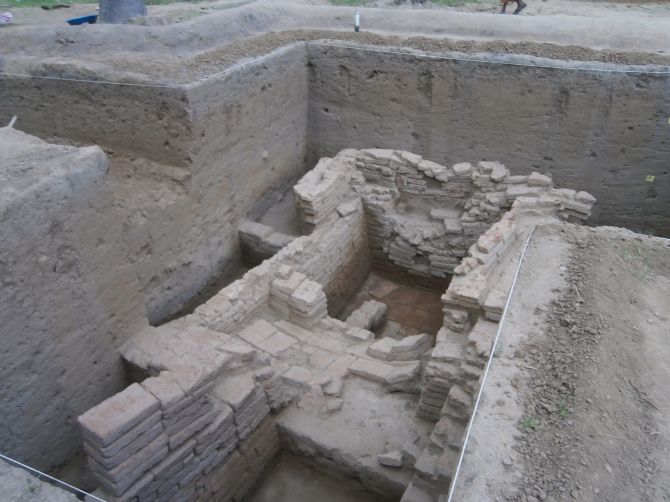
IMAGE: A water tank with feeder channels discovered during excavation at Keezhadi village in Sivaganga district, Tamil Nadu. All photographs: A Ganesh Nadar/Rediff.com
A major excavation by the Archaeological Survey of India of a Sangam era settlement is making big news with its amazing discoveries.
About 12 km from Madurai on the highway to Rameswaram, a large coconut field on the banks of the Vaigai river in Keezhadi village of Sivaganga district is being excavated, where Roman artefacts and vessels with writings in the Brahmi script have been discovered.
Brahmi is the earliest script which the Tamils used during the Sangam period, which roughly extended from the 3rd century BC to the 3rd century AD. There were three dynasties during this period: The Cheras, the Cholas and the Pandyas who traded with the Romans. After the 6th century AD, the Grantha script replaced Brahmi.
In the 13th century AD, this area was called Kuntidevi Chaturdevi Mangalam and there are no records from before that period. This area is spread over about 80 acres and covers a radius of about 3.5 km.
Since the ASI, to seek permission for the excavation, had to give the owners of the land a written assurance that they will get it back in the same condition, ASI staff refill the digs after photographing and collecting the artefacts.
The first survey in the area commenced in 2013, the excavation was conducted in 2015 and again in 2016. The ASI plans another excavation next year, but that has to be sanctioned by the Survey’s headquarters in New Delhi. Students from Chennai University and the Krishna Arts College helped the ASI in the current round of digs.

In the present phase of excavation — apart from the Roman artefacts and vessels with Brahmi text — relics confirming the presence of handicrafts like weaving, ship-building, metal working, carpentry, rope-making, ornament-making, making of ivory products, tanning etc during the Sangam period have been found.
Nails and other iron and ivory products have been found, which confirm the presence of this town during the Sangam period. Structures built with bricks and mortar have also been unearthed.
A team of ASI experts — including Superintendent K Amarnath Ramakrishna, Assistant Archaeologists Rajesh and Veeraraghavan — is involved in the excavation work, which began on January 18 and is likely to continue till September.
The ASI officials say the settlement was more than 2,000 years old, and dates to the Sangam era.
So far, about 3,000 ancient artefacts, including a signet made of clay with an ornamental design, have been excavated.
According to the ASI officials, the ancient settlement had an underground drainage system which was on par with the Harappan system. The sewage drains had been laid with baked clay pipelines, which are still visible.
The drainage system is similar to the one that was found in Harappa, the ASI officials said.
Apart from signets, arrows, weapons made of iron and copper, rare ornaments have been found, ASI Superintendent Ramakrishna said.
“It is very rare to find the constructions intact. The findings threw more light on the Sangakaala (Sangam era) Tamil civilisation,” he added.
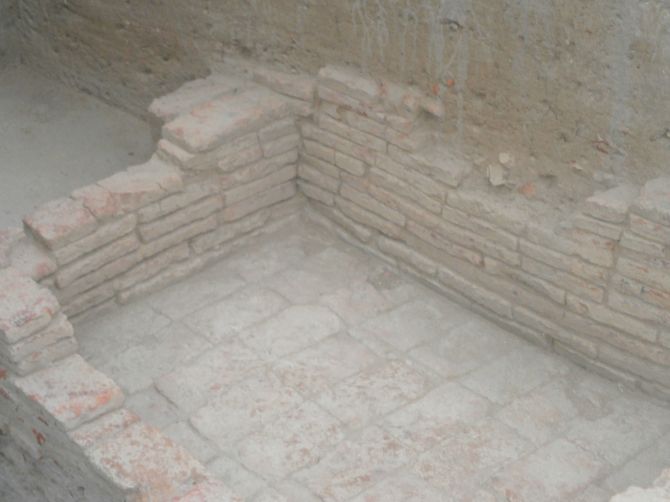
This town was a residential area, Assistant Archaeologist Rajesh said, and they have discovered brick buildings in it, which were very rare during that time.
The ASI team surveyed the banks of the Vaigai in 2013-2014, checked out 293 sites for excavation, and chose the present site.
As many as 43 excavations were conducted last year and 1,800 artefacts found. This year, 53 excavations have been conducted and 3,000 items discovered and preserved.
Among the artefacts were semi-precious stones, glass, shells, burnt bricks, tusk, and iron. Products used by people in their day-to-day lives were recovered.
There were plenty of small water tanks made of bricks and mud. The water tanks were fed through well-laid channels, which are still present. Though most of the place looks residential, some business centres were also found.
They have found roof tiles and nails which suggest that the buildings were storied. Vessels with names written in the Brahmi script have been found, names like ‘Sattan, Thisan, Chandan, Inavadan, Muyan’ and ‘Udhiran’.
“The date we are looking at is between the 3rd century BC and the 3rd century AD, which was the Sangam period. Carbon dating is still to be done,” Rajesh said.
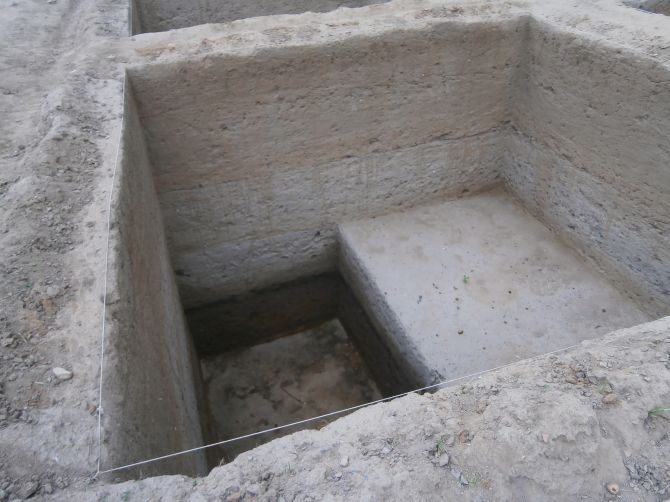
This is the second phase of the ASI excavation and the team has sought permission for another one.
“There has been no important excavation in south Tamil Nadu, so we want to do this extensively,” Ramakrishna said. “The history of this area has not been properly understood. In the third phase, we will learn more.”
A Ganesh Nadar / Rediff.com
Source…www.rediff.com
Natarajan

Nervous flyer? Just want to know you’re traveling with a reliable airline? Find out who are the world’s safest airlines.
AirlineRatings.com, the world’s only safety and product rating website, which was launched in June 2013, has announced its top twenty safest airlines and top ten safest low cost airlines for 2016 from the 407 it monitors.
Top of the list for the third year is Australia’s Qantas, which has a fatality free record in the jet era – an extraordinary record. Making up the remainder of the top twenty in alphabetical order are: Air New Zealand, Alaska Airlines, All Nippon Airlines, American Airlines, Cathay Pacific Airways, Emirates, Etihad Airways, EVA Air, Finnair, Hawaiian Airlines, Japan Airlines, KLM, Lufthansa, Scandinavian Airline System, Singapore Airlines, Swiss, United Airlines, Virgin Atlantic and Virgin Australia.
AirlineRatings.com’s rating system takes into account a range of factors related to audits from aviation’s governing bodies and lead associations as well as government audits and the airline’s fatality record. AirlineRating.com’s editorial team, one of the world’s most awarded and experienced, also examined each airline’s operational history, incident records and operational excellence to arrive at its top twenty safest airlines.
The AirlineRatings.com top twenty have always been at the forefront of safety innovation and launching of new aircraft and these airlines have become a byword for excellence. Responding to public interest, the AirlineRatings.com editors also identified their top ten safest low cost airlines.
They are in alphabetical order: Aer Lingus, Flybe, HK Express, Jetblue, Jetstar Australia, Thomas Cook, TUI Fly, Virgin America, Volaris and Westjet.
Unlike a number of low cost carriers, these airlines have all passed the stringent International Air Transport Association Operational Safety Audit (IOSA) and have excellent safety records.
Of the 407 airlines surveyed, 148 have the top seven-star safety ranking but almost 50 have just three stars or less. There are 10 airlines with only one star and these airlines are from Indonesia, Nepal and Surinam.
In selecting Qantas as the world’s safest airline AirlineRatings.com editors noted that over its 95-year history the world’s oldest continuously operating airline has amassed an extraordinary record of firsts in operations and safety and is now accepted as the industry’s most experienced carrier.
The Australian airline has been a leader in: the development of the Future Air Navigation System; the Flight Data Recorder to monitor plane and later crew performance; automatic landings using Global Navigation Satellite System as well as precision approaches around mountains in cloud using RNP. Qantas was the lead airline with real time monitoring of its engines across its fleet using satellite communications, which has enabled the airline to detect problems before they become a major safety issue.
Last year was a disturbing year for airline safety with some tragic and bizarre accidents such as the high profile GermanWings and Metrojet disasters. However according to Aviation-Safety.net data, the 16 accidents in 2015 with 560 fatalities were below the 10-year average of 31 accidents and 714 fatalities. Last year was also a significant improvement over 2014 when there were 21 fatal accidents with 986 fatalities.
Balancing these numbers the world’s airlines carried a record 3.6 billion passengers on 34 million flights in 2015.
Flashback 50 years and there were a staggering 87 crashes killing 1,597 when airlines carried only 141 million passengers – 5 per cent of today’s number.
– See more at: http://www.airlineratings.com/news/630/who-are-the-worlds-safest-airlines-for-2016#sthash.d2MKORhu.dpuf
Source….www.airlineratings.com
Natarajan
Vasanthakumari has been driving buses for 23 years now, making her Asia’s first woman bus driver. While she started it because that was the only way to make money, she also had a passion for driving.
Her story begins at the Southern-most tip of India, Kanyakumari, where she was born. When she was very young, her mother died and her father remarried. At 19, she got married to a man with four daughters, and later had two children of her own, in Chennai. Her husband worked as a construction labourer, while she took care of the children and also was the secretary at the Mahalir Mandram, a women’s group.

Vasanthakumaru, Asia’s first woman bus driver
“But when I applied for the government job, the officials told me there were hardly any women bus drivers in the world, and asked me how I would manage in a profession where men struggled,” said Vasanthakumari to Times of India. Nevertheless, she got herself a license in heavy vehicle driving.
But she didn’t get an opportunity to even have her skills tested. After repeated requests, she was called for a test.
Recollecting those early tests, the 57-year-old says, “During one test, they asked me to drive along the figure eight formation. When I started, all the officials ran to safety thinking I may drive in a haphazard manner.”
In March 1993, she joined the crew at the Tamil Nadu State Transport Corporation as the first woman bus driver. She was not given any special concessions, either. For instance, she still drives on the Nagercoil-Thiruvananthapuram route regularly, ending her shift at 10 PM.
“When I began working, I did single duty and used to report by 6 AM and end the shift around 2 PM,” she said, adding that she would leave her children with her neighbours.
She says that the job is highly stressful, which is why many women who join as drivers end up switching to desk jobs later on.
“Everyone asks me what challenges I faced as a woman driver. I tell that everything seems difficult but it is the way we deal with it that is important.”
The winner of the recent Raindropss Women Achiever Award will be retiring in April 2017. Her plans after that include starting a driving school dedicated to women. “Or else, I can always get a job as a driver in college campuses,” she said. Whatever it is, she does not want to stop driving in life, she adds.
Source….Neeti Vijaykumar in http://www.the betterindia.com
Natarajan
எட்டயாபுரம், பா.நா.கணபதி எழுதிய, ‘நினைவுகள்’ நூலிலிருந்து:
ஒரு முதிய காங்கிரஸ் தியாகி, சென்னை அரசு மருத்துவமனையில் சிகிச்சைக்காக சேரும்போது, தன் பெயருடன், மே/பா. காமராஜர், தலைவர், சத்தியமூர்த்திபவன், சென்னை என, பதிவேட்டில் எழுதி கொள்ளும்படி கூறினார்.
ஒருநாள், அம்முதியவர் திடீரென்று இறந்து விட்டார். அவர் தந்த முகவரிப்படி காமராஜருக்கு தகவல் தரப்பட்டது. அதைக் கேட்டு அதிர்ந்து போனார் காமராஜர். ஏன் என்றால், இறந்தவர் யார் என்றே அவருக்கு தெரியாது.
‘இறந்தவர் காங்கிரஸ் தியாகி; என் முகவரியை தந்திருக்கிறார். அவருக்கு என்னிடம் அவ்வளவு நம்பிக்கை! தியாகியின் இறுதி சடங்கை நல்ல முறையில் செய்ய வேண்டும்…’ என்ற கடமையுணர்வு அவரது உள்ளத்தில் மேலிட்டது.
மருத்துவமனை சென்று, இறந்தவரின் உடலை பெற்று, நல்லடக்கம் செய்யும்படி, செயலர் வி.எஸ். வெங்கட்ராமனிடம் தெரிவித்தார். அன்று, தன் வழக்கமான நிகழ்ச்சிகளை ரத்து செய்தவர், செயலற்றவராக, ஈஸி சேரில் சாய்ந்து விட்டார்.
சடலம், மூலகொத்தளம் சென்றடைந்து, எரியூட்டும் சமயம் அங்கு சென்ற காமராஜர், ‘இந்த தியாகி யாரோ… வீடு, வாசல், மனைவி, மக்கள் எல்லாவற்றையும் துறந்து, காங்கிரசில் சேர்ந்து பல அவஸ்தைகள் பட்டும் கூட, அக்கட்சியிடம் நம்பிக்கை இழக்காத இவர், மரணம் அடையும் முன், காங்., அலுவலக விலாசமே தந்துள்ளார். இவருக்கு நாம் எல்லாருமே கொள்ளி போடுவோம்…’ என்று, நா தழுதழுக்க கூறிய வார்த்தைகள், அனைவரையும் கண்ணீர் விட செய்தன.
ஒரு எளிய தியாகிக்காக, தியாக சீலரான காமராஜர் சிந்திய கண்ணீர், தூய்மையான அன்பின் வெளிப்பாடாக விளங்கியது.
Source….www.dinamalar.com
Natarajan
What began as a challenge ended up a way of life for ‘Paalam’ Kalyanasundaram, whom the UN adjudged one of the most outstanding people of the 20th century.
This is the story of his inspiring journey, as told to Shobha Warrier/Rediff.com

Thin, frail, clad in a dull white dhoti and sleeveless vest, ‘Paalam’ Kalyanasundaramlooks older than his 75 years. Though born into a wealthy agricultural family where he was surrounded by abundance, his possessions today are a couple of dhotis and shirts and a small black bag that he carries everywhere.
He doesn’t have a house of his own, but the doors of many homes in Chennai, including that of superstar Rajinikanth, are open to him.
He never married because he did not meet a person like Sarada Devi, Ramakrishna Paramhansa’s wife. yet, hundreds of children are willing to take care of him.
I meet this extraordinary human being in a tiny one room house in a slum. He is like a grandfather to the young girl who lost her father to cancer a few years ago. She eats with him, runs errands for him, travels with him and takes care of him more than he takes care of her. He has many such grandchildren.
As we speak, a young man walks in. A driver from the interiors of Tamil Nadu, he had come hearing of Paalam’s large heart and wanted to help by driving him around. A man like Paalam, he says, should not travel in autos and buses.
This is the kind of unconditional love people have for him.
Paalam worked as a librarian in a college for 35 years and donated every paisa he earned as salary to charity. To meet his needs, he worked as a waiter in a small hotel after college hours. He also gave away his entire pension to the poor.
He had won many awards including the best librarian award from the Government of India. The International Biographical Centre, Cambridge, honoured him as one of the ‘noblest of the world.’ The United Nations adjudged him one of the most outstanding people of the 20th century.
The Man of the Millennium award from an American organisation gave him Rs 30 crore (Rs 300 million) along with the award. He donated the entire amount to the poor.
Today he runs the organisation Paalam (bridge), which works as a bridge between donors and the needy. “I do not earn any money now, so I can only act as a bridge,” he says.
It may be hard to believe that a man like Paalam Kalyanasundaram lives on this planet, but he does, and here is his story.
Childhood in a village
You will realise how backward my village, Melakarivelamkulam in Tirunelveli district, was when I say that there were only 35 houses. We had no road, no electricity, no primary school or even a tiny shop to buy a match box!
Till I reached high school, we only used kerosene lamps at home.
It was only when I came to Madras for my post-school education that I saw, for the first time in my life, a train, a cinema theatre, big shops and even electricity.
I lost my father, a rich landlord, when I was 10 months old. I was brought up by my mother and maternal grandmother. My biggest life lesson came from my illiterate mother.
Before she got married, my grandmother ran a small idli shop in her village and my mother and her sister worked as servers. My father, a rich agriculturist, used to visit the village to sell his farm products. As this was the only idli shop there, he was a regular visitor.
A 45-year-old widower, he would leave his two small children at the idli shop while he completed his work. When he found that my mother lovingly looked after them, he wanted to marry her. My mother had two conditions — that her mother would stay with them and he had to bear the expenses of her younger sister’s wedding.
He agreed and they were married.
My elder brother was born when my father was 50, I was born 11 years later. Within a year, my father passed away.

IMAGE: Kalyanasundaram’s mother urged him to share his meals with others (Image used for representational purposes only). Photograph: Mansi Thapliyal/Reuters
When my brother and I were young, she would tell us, ‘Even if you have all the money in the world, you will not be happy. To attain happiness, you should not be greedy. You should donate one tenth of whatever you have to the needy. You should help a living being — human or animal — every day. If you follow these three things, you will be happy.’
My life was not shaped by what I learnt in school or college, it was shaped by my illiterate mother’s thoughts.
Every morning, when my brother and I got ready to go to school, my mother would pack either 10 biscuits or 10 murukku (a savoury snack) or 10 chocolates and tell us, ‘Before you start eating, you should give one to somebody else. Without doing that, you should not eat anything. It can be a beggar or a dog or even your friend.’
One day, the snack she gave me was a delicious sweet. I couldn’t control my desire, I ate all 10 myself. In the evening, I asked her for some more after confessing I hadn’t shared any earlier since it was so tempting. She was so angry and disappointed; she slapped me hard and said she would have made more if I had shared it with someone.
A challenge, and a saviour
When we became teenagers, the voice of all my friends cracked, but mine didn’t. My classmates would constantly tease me about my shrieky, feminine, voice.
It disturbed me to such an extent that I wanted to commit suicide.
Depressed beyond words, I went to meet a Tamil writer who was my hero and told him I was fed up living a boy’s life with a girl’s voice. I was 16. He was shocked. He took me to a hotel and ordered some food.
Later, he spoke to me for two hours. ‘How Kalyanasundaram speaks is not what makes your life,’ he said. ‘What society speaks about Kalyanasundaram is what matters. You should live such a life that people speak highly about you and your life.’
I have not forgotten his words.

A war and a challenge
In 1962, when the India-China war started, Prime Minister Jawaharlal Nehru urged all citizens to donate to the war fund. I was a student of library science at Madras University.
I didn’t have any money, so I immediately took the gold chain I was wearing and donated it to the Prime Minister’s Fund.
When Kamaraj (the then chief minister of Tamil Nadu) came to know of this, he arranged a meeting at Marina Beach (in Chennai) on May 1, 1963. When he complimented my donation as a great social service, I said I had done it for my own satisfaction and happiness.
A newspaper editor asked, ‘Till now, you have been donating what your mother and grandmother gave you, not what you earned. When you start working, can you donate your entire salary for at least five years?’ Taking it as a challenge, I agreed.
When I was in school, I wanted to see all the other children there as well. But most of my friends from the village could not afford the fees. So, after I turned 14, I gave free tuition to the village children. I felt it was unfair that I could study because I belonged to a rich family and my friends could not because their parents were poor.
Keeping a promise, and more
I am a gold medallist in library science and have master’s degrees in Tamil literature and history. After my studies, I decided to work as a librarian at the Kumarkurupara Arts College at Srivaikuntam near Thanjavur.
At that time, our family income from agriculture was around Rs 2 or 3 lakhs (Rs 200,000 to Rs 300,000). I remembered what I told the newspaper editor. I knew I could donate my salary of Rs 140 and live on the family income.
But what is so great about giving away Rs 140 for charity when your family income is in lakhs? It becomes great only when that Rs 140 is all you have.
When serving became a tribute
After donating my entire salary, I chose not to take any money from my family. To take care of my basic needs, I worked in a restaurant in a small town away from my college.
After college, from 5 pm to 7 pm, I worked as an honorary professor teaching students Gandhian studies. From 8 pm to 11 pm, I worked as a waiter.
Though the owner asked me to work as a manager or a cashier, I wanted to work as a waiter as my mother was one when she was young. I didn’t consider it demeaning even though I was the chief librarian of a college.
The hotel paid me Rs 600 as salary. I was also given free food.
Slowly, people came to know that I worked in a college and the restaurant came to be known as the one where a college teacher worked as a server! Many people would come there just to see me.
Even today, people point out the restaurant and say this was where a college professor worked as a server.

The joy of giving
After giving away my salary for five years, I thought why not donate my entire salary for another 10 years and prove the editor wrong?
After 10 years, I realised I felt good using my money to educate poor children. I continued to donate my entire salary till my retirement, that is, for 35 years.
Nobody knew what I was doing till 1990. It remained a secret as I didn’t want to publicise what I was doing.
When our pay scale changed to what the UGC (University Grants Commission) prescribed, everyone got huge arrears. I also got Rs 120,000.
I met the district collector and asked him to keep the money in a trust to be used as scholarships for the education of orphaned children. He asked if I had any conditions. I said I wanted members from all communities who were involved in charity work to be on the trust so that the scholarships would be used properly even after my death.
When he wanted to arrange a public meeting to appreciate my gesture, I told him I didn’t want anyone else to know about it. He agreed, but, without my knowledge, sent this information to newspapers, agencies and radio stations. It was flashed all over India. His reasoning was that he wanted more people to follow what I did.
That’s how, after April 16, 1990, people came to know of a person called Kalyanasundaram.
A sacrifice, happily made
I knew that if I got married, I would not be able to donate my entire salary. So I decided to remain a bachelor.
If I had met a person like Sarada Devi, who was the perfect wife to Ramakrishna Paramahamsa, I would have got married.
A superstar for a son
After I gave my entire pension, gratuity and provident fund to the poor, the United Nations named me one of the Outstanding People of the 20th Century.
An American organisation honoured me with the ‘Man of the Millennium’ award, which included Rs 30 crore. I distributed the entire amount to the needy.
When Rajinikanth came to know of this, he organised a meeting at the Kamarajar Arangam and gave me money and 101 sovereigns. There itself, I gave away the money and 101 sovereigns to 101 needy children.
On seeing this, he adopted me as his father and wanted me to stay with him. But I couldn’t stay with him for more than a month as I found that life quite stifling.
I like to lead an anonymous, simple and independent life which I didn’t get while staying at his place. He respected my wishes and let me go, saying the doors of his house would always be open for me.

A much needed bridge
After my retirement in 1998, I decided to return to my village, but Nalli Kuppuswami Chettiar (the well-known textile industrialist and philanthropist) asked me stay back in Chennai and work for the poor.
I didn’t have a single penny — no salary, no savings. He promised to take care of my needs and the expenses of an office. Even today, he takes care of everything.
Now that I don’t earn any money, I decided to be a paalam (bridge) between the needy and the donors. That is how people started calling me Paalam Kalyanasundaram.
Source…Shobha Warrier in http://www.rediff.com
Natarajan
Dr. Ravi Kannan’s vision has turned a small cancer centre into a full-fledged hospital in Assam’s Barak valley.
Barak Valley is a remote area on the Indo-Bangladesh border in Assam. For years, the people in the area had limited access to medical care. In fact, the nearest hospital was in Guwahati, which is 350 km away. This journey would often take 24 hours to complete, due to the difficult terrain as well as the threat of landslides.

The Cachar Cancer Hospital Society faced multiple challenges, including a severe financial crunch and lack of infrastructure, right from the start. In fact, the hospital got its first radiation unit only in 2006.
The first qualified nurse came on board in 2008. Though there were other trained personnel in the region, they were choosing to migrate to bigger cities in search of better employment.
The hospital continued to reel under all these problems till 2007, when it got a saviour in the form of Dr. Ravi Kannan.
“When I got the offer to come and work in Assam, my wife was hesitant. But after coaxing her, we came and spent some time here. I worked at the hospital and interacted with the patients. Meanwhile, my wife and daughter mingled with the members of the community. All of us realised that there was much work to be done here and this is where we should be,” he says.

It was a big change for the family. For instance, his daughter, who studied in a school which didn’t have exams, had to take her first exam to get admission into Kendriya Vidyalya. The weather was different and so was the language. And life here was harder in comparison to their hometown of Chennai. However, slowly, they all settled into the new place and Dr. Kannan got to work.
“From day one, we just kept reacting to situations, whether they were related to finance or manpower or infrastructure,” says Dr. Kannan.
Over the years, this doctor and his incredible team managed to turn the place around. There were only 23 staff members when he joined. Today, there is a 200-member strong team.

It is his selfless service and vision that have transformed this unknown cancer hospital into a comprehensive cancer centre that is providing free and heavily subsidised treatment to thousands of poor cancer patients every year,” says Rajeev Kumar, Dr. Kannan’s colleague.
In the early days, Dr. Kannan noticed that only a few patients who came for the initial check-up would come back again for a follow up. Every year, the hospital would conduct a review and find that most patients didn’t return a second time. Finally, it dawned on the administration that most people couldn’t afford the treatment.
Over 60% of the patients visiting the hospital have an income of Rs. 3,000 or less per month. As many as 80% are daily wage earners – labourers, tea garden workers and agricultural workers.
“We realised that most of them were the sole breadwinners of their families. They couldn’t afford to not work. The challenge was to figure out how to get them to undergo medical treatment, without taking away their daily bread,” he says.
This is how the hospital started home visits. The doctors started going to the villages to provide treatment to cancer patients. The patients do not have to pay for home-based care and follow up. Slowly, the hospital started satellite clinics for patients who are unable to travel long distances to visit the hospital. The doctors also provide phone consultations and stay in touch with patients who have returned home with prescriptions.
Dr. Kannan and his team discovered yet another way to get the patients to come in. They started employing those who come as attendants with the patients. These attendants help out in the garden or do other small tasks. Initially they were paid Rs. 30 but now they get about Rs. 100 per day for their work.
According to Dr. Kannan, because of the free food available at the hospital and the opportunity to work, some patients stay behind even after their treatment is completed.
The hospital has a desk in the outpatient department where the staff proactively assess the economic needs of the patients and assist them in getting treatment from the hospital at subsidised rates or for free.
“We make efforts to offer the best treatment possible to all the patients, irrespective of their socio-economic status. No one should be denied access to treatment due to want of money,” Dr. Kannan says.
The hospital now has a strict follow up policy. The supervisors of each ward are given cell phones. They are required to call up people and find out why they have missed their appointments. They maintain contact with patients and their families and motivate them to complete their treatment as advised.
At present, the hospital has an annual inflow of 3,000 new and 14,000 follow-up patients. It also gets patients from other states, as well as from neighbouring Bangladesh.
For Dr. Kannan and his team, every day presents a new challenge.
“There have been times when my colleagues and I have conducted surgeries in fields we have not specialised in. The patients cannot always go rushing to Guwahati. How can we say no to someone who is critical? By taking up these surgeries, we have also been pushed out of our comfort zones,” he says.
The hospital runs on the funds it receives from various organisations and individuals. A grant from the Indo-American Cancer Association helped establish the Department of Pain and Palliative Care in the hospital in 2011. A Department of Dental Surgery has also been set up. The pharmacy offers medicines at highly discounted prices. An ICU was started from the contributions made by individuals and NGOs.

“The expenses just keep increasing. We rely on contributions to run this place and provide treatment to so many people. My amazing team has chosen to work here despite the fact that they would be better remunerated in bigger cities. The satisfaction we get from serving the community here is indescribable,” he says.
The Cachar Cancer Hospital Society is raising funds to support cancer patients. For more details visit its page onKetto.
To get in touch with Dr. Ravi, mail him at ravi.kannan@cacharcancerhospital.org
Source…….Meryl Garcia in http://www.the betterindia.com
Natarajan

 Take off with Natarajan