9 Famous Quotes That Are Often Misused…

There are many quotes that are constantly used at will by many of us, but do we actually know where they came from or what their full extent really is? Here are 9 famous quotes that are used in part, or even completely incorrectlly.

1  ” Money is the root of all evil ”

The idea that money is inherently evil appears to stem from a quote that appears in the King James Bible, specifically in 1 Timothy 6:10. The thing is, however,  that the quote got misconstrued from the actual Bible verse, which says: “For the love of money is the root of all evil: which while some coveted after, they have erred from the faith, and pierced themselves through with many sorrows.”


2 “Winning is not everything ”

This motivational quote also happens to be a misquote. It comes from a UCLA Bruins football coach known as “Red” Sanders. At a physical education workshop in 1950, he said: “Winning isn’t everything. Men, it’s the only thing!”


3 “The proof is in the pudding ”

This one is a complete misquote, because the actual quote says “the proof of the pudding is in the eating”. In other words, you actually have to try food to determine whether it’s good to eat or not. “The proof is in the pudding” actually makes no sense at all.


4.”Jack of all trades, but master of none ”

A few hundred years back, “jack” was simply slang for “laborer”. This ghost word is still seen in phrases like “lumberjack” and “steeplejack”. As a result, a “jack of all trades” was a laborer who was capable of doing a bit of everything. The “master of none” part of the quote is actually a modern addition, which contends that those can do a bit of everything have mastery over nothing.


5.:” Feed a cold , starve a fever ”

An old belief from medieval times states that “fasting is a great remedy for fever”, but modern medicine begs to differ. Some believe that the notion of starving a fever actually comes from a mistranslation of “feed a cold, stave a fever”, meaning that it’s a well-nourished person with a cold has a better chance of staving off a fever than a person that is undernourished.

6.” Great minds think alike ”

Greek philosopher Socrates left this one to the world. If he really did mean it in earnest, he probably would have written it down rather than killing himself by drinking hemlock. What you might not know about this famous quote is that it actually has a second part that’s often left out. In its entirety, it reads: “Great minds think alike…and fools seldom differ.”

7.” When one door closes another opens ”

This quote is alternately attributed to Alexander Graham Bell and Helen Keller, although neither of them were actually confirmed to have said it. The full quote actually says: “when one door closes another door opens, but we so often look so long and so regretfully upon the closed door that we do not see the ones which open for us.” As a result, make sure you look forward and don’t dwell when one of life’s metaphorical doors slams shut on you.

8. “Curiosity  killed the cat ”

The first known version of this quote was popularized by William Shakespeare. It goes “care killed the cat”, with “care” meaning “worry” in this context. It appears that “care” made way for the word “curiosity” in the late 1800s, but while that is uncertain, people almost always forget that the quote actually has a second part. It actually reads: “curiosity killed the cat…but satisfaction brought it back,” and means although being nosy will likely get you in trouble, knowing the truth in the end is often worth the risk that you take to find it.

9. Be the change you want to see in the world ”

Gandhi uttered many an inspiring phrase during his lifetime, however this has to be one of his most famous. In his original statement, the guru had said: “If we could change ourselves, the tendencies in the world would also change. As a man changes his own nature, so does the attitude of the world change towards him.”

Source….www.ba-ba mail.com

Natarajan


பறவைகள் மோதிய விமானம்… ஆற்றில் இறக்கிய பைலட்… விமான வரலாற்றில் ஒரு ‘வாவ்’ சம்பவம்!


2009 ஆண்டு ஜனவரி 15 குளிர்காலத்தின் வியாழக்கிழமை. நியூயார்க் நகரம் எப்போதும் போல இயங்கிக் கொண்டிருக்கிறது. லகுவார்டியா விமானநிலையம் பரபரப்பாக இருக்கிறது. விமானங்கள் வருவதும் போவதுமாக இருக்கிறது. விமானங்களுக்கு ஓடுபாதையில் இறங்க வேண்டிய நேரத்தை சிக்னலாக வழங்கிக் கொண்டிருக்கிறார்கள். லகுவார்டியாவிலிருந்து US ஏர் பஸ் 1549  A320 என்கிற விமானம் நார்த் கர்லோநியாவில் உள்ள சார்லோட்டி விமான நிலையத்திற்குப் புறப்படத் தயாராகிறது. 66 டன் எடை கொண்ட விமானம் இரண்டு என்ஜின்களைக் கொண்டது. இரண்டு என்ஜின்களும் 40000 குதிரைத் திறன் கொண்டவை. பைலட்டின் பெயர் செஷ்லே சுல்லேன்பெர்கர் (Chesley Sullenberger). வயது 57. இவர் அமெரிக்க விமானப்படையில் பைலட்டாக  இருந்தவர். மொத்தம் 19663 மணி நேரம் பறந்தவர். அதில் 4765 மணி நேரம் A320 விமானத்தில் பயணித்தவர்.

ஏர் பஸ் 1549  A320 விமானத்தில் 150 பயணிகளும் ஐந்து விமானச் சிப்பந்திகளும் பயணிக்கிறார்கள். விமானம் கிளம்புவதற்கான ஒப்புதல் நிலைய அதிகாரிகளிடமிருந்து கிடைக்கிறது. விமான நிலையத்தின் நான்காவது ஓடுபாதையிலிருந்து மாலை 3:24:56 நொடிகளுக்கு விமானம் புறப்படுகிறது.

விமானம் 2818 அடி உயரத்தில் 343 கிலோமீட்டர் வேகத்தில் பறந்துக் கொண்டிருக்கிறது. விமான முகப்புப் பகுதியில் விமானத்தின் முன்பாக பறவைகள் வருவதை பைலட் பார்க்கிறார். அவை கனடா கீஸ் வகை பறவைகள். 3:27:11  பறவைகள் விமானத்தின் எஞ்சின் பகுதியில் மோதுகின்றன. பறவைகள் மோதியதில் விமானத்தின் இரண்டு என்ஜின்களும் பழுதாகின்றன. விமானம் பழுதானதை உணர்கிற பைலட் உடனே விமான நிலைய கட்டுப்பாட்டு அறைக்குத் தகவலைத் தெரிவிக்கிறார். 3:27:33 வினாடிகளில் “விமானத்தில் பறவைகள் மோதிவிட்டன.  உடனே விமானத்தை லகுவார்டியாவில் தரை இறக்க வேண்டும் ஓடுபாதையை கிளியர் செய்து கொடுங்கள்” என்கிறார். நிலைமையின் தீவிரத்தை அறியாத விமான நிலைய அதிகாரிகள் விமானத்தை நியூ ஜெர்சியில் இருக்கிற டேடேர்போரோ விமான நிலையத்தில் இறக்குங்கள் எனத் தகவல் சொல்கிறார்கள்.

“விமானத்தை டேடர்போரோவில் இறக்குவதற்குச் சாத்தியமில்லை” என பைலட் பதிலளிக்கிறார். விமானம் ஜார்ஜ் வாஷிங்டன் பாலத்திற்கு மேலாகப் பறந்துக்கொண்டிருக்கிறது. பயணிகளுக்கு எந்தத் தகவலும் வழங்கப்படவில்லை. விமானத்தில் இருக்கிற 150 பயணிகளையும் காப்பாற்றியாக வேண்டிய அசாதாரண சூழ்நிலை. நொடிக்கு 18 அடி கீழ் நோக்கி விமானம் சென்றுகொண்டிருக்கிறது. தீவிரத்தை உணர்கிற பைலட் 3:28:10 நேரத்தில் விமானத்தை அட்சன் பகுதியில் இறக்குவதாக விமான நிலையத்திற்குத் தெரிவிக்கிறார். ஆனால், விமான நிலைய அதிகாரிகள் ”அட்சன் பகுதியிலா வேண்டாம்” என்கிறார்கள். காரணம் அட்சன் என்பது ஓடுதள பகுதி அல்ல என்பதே. நியூயார்க் நகரத்தில் இருக்கிற ஒரு ஆறு. ஜார்ஜ் வாஷிங்டன் பாலம் இருக்கிற நகரின் பரபரப்பான பகுதி. மொத்த விமான நிலையமும் பதற்றத்திற்கு வருகிறது. அட்சன் ஆறு ஐக்கிய அமெரிக்காவின் நியூயார்க்கின் கிழக்குப் பகுதியின் ஊடாகச் செல்லும் ஆறு. வடக்கிலிருந்து தெற்கு நோக்கி ஓடும் ஆற்றின் நீளம் 507 கிலோமீட்டர்கள்.

வேறு வழியின்றி விமானத்தை பைலட் அட்சன் ஆற்றுப் பகுதியில் இறக்க முடிவு செய்கிறார். பயணிகளுக்கு நிலைமை எடுத்துச் சொல்லப்படுகிறது. விமான ஒலிபெருக்கியின் மூலம் விமானிப் பயணிகளுடன் உரையாடுகிறார். பயணிகள் பயத்தில் உறைகிறார்கள். அடுத்து என்ன நடக்கும் என்பதை யூகிக்க முடியாத சூழல். விமான நிலையக் கட்டுப்பட்டு அறையில் இருக்கிற அதிகாரிகள் நியூயார்க் கடற்படைக்குத் தகவல் கொடுக்கிறார்கள். கடற்படையின் படகுகள் கப்பல்கள் குறிப்பிட்ட இடத்திற்குக் கிளம்புகின்றன. பாதுகாப்பு ஹெலிகாப்டர்கள், படகுகள் என அட்சன் ஆறு மிகப்பெரிய விபத்திற்கு தயாராகிறது

3:30  நிமிடத்திற்கு பைலட் விமானத்தை அட்சன் ஆற்றில் இறக்குகிறார். ஆற்றுக்கும் விமானத்திற்குமான இடைவெளி 500 அடியிலிருந்து தீவிரமாகக் கண்காணிக்கப்படுகிறது. 100 அடி, 50 அடி, 20 அடி, 10 அடி எனக் குறைகிறது. 0.  அவ்வளவுதான். அதிபயங்கரச் சத்தத்துடன் விமானம் ஆற்றில் பாய்கிறது. அட்சன் பகுதிக்குப் பக்கத்தில் இருக்கிற மக்கள் பேராபத்தை உணர்கிறார்கள். விமானம் ஆற்றில் பாய்ந்த அடுத்த நிமிடம் ஆற்றில் மிதக்க ஆரம்பிக்கிறது. நல்ல வேளையாக விமானம் தீப்பிடிக்கவில்லை. விமானத்தின் தானியங்கி கதவுகள் மூடிக்கொள்கின்றன. கதவுகள் மனித முயற்சியில் திறக்கப்படுகிறது. அடித்துப் பிடித்துக்கொண்டு பயணிகள் விமானத்திலிருந்து வெளியே வருகிறார்கள். சிலர் பதற்றத்தில் வெளியே குதிக்கிறார்கள். குளிர்காலம் என்பதால் நீர் ஐந்து டிகிரி குளிராக இருக்கிறது. விமானத்திலிருந்து வெளியே வந்தவர்களை குளிர் வாட்டி வதைக்க ஆரம்பிக்கிறது. விமானத்தின் இறக்கைப் பகுதிகளில் ஏறி நின்று  கொண்டு உதவிக்கு அழைக்கிறார்கள். விமானம் ஆற்றில் இறங்கிய நான்கு நிமிடங்களில் கடற்படையின் படகுச் சம்பவ இடத்திற்கு வந்து சேர்கிறது. பயணிகளில் ஒருவர் மாற்றுத் திறனாளி. விமானம் கொஞ்சம் கொஞ்சமாக நீரில் மூழ்க ஆரம்பிக்கிறது. கடற்படை வீரர்கள் பயணிகள் எல்லோரையும் பத்திரமாக மீட்கிறார்கள். படகுகள் மூலம் எல்லோரும் மீட்டு ஆற்றின் கரைக்குக் கொண்டுவரப்படுகிறார்கள். 3:55 நிமிடத்தில் விமானத்தின் கடைசிப் பயணியும் பத்திரமாக மீட்கப்படுகிறார். எல்லோரும் காப்பாற்றபட்டார்கள் என்பதை உறுதி செய்கிற விமான பைலட் கடைசியாக வெளியே வருகிறார். ஐந்து பயணிகள் பெரிய காயங்களுடன் மருத்துவமனையில் சேர்க்கப்படுகிறார்கள். எழுபத்தி எட்டு பயணிகளுக்குச் சிறிய காயங்கள். சிலர் குளிர் காய்ச்சலுக்கு ஆளானார்கள். ஒரு பயணிக்கு விமானத்தின் எரிபொருள் கண்ணில் பட்டதில் பார்வை போனது.

பெரிதாக எந்த அசம்பாவிதமும் அந்த விபத்தில் நிகழவில்லை. பயணிகள் பைலட்டை தூக்கிவைத்து கொண்டாடுகிறார்கள். விபத்து நடந்த இரண்டாம் நாள் விமானம் ஆற்றுப் படுக்கையிலிருந்து மீட்டு நியூ ஜெர்சிக்குக் கொண்டு செல்லப்படுகிறது. விஷயம் நீதி மன்றத்துக்குச் செல்கிறது. விமான நிர்வாகம் விமான பைலட்டை குற்றம் சாட்டுகிறது. விமானத்தை டேடர்போரோ விமான நிலையத்தில் தரை இறக்கி இருக்கலாம்; அதற்கான நேரம் இருந்தது. ஆனால் விமானி அவசரப்பட்டு விமானத்தை ஆற்றில் இறக்கிவிட்டார் என வாதாடுகிறது. விமானி செஷ்லே சுல்லேன்பெர்கர் அந்த நேரத்தில் பயணிகள் உயிர் குறித்து மட்டுமே சிந்தித்ததாகச் சொல்கிறார். அதை ஏற்றுக்கொள்ளாத விமான நிறுவனம் நீதிமன்ற உத்தரவுபடி ஒரு விமானத்தை சோதனை முயற்சியாக விபத்து நடந்த இடத்திலிருந்து டேடர்போரோ விமான நிலையத்தி இறக்கிக் காட்டுகிறது. ஆனால், விபத்துக்குள்ளான விமானத்தின் விமானி ”சோதனை செய்யப்பட்ட விமானிக்கு என்ன நடக்கப்போகிறது எனத் தெரியும். அதனால் அவர் எளிதாக விமானத்தை தரையிறக்கி விட்டார். மேலும் அவர் அதற்காகப் பயிற்சி பெற்றிருக்கிறார். ஆனால் என்னுடைய நிலை வேறு” எனச் சொல்லி வாதிடுகிறார்.

விமான நிர்வாகம் அதை ஏற்றுக் கொள்ளாமல் மீண்டும் ஒரு  சோதனை முயற்சியில் இறங்குகிறது. நடுவானில் விமானத்தின் இரு எஞ்ஜின்களையும் செயலிழக்கச் செய்து டேடர்பெரோ விமான நிலையத்தில் தரை இறக்குகிற முயற்சியில் இறங்கியது. விமானம் பெரிய சுவற்றில் மோதி விபத்துக்குள்ளாகிறது. அனைத்தையும் ஆராய்ந்த நீதிமன்றம் செஷ்லே சுல்லேன்பெர்கர் செய்தது சரி எனச் சொல்லி தீர்ப்பளிக்கிறது. செஷ்லே சுல்லேன்பெர்கர் விமானி பல பதக்கங்களைப் பெறுகிறார். விமான நிறுவனம் பயணிகளுக்கு இழப்பீடை வழங்கியது.

இந்தச் சம்பவத்தை மையமாக வைத்து ‘சல்லி(Sully)’ என்றொரு படம் வெளியானது. டாம் ஹாங்க்ஸ் நடித்திருந்தார்.

Source….George Anthony in http://www.vikatan.com

Natarajan

வாரம் ஒரு கவிதை….” என் முதல் கனவு “


என் முதல் கனவு
—————
அம்மாவின் கருவறையில் நான் கேட்ட முதல் ஒலி
அம்மாவின் குரலும் பாட்டும் …இதுதான் உன் அம்மா
என்று என் அம்மாவின்  முகத்தை என் மனத்
திரையில் படம் பிடித்துக் காட்டியது
என் முதல்  கனவே ..அதுவே  நான்
பார்த்த முதல் ஒலியும் ஒளியும் !
நான் கண்ட அந்த முதல் கனவு  நனவு ஆனது என்
அம்மாவின் முகம் நான் பார்த்த முதல் நாள் !
வாழ்வில் எத்தனை எத்தனை கனவுகள் !
கனவு அத்தனையும் நனவாகவில்லையே !
அத்தனை ஏன் ?  நேற்று இரவு கண்ட
கனவு என்ன என்று விடிந்தால் புரிவதில்லையே !
என் முதல் கனவு மட்டும் எனக்கு இன்னும்
மறக்க வில்லையே !  ஏன் ?
அது எனக்கு முதல் கனவு மட்டும் அல்ல !
நனவை கனவில் அடையாளம் காட்டிய
இனிய புதுமைக் கனவும் அதுவே !
இன்றும் என்றும் அதுவே எனக்கு
முதல் கனவு ! முடிவே இல்லாத
முதன்மை கனவும் அதுவே !
My Kavithai  in http://www.dinamani.com dated 26th Nov 2017
Natarajan

வாரம் ஒரு கவிதை ….” யாருமில்லாத மேடையில் …”

யாருமில்லாத மேடையில் …
————————–
குளியல் அறையில் நான் பாடிய
பாட்டு …யாருமில்லாத மேடையில்
அரங்கேறிய என் முதல் கச்சேரி !
என் வீட்டு மொட்டை மாடியில்
நான் ஆடிய நடனம் …யாருமில்லாத
மேடையில் என் முதல் நாட்டியம் !
நிலைக் கண்ணாடி முன் நின்று
நான் பேசிய பேச்சு ..யாருமில்லாத
மேடையில் என் முதல் சொற்பொழிவு !
யாருமில்லாத மேடையில் பேசி,
பாடிய நான் இன்று யாரும் இல்லாத
ஒரு அரங்கு முன்னாலும் பேசத்
தெரிந்த ஒரு திறமைசாலி !
ஆம் …எனக்கு வேலை இன்று
ஒரு தொலைக் காட்சி செய்தி
வாசிக்கும்  மேடையில் !!!
My Tamil Kavithai in http://www.dinamani.com dated 19th Nov 2017
Natarajan

வாரம் ஒரு கவிதை…”மேகத்தில் கரைந்த நிலா …”

மேகத்தில் கரைந்த நிலா …
————————-
நிலவு உனக்கு மேகமே மேலாடை
மேலாடை உன் முகம் மறைக்க
முழு நிலவு நீயும் இள நிலவாய்
புன்னகைப்பாய் உன் மேலாடைக்குப்
பின்னால் எப்போதும் !
மேகம் கரைந்து மழை பொழியும்
நேரம் கரை புரண்டு ஓடுது மழை
நீர் வெள்ளம் என் மண்ணில் இன்று !
கடற்கரையின்  கரையிலும் கூட
மேகக் கரைசலின் தாக்கம்.. இது
வரை நான் பார்க்காத ஒன்று !
முழு நிலவு நாளில் உன் முகம் காண
வானம் பார்க்கிறேன் நான் இன்று !
மேக மேலாடைக்குப் பின்னால்
மறைந்து இருக்கிறாயா நிலவே ?
இல்லை …நிலவு  நீயும் மேகக் கரைசலில்
கரைந்து கீழே என் மண்ணில் விழுந்து
கடல் நீரில் கலந்து விட்டாயா ? …சொல்லு நிலவே !
Source…My Kavithai as appeared in http://www.dinamani.com dated 4th Nov 2017
K.Natarajan

Chandrakant Bhide: Here is Why RK Laxman Was a Fan of this Diligent Typist…

A typist is required to be fast and accurate, and while he proved to be precisely that, Bhide was much more too. Throw in artistic to those set of skills, and you have Chandrakant Bhide.

“Sachin Tendulkar’s curls gave me the most trouble!”

Chandrakant Bhide is a typist by profession. In 1967 he joined the Union Bank of India and worked there for 3 decades.

A rather implausible scenario for Tendulkar’s curls to give him grief, right?

A typist is required to be fast and accurate, and Bhinde proved he was precisely that but more too.

Throw in artistic to those set of skills, and you have Chandrakant Bhide.


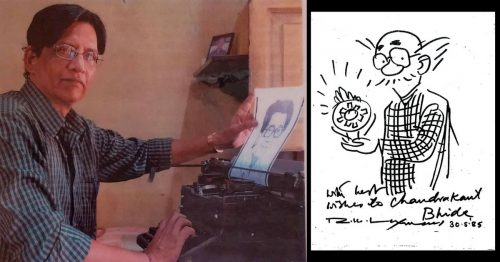
Chandrakant Bhide and a typed out sketch of RK Laxman’s the Common Man

“Art helped me meet important people. How else does a modest typist like me get to meet and be appreciated by people like R. K. Laxman and Mario Miranda,” questions Mr Chandrakant Bhide?

Mr Bhide is anything but ‘just a typist’. His art is indicative of his sheer talent and why the likes of the above-mentioned greats were his fans.

Growing up, he always wanted to join an art school – specifically the Sir J.J. School of Art in Mumbai.

But financial constraints forced him to take a more secure job.

“One day I was asked to type out a list of phone numbers, instead of typing a regular list, I made one in the shape of a telephone instrument,” he remembers. That was the beginning of many more artistic endeavours to come.


“I typed out Lord Ganesha using the ‘x’ key and it was published in the Maharashtra Times newspaper in 1975. I slowly started improvising and started using other keys like ‘_’, ‘=’, ‘@’, ‘-’, ‘,’ in my sketches,” recalls Bhide.

His father’s words inspired him to be better and do better. Each sketch takes him about 5-6 hours to complete.


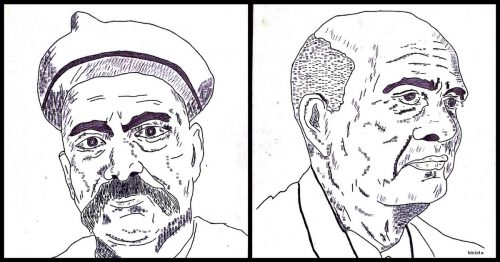
Bhide’s sketches of Bal Gangadhar Tilak and Sardar Patel done on the typewriter

“I hold the paper with my left hand and use the fingers on my right hand to type out the symbols. The different shades in a sketch are added by using a light or a hard touch on the keys. My hands start aching after 10-15 minutes, and so I need constant breaks,” he adds.

One day, Mr Bhide sketched RK Laxman’s, Common Man. It was a time when Xerox machines had just made their appearance. His friend helped him get copies and requested to keep the original.


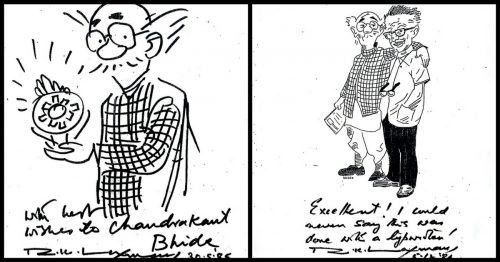
A huge fan of RK Laxman’s work, Bhide has made several sketches of Laxman’s iconic “Common Man”, winning him the famous illustrator’s admiration

“I wanted to show the sketch to R.K. Laxman sir. I went to his office without an appointment and showed it to the cartoonist. Laxman sir was so thrilled with it that he said the result could not have been better with a pen and brush. We spent 1.30 hours talking, and I even mentioned my lost dream of studying in Sir J.J. School of Art, and he said, you can be an artist anyway!” he recalls.

Bhide continued to keep in touch with the famed cartoonist and takes great pride in having several original ‘Common Man’ sketches.

Over the years, Mr Bhide has created almost 150 sketches including several of people he admires including Amitabh Bachchan, Dilip Kumar, Sunil Gavaskar, Dr Ambedkar, Lata Mangeshkar and more.

But it was Sachin Tendulkar’s curls that frustrated the master typer! “I finally used the ‘@’ symbol to get it right,” he recalls.

One of his fondest memories was meeting up with renowned cartoonist and illustrator Mario De Miranda via a common friend, the famous Behram Contractor also known as the Busy Bee. “I was nervous when I rang the bell to Mario’s home, but he soon put me to ease. Once he saw some of my sketches based on his famous characters (Ms Fonseca, Godbole and Boss), he autographed one of my sketches with the words – ‘I wish I could draw like you type.’ That was my biggest compliment,” says Mr Bhide.

Mario De Miranda encouraged and inaugurated Mr Bhide’s first exhibition. He went on to hold several more, including ones in festivals like IIT Mumbai’s Mood Indigo and IIT-Kanpur’s Antaragini.

Mr Chandrakant Bhide retired from the Union Bank of India in 1996. He approached the administration department with a request to buy his beloved companion, his typewriter but was denied it as it was against policy. But on the day of his farewell, the chairman of the Bank allowed him to buy it for just Rs. 1.

Today, the typewriter still holds a place of pride in his household. “It has been with me for fifty years now, I understand it, it understands me,” he chuckles.

Source….Uma Iyer in http://www.the betterindia.com

Natarajan


God on the Runway ….

As part of the custom, the idols along with temple elephants are taken to Shangumugam beach for the ritualistic bath.

For two days in a year, the Thiruvananthapuram International Airport halts its flight operations for five hours on the basis of a ‘Notice to Airmen’ (NOTAM).

Respecting a centuries old temple tradition, the airport runway makes way for a grand procession.

Saturday is one of the two days in a year that sees members of the Travancore royal family, temple priests, police, and even elephants walk down the runway, as part of the temple procession. Hundreds of people also escorted the idols past the 3400-metre runway.

Flights have been halted between 4pm and 9pm at Thiruvananthapuram on Saturday.


The ‘Arat’ procession marks the conclusion of the Painkuni festival and the Alpassi festival. Painkuni and Alpassi are references to Tamil months. While Painkuni is in April, Alpassi is in October.

Arat is the ritualistic bath procession of temple idols at Sree Padmanabha Swami temple in Thiruvananthapuram. The procession, which began at 5pm, crossed the runway at 6.30 pm.

As part of the custom, the idols along with temple elephants are taken to Shangumugam beach for the ritualistic bath. The procession sees royal family members wearing traditional attire and carrying swords. All priests along with royal family members take a dip into the sea three times. The idols are also given a ritualistic bath.

The procession returns to the temple on the same route, accompanied by people carrying traditional fire lamps.

They have to, however, ensure that they clear the runway by 8.45pm.

“The ritual was started centuries ago when the Travancore royal family ruled here. Even after the airport was established, the procession continued to pass through the runway. When the airport was established in 1932, it was under the Royal Flying Club. Since then, the runway was open for these processions. Even after it was converted into an international airport in 1991, the practice continued as the tradition is very important to this place,” an airport official told TNM.

Since the runway is part of traditional arat procession route, the Airport Authority of India issues passes to those who participate in it. Only those who have a pass can enter the route and cross the runway to head to the beach.

“There are strict restrictions inside the airport area. CISF officials guarding the area allow only people with passes. We issue the pass only to people in the list given by temple authorities,” he added.

NOTAM is issued a week before these two dates in the year, so that all the international flights can change their schedule. NOTAM is a notice issued to pilots or airline operators before flights, alerting them of the circumstances or changes in aeronautical facilities or about local procedures that affect safety.


Source….Haritha John in http://www.the newsminute.com

Natarajan


The Origin of 8 Famous Phrases…

We use phrases, expressions, and proverbs on a daily basis when conversing with each other. Whether you’re at home, hanging out with some friends, or at work, chances are that you’ve uttered one of the phrases below more than once in your life. But, do you ever stop to think about what these expressions really mean? Where they come from? The answer to this is probably no, so let’s take a look at 8 common phrases and learn where there came from.

1. It’s Raining Cats and Dogs

Houses used to have thatched roofs. These roofs had thick straw piled together to form a ceiling, but there was no wood underneath.

So how did this phrase come about? Well, according to a popular theory, on cold nights, animals such as cats, dogs, mice, and rats would climb onto these roofs in order to have a warm place to sleep. Unfortunately, when it started to rain, the thatched roofs got so slippery that cats and dogs would slip and fall off the roofs. Therefore, when it rained heavily, it would literally rain cats and dogs (and whatever other animals were on the roofs).

2. Mad as a Hatter

The average person will probably tell you that this famous expression comes from Alice in Wonderland, but they’d be sorely mistaken. The Mad Hatter character isn’t the reason you use this phrase when describing someone who has lost their mind.

The true origin goes back to the days when actual hatmakers used mercury to construct their hats. The mercury poisoned the hatmakers and affected their nervous systems. Mercury causes aggressive, heavy mood swings, and erratic behavior and, as a result, “mad hatter’s disease” became the nickname for mercury poisoning, and the expression has been popular ever since.

3. Cat Got Your Tongue?

This is often used when someone is silent or at a loss for words. Surprisingly though, it has nothing to do with cats. In the English navy, punishments were handed out in the form of a flogging, which was carried out with a whip known as a cat-o’-nine-tails.

This was a formidable weapon, and the pain from being flogged by it was so bad that it caused its victims to go mute. They would often be afraid to speak and would often remain mute for a long time after a flogging.

Drunken navy sailors would then walk around shouting, “Cat got your tongue?” as a way of taunting the victims. So, next time you’re rendered speechless because someone made a really good point, remember that it could be a lot worse.

4. Bring Home the Bacon

There are a number of theories as to where this phrase comes from, but the two most popular include pigs.

According to one theory, this phrase comes from winners at state fairs bringing home the greased pigs they caught in competitions. However, the more popular theory is that highly successful men back in the day would buy pork, cook some bacon, and then hang it on their walls when they had guests over. This showed everyone how successful the men were. Walking into a man’s house and seeing bacon hanging on the wall meant that he was to be respected. In this particular case, bringing home the bacon was the ultimate sign of power and class.

5. Eat Crow

Usually, we have to “eat crow” when we’ve been proven wrong after taking a strong stance on something.

The expression originates from where you’d expect. Crow meat tastes bad and is hard to swallow. The simple connection to this term can start and end here, but there’s an even more interesting origin story.

Back in 1812, an American accidentally went hunting across British enemy lines. The US soldier was caught shooting and killing a crow by a British soldier. As punishment, the British soldier, after praising the American for his accurate shooting, tricked him into giving up his gun.

Now armed, the Brit pointed the gun at the American and forced him to take a bite out of the crow. After the American complied, he was given back his gun. Angered, the American then turned the gun on the British soldier and forced him to eat the rest of the bird.

6. On Cloud Nine

It’s often thought that this is a reference to Heaven, but this is not true.

According to one known origin of this expression, one of the classifications of clouds, defined by the US Weather Bureau in the 1950s, is known as “Cloud Nine.” This is a type of fluffy, cumulonimbus type of cloud.

So, what makes this cloud so special? Well, this cloud is considered to be the most attractive in the cloud community, which is what gives the phrase it’s positive connotation.

7. Crocodile Tears

For those who may not know, this expression refers to someone who is faking crying or pretending to be upset. When they do this, they are said to be shedding crocodile tears.

Did this phrase come about because crocodiles never cry? Well, no, the origin is a lot more interesting than that. In an ancient anecdote, Photios claimed that crocodiles cry to strategically lure their prey closer to them. When the prey is close enough, the crocodiles drop the act and go in for the kill.

8. Don’t Throw the Baby Out with the Bathwater

This strange expression goes all the way back to the 1500s. Believe it or not, but people in the 16th century only bathed once a year, and to make matters worse, entire groups used to bathe in the same water.

The men would go first, then the women, and then the children and babies went last. The water was so dirty by the time the babies got in, that they often came out clouded. Sometimes, mothers had to make sure that the babies weren’t literally thrown out with the dirty bathwater.

The phrase, “don’t throw the baby out with the bathwater,” now means that you should make sure you don’t throw out anything valuable while getting rid of unnecessary things. Nothing is more valuable than a newborn baby, so the phrase still rings true even to this day.

Source: listverse  

http://www.ba-bamail.com

Natarajan

Images: depositphotos


வாரம் ஒரு கவிதை… ” நிசப்த வெளியில் …”


நிசப்த வெளியில் …
———————
கருவறை வாசம் மட்டுமே   நிசப்த வாசம் ஒரு சிசுவுக்கு
இந்த மண்ணில் வந்து பிறந்த  நேரம் முதல் சத்தம்
சத்தமே எங்கும்  எதிலும் !
சப்தம் தவிர்த்து நிசப்தம் தேடி ஓடுவது எங்கே ?
வாழ்வில் ஒலியும்  சப்தமும்  தேவைதான்
ஆனால் வாழ்வே சப்தமாகலாமா ?
ஒளி மயமான எதிர் காலம் தேடும்  குழந்தைக்கு
கிடைப்பது ஒலி மயமான இரைச்சலும் அலைச்சலும்தான் !
அண்ட வெளியிலும் இல்லையே இன்று நிசப்தவெளி !
நாளும் பல  விண்கலம் அண்டவெளியில் சுற்றி சுற்றி
நிசப்த வெளியின் தனித்துவமே தகர்ந்து விட்டதே !
சப்தம் மறந்து நிசப்தம் தேடி ஓடுவது எங்கே ?
நிசப்தம் தேடி நாம் ஓடிட வேண்டாமே  …நம் வீட்டைத்
தேடி ஓடி வரும் நிசப்த வெளி நாம் நினைத்தால் !
வாரம் ஒரு நாள் …ஒரே ஒரு நாள் …கொடுப்போம்
விடுமுறை நம் வீட்டு தொலைக் காட்சிப் பெட்டிக்கு !
எப்போதும் சிணுங்கும் கைபேசிக் குழந்தைக்கும்
தப்பாமல் தர வேண்டும் ஒரு நாள் ஓய்வு !
இரைச்சல் இல்லாத ஒரு ஒரு வீடும்  நிசப்த
வெளியே !  அலைச்சல் இல்லாத வழியும்
இதுதான் நிசப்தம் தேடி ஓடுவோருக்கு !
My Kavithai in http://www.dinamani.com dated 16th oct 2017
Natarajan

India”s Most unusual Post Offices….Our Country Celebrates National Postal Day today…

E-mails may have overshadowed the concept of snail mail, yet post offices still hold a special place in the Indian way of life. Having long had a presence in local communities, they have served as exchange posts for news, gossip and much more.

As the country celebrates the National Postal Day today, here’s a look at three of India’s most unusual post offices.

Send a postcard from any of these unique spots, and you are sure to score some travel bragging rights!

1. The Post Office at Hikkim


Perched at 15,500 ft above sea level in Himachal Pradesh’s strikingly beautiful Spiti Valley, the hamlet of Hikkim is reputedly home to the world’s highest post office.

A small hut with whitewashed walls and a red postbox hanging outside, the quaint post office is 23 km from the town of Kaza and has been functioning since November 5, 1983. With no internet and patchy cell phone signal, the facility is the only conduit to the world for Hikkim’s residents.

This inconspicuous little post office is single-handedly managed by Rinchen Chhering, who has been the branch postmaster for over 20 years. He was chosen for the post when he was just 22 because he could run fast and owned a bicycle!

Every day, two runners take turns hiking to Kaza on foot to deliver mail that is then taken by bus to Reckong Peo, onward to Shimla, further by train to Kalka, from where it is taken to Delhi and sent to its final destination. In winter, everything in the valley freezes – the rivers, the lakes, the mountains. As the snow cover cuts off Hikkim from the rest of the world, the village’s post office also shuts down for six months.

2. The Post Office at Antarctica

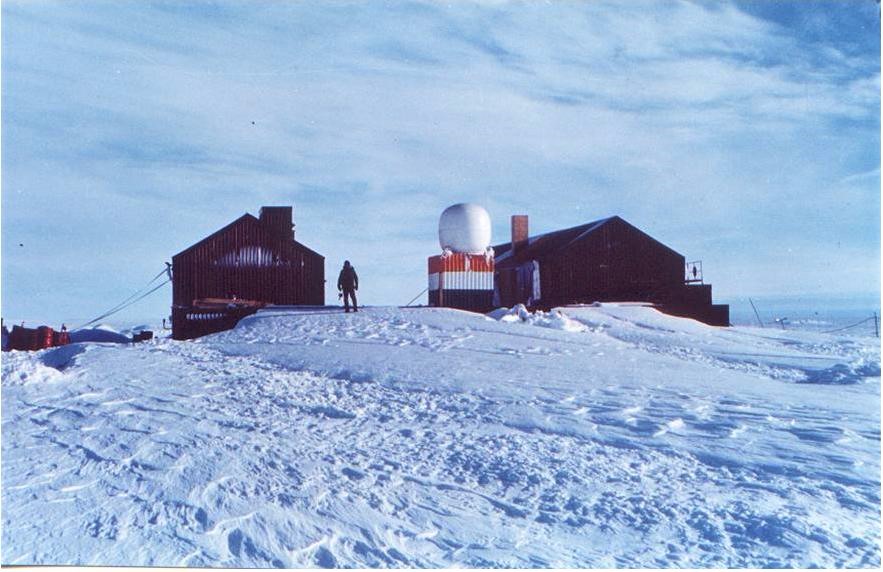
Dakshin Gangotri Station                                                                                                                                                           


Located in Dakshin Gangotri, India’s first scientific base in Antarctica, this post office first became operational on February 24, 1984, after it was established during the third Indian expedition to the frigid ‘White Continent.’ It was a part of the base’s multi-support systems that also included including ice-melting plants, laboratories, storage and recreational facilities.

The Dakshin Gangotri PO was brought under the Department of Post at Goa on January 26, 1988. Scientist G. Sudhakar Rao, who went to Antarctica as a member of the Seventh Indian Scientific Expedition in 1987, was appointed as its first honorary postmaster. Interestingly, in its first year of establishment, nearly 10000 letters were posted and cancelled at this post office.

However, in 1990, Dakshin Gangotri PO in Antarctica was decommissioned after it got half buried in ice. The post office was then shifted to the new permanent research base, Maitri.

Over the years, the unusual spot has become a favourite stop-off for tourists from cruise ships who came to explore the frozen continent and learn about its unique ecosystem. They send out postcards and letters that take between two and six weeks to reach their destinations via Hobart (in Australia).

3. The Post Office on Dal Lake


Built on an intricately carved houseboat, the Srinagar’s Floating Post Office claims to be the only one of its kind in the world. Here you can avail all regular postal services while being afloat on the Dal Lake. A heritage post office that has existed since colonial times, it was called Nehru Park post office before it was renamed by the then chief postmaster John Samuel in 2011.

After a pretty little philately museum and souvenir shop were added to it, the Floating Post Office was formally relaunched in August 2011. Interestingly, the seal used on everything posted from the this is unique, and tourist-friendly post office bears a special design — of a boatman rowing a shikara on the Dal Lake — along with the date and address.

While enthusiastic tourists row to the post office every day to send postcards back home, for the locals, the post office is more than an object of fascination. The islets in Dal Lake are home to over 50000 people (farmers, labourers, artisans and shikaraowners) for whom this state-run facility is the nearest source of postal and banking services.

Source…SanchariPal in http://www.thebetterindia.com

Natarajan