In 1962, This Man Saved The World By Preventing A 3rd World War….

Vasili Alexandrovich Arkhipov, a Soviet Navy Officer, single-handedly saved the entire world from an upcoming devastating fate. Arkhipov, then 36, did something that was beyond atrocious for an officer of his rank. He disobeyed orders!

Here’s a quick summary:

1. In 1962, Arkhipov was onboard of B-59, a nuclear-armed attack submarine of USSR in the Caribbean sea.2. A US battleship started throwing depth charges to make B-59 surface.3. The Captain of B-59, thinking a war has began, ordered to launch the nuclear torpedo.

4. Arkhipov strongly opposed and convinced the Captain to surface and wait.

5. And stopped what could have been the beginning of a nuclear war between US and USSR eventually turning into 3rd World War.

And that one act stopped a worldwide nuclear war from starting, which would have easily destroyed anything of the shredded humanity that we were left with after World War II.

The background:

Image source

The time was 1960’s, only about one and a half decades after WWII, and the entire world was already dreading another World War, this time armed with nuclear weapons. Politically divided into two groups led by the USA and the USSR, most of the countries of the world were engaged in the Cold War. And the international waters were full of ships and submarines from both parties, ready to pounce on a moment’s notice.

Fact Source


Cuban Missile Crisis:

Image source

In 1962, the then Soviet President Nikita Khrushchev and Cuban President Fidel Castro reached a “secret” agreement to deploy Soviet ballistic missiles in Cuba, to protect both countries against the USA’s advances. It was also a defense mechanism against the American Jupiter ballistic missiles placed in Italy and Turkey, which could have destroyed Moscow within a quarter of an hour. Needless to say, the USA didn’t quite like this arrangement, and a 13-day long confrontation in late October of 1962 began between the USSR and the USA.

About the man:

Image source

Vasili Arkhipov was the second commanding officer onboard of the nuclear-armed Soviet submarine B-59 in the Caribbean sea. Before that, he was an executive officer of the ballistic missile submarine K-19, infamously known as “Hiroshima” for the number of accidents it suffered. He, alongwith the crew of the submarine, saved K-19 from a nuclear meltdown after its only coolant reactor failed. Arkhipov suffered severe radiation injuries in the same incident, which killed most of the crew.

Here’s what happened:

– B-59, a nuclear-armed Soviet sub headed towards Cuba
B-59, as a part of a group of 4 attack submarines of the USSR, each armed with 22 torpedoes, one of which was a nuclear torpedo, made way towards Cuba in October 1962.

– The Captain had the authority to launch the nuclear torpedo
The Captains of submarines had the permission to fire the nuclear weapon if a situation arises, with only the consent of the political officer. They would not have to wait for orders from headquarters in Moscow.

– A US battleship began throwing depth charges
On 27th October, USS Beale, an American destroyer, begun throwing depth charges in the sea to make the Soviet submarines surface. Meanwhile in an attempt to hide from the Americans, B-59 was too deep under the sea to receive any radio signal, either from Moscow or from the American ships.

– B-59’s Captain ordered to launch the nuclear torpedo
B-59’s Captain Savitsky thought the depth charges were a result of a war already broken out, and ordered the nuclear torpedo to be launched.

– Arkhipov opposed the decision
Now, though, rules said he only needed his political officer’s consent, who was more than willing, the presence of Arkhipov onboard changed the game. Due to his earlier contribution onboard of K-19, Arkhipov had a say in the matter.

– He made the Captain wait
As you can guess, he said no. He also convinced the Captain eventually to surface and await orders from Moscow, and made the biggest save of the world!

The later life of Arkhipov:

Arkhipov served in the Soviet Navy till mid-1980’s. He was promoted to the position of rear admiral in 1975, and died in 1998, at the age of 73, largely due to the nuclear radiation he was subjected to while onboard of K-19. In 2002, Robert McNamara, the then US Secretary of Defense, said in an interview with the Guardian,”We came very, very close,” while talking about the Cuban missile crisis,”closer than we knew at the time.”

Had it not been for Arkhipov, I would probably not even be here to write about this, or you, reading this article!

Source….Anwesha Maiti

http://www.storypick.com

Natarajan

Madras …then and now….

Change has always been beautiful and always will be. You go down the memory lane while seeing the old photos and reminiscing the time that passed by. And it may be anything – school friends, best friend or your hometown. Can you imagine how much of an impact it would create if the photos were merged into one and you couldn’t help but notice the stark difference and revel in that moment?

This Indian photographer, Raunaq Mangottil, has clicked photographs of Chennai. And these are not just photographs that hold aesthetic value, but it makes you realise the change that city has undergone over the years. When you look at it, you would realise that so many things have changed but even then, some things haven’t.

1. Statue of Thomas Munro, Park Town


Then: Thomas Munro, an official of East India Company who came to Chennai in 1789 and was responsible for Ryotwari system. After he died, his statue was made here.

Now: One of the blissful places of Chennai now. Free from traffic, this area is now taken care of by the military.


2. The Hindu Office

Then: The balcony of this office was used to keep a check on the test match scores, as can be seen in the picture.

Now: The never ending traffic has put an end to that.


3. Spencer Plaza Signal, Mount Road

M 3

Then: Bullock carts were a common sight then and the Kashmir Art Palace, the Old Curiosity Shop, and Agurchand Mansion leading to the LIC Building is quite evident.

Now: Only frustrating one-ways.


4. Corporation Of Madras

M 4

Then: This was constructed in a Neoclassical style and stands to be one of the finest structures of Chennai.

Now: Passers-by are not allowed  and is now shielded by Metro Construction blue sheets.


5. Higginbotham’s & Poompuhar

M 5


Then: This one was for all book lovers. This was India’s then largest bookstore. The building next to Higginbotham’s is Poompuhar, the popular textile shop.

Now: Though the bookstore is there even now, you’re most likely to be pulled over by the cops because of parking problems. It has a brilliant English-language selection, including Lonely Planet books, and a good range of maps now.


6. Casino Theater

M 6

Then: Mount Road was a cart track leading from Fort St.George to St.Thomas Town, as well as functioning as a heavenly treat for film buffs.

Now: Unfortunately, a terribly managed and a lost landmark now.

7. Chennai Central

M 7

Then: This station was relatively a calm place. People used cycles for commuting other than the much acclaimed Ambassador cars then.

Now: It is filled with the ever increasing population, but it stands majestic even now.


8. Egmore Station

M 8

Then: Madras Egmore was previously called the Egmore Redoubt, a place to store ammunition for the Britishers.

Now: Still retains its old charm, but with an added advantage of CCTV Cameras and round-the-clock security.


9. Rajaji Salai

M 9

Then: This was one of the main commercial centers of Chennai. Walking on this road used to be a pure bliss.

Now:  Traffic runs incessantly between SBI Buildings and Burma Bazaar now.

See, he hasn’t just rummaged through the internet for old pictures. It is a brilliant collection which is guaranteed to make you go nostalgic.

News Source: I am Madras


Source….Aparajta Mishra….www.storypick.com

Natarajan


” இட்லிக்கு ஏன் அந்த பெயர் வந்தது …” ?

மஹான் சாப்பிடுவது என்னவோ அவல்பொரிதான். எப்போதாவது கீரையை தமது மதிய உணவில் சேர்த்துக் கொள்வார் என்று மடத்து ஊழியர்கள் சொன்னது உண்டு. இருந்தாலும் சமையல் பக்குவத்தைப் பற்றி அவர் சொல்வதைக் கேட்டு பிரபல சமையல்காரர்களே மூக்கில் விரல் வைத்திருக்கிறார்கள்.

அவ்வப்போது மடத்திற்கு அரிசி, பருப்பு, உளுந்து என்று பக்தர்கள் மூட்டை மூட்டையாகக் கொண்டுவந்து கொடுப்பார்கள். ஒரு தடவை பக்தர் ஒருவர் தன் தோட்டத்தில் பயிரான கருணைக்கிழங்கை மூட்டையாகக் கொண்டு வந்து கொடுத்தார். மடத்தில் சிப்பந்திகள் மிகவும் திருப்தியாக அதை மசியல் செய்து எல்லோருக்கும் பரிமாறினார்கள். சாப்பிட்டவர்கள், முதலில் அதை எடுத்து வாயில் போட்ட பிறகு அதைத் தொடவே இல்லை. இலையில் மூலையில் அதை ஒதுக்கி வைத்து விட்டனர். ஏனெனில் கிழங்கு மசியல் நாக்கில் பட்டவுடன் அரிப்பு ஏற்பட்டு விட்டது. அதனால்தான் ஒதுக்கிவிட்டார்கள்.

இந்த ’மசியல் பகிஷ்காரம்’ மஹானின் காதுக்குப் போகாமல் இருக்குமா?

சமையல் செய்தவர்கள் மஹானின் முன்னால் கையைக் கட்டிக் கொண்டு விசாரணையை எதிர்பார்க்கும் குற்றவாளிகளைப் போல் நின்றுகொண்டு இருந்தார்கள்.

அவர்கள் எல்லோரும் பயந்தபடி ஏதும் நடக்கவில்லை. அமைதியான குரலில் மஹான் கேட்டார்:

“எப்படிச் சமையல் செய்தாய்?”

“கழுநீரில் நன்றாக அலசியபிறகு புளி விட்டுக் கொதிக்க வைத்தேன்… இந்தக் கிழங்கு அதற்கெல்லாம் மசியவில்லை… அதனுடைய குணம் மாறவில்லை..” என்று பிரதம சமையல்காரர் குறைப்பட்டுக் கொண்டார்.

பெரியவா சிரித்தபடியே சொன்னார்:

“கருணைக்கிழங்கை வெந்நீரில் வேகவைக்கும்போது அதோடு வாழைத்தண்டை சிறிதாக நறுக்கிப் போட வேண்டும். இரண்டும் நன்றாக வேகும்போது, கருணையின் குணம் மாறிவிடும்” என்றார்.

மறுநாள் இந்த முறைப்படி சமைத்தபோது எல்லோரும் விரும்பி, கேட்டுச் சாப்பிட்டார்கள்.

சமையல் விஷயத்தில் மஹானின் இன்னொரு அனுபவம்.

பண்டிதர் ஒருவர் மஹானிடம் பேச வந்தார். அவரிடம் ஏதேதோ பேசிக்கொண்டு இருந்து விட்டு, மஹான் ’‘இட்லி’ என்று ஏன் பெயர் வந்தது?’ என்று கேட்டார்.

ஏதோ புதிய விளக்கம் தருவதாக நினைத்த அந்தப் பண்டிதர் சொன்னார்:

“இலையில் இட்லியைப் போட்டவுடன் அது காலியாகி விடுகிறது. இட்டு+இல்லை=இட்டிலை-இட்லி” என்றார்.

மஹான் சிரித்துக்கொண்டே அவரிடம் கேட்டார்:

“இலையில் இட்லி விழுந்ததும் எல்லோரும் அதை இல்லையின்னு ஆக்கிடும் சாத்தியம் நம்பும்படியாக இல்லையே. என்னை மாதிரி எத்தனையோ பேர் அதை இலையிலேயே வச்சிண்டு உட்கார்ந்து இருக்காளே, அதனால் நீங்கள் சொல்ற விளக்கம் சரியில்லை.”

”பெரியவா சொன்னா கேட்டுக்கிறேன்….”

“ஏதாவது நாம் சமைக்கிறோமுன்னா, அதுக்குக் கொஞ்சம் சிரமம் எடுத்துக்கணும் இல்லையா?”

“அடுப்புப் பக்கத்துலேயே நிக்கணும். கருகிப் போகாமப் பாத்துக்கணும். இல்லேன்னா பக்குவம் கெட்டுப் போகும் இல்லையா? இட்லியை எடுத்துக்கோங்கோ. அதை ஊத்தி வச்சுட்டு பத்து நிமிஷம் அதை மறந்து அந்தண்டை போய் வேறு வேலையைக் கவனிக்கலாம். தானாக வெந்து, பக்குவமாக இருக்கும். ஒன்றை வைத்துவிட்டுத் திரும்பிப் பாராமல் வருவதை இடுதல் என்கிறார்கள். ‘இடுகாடு, இடுமருந்து’ என்பது போல் இட்லி என்று பெயர் வந்திருக்கலாம்” என்று முடித்தார் எல்லாம் தெரிந்த ஞானியான மஹான்.

மிகப்பெரிய விஷயங்கள் மட்டுமல்லாமல் சிறு சிறு விஷயங்களுக்கும் அவர் அளிக்கும் விளக்கங்கள் எல்லோராலும் அங்கீகரிக்கப்பட்டன. சமையல் விஷயமாக அவர் சொன்ன கருத்துக்கள் காஞ்சிமடத்தில் இன்றும் உலா வருகின்றன.

ஒருநாள் மடத்து சமையல்காரர் ஒருவர், மடத்திற்கு சமையல் செய்ய பெருங்காயம் அதிகமாகத் தேவை என்று விண்ணப்பம் கொடுக்க, “சாம்பார், ரசம் வைக்கும்போது தனித்தனியாக பெருங்காயத்தை போடக்கூடாது. நீ பருப்பை சாம்பாருக்காக வேக வைக்கும்போது அதில் பெருங்காயத்தைப் போட்டுடு. அதே பருப்பு தானே சாம்பார், ரசம் வைக்க உதவுகிறது. அதில் பெருங்காய வாசனை இல்லாமலா போகும்? இப்படி செய்து பார். அதிகப் பெருங்காயம் தேவைப்படாது…” என்று மஹான் விளக்கமாகச் சொன்னார். இத்தனை நாள் சமையல் செய்யும் தனக்கு இந்த உத்தி தெரியவில்லையே என்று புலம்பினார் சமையல்காரர்.

இன்னொரு சம்பவம் – ‘ரசமான விவாதம்’ :

அதாவது குழம்புக்கும் ரசத்துக்கும் என்ன வித்தியாசம்?

“இரண்டிலுமே பருப்பு, புளி, உப்பு, சாம்பார்பொடி பெருங்காயம் தானே இருக்கு?”

அங்கிருந்த பக்தர்கள் “சாம்பாரை முதலிலும் ரசத்தை பின்னாலும் சாப்பிடுகிறோம், அதுதான் வித்தியாசம்” என்றார்கள்.

மஹான் பெரிதாகச் சிரித்தார்.

“குழம்பில் காய்கறி உண்டு. ரசத்தில் இல்லை. இதுதான் வித்தியாசம்” என்றார்.

இந்தக் குழம்பையும் ரசத்தையும் வைத்து அன்று ஒரு சிறிய பிரசங்கத்தையே எல்லோருக்கும் விளக்கமாகச் சொன்னாராம்.

அவர் சொன்னதன் கருத்து என்ன?

“தான் என்னும் அகங்காரம் மனதில் இடம் பெற்று விட்டதால், நாம் குழம்பிப் போகிறோம். அதாவது சாம்பார் போல்… ஆனால் இது இல்லையென்றால் மனம் தெளிவாக இருக்கும் ரசம் போல. இவைகளை மறக்கக் கூடாதுங்கிறதுக்காகத்தான் தினமும் குழம்பு ரசம் வைக்கிறோம். நீங்கள் விருந்துக்குச் சென்றால் குழம்பு, ரசம், பாயசம், மோர் என்று வரிசைப்படி சாப்பிடுகிறோம் இல்லையா?

இந்த உணவுக்கலாசாரம் வேறு எங்கேயும் இல்லை. மனிதன் பிறக்கும் போதே அவன் மனதில் ‘தான்’ என்னும் அகங்காரம் இடம் பிடித்து வருகிறது. அவன் பலவிதமான குழப்பத்தில் ஆள்வதால் அவன் மனம் குழம்புகிறது.

இதைத்தான் முதலில் நாம் சாப்பிடும் ‘குழம்பு’ எடுத்துக் காட்டுகிறது. அது தெளிந்துவிட்டால் ரசம் போல் ஆகிவிடுகிறது. இவற்றை தொடர்வது இனிமை, ஆனந்தம் அவைதான் பாயசம் – மோர் – பட்சணம் – இதைப் போல் மனிதனின் வாழ்க்கைக்கும் சாப்பிடும் சாப்பாட்டுக்கும் பலவிதமான ஒற்றுமைகள் உண்டு.

மோர் தனித்தன்மை வாய்ந்தது. பிரம்மானந்தத்துடன் நம் மனம் லயிக்க இது உதவுகிறது. பாலிலிருந்து தயிர், வெண்ணை, நெய் மோர் என்று தொடராகப் பொருட்கள் நமக்குக் கிடைக்கின்றன. மோர்தான் கடைசி நிலை. அதிலிருந்து நீங்கள் எதையுமே எடுக்க முடியாது.

அதனால் தான் பரமாத்மாவைக் கலந்தபின், மேலே தொட ஏதும் இல்லை என்பதை மோர் தெளிவாக்குகிறது. அதாவது மோர் சாதம் முடிந்தால் இலையை விட்டு எழுந்திருக்க வேண்டாமா?” என்று அன்றைய தினம் நீண்ட பிரசங்கமே செய்து விட்டார் மஹான்.

நாம் தினமும் சாப்பிடும் சாப்பாட்டைப் பற்றிய விளக்கத்தை இதுவரை, இதைப்போல் யாரும் சொன்னதே இல்லை. இவர் சகலமும் தெரிந்தவர் என்பதற்கு இதைப் போல் எவ்வளவோ எடுத்துக்காட்டுகள், தெய்வீகத்தைத் தவிர அவருக்கு வேறு ஏதும் தெரியாது என்று நினைப்பவர்கள், மஹானை சரிவர அறியாதவராகத்தான் இருப்பார்கள்

Read more: http://periva.proboards.com/thread/9883/#ixzz3j3wfN42x

Source….www.periva.proboards.com

Natarajan


” சென்னை சாலைகள் ….பெயர் காரணம் ….ஒரு அலசல் …”

சென்னையில் இருக்கும், முக்கிய சாலைகள் பலவற்றின், பெயர் காரணம் குறித்து, திண்ணைப் பெரிசு ஒருவர், சொன்ன விவரம்:


சார்லஸ் பின்னி என்பவர், 1769ல், இந்தியாவில், வாணிபம் செய்ய வந்தார். இவர் பெயரில், பின்னி தெரு உள்ளது. இது, அண்ணா சாலையையும், கமாண்டர்- இன் -சீப் பாலத்தையும், இணைக்கும் சிறிய தெரு. இங்கு, பின்னி வாழ்ந்த மாளிகைதான், இப்போது கன்னிமாரா ஓட்டலாக உள்ளது.
கிழக்கிந்திய கம்பெனி காலத்தில், ஐரோப்பிய குடியேறிகளின், பொழுதுபோக்கு மன்றமாக இருந்த இடம் பாந்தியன் எனப்பட்டது. (அதுவே இன்றைய மியூசியம் தியேட்டர்) இதை நினைவுபடுத்தும் வகையில், இங்குள்ள சாலைக்கு, ‘பாந்தியன் சாலை’ எனப் பெயரிடப்பட்டது.
ரிச்சர்ட் எல்டாம்ஸ் என்பவர், பிரபல ஆங்கிலேய வர்த்தகர். இவர், சென்னை மேயராக இருந்து, 1820ல், இறந்தார். இவர் பெயரில் தான், எல்டாம்ஸ் சாலை உள்ளது.
ஜேம்ஸ் டெய்லர் என்பவர், 1795ல், சென்னையில், நிர்வாக அதிகாரியாக இருந்ததால், கீழ்பாக்கத்தில், இவர் பெயரில், டெய்லர்ஸ் சாலை உள்ளது.
சிங்கண்ணை செட்டி என்பவர், செயின்ட் ஜார்ஜ் கோட்டைக்குள், அடகுக்கடை வைத்திருந்தார். இவர் பெயரில், சென்னையில் மூன்று தெருக்களும், சிந்தாதிரிப் பேட்டையில் இரண்டு சந்துகளும் உள்ளன.
ஆளுநரின் பாதுகாவலர் இருந்த வீதிக்கு, பாடிகார்ட்ஸ் சாலை என்று பெயர். அக்காலத்தில், கப்பல்படை வீரர்களுக்குப் பயன்பட்ட இடத்திற்கு, ஓல்டுநேவல் மருத்துவமனை சாலை என்று பெயரிட்டு, பெரியமேட்டில், ஒரு வீதி உள்ளது.
‘தி மெட்ராஸ் ஆர்மி’ என்ற பெயரில், சென்னைக்கு பிரத்யேகமாக, ஒரு தனிப்படை ராணுவம் இருந்தது. இதன் தளபதி இருந்த இடம்தான், ‘கமாண்டர் – இன்- சீப் சாலை’ என, அழைக்கப்படுகிறது.
வெள்ளையர் அரசால், நடத்தப்பட்ட கல்லூரி இருந்த இடம், கல்லூரி சாலை என்ற பெயரில் உள்ளது.
வேப்பேரியில், டவுட்டன் பிராட்டஸ்டண்டு கல்லூரி இருந்த இடம், சுருக்கமாக, டவுட்டன் என்று அழைக்கப்பட்டது. இன்றும், அதுவே பெயர்.
இந்தியர்கள் வாழும் பகுதி கறுப்பர் தெரு, (பிளாக்கர்ஸ் ஸ்ட்ரீட் ) என அழைக்கப்பட்டு, இன்றும் அதே பெயரில் உள்ளது. கெயிட்டி தியேட்டர் இருக்கும் சாலை இது.
பஞ்சாமிர்தம் (1925) இதழ் ஆசிரியர், அ.மாதையா எழுதிய கட்டுரையிலிருந்து…
சென்னையில், குஜிலியின் முக்கில், ஒரு வீதிக்கு, ‘ஈவினிங் பஜார்’ என்றும், அடுத்த வீதிக்கு, ‘தீவிங் பஜார்’ என்றும் பெயர் இருந்தது. இதை, நான் முதலில் கவனித்த போது, உண்மை எவ்வாறிருப்பினும், ராஜதானி நகரத்தில், ஒரு வீதிக்கு, ‘தீவிங் பஜார் சாலை’ அதாவது, ‘திருட்டுக் கடை தெரு’ என்றிருப்பது நகரவாசிகளுக்கும் போலீசாருக்கும் கவுரவம் தருவதன்று என்று நினைத்து, அப்போது முனிசிபல் கமிஷனராயிருந்த என் நண்பர், மலோனி துரைக்கு அதைப்பற்றி எழுத, அவர், ‘தீவிங் பஜார்’ என்ற பெயரை, ‘குஜிலி பஜார்’ என்று மாற்றினார்.

‘அமரர் கல்கியின் ஹாஸ்யம்’ நூலிலிருந்து: வைணவ மதம், ரொம்ப ருசியான மதம் என்பது பிரசித்தம். கண்ணனை வெண்ணெய் திருடும் கடவுளாகச் செய்தவர்கள், ரொம்பவும் சுவை அறிந்த மனிதர்களாகத் தானே இருக்க வேண்டும். இன்னும், வைணவ மதத்தின் ருசியை, ஸ்ரீரங்கம் மற்றும் காஞ்சிபுரம் கோவில் பிரசாதங்கள் எவ்வளவு தெளிவாக நிரூபிக்கின்றன!
தன்னை விட, 153 மடங்கு உயரமான ஈபிள் டவரை கட்டி, சாதனை படைத்திருக்கிறான் மனிதன். ஆனால், கரையான் புற்றை, கரையான், தன்னை விட, 1,000 மடங்கு உயரமாக கட்டுகிறது. ஆனால், அதை சாதனையாக அவை வெளியே சொல்வதில்லை.
குப்பண்ணா சொன்னது.

Source….www.dinamalar.com

Natarajan

The Secrecy of the Film ” Psycho”….

hitchcock

When it was released in 1960, Psycho was one of the most controversial films of the day, thanks in part to the surprising (for the time) depictions of violence and sexuality it contained. In an effort to keep spoilers to a minimum and thus ensure audiences were as surprised as possible by the film’s more shocking twists and scenes, Hitchcock went to some rather extreme lengths to keep the film’s basic plot a secret.

For starters, one of the first things Hitchcock did after reading the original 1959 novel the film was based on-Psycho, by Robert Bloch- and deciding that he just had to adapt it to film, was charge his assistant with purchasing as many copies of the book as possible to keep it out of public hands. Exactly how many copies Hitchcock managed to get his hands on isn’t known, but it is generally thought that he came reasonably close to purchasing every copy on the shelves at the time. This must have been nice for Bloch, at least financially, who not only got a little over $9,000  (about $71,000 today) for the movie rights to the novel, but a nice payout for all the extra copies Hitchcock purchased.

Although Hitchcock was positively enamoured by the novel’s twists and shocking content (which was partly inspired by the killings of Ed Gein, who also inspired the Texas Chainsaw Massacre movies) Paramount Pictures weren’t. They particularly didn’t like the fact that Hitchcock’s contract with them only guaranteed he’d do one other film for them.  They did not want it to be Pyscho.

To try and dissuade Hitchcock from pursuing the film any further, executives more or less attempted to halt production at every turn, which only strengthened the director’s resolve. For example, the studio refused to give Hitchcock his usual budget, offering him just shy of a million dollars instead of the $3 million and change they’d given him for his previous film, North by Northwest.

Rather than scrap the project, as they hoped, a defiant Hitchcock decided instead to simply film the movie using a television crew mostly borrowed from his show, Alfred Hitchcock Presents and shoot the entire thing in black and white. Hitchcock also managed to secure the film’s main two actors, Janet Leigh and Anthony Perkins, for a fraction of their usual fees saving tens of thousands of dollars. He also, as a demonstration of his faith in the project, turned down his normal pay and instead very wisely opted for a percentage of the film’s ultimate returns, reportedly at a whopping 60%.

In a further attempt to get him to scrap the project in favour of something they deemed better to complete his contract with them, Paramount Pictures told Hitchcock their sound stages and other such needed equipment were completely booked, even though they weren’t. Again, Hitchcock was undeterred and moved production over to Universal Studios. Ultimately Paramount gave in and green-lighted the project, though at this stage not nearly as involved in it as they’d normally have been.

This proved to be a boon to Hitchcock as he was free from executive meddling. It also allowed him to film on what was essentially a closed set, helping to insure that no details of the plot leaked.

To further make sure of this, Hitchcock made every member of the cast and crew promise that they wouldn’t talk about the film, its plot, or twists- rumor has it by making each and every one of them say in front of him “I promise I shall not divulge the plot of Psycho”.

Even after the film was finished, Hitchcock barred both Leigh and Perkins from giving any interviews concerning it, instead choosing to promote the film almost entirely by himself.

To avoid giving away any potential details about the plot, Hitchcock promotional efforts focused wholly on alluding to the film’s shocking twists and content, without giving away any details.  For instance, he sent a guide to theatres instructing them what to do in the event someone had a heart attack while watching the film. This is something Hitchcock would later double down on at initial screenings by hiring “nurses” to stand around theatre lobbies.

Hitchcock also took out a number ads in the lead up to the film’s release that merely featured an image of himself pointing sternly at his watch with a statement that said nobody who turned up to the film late would be permitted to see that showing of it.

Other ads, and even a clip at the end of the film, featured an image of Hitchcock encouraging those who watched it not to spoil the film for others saying things like,”After you see Psycho, don’t give away the ending, it’s the only one we have.” and “If you can’t keep a secret, please stay away from people after you see Psycho.

The final means with which the plot could potentially be spoiled early was with movie critics. As such, Hitchcock didn’t allow critics to see an advanced copy, suggesting instead that they watch it on release day like everybody else. Annoyed critics generally responded by savaging the film and, as Hitchcock had suspected they would, giving away plot points he’d tried so hard to protect in their rushed, release day reviews. For example, in their 1960 review of the film, Variety mentioned that the film contained several “graphically-depicted knife murders”.  After the film was a smashing success with the public, many of the critics who’d initially called the film a schlock,  bravely changed their opinion and began referring to it as a masterpiece of cinema.

Paramount similarly forgot all about how they’d initially tried to can the film before production began and heroically tried to ride Hitchcock’s coattails after the film proved to be one of the most profitable they’d ever produced up to that point, grossing about $32 million (about $252 million today) in its initial run off the ultra-tight budget they’d given Hitchcock.

Source…..www.todayifoundout.com

Natarajan

20 years of Internet in India: On August 15, 1995 public Internet access was launched in India…

It was on August 15, 1995 Videsh Sanchar Nigam Limited (VSNL) formally launched the Internet for the Indian public

Today, it has been exactly 20 years since the Internet entered our country’s e-sphere and has been powering our lives in ways unimaginable back then. From education, banking, shopping, to the notorious hacks and scams; Internet has become ubiquitous. It has moved from the bulky desktops in cyber cafés and arrived into the palms of people; the future looks even more sweeping with balloon Internet complete with flying cars and virtual reality zones where all that is needed to explore is – human imagination.

The early history of Internet in India, in fact, dates back to 1986 when it was launched in the form of Educational Research Network (ERNET) meant only for the use of educational and research communities. It was a joint undertaking of the Department of Electronics (DOE) of the Government of India, and the United Nations Development Program (UNDP), which provides technical assistance to developing nations.

There was also the NICNet that began in 1988, the network was operated by the National Informatics Centre with the purpose of improving communications between government institutions.

Bringing the technology to India wasn’t exactly a smooth process; rather marred by negative criticism and publicity when it was first launched as Videsh Sanchar Nigam Limited (VSNL) Gateway Internet Access Service (GIAS).

People who spearheaded the digital revolution included tech evangelists like Kanakasabapathy Pandyan, VSNL chairman BK Syngal, technology director at VSNL Amitabh Kumar, and other corporate honchos, and also an iconic Hindi cinema personality – Shammi Kapoor. Bringing them together was their love for computers and the digital revolution they could foresee in Internet.

The Gateway Internet Access Service (GIAS) was launched on August 15, 1995 in Bombay (now Mumbai), Delhi, Calcutta (now Kolkata) and Madras (now Chennai). The initial launch of Internet services in India was with a rate of Rs 25,000 for a 250 hour TCP/IP account for commercial organisations at 9.6 kbps speed.

The official launch of the Internet for the Indian public ended up being a big goof up as VSNL had no estimation about the hidden demand, this was coupled with hardware and network issues. However, post the botched launch, VSNL was able to add 10,000 Internet users in just six months.

Twenty years later, according to the latest data released by the Telecom Regulatory Authority of India (TRAI), there are a total of 302.35 million Internet subscribers in India.

Source….Deepali Moray IBNLIVE.COM

Natarajan

Google Doodle Celebrates India’s Independence Day…

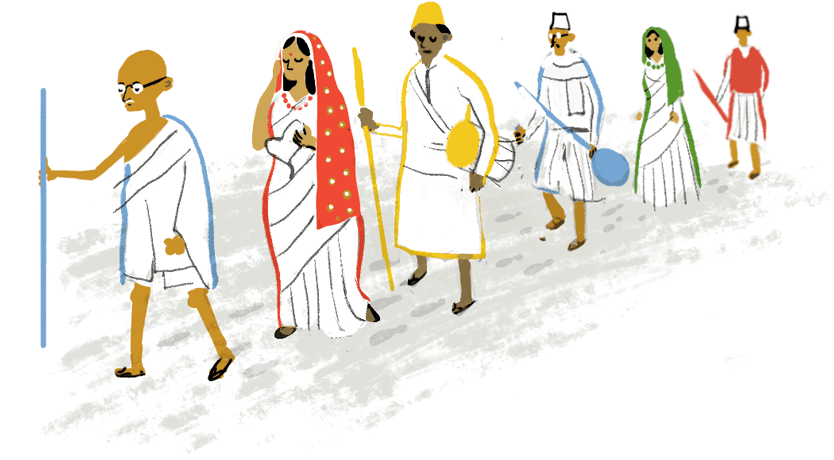
Illustration on Google India shows Gandhi leading the Dandi March of 1930

In honor of the 69th Anniversary of India’s Independence on Aug. 15,Google India’s Doodle features Mahatma Gandhi leading the Dandi March of 1930.

India Independence Day 2015

The scene depicts a significant moment in India’s push for freedom from the rule of the British Raj and the beginning of the Civil Disobedience Movement. Seventy-eight Congress volunteers participated in the 240-mile march in protest of unfair salt laws.

Leon Hong illustrated the Doodle for Google users in India as they celebrate the Indian Independence Act of 1947 on Saturday.


Source…Julia Zorthian   http://www.times.com

Natarajan

” My Dream is to Fly the 747 Oneday…” Says Capt. Indu Nair…

In our Special Independence Day series, Rediff.com looks at India through the lives of her people.

Today: Captain Indu Nair, who joined a private airline after her tenure as a pilot in the Indian Air Force ended five years ago. From the second batch of women pilots in the IAF, she flew during the Kargil conflict.

As a commercial airline pilot, one of her best experiences, she says, is taking off with an all woman crew!

Captain Indu Nair

The complete coverage

It is no longer unusual for passengers to have a lady pilot fly them to their destinations. I have been a pilot for 20 years and it has been a lovely journey. My dream, however, is to fly the Boeing 747!

India has many women pilots now. There are days when both the pilots in the cockpit and the cabin crew — are all women. It is a superb feeling to have an all women crew.

I served the Indian Air Force as a pilot for 15 years and became a commercial pilot when my career ended since I was on a short service commission.

There was a time in school I wanted to be an air hostess, but my sister superior counseled me against it. I then started looking at the civil services but was always fascinated by the uniform and that’s how I joined the IAF.

I was among the earliest batch of women officers. A male bastion till then, I think it took longer for the male officers to adapt to us that us to them.

At the time of the Kargil conflict, two of us women officers were called by our senior officer and told that while the male officers would fly for the Kargil operation, the two of us would be assigned ground duties.

We came out of his office and went back in again to tell him that we are trained pilots like the men and we can do the same. We were told that it would be hard, we would have to sleep in the airplane, use common toilets as the men and be in difficult terrain. We told him we were ready and we were giving flying duties during the Kargil conflict.

We flew in ammunition and supplies; on the way back we carried the bodies of our martyred soldiers.

Ferrying the bodies of young men who had died defending our country was one of the toughest things I have done.

It was tragic. It left me numb.

Captain Indu Nair

Indu Nair was from the second batch of lady pilots to join the Indian Air Force. Photograph: Kind courtesy, Indu Nair.

When I was in the Indian Air Force, I flew the AN-32 — a rugged but forgiving Russian aircraft. You needed physical strength to operate the AN-32.

I now fly the ATR, a delicate machine.

Before a take-off, I take a walk about of the airplane and do the external checks. I often pat my aircraft and in my mind tell her to take us to our destination safely.

Safety is of paramount importance. As captain of the aircraft, I am responsible for the safety of the passengers and the aircraft.

I have seen sunrise and sunset, up in the sky, from the windows of my cockpit. I was telling my copilot just the other day how privileged we are to see nature in all its glory.

We have also seen how fickle nature can be, and how bad weather disrupts flying schedules. In all these years of flying, I have realised that a pilot has to respect the weather and follow the flying manual to a T.

I remember once on a flight, passengers got into an argument with the cabin crew when the flight was diverted because of poor visibility. They kept saying that if they can see the air strip from the window, why couldn’t the pilot!

When we landed at the airport we were diverted to, the first officer and me as the captain, had to explain to the irate passengers that if the air traffic control tells us that we cannot land, we just cannot!

Captain Indu Nair

An AN-32, the Russian-made aircraft she flew in the IAF. Photograph: Kind courtesy, Indu Nair.

My usual schedule is 6 days of flying, followed by two days of rest.

I have to report at the dispatch room at the airport before the flight. We get written regulations; a medical and breath analyser test is done.

In the cockpit, I am in charge as the captain. The first officer and me discuss the flight, make the necessary announcements and steer the aircraft to the destination.

After a flight, we complete the necessary paperwork, go back to the dispatch room and then leave for home.

What I sometimes miss is having a regular 9 to 5 schedule, but such is the nature of my profession that this is not possible.

Captain Indu Nair

IMAGE: Her last sortie as a wing commander in the IAF. Photograph: Kind courtesy Indu Nair.

My children are used to seeing mummy as a pilot and my older child is showing some interest in following in my footsteps. Once I am home, I cook, spend time with the family and get early to bed. On my days off, I catch up on household affairs — I like going and buying vegetables.

My husband laughs that I am better in the cockpit than in the driving seat of a car — but driving on city roads is no longer a pleasant experience.

The thing that I don’t enjoy too much about being away as a pilot is eating hotel food over days. How much airline and hotel food can you eat, after all!

So often, passengers on my regular routes have told me that once they hear I am in the cockpit, they know it would be smooth landing.

Women pilots are not an unusual sight and people, especially, girls look at us with pride.

More and more women every year are taking the commerical pilot’s license. And over the year, women have proved to be efficient pilots. It is there for everyone to see.

Out of 5,100 pilots in India, 600 are women, according to the ministry of civil aviation.

A pilot with Jet Airways for the last five years, Captain Indu Nair will join another domestic airline next week. She lives in Mumbai with her husband, a former Indian Air Force officer, and two daughters.

She spoke to Archana Masih/Rediff.com

Source….www.rediff.com

natarajan

“வேப்பம்பூ பச்சடி எப்படிச் செய்கிறீர்கள்?”….

ஜகத்குரு தரிசனம்
வேப்பம்பூ பச்சடி
(எழுசீர் விருத்தம்: காய் விளம் விளம் தேமா . காய் காய் காய் )


வேப்பம்பூ புளியுடன் வெல்லமும் நாங்கள்
. வேதமுனி அவைதன்னில் சமர்ப்பித்தோம்
வேப்பம்பூ பச்சடி செய்விதம் என்ன
. மேதையவர் எங்களிடம் கேட்டாரே
யாப்பென்றே அவரிடம் ஓர்முறை சொன்னோம்
. யாதுமறி யாதவர்போல் செவிமடுத்தார்
சாப்பாட்டுக் கித்துடன் தேனுடன் நெய்யும்
. சற்றேசேர் பச்சடியில் சுவைகூடும்! … 1

பக்குவமாய்ச் செய்தபின் பச்சடி அம்பாள்
. பாதத்தில் நைவேத்யம் செய்வீரே
முக்கண்ணி நம்மிடம் வசப்படு வாளே
. முன்வந்தே அருள்செய்து காத்திடுவாள்
அக்கணத்தில் கேட்டது சரியெனச் சொல்வார்
. அகமுடையான் பச்சடியை உண்டாலே!
சிக்கலின்றி பணிகளைச் செய்வரே செய்வோர்
. சீர்மிக்க பச்சடியின் மகிமையன்றோ! … 2

பக்குவமாய்ப் பச்சடி செய்திடச் சொல்லிப்
. பணித்தாரே திருமடத்தின் பிரசாதம்!
சிக்கனமாய்ப் பச்சடி தந்தவர் கேட்டார்
. தெரிகிறதா நான்தந்த காரணமே?
தக்கபடிப் பெரியவர் சொல்வது உள்ளம்
. தங்கிடவே என்றுரைத்தாள் ஓர்மங்கை
முக்கண்ணி பக்தியில் எந்நாளும் நீங்கள்
. முழுகிடவே தந்தேன்நான் என்றாரே. … 3

புதுக்கோட்டை பத்தராய்த் தரிசனம் செய்தே
. புண்ணியங்கள் பெற்றோமே நாங்களெலாம்!
எதுசொன்னா லுமதிலோர் தத்துவம் காட்டி
. எங்களுக்கு வழிசொல்லும் காஞ்சிமுனி
பொதுவான அறமென உள்ளதைச் செய்தால்
. பொலிவுடனே வாழ்ந்திடலாம் என்றாரே
எதுநல்ல காரியம் என்றுநாம் தேர்ந்தே
. இறைபக்தி உடன்சேரச் செய்வோமே! … 4

–ரமணி, 13/08/2015
Source…www.periva.proboards.com

Natarajan
Read more: http://periva.proboards.com/thread/9877?page=1&scrollTo=16638#ixzz3ihamzKId

The quiet, nerdy schoolboy who went all the way….Read What SundarPichai’s Grandmother says about him ….

Sundar Pichai was inquisitive and eager to learn, says grandmother Ranganayaki

Kamikaze auto drivers on Chennai’s streets may make you fear for life and limb. But as a school-boy, auto rides to school did not faze the newly-anointed CEO of Google Sundar Pichai, who, a school-mate who shared the rides recalls, had his nose in his books all the way to school.

Quiet, nerdy and studious is how friends of Pichai remember him from his days at Jawahar Vidyalaya, a CBSE school in Ashok Nagar, Chennai. Pichai was so focused on studies and wanted to fare well in academics that most of his associates don’t remember him participating in sports or any other extra-curricular activities.

A classmate recalls, “Sundar was academically bright, though he wasn’t the first in class. He was always ranked third, behind two girls, who took the first two ranks. He wasn’t very participative and kept to himself.”

Cool guy

Another classmate, chary of having her name on record, recalls that he always had a smile on and never got upset over anything.

The school put all the brightest students and achievers in the 9th standard in section A, where Pichai too was placed. Though, of course, there was nothing to indicate that one day he would go on to head a major global corporation.

That he could be fiercely competitive was, however, evident as this classmate recalls: “When the mark-sheets were distributed in class, he would be the first one to rush to take them from the teacher and compare his marks with other toppers in the class.”

Pichai moved out of Jawahar Vidyalaya to join Vana Vani, a school inside the IIT-Madras campus to pursue his Plus Two under the Tamil Nadu State board syllabus.

Born in Madurai, Pichai grew up in Chennai, where his father worked for switchgear-maker English Electric Co Ltd. Pichai did not have very many friends but he was inquisitive and eager to learn, even at a young age, says Ranganayaki, Pichai’s grandmother, who is 92 years old and lives in the same modest house in a quiet lane in Ashok Nagar where Pichai grew up.

Street cricket

Ranganayaki, her memory still strong, recalls that Rajesh, as Pichai is called at home, hated wasting time and was diligent when it came to his studies.

“Both the brothers liked to play cricket in front of the house after school, though it was mostly just the two of them,” she says.

Another classmate, who is still in touch with him from his school days, says Pichai remains the same quiet person he always was.

“It’s difficult for us to imagine that he now heads Google,” she says.

(This article was published on August 11, 2015)
Source…..

    SWATHI MOORTHY and,
    Natarajan