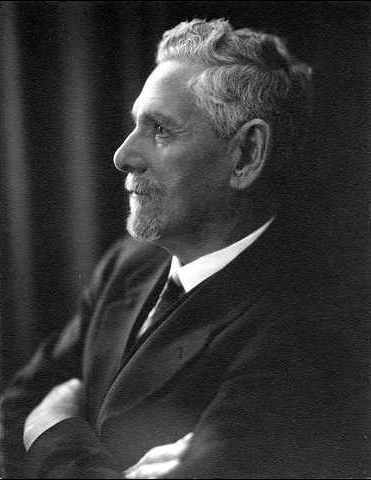
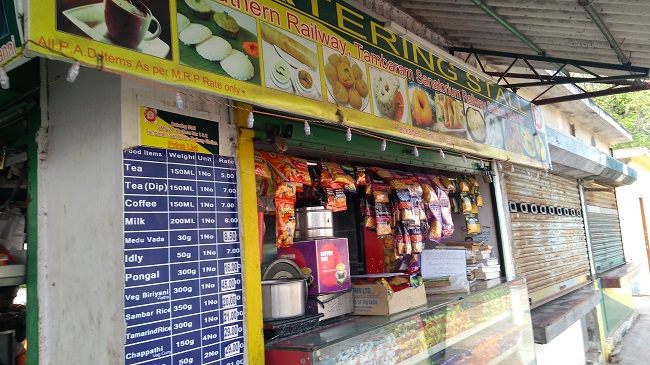
From China to Chennai, meet three generations of dentists who are as Tamil as Chinese…

Their families moved to Chennai from Hubei province and set-up dental clinics in the Evening Bazaar in the 1930s.
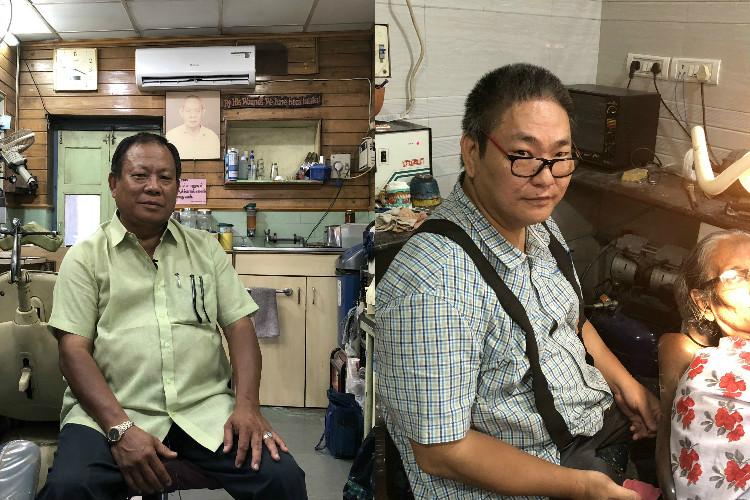


The glass doors of the tiny dental clinic swing open to green tiles, wooden panels, lots of dental instruments and neatly stacked bottles and medicine packs. Dr Shieh Hung Sen is inside, dressed in a green linen shirt, attending to a patient with practised deftness, while directing his assistant Nila in flawless Chennai Tamil.

Dr Shieh, who is better known by his Christian name Albert Shieh, is a second-generation Chennaite of Chinese origin. He runs Dr Shieh’s Bright Smile, a 75-year-old clinic, the oldest among the 8 such compact Chinese dental studios dotting the sides of Evening Bazaar Road, Park Town.

“My parents moved from Hubei province in China to Madas some time before the World War II. The Chinese communists were forcibly recruiting people to the army. It was either abscond or die. So my parents along with 8 other families left in the cover of the night to Burma, from where they came to Chennai in boats,” says Albert.

His father, Saw Ma Seng, among others who fled the country, were traditional Chinese dentists who established their business in Park Town in the 1930s. Now, their children and grandchildren are running the operations.

“Dental colleges started in the city only around the 1950s. Yet, our fathers had set up thriving businesses way back in the ’30s and we sons took over when they passed on,” says Albert, who went on to a acquire degree in dentistry from Annamalai University, after finishing his schooling in Bishop Corrie School, Parrys.

Growing up in Chennai

As he reminisces of the Chennai of his youth, Albert, who specialises in denture making, prods open his patient’s mouth and fixes a perfect set of lower front dentures on his gums.

“The best days of my life in Chennai were my school days. We used to play cricket in the Park Town grounds until late evenings. I spoke English and Tamil with my friends group and at home we spoke Mandarin (Hubei dialect),” smiles Albert, who can also read and write Tamil. Albert also understands Malayalam, Telugu and Hindi, and even attempts speaking them occasionally.

“Today is Tamil New Year. You must be celebrating Vishu since you are a Malayali, right?” he asks this reporter with a smile.

Now married with two children, a son and a daughter, Albert reveals that his family speaks Tamil, Chinese and English at home.

“I got married to my wife, Hu Yu Kwan, who is from one of the families in the community itself. However, now the community is not as close-knit as we were, with the older generation passing on,” he says.

In his childhood, the families would get together every Chinese New Year and feast.

“The Chinese New Year’s Eve is a special day for us and the entire community gathers for a feast, which is a grand affair with Wuhan (Hubei cuisine) delicacies of Changyu fish and Sou Chin (stir fry) Chicken. It’s nothing like what you get in the Chinese restaurants in the city,” says Albert, who shares an equal and impartial love for south Indian cuisine too.

“Ïdly, dosa, sambhar and all other dishes I relish. My wife makes the best rasam and kaara kolambu, I feel. In fact, my son’s friends used to ask him if his mum was Tamilian or Chinese after tasting the lunches she used to pack for his school,” he adds with a shy smile.

Albert’s son, Joshua, is a practicing dentist in Canada and, interestingly, is married to a Tamil woman.

“When I was a kid, my mother used to threaten me that if I married outside of the community she would disown me. When I got married, I had a traditional two-day Chinese wedding and a church wedding. Now, times have changed; my daughter-in-law is Tamil and we had a register marriage along with a reception here in Chennai,” says Albert.

The family members are practicing Seventh Day Adventists who had earlier adopted Roman Catholicism. Over the years, many from the community have diverged to different denominations within Christianity.

In the next clinic, David Ma, also known as You Chang Ma, Albert’s nephew, is a Jehovah’s Witness and runs Venfa, a clinic started by his father. Unlike Albert, David belongs to the third generation of the Chinese diaspora settled in the city.

“I don’t have many ties to Hubei. All my life I have known this city. My favourite food is the karuvattu kolambu or the dried fish that you get here. I’m married to an Indian girl, who is from Sikkim. In fact, I had an arranged marriage and went all the way to Sikkim to find my wife, since they look similar to us,” David says with a chuckle.

From Kung fu to Kollywood

Emphasising that they don’t watch Chinese films but for the occasional Jackie Chan Kung fu movie that is released in Chennai, Albert and David reveal that they enjoy Tamil cinema, especially the songs.

“I love old Tamil songs. There are some beautiful songs from Mudhal Mariyathai,” says David as he hums ‘Poongatre’ from the Sivaji Ganesan-starrer.

While David had no qualms about breaking into song, his uncle is more of a closet musician.

“He is usually singing all the time. He loves SPB and sings very well,” his assistant Nila tells TNM.

Albert is a fan of Suriya too and says he is excited about Kamal Haasan’s entry into politics. Apart from this, the dentist also boasts of a few famous friends from the industry.

“Prabhu, Sarathkumar and drummer Sivamani are all my close friends. I became close Prabhu and Sarathkumar as an athlete in school when we met at an inter-school sports competition. We meet once in a while when I am in town,” says Albert, who migrated to Canada with his wife a few months ago and shuttles between Chennai and Ontario.

The future

The Chinese clinics like Albert’s and David’s cater to the local population in Park Town.

“We have a thriving business and clients who have been consulting us and our fathers before us. They trust us and we have sort of established a brand here in Chennai,” says David.

Although many of their relatives have migrated to the US, Canada and other parts of the world, David and Albert remain rooted to the city.

“Although I keep going to Canada, I can’t let go of my business here and most of the year I’m in Chennai,” says Albert.

And despite this mass migration to several parts of the world, none of the Chinese in Chennai have returned to their home province of Hubei.

“I once visited China on a packaged tour with my wife. We couldn’t visit our native place as we couldn’t break away from the others.I have a few cousins there and I hope to visit them once in my lifetime,” says Albert.

However, Chennai remains in their hearts even as they search for better prospects elsewhere.

“I have never felt like an outsider. Chennai has and will always remain one of the most welcoming cities here. My sentiments for this city, in IPL language would be Namma Chennai-ku oru whistle podu,” David concludes with a grin.

Source…… https://www.thenewsminute.com

Natarajan


At the age of 7 , He is the youngest to scale the Mountain Kilimanjaro …

He just wanted to see some snow. But he got much more than that.
Samanyu, all of 7, scaled Africa’s loftiest peak and proved that no dream is impossible.
And that age is just a number.
Rediff.com‘s Divya Nair speaks to the mini mountaineer.


IMAGE: Samanyu Pothuraju at Uhuru peak, Mount Kilimanjaro in Tanzania.
All photographs: Kind courtesy Samanyu Pothuraju/Boots and Crampons

On April 2, 2018, when Samanyu Pothuraju, 7, from Hyderabad, was woken up at 3 am by his expedition leader Bharat Taminneni, he didn’t want to wake up.

He begged, “It’s too cold outside. I don’t want to go. Please let me sleep.”

It was the very last leg of their ascent to the summit of Mount Kilimanjaro so Bharat would not give in.

Recalls Lavanya Krishna, Samanyu’s mother, “Finally, Bharat told him that if he reached the summit, his favourite (Telugu film) hero Pawan Kalyan would (surely want to) meet him.”

Mention of Pawan Kalyan did the magic.

Samanyu woke up with a start.

Eight odd hours later that day, at 11.52 am, to be precise, little Samanyu made it to the top of Uhuru, the highest point of Mount Kilimanjaro, Tanzania. And clinched a world record.

At 7, Samanyu is the youngest person in history to scale this peak, 5,895 metres above sea level.

But the Class 3 student, who “loves karate, computers and math,” did not have the faintest idea about the significance of his journey.

“I was wearing a thick jacket and gloves. My legs were paining, but I was happy,” Samanyu tells Rediff.com from Hyderabad.

Last year he was one of the youngest to reach the Mount Everest base camp in Nepal.

What inspired him to go to Africa?

Mount Everest actually.

Says Lavanya, who accompanied Samanyu till Kilimanjaro’s second base camp and not beyond, “When we reached the base camp of Mount Everest, some months ago, he (Samanyu) was disappointed that he couldn’t see much snow.”

“When I told him about Kilimanjaro, he asked me if there would be snow and if he could touch it. I said yes. He said he wanted to go and see the snow.”

For Lavanya, a bank employee who quit her job to take care of her children (Samanyu’s elder sister is 13), sending her seven year old to the top of Kilimanjaro wasn’t an emotional decision.

It was about letting Samanyu have his dream.

She consulted Raji Thammineni of Boots and Crampons, a Hyderabad-based adventure logistics company, to find out how safe the journey was.

“Raji is a friend and she advised I first send Samanyu to a training camp to see if he was fit to go.”

Samanyu passed the camp last year with with flying colours.

“He could climb 50 steps up and down with ease, trek to mountains and even made it to the Everest base camp in October 2017,” says Lavanya.

In November, Samanyu signed up with Boots and Crampons to prepare to scale Kilimanjaro, Africa’s highest mountain.

In addition to his training, Lavanya helped her son get mountain ready by showing him a video of the terrain daily.

“He saw how people climbed it in different situations — rain, sun, snow, etc.”

Samanyu was keen to see snow. But he also wanted to see East Africa’s famous blue monkeys.”

“He saw three blue monkeys,” Lavanya says.

Lavanya and Samanyu flew to Tanzania on March 27.

“It was supposed to be summer. When we reached it was raining and snowing. My head was paining on reaching the second base camp, so I was asked to rest,” says Lavanya.

The next climb, from the second base camp to the last camp, took approximately 10 hours.

The final stretch from the last camp to the summit was equally long. But Samanyu finished it like a pro, says Lavanya.

‘It required meticulous planning to achieve this mission. We took all the care and precautions to keep the child safe and help him realise (the importance) of his mission to the summit of one of the most challenging mountains in the world,’ Bharat and Raji posted on Facebook about Samanyu’s achievement.

‘Master Samanyu fought bravely with different terrains — rainforest, moorland-rocky landscape, Alpine desert and crater rim — before summiting this wonder of the world. We are extremely proud to support Master Samanyu’s achievement which brought laurels to our country,’ the post added.

The sacrifices

To prepare for Africa, Samanyu had to wake up early and religiously maintain a schedule so he could balance school, extracurricular activities and mountaineering.

“He’d wake up at 5 am and go for his karate classes followed by cycling. After school, he’d train for mountaineering,” says Lavanya.

Samanyu had to follow a strict diet. Not too much sugar. No ice cream.

“I had to eat canned food,” Samanyu tells Rediff.com. “It was tasty though.”

“After we climbed down, they gave me ice cream. I was very happy.”

What’s next

His next challenge?

“I want to do the 10 peaks challenge in Australia.”

Turns out none of this has affected his academic performance: Samanyu, who studies at the Bolton School in Hyderabad, scored over 95 per cent in his last examination.           

IMAGE: Samanyu holds up a printout with Telangana Chief Minister K Chandrashekhar Rao’s image at Uhuru peak, Kilimanjaro.

Lavanya and Krishna spent Rs 15 lakhs funding their son’s expedition, but they feel helping Samanyu attain his dreams was their most important mission.

Here’s their message to parents: “Never stop your child from dreaming big. You can guide her /him on what is right and wrong. But support their dreams as much as you can.”

Samanyu is now waiting to meet Pawan Kalyan, as promised. His parents have tweeted the Telugu superstar about their son’s wish to meet him.

Hey, Pawan, if you are reading this feature, please do give lil’ Samanyu a call.

http://www.rediff.com

Natarajan


Anna Creek… A Cattle Station in Australia…Bigger than Israel !!!

In Australia, cattle stations—which is the equivalent of an American ranch—tend to be unimaginably large, so large that some of them are bigger than some European and African countries.

Take Anna Creek Station, a well known cattle station in South Australia, near Simpson Desert between Coober Pedy and Lake Eyre. This station covers nearly 24,000 square kilometers. By comparison, Israel is barely 21,000 square kilometers, and the biggest ranch in America is just over 3,300 square kilometers. In fact, there might be close to a hundred cattle stations in Australia that are bigger than the biggest American ranch.


Australia’s cattle stations are huge in size because of the continent’s climate. Most stations are located in the north and the central regions of the Australian Outback, where the climate is so dry and the vegetation so sparse that a large amount of country is needed to support enough cattle to make a living. Even a cattle station as large as Anna Creek Station normally runs about 17,000 animals during a good season.

The Anna Creek Station was bought by Sir Sidney Kidman, Australia’s so-called “cattle king”, who owned large areas of land across Australia during his lifetime. Kidman was thirteen when he ran away from his Adelaide home in 1870 with only 5 shillings in pocket and a one-eyed horse that he had bought with his savings. His teen years, Kidman worked as a drover, stockman and livestock trader, and made money supplying services to new mining towns springing up in outback. Eventually he had saved enough to buy his own station.


Sir Sidney Kidman

Kidman began gobbling up one estate after another until he was the biggest landholder in the world by World War I. At one point, the size of Kidman’s properties exceeded the size of the entire United Kingdom. His family still owns more than 10 million hectares, or about three-quarters the size of England. With a herd of 185,000 cattle, S. Kidman & Co is one of Australia’s largest beef producers.

There are at least nineteen cattle stations in Australia whose size exceeds 10,000 hectares. Four of them exceeds 15,000 hectares. These cattle stations are so large and the grazing area so spread out that it takes weeks to round up all cattle during the mustering season. Back in the old days, cowboys used to ride out in horses gathering up cattle. Today light aircraft is used for spotting animals which are rounded up by stockmen on trail bikes.

Because of the remoteness and size of Australian cattle stations, life is very isolated. The next human settlement is often a day’s drive away. So these stations function like small towns with schoolroom for the kids of the owners and workers, a small general store to supply essentials and possibly an entertainment or bar area. Electricity is typically provided by generators or solar cells. Internet and television is provided by satellite.

Anna Creek Station is currently owned by Williams Cattle Company, after it acquired the property from S. Kidman & Co in 2016.

Bonus fact: The name “Kidman” and “Australia” may remind you of actress Nicole Kidman. The connection is more than a coincidence—Nicole Kidman is actually a descendant of Sir Sidney Kidman.

Photo credit: Planettrekker/Flickr

Source ::::: Kaushik in http://www.amusingplanet.com

Natarajan


\


How Sivalingam battled pain to snatch another C’wealth gold….

‘I had no hopes of winning a medal after I injured my thighs during the National Championships while attempting 194 kg in clean and jerk. ‘

‘Even now I am competing at less than ideal fitness, but I am glad that was enough to get me a gold.’                                                                                                                                       

Defending champion Sathish Sivalingam (77 kg) claimed India’s third gold medal at the Commonwealth Games on Saturday, emerging triumphant despite having given up podium hopes after his injured thighs made even routine things like sitting painful.

The 25-year-old Indian lifted a total 317 kg (144+173) and was so ahead in the competition that he forfeited his final clean and jerk lift.

“I had no hopes of winning a medal after I injured my thighs during the National Championships while attempting 194 kg in clean and jerk. It’s a quadriceps problem; even now I am competing at less than ideal fitness, but I am glad that was enough to get me a gold,” said Sathish, after the medal presentation ceremony during which he was accorded a warm applause from the packed arena.

“I was in so much pain that even sitting was very painful for me. Everyone took care of me, gave me hope but I was not very confident. I had not trained that hard and my body was not at its best, and so how could I hope for a medal,” added the Tamil Nadu lifter.

GOLD COAST, AUSTRALIA – APRIL 07: Gold medalist Sathish Kumar Sivalingam of India poses during the medal ceremony for the Men’s 77kg Weightlifting Final on day three of the Gold Coast 2018 Commonwealth Games at Carrara Sports and Leisure Centre on April 7, 2018 on the Gold Coast, Australia. (Photo by Mark Metcalfe/Getty Images)


It was a fascinating contest of one-upmanship between Sathish and eventual silver-medallist Jack Oliver of England in the snatch competition.

The two kept upping the weights before their attempts but Oliver kept his nose ahead at the end of snatch as he lifted 145 kg in his second attempt. It was a kilogram more than Satish’s final attempt.

However, Satish had the last laugh in clean and jerk after Oliver failed two attempts of 171kg and settled for a total of 312 kg (145+167).

The bronze medal went to Australian showman Francois Etoundi, who lifted 305 kg (136+169) and collapsed clutching his injured shoulder after his final lift.

“I got lucky there, had he (Oliver) not dropped those weights, I would have had to go higher and I am not sure how my body would have taken that. I am quite relieved actually.”

At the 2014 Commonwealth Games, Sathish won the gold medal with 149 kg snatch and 179 kg clean and jerk lifts, totalling 328 kg. His lift of 149 kg in snatch continues to be the Games record.

“I didn’t want to touch that level because I still need to undergo rehabilitation. The fact that the access to our physio was limited made it all the more difficult. I just hope that we get a physio with us at the Asian Games,” said Sathish, once again highlighting the problems the weightlifters are facing due to the lack of accessibility of their physios in the competition area.

Sathish is also the reigning Commonwealth Championships gold-medallist.

“I hope to do even better in the Asian Games because there is a gap now. Earlier, the Asian Games used to come within 20-25 days of the Commonwealth Games, which didn’t give us enough time to prepare. But this time I have got time to prepare and be fully fit now,” he said.

Tags: Jack OliverKumar SivalingamSathish SivalingamFrancois EtoundiIMAGE

Source:   www.rediff.com

Natarajan

வாரம் ஒரு கவிதை …” நிழலில் தேடிய நிஜம் “


நிழலில் தேடிய நிஜம்
…………………
நிழல் என்றும் ஆகாது நிஜம் !
பதவியும் பணமும் வெறும் நிழல்தானே !
அந்த நிழலில் தேட வேண்டும்
நிஜம் என்ன என்பதை ?
நிழலில் தேட தேட நிஜம்
என்ன என்று புரியும் !
நிழல் நிஜம் ஆகாது
என்னும் உண்மையும் தன்னால்
தெரியும் !
நிழல் எல்லாம் நிஜம் என்று
நம்பினால் நிஜம் என்ன என்று
தெரியாது கண்ணுக்கு !
நிஜத்தை தொலைத்து விட்டு
இல்லாத நிழலில் தேட முடியுமா
நிஜம் எங்கே என்று ?
K.Natarajan  in http://www.dinamani.com
Dated 8th April 2018

ஒழுக்கத்திற்கு வழிகாட்டும் தாத்தா…


தாத்தா ஒருவரால் தான் குடும்பத்தில் எல்லோரையும் மன்னிக்க, கண்டிக்க ஏன்… தண்டிக்கவும் முடியும். வானளாவிய குடும்ப அதிகாரம் படைத்திருந்த தாத்தா இப்போது எங்கே?

தாத்தா, பாட்டி உறவு தாமரை இலை மேல் தண்ணீர் போல ஒட்டாமல் போனதால் தான் இன்றைய பல குடும்பங்கள் சுக்கு நுாறாய் உடைந்து, சிதறிப் போயிருக்கின்றன. வீட்டில் சாப்பிடாமல், நாக்கில் ருசியின்றி கிடக்கும் குழந்தைகளை, மருமகளிடம் திட்டு வாங்கினாலும் பரவாயில்லை என்று ஓட்டலுக்கு கூட்டிச்சென்று புரோட்டா, ஸ்பெஷல் தோசை, ஐஸ்கிரீம் என வாங்கி கொடுத்து வீட்டிற்கு அழைத்து வந்த நாட்கள் என்ன… காய்ச்சலோ, வயிற்று போக்கோ வண்டி கட்டிக்கொண்டு முதல் ஆளாய் டவுன் ஆஸ்பத்திரிக்கு, பெரிய டாக்டரை பார்க்க அழைத்து போகும் உத்வேகம் என்ன… அந்த தாத்தாக்கள் எங்கே?

கயிற்று கட்டிலில் நிலாவை காட்டிக்கொண்டே காற்றோட்டத்துடன் கதை சொல்லும் பக்குவம் என்ன… அவை எல்லாம் இந்த காலத்து குழந்தைகளுக்கு கிடைக்காத பாசபிணைப்பு காலங்கள்.

தாத்தாவின் அதிகாரம்:
தாத்தா கையில் தான் வீட்டின் சாவிக் கொத்து இருக்கும். கல்யாண நாளில் திடீரென ஒரு பெரும் தொகையை மருமகளிடம் கொடுத்து, பிடித்த நகை வாங்கிக்கொள்ளம்மா என்று குடும்ப சக்கரத்தை பக்குவமாக நகர்த்தி செல்லும் தாத்தாக்கள் இல்லாததால் பல குடும்பங்கள் தடம் புரண்டு கிடக்கின்றன. வீட்டிற்கு யாராவது புதிய ஆள் வந்தாலோ, ஆண் குரல் கேட்டாலோ யாரு என சத்தமாக கர்ஜிக்கும் குரலில் எதிராளி சற்று ஆடிப்போய் விடுவார்.

குழந்தைகளை முதல் நாள் பள்ளியில் கொண்டுபோய் விடுவதிலிருந்து, மருமகளை அடுத்த பிரசவத்துக்கு ஆஸ்பத்திரியில் சேர்க்கும் வரை தாத்தா தானாகவே இழுத்து போட்டுக்கொண்டு செய்யும் வேலைகளை இப்பொழுது செய்ய யாரும் இல்லை. ஆட்டோக்காரர், கால் டாக்சிகாரர்கள் அந்த பணியை செய்ய வேண்டிய நிலை. இதுவேதனையானது மட்டுமல்ல மூத்த உறவுகளை உதறிய பாவத்தின் தண்டனை தான்.

ஒழுக்கத்தின் அடையாளம்:
தாத்தா வீட்டில் இருந்ததால் பெரும்பாலான குடும்பங்களில் ஆண்கள் மது அருந்துவதையும், புகை பிடித்தலையும் தவிர்த்தார்கள். லேட்டாக வீட்டிற்கு வந்தால், கதவை தட்டியவுடன் முதல் ஆளாய் கதவை திறந்து ‘ஏன்டா லேட்’ என மகனையும், பேரனையும் அதிகாரத்துடன் கேட்கும் உரிமை தாத்தாவிற்கு மட்டும் தான் இருந்தது. அந்த உரிமையை பறித்ததால் இன்று வீட்டிற்கு ஒன்றிரண்டு ‘குடிமகன்கள்’முளைத்துவிட்டனர்.

பாடம் சொல்லி கொடுப்பதாகட்டும், வாத்தியாரிடம் சென்று ‘படிக்கலைனா நல்லா அடிங்க’ என்று சொல்லிவிட்டு, பேரன் போன பின்பு ‘அடிச்சு கிடிச்சுப்புடாதீங்க; ஒரு பேச்சுக்கு சொன்னேன்,” என்று மறுநிமிடமே வாத்தியாரிடம் மல்லுகட்டும் அந்த தாத்தாவின் அன்புக்கு ஈடு இணையே இல்லை. குழந்தை பருவத்தில் உண்டியல் தான் தாத்தா கொடுக்கும் முதல் பரிசு. சேமிப்பு பழக்கத்தை முதல் காசு போட்டு தொடங்கி வைக்கும் தாத்தாக்கள் உண்டு. ‘தாத்தா நீ செத்துப்போனா எனக்கு யாரு பொம்மை வாங்கித்தருவா? யாரு காசு கொடுப்பா?’ என விளையாட்டாய் கேட்கும் போதெல்லாம் சிரித்துக் கொண்டே ‘உன் கல்யாணத்தை பார்த்துட்டுதான்டா நான் சாவேன்’ என முத்தமிட்டவாறே சொல்லும் அந்த முதிய குழந்தை தாத்தா இப்போது இருப்பதெல்லாம் முதியோர் இல்லங்களில்.

முதுமையை போற்றுவோம்:
குடும்ப உறுப்பினர்களின் மூக்கணாங்கயிற்றை அதிகாரமாக கையில் வைத்திருந்த பல முதியவர்கள் இன்று முதியோர் இல்லங்களில் கட்டிப்போடப்பட்டிருக்கின்றனர். சமீபத்தில் ஒரு ஆதரவற்றோர் இல்லத்தில் எழுதிப்போட்டிருந்த வாசகம் நெஞ்சை உருக்கியது. ‘இது மனிதர்களை பார்க்க விலங்குகள் வந்து போகும் மனித காட்சி சாலை’. பல ஆயிரம் அர்த்தங்களை உள்ளடக்கிய வாசகம் இது. தங்கள் வீட்டின் முதியவர்களை முதியோர் இல்லங்களில் கொண்டுபோய்விடும் மகன்கள் அங்கு சொல்வதெல்லாம், ‘இங்கேயே ஏதும்ஆனா கூட பரவாயில்லை! நாங்க உங்களை ஏதும் சொல்லமாட்டோம். திரும்ப எங்க வீட்டுக்கு மட்டும் அனுப்பிவிடாதீங்க!’ குடும்ப உறவுகள் அந்நியமாகிப்போனதின் முதல் அபாயமே, வீட்டின் முதியோர் புறக்கணிப்பு தான்.

கேள்விக்குறி உறவுகள்:
தாத்தா பாட்டி உறவுகள் தற்போதைய குழந்தைகளுக்கு கிடைக்கிறதா என்றால் கேள்விக்குறிதான். தாத்தாக்கள் கிராமங்களில் தனியாக ரேடியோவோ, தொலைக்காட்சியோபார்த்து அன்றாட பொழுதை ஓட்டிக்கொண்டிருக்க, நகரத்து குழந்தைகள் பள்ளி, டியூஷன், டான்ஸ் என பிசியாக காலம் கழிக்க, என்றாவது வரும் தாத்தாவும் நகரத்து வீட்டில் தனியாகவே இருக்க, தாத்தா- குழந்தை உறவுப்பாலம் நுாலிழையில் தொங்கிக்கொண்டு இருக்கிறது. டிரங்கால் போட்டு கூடுதல் பணம் செலவு செய்து போனில் தாத்தாவிடம் நலம் விசாரித்த காலம் போய், இப்போது பணம், அலைபேசி, நேரம் இருந்தும் மனம் இல்லாமல் தாத்தாவுடன் போனில் பேசுவதையே தவிர்த்துவிட்டோம்.

தாயின் அன்பை போன்றே தாத்தாவின் அன்பும் ஈடு இணையற்றது. ‘தாத்தா நீ செத்துப்போயிட்டேன்னு சொல்லி இன்னிக்கு நான் லீவு போடப்போறேன்’ என்று பேரன் தாத்தாவை கிண்டல் செய்து ஓடுவதும், ‘இரு உன்னை உங்க வாத்தியார் கிட்ட சொல்லித்தரேன்’ என்று சொல்லி தாத்தா செல்லமாய் துரத்துவதும் இனி கிடைக்காத நாட்கள். எந்த ஒரு செயலையும் பக்குவமாய் அணுகி தீர்வு சொல்வது தாத்தாவின் கைவண்ணம். வயதும், அனுபவமும் தாத்தாவை பக்குவப்படுத்துகிறது. ஆனால், அந்த நிதானமும் பொறுமையும் இல்லாததால், இன்று இளைய தலைமுறை இயந்திர கதியாக இயங்குகிறது.

கோடையில் தாத்தா வீடு:
கோடை விடுமுறையில் தாத்தா வீட்டிற்கு கிராமத்திற்கு செல்வதை குழந்தை பருவத்தில் ரசிப்போம். தாத்தாவும், பாட்டியும் சேர்ந்து தலைக்கு நல்லெண்ணெய் தேய்த்து குளிப்பாட்டிவிடுவார்கள். மாலையில் வடை, இரவு சுடச்சுட தோசை சுட்டு கொடுப்பார்கள். திடீரென எல்லா குழந்தைகளுக்கும் விளக்கெண்ணெய் கொடுத்து பேதியாக்கி, வயிற்றை சுத்தம் செய்வார்கள். பள்ளி திறக்கும் முன்பாக சென்ட்ரப்பர், பென்சில், நான்கு வண்ண ரீபில் பேனா, புது ஜாமின்ட்ரி பாக்ஸ் என தாத்தா குழந்தைகளை கவனிக்கும் விதமே தனி தான். பெரியப்பா, பெரியம்மா, சித்தி, சித்தப்பா, மாமா, அத்தை என சம உறவுகளோடு கிராமத்து வீட்டில் குழந்தைகளாக ஆட்டம் போட்ட நாட்கள், குளத்திலும், கண்மாயிலும் நீச்சல் கற்றுக் கொண்டு நாட்கள், பம்புசெட்டில் குளித்தநாட்கள், கோடை மழையில் நனைந்தவாறே கிராமத்து வீட்டு முற்றத்தில் குதித்த நாட்கள் இன்றும் ரம்யமானவை. அந்த நாட்களின் பாசப்பிணைப்பு தான் இன்றும் நம்மை நமது சொந்தங்களோடு இணைத்து வைத்திருக்கிறது.

குடும்ப உறவுகள் அறுந்து போகாமல், நேசங்களும், பாசங்களும் விரிசல் விடாமல் ஆண்டுதோறும் புதுப்பித்து கொண்டிருந்த ஒரே உறவு தாத்தா தான். டேய் என்ற தாத்தாவின் கம்பீரக்குரலுக்கு அப்பா, பெரியப்பா, சித்தப்பா, மாமா, அண்ணன், தம்பி என அத்தனை பேரும் சர்வநாடியெல்லாம் அடங்கி பதுங்கி இருந்த காலம் மறக்க முடியாதவை. தாத்தாவின் குரலுக்கு ஆதரவாய் புதிதாய் வந்த மருமகள்களும் இணைந்து போய், கூட்டுக்குடும்ப உறவுகளும், வரவுகளும் சங்கமிக்கும் கோடை விடுமுறை இப்போது டியூசன், இசை, நடன பயிற்சி என்று தடம் புரண்டு போய்விட்டது. 40 ஆண்டுகளுக்கு முன் குழந்தைகளுக்கு மே மாதத்தில் கிராமத்துவீட்டில் கிடைத்தது எல்லாமே தாத்தாவின் அன்பு அரவணைப்பு தான்.

இழந்துவிட்ட நமது கலாசார உறவு மேம்பாட்டுக்கு குழந்தைகளை கோடை விடுமுறைக்கு தாத்தா வீட்டிற்கு அழைத்து போவோம். ஒதுக்கப்பட்ட முதிய உறவுகளிடம் அன்பு கேட்டு தஞ்சம் புகுவோம். உங்கள் குழந்தைகளுக்கு தாத்தாக்களை நீங்கள் அடையாளம் காட்டுங்கள். பேரக்குழந்தைகள் தாத்தா உறவை கற்றுக்கொள்ளும் மே மாதம், கோடை விடுமுறையில் தாத்தாவிடம் சங்கமிப்போம். கொடுப்பதற்கு ஒன்றுமில்லை என்றாலும் தன் நடுங்கும் கரங்களால் தங்கள் பேரக்குழந்தைகளை வாஞ்சையுடன் தாத்தாக்கள் தடவி, வருடும் போது இருக்கும் அன்பு எதற்கும் ஈடாகாது. உறவின் ஆழத்தையும், அன்பின் விளிம்பையும் குழந்தைகள் உணரும் தருணம் அது.

-ஜெ.ஜெயவெங்கடேஷ்சித்த மருத்துவர், மதுரை

98421 67567

Source….www.dinamalar.com

This 69 year old Man has helped start free Libraries across Chennai , and YOU can too !

No membership, no one to supervise, and no last date to return books: Mahendra Kumar’s libraries run on no rules, and plenty of goodwill.

Chennai-based Mahendra Kumar speaks about reading and books with reverence and passion. “It is a character-building activity,” he says earnestly.

In April 2015, he decided to do something which he hoped would encourage people to read: He opened a library in Thirumullaivoyal, Chennai.

It wasn’t just your run-of-the-mill library. The most unique part about it wasn’t even that it was set up in a cement shop, where 69-year-old Mahendra shared a table with the shopkeeper.

What truly set it apart was there was no membership fee, no register to keep track. Literally anyone could walk in, pick up one of the 20 books, and take it home. They could return it whenever they wanted.   

This was the first Read and Return Free Library (RFL). Now, Mahendra says that there are 66 of them across TN, and a few other states, with 10,000 books in all.

His first library in Thirumillaivoyal has now expanded to three cupboards, which he keeps outside his house,bursting with books. It stands completely unmanned.

“I could have kept a register perhaps, where people could sign with the book they were taking,” he adds as an afterthought. But Mahendra snaps out of it the very next moment. “I wanted no protocols, no control. Just people free to read and return books, as per their conscience.”

Encouraging others

Presently, there are 48 RFL libraries in Chennai alone. The others are in Nilgiris, Coimbatore, Aurangabad and Mumbai.

But setting these up has not been an easy task. Unable to travel to these places himself, Mahendra would try to convince others to start such libraries.

“I would sometimes see contact numbers in books. Someone who has written an introduction or a foreword – I’d try to find their numbers. I would try to convince them then to start this in their locality. And I would send whatever little money I could to help them,” Mahendra shares.

One such person he convinced was a former classmate of his, Captain R Venkataraman, who started a RFL library in T Nagar, Chennai, in 2016.

“But there are only so many friends or family members who can be convinced,” Mahendra says. “If there are 66 libraries today, you can assume I made 6,000 calls for them.”

Not as easy as it seems

In the past two years, RFL libraries have sprung up in many different places – gated communities, railway stations, hospitals and even a barber shop.

RFL at a Railway Station….

Mahendra is reluctant to share that this has required a considerable amount of legwork and resources from him. He believes it will discourage people, and make them wary of starting more RFLs.

“When people initially came to know about the concept, they wanted to donate books. So I would speak to a few of them, start at 5 am in the morning, make a round with multiple stops and come back with a car full of books,” he recounts. “Sometimes, I would sleep in the car because I’d get tired.”

The problem was that everyone wanted to donate books, but no one wanted to start the library. “Sometimes, people seemed on board with the idea, but they don’t really follow it up with action. I have been wanting to start one RFL library in Bengaluru as well, and got a volunteer too. But they have not really taken it forward after that.”

Mahendra says that he is ready to send some books, and whatever token amount he can from his pocket to help them get started, if only people volunteer.

He also mentions that he is grateful for his wife, who has never raised an objection against him going around the city at odd hours to collect books, and spending money for the RFLs.

Helping students

Mahendra put together the RFL website in 2016. While he is not very familiar with the internet, he says that he somehow learnt some basics and put it together. “The logo looks very childish, no? I made it on Microsoft Paint,” he says, sounding anxious.

The sole purpose for starting the website, he says, is to promote something called ‘Students Corner’.

It allows students to post requirements for second-hand course books, as well as if they have books to donate. Once they fill a form under that section on the site, other students can see it and get in touch. The donor can either mail the books or have them collected by the recipient, as per convenience.

However, Mahendra rues that this has not become as popular as he would have liked it to be.

He also wishes for more people to start RFLs in their localities. “But, it is quite simple really. You just have to see it from time to time to ensure that the infrastructure, wherever you’ve put it, is okay. You can also start it, madam!” he says, cheerfully.

Source…..Geetika Mantri in https://www.thenewsminute.com/

Natarajan

World’s Best Airports for 2018 ….Named by Skytrax …Changi Singapore is No.1 !!!

Once again the region’s aviation hubs are leading the world when it comes to passenger satisfaction, scooping top prizes in the prestigious annual Skytrax World Airport Awards.
Maintaining its position at the top of that chart for an amazing sixth year in a row is Singapore’s Changi Airport.
The city-state’s gleaming facilities fended off stiff competition from the likes of Doha’s Hamad International and Hong Kong’s International Airport.
“To be voted the World’s Best Airport for the sixth consecutive year is a fabulous achievement for Changi Airport, and this award yet again demonstrates the airport’s popularity with international air travelers,” Edward Plaisted, CEO of UK-based Skytrax, said in a statement.
The annual awards, which were held in Stockholm on Wednesday, are based on millions of airport passenger surveys and have been dubbed “the Oscars of the aviation industry.”

On top of the world

Changi Airport, which celebrated serving 60 million passengers from almost 100 countries across the world in 2017, has 5,000 arrivals and departures a week, connecting customers to over 200 destinations.
Amenities on offer include two 24-hour movie theaters screening the latest blockbusters for free, a rooftop swimming pool and a sunflower garden that features several varieties of sunflowers grown in the airport’s on site nursery.
This is the ninth time it’s received the “world’s best airport” title at the annual awards in the past two decades.
While there were no new entries among the Top 10, Seoul’s Incheon International Airport moved up one place to No. 2, while last year’s second place holder Tokyo International Airport (Haneda) dropped to No. 3, keeping Asia’s stranglehold on the top slots.
Doha’s Hamad International Airport progressed to fifth place after coming in at No. 6 in 2017, while Munich Airport dropped from fourth to sixth place.

Moving up and down the ranks

There were few surprises in the Top 100, however Rome Fiumicino Airport achieved one of the biggest jumps, moving from 158th place to 85th, while Bahrain International Airport saw its ranking fall from 57th place to number 73.
Vancouver was the No.1 airport in North America yet again, although its ranking dropped one place to 14th.
Denver International Airport came out on top in the United States, claiming 29th place, while Cincinnati/Northern Kentucky International Airport fell eight spots from 26th to 34th on the list.
Houston’s George Bush Intercontinental Airport ranked number 48, Atlanta Airport at 50, San Francisco International Airport at 51, Dallas/Fort Worth International Airport at 56, Seattle-Tacoma International Airport at 62 and New York’s JFK International Airport at 69.
Skytrax also singled out airports for a variety of more specific awards, with categories such as food, shopping facilities and even cleanliness.
Tokyo International Airport won the vote as “the world’s cleanest airport,” while Incheon International Airport was awarded for its airport staff.
Hong Kong International Airport was voted the “world’s best transit airport” and the “best airport for dining,” but Japan’s Chubu Centrair Nagoya stole the title for “world’s best regional airport.”
For the full list, visit the World Airports Awards website.

2018 Skytrax World Airport Awards

1. Singapore Changi Airport
2. Incheon International Airport (Seoul, South Korea)
3. Tokyo International Airport (Haneda)
4. Hong Kong International Airport
5. Hamad International Airport (Doha, Qatar)
6. Munich Airport (Germany)
7. Chubu Centrair Nagoya (Japan)
8. London Heathrow Airport
9. Zurich Airport (Switzerland)
10. Frankfurt Airport (Germany)
Source…….. https://edition.cnn.com/
Natarajan

Death of Padma Scientist at Airport Spurs Son To Demand Medical Aid at All Airports…

In December last year, Prof Lalji Singh, known as the Father of DNA Fingerprinting in India, died after he suffered a major heart attack while at the Lal Bahadur Shastri International Airport, Babatpur in Varanasi.

Death is inevitable. But nothing shocks us more than when a death, which could have been prevented or avoided, occurs due to sheer negligence. Human apathy makes death painful and stark, making us question everything – medical advances, the quality of healthcare, laws, regulations, and the value of life in our country.

In December last year, Prof Lalji Singh, known as the Father of DNA Fingerprinting in India, died after he suffered a major heart attack while at the Lal Bahadur Shastri International Airport, Babatpur in Varanasi.

The airport was not equipped to handle this medical emergency, and by the time he was taken to the hospital – a good few hours later – he had breathed his last. The doctors who examined him say that had he been provided with oxygen supply during the “Golden Hour”, he could have been saved.

What makes it even harsher is that precious time was lost in getting formalities like an “Exit Pass” organised for him due to security reasons. What good are processes that are supposedly put in place to keep people safe when they end up killing them?

Up until I started my research for this piece I had assumed that all airports across the country would be equipped to handle emergency medical situations and would also have an ambulance on call.

My assumption was wrong.

If they did then perhaps Prof Lalji could have been saved.

Airports have become a place to shop and eat. They are all well equipped with restaurants serving a variety of cuisines, every brand that you can think of has a presence here, and liquor outlets thrive – and yet one of the most basic requirements of having a medical room with functional facilities is missing.

We, at the Better India, spoke to Late Prof Lalji’s son, Abhisekh Singh, who is asking some pertinent questions.

Abhishek is asking the Ministry of Civil Aviation and Airport Authority of India to mandate the availability of a doctor, ambulance, minimum medical support, trained medical personnel and standard operating procedures at all civilian airports in India.

You can support his cause by signing the petition here.


On December 10, 2017, Prof Lalji was travelling from Varanasi to Hyderabad on an Indigo flight. Hailing from a village in Varanasi, Prof Lalji started Genome Foundation, a non-profit organisation that aims to diagnose and treat genetic disorders affecting the underprivileged, especially from rural India.

Having reached the airport well in time, Prof Lalji enquired about the wheelchair he had asked for while making his booking. He had nagging knee pain and hence wanted the wheelchair.

Unfortunately, the staff at the airport told him that there was no request and they couldn’t provide him with one. Since he was travelling alone, he went in to the airport and checked in.

Abhisekh says, “Since I was not present there at that time, I have requested the airport to provide me with the CCTV footage from that day. However, so far I have not received it. I can only, therefore, corroborate what I am saying with what people present there have said to me.”

After he checked in, a wheelchair was provided. Abhisekh also mentions that around this time he called his father to check on him.

A little after that Prof Lalji faced some difficulty in breathing and went to the counter to ask for help. He was taken to the medical inspection room where the compounder after checking him insisted on having him taken to a hospital for immediate medical intervention.

“While the airport had a medical intervention room there was no doctor or medical supplies there. Looking back they did not even have an oxygen cylinder in the airport,” says Abhisekh.

An ambulance was asked for but since did not arrive Prof Lalji had to be taken in a private car to the nearest hospital which was also quite a distance away. Given the strict security, once a passenger enters the airport, they are not allowed to leave until an exit pass is shown.

Despite being in great distress, Prof Lalji had to wait to have that pass made and only then was allowed to leave the airport.

The doctor who checked Prof Lalji mentioned how he could have been saved if he had been administered with oxygen during the ‘Golden Hour’. Prof Lalji was alive even after the heart attack, but the delay in getting him medical treatment cost him his life.

Here are some of the questions raised by Abhisekh:

1. While there is a medical intervention room, it is virtually of no use.

What is the point of having a designated room in the airport and calling it medical intervention room if there are no trained medical professionals there? In places like Varanasi where even the nearest hospital is quite a distance away, what happens in cases of medical emergencies?

Are these airports waiting for such incidents to occur to act?

2. Should airports not be equipped with basic medical infrastructure?

Unfortunately for us in India, heart disease is still the leading cause of death.

Knowing this should we not be working towards equipping the airports and railway stations, places that see thousands of people day in and day out, with basic medical infrastructure?

An oxygen cylinder, a defibrillator, an ambulance on call?

3. Is there a standard operating procedure in cases of medical emergencies?

Are our airports equipped to handle medical emergencies? Manuals like the Airports Authority of India, Terminal Management clearly states the need to have a well-equipped first aid box ready. This includes a small oxygen cylinder with delivery accessories and a facemask.

The manual also states that it is desirable that an updated list of Telephone numbers and addresses of the hospitals and nursing homes ( indicating the specialised Treatment rendered) in the vicinity of the Airport should always be available with the Terminal Manager.

If these are guidelines then why were none of them implemented on December 10, 2017? Are these guidelines just printed because they look good on paper? Does the DGCA ever audit the airports to ensure that all the norms are being followed?

So important questions for us all.

Abhishek is asking the Ministry of Civil Aviation and Airport Authority of India to mandate the availability of a doctor, ambulance, minimum medical support, trained medical personnel and standard operating procedures at all civilian airports in India.

You can support his cause by signing the petition here.

(Edited by Vinayak Hegde)

Source……. Vidya Raja  in http://www.the better india .com

Natarajan

Mumbai Beach Welcomes Olive Ridley Turtles After 20 Years….!!!

On Thursday morning, the Versova beach in Mumbai welcomed around 80 palm-sized turtles, making their way slowly but surely in the Arabian Sea.

Why is this event so special?

Well, for starters, the turtles in question are Olive Ridley Turtle, and their eggs hatched on a Mumbai beach after 20 years, and it was all thanks to the efforts of hundreds of Mumbaikars who have been cleaning the Versova beach for over two years now.

The Olive Ridley Turtle has been classified by the International Union for Conservation of Nature (IUCN) as a vulnerable species, which is likely to become endangered unless the circumstances that are threatening its survival and reproduction improve.

According to WWF India, “Olive Ridley Turtles are the smallest and most abundant of all sea turtles found in the world” and live in the warm parts Pacific, Atlantic and Indian oceans.

The females lay their eggs on the same beach that they hatched from!

However, for the past 20 years, these turtles had stopped visiting Mumbai, thanks to the number of pollutants and plastic on the beaches. Not only is the trash an unwelcoming home to lay eggs, but is also a threat to the lives of the tiny turtles who have to walk from their nesting site to the sea all by themselves.

Afroz Shah had taken the initiative to clean up Versova beaches and collect all the plastic dumped there. According to the Hindustan Times, in only 126 weeks, Afroz Shah and the Versova Residents Volunteers’ team has successfully cleared 13 million kg of garbage, which included plastic from the beach.

Speaking about the Olive Ridley Turtle hatchlings, Prashant Deshmukh, range forest officer, Mumbai Mangrove Conservation Unit said,

“Such an incident happened after 20 years. The presence of more turtle nesting sites cannot be ruled out. We will push for the development of a turtle rescue centre close to this nesting site, and we expect it to be built soon.”

Week 127 .

Fantastic news for Mumbai .

We got back Olive Ridley Sea Turtle after 20 years. Historic moment

Nested and Hatched at our beach. We facilitate their journey to ocean.

Constant cleaning helps marine species.

Marine conservation centre needed at @versovabeach

Apart from Versova, these turtles are found on the beaches of Velas, Anjarle, Harihareshwar, Maral and Diveagar in Maharashtra.

The largest nesting site of the world is in Odisha along the coasts of the Bay of Bengal. Villagers in Odisha, too, have made attempts to save the nesting sites and ensure safety to the newborn turtles. You can read more about this story here.

Edited by Gayatri Mishra.

Source……. Tanvi Patel in http://www.the better india.com

Natarajan