God on the Runway ….

As part of the custom, the idols along with temple elephants are taken to Shangumugam beach for the ritualistic bath.

For two days in a year, the Thiruvananthapuram International Airport halts its flight operations for five hours on the basis of a ‘Notice to Airmen’ (NOTAM).

Respecting a centuries old temple tradition, the airport runway makes way for a grand procession.

Saturday is one of the two days in a year that sees members of the Travancore royal family, temple priests, police, and even elephants walk down the runway, as part of the temple procession. Hundreds of people also escorted the idols past the 3400-metre runway.

Flights have been halted between 4pm and 9pm at Thiruvananthapuram on Saturday.


The ‘Arat’ procession marks the conclusion of the Painkuni festival and the Alpassi festival. Painkuni and Alpassi are references to Tamil months. While Painkuni is in April, Alpassi is in October.

Arat is the ritualistic bath procession of temple idols at Sree Padmanabha Swami temple in Thiruvananthapuram. The procession, which began at 5pm, crossed the runway at 6.30 pm.

As part of the custom, the idols along with temple elephants are taken to Shangumugam beach for the ritualistic bath. The procession sees royal family members wearing traditional attire and carrying swords. All priests along with royal family members take a dip into the sea three times. The idols are also given a ritualistic bath.

The procession returns to the temple on the same route, accompanied by people carrying traditional fire lamps.

They have to, however, ensure that they clear the runway by 8.45pm.

“The ritual was started centuries ago when the Travancore royal family ruled here. Even after the airport was established, the procession continued to pass through the runway. When the airport was established in 1932, it was under the Royal Flying Club. Since then, the runway was open for these processions. Even after it was converted into an international airport in 1991, the practice continued as the tradition is very important to this place,” an airport official told TNM.

Since the runway is part of traditional arat procession route, the Airport Authority of India issues passes to those who participate in it. Only those who have a pass can enter the route and cross the runway to head to the beach.

“There are strict restrictions inside the airport area. CISF officials guarding the area allow only people with passes. We issue the pass only to people in the list given by temple authorities,” he added.

NOTAM is issued a week before these two dates in the year, so that all the international flights can change their schedule. NOTAM is a notice issued to pilots or airline operators before flights, alerting them of the circumstances or changes in aeronautical facilities or about local procedures that affect safety.


Source….Haritha John in http://www.the newsminute.com

Natarajan


வாரம் ஒரு கவிதை …” வான வேடிக்கை “

வான  வேடிக்கை ….
,,,,,,,,,,,,,,,,,,,,,,,,
இடி மின்னல் வேடிக்கை காட்டி வானம்
நான் தப்பாமல் நனைக்கிறேன் உன் மண்ணை !
வேடிக்கை காட்டியே  இந்த உலகுக்கு  உயிர்
கொடுப்பது  என்  வாடிக்கை !
உயிர் கொடுக்கும்  எனக்கு நீ கொடுக்கும் பரிசு
என்ன தெரியுமா உனக்கு ?..மகனே !
வான வேடிக்கை என்னும் பெயரில் வானம்
என் நாடித்  துடிப்பையே அடக்க நினைக்கிறாயே !
மகனே …இது நியாயமா ?
நீல வானம் வேண்டும்,  மாசில்லா காற்று
வேண்டும் எனக்கு என்று மேடையேறி பேசி விட்டு
எந்த ஒரு வெற்றி விழாவுக்கும் வேண்டும் ஒரு
வான வேடிக்கை என்று நீ கேட்பது வேடிக்கையிலும்
வேடிக்கை மகனே !
கரி எடுத்து என் முகத்தில் பூசி விட்டு ,வேண்டாம்
எனக்கு கரு வானம் …வேணும் எனக்கு
ஒரு நீல வானம் என்னும் உன் வாதம் ஒரு
ஒரு வேடிக்கை வினோதம் , மகனே !
My Kavithai in http://www.dinamani.com dated 23rd Oct 2017
Natarajan

வாரம் ஒரு கவிதை… ” நிசப்த வெளியில் …”


நிசப்த வெளியில் …
———————
கருவறை வாசம் மட்டுமே   நிசப்த வாசம் ஒரு சிசுவுக்கு
இந்த மண்ணில் வந்து பிறந்த  நேரம் முதல் சத்தம்
சத்தமே எங்கும்  எதிலும் !
சப்தம் தவிர்த்து நிசப்தம் தேடி ஓடுவது எங்கே ?
வாழ்வில் ஒலியும்  சப்தமும்  தேவைதான்
ஆனால் வாழ்வே சப்தமாகலாமா ?
ஒளி மயமான எதிர் காலம் தேடும்  குழந்தைக்கு
கிடைப்பது ஒலி மயமான இரைச்சலும் அலைச்சலும்தான் !
அண்ட வெளியிலும் இல்லையே இன்று நிசப்தவெளி !
நாளும் பல  விண்கலம் அண்டவெளியில் சுற்றி சுற்றி
நிசப்த வெளியின் தனித்துவமே தகர்ந்து விட்டதே !
சப்தம் மறந்து நிசப்தம் தேடி ஓடுவது எங்கே ?
நிசப்தம் தேடி நாம் ஓடிட வேண்டாமே  …நம் வீட்டைத்
தேடி ஓடி வரும் நிசப்த வெளி நாம் நினைத்தால் !
வாரம் ஒரு நாள் …ஒரே ஒரு நாள் …கொடுப்போம்
விடுமுறை நம் வீட்டு தொலைக் காட்சிப் பெட்டிக்கு !
எப்போதும் சிணுங்கும் கைபேசிக் குழந்தைக்கும்
தப்பாமல் தர வேண்டும் ஒரு நாள் ஓய்வு !
இரைச்சல் இல்லாத ஒரு ஒரு வீடும்  நிசப்த
வெளியே !  அலைச்சல் இல்லாத வழியும்
இதுதான் நிசப்தம் தேடி ஓடுவோருக்கு !
My Kavithai in http://www.dinamani.com dated 16th oct 2017
Natarajan

Joe Reginella’s Memorials to Disasters That Never Happened…!!!


Most remember October 29th, 1929—also known as Black Tuesday—as the day when the New York stock market crashed. However, it was also the day when one of the most horrific tragedy involving human-animal conflict happened at the Brooklyn Bridge.

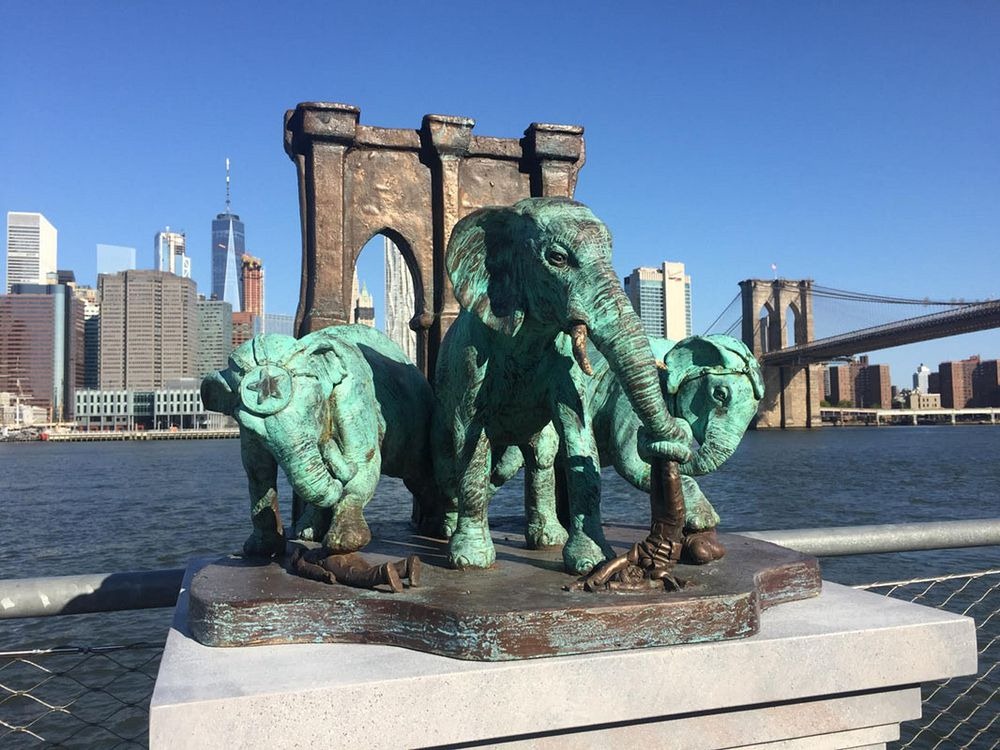
On that awful day a trio of three circus elephants, including the star attraction—a thirteen-foot-tall African elephant named Jumbo, was to cross the Brooklyn Bridge and into New York. The event was greatly publicized and crowds of people came from miles around to see Jumbo. While crossing the bridge, something caused the animals to panic and what was to be a slow and deliberate cross suddenly became a deadly stampede as the three elephants charged into the cheering crowd. Aside from scores of human casualty, two of the elephants died in the stampede, while Jumbo escaped to freedom through the Holland Tunnel and lived out his days at an elephant sanctuary.

 The memorial to the 1929 Brooklyn Bridge Elephant Stampede. Photo credit: Joe Reginella

When a new bronze memorial to the tragedy was unveiled at the Brooklyn Bridge Park last month, it left visitors scratching their heads because no one ever remembered hearing or reading about the Brooklyn Bridge Elephant Stampede of 1929. That’s because the tragedy never happened. It’s a satirical piece of art by sculptor Joe Reginella.

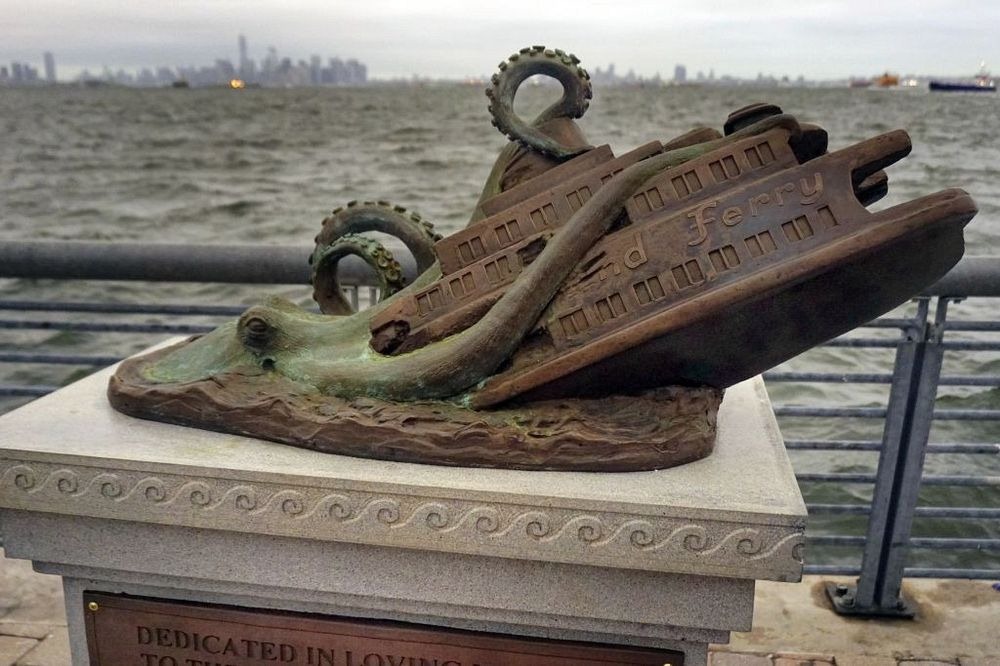
Last year, the prankster-artist erected another memorial to yet another fabricated tragedy—the so-called Staten Island Ferry Disaster—in Battery Park. The story goes, that on November 2nd, 1963, a Staten Island Ferry with over 400 people onboard was attacked by a giant octopus and was pulled beneath the water resulting in the death of all passengers. According to Reginella, the disaster went almost completely unnoticed by the public because it was overshadowed by another more “newsworthy” tragedy that occurred that day—the assassination of President John F. Kennedy.

As part of the hoax, Reginella created a fake documentary, fabricated newspaper articles and distributed flyers to puzzled tourists sending them to a nonexistent museum on Staten Island.


The memorial to the 1963 Staten Island Ferry Disaster. Photo credit: Ula Ilnytzky

The idea for the hoax came to him when Reginella was taking his 11-year-old nephew on the ferry between Manhattan and Staten Island. To satisfy the kid’s curious questions, such as if the waters were infested with shark, Reginella fabricated the story of a giant octopus attack.

“The story just rolled off the top of my head,” he told The Guardian, and it evolved to become “a multimedia art project and social experience – not maliciously – about how gullible people are”.

In the early few days after the memorial was unveiled, Reginella sat close by with a fishing pole pretending to fish so that he could eavesdrop on the conversations. Sometimes he overheard people wondering why nobody ever heard of it. Others simply stared out at the water and walked away.

While the Staten Island Ferry Disaster never happened, there is actually a bit of interesting history behind Reginella’s latest hoax—the Brooklyn Bridge Elephant Stampede. Elephants belonging to the Barnum and Bailey’s Circus did actually cross the Brooklyn Bridge in 1884, when the circus came to town. One of the elephants, a thirteen-foot and seven-ton African, was actually named Jumbo. He was accompanied by twenty other elephants, seven camels and ten dromedaries in what was known as Barnum’s legendary “elephant walk.”

Neither memorials are permanent, and are displayed only on specific days and times. Consult the memorials’ websites for timing before you decide to visit.

www.sioctopusdisaster.com
www.bbelephantstampede.com

Source….Kaushik in http://www.amusingplanet.com

Natarajan


India”s Most unusual Post Offices….Our Country Celebrates National Postal Day today…

E-mails may have overshadowed the concept of snail mail, yet post offices still hold a special place in the Indian way of life. Having long had a presence in local communities, they have served as exchange posts for news, gossip and much more.

As the country celebrates the National Postal Day today, here’s a look at three of India’s most unusual post offices.

Send a postcard from any of these unique spots, and you are sure to score some travel bragging rights!

1. The Post Office at Hikkim


Perched at 15,500 ft above sea level in Himachal Pradesh’s strikingly beautiful Spiti Valley, the hamlet of Hikkim is reputedly home to the world’s highest post office.

A small hut with whitewashed walls and a red postbox hanging outside, the quaint post office is 23 km from the town of Kaza and has been functioning since November 5, 1983. With no internet and patchy cell phone signal, the facility is the only conduit to the world for Hikkim’s residents.

This inconspicuous little post office is single-handedly managed by Rinchen Chhering, who has been the branch postmaster for over 20 years. He was chosen for the post when he was just 22 because he could run fast and owned a bicycle!

Every day, two runners take turns hiking to Kaza on foot to deliver mail that is then taken by bus to Reckong Peo, onward to Shimla, further by train to Kalka, from where it is taken to Delhi and sent to its final destination. In winter, everything in the valley freezes – the rivers, the lakes, the mountains. As the snow cover cuts off Hikkim from the rest of the world, the village’s post office also shuts down for six months.

2. The Post Office at Antarctica

Dakshin Gangotri Station                                                                                                                                                           


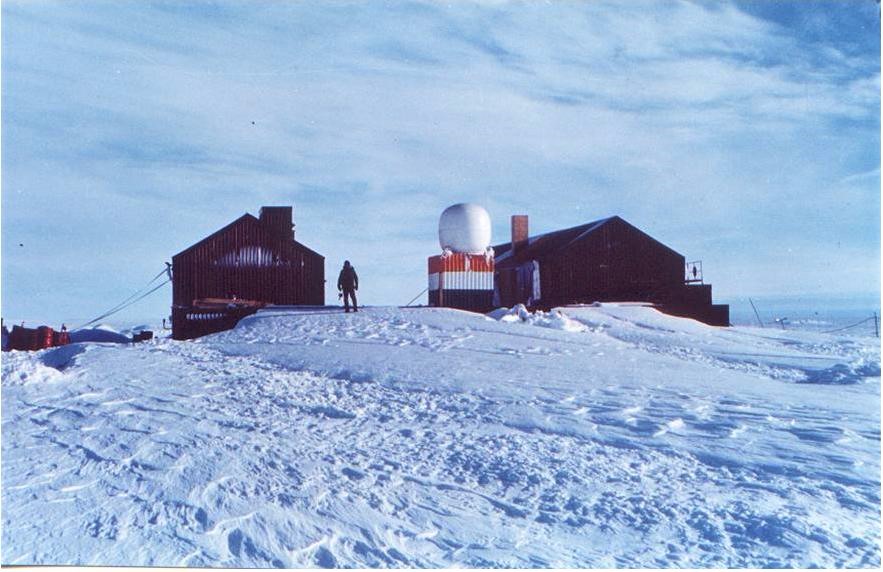
Located in Dakshin Gangotri, India’s first scientific base in Antarctica, this post office first became operational on February 24, 1984, after it was established during the third Indian expedition to the frigid ‘White Continent.’ It was a part of the base’s multi-support systems that also included including ice-melting plants, laboratories, storage and recreational facilities.

The Dakshin Gangotri PO was brought under the Department of Post at Goa on January 26, 1988. Scientist G. Sudhakar Rao, who went to Antarctica as a member of the Seventh Indian Scientific Expedition in 1987, was appointed as its first honorary postmaster. Interestingly, in its first year of establishment, nearly 10000 letters were posted and cancelled at this post office.

However, in 1990, Dakshin Gangotri PO in Antarctica was decommissioned after it got half buried in ice. The post office was then shifted to the new permanent research base, Maitri.

Over the years, the unusual spot has become a favourite stop-off for tourists from cruise ships who came to explore the frozen continent and learn about its unique ecosystem. They send out postcards and letters that take between two and six weeks to reach their destinations via Hobart (in Australia).

3. The Post Office on Dal Lake


Built on an intricately carved houseboat, the Srinagar’s Floating Post Office claims to be the only one of its kind in the world. Here you can avail all regular postal services while being afloat on the Dal Lake. A heritage post office that has existed since colonial times, it was called Nehru Park post office before it was renamed by the then chief postmaster John Samuel in 2011.

After a pretty little philately museum and souvenir shop were added to it, the Floating Post Office was formally relaunched in August 2011. Interestingly, the seal used on everything posted from the this is unique, and tourist-friendly post office bears a special design — of a boatman rowing a shikara on the Dal Lake — along with the date and address.

While enthusiastic tourists row to the post office every day to send postcards back home, for the locals, the post office is more than an object of fascination. The islets in Dal Lake are home to over 50000 people (farmers, labourers, artisans and shikaraowners) for whom this state-run facility is the nearest source of postal and banking services.

Source…SanchariPal in http://www.thebetterindia.com

Natarajan


Joke of the Day…”You are not the Flight instructor ….? ” !!!

A photographer from a well know national magazine was assigned to cover the fires at Yellowstone National Park. The magazine wanted to show the heroic work of the fire fighters as they battled the blaze.

When the photographer arrived, he realized that the smoke was so thick that it would seriously impede or make it impossible for him to photograph anything from ground level.

He requested permission to rent a plane and take photos from the air. His request was approved and arrangements were made. He was told to report to a nearby airport where a plane would be waiting for him.

He arrived at the airport and saw a plane warming up near the gate. He jumped in with his bag and shouted, “Let’s go!” The pilot swung the little plane into the wind, and within minutes they were in the air.

The photographer said, “Fly over the park and make two or three low passes so I can take some pictures.”

“Why?” asked the pilot. “Because I am a photographer,” he responded, “and photographers take photographs.”

The pilot was silent for a moment; finally he stammered, “You mean you’re not the flight instructor?”

Source….www.ba-bamail.com

natarajan

வாரம் ஒரு கவிதை….” காந்திக்கு ஒரு கடிதம் “


காந்திக்கு ஒரு கடிதம்
———————-
விடுதலை பெற்று தந்தாய் என் தாய்
நாட்டுக்கு …உன்னையே விலையாகவும்
கொடுத்தாய் மத பேதம் இல்லா புதிய
பாரதம் ஒன்று படைக்க !
ஆனால் …
விடுதலை பெற்ற என் தேசம் இன்னும்
புது விடியலை தேடுதே …அது ஏன் ?
மதவாத அரசியலில் ஆதாயம் தேடுதே
ஒரு பெரும் கூட்டம் !
அது ஏன் ?
மூலைக்கு மூலை உன் சிலை
வைத்து காந்தி ஒரு பொம்மைதான் எங்கள்
அரசியல் விளையாட்டுக்கு என்று சொல்லாமல்
சொல்லுது ஒரு கூட்டம் !
காந்தியா …அது  யார் என்று கேக்குது
இன்னொரு கூட்டம் …காந்தி உன்னையே
மறந்த கூட்டம் காந்தீயக் கொள்கை கிடைக்குமா
ஒரு விலைக்கு என்று அலைவதும் உண்மை இன்று !
வேற்றுமையில் ஒற்றுமை என்பது வெறும் பேச்சு
மட்டுமா ?  ஒளிமயமான வலுவான பாரதம்
பிறப்பது எப்போது ?  என் தேசம் புது விடியல்
காண்பது எப்போது ?
சிலையாய் இருக்கும் காந்தி நீ இப்போது
எடுக்க வேண்டும் மீண்டும் ஒரு பிறவி !
காந்தி சிலைகள் எல்லாம்  உயிர் பெற்று
பல நூறு புதிய காந்திகளாய் என் மண்ணில்
பிறக்க வேண்டும் இப்போதே !
என் மண்ணின் விடுதலைக்கு ஒரே ஒரு
காந்தி நீ இருந்தாய்.. இன்று
இந்த  மண்ணின் புது விடியலுக்கு  பல  நூறு
காந்தி வேண்டுமே  அய்யா !
மறுக்காமல் நீ பிறப்பாயா அய்யா மீண்டும்
என் மண்ணில் ? ஒரு புதிய பாரதமும்
மலர்ந்து ஒளிருமா என் கண் முன்னால் ?
My kavithai as published in http://www.dinamani.com on 8th Oct 2017
Natarajan

“ஆட்டோ ஓட்டுவது வருமானம்… பசியாற்றுவது சந்தோஷம்”..! கோவையில் ஓர் அன்னபூரணன்!!!


சித்த ஏழை ஒருவனுக்கு ஒரு வேளை உணவு கொடுத்து வயிற்றை நிரப்புவதைவிட பெருங்கொடை ஏதேனும் இருக்க முடியுமா? ஒரு சான் வயிற்றுக்காகத்தானே இவ்வளவு பாடும்?! கோவையைச் சேர்ந்த ராஜா சேது முரளி, ஏழைகளுக்கு சோறு போடுவதையே தன் வாழ்க்கையாகக்கொண்டிருக்கும் அற்புத மனிதர்! ‘சிகிச்சைக்காக வெளியூர்களிலிருந்து வந்து கோவை அரசு மருத்துவமனையில் தங்கியிருக்கும் ஏழைகளுக்கு, ‘பசியாற சோறு’ என்ற பெயரில் இலவசமாக மதிய உணவு கொடுத்து உதவுகிறார் ராஜா சேது முரளி’ என்ற தகவல் அறிந்து அவரைத் தொடர்புகொண்டோம்…

நான் சாப்பாடு கலெக்ட் பண்றதுக்காக வடவள்ளி வரைக்கும் வந்திருக்கேன். மதியம் 12 மணிக்கு ஜி.ஹெச் வந்திருங்க, பார்க்கலாம். அங்கேதான் சோறு போட்டுக்கிட்டு இருப்பேன்” என்று  தகவல் சொன்னார். அவர் சொன்ன நேரத்துக்குச் சென்றோம். ‘பசியாற சோறு’ என்ற பெயர் தாங்கிய ஆட்டோவின் முன்னால் நீண்ட வரிசையில் நின்றிருந்தார்கள் மக்கள். சிலர் கையில் பாத்திரங்களும், சிலர் கையில் பாலித்தீன் பைகளும் இருந்தன. அனைவரின் முகத்திலும் பசியின் கொடுமையும் வறுமையும் தெரிந்தன.

தான் வைத்திருந்த பாலித்தீன் பையில் சோறு வாங்கிய ஒரு பெண்மணி, “இன்னும் கொஞ்சம்  கிடைக்குமா சார்?” என்று தயக்கத்துடன் கேட்க, “எவ்வளவு வேணும்னாலும் வாங்கிக்கங்கம்மா… ரசத்துக்குத் தனியா கவர் வெச்சிருக்கீங்களா?” என்றபடி இன்னும் இரண்டு கரண்டி சேர்த்து அள்ளிப்போட்டுவிட்டு, “போதும்மாம்மா..?”  என்றார் ராஜா சேது முரளி. பதில் சொல்ல வார்த்தை கிடைக்காமல் வாய் நிறைய புன்னகை உதிர்த்து,  தலையை ஆட்டிய அந்தப் பெண்மணியின் முகம்,  பசியின் சித்திரம். இப்படி எத்தனையோ மனிதர்கள் சோற்றுக்கு வழி இல்லாமல் அரசு மருத்துவமனை வாயில்களிலும், கோயில்களிலும், பஸ்ஸ்டாண்ட் பிளாட்பாரத்திலும் ஒட்டிய வயிற்றுடன், `யாரோ ஒருவர் பசியாற்றுவார்’ என்ற நம்பிக்கையில் காத்துக்கிடக்கிறார்கள். புதிய இந்தியா பிறந்தும் பழைய காட்சிகள் மாறாததுதான் இங்கு எவ்வளவு பெரிய துயரம்!

சோறு கிடைத்த சந்தோஷத்தில் பகைவென்ற வீராங்கனைபோல் வந்த அந்த அம்மாவிடம் பேசினேன். “என் பேரு சுசிலா. ஊரு கூடலூர். எனக்கு ஒரே மகன். என் வீட்டுக்காரர், என் மகன் சின்ன வயசா இருக்கும்போதே செத்துப்போயிட்டார். நான் படிச்சது அந்தக் கால எஸ்.எஸ்.எல்.சி. அங்கன்வாடியில வேலைபார்த்துக்கிட்டிருந்தேன். மாசம் 2,500 ரூபா சம்பளம். பஸ்ஸுக்கே அதுல பாதி காசு போயிரும். அதனால, அந்த வேலை வேணாம்னு எழுதிக் கொடுத்துட்டு, லோக்கல்ல கிடைக்கிற கூலி வேலைகளைச் செய்து குடும்பத்தை ஓட்டினேன்.

எம் மகன், மேஸ்திரி வேலைக்குப் போயிக்கிட்டிருந்தான். குடும்பத்தை ஓட்டுற அளவுக்கு வருமானம் வந்தது. அவனுக்குக் கல்யாணம் பண்ணிவெச்சேன். என் மகனுக்கு திடீர்னு மூலம் வந்திருச்சு. அதனால, பொண்டாட்டி அவனை விட்டுட்டு ஓடிட்டா. குடும்பம் சிதைஞ்சிருச்சு. டாக்டருங்க, `அவனுக்கு ஆபரேஷன் பண்ணாத்தான் குணமாகும்’னு சொல்லிட்டாங்க. சேர்த்துவெச்சிருந்த 4,000 ரூபாயோடு இங்கே வந்து 15 நாளாச்சு. மூணு வேளையும் கடையில சாப்பாடு வாங்கி கட்டுப்படியாகலை. இருந்த காசு எல்லாம் தீர்ந்துடுச்சு. இங்கே ஃப்ரீயா சோறு போடுறாங்கனு இன்னிக்குதான் தெரியும். அதான் ராத்திரிக்கும் சேர்த்து வாங்கிவெச்சுக்கிட்டேன். இதுவும் இல்லைன்னா பட்டினிதான்” என்று அவர் சொன்னதை ஜீரணிக்க முடியவில்லை. இதுபோன்று வரிசையில் நின்ற ஒவ்வொருவருக்கும் இருக்கும்  துயரக்கதையை நினைத்து உடல் வெடவெடத்துப்போனது.

எல்லோருக்கும் சோறு போட்டு முடித்த பிறகு ராஜா சேது முரளியிடம் பேசினோம். “நான் சின்ன வயசுல அனுபவிச்ச கஷ்டம்தாங்க, என்னை இங்கே கொண்டுவந்து நிறுத்தியிருக்கு. என்கூட பொறந்தது மொத்தம் அஞ்சு பேர். அப்பா, பயங்கர குடிகாரர். அம்மா, கூலி வேலை செய்துதான் எங்களுக்கு சோறு போடுவாங்க. பல நாள்  சாப்பாடு இல்லாம பசியில தண்ணியைக் குடிச்சுட்டுப் படுத்திருக்கேன். பசியின் அவஸ்தை எனக்கு நல்லாத் தெரியும். பெரிய ஆளாகி வேலைக்குப் போனதும், கஷ்டப்படுறவங்களுக்கு என்னால் ஆன சின்னச் சின்ன உதவிகளைச் செய்து திருப்தியடைஞ்சுக்குவேன். கருத்துவேறுபாட்டால் என் மனைவி என்னைவிட்டு பிரிஞ்சுட்டாங்க. என்கூட பிறந்தவங்களும் அவங்கவங்க தனித்தனியா வாழ்ந்துக்கிட்டிருக்காங்க. நானும் அம்மாவும் மட்டும்தான் ஒண்ணா இருக்கோம்

ஆட்டோ ஓட்டுறதுதான் என் தொழிலா இருந்துச்சு. வாழ்க்கை, எதை நோக்கிப் போகுதுனு தெரியாம சுற்றிக்கிட்டிருந்த சமயத்துல, ஒருநாள் கோவையில் இருக்கும் ‘சிநேகாலயா ஹெச்.ஐ.வி பாதிக்கப்பட்டோர் காப்பகத்துல திவ்யானு ஒரு குழந்தை சீரியஸா இருக்கு’னு சொன்னாங்க. ஆட்டோ எடுத்துட்டுப் போனேன். அங்கே அடிக்கடி இதுமாதிரி உதவிக்குப் போறது வழக்கம். அந்த குழந்தையைக் காப்பாற்ற முடியலை. கோவை ஜி.ஹெச்-லதான் பத்து நாளைக்குமேல வெச்சிருந்தோம். நான்தான் பக்கத்துலேயே இருந்து கவனிச்சுக்கிட்டேன். அப்போதான் இங்கே வர்றவங்க சாப்பாட்டுக்காகப் படுற கஷ்டத்தைப் பார்த்தேன். என்னோட சின்ன வயசு பசி, எனக்கு ஞாபகத்துக்கு வந்திருச்சு. அரசு மருத்துவமனைக்கு ஏதோதோ பிரச்னைகளோடு வரும் ஏழைகளுக்கு உதவணும்னு முடிவுபண்ணேன். என் ஆட்டோவுல ஏறுகிற எல்லார்கிட்டயும் இதைப் பற்றிச் சொல்லி, `உங்க வீட்டுல ஏதாவது விசேஷம் நடந்தா, அப்போ மிச்சமாகும் சாப்பாட்டைக் கொடுங்க’னு கேட்டேன். கொஞ்ச கொஞ்சமா ரெஸ்பான்ஸ் கிடைக்க ஆரம்பிச்சது.  கல்யாண வீட்டுச் சோறோ, கருமாதி வீட்டுச் சோறோ… எந்தப் பாகுபாடும் கிடையாது. எந்த விசேஷங்கள்ல மிச்சமானாலும் எனக்கு போன் வர ஆரம்பிச்சது. அன்னூர் வடவெள்ளினு கோவையைச் சுற்றி எங்கிருந்து போன் வந்தாலும் போயிடுவேன். சாதம், ரசம்னு இருக்கிறதை வாங்கிக்கிட்டு மதியானம் இங்கே ரீச் ஆகிடுவேன்.  பல இடங்கள்ல பெட்ரோல் காசையும் அவங்களே கொடுத்திருவாங்க.

இதுக்கு ஓர் அடையாளத்தை உருவாக்கணும்னு சமீபத்துலதான் ‘பசியாற சோறு’னு பேருவெச்சேன். ஹாஸ்பிட்டல்ல  என் போன் நம்பர் இருக்கு. அங்கே டிஸ்சார்ச் ஆனாலும், அடுத்து வர்றவங்ககிட்ட தகவலைச் சொல்லி, என் நம்பரைக் கொடுத்திருவாங்க. ‘இன்னைக்கு சோறு இருக்கானு?’ தினமும் போன் பண்ணிடுவாங்க. பல நாள் சோறு இருக்கும்; சில நாள் சோறு இருக்காது. இல்லாதபோது ‘இல்லை’னு சொல்றதுக்கு ரொம்ப கஷ்டமா இருக்கும். தயங்கித் தயங்கித்தான் சொல்லுவேன். பிறந்தநாள், நினைவு நாளுக்கெல்லாம்கூட என்கிட்ட ஆயிரம் ரெண்டாயிரம் கொடுத்து சோறு போடச் சொல்றாங்க. அது மாதிரியான நேரத்துல, நானே ஆள்வெச்சு சமைச்சுக் கொண்டு வந்து போட்ருவேன்” என்று சொல்லும் ராஜா சேது முரளியிடம், “உங்க வாழ்க்கைக்கான பணத்துக்கு என்ன பண்ணுவீங்க?” என்று கேட்டால், “பல நல்ல உள்ளங்கள் இருக்காங்க. ஒருத்தர் மாசத்துல ஒரு நாள் பெட்ரோல் ஃபுல் பண்ணி கொடுத்திருவார். கிடைக்கிற நேரத்துக்கு வாடகைக்கு ஆட்டோ ஓட்டி, அதுல வர்ற வருமானத்துலதான் வாழ்க்கையை ஓட்டுறேன்” என்கிறார். இதுமட்டுமல்லாமல் தனக்குத் தெரிந்தவர்களிடம் நிதி திரட்டி, நன்றாகப் படிக்கும் அரசுப் பள்ளி மாணவர்கள் 150 பேரைத் தேர்வுசெய்து அவர்களுக்குத் தேவையான அனைத்து உதவிகளையும் செய்துவருகிறார் ராஜா சேது முரளி.

விடைபெறும்போது, “பசியைவிட பெரிய கொடுமை வேற இல்லீங்க. உங்களால முடிஞ்சா சாப்பாடு இல்லாம கஷ்டப்படுறவங்களுக்கு ஒரு வேளை சாப்பாடு வாங்கிக் கொடுத்துப்பாருங்க. அதுல கிடைக்கிற திருப்தியே தனி” என்றார் மனநிறைவுடன்.

Source…..Punniyamurthy  in http://www.vikatan.com

Natarajan

வாரம் ஒரு கவிதை…. ” புதிய ஓட்டம் ” …


புதிய ஓட்டம்
—————
ஓட்டமாய் ஓடுது வாழ்க்கை …தினம் தினம்
ஒரு ஓட்டம் …புதிய ஓட்டம் !
என் தாத்தாவின் கை பிடித்து ஓடிய நான்
இன்று என் பேரனின் பின்னால் ஓடுகிறேன் !
பேரன் குரல் கேட்டு ஓடுகிறேன்  அவன்
சொல்லும்படி  ஆடுகிறேன் … இது புதிய
ஆட்டம்  நான் ஓடும் ஓட்டத்தில் !
இந்த புதிய ஓட்டமும் ஆட்டமும் சலிக்கவில்லையே
எனக்கு…தினம் தினம் நான் புதியதாய் பிறப்பதால் !
புதிய ரத்தம் என்னுள்ளே புது வேகத்தில் சுரப்பதால் !
புதிய ஓட்டம் ஓடும் நான் ஒரு வட்டத்துக்குள் சுற்றவில்லை
குட்டிப் பயல்  என்னை கட்டிப் போடவும் இல்லை !
நான் ஓடிக் கொண்டே இருப்பேன் அவன் பின்னால் !
என் ஓட்டம்  நிற்காது அந்த சுட்டிப் பயல் ஒரு
சிகரத்தை எட்டி தொடும் வரையில் !
My Tamil Kavithai in http://www.dinamani.com  dated 1st Oct 2017
Natarajan

The Stockholm Telephone Tower….


By the late 19th century, the miracle device called the telephone had been invented but the simple concept of undergrounding telephone cables had eluded engineers. Clumps of telephone wires strung from monstrous towers hung above the heads of pedestrians in all major cities with a sizable number of subscribers.

Telephone service was expensive at that time, and only the wealthy could afford it. In Sweden, the first public telephone exchange was opened in the capital city Stockholm, in 1880, by the Bell Telephone Company. It originally had only 121 subscribers. The telephone company charged subscribers between 160 and 280 Swedish Krona, depending on the subscriber’s location and distance to the exchange. This was equivalent to paying a subscription fee of 9,000 to 16,000 Krona (USD 1,100 to USD 1,966) in today’s value, which was a very high rate.

The Bell Telephone Company with their high rates soon got a competitor in Stockholm General Telephone Company (SAT), which was founded in 1883 by the engineer and businessman Henrik Tore Cedergren. His mission was to put a telephone in every household. Cedergren’s charged very low fees for a connection and monthly subscription, and the number of subscribers increased rapidly. By 1886, Stockholm had more telephones than any of the major cities in the world, with 4,832 subscribers, including about 1,600 at Bell Telephone Company. In 1887, SAT became the world’s largest telephone company, large enough to buy out Bell Company’s business in Stockholm in 1888.

In this early days of telephony, there were no substations and every subscriber was physically connected to the central exchange with an overhead wire. The Stockholm telephone exchange had thousands of wires converging in from every direction. A massive tower held these wires together.

This iconic Phone Tower, or Telefontornet, was opened in 1887, and had over 5,500 telephone lines whose collective length came to around 5,000 kilometers. As you can see from these pictures, it was quite a mess, and the network was extremely vulnerable to the elements. The locals thought the tower looked hideous and even complained that it darkened out the sun.

With the public and the press lambasting the tower at every opportunity, the telephone company decided that the tower needed a makeover. A decoration competition was announced, and in 1890 the tower got the four corner turrets. At all major events in Stockholm, the city’s flags were hoisted there.

However, by the turn of the 19th century, the tower was already on its path to obsolescence. The telephone company realized that laying cables underground was a far more elegant solution than stringing them from towers. By 1913, the entire network had gone underground and the Telefontornet lost its function. The remaining shell stood as a landmark for the several decades. At one point, the telephone company hung advertisement banners from the tower. In 1952, the tower caught fire which weakened the structure, and was demolished the following year on safety grounds.

Source….Kaushik in http://www.amusingplanet.com

Natarajan